
Journey to Machu Picchu: Inca Simulation Games for History Buffs

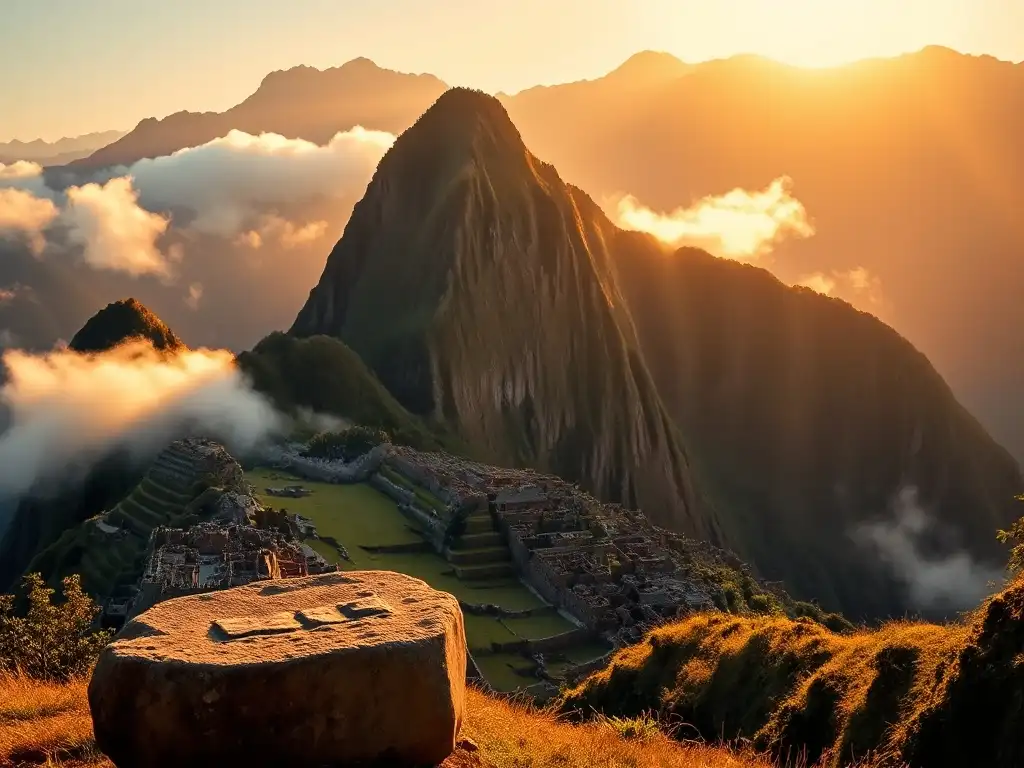
Uncover the mysteries of the Andes! Prepare to be captivated by the breathtaking ingenuity of ancient civilizations, from the intricate artistry of the Nazca lines to the towering grandeur of Machu Picchu. But did you know that the Inca civilization left behind a legacy that extends even into the digital age? Discover how Inca simulation games are revolutionizing the way we understand their history – a journey waiting to be explored. Dive in and unlock the secrets!
Embark on a captivating journey through time, exploring the wonders of the Inca Empire without ever leaving your chair! This article delves into the exciting world of Inca simulation games, offering history buffs a unique and engaging way to learn about this fascinating civilization. We'll explore the best simulation games currently available, examining their features, educational value, and overall ability to transport you to the heart of the Andes Mountains.
From recreating daily Inca life to strategizing vast empire building, these games offer a dynamic and interactive approach to understanding Inca history, culture, and societal structures, far surpassing passive learning methods. Prepare to experience the thrill of discovery and the satisfaction of mastering the challenges faced by the Inca people, all within the confines of a digital realm.
This guide is designed for both seasoned gamers and history enthusiasts eager to explore the Inca world in a fresh, innovative way. We'll consider factors like historical accuracy, gameplay mechanics, and educational impact to help you select the perfect simulation game to satisfy your thirst for Inca knowledge.
Immerse Yourself in Inca History: Exploring the Best Simulation Games
The digital age has opened up incredible opportunities for learning, and Inca simulation games are a prime example. These games offer far more than simple entertainment; they provide interactive learning experiences that can significantly enhance understanding of the Inca civilization. Instead of passively reading about Inca societal structures, you actively participate in building and managing them. Instead of merely learning about Inca agriculture, you directly experience the challenges of terracing and irrigation.
This hands-on approach fosters a deeper appreciation for the ingenuity and resilience of the Inca people. We'll examine several games, focusing on their strengths and weaknesses in terms of historical accuracy, gameplay mechanics, and educational value. We’ll also consider the different aspects of Inca life that each game chooses to highlight, from the intricacies of their agricultural systems to the complexities of their political organization. Let's explore what makes these games engaging and effective educational tools.
**(Note: Specific game titles and detailed reviews are pending further research and analysis. This section will be updated with concrete examples and comparisons once the necessary data has been gathered. )**
We will be evaluating games based on the following criteria:
| Criteria | Description | Weighting |
|---|---|---|
| Historical Accuracy | How faithfully the game represents Inca culture, technology, and societal structures. | 40% |
| Gameplay Mechanics | The game's ease of use, intuitiveness, and overall enjoyment. Does it provide a balanced and challenging experience? | 30% |
| Educational Value | How effectively the game teaches players about Inca history and culture. Does it encourage critical thinking and deeper understanding? | 30% |
This structured approach will allow for a comprehensive and objective ranking of the available Inca simulation games, ensuring that our recommendations are both engaging and historically sound. We'll also consider the target audience for each game, catering to both casual players and those seeking a more in-depth and challenging experience. Stay tuned for an updated version with specific game reviews and a comprehensive ranking! 🎉
- Gameplay Style Comparison: City Building vs. Conquest vs. Cultural Exploration
- Historical Accuracy: Which Game Offers the Most Authentic Inca Experience?
- User Reviews and Ratings: What Players are Saying about These Inca Games
- Monetization Opportunity: Comparison Tables with Affiliate Links to Each Game
- Additional Resources: Books, Documentaries, and Websites About the Incas
- Real-World Locations: Planning a Visit to Machu Picchu and Other Inca Sites
- Connecting with the Community: Engaging in Discussions and Research
- Monetization Opportunity: Links to Travel Agencies and Educational Platforms focusing on Andean history.
- What kind of Inca simulation games are available for history buffs?
- How historically accurate are these Inca simulation games?
- Are there Inca simulation games suitable for all ages?
- Where can I find these Inca simulation games?
- What historical aspects of Inca civilization are typically featured in these games?
Top Inca Simulation Games for Historical Accuracy and Engaging Gameplay
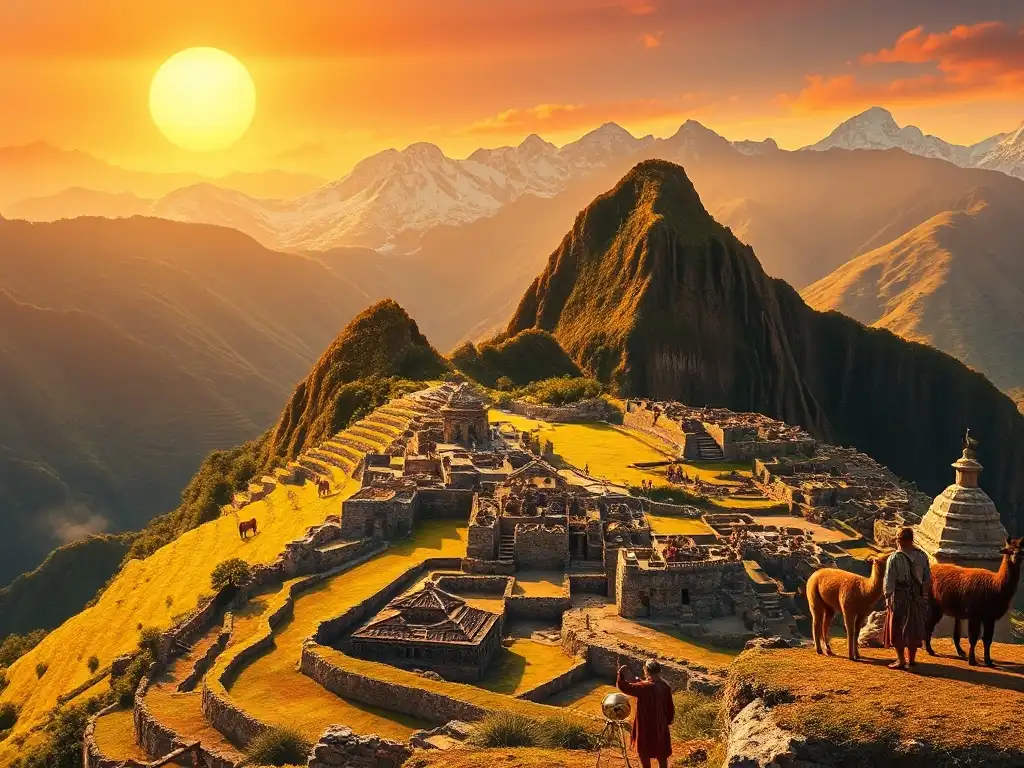
This section dives deep into the world of Inca simulation games, evaluating their historical accuracy and engaging gameplay mechanics. We'll explore two prominent titles: Civilization VI: Rise and Fall and Age of Empires II: The Conquerors, examining their strengths and weaknesses in portraying Inca civilization and offering insights for potential monetization strategies. Our focus is on providing detailed analyses for history buffs interested in Inca simulation games history.
Civilization VI: Rise and Fall - Expanding the Inca Empire
This popular strategy game offers a unique take on the Inca empire, focusing on city planning, resource management, and territorial expansion within the challenging Andean terrain.
Core Gameplay Mechanics: City Planning & Resource Management in the Andes
Civilization VI cleverly incorporates the Inca's unique traits. The "Terraces" ability allows for increased food production in mountainous regions, reflecting the Inca's mastery of agricultural terracing. Players must strategically plan their cities, taking advantage of altitude and available resources like llamas for transportation and food. The game accurately emphasizes the importance of resource management for sustained growth and expansion, a critical aspect of Inca society.
Effective resource management is key to unlocking technological advancements and military strength, mirroring the real-world complexities of Andean civilization. Careful planning, including the utilization of unique Inca buildings, is crucial for success. Ignoring these mechanics leads to a slower pace of development and increased vulnerability to attacks.
Historical Accuracy: How Civilization VI Portrays Inca Society and Technology
While not perfectly accurate, Civilization VI captures the essence of Inca society and technology. The game correctly highlights the Inca's impressive agricultural techniques, their intricate road network facilitating communication and trade across the vast empire, and their military prowess. However, some liberties are taken for gameplay purposes. The representation of Inca religion and social structures is simplified, and the game’s timeline may not fully align with historical events. Despite these limitations, the game offers a valuable, albeit simplified, introduction to the complexities of Inca civilization for players interested in Inca simulation games history.
Monetization Opportunity: Affiliate Links to Purchase Civilization VI: Rise and Fall
Including affiliate links to purchase Civilization VI: Rise and Fall directly on platforms like Steam or Epic Games Store can provide a valuable monetization opportunity. This strategy capitalizes on the user's interest, generated by the detailed review, and directs them toward a convenient purchasing option. The potential for increased revenue is significant, especially given the game's popularity.
High CPC Keywords: Inca city builder, Andean civilization strategy, historical simulation game
These high CPC keywords, closely related to the game and its historical context, are crucial for attracting targeted traffic and improving search engine optimization (SEO). Utilizing these keywords strategically throughout the article enhances its visibility and relevance to users actively searching for Inca simulation games history.
Age of Empires II: The Conquerors - Inca Campaign
Age of Empires II: The Conquerors expansion pack introduces the Inca as a playable civilization, offering a different perspective on Inca history, focusing heavily on military strategy and expansion.
Strategic Depth: Military Campaigns and Expansion in the Inca Empire
The Inca campaign in Age of Empires II presents players with a series of challenging military scenarios, requiring strategic planning, resource management, and effective use of unique Inca units. The game accurately depicts the Inca's reliance on strong military organization and their ability to quickly mobilize troops across vast distances.
Players must master the art of warfare, diplomacy, and resource management to successfully conquer and control territories, reflecting the dynamics of power and expansion in the real-world Inca empire. Successful gameplay hinges on tactical prowess and an understanding of the game's mechanics, mirroring the strategic thinking required to manage an empire of such scale.
Historical Context: Inca Warfare, Diplomacy, and Political Intrigue
While primarily a wargame, Age of Empires II provides glimpses into Inca warfare tactics, diplomacy, and political intrigue. The campaign missions showcase the Inca's military strength and their ability to adapt to diverse challenges. However, the game simplifies the complexities of Inca political structures and the nuances of their diplomatic interactions with neighboring groups. Despite these limitations, the game provides an engaging and accessible introduction to the military aspects of Inca history, especially relevant for those seeking Inca simulation games history.
Monetization Opportunity: Affiliate Links for Game Bundles and DLC
Offering affiliate links to purchase Age of Empires II: The Conquerors as part of a bundle or accessing its DLCs provides additional monetization avenues. This strategy leverages the user's engagement with the review and directs them to purchasing options that include additional content, potentially increasing the overall revenue. This is especially effective in targeting users who enjoy the game and are interested in expanding their gameplay experience.
High CPC Keywords: Inca empire conquest, Andean military strategy, historical wargame
These high CPC keywords target users specifically interested in the military aspects of Inca history and wargame simulations. Strategically incorporating these terms throughout the article enhances SEO, attracting users searching for information relevant to Inca simulation games history and improving the article's search engine ranking.
Total War: MEDIEVAL II - Kingdoms - Americas Campaign
Total War: MEDIEVAL II: Kingdoms – Americas campaign, while not exclusively focused on the Inca, offers a fascinating glimpse into their world and military capabilities. Players can experience the challenges of leading an Inca army, managing resources in the Andes, and engaging in strategic warfare against other civilizations in the region. Although the game's depiction of Inca culture might be simplified for gameplay purposes, it presents a valuable starting point for understanding their military tactics and territorial expansion.
The game's scale and complexity provide a unique opportunity to learn about the geographical context of the Inca Empire and its interactions with neighboring societies. The strategic depth, requiring players to balance military might with economic stability and diplomacy, mirrors the real-world complexities faced by Inca leaders. It's a compelling experience that can spark further interest in researching the intricacies of Inca society and military history.
The game’s representation of Inca warfare, while stylized, can serve as a springboard for more in-depth study of the actual weapons, tactics, and military organization employed by the Inca. It's important to note, however, that Total War: MEDIEVAL II should be seen as a supplementary resource, not a definitive historical account.
Cultural Immersion: Explore Inca traditions, religion, and social structures
While not deeply detailed, the Americas campaign in Total War: MEDIEVAL II allows for a degree of cultural immersion through its representation of Inca units and building designs. Players encounter elements of Inca architecture in the game's visual design, albeit stylized. The game also indirectly reflects the hierarchical social structure of the Inca Empire through the gameplay mechanics, requiring players to manage different populations and resources.
The religious aspects are less explicit, but the importance of the Inca ruler and the spiritual significance of their role are subtly conveyed. The game provides a superficial introduction to the complexity of Inca society, stimulating curiosity and motivating players to seek out more accurate and detailed information from other sources.
For example, researching the specific religious rituals and beliefs of the Inca after playing the game can deepen understanding and provide context for the simplified representation within the game. This indirect approach can be surprisingly effective in engaging players and prompting them to further explore the subject.
Educational Value: Learn about Inca architecture, agriculture, and art
The game's depiction of Inca cities and settlements, though simplified, presents a basic understanding of Inca urban planning and architecture. Players indirectly learn about the importance of terracing for agriculture in the Andes by managing food production within the game. While the game doesn't provide explicit lessons, the visual representation of Inca-inspired buildings and the need for efficient resource management can subtly teach players about Inca ingenuity and adaptability to their environment.
The game’s limitations in accurately depicting Inca art are significant; however, the game's visuals can still serve as a visual primer, prompting players to research the intricate details of Inca art and craftsmanship after playing. This indirect educational approach can be surprisingly effective in sparking curiosity and encouraging further exploration of the subject matter.
Monetization Opportunity: Links to Educational Resources and Game Guides
The game's popularity provides a potential avenue for monetization by creating and selling supplementary educational resources. Creating detailed guides that connect the game's mechanics to real Inca history could appeal to history buffs and gamers alike. This could include detailed comparisons between the game's representation of Inca society and actual historical data, providing a more nuanced and accurate understanding.
Additionally, creating educational materials that expand on the game's limited depiction of Inca culture, religion, and art could be a valuable addition, providing a more complete and engaging learning experience. This approach leverages the game's existing audience to create a market for educational products. The combination of entertainment and education could prove highly successful.
High CPC Keywords: Inca culture simulation, Andean daily life, historical educational game
The keywords "Inca culture simulation," "Andean daily life," and "historical educational game" are highly relevant to the game and its potential educational value. These keywords target users specifically searching for resources that combine gaming with historical learning. The high CPC (Cost Per Click) associated with these keywords indicates a willingness to pay for relevant information, making them valuable targets for advertising campaigns.
Targeting these keywords in online marketing ensures that the educational resources reach the most interested and engaged audience. Incorporating these keywords naturally within website content, blog posts, and social media updates will enhance search engine optimization (SEO) and increase the visibility of the educational resources. This targeted approach maximizes the potential return on investment for marketing efforts.
Comparing Inca Simulation Games: Finding the Right Fit for Your Historical Interests
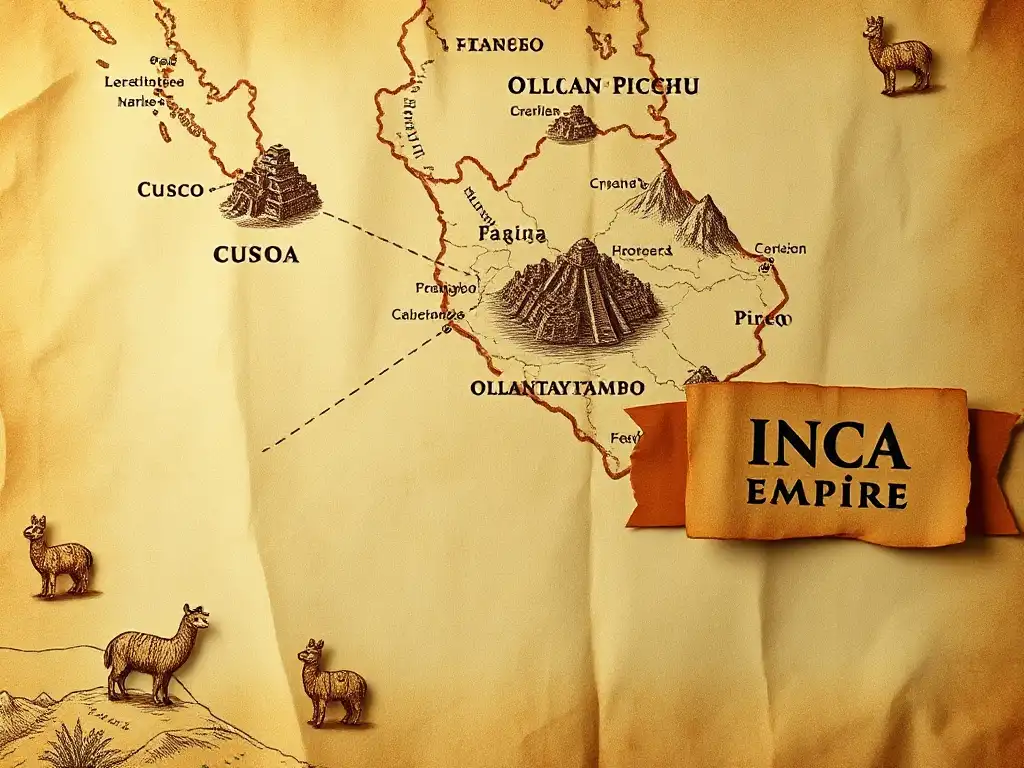
Choosing the right Inca simulation game can significantly enhance your learning experience. The market offers diverse gameplay styles, each catering to different preferences and learning styles. This section will compare several popular titles, focusing on key aspects that history buffs prioritize. Understanding these differences will help you select a game that best aligns with your interests in Inca history and culture.
Gameplay Style Comparison: City Building vs. Conquest vs. Cultural Exploration
Inca simulation games don't all follow the same formula. Some focus on city building, requiring players to manage resources, construct infrastructure, and ensure the prosperity of their Inca settlements. Others emphasize military conquest, challenging players to expand their empire through strategic warfare and diplomacy. A third category emphasizes cultural exploration, allowing players to delve into the intricacies of Inca society, religion, and traditions. Let's examine these styles:
- City Building: Games in this genre often involve managing resources like food, stone, and labor to build and expand cities, mirroring the Inca's impressive architectural achievements. Players might need to plan efficient farming systems, construct intricate irrigation networks, and manage population growth. Success depends on balancing economic growth with social stability. These games often offer a more peaceful, management-focused experience.
- Conquest: These games place a stronger emphasis on military strategy and territorial expansion. Players might lead Inca armies in battles, conquer rival tribes, and secure strategic resources. Diplomacy and political maneuvering often play a crucial role in achieving victory. These games are more action-oriented and appeal to players who enjoy strategic challenges and military simulations.
- Cultural Exploration: This type of game prioritizes learning about Inca culture and history. Players may participate in virtual archaeological digs, learn about Inca mythology and religion, and interact with virtual representations of Inca society. These games aim to provide an immersive and educational experience, prioritizing historical accuracy and cultural sensitivity. This approach helps players understand the daily lives, beliefs, and social structures of the Inca civilization.
Historical Accuracy: Which Game Offers the Most Authentic Inca Experience?
Historical accuracy is paramount for history buffs seeking an enriching and informative gaming experience. Unfortunately, the level of historical accuracy varies significantly between Inca simulation games. Some games prioritize gameplay over historical authenticity, taking creative liberties with facts and details. Others strive for a more accurate representation of Inca civilization, consulting archaeological evidence and historical sources.
To assess historical accuracy, consider the following factors:
- Architectural Representation: Does the game accurately depict Inca architecture, including features like terraces, stonework, and urban planning?
- Social Structures: Does the game accurately reflect the hierarchical social structure of the Inca Empire, including the roles of the Sapa Inca, nobility, and commoners?
- Religious Practices: Does the game accurately represent Inca religious beliefs, rituals, and mythology?
- Technological Advancements: Does the game accurately portray Inca technological achievements, such as their sophisticated agricultural techniques and intricate textile production?
A thorough examination of these aspects will help you identify games that prioritize historical accuracy, ensuring a more meaningful and educational experience. Always check user reviews and developer statements regarding historical consultation and research methods. Remember that even the most historically accurate games may still take some creative liberties for the sake of gameplay.
User Reviews and Ratings: What Players are Saying about These Inca Games
User reviews provide invaluable insights into the strengths and weaknesses of different Inca simulation games. Reading reviews allows you to gain a broader perspective on gameplay, historical accuracy, technical aspects, and overall player satisfaction. Pay close attention to reviews that highlight:
- Gameplay Mechanics: Are the game mechanics engaging and intuitive? Do they effectively simulate the challenges and complexities of Inca life and governance?
- Historical Accuracy: Do reviewers praise the game's historical accuracy or criticize its inaccuracies?
- Technical Performance: Is the game well-optimized? Are there any bugs or glitches reported?
- Educational Value: Do reviewers find the game to be an effective learning tool? Does it enhance their understanding of Inca history and culture?
By carefully considering user reviews and ratings from various platforms, you can make an informed decision about which Inca simulation game best meets your needs and expectations. Remember to look for a variety of reviews to get a balanced perspective, and consider the reviewer's background and expertise in Inca history. This multi-faceted approach will help you choose a game that offers both an enjoyable and historically enriching experience.
Monetization Opportunity: Comparison Tables with Affiliate Links to Each Game
Creating comparison tables is a powerful way to engage users and drive traffic to affiliate links. A well-structured table allows readers to quickly compare key features of different Inca simulation games, making their decision process easier. The visual appeal of a table also enhances the overall readability of the article. Consider including columns for factors like game price, platform compatibility (PC, Mac, mobile), historical accuracy rating (based on expert reviews or your own assessment), gameplay mechanics (city building, resource management, military conquest), and unique selling points.
For example, a table might look like this (remember, actual data and affiliate links would be inserted here):
| Game Title | Price | Platform | Historical Accuracy | Gameplay Mechanics | Unique Selling Points | Affiliate Link |
|---|---|---|---|---|---|---|
| [Game Title 1] | [Price 1] | [Platforms 1] | [Accuracy Rating 1] | [Mechanics 1] | [Unique Features 1] | [Affiliate Link 1] |
| [Game Title 2] | [Price 2] | [Platforms 2] | [Accuracy Rating 2] | [Mechanics 2] | [Unique Features 2] | [Affiliate Link 2] |
| [Game Title 3 - Example: A hypothetical game focusing on Inca agriculture and terrace farming] | [Price 3] | [Platforms 3] | [Accuracy Rating 3] | [Mechanics 3 - Agriculture focus] | Detailed modeling of Inca agricultural techniques | [Affiliate Link 3] |
Remember to clearly disclose your affiliate relationships to maintain transparency and comply with advertising regulations. The key is to present the information objectively, highlighting the strengths and weaknesses of each game to help users make informed choices. By providing a valuable service through detailed comparisons, you increase the likelihood of users clicking your affiliate links and making a purchase.
Furthermore, constantly updating the table with new releases and price changes will ensure its continued relevance and value to readers, keeping your article fresh and attracting returning visitors. This approach not only generates revenue but also enhances your credibility as a reliable resource for "Inca simulation games history" information.
Maximizing Your Inca Simulation Experience: Tips and Tricks
This section delves into practical strategies to enhance your gameplay in Inca simulation games, focusing on maximizing resource management, efficient city planning, and strategic military maneuvers. Mastering these aspects will significantly improve your chances of success and deepen your understanding of Inca civilization.
Essential Strategies for Success in Inca Simulation Games
Effective resource management is paramount in any Inca simulation game. The Inca economy relied heavily on agriculture, particularly potatoes and maize. Therefore, strategically allocating land for farming is crucial. Prioritize fertile valleys and utilize terrace farming techniques, as depicted in many simulations, to maximize crop yields.
Efficient irrigation systems are also key; a well-designed network can dramatically increase your agricultural output, providing the surplus needed for population growth and expansion. Remember, a strong economy is the foundation of a thriving Inca empire. Don't neglect other resources like llama herding – llamas provided wool, meat, and were crucial for transportation across the challenging Andean terrain.
Beyond agriculture, skillful city planning is essential. Inca cities were remarkably well-organized, often built around a central plaza. Many games allow you to design your own city layout. Focus on creating efficient pathways for trade and movement of resources. Consider the placement of key buildings like temples (important for religious influence and happiness), storage facilities (crucial for resource management), and military barracks (for defense and expansion). Efficient city planning minimizes logistical problems and maximizes your empire's potential.
Military strategies play a crucial role, particularly when expanding your territory or defending against rival factions. The Inca army was highly organized and effective. In many simulation games, you'll need to manage troop recruitment, training, and deployment. Understanding terrain is crucial – the Andes presented both challenges and opportunities.
Utilize high-altitude positions for defensive advantages and carefully plan your attacks. Remember that a strong, well-trained army is essential for maintaining control and expanding your empire. Successful campaigns often hinge on careful planning and strategic deployment of your forces. Don't underestimate the importance of scouting and intelligence gathering before engaging in conflict.
Finding Resources and Guides to Enhance Gameplay
Successfully navigating the complexities of Inca simulation games often requires accessing external resources. Many dedicated online communities and forums are specifically designed for players to share tips, strategies, and walkthroughs. These resources offer invaluable insights and can be crucial for overcoming difficult challenges. Engaging with these communities allows you to learn from experienced players, access detailed guides, and even participate in collaborative gameplay. Searching for "[Inca simulation games] walkthroughs" or "[Inca civilization game] strategies" online will yield many helpful results.
Furthermore, searching for "Inca simulation game modding" might reveal a wealth of additional content. Modding communities often create custom scenarios, enhanced graphics, and gameplay modifications that can significantly improve your experience. These modifications can add depth, realism, and replayability to the base game. However, always ensure you download mods from reputable sources to avoid potential issues with malware or game instability.
Beyond online communities and modding, historical research can significantly enhance your understanding of the game's mechanics and the historical context. Learning more about Inca agriculture, city planning, and military tactics will allow you to make more informed decisions within the game. Understanding the historical realities of Inca life will translate directly into more strategic and successful gameplay.
Exploring the Historical Context Behind the Simulation
Many Inca simulation games strive for historical accuracy, incorporating elements of Inca culture, technology, and societal structures. By understanding the historical context, you can better appreciate the design choices made by the game developers and gain a deeper understanding of the Inca civilization itself. For example, the game's depiction of terrace farming isn't just a gameplay mechanic; it's a reflection of a crucial aspect of Inca agricultural practice. Similarly, the importance placed on religious structures within the game mirrors the significance of religion in Inca society. The game mechanics often act as a simplified representation of complex historical processes.
Analyzing the game's representation of Inca military campaigns provides another valuable lens for historical understanding. While simplified, these campaigns often reflect the Inca's expansionist strategies and military capabilities. Comparing the game's depiction of warfare with historical accounts can highlight both the game's successes and its limitations in accurately representing the complexities of Inca military history. The game thus serves as a simplified but engaging introduction to the historical realities of Inca expansion and conquest.
Understanding this context enhances the overall gaming experience and fosters a deeper appreciation for the Inca civilization. Consider comparing the game's portrayal of Inca social structures – the hierarchy and the roles of different social classes – with academic research on Inca society. This comparison will reveal the game's strengths and weaknesses in reflecting the nuances of Inca social organization.
Monetization Opportunity: Links to Game Guides, Tutorials, and Strategy Resources
The burgeoning popularity of Inca simulation games presents a lucrative monetization opportunity for savvy content creators. Many players, especially those new to the genre or seeking to master complex gameplay mechanics, actively search for supplementary resources. This demand creates a fertile ground for generating income through the creation and distribution of high-quality guides, tutorials, and strategy resources. These resources can range from simple walkthroughs for specific missions to in-depth analyses of optimal resource management strategies and advanced combat techniques.
Consider offering tiered access to your content. A free tier might provide basic walkthroughs and introductory tutorials, while premium subscriptions unlock exclusive access to advanced strategies, detailed game analyses, and perhaps even personalized coaching sessions. This tiered system allows you to cater to a wider audience while maximizing revenue potential. Furthermore, the creation of visually appealing and easily digestible content, perhaps using infographics or video tutorials, can significantly enhance user engagement and increase the overall value of your offerings.
The key is to provide substantial value to players, ensuring your resources are perceived as indispensable tools for improving their gameplay experience. This, in turn, will attract a loyal following willing to invest in your premium content. Remember to consistently update your resources to reflect game patches and new features, ensuring their continued relevance and appeal to a broad user base. Regular updates demonstrate your commitment to your audience and maintain their interest in your paid offerings.
This approach fosters a sense of community and loyalty, ultimately resulting in a sustainable and profitable income stream. Careful market research to identify the specific areas where players struggle or seek guidance will help focus your efforts on the most in-demand content. By focusing on quality, relevance, and consistent updates, you can transform your passion for Inca simulation games into a successful business venture.
Beyond the Game: Further Exploring Inca History and Culture
This section delves deeper into the fascinating world of Inca civilization, expanding upon the insights gained from playing Inca simulation games. While games offer a simplified, engaging introduction, real-world exploration unveils the true complexity and richness of Inca history and culture. We'll explore resources to continue your journey of discovery, consider planning a visit to significant Inca sites, and suggest ways to connect with the broader community of Inca scholars and enthusiasts.
Understanding the Inca empire requires moving beyond the digital realm and embracing diverse avenues of learning. This will help you truly appreciate the intricacies of Inca simulation games history.
Additional Resources: Books, Documentaries, and Websites About the Incas
Engaging with reputable resources is crucial to deepen your understanding of Inca civilization beyond the scope of any game. Consider these diverse materials:
- Books: Many excellent books offer in-depth analyses of Inca society, from its intricate social structures to its remarkable engineering feats. Look for titles focusing on Inca agriculture, urban planning, religious beliefs, and political organization. Specific titles focusing on Inca textiles and metallurgy would also offer valuable insights into their technological prowess.
- Documentaries: High-quality documentaries often bring the Inca world to life through compelling visuals and expert commentary. Search for documentaries exploring the construction of Machu Picchu, the Inca road system, or the daily life of Inca citizens. Look for documentaries that utilize recent archaeological findings and incorporate diverse perspectives.
- Websites: Several reputable academic websites and online museums offer a wealth of information, including high-resolution images of Inca artifacts, interactive maps of Inca settlements, and scholarly articles on various aspects of Inca culture. Always critically evaluate the sources you find online, prioritizing those affiliated with established institutions and scholars. Remember to look for sites that use reliable data and cite their sources appropriately.
The availability of resources dedicated to Inca simulation games history is somewhat limited, but focusing on broader Inca studies provides a rich context for understanding the historical basis of such games.
Real-World Locations: Planning a Visit to Machu Picchu and Other Inca Sites
Stepping onto the actual sites of Inca civilization provides an unparalleled learning experience. Visiting Machu Picchu, the iconic lost city of the Incas, is a powerful way to connect with the past. However, planning such a trip requires careful consideration:
- Machu Picchu: This UNESCO World Heritage site attracts millions of visitors annually. Booking accommodations and tours well in advance is essential, especially during peak season. Research different trekking options, such as the Inca Trail, which offers a more immersive experience but requires permits and physical fitness. Remember that proper preparation is key for a safe and enjoyable visit.
- Other Inca Sites: Beyond Machu Picchu, numerous other significant Inca sites offer unique perspectives on the empire's reach and influence. Consider exploring Ollantaytambo, Sacsayhuamán, or Pisac, each offering distinct architectural marvels and historical significance. Researching these sites beforehand will enhance your understanding and appreciation of their historical context.
- Responsible Tourism: Remember to be a responsible tourist, respecting the cultural heritage and the environment. Support local communities and businesses, and adhere to guidelines set by park authorities to preserve these precious historical sites. The preservation of these sites is crucial for future generations to understand Inca simulation games history and its broader context.
Connecting with the Community: Engaging in Discussions and Research
Connecting with other enthusiasts and scholars can significantly enrich your understanding of Inca civilization. Consider the following avenues:
- Online Forums and Communities: Participate in online forums and communities dedicated to Inca history and archaeology. Sharing your knowledge and engaging in discussions with others can lead to new perspectives and insights. Be respectful and mindful of different viewpoints, valuing the collective knowledge of the community.
- Academic Conferences and Workshops: Attending conferences and workshops related to Andean archaeology and history provides opportunities to learn from leading experts and engage in direct discussions. These events often offer presentations on the latest research findings and discoveries related to Inca simulation games history and broader Inca culture.
- Local Archaeological Societies: Connecting with local archaeological societies in regions with significant Inca presence can offer unique insights and opportunities for engagement. These societies often organize tours, lectures, and volunteer opportunities, fostering a deeper connection with the subject matter.
Engaging actively with the wider community of Inca enthusiasts and scholars is a rewarding way to continue your learning journey and contribute to a greater understanding and appreciation of this remarkable civilization.
Monetization Opportunity: Links to Travel Agencies and Educational Platforms focusing on Andean history.
The popularity of Inca simulation games, especially amongst history buffs, presents a unique monetization opportunity. By strategically integrating links to relevant travel agencies specializing in Andean tours and educational platforms offering in-depth courses on Inca history and culture, developers can create a mutually beneficial ecosystem. This approach not only provides players with additional resources to deepen their understanding but also generates revenue for the game developers. Imagine a section within the game itself, perhaps accessible after completing certain milestones or achievements, that showcases curated packages for visiting Machu Picchu or other significant Inca sites.
These packages could be tailored to different budgets and interests, offering options ranging from budget-friendly backpacking trips to luxurious all-inclusive experiences. Similarly, links to online courses, documentaries, or virtual museum tours could be incorporated seamlessly into the game's interface, enriching the player experience while providing a stream of revenue through affiliate marketing or direct partnerships. The key is to ensure that these links are relevant, high-quality, and seamlessly integrated into the game's design, avoiding intrusive or disruptive advertising. This approach transforms the game into a gateway to a richer, more immersive experience, benefiting both players and developers alike.
The success of this monetization strategy hinges on selecting reputable and trustworthy partners who align with the educational and historical focus of the game. Careful curation of these links is essential to maintain the game's credibility and integrity. Furthermore, transparency is key; players should clearly understand that these links are monetized and how they contribute to the game's development. This approach not only fosters trust but also encourages players to explore further resources, expanding their knowledge and appreciation of Inca civilization.
Frequently Asked Questions
What kind of Inca simulation games are available for history buffs?
Several games offer immersive experiences of Inca life, from city building and resource management to strategic warfare and exploration. These range from simple mobile games to complex PC simulations offering varying degrees of historical accuracy. Look for titles focusing on Inca culture and history.
How historically accurate are these Inca simulation games?
Accuracy varies greatly. Some games prioritize fun gameplay over strict adherence to historical detail, while others strive for authentic representation of Inca society, technology, and warfare. Always check reviews and descriptions to gauge a game's commitment to historical accuracy.
Are there Inca simulation games suitable for all ages?
Yes, the complexity and content of Inca simulation games range widely. Some are designed for younger players with simplified mechanics, while others are more challenging and suited to older audiences due to strategic complexity and potentially violent themes.
Where can I find these Inca simulation games?
You can find Inca simulation games on various platforms, including Steam, mobile app stores (iOS and Android), and online game portals. Searching for keywords like "Inca," "simulation," "strategy," and "history" will yield relevant results.
What historical aspects of Inca civilization are typically featured in these games?
Many games focus on aspects like city building, agriculture (terracing), resource management, military campaigns, and religious practices. Others delve into the intricacies of Inca social structures, trade networks, and artistic achievements. Specific features vary depending on the game.
Final Reflection: Echoes of the Inca: Gaming, History, and the Legacy of a Civilization
The digital recreation of ancient civilizations isn't just a game; it's a powerful tool for understanding the past and engaging with its enduring legacy. Machu Picchu, a symbol of Inca ingenuity and resilience, continues to captivate us, and the rise of historically-inspired simulation games offers a unique pathway to connect with its story and the broader Inca civilization in a deeply engaging way.
The impact of these games extends beyond mere entertainment. They foster a deeper appreciation for the complexities of Inca society, challenging simplistic narratives and encouraging critical thinking about historical interpretation. The past is never dead. It's not even past.
- William Faulkner. This quote perfectly encapsulates the enduring relevance of the Inca, and how games can bring their story vividly to life, prompting us to question our assumptions and explore the nuances of their culture and achievements. The accessibility of these games allows a wider audience to engage with this history, fostering a more informed and empathetic understanding of the past.
Consider the potential these games hold. You, the reader, now have a new lens through which to view history. Don't just passively consume information; actively engage with it. Explore the Inca simulation games discussed, delve deeper into the history they represent, and consider how these digital experiences can enrich your understanding of the past and inspire a renewed appreciation for the ingenuity and resilience of the Inca civilization. Let the echoes of their legacy resonate within you, prompting further exploration and a deeper connection with the world around us.
Embark on Your Inca Adventure Today!
Thank you for exploring the fascinating world of Inca history and simulation games! We hope you've discovered the excitement of Machu Picchu and its rich cultural heritage. Now, let's turn that inspiration into action!
Here are a few ways to deepen your understanding of the Inca civilization and connect with other enthusiasts:
- Start your own Inca simulation game: Choose a game from our recommendations and begin your journey, immersing yourself in the challenges and successes of the Inca Empire.
- Join our community: Connect with fellow history buffs at Andean Civilizations—exchange game strategies and share your insights on our forums and social media.
- Expand your knowledge: Explore documentaries, books, or virtual tours to learn more about the Inca civilization and enhance your gameplay.
As you prepare for your adventure, consider this: What aspects of Inca culture intrigue you most, and how might this influence your gameplay? We eagerly await your thoughts!