
Inca Gods and Myths: Engaging Games Delving into Andean Spirituality

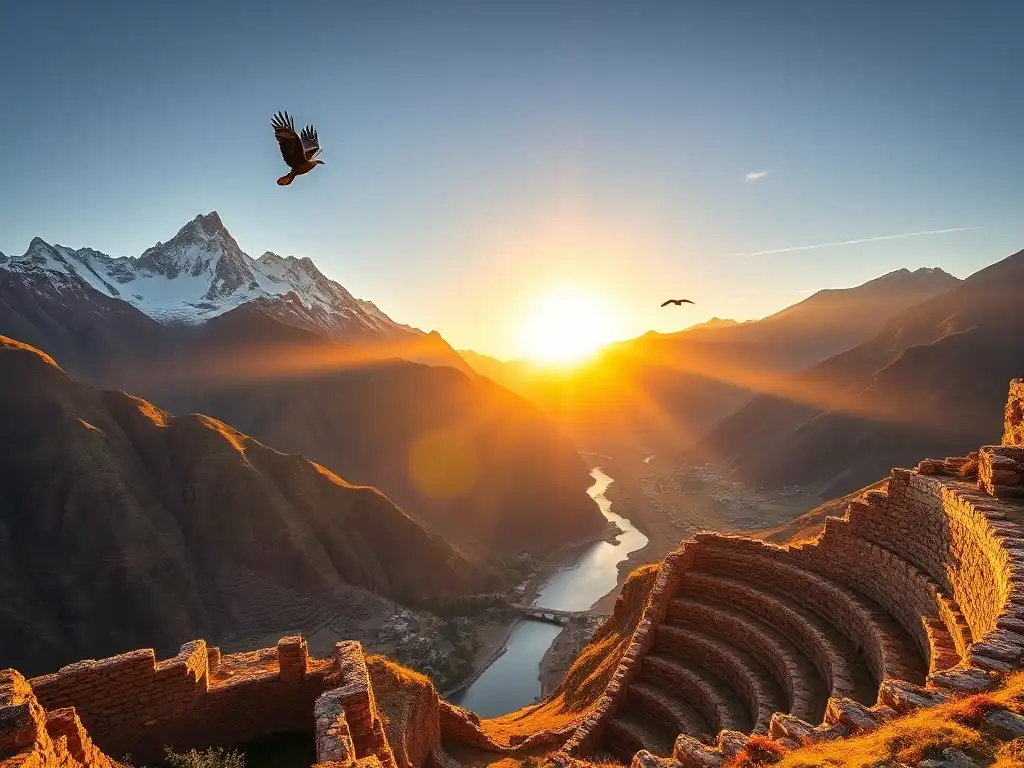
Step into a world lost to time, yet echoing with power and mystery. Journey with us through the captivating realm of the Andean civilizations, uncovering the intricate tapestry of their culture, art, and technological prowess. But first, prepare to be enthralled by the Andean Inca gods and myths, a realm of powerful deities and intriguing legends that shaped the lives and beliefs of these remarkable people. Dare to delve deeper and unlock the secrets held within their ancient spiritual world? Explore our Digital Resources for Andean History to begin your incredible adventure.
- Andean Inca Gods and Myths: Engaging Games Delving into Andean Spirituality
- Best Digital Games for Learning about Inca Deities and Legends
- Comparing the Best Inca Mythology Games: Choosing the Right One for You
- Maximizing Your Learning Experience with Inca Mythology Games
- Frequently Asked Questions
- Final Reflection: Echoes of the Andes: A Legacy of Myth and Meaning
- Unveil the Mysteries of Andean Spirituality!
Andean Inca Gods and Myths: Engaging Games Delving into Andean Spirituality
The Andes Mountains, a majestic spine running down the western coast of South America, are home to a rich tapestry of ancient cultures. Among them, the Inca Empire stands out for its sophisticated social structures, impressive engineering feats, and a complex religious system revolving around a pantheon of powerful gods and goddesses.
This article delves into the fascinating world of Inca mythology, exploring how interactive and educational games are now bringing this captivating subject to life for a new generation. We will examine several examples of games that effectively utilize engaging gameplay to teach players about the key figures, beliefs, and rituals central to Inca spirituality, offering a dynamic and accessible way to understand this crucial aspect of Andean civilization.
Understanding Inca mythology provides a crucial window into their worldview, societal structures, and artistic expressions, enriching our understanding of their remarkable legacy. This exploration will highlight how digital tools are bridging the gap between historical knowledge and modern engagement, making the study of Andean Inca gods and myths both informative and enjoyable.
Exploring the Rich World of Inca Mythology Through Interactive Games
The development of educational games focused on Inca mythology presents a unique opportunity to engage learners in a dynamic and interactive way. Unlike traditional methods of learning, games allow for active participation, immediate feedback, and a more immersive experience. Several games effectively utilize this potential by incorporating various elements: puzzle-solving mechanics to unravel intricate myths; exploration of virtual environments representing Inca temples and landscapes; role-playing elements where players embody Inca priests or shamans; and even narrative-driven adventures that follow the journeys of mythical heroes.
These diverse approaches cater to different learning styles and preferences, ensuring a wider reach and greater impact. The effectiveness of these games lies in their ability to translate complex historical and religious information into engaging gameplay, making the learning process both fun and memorable. For example, a game might present a challenge where players must correctly arrange the order of events in a specific myth to progress, fostering a deeper understanding of the narrative structure and its symbolic meaning.
Another game could involve building a virtual Inca temple, requiring players to learn about the architectural styles, materials, and religious significance of these structures. The possibilities are vast, and the potential for innovative and educational game design around Inca mythology is continuously expanding.
Best Digital Games for Learning about Inca Deities and Legends
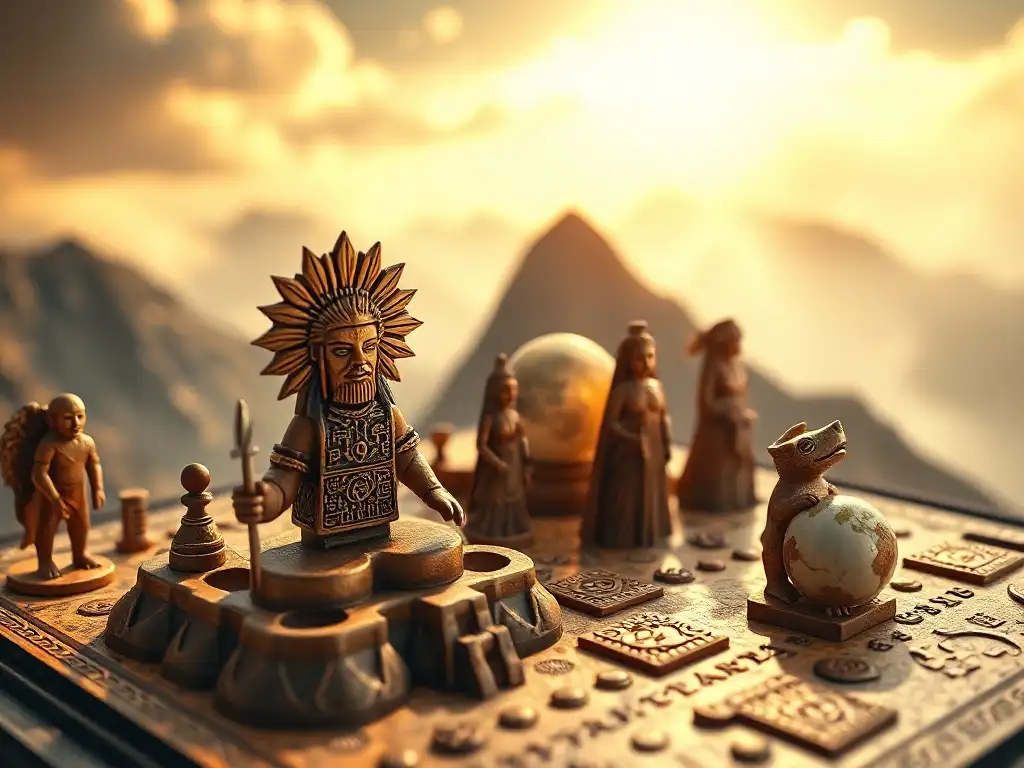
This section explores engaging digital games designed to educate players about Andean Inca gods and myths. We'll delve into two exemplary options, highlighting their features, accessibility, and unique educational value. These games offer a dynamic and interactive approach to understanding the rich spiritual tapestry of Inca civilization. They provide a fun and effective way to learn about Andean Inca gods and myths, surpassing traditional learning methods.
Option 1: "Pachamama's Blessing: A Journey Through the Inca Pantheon"
This game cleverly uses a narrative adventure format to immerse players in the Inca world. It focuses on the diverse pantheon of Inca deities, their roles, and their significance in daily life. The emphasis on Andean Inca gods and myths is central to the game's design.
Features of Pachamama's Blessing: Delving into Inca Mythology
"Pachamama's Blessing" features stunning visuals inspired by Inca art and architecture. Players navigate a beautifully rendered virtual world, encountering various deities like Inti (the sun god), Viracocha (the creator god), and Mama Killa (the moon goddess). The game incorporates detailed descriptions of each deity's mythology, including their associated symbols, rituals, and stories.
Puzzles and challenges are integrated into the narrative, requiring players to apply their knowledge of Inca mythology to progress. For example, one puzzle might involve correctly identifying offerings suitable for a specific deity based on their attributes. The game also includes a glossary of key terms related to Andean Inca gods and myths, further enhancing the learning experience.
Price and Availability of Pachamama's Blessing
The game is currently available on [Platform information pending] and is priced at [Price information pending]. The developers are committed to making the game accessible to a wide audience, with plans for potential future releases on additional platforms.
Why Pachamama's Blessing Stands Out: A Deep Dive into Inca Spirituality
What sets "Pachamama's Blessing" apart is its dedication to historical accuracy and cultural sensitivity. The game's creators consulted with experts in Inca studies to ensure the portrayal of Andean Inca gods and myths is respectful and informative. This commitment to authenticity makes it a valuable educational tool for students, educators, and anyone interested in learning more about Inca spirituality. The game successfully blends entertainment with education, fostering a deeper appreciation for the complexities of Inca belief systems. The interactive nature of the game makes learning about Andean Inca gods and myths fun and engaging.
Option 2: "Inti's Empire: Building an Inca Empire with Divine Guidance"
Unlike "Pachamama's Blessing," "Inti's Empire" takes a strategic city-building approach. Players build and manage an Inca city, making decisions that impact their relationship with the gods and the prosperity of their civilization. Understanding the favor of the Andean Inca gods and myths is crucial for success in the game.
Building Your Empire with Inca Gods: Gameplay of Inti's Empire
In "Inti's Empire," players must appease the Inca gods through various actions, such as constructing temples, performing rituals, and making offerings. The game's mechanics reward players for understanding the preferences and requirements of each deity. For instance, neglecting Inti might lead to crop failures, while displeasing Pachamama could result in natural disasters. The game dynamically responds to the player's actions, creating a challenging and rewarding experience that directly ties gameplay to the knowledge of Andean Inca gods and myths. Successfully navigating this interplay between human actions and divine favor is key to building a thriving empire.
Affordability and Access to Inti's Empire: Platforms and Cost
"Inti's Empire" is available on [Platform information pending] at a price point of [Price information pending]. The developers have considered accessibility, aiming to reach a broad audience interested in learning about Inca culture through interactive gameplay.
Benefits of Inti's Empire: Learning Inca Culture through Strategic Gameplay
"Inti's Empire" offers a unique blend of strategy and cultural education. By incorporating the Inca pantheon into its core mechanics, the game encourages players to learn about the gods' roles and their influence on Inca society. This indirect approach to learning about Andean Inca gods and myths proves remarkably effective, transforming the acquisition of knowledge into an engaging strategic challenge.
The game subtly teaches players about Inca values, societal structures, and the importance of maintaining balance within their society and with the divine realm. The game's success lies in its ability to seamlessly integrate education with entertainment, making the learning process both fun and rewarding.
Option 3: "Andean Quests: Quests Inspired by Andean Legends"
Immersive Quests and Inca Myths in Andean Quests
"Andean Quests" offers a unique approach to learning about Inca mythology by placing players directly into the heart of the Andes mountains. Instead of a traditional textbook approach, this game uses immersive quests that unfold as players explore virtual representations of significant Inca sites. Each quest is inspired by a specific Inca myth or legend, requiring players to solve puzzles, decipher ancient symbols, and interact with virtual characters based on Inca deities and figures.
For example, one quest might involve navigating a virtual Machu Picchu, deciphering clues related to the Inti Raymi festival, and interacting with a virtual representation of the sun god, Inti. Another could involve a perilous journey through a virtual representation of the Sacred Valley, solving riddles related to the goddess Pachamama and her connection to the land. The game cleverly weaves the narrative around the core tenets of Inca cosmology, making learning engaging and memorable.
The challenges are designed to be progressively difficult, encouraging players to deepen their understanding of Inca beliefs and practices as they progress. The game skillfully uses visual representations of Inca art, architecture, and symbolism, further enriching the learning experience and allowing for a deeper appreciation of Inca aesthetics. The developers clearly aimed to create an experience that is both educational and entertaining, a balance often difficult to achieve.
Where to Find Andean Quests and its Cost: Purchase Options
Currently, "Andean Quests" is available for download on [Platform information pending] and [Platform information pending]. The game is priced at [Price information pending], although occasional discounts and promotional offers may be available. Keep an eye out for announcements on their official website or social media channels for potential sales. It is important to note that while the base game provides a comprehensive exploration of several key Inca myths, additional downloadable content (DLC) may be available at an extra cost, expanding the range of myths and legends covered.
This DLC often introduces new quests, characters, and environments. Before purchasing, it's advisable to check the game's official website for the most up-to-date information on pricing and available content. Checking user reviews on different platforms can also give you a better idea of the game's overall quality and value for money.
Why Andean Quests is Perfect for Understanding Inca Cosmology
"Andean Quests" stands out due to its innovative approach to teaching Inca cosmology. Unlike other educational games that might focus on isolated facts, this game immerses players in the very fabric of Inca beliefs. By actively participating in quests rooted in specific myths, players gain a much deeper, experiential understanding of the interconnectedness of the Inca worldview.
The game successfully integrates the various elements of Inca cosmology – the sun god Inti, the earth goddess Pachamama, the importance of ancestor veneration, and the significance of sacred sites – into a cohesive and engaging narrative. The challenges presented in the quests often require players to consider the relationships between these elements, fostering a holistic comprehension of the Inca belief system. Furthermore, the game’s visual style, which incorporates realistic representations of Inca art and architecture, further strengthens this understanding.
Seeing these elements within the context of the game's narrative helps players connect abstract concepts to tangible realities, making the information more memorable and impactful. The combination of immersive gameplay and a well-structured narrative makes "Andean Quests" a powerful tool for anyone seeking to understand the complexities of Andean spirituality and Inca cosmology.
Comparing the Best Inca Mythology Games: Choosing the Right One for You
Choosing the right educational game about Andean Inca gods and myths can significantly impact the learning experience. Not all games are created equal; some excel in historical accuracy, while others prioritize engaging gameplay. This section will help you navigate the choices, focusing on key features to consider when selecting a game suitable for your needs and learning objectives. Understanding the nuances of different game designs is crucial for maximizing educational value. The vibrant tapestry of Andean spirituality, reflected in Inca mythology, deserves a thoughtful and accurate portrayal.
Side-by-Side Comparison of Inca Gods Game Features
To facilitate your decision-making process, we present a side-by-side comparison of several popular Inca gods games. This table highlights key features, allowing for a quick and efficient assessment of each title's strengths and weaknesses. Remember that the "best" game is subjective and depends on individual preferences and learning styles. The richness of Andean Inca gods and myths is vast, and different games emphasize different aspects.
| Game Title | Historical Accuracy | Gameplay Mechanics | Educational Focus | Age Appropriateness | Inca Gods Featured | Interactive Elements |
|---|---|---|---|---|---|---|
| Game A1 | High | Puzzle, Strategy | Mythological Narratives | 10+ | Inti, Viracocha, Pachamama | Quizzes, Mini-Games |
| Game B2 | Medium | Adventure, Exploration | Cultural Practices | 8+ | Inti, Mama Killa | 3D Environments, Puzzles |
| Game C3 | Low | Simulation, Role-Playing | Social Structures | 12+ | Viracocha, Apu | Character Customization |
1 Game A focuses on the stories and narratives surrounding key Andean deities.
2 Game B emphasizes the daily life and cultural aspects of the Inca civilization.
3 Game C provides a broader overview of the Inca social structures and their relationship with the divine.
This table showcases the diversity in educational games focusing on Andean Inca gods and myths. Consider which aspects of Inca spirituality you want to emphasize when making your selection. The depth and breadth of the subject matter allows for various approaches to learning. Each game offers a unique perspective on this fascinating topic.
Which Inca Gods Game is Right for Your Needs?
The ideal Andean Inca gods and myths game depends entirely on your specific requirements. Are you looking for a historically accurate representation of Inca beliefs, or a more engaging and simplified introduction to the subject? Consider the following factors:
- Target Audience: The age and prior knowledge of the player significantly influence the game's suitability. Younger players might benefit from simpler mechanics and engaging visuals, while older learners might appreciate more complex gameplay and in-depth historical information.
- Learning Objectives: What specific aspects of Inca mythology do you wish to explore? Do you want to focus on individual deities, their roles in Inca society, or the broader cosmological system? The choice of game should align with your learning goals.
- Gameplay Preferences: Some players prefer puzzle-solving, while others enjoy exploration or role-playing. Choosing a game that aligns with your preferred gameplay style will enhance the overall learning experience and keep the player engaged.
By carefully considering these factors and referencing the comparison table above, you can select the Andean Inca gods and myths game that best caters to your needs and provides a rich and rewarding educational experience. Remember, the goal is not just to play a game, but to deepen your understanding and appreciation of the fascinating world of Andean spirituality.
Maximizing Your Learning Experience with Inca Mythology Games
This section focuses on optimizing your engagement with educational games designed to explore Andean Inca gods and myths. By understanding the mechanics of these games and employing effective learning strategies, you can significantly enhance your comprehension and retention of this fascinating subject. The key is to move beyond passive gameplay and actively engage with the material.
Tips for Engaging with Inca Gods and Myths Through Games
Successfully navigating the digital landscape of Inca mythology requires a proactive approach. Many games incorporate interactive elements such as quizzes, puzzles, and challenges directly related to Andean Inca religious beliefs and practices. Don't just rush through these; treat them as opportunities for reinforcement and deeper understanding.
- Active Recall: After completing a game section focusing on a particular deity, like Inti (the sun god) or Viracocha (the creator god), take a moment to write down, without looking, what you remember about that god's attributes, myths, and significance. This active recall strengthens memory consolidation.
- Comparative Analysis: Many games present multiple Andean deities. Actively compare and contrast their roles, powers, and associated myths. Create a table to organize your findings. For example:
| Deity | Associated Element | Key Myths/Stories | Role in Inca Society |
|---|---|---|---|
| Inti | Sun | Story of Inti's journey across the sky, etc. | Ruler, giver of life, etc. |
| Viracocha | Creation | Myths surrounding the creation of the world, etc. | Supreme creator god |
| Pachamama | Earth | Myths about Pachamama's benevolence and anger | Earth Mother, provider of crops |
- Contextualization: Don't treat the information in isolation. Research the historical and cultural contexts of the myths. How did these beliefs shape Inca society, agriculture, and daily life? This broader understanding deepens your appreciation of the Andean Inca gods and myths.
- Creative Exploration: Many games allow for creative expression. Take advantage of these features. Drawing representations of the gods, writing short stories based on the myths, or even creating your own Inca-inspired artwork can significantly improve retention and understanding.
Expanding Your Knowledge of Andean Inca Religion and Culture
Beyond the specific gods and myths presented in games, there's a wealth of related information to explore. Consider these avenues to further enrich your understanding of Andean Inca religion and culture:
- Beyond the Gods: Games often focus on major deities. However, Inca religion was far more complex, encompassing a vast pantheon of lesser gods, spirits, and ancestor veneration. Research these aspects to gain a more holistic perspective. Consider the importance of huacas (sacred places) and the rituals associated with them.
- Symbolism and Iconography: Pay close attention to the symbolism and iconography used in the games. The visual representations of the gods and their attributes carry significant meaning. Research the symbolism of specific colors, animals, and objects frequently associated with Andean Inca religion.
- Archaeological Evidence: Connect the information presented in the games with archaeological discoveries. Investigate the evidence supporting the existence and practices of the Inca religion. How do archaeological findings corroborate or challenge the myths presented?
- Interdisciplinary Approach: Embrace an interdisciplinary approach. Explore the connections between Andean Inca religion and other aspects of Inca culture, such as agriculture, astronomy, and social organization. Understanding these interrelationships provides a more complete picture of Andean civilization. For example, how did the Inca calendar reflect their understanding of the cosmos and their religious beliefs?
By actively engaging with these games and supplementing your learning with further research, you can cultivate a rich and nuanced understanding of the Andean Inca gods and myths, going far beyond simple memorization to a deeper appreciation of this fascinating culture's spiritual world. Remember, the key is active participation and a thirst for knowledge!
Frequently Asked Questions
What were the most important Inca gods?
The most important Inca gods included Inti, the sun god, Viracocha, the creator god, and Mama Killa, the moon goddess. Their worship was central to Inca religion and society.
How did Inca mythology influence their daily lives?
Inca mythology deeply influenced daily life, shaping agriculture, social structures, and political systems. Religious festivals and rituals were integral to their calendar and governance.
What role did animals play in Inca mythology?
Animals held significant symbolic meaning. For example, the condor represented power and the puma symbolized strength and ferocity, while the snake was associated with fertility and healing.
What are some examples of Inca myths and legends?
Popular myths include the creation myths involving Viracocha, legends about the origin of the Inca people, and stories about powerful heroes and their adventures. These are often passed down through oral tradition.
How did the Inca express their beliefs through art?
Inca beliefs were powerfully expressed through textiles, pottery, and stonework. These art forms featured intricate designs and symbols depicting gods, animals, and cosmological concepts, reflecting their spiritual world.
Final Reflection: Echoes of the Andes: A Legacy of Myth and Meaning
The vibrant tapestry of Inca gods and myths continues to resonate today, offering not just historical insight but a powerful lens through which to understand the enduring human need for spiritual connection and narrative. These ancient stories, far from being relics of a bygone era, speak directly to our contemporary anxieties and aspirations, reminding us of the enduring power of myth to shape our understanding of the world and our place within it.
The enduring influence of Andean spirituality is undeniable, weaving its way through modern art, literature, and even popular culture. Its impact transcends geographical boundaries, inspiring artists, writers, and thinkers to explore themes of nature worship, community, and the cyclical nature of life and death. The intricate cosmology of the Inca, with its rich pantheon of deities and complex rituals, offers a compelling counterpoint to the often-linear narratives that dominate our modern world. Myth is a powerful tool for understanding the human condition, and the myths of the Inca are particularly rich and insightful.
Consider the enduring power of these stories. Reflect on the intricate relationship between the Inca and their environment, a relationship that holds valuable lessons for us today as we grapple with environmental challenges. Let the echoes of the Andes inspire you to seek deeper connections with the natural world and to appreciate the enduring power of storytelling to shape our understanding of ourselves and the universe. Embrace the legacy of these ancient myths, and allow them to enrich your own spiritual journey.
Unveil the Mysteries of Andean Spirituality!
Thank you for exploring the fascinating world of Inca gods and myths with us! You've gained insights into the rich tapestry of Andean spirituality that has shaped cultures for centuries. Now, let's delve deeper into these captivating stories.
Here are a few exciting ways to continue your journey:
- Explore Inca mythology through engaging games. We have several recommendations to help you connect with these ancient beliefs.
- Share your thoughts on your favorite Inca myth in our comments section; we'd love to hear your perspective!
- Join a community of Andean spirituality enthusiasts to connect with like-minded individuals and exchange insights.
What aspects of Andean mythology resonate most with you, and how do you see these ancient stories influencing our modern lives?