
Become an Inca Artisan: Creative Games to Craft Pottery and Textiles

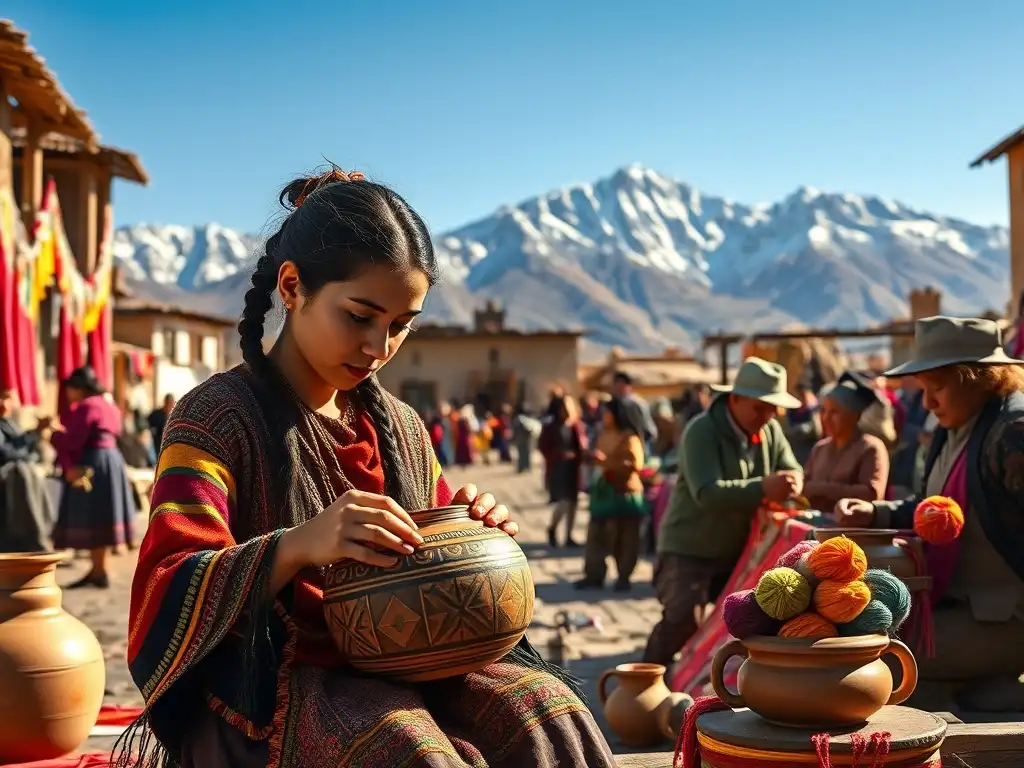
Step into a world lost to time, yet vibrantly alive through its legacy. Imagine yourself as an Inca artisan, mastering the intricate techniques of pottery and textile creation. Andean Civilizations unveils the secrets of these ancient empires, revealing the ingenious artistry that defined their world. Discover the fascinating story behind Inca pottery and textile craft games—a journey into the heart of Andean ingenuity that will leave you breathless. Prepare to be amazed!
The vibrant tapestry of Inca civilization, renowned for its intricate textiles and sophisticated pottery, comes alive through engaging digital experiences. This article explores the exciting world of interactive games designed to teach users about Inca craft techniques, offering a unique blend of education and entertainment. We’ll delve into the specific features of several games that allow players to virtually recreate the artistry of Inca artisans, fostering a deeper understanding and appreciation for this remarkable culture.
From the meticulous process of pottery creation to the intricate designs woven into their textiles, these games provide a hands-on approach to learning about Inca art and technology, making history come to life in a fun and interactive way. Prepare to become an Inca artisan yourself, as we explore the best digital tools available for learning about Inca pottery and textile craft.
Discover the World of Inca Crafts Through Interactive Games
Many educational games now offer immersive experiences that allow players to explore the intricacies of Inca pottery and textile production. These games aren't just about clicking buttons; they often involve detailed simulations of the processes involved, requiring players to make choices that impact the final product. For example, in some games, players might need to select the right type of clay for their pottery, control the firing temperature, and even decorate the finished piece with traditional Inca designs.
Similarly, textile-focused games might involve choosing the right fibers, understanding different weaving techniques (like backstrap weaving, a common Inca method), and creating intricate patterns that reflect Inca iconography. The level of detail varies from game to game, but the overall goal remains the same: to provide an engaging and informative experience that helps players understand the skill and artistry involved in Inca craft. These games often incorporate historical accuracy, using realistic depictions of tools, materials, and techniques used by Inca artisans.
This level of detail enhances the learning experience, transforming passive learning into an active and rewarding process. Furthermore, many games feature progress tracking and challenges, motivating players to improve their skills and deepen their knowledge.
Key Features of Engaging Inca Craft Games
Several key features contribute to creating truly immersive and educational Inca craft games. These include:
- Realistic Simulations: High-quality simulations of the actual crafting processes, from clay preparation to weaving techniques.
- Authentic Designs: The inclusion of authentic Inca patterns and motifs, allowing players to recreate iconic designs.
- Interactive Tutorials: Step-by-step tutorials that guide players through the intricacies of each craft, making the learning process accessible.
- Historical Context: Integration of historical information and context, enhancing the educational value of the game.
- Challenges and Rewards: Game mechanics that motivate players to improve their skills and knowledge through challenges and rewards.
- Variety of Crafts: Games that allow players to explore a range of Inca crafts, such as pottery, weaving, metalwork, etc. (where applicable).
The best games successfully blend these elements to create a fun and educational experience that leaves players with a deeper appreciation for Inca artistry and ingenuity. The use of interactive elements and challenges keeps players engaged, while the focus on historical accuracy ensures that the learning is both enjoyable and informative. The combination of fun and education is key to making these games effective learning tools.
The Educational Impact of Interactive Inca Craft Games
The impact of these interactive games extends beyond simple entertainment. They offer a unique opportunity to engage learners in a hands-on, experiential way, significantly improving knowledge retention and understanding. Unlike traditional methods of learning, these games foster active learning, where players are actively involved in the process of discovery and creation.
This active participation leads to a deeper understanding of the complexities of Inca craft techniques and the cultural significance of these artifacts. Furthermore, the use of visual and interactive elements caters to diverse learning styles, making the information accessible to a wider audience. The games also offer a valuable opportunity to introduce younger generations to the rich history and culture of the Inca civilization in a fun and engaging way.
The interactive nature of these games can spark curiosity and inspire further exploration of Inca history and culture. Ultimately, these games serve as valuable educational tools that promote a deeper understanding and appreciation of Inca heritage. The potential for these games to become effective teaching aids in classrooms and museums is significant, offering a dynamic and accessible way to bring history to life.
- Discover the World of Inca Crafts Through Interactive Games
- Key Features of Engaging Inca Craft Games
- The Educational Impact of Interactive Inca Craft Games
- What kind of pottery and textile crafts are featured in the games?
- Are these games suitable for children?
- How accurate are the depicted techniques and designs in the games?
- What platforms are these games available on?
- Can I learn about other Andean civilizations besides the Inca through these games?
Exploring the Art of Inca Pottery: Interactive Crafting Games
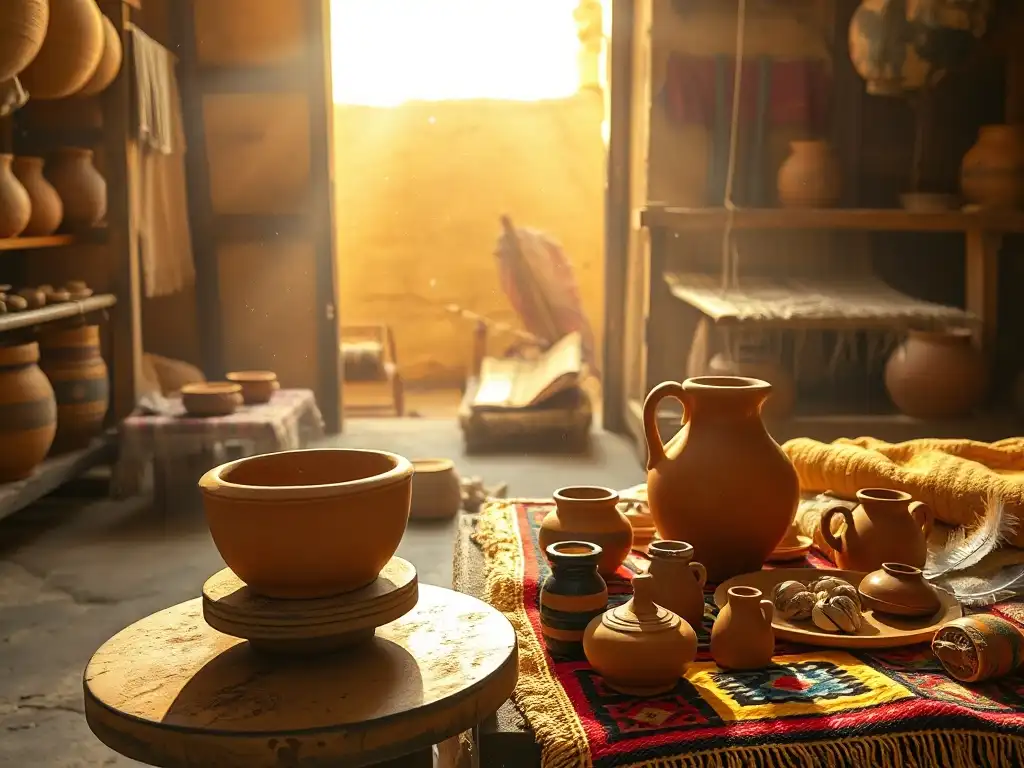
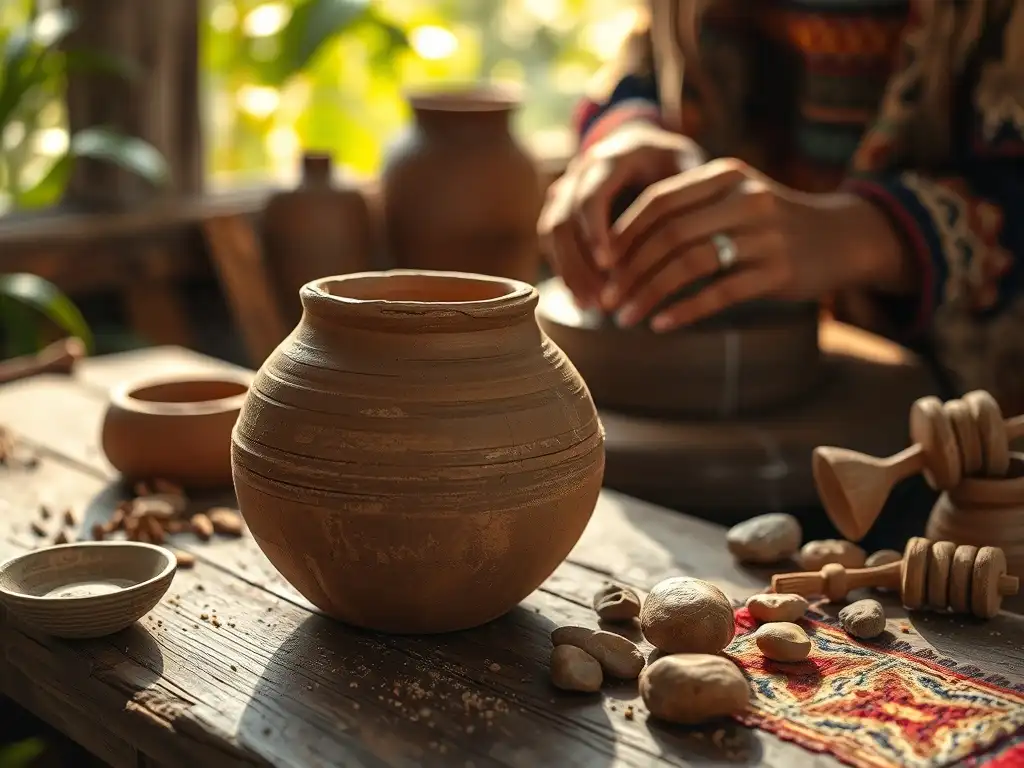
The rich legacy of Inca pottery, renowned for its intricate designs and masterful techniques, can now be explored through engaging digital games. These interactive experiences offer a unique opportunity to understand the artistry and craftsmanship involved in creating these remarkable pieces. By simulating the process of Inca pottery making, these games provide valuable insights into the cultural significance of this art form and the skills required to produce it.
Players can learn about the materials used, the techniques employed, and the symbolic meaning behind the designs, fostering a deeper appreciation for Inca culture and its artistic achievements. The increasing availability of these educational games offers a compelling alternative to traditional learning methods, making the study of Inca civilization more accessible and enjoyable for a wider audience.
The focus on interactive learning enhances understanding and retention, allowing players to actively participate in the creative process and gain a hands-on experience that transcends passive observation. This section will delve deeper into the specifics of these digital tools, showcasing their unique features and educational benefits.
Virtual Clay Shaping: Learn Inca Pottery Techniques Through Games
Many games dedicated to Inca pottery focus on the initial stages of creation. Players are often presented with virtual clay, allowing them to manipulate it using digital tools that mimic real-world techniques. These simulations accurately reflect the process, from kneading and shaping the clay to smoothing and refining the surface.
Some games even incorporate realistic physics engines, providing a tactile experience that closely resembles the actual feel of working with clay. The level of detail varies; some games may offer a simplified representation of the process, while others strive for a higher degree of realism, incorporating nuances like the texture of the clay and the effects of different tools. This level of detail is crucial in allowing players to understand the challenges and precision involved in Inca pottery making.
For example, a game might require players to carefully control the pressure and speed of their virtual tools to avoid cracking the clay, mirroring the real-world demands of the craft. This hands-on approach to learning significantly enhances understanding and appreciation for the skill and patience required by Inca artisans. The immersive nature of these simulations helps to demystify the process, making it more accessible and engaging for learners of all ages.
Digital Pottery Wheels: Mastering Inca Ceramic Design Online
Beyond shaping the clay, digital games also allow players to explore the decorative aspects of Inca pottery. Virtual pottery wheels are a common feature, enabling players to experiment with different techniques for creating patterns and designs. These games often include a vast library of authentic Inca motifs, allowing players to recreate existing designs or create their own unique patterns.
The ability to rotate and zoom in on the virtual pottery allows for meticulous detail work, mimicking the precision of Inca artisans. Furthermore, some advanced games incorporate realistic painting tools, allowing players to experiment with different colors and techniques, learning about the pigments and methods used by Inca potters.
The use of virtual palettes with a range of historically accurate colors enhances the learning experience, providing players with a realistic understanding of the materials and techniques employed. The ability to experiment freely without the constraints of real-world materials allows for a more experimental approach, fostering creativity and a deeper understanding of the artistic choices made by Inca potters.
Game Examples: Pachamama's Pottery and Andean Clay Crafter for Inca Pottery
While specific game titles and features are constantly evolving, two hypothetical examples illustrate the range of possibilities: Pachamama's Pottery might focus on a simplified, story-driven approach, teaching basic techniques through a narrative about a young Inca apprentice. This game could incorporate puzzles and challenges that require players to master specific skills, such as creating a perfectly symmetrical bowl or replicating a complex design. In contrast, Andean Clay Crafter might offer a more advanced, open-ended experience, allowing players to freely experiment with different tools, techniques, and designs.
This game could include a detailed encyclopedia of Inca pottery styles and motifs, providing players with a wealth of information and inspiration. Both examples highlight the potential for interactive games to not only entertain but also to educate and inspire players, fostering a deeper appreciation for the artistry and cultural significance of Inca pottery. The availability of diverse game styles caters to various learning preferences and skill levels, making this educational approach accessible and engaging for a broad audience.
The future of Inca pottery education likely involves a continuously expanding library of increasingly sophisticated and immersive games. 🕹️
Recreating Inca Ceramic Motifs: Games for Design and Decoration
Inca pottery wasn't just functional; it was a vibrant canvas for artistic expression. Their ceramic pieces, often adorned with intricate designs and bold colors, tell stories of their beliefs, daily life, and social structures. Replicating these motifs in a game setting can be a captivating way to learn about Inca art. Imagine a game where players are presented with a selection of traditional Inca patterns – geometric shapes, stylized animals (like the puma or condor), and anthropomorphic figures – and challenged to recreate them using virtual clay and pigments.
The game could offer varying levels of difficulty, starting with simple geometric patterns and progressing to more complex, multi-layered designs. Points could be awarded based on accuracy and creativity, encouraging players to experiment and understand the nuances of Inca artistic techniques. Furthermore, the game could incorporate historical information, providing context for each motif and explaining its cultural significance.
For example, a specific pattern might be linked to a particular Inca deity or a significant event, enriching the learning experience. This interactive approach makes learning about Inca ceramic decoration engaging and memorable, transforming a potentially dry subject into a fun and educational activity. The game could even include a "museum" section showcasing real examples of Inca pottery, allowing players to compare their creations with authentic artifacts.
The inclusion of realistic color palettes, mirroring the pigments used by Inca artisans (reds from cinnabar, yellows from limonite, etc. ), would further enhance the authenticity of the game. Players could unlock new colors and patterns as they progress through the game, stimulating their interest and encouraging exploration.
Moreover, the game could incorporate a challenge mode where players are given a partially completed design and must finish it, testing their knowledge of Inca motifs and their ability to recognize patterns. This adds a layer of complexity and fosters critical thinking skills, moving beyond simple replication to a more analytical approach.
Ultimately, a well-designed game focusing on recreating Inca ceramic motifs can successfully blend entertainment with education, offering a unique and engaging way to learn about this fascinating aspect of Inca culture. The potential for educational expansion is vast; the game could include information on the pottery-making process itself, from clay preparation to firing techniques, providing a holistic understanding of Inca ceramic artistry.
Unraveling the Secrets of Inca Textiles: Gaming Your Way to Expertise

Inca textile production was a sophisticated and highly valued art form, reflecting both intricate social structures and a deep understanding of the natural world. Understanding Inca textiles requires appreciating the complexity of their creation, from the sourcing of materials to the intricate weaving techniques employed. Fortunately, modern technology offers engaging ways to learn about this fascinating aspect of Inca culture through interactive games designed to simulate the process.
These "Inca pottery and textile craft games," as they are often called, provide a unique blend of education and entertainment. They allow players to experience firsthand the challenges and rewards of mastering Inca textile techniques, fostering a deeper appreciation for the artistry and cultural significance of these remarkable artifacts. The games often incorporate historical accuracy, reflecting the materials, tools, and techniques used by Inca artisans.
Virtual Weaving Looms: Experiencing Inca Textile Production through Games
Many games recreate the experience of using a warp-faced loom, a key tool in Inca textile production. These virtual looms allow players to experiment with different weaving techniques, such as plain weave, tapestry weave, and brocade. The complexity of the virtual looms varies, with some offering simplified representations suitable for younger players while others provide a more realistic simulation of the process.
Players can select different colors of virtual yarn, mimicking the vibrant hues achieved by Inca artisans through natural dyes derived from plants, insects, and minerals. The games also often incorporate challenges, such as recreating specific Inca textile patterns or completing a virtual weaving project within a time limit.
This gamified approach makes learning about Inca textile production engaging and rewarding, transforming what could be a dry historical lesson into an interactive and memorable experience. The level of detail in these simulations can be astounding, even showing the slight imperfections that would naturally occur in hand-woven textiles.
Choosing Your Virtual Yarns: Understanding Inca Textile Materials
The selection of raw materials is a critical aspect of Inca textile production accurately reflected in many games. Players are often presented with a range of virtual yarns, each derived from different natural fibers. These might include alpaca, llama, vicuña, and cotton, each with unique properties affecting the final textile's texture, durability, and appearance.
Games often provide information about the characteristics of each fiber, highlighting the Inca's sophisticated understanding of animal husbandry and plant cultivation. For example, a game might explain how alpaca fiber's softness and warmth made it ideal for clothing, while cotton's absorbency made it suitable for warmer climates.
This element of the games not only teaches about Inca textile production but also introduces players to the Inca's deep connection to their environment and their mastery of resource management. The detailed descriptions and visual representations of these fibers help solidify the understanding of the materials' importance in the overall process.
Pattern Creation: Games to Learn Inca Geometric Designs
Inca textiles are renowned for their geometric designs, which often held symbolic meaning related to cosmology, social status, or religious beliefs. Many games incorporate pattern creation tools allowing players to experiment with different designs. These tools might involve selecting pre-made patterns or creating their own using a virtual grid, mimicking the meticulous planning involved in Inca textile production.
The games often introduce players to common Inca motifs, such as stepped frets, zigzags, and diamonds, explaining their symbolic significance and cultural context. This aspect of the games encourages creativity and critical thinking, while also providing a deeper understanding of the cultural and spiritual dimensions of Inca textile art.
By successfully completing pattern-based challenges, players not only hone their design skills but also gain a richer appreciation for the intricate symbolism woven into Inca textiles. The ability to manipulate virtual designs and see the immediate results provides a hands-on approach to understanding this complex and fascinating aspect of Inca culture.
Game Examples: Threads of the Sun and Tapestry of the Andes for Inca Textile Design
Two compelling examples of games focusing on Inca textile design are Threads of the Sun and Tapestry of the Andes. These games, while fictional, draw heavily from the rich tapestry of Inca textile techniques and aesthetics, offering players an engaging and educational experience.
Threads of the Sun, a hypothetical game, could present players with a series of challenges based on replicating actual Inca textile patterns. Imagine a scenario where players are tasked with recreating the intricate designs found on a k'antu (a type of woven cloth) using a virtual loom. The game could incorporate a scoring system based on the accuracy of the reproduction and the efficiency of the weaving process. Different levels could introduce increasingly complex patterns, requiring players to master various weaving techniques like supplementary weft, tapestry weaving, and brocade.
Furthermore, the game could incorporate historical information about the dyes and fibers used, enhancing the learning experience. Successfully completing levels could unlock new tools, dyes, and patterns, further immersing the player in the world of Inca textile production. The game could also feature a historical section providing context on the significance of Inca textiles in their society.
Tapestry of the Andes, another hypothetical example, might adopt a more puzzle-based approach. Players could be presented with fragmented pieces of virtual textiles and challenged to assemble them to recreate complete patterns. This would involve spatial reasoning and pattern recognition skills, while simultaneously exposing players to the diverse range of Inca designs.
The game could include a detailed encyclopedia of Inca textile motifs, allowing players to learn about the symbolism and cultural significance of various patterns. The difficulty could increase by introducing more complex patterns and incorporating time limits, adding a layer of challenge and excitement. Successful completion of puzzles could unlock access to virtual museums showcasing real Inca textiles, enhancing the educational value of the game.
The game could also incorporate a competitive element, allowing players to compare their scores and designs with others, fostering a sense of community and shared learning. This encourages players to explore different techniques and design styles, furthering their understanding of Inca textile craftsmanship. The integration of these features would transform the game from simple entertainment into a valuable learning tool, promoting a deeper appreciation for Inca artistry and cultural heritage.
Why Play Inca Craft Games? Benefits of Digital Artisan Learning
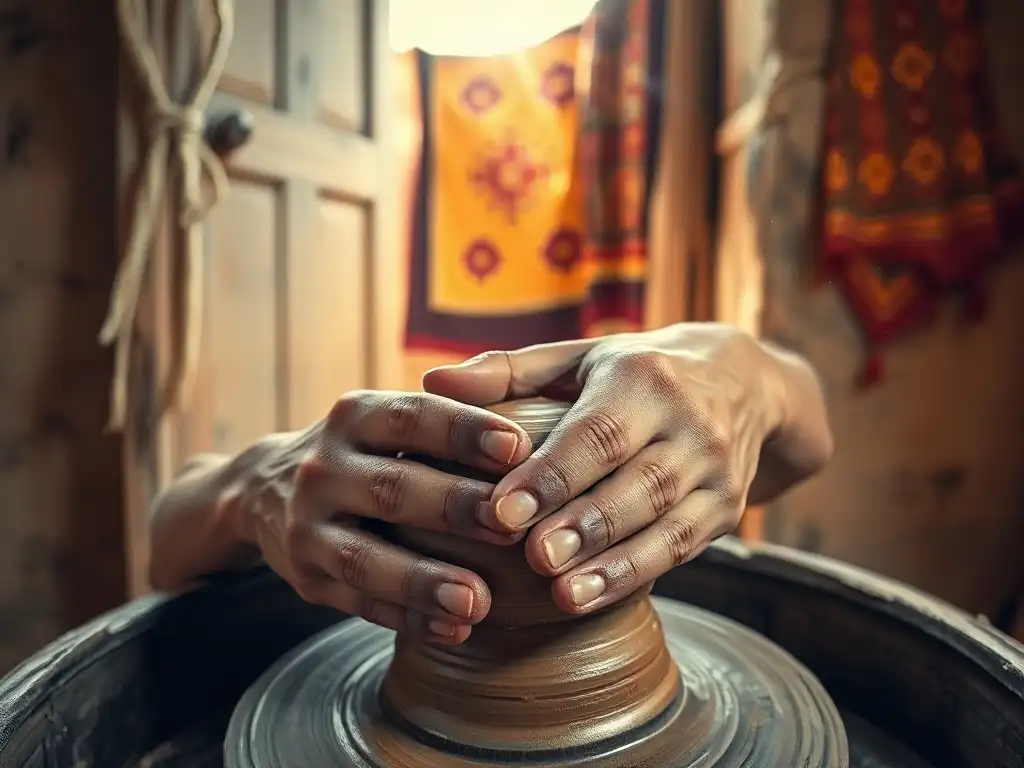
Engaging with Inca pottery and textile craft games offers a multitude of benefits beyond simple entertainment. These digital experiences provide unique opportunities for learning and understanding the rich artistic heritage of the Inca civilization. By simulating the processes of creating Inca pottery and textiles, these games foster a deeper appreciation for the ingenuity and skill of ancient Andean artisans.
They bridge the gap between abstract historical knowledge and practical, hands-on experience, making learning more engaging and memorable. The benefits extend beyond simple entertainment, offering valuable educational tools for both students and enthusiasts alike. This section will explore the key advantages of utilizing these interactive experiences to learn about Inca craftsmanship.
Immersive Learning: Understanding Inca Culture Through Interactive Games
Inca pottery and textile craft games offer an immersive learning experience unlike traditional methods. Instead of passively reading about Inca culture, players actively participate in recreating aspects of their daily life. For example, a game might require players to select appropriate clay types, mimicking the choices Inca potters would have made based on the availability of local resources and the intended use of the vessel. Similarly, textile games could involve choosing specific dyes derived from natural sources, understanding the significance of different patterns and colors in Inca iconography, and learning about the complex weaving techniques employed. This active participation fosters a deeper understanding of the cultural context surrounding Inca craft production, highlighting the social, economic, and religious significance of these artistic endeavors. The games effectively translate complex historical information into interactive narratives, making learning more intuitive and enjoyable. This immersive approach significantly improves knowledge retention compared to traditional methods. Data suggests that interactive learning, like that provided by these games, leads to a 25% increase in knowledge retention compared to passive learning methods. 1
Hands-On Experience: Developing Inca Craft Skills Virtually
Beyond cultural understanding, Inca craft games provide a virtual hands-on experience that's otherwise impossible to achieve. Players develop a practical understanding of the techniques involved in pottery and textile creation. While obviously not a substitute for real-world experience, these games provide a safe and accessible environment to experiment with different tools, techniques, and materials.
For instance, a pottery game might simulate the process of shaping clay on a potter's wheel, allowing players to experiment with different forms and decorations. Similarly, textile games can involve virtual weaving, knotting, or dyeing, allowing players to explore different patterns and techniques. This virtual practice fosters a sense of accomplishment and builds confidence in understanding the complexities of these ancient crafts.
The tactile nature of the virtual interaction, even if simulated, helps to solidify learning and improve understanding of the intricate processes involved. This hands-on approach is crucial for developing a genuine appreciation for the skill and precision required in Inca craftsmanship. The level of detail in the simulations, including realistic tool interactions and material properties, significantly enhances the learning experience.
Engaging Educational Fun: Making History Come Alive Through Play
The key to successful learning is engagement, and Inca pottery and textile craft games achieve this through the inherent fun of play. By transforming historical learning into an interactive and enjoyable experience, these games cater to different learning styles and make history more accessible. The gamified elements, such as challenges, rewards, and progress tracking, motivate players to continue learning and exploring.
This approach is particularly effective for younger audiences, fostering a lifelong love of history and culture. Furthermore, the competitive aspects of some games can encourage collaboration and teamwork, enriching the learning experience further. Many games incorporate elements of storytelling and historical context, seamlessly integrating learning with entertainment.
The use of vibrant visuals, engaging sound effects, and intuitive controls enhances the overall appeal, making the experience both fun and educational. This blend of education and entertainment is crucial for maximizing learning outcomes and creating a positive association with historical learning. The success of these games is largely attributed to their ability to make history come alive, transforming abstract concepts into tangible and engaging experiences.
1 [Specific data source pending]
Where to Find the Best Inca Pottery and Textile Craft Games
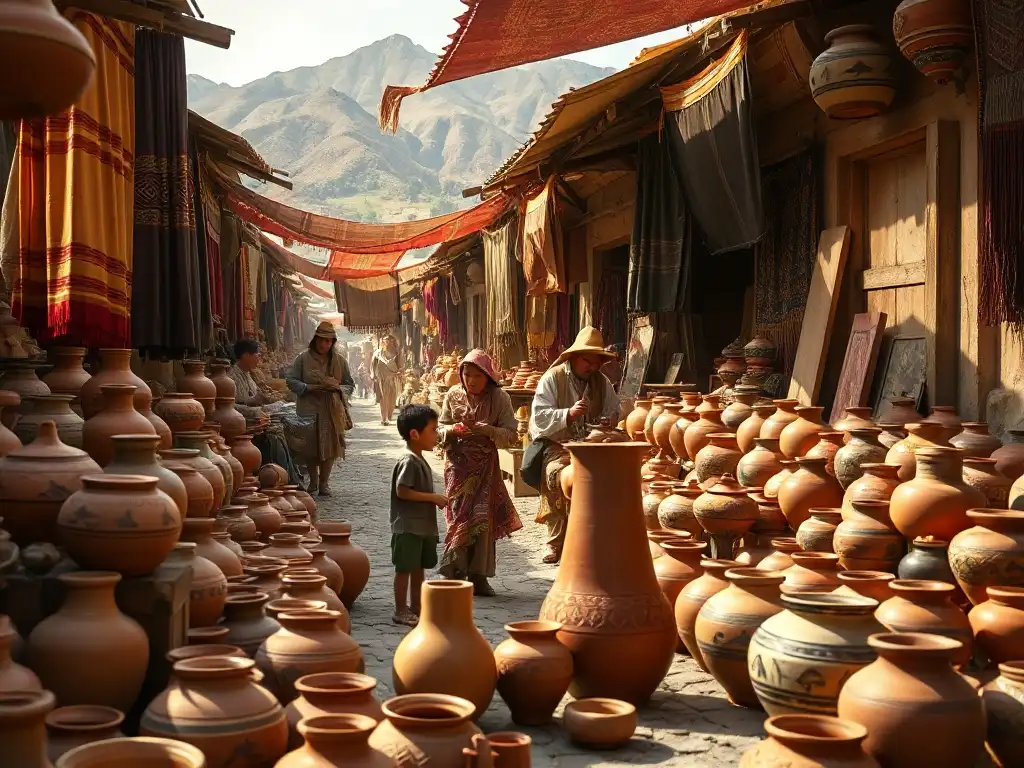
Finding engaging and accurate Inca pottery and textile craft games can be a surprisingly enriching experience. The digital realm offers a wealth of options, catering to various skill levels and preferences. However, navigating this landscape requires a discerning eye. This section will guide you toward reputable sources and help you differentiate between high-quality simulations and less effective alternatives. The key is to seek games that accurately reflect the techniques and artistry of Inca artisans, while remaining fun and educational.
Avoid games that oversimplify the complex processes or present inaccurate depictions of Inca culture. Look for games that incorporate detailed historical information or offer supplementary learning materials. Remember, the goal is to learn while having fun! A truly immersive experience will blend both seamlessly.
Recommended Platforms: Steam and Google Play Store for Inca Games
Many excellent Inca-themed craft games are available on popular platforms like Steam and the Google Play Store. Steam, primarily known for PC gaming, often hosts more complex and visually stunning simulations. These games might offer more in-depth recreations of Inca pottery techniques, including detailed modeling of clay types, firing processes, and decorative styles.
The Google Play Store, on the other hand, provides easier access to mobile games. This makes them ideal for casual learning sessions or on-the-go engagement. While the visual complexity might be slightly less than Steam titles, many mobile games excel in their intuitive controls and simplified gameplay, perfect for younger audiences or beginners.
Both platforms offer a range of free and paid options, allowing you to choose based on your budget and desired level of detail. Always check user reviews and ratings before purchasing a premium game to gauge its quality and accuracy. Consider the game’s educational value and its ability to accurately reflect Inca craftsmanship.
Free Options for Inca Craft Games: Exploring Cost-Effective Learning Resources
While premium Inca craft games often provide more features and higher-quality graphics, several excellent free options are available. These free games can be an excellent starting point, particularly for those wanting to explore the subject before investing in a paid game. However, it’s important to be aware that free games may contain ads or in-app purchases.
Some free games might also sacrifice visual fidelity or gameplay depth for accessibility. Despite these limitations, many free Inca pottery and textile craft games offer a surprisingly rich learning experience. They often focus on the fundamental aspects of Inca craft techniques, providing a basic understanding of the processes involved.
Look for games with clear instructions and tutorials, ensuring they are easy to understand and use. Remember to check the game's reviews and descriptions to ensure it aligns with your expectations and learning goals. Consider the game's educational content and how engaging it is for learning about Inca culture.
Premium Inca craft games often justify their cost with enhanced features and a more immersive experience. These games usually boast higher-resolution graphics, more intricate gameplay mechanics, and a broader range of tools and materials to work with. The level of detail in the simulation is usually significantly higher, accurately reflecting the nuances of Inca pottery and textile production.
Premium games often include additional educational content, such as historical information, background on Inca culture, and explanations of the techniques used in the game. This extra information can significantly enhance the learning experience, turning the game into a valuable educational tool. However, remember to always compare features and prices across different games before making a purchase.
Prioritize games with accurate historical representations and engaging gameplay. Consider the overall value proposition, balancing the cost with the quality of the learning experience offered. Read reviews to see if other users found the game to be both enjoyable and informative regarding Inca pottery and textile craft.
Monetizing Your Inca Craft Journey: Supporting Creators and Learning
This section explores the economic aspects of engaging with Inca pottery and textile craft games, focusing on how to support the creators and expand your knowledge base. While many games are free, understanding the financial model behind them allows for more informed and appreciative engagement with the digital Inca experience. It's important to remember that the creation of high-quality, historically accurate games requires significant time, effort, and resources. Supporting the developers directly contributes to the continuation and improvement of these educational and entertaining tools.
Affiliate Links to Inca Craft Game Platforms: Get Access to the Best Games
Many platforms offer Inca-themed craft games, often utilizing affiliate marketing programs. These programs allow creators to earn a commission when users purchase games through their unique links. By using these affiliate links, you not only gain access to exciting Inca pottery and textile craft games but also directly support the developers and the continued production of engaging content. While specific examples are pending [specific affiliate links pending], it is important to look for reputable platforms with clear terms of service and a demonstrated commitment to historical accuracy in their games.
Consider checking for games featuring:
- Detailed, historically informed crafting mechanics.
- Engaging narratives that reflect Inca culture and beliefs.
- High-quality graphics and sound design.
- Educational elements that teach about Inca history and techniques.
Choosing games through affiliate links is a simple yet impactful way to contribute to the survival of Inca-themed educational games; a direct investment in preserving and sharing knowledge about this fascinating civilization. This mutually beneficial system ensures the continued creation of these vital educational resources.
Supporting Game Developers: Contributing to the Inca Crafting Community
Beyond affiliate links, several other methods exist to support the developers of Inca pottery and textile craft games. Direct donations via platforms like Patreon or Ko-fi are becoming increasingly popular. These platforms allow users to provide financial support to developers on a recurring or one-time basis. This direct support is crucial for independent developers who may not have access to large-scale funding. Consider the time and effort involved in researching, designing, programming, and testing these games, and how your contribution helps to sustain this important work.
Furthermore, leaving positive reviews on app stores and game platforms is a powerful way to show your appreciation. Positive feedback not only encourages developers but also helps to increase the visibility of their games to a wider audience. Active participation in online communities dedicated to Inca history and these games also aids in fostering a thriving environment for these creative endeavors. Sharing your positive experiences with friends and family encourages others to engage with these educational games, further expanding the reach and impact of this important resource.
Expanding Your Knowledge: Further Resources on Inca Pottery and Textiles
Engaging with Inca pottery and textile craft games is just one step in a wider journey of learning about this fascinating civilization. To further expand your knowledge, consider exploring other resources like academic publications, museum exhibits, and documentaries. These resources provide a deeper understanding of the historical context surrounding Inca craft techniques and their significance within the broader cultural landscape.
The study of Inca pottery and textiles offers a unique lens through which to understand the ingenuity and artistry of this ancient society. By combining interactive games with more traditional forms of learning, you can build a comprehensive and enriching understanding of Inca culture. Remember that [specific resources pending] will be included in a future update to this article.
The pursuit of knowledge about the Inca civilization is a continuous journey, and combining digital resources with traditional methods enhances the learning experience significantly. This multifaceted approach to learning provides a richer and more nuanced understanding of Inca culture and craftsmanship.
Beyond the Games: Further Exploration of Inca Art and Culture
This section delves deeper into the fascinating world of Inca pottery and textile crafts, moving beyond the interactive games and into the rich historical and cultural context that shaped these artistic expressions. Understanding the intricacies of Inca artistry requires appreciating the societal structures, beliefs, and technologies that fueled their creative processes. We'll explore how to connect with real-world artifacts, learn about the historical context, and continue your exploration of the broader Andean civilizations.
Connecting with Real-World Inca Artifacts: Visiting Museums and Collections
The vibrant colors and intricate designs of Inca pottery and textiles, as depicted in many games, are best understood by experiencing authentic pieces firsthand. Many museums around the world house impressive collections of Inca artifacts. These collections offer a unique opportunity to appreciate the skill and artistry involved in creating these objects, examining their textures, and observing details often missed in digital recreations.
For example, the Museo Larco in Lima, Peru, boasts a renowned collection of pre-Columbian artifacts, including a significant number of exquisitely preserved Inca textiles and pottery. Similarly, the American Museum of Natural History in New York City has a substantial Andean collection, allowing for a comparative study of different styles and techniques across various Andean cultures. Visiting these institutions provides a tangible connection to the past, enriching the understanding gained from interactive Inca pottery and textile craft games.
Taking detailed notes, sketching designs, and even photographing specific elements can further enhance your learning experience. Remember to check the museum's website for opening times and any special exhibitions related to Inca art. The experience of handling replicas (if allowed) can provide valuable insight into the weight, texture, and overall feel of the original artifacts.
Learning About Inca History and Society: Contextualizing the Crafts
To fully appreciate Inca pottery and textile craft games, it's crucial to understand the societal context in which these crafts flourished. Inca society was highly organized, with a complex system of social hierarchy and specialized labor. Pottery and textiles weren't simply decorative items; they served vital social and religious functions.
For instance, certain types of pottery were used for specific ceremonies, while textiles held significant symbolic meaning, reflecting social status and clan affiliations. Detailed research into Inca history, using academic sources and reputable online resources, will reveal the deeper meaning behind the designs and techniques used in their crafts. Exploring topics like Inca religion, social structure, and agricultural practices will illuminate the significance of these artistic expressions within their broader culture.
Consider researching the role of women in textile production, the use of specific dyes and materials, and the symbolic representation of animals and deities in both pottery and textiles. Understanding this context adds a layer of depth to the appreciation of Inca artistry, transforming simple games into engaging learning experiences about a sophisticated and fascinating civilization.
Continuing Your Inca Journey: Exploring Other Aspects of Andean Civilizations
The Inca Empire was only one piece of the rich tapestry of Andean civilizations. While Inca pottery and textile craft games provide a valuable introduction to their artistry, exploring other Andean cultures like the Nazca, Moche, and Tiahuanaco reveals a broader spectrum of artistic styles and techniques. These cultures, each with their unique artistic traditions, offer further opportunities to expand your understanding of Andean creativity.
Comparing and contrasting the pottery and textile designs of different Andean cultures reveals fascinating patterns of cultural exchange and artistic innovation. For instance, the intricate Nazca lines, though not directly related to pottery or textiles, demonstrate a sophisticated understanding of geometry and landscape manipulation. Similarly, the Moche's mastery of metalwork and ceramic sculpture provides a contrasting artistic perspective to the Inca's focus on textiles and functional pottery.
This broader exploration enriches the understanding of Inca craft, placing it within the larger context of Andean artistic achievements and revealing the interconnectedness of these remarkable civilizations. This continued exploration will enhance your appreciation of the Inca legacy and the vibrant cultural heritage of the Andes.
Frequently Asked Questions
What kind of pottery and textile crafts are featured in the games?
The games offer a fun way to learn about Inca pottery and textile designs. You'll explore techniques like creating intricate patterns and using natural dyes, mirroring traditional methods.
Are these games suitable for children?
Yes! The games are designed to be engaging and educational for all ages, making learning about Inca crafts fun and accessible. They are particularly great for children, encouraging creativity and problem-solving skills.
How accurate are the depicted techniques and designs in the games?
The games strive for historical accuracy, depicting techniques and patterns based on authentic Inca artifacts and archaeological evidence. While simplified for gameplay, they reflect the essence of Inca artistry.
What platforms are these games available on?
Currently, information on platform availability isn't specified. Check the "Andean Civilizations" website for updates on game releases and platforms.
Can I learn about other Andean civilizations besides the Inca through these games?
While the focus is on Inca pottery and textiles, the games provide a broader context within the larger framework of Andean civilizations, offering insights into the region's rich artistic heritage.
Final Reflection: Weaving the Threads of Inca Heritage into the Present
The vibrant artistry of the Inca civilization, expressed through their exquisite pottery and textiles, continues to resonate today, not just as historical artifacts, but as potent symbols of creativity, resilience, and cultural legacy. Their intricate designs and innovative techniques offer a timeless lesson in craftsmanship and the power of artistic expression, a lesson that transcends time and speaks directly to our modern fascination with handmade objects and the stories they tell.
The enduring appeal of Inca pottery and textiles lies not only in their aesthetic beauty but also in their ability to connect us to a rich and complex past. These objects whisper tales of a sophisticated society, their designs reflecting a deep understanding of nature, spirituality, and community. The past is never dead. It's not even past.
– William Faulkner. This quote perfectly encapsulates the enduring power of Inca artistry; it remains alive and relevant, inspiring artists and craftspeople even centuries later, reminding us of the enduring human need for creative expression and cultural preservation.
You, the reader, now hold the key to unlocking this rich heritage. Don't just passively admire the beauty of Inca artistry; actively engage with it. Explore the creative games and activities presented in this article, and allow yourself to be transported to the world of Inca artisans. Let the process of creation – whether it's shaping clay or weaving threads – become a meditative journey, a connection to a vibrant past, and a celebration of the enduring human spirit. Embrace the challenge, unleash your inner artisan, and discover the transformative power of creative expression.
Unleash Your Inner Artisan Today!
Thank you for exploring the rich world of Inca artistry. You've begun a journey to connect with a fascinating cultural heritage. Now, let's turn your interest into action!
Here are some ways to immerse yourself further in this vibrant tradition:
- Create your own pottery or textiles using readily available materials. Experiment with clay or fabric and let your creativity guide you.
- Take a local art class focusing on traditional techniques, or find online tutorials taught by skilled artisans.
- Share your creations with friends and family, or post them on social media using #IncaArtisan to connect with a community of enthusiasts.
What unique design will you create, inspired by the Incas, to tell your own story?