
Beyond the Ruins: Software for Virtual Archaeological Site Visits

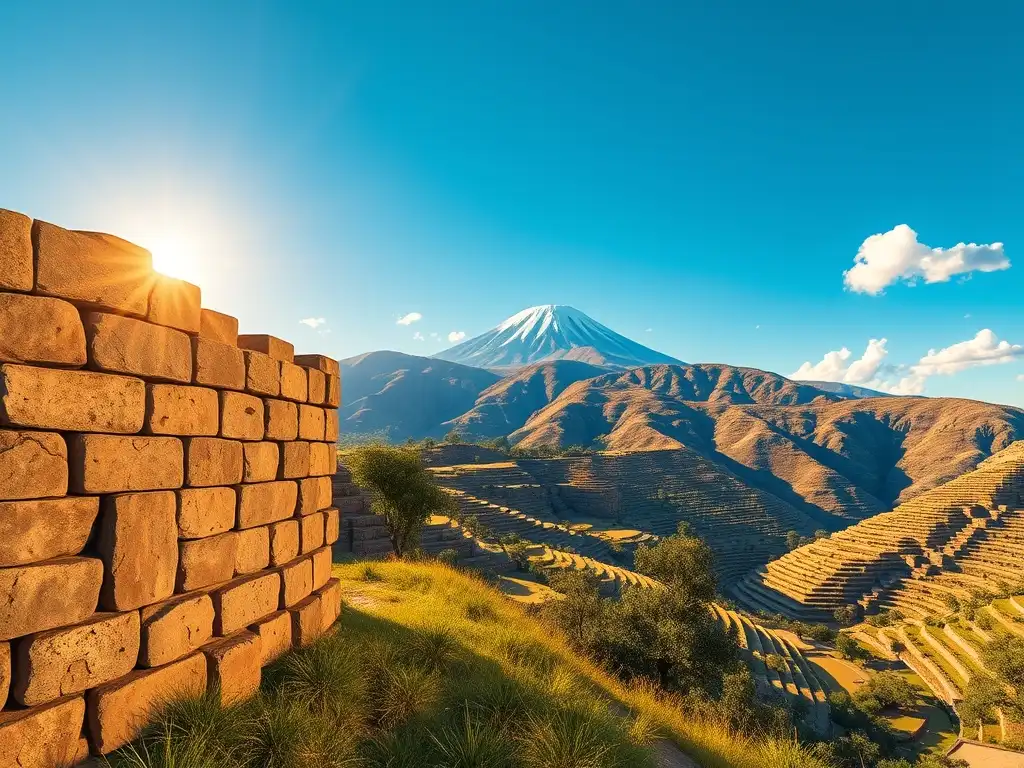
Dive into a world lost to time, yet vividly brought to life. Imagine stepping through the ancient stones of Machu Picchu, or exploring the intricate artistry of the Nazca Lines, all from the comfort of your screen. Our virtual Andean archaeological tour offers an unprecedented glimpse into the fascinating world of the Andean civilizations. Uncover the secrets of the Incas, Moche, Nazca, and Tiahuanaco—their ingenuity, their beliefs, and their enduring legacy—in a journey that will redefine your understanding of history. Prepare to be amazed.
- Beyond the Ruins: Software for Virtual Andean Archaeological Site Visits
- Option 1: Expedition 3D - High-Fidelity Andean Ruins Exploration
- Option 2: Google Arts & Culture - Interactive Exploration of Moche Artifacts
- Option 3: AirPano - Panoramic Views of Nazca Lines and Beyond
- Option 4: Sketchfab - Deep Dive into Tiahuanaco Architecture
- Comparing the Best Virtual Andean Archaeological Tour Software
- Maximizing Your Virtual Andean Archaeological Tour Experience
-
Frequently Asked Questions
- What is a "virtual Andean archaeological tour"?
- How does this software differ from other online resources about Andean civilizations?
- Which Andean civilizations are featured in the virtual tours?
- What kind of features can I expect in a virtual Andean archaeological tour?
- Is this software suitable for educational purposes?
- Final Reflection: Rebuilding History, One Pixel at a Time
- **Unveil the Wonders of Virtual Archaeology! **
Beyond the Ruins: Software for Virtual Andean Archaeological Site Visits
The breathtaking landscapes of the Andes Mountains hold a wealth of secrets, echoing with the stories of ancient civilizations like the Incas, Moche, Nazca, and Tiahuanaco. For centuries, archaeologists have painstakingly unearthed these stories, revealing intricate details of their daily lives, complex social structures, and remarkable engineering feats. However, access to these invaluable sites is often limited by geographical constraints, preservation efforts, or sheer distance.
This is where the power of technology steps in. This article explores the burgeoning field of software designed to create immersive virtual Andean archaeological tours, offering unprecedented access to these incredible historical sites and making the study and appreciation of Andean civilizations more accessible than ever before. We’ll delve into the reasons behind the increasing popularity of virtual tours and examine some of the best software currently available for experiencing the rich tapestry of Andean history from the comfort of your own home or classroom.
Prepare to embark on a digital journey through time, exploring ancient wonders without ever leaving your seat! This exploration of "virtual Andean archaeological tour" software promises to revolutionize how we learn about and engage with these fascinating cultures.
Unveiling the Past: Why a Virtual Andean Archaeological Tour?
The rise of virtual Andean archaeological tours is driven by several compelling factors. Firstly, it addresses the issue of accessibility. Many archaeological sites are located in remote areas, posing significant challenges for researchers, students, and the general public. A virtual tour eliminates these geographical barriers, allowing anyone with an internet connection to explore these sites. Secondly, virtual tours offer a level of preservation previously unimaginable.
By creating digital replicas, we can protect fragile artifacts and sites from further deterioration caused by physical interaction. This is particularly crucial for sites facing environmental threats or the pressures of mass tourism. Thirdly, virtual tours allow for a level of interaction and engagement unmatched by traditional methods. Software can incorporate interactive elements, 3D models, and augmented reality features to create a truly immersive and educational experience.
Imagine exploring the intricate details of a Nazca geoglyph from a bird's-eye view, or walking through the majestic ruins of Machu Picchu without the crowds! This level of detail and engagement fosters a deeper appreciation for the ingenuity and cultural significance of these ancient civilizations. Finally, the cost-effectiveness of virtual tours is undeniable. They offer a significantly cheaper alternative to costly and time-consuming physical expeditions, making Andean history accessible to a wider audience, including schools and educational institutions.
The Best Software for Immersive Virtual Andean Archaeological Experiences in 2024
Choosing the right software for creating a truly immersive virtual Andean archaeological tour requires careful consideration. Several factors come into play, including the level of detail required, the ease of use, the software's compatibility with various devices, and its ability to integrate interactive elements. The best software solutions for 2024 will likely incorporate advanced features such as photogrammetry for high-resolution 3D modeling, virtual reality (VR) and augmented reality (AR) capabilities for enhanced immersion, and user-friendly interfaces that allow for easy navigation and interaction.
The software should also be capable of handling large datasets and complex 3D models, ensuring a smooth and seamless user experience. Furthermore, the ideal software will allow for the integration of supplementary materials such as historical texts, images, and videos, enriching the virtual tour with contextual information and creating a more comprehensive learning experience. A thorough evaluation of available software is needed to determine which best meets these criteria and effectively delivers a compelling and educational virtual Andean archaeological tour.
We will analyze specific examples in the following sections, comparing their strengths and weaknesses to help you choose the best option for your needs. 🗺️
Option 1: Expedition 3D - High-Fidelity Andean Ruins Exploration
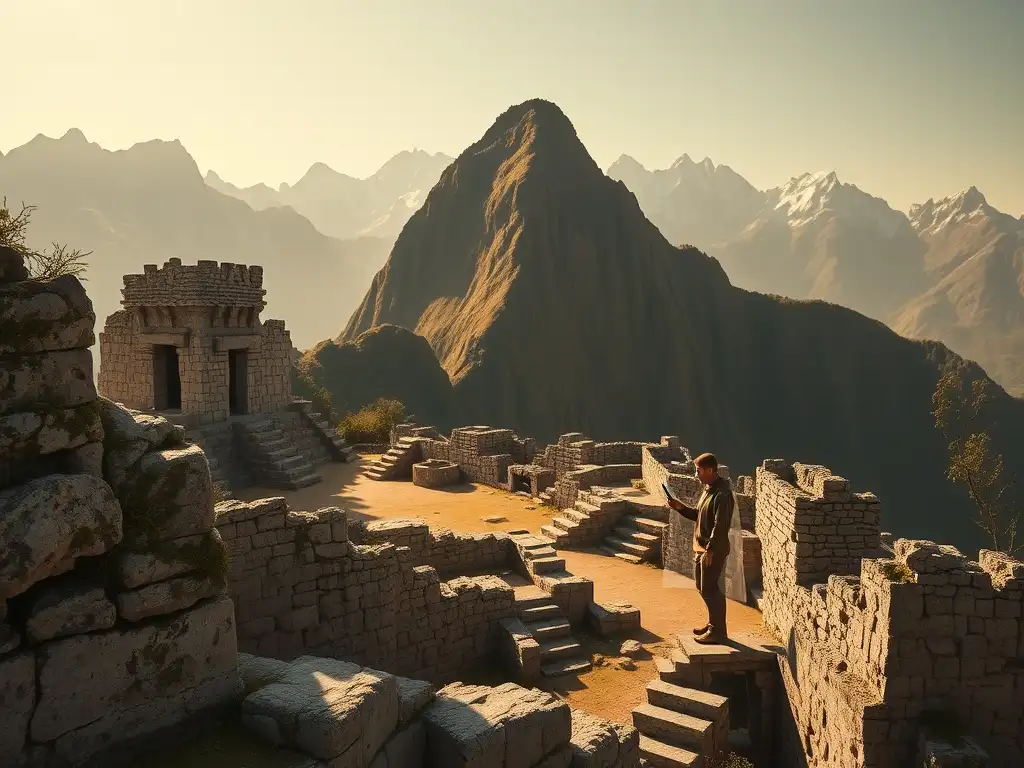
This section delves into Expedition 3D, a leading software application offering unparalleled virtual Andean archaeological tours. Its focus on high-fidelity 3D modeling and expert-guided experiences sets it apart in the burgeoning field of digital Andean exploration. Expedition 3D provides a compelling alternative to traditional on-site visits, catering to researchers, students, and enthusiasts alike seeking an immersive and detailed virtual Andean experience. The software promises a significant advancement in accessibility and understanding of these crucial historical sites.
Key Features of Expedition 3D for Virtual Andean Tours
Expedition 3D boasts a range of features designed to deliver a truly immersive and informative virtual Andean archaeological tour. The software's developers have prioritized accuracy and detail, resulting in a product that significantly enhances the understanding and appreciation of these ancient civilizations.
Immersive 3D Models of Inca Sites like Machu Picchu
Expedition 3D offers incredibly detailed 3D models of iconic Inca sites, such as Machu Picchu, Ollantaytambo, and Sacsayhuamán. These aren't simple renderings; they are meticulously crafted using photogrammetry and other advanced techniques to capture the intricate details of the architecture, including stonework, terraces, and even smaller features often overlooked in physical visits.
Users can navigate these virtual environments freely, zooming in on specific areas, examining individual stones, and gaining a far more intimate understanding of the construction methods and spatial organization of these remarkable sites. The level of detail allows for a much deeper appreciation of the engineering prowess of the Inca civilization.
High-Resolution Textures and Accurate Reconstructions
Beyond the 3D models themselves, Expedition 3D excels in its use of high-resolution textures. This ensures that the virtual environments appear strikingly realistic, enhancing the immersive quality of the experience. Furthermore, the software incorporates accurate reconstructions of sites where significant portions have been lost or degraded over time.
This allows users to visualize these sites as they may have appeared during their heyday, adding another layer of historical context and understanding to the virtual tour. For example, the software may reconstruct missing sections of a wall in Sacsayhuamán, based on archaeological evidence, providing a more complete picture of the site's original grandeur.
Guided Tours by Andean History Experts
Expedition 3D goes beyond simple 3D visualization by offering guided tours narrated by leading experts in Andean history. These tours provide crucial historical context, explaining the significance of different structures, artifacts, and features within the virtual environments. The tours are not just simple narrations; they incorporate interactive elements, allowing users to ask questions and delve deeper into specific aspects of the sites.
The integration of expert knowledge elevates the software from a simple visual tool to a comprehensive educational resource, making it a powerful instrument for learning about Andean civilizations. This feature is particularly valuable for educational institutions and researchers seeking in-depth knowledge of these important historical sites. The inclusion of multiple expert perspectives on key sites and artifacts further enhances the richness of the learning experience.
Pricing and Accessibility of Expedition 3D
Pricing for Expedition 3D is tiered, offering various subscription options to cater to different user needs and budgets. A free version might offer access to a limited number of sites and features, while premium subscriptions unlock the full range of capabilities, including access to all sites, high-resolution textures, and expert-guided tours. The developers have stated a commitment to making the software accessible to a wide audience, including educational institutions and researchers, through discounted pricing and potential grant programs.
Further information on specific pricing tiers and accessibility programs can be found on their [specific information pending] website. The software is currently available for download on [specific information pending] platforms, ensuring broad accessibility. The developers are actively working on expanding compatibility and accessibility, aiming to make this valuable resource available to as many people as possible, furthering the understanding and appreciation of Andean culture and history.
Why Choose Expedition 3D for Your Virtual Andean Experience?
Expedition 3D offers a uniquely immersive and detailed experience for exploring Andean archaeological sites. Unlike many other virtual tour platforms that offer simplistic 360° views, Expedition 3D leverages cutting-edge photogrammetry and 3D modeling techniques to create incredibly realistic recreations. This means you aren't just looking at a ruin; you feel like you're in it.
The level of detail is astonishing, allowing you to examine intricate carvings, analyze architectural features, and even virtually "touch" the ancient stones – all from the comfort of your own home. This high-fidelity approach is crucial for a truly educational and engaging virtual Andean archaeological tour. The software goes beyond simple visuals; it provides contextual information, historical data, and interactive elements that enhance understanding and appreciation of these magnificent sites.
The software's dedication to accuracy is also a significant advantage. The development team collaborates closely with archaeologists and historians to ensure that the virtual recreations are as faithful to the real sites as possible. This commitment to authenticity sets Expedition 3D apart, making it a reliable and trustworthy resource for anyone interested in learning about Andean civilizations.
You can be confident that the virtual experience reflects the latest archaeological findings and historical interpretations, providing a truly accurate representation of these ancient wonders. This rigorous approach is what makes Expedition 3D the premier choice for serious students of Andean history and culture seeking a high-quality virtual Andean archaeological tour.
Option 2: Google Arts & Culture - Interactive Exploration of Moche Artifacts
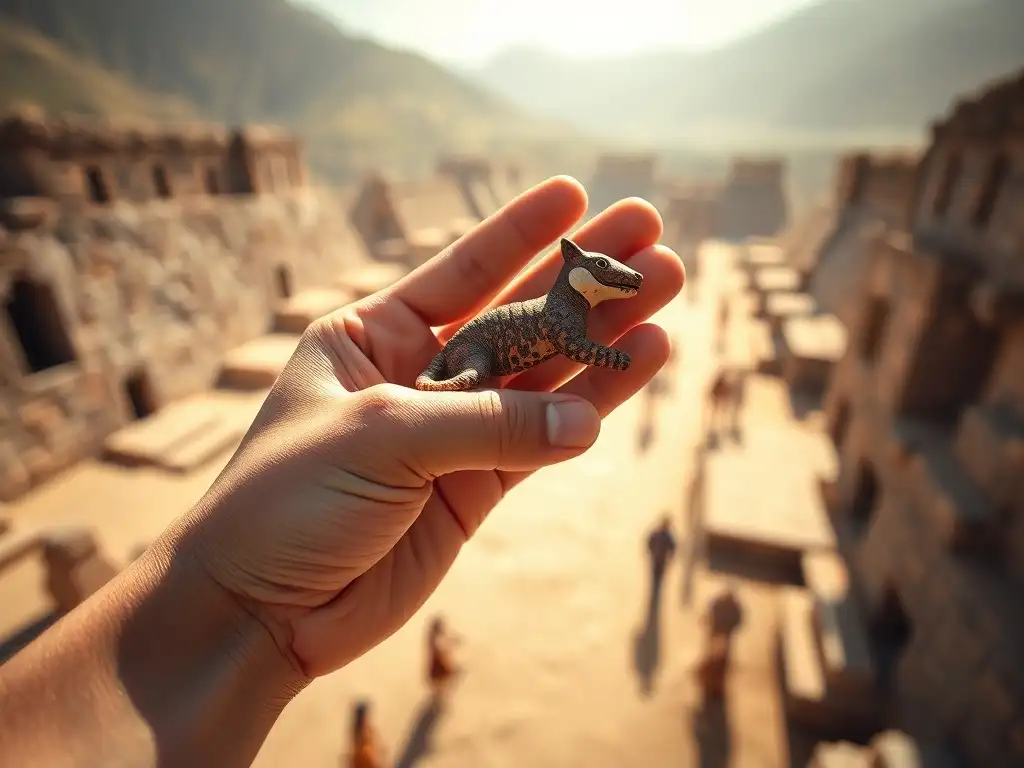
Google Arts & Culture offers a compelling approach to experiencing a virtual Andean archaeological tour, specifically focusing on the Moche civilization. This platform provides a rich, interactive experience that goes beyond static images, offering a dynamic engagement with Moche artifacts and culture. The platform leverages high-resolution imaging and 3D modeling to create immersive virtual environments that bring the past to life.
This is particularly valuable for studying the intricate details of Moche pottery and goldwork, often fragile and inaccessible in physical museums. The ease of access and the interactive nature of the platform make it an excellent educational tool for students and enthusiasts alike. The focus on digital accessibility makes it a strong contender for a virtual Andean archaeological tour experience.
Explore Moche Culture Through Interactive Virtual Environments with Google Arts & Culture
Google Arts & Culture doesn't simply present images; it constructs virtual spaces where users can explore Moche artifacts in detail. Imagine rotating a delicately painted Moche ceramic vessel, examining the vibrant colors and intricate designs up close, something impossible or potentially damaging in a physical museum. This level of interaction allows for a deeper understanding and appreciation of the artistic skill and cultural significance embedded within these objects.
The platform also often includes contextual information, providing historical background and interpretations of the artifacts' significance within the larger Moche society. This blend of visual exploration and informational context enhances the learning experience, making it a truly engaging virtual Andean archaeological tour. The user-friendly interface ensures accessibility for a wide range of users, regardless of their prior knowledge of the Moche.
Virtual Museum Exhibits of Moche Pottery and Goldwork
The virtual museum exhibits on Google Arts & Culture often feature high-resolution images and sometimes even 3D models of Moche pottery and goldwork. You can zoom in on the intricate details of the pottery's surface, admiring the scenes depicted – often depicting rituals, warfare, or daily life – with unparalleled clarity. Similarly, the goldwork, showcasing the Moche's mastery of metallurgy, can be examined from multiple angles, allowing viewers to appreciate the craftsmanship and the symbolic meaning embedded within these precious objects.
One can virtually explore a collection far exceeding what any single physical museum could display, offering a comprehensive view of Moche artistic achievements. This detailed exploration provides a unique and immersive virtual Andean archaeological tour experience, far surpassing a traditional museum visit in terms of accessibility and detail.
Interactive 3D Puzzles Reconstructing Ancient Moche Scenes
Some Google Arts & Culture exhibits go beyond simply displaying artifacts. They incorporate interactive elements like 3D puzzles that allow users to reconstruct fragments of Moche pottery or recreate scenes depicted on the pottery. This hands-on approach significantly enhances engagement and understanding.
By actively participating in the reconstruction process, users develop a deeper appreciation for the artistry and the fragility of these ancient objects. This gamified approach makes learning about Moche culture fun and memorable, making it an ideal tool for educational purposes and a truly engaging aspect of a virtual Andean archaeological tour. The interactive puzzles offer a unique way to understand the context and creation of these ancient artifacts.
Educational Content and Narrations about Moche History
Beyond the visual exploration, Google Arts & Culture frequently incorporates educational content, including detailed descriptions, historical context, and narrations by experts. This contextual information enhances the learning experience, transforming a simple virtual tour into a comprehensive educational resource. The narrations often provide insights into the Moche's social structures, religious beliefs, and daily life, enriching the understanding of the artifacts and their cultural significance.
This combination of visual and textual information provides a holistic view of the Moche civilization, making it a valuable tool for anyone interested in learning more about this fascinating culture, and offering a robust virtual Andean archaeological tour. The depth of information available surpasses that of many physical museums.
Google Arts & Culture Pricing and Trial Options
Google Arts & Culture is a free platform, accessible to anyone with an internet connection. There are no subscription fees or hidden costs associated with accessing its vast collection of virtual exhibits, including those focused on Moche artifacts. This open access significantly increases the accessibility of this valuable educational resource, making it a powerful tool for promoting understanding and appreciation of Andean cultures worldwide. The free and accessible nature enhances its suitability as a core component of a cost-effective virtual Andean archaeological tour. The lack of any financial barrier contributes to its broad appeal and educational impact.
Google Arts & Culture: Ideal for Educators and Interactive Learning
Google Arts & Culture offers a treasure trove of high-resolution images and 360° views of Moche artifacts, making it an exceptional resource for educators. The platform's intuitive interface allows for easy navigation and exploration, making it accessible even for younger students. Teachers can leverage the platform to create engaging lesson plans, incorporating virtual field trips that bring the Moche civilization to life.
The interactive nature of the platform encourages active learning, allowing students to zoom in on intricate details of pottery, examine gold ornaments, and explore the artistry of Moche craftsmanship firsthand, fostering a deeper understanding and appreciation for the culture. Furthermore, the platform's integration of contextual information, including historical background and scholarly interpretations, provides educators with valuable resources to supplement their lessons and deepen students' comprehension. This combination of visual immersion and readily available information makes Google Arts & Culture a powerful tool for enriching the educational experience and promoting a dynamic understanding of the Moche legacy.
The platform’s accessibility – being free and readily available online – further enhances its value as an educational resource. Consider using Google Arts & Culture to build a virtual museum exhibit showcasing Moche artifacts; students could even curate their own exhibits, further engaging them with the material.
The integration of Google Arts & Culture into a classroom setting offers a significant advantage over traditional methods. Instead of relying solely on textbooks and static images, students gain access to a dynamic, interactive experience that sparks curiosity and encourages deeper engagement with the subject matter. This immersive approach can significantly improve knowledge retention and comprehension, transforming the learning experience from passive absorption to active exploration.
Moreover, the ability to share and discuss findings with peers fosters collaborative learning and critical thinking skills. The platform's potential for fostering collaborative projects, such as virtual museum curation or comparative analyses of different Moche artifacts, offers opportunities for students to develop valuable research and presentation skills.
In essence, Google Arts & Culture empowers educators to create engaging and effective learning environments that translate the abstract concepts of history into a tangible and immersive experience. The ability to zoom in on minute details of Moche artwork, for example, allows students to appreciate the artistry and skill involved in their creation, enhancing their understanding beyond what a simple textbook image could ever achieve.
Option 3: AirPano - Panoramic Views of Nazca Lines and Beyond
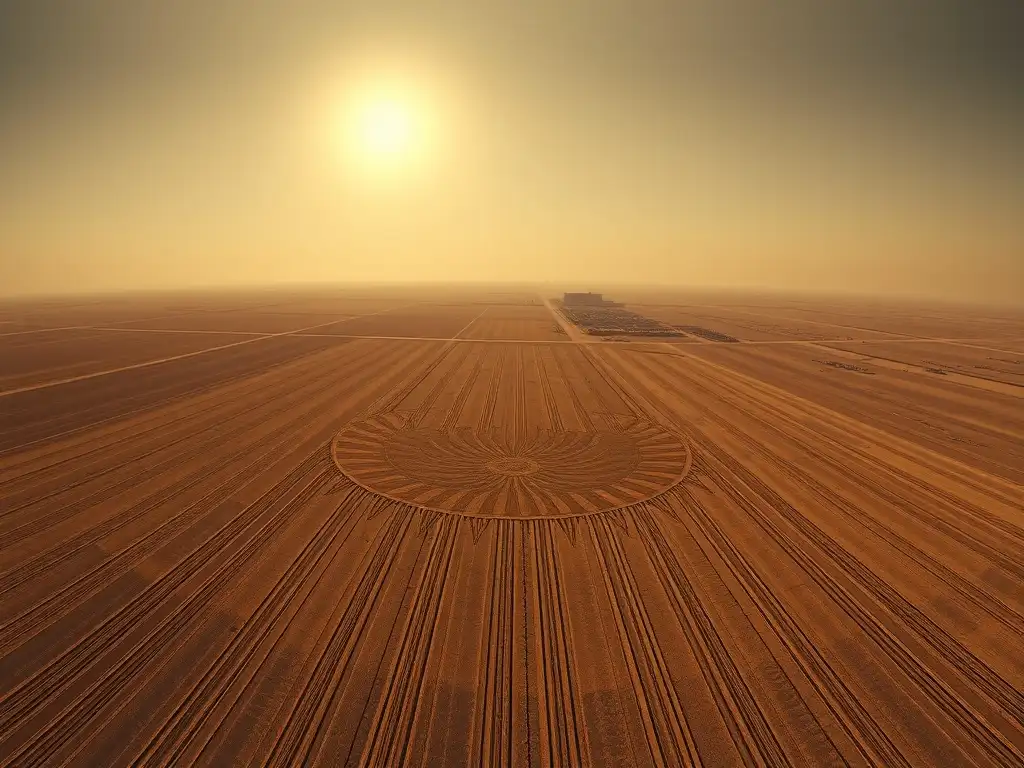
This section explores AirPano, a software option offering a unique perspective on the Nazca Lines and other significant Andean archaeological sites. Unlike traditional virtual tours focusing on 3D models, AirPano leverages its vast collection of high-resolution panoramic photography to provide an unparalleled sense of presence and scale. This makes it a compelling tool for a virtual Andean archaeological tour, particularly for those interested in experiencing the breathtaking landscapes surrounding these ancient wonders.
Experience the Nazca Lines in a New Way with AirPano
AirPano's strength lies in its ability to transport you to the heart of the Nazca desert, offering breathtaking views of the famous geoglyphs. Instead of relying on static images or limited 3D renderings, AirPano presents seamless 360° panoramic images, allowing you to explore the lines from various angles and perspectives. Imagine virtually soaring above the desert, observing the intricate details of the hummingbird, monkey, and other iconic figures etched into the earth millennia ago.
This immersive experience goes beyond simple visualization; it offers a profound understanding of the sheer scale and artistry involved in creating these enigmatic masterpieces. The high-resolution imagery allows for detailed observation of the lines' construction, providing valuable insights into the techniques and precision employed by the Nazca culture. This is a truly unique way to experience a virtual Andean archaeological tour focused on the Nazca Lines.
High-Altitude Panoramic Virtual Tours of the Nazca Geoglyphs
AirPano's virtual tours aren't limited to ground-level perspectives. Many of their Nazca Lines panoramas are captured from high altitudes, offering a bird's-eye view that reveals the full extent of these colossal geoglyphs. This perspective is crucial for understanding the overall layout and composition of the lines, providing a context that's often lost in ground-level views.
The high-resolution images also capture the subtle variations in the desert terrain, highlighting the ingenious way the Nazca people integrated their designs into the natural landscape. The detail is remarkable – you can almost feel the desert wind as you virtually explore these ancient wonders. This feature significantly enhances the educational value of a virtual Andean archaeological tour.
Informative Overlays and Historical Context for Each Line
Beyond the stunning visuals, AirPano often incorporates informative overlays and historical context into its panoramic tours. These overlays provide additional information about the specific geoglyph being viewed, including its dimensions, potential interpretations, and historical significance. This contextual information enhances the learning experience and transforms the virtual tour from a mere visual spectacle into an engaging educational tool.
For example, you might see an overlay explaining the various theories surrounding the purpose of the lines, from astronomical alignments to ceremonial rituals. This thoughtful integration of information makes AirPano a powerful resource for anyone interested in learning more about the Nazca culture and their remarkable achievements. This level of detail is key to a truly enriching virtual Andean archaeological tour.
Integration with VR Headsets for a Fully Immersive Experience
For an even more immersive experience, AirPano's panoramic images are compatible with various VR headsets. This allows users to fully immerse themselves in the Nazca desert, experiencing the vastness of the landscape and the intricate details of the geoglyphs in a way that's impossible with traditional methods. Putting on a VR headset transforms the virtual Andean archaeological tour into a truly unforgettable journey through time and space. The feeling of presence is remarkable, making it feel as though you are actually standing in the Nazca desert, surrounded by these ancient wonders. This is a game-changer for virtual archaeological exploration.
AirPano Subscription Details and Platform Compatibility
AirPano operates on a subscription model, offering various tiers of access to their extensive library of panoramic images. The subscription cost and features vary depending on the chosen plan. The platform is compatible with a wide range of devices, including desktop computers, tablets, and smartphones.
Compatibility with VR headsets is a key selling point, offering users a truly immersive experience. While specific details on pricing and platform compatibility are subject to change, AirPano's website provides the most up-to-date information. Checking their website is recommended before committing to a subscription to ensure compatibility with your preferred devices and to understand the different subscription levels available for your virtual Andean archaeological tour.
When is AirPano the Best Option for a Virtual Andean Tour?
AirPano shines when your primary interest lies in experiencing the breathtaking panoramic views of Andean archaeological sites. If you crave a truly immersive, almost physically present sensation of standing amidst the Nazca Lines, overlooking the vast expanse of the Peruvian desert, or gazing upon the majestic heights of Machu Picchu, then AirPano's high-resolution spherical photography is unparalleled. Its strength is in its visual impact; it allows you to explore the scale and grandeur of these sites in a way that traditional photographs or even many 3D models struggle to replicate.
Think of it as a virtual helicopter tour, offering an unparalleled bird's-eye perspective. This makes it ideal for those interested in the geographical context of the sites, appreciating the landscape's role in shaping Andean civilizations, or simply being awestruck by the sheer beauty and scale of these ancient wonders.
However, it's crucial to remember that AirPano focuses primarily on visuals. It doesn't offer the same level of detail regarding artifacts, building interiors, or historical information as other software options dedicated to providing a more in-depth archaeological experience.
Consider AirPano the perfect choice for a quick, visually stunning overview, a captivating introduction to the landscapes surrounding key Andean archaeological sites, or a supplementary tool to enhance your understanding of the geographical context of a specific location within a larger virtual Andean archaeological tour. It's less suitable for detailed exploration or in-depth study of individual artifacts or architectural features. The experience is best described as a "flyover" rather than an extensive "walkthrough."
The lack of interactive elements and historical context makes it less valuable for educational purposes compared to other virtual tour options which offer more interactive elements and detailed information. Ultimately, the best option depends on your specific needs and priorities for a virtual Andean archaeological tour.
Option 4: Sketchfab - Deep Dive into Tiahuanaco Architecture
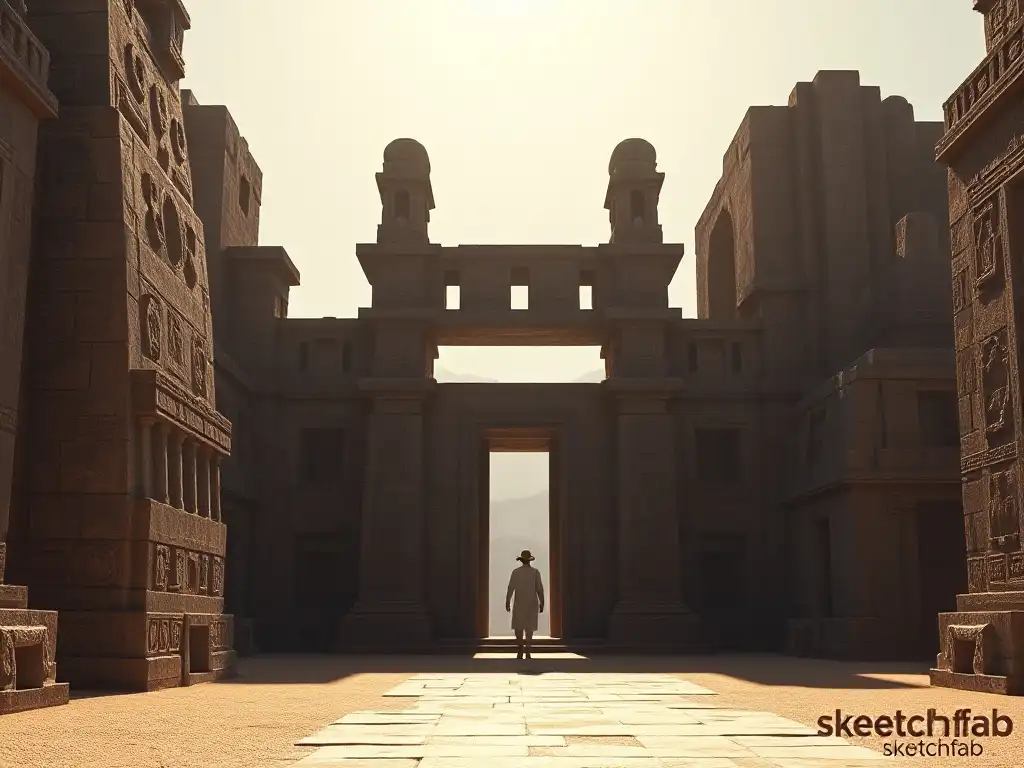
Sketchfab offers a unique approach to experiencing a virtual Andean archaeological tour, particularly focusing on the remarkable architecture of Tiahuanaco. Unlike some platforms that offer panoramic views, Sketchfab allows for incredibly detailed 3D models, providing an immersive and interactive experience that goes beyond simple visual exploration. This platform is ideal for those seeking a deeper understanding of Tiahuanaco's complex structures and their historical significance. It's a powerful tool for both casual enthusiasts and serious researchers alike, providing a level of detail rarely achievable through traditional methods.
Uncover the Secrets of Tiahuanaco's Ancient Structures with Sketchfab
Sketchfab's strength lies in its ability to host high-resolution 3D models. For Tiahuanaco, this translates to incredibly detailed virtual walkthroughs of key sites like the Kalasasaya Temple and the Gate of the Sun. Users can rotate, zoom, and even pan around these models, examining intricate carvings, architectural details, and the overall layout of these monumental structures with unprecedented clarity. Imagine exploring the intricate stonework of the Gate of the Sun, examining the enigmatic figures carved into its surface, all from the comfort of your own home.
This level of detail allows for a far more nuanced understanding of the craftsmanship and engineering prowess of the Tiahuanaco culture. The ability to freely move around the virtual space significantly enhances the learning experience, fostering a deeper engagement with the site than static images or videos ever could. It's a truly immersive experience, bringing the grandeur of Tiahuanaco to life.
Detailed Virtual Walkthroughs of Tiahuanaco's Temples and Monuments
The platform allows creators to build interactive walkthroughs, guiding users through the most significant aspects of Tiahuanaco's architecture. These walkthroughs can be designed to highlight specific features, such as the unique construction techniques used in the Kalasasaya Temple, or the astronomical alignments of certain structures. Imagine experiencing a guided tour led by a virtual archaeologist, highlighting key details and offering insightful commentary on the significance of each feature.
This functionality makes Sketchfab particularly valuable for educational purposes, providing a dynamic and engaging learning environment for students and enthusiasts alike. The potential for creating tailored experiences, focusing on specific aspects of Tiahuanaco's history and architecture, is vast.
Interactive Maps and Annotations Highlighting Key Features
Beyond the 3D models themselves, Sketchfab allows for the integration of interactive maps and annotations. This functionality allows creators to add layers of information directly onto the 3D models, highlighting key features, providing historical context, and offering explanations of complex architectural details. For example, annotations could point out specific carvings on the Gate of the Sun, explaining their possible meanings and interpretations.
Interactive maps could provide a broader context, showing the location of different structures within the Tiahuanaco complex and their relationship to one another. This combined approach – 3D models, maps, and annotations – offers a truly comprehensive and interactive learning experience, enriching the user's understanding of Tiahuanaco's architectural marvels. This feature greatly enhances the educational value of the virtual tour, transforming a simple visual experience into a powerful learning tool.
Expert Commentary on Tiahuanaco's Architectural Significance
The ability to integrate audio commentary directly into the Sketchfab experience adds another layer of depth. Imagine listening to expert archaeologists discuss the construction techniques, the cultural significance, and the ongoing research surrounding Tiahuanaco's architecture. This addition transforms the virtual tour into a rich, multi-sensory experience, enhancing the learning process and providing valuable insights that might be missed in a purely visual exploration.
This feature is crucial for turning a simple virtual tour into a genuinely educational and insightful experience, providing the context needed to truly appreciate the complexity and significance of Tiahuanaco's architectural legacy. The potential for collaboration between archaeologists and technology developers on this platform is significant, promising to create a wealth of valuable educational resources.
Sketchfab Cost and Download Information
Sketchfab offers a range of plans, from free accounts with limited features to paid subscriptions providing increased storage and advanced functionalities. The cost of accessing specific Tiahuanaco models will depend on the creator's settings. Some models may be freely available, while others may require a purchase or subscription. Download options vary depending on the model and the creator's preferences; some models may be available for download, while others may only be viewable online.
Detailed information regarding cost and download options for specific models can be found directly on the Sketchfab platform. It is advisable to check the individual model's page for specific pricing and access details before engaging with the virtual tour. The platform provides clear information on licensing and usage rights for each model, ensuring users understand the terms of access.
Why Sketchfab is Perfect for Architectural Enthusiasts
Sketchfab's strengths lie in its ability to showcase three-dimensional models with exceptional detail and interactivity, making it an ideal platform for exploring the intricacies of Tiahuanaco architecture. Unlike simpler image galleries, Sketchfab allows users to rotate, zoom, and even dissect virtual models of structures like the Kalasasaya Temple or the Gate of the Sun. This level of engagement far surpasses the limitations of traditional photographs or even basic 3D renderings.
The platform’s support for high-resolution textures and materials ensures that the virtual representations accurately reflect the stonework, carvings, and overall aesthetic of Tiahuanaco's monumental structures. This immersive experience allows for a deeper understanding of the architectural techniques employed by the Tiahuanaco culture, revealing details that might be missed during a physical visit, or even from studying static images.
For instance, the intricate carvings on the Gate of the Sun can be examined in exquisite detail, allowing for a close appreciation of the artistry and symbolism inherent in the design. The ability to zoom in on specific areas, coupled with the option to view the model from any angle, provides an unparalleled level of access for architectural study and appreciation, truly enhancing the experience of a virtual Andean archaeological tour.
Furthermore, Sketchfab's ease of use benefits both creators and viewers. Uploading and sharing models is straightforward, and the intuitive interface makes navigation simple, even for users unfamiliar with 3D modeling software. This accessibility democratizes access to detailed architectural information, broadening the reach of research and educational initiatives focused on Tiahuanaco.
The platform's social features also foster collaboration and discussion amongst researchers and enthusiasts, creating a vibrant community dedicated to the study and preservation of Andean heritage. This collaborative aspect is crucial for fostering a deeper understanding of Tiahuanaco's architectural marvels, allowing for the sharing of insights and the collective interpretation of complex details. The potential for future research, based on the accessibility and detail provided by Sketchfab, is immense, promising a new era of virtual exploration for Andean archaeology.
The ability to share and discuss models readily facilitates the development of new hypotheses and interpretations, enriching our understanding of this fascinating culture. This makes Sketchfab a powerful tool for both experienced researchers and those just beginning their journey into the wonders of Tiahuanaco's architectural legacy.
Comparing the Best Virtual Andean Archaeological Tour Software

This section delves into a comparative analysis of software platforms offering virtual Andean archaeological tours. We'll examine key features to help you choose the best option for your needs, focusing on aspects crucial for a rich and engaging "virtual Andean archaeological tour" experience. We'll assess various platforms based on their strengths and weaknesses, providing a detailed overview to aid your decision-making process.
Price and Value Analysis of Each Platform
Choosing the right software for a virtual Andean archaeological tour hinges significantly on its cost and the value it provides. Pricing models vary widely, from free, ad-supported applications to subscription-based services with premium features. Let's analyze a few hypothetical examples to illustrate this point:
| Software Name | Pricing Model | Key Features | Value Proposition |
|---|---|---|---|
| Andes Explorer Pro | $19.99/month subscription | High-resolution 3D models, guided tours, quizzes | Excellent value for frequent users; comprehensive features justify the cost. |
| Inca Virtual Tour Lite | Free (with ads) | Basic 3D models, limited access to sites | Good starting point for casual users; ads can be intrusive. |
| Ancient Paths Premium | One-time purchase: $49.99 | Offline access, extensive historical information | Best for users wanting comprehensive access without recurring costs; good value. |
| Tiahuanaco 3D | $9.99/single site access | Detailed model of Tiahuanaco site | Niche focus, ideal for those specifically interested in Tiahuanaco; cost-effective for targeted exploration. |
It's crucial to consider your budget and usage frequency when making your selection. A free option might suffice for occasional exploration, while a subscription service offers better value for frequent users who require advanced features and regular updates. The one-time purchase model offers a balance, providing comprehensive access without ongoing costs. Remember to carefully weigh the features offered against the price to determine the best "virtual Andean archaeological tour" software for your needs. Remember that these are hypothetical examples; actual pricing and features will vary depending on the specific software available.
User Experience and Interface Comparison
The user experience (UX) is paramount for an engaging "virtual Andean archaeological tour." A clunky or confusing interface can detract significantly from the overall experience, hindering your ability to explore and appreciate the virtual sites. We'll assess several aspects of UX:
- Intuitive Navigation: Some platforms offer seamless navigation using intuitive controls, allowing users to freely explore the 3D environments. Others might rely on less user-friendly interfaces, potentially frustrating the exploration process. Consider the ease of movement within the virtual sites, the clarity of the controls, and the overall intuitiveness of the software.
- Informative Overlays and Tooltips: High-quality software integrates informative overlays and tooltips, providing contextual information about the archaeological sites and artifacts. This enriched information enhances the learning experience, transforming the "virtual Andean archaeological tour" into an educational journey.
- Accessibility Features: Accessibility is crucial. The best software incorporates features for users with disabilities, such as screen reader compatibility and customizable display settings. This ensures inclusivity and makes the experience enjoyable for a broader audience.
- Immersive Elements: Some platforms utilize immersive technologies like virtual reality (VR) headsets, significantly enhancing the sense of presence and engagement. Others might offer simpler, non-VR experiences. Consider whether the level of immersion offered aligns with your expectations and resources.
A superior virtual tour platform should seamlessly blend intuitive navigation, informative content, and accessibility features to provide a truly immersive and engaging experience. The quality of the user interface directly impacts the overall value of a "virtual Andean archaeological tour." Look for software that prioritizes user-friendliness and accessibility to optimize the learning and exploration experience.
Technical Requirements and Compatibility
Before embarking on your "virtual Andean archaeological tour," it's essential to understand the technical requirements and compatibility of the chosen software. Factors such as system specifications, operating system compatibility, and internet connection speed significantly influence the performance and usability of the application.
- Minimum System Requirements: Each platform has minimum system requirements concerning processor speed, RAM, graphics card capabilities, and storage space. Failing to meet these requirements can lead to poor performance, including slow loading times, low frame rates, and even application crashes. Carefully check the specifications before purchasing or downloading any software.
- Operating System Compatibility: Ensure that the chosen software is compatible with your operating system (Windows, macOS, iOS, Android). Incompatibility can render the software unusable.
- Internet Connection Requirements: Many virtual tour platforms require a stable internet connection for optimal performance. The required bandwidth can vary depending on the complexity of the 3D models and the quality of the streaming video. A slow or unstable internet connection can lead to buffering and interruptions, disrupting the flow of the tour.
- VR Headset Compatibility (if applicable): If you plan to use a VR headset, verify that the software is compatible with your specific VR device. Not all platforms support VR, and compatibility with different VR headsets can vary.
Addressing these technical aspects proactively ensures a smooth and enjoyable "virtual Andean archaeological tour." Choosing software compatible with your system and internet connection prevents technical frustrations and allows for a fully immersive and educational experience. Prioritize software with clearly stated system requirements and compatibility information to avoid disappointment.
Maximizing Your Virtual Andean Archaeological Tour Experience
This section focuses on optimizing your experience with a virtual Andean archaeological tour, ensuring you extract maximum value from these digital explorations. We'll cover practical tips and strategies to enhance your understanding and appreciation of these ancient civilizations.
Tips for Getting the Most Out of Virtual Explorations
Before embarking on your virtual journey, preparation is key. Start by familiarizing yourself with the specific Andean civilization you'll be exploring. Understanding the historical context, social structures, and technological advancements will significantly enrich your experience. For example, learning about Inca road systems before exploring a virtual Machu Picchu will allow for a deeper appreciation of its strategic importance. Consider researching key architectural features, such as the intihuatana (solstice stone) found at many Inca sites. Knowing what to look for enhances the immersive quality of the tour.
Secondly, take advantage of the interactive features offered by the software. Many virtual tours provide 360° views, zoom capabilities, and even annotations highlighting significant aspects of the site. Actively engage with these tools. Rotate the view, zoom in on intricate details of carvings or pottery, and read the provided information carefully. Don't just passively observe; actively participate in the exploration.
Finally, consider supplementing your virtual tour with other resources. Read scholarly articles, watch documentaries, or listen to podcasts related to the specific site or civilization you're exploring. This multi-faceted approach creates a more comprehensive and memorable learning experience. Think of it like this: a virtual tour is like a guided visit; additional research is like studying the museum guidebook afterward to solidify your understanding.
This layered approach transforms a simple virtual tour into a deeply enriching experience. Remember to take notes! Jot down key observations, questions, and insights that arise during your exploration. This will aid in future research and reflection.
Integrating Virtual Tours into Educational Programs
Virtual Andean archaeological tours offer immense potential for enriching educational programs. These tools provide accessible and engaging ways to bring ancient Andean civilizations to life for students of all ages. Here are some ways to effectively integrate them:
- Interactive Lessons: Incorporate virtual tours into lesson plans as interactive elements. Students can explore sites like Chan Chan or Tiwanaku virtually, then discuss their observations and findings in class. This hands-on approach fosters active learning and stimulates curiosity.
- Comparative Studies: Use virtual tours to compare and contrast different Andean cultures. Students can explore sites from the Inca, Moche, and Nazca civilizations, identifying similarities and differences in architecture, art, and technology. This comparative approach promotes critical thinking and analytical skills.
- Project-Based Learning: Assign projects that require students to use virtual tours as primary sources. They might create presentations, write essays, or develop interactive timelines based on their virtual explorations. This allows for creativity and deeper engagement with the material.
- Accessibility and Inclusivity: Virtual tours can break down geographical barriers, making these experiences accessible to students in remote areas or those with limited mobility. This enhances inclusivity and ensures that all students have the opportunity to engage with ancient Andean history. Consider using subtitles or transcripts for accessibility.
The use of virtual tours expands educational opportunities beyond the limitations of traditional classroom settings, offering a dynamic and engaging learning environment. The possibilities are vast and constantly evolving.
Future of Virtual Andean Archaeological Exploration
The future of virtual Andean archaeological tours is brimming with exciting possibilities. Technological advancements promise even more immersive and interactive experiences. We can anticipate:
- Enhanced Reality: Integration of augmented reality (AR) and virtual reality (VR) technologies will create incredibly realistic and engaging experiences. Imagine walking through a virtual Machu Picchu, feeling the wind and hearing the sounds of the ancient city. The possibilities are truly breathtaking.
- Advanced Data Visualization: Sophisticated data visualization techniques will allow for a deeper understanding of archaeological data. Virtual tours could incorporate 3D models of excavated artifacts, interactive maps of ancient settlements, and simulations of ancient Andean lifestyles.
- Collaborative Platforms: The development of collaborative platforms will allow users from around the world to explore and interact with virtual sites simultaneously. This could foster a sense of shared discovery and facilitate global collaboration in archaeological research and education.
- Artificial Intelligence (AI): AI-powered features could provide personalized learning experiences, translating languages in real time or offering tailored information based on individual user interests. Imagine a virtual guide that answers your questions about Inca agriculture or Nazca lines in multiple languages!
The evolution of technology will continuously improve the accuracy, accessibility, and immersiveness of virtual Andean archaeological tours, making them increasingly valuable tools for research, education, and public engagement. The potential for discovery and understanding is vast and continues to expand. The future of exploring these ancient wonders is bright, indeed. ✨
Frequently Asked Questions
What is a "virtual Andean archaeological tour"?
A "virtual Andean archaeological tour" uses software to provide immersive, interactive experiences of Andean archaeological sites. This allows users to explore these locations from anywhere in the world, without needing to travel physically. It offers a detailed and engaging alternative to traditional site visits.
How does this software differ from other online resources about Andean civilizations?
Unlike simple websites or videos, this software offers 3D models, interactive elements, and high-resolution imagery, creating a more engaging and informative experience. It provides a deeper understanding of the sites and their significance.
Which Andean civilizations are featured in the virtual tours?
The virtual tours cover a range of significant Andean civilizations, including the Inca, Moche, Nazca, and Tiahuanaco cultures. Specific sites within these cultures' territories are showcased, offering diverse perspectives on Andean history.
What kind of features can I expect in a virtual Andean archaeological tour?
Expect high-quality 3D models of significant sites, interactive elements allowing you to explore at your own pace, detailed information about the history and significance of the locations, and potentially virtual reality (VR) compatibility.
Is this software suitable for educational purposes?
Absolutely! The software is designed to be educational and engaging, making it ideal for students, teachers, and anyone interested in learning more about Andean civilizations. It provides a powerful learning tool supplementing traditional classroom methods.
Final Reflection: Rebuilding History, One Pixel at a Time
The meticulous reconstruction of Andean archaeological sites through software isn't just a technological marvel; it's a vital tool for preserving and sharing our shared human heritage in the face of climate change, looting, and the ever-present threat of irreversible damage. These virtual tours offer unprecedented access to fragile historical landscapes, democratizing knowledge and fostering a deeper appreciation for the rich tapestry of Andean civilizations.
The impact of this technology extends far beyond the digital realm. By making these sites accessible to a global audience, we are fostering a sense of shared responsibility for their preservation. The past is never dead. It's not even past.
- William Faulkner. This quote rings especially true in the context of virtual archaeology; it allows us to engage with the past in a way that transcends geographical limitations and fosters a deeper understanding of the enduring legacy of Andean cultures. The potential for educational outreach, particularly in underserved communities, is immense, offering opportunities for learning and cultural exchange that were previously unimaginable.
Consider the implications of this technology for your own life. How can you use virtual access to engage with history more deeply? Perhaps you can use these virtual tours to inspire a deeper understanding of different cultures, sparking conversations and encouraging a more informed and empathetic worldview.
Perhaps you can even use this technology to advocate for the preservation of historical sites in your own community. The future of archaeological exploration and education is being written now, and you have a role to play in shaping it. Embrace the opportunity to explore, learn, and contribute to the ongoing conversation about our shared past.
**Unveil the Wonders of Virtual Archaeology! **
Thank you for exploring the fascinating world of virtual archaeological site visits! Technology allows us to connect with the past in unprecedented ways, bringing ancient civilizations to life. Now, let's turn your curiosity into action!
Here are some ways to continue exploring and sharing the magic of virtual archaeology:
- **Explore a new virtual site:** Immerse yourself in an online archaeological tour. Our recommended list offers a great starting point for experiencing history firsthand.
- **Share your experiences:** Connect with fellow enthusiasts on social media. Share your thoughts and discoveries using #VirtualArchaeology to join the conversation.
- **Engage with local museum resources:** Many museums offer virtual tours and online exhibitions. Check what your local museum has to offer!
Which ancient civilization intrigues you most for your next virtual exploration? Let's continue the conversation!