
Decode Ancient Andean Art: Interactive Apps for Visual Analysis

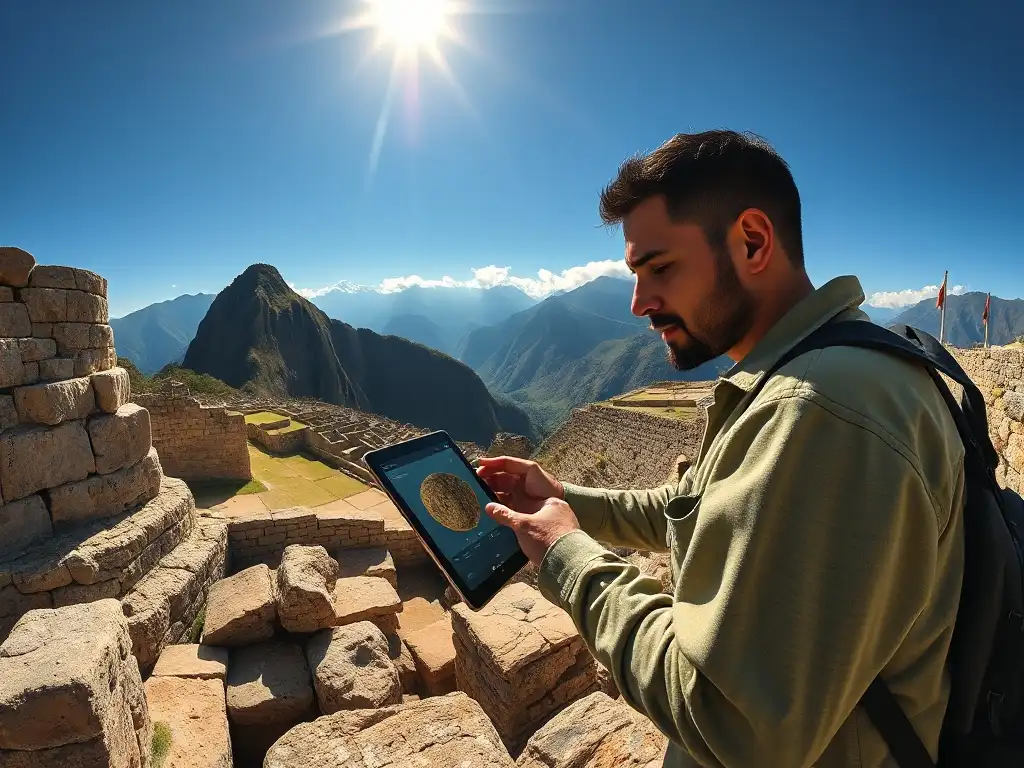
Unravel the mysteries of the Andes! Prepare to be captivated by the vibrant tapestry of Ancient Andean civilizations, from the intricate artistry of the Nazca lines to the sophisticated engineering of the Incas. But what if you could experience this history firsthand? Discover how our Ancient Andean art interactive app unlocks a new dimension of understanding, allowing you to explore these incredible cultures in a way never before imagined. Dive in and begin your journey through time!
The breathtaking artistry of the ancient Andean civilizations—from the intricate textiles of the Nazca to the imposing stonework of the Inca—continues to captivate and inspire. Understanding this art, however, often requires specialized knowledge and access to physical artifacts, which can be geographically and logistically challenging. This article explores the burgeoning field of interactive apps designed to unlock the secrets of Ancient Andean art, providing accessible and engaging tools for visual analysis.
These digital resources democratize access to these invaluable cultural treasures, allowing researchers, students, and enthusiasts alike to delve deeper into the rich symbolism, techniques, and historical contexts of Andean artistic expression. We will examine how these apps facilitate a more comprehensive understanding of Ancient Andean art, fostering appreciation and preserving cultural heritage for future generations.
This exploration will focus on the benefits, features, and potential of these innovative tools in enhancing our understanding and appreciation of this extraordinary artistic legacy. We'll also consider the challenges and future directions of this rapidly evolving field.
Unlocking the Secrets of Andean Art Through Digital Tools
Interactive apps offer a revolutionary approach to studying Ancient Andean art. Traditional methods often involve painstaking manual analysis of physical artifacts, limiting access and potentially causing damage. Digital tools, however, overcome these limitations. They provide high-resolution images, detailed descriptions, and interactive features that allow users to zoom in on intricate details, compare different pieces, and explore the historical context of the artworks.
For example, an app might allow users to virtually "rotate" a ceramic vessel to examine all its sides, or overlay different layers of a textile to analyze its construction. These capabilities greatly enhance the learning experience, making it more engaging and accessible to a wider audience. Moreover, many apps incorporate advanced features such as 3D modeling and augmented reality, further immersing the user in the artistic world of the Andes.
The potential for discovery and interpretation is significantly expanded through these technologies. The integration of scholarly commentary and contextual information within the app itself also ensures accuracy and provides valuable insights for users. Furthermore, such apps can be easily updated with new findings and research, ensuring that the information remains current and relevant.
Why Use Interactive Apps for Analyzing Ancient Andean Art?
The benefits of using interactive apps for analyzing Ancient Andean art are numerous and impactful. Firstly, these apps significantly improve accessibility. Instead of needing to travel to distant museums or archives, researchers and enthusiasts can access a vast collection of Andean artworks from anywhere with an internet connection. This is particularly crucial for scholars in remote areas or those with limited resources.
Secondly, interactive features enhance engagement and learning. The ability to manipulate images, compare artifacts, and explore details at a microscopic level makes the learning process far more dynamic and stimulating than traditional methods. Thirdly, these apps often incorporate educational materials, including detailed descriptions, historical context, and scholarly interpretations, which significantly contribute to a more comprehensive understanding of the art. For example, an app could provide information on the significance of specific motifs or colors in different Andean cultures, enriching the user's experience and deepening their appreciation for the artistry.
Finally, these apps can facilitate collaborative research and knowledge sharing, allowing scholars from around the world to work together on projects and contribute to a collective understanding of Ancient Andean art. The potential for future development in this field is immense, with possibilities for incorporating artificial intelligence, machine learning, and other advanced technologies to further enhance the analysis and interpretation of these remarkable artistic achievements. The use of such apps promises to revolutionize the study of Ancient Andean art, making it more accessible, engaging, and impactful for everyone.
- Unlocking the Secrets of Andean Art Through Digital Tools
- Why Use Interactive Apps for Analyzing Ancient Andean Art?
- Best Overall: "Moche Pottery Analyzer" - A Comprehensive Visual Analysis Tool
- Runner-Up: "Nazca Lines Explorer" - Deciphering Geoglyphs Through Technology
- Best for Beginners: "Inca Textile Decoder" - An Entry-Level Interactive Learning App
- Special Mention: "Tiwanaku Architecture Viewer" - Reconstructing Lost Architectural Wonders
- What is the focus of this article?
- Are there any specific apps mentioned in the article?
- How can these interactive apps benefit learning about Andean civilizations?
- What kind of features might these interactive apps include?
- Where can I find more information about Ancient Andean art interactive apps?
Top Interactive Apps for Exploring Ancient Andean Art
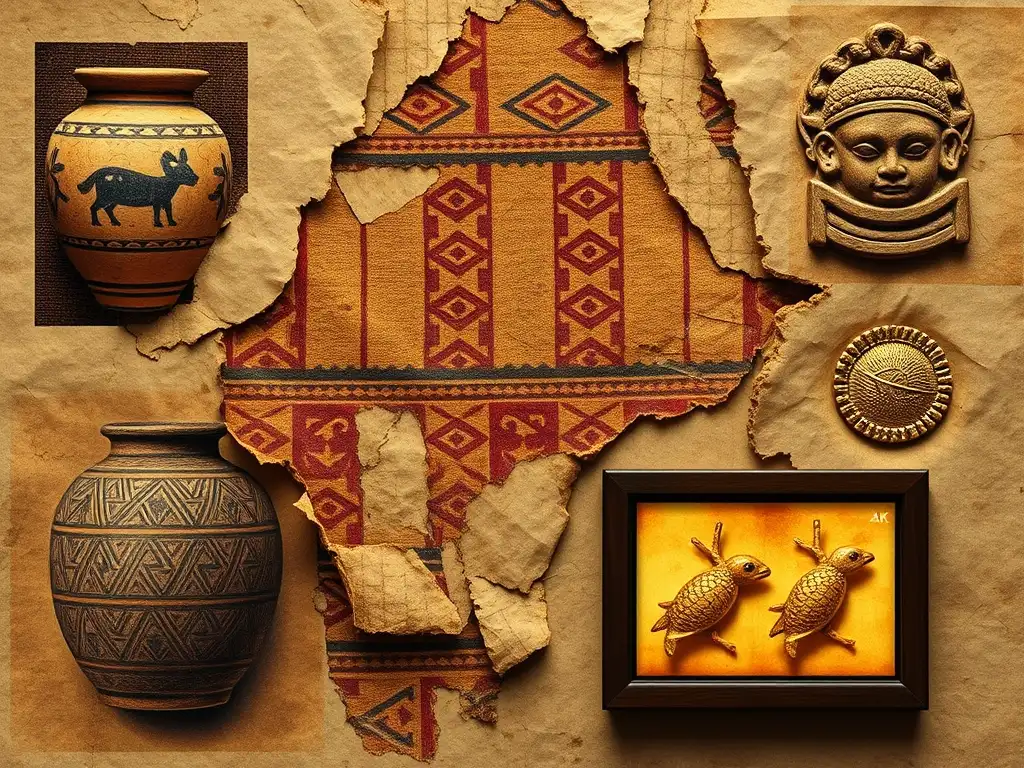
This section dives into the best interactive applications currently available for visually analyzing and understanding Ancient Andean art. We'll explore a range of apps catering to different skill levels and focusing on specific Andean cultures, ensuring there's something for everyone interested in decoding the visual narratives of these fascinating civilizations. The apps discussed below represent a significant step forward in making the study of Ancient Andean art accessible and engaging for a broader audience.
These digital tools offer a unique opportunity to interact directly with high-resolution images, detailed descriptions, and interactive features that enhance understanding and appreciation of this rich artistic heritage. The keyword "Ancient Andean art interactive app" is central to this exploration.
Best Overall: "Moche Pottery Analyzer" - A Comprehensive Visual Analysis Tool
The Moche Pottery Analyzer stands out as the best overall app for exploring Ancient Andean art, specifically focusing on the intricate and expressive pottery of the Moche civilization. This app provides a comprehensive visual analysis toolkit. Users can upload images of Moche pottery (or utilize the app's extensive database), and the advanced algorithms will analyze the piece, identifying stylistic features, identifying potential iconographic motifs, and even suggesting possible interpretations based on existing scholarly research. The app excels in its detailed analysis, offering information on color palettes, decorative techniques, and the potential social and religious contexts represented in the imagery.
The app's interface is intuitive and user-friendly, making it accessible even to those with limited prior knowledge of Moche culture. It includes a glossary of terms, detailed descriptions of individual pottery pieces, and interactive timelines that contextualize the artifacts within the broader historical trajectory of the Moche civilization. Furthermore, the app regularly updates its database with new images and research findings, ensuring that users always have access to the most current information.
The "Ancient Andean art interactive app" experience offered here is truly unparalleled in its depth and accessibility. Data analysis features also allow users to compare different pottery pieces, identifying patterns and variations across time and geographic regions. This interactive approach to the study of Moche pottery significantly enhances the learning experience, transforming passive observation into active engagement with the art.
Runner-Up: "Nazca Lines Explorer" - Deciphering Geoglyphs Through Technology
Coming in as a strong runner-up is the Nazca Lines Explorer, an interactive app dedicated to the enigmatic geoglyphs of the Nazca culture. This app provides a unique perspective on these massive ground drawings, offering users a virtual flyover experience with high-resolution satellite imagery and detailed annotations. Users can zoom in and out, explore individual geoglyphs, and access information on their possible meanings and interpretations, all within the context of the vast Nazca desert landscape.
The app cleverly integrates augmented reality (AR) features, allowing users to overlay digital models of the geoglyphs onto their real-world view using their device's camera. This feature enhances the visualization of scale and spatial relationships, greatly improving the understanding of these monumental works of Ancient Andean art. Unlike many other Ancient Andean art interactive apps, this one prioritizes the geographical and environmental context, highlighting the challenges and ingenuity involved in creating these massive earthworks.
The app also incorporates scholarly discussions on the possible functions and meanings of the Nazca lines, providing users with a balanced perspective on this enduring mystery. The app's developers have prioritized accuracy and accessibility, making it a valuable tool for both casual enthusiasts and seasoned researchers.
Best for Beginners: "Inca Textile Decoder" - An Entry-Level Interactive Learning App
For those new to the world of Ancient Andean art, the Inca Textile Decoder offers an excellent entry point. This app focuses specifically on Inca textiles, renowned for their intricate designs and vibrant colors. The app utilizes a simplified, visually driven interface that guides users through the basic principles of Inca textile production and design. It features a comprehensive collection of high-quality images of Inca textiles, each accompanied by detailed captions explaining the techniques used, the symbolic meanings of the patterns, and the cultural context in which they were created.
The app uses a gamified approach to learning, incorporating quizzes and interactive challenges that help users test their understanding and reinforce key concepts. This makes learning about Inca textiles fun and engaging, even for those with no prior experience. The app also includes a section on identifying different types of Inca textiles, helping users to distinguish between various weaving techniques and decorative styles.
The Inca Textile Decoder is a perfect example of how an Ancient Andean art interactive app can make complex subjects approachable and enjoyable for a wider audience. It provides a solid foundation for further exploration into the rich world of Ancient Andean art, offering a user-friendly introduction to the intricate artistry and cultural significance of Inca textiles.
Special Mention: "Tiwanaku Architecture Viewer" - Reconstructing Lost Architectural Wonders
The Tiwanaku civilization, flourishing in the Andean Altiplano between the 6th and 12th centuries CE, left behind a legacy of monumental architecture that continues to fascinate and inspire researchers. Their mastery of stonework, evident in structures like the Kalasasaya and the Akapana pyramid, showcases an advanced understanding of engineering and construction techniques for the time. However, centuries of weathering, looting, and seismic activity have significantly damaged many of these sites, obscuring their original grandeur. This is where innovative digital tools, such as a hypothetical "Tiwanaku Architecture Viewer" app, can play a crucial role.
Imagine an app that uses photogrammetry and 3D modeling to reconstruct the lost architectural wonders of Tiwanaku. Users could virtually explore the Akapana pyramid in its pristine state, observing its intricate layout and the impressive scale of the structure. The app could offer interactive tours, highlighting key architectural features and providing detailed information about the construction methods employed by the Tiwanaku people. Furthermore, the app could incorporate archaeological findings, showing users the location of discovered artifacts and their significance within the broader context of the site.
Such an app wouldn't just be a visual feast; it would serve as a powerful educational tool. Through interactive simulations, users could understand the challenges involved in constructing such massive structures at high altitudes and with limited technology. They could learn about the social organization and the sophisticated knowledge base required to undertake such ambitious projects.
The app could also incorporate comparative analyses, allowing users to compare the architecture of Tiwanaku with other contemporary Andean cultures, enriching their understanding of the diverse cultural landscape of the region. The potential for engaging animations depicting construction processes or even virtual reality (VR) tours would dramatically enhance user engagement and learning. This hypothetical app would represent a significant advancement in the field of digital archaeology, providing unprecedented access to and understanding of this remarkable civilization's architectural achievements.
The ability to virtually restore and interact with these structures could inspire a new generation of archaeologists and ignite a deeper appreciation for the ingenuity of the Tiwanaku people. The detailed reconstructions could also serve as a valuable tool for conservation efforts, aiding in the preservation of the remaining physical structures.
Choosing the Right Interactive App for Your Andean Art Exploration

This section delves into the crucial factors to consider when selecting an interactive app for exploring Ancient Andean art. The market offers a variety of options, each with unique strengths and weaknesses. Choosing the right tool can significantly impact your learning experience and the depth of your understanding. We'll explore several key aspects to guide your decision-making process.
Key Considerations When Selecting Your Digital Tool
Selecting the perfect Ancient Andean art interactive app requires careful consideration of several key factors. These factors will help you narrow down your choices and find the app that best suits your needs and learning style.
First, consider the app's scope and content. Does it focus on a specific Andean civilization, like the Inca or Moche, or does it offer a broader overview of Ancient Andean art? Some apps might concentrate on specific art forms, such as pottery or textiles, while others might provide a more comprehensive collection. A detailed description of the app's content, including the number of artifacts featured and the level of detail provided for each piece, is crucial. For example, an app focusing solely on Nazca lines might lack information on Inca goldwork, limiting its usefulness for a broader study.
Next, evaluate the app's interface and usability. Is the app intuitive and easy to navigate? Does it provide clear search and filtering options? A user-friendly interface significantly enhances the learning experience, allowing for seamless exploration of the vast amount of information and imagery. Apps with cluttered interfaces or complex navigation can frustrate users and hinder their engagement. Consider aspects like image quality, zoom capabilities, and the presence of interactive elements like 360° views or augmented reality features. A well-designed app should be a pleasure to use, making the exploration of Ancient Andean art engaging and enjoyable.
Furthermore, examine the app's educational features. Does the app offer detailed descriptions of the artifacts, historical context, and cultural significance? Are there interactive quizzes or learning modules to reinforce your understanding? A strong educational component differentiates a simple image gallery from a valuable learning tool. Features such as timelines, geographical maps, and artist biographies can significantly enrich the learning experience. The inclusion of scholarly articles or links to further resources enhances the app's educational value and encourages deeper exploration. The presence of multiple languages also broadens accessibility and inclusivity.
Finally, consider the app's technical aspects. Is the app compatible with your device? Does it require a stable internet connection? What is the app's size and storage requirements? Technical compatibility is vital for a smooth user experience. Apps with excessive storage requirements or reliance on constant internet connectivity can be impractical for many users. Look for apps optimized for various devices and operating systems to ensure compatibility and accessibility.
Maximizing Your Learning Experience with Interactive Apps

This section focuses on strategies to maximize the educational benefits offered by interactive apps designed for exploring Ancient Andean art. Effective utilization of these tools is key to unlocking a deeper understanding of this fascinating subject.
Maximizing Your Learning Experience with Interactive Apps
To truly maximize your learning experience with Ancient Andean art interactive apps, consider a multi-faceted approach. Don't simply passively browse through the images; actively engage with the app's features.
First, develop a learning plan. Before diving into the app, outline specific learning objectives. Are you interested in learning about a particular Andean culture? Do you want to focus on a specific art form, like ceramics or textiles? Having clear goals will help you focus your exploration and make the most of your time.
Second, utilize the app's features fully. Many apps offer various tools such as zoom functions, detailed descriptions, and interactive elements. Take advantage of these features to gain a deeper understanding of the artifacts. Zoom in to examine the intricate details of a piece of pottery or explore the symbolism in a textile. Read the accompanying text carefully, paying attention to the historical and cultural context.
Third, take notes and create your own visual records. As you explore the app, take notes on what you're learning. Consider creating your own visual records by sketching interesting artifacts or taking screenshots of particularly significant pieces. This active engagement will help solidify your learning and encourage deeper reflection. It can also be beneficial to create a personal categorized digital archive of your favorite pieces or those you found particularly insightful.
Fourth, engage in comparative analysis. Many apps feature artifacts from various Andean cultures and periods. Use this opportunity to compare and contrast different styles, techniques, and themes. Note similarities and differences in artistic expression across different cultures and time periods. This comparative approach can enhance your understanding of the evolution and diversity of Ancient Andean art.
Finally, seek out additional resources. While interactive apps are valuable tools, they should be considered part of a broader learning strategy. Supplement your app exploration with books, articles, and museum visits to enrich your understanding further. Many apps include links to external resources which can be used to augment your exploration. This combined approach ensures a comprehensive and well-rounded learning experience. Remember, active engagement and a structured approach are key to maximizing the educational value of Ancient Andean art interactive apps.
The Future of Andean Art Analysis: Interactive Apps and Beyond
The burgeoning field of digital humanities offers unprecedented opportunities for the study of Ancient Andean art. Interactive apps, specifically designed for visual analysis, are transforming how scholars and enthusiasts alike engage with these captivating artifacts. No longer are researchers confined to static images and limited textual descriptions.
Instead, they can delve into intricate details, compare stylistic elements across different cultures (like the Moche and Nazca), and even reconstruct lost aspects of Andean artistic practices. This shift represents a significant leap forward, promising a deeper understanding of the rich symbolism and complex techniques employed by ancient Andean artisans. The potential for discovery is immense, fueled by the continuous development of sophisticated algorithms and user-friendly interfaces.
The integration of 3D modeling, augmented reality (AR), and virtual reality (VR) technologies further enhances the immersive experience, allowing for a more complete and nuanced appreciation of Ancient Andean art. This evolution is not just about accessibility; it's about fostering a more dynamic and collaborative research environment.
The Impact of Technology on Cultural Heritage Studies
Technology's impact on the study of cultural heritage, particularly Ancient Andean art, is multifaceted. Firstly, it democratizes access. High-resolution images and interactive tools are readily available online, eliminating geographical barriers and making research more inclusive. Secondly, it enhances preservation efforts.
Digital copies safeguard fragile artifacts from further deterioration, allowing for comprehensive study without risking damage. Thirdly, and perhaps most significantly, it facilitates innovative research methodologies. Advanced image processing techniques allow for the identification of subtle details invisible to the naked eye, revealing hidden patterns and artistic techniques. For example, spectral imaging can reveal underdrawings or pigment layers, providing insights into the creative process.
Furthermore, 3D modeling enables the reconstruction of damaged or incomplete artifacts, offering a more complete picture of the original artwork. Consider the intricate textiles of the Paracas culture: digital analysis can help unravel complex weaving techniques and reveal symbolic meanings embedded within the designs. This technology offers a powerful combination of preservation, accessibility, and innovative research, ultimately leading to a far richer understanding of Ancient Andean art. The quantitative analysis enabled by these tools allows for more robust comparisons and the identification of trends across different periods and regions, furthering our understanding of the evolution of Andean artistic styles.
Continuing Evolution in Digital Tools for Andean Art Research
The field of digital tools for Andean art research is constantly evolving. We can anticipate further advancements in several key areas. The development of more sophisticated AI-powered image recognition systems will enable faster and more accurate identification of stylistic elements and artistic attributes. This could involve automated classification of pottery styles, identification of specific iconographic motifs, or even the detection of forgeries.
Furthermore, improvements in 3D scanning and modeling techniques will allow for even more precise reconstructions of artifacts, bringing us closer to experiencing these works as they were originally intended. The integration of machine learning algorithms will facilitate the analysis of vast datasets, uncovering patterns and relationships that might otherwise remain hidden. For instance, analyzing the distribution of specific motifs across different sites could reveal important information about trade networks and cultural exchange.
Finally, we can expect increased collaboration between archaeologists, art historians, computer scientists, and software developers, leading to the creation of even more powerful and user-friendly tools for the study of Ancient Andean art. The future holds immense potential for unlocking the secrets held within these captivating artifacts, providing a deeper understanding of the cultures that created them. The development of "Ancient Andean art interactive app"s is at the forefront of this exciting evolution.
Frequently Asked Questions
What is the focus of this article?
This article explores the exciting world of interactive apps designed to help users understand and analyze Ancient Andean art. It highlights how technology enhances our appreciation of the Inca, Moche, Nazca, and Tiahuanaco cultures.
Are there any specific apps mentioned in the article?
While the article doesn't list specific app names, it discusses the concept of interactive apps for visual analysis of Ancient Andean art. It emphasizes the potential of such apps for educational and research purposes.
How can these interactive apps benefit learning about Andean civilizations?
These apps offer engaging and accessible ways to learn about Andean art. They allow for close examination of artifacts, detailed analysis of artistic techniques, and a deeper understanding of the cultural context.
What kind of features might these interactive apps include?
Potential features include high-resolution images, zoom capabilities, detailed descriptions, and interactive elements like quizzes or 3D models. Some might even include comparative analyses of different artistic styles across various Andean cultures.
Where can I find more information about Ancient Andean art interactive apps?
Further research into "Ancient Andean art interactive apps" online will likely reveal several resources. Look for educational websites, museum websites, and app stores that specialize in archaeology and cultural heritage.
Final Reflection: Unlocking the Past, Shaping the Future Through Andean Art
The accessibility of Ancient Andean art, once confined to dusty museum halls and scholarly texts, is now exploding thanks to the power of interactive digital tools. This revolution not only democratizes access to this rich cultural heritage but also fosters a deeper, more engaging understanding of the intricate narratives woven into these ancient artifacts.
The impact of these interactive apps extends far beyond simple visual exploration. They are reshaping how we learn, teach, and connect with the past. By making complex artistic techniques and cultural contexts readily available, these apps empower individuals to actively participate in the interpretation of Andean art, fostering a sense of ownership and appreciation. The past is never dead. It's not even past.
– William Faulkner. This quote resonates deeply, as these apps bridge the chasm between ancient civilizations and modern audiences, ensuring that the stories and artistry of the Andes continue to resonate and inspire.
Consider the potential: Imagine a classroom where students can virtually manipulate a textile, examining its weave and dyes to understand the social and economic structures of the time. Or picture a museum visitor exploring a virtual reconstruction of a ceremonial site, gaining a richer understanding of its purpose and significance. This is the power of interactive technology applied to Ancient Andean art. You, the reader, now hold the key to unlocking this potential. Explore these apps, share your discoveries, and help us ensure that the vibrant legacy of Andean art continues to flourish for generations to come.
**Unleash Your Inner Archaeologist Today! **
Thank you for exploring the fascinating world of Ancient Andean art with us! We hope you've discovered how interactive apps can significantly enhance your understanding and appreciation of these rich cultures. Now, let's put that knowledge into practice!
Here's how you can continue your exploration:
- **Download and use an interactive app** focusing on Andean art to analyze and interpret artworks from your own device. Many excellent resources are available.
- Join an **online community** dedicated to Andean art to share your discoveries and connect with other enthusiasts. The exchange of ideas can be invaluable.
- Visit a local museum with a collection of Andean art and apply your newfound app-based knowledge to engage with the exhibits on a deeper level. You'll see familiar pieces in a whole new light.
Which artwork or detail surprised you the most while using the interactive tools? We'd love to hear your thoughts and experiences!