
Build an Inca Empire: Strategic Games to Understand Andean Power

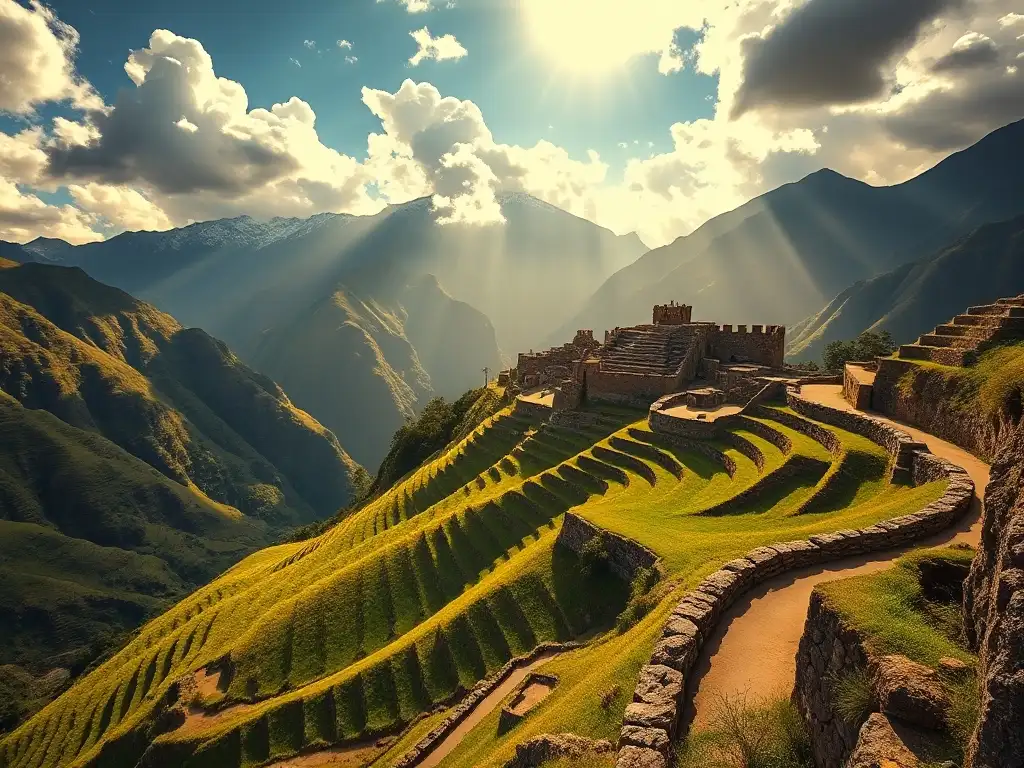
Uncover the secrets of a lost world! Journey through the breathtaking landscapes and astonishing ingenuity of the Andean civilizations. From the towering heights of Machu Picchu to the intricate artistry of the Nazca Lines, you’re about to delve into a history richer than you ever imagined. But how did these empires truly conquer and endure? Discover the answer – and strategize your own path to power – with our exploration of Inca empire strategy games, the perfect digital gateway to understanding Andean dominance. Prepare to be amazed.
- Build Your Own Inca Empire: Strategic Games to Understand Andean Power
- Top Inca Empire Strategy Games: A Comparative Analysis
- Choosing the Right Inca Strategy Game for You: A Buying Guide
- Beyond the Game: Enhanced Learning About the Inca Empire
- Exploring Inca History Through Virtual Simulation
- Maximizing Your Gaming Experience: Tips and Strategies for Inca Empire Games
- Conclusion: The Power of Inca Empire Strategy Games in Andean History Education
-
Frequently Asked Questions
- What makes Inca empire strategy games interesting?
- Are there any specific historical elements incorporated into these games?
- What are some examples of popular Inca empire strategy games?
- How can these games help me learn about the Inca Empire?
- Where can I find more information about Inca civilization beyond these games?
- Final Reflection: Echoes of the Andes: Strategy, Power, and Legacy
- Unleash Your Inner Strategist!
Build Your Own Inca Empire: Strategic Games to Understand Andean Power
The Inca Empire, a marvel of ancient engineering and political prowess, continues to fascinate historians and enthusiasts alike. Understanding its rise to power, its sophisticated social structures, and its eventual decline requires delving into complex historical narratives. This article explores how strategic games, specifically those focused on simulating the Inca Empire, offer a unique and engaging pathway to comprehend the intricacies of Andean civilization.
By actively participating in virtual recreations of Inca expansion, resource management, and political maneuvering, players gain a deeper, more visceral understanding of the challenges and triumphs that shaped this remarkable empire. We will examine several key aspects of these games, highlighting their educational value and the insights they provide into the strategic thinking behind the Inca's remarkable achievements. This approach allows for a dynamic and interactive learning experience, making the study of Andean history more accessible and enjoyable for a wider audience.
Let's embark on a journey to understand the Inca Empire's success through the lens of strategic gameplay! 🎉
Unveiling the Inca: Why Explore Through Strategy Games?
Traditional methods of learning about the Inca Empire, such as reading textbooks and academic papers, while valuable, can sometimes feel dry and distant. Strategy games offer a compelling alternative, transforming passive learning into an active, engaging experience. By placing the player directly in the role of an Inca leader, these games necessitate strategic decision-making in areas such as:
- Resource Management: Players must manage resources like food, labor, and materials, mirroring the real-world challenges faced by Inca rulers in balancing the needs of their vast empire. This includes understanding the importance of mita (labor tribute) and the complex logistics of food distribution across mountainous terrain.
- Territorial Expansion: Expanding the Inca Empire requires careful planning and execution, mirroring the historical expansion strategies employed by Inca leaders. Players must consider factors such as geography, military strength, and diplomatic relations with neighboring groups.
- Technological Advancement: Many games incorporate elements of Inca technology, such as road networks, irrigation systems, and agricultural techniques. Players learn about the importance of these innovations in supporting the empire's growth and stability.
- Political Intrigue: Some advanced games may introduce elements of political intrigue and internal conflict, forcing players to navigate the complexities of Inca governance and maintain social order within the empire.
The interactive nature of these games fosters a deeper understanding of the challenges and successes of the Inca Empire. Instead of simply reading about Inca achievements, players actively participate in recreating them, leading to a more memorable and insightful learning experience. Moreover, the competitive aspect of many games adds an element of fun and excitement, making the learning process more enjoyable and engaging.
Dive into Andean History: The Power of Inca Empire Simulation Games
The effectiveness of Inca Empire simulation games in educating players about Andean history stems from their ability to translate complex historical concepts into interactive gameplay mechanics. Consider, for example, the challenge of managing food production in a mountainous region. A simple textbook description might not convey the same level of understanding as the experience of allocating resources, managing crop yields, and dealing with potential famines within a game environment.
These simulations often incorporate detailed historical data, such as:
| Feature | Description | Impact on Gameplay |
|---|---|---|
| Terrain | The mountainous and diverse geography of the Andes. | Influences resource distribution, military movements, and city placement. |
| Infrastructure | Road networks, irrigation systems, and other Inca innovations. | Affects resource transportation, trade, and military efficiency. |
| Population | The size and distribution of the Inca population. | Impacts resource needs, labor availability, and potential for social unrest. |
| Military Strategy | The Inca's military organization and tactics. | Determines success in territorial expansion and conflict resolution. |
| Diplomacy | Relations with neighboring groups. | Influences alliances, trade agreements, and the potential for war or peace. |
By successfully navigating these historical challenges within the game, players develop a nuanced understanding of the complexities of Inca governance, military strategy, and economic management. The ability to experiment with different approaches and observe their consequences allows for a deeper engagement with the historical context than traditional learning methods can often provide. This hands-on approach makes learning about the Inca Empire not only informative but also incredibly fun and rewarding. 🏆
Top Inca Empire Strategy Games: A Comparative Analysis
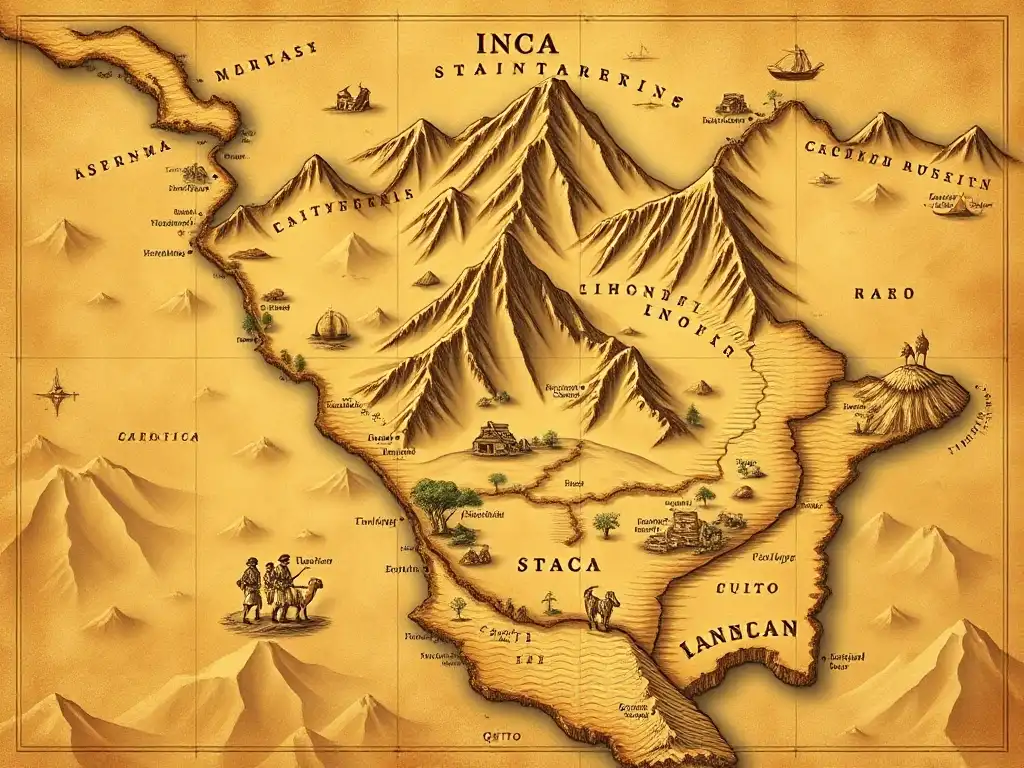
This section delves into specific strategy games that offer engaging simulations of Inca empire building, focusing on their strengths and weaknesses in representing Inca society, military tactics, and political strategies. We'll examine how these games capture the essence of Inca expansion and governance, providing a unique perspective on the challenges and triumphs of this remarkable civilization. Understanding these games can enhance your appreciation for the complexities of the Inca empire strategy.
Age of Empires II: The Conquerors: A Deep Dive into Inca Civilization
Age of Empires II: The Conquerors, a classic real-time strategy (RTS) game, includes the Inca civilization as a playable faction. While not perfectly historically accurate, it provides a compelling simulation of Inca expansion and resource management within a broader global context. The game emphasizes rapid expansion and efficient resource gathering, reflecting some aspects of Inca societal organization.
Key Features of Age of Empires II: The Conquerors: Resource Management and Expansion
The Inca civilization in Age of Empires II is characterized by its unique bonuses focusing on resource gathering and infrastructure development. Players benefit from faster resource collection rates for certain resources, and their unique units, like the Kamayuk, excel in siege warfare. The game mechanics encourage a strategy of rapid expansion and securing key resources to fuel a growing empire. Efficient resource management is crucial, mirroring the Inca's sophisticated agricultural techniques and logistical prowess. The game also highlights the importance of terracing and irrigation, fundamental aspects of Inca agricultural practices.
Pros and Cons of Age of Empires II: The Conquerors for Inca Empire Building
- Pros: The game effectively simulates the Inca's ability to rapidly expand and control territory, showcasing their impressive organizational capabilities. The unique unit compositions and resource bonuses provide a distinct gameplay experience. The fast-paced nature of the game makes it engaging and accessible to a wide audience.
- Cons: The simplification of Inca society and governance in favor of gameplay mechanics means certain nuanced aspects of Inca culture and politics are overlooked. The game's focus on military conquest may overshadow other significant aspects of Inca civilization, such as their advanced engineering feats and sophisticated social structures.
How Age of Empires II: The Conquerors Simulates Inca Society and Governance
The game represents Inca society through its unique units and technologies. While it doesn't explicitly model the intricate social hierarchy or the mita labor system, the focus on resource management and expansion indirectly reflects the Inca's centralized control over labor and resources. The game's economic model, requiring players to balance resource gathering and military expansion, offers a simplified but engaging representation of the challenges facing Inca rulers. The game successfully captures the dynamism of Inca expansion, albeit in a stylized and simplified manner.
Civilization VI: Mastering Inca Military and Diplomacy
Civilization VI offers a different perspective on Inca empire building, focusing more on long-term strategic planning and diplomatic interactions alongside military might. The Inca civilization is presented with unique strengths and weaknesses, encouraging players to adapt their strategies to the game's mechanics and the challenges presented by other civilizations.
Understanding the Military Strategies in Civilization VI
In Civilization VI, the Inca civilization's military strength is tied to its unique abilities and units. While not as overtly aggressive as some other civilizations, the Inca's strategic advantages can be leveraged to build a formidable army. Their unique units and abilities allow for effective defense and strategic flanking maneuvers, making them a powerful force when used effectively. Successful Inca military strategies often involve leveraging terrain advantages and utilizing guerilla warfare tactics, reflecting aspects of actual Inca military practices.
Diplomatic Options and Alliances in Civilization VI
Diplomacy plays a significant role in Civilization VI's Inca gameplay. The Inca's unique abilities can be used to forge strong alliances and secure favorable trade agreements. Mastering diplomatic interactions is crucial for long-term success, allowing players to expand their influence and secure resources without relying solely on military conquest. The game accurately reflects the importance of alliances and diplomacy in the real-world context of the Inca empire's expansion and interactions with neighboring groups.
Civilization VI: A Focus on Inca Warfare and Conquest
While military conquest is an option in Civilization VI, the game encourages a more balanced approach to empire building. The Inca civilization's unique strengths can be used to achieve victory through a variety of means, including military dominance, cultural influence, or technological advancement. The game provides a more nuanced perspective on Inca expansion, acknowledging the complexities of their interactions with other groups and emphasizing the importance of strategic planning and adaptability. The game's focus on long-term strategic thinking offers a more sophisticated simulation of Inca empire building compared to the faster-paced approach of Age of Empires II.
Total War: MEDIEVAL II: A Simplified Approach to Inca Empire Management
Total War: MEDIEVAL II, while not explicitly focused on the Inca Empire, offers a surprisingly accessible entry point for understanding some core aspects of Inca imperial strategy. Through its relatively straightforward mechanics, players can grapple with challenges similar to those faced by Inca rulers, albeit within a broader medieval European context. The game simplifies complex political and economic systems, allowing players to concentrate on key strategic elements like military expansion, resource management, and technological advancement.
This simplification, while potentially sacrificing historical accuracy in certain respects, makes it an excellent introductory tool for those new to the intricacies of Inca empire building. The game's focus on territorial control and resource gathering mirrors the Inca's emphasis on mita labor and the control of agricultural production across their vast empire. The need to balance military strength with economic stability resonates powerfully with the realities of governing the Inca state.
Total War: MEDIEVAL II: Ease of Gameplay and Learning Curve
One of the significant advantages of using Total War: MEDIEVAL II as an introduction to Inca-style strategic thinking lies in its relatively gentle learning curve. Compared to other grand strategy games with steeper learning curves, such as Crusader Kings III or Europa Universalis IV, Total War: MEDIEVAL II presents a more manageable entry point. The game's interface, while detailed, is generally intuitive, making it easier for newcomers to grasp the basic mechanics of unit management, resource allocation, and technological progression.
The game's tutorial and in-game help system also prove invaluable for players unfamiliar with the genre. This accessibility allows players to focus on the strategic challenges rather than getting bogged down in complex rules and mechanics. The simplified representation of Inca-like societal structures allows for quicker understanding of the core challenges of empire management, such as balancing military campaigns with internal stability and economic growth.
This ease of learning is crucial for players seeking a fun and engaging introduction to the subject of Inca empire building without the overwhelming complexity of more historically accurate simulations. The game's pacing also contributes to its accessibility, allowing for more rapid experimentation and learning from mistakes.
Total War: MEDIEVAL II as an Introduction to Inca History
While not a historically accurate representation of the Inca Empire, Total War: MEDIEVAL II can serve as a springboard for learning about Inca history. By playing the game, players are implicitly introduced to key concepts crucial to understanding the Inca civilization, such as the importance of military strength in expanding and maintaining control over vast territories. The game's emphasis on resource management subtly highlights the Inca's sophisticated agricultural techniques and their reliance on a well-organized system of labor to support their expansive empire.
The need to manage different factions and balance their needs within the game mirrors the challenges the Inca faced in integrating diverse ethnic groups into their empire. Playing the game encourages further research into the actual historical context, prompting players to seek out more accurate and detailed information about the Inca's political, economic, and social structures.
The game's simplified representation can spark curiosity, encouraging players to delve deeper into the complexities of Inca history and culture. Even the limitations of the game, as discussed below, can serve as a valuable learning experience, highlighting the nuances and complexities often overlooked in simplified representations.
Limitations of Total War: MEDIEVAL II in Simulating the Inca Empire
It is crucial to acknowledge the significant limitations of using Total War: MEDIEVAL II to simulate the Inca Empire. The game's setting is fundamentally European, and its mechanics don't accurately reflect the unique political, social, and economic structures of the Inca civilization. The game's military units and technologies are not representative of Inca warfare, and the representation of Inca societal structures is highly simplified and generalized.
The game lacks the nuances of Inca religious beliefs and their influence on political and social life, a crucial element missing from the gameplay experience. Furthermore, the game's focus on direct military conquest does not fully capture the Inca's strategies of integration and diplomacy, which played a significant role in their empire building. Therefore, while it can offer a basic introduction to some strategic challenges, Total War: MEDIEVAL II should not be considered a historically accurate or comprehensive simulation of the Inca Empire.
It should be viewed as a starting point for further exploration and engagement with more accurate and detailed resources on Inca history. The game's simplified model provides a valuable, albeit limited, illustration of core principles, but should be supplemented with more rigorous academic study to gain a truly comprehensive understanding.
Choosing the Right Inca Strategy Game for You: A Buying Guide
This section helps you navigate the world of Inca empire strategy games, ensuring you find the perfect title to match your interests and skill level. We'll explore key factors to consider before purchasing, providing recommendations tailored to different player profiles. The goal? To find the perfect Inca empire strategy game for you.
Factors to Consider When Selecting Inca Civilization Games
Selecting the right Inca civilization game requires careful consideration of several factors. A game that’s perfect for a seasoned strategy gamer might overwhelm a newcomer, while a simple game might bore a history buff seeking detailed accuracy. Let's break down these crucial aspects.
Historical Accuracy vs. Gameplay Mechanics: Balancing Realism and Fun
Many Inca empire strategy games strive for a balance between historical accuracy and engaging gameplay. Some prioritize realistic depictions of Inca society, agriculture, and warfare, while others emphasize streamlined mechanics for a more accessible experience. Consider your priorities: Do you want a meticulously researched simulation, or a fun, fast-paced game that captures the essence of Inca expansion?
For example, some games might accurately reflect the mit'a system (labor tribute) while others might simplify it for gameplay purposes. Similarly, the representation of Inca warfare can range from complex simulations of military tactics to simplified combat systems. The key is to find the right blend that satisfies your personal preferences.
Complexity Levels: From Beginner to Advanced Inca Empire Builders
Inca empire strategy games vary significantly in complexity. Beginner-friendly games often feature simplified mechanics and tutorials, making them ideal for newcomers to the genre. Advanced games, on the other hand, boast intricate systems, strategic depth, and challenging gameplay, offering a rewarding experience for seasoned players.
Think about your experience with strategy games. If you're new to the genre, start with a game that offers a gentle learning curve. If you're a seasoned veteran, seek out titles that offer a high level of strategic depth and complexity – games that will truly test your skills in building and managing an Inca empire.
Platform Compatibility: PC, Mobile, and Console Inca Games
The availability of Inca empire strategy games across different platforms is another critical factor. PC games often provide the most detailed and complex experiences, while mobile games offer convenience and portability. Console games offer a balance, often with streamlined controls suitable for gamepad play.
Consider the devices you own and your preferred gaming style. Do you prefer the immersive experience of a PC game, the convenience of a mobile title, or the ease of use of a console game? Knowing your preferred platform will significantly narrow down your choices.
Recommended Inca Empire Games Based on Your Interests
This section provides recommendations categorized by player interest, helping you find the perfect fit for your gaming style and historical curiosity.
For the History Enthusiast: Games with Deep Historical Detail
History buffs will appreciate games that faithfully recreate Inca society, culture, and military strategies. These games often incorporate detailed research, accurate depictions of Inca architecture, and realistic representations of their social structures. Look for games that highlight the complexities of Inca life and governance, offering a deeper understanding beyond simple conquest. Expect more involved gameplay and potentially a steeper learning curve.
For the Strategy Game Player: Games with Challenging Gameplay
Strategy game enthusiasts will appreciate games that offer deep strategic depth, complex mechanics, and challenging scenarios. These games often prioritize strategic decision-making, resource management, and military tactics, providing a rewarding experience for those who enjoy a difficult challenge. Expect dynamic gameplay, numerous strategic options, and potentially a high level of replayability.
For the Casual Gamer: Easy to Learn Inca Empire Building Games
Casual gamers will appreciate games that are easy to learn but still offer engaging gameplay. These games often feature simplified mechanics, intuitive interfaces, and shorter gameplay sessions, making them accessible to players of all skill levels. They offer a fun introduction to the world of Inca empire building without the overwhelming complexity of some advanced titles. These games prioritize accessibility and quick, satisfying gameplay loops.
Remember, the best Inca empire strategy game is subjective and depends on your individual preferences. By considering these factors, you can make an informed decision and find the perfect game to embark on your virtual journey to conquer and manage the Inca Empire!
Beyond the Game: Enhanced Learning About the Inca Empire
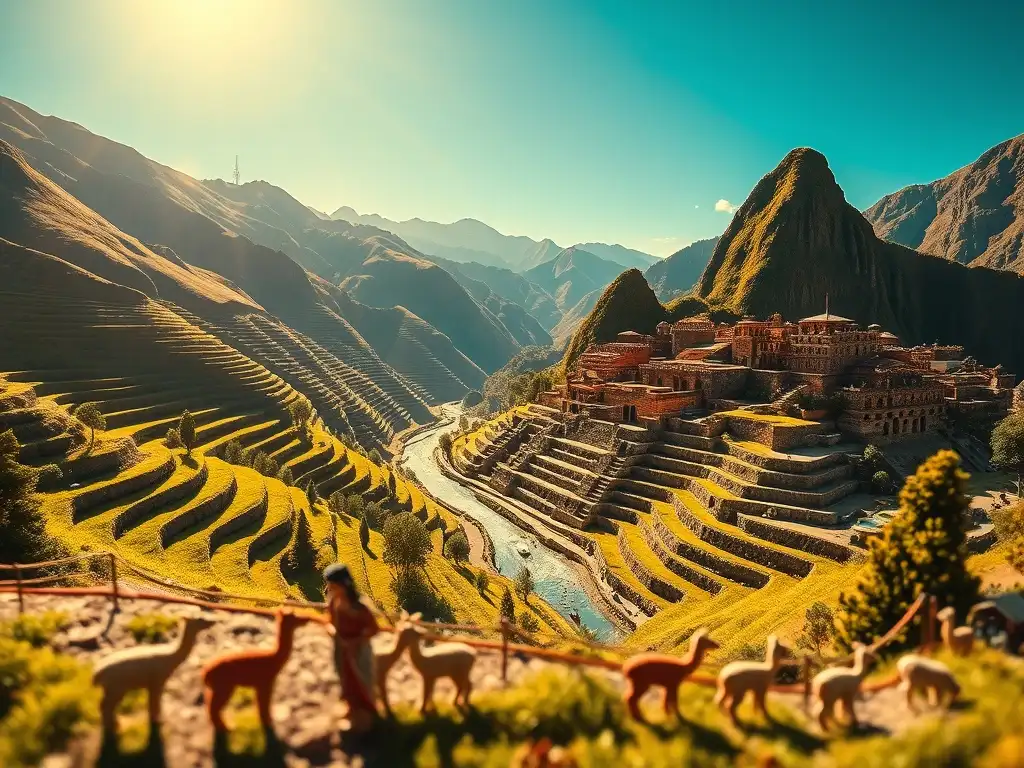
This section explores how strategically designed Inca empire strategy games can significantly enhance the learning experience beyond simple entertainment. By thoughtfully integrating game mechanics with established educational resources, we can create a more engaging and effective pathway to understanding the complexities of the Inca civilization. The key lies in leveraging the game's interactive nature to reinforce key historical concepts and foster critical thinking skills. This isn't just about playing; it's about learning through play.
Integrating Inca Strategy Games with Educational Resources
Effective integration requires a multi-pronged approach. Firstly, the game itself should be meticulously researched, accurately reflecting the political, economic, and social structures of the Inca Empire. This accuracy is crucial for building a credible learning experience. Secondly, supplementary educational materials should complement the game. These could include:
- Detailed historical timelines: Charting the rise and fall of the Inca Empire, highlighting key events and rulers.
- Interactive maps: Allowing students to explore the vast Inca territory and its diverse regions.
- Primary source documents: Providing direct access to Inca writings (where available) and accounts from Spanish conquistadors.
- 3D models of Inca structures: Giving students a visual understanding of Inca architecture and engineering marvels like Machu Picchu.
- Glossaries of Inca terms: Defining key vocabulary related to Inca culture and society.
By connecting the game's challenges to real-world historical contexts, students can develop a deeper appreciation for the strategic decisions made by Inca leaders and the consequences of those choices. For example, a game mechanic focusing on resource management could be linked to discussions of the Inca's mit'a system and its impact on the empire's agricultural production and infrastructure development. This approach transforms the game from passive entertainment into an active learning tool. The use of games in education is increasingly recognized as a powerful method for improved knowledge retention and engagement. 🧑🏫
Exploring Inca History Through Virtual Simulation
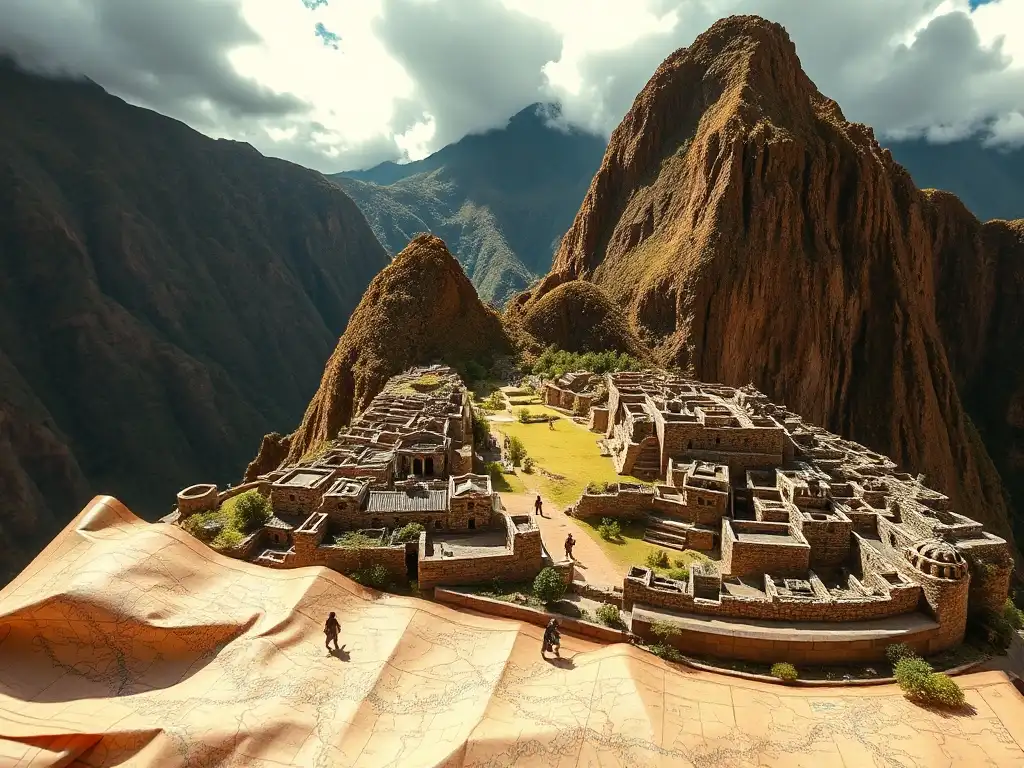
Inca empire strategy games offer a unique opportunity to explore historical events through virtual simulation. Unlike traditional textbook learning, these games allow for active participation in shaping the narrative. Players are not simply passive observers; they become active participants in the historical process. This active engagement significantly improves knowledge retention and comprehension.
Using Inca Games to Understand Andean Political Structure
These games can effectively demonstrate the intricate political structure of the Inca Empire. For example, successful gameplay often requires managing relationships with different provinces, navigating alliances, and suppressing rebellions. This directly mirrors the challenges faced by Inca rulers in maintaining control over their vast and diverse empire. The game mechanics can illustrate the effectiveness (or lack thereof) of different political strategies employed by the Inca.
The virtual environment allows for experimentation with different approaches to governance. Players can test the impact of various policies on the empire's stability and prosperity. For instance, a game might simulate the effects of different tax policies on the population's loyalty or the consequences of military campaigns on resource allocation. This hands-on experience provides a deeper understanding of the complexities of Inca governance than simply reading about it in a textbook. Analyzing successful and unsuccessful strategies within the game can lead to insightful discussions about the strengths and weaknesses of the Inca political system. The ability to "fail" and learn from mistakes is a significant advantage of this approach, offering valuable lessons not easily replicated in other educational settings. The strategic depth allows for a nuanced understanding of factors like tribute collection, road construction, and the role of religion in maintaining social order, all key components of Inca political life.
Maximizing Your Gaming Experience: Tips and Strategies for Inca Empire Games
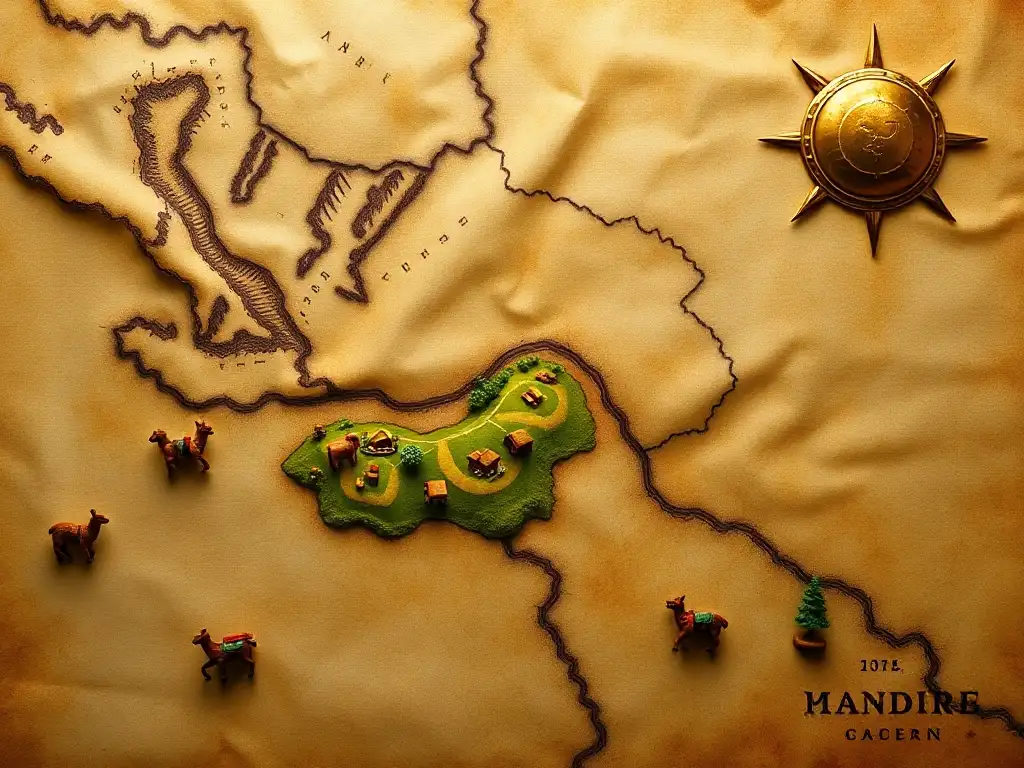
This section provides advanced strategies to enhance your gameplay in Inca empire strategy games, pushing you beyond the basics and into the realm of true Andean dominance. We'll explore resource management, effective conquest tactics, and how to truly understand the nuances of Inca culture within the game mechanics. Remember, conquering isn't just about military might; it's about understanding the intricate web of Inca society and leveraging its strengths.
Mastering Resource Management in Inca Civilization Games
Efficient resource management is the cornerstone of any successful Inca empire. Unlike many other civilizations, the Inca economy relied heavily on mita, a system of labor tribute. In your games, this translates to careful planning and allocation of your workforce. Don't just blindly build; prioritize!
Consider this scenario: You've just secured a new province rich in silver. The temptation is to immediately construct numerous silver mines. However, a more strategic approach involves first improving infrastructure – roads connecting the province to your capital are crucial for efficient resource transport. Then, strategically allocate your workforce to build farms and increase food production in the surrounding areas to support the growing mining population. A balanced approach, prioritizing infrastructure before maximizing resource extraction, will yield far greater long-term benefits.
Here's a breakdown of optimal resource allocation:
| Resource | Priority Level | Strategy |
|---|---|---|
| Food | Highest | Ensure sufficient food supply to support population growth and workforce. |
| Llamas/Alpacas | High | Crucial for transportation and wool production; essential for economic growth. |
| Silver/Gold | Medium | Invest after establishing strong infrastructure and food security. |
| Building Materials | Medium | Maintain a steady supply for continued expansion and infrastructure. |
| Manpower | Highest | Effective workforce allocation is paramount for all aspects of your empire. |
Ignoring the delicate balance between these resources can lead to unrest, economic stagnation, and ultimately, defeat. Remember, a well-fed and well-supplied populace is a productive populace, crucial for building a mighty Inca empire. 🦙
Effective Strategies for Inca Conquest and Expansion
Conquest in Inca empire strategy games isn't just about brute force; it’s about strategic planning and understanding your opponent’s weaknesses. The Inca military relied on disciplined infantry and efficient logistics. Simulate this in your game by focusing on:
- Road Networks: The Inca road system was legendary. Prioritize road construction to quickly move your armies and supplies across your empire. This allows for swift responses to rebellions and efficient deployment of troops during expansion.
- Strategic Alliances: Don't underestimate the power of diplomacy. Forming alliances can provide crucial support during conflicts and expand your influence without costly warfare. Consider offering trade agreements or other benefits to secure alliances.
- Guerrilla Warfare: In games, as in reality, use the terrain to your advantage. Utilize ambushes and hit-and-run tactics to wear down larger enemies.
- Efficient Siege Warfare: The Inca were masters of siege warfare. Focus on developing effective siege weapons and strategies to overcome fortified settlements.
Remember, a well-planned expansion strategy, balanced with diplomatic prowess and military efficiency, is key to building a powerful and lasting Inca empire. 💪
Understanding Inca Culture and Society Through Gameplay
Many Inca empire strategy games incorporate elements of Inca culture and society. Pay close attention to these details, as they often provide a significant strategic advantage. For example:
- Religious Beliefs: The Inca religion played a crucial role in their society. Understanding the importance of religious sites and rituals within the game mechanics can unlock bonuses or prevent negative consequences. Ignoring religious aspects might lead to unrest or decreased productivity.
- Social Hierarchy: The Inca empire had a complex social structure. Understanding this hierarchy and managing the different social classes effectively is vital for maintaining stability and productivity. Unrest among the lower classes can severely hamper your progress.
- Agricultural Practices: The Inca were skilled agriculturalists. Mastering the game's agricultural mechanics, such as terracing and irrigation, is crucial for feeding your growing population and ensuring economic stability. Efficient farming is the backbone of a thriving Inca empire.
By carefully observing and understanding these cultural elements within the game's framework, you can gain a deeper appreciation for Inca civilization and significantly improve your chances of creating a formidable and enduring empire. This immersive approach transforms the game from simple conquest into a rich learning experience. 🧠
Conclusion: The Power of Inca Empire Strategy Games in Andean History Education
Inca empire strategy games offer a unique and engaging approach to understanding the complexities of the Inca civilization. By actively participating in the simulation of empire building, players develop a deeper appreciation for the challenges and triumphs of Inca rulers. These games transcend passive learning, transforming the study of Andean history into an interactive and memorable experience.
The strategic decision-making required – resource management, territorial expansion, infrastructure development, and diplomacy – fosters critical thinking skills and a nuanced understanding of the factors that contributed to the Inca Empire's success and eventual decline. This active learning methodology proves significantly more effective than traditional methods for many learners, making these games a valuable tool in Andean history education. The immersive nature of these games allows for a more comprehensive understanding of the Inca worldview and societal structures, enriching the learning experience beyond simple memorization of facts and dates.
The Educational Value of Virtual Inca Empire Building
The educational benefits of Inca empire strategy games extend beyond simple entertainment. These games provide a hands-on approach to understanding complex historical processes. For example, managing resource allocation within the game mirrors the real-life challenges faced by Inca leaders in balancing agricultural production, infrastructure development, and population needs.
Successfully navigating these challenges within the game provides a tangible understanding of the intricate logistical operations required to maintain a vast empire. Furthermore, the simulated diplomatic interactions within these games illuminate the political landscape of the Andes, showcasing the alliances, conflicts, and power dynamics that shaped the Inca Empire. The consequences of strategic decisions, whether successful or unsuccessful, offer valuable lessons in cause and effect, reinforcing historical knowledge in a dynamic and engaging way.
Consider the impact of choosing to invest in infrastructure versus military expansion – the game immediately demonstrates the repercussions of this choice on the empire's long-term stability and growth. This immediate feedback loop is crucial for effective learning and retention. The visual representation of the Inca Empire's expansion, infrastructure, and population distribution further enhances understanding, offering a dynamic visualization of historical data.
Continuing Your Journey into Andean Civilizations Through Games
While Inca empire strategy games provide an excellent entry point into understanding the Inca civilization, the journey doesn't end there. Many games offer expansions or related titles that delve into the broader context of Andean history. Exploring these related games allows players to expand their knowledge beyond the Inca, encompassing other significant Andean civilizations such as the Moche, Nazca, and Tiahuanaco.
This broader perspective enriches the understanding of the Inca Empire by situating it within the larger historical and cultural landscape of the Andes. Furthermore, many games incorporate elements of Inca art, architecture, and mythology, providing a richer, more holistic understanding of the civilization's cultural heritage. By continuing to explore games focused on Andean civilizations, players can build upon their knowledge and develop a comprehensive appreciation for the region's rich and complex history.
This continued engagement fosters a deeper appreciation for the intricacies of Andean cultures and their lasting impact on the world. The immersive nature of these games makes them an ideal tool for lifelong learning, encouraging continued exploration and discovery.
Future of Inca Strategy Games: What to Expect
The future of Inca empire strategy games promises even more immersive and educational experiences. We can anticipate advancements in game mechanics that will more accurately reflect the complexities of Inca society and governance. Improved AI, more detailed historical simulations, and enhanced graphics will create even more realistic and engaging gameplay.
The incorporation of virtual reality (VR) and augmented reality (AR) technologies could further revolutionize the learning experience, allowing players to virtually explore Inca cities and interact with historical figures. Moreover, the integration of more diverse perspectives and historical interpretations within game narratives will ensure a more nuanced and inclusive representation of Andean history. We can also expect increased accessibility, with games designed for a wider range of ages and skill levels.
This evolution will not only enhance the entertainment value of these games but also significantly contribute to the accessibility and effectiveness of Andean history education, making these powerful learning tools even more impactful in the years to come. The potential for these games to foster a greater understanding and appreciation of Inca civilization and Andean history is truly immense.
Frequently Asked Questions
What makes Inca empire strategy games interesting?
Inca empire strategy games offer a unique blend of resource management, city building, and military conquest, all within the fascinating context of the Inca civilization. They allow players to experience the challenges and triumphs of building and maintaining a vast empire.
Are there any specific historical elements incorporated into these games?
Many games accurately depict Inca architecture, agricultural practices, and social structures. Some even include specific historical events or figures, providing a deeper understanding of the Inca empire's history.
What are some examples of popular Inca empire strategy games?
While there isn't a huge dedicated genre, many strategy games feature Inca-inspired elements or allow players to create civilizations with similar characteristics. Look for games focusing on South American civilizations or those allowing for customizable empires.
How can these games help me learn about the Inca Empire?
Playing these games can provide a fun and engaging way to learn about Inca infrastructure, military tactics, and economic systems. It offers a hands-on approach to understanding the complexities of their society.
Where can I find more information about Inca civilization beyond these games?
To deepen your knowledge, explore academic resources, museums, and documentaries focusing on the Inca Empire. Books and online encyclopedias are excellent starting points for further research.
Final Reflection: Echoes of the Andes: Strategy, Power, and Legacy
The strategic brilliance of the Inca Empire continues to resonate today, offering invaluable lessons in governance, infrastructure, and adaptation that remain strikingly relevant in our interconnected world. Understanding the Inca's sophisticated systems of resource management, communication, and social organization provides a powerful framework for tackling modern challenges, from sustainable development to effective leadership. Their story is not just a historical account; it's a living testament to human ingenuity and resilience.
The Inca's impact extends far beyond the realm of historical study; their legacy shapes our understanding of empire building, cultural preservation, and the enduring power of collective action. Their intricate road system, a marvel of engineering, still inspires awe, a testament to their vision and organizational prowess. As the anthropologist, John Murra, eloquently stated, The Inca state was not merely a political entity; it was a vast, integrated system of resource management and social control.
This quote encapsulates the complexity and sophistication of their achievements, reminding us that true power lies not just in conquest, but in the ability to build and sustain a thriving society.
Consider the strategies employed by the Inca, their innovative solutions to logistical challenges, and their remarkable ability to unify diverse populations. You, too, can apply these principles to your own life, whether in navigating complex projects, building strong teams, or simply striving for greater efficiency and collaboration. Reflect on the Inca's legacy, and ask yourself: how can I leverage their wisdom to build my own "empire," whether it be a successful career, a thriving community, or a fulfilling personal life? The echoes of the Andes whisper secrets of success; will you listen?
Unleash Your Inner Strategist!
Thank you for exploring the strategic intricacies of the Inca Empire and the Andean world! We hope you've gained valuable insights into the power dynamics of this ancient civilization. Now, let's put that knowledge to the test!
Here are some ways to further explore this fascinating topic:
- Host a game night with friends or family, playing a game inspired by Andean culture or creating your own based on historical themes.
- Join an online community or local group dedicated to Andean history and strategy games. Share your insights and learn from fellow enthusiasts.
- Watch documentaries and explore interactive resources focusing on Inca history and geography. Discover how real landscapes and strategies shaped the Andean Empire.
What's your next step in delving deeper into the Inca Empire? We'd love to hear your ideas!