
The Power of the Andes: Apps that Reveal Ancient Engineering Marvels

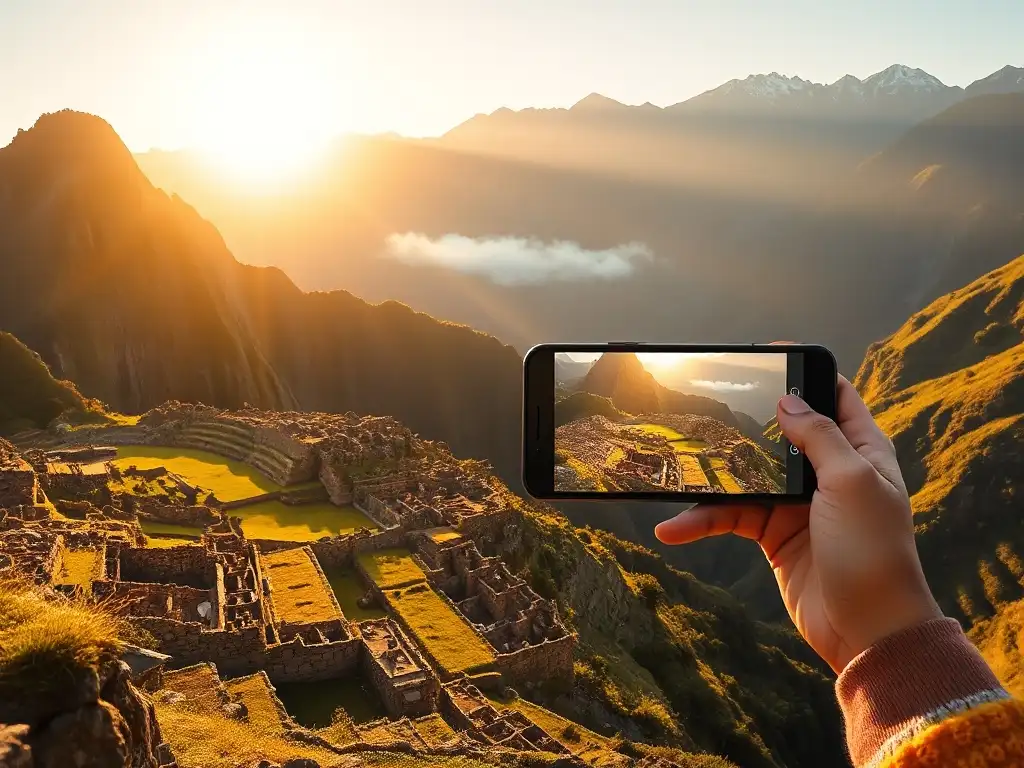
Step into a world lost to time, yet echoing with ingenuity. Imagine the breathtaking scale of Andean civilization engineering, a testament to human innovation that continues to amaze. Forget dusty textbooks – discover the secrets of the Andes through cutting-edge digital resources. This site unveils the astonishing achievements of the Incas, Moche, Nazca, and Tiahuanaco, revealing how their advancements in engineering shaped their societies and left an indelible mark on history. Dive in and explore the fascinating world of Andean civilization engineering apps – your journey into the heart of the Andes begins now.
The Andes Mountains, a colossal spine running down the western coast of South America, are not just a breathtaking landscape; they are the cradle of some of humanity's most remarkable civilizations. For millennia, ingenious Andean cultures—including the Incas, Moche, Nazca, and Tiahuanaco—carved intricate societies from this challenging terrain, leaving behind a legacy of architectural marvels, sophisticated agricultural techniques, and complex social structures. Understanding these achievements requires more than just reading textbooks; it demands immersive exploration and a deeper connection with the ingenuity of these ancient peoples.
This article delves into the world of mobile applications designed to bring the engineering prowess of Andean civilizations to life, offering a unique blend of historical information, interactive maps, and 3D models that unlock the secrets of their remarkable achievements. We'll explore several apps that showcase the ingenuity of Andean engineers and architects, highlighting their impact on our understanding of these fascinating cultures.
This exploration will focus specifically on apps designed to enhance the understanding of Andean civilization engineering, ranking them based on features, user experience, and educational value. Prepare to be amazed by the power of technology in revealing the secrets of the Andes!
Unveiling Andean Ingenuity Through Technology: Exploring Ancient Civilizations with Apps
The digital age has revolutionized the way we access and interact with history. No longer are we limited to dusty textbooks and museum exhibits; now, the wonders of the past are readily available at our fingertips through a plethora of mobile applications. For those fascinated by the engineering marvels of the Andean civilizations, several apps offer engaging and informative experiences.
These apps leverage modern technology to bring ancient structures and techniques to life, allowing users to explore intricate details, understand construction methods, and appreciate the scale of these incredible feats of engineering. The apps vary in their focus and features, some concentrating on specific sites like Machu Picchu, while others provide a broader overview of Andean engineering across different cultures and time periods. We'll examine several examples, analyzing their strengths and weaknesses to help you choose the best app to complement your exploration of Andean history.
The development of these apps represents a significant step towards making the study of Andean civilizations more accessible and engaging, especially for younger generations. Below, we'll explore some of the key features and functionalities offered by these applications.
Example App Feature Breakdown (Data Pending)
Here, we would include a table comparing different apps, detailing features such as 3D models, interactive maps, historical information, language support, and user reviews. This table would provide a clear and concise comparison to help readers choose an app that best suits their needs.
| App Name | 3D Models | Interactive Maps | Historical Information | User Reviews (Average Rating) |
|---|---|---|---|---|
| App 1 | [Data Pending] | [Data Pending] | [Data Pending] | [Data Pending] |
| App 2 | [Data Pending] | [Data Pending] | [Data Pending] | [Data Pending] |
| App 3 | [Data Pending] | [Data Pending] | [Data Pending] | [Data Pending] |
This section will be followed by further sections detailing specific apps and their features. We will analyze the apps’ strengths and weaknesses, providing readers with a comprehensive guide to choosing the best app for their exploration of Andean civilization engineering.
- What kind of engineering marvels are featured in these apps?
- Are there apps specifically focused on Inca engineering?
- Can these apps help me plan a trip to see these sites in person?
- What platforms are these "Andean civilization engineering apps" available on?
- How accurate is the information presented in these apps?
Discovering the Secrets of Andean Engineering: Top Apps for Exploration
This section explores the burgeoning world of mobile applications dedicated to showcasing the remarkable engineering achievements of Andean civilizations. These apps offer a unique blend of historical information, interactive 3D models, and virtual tours, allowing users to delve into the intricacies of ancient Andean ingenuity from the comfort of their own devices. The rise of these "Andean civilization engineering apps" represents a significant advancement in how we access and understand this fascinating aspect of history.
We'll examine several leading examples, highlighting their features and contributions to the field of digital archaeology. The apps discussed here provide a captivating way to experience the scale and sophistication of Andean engineering, making complex topics accessible and engaging for a wide audience. This digital approach enhances our understanding and appreciation of the ingenuity of ancient Andean builders and engineers.
Immerse Yourself in the Past: Mobile Apps for Andean Archaeology
Several mobile applications provide comprehensive overviews of Andean archaeology, incorporating interactive maps, detailed descriptions of significant sites, and high-resolution images. These apps often include timelines, allowing users to trace the evolution of Andean engineering across different periods and cultures. For instance, one app might feature a detailed chronological breakdown of Inca road construction techniques, showcasing the innovative use of stone and the logistical challenges overcome in building a vast network of pathways across the Andes.
Another might highlight the sophisticated irrigation systems employed by the Nazca, demonstrating their mastery of water management in a challenging desert environment. The use of 3D models within these apps allows for a more immersive experience, enabling users to virtually "walk" through reconstructed settlements and examine architectural details up close. These features transform the learning process from passive reading to active exploration, significantly enhancing engagement and retention.
Furthermore, many of these apps incorporate augmented reality (AR) features, overlaying digital information onto the user's real-world view, potentially allowing for a site-specific experience even when not physically present at an archaeological location. This blend of historical data, visual aids, and interactive elements provides a powerful tool for understanding the complexities of Andean civilization engineering.
Interactive Exploration of Inca Engineering Marvels: Machu Picchu 3D
Machu Picchu, the iconic Inca citadel, is a prime example of sophisticated Andean engineering. Dedicated apps offer detailed 3D models of Machu Picchu, allowing users to explore the site virtually, examining individual structures, terraces, and pathways. These apps often provide informative overlays, detailing the construction techniques, the purpose of various buildings, and the social and political significance of the site.
One might find interactive elements such as the ability to rotate and zoom in on specific architectural features, revealing intricate stonework and the precision with which the structures were built. Some apps even incorporate historical narratives, offering insights into the daily life of the Inca people who inhabited Machu Picchu and the role of the site within the wider Inca empire. The ability to visually explore the site from various angles and perspectives, unavailable to on-site visitors, provides a unique and valuable learning experience.
The level of detail in these 3D models, coupled with the accompanying historical information, offers a compelling and accessible way to appreciate the engineering marvels of Machu Picchu. This depth of information, presented in an interactive format, makes these apps invaluable resources for both casual learners and seasoned scholars.
Nazca Lines Unveiled: Virtual Tours with Nazca Lines Explorer
The enigmatic Nazca Lines, vast geoglyphs etched into the Peruvian desert, represent another significant engineering feat of the Andean region. Specialized apps provide virtual tours of these colossal figures, allowing users to explore the lines from above, gaining a sense of their scale and complexity. These apps often include high-resolution imagery, allowing for detailed examination of the lines' construction and the intricate designs they depict.
Some apps might incorporate historical context, discussing various theories about the purpose and creation of the Nazca Lines, while others might focus on the challenges of creating and preserving these massive works of art in a harsh desert environment. Features like interactive maps, zoom functionality, and 360° views are common, enhancing the user's understanding and appreciation of these mysterious and awe-inspiring geoglyphs. The ability to virtually "fly" over the Nazca Lines provides a perspective impossible to achieve in person, highlighting the sheer scale and precision of these ancient creations.
These apps effectively bridge the gap between academic research and public engagement, making this fascinating aspect of Andean civilization accessible to a wider audience. The interactive nature of these apps greatly enhances the overall learning experience.
Beyond the Ruins: How Apps Enhance Understanding of Andean Engineering

This section explores how mobile applications are revolutionizing the way we understand and appreciate the remarkable engineering feats of Andean civilizations. Gone are the days of relying solely on dusty textbooks and crumbling ruins; now, interactive apps offer immersive experiences, allowing users to delve deep into the intricacies of ancient Andean construction, hydraulic systems, and urban planning. These digital tools offer unprecedented access to detailed 3D models, augmented reality overlays, and interactive simulations, transforming the study of Andean engineering from a purely academic pursuit into an engaging and accessible experience for a wider audience.
The development of these "Andean civilization engineering apps" marks a significant step forward in digital humanities, making complex historical and archaeological data more readily available and easier to comprehend. This accessibility fosters a greater appreciation for the ingenuity and sophistication of these ancient societies.
Visualizing Ancient Construction: 3D Models and Augmented Reality Applications
Many apps now provide stunning 3D models of iconic Andean structures, allowing users to virtually explore sites like Machu Picchu, Ollantaytambo, and Sacsayhuamán from the comfort of their homes. These models often include detailed annotations, highlighting key architectural features and construction techniques. Furthermore, augmented reality (AR) applications are pushing the boundaries of engagement, allowing users to overlay digital representations of ancient structures onto their real-world view. Imagine pointing your phone at a photo of a crumbling wall and seeing a complete, vibrant reconstruction appear on your screen – this is the power of AR in understanding Andean engineering.
For example, an app dedicated to the Nazca Lines might allow users to view a 3D model of the geoglyphs, offering a perspective impossible to achieve from the ground. Another app could focus on the intricate stonework of Sacsayhuamán, providing close-up views of the massive stones and demonstrating how they were likely fitted together. This visual approach makes complex engineering concepts, such as the precise fitting of megalithic stones without mortar, significantly more accessible and easier to grasp.
The use of interactive elements, such as zoom functions and rotational views, further enhances the learning experience. The immersive nature of these AR and 3D models aids in understanding the scale and complexity of these ancient projects, fostering a deeper appreciation for the engineering prowess of Andean civilizations.
Analyzing Inca Architecture: Inca Architecture Analysis Tool for Detailed Study
Beyond visualization, some apps are designed to facilitate detailed analysis of Inca architecture. These tools might include interactive diagrams showcasing the structural elements of Inca buildings, the precise measurements of stone blocks, and the overall design principles employed. Imagine an app that allows you to virtually dissect a section of a wall at Ollantaytambo, examining the individual stones and their precise placement. Such an app would provide a level of detail previously inaccessible to all but the most specialized researchers.
These specialized "Andean civilization engineering apps" could also incorporate data analysis features, allowing users to compare different architectural styles across various Inca sites. For instance, a user could compare the stonework of Sacsayhuamán with that of Machu Picchu, identifying similarities and differences in construction techniques. The ability to access and analyze this data in an interactive format significantly enhances the learning experience, making the study of Inca architecture more accessible and engaging.
This detailed analysis empowers users to draw their own conclusions about the ingenuity and sophistication of Inca engineering. The potential for future development in this area is enormous, with the possibility of incorporating AI-powered analysis tools to further enhance understanding.
Decoding Moche Hydraulic Systems: Apps for Understanding Ancient Water Management
The Moche civilization is renowned for its sophisticated irrigation systems, crucial to their agricultural success in the arid coastal regions of Peru. Apps dedicated to Moche engineering could provide interactive maps of these systems, showing the intricate network of canals, reservoirs, and aqueducts that sustained their population. These maps could be enhanced with animations showing how water flowed through the system, illustrating the ingenuity of their hydraulic engineering.
Furthermore, these apps could incorporate historical and archaeological data, providing context to the engineering achievements. For example, an app could detail the construction techniques used to build the canals, showing how the Moche adapted to the challenging terrain and climate. It could also highlight the social and economic implications of their water management systems, illustrating their importance in the overall functioning of Moche society.
By combining visual representations with historical context, these apps create a comprehensive understanding of Moche hydraulic engineering, showcasing the remarkable adaptability and innovative spirit of this ancient civilization. The ability to explore these complex systems in an interactive manner significantly enhances the learning experience, making the study of Moche engineering both engaging and informative. The development of such apps represents a crucial step in making this often-overlooked aspect of Andean engineering more accessible to a wider audience.
Maximizing Your Andean Exploration: Choosing the Right Engineering App
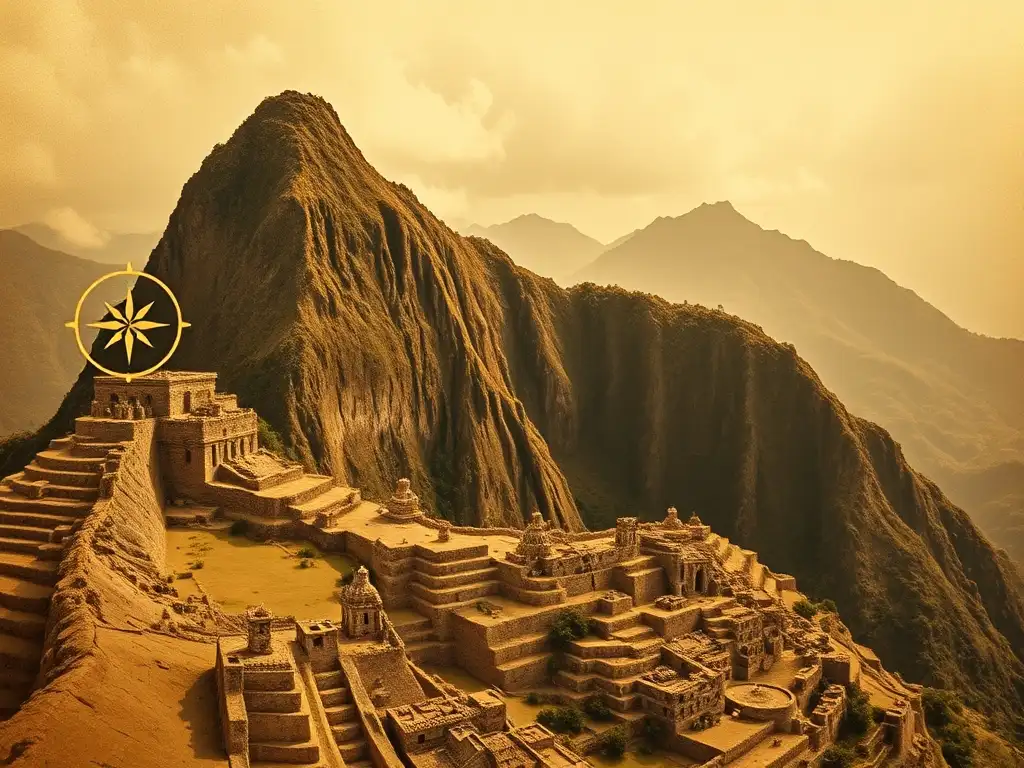
This section focuses on helping you navigate the world of Andean civilization engineering apps. The sheer number of options available can be overwhelming, so understanding key features and comparing offerings is crucial for a rewarding digital exploration experience. Choosing the right app can significantly enhance your understanding and appreciation of the incredible ingenuity of Andean engineers. We'll explore key features, user feedback, and pricing to aid your decision-making process. Remember, the best app for you depends on your specific needs and preferences.
Key Features to Look For in Andean Civilization Engineering Apps
Selecting the right Andean civilization engineering app requires careful consideration of several key features. These features directly impact your ability to learn about and appreciate the sophisticated engineering feats of the ancient Andes. Below are some crucial factors to keep in mind during your selection process:
- 3D Models and Interactive Maps: High-quality 3D models of significant sites like Machu Picchu, Sacsayhuamán, or Ollantaytambo are invaluable. Look for apps that provide detailed, rotatable models allowing you to explore these structures from all angles. Interactive maps that integrate these models with geographical context are also extremely beneficial. The ability to zoom in and out, coupled with informative labels, enhances the learning experience.
- Augmented Reality (AR) Capabilities: AR features can transform your understanding of Andean engineering. Imagine overlaying digital models of ancient structures onto your view of a modern-day landscape using your smartphone or tablet! This immersive technology allows for a far more engaging and intuitive learning experience.
- Detailed Information and Descriptions: The app should provide more than just pretty pictures. Look for apps that offer comprehensive information about the engineering principles employed by the Andean civilizations, including details about materials used, construction techniques, and the purpose of each structure. The depth of this information is critical for a truly educational experience.
- Multilingual Support: Access to information in your preferred language is crucial. An app that offers multiple language options ensures a broader audience can benefit from its educational content.
- Offline Access: Not all locations offer reliable internet connectivity. The ability to access key information offline is a significant advantage, especially if you plan to use the app during travels to Andean sites.
User Reviews and Ratings: Comparing Popular Andean Exploration Apps
User reviews and ratings provide invaluable insights into the strengths and weaknesses of different Andean exploration apps. Before investing in an app, it's essential to check reputable app stores for user feedback. Pay close attention to comments regarding the app's ease of use, accuracy of information, and overall user experience.
Look for a consistent pattern of positive reviews highlighting the app's educational value and engaging presentation. Negative reviews can highlight potential issues, such as glitches, inaccuracies, or a poor user interface. Consider the volume of reviews as well – a large number of reviews provides a more statistically significant representation of user experience.
| App Name | Average Rating (Example) | Number of Reviews (Example) | Key Strengths | Key Weaknesses |
|---|---|---|---|---|
| Andean Wonders | 4.7 | 5,000 | Excellent 3D models, detailed descriptions, AR features | Occasional glitches, limited offline functionality |
| Inca Architect | 4.2 | 1,000 | User-friendly interface, multilingual support | Lacks detailed information on some structures |
| Ancient Pathways | 4.5 | 2,500 | Comprehensive historical context, interactive maps | 3D models could be improved, limited AR features |
Remember that ratings and reviews are subjective, but they offer a valuable perspective from other users.
Price vs. Value: Finding Affordable and Effective Tools for Digital Exploration
The cost of Andean civilization engineering apps varies significantly. While some apps are free (often supported by ads), others offer premium features or subscriptions for a fee. When evaluating price versus value, consider the features offered, the quality of the content, and the overall user experience. A more expensive app may offer superior 3D models, detailed information, and advanced features justifying the higher price.
However, a free app with sufficient features could also serve your purposes effectively. Carefully weigh the features against the cost to determine which app represents the best value for your specific needs. Consider also whether a free version with in-app purchases might be a suitable option, allowing you to explore the app's core features before committing to a full purchase. Ultimately, the best app is one that enhances your learning experience without breaking the bank.
Real-World Applications: How These Apps are Used in Andean Research and Education
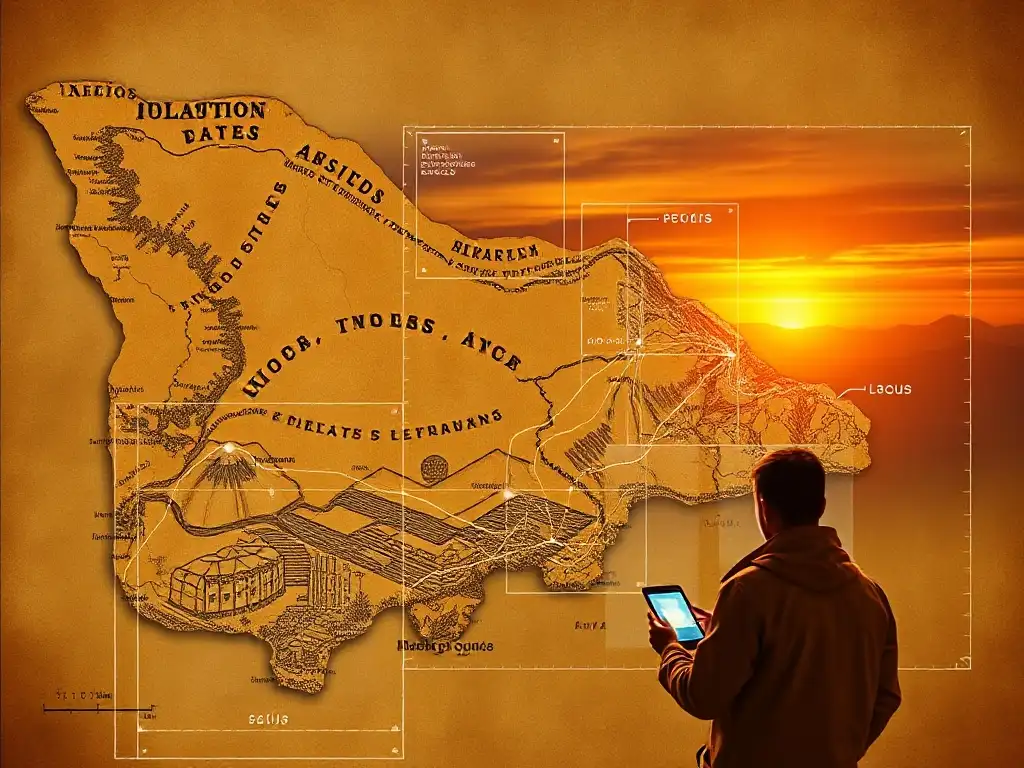
This section explores the practical applications of Andean civilization engineering apps in both academic research and educational settings. These tools are no longer just novelties; they're becoming indispensable resources for scholars, students, and anyone fascinated by the ingenuity of Andean cultures. The impact extends beyond simple visualization, offering powerful analytical capabilities and fostering a deeper understanding of these remarkable achievements.
Using Machu Picchu 3D to Analyze the Intihuatana Stone
Machu Picchu 3D, a prime example of an Andean civilization engineering app, provides researchers with an unparalleled opportunity to study the iconic Intihuatana stone. This app allows for detailed 3D modeling and manipulation of the site, enabling a level of analysis previously impossible. For example, researchers can:
- Rotate and zoom: Examine the stone's intricate carvings from every angle, identifying previously unnoticed details or patterns. This detailed view allows for a more thorough understanding of its possible astronomical functions.
- Measure distances and angles: Accurately assess the dimensions and relationships between different parts of the stone and its surrounding structures. This precise measurement facilitates hypotheses about its construction and purpose.
- Create virtual reconstructions: By overlaying different historical data and interpretations onto the 3D model, researchers can visualize potential past states of the Intihuatana, helping to understand its evolution over time.
The app's ability to create accurate digital copies also allows for the preservation of this invaluable artifact, reducing the need for physical contact and minimizing the risk of damage. This is particularly crucial given the fragility of the site and the impact of environmental factors. The detailed analysis facilitated by Machu Picchu 3D significantly contributes to our understanding of Inca astronomy, engineering prowess, and religious practices.
Nazca Lines Explorer and its Role in Educational Programs
The Nazca Lines Explorer app offers a unique blend of educational and research capabilities. Its interactive maps and high-resolution imagery make learning about the Nazca Lines engaging and accessible for students of all ages. This app’s role in educational programs is multifaceted:
- Remote learning: Students can explore the lines from anywhere in the world, overcoming geographical limitations and providing equal access to this incredible cultural heritage. This is especially beneficial for schools in remote areas.
- Interactive exploration: The app's intuitive interface allows students to zoom in on specific geoglyphs, learn about their possible meanings, and understand the immense scale of the undertaking. This active learning approach fosters a deeper understanding and appreciation of the Nazca culture.
- Hypothesis generation: The app's data visualization tools can inspire students to formulate their own hypotheses regarding the lines' purpose, encouraging critical thinking and problem-solving skills. By presenting evidence visually, the app stimulates curiosity and facilitates in-depth study.
The app also facilitates collaborative projects, allowing students to share their findings and interpretations, fostering a sense of community and shared learning. The ability to overlay different theories and interpretations directly onto the geoglyphs provides a dynamic learning experience, transforming the study of the Nazca Lines from a passive activity into an active exploration.
The Future of Andean Cultural Exploration: The Role of Technology and Mobile Applications
The future of Andean cultural exploration is inextricably linked to the continued development and application of technology, particularly mobile applications. These apps are not merely tools for visualization; they are powerful instruments for research, education, and preservation. We can expect to see:
- Augmented reality (AR) experiences: Imagine overlaying digital reconstructions of Inca cities onto the actual landscapes, bringing the past to life in a truly immersive way. This technology will allow for a more visceral understanding of the scale and complexity of Andean engineering feats.
- Improved data integration: Future apps will integrate data from various sources—archaeological surveys, satellite imagery, and ethnographic studies—to provide a more holistic understanding of Andean civilizations. This integrated approach will lead to more nuanced and comprehensive interpretations.
- Citizen science initiatives: Apps can empower citizen scientists to contribute to research by identifying new geoglyphs, documenting changes in archaeological sites, or translating ancient texts. This collaborative approach will accelerate our understanding of Andean history and culture.
The continued development of sophisticated Andean civilization engineering apps promises to revolutionize our approach to studying these fascinating cultures. These technological advancements will not only enhance our understanding of the past but also contribute to the preservation and celebration of this rich cultural heritage for generations to come. The potential for discovery and learning is truly immense.
Monetizing Your Andean Journey: Affiliate Opportunities with Recommended Apps
This section explores the potential for generating income through affiliate marketing related to apps focused on Andean civilization engineering. Leveraging the growing interest in "Andean civilization engineering apps," we can create a mutually beneficial system where users discover valuable resources and creators earn commission. The key is selecting high-quality, relevant apps and structuring affiliate partnerships ethically and transparently. This strategy not only supports app developers but also helps fund further research and preservation efforts related to Andean heritage.
Exploring the Andes from Home: Affiliate Links for Top-Rated Exploration Apps
Several apps offer immersive experiences exploring Andean engineering marvels, from virtual tours of Machu Picchu to interactive 3D models of Nazca Lines. By partnering with these developers through affiliate programs, you can earn a commission on every successful referral. This requires careful selection, prioritizing apps with:
- High-quality content: The app should offer accurate, engaging, and visually appealing information about Andean engineering. Low-quality or inaccurate apps could damage your credibility.
- Strong user reviews: Positive user feedback indicates a reliable and enjoyable user experience, essential for attracting referrals.
- Transparent affiliate programs: Ensure the affiliate program is easy to join and offers clear tracking and payment procedures. Avoid programs with hidden fees or unclear terms.
- Relevance to Andean engineering: The app's focus should align directly with the topic of Andean civilization engineering, specifically highlighting architectural achievements, irrigation systems, road networks, and other technological innovations.
Imagine promoting an app featuring detailed 3D reconstructions of Inca terraces, allowing users to virtually explore their intricate design and understand the sophisticated agricultural techniques employed. Or perhaps an app showcasing interactive maps of the Inca road system, revealing the strategic planning and engineering expertise behind their vast empire. The potential for affiliate revenue is directly linked to the quality and relevance of the apps you choose to promote.
Beyond direct affiliate links, consider incorporating referral programs within your own content. This could involve creating engaging blog posts, social media campaigns, or even short videos showcasing your favorite Andean civilization engineering apps. Highlight specific features and benefits, demonstrating their practical use and value. For example, you could create a comparative table highlighting the strengths and weaknesses of different apps, helping users make informed choices.
| App Name | Key Features | Price | Affiliate Program? |
|---|---|---|---|
| Inca Roads Explorer | Interactive map of Inca road network, 3D models | $4.99 | Yes |
| Machu Picchu VR Tour | Virtual reality tour of Machu Picchu | Free (in-app purchases) | Yes |
| Nazca Lines Decoder | Detailed analysis and theories about the Nazca Lines | $9.99 | No |
| Andean Engineering 101 | Educational app with quizzes and interactive content | Free | Yes |
Remember to always disclose your affiliate relationships transparently. Users appreciate honesty, and transparency builds trust. By clearly stating that you may earn a commission from referrals, you maintain ethical standards while still benefiting from your efforts.
Supporting Andean Culture: Affiliate Programs that Contribute to Preservation Efforts
Some app developers donate a portion of their profits to Andean cultural preservation organizations. Partnering with these developers is a powerful way to monetize your content while actively supporting the cause. This approach aligns perfectly with the broader goal of preserving and promoting Andean heritage. Look for apps that explicitly state their commitment to supporting preservation initiatives, perhaps by partnering with archaeological research teams or community development projects.
Highlighting this aspect in your recommendations adds an extra layer of meaning and encourages users to support responsible app development. This strategy not only generates income but also contributes to the long-term preservation of these invaluable cultural sites and traditions. The impact extends beyond financial gains, promoting a sustainable model for both digital content creation and cultural heritage protection. 🤝
Frequently Asked Questions
What kind of engineering marvels are featured in these apps?
These apps showcase the remarkable architectural and infrastructural achievements of Andean civilizations. You'll find information on irrigation systems, road networks, and monumental structures like Machu Picchu. Explore the ingenuity of these ancient cultures.
Are there apps specifically focused on Inca engineering?
Yes, many apps focus on Inca achievements, including their advanced stonework, sophisticated agricultural techniques, and impressive road systems. Some apps offer virtual tours of Inca sites, while others provide detailed information on their engineering principles.
Can these apps help me plan a trip to see these sites in person?
Absolutely! Many apps include interactive maps, site information, and travel tips, helping you plan your journey to explore these incredible sites firsthand. They can even help you find local guides and tours.
What platforms are these "Andean civilization engineering apps" available on?
These apps are generally available on both iOS and Android platforms. Check your device's app store to find a wide variety of options, from simple informational apps to complex virtual reality experiences.
How accurate is the information presented in these apps?
Most reputable apps rely on scholarly research and archaeological findings. However, always cross-reference information with established academic sources to ensure accuracy, especially for less well-known details or theories.
Final Reflection: Echoes of the Andes in the Digital Age
The ingenuity of Andean civilization continues to resonate today, not just in the breathtaking ruins that still stand, but in the innovative ways we are now experiencing and understanding them through technology. These apps, showcasing the intricate water management systems, sophisticated agricultural techniques, and awe-inspiring architectural feats of the Andes, are more than just digital tools; they are bridges connecting past and present, allowing us to appreciate the brilliance of a civilization often overlooked in mainstream narratives.
The impact of these digital tools extends beyond simple information dissemination; they are actively shaping how we perceive and engage with history. They democratize access to knowledge, allowing anyone with a smartphone to explore the intricacies of Andean engineering. This accessibility fosters a deeper appreciation for the cultural heritage of the region and challenges preconceived notions about "primitive" societies. The past is never dead. It's not even past.
– William Faulkner. This quote rings true as these apps bring the past vividly to life, reminding us of the enduring legacy of Andean ingenuity and its continued relevance in our modern world.
Consider the implications of this readily available knowledge. You now have the power to explore the intricacies of Machu Picchu's construction, the cleverness of the Inca terrace farming, or the sophisticated water management systems that sustained vast populations. Use these apps, not just as sources of information, but as gateways to a deeper understanding of human potential and the enduring power of innovation. Let the echoes of the Andes inspire you to appreciate the ingenuity of past civilizations and to consider how we can build a future that is equally sustainable and innovative.
Uncover the Wonders of Ancient Andean Engineering!
Thank you for joining us on this journey through the incredible innovations of the Andean civilizations! We hope you found the ancient engineering marvels inspiring. Let's build on that curiosity!
Here are a few ways to delve deeper into this fascinating subject:
- Explore ancient Andean sites using a dedicated app. Begin your journey today and experience these architectural wonders firsthand, gaining a deeper understanding of their historical significance.
- Share this article with friends and on social media. Let's keep the conversation going! Spread the word about the brilliance of Andean engineering and the importance of these ancient achievements.
- Join a local archaeology or history group. Connect with fellow enthusiasts and engage in discussions celebrating ancient cultures and their enduring legacies.
What ancient Andean site most excites you? Share your thoughts below!