
The Inca Calendar Quest: Educational Games Exploring Timekeeping and Astronomy

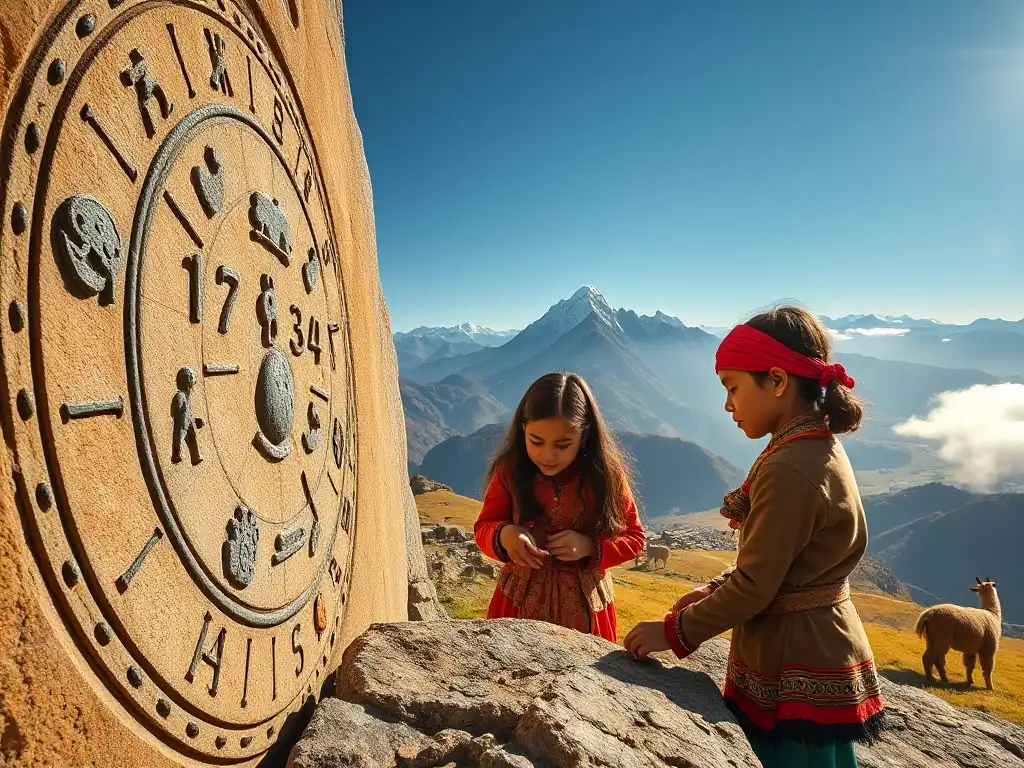
Step into a world lost in time, where celestial alignments dictated life and intricate games held the secrets of the cosmos. Dive into the fascinating world of Andean civilizations, uncovering the ingenuity and rich tapestry of their cultures. But what happens when ancient wisdom meets modern fun? Discover Inca calendar games for kids, a unique way to explore Inca timekeeping and astronomy, and unlock the mysteries of this incredible legacy. Prepare to be amazed!
The Inca Empire, a civilization renowned for its intricate social structures, impressive engineering feats, and sophisticated agricultural practices, also possessed a remarkable understanding of astronomy and timekeeping. Unlike written records used by many other ancient societies, the Inca tracked time using a sophisticated system of knotted strings called quipus, intricate observations of celestial bodies, and a deep connection to the agricultural cycles dictated by the Andes' unique environment. This article delves into the fascinating world of Inca timekeeping and explores how engaging educational games can bring this rich history to life, particularly for younger audiences.
We'll examine the pedagogical benefits of using games to teach children about the Inca calendar and the astronomical knowledge that underpinned it, providing examples of game mechanics and potential educational outcomes. This exploration is vital for understanding not only the Inca civilization itself but also the broader context of Andean astronomy and its lasting influence.
The use of games offers a unique and effective approach to engaging children with this complex and captivating subject, making learning about the Inca calendar fun and accessible. This is particularly important for the keyword "Inca calendar games for kids," as we aim to provide parents and educators with valuable resources for enriching children's understanding of this fascinating topic.
Unveiling the Secrets of Inca Timekeeping Through Interactive Games
The Inca calendar wasn't a single, unified system like the Gregorian calendar we use today. Instead, it was a complex interplay of different cycles and observations. The Inca year was largely agricultural, dictated by the planting and harvesting seasons. They meticulously tracked the movements of the sun, moon, and stars, using this knowledge to predict the best times for planting, harvesting, and conducting important ceremonies.
Educational games can effectively illustrate these concepts. For instance, a game could involve players planting virtual crops based on the position of the sun in a simulated Andean landscape. Another game might challenge players to interpret quipus – those fascinating knotted strings – to decipher dates and agricultural information. These interactive experiences allow children to actively participate in the process of understanding Inca timekeeping, making the learning experience far more engaging and memorable than a traditional lecture.
The games could also incorporate elements of problem-solving, requiring children to use their knowledge of the Inca calendar to overcome challenges and progress through the game. This active learning approach is crucial for effective knowledge retention and deeper understanding. By incorporating puzzles, challenges, and rewards, these games can make learning about Inca astronomy both fun and educational.
Why Explore the Inca Calendar with Games?
Using games to teach children about the Inca calendar offers several significant advantages. Firstly, games inherently foster engagement and motivation. The interactive nature of games keeps children actively involved in the learning process, increasing their attention span and encouraging deeper understanding. Secondly, games can cater to different learning styles.
Visual learners can benefit from interactive simulations, while kinesthetic learners might enjoy games involving physical interaction or manipulation of virtual objects. Games also provide opportunities for collaborative learning, allowing children to work together to solve problems and share their knowledge. Furthermore, games can be designed to incorporate diverse assessment methods, allowing educators to track children's progress and identify areas where they might need additional support.
Finally, the use of games can help to break down complex concepts into smaller, more manageable parts, making the learning process less overwhelming and more accessible for children of all ages and abilities. The playful nature of games can also make learning about the Inca calendar a fun and enjoyable experience, fostering a lifelong appreciation for history and culture. The potential to create an immersive and enriching learning experience, tailored to the specific needs of young learners, makes the development of these Inca calendar games a crucial step towards effective and engaging historical education.
Making Inca Astronomy Accessible to Children
Understanding the Inca calendar and their sophisticated astronomical knowledge can be challenging for children. Abstract concepts like solstices, equinoxes, and the intricate relationship between celestial events and agricultural cycles require engaging and relatable methods of explanation. Traditional textbook approaches often fall short, leaving children disengaged and struggling to grasp the significance of Inca astronomy. However, interactive games provide a dynamic and effective alternative.
By transforming complex information into playful challenges and visually stimulating experiences, educational games can significantly improve children's comprehension and appreciation of Inca achievements in astronomy. Games can leverage visuals, animations, and interactive elements to bring the Inca worldview to life, fostering a deeper understanding of their connection to the cosmos. Furthermore, the gamified approach encourages active participation, making learning fun and memorable.
Instead of passively absorbing information, children actively explore the Inca calendar's intricacies, solving puzzles, completing tasks, and earning rewards, thus reinforcing their learning in a highly engaging way. This participatory approach is crucial in making complex topics like Inca astronomy more accessible and enjoyable for young learners. The use of simple language, clear visuals, and age-appropriate challenges are key to creating effective educational games catering to children’s unique learning styles.
Fun and Educational: Inca Calendar Games for Kids
The development of Inca calendar games for kids offers a unique opportunity to blend entertainment with education. These games can serve as valuable tools for teaching children about Inca culture, history, and their remarkable understanding of astronomy. By incorporating elements of storytelling, puzzle-solving, and interactive exploration, these games can captivate young audiences while subtly imparting knowledge about the Inca calendar system and its significance in their daily lives.
Successful games will avoid overwhelming children with complex details, instead focusing on key aspects like the importance of the sun, the seasons, and the agricultural cycle. The use of bright colors, engaging sound effects, and intuitive game mechanics are crucial to maintaining children’s interest and ensuring a positive learning experience. Moreover, these games can easily be adapted for different age groups, allowing for progressive learning and increasing complexity as children grow older.
The potential for creating a series of interconnected games, each building upon the previous one, offers a rich and sustained learning experience. Ultimately, well-designed Inca calendar games can significantly enhance children's knowledge and appreciation for this fascinating aspect of Andean civilization. The key is to make learning fun, engaging, and memorable.
"Sun Stone Explorer": A Journey Through the Year
"Sun Stone Explorer" is a game designed to guide children through the Inca year using the Intihuatana stone as a central element. The game might start with an interactive 3D model of the Intihuatana, allowing children to explore its different facets and learn about its astronomical significance. As they progress, they'll face challenges related to the solstices and equinoxes.
For example, they might need to correctly position the sun in the sky at different times of the year to unlock new areas of the game. Each correct placement would reveal information about the corresponding Inca festival or agricultural activity. The game could also include mini-games focused on identifying different constellations visible from the Andes, further enriching their understanding of Inca astronomy.
The use of vibrant visuals, engaging sound effects, and simple instructions will ensure that children of all ages can enjoy and learn from this journey through the Inca calendar. Progress could be tracked with a reward system, perhaps unlocking images of Inca art and artifacts related to their astronomical knowledge, further incentivizing engagement and knowledge retention. The emphasis is on hands-on learning, making the abstract concepts of the Inca calendar more tangible and comprehensible.
"The Festival of the Sun Challenge": Celebrating the Inca Solstice
"The Festival of the Sun Challenge" focuses on the Inca celebration of Inti Raymi, the festival of the sun. The game could involve a series of puzzles and challenges related to the solstice, such as correctly arranging objects representing offerings for the sun god, or navigating a virtual Inca city during the festival. Children might need to solve riddles related to Inca mythology and traditions associated with Inti Raymi, or participate in virtual processions, learning about the rituals and significance of this important event.
The game could also incorporate elements of Inca music and dance, further immersing children in the cultural context of the festival. This game provides a fun and interactive way for children to learn about the Inca’s deep reverence for the sun and their sophisticated understanding of its movements.
By successfully completing the challenges, children would gain a deeper appreciation for the rich cultural tapestry of the Inca civilization and the central role of astronomy in their lives. The game could culminate in a virtual Inti Raymi celebration, reinforcing the festive atmosphere and the significance of the solstice.
"Andean Star Guide": Discovering Inca Star Lore
"Andean Star Guide" is a game focused on Inca constellations and their associated mythology. Children would learn to identify key constellations visible from the Andes, using an interactive star chart that adapts to different times of the year. Each constellation would be linked to an Inca myth or story, which could be accessed through mini-games or interactive narratives.
For example, children might need to solve a puzzle to unlock a story about a particular constellation, or complete a quiz to test their knowledge of the associated mythology. The game could also incorporate elements of augmented reality, allowing children to point their device at the night sky and see virtual constellations superimposed on the real stars. This interactive approach would make learning about Inca star lore engaging and memorable, transforming a potentially abstract topic into a fun and accessible experience.
The game could include a virtual planetarium, allowing children to explore the night sky from different locations in the Andes, enhancing their understanding of the Inca's perspective on the cosmos. The overall goal is to foster a sense of wonder and curiosity about the Inca's intricate relationship with the stars.
Comparing Inca Calendar Games: Choosing the Best Option
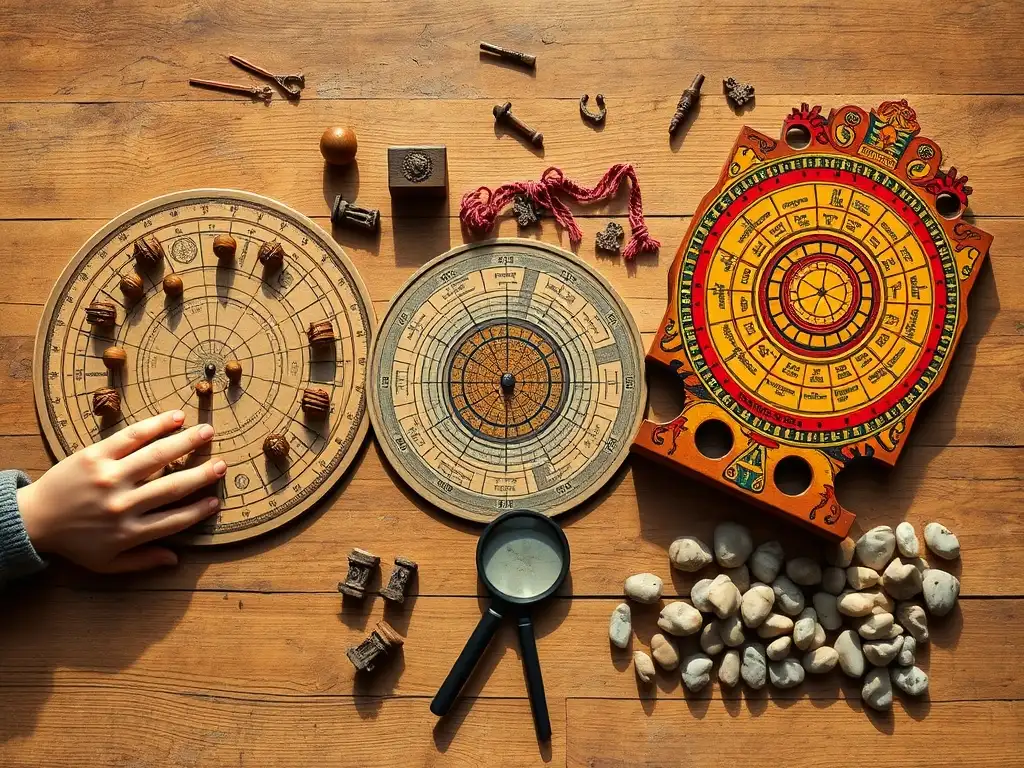
Choosing the right Inca calendar game for your needs depends on several factors, including the age of the players, the desired learning outcomes, and the available resources. Many games offer different approaches to understanding the Inca calendar system. Some focus on memorization, while others emphasize problem-solving and critical thinking. A thorough comparison is crucial before making a decision.
Consider factors such as game mechanics, complexity, and educational value when reviewing different options. For younger children, simpler games with bright visuals and intuitive gameplay are ideal. Older children and teenagers might benefit from more complex games that challenge their understanding of astronomical concepts and Inca culture.
The best option will seamlessly integrate fun and learning, making the experience both engaging and informative. Look for games that offer varied difficulty levels to cater to different skill sets and keep players challenged. Ultimately, the best Inca calendar game is one that effectively communicates the intricacies of the Inca calendar while maintaining a high level of engagement.
"Inca Time Cycles": A Multi-Level Game for Different Ages
"Inca Time Cycles" stands out for its adaptability to various age groups. The game cleverly incorporates multiple levels of difficulty, starting with basic matching activities for younger children who are learning to recognize Inca symbols and their associations with specific time periods. As players progress, the game introduces more complex challenges involving the sequencing of events based on the Inca calendar, requiring a deeper understanding of the relationship between solar and lunar cycles.
The advanced levels present scenarios that demand strategic planning and problem-solving, using their knowledge of Inca timekeeping to solve puzzles and overcome obstacles. This layered approach ensures that children of all ages can participate and learn at their own pace, making it a versatile tool for both home and classroom use. The game’s intuitive interface and engaging visuals further enhance the learning experience, making it a fun and educational tool for understanding Inca timekeeping.
"The Inca Calendar Wheel": A Hands-On Approach
"The Inca Calendar Wheel" offers a unique hands-on approach to learning about Inca timekeeping. Unlike purely digital games, this game provides a physical representation of the Inca calendar, allowing players to manipulate the wheel and observe the relationships between different celestial events and agricultural cycles. This tactile experience can be particularly beneficial for kinesthetic learners who learn best through physical interaction. The wheel's design incorporates detailed illustrations of Inca symbols and astronomical phenomena, providing visual cues that reinforce learning.
The game encourages experimentation and discovery, letting players explore the intricacies of the Inca calendar at their own pace. This hands-on approach can provide a deeper understanding compared to passive observation of digital representations, making it a valuable addition to educational resources on Inca astronomy. Furthermore, the physical nature of the game makes it suitable for group activities, fostering collaboration and discussion among players.
How to Maximize Learning with Inca Calendar Games
To maximize the educational benefits of Inca calendar games, it's crucial to integrate them strategically into the learning process. Simply presenting a game without guidance might not yield the desired results. Effective implementation requires a thoughtful approach that considers various factors, including the age and learning styles of the students, the specific learning objectives, and the overall classroom or home learning environment. Games should be introduced as part of a broader learning experience, not in isolation.
Pre- and post-game discussions can help solidify learning and encourage critical thinking. The games themselves should be used to reinforce concepts that have already been introduced, not as a primary source of information. Furthermore, the games should be followed by activities that help students apply their knowledge in different contexts.
Integrating Games into the Classroom
Integrating Inca calendar games into the classroom setting requires careful planning and execution. Teachers should first identify the specific learning objectives they aim to achieve with the games, ensuring alignment with the curriculum. They can then select games that effectively address these objectives. The games should be introduced as a complement to other teaching methods, not a replacement for traditional lessons.
Teachers can use the games to break up long periods of lecture or textbook work, providing a fun and engaging change of pace. Classroom discussions before and after playing the game are essential to ensure that students understand the concepts being taught and can apply their knowledge. Furthermore, teachers can incorporate the games into group projects or presentations, encouraging teamwork and collaborative learning. Assessment strategies should also be integrated to measure student understanding and progress.
Using Games at Home for Fun Learning
Parents can use Inca calendar games to make learning about Inca history and astronomy fun and engaging for their children at home. The games provide an excellent opportunity for family bonding and shared learning experiences. Parents can play the games with their children, guiding them through the challenges and discussing the historical and scientific concepts.
They can also use the games as a springboard for further exploration of the topic, encouraging children to read books, watch documentaries, or visit museums related to Inca civilization. The games can be integrated into family game nights, making learning a regular and enjoyable part of family time. Parents should encourage children to reflect on what they have learned from the games, prompting them to articulate their understanding of Inca timekeeping and its significance.
Tips for Parents and Educators
For optimal results, both parents and educators should actively participate in the gaming experience. This includes providing guidance, answering questions, and fostering discussions about the historical and cultural context of the Inca calendar. Observing children's gameplay can offer valuable insights into their understanding and identify areas where additional support might be needed. Encourage collaboration and teamwork during gameplay, especially for group games.
Celebrate successes and provide constructive feedback on challenges, emphasizing the learning process over mere winning or losing. Remember to connect the game's content to real-world applications, demonstrating the relevance of Inca timekeeping to contemporary understanding of astronomy and culture. Regularly assess children's understanding through questions and discussions to reinforce learning.
Maximizing Retention with Interactive Activities
To enhance retention of the information learned through Inca calendar games, incorporate interactive activities that go beyond the game itself. These activities should allow children to apply their knowledge in different contexts, strengthening their understanding and making the learning experience more meaningful. Examples include creating timelines based on the Inca calendar, designing their own Inca-inspired calendar systems, or researching and presenting on specific aspects of Inca astronomy.
These hands-on projects encourage deeper engagement and critical thinking, enhancing their overall comprehension of the Inca calendar and its significance in Inca society. The interactive activities also provide opportunities for creative expression and personal exploration, making the learning process more enjoyable and memorable. Regularly revisiting the learned concepts through different mediums, such as quizzes, discussions, or creative projects, further solidifies retention.
Beyond Games: Resources to Deepen Inca Calendar Knowledge
The engaging nature of Inca calendar games for kids provides a fantastic introduction to this fascinating topic, but the learning shouldn't stop there! To truly appreciate the sophistication of Inca timekeeping and astronomy, further exploration is essential. Supplementing game-based learning with additional resources enriches the experience and fosters a deeper understanding of the Inca civilization. This multifaceted approach ensures a more comprehensive and lasting impact on young learners. We encourage parents and educators to use games as a springboard for more in-depth study.
Recommended Books on Inca Astronomy and Timekeeping
A well-curated selection of books can provide a valuable complement to interactive learning. Look for age-appropriate titles that explain complex concepts in accessible language, utilizing engaging visuals to capture children's attention. Books focusing specifically on Inca astronomy and the calendar system, perhaps with accompanying illustrations of Inca artifacts and astronomical observations, can be particularly beneficial. Consider books that incorporate hands-on activities or experiments related to the Inca calendar, further reinforcing learning through practical application. [Specific book titles and authors pending].
Documentaries and Videos Exploring Inca Culture
Visual media offers another powerful way to bring the Inca world to life. Documentaries and educational videos focusing on Inca culture, astronomy, and daily life can provide captivating insights. Look for videos that employ high-quality visuals and engaging storytelling techniques, making the information accessible and enjoyable for children. Videos that showcase archaeological sites, Inca artifacts, or interviews with experts can add an extra layer of authenticity and excitement to the learning process. [Specific documentary titles and video links pending].
Online Resources for Further Exploration
The internet provides a wealth of information on Inca civilization. Reputable websites, educational platforms, and virtual museums offer engaging content suitable for children. These resources can provide interactive maps, 3D models of Inca sites, and detailed explanations of Inca astronomy and the calendar. It's crucial to carefully select age-appropriate and reliable online resources, ensuring the information is accurate and presented in a child-friendly manner. [Specific website examples pending].
Monetization: Affiliate Links to Educational Books and Videos
[This section requires further information on the website's monetization strategy and affiliate program details. Specific affiliate links and details on commission rates are pending.]
The Future of Inca Calendar Education Through Games
The use of games to teach about the Inca calendar is still a relatively new field, brimming with potential for innovation and improvement. The integration of technology and gamification offers exciting possibilities to create ever more engaging and effective learning experiences.
Upcoming Developments in Educational Game Design
We can anticipate advancements in game design that will incorporate more sophisticated simulations of Inca astronomical observations, allowing players to actively participate in recreating Inca calendar calculations. The use of augmented reality (AR) and virtual reality (VR) technologies holds significant promise for immersive learning experiences, bringing the Inca world to life in ways previously unimaginable. Improved game mechanics and user interfaces will further enhance the educational value and playability of these games. The incorporation of more diverse perspectives and inclusive narratives in game design will also be crucial.
The Importance of Interactive Learning in Cultural Studies
Interactive learning, particularly through games, offers a powerful way to engage children with complex cultural topics like the Inca calendar. Games foster active participation, problem-solving skills, and a deeper understanding of the subject matter compared to passive learning methods. The interactive nature of games caters to different learning styles, making the learning process more inclusive and effective for a wider range of students.
This approach ensures that children don't just memorize facts but develop a genuine appreciation for the Inca civilization and its rich history. The use of games can also help to overcome potential cultural biases and promote a more nuanced understanding of the Inca people.
How Games Can Preserve and Share the Inca Legacy
By making the Inca calendar and its associated astronomical knowledge accessible and engaging for younger generations, educational games play a crucial role in preserving and sharing this important cultural legacy. These games can help to combat the loss of traditional knowledge and ensure that the Inca civilization's achievements continue to inspire and educate future generations. Furthermore, games can facilitate cross-cultural understanding and appreciation, promoting a sense of global citizenship and respect for diverse cultures.
The interactive nature of these games allows for a more personal and memorable connection to the Inca civilization, fostering a deeper appreciation for its history and cultural significance. This approach helps to ensure that the Inca legacy is not only preserved but also actively celebrated and shared with the world.
- Unveiling the Secrets of Inca Timekeeping Through Interactive Games
- Why Explore the Inca Calendar with Games?
- Making Inca Astronomy Accessible to Children
- Fun and Educational: Inca Calendar Games for Kids
- Comparing Inca Calendar Games: Choosing the Best Option
- How to Maximize Learning with Inca Calendar Games
- Beyond Games: Resources to Deepen Inca Calendar Knowledge
- The Future of Inca Calendar Education Through Games
- What makes this Inca Calendar Quest different from other educational games?
- How can this game help children learn about the Inca civilization?
- Is the game suitable for all age groups?
- What specific Inca calendar elements are included in the game?
- Where can I find or play the Inca Calendar Quest game?
Frequently Asked Questions
What makes this Inca Calendar Quest different from other educational games?
This game uniquely focuses on Inca timekeeping and astronomy, incorporating their calendar system and celestial observations into engaging activities. It's designed to be both fun and educational, teaching children about Inca culture in a unique way.
How can this game help children learn about the Inca civilization?
The game provides a hands-on approach to understanding Inca culture, allowing kids to explore the Inca calendar, learn about their astronomical knowledge, and appreciate their sophisticated civilization through interactive gameplay.
Is the game suitable for all age groups?
The game is designed to be adaptable, with varying levels of difficulty to cater to different age groups. Younger children can focus on simpler tasks, while older children can delve into more complex astronomical concepts.
What specific Inca calendar elements are included in the game?
The game incorporates elements like the Inca's 12-month calendar, their understanding of the solar and lunar cycles, and their use of astronomical observations for agriculture and religious practices.
Where can I find or play the Inca Calendar Quest game?
Information on how to access the game, whether through a website, app, or other means, will be provided on the "Andean Civilizations" website. Look for links and details under the article, "The Inca Calendar Quest: Educational Games Exploring Timekeeping and Astronomy".
Final Reflection: Unlocking the Cosmos: The Enduring Legacy of Inca Timekeeping
The Inca's sophisticated understanding of astronomy and timekeeping, once confined to the Andes, now finds vibrant new life through interactive educational games. These digital tools not only make learning about this fascinating culture accessible to a global audience but also demonstrate the power of play in unlocking complex historical concepts. The potential for enriching young minds with this knowledge is truly immense.
The impact of the Inca calendar extends far beyond mere historical significance; it speaks to the universal human desire to understand our place in the cosmos. The intricate system of observation and prediction embedded within the Inca calendar reveals a deep connection with nature and a profound respect for cyclical time, a perspective often lost in our fast-paced modern world. The universe is not outside of us. It is within us.
– This sentiment, though not directly from Inca sources, resonates deeply with the spirit of their astronomical achievements and their holistic worldview. It reminds us of the interconnectedness of all things, a lesson we can all benefit from rediscovering.
Now, consider the potential within your own hands. You have the power to share this knowledge, to spark curiosity in the young minds around you, and to foster a deeper appreciation for the rich tapestry of human history. Explore the Inca calendar games, engage with the resources available, and let the wisdom of a bygone civilization illuminate your understanding of the universe and our place within it. Let's continue to unlock the cosmos, one game at a time.
Ignite Your Curiosity: Dive Deeper into Inca Timekeeping!
Thank you for joining us on this fascinating journey through the Inca calendar and the wonders of ancient Andean astronomy! We hope you've gained valuable insights into the significant role of timekeeping in shaping Andean civilizations. Now, let's explore this captivating topic further.
To deepen your understanding and share your newfound knowledge, consider these suggestions:
- Engage with interactive resources exploring ancient Andean astronomy to experience the Inca calendar firsthand. Many excellent online games and simulations are available.
- Share this article with friends and family to spark conversations about the rich tapestry of Andean culture and its sophisticated calendar systems.
- Join online communities and forums dedicated to ancient civilizations. Connecting with fellow enthusiasts provides opportunities for insightful discussions and knowledge exchange.
As you continue your exploration of Inca timekeeping and astronomy, what intriguing aspects are you most eager to learn more about?