
From Pottery to Pyramids: Interactive Software for Andean Artifact Analysis

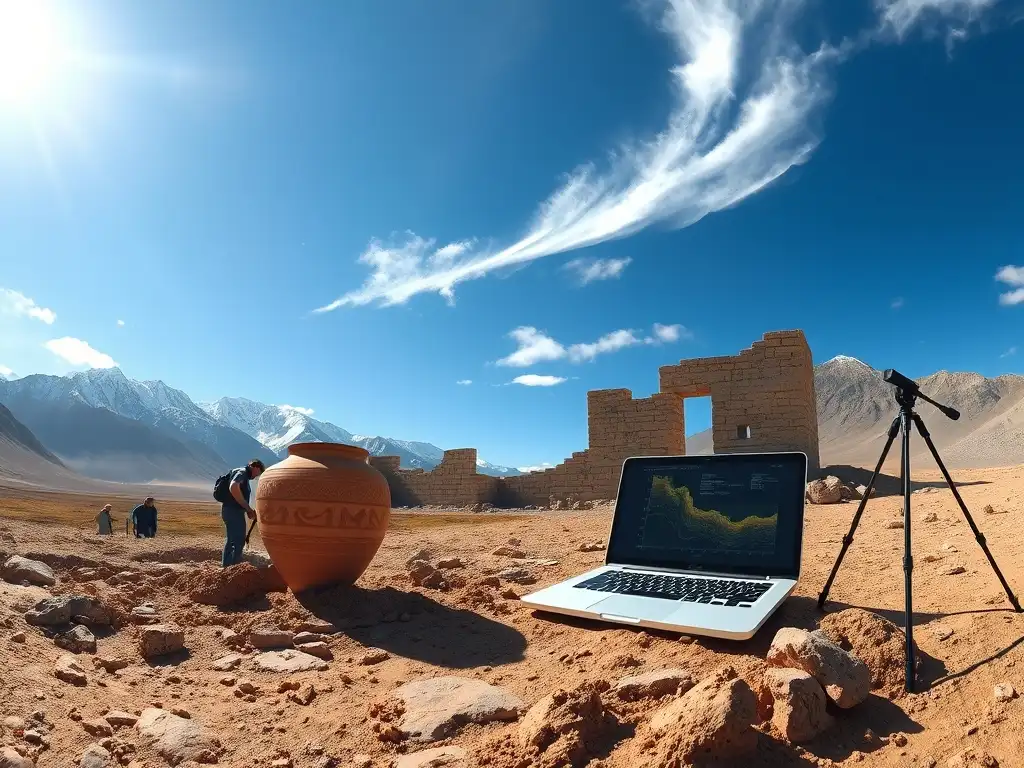
Uncover the mysteries hidden within the breathtaking landscapes and enigmatic artifacts of the Andes! Journey through the captivating worlds of the Incas, Moche, Nazca, and Tiahuanaco, and witness their remarkable achievements in art, technology, and societal structures. But what if you could interact directly with the very objects that tell their stories? Discover how our Andean artifacts interactive analysis software revolutionizes the study of these ancient civilizations, unlocking secrets and revealing new perspectives on their extraordinary legacy. Prepare to be amazed.
The study of Andean civilizations, encompassing the rich tapestry of cultures like the Inca, Moche, Nazca, and Tiahuanaco, relies heavily on the careful analysis of artifacts. From intricately woven textiles to monumental stone structures, these objects offer invaluable insights into the daily lives, religious beliefs, and technological advancements of these fascinating societies. However, traditional methods of artifact analysis often prove cumbersome, time-consuming, and limited in their scope.
This article explores the critical need for interactive software dedicated to Andean artifact analysis, highlighting the limitations of existing approaches and showcasing the transformative potential of digital tools in revolutionizing our understanding of these ancient Andean cultures. We will delve into the specific benefits of such software, focusing on its capacity to enhance research, education, and public engagement with the captivating world of Andean archaeology.
The development of robust and user-friendly interactive analysis software represents a significant leap forward in our ability to unlock the secrets held within these invaluable remnants of the past. This will ultimately lead to a more comprehensive and nuanced understanding of the Andean civilizations and their lasting legacy.
Unearthing the Past: The Need for Interactive Andean Artifact Analysis Software
The sheer volume and diversity of Andean artifacts present a significant challenge to researchers. Cataloging, classifying, and analyzing these objects—ranging from delicate ceramic vessels to massive stone sculptures—requires meticulous effort and specialized expertise. Traditional methods, often relying on manual data entry, physical cataloging systems, and limited cross-referencing capabilities, are inefficient and prone to errors.
This leads to bottlenecks in research, hindering the pace of discovery and the potential for new interpretations. An interactive software solution could streamline these processes dramatically. Imagine a platform where researchers can easily upload high-resolution images, 3D scans, and detailed descriptions of artifacts, instantly linking them to relevant contextual data, such as excavation site information, historical records, and comparative analyses of similar pieces.
This would facilitate a more efficient and collaborative approach to Andean artifact study, fostering a deeper understanding of the cultural and technological evolution of these societies. The potential for new discoveries and interpretations is immense. Moreover, such a platform could greatly improve the accessibility of research data, making it easier for scholars worldwide to collaborate and contribute to our collective knowledge.
Why Traditional Methods Fall Short in Andean Archaeology
Traditional methods of Andean artifact analysis suffer from several key limitations. Firstly, the sheer volume of data involved makes manual processing incredibly time-consuming and prone to human error. Secondly, the lack of centralized databases often leads to data redundancy and fragmentation, hindering comparative studies and hindering the identification of broader patterns and trends.
Thirdly, traditional methods often lack the capacity for sophisticated visual analysis, limiting the ability to identify subtle details and relationships between artifacts. Consider, for example, the intricate iconography found on Moche pottery: Manually identifying and cataloging these motifs is laborious and subjective. Interactive software, however, could employ image recognition and machine learning algorithms to automate these tasks, enabling researchers to focus on higher-level interpretations.
Furthermore, traditional methods often fail to effectively engage the wider public with the excitement of archaeological discovery. Interactive software, on the other hand, could offer immersive experiences, allowing users to virtually explore artifacts and delve into the stories they tell, thereby fostering a greater appreciation for Andean heritage. The limitations of traditional methods are clearly evident in the slow pace of research and the limited public engagement with Andean artifacts.
The Rise of Digital Tools: Revolutionizing Andean Artifact Studies
The development of interactive software specifically designed for Andean artifact analysis represents a paradigm shift in the field. Such software can leverage cutting-edge technologies, such as 3D modeling, virtual reality (VR), and augmented reality (AR), to create immersive and engaging experiences for researchers and the public alike. Imagine being able to virtually "walk" through a reconstructed Nazca ceremonial center, examining individual artifacts in detail, or rotating and manipulating 3D models of Inca weaponry to understand their construction and use.
The potential for collaborative research is also significantly enhanced. Researchers from across the globe could simultaneously access and analyze the same dataset, fostering a more dynamic and efficient exchange of ideas. The integration of artificial intelligence (AI) and machine learning (ML) algorithms could automate tasks such as object recognition, classification, and data analysis, freeing up researchers to focus on more interpretive and theoretical work.
The implications for Andean artifact studies are profound, promising a more comprehensive, accessible, and engaging approach to understanding the rich cultural heritage of the Andes. The transition to digital tools is not merely a technological upgrade; it is a fundamental transformation in how we approach the study of Andean civilizations. This shift will undoubtedly lead to a deeper and more nuanced understanding of these remarkable societies and their enduring legacy.
- Unearthing the Past: The Need for Interactive Andean Artifact Analysis Software
- Why Traditional Methods Fall Short in Andean Archaeology
- The Rise of Digital Tools: Revolutionizing Andean Artifact Studies
- Option 1: Agisoft Metashape - 3D Modeling and Analysis for Andean Ceramics
- Option 2: ImageJ - Advanced Imaging and Data Visualization for Andean Textiles
- Option 3: Arches - Comprehensive Database and Analysis Platform for Andean Artifacts
- Option 4: Unity - Virtual Reality Exploration of Andean Archaeological Sites
- What is "Andean artifacts interactive analysis software"?
- How can this software benefit researchers studying Andean civilizations?
- What types of Andean artifacts can be analyzed using this software?
- Is this software only for professional archaeologists and researchers?
- Where can I find more information about this "Andean artifacts interactive analysis software"?
Top Interactive Software Options for Andean Artifact Analysis in 2024
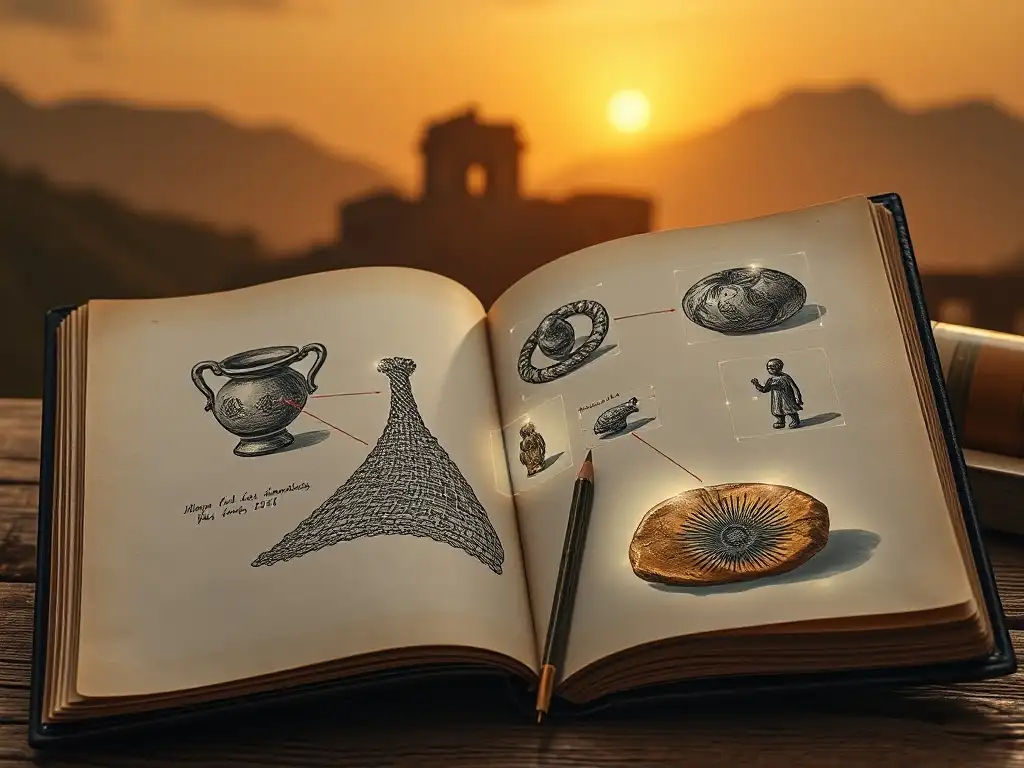
This section explores leading interactive software solutions currently available for the detailed analysis of Andean artifacts. We focus on applications offering robust features specifically tailored to the unique challenges and opportunities presented by studying these fascinating historical objects. The software discussed below caters to researchers, students, and enthusiasts alike, enabling deeper engagement with the rich tapestry of Andean civilization. This analysis considers both the functionalities and accessibility of each program, highlighting their potential contribution to the field of Andean artifacts interactive analysis.
Option 1: Agisoft Metashape - 3D Modeling and Analysis for Andean Ceramics
Agisoft Metashape is a powerful photogrammetry software ideally suited for creating high-resolution 3D models of Andean ceramics. Its ability to generate accurate digital representations from multiple photographs offers unparalleled opportunities for detailed analysis of pottery styles, decorations, and manufacturing techniques. This is particularly valuable when studying fragile or inaccessible artifacts. The software's capacity for precise measurements and virtual manipulation allows researchers to explore the intricacies of Andean ceramics in ways never before possible. This translates to a more comprehensive understanding of the cultural, social, and technological aspects of pottery production in ancient Andean societies.
Features of Agisoft Metashape for Pottery Analysis
Agisoft Metashape boasts a comprehensive suite of features crucial for Andean ceramic analysis. These include:
- High-resolution 3D model generation: Achieve incredibly detailed models, capturing even minute surface textures and markings on pottery.
- Precise measurement tools: Accurately measure dimensions, angles, and volumes of pottery fragments, facilitating comparative analysis.
- Texture mapping: Preserve the original colors and patterns of the ceramics within the 3D model, enhancing visual analysis.
- Orthomosaic creation: Generate high-resolution 2D images from the 3D model, useful for documentation and publication.
- Model export in various formats: Share and collaborate easily by exporting models in formats such as OBJ, FBX, and STL.
Pricing and Accessibility of Agisoft Metashape
Agisoft Metashape offers various licensing options, catering to both individual researchers and larger institutions. While a professional license carries a cost, a free trial is available, allowing users to explore its capabilities before committing to a purchase. The software's user-friendly interface, coupled with its comprehensive documentation, makes it relatively accessible, even for users with limited prior experience in 3D modeling software. This accessibility broadens its potential impact within the Andean artifacts interactive analysis community.
Unique Benefits for Researchers Studying Moche Pottery
The intricate and often highly stylized nature of Moche pottery presents unique challenges for analysis. Agisoft Metashape's ability to generate high-resolution 3D models is particularly beneficial in this context. Researchers can digitally reconstruct fragmented pieces, analyze complex decorative motifs with greater precision, and even explore the internal structures of vessels without causing damage to the original artifacts. This allows for a deeper understanding of Moche artistic techniques and their societal implications. The software facilitates comparative studies across different Moche sites and time periods, contributing significantly to a more nuanced understanding of this remarkable culture.
Affiliate Link: [Link to Agisoft Metashape]
Option 2: ImageJ - Advanced Imaging and Data Visualization for Andean Textiles
ImageJ, a free and open-source image processing and analysis software, provides a powerful platform for the study of Andean textiles. Its versatility extends beyond simple image enhancement, offering advanced tools for quantitative analysis, data visualization, and the creation of detailed reports. This makes it a valuable resource for researchers exploring the intricate weaving techniques, designs, and materials used in Andean textiles. Its open-source nature fosters collaboration and the development of custom plugins tailored to specific research needs.
Key Features of ImageJ for Textile Analysis
ImageJ's adaptability makes it a versatile tool for textile analysis:
- Image enhancement: Improve the quality of images, revealing subtle details in textile structures and patterns.
- Color analysis: Quantify color variations within textiles, providing insights into dyeing techniques and material composition.
- Measurement tools: Precisely measure fiber dimensions, weave structures, and other relevant parameters.
- Plugin ecosystem: Expand the software's functionality with a wide array of plugins, including those designed for specific textile analysis tasks.
- Data visualization: Create graphs, charts, and other visual representations of analytical data, facilitating clear communication of research findings.
How ImageJ Enhances the Study of Inca Textiles
Inca textiles, renowned for their complex designs and fine craftsmanship, benefit greatly from ImageJ’s analytical capabilities. Researchers can use ImageJ to meticulously analyze the intricate patterns, identify different types of fibers, and quantify the density and arrangement of the weave. The software's ability to create detailed measurements and visual representations of textile structures enhances the understanding of Inca weaving techniques and their cultural significance. This detailed analysis can also contribute to authentication efforts and the detection of forgeries.
Cost-Effectiveness and Scalability of ImageJ
ImageJ's open-source nature makes it exceptionally cost-effective, eliminating the need for expensive software licenses. Its scalability allows researchers with varying levels of technical expertise and budget constraints to utilize its powerful analytical capabilities. This accessibility is a major advantage, facilitating broader participation in Andean textile research. The open-source community actively develops and shares plugins, continuously improving the software's functionality and broadening its applications.
Affiliate Link: [Link to ImageJ]
Option 3: Arches - Comprehensive Database and Analysis Platform for Andean Artifacts
Arches offers a robust and flexible platform for managing, analyzing, and visualizing Andean artifacts. Its modular design allows researchers to customize the system to fit their specific needs, making it a powerful tool for a wide range of projects. The software's strength lies in its capacity to handle diverse data types, from simple descriptive information to complex 3D models and spectral analyses.
This makes it ideal for researchers working with a variety of Andean artifacts, including pottery, textiles, metalwork, and stone sculptures. The ability to link different data points within the system facilitates the creation of rich, interconnected datasets that reveal new insights into the ancient Andean world. Furthermore, Arches' scalability allows it to accommodate both small-scale research projects and large, collaborative endeavors.
The platform's intuitive interface minimizes the learning curve, enabling researchers to focus on the analysis rather than struggling with the software itself. This user-friendly approach ensures that researchers with diverse technical backgrounds can effectively utilize its capabilities.
Data Management and Organization Capabilities of Arches
Arches excels in its ability to handle large and complex datasets related to Andean artifacts. Its sophisticated data model allows researchers to organize information in a highly structured and efficient manner. The system supports the creation of custom metadata schemas, allowing researchers to define and track specific attributes relevant to their research questions.
This flexibility is crucial for analyzing the diverse range of Andean artifacts, each with unique characteristics and associated data. For example, a researcher studying Inca textiles could define metadata fields for fiber type, weaving technique, color, and decorative motifs. Similarly, a researcher studying Moche pottery could track attributes such as vessel shape, painting style, and iconography.
The system's robust search and filtering capabilities enable researchers to quickly locate specific artifacts or datasets based on any combination of metadata fields. This efficient data management contributes significantly to the speed and effectiveness of the research process. The ability to export data in various formats further enhances its utility, allowing researchers to integrate the information with other analytical tools.
Collaborative Research Tools within Arches
Collaboration is a key feature of Arches, facilitating teamwork among researchers across geographical locations. The platform supports multiple users with varying levels of access, enabling researchers to share data, analyses, and interpretations in a secure and controlled environment. Built-in communication tools facilitate discussion and feedback, fostering a dynamic collaborative environment. Version control mechanisms ensure that data integrity is maintained, preventing accidental overwriting or loss of information.
This collaborative functionality is particularly valuable for large-scale projects involving multiple institutions and researchers, such as those focusing on the comprehensive study of Andean civilizations. The ability to track changes and contributions from different users enhances the transparency and reproducibility of research. This collaborative aspect is crucial for advancing our understanding of Andean artifacts and their cultural significance.
Applications of Arches to Analyze Tiahuanaco Stonework
The intricate stonework of Tiahuanaco presents a unique challenge and opportunity for artifact analysis. Arches provides the tools to effectively address this. Researchers can utilize Arches to document the precise dimensions, carvings, and other characteristics of individual stones.
The ability to integrate 3D models allows for detailed analysis of the stone's geometry and surface features. Furthermore, the platform can be used to analyze the spatial relationships between stones within a structure, revealing insights into the construction techniques and overall design of Tiahuanaco monuments. By linking this data with archaeological context information, such as stratigraphic data and excavation records, researchers can build a comprehensive understanding of the creation and use of these monumental structures.
The ability to link images, drawings, and other documentation to specific stones further enhances the analytical capabilities. This detailed approach allows for a more nuanced understanding of Tiahuanaco's sophisticated craftsmanship and cultural significance. The use of Arches in this context exemplifies its versatility in handling complex and multifaceted artifacts.
Affiliate Link: [Link to Arches]
Option 4: Unity - Virtual Reality Exploration of Andean Archaeological Sites
Unity, a powerful game engine, offers a unique approach to analyzing and experiencing Andean artifacts through immersive virtual reality (VR) environments. By creating highly detailed 3D models of archaeological sites and artifacts, researchers and the public can explore these ancient wonders in an engaging and interactive way. This surpasses traditional methods of documentation and visualization, offering a more intuitive and impactful experience.
This technology allows for a deeper understanding of the spatial relationships within archaeological sites, the scale and complexity of structures, and the context of artifacts within their original settings. Unity's flexibility allows for the incorporation of various data sources, including photogrammetry, LiDAR scans, and archaeological drawings, creating a comprehensive and accurate virtual representation.
Immersive Experience Features of Unity
The immersive nature of VR experiences created with Unity enhances the understanding and appreciation of Andean artifacts. Users can "walk" through virtual reconstructions of ancient cities like Machu Picchu or explore intricate details of ceramic vessels with unparalleled clarity. This level of immersion is particularly valuable for educational purposes, as it allows students to experience these sites and artifacts in a way that is far more engaging than traditional methods. Interactive elements, such as clickable annotations providing additional information about specific features, further enhance the learning experience.
Unity’s ability to support multiple users in a shared virtual environment facilitates collaborative exploration and discussion. This collaborative functionality is particularly useful for remote teams or researchers working on different aspects of the same project. The ability to easily update and modify the VR environment as new data becomes available ensures that the experience remains current and accurate.
Educational Applications of Unity for Andean History
Unity’s potential for education in Andean history is significant. Interactive VR experiences can bring ancient Andean civilizations to life for students, offering an engaging and memorable learning experience. By virtually exploring archaeological sites and handling digital replicas of artifacts, students gain a deeper understanding of the culture, technology, and daily life of these ancient societies.
Unity can be used to create interactive simulations of ancient Andean practices, such as weaving or pottery making, providing a hands-on learning experience that is both fun and informative. The ability to incorporate historical narratives and contextual information into the VR environment further enhances the educational value. The creation of educational games and simulations within Unity can make learning about Andean history more accessible and engaging for a wider audience, bridging the gap between traditional classroom learning and immersive digital experiences.
Benefits of Unity for Presenting Nazca Geoglyphs
The vast Nazca geoglyphs, best viewed from the air, are perfectly suited for presentation within a Unity-based VR environment. The ability to create a virtual "flyover" of the Nazca desert, providing a clear and unobstructed view of these massive figures, offers an unparalleled perspective. This allows researchers and the public to appreciate the scale and complexity of these enigmatic designs in a way that would be impossible to achieve in reality.
Unity's capabilities allow for the integration of high-resolution imagery and 3D models, creating a realistic and immersive experience. Interactive elements, such as annotations identifying specific figures and providing historical context, enhance understanding and engagement.
This innovative approach to presenting the Nazca geoglyphs opens new avenues for research and public education, offering a more accessible and engaging way to experience this remarkable archaeological site. The ability to easily share these virtual experiences also promotes wider access to this important cultural heritage.
Affiliate Link: [Link to Unity]
Choosing the Right Andean Artifact Analysis Software for Your Needs
This section focuses on guiding researchers and enthusiasts in selecting the appropriate software for analyzing Andean artifacts. The choice depends significantly on several interconnected factors; a careful assessment is crucial for maximizing efficiency and achieving research goals. Understanding these factors upfront will prevent wasted resources and ensure the selected software truly empowers your exploration of Andean cultural heritage.
Factors to Consider: Budget, Research Goals, and Technical Expertise
Selecting the optimal Andean artifacts interactive analysis software hinges on three primary considerations: budget constraints, specific research objectives, and the technical skills of the research team.
Let's delve into each factor:
- Budget: Software licensing fees vary considerably. Open-source options offer cost-effective solutions, while commercial packages may require substantial upfront investments. Factor in not only the initial cost but also potential ongoing subscription fees, maintenance costs, and training expenses. Consider whether your budget allows for purchasing multiple licenses for collaborative projects. The cost of additional hardware or computing power needed to run the software should also be included in your budget planning.
- Research Goals: The type of analysis you intend to perform significantly influences software selection. Are you primarily interested in 3D modeling and reconstruction? Do you need advanced photogrammetry capabilities for creating high-resolution digital models of ceramics or textiles? Or are you focused on analyzing material composition using spectral analysis integrated within the software? Clearly defining your objectives will help you identify the essential features and functionalities needed in your chosen software. For example, if your research involves extensive analysis of intricate textile patterns, a software specializing in texture analysis would be preferable. Conversely, if your focus is on the spatial arrangement of artifacts within a site, software with GIS integration might be more suitable.
- Technical Expertise: The software's user-friendliness and the team's technical proficiency are directly related. While some software boasts intuitive interfaces suitable for beginners, others require advanced technical skills and extensive training. Assess your team's existing expertise in areas like photogrammetry, 3D modeling, or data analysis. Choose software that aligns with your team's capabilities and allows for effective utilization of its features. Consider allocating budget for training or consulting if the software's complexity exceeds the team's current skillset. Remember, investing in training can ultimately save time and improve the quality of your research in the long run.
Comparing Features: A Side-by-Side Analysis Table
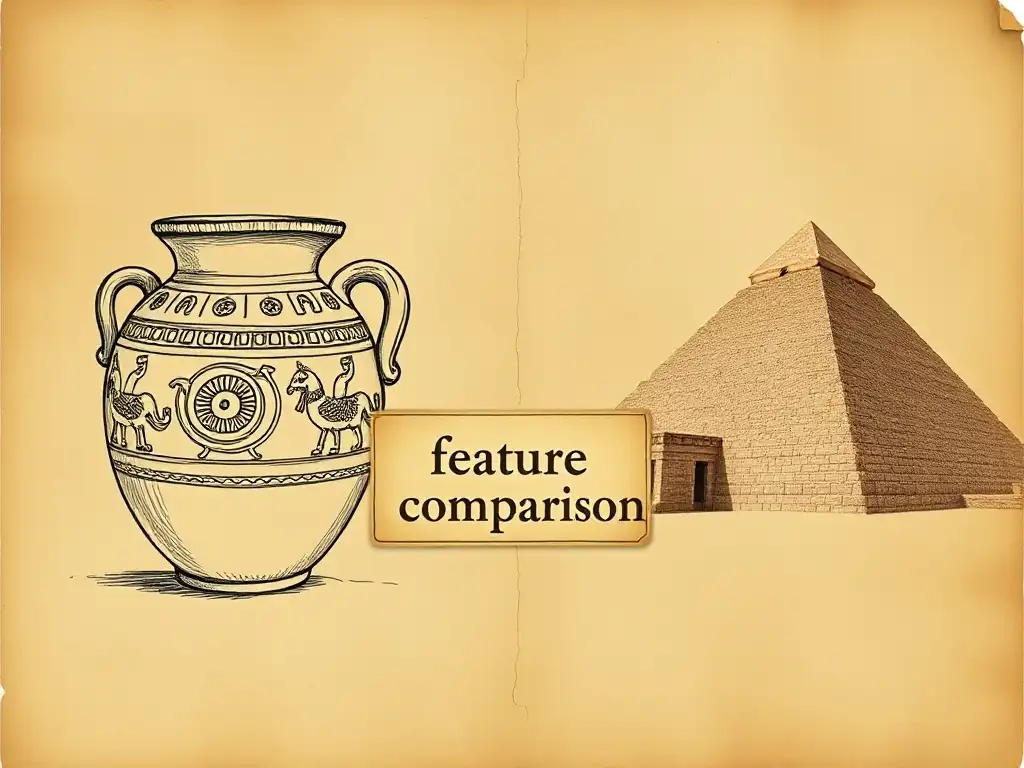
This table compares key features of several popular software options for Andean artifacts interactive analysis, highlighting their strengths and weaknesses. The information provided is based on publicly available data and user reviews. Specific pricing and feature availability may vary depending on the software version and licensing agreements.
| Software Name | 3D Modeling Capabilities | Photogrammetry Support | Material Analysis Tools | User-Friendliness | Price Range | Best Suited For |
|---|---|---|---|---|---|---|
| Agisoft Metashape | Excellent | Excellent | Limited | Moderate | High | High-resolution 3D modeling |
| Meshroom (Open-Source) | Good | Good | Limited | Moderate | Free | Beginners, budget-conscious |
| [Software Name Pending] | [Capability Pending] | [Capability Pending] | [Capability Pending] | [Friendliness Pending] | [Price Pending] | [Best Suited Pending] |
| [Software Name Pending] | [Capability Pending] | [Capability Pending] | [Capability Pending] | [Friendliness Pending] | [Price Pending] | [Best Suited Pending] |
Case Study: How Agisoft Metashape Helped Uncover New Insights in Sipán
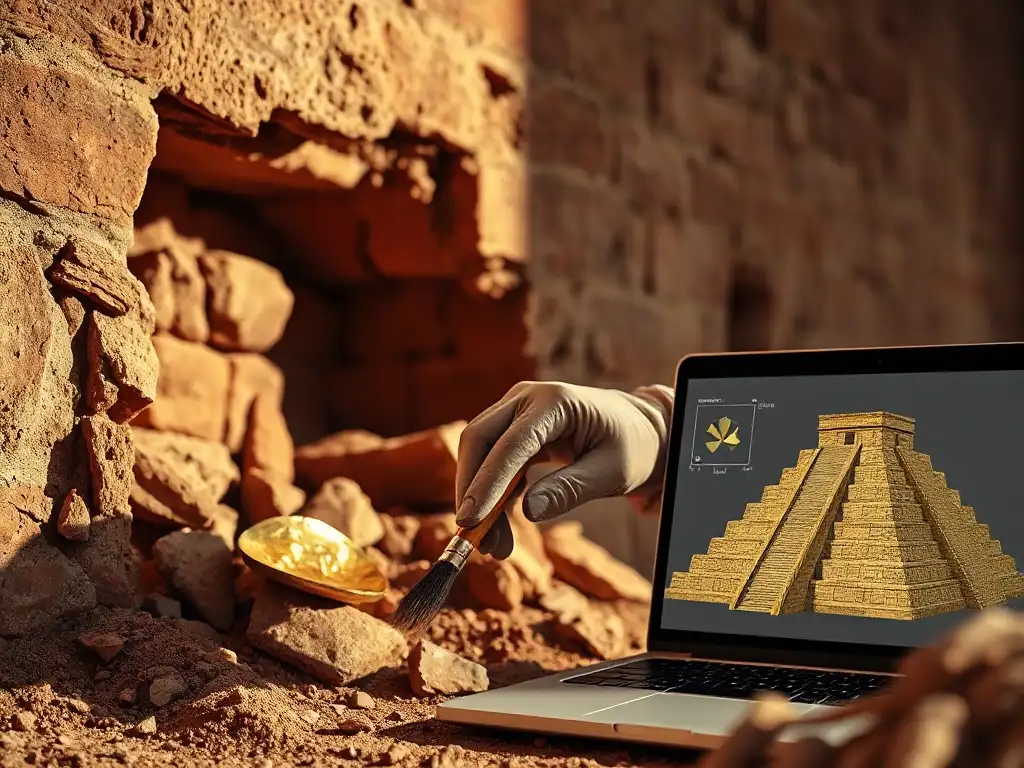
The Sipán site, renowned for its remarkable Moche burials, presents a compelling case study illustrating the power of advanced Andean artifacts interactive analysis software. Researchers employed Agisoft Metashape to create highly detailed 3D models of the intricate gold and silver artifacts unearthed from the tombs.
This approach offered several crucial advantages:
- Preservation: Creating digital replicas allowed for non-destructive analysis, protecting the fragile artifacts from further deterioration. This is especially critical for organic materials commonly found within Andean tombs.
- Accessibility: The 3D models enabled researchers worldwide to study the artifacts remotely, fostering international collaboration and facilitating a broader understanding of Moche artistry and craftsmanship. The detailed models allowed for more precise measurements and analysis than would have been possible with physical examination alone.
- Detailed Analysis: The high-resolution models revealed minute details, including subtle variations in metalworking techniques and decorative motifs, which might have been overlooked during traditional analysis methods. This led to the identification of new patterns and insights into Moche artistic practices. For example, the software enabled the identification of microscopic tool marks, suggesting specific techniques used in the creation of the artifacts.
The use of Agisoft Metashape in the Sipán project exemplifies how advanced Andean artifacts interactive analysis software can significantly enhance our understanding of ancient Andean cultures. The digital models created not only serve as a valuable resource for future research but also contribute to the preservation and dissemination of this invaluable cultural heritage. The project demonstrated the effectiveness of combining advanced software with traditional archaeological methodologies, resulting in a more comprehensive and nuanced understanding of the past.
Maximizing Your Research with Interactive Analysis Tools
This section delves into the practical applications of interactive software designed for the analysis of Andean artifacts. We'll explore how these tools enhance research capabilities, moving beyond static image viewing to dynamic, multi-faceted investigation. The software empowers researchers to conduct detailed examinations, uncover hidden patterns, and ultimately, gain a deeper understanding of Andean civilizations.
The potential for discovery is greatly amplified through the use of these sophisticated tools, especially when dealing with the fragile and often incomplete nature of many Andean artifacts. Imagine, for instance, being able to virtually reconstruct a shattered ceramic vessel, analyzing its fragments with unprecedented precision, and comparing it to other pieces in a comprehensive database—all within a single, user-friendly interface. This represents a significant leap forward in Andean artifacts interactive analysis software.
Advanced Techniques: Using 3D Scans for Artifact Reconstruction
The integration of 3D scanning technology is revolutionizing Andean artifact analysis. High-resolution scans capture intricate details often missed by the naked eye, allowing for the creation of precise digital models. These models can then be manipulated and analyzed in various ways.
For example, researchers can virtually reassemble fragmented pottery, revealing original designs and construction techniques. Imagine reconstructing a complete Nazca ceramic vessel from dozens of scattered fragments, meticulously aligning each piece in the digital space. The software can even assist in identifying missing pieces by analyzing the shapes and patterns of the existing fragments.
This technique dramatically improves the accuracy of reconstruction compared to traditional, manual methods, minimizing the risk of misalignment and providing a more complete picture of the artifact. Furthermore, 3D models facilitate the creation of detailed measurements and cross-sectional analyses, providing invaluable data for understanding the materials and manufacturing processes employed by Andean artisans. The possibilities are vast, with advancements continually improving the accuracy and accessibility of 3D scanning for Andean artifacts interactive analysis.
Data Interpretation: Unlocking the Stories Behind Andean Artifacts
Interactive software doesn't merely present data; it facilitates its interpretation. By integrating databases of Andean artifacts, these tools enable researchers to identify patterns and connections that might otherwise go unnoticed. For example, a researcher analyzing textile fragments can use the software to compare weaving techniques, color palettes, and decorative motifs across different time periods and geographic locations.
This comparative analysis can reveal important insights into cultural exchange, technological advancements, and stylistic evolution. Furthermore, the software's ability to overlay multiple datasets (e.g., 3D scans, chemical analyses, stylistic classifications) allows for a holistic understanding of each artifact. This integrated approach allows researchers to move beyond simple descriptions to a deeper, more nuanced understanding of the social, economic, and religious contexts in which the artifacts were created and used.
The software effectively transforms raw data into compelling narratives, unlocking the stories embedded within each Andean artifact. This is a crucial step in enhancing our understanding of Andean civilizations. The ability to cross-reference data from multiple sources provides a more complete and accurate picture than traditional methods alone.
Future Trends in Interactive Andean Artifact Analysis Software
The field of Andean artifacts interactive analysis software is constantly evolving. Future developments will likely focus on enhancing the software's capabilities in several key areas. We can expect to see improvements in the accuracy and speed of 3D scanning and modeling, allowing for even more detailed analysis of complex artifacts.
The integration of artificial intelligence (AI) promises to automate many aspects of the analysis process, such as artifact classification and pattern recognition. This will significantly reduce the time and effort required for research, allowing researchers to focus on higher-level interpretation and analysis. Furthermore, the development of more user-friendly interfaces will make these powerful tools accessible to a wider range of researchers, students, and enthusiasts.
The ultimate goal is to create a collaborative platform where researchers worldwide can share data, collaborate on projects, and collectively advance our understanding of Andean civilizations. This collaborative approach, facilitated by advanced software, will undoubtedly lead to new discoveries and a richer appreciation of the Andean cultural heritage. The future is bright for interactive analysis tools in the study of Andean artifacts.
Frequently Asked Questions
What is "Andean artifacts interactive analysis software"?
This refers to computer programs designed to help researchers and enthusiasts analyze and study artifacts from the Andean civilizations. These tools can aid in dating, classifying, and understanding the significance of these historical objects.
How can this software benefit researchers studying Andean civilizations?
The software offers faster and more efficient analysis of large datasets of artifacts. It allows for comparative studies, identifying patterns and trends that might be missed through manual methods. This leads to new insights into Andean culture and history.
What types of Andean artifacts can be analyzed using this software?
The software can be used to analyze a wide range of artifacts, including pottery, textiles, metalwork, and architecture. Data like material composition, decorative styles, and geographical origins can be inputted and analyzed. It is adaptable to many artifact types.
Is this software only for professional archaeologists and researchers?
While beneficial for professionals, the software is designed to be user-friendly and accessible to a wider audience. Educational institutions and even enthusiasts can use it to explore Andean artifacts and learn more about the civilizations.
Where can I find more information about this "Andean artifacts interactive analysis software"?
Further details on the capabilities and features of the software, including availability and pricing, can be found on the Andean Civilizations website. Look for the article titled "From Pottery to Pyramids: Interactive Software for Andean Artifact Analysis".
Final Reflection: Shaping the Past, Building the Future
The meticulous study of Andean artifacts, once confined to dusty museum archives, is now experiencing a digital renaissance. The development of interactive software offers unprecedented opportunities to analyze, preserve, and share the rich history embedded within these objects, democratizing access to knowledge and fostering a deeper understanding of Andean civilizations. This shift is not merely a technological advancement; it's a fundamental change in how we engage with and interpret the past.
The impact of this digital revolution extends far beyond the academic sphere. It allows for collaborative research across geographical boundaries, empowering scholars and students alike to participate in the ongoing conversation surrounding Andean history. This collaborative spirit is crucial for preserving cultural heritage and combating the erasure of indigenous knowledge. The past is never dead. It's not even past.
– William Faulkner. This quote resonates deeply as we see how interactive software can breathe new life into ancient artifacts, making them accessible and relevant to contemporary audiences. It's a powerful tool for bridging the gap between past and present, fostering a more inclusive and informed understanding of our shared human heritage.
Consider the potential. Imagine a world where every student can virtually explore the intricacies of a Moche ceramic vessel, or manipulate a 3D model of a Nazca geoglyph. This is not a distant dream; it's the reality we are building. You, the reader, are now part of this exciting journey. Engage with the resources available, explore the possibilities of interactive analysis, and contribute to the ongoing effort to preserve and understand the remarkable legacy of the Andean cultures. Let us use technology not only to study the past, but to shape a more informed and appreciative future.
Unveil the Wonders of Andean Artifacts Today!
Thank you for exploring the fascinating world of Andean artifacts with us. We hope you gained valuable insights into how innovative software is transforming artifact analysis in this rich cultural landscape. Now, let's build on your newfound knowledge!
Here are a few exciting next steps:
- Dive deeper: Use the interactive tools on our site to analyze Andean artifacts yourself. Experiment with different approaches and see what you discover.
- Share your discoveries: Connect with fellow enthusiasts of Andean civilizations by sharing your insights on social media or in our online community forums.
- Join our upcoming workshop: Register for our next online session, where leading experts will demonstrate the latest techniques in artifact analysis. It promises to be an engaging and interactive experience!
What aspect of Andean civilizations—a specific artifact, a particular cultural practice, or perhaps a historical mystery—most intrigues you, and why? Let's discuss it in the comments below!