
Experience Inca Daily Life: Playful Simulations of Agriculture and Trade

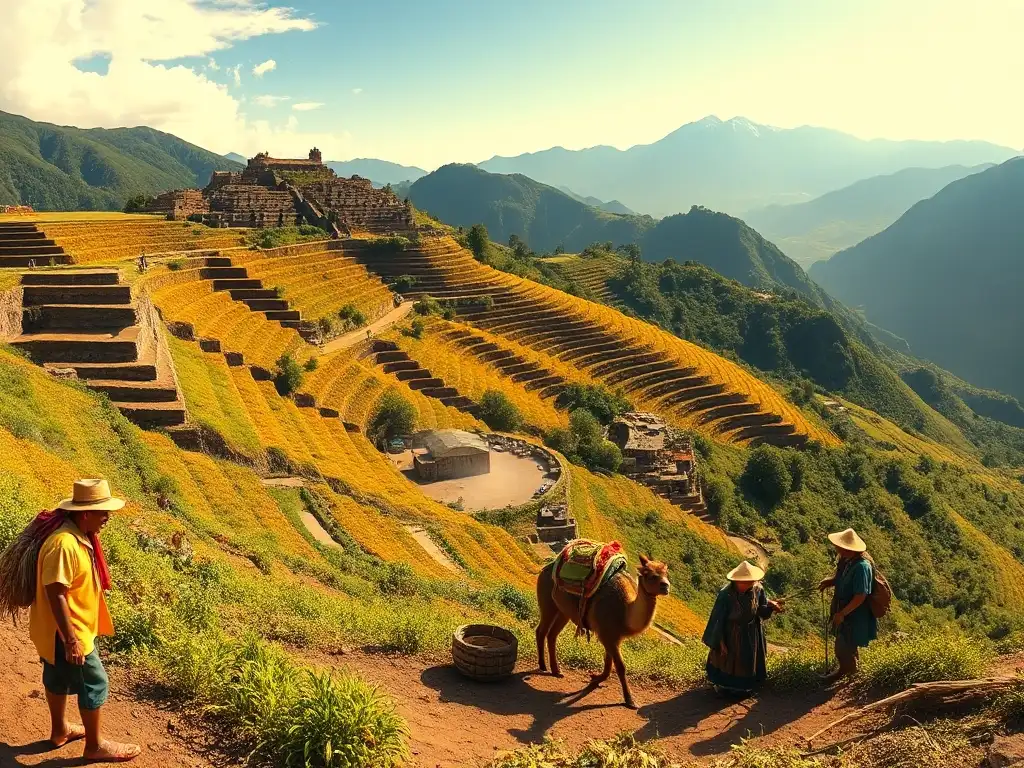
Step into a world lost to time, but not to memory. Andean Civilizations unveils the secrets of the Incas, Moche, Nazca, and Tiahuanaco, revealing their breathtaking artistry, sophisticated technologies, and enduring legacies. But how did they feed their vast empires? Prepare to be amazed by the ingenuity of Inca agriculture simulation, a digital journey that will transport you to the heart of Andean life. Dive in and discover the answers – your exploration begins now!
The Inca Empire, a marvel of engineering and societal organization, thrived in the challenging Andean landscape. Understanding their agricultural practices and intricate trade networks is key to grasping the complexity and ingenuity of this remarkable civilization. This article explores the burgeoning world of educational games and simulations designed to bring Inca daily life to life, focusing specifically on those that recreate their sophisticated agricultural techniques and vibrant trade systems.
We'll delve into the features and benefits of these immersive experiences, highlighting how they can enhance our understanding of Inca history and culture in an engaging and interactive way. These simulations offer a unique opportunity to step beyond textbook learning and directly experience the challenges and triumphs of Inca society, fostering a deeper appreciation for their achievements and resilience.
By simulating agricultural practices like terracing and irrigation, and the complexities of their trade routes and bartering systems, these games provide a valuable tool for education and historical understanding, making the study of Inca civilization more accessible and enjoyable for learners of all ages. The growing availability of these simulations represents a significant advancement in how we approach the teaching and learning of Andean history, offering a dynamic and interactive alternative to traditional methods.
Step Back in Time: Immersive Inca Civilization Games
Several innovative games and simulations are now available, offering players a chance to actively participate in the daily life of an Inca citizen. These aren't simple, static representations; instead, they provide dynamic environments that challenge players to make decisions with real-world consequences, mirroring the complexities faced by the Inca people. Imagine planting crops on terraced hillsides, carefully managing water resources through intricate irrigation systems, or navigating the bustling marketplaces, bartering goods with other players representing various communities across the vast Inca empire.
These simulations often incorporate elements of resource management, strategic planning, and even social interaction, offering a holistic view of Inca life. The level of detail varies across different simulations, with some focusing narrowly on specific aspects of Inca life, such as agriculture, while others offer a broader, more comprehensive experience encompassing agriculture, trade, construction, and even social dynamics.
The common thread is an attempt to create an engaging and educational experience that makes learning about Inca civilization both fun and informative. Many simulations utilize visually appealing graphics and intuitive interfaces, making them accessible to a wide range of users, regardless of their prior knowledge of Inca history.
Best Inca Agriculture Simulation Games: Recreating the Andean Farming Experience
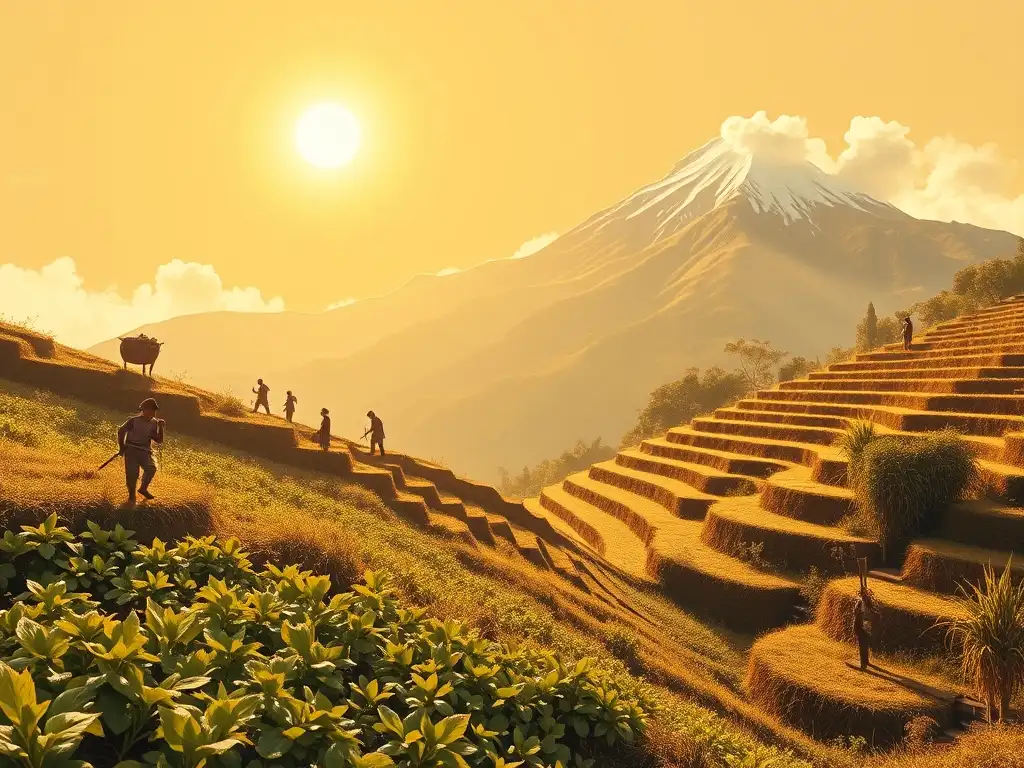
This section explores some of the best video games that offer engaging simulations of Inca agriculture, allowing players to experience the challenges and triumphs of Andean farming practices. These games offer more than just entertainment; they provide valuable insights into the ingenuity and sophistication of Inca agricultural techniques, highlighting their adaptation to the unique environmental conditions of the Andes. We'll delve into specific game mechanics and explore how they reflect the realities of Inca life. The keyword "Inca agriculture simulation" is central to understanding the value of these digital experiences.
Civilization VI: A Deep Dive into Inca Farming Practices
Civilization VI, a turn-based strategy game, offers a surprisingly nuanced simulation of Inca agricultural practices. While not explicitly focused on agriculture, the game's mechanics allow players to experience the core elements of Inca farming, particularly their mastery of terracing and irrigation. The Inca civilization's unique abilities within the game directly reflect their historical prowess in agriculture.
Key Features of Civilization VI for Inca Agriculture Simulation
- Terracing: The game subtly incorporates the concept of terracing through its city growth mechanics and resource management. Expanding your empire necessitates careful planning to maximize yield from available land, mirroring the Inca's ingenious use of terracing to cultivate steep slopes. Players need to strategically place their cities to take advantage of available terrain, much like the Inca carefully chose locations for their agricultural terraces.
- Resource Management: Civilization VI emphasizes efficient resource management. Players must balance food production with other necessities, forcing them to consider the importance of agriculture in supporting a growing population – a crucial aspect of Inca society. The game’s mechanics reward players who prioritize food production, much like the Inca prioritized food security through advanced agricultural techniques.
- Unique Abilities: The Inca civilization in Civilization VI possesses unique abilities that directly reflect their agricultural expertise. These abilities often provide bonuses related to food production or city growth, emphasizing the significance of agriculture in their societal structure. The game simulates the benefits of the Inca's agricultural innovations, allowing players to experience their effectiveness firsthand.
Why Civilization VI is a Top Pick for Inca Farming Simulations
Civilization VI provides a macro-level perspective on Inca agriculture, demonstrating its crucial role in the empire's growth and stability. While not a dedicated farming simulator, the game successfully integrates agricultural challenges into its broader strategic gameplay. The game's complexity allows for deeper engagement with the subject matter than many other titles, offering a compelling, albeit indirect, simulation of Inca farming. It's a great starting point for players wanting a broad overview of Inca agricultural techniques within a larger historical context.
Age of Empires II: A Strategy Game Focused on Inca Resource Management
Age of Empires II, another popular real-time strategy game, offers a different perspective on Inca agriculture through its emphasis on resource management and trade. While not as detailed as Civilization VI, Age of Empires II still provides a valuable learning experience by highlighting the importance of efficient resource gathering and the role of agriculture in supporting a thriving economy.
Key Elements of Age of Empires II and its Inca Agriculture Focus
- Resource Gathering: The game necessitates the efficient gathering of food resources, directly reflecting the importance of agriculture in sustaining the Inca empire. Players must manage their villagers effectively to maximize food production, mirroring the Inca's organized agricultural system. The game's mechanics incentivize players to focus on food production early in the game, highlighting its crucial role in expansion and military strength.
- Economic Growth: The Inca's success was intertwined with their efficient agricultural practices. Age of Empires II simulates this relationship by linking food production to economic growth and military expansion. Players who manage their food resources effectively will find themselves better equipped to expand their empire and defend against attacks.
- Technological Advancements: Although not explicitly detailed, the game implicitly acknowledges the Inca's advancements in agricultural technology through the progression of units and buildings. This allows players to indirectly experience the results of Inca innovations, even if the specific techniques aren't directly simulated.
Exploring Inca Trading Systems through Age of Empires II
Beyond the direct simulation of agriculture, Age of Empires II also offers an opportunity to explore the Inca's extensive trade networks. The game's trading mechanics allow players to experience the exchange of goods and resources, showcasing the Inca's sophisticated economic system that was heavily reliant on agricultural surpluses. This aspect of the game provides a complementary perspective to the direct simulation of agricultural practices, offering a more holistic understanding of the Inca economy. The game effectively demonstrates how Inca agriculture supported not only their own sustenance but also facilitated trade and economic interactions with neighboring regions.
Other Engaging Inca Simulation Options: Beyond Agriculture
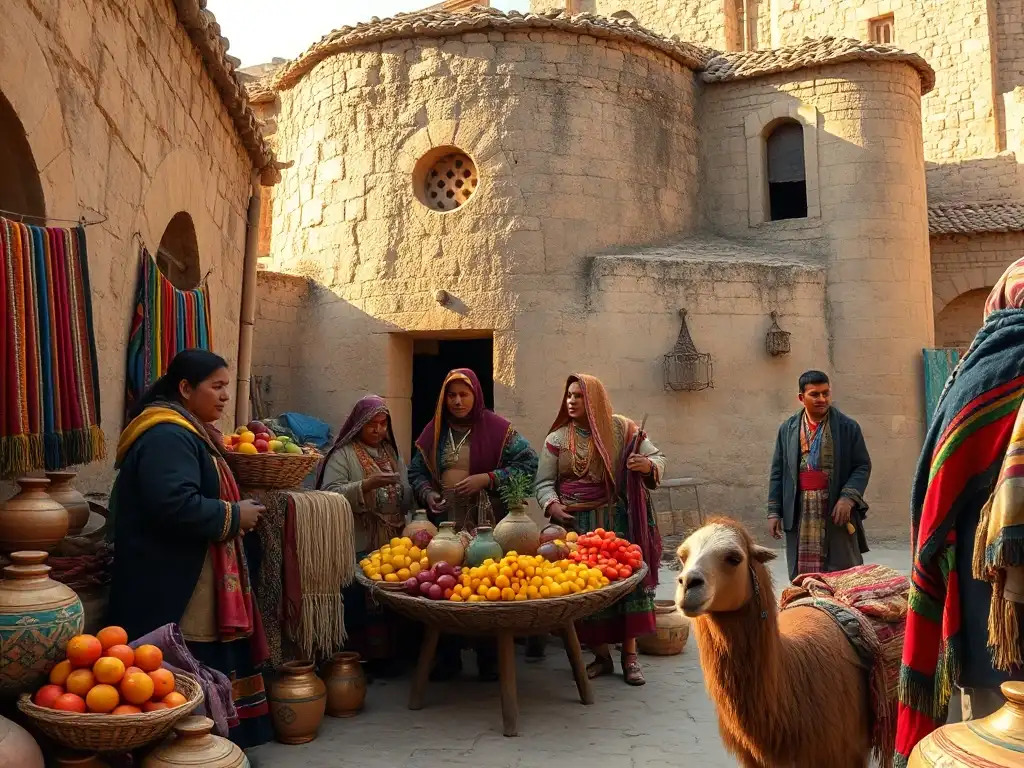
This section explores engaging simulations that, while not solely focused on Inca agriculture, offer valuable insights into other crucial aspects of Inca daily life, complementing your understanding gained from dedicated agricultural simulations. These simulations provide a broader perspective on Inca society, encompassing their complex political structures, extensive trade networks, and military prowess. By experiencing these different facets, you gain a more holistic appreciation of Inca civilization.
Total War: Attila: A Comprehensive Simulation of Inca Society
While not explicitly designed as an Inca agriculture simulation, Total War: Attila, through its modding community, allows for a surprisingly comprehensive simulation of Inca society. Mods have been created that introduce Inca units, technologies, and even building types representing their unique architectural styles. These mods, while not perfectly accurate representations, offer a dynamic and engaging way to experience the challenges and triumphs of ruling the Inca Empire.
Players must manage resources, engage in warfare, and navigate political complexities, all while indirectly dealing with agricultural output impacting their overall strength and stability. This provides a dynamic context within which to understand the importance of agriculture to the broader Inca empire.
Inca Empire Builder: Integrating Agriculture into the Larger Inca System
The key to appreciating the Inca aspect of Total War: Attila lies in understanding how agriculture functions within the game's larger systems. Successful empire management necessitates a robust food supply, directly impacting population growth, unit recruitment, and overall economic stability. Players learn to prioritize agricultural development, mirroring the actual Inca emphasis on efficient farming techniques like terracing and irrigation.
The game doesn't explicitly model these techniques, but the need for resource management drives home their importance. Failure to maintain a strong agricultural base quickly leads to unrest and military weakness, reinforcing the crucial role of agriculture in Inca power and stability. This indirect approach, though not a direct Inca agriculture simulation, offers a compelling and engaging learning experience.
Benefits of Total War: Attila for Learning about Inca Life
Total War: Attila, enhanced by relevant mods, offers several pedagogical benefits beyond a simple Inca agriculture simulation:
- Holistic Understanding: It allows players to experience the interconnectedness of agriculture with military power, political stability, and economic prosperity.
- Strategic Decision-Making: Players must make strategic decisions regarding resource allocation, infrastructure development, and military campaigns, all influenced by agricultural output.
- Dynamic Gameplay: The game's dynamic nature provides a more engaging learning experience than static simulations, fostering a deeper understanding of Inca societal complexities.
- Immersive Experience: The visual and auditory elements of the game create an immersive experience, increasing engagement and retention of information.
Europa Universalis IV: Focusing on the Inca Trade Networks
While Europa Universalis IV doesn't directly simulate Inca farming practices in detail, it excels at portraying the vast and sophisticated trade networks that sustained the Inca Empire. The game's mechanics accurately reflect the Inca's control over vital resources and their ability to manage a large, diverse empire through trade and tribute. This provides a valuable counterpoint to simulations focusing solely on agriculture, showcasing the wider economic context of Inca life.
Europa Universalis IV and its Focus on Inca Exchange Systems
Europa Universalis IV effectively models the Inca's mit'a system, although not explicitly named as such, through the game's mechanics of manpower and resource gathering. The player manages the flow of goods and resources across their empire, simulating the intricate network of roads and relay runners that facilitated trade and communication.
Players experience the challenges of managing a large, geographically diverse empire, needing to balance regional needs and maintain a steady flow of resources to support their capital and military. The efficient management of these resources underscores the importance of the Inca's logistical prowess, complementing the understanding of their agricultural achievements.
Why Europa Universalis IV Is A Great Supplement to Inca Agriculture Simulations
Europa Universalis IV offers a crucial perspective missing from many Inca agriculture simulations: the broader economic context. By simulating the Inca's trade networks and resource management, the game highlights the interconnectedness of agriculture with other aspects of Inca society. It shows how agricultural productivity directly impacted the empire's ability to maintain its vast network of trade routes, control its resources, and sustain its military power. Therefore, it serves as a valuable supplement, providing a more complete and nuanced understanding of Inca life beyond the farm.
Conclusion: Choosing the Right Inca Simulation for You
This exploration of Inca agriculture simulations has hopefully illuminated the diverse ways in which technology can bring the past to life. From simple, visually engaging games focusing on basic planting and harvesting techniques to more complex simulations incorporating intricate economic models and social dynamics, the choice depends entirely on your specific needs and learning objectives. Understanding the nuances of each simulation is crucial for maximizing its educational value. The best Inca agriculture simulation isn't a single entity but rather a tool selected based on its alignment with your learning goals.
Comparing the Options: Which Inca Simulation is Right for Your Needs
Choosing the right Inca agriculture simulation requires careful consideration of several key factors. Here's a breakdown to help you navigate the options:
| Feature | Simple Simulation (e.g., aimed at younger learners) | Advanced Simulation (e.g., for higher education) |
|---|---|---|
| Complexity | Low | High |
| Visuals | Often cartoonish or stylized | More realistic, potentially photorealistic |
| Game Mechanics | Simple planting, harvesting, and resource management | Complex economic modeling, social interactions, environmental factors |
| Learning Objectives | Basic understanding of Inca agricultural practices | Deep understanding of Inca economy, societal structures, and environmental impact |
| Target Audience | Elementary school students, casual learners | Secondary school/university students, researchers |
| Time Commitment | Short play sessions | Longer, more involved gameplay |
For instance, a younger audience might benefit most from a simulation that uses bright colors, simple controls, and a clear, concise narrative. Such simulations prioritize engagement and introduce foundational concepts without overwhelming the player. Conversely, a university course on Andean civilizations might utilize a more advanced simulation that incorporates complex variables like climate change, terracing techniques, and the impact of trade routes on agricultural production. These advanced tools offer opportunities for in-depth analysis and research.
The availability of detailed data within the simulation is also crucial. A strong simulation will provide accurate information on Inca crops (potatoes, maize, quinoa), farming techniques (terracing, irrigation), and the social organization of agricultural labor ( ayllu system). Look for simulations that cite their sources and offer opportunities for further exploration. Features like interactive maps, historical timelines, and glossary of terms can substantially enhance the learning experience.
Remember, the ideal Inca agriculture simulation is one that effectively translates complex historical information into an engaging and accessible format. By carefully evaluating the features and learning objectives of different simulations, you can select the tool best suited to achieving your educational goals. Don't hesitate to explore different options and compare their strengths and weaknesses before making a decision. The right simulation can transform the study of Inca agriculture from a passive activity into an interactive and enriching experience.
Frequently Asked Questions
What kind of simulations are offered in "Experience Inca Daily Life"?
The game features playful simulations of Inca agriculture and trade, allowing players to experience daily life in the Andes. You'll learn about farming techniques, resource management, and economic interactions.
How realistic is the Inca agriculture simulation?
The simulation strives for historical accuracy, representing known Inca farming practices like terracing and irrigation. While simplified for gameplay, it aims to reflect the challenges and ingenuity of Inca agriculture.
Is the game suitable for all ages?
"Experience Inca Daily Life" is designed to be accessible and engaging for a wide range of ages. Younger players can enjoy the simpler aspects, while older players can delve deeper into the complex mechanics.
What can I learn about Inca culture from the game?
Besides agriculture, the simulation provides insights into Inca trade networks, social structures, and the importance of resources in their society. It offers a fun way to learn about their daily lives.
Where can I find and play "Experience Inca Daily Life"?
Currently, the game's availability is being finalized. Check back soon for download links and release information on the Andean Civilizations website.
Final Reflection: Harvesting the Legacy of Inca Ingenuity
Understanding the Inca's sophisticated agricultural and trade systems is not just a historical exercise; it's a vital key to unlocking solutions for our modern world's food security challenges. The ingenious techniques employed by the Inca, from their terraced farming to their intricate network of trade routes, offer invaluable lessons in sustainable resource management and efficient distribution, lessons desperately needed as we face climate change and growing populations.
The enduring impact of Inca agricultural practices resonates deeply, shaping our understanding of sustainable living and community resilience. Their innovative approach to resource management, a testament to their deep connection with the land, continues to inspire researchers and policymakers alike. The Inca civilization demonstrates that a harmonious relationship with nature is not only possible but essential for long-term societal prosperity.
This quote encapsulates the profound legacy of a civilization that understood the interconnectedness of agriculture, trade, and societal well-being, a lesson we would do well to heed.
Consider the ingenuity of the Inca's waru waru system, or the efficiency of their qhapaq ñan road network. These weren't just feats of engineering; they were expressions of a deeply held philosophy of community and sustainability. You, the reader, are now equipped with a deeper understanding of these remarkable achievements. Take a moment to reflect on how these principles might be applied in your own life, in your community, and in the broader context of global sustainability. Let the legacy of Inca ingenuity inspire you to cultivate a more sustainable and interconnected future.
Experience the Richness of Inca Life Today!
Thank you for exploring the fascinating world of the Inca civilization with us! We hope you've gained valuable insights into their daily lives, agriculture, and trade. Now, let's bring that experience to life and explore ways to further your understanding.
Here are some suggestions to continue your journey:
- **Engage in interactive games:** Try online simulations of Inca farming and trading to experience their innovative techniques firsthand. Many engaging games are available that bring this ancient world to life.
- **Share your knowledge:** Discuss your favorite aspects of Inca culture with friends, family, or online communities. Inspire others to learn about this remarkable civilization.
- **Participate in cultural events:** Seek out local workshops, museum exhibits, or cultural festivals that explore Andean civilizations. These events offer opportunities to connect with history and deepen your appreciation for Inca culture.
What valuable lessons can modern society learn from the Inca's sophisticated agricultural and trading systems?