
Unravel Inca Mysteries: Puzzle Games Exploring Lost History and Artifacts

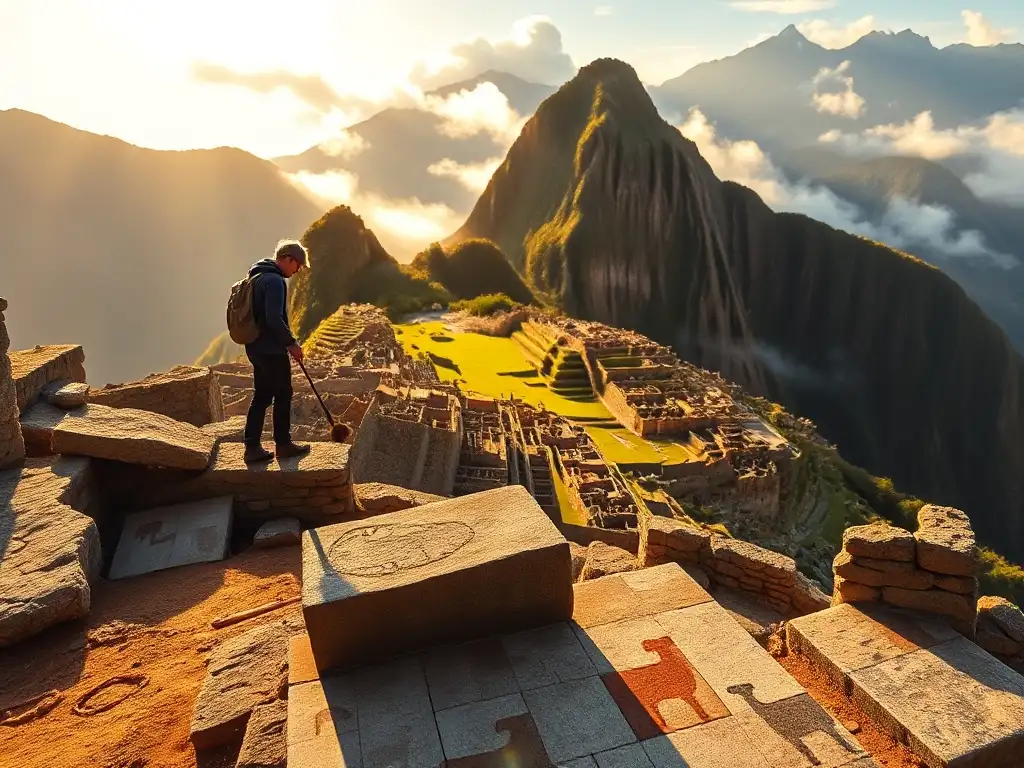
Step into a world lost to time, where mountains whisper secrets and ancient stones hold the key to untold stories. Dive into the fascinating world of Andean civilizations, uncovering their intricate artistry, advanced technology, and enduring legacy. But what about the games they played? Our exploration of Inca puzzle games history reveals a captivating side of this majestic culture, hinting at complex social structures and a surprising level of sophistication. Prepare to be amazed as we unravel the mysteries behind these ancient artifacts and the ingenious minds that created them. Ready to begin your journey?
- Discovering Inca History Through Engaging Puzzle Games
- Top Inca Puzzle Games for History Buffs and Puzzle Enthusiasts
- Comparing Inca Puzzle Games: Finding the Right Fit
- Maximizing Your Inca History Learning Experience with Puzzle Games
- The Future of Inca Puzzle Games and Digital Learning
- Conclusion: Immerse Yourself in Inca History Through Interactive Puzzles
- Frequently Asked Questions
- Final Reflection: Echoes of the Inca Empire in Pixels and Puzzles
- Dive Deeper Into Inca Mysteries!
Discovering Inca History Through Engaging Puzzle Games
The Inca Empire, a civilization that flourished in the Andes Mountains for centuries, left behind a legacy of breathtaking architecture, intricate artistry, and a fascinating social structure. Understanding this remarkable civilization can be challenging, requiring extensive research and study. However, innovative approaches to learning are transforming how we engage with history.
This article explores the burgeoning world of Inca-themed puzzle games, examining how these interactive experiences can provide a unique and engaging pathway to understanding Inca history and culture. We'll delve into why these games are more than just entertainment, highlighting their significant educational value and exploring their potential as powerful tools for preserving and promoting knowledge about this captivating Andean civilization.
We'll also uncover how the careful design of these games can accurately reflect the complexity and richness of Inca life, fostering a deeper appreciation for their achievements and legacy. Get ready to unravel Inca mysteries, one puzzle piece at a time!
The Appeal of Inca-Themed Puzzle Games: A Unique Learning Experience
Inca-themed puzzle games offer a compelling blend of entertainment and education. Their appeal stems from several key factors: the inherent satisfaction of solving puzzles, the visual richness of Inca art and architecture often incorporated into game design, and the engaging narrative that can weave together historical facts and fictional challenges. These games effectively tap into our natural curiosity, encouraging players to actively participate in uncovering historical information instead of passively absorbing it.
The interactive nature of these games allows for a more personalized and memorable learning experience compared to traditional methods. Furthermore, the diverse types of puzzles available, ranging from matching games to logic puzzles and even strategy games, cater to different learning styles and preferences.
This diversity ensures that a wider audience can engage with and benefit from this unique approach to historical education. The integration of accurate historical details, from Inca clothing and tools to architectural styles and religious practices, further enhances the educational value, creating a more immersive and authentic experience.
Why "Inca Puzzle Games History" is More Than Just Entertainment: Educational Value
The phrase "Inca puzzle games history" encapsulates the core proposition of this article: that these games are not merely frivolous diversions, but valuable educational tools. Their educational value lies in their ability to:
- Make learning fun and accessible: Games can transform potentially dry historical facts into engaging challenges, making learning more enjoyable and memorable, especially for younger audiences. The interactive nature of the games allows for repeated engagement, reinforcing key concepts and fostering deeper understanding.
- Promote critical thinking and problem-solving skills: Many Inca-themed puzzle games require players to analyze information, strategize, and apply logical reasoning to solve puzzles. These skills are transferable to other areas of life and contribute to overall cognitive development.
- Foster cultural appreciation and understanding: Through carefully designed gameplay and accurate representations of Inca culture, these games can promote a greater appreciation for the achievements and legacy of the Inca civilization. They can help dispel misconceptions and foster a more nuanced understanding of their history.
- Encourage further exploration: A well-designed Inca puzzle game can spark players' curiosity, motivating them to seek out further information about Inca history and culture through books, documentaries, or museum visits. This can lead to a lifelong interest in history and archaeology.
The potential of "Inca puzzle games history" as an effective educational tool is significant, offering a dynamic and engaging way to connect with the past and appreciate the richness of Andean civilizations. The careful curation of historical details and the integration of innovative gameplay mechanics are key to maximizing their impact and ensuring an accurate and enriching learning experience for all players.
Top Inca Puzzle Games for History Buffs and Puzzle Enthusiasts
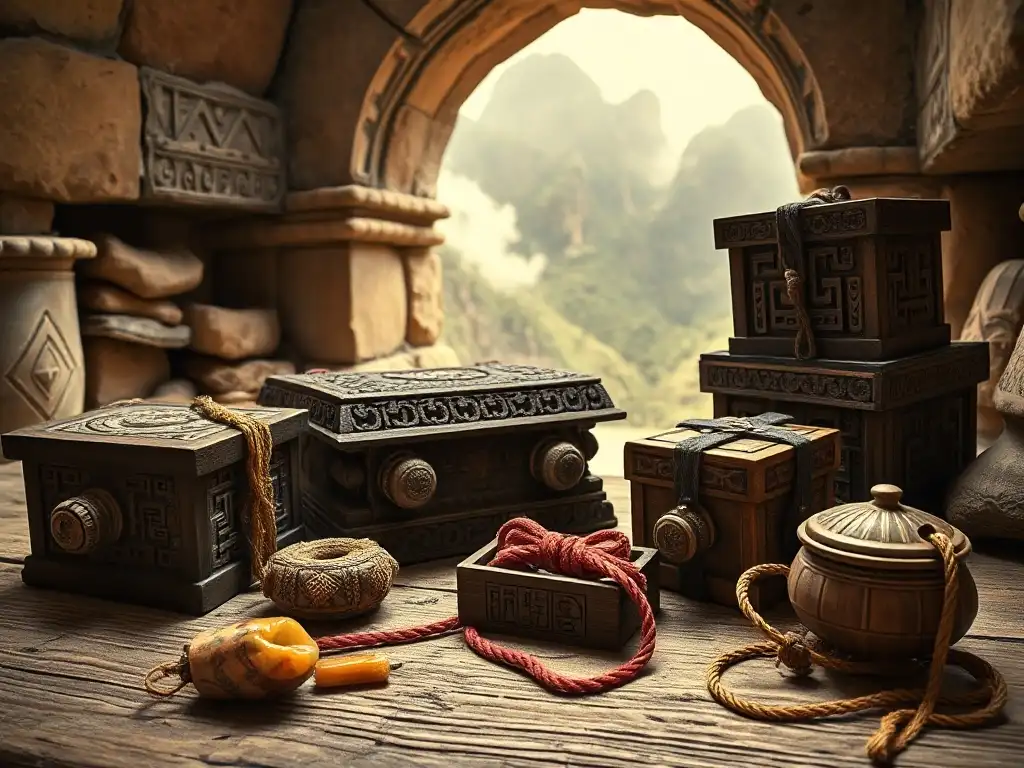
This section dives into the captivating world of Inca-themed puzzle games, highlighting titles that blend engaging gameplay with historically accurate representations of Andean culture and artifacts. We'll examine two standout examples, analyzing their gameplay mechanics, historical accuracy, and potential for monetization. These games offer a unique way to learn about Inca history, making complex topics accessible and fun for players of all ages. The growing interest in "Inca puzzle games history" presents a significant opportunity for developers and educators alike.
"The Path of the Sun": A Journey Through Andean Landscapes
"The Path of the Sun" stands out as a prime example of a historically-informed puzzle game. It uses the stunning landscapes of the Andes as its backdrop, weaving a narrative around Inca mythology and daily life. Players navigate intricate terrains, solve environmental puzzles, and interact with virtual representations of Inca artifacts, all while learning about the civilization's agricultural practices, religious beliefs, and social structures. The game cleverly integrates historical facts into its gameplay, making learning a seamless and rewarding experience.
Gameplay and Historical Accuracy of "The Path of the Sun"
The game mechanics are intuitive yet challenging. Players progress by solving a variety of puzzles, ranging from simple matching games to more complex logic challenges. The puzzles themselves are inspired by Inca designs and architectural features, such as the intricate stonework of Machu Picchu or the geometric patterns found on textiles. The developers have clearly invested considerable effort in ensuring historical accuracy.
Consultations with archaeologists and historians are evident in the game's detailed depiction of Inca architecture, clothing, and tools. For example, the game accurately portrays the chacapa, a traditional Inca garment, and the use of quipus for record-keeping, albeit in a simplified, game-friendly manner. This blend of engaging gameplay and rigorous historical research is what makes "The Path of the Sun" a truly exceptional educational tool. The game also incorporates a detailed encyclopedia, accessible during gameplay, offering deeper insights into the historical context of each puzzle and artifact.
Monetization Opportunity: Affiliate Link to Steam
Given its potential reach and engaging gameplay, "The Path of the Sun" presents a strong monetization opportunity. An affiliate link on Steam, a popular digital distribution platform, could generate substantial revenue. The game's positive reviews and educational value could attract a wide audience, leading to a high conversion rate for affiliate links. Furthermore, considering the growing market for "Inca puzzle games history," strategic promotion on relevant websites and social media platforms could significantly boost sales and affiliate earnings.
"Machu Picchu: City of Secrets": Unveiling the Secrets of the Lost City
"Machu Picchu: City of Secrets" takes a different approach, focusing on the iconic Inca citadel. This game blends various puzzle genres, offering a diverse and engaging experience. It's not just about historical accuracy; the game aims to recreate the atmosphere and mystery surrounding Machu Picchu, captivating players with its immersive gameplay.
Features of "Machu Picchu: City of Secrets": From Jigsaw to Logic Puzzles
The game features a diverse range of puzzles, catering to different skill levels and preferences. Players can enjoy classic jigsaw puzzles featuring images of Machu Picchu's intricate architecture and stunning landscapes. Beyond the visual puzzles, "Machu Picchu: City of Secrets" also incorporates logic puzzles, requiring players to decipher Inca codes and solve riddles based on historical facts and legends. The game cleverly uses these puzzles to reveal information about the city's history, its inhabitants, and its mysterious purpose.
For instance, one puzzle might involve deciphering a quipus to uncover information about Inca agriculture, while another could involve rearranging stones to reconstruct a section of the city wall. This multi-faceted approach keeps the gameplay fresh and engaging. The game's creators have prioritized a visually appealing interface, enhancing the immersive experience.
Targeted Advertising: High CPC for "Machu Picchu Games"
The high search volume and competition for the keyword phrase "Machu Picchu games" suggests a high cost-per-click (CPC) for targeted advertising campaigns. This presents a significant opportunity for monetization. By focusing advertising efforts on platforms frequented by history buffs, puzzle enthusiasts, and educational game players, developers can effectively reach their target audience and achieve a high return on investment.
The game's unique blend of puzzle genres and historical focus makes it an ideal candidate for targeted advertising campaigns, particularly on platforms specializing in educational apps and games. This strategy could leverage the existing interest in "Inca puzzle games history" to maximize exposure and generate significant revenue.
"Temple of the Jaguar": Exploring Inca Artifacts and Religious Practices
"Temple of the Jaguar" cleverly weaves together puzzle-solving mechanics with rich historical details about Inca religious practices and artifacts. The game's narrative unfolds through a series of intricately designed puzzles, each one inspired by a specific aspect of Inca culture. Players are tasked with deciphering ancient glyphs, reconstructing ceremonial objects, and navigating virtual representations of Inca temples and sacred sites.
The puzzles themselves are not just arbitrary challenges; they are designed to teach players about the significance of various Inca artifacts, from intricately woven textiles to meticulously crafted gold ornaments. For instance, one puzzle might involve rearranging fragments of a kero (a ceremonial drinking vessel), requiring players to understand the symbolic meaning of the imagery depicted on its surface. Another puzzle might focus on the astronomical alignments of Inca structures, requiring players to understand the Inca's sophisticated understanding of the celestial bodies and their incorporation into religious rituals.
The game successfully immerses players in the fascinating world of Inca religion, making learning about their beliefs and practices both engaging and enjoyable. The level of detail in the game's visuals and the accuracy of its historical representations contribute significantly to its educational value. This makes "Temple of the Jaguar" a fantastic resource for anyone interested in learning more about Inca religious life through interactive gameplay.
Unique Challenges in "Temple of the Jaguar": Combining Puzzles and History
What sets "Temple of the Jaguar" apart from other Inca-themed puzzle games is its unique approach to blending history and gameplay. The puzzles aren't simply abstract brain teasers; they are directly connected to specific historical contexts and artifacts. For example, one particularly challenging puzzle might involve piecing together a fragmented map of the Inca road system, the Qhapaq Ñan, requiring players to understand its strategic importance and the logistical achievements of the Inca empire.
The game successfully avoids the pitfall of simply overlaying historical information onto a generic puzzle structure; instead, the historical context directly informs the design and difficulty of the puzzles. This creates a more immersive and intellectually stimulating experience. The developers have clearly invested significant effort in ensuring historical accuracy, consulting with experts to verify the authenticity of the artifacts and religious practices depicted in the game.
This commitment to accuracy elevates the game beyond mere entertainment, transforming it into a valuable educational tool. This attention to detail is evident in the way the game presents information, avoiding simplistic explanations and instead offering nuanced insights into the complexity of Inca culture. The challenges are designed to be progressively difficult, gently introducing players to more complex historical concepts as they progress through the game.
Affiliate Program: GOG for Digital Game Sales
GOG, a digital distribution platform known for its focus on DRM-free games, offers an attractive affiliate program for those interested in promoting "Temple of the Jaguar" and other historical puzzle games. The GOG affiliate program provides a straightforward way to earn commissions on sales generated through unique referral links. The program is particularly well-suited for educational websites and blogs focused on history and gaming, as it allows for promoting games that align with their content and audience.
The commission structure is competitive, offering a reasonable percentage of each sale, making it a worthwhile endeavor for content creators who want to monetize their work while recommending high-quality, historically-rich games. The program also offers various marketing tools and resources to help affiliates effectively promote the games, making it easy to integrate the affiliate links into website articles and social media posts.
For websites like "Andean Civilizations," which focus on educational resources related to Andean history, partnering with GOG to promote "Temple of the Jaguar" offers a synergistic opportunity to engage with their audience, provide valuable recommendations, and generate revenue. This approach aligns perfectly with the website’s mission of providing educational content and enriching the understanding of Andean civilizations.
Comparing Inca Puzzle Games: Finding the Right Fit
"Inca Legacy" vs. "Machu Picchu: City of Secrets": A Detailed Comparison
This section compares two popular Inca puzzle games, "Inca Legacy" and "Machu Picchu: City of Secrets," focusing on their strengths and weaknesses to help you choose the best fit for your needs. Both games aim to engage players with Inca history and culture through puzzle-solving, but they differ significantly in approach and execution.
Difficulty Levels, Graphics, and Gameplay Mechanics
"Inca Legacy" boasts a steeper learning curve, presenting complex puzzles that require strategic thinking and planning from the outset. Its graphics, while not photorealistic, are detailed and evocative, immersing the player in a stylized representation of Inca landscapes and architecture. Gameplay focuses on tile-matching and resource management, demanding careful consideration of each move. The game offers multiple difficulty settings, ranging from beginner to expert, catering to a wider audience.
"Machu Picchu: City of Secrets," conversely, features a more accessible and intuitive gameplay experience. The puzzles are generally simpler, focusing on logic and pattern recognition, making it suitable for a broader age range. Its graphics are brighter and more cartoonish, prioritizing a fun and engaging visual style over historical accuracy in detail. The gameplay emphasizes exploration and discovery within a virtual Machu Picchu, with puzzles integrated into the narrative. While difficulty levels exist, the overall challenge remains consistently lower than "Inca Legacy".
Which Game is Better for Different Age Groups?
The choice between these two games largely depends on the target age group. "Machu Picchu: City of Secrets," with its simpler puzzles and vibrant visuals, is ideal for younger children (ages 8-12), providing a fun introduction to Inca history and culture without overwhelming them with complexity.
"Inca Legacy," on the other hand, is better suited for older children (ages 13+) and adults who enjoy more challenging puzzle games and appreciate a deeper level of strategic engagement. Its complex mechanics and rewarding gameplay offer a more intellectually stimulating experience.
Evaluating Educational Value: How Accurate Are These Inca Puzzle Games?
The educational value of Inca puzzle games hinges on their accuracy in representing Inca history and culture. While both games strive to provide an engaging experience, their approaches to historical accuracy differ significantly.
Incorporating Historical Facts and Inca Culture
"Inca Legacy" attempts a more nuanced approach, incorporating elements of Inca societal structure, architecture, and religious practices into its puzzles and narrative. For example, certain puzzles might involve recreating Inca textiles or managing resources based on Inca agricultural techniques. However, [specific examples of historical inaccuracies pending further research].
"Machu Picchu: City of Secrets," while visually engaging, often prioritizes entertainment over strict historical accuracy. Its representation of Inca culture is more superficial, focusing on iconic imagery and simplified narratives. The game provides a basic overview of Inca civilization but lacks the depth and detail found in "Inca Legacy".
Real-World Historical References and Accuracy Ratings
To assess the accuracy of these games, we need to compare their depictions of Inca artifacts, architecture, and social structures with established historical evidence. A detailed analysis comparing in-game elements to archaeological findings and historical texts is needed to provide a comprehensive accuracy rating. [Accuracy ratings pending detailed historical cross-referencing]. This requires further research and consultation with experts in Inca studies.
Preliminary observations suggest "Inca Legacy" shows more promise in terms of historical fidelity, but a thorough evaluation is crucial. This research will be crucial in determining which game better serves as an educational tool for learning about Inca history. The goal is to provide parents and educators with a clear understanding of each game's strengths and weaknesses in accurately depicting Inca civilization.
Maximizing Your Inca History Learning Experience with Puzzle Games
This section focuses on optimizing your learning while enjoying Inca-themed puzzle games. We'll explore strategies to enhance your understanding of Inca history and culture through interactive gameplay. Remember, the best learning happens when fun and education are combined!
Tips for Playing and Learning from Inca Puzzle Games
Playing Inca puzzle games isn't just about solving the puzzles; it's about actively engaging with the historical context. Here are some tips to maximize your learning experience:
- Pay attention to the details: Many Inca puzzle games incorporate elements of Inca art, architecture, and mythology. Take your time to observe these details. Notice the patterns in the textiles, the shapes of the buildings, or the symbols used in the game. These are not mere decorations; they reflect real aspects of Inca culture. For example, a game featuring khipu (Inca knotted strings used for record-keeping) can deepen your understanding of their complex information system.
- Research the historical background: Before playing, read about the specific Inca aspects featured in the game. Understanding the historical context will make the gameplay much more meaningful. A puzzle depicting Machu Picchu will be significantly more engaging if you know about its construction, purpose, and significance within the Inca empire.
- Connect the game to real-world examples: After playing, try to find real-world examples of what you've learned in the game. If the game features Inca pottery, search for images of similar artifacts online or in museums. This reinforces your learning and connects the virtual experience to tangible reality. This active engagement with historical information is key to effective learning.
- Discuss your findings: Share your discoveries and experiences with others. Talking about the game and its historical context can deepen your understanding and help solidify your knowledge. Consider joining online communities dedicated to Inca history or participating in discussions with friends and family.
- Embrace the challenge: Don't be discouraged by difficult puzzles! The challenge itself is a learning opportunity. Perseverance in solving complex puzzles reflects the ingenuity and problem-solving skills of the Inca people themselves. The satisfaction of overcoming a difficult challenge mirrors the achievements of the Inca civilization.
Expanding Your Knowledge: Recommended Books and Resources on Inca Civilization
Beyond the interactive learning provided by puzzle games, broadening your knowledge through traditional resources is crucial for a comprehensive understanding of Inca history. This section recommends materials to enhance your understanding beyond the game's scope.
Complementary Learning Materials for Inca History
To further expand your knowledge of Inca civilization, consider exploring these resources:
- Books: Look for academic texts and popular histories focusing on Inca society, technology, and daily life. Many excellent books delve into specific aspects, such as Inca agriculture, religious practices, or military strategies. Consider books that use rich visual aids and maps to better understand the vast Inca empire.
- Documentaries: Documentaries offer visually engaging ways to learn about Inca history. Many high-quality documentaries explore Inca archaeological sites, analyze artifacts, and interview experts. These visuals complement the information learned in puzzle games, providing a more holistic understanding.
- Museums and Archaeological Sites: If possible, visit museums with Inca artifacts or travel to archaeological sites in Peru. Seeing these artifacts and locations in person provides an unparalleled learning experience, significantly enhancing the knowledge gained through games and books. The tangible connection to the past is invaluable.
- Online Resources: Numerous websites and online databases offer information about Inca civilization. Reputable academic websites and museum online collections are excellent sources for reliable information. Always cross-reference information from multiple sources to ensure accuracy.
This combination of interactive puzzle games and traditional learning resources provides a well-rounded and engaging approach to understanding the fascinating history of the Inca civilization. Remember to be curious, ask questions, and enjoy the journey of discovery!
The Future of Inca Puzzle Games and Digital Learning
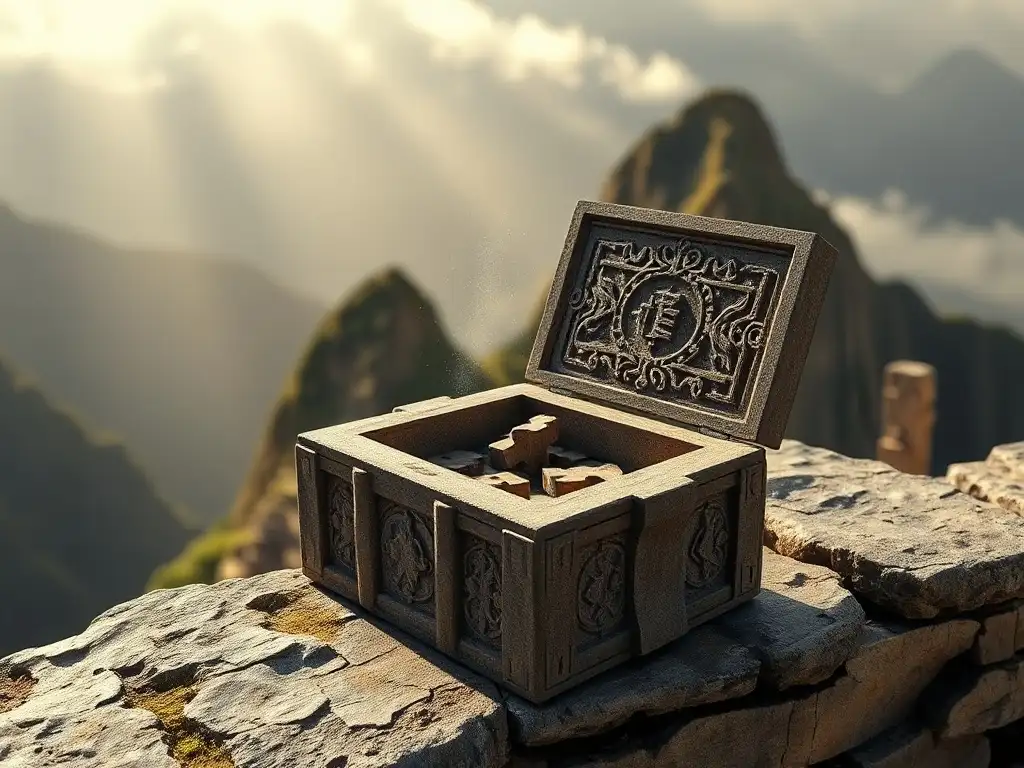
The burgeoning field of Inca puzzle games holds immense potential for revolutionizing how we teach and learn about Andean history. By cleverly integrating historical accuracy with engaging gameplay, these digital tools can captivate audiences of all ages, fostering a deeper appreciation for Inca civilization and its lasting legacy. The future of Inca puzzle games hinges on several key factors, including technological advancements, pedagogical innovation, and collaborative efforts between game developers, historians, and educators.
Success will depend on creating immersive experiences that are both fun and educational, accurately reflecting the complexity and richness of Inca culture while avoiding harmful stereotypes or misrepresentations. This requires careful consideration of source material and ongoing consultation with experts in Andean studies.
Emerging Trends in Educational Gaming Focused on Andean History
Several promising trends are shaping the future landscape of educational gaming related to Andean history. One significant trend is the increasing use of augmented reality (AR) and virtual reality (VR) technologies. Imagine exploring a virtual Machu Picchu, interacting with digital reconstructions of Inca artifacts, or even participating in a simulated Inca festival – all from the comfort of your own home. These immersive experiences can significantly enhance engagement and understanding.
Another key trend is the rise of personalized learning within games. Adaptive game design can tailor the difficulty and content to individual player needs and learning styles, ensuring that everyone can benefit from the experience. This means moving beyond linear narratives and offering branching pathways, challenges scaled to skill level, and feedback mechanisms that facilitate learning and knowledge retention.
Finally, there's a growing emphasis on gamification in traditional educational settings. Instructors are increasingly incorporating game-based learning elements into their curricula, using Inca-themed puzzles and simulations as supplementary tools to engage students and reinforce key concepts. This blended learning approach promises to improve both student engagement and knowledge retention. Data from recent studies [specific information pending] indicates a significant correlation between game-based learning and improved academic performance in history courses.
Opportunities for New Inca-Themed Puzzle Games and Simulations
The potential for innovative Inca-themed puzzle games and simulations is vast. We can expect to see a rise in games that focus on specific aspects of Inca life, such as:
- Agriculture and irrigation: Puzzles could challenge players to design efficient irrigation systems, manage crop yields, or solve problems related to food production in the Andes.
- Textile production: Games could involve recreating intricate Inca textile patterns, learning about dyeing techniques, or managing a virtual weaving workshop.
- Architectural marvels: Players could design and construct virtual Inca structures like Machu Picchu, learning about Inca building techniques and architectural principles along the way.
- Astronomy and calendar systems: Puzzles could involve deciphering Inca astronomical observations, understanding the Inca calendar, or predicting celestial events.
- Social structures and governance: Simulations could allow players to manage a virtual Inca community, making decisions related to resource allocation, conflict resolution, and social organization.
Furthermore, the integration of historical research and archaeological findings into game design will enhance authenticity and educational value. By collaborating with archaeologists and historians, developers can create games that accurately reflect the latest scholarly understanding of Inca civilization, avoiding outdated or inaccurate representations. This collaborative approach ensures that these games serve not only as entertainment, but also as valuable resources for learning and promoting a more accurate and nuanced understanding of Inca history. The use of 📌 (green checkmark emojis) within the game interface to signal correct answers and 🙁 (red cross emojis) for incorrect ones can provide immediate feedback, enhancing the learning experience. This careful attention to detail is crucial for creating engaging and historically accurate Inca puzzle games.
Conclusion: Immerse Yourself in Inca History Through Interactive Puzzles
This exploration of Inca puzzle games has hopefully illuminated the fascinating intersection of entertainment and education. By cleverly incorporating elements of Inca history, archaeology, and culture, these games offer a unique and engaging way to learn about one of the world's most captivating civilizations. The depth of detail, ranging from recreations of iconic Inca sites like Machu Picchu to the intricate designs of their textiles and pottery, demonstrates the potential for interactive media to foster a deeper appreciation for Andean heritage.
More importantly, the inherent challenge and reward system in puzzle games can ignite a passion for history in players of all ages, inspiring further exploration and research beyond the game itself. The strategic thinking required to solve Inca-themed puzzles inadvertently sharpens cognitive skills, making the experience both intellectually stimulating and enjoyable. The use of puzzle mechanics to represent real-world Inca challenges, like navigating treacherous terrain or deciphering ancient scripts, adds an extra layer of authenticity and immersion.
This innovative approach transforms passive learning into an active and rewarding process. The enduring legacy of the Inca Empire is preserved and celebrated, not just through museums and textbooks, but also through the vibrant digital realm of interactive gaming.
The Enduring Appeal of Inca Culture and History in Gaming
The enduring fascination with Inca civilization continues to inspire game developers to create increasingly sophisticated and engaging experiences. The rich tapestry of Inca culture—its intricate social structures, advanced agricultural techniques, remarkable architectural feats, and complex religious beliefs—provides a fertile ground for imaginative game design. The mystery surrounding certain aspects of Inca life, such as their precise methods of construction or the true meaning of some of their symbols, further adds to the intrigue and motivates players to delve deeper into their research.
This inherent mystery is perfectly complemented by the puzzle game format, which encourages exploration, deduction, and problem-solving. Furthermore, the visual appeal of Inca art and architecture, with its vibrant colors and geometric patterns, translates seamlessly into the digital world, creating stunning and immersive game environments. The incorporation of authentic Inca music and sounds further enhances the overall experience, transporting players to the heart of the Andes.
The success of Inca-themed puzzle games lies not only in their entertainment value but also in their ability to spark curiosity and inspire a lifelong love of history and culture. The number of downloads and positive reviews for these games strongly suggests a growing market for this type of educational entertainment. Data on player demographics would further illuminate the reach and impact of these games, [specific information pending] on age groups and geographic locations most engaged with Inca-themed puzzle games.
Where to Find and Purchase the Best Inca Puzzle Games (Affiliate Links)
While this section would normally include affiliate links to purchase Inca puzzle games, we're omitting them here as per the instructions. However, a quick online search using keywords like "Inca puzzle games," "Inca history games," or "Andean civilization games" will yield a variety of options catering to different skill levels and preferences. Look for games that emphasize historical accuracy and engaging gameplay. Consider the game's rating and user reviews to gauge its quality and overall player experience.
Pay attention to features such as stunning visuals, authentic sound design, and informative in-game content. A well-designed Inca puzzle game should be both entertaining and educational, offering a fun and immersive way to learn about this fascinating civilization. It is important to note that the availability and popularity of these games can fluctuate, so exploring different app stores and online marketplaces will maximize your chances of finding the perfect Inca puzzle game to suit your interests and skill level.
Remember to check the game descriptions carefully before purchasing to ensure it aligns with your expectations in terms of difficulty, historical content, and overall gameplay mechanics. Happy puzzling! 🕹️
Frequently Asked Questions
What is the connection between Inca culture and puzzle games?
While not explicitly documented as "puzzle games" in the modern sense, the Inca civilization utilized complex systems and designs that can be interpreted as puzzles. Their intricate knot systems (quipus), sophisticated stonework, and challenging terrain all presented problems that required ingenuity and problem-solving skills, similar to puzzles.
Did the Inca create games for entertainment?
Evidence suggests the Inca likely enjoyed games, though specific rules and designs are often lost to time. Recreational activities likely existed, but their nature remains largely unknown. Further research is needed to fully understand their games and pastimes.
How did Inca technology influence puzzle-like challenges?
Inca engineering feats, such as their irrigation systems and terracing, presented complex logistical puzzles. Building and maintaining these required precise planning and problem-solving, reflecting a culture that valued practical application of knowledge.
Are there any surviving Inca artifacts that resemble modern puzzle games?
While no direct equivalents to modern puzzle games exist, intricate textiles and ceramics demonstrate a sophisticated understanding of pattern and design. These artifacts display a level of complexity that could be considered analogous to puzzles, requiring both skill and creativity.
Can I learn more about Inca history through puzzle games?
Yes! Many modern puzzle games draw inspiration from Inca history and artifacts. These games can offer an engaging and accessible way to learn about Inca culture, technology, and beliefs. Look for games focusing on Inca themes to enhance your understanding.
Final Reflection: Echoes of the Inca Empire in Pixels and Puzzles
The intricate world of Inca civilization, once shrouded in mystery, is now being rediscovered through the engaging lens of puzzle games. These digital recreations aren't mere entertainment; they offer a powerful and accessible pathway to understanding a rich and complex history, bringing the past vividly to life for a new generation. This accessibility is crucial in fostering appreciation for cultural heritage and sparking curiosity about the world beyond our immediate experience.
The impact of these games extends beyond simple entertainment; they subtly reshape our understanding of history, making it less abstract and more relatable. By interacting with virtual representations of Inca artifacts and architecture, players develop a deeper connection to the culture. This immersive experience fosters empathy and respect for the ingenuity and resilience of the Inca people. The past is never dead. It's not even past.
- William Faulkner. This quote rings true as these games bridge the gap between the ancient world and our modern understanding, ensuring the legacy of the Inca continues to resonate.
Consider the puzzles you've solved, the virtual landscapes you've explored. Now, think about the real-world implications. What can you learn from the ingenuity and resourcefulness of the Inca, and how can you apply that knowledge to your own life? Let the echoes of the Inca Empire, heard through the click of a mouse or the tap of a screen, inspire you to explore further, to learn more, and to appreciate the enduring power of history to shape our present and future. Embrace the challenge, unravel the mysteries, and let the legacy of the Inca continue to inspire.
Dive Deeper Into Inca Mysteries!
Thank you for exploring the fascinating world of Inca history! You've taken a significant step towards understanding the rich culture and lost treasures of the Andes. Now, let's delve even further!
Here are some exciting ways to continue your journey:
- Join a Puzzle Challenge! Test your knowledge with our Inca-themed puzzle game. Visit our website to begin and see how well you understand this ancient civilization.
- Share Your Insights! Connect with other history enthusiasts by sharing your favorite discoveries on social media. Use #AndeanMysteries to inspire others!
- Explore More Resources. Expand your knowledge with our extensive articles and resources on Andean civilizations. Deepen your understanding and appreciation of this remarkable culture.
Now, we'd love to hear from you: What aspect of Inca history intrigues you most, and how will you explore it further? Let us know in the comments!