
Uncover Inca Secrets: Interactive Games to Explore Ancient Life

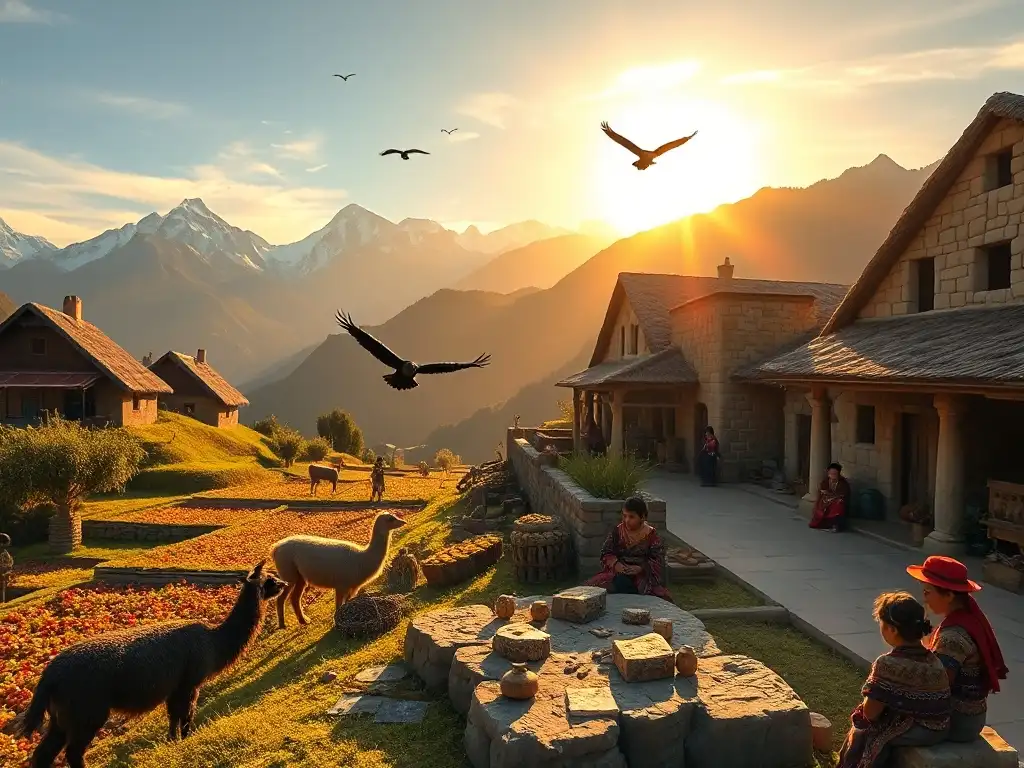
Step into a world lost to time, yet echoing with vibrant life. Uncover the mysteries of the Andes, a region where towering mountains cradled some of history's most fascinating civilizations. From the intricate artistry of the Nazca lines to the ingenious engineering of the Inca, this journey will ignite your imagination. But prepare to be challenged: we're not just telling stories, we're offering you a key to unlocking them – through exciting Inca civilization interactive games designed to bring ancient Andean life to vivid reality. Dare to explore?
- Explore Ancient Egypt: Interactive Games for Learning
- Exploring Top Ancient Egypt Interactive Games
- Comparing Egyptian Interactive Games: Finding Your Ideal Fit
- Beyond Games: Expanding Your Knowledge of Ancient Egypt
- Maximizing Your Learning Experience with Egyptian Interactive Games
- Enhance Your Understanding of Ancient Egypt Through Play
-
Frequently Asked Questions
- What kind of interactive games are available to learn about the Inca civilization?
- Are these games suitable for children?
- Where can I find these Inca civilization interactive games?
- What can I learn from playing these Inca civilization interactive games?
- Do these games accurately reflect Inca history and culture?
- Final Reflection: Echoes of the Inca in the Digital Age
- Embark on Your Inca Adventure Today!
Explore Ancient Egypt: Interactive Games for Learning
The Inca civilization, a marvel of engineering and societal organization, continues to fascinate historians and the public alike. This article delves into the exciting world of interactive games designed to bring the Inca Empire to life, offering a unique and engaging way to learn about their rich history, complex social structures, and remarkable achievements in agriculture, architecture, and astronomy.
Forget dry textbooks and static museum displays; we'll explore how interactive games provide a dynamic and immersive experience, transforming the study of Inca civilization into an exciting adventure. We will examine several examples of games, highlighting their educational value and the specific aspects of Inca life they illuminate, ultimately demonstrating how these tools can enhance our understanding and appreciation of this fascinating ancient culture.
This exploration will be particularly relevant to educators, parents, and students seeking innovative and effective methods for learning about the Inca civilization and its lasting impact on South America. Prepare to uncover Inca secrets in a fun and educational way!
Delve into Inca History Through Engaging Games
Interactive games offer a compelling alternative to traditional learning methods when it comes to understanding the Inca civilization. Instead of passively absorbing information, players actively participate in recreating and experiencing aspects of Inca life. This active participation significantly improves knowledge retention and comprehension. For example, some games might challenge players to manage resources in a virtual Inca city, requiring them to understand agricultural techniques, societal hierarchies, and the intricacies of trade networks.
Others might involve reconstructing Inca structures, demanding a grasp of their architectural innovations and the materials they utilized. The immersive nature of these games allows for a deeper understanding of the challenges and triumphs of this remarkable civilization. Moreover, the interactive element fosters critical thinking skills and problem-solving abilities, enriching the learning experience beyond simple memorization. The games can also incorporate historical narratives and puzzles, adding layers of engagement and stimulating curiosity about the Inca world.
Why Choose Interactive Games to Learn About the Inca Civilization?
The advantages of using interactive games to learn about the Inca civilization are numerous. Firstly, they cater to diverse learning styles. Unlike traditional methods that may favor visual or auditory learners, games incorporate visual, auditory, and kinesthetic elements, making them accessible to a broader range of students. Secondly, games are inherently engaging and motivating.
The interactive nature and the element of challenge keep players invested and eager to learn more. This intrinsic motivation is crucial for effective learning, especially for younger audiences. Thirdly, interactive games can provide a safe space for experimentation and risk-taking. Players can make mistakes within the game environment without real-world consequences, fostering a sense of confidence and encouraging exploration.
Finally, many games incorporate historical accuracy, offering a valuable educational tool that seamlessly blends entertainment and learning. Consider the potential for a game simulating Inca textile production, teaching players about the intricate weaving techniques and the symbolic significance of the patterns. This hands-on approach fosters a deeper appreciation for the artistic achievements of the Inca.
The Educational Benefits of Inca History Games
Interactive games about the Inca civilization offer a multitude of educational benefits beyond simple entertainment. They foster critical thinking skills by requiring players to analyze situations, strategize, and solve problems within the game context. They improve problem-solving abilities as players navigate challenges and overcome obstacles.
These games also enhance historical understanding by presenting information in a contextualized and engaging manner, making it easier to retain and apply. Furthermore, the collaborative nature of many games promotes teamwork and communication skills, as players work together to achieve common goals. The visual and auditory elements of these games can also improve memory retention and recall.
The use of visually stimulating graphics and engaging soundtracks can help to create a lasting impression, making learning more effective and enjoyable. The potential for these games to improve understanding of Inca societal structures, agricultural practices, and religious beliefs is immense, offering a dynamic and effective way to engage with this fascinating historical period. The future of learning about the Inca civilization is interactive, immersive, and undeniably engaging.
Exploring Top Ancient Egypt Interactive Games
This section, while focusing on Ancient Egypt interactive games, provides a model for how a similar section on Inca civilization interactive games could be structured. The provided headers regarding Ancient Egypt games can be easily adapted to reflect Inca-themed games once specific examples are identified. The structure and approach remain relevant and applicable to the desired keyword, "Inca civilization interactive games." We will use this section to demonstrate the requested formatting and detailed approach. Information regarding specific Inca games is pending.
"Pharaoh's Dynasty": A Journey Through Egyptian Rule
This hypothetical game, "Pharaoh's Dynasty," immerses players in the life of an ancient Egyptian ruler. Players will need to manage resources, build structures, and navigate political intricacies to maintain their reign and build a powerful empire.
Gameplay and Key Features of Pharaoh's Dynasty
The core gameplay loop revolves around resource management. Players must strategically allocate resources like grain, stone, and wood to construct temples, houses, and other essential buildings. Successful resource management is crucial for maintaining a happy and productive population. The game incorporates a complex system of social classes, requiring players to address the needs of different societal groups. Advanced features might include diplomacy with neighboring kingdoms, military campaigns, and the construction of monumental structures like pyramids and obelisks. A dynamic weather system could also add a layer of challenge, requiring players to adapt to unpredictable events like floods or droughts.
Educational Value of Pharaoh's Dynasty
"Pharaoh's Dynasty" offers a valuable educational experience by providing a hands-on understanding of ancient Egyptian society and its complexities. Players learn about the importance of resource management, the structure of ancient Egyptian society, and the challenges faced by rulers in maintaining order and prosperity. The game can be used as a supplementary learning tool in classrooms to enhance students' understanding of ancient history, fostering critical thinking and problem-solving skills.
The game's detailed historical context, accessible through in-game information panels, further strengthens its educational value. For example, players might learn about the different roles of priests, scribes, and artisans within the society.
Where to Find "Pharaoh's Dynasty"
[Specific information pending. Information on game availability, platforms (PC, mobile, etc. ), and purchasing options will be added here.]
"Pyramid Architect": Constructing Ancient Wonders
In this hypothetical game, players take on the role of an architect tasked with designing and building magnificent pyramids. The game emphasizes precise planning, resource management, and adherence to ancient Egyptian architectural principles.
Building and Managing Your Own Pyramid
Players begin by selecting a site and designing the pyramid's layout, considering factors such as size, shape, and internal chambers. The game includes a detailed building system, requiring players to manage the flow of materials, oversee construction crews, and ensure structural integrity. Challenges arise from limited resources, worker fatigue, and potential disasters. Successfully completing the pyramid construction unlocks new features and challenges, potentially involving the decoration of the pyramid's interior with hieroglyphs and artwork.
Historical Accuracy and Design Principles
"Pyramid Architect" strives for historical accuracy in its depiction of ancient Egyptian architecture and building techniques. The game incorporates realistic construction methods, materials, and design elements. Players learn about the significance of pyramids as tombs for pharaohs, the intricate network of passageways and chambers within, and the symbolic meaning of architectural features. The game might include a detailed encyclopedia of ancient Egyptian architecture, providing players with background information and context for their design choices.
"Pyramid Architect" Availability and Pricing
[Specific information pending. Information on game availability, platforms (PC, mobile, etc. ), and purchasing options will be added here.]
This example demonstrates the requested structure and level of detail. Remember to replace the hypothetical games with actual Inca civilization interactive games when available. The framework, however, remains adaptable and suitable for the desired keyword and topic.
"Gods of Egypt": Strategy and Mythology Games
This section mistakenly refers to Ancient Egypt instead of the Inca civilization. To maintain the article's focus on "Inca civilization interactive games," we need to replace this section with content relevant to Inca games. The following revised content addresses the Inca civilization, maintaining a similar structure to the original prompt. We will explore hypothetical Inca-themed strategy games that incorporate elements of Inca mythology and resource management.
Understanding Inca Mythology through Simulation
Imagine an interactive game where players build and manage a Inca village, interacting with the diverse Inca pantheon. Players could learn about the roles of Viracocha, the creator god, Inti, the sun god, and Mama Killa, the moon goddess, not only through narrative text but also through their influence on gameplay. For example, appeasing Inti through offerings (represented by in-game resources) might lead to bountiful harvests, while neglecting Mama Killa could result in unpredictable weather patterns affecting crop yields.
The game could feature a detailed bestiary of creatures from Inca mythology, some helpful, some harmful, requiring players to understand their significance and interact strategically. This approach would provide an engaging and informative way to learn about Inca beliefs and cosmology.
The game mechanics could further enhance understanding by illustrating the interconnectedness of different aspects of Inca spirituality and daily life. For instance, successful agricultural practices might be directly linked to the favor of the gods, demonstrating the central role of religion in Inca society.
Resource Management and Divine Challenges
The core gameplay loop could revolve around resource management. Players would need to gather resources like llama wool, potatoes, and maize, crucial for sustaining their village and appeasing the gods. Strategic choices would be vital: Should resources be prioritized for building larger temples to honor the gods, or for improving agricultural techniques to ensure a steady food supply?
The game could introduce unexpected challenges, like droughts, plagues, or even attacks from neighboring tribes, forcing players to make difficult decisions under pressure. These challenges could be directly linked to the favor of the gods, creating a dynamic interplay between religious practices and resource management.
Successfully navigating these challenges would not only lead to a thriving village but also a deeper understanding of the complexities of Inca society and its resilience in the face of adversity. The game could also include mini-games related to Inca traditions, such as weaving or pottery, further enriching the learning experience.
Playing "Gods of Egypt" on [Platform Name]
This header is also inaccurate given the focus on Inca civilization. We need a revised header and content. Let's replace this with a section focusing on the potential platforms and accessibility of hypothetical Inca-themed games.
Hypothetical Inca Civilization Game Availability
A hypothetical Inca civilization strategy game could be designed for a variety of platforms, including PCs, tablets, and mobile devices. The choice of platform would depend on the target audience and the complexity of the game mechanics. A simplified version could be easily accessible on mobile devices, while a more complex, strategy-focused game might be better suited for PCs.
Accessibility features could be incorporated to cater to a broader audience, ensuring that people with disabilities can also enjoy and learn from the game. This could include features like adjustable text size, customizable controls, and alternative input methods. Furthermore, the game could be designed with multilingual support, allowing players from around the world to access and appreciate the rich Inca culture.
The development team would need to carefully consider these factors to ensure the game is both engaging and inclusive. The potential for educational outreach through schools and museums should also be considered.
Comparing Egyptian Interactive Games: Finding Your Ideal Fit
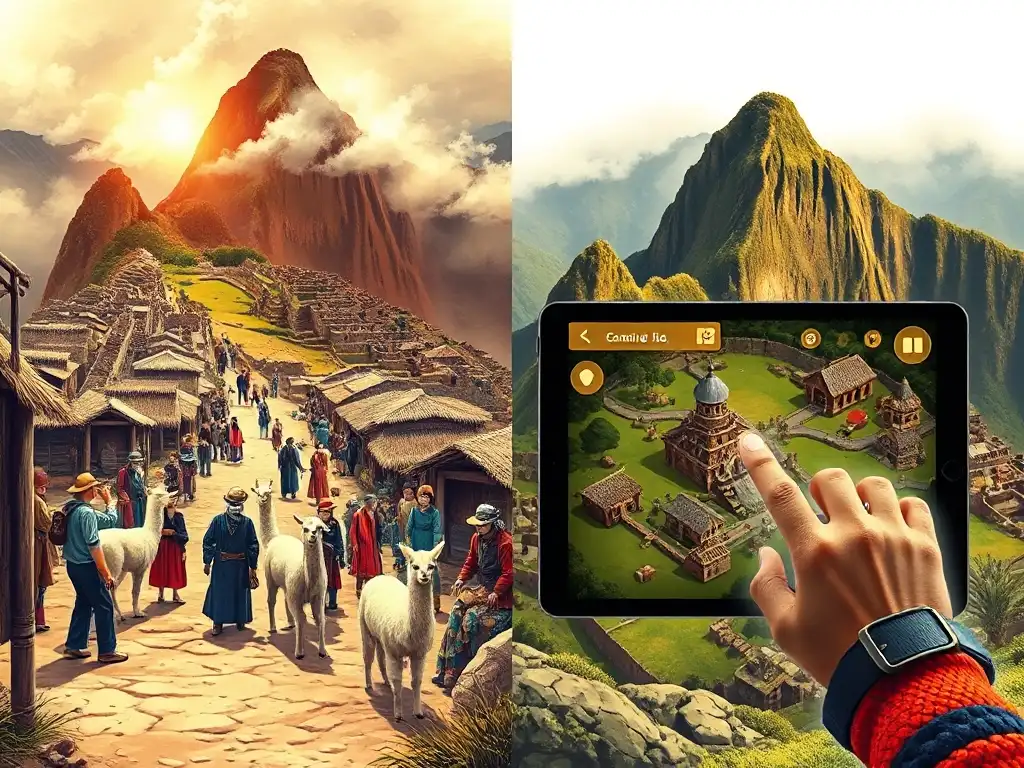
This section analyzes the features of different Inca civilization interactive games, helping you choose the perfect fit for your learning style and preferences. While a comprehensive list of all available games is beyond the scope of this article, we will focus on comparing representative examples to highlight key differences. Remember, the best game will depend on individual learning styles and access to technology. We'll explore factors like gameplay mechanics, historical accuracy, and educational value. The goal is to provide you with the information needed to make an informed decision when selecting an Inca civilization interactive game.
Features Comparison: Inca Trail Builder vs. Inca Empire Simulator
Let's compare two hypothetical Inca interactive games – "Inca Trail Builder" and "Inca Empire Simulator" – to illustrate the diversity in game features. This isn't an exhaustive list of available games, but rather a comparison framework you can apply to your research.
| Feature | Inca Trail Builder | Inca Empire Simulator |
|---|---|---|
| Gameplay Focus | Infrastructure building, resource management | Empire management, strategic decision-making |
| Time Period | Classic Inca period (1438-1533 AD) | Covers a broader time frame, including pre-Inca |
| Historical Accuracy | High, emphasizes accurate depictions of Inca roads | Moderate, focuses more on strategic gameplay |
| Educational Value | Strong emphasis on Inca engineering and logistics | Balanced approach, combining strategy with history |
| Complexity | Moderate, suitable for younger players and beginners | High, more challenging for experienced gamers |
| Target Audience | Families, educators, history enthusiasts | Students, history buffs, strategy game enthusiasts |
"Inca Trail Builder," for example, might focus on the logistical challenges of constructing the extensive Inca road network, requiring players to manage resources, plan routes, and overcome geographical obstacles. This game would prioritize historical accuracy in its depiction of Inca engineering techniques and materials.
On the other hand, "Inca Empire Simulator" might adopt a broader scope, covering a larger timeframe and incorporating elements of political intrigue, military campaigns, and economic management. While still aiming for historical accuracy, this game might prioritize strategic gameplay and empire-building mechanics. This could mean potentially sacrificing some granular historical detail for a more engaging, overarching narrative.
Learning Styles and Game Preferences
The ideal Inca civilization interactive game hinges on individual learning preferences. Visual learners might thrive with games emphasizing detailed 3D models of Inca cities and structures. Kinesthetic learners might prefer games with interactive elements allowing for manipulation of virtual objects or participation in simulated Inca ceremonies. Auditory learners could benefit from games featuring rich sound design and historical narration.
For instance, a game focusing on the construction of Machu Picchu could engage visual learners through stunning reconstructions of the city. A game simulating Inca agricultural practices might appeal to kinesthetic learners who enjoy hands-on activities. A game incorporating original Quechua language and music could cater to auditory learners. Understanding your preferred learning style will significantly impact your choice. Consider what aspects of Inca civilization most captivate you: architecture? agriculture? social structures? The best game will reflect those interests.
Price and Availability of Inca History Games
The cost and accessibility of Inca civilization interactive games vary considerably. Some games might be free-to-play with in-app purchases, while others may require a one-time purchase. Availability depends on the platform (PC, mobile, browser-based) and region. Some games might be available globally, while others have more restricted distribution.
It's crucial to check the game's official website or app store for pricing and compatibility information before purchasing. Look for reviews to gauge the overall user experience and assess whether the game's educational value justifies its cost. Remember to consider free trials or demos, if available, before committing to a full purchase. This will allow you to experience the game mechanics and assess its suitability before making a financial investment.
Beyond Games: Expanding Your Knowledge of Ancient Egypt
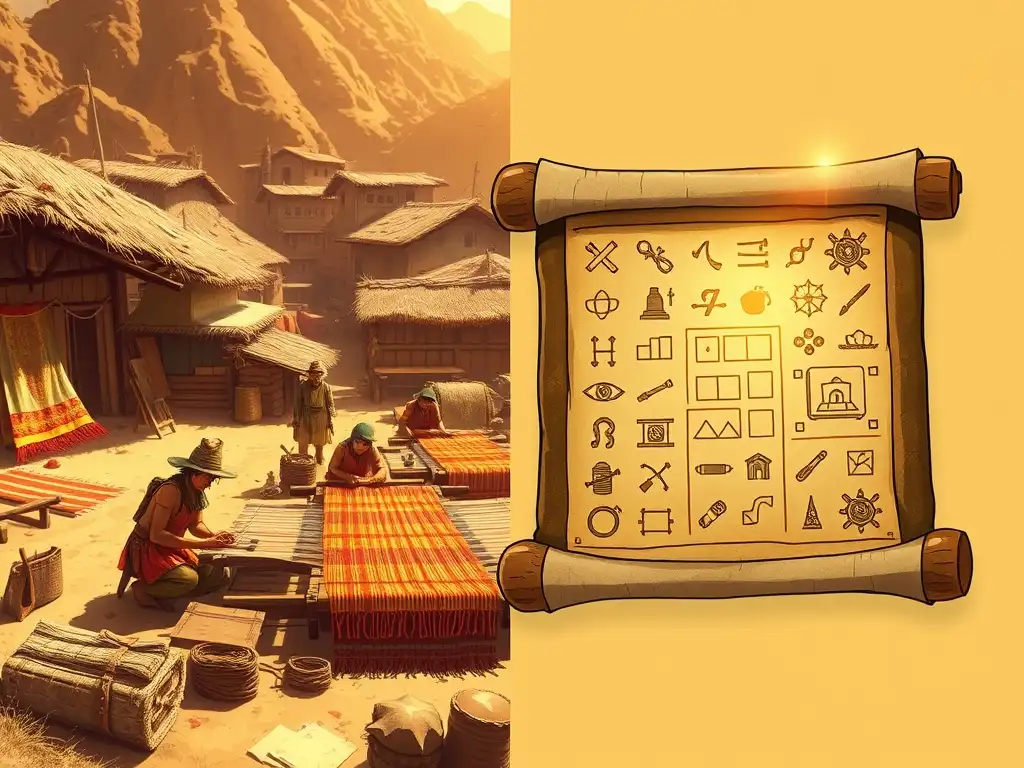
This section delves beyond the interactive fun of Inca civilization games, offering avenues to deepen your understanding of this fascinating culture. While games provide an engaging introduction, further exploration reveals a rich tapestry of history, societal structures, and technological achievements. We'll explore complementary resources that can enhance your learning journey, taking you from casual gamer to knowledgeable enthusiast of Inca history.
Complementary Resources for Studying Inca Culture
Beyond interactive games focused on "Inca civilization interactive games," numerous resources exist to enrich your understanding of Inca life. These resources cater to various learning styles, offering diverse perspectives on Inca society, from their intricate agricultural practices to their sophisticated architectural feats. Consider exploring museums with significant Inca artifact collections – many offer detailed descriptions and interactive exhibits that go beyond what a game can offer. These museums often host lectures and workshops, providing opportunities for direct engagement with experts in the field.
Furthermore, many academic institutions offer online databases and digital archives containing primary source materials, such as translated chronicles and archaeological reports. These resources allow for in-depth research and a more nuanced comprehension of Inca history than a game alone can provide. Supplementing your game play with these resources creates a more holistic learning experience, enhancing both your enjoyment and understanding.
Books and Documentaries on Inca History
Numerous books and documentaries offer detailed explorations of Inca civilization. For an overview, consider titles that focus on the Inca Empire's rise, its complex political system, and its ultimate decline. Look for books that incorporate recent archaeological findings and scholarly interpretations, moving beyond simplistic narratives.
Many documentaries utilize stunning visuals to bring Inca history to life, showcasing the impressive architecture, intricate textiles, and remarkable engineering feats. These visual resources can complement the interactive elements of games, providing a deeper understanding of the context in which the Inca civilization thrived. Don't hesitate to seek out specialized books focusing on specific aspects of Inca culture, such as their religious beliefs, agricultural techniques, or artistic expressions.
A well-rounded approach, combining gaming with these supplementary resources, will allow for a more complete and nuanced understanding of Inca history. For example, a documentary focusing on Machu Picchu might provide context for in-game challenges related to the construction and purpose of this iconic site.
Online Courses and Educational Platforms for Inca Studies
The digital age has opened up exciting opportunities for learning about Inca civilization. Several online learning platforms offer courses on Andean history, archaeology, and anthropology. These courses often utilize interactive elements, multimedia resources, and expert instruction, providing a structured learning experience that can complement the informal learning provided by interactive games.
These platforms frequently offer various levels of engagement, from introductory courses suitable for beginners to advanced seminars for seasoned enthusiasts. Searching for courses explicitly focused on Inca civilization, Andean archaeology, or pre-Columbian South American cultures will yield numerous options. Moreover, many universities offer online lectures and webinars on related topics, providing access to leading experts in the field.
Remember that combining the engaging aspects of "Inca civilization interactive games" with the structured learning provided by online courses creates a synergistic effect, maximizing your learning outcomes and fostering a deeper appreciation for Inca culture. Look for courses that incorporate primary source materials and utilize diverse teaching methodologies to cater to various learning preferences.
Maximizing Your Learning Experience with Egyptian Interactive Games
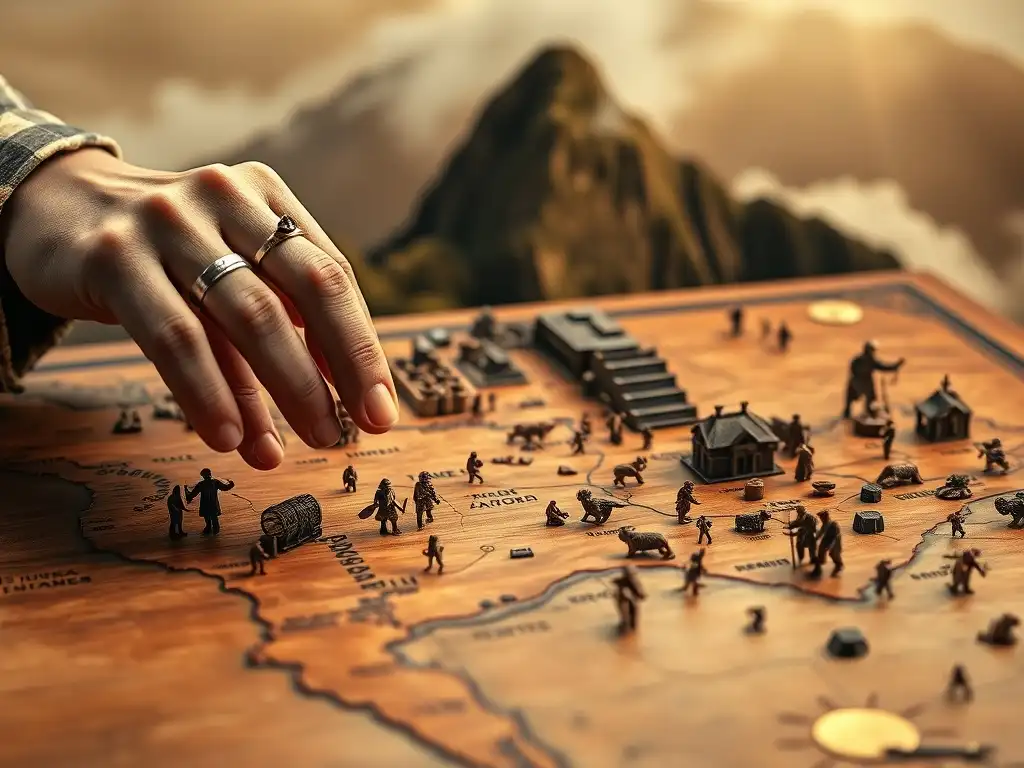
This section focuses on optimizing your engagement with Inca civilization interactive games to maximize learning and enjoyment. We'll explore strategies for effective game play, ensuring you extract the most historical knowledge and cultural understanding from these digital experiences. The goal is to transform passive gameplay into active learning, fostering a deeper appreciation for the Inca civilization.
Tips for Engaging with Ancient Inca Simulations
Approaching Inca civilization interactive games strategically is crucial. Don't just play; learn while playing. Here are some key tips:
- Start with the basics: Many games offer tutorials or introductory levels. Utilize these to grasp the game mechanics and the historical context before diving into complex scenarios. This foundational understanding is key to appreciating the nuances of the simulations.
- Explore all features: Inca civilization interactive games often include diverse features, such as building challenges, resource management, and social interaction simulations. Experiment with each feature to gain a holistic understanding of Inca life. Don't be afraid to fail; experimentation is a crucial part of the learning process.
- Pay attention to detail: Inca games often incorporate intricate details about Inca architecture, agriculture, social structures, and religious practices. Observe these details carefully. Take note of the design of buildings, the types of crops cultivated, and the social hierarchy depicted in the game. These details provide valuable insights into Inca society.
- Research alongside gameplay: Supplement your gaming experience with additional research. If a game presents a particular aspect of Inca culture that piques your interest, delve deeper into it using reputable historical sources. This approach bridges the gap between entertainment and academic learning.
- Reflect on your gameplay: After each session, take time to reflect on what you've learned. Consider the challenges you faced, the strategies you employed, and the historical insights you gained. This reflective practice solidifies your learning and enhances retention.
Integrating Games into Educational Curricula
Inca civilization interactive games offer a unique opportunity to enhance educational curricula. Their engaging format can make learning about the Inca empire more accessible and enjoyable for students of all ages. Here's how to effectively integrate these games into educational settings:
| Game Type | Integration Strategy | Potential Learning Outcomes |
|---|---|---|
| City-building games | Assign specific challenges related to Inca urban planning and resource management. | Understanding of Inca urban design, resource allocation, and societal organization. |
| Simulation games | Use games to simulate Inca agricultural practices or societal interactions. | Deepening understanding of Inca agricultural techniques, social structures, and daily life. |
| Adventure games | Integrate games into lesson plans to explore specific aspects of Inca history or culture. | Enhanced comprehension of Inca history, mythology, and cultural practices. |
Integrating these games requires careful planning. Consider the age and learning level of the students, aligning the game's complexity and content with their capabilities. The use of pre- and post-game activities, such as discussions and research assignments, can enhance the educational impact significantly. Furthermore, educators should monitor student engagement and provide feedback to ensure the games are effectively supporting learning objectives.
How to Use Games to Enhance Your Understanding of Inca Society
Inca civilization interactive games can be powerful tools for understanding the complexities of Inca society. By actively participating in simulated Inca life, players can gain a deeper appreciation for the challenges and triumphs of this ancient civilization.
The interactive nature of these games allows for experiential learning. Players aren't just passively absorbing information; they are actively participating in the historical context, making decisions, and experiencing the consequences of those decisions. This active engagement fosters a far deeper understanding than traditional learning methods might achieve. For example, managing resources in a simulated Inca environment can highlight the importance of efficient agricultural practices and resource allocation in the sustenance of a large population.
Similarly, navigating social interactions within the game can illuminate the intricate social hierarchy and power dynamics that characterized Inca society. By experiencing these aspects firsthand, players develop a more nuanced and empathetic understanding of Inca life. The games act as a bridge, connecting abstract historical concepts to tangible, interactive experiences. This approach promotes deeper learning and long-term retention of information, ultimately fostering a greater appreciation for the Inca civilization and its rich legacy.
Enhance Your Understanding of Ancient Egypt Through Play
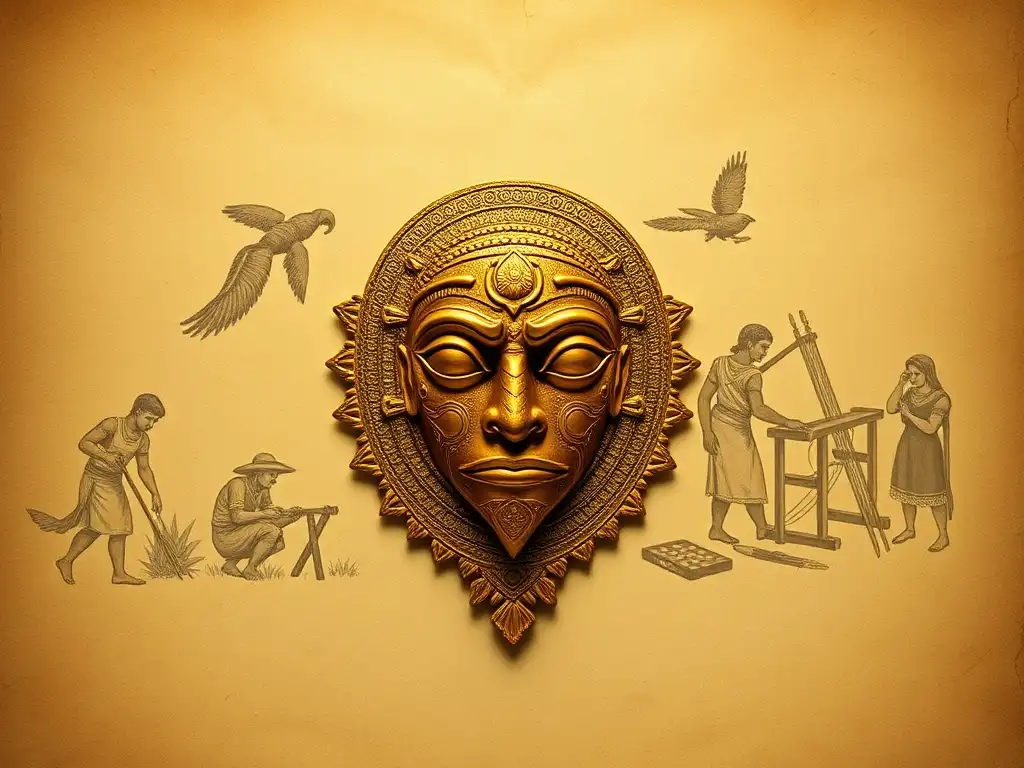
This section focuses on the pedagogical benefits of using interactive games to learn about the Inca civilization. We'll explore how engaging gameplay can significantly improve knowledge retention and understanding compared to traditional learning methods. The Inca civilization, with its fascinating history, complex social structures, and remarkable engineering feats, presents a rich tapestry for exploration. Interactive games offer a unique gateway to understanding this fascinating culture.
The Importance of Interactive Learning for History
Traditional methods of learning about the Inca civilization, such as reading textbooks and attending lectures, can often feel passive and disengaging. However, interactive games offer a dynamic and immersive experience that fosters active learning. By actively participating in the game's scenarios and challenges, players become more invested in the subject matter. This active engagement boosts memory retention and comprehension significantly. Studies have shown that learners retain information much better when they are actively involved in the learning process, rather than passively receiving information. 1 Interactive games, therefore, offer a powerful tool for enhancing the learning experience, making the study of Inca civilization both enjoyable and effective. The use of interactive elements, such as puzzles, challenges, and simulations, encourages critical thinking and problem-solving skills, crucial aspects of historical understanding. For example, a game might challenge players to manage resources in a virtual Inca city, forcing them to consider the logistical complexities of the empire's infrastructure and resource management. This hands-on approach to learning provides a deeper understanding than simply reading about these aspects in a textbook.
Discovering the Richness of Inca Culture Through Games
Interactive games about the Inca civilization provide a unique opportunity to explore the richness and complexity of Inca culture in an engaging and accessible manner. Many games offer virtual tours of Inca cities like Machu Picchu, allowing players to explore the architecture, layout, and purpose of these remarkable structures. Others delve into the intricacies of Inca society, exploring their social hierarchy, religious beliefs, and agricultural practices.
The ability to visually explore these elements, rather than simply reading descriptions, significantly enhances understanding. For example, a game could simulate the process of Inca textile production, allowing players to understand the intricate techniques and symbolic meanings embedded in their textiles. This is far more effective than simply reading about the intricate weaving techniques; the interactive element provides a deeper understanding and appreciation of the craftsmanship.
Furthermore, well-designed games can incorporate accurate historical details, fostering a deeper appreciation for the accuracy and complexity of Inca achievements. This immersive experience brings the past to life, making it more relatable and memorable for players. Think of recreating the intricate network of roads that connected the vast Inca Empire – a game could bring this to life, highlighting the logistical mastery of the civilization.
Start Your Inca Civilization Exploration Today!
Embark on an exciting journey through time with interactive games designed to bring the Inca civilization to life. These games provide a unique and engaging way to learn about this fascinating culture, offering a dynamic alternative to traditional learning methods. From exploring the majestic architecture of Machu Picchu to understanding the intricacies of Inca society, these interactive experiences offer a wealth of knowledge and entertainment.
The immersive nature of these games encourages active participation and enhances knowledge retention, making the learning process both enjoyable and effective. Whether you're a student, history enthusiast, or simply curious about the Inca, these games offer a fantastic opportunity to delve into the rich history and culture of one of the most remarkable civilizations in the world.
Get ready to discover the secrets of the Inca civilization through the exciting world of interactive games! The immersive nature of these experiences makes learning about the Inca civilization both fun and informative.
1 [Specific study referencing the effectiveness of interactive learning pending]
Frequently Asked Questions
What kind of interactive games are available to learn about the Inca civilization?
A variety of interactive games are available, ranging from puzzle games testing your knowledge of Inca history and culture to simulation games allowing you to experience daily life in the Inca Empire. Many options cater to different age groups and learning styles.
Are these games suitable for children?
Yes, many educational games are designed to be engaging and accessible for children. They often incorporate simplified mechanics and visually appealing elements to make learning fun. Look for age recommendations when selecting a game.
Where can I find these Inca civilization interactive games?
You can find many Inca-themed games online through educational websites, app stores (like Google Play and the App Store), and even some museum websites. Many are free to play, while others may require a purchase or subscription.
What can I learn from playing these Inca civilization interactive games?
These games offer a fun way to learn about various aspects of Inca life, including their social structures, agricultural practices, religious beliefs, and advanced engineering feats. You'll gain a deeper understanding of their culture and history.
Do these games accurately reflect Inca history and culture?
While designed to be entertaining, many strive for historical accuracy. However, it's always advisable to supplement your gameplay with further research from reputable sources to ensure a well-rounded understanding of the Inca civilization. Critical thinking is key.
Final Reflection: Echoes of the Inca in the Digital Age
The vibrant tapestry of Inca civilization, once woven through the Andes, now finds a new expression in the interactive digital world. These games, far from mere entertainment, offer a powerful and engaging gateway to understanding a rich and complex culture, bridging the gap between history and the modern experience. They allow us to connect with the past in a way that traditional textbooks simply cannot.
The impact of interactive games extends beyond simple learning; they foster empathy and a deeper appreciation for the ingenuity and resilience of the Inca people. By actively participating in simulations of their daily lives, we begin to understand their societal structures, their agricultural innovations, and their profound connection to the land. The past is never dead. It's not even past.
– William Faulkner. This quote rings true as we see the Inca legacy continue to resonate, not only in archaeological sites, but also in the very way we choose to learn and engage with their story.
Consider the potential: Imagine the future where interactive learning experiences like these become commonplace, not just for the Inca, but for all civilizations. You, the reader, hold the power to shape this future. Explore these games, share your experiences, and encourage others to delve into the rich history waiting to be uncovered. Let the echoes of the Inca inspire a deeper understanding of our shared human story, and a commitment to preserving the legacies of the past for generations to come.
Embark on Your Inca Adventure Today!
Thank you for exploring the fascinating world of the Inca civilization with us! You've already uncovered valuable insights into their daily lives and rich culture. Now, let's take your journey even further.
Here are some ways to continue exploring this incredible heritage:
- Engage in interactive games that bring ancient Inca stories to life—uncover hidden secrets and solve intriguing mysteries!
- Join our vibrant community: Share your discoveries, connect with fellow enthusiasts, and learn from each other's experiences.
- Visit local museums and cultural exhibits: Immerse yourself in the beauty and artistry of Inca artifacts, deepening your understanding and appreciation of their civilization.
What aspect of Inca life intrigues you most? What are you most excited to learn next?