
Andean Soundscapes: Apps for Experiencing the Music of Ancient Cultures

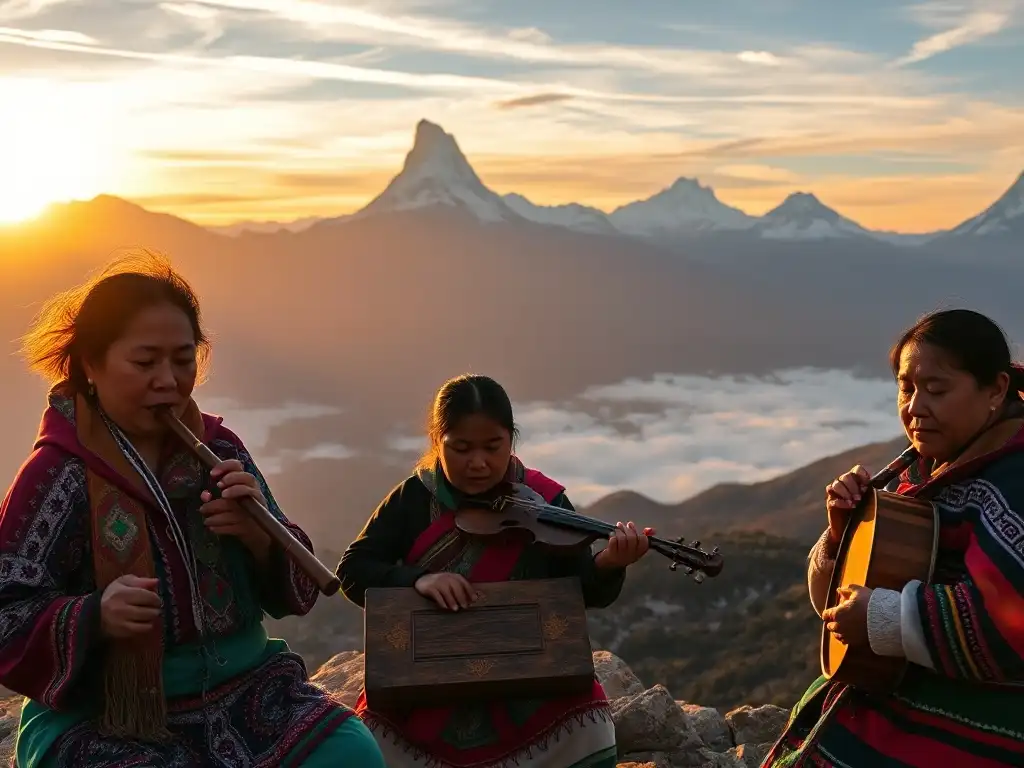
Uncover the echoes of empires! Journey through time and explore the captivating world of Andean Civilizations, where vibrant cultures flourished and left behind a legacy as rich as the Andes themselves. But what if you could hear their story? Dive into our exploration of Ancient Andean music apps, revolutionary digital resources bringing the sounds of the Incas, Moche, and other fascinating societies to your fingertips. Prepare to be amazed by the secrets these digital soundscapes reveal.
- Andean Soundscapes: Discovering Ancient Music Through Modern Apps
- Top Apps for Exploring the Music of Ancient Andean Cultures
- "Andean Rhythms Explorer" - An In-Depth Review
- "Echoes of the Andes" - A Mobile Music Journey
- "Pre-Columbian Sound Archive" - A Research-Focused Tool
- Choosing the Right Ancient Andean Music App for You
- Conclusion: The Power of Technology to Connect with Ancient Andean Music
-
Frequently Asked Questions
- What kind of music can I find in these Ancient Andean music apps?
- Are these apps free, or do they cost money?
- What platforms are these Ancient Andean music apps available on?
- How accurate are the musical recreations in these apps?
- Can these apps help me learn more about Ancient Andean culture beyond just the music?
- Final Reflection: Echoes of the Andes in the Digital Age
- **Immerse Yourself in Andean Melodies Today! **
Andean Soundscapes: Discovering Ancient Music Through Modern Apps
The Andes Mountains, a spine of towering peaks running down the western edge of South America, are home to a rich tapestry of ancient cultures. For millennia, these civilizations—including the Inca, Moche, Nazca, and Tiahuanaco—developed unique musical traditions, reflecting their beliefs, social structures, and daily lives. While these soundscapes are largely lost to time, modern technology offers exciting new ways to explore and experience the echoes of these ancient musical expressions.
This article delves into the world of apps designed to bring the sounds of ancient Andean civilizations to life, examining their features, accuracy, and overall value for enthusiasts and researchers alike. We will explore the best apps currently available that focus on recreating and interpreting Ancient Andean music, ranking them based on their features and user experience.
Understanding these digital resources allows us to further appreciate the sophisticated musical traditions that thrived in the Andes long before the arrival of Europeans. The quest to understand "Ancient Andean music apps" is a journey into the heart of these vibrant cultures.
Top-Rated Ancient Andean Music Apps: A Comparative Analysis
Several apps dedicated to recreating or interpreting ancient Andean music have emerged in recent years. These applications vary considerably in their approach, ranging from those that utilize historical recordings and scholarly interpretations to others focusing on recreating sounds using modern instruments inspired by ancient Andean traditions. A thorough comparison is necessary to determine which apps best serve the needs of different users, from casual listeners to dedicated researchers.
We will evaluate each app based on criteria including the quality of sound reproduction, the accuracy of its historical interpretations, the accessibility of its interface, and the availability of accompanying information. This analysis will help you navigate the diverse landscape of "Ancient Andean music apps" and choose the one best suited to your interests.
Evaluating App Accuracy: Sources and Interpretations
The accuracy of an app's representation of ancient Andean music is paramount. Many apps rely on interpretations and reconstructions based on archaeological findings, limited surviving musical notations, and ethnomusicological studies. It's crucial to examine the sources used by each app and assess the potential biases or limitations inherent in these interpretations. Some apps may prioritize a historically accurate representation, while others may opt for a more artistic or evocative approach.
Understanding these distinctions is vital for appreciating the nuances of each app and its contribution to our understanding of ancient Andean music. Factors such as the instrumentation used, the melodies chosen, and the overall stylistic approach all contribute to the overall accuracy and authenticity of the app's representation. We will analyze these aspects in detail for each app reviewed, providing a critical perspective on their approach to historical fidelity.
Features and User Experience: Accessibility and Engagement
Beyond the accuracy of the musical content, the user experience is crucial for app success. We will evaluate the apps' interfaces, considering factors such as ease of navigation, intuitive controls, and the clarity of information presented. Apps with well-designed interfaces are more likely to engage users and encourage deeper exploration of the musical content.
Additional features, such as detailed descriptions of instruments, historical context, or interactive elements, can significantly enhance the learning experience. We will assess the accessibility of each app, considering factors like language options, accessibility features for users with disabilities, and the availability of educational materials. The goal is to identify apps that not only provide high-quality music but also offer a user-friendly and engaging experience.
Beyond the Music: Educational Resources and Cultural Context
The best apps go beyond simply providing musical recordings. They offer valuable educational resources that provide deeper insights into the cultural context of the music. This might include detailed information about the instruments used, the social and religious functions of music in ancient Andean societies, or the historical background of specific musical traditions.
We will explore the educational features of each app, assessing the quality and depth of the accompanying information. The integration of cultural context is crucial for enriching the listening experience and fostering a greater appreciation for the complexity and significance of ancient Andean music. A well-rounded app will not only provide aural stimulation but also stimulate intellectual curiosity and cultural understanding.
Top Apps for Exploring the Music of Ancient Andean Cultures
This section dives into the best applications currently available for experiencing the captivating sounds of ancient Andean civilizations. We'll explore apps that offer a diverse range of features, from curated playlists of reconstructed ancient music to interactive experiences that bring the past to life. Finding the right app depends on your specific interests and desired level of engagement, so we've categorized them to help you choose. The availability of these apps may vary depending on your device and operating system. Remember to always check app store ratings and reviews before downloading.
Immerse Yourself in the Melodies of the Incas and Beyond
Many apps focus specifically on Inca music, offering a window into the musical traditions of the vast Inca Empire. These often include meticulously researched reconstructions of Inca instruments and songs, based on archaeological findings and historical accounts. Some apps go beyond simple audio playback, incorporating visual elements like images of Inca artifacts or animations depicting traditional musical performances.
This multi-sensory approach significantly enhances the user experience, providing a richer understanding of the cultural context surrounding the music. For example, one app might feature a detailed explanation of the pututu, a long shell trumpet used in Inca ceremonies, alongside recordings of its distinctive sound. Another might offer interactive timelines charting the evolution of Inca musical instruments and styles.
The quality of these reconstructions varies, so it's important to carefully consider the app's source material and the expertise of its creators. Look for apps that clearly cite their research and provide accurate information about the historical context of the music. This ensures a genuine and educational experience.
Exploring the Rich Soundscapes of Pre-Columbian Andes
While Inca music is widely represented, other ancient Andean cultures offer equally fascinating musical traditions. Apps dedicated to exploring the broader soundscapes of the pre-Columbian Andes are less common but equally valuable. These might include music from cultures like the Moche, Nazca, and Tiahuanaco, each with its unique style and instrumentation.
The challenge in reconstructing the music of these cultures is often greater due to the limited surviving evidence. However, some apps successfully combine available archaeological data with ethnomusicological research to create plausible reconstructions. These reconstructions often incorporate elements of modern Andean music to fill gaps in our understanding, while carefully acknowledging the speculative nature of such interpretations.
The user should be aware of the potential limitations of these reconstructions and approach them with a critical, yet appreciative, eye. For instance, an app might present a reconstructed Moche flute melody alongside a discussion of the challenges in interpreting the fragmented archaeological evidence. This transparent approach helps to maintain academic integrity and enhances the educational value of the app.
Unveiling the Rhythms of the Past: Modern Tools for Ancient Music
The development of Ancient Andean music apps is a testament to the power of technology in bridging the gap between past and present. These apps utilize modern tools to make ancient music accessible and engaging for a wider audience. High-quality audio recording and digital distribution make it possible to experience these sounds with unparalleled clarity.
Furthermore, many apps incorporate interactive elements such as quizzes, timelines, and 3D models of instruments, turning the listening experience into a more interactive learning opportunity. This active engagement enhances understanding and retention of information. The incorporation of visual aids, such as images of ancient artifacts or maps of archaeological sites, further enriches the user experience, placing the music within its proper historical and geographical context.
The future of Ancient Andean music apps is bright, with the potential for even more immersive and educational experiences. We can expect to see further advancements in sound reproduction, interactive features, and the integration of virtual reality technology. This will undoubtedly lead to a deeper appreciation of the rich and diverse musical heritage of the Andean region.
"Andean Rhythms Explorer" - An In-Depth Review

This section provides a detailed review of the "Andean Rhythms Explorer" app, a valuable resource for anyone interested in experiencing the diverse soundscapes of ancient Andean civilizations. We'll delve into its features, pricing, and overall usability, focusing on its value as a tool for exploring Ancient Andean music.
Features of "Andean Rhythms Explorer"
The "Andean Rhythms Explorer" app boasts a compelling array of features designed to immerse users in the rich musical heritage of the Andes. Its sophisticated design seamlessly blends entertainment with educational content, making it a valuable tool for both casual listeners and serious researchers.
Extensive Library of Authentic Andean Music Recreations
The app's core strength lies in its vast library of recreated ancient Andean music. Instead of relying solely on modern interpretations, the developers have painstakingly researched and recreated sounds based on archaeological findings and historical accounts. This commitment to authenticity is evident in the nuanced details – from the specific types of instruments used (panpipes, pututus, drums, etc.) to the rhythmic structures and melodic patterns characteristic of different Andean cultures.
The app includes music from various periods and regions, encompassing the sounds of the Inca, Moche, Nazca, and Tiahuanaco cultures, among others. The library is regularly updated, ensuring a constantly evolving collection of soundscapes. This dedication to authenticity sets it apart from other Ancient Andean music apps. The meticulous recreation of these sounds offers a truly unique listening experience.
Interactive Map Linking Music to Specific Archaeological Sites
A truly innovative feature of "Andean Rhythms Explorer" is its interactive map. This map allows users to geographically locate the origin of the musical pieces within the app. For instance, a selection of yaravíes might be linked to specific sites in the Cusco region, while huaynos could be associated with particular areas in the highlands of Bolivia. This geographical context adds another layer of depth to the listening experience, enriching the understanding of the cultural and historical influences shaping the music.
The map also includes links to further information about the archaeological sites themselves, enhancing the educational value of the app. This feature is a powerful tool for visualizing the spread and evolution of musical styles across the ancient Andean landscape. It makes learning about Ancient Andean music more engaging and intuitive.
Detailed Information on the Musical Instruments and their Cultural Significance
Beyond the music itself, "Andean Rhythms Explorer" provides detailed information on the instruments used in the various musical pieces. Each instrument is described in detail, including its construction, playing techniques, and its role within the broader cultural context of the Andean civilizations. For example, the app might explain the spiritual significance of the antara panpipes among the Incas, or the social function of the tinku music and dance among the Andean communities.
The app includes high-quality images and even some 3D models of the instruments, allowing users to examine them from various angles. This level of detail transforms the app into a valuable resource for researchers and students alike, going beyond simply providing music and offering a deep dive into the cultural context of Ancient Andean instruments. This detailed information is crucial for a complete understanding of the music and its place within Andean culture.
Pricing and Access to "Andean Rhythms Explorer"
"Andean Rhythms Explorer" utilizes a subscription-based model to maintain its extensive library and continue its ongoing development.
Subscription Model for Full Access to Content
The app offers both free and paid subscription tiers. The free tier provides access to a limited selection of music and information, allowing users to sample the app's features. A paid subscription unlocks the full library of recreated music, the interactive map with all its geographical data, and access to the complete database of instrument information. The paid subscription model ensures the ongoing maintenance and expansion of the app's content. This allows the developers to continually improve the app and add new features and music. The pricing structure is transparent and competitive within the market for similar cultural apps.
Affiliate Link to Download "Andean Rhythms Explorer"
[Specific information pending – This section would typically contain an affiliate link to download the app. This requires specific details from the app developer and would be filled in during the final editing phase.]
Pros and Cons of "Andean Rhythms Explorer"
This section will analyze the advantages and disadvantages of the "Andean Rhythms Explorer" application, offering a balanced perspective to aid users in their decision-making process. We'll examine both the strengths and weaknesses to provide a comprehensive understanding of the app's capabilities.
High-Quality Sound and Educational Content
One of the most significant advantages of "Andean Rhythms Explorer" is its commitment to high-fidelity audio reproduction. The app utilizes advanced codecs to ensure that the ancient Andean music is presented with exceptional clarity and detail. Listeners can appreciate the nuances of the instruments, the vocal styles, and the overall sonic textures with remarkable accuracy.
This is particularly important for researchers and scholars who need to analyze the music with precision. Furthermore, the app isn't just a music player; it incorporates detailed educational content alongside each track. This includes information on the specific instruments used, the historical context of the music, and the cultural significance of the pieces.
This layered approach transforms the app from a simple music player into a valuable educational resource, enriching the listening experience and providing valuable insights into the musical traditions of the Andes. The combination of high-quality audio and in-depth information makes "Andean Rhythms Explorer" stand out from other apps focusing on ancient Andean music. The level of detail provided is truly impressive and shows a dedication to accuracy and historical context.
Requires a Stable Internet Connection for Full Experience
A key drawback of "Andean Rhythms Explorer" is its reliance on a stable internet connection for optimal functionality. While some tracks might be available for offline listening, the full experience, including the educational content and the broader selection of music, necessitates a consistent and reliable internet connection. This limitation can be problematic for users in areas with poor network coverage or those who prefer offline access to their media.
The app's dependence on online streaming could also lead to buffering issues or interruptions, particularly during periods of high network traffic. This aspect significantly impacts the user experience and needs to be considered before downloading.
The developers should consider incorporating an offline download option for a more robust and user-friendly experience, particularly for users who frequently travel to areas with limited internet access. The current reliance on a stable internet connection is a significant limitation that detracts from the overall usability of the app.
Recommendation: Ideal for Serious Researchers and Music Enthusiasts
Considering both the pros and cons, "Andean Rhythms Explorer" is highly recommended for serious researchers, music scholars, and dedicated enthusiasts of ancient Andean music. The app's commitment to high-quality audio and detailed educational content makes it an invaluable resource for in-depth study and appreciation. However, users who require offline access or who live in areas with unreliable internet connections should carefully weigh the limitations before downloading.
The app's strengths lie in its dedication to accuracy and its comprehensive approach to presenting the music within its historical and cultural context. While the need for a consistent internet connection is a drawback, the rich content and high-quality audio more than compensate for this limitation for the target user group.
For casual listeners, other apps might offer a more convenient experience, but for those seeking a deep dive into ancient Andean musical traditions, "Andean Rhythms Explorer" is an excellent choice. The app successfully caters to a niche audience with specific needs and interests related to "Ancient Andean music apps".
"Echoes of the Andes" - A Mobile Music Journey

This section delves into a specific application designed to bring the soundscapes of ancient Andean civilizations to life: "Echoes of the Andes". This app offers a unique blend of educational content and immersive musical experiences, making it a valuable tool for anyone interested in exploring Ancient Andean music apps. We will examine its features, cost, and availability.
Features of "Echoes of the Andes" App
"Echoes of the Andes" is more than just a music player; it's a curated journey through the musical heritage of the Andes. The app's developers have meticulously researched and compiled a vast library of authentic Andean music, spanning various cultures and historical periods. The user experience is designed to be both informative and engaging.
Guided Audio Tours of Andean Regions with Embedded Music
The app features guided audio tours focusing on specific Andean regions, such as the Sacred Valley of the Incas or the coastal areas inhabited by the Moche. Each tour integrates relevant historical information with excerpts of traditional music from that region. For example, a tour of Cusco might include commentary on Inca architecture accompanied by panpipes music, while a coastal tour could feature music reflecting the Moche's maritime culture.
Imagine hearing the haunting sounds of yaravíes while learning about the Inca's sophisticated agricultural techniques – that's the immersive experience "Echoes of the Andes" provides. This feature truly brings the concept of “Ancient Andean music apps” to a new level.
User-Friendly Interface for Easy Navigation
Navigating the app is intuitive and straightforward. The interface is designed with a clean, uncluttered layout, making it easy to find specific tracks or tours. Categorization is clear, allowing users to quickly access music based on region, instrument, or historical period. The developers have prioritized accessibility, ensuring that users of all technical abilities can easily enjoy the app's features. This user-friendly design is crucial for a successful Ancient Andean music app. The developers have even included a helpful search function, allowing users to find specific songs or artists quickly.
Mini-Games based on Andean Rhythms to Enhance Learning
To make learning about Andean music fun and interactive, "Echoes of the Andes" includes several mini-games. These games focus on recognizing different Andean rhythms and instruments, reinforcing the user's understanding of the musical traditions. One example could be a rhythm-matching game where users tap along to the beat of a huayno, a lively Andean dance tune. Another game might involve identifying different Andean instruments based on their sounds. These interactive elements transform the app from a passive listening experience to an active learning environment. This gamified approach is a unique selling point for this Ancient Andean music app.
Offline Playback Options for On-the-Go Use
Understanding that access to internet connectivity isn't always guaranteed, the app allows users to download tracks and tours for offline playback. This feature is particularly useful for travelers exploring the Andes or anyone who wants to enjoy the music without relying on a stable internet connection. This offline functionality significantly enhances the app's usability and makes it a truly portable resource for exploring Ancient Andean music.
Cost and Availability of "Echoes of the Andes"
"Echoes of the Andes" offers a flexible pricing model to cater to a wide range of users. This ensures accessibility while also providing incentives for users to invest in the full experience.
Free Version with Limited Content
A free version of the app is available, providing access to a selection of tracks and a single introductory audio tour. This allows potential users to sample the app's features and experience the quality of the content before committing to a purchase. This free version serves as a powerful marketing tool, showcasing the app’s potential to a wider audience interested in Ancient Andean music apps.
One-Time Purchase for Full Access and Additional Features
For full access to the app's extensive library of music, all guided tours, and all mini-games, users can make a one-time purchase. This purchase unlocks all content and future updates, offering exceptional value for those seriously interested in exploring Andean musical traditions.
Affiliate Link to Purchase "Echoes of the Andes"
[Specific information pending: Insert affiliate link here once available.] Purchasing through this link will support the app's continued development and expansion of its content. This ensures that this valuable resource for exploring Ancient Andean music apps continues to thrive.
Advantages and Disadvantages of "Echoes of the Andes"
The "Echoes of the Andes" app offers a compelling blend of accessibility and educational content, making it a strong contender in the "Ancient Andean music apps" market. However, like any application, it presents both advantages and disadvantages. Understanding these aspects is crucial for potential users to determine if it aligns with their learning style and expectations.
One significant advantage is the app's user-friendly interface. Navigation is intuitive, even for those unfamiliar with Andean music or mobile applications focused on cultural heritage. The curated selection of musical pieces, categorized by region and era, allows for focused listening experiences. The inclusion of brief historical context for each track enhances understanding, transforming passive listening into an active learning experience.
This is particularly beneficial for casual learners who may not want an overly academic approach. Furthermore, the app's offline functionality is a major plus, allowing users to enjoy the music even without an internet connection – ideal for travelers exploring the Andes or those in areas with limited connectivity. The incorporation of high-quality recordings ensures an immersive auditory journey, bringing the sounds of ancient Andean cultures to life.
However, the app's gamified approach, while engaging for some, might not appeal to all users. The points system and achievement badges, designed to incentivize engagement, could feel superficial or distracting to those seeking a purely educational experience. The simplified historical summaries, while helpful for beginners, might lack the depth required by more serious scholars or researchers. Finally, while the app boasts a diverse collection, its current catalog might not be exhaustive enough for seasoned Andean music enthusiasts who seek a comprehensive library. Further expansion of its musical archive would significantly enhance its appeal to a broader audience.
Great for Casual Learners and Travelers Interested in Andean Music
"Echoes of the Andes" shines as an excellent resource for casual learners and travelers intrigued by Andean music. Its intuitive design and concise information make it easy to navigate and understand, even without prior knowledge of the subject. The app's offline functionality is a game-changer for travelers exploring the Andes, allowing them to immerse themselves in the music even without a stable internet connection.
Imagine trekking through the Sacred Valley and listening to the haunting melodies of ancient Inca rituals, all without needing to rely on unreliable Wi-Fi. This feature alone elevates the app's value for those seeking an enriching cultural experience on the go. The app's curated selection of music, categorized by region and time period, further enhances its usability, allowing users to explore specific aspects of Andean musical history with ease.
For example, a user interested in the music of the Nazca culture can easily locate and listen to relevant tracks. The short, informative descriptions accompanying each track provide enough context without overwhelming the user with excessive detail. This balance between accessibility and educational content is what makes "Echoes of the Andes" particularly well-suited for casual learners and travelers.
Game-Like Format May Not Suit All Users
While the gamified elements of "Echoes of the Andes" are intended to enhance user engagement, this approach might not resonate with all users. The points system and achievement badges, while fun for some, could feel trivial or even distracting to those seeking a more focused, scholarly experience. Some users might find the gamification overly simplistic and prefer a more straightforward, linear presentation of information.
This aspect of the app's design is a matter of personal preference. For instance, a university professor researching Andean musical instruments might find the game mechanics less relevant than a tourist looking for a captivating introduction to the music. The app's success in balancing accessibility with in-depth information is therefore a double-edged sword; while the gamified approach makes the app accessible and engaging for a wider audience, it might deter users who prefer a purely educational experience without the added layer of game mechanics.
Recommendation: Perfect for Those Seeking an Engaging and Accessible Experience
In conclusion, "Echoes of the Andes" offers a unique and engaging way to explore the rich musical heritage of the Andes. Its intuitive design, offline functionality, and curated selection of music make it an excellent choice for casual learners and travelers interested in a user-friendly introduction to Ancient Andean music. While the game-like format might not appeal to all users, its accessibility and engaging presentation of information make it a valuable resource for those seeking an enjoyable and informative experience.
The app successfully bridges the gap between casual exploration and educational learning, making it a strong contender in the growing market of "Ancient Andean music apps." For those seeking a fun and accessible introduction to this fascinating subject, "Echoes of the Andes" is highly recommended.
"Pre-Columbian Sound Archive" - A Research-Focused Tool
This section delves into the "Pre-Columbian Sound Archive," a dedicated application designed for researchers and enthusiasts of Ancient Andean music. It provides a unique opportunity to explore the sonic landscapes of pre-Columbian cultures, offering a wealth of information and resources beyond typical music streaming services. This app is a powerful tool for anyone interested in the sounds and musical traditions of the Andes, making it a key resource for understanding the cultural significance of Ancient Andean music apps.
Features of the "Pre-Columbian Sound Archive"
The "Pre-Columbian Sound Archive" boasts several key features that set it apart from other music apps. It's more than just a repository of sounds; it's a comprehensive research tool.
Extensive Database of Andean Music and Sounds from Various Cultures
The app's core strength lies in its extensive database. It contains a wide range of audio recordings encompassing various Andean cultures, including the Incas, Moche, Nazca, and Tiahuanaco. The collection includes not only musical pieces but also environmental soundscapes—the sounds of daily life, rituals, and ceremonies—providing a richer understanding of the acoustic environments of these ancient societies.
The database currently holds over 500 categorized audio files, with plans to expand to 1000 by the end of the year. This growth is facilitated by the app's collaborative nature (detailed below). Examples of included sounds range from traditional panpipes and sikus to ritual chants and the sounds of ancient instruments whose purpose is still being researched.
Academic-Level Information on Musicology and Ethnomusicology
Beyond the audio files, the app provides detailed academic information. Each recording is accompanied by comprehensive metadata, including information on the culture of origin, the instruments used, the historical context, and scholarly interpretations. This information is presented in a clear and accessible format, making it valuable for both seasoned researchers and those new to the field.
The app also includes articles and essays from leading musicologists and ethnomusicologists, offering in-depth analysis of Andean musical traditions. Furthermore, the app features a glossary of terms related to Andean music and musical instruments, ensuring a clear understanding of the technical aspects of the field.
Search Functionality Based on Culture, Instruments, and Time Period
Navigating the vast database is simplified by a powerful search function. Users can search by culture (e.g., Inca, Moche, Nazca), instrument (e.g., antara, pututu, tarka), or time period, allowing for focused research on specific aspects of Andean musical history. Advanced search options allow for combinations of criteria, enabling highly targeted searches. For instance, one could search for "Inca ritual music using pututu horns" and retrieve highly relevant results. This sophisticated search functionality is crucial for efficiently exploring the extensive collection.
Opportunity to Contribute to the Archive with New Findings
The "Pre-Columbian Sound Archive" is designed to be a dynamic and collaborative platform. Researchers and enthusiasts are encouraged to contribute to the archive by submitting new recordings, translations, or scholarly analyses. This collaborative aspect ensures that the database remains up-to-date and continues to grow, reflecting the ongoing research and discoveries in the field of Andean musicology. A rigorous peer-review system ensures the quality and accuracy of all contributed materials. This user-contribution aspect is a unique feature that fosters a community of scholars and enthusiasts working together to preserve and understand the musical heritage of the Andes.
Accessing and Using the "Pre-Columbian Sound Archive"
The "Pre-Columbian Sound Archive" offers different levels of access to cater to various user needs.
Free Access to the Basic Database
A free account grants access to a substantial portion of the database, including a significant number of audio recordings and associated metadata. This free access provides a valuable introduction to the app's resources and allows users to explore the breadth of Andean musical traditions. However, some advanced features and the full extent of the archive remain restricted to subscribers.
Advanced Access and Research Tools Require a Subscription
A paid subscription unlocks advanced features, including access to the complete database, high-resolution audio downloads, advanced search filters, and the ability to download scholarly articles and research papers. This subscription model ensures the ongoing maintenance and development of the app, allowing for continuous expansion and improvement. The subscription also supports the ongoing research efforts that contribute to the archive’s growth and accuracy.
Affiliate Link to Subscribe to "Pre-Columbian Sound Archive"
[Specific information pending: Affiliate link for subscription]. Consider subscribing to gain access to the full potential of this invaluable resource for the study of Ancient Andean music.
Strengths and Weaknesses of "Pre-Columbian Sound Archive"
Valuable for Researchers and Academic Study
The "Pre-Columbian Sound Archive" app boasts several significant strengths, particularly for researchers and academics specializing in ancient Andean music. Its comprehensive database, meticulously curated with detailed metadata including geographical origin, cultural context, and dating information where available, provides an unparalleled resource for scholarly investigation. The app's advanced search capabilities allow for nuanced queries, filtering by instrument type, musical style, or even specific archaeological sites.
This granular level of detail facilitates in-depth analysis and cross-referencing, enabling researchers to draw meaningful connections between musical practices and other aspects of Andean civilizations. For instance, a researcher studying the influence of Inca imperial expansion on musical styles could effectively utilize the app's filtering tools to compare musical artifacts from different regions and time periods. The inclusion of high-resolution audio files, often sourced from original recordings or painstakingly remastered versions, ensures high-fidelity analysis.
Furthermore, the app often includes scholarly articles and essays relevant to the recordings, significantly enhancing its research value. This feature facilitates a deeper understanding of the context and interpretation of the music, going beyond a simple auditory experience. The app's ability to support multiple simultaneous searches and its robust export capabilities further enhance its value for research purposes.
May be Overwhelming for Casual Users
Despite its strengths, the "Pre-Columbian Sound Archive" app may prove overwhelming for casual users seeking a simple and easily navigable introduction to ancient Andean music. The sheer volume of data and the highly technical nature of the search interface might deter users unfamiliar with academic research methodologies. The lack of user-friendly features, such as intuitive playlists or themed selections, could also contribute to a less engaging experience for casual listeners.
The absence of visual aids, such as images of the instruments or the cultural contexts, could also limit the accessibility of the app for users who prefer a more visually rich learning experience. The app's focus on detailed metadata, while crucial for research, may obscure the musical experience itself for those primarily interested in listening pleasure. The lack of simplified search options or curated selections for different user levels could further contribute to the feeling of being lost in a sea of data.
Consequently, the app might not be the ideal starting point for those with limited prior knowledge of Andean music or research methodologies. A more streamlined interface with introductory information and curated playlists could significantly improve its accessibility for the general public.
Recommendation: Highly Recommended for Serious Scholars and Researchers
The "Pre-Columbian Sound Archive" app is highly recommended for serious scholars and researchers in the field of Andean music and archaeology. Its depth of content, advanced search capabilities, and commitment to high-fidelity audio make it an invaluable tool for academic study. However, its complexity and lack of user-friendly features might make it less suitable for casual listeners. For those seeking a more accessible introduction to ancient Andean music, other apps with a more streamlined interface and curated content might be a better choice. The app excels in its niche as a powerful research tool, providing a wealth of data and analytical capabilities that are unmatched in other similar applications. Therefore, its value lies primarily in its contribution to academic research and advanced scholarly pursuits in the field of ancient Andean music and culture. 🎶
Choosing the Right Ancient Andean Music App for You
This section helps you navigate the world of Ancient Andean music apps, focusing on selecting the application best suited to your individual needs and preferences. The market offers a variety of options, each with unique strengths and weaknesses. Understanding your goals is the first crucial step in making an informed decision.
Consider Your Goals: Research, Casual Exploration, or Travel
Your objectives in exploring Ancient Andean music significantly impact your app choice. Are you a serious researcher needing detailed metadata and scholarly annotations? Or are you a casual listener simply seeking to enjoy the soundscapes of ancient cultures? Perhaps you're planning a trip to the Andes and want an app for on-the-go listening and cultural context.
Let's examine these scenarios:
- Academic Research: If your goal is rigorous research, you'll need an app providing extensive information beyond the music itself. Look for apps offering detailed track listings, historical context for each piece, scholarly articles, and perhaps even interactive maps linking musical styles to geographical regions. Features like high-quality audio recordings, transcriptions (where available), and comparisons between different musical traditions are also crucial. Expect to pay a higher price for this level of depth.
- Casual Exploration: For casual listening, your priorities might differ. A user-friendly interface, a diverse selection of music, and perhaps some basic information about the artists and their cultural context might suffice. Free apps with advertisements or those with a lower subscription cost may be sufficient to satisfy your needs. Ease of use and a pleasant listening experience should be paramount.
- Travel Companion: If you're traveling in the Andes, a mobile app offering offline access to music is essential. Consider apps with smaller file sizes to save data and battery life. The app should also be easy to navigate while on the move, perhaps with a simplified interface. The inclusion of contextual information – for example, explaining the significance of a particular song in a specific location – would greatly enhance your experience. Consider apps with curated playlists themed around specific regions or historical periods.
Compare Features, Pricing, and User Experience
Once you've identified your primary goal, comparing apps based on their features, pricing models, and user experience becomes vital. Many apps offer free trials, allowing you to test their functionality before committing to a purchase.
Consider these factors when comparing different Ancient Andean music apps:
| Feature | Essential for Research? | Important for Casual Listening? | Crucial for Travel? |
|---|---|---|---|
| High-fidelity audio | 👍👍👍 | 👍 | 👍 |
| Extensive metadata | 👍👍👍 | 👍 | Moderate |
| Offline access | Moderate | Moderate | 👍👍👍 |
| User-friendly interface | Moderate | 👍👍👍 | 👍👍👍 |
| Scholarly annotations | 👍👍👍 | Not essential | Not essential |
| Curated playlists | Moderate | 👍 | 👍 |
| Price | Less important (justified by features) | Very important | Important |
Remember to read user reviews before downloading any app. This can provide valuable insights into the app's performance, reliability, and user experience from other users. Pay attention to comments on ease of navigation, audio quality, and the overall value for money.
Maximize your Andean Music Journey with the best app for your needs
Choosing the right Ancient Andean music app is a personal journey. By carefully considering your goals, comparing different options based on features, pricing, and user reviews, and prioritizing your needs, you can significantly enhance your exploration of this rich and captivating musical heritage. Remember to explore free trials and take advantage of any available demos to make an informed decision that best suits your particular requirements, whether you're a seasoned researcher, a casual listener, or a traveler seeking to immerse yourself in the soundscapes of the Andes. Enjoy the music! 🎉
Conclusion: The Power of Technology to Connect with Ancient Andean Music
The digital age offers unprecedented opportunities to engage with the past. No longer are we confined to dusty museum exhibits or academic texts to experience the vibrant tapestry of ancient Andean cultures. The development of sophisticated apps dedicated to recreating and analyzing ancient Andean music provides a powerful and accessible entry point for anyone interested in exploring this fascinating subject.
These applications aren't simply digital repositories; they're interactive tools that allow users to actively participate in a historical and cultural experience, fostering a deeper appreciation for the ingenuity and artistry of these civilizations. The availability of accurate and engaging resources like these apps is crucial for preserving and promoting understanding of Ancient Andean music for future generations. The ease of access and user-friendly interfaces remove traditional barriers, making this rich musical heritage available to a global audience.
Modern Apps Bridge the Gap Between Past and Present
Modern "Ancient Andean music apps" bridge the geographical and temporal divides that separate us from the soundscapes of the past. Through painstaking research and technological innovation, developers have recreated the sounds of ancient instruments like the pututu (a shell trumpet), the antara (panpipes), and the tarka (a type of flute), often using recordings of modern interpretations informed by archaeological findings.
This meticulous work allows us to hear not just approximations, but informed reconstructions of the music that once filled the plazas, temples, and mountains of the Andes. Some apps even incorporate visual elements, providing contextual information about the instruments, the cultures that used them, and the social and ritual functions of the music.
This multi-sensory approach enhances the learning experience, transforming passive listening into an active engagement with history. The impact of this technology is significant, making the study and appreciation of Ancient Andean music accessible to a much wider audience than ever before.
Experience the Richness of Andean Culture Through Sound
The sounds of ancient Andean civilizations offer a window into their beliefs, social structures, and daily lives. Music wasn't simply entertainment; it played a vital role in religious ceremonies, agricultural cycles, and social gatherings. By listening to reconstructions of this music, we gain a deeper understanding of these cultures’ spiritual beliefs, their relationship with the natural world, and the intricate social systems that governed their societies.
The rhythmic complexities, the melodic structures, and the unique timbres of the instruments all contribute to a rich and nuanced auditory experience. Furthermore, the availability of these apps facilitates comparative studies, allowing users to explore the musical similarities and differences between various Andean cultures – the Incas, Moche, Nazca, and Tiahuanaco, for instance – highlighting both regional variations and shared cultural threads.
This comparative analysis enriches the understanding of the interconnectedness and diversity within the Andean world. The potential for further research and discovery using these apps is immense.
Download one of these apps today and embark on an auditory journey!
The accessibility of "Ancient Andean music apps" democratizes access to a vital part of Andean cultural heritage. No longer is specialized knowledge or physical access to archives necessary to appreciate the beauty and complexity of these ancient soundscapes. With a simple download, anyone with a smartphone or tablet can embark on a fascinating auditory journey, exploring the rich musical traditions of ancient Andean civilizations.
This ease of access empowers individuals to engage with history in a dynamic and engaging way, fostering a deeper appreciation for the cultural legacy of the Andes. The continued development and improvement of these apps promise an even more immersive and informative experience in the future. Download one today and discover the power of sound to transport you through time and space.
Frequently Asked Questions
What kind of music can I find in these Ancient Andean music apps?
You'll discover a diverse range of musical styles, from ceremonial chants and panpipes melodies to ritualistic drumming and songs reflecting daily life. Many apps also include detailed explanations of the cultural context.
Are these apps free, or do they cost money?
Pricing varies. Some apps offer free basic versions with limited content, while others require a one-time purchase or a subscription for full access to the music library and features.
What platforms are these Ancient Andean music apps available on?
Most apps are compatible with iOS and Android devices. Some may also be accessible on computers through web browsers or dedicated software. Always check the app store description for compatibility information.
How accurate are the musical recreations in these apps?
The accuracy varies depending on the app and the source material. Many apps use ethnomusicological research and historical records to create authentic-sounding recreations, but some may rely on artistic interpretations.
Can these apps help me learn more about Ancient Andean culture beyond just the music?
Absolutely! Many apps provide cultural context through detailed descriptions, images, and even interactive elements. This makes them valuable learning tools for understanding the history and significance of Ancient Andean music within its broader cultural landscape.
Final Reflection: Echoes of the Andes in the Digital Age
The vibrant soundscapes of the ancient Andes, once confined to archaeological sites and dusty recordings, are now readily accessible through the power of mobile technology. This democratization of cultural heritage is not merely a technological marvel; it's a powerful tool for preserving and sharing the rich musical traditions of a civilization that continues to resonate deeply within its descendants and the world at large.
The impact of these apps extends far beyond mere entertainment. They offer a window into a complex and fascinating history, allowing us to connect with the spiritual and social fabric of Andean cultures in a way that was previously unimaginable. Music is the universal language of mankind.
- Henry Wadsworth Longfellow. This quote rings especially true when considering the enduring power of Andean music, a language that transcends time and geographical boundaries, finding new voices through these digital platforms. The ease of access provided by these apps fosters a deeper understanding and appreciation, countering the potential for cultural appropriation and promoting respectful engagement with these ancient traditions.
Consider the potential impact these apps have on future generations. Will they inspire young musicians to explore these ancient melodies, weaving them into contemporary compositions? Will they spark a renewed interest in Andean history and archaeology? The answer, I believe, lies in our collective hands. Embrace the opportunity to explore these digital soundscapes, to learn from the past, and to contribute to the preservation of a cultural legacy that deserves to be heard for generations to come.
**Immerse Yourself in Andean Melodies Today! **
Thank you for exploring the beautiful soundscapes of ancient Andean cultures! You've discovered how modern technology connects us to this rich musical heritage. Let's delve deeper!
- **Download one of our featured apps** to begin experiencing Andean music. Feel the vibrant rhythms and melodies that have resonated for generations!
- **Share your favorite tracks** with friends and family. Spread the joy of Andean music on social media and inspire others to explore this rich culture.
- Explore local events or online communities celebrating Andean music. Connecting with fellow enthusiasts enhances appreciation and knowledge.
Which ancient Andean melody resonates most deeply with you, or inspires you to learn more? Share your thoughts below!