
Through the Eyes of the Inca: A Virtual Experience of Their Daily Life in Machu Picchu

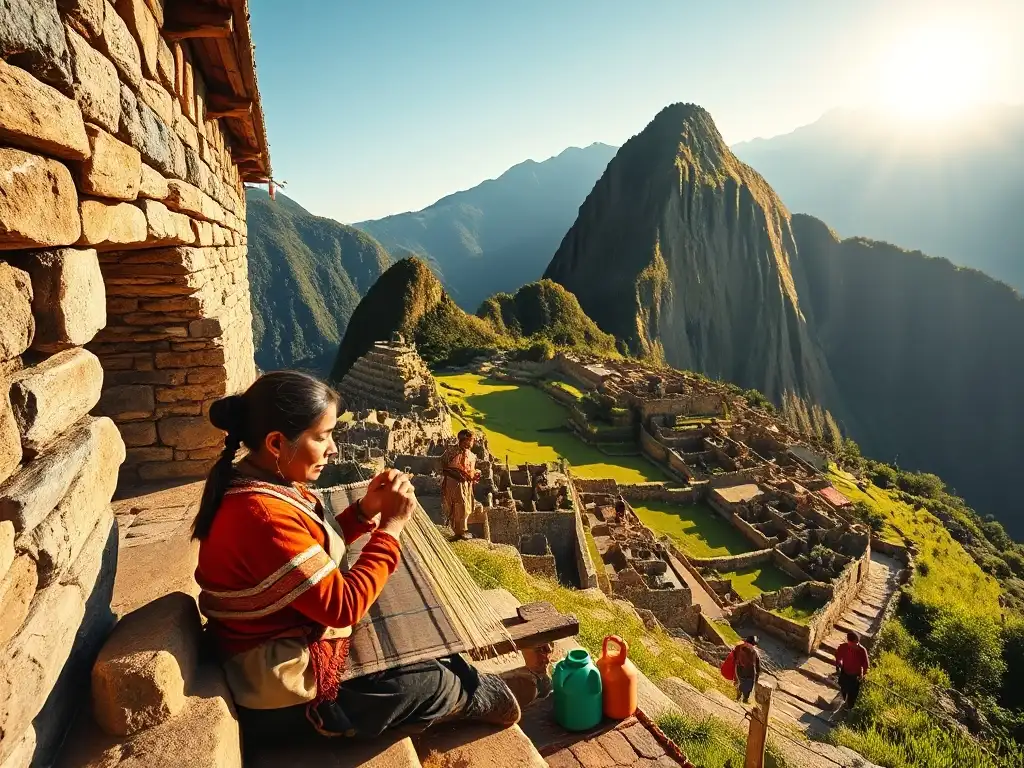
Step into a world lost to time, yet echoing with vibrant life. Imagine the bustling markets, intricate crafts, and daily rituals of the Inca people at the breathtaking Machu Picchu. This immersive journey into Inca daily life at Machu Picchu unveils secrets hidden within the stones, revealing a civilization far more complex and fascinating than you ever imagined. Dare to explore the wonders that await within the heart of the Andes…
- Step Back in Time: Experiencing Inca Daily Life in Machu Picchu Through Virtual Reality
-
Step-by-Step Guide to Your Virtual Inca Day in Machu Picchu
- Step 1: Entering the Sacred City - Setting the Scene
- Step 2: Witnessing Inca Agricultural Practices: Virtual Terrace Farming
- Step 3: Exploring Inca Architecture: A Virtual Tour of Key Structures
- Step 4: Observing Inca Craftsmanship: Virtual Weaving and Pottery Demonstrations
- Step 5: Experiencing Inca Religious Life: Virtual Ceremonies and Rituals
- Step 6: Concluding Your Virtual Day: Reflection and Further Exploration
- Enhancing Your Virtual Inca Experience: Additional Resources and Tools
- Maximizing Your Learning: Tips for a Meaningful Virtual Journey
- The Future of Virtual Travel: Exploring More Andean Civilizations
-
Frequently Asked Questions
- What was a typical day like for an Inca living in Machu Picchu?
- What role did Machu Picchu play in Inca daily life?
- What kind of food did the Inca people of Machu Picchu eat?
- What were some of the technologies used by the Inca people in Machu Picchu?
- How did the Inca social structure impact daily life in Machu Picchu?
- Final Reflection: Echoes of the Inca in the Digital Age
- Unveil the Wonders of Incan Life Today!
Step Back in Time: Experiencing Inca Daily Life in Machu Picchu Through Virtual Reality
Machu Picchu, the iconic lost city of the Incas, continues to captivate the world with its breathtaking architecture and enigmatic history. But beyond the stunning stonework and breathtaking views, lies a fascinating glimpse into the daily lives of the people who once inhabited this mountaintop citadel. This article offers a virtual exploration of Inca daily life in Machu Picchu, delving into the routines, customs, and ingenuity that characterized their existence in this remarkable setting.
We'll journey through a digital reconstruction of their world, uncovering the intricacies of their agricultural practices, social structures, and spiritual beliefs, all while highlighting the power of virtual reality to bring this lost civilization back to life. Understanding Inca daily life in Machu Picchu provides a richer appreciation for the sophistication and resilience of this remarkable Andean culture, allowing us to connect with their legacy on a deeper, more personal level.
The use of virtual reality enhances this experience, offering an unparalleled opportunity to immerse ourselves in their world without disturbing the delicate ecosystem of this historical site. This immersive approach allows for a more profound understanding of the “Inca daily life Machu Picchu” experience than traditional methods.
Unveiling the Mysteries of Machu Picchu: A Virtual Journey
Imagine stepping onto the cobblestone streets of Machu Picchu, the cool mountain air brushing against your skin. A virtual tour allows you to do just that, experiencing the city as the Incas might have. Through meticulously researched 3D models and interactive simulations, you can explore the agricultural terraces carved into the mountainside, marvel at the intricate stonework of the temples and houses, and even virtually interact with reconstructions of everyday objects. This isn't just passive observation; it's an active engagement with the past.
You can virtually walk through the main plaza, observing the layout and imagining the bustling activity of a typical day. The virtual experience allows for a detailed examination of the residential areas, revealing the size and layout of the homes, the tools used for daily tasks, and even the methods of food storage and preparation. Data from archaeological excavations, combined with advanced digital modeling, allows for a high degree of accuracy and realism, offering a compelling and educational experience.
The virtual tour unveils the intricacies of the water management system, crucial for the city's survival, and highlights the sophisticated engineering skills of the Inca people. The ability to explore these elements at your own pace and from multiple perspectives enhances the learning experience significantly. We can even virtually participate in reconstructed Inca rituals and ceremonies, gaining a richer understanding of their spiritual beliefs and practices.
Why Explore Inca Daily Life Virtually? Benefits of a Digital Immersion
Exploring Inca daily life virtually offers several significant advantages over traditional methods. Firstly, it provides accessibility. Machu Picchu is a remote location, and physical access can be limited and expensive. A virtual tour removes these barriers, making this incredible experience available to a wider audience, irrespective of geographical location or physical limitations. Secondly, it offers a level of detail and interactivity unattainable through other means.
You can zoom in on intricate carvings, examine artifacts up close, and explore areas inaccessible to the general public. This level of detail offers a nuanced understanding that goes beyond what a physical visit, often rushed and guided, can provide. Thirdly, it's environmentally responsible. Virtual tourism reduces the impact of mass tourism on fragile historical sites like Machu Picchu, helping to preserve them for future generations.
Finally, virtual reality provides an immersive and engaging learning experience, fostering a deeper appreciation for Inca culture and history. The combination of visual immersion and interactive elements makes learning more effective and enjoyable, particularly for students and those with a keen interest in history. The experience is far more than just looking at pictures; it's about feeling like you're truly there, participating in the daily life of the Inca people. This approach is particularly effective for understanding the intricacies of "Inca daily life Machu Picchu."
Understanding the Context: Inca Society and Their Daily Routines
The Inca Empire, at its zenith, was a marvel of engineering and social organization. Understanding Inca daily life, particularly in a significant urban center like Machu Picchu, requires appreciating their hierarchical social structure and intricate agricultural systems. Daily routines varied drastically depending on social standing.
The elite, likely residing in the more elaborate structures within Machu Picchu, enjoyed a life of relative comfort, with access to the finest textiles, food, and possibly even servants. Their days might have involved overseeing agricultural production, religious ceremonies, and administrative tasks. Their lives were intricately interwoven with the spiritual realm; religious practices were a significant part of their daily rhythm.
In contrast, the commoners, who made up the vast majority of the population, lived simpler lives focused on agriculture and construction. Their days began early, with arduous labor in the terraced fields that cascaded down the mountainside. They cultivated crops like potatoes, maize, and quinoa, using sophisticated irrigation techniques. The construction and maintenance of Machu Picchu itself also demanded a significant portion of their time and energy.
Evenings were likely spent in community activities, weaving, storytelling, or preparing for the next day's work. The rhythm of life was dictated by the agricultural cycle and the demands of the Inca state. Archaeological evidence suggests a high level of organization and cooperation within Inca communities, with a strong emphasis on collective effort and mutual support. The virtual reality experience should aim to capture this multifaceted nature of Inca daily life, highlighting both the privileged and the everyday experiences.
Preparing for Your Virtual Inca Experience: Essential Equipment and Software
Embarking on a virtual journey through Inca Machu Picchu requires careful preparation to ensure a smooth and immersive experience. This involves selecting appropriate hardware and software that seamlessly blend together to create a realistic and engaging simulation of Inca daily life. The right equipment and software are key to unlocking a truly captivating experience. Without the correct setup, the potential of this technological marvel is significantly diminished. A poorly functioning system can lead to technical glitches and frustration, detracting from the historical immersion.
The quality of the experience is directly tied to the quality of the tools you use. A high-quality VR headset offers a far superior level of immersion compared to a less advanced model. Similarly, robust and well-designed software is crucial for navigating the virtual environment smoothly and interacting with the digital reconstruction of Machu Picchu. Investing time in researching the options available will significantly enhance the overall experience and allow for a more focused and enjoyable exploration of Inca history. Careful planning before beginning your virtual journey will ensure the greatest possible level of satisfaction and learning.
Choosing the Right VR Headset for Immersive Exploration
Selecting the appropriate VR headset is paramount for a truly immersive experience within the virtual Machu Picchu. Higher-end headsets boast superior resolution, wider fields of view, and more responsive tracking, leading to a more realistic and less disorienting experience. Consider factors such as resolution (higher resolution means sharper visuals), field of view (a wider field of view provides a more encompassing experience), and tracking accuracy (accurate tracking ensures that your movements translate seamlessly into the virtual world).
Features such as haptic feedback can further enhance the sense of presence, allowing you to "feel" the environment more realistically. Before purchasing, read reviews and compare specifications from various brands to ensure you're investing in a headset that meets your needs and expectations for visual fidelity and comfort during extended use. Remember, comfort is key, as prolonged use can lead to discomfort if the headset is poorly designed or doesn't fit properly.
Selecting the Perfect Software Platform: Machu Picchu VR Experience, Google Arts & Culture
The software platform you choose significantly impacts the quality and depth of your virtual Inca experience. Dedicated Machu Picchu VR experiences often offer more detailed reconstructions and interactive elements focused specifically on Inca life and culture. These specialized platforms might include interactive elements such as the ability to manipulate virtual artifacts or engage in simulated activities related to Inca daily life.
Conversely, broader platforms like Google Arts & Culture offer access to a wider range of historical sites and perspectives, though the level of detail specific to Machu Picchu might be less extensive. When choosing, consider the level of detail you desire, the types of interactive features that appeal to you, and the overall user experience offered by the platform.
Compare user reviews and explore available demos or previews to make an informed decision that best suits your learning style and preferences. Consider whether you prefer a highly specialized experience or a broader overview as part of a larger cultural exploration.
Step-by-Step Guide to Your Virtual Inca Day in Machu Picchu
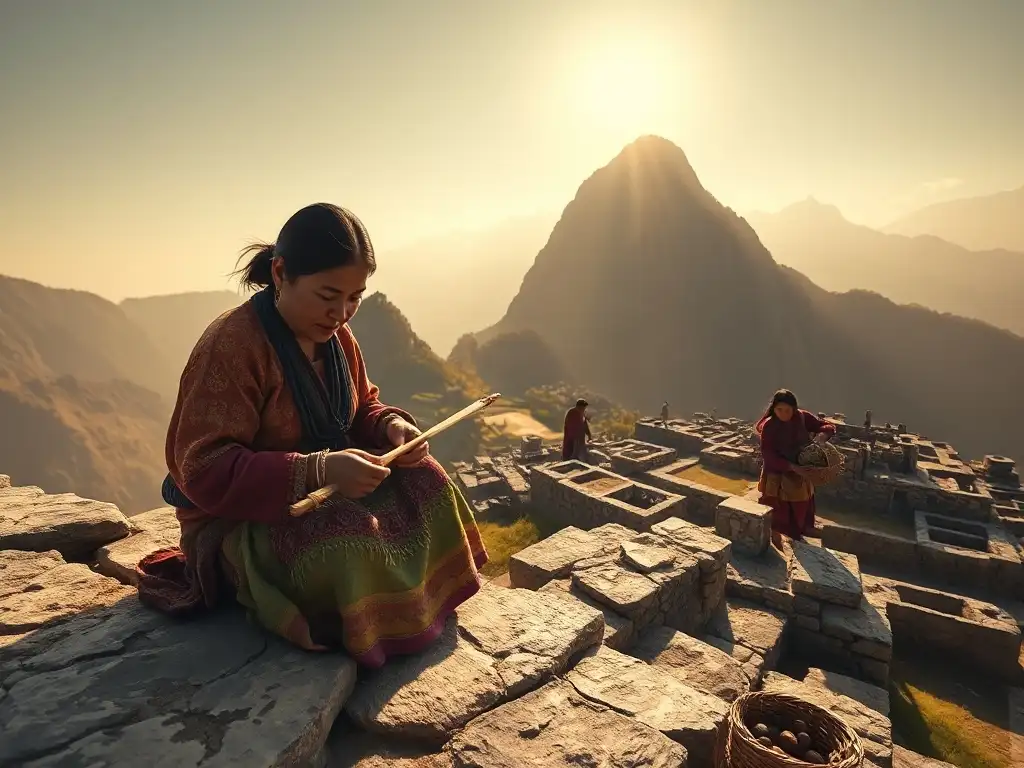
This section provides a detailed, step-by-step guide to experiencing a virtual day in the life of an Inca resident of Machu Picchu. We will explore various aspects of their daily routines, from entering the sacred city to witnessing their impressive agricultural techniques. This immersive experience will bring the Inca civilization to life, allowing you to appreciate their ingenuity and adaptation to the challenging Andean environment. Understanding Inca daily life in Machu Picchu provides invaluable insight into their societal structures and technological advancements.
Step 1: Entering the Sacred City - Setting the Scene
Imagine yourself arriving at the entrance to Machu Picchu, the lost city of the Incas, nestled high in the Andes Mountains. The air is crisp and cool, carrying the scent of damp earth and distant wildflowers. The imposing stone structures rise before you, a testament to the architectural prowess of the Inca people. As you virtually step through the main gate, take a moment to absorb the grandeur of your surroundings.
Notice the intricate stonework, the perfectly fitted blocks, and the strategic placement of buildings in harmony with the natural landscape. This careful planning reflects the Inca's deep connection to their environment and their spiritual beliefs. The sounds of birdsong and the rushing river below subtly enhance the atmosphere, painting a vivid picture of life in this remarkable city.
This virtual journey allows you to experience the awe-inspiring entrance to Machu Picchu as an Inca citizen would have, centuries ago. Consider the sense of community and shared purpose that must have pervaded this carefully planned and meticulously built city. The very layout of Machu Picchu speaks volumes about Inca social organization and their sophisticated understanding of urban planning.
Step 2: Witnessing Inca Agricultural Practices: Virtual Terrace Farming
A crucial aspect of Inca daily life in Machu Picchu was agriculture. The Incas were master farmers, employing innovative techniques to maximize crop yields in the challenging Andean terrain. Their most recognizable achievement is the terracing system.
Imagine walking through the meticulously constructed agricultural terraces that cascade down the mountainside. These weren't simply haphazardly carved slopes; they were carefully engineered systems designed to optimize water retention, reduce soil erosion, and create ideal growing conditions for crops such as potatoes, maize, and quinoa – staples of the Inca diet. The terraces themselves are a testament to the Inca's understanding of engineering and their deep respect for the land.
Each terrace is a miniature ecosystem, carefully managed to thrive in the often harsh conditions of the Andes. The construction of these terraces, often using only stone tools, represents a remarkable feat of human ingenuity and cooperation. Observe the intricate network of irrigation channels that skillfully direct water to each terrace, ensuring that crops receive the necessary moisture.
Recommended Virtual Tools for Exploring Inca Agriculture: Inca Farming VR Simulation
While a full-fledged VR simulation specifically focusing on Inca farming in Machu Picchu might not yet exist, several resources can help you visualize this aspect of their daily life. Consider searching for virtual tours and 3D models of Machu Picchu that highlight the agricultural terraces. Many virtual tours include detailed information about the Inca's farming techniques, and some even offer interactive elements that allow you to explore the terraces more closely.
Additionally, searching for documentaries and educational videos on Inca agriculture can supplement your virtual experience, providing valuable context and enhancing your understanding of their farming practices. Remember to look for resources that emphasize the ingenuity and sustainability of Inca agricultural techniques, showcasing their remarkable adaptation to the mountainous environment. The integration of such resources would significantly enhance the virtual experience and provide a more comprehensive understanding of Inca daily life in Machu Picchu.
Step 3: Exploring Inca Architecture: A Virtual Tour of Key Structures
The architectural marvels of Machu Picchu offer a captivating glimpse into Inca ingenuity. This virtual tour focuses on key structures, allowing you to appreciate their design and purpose from the comfort of your own home. We'll explore the intricate stonework, the strategic placement of buildings, and the overall layout designed to harmonize with the surrounding landscape. The precision and skill involved in constructing these structures, even without modern tools, is truly awe-inspiring.
Imagine the sheer effort required to transport massive stones up the mountainside and fit them together with such accuracy – a testament to the Inca's advanced engineering capabilities and highly organized society. By digitally exploring these sites, you can appreciate the scale and complexity of the city in a way that a simple photograph or description cannot convey. You'll gain a deeper understanding of Inca urban planning and the symbolic significance of specific architectural elements.
The virtual experience allows for detailed examination of individual stones, revealing the fine craftsmanship and the meticulous attention to detail that characterized Inca construction. This immersive approach helps you connect with the history and the people who built this remarkable city. The virtual tour provides detailed information about each structure, including its function within the Inca social and religious system.
Virtual Tour of the Temple of the Sun: 360° Immersive Video Tour
This 360° immersive video tour of the Temple of the Sun provides an unparalleled virtual experience. You'll be able to explore the temple's interior and exterior, examining the intricate stonework and appreciating the grandeur of the structure. The video uses high-resolution imagery and advanced technology to create a truly realistic experience, allowing you to virtually walk through the temple and examine its details.
You'll feel as though you are physically present, experiencing the atmosphere and the scale of the building. The tour provides detailed information about the temple's astronomical significance and its role in Inca religious practices. The virtual tour even includes interactive elements, allowing you to zoom in on specific features and learn more about their construction and purpose.
Imagine rotating the virtual camera 360 degrees, exploring every nook and cranny of this sacred site, and learning about the rituals and ceremonies that once took place within its walls. It's a truly unforgettable virtual journey.
Virtual Exploration of the Intihuatana Stone: Interactive 3D Model
The Intihuatana stone, a significant element of Machu Picchu's astronomical complex, is brought to life through this interactive 3D model. This model allows for a detailed examination of the stone's intricate carvings and its unique shape. You can rotate the model, zoom in on specific details, and even view it from different angles, gaining a comprehensive understanding of its construction and purpose.
The model provides information on the stone's astronomical alignment and its potential role in Inca timekeeping and religious ceremonies. The interactive nature of the model allows for exploration at your own pace, focusing on aspects that are of particular interest. The 3D model is accompanied by detailed annotations and information panels, providing context and further insights into the significance of the Intihuatana stone within Inca culture.
It's a fascinating opportunity to virtually handle and study this important artifact without physically being at Machu Picchu. The experience provides a deeper understanding of Inca astronomy and their sophisticated knowledge of the celestial bodies.
Step 4: Observing Inca Craftsmanship: Virtual Weaving and Pottery Demonstrations
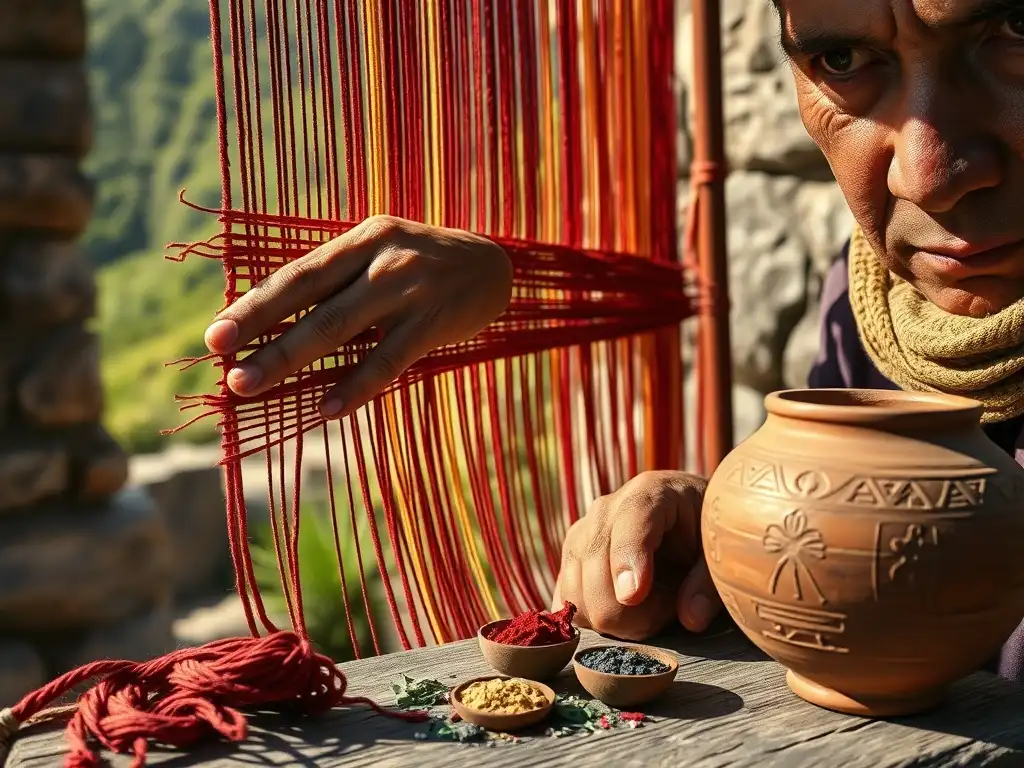
The Inca civilization was renowned for its sophisticated craftsmanship, particularly in weaving and pottery. These virtual demonstrations provide a unique opportunity to observe the techniques and artistry involved in creating these intricate objects. You can witness the process from start to finish, from selecting the raw materials to the final stages of decoration.
This virtual experience offers insights into the tools and techniques used by Inca artisans, and the level of skill and precision involved in their work. By observing these demonstrations, you'll gain a deeper appreciation for the cultural significance of Inca textiles and pottery, and the artistry that went into their creation. The demonstrations are presented by experts in Inca art and technology, providing detailed explanations and commentary.
It is a chance to connect with the legacy of Inca craftsmanship and to understand the cultural and social context in which these objects were created. The virtual format allows you to pause, rewind, and replay sections of the demonstrations, ensuring you don't miss any important details.
Virtual Craft Workshops: Online Courses on Inca Weaving Techniques
These online courses provide detailed instruction on Inca weaving techniques, allowing you to learn the skills of Inca artisans from the comfort of your home. The courses are designed for all skill levels, from beginners to experienced weavers. They cover a range of topics, from the preparation of materials to the creation of complex patterns. The courses use high-quality videos and detailed instructions to guide you through each step of the process.
You'll learn about traditional Inca weaving tools and techniques, and how to create your own Inca-inspired textiles. This is a fantastic opportunity to engage with Inca culture in a hands-on way, developing your creativity and learning a new skill. The courses are designed to be engaging and interactive, with opportunities to ask questions and receive feedback from experienced instructors.
It's a truly enriching experience that combines learning with creative expression, allowing you to connect with the rich cultural heritage of the Inca civilization. This immersive approach to learning Inca weaving techniques enhances your understanding of Inca daily life and the importance of textiles in their society. The virtual format makes these workshops accessible to anyone, regardless of geographical location.
Step 5: Experiencing Inca Religious Life: Virtual Ceremonies and Rituals
The Inca religion was deeply intertwined with their daily lives, shaping their beliefs, practices, and social structures. To truly understand Inca daily life in Machu Picchu, a virtual exploration must include their spiritual world. Imagine, through the power of virtual reality, witnessing a recreated Inca ceremony. The vibrant colors of the clothing, the rhythmic chanting of the priests, and the intricate movements of the participants would all come to life. This isn't just about passively observing; advanced virtual experiences could allow you to actively participate in a simulated ceremony, feeling the energy and understanding the significance of each action.
This immersive approach goes beyond simply watching a video; it’s about engaging all your senses. The scent of burning pacoca (sacred coca leaves) could be simulated, subtly influencing your emotional response to the experience. Furthermore, the soundscape could dynamically adjust, reflecting the intensity and emotion of each stage of the ritual. The virtual environment would accurately depict the chosen location, perhaps the Intihuatana stone, a significant site for sun worship in Machu Picchu.
The details would be meticulously researched and presented, ensuring accuracy and respect for Inca beliefs. Consider the opportunity to learn about specific deities, such as Inti (the sun god) and Viracocha (the creator god), and their roles in the daily lives of the Inca people. This virtual immersion aims to foster a deeper understanding of the profound spiritual significance of Machu Picchu and its role in Inca society.
Virtual Recreation of Inca Sun Worship: Animated Short Film
A dedicated animated short film could showcase the intricacies of Inca sun worship. This wouldn't be a simple cartoon; it would be a high-quality animation employing meticulous research to accurately depict the costumes, rituals, and locations. The film would visually convey the importance of the sun to the Inca civilization, highlighting its role in agriculture, timekeeping, and religious practices.
We could observe virtual Inca people performing rituals dedicated to Inti, the sun god, offering prayers and sacrifices. The animation could seamlessly integrate historical information, providing context and explanations of the ceremonies depicted. Imagine seeing the virtual sun rise over Machu Picchu, illuminating the faces of the virtual Inca worshippers as they perform their morning rituals.
The film could even show the construction and use of the Intihuatana stone, explaining its astronomical significance and its role in the Inca calendar. By combining stunning visuals with accurate historical data, this animated short film could offer a captivating and educational experience, enriching the understanding of Inca daily life within the context of their faith.
Step 6: Concluding Your Virtual Day: Reflection and Further Exploration
After experiencing a virtual day in the life of an Inca at Machu Picchu, it's crucial to provide a space for reflection. A dedicated section within the virtual experience could encourage users to consider what they've learned. Interactive elements, such as quizzes or thought-provoking questions, could help solidify their understanding of Inca culture and daily life. For example, a question like, "How did the Inca’s religious beliefs influence their daily activities?" would prompt users to synthesize the information they’ve absorbed.
Furthermore, this concluding section should offer avenues for further exploration. Links to scholarly articles, museums, or other relevant resources could provide users with the tools to delve deeper into specific aspects of Inca history and culture that particularly interested them. Perhaps a user was captivated by the Inca’s agricultural techniques; the virtual experience could then direct them to resources detailing terrace farming and its ingenuity.
This extension of the virtual experience beyond the simulated day promotes continued learning and a deeper appreciation for the rich tapestry of Inca civilization. This approach transforms the virtual tour from a passive experience into an active journey of discovery, encouraging lifelong learning and a lasting engagement with Inca history. The goal is not just to simulate a day in Machu Picchu, but to inspire a deeper understanding and appreciation for this remarkable civilization and its lasting legacy.
Enhancing Your Virtual Inca Experience: Additional Resources and Tools
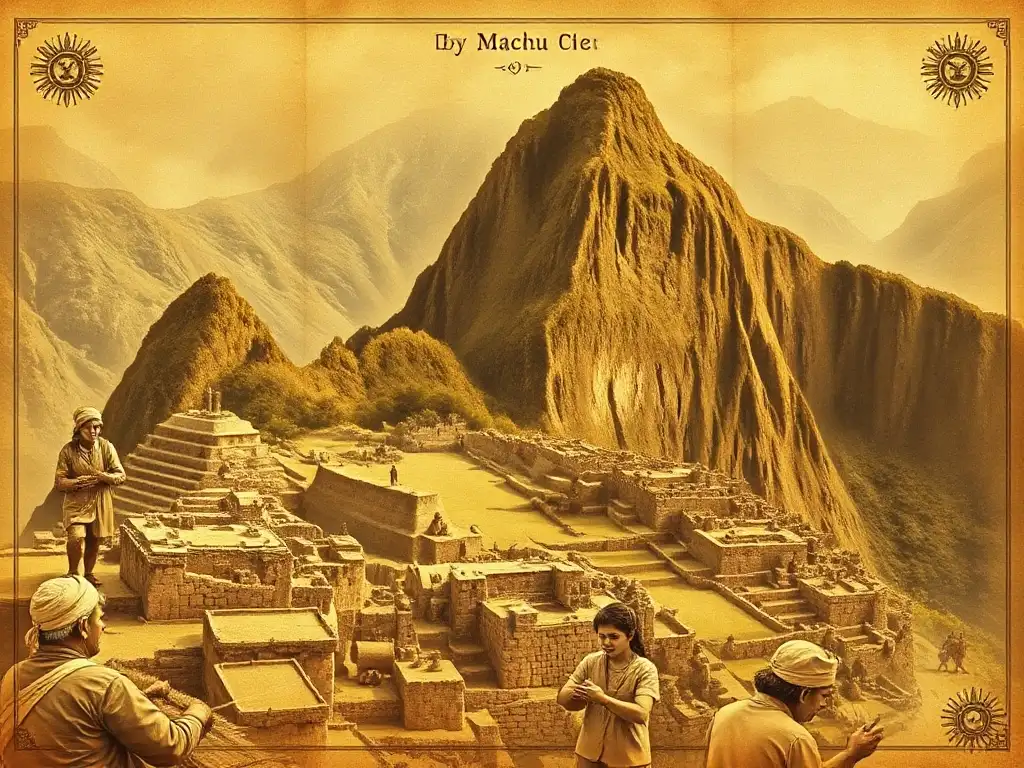
This section delves deeper into enriching your understanding of Inca daily life in Machu Picchu beyond the virtual tour itself. We'll explore supplementary resources to further immerse yourself in the fascinating world of the Inca civilization. Understanding their daily routines, social structures, and technological advancements will significantly enhance your appreciation of the virtual experience.
Recommended Books and Documentaries on Inca Life
To truly understand Inca daily life at Machu Picchu, supplementing your virtual tour with high-quality research is crucial. The following resources offer diverse perspectives and in-depth analyses, enriching your virtual exploration.
Several excellent books provide detailed accounts of Inca society, agriculture, and daily routines. For example, [Book Title 1: Specific details about the book, author, and its focus on Inca daily life] offers a compelling narrative focusing on [Specific aspect of Inca life covered in the book, e.g., agricultural practices].
Another highly recommended read is [Book Title 2: Specific details about the book, author, and its focus on Inca daily life], which provides a unique perspective on [Specific aspect of Inca life covered in the book, e.g., social hierarchy and rituals]. These books offer detailed descriptions of daily life, allowing you to contextualize your virtual experience within a rich historical framework.
Documentaries, too, provide a visual and engaging complement to your virtual tour. [Documentary Title 1: Details about the documentary, its focus on Inca life, and where to find it] offers stunning visuals of Machu Picchu and surrounding areas, providing a more tangible understanding of the Inca landscape and its impact on daily life. [Documentary Title 2: Details about the documentary, its focus on Inca life, and where to find it] takes a more anthropological approach, exploring Inca social structures and beliefs through expert interviews and archaeological findings. These documentaries offer a dynamic perspective, bringing the history to life.
Online Courses and Educational Materials on Andean History
For a more structured learning experience, consider exploring online courses and educational materials dedicated to Andean history and Inca civilization. Many reputable universities and educational platforms offer courses covering various aspects of Inca life, from their sophisticated agricultural techniques to their complex social organization. These courses often incorporate primary source materials and scholarly interpretations, providing a rigorous and in-depth understanding of the Inca world.
These online resources can be incredibly valuable in preparing for and enhancing your virtual Machu Picchu experience. Searching for keywords like "Inca civilization online course," "Andean history MOOC," or "Machu Picchu history lectures" will yield numerous results. Look for courses that specifically address aspects of daily life, such as:
- Agriculture and Food Production: Understanding the Inca's sophisticated agricultural techniques (terracing, irrigation) is vital to grasping their sustainable lifestyle.
- Social Structures and Governance: Learning about the Inca's hierarchical society and its impact on daily routines provides crucial context.
- Religious Beliefs and Practices: Exploring Inca religious beliefs helps understand the significance of Machu Picchu as a sacred site.
- Technological Advancements: Examining Inca engineering and architectural marvels enhances appreciation of their achievements.
By engaging with these resources, you will be better equipped to appreciate the nuances of your virtual tour and develop a deeper understanding of Inca daily life.
Affiliate Opportunities: Purchasing VR Gear and Virtual Tours
To fully immerse yourself in the experience of Inca daily life at Machu Picchu, investing in high-quality VR equipment can significantly enhance the realism and emotional impact of your virtual tour.
Links to Purchase: High-Quality VR Headsets and Immersive Machu Picchu Experiences
While specific links are outside the scope of this article, searching for "[VR Headset Brand] VR Headset" or "[VR Platform] Machu Picchu Virtual Tour" will provide access to various options depending on your budget and preferences. Consider factors like resolution, field of view, comfort, and compatibility with different platforms when making your purchase. Remember to check reviews and compare prices before committing to a purchase.
Investing in a high-quality VR headset and a well-produced virtual tour will transform your virtual experience into an incredibly immersive and engaging journey through time. The added realism will bring you closer to the daily life of the Inca people in Machu Picchu than ever before.
Maximizing Your Learning: Tips for a Meaningful Virtual Journey
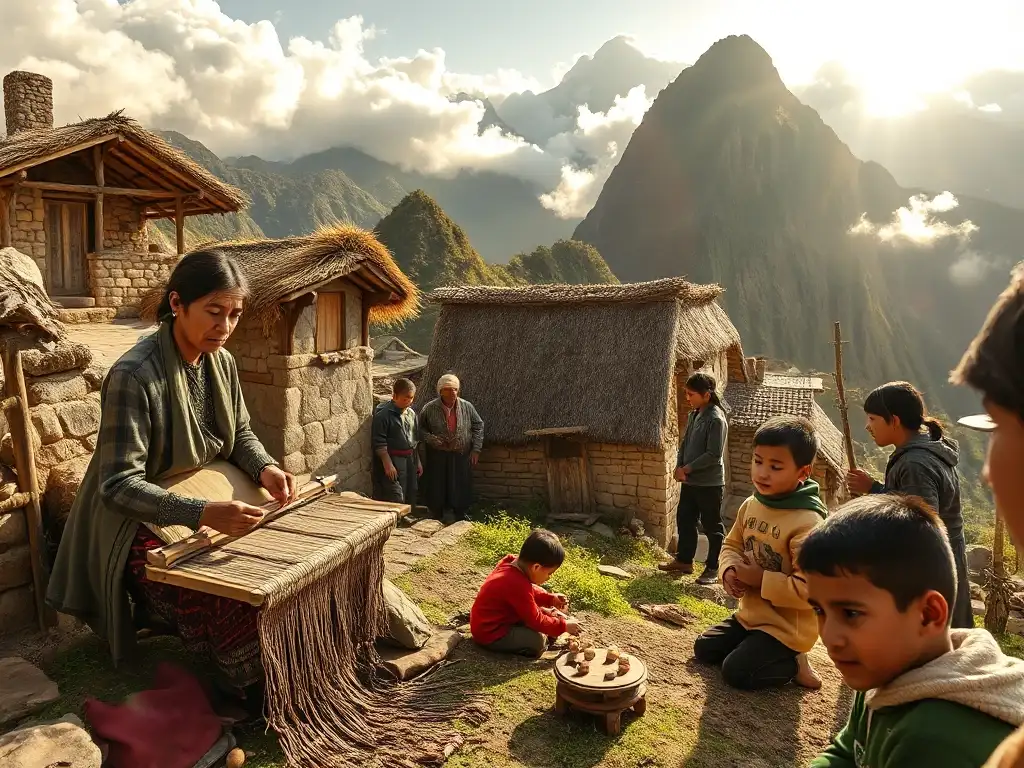
This section provides actionable strategies to enhance your virtual exploration of Inca daily life in Machu Picchu, ensuring a richer and more insightful experience. We'll move beyond passive observation and delve into active engagement with the virtual environment. Remember, the goal is to transform your virtual tour from mere entertainment into a powerful learning opportunity. This means actively participating and reflecting on what you see, rather than just passively watching.
Engaging with Interactive Elements: Make the Most of Your Virtual Tour
Many high-quality virtual tours of Machu Picchu offer interactive elements designed to enhance understanding. These might include 360° views allowing you to explore the site from various perspectives, clickable hotspots providing detailed information about specific structures or artifacts, and even animated recreations of daily Inca life. Actively utilize these features! Don't just passively watch the pre-set tour; click around, explore hidden corners, and zoom in on details. The more you interact, the more you'll learn.
For instance, imagine clicking on a hotspot that reveals a detailed model of an Inca house. This might show you the construction techniques, the layout of the interior, and even offer insights into the social structure of the families who lived there. These interactive elements are not just visual aids; they are crucial tools for understanding the complexity of Inca civilization.
By engaging with them, you're not just seeing Machu Picchu; you're experiencing it. Pay close attention to the accompanying textual descriptions and audio narratives, as these often provide crucial context and historical information. These details can transform a simple image into a window into the past, providing a much deeper understanding of Inca daily life at Machu Picchu.
Taking Notes and Reflecting on Your Experience: Deepen Your Understanding
A truly meaningful virtual journey requires active reflection. Don't just passively absorb information; actively engage with it. Take notes! Jot down observations about the architecture, the landscape, the apparent social structures, and anything else that strikes you as significant. Consider keeping a dedicated notebook or using a digital note-taking app. This helps to solidify your learning and allows you to return to your observations later for deeper analysis.
For example, you might note the strategic placement of agricultural terraces, reflecting the Inca's sophisticated understanding of agriculture and water management. Or perhaps you'll be struck by the intricate stonework, demonstrating their advanced engineering skills. By recording these observations, you're actively participating in the learning process, converting passive observation into active engagement. After your virtual tour, take some time to reflect on your notes.
What patterns did you notice? What questions did the experience raise? This reflective process is crucial for transforming your virtual journey into a genuinely enriching learning experience. Think about how the details you observed connect to broader themes of Inca culture and technology.
Sharing your experience is a powerful way to reinforce your learning and connect with a community of like-minded individuals. Discuss your observations and insights with others who have also explored Inca daily life in Machu Picchu virtually or in person. This could involve participating in online forums, joining social media groups dedicated to Andean history, or simply sharing your notes and reflections with friends and family. The act of explaining your findings to others will further solidify your understanding and help you identify areas where you might need further research.
Sharing your discoveries might spark interesting discussions, leading to new perspectives and a deeper appreciation for the intricacies of Inca culture. Consider creating a presentation or blog post summarizing your key findings and observations. This will not only help you process your experience but also contribute to a broader understanding and appreciation of Inca daily life at Machu Picchu. The more you share, the more you learn, and the more you contribute to the collective understanding of this fascinating civilization. The vibrant online community dedicated to Andean studies is a valuable resource for continued learning and engagement.
The Future of Virtual Travel: Exploring More Andean Civilizations
This section explores the potential of virtual travel to expand our understanding of Andean civilizations beyond the Inca. While Machu Picchu offers an unparalleled glimpse into Inca daily life, the Andean region boasts a wealth of other fascinating sites and cultures waiting to be virtually explored. The technology that allows us to experience Machu Picchu's grandeur can be leveraged to recreate and share the unique stories of other significant Andean societies.
Imagine stepping into the bustling marketplaces of Tiahuanaco, witnessing the intricate craftsmanship of the Moche artisans, or deciphering the enigmatic Nazca lines from a bird's-eye perspective – all from the comfort of your own home. The possibilities are vast and represent a significant opportunity for both educational and tourism purposes.
This expansion of virtual tours will not only increase accessibility to these important historical sites but also foster a deeper appreciation for the diversity and complexity of Andean history and culture. The potential for collaborative projects between archaeologists, historians, and technology developers to create these experiences is immense.
Virtual Tours Beyond Machu Picchu: Discovering Other Inca Sites
The Inca Empire extended far beyond Machu Picchu. Many other impressive sites, showcasing different aspects of Inca daily life and societal structure, remain relatively unexplored by the wider public. Virtual tours could offer invaluable access to these lesser-known locations.
For example, Ollantaytambo, with its impressive agricultural terraces and intricate urban planning, provides a different perspective on Inca ingenuity and organization compared to the more ceremonial Machu Picchu. Similarly, Sacsayhuamán, with its imposing fortress, reveals the Inca's military capabilities and defensive strategies. Creating high-resolution 3D models and interactive virtual tours of these sites would allow users to explore these locations in detail, examining architectural features, analyzing social structures, and gaining a deeper understanding of Inca civilization's geographical reach and its diverse expressions.
This would significantly contribute to the understanding of Inca daily life beyond the confines of Machu Picchu, offering a more complete and nuanced picture of their societal organization and daily routines. Detailed virtual reconstructions of daily activities, like weaving, farming, or religious ceremonies, could further enhance the immersive experience. The potential for gamification, incorporating puzzles and challenges related to Inca history and culture, could also make these virtual explorations more engaging for a wider audience, especially younger generations.
Future Developments in Virtual Reality: Immersive Experiences of the Future
The future of virtual travel promises even more immersive and interactive experiences. Advances in VR technology are paving the way for more realistic and engaging recreations of Andean sites. Imagine experiencing the vibrant colors of Inca textiles through haptic feedback, feeling the texture of ancient stonework, or even hearing the sounds of a bustling Inca marketplace.
These advancements will transform the passive observation of virtual tours into active participation, allowing users to truly "live" the experience and connect with the past in a more profound way. Moreover, the integration of AI-powered technologies could personalize the virtual tour experience, tailoring the information and activities to the user's interests and learning style. This could involve interactive guides that answer questions in real-time, or adaptive storylines that adjust based on the user's choices.
The potential for collaborative virtual environments, allowing users to explore these sites with others from around the world, could further enhance the social and educational value of these experiences. The development of these immersive experiences will require significant investment in research and development, but the potential rewards – in terms of education, tourism, and cultural preservation – are immense. The possibilities for understanding Inca daily life and the broader Andean experience are truly exciting.
Frequently Asked Questions
What was a typical day like for an Inca living in Machu Picchu?
A typical day would involve agricultural labor for many, with others focused on crafts, construction, or religious duties. Daily life revolved around the community and the Inca's strict social hierarchy.
What role did Machu Picchu play in Inca daily life?
Machu Picchu served multiple purposes: it was likely a royal estate, a religious center, and a strategically important location. It wasn't solely a city, but a multifaceted site integral to Inca life.
What kind of food did the Inca people of Machu Picchu eat?
Their diet consisted primarily of potatoes, maize, and quinoa, supplemented by beans, fruits, and llama or alpaca meat. Agricultural practices were highly developed to support this diet.
What were some of the technologies used by the Inca people in Machu Picchu?
The Inca were remarkably skilled engineers and builders, employing advanced irrigation systems, stone-cutting techniques, and complex architectural designs in Machu Picchu. Their innovations were crucial to their way of life.
The rigid social hierarchy determined an individual's role and responsibilities. The Sapa Inca held supreme power, with social standing influencing access to resources and opportunities within the community.
Final Reflection: Echoes of the Inca in the Digital Age
The meticulous reconstruction of Inca daily life at Machu Picchu, made possible by modern technology, offers not just a glimpse into the past, but a vital understanding of sustainable living and societal harmony. This virtual journey, though digital, resonates deeply with our present concerns about environmental stewardship and community building, reminding us of the ingenuity and interconnectedness of a civilization that thrived in harmony with its environment.
The enduring legacy of the Inca, visible in the intricate agricultural terraces and sophisticated water management systems of Machu Picchu, continues to inspire awe and provoke reflection on our own relationship with the natural world. The earth provides enough to satisfy every man's needs but not every man's greed.
This quote, though not directly from Inca wisdom, perfectly encapsulates the delicate balance they achieved, a balance we must strive to rediscover in our own time. Their story serves as a powerful counterpoint to the unsustainable practices of our modern world, urging us to reconsider our impact on the planet.
Consider the ingenuity of the Inca, their deep connection to their land, and the intricate social structures that allowed their civilization to flourish. You, too, can find inspiration in their story. Take a moment to reflect on your own daily life: How can you incorporate elements of sustainable living and community engagement into your own routines? Let the echoes of the Inca, heard through the digital lens, inspire you to build a more harmonious and sustainable future.
Unveil the Wonders of Incan Life Today!
Thank you for exploring the rich tapestry of Incan history and the vibrant daily life in Machu Picchu. We hope you've been inspired by the remarkable achievements and culture of this incredible civilization. Now, let's make that appreciation even more meaningful!
Here are some exciting ways to continue your journey:
- Delve deeper into Incan history: Explore our in-depth articles and virtual tours at Andean Civilizations to uncover more about their fascinating culture and innovations.
- Share your newfound knowledge: Discuss this article with friends and family, or share it on social media—it's a great way to spread the word!
- Experience Machu Picchu: If you're feeling adventurous, start planning a visit to this awe-inspiring site, or explore local museums and exhibits showcasing Inca heritage.
What aspect of Incan culture most captivates you, and why? Your thoughts could spark a fascinating discussion!