
The Inca Aftermath: Documentaries That Show the Legacy of the Empire

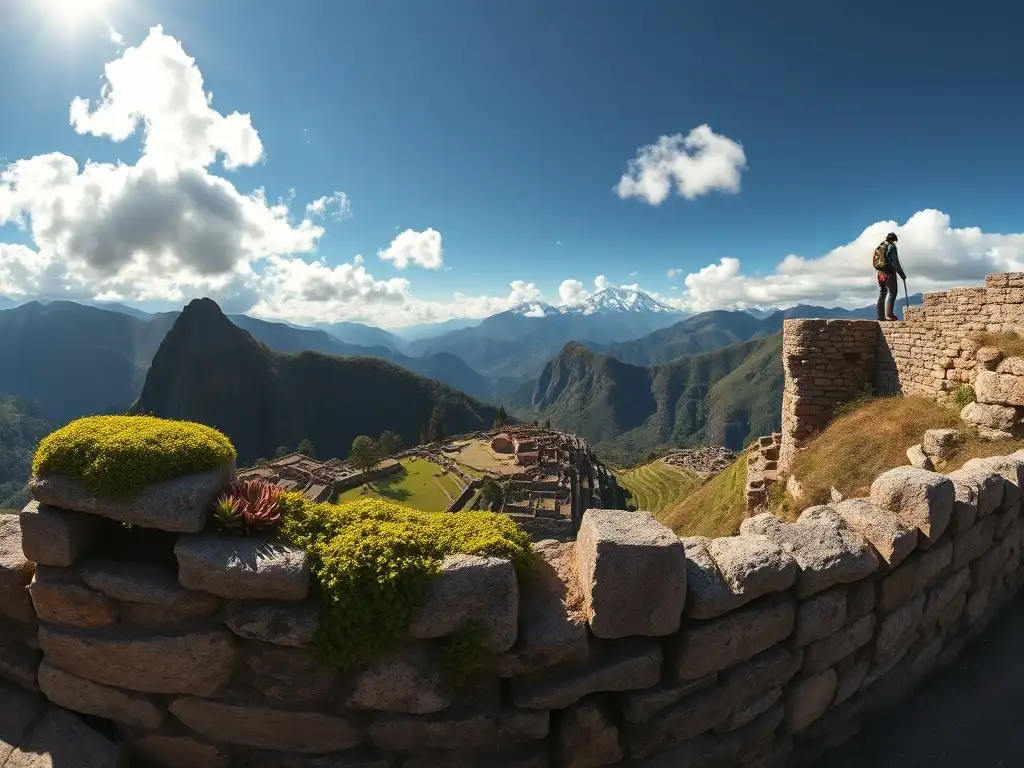
Step into a world lost to time, yet echoing through the ages. Discover the breathtaking legacy of the Andes, a realm of towering mountains, intricate artistry, and societies that defied imagination. Are you ready to unravel the mysteries behind the Inca empire documentaries that reveal the true impact of this magnificent civilization? Prepare to be captivated by the stories waiting within the vibrant tapestry of Andean culture – a journey that begins now.
The Inca Empire, a civilization that once dominated the Andes Mountains, left an indelible mark on South America. Its sophisticated infrastructure, intricate social structures, and advanced agricultural techniques continue to fascinate historians and archaeologists alike. This article delves into the rich tapestry of documentaries that explore the Inca Empire, offering viewers a glimpse into its remarkable achievements and enduring legacy.
From the meticulous engineering of Machu Picchu to the complex political and religious systems that governed the empire, these films provide a compelling narrative of one of history's most influential civilizations. We'll explore several documentaries that offer unique perspectives on Inca history, culture, and the lasting impact of this remarkable civilization on the modern world.
This exploration will help you navigate the wealth of available material and choose documentaries that best suit your interests and provide a deep understanding of the Inca empire. Prepare to embark on a visual journey through time, uncovering the mysteries and marvels of this awe-inspiring civilization.
Unveiling the Inca Civilization Through Film: A Journey Through Time
Documentaries provide a powerful medium for understanding the Inca Empire, bringing to life the stories and achievements of this remarkable civilization. Many documentaries offer stunning visuals of Inca sites, showcasing the impressive architecture and engineering feats. Others delve into the social structures and daily lives of the Inca people, revealing the intricate complexities of their society. Some focus on specific aspects of Inca culture, such as their religious beliefs, agricultural practices, or artistic expressions.
The best documentaries often combine these elements, providing a comprehensive and engaging exploration of the Inca world. For example, some explore the intricate network of roads and bridges that connected the vast empire, highlighting the advanced engineering skills of the Inca. Others focus on the unique agricultural techniques employed by the Inca, such as terracing, which allowed them to cultivate crops in challenging mountainous terrain.
Still others showcase the stunning artistry of Inca textiles, pottery, and metalwork. The sheer variety of perspectives offered by documentaries provides an enriching experience for anyone interested in learning more about the Inca civilization. The use of modern technology, including high-definition cameras and CGI, often enhances the viewing experience, bringing the Inca world to life in a way that was previously unimaginable.
Exploring the Lasting Impact of the Inca Empire: A Documentary Guide
The legacy of the Inca Empire extends far beyond its physical remains. Many documentaries explore the lasting impact of Inca culture on modern-day Peru and other Andean nations. These films often examine the enduring influence of Inca traditions, languages, and social structures on contemporary society. For instance, some documentaries highlight the ongoing efforts to preserve Inca sites and artifacts, showcasing the importance of protecting this invaluable cultural heritage.
Others explore the challenges faced by communities living in the shadow of the Inca Empire, examining issues such as poverty, inequality, and the impact of tourism on these communities. Furthermore, some documentaries delve into the ongoing debate among scholars about various aspects of Inca history, providing different interpretations of events and challenging established narratives. This nuanced perspective enriches our understanding of the complexities of the Inca past and present.
The best documentaries on this topic not only present factual information but also encourage critical thinking and a deeper appreciation of the ongoing dialogue surrounding the interpretation of Inca history and its relevance to the modern world. By showcasing diverse perspectives and ongoing research, these films contribute to a more comprehensive and nuanced understanding of the Inca Empire's enduring influence. The ongoing research and discoveries related to the Inca Empire also provide a constant stream of new material for documentaries, ensuring that the story of this fascinating civilization continues to unfold.
- Unveiling the Inca Civilization Through Film: A Journey Through Time
- Exploring the Lasting Impact of the Inca Empire: A Documentary Guide
- 1. "Lost Kingdoms of South America: The Inca" - A Deep Dive into Inca Society
- 2. "Inca Mummies: Secrets of a Lost World" - Examining Inca Burial Practices
- 3. "Engineering an Empire: The Inca" - Showcasing Inca Architectural Brilliance
- 4. "Machu Picchu: Unlocking the Secrets of the Inca" - Exploring the Iconic Citadel
- 5. "National Geographic: Inca" - A Comprehensive Overview of Inca Life
- What documentaries are recommended for learning about the Inca Empire?
- How accurate are documentaries about the Inca Empire?
- What aspects of Inca life do documentaries typically cover?
- Where can I find Inca Empire documentaries?
- Are there documentaries specifically about Inca technology and engineering?
The Best Inca Empire Documentaries: A Curated List
This section provides a curated list of documentaries focusing on the Inca empire, offering viewers a compelling exploration of Inca history, culture, and societal structures. We've chosen documentaries that offer diverse perspectives and in-depth analyses, catering to various levels of interest in Inca studies. These films aim to satisfy the search query "Inca empire documentaries" by providing insightful and engaging content.
1. "Lost Kingdoms of South America: The Inca" - A Deep Dive into Inca Society
This documentary provides a comprehensive overview of Inca society, from its humble beginnings to its vast empire spanning the Andes Mountains. It meticulously examines the Inca's sophisticated agricultural techniques, their intricate social hierarchy, and their remarkable feats of engineering, such as Machu Picchu and the extensive road network. The film utilizes stunning visuals and expert commentary to bring the Inca world to life.
Uncovering the Secrets of the Inca: Key Features of this Documentary
"Lost Kingdoms of South America: The Inca" distinguishes itself through its detailed exploration of Inca societal structures. It goes beyond simply showcasing impressive ruins, delving into the complexities of Inca governance, religious beliefs, and daily life. The documentary masterfully weaves together archaeological discoveries, historical accounts, and insightful expert interviews to provide a nuanced understanding of this fascinating civilization.
Specific attention is paid to the mita system – the Inca's labor system – and its impact on the empire's development and eventual decline. The use of CGI recreations helps to visualize aspects of Inca life that are not readily apparent from archaeological remains alone. The filmmakers have clearly invested significant time in research, resulting in a historically accurate and engaging narrative.
Where to Watch "Lost Kingdoms of South America: The Inca" and Associated Platforms
[Specific information pending] Information on where to stream or purchase this documentary will be added here. We aim to provide links to reputable streaming services and online retailers.
Why This Documentary is a Must-Watch for Inca History Enthusiasts
This documentary stands out due to its balanced approach, combining breathtaking visuals with rigorous historical analysis. It avoids sensationalism and instead focuses on providing a thorough and engaging account of Inca civilization. For anyone seeking a comprehensive introduction to the Inca empire, or those wishing to deepen their existing knowledge, "Lost Kingdoms of South America: The Inca" is an excellent choice.
It effectively addresses many aspects of Inca life, from their impressive engineering prowess to their complex social organization, making it a valuable resource for both casual viewers and serious scholars. The documentary successfully balances captivating visuals with detailed historical analysis, making it both accessible and informative.
2. "Inca Mummies: Secrets of a Lost World" - Examining Inca Burial Practices
This documentary offers a unique perspective on Inca civilization by focusing on their elaborate burial practices and the insights these practices provide into their beliefs about death, the afterlife, and their social structure. The film analyzes the mummies themselves, examining their clothing, adornments, and the context of their discovery to understand the social status and roles of the deceased individuals within Inca society.
Delving into the Inca Afterlife: The Focus of "Inca Mummies"
"Inca Mummies: Secrets of a Lost World" offers a fascinating glimpse into the Inca worldview. The documentary explores the intricate rituals surrounding death and burial, revealing much about Inca religious beliefs and social hierarchy. The analysis of the mummies themselves, combined with archaeological evidence, illuminates the significance of these elaborate burial practices. For example, the documentary might explore the differences in burial goods between elites and commoners, revealing crucial details about social stratification within the Inca empire. The film uses high-quality imaging techniques to reveal details about the mummies' physical condition, offering valuable insights into their health and lifestyle.
Accessing "Inca Mummies: Secrets of a Lost World" Online and on Streaming Services
[Specific information pending] We will update this section with links to where this documentary can be viewed online.
Why This Documentary Offers a Unique Perspective on Inca Culture
Unlike many documentaries focusing on Inca architecture and engineering feats, this film provides a more intimate and personal understanding of Inca culture by focusing on their burial practices. By exploring the mummies and their associated artifacts, the documentary offers a unique perspective on Inca beliefs, social structures, and daily life. This approach helps to humanize the Inca, moving beyond the monumental scale of their empire to explore the lives of individual people.
The detailed analysis of the mummies and their grave goods offers a fresh lens through which to view this fascinating civilization, providing a valuable counterpoint to more general overviews of the Inca empire. The careful consideration of these details contributes significantly to a richer understanding of Inca culture and its lasting legacy.
3. "Engineering an Empire: The Inca" - Showcasing Inca Architectural Brilliance
This documentary offers a fascinating exploration of the Inca Empire's remarkable engineering feats. It moves beyond simply showcasing the impressive structures and delves into the innovative techniques and meticulous planning that made them possible. The film masterfully blends stunning visuals of iconic Inca sites with expert commentary from archaeologists and historians, providing a comprehensive understanding of Inca construction methods. From the precise stonework of Sacsayhuamán to the intricate irrigation systems that sustained their vast empire, the documentary highlights the ingenuity and sophistication of Inca engineering.
The creators cleverly use computer-generated imagery (CGI) to illustrate complex processes, making even the most intricate details accessible to a wide audience. The documentary also emphasizes the environmental considerations inherent in Inca engineering, showcasing their sustainable practices and their deep understanding of their surroundings. It’s a compelling watch for anyone interested in ancient civilizations, architecture, or sustainable design.
The Inca's Ingenious Engineering: Highlights of this Documentary
The documentary particularly excels in its detailed exploration of several key aspects of Inca engineering:
- Stonework: The precision and artistry of Inca stonework, particularly at sites like Sacsayhuamán, are showcased with breathtaking clarity. The documentary explains the techniques used to fit stones together with such remarkable precision, often without the use of mortar.
- Irrigation Systems: The documentary illustrates the scale and sophistication of Inca irrigation systems, highlighting their role in supporting the empire's agriculture and population. The intricate networks of canals and terraces are visually stunning and demonstrate the Inca's deep understanding of water management.
- Road Networks: The extensive road network that connected the vast Inca Empire is another key focus. The documentary explores how this infrastructure facilitated trade, communication, and military movements, emphasizing its crucial role in the empire's success.
- Urban Planning: The documentary also touches upon the urban planning principles employed by the Inca, showcasing the meticulous layout of cities and the integration of architecture with the natural landscape.
Streaming Options for "Engineering an Empire: The Inca"
[Specific information pending regarding streaming availability. This section requires information on where this documentary can be accessed.]
How This Documentary Explores Inca Technological Prowess
"Engineering an Empire: The Inca" doesn't just show impressive structures; it explains how they were built. It meticulously deconstructs the Inca's technological achievements, highlighting their understanding of physics, mathematics, and materials science. The documentary effectively contrasts Inca engineering with contemporary approaches, demonstrating the ingenuity and efficiency of their methods.
It also emphasizes the collaborative nature of Inca construction, suggesting a highly organized and skilled workforce. The use of interviews with experts adds another layer of depth, giving viewers insights into ongoing research and debates surrounding Inca technology. The documentary effectively challenges preconceived notions of a "primitive" civilization, revealing a society with sophisticated knowledge and technological capabilities.
4. "Machu Picchu: Unlocking the Secrets of the Inca" - Exploring the Iconic Citadel
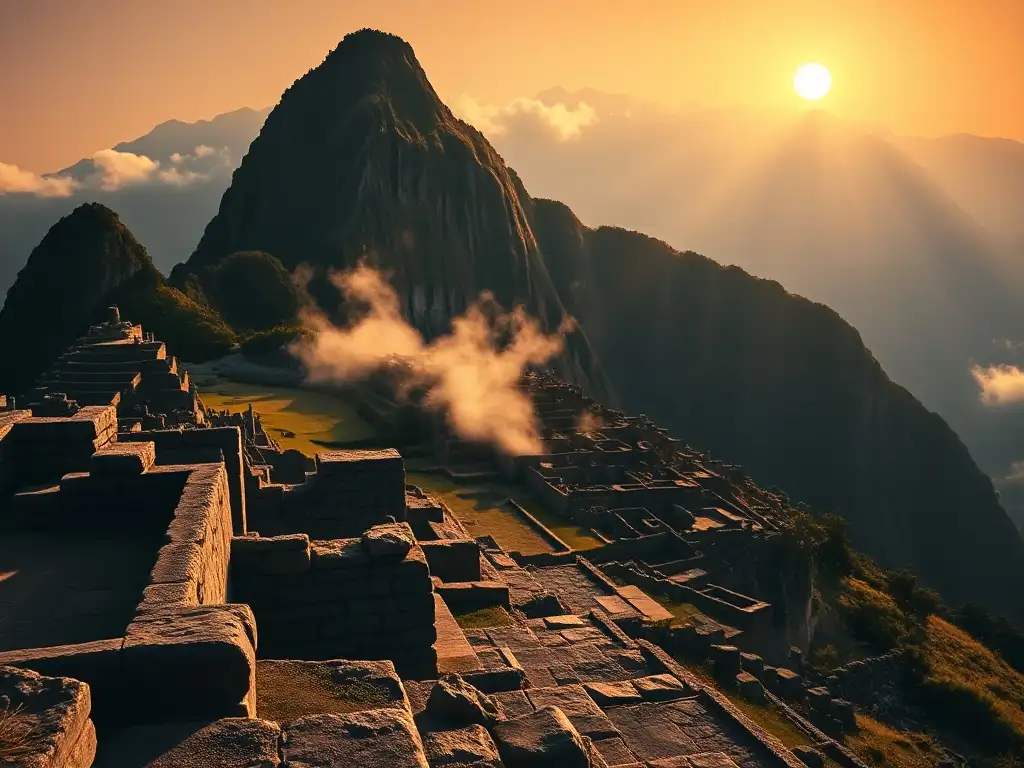
This documentary provides an in-depth look at the iconic citadel of Machu Picchu, exploring its history, construction, and significance within the Inca Empire. It uses a blend of historical analysis, archaeological findings, and stunning visuals to paint a vivid picture of life at Machu Picchu. The documentary goes beyond simply showcasing the beauty of the site, delving into the mysteries surrounding its construction and abandonment.
Expert interviews provide crucial context, weaving together different perspectives and theories. The film effectively uses CGI reconstructions to illustrate how Machu Picchu might have looked in its prime, bringing the past to life for viewers. It’s a captivating journey that combines historical investigation with a visual feast, leaving the viewer with a deeper appreciation for this incredible site and its place in Inca history.
The Mystery of Machu Picchu: How This Documentary Unravels its Secrets
The documentary tackles several key mysteries surrounding Machu Picchu:
- Its Purpose: The documentary explores various theories regarding the intended use of Machu Picchu, considering whether it served as a royal estate, a religious center, or a combination of both. It weighs different archaeological evidence and scholarly interpretations to offer a balanced perspective.
- Its Construction: The documentary delves into the logistical challenges and engineering marvels involved in building Machu Picchu in such a remote and mountainous location. It highlights the Inca's mastery of stonework, terracing, and water management.
- Its Abandonment: The documentary investigates the reasons behind the abandonment of Machu Picchu, considering factors like disease, war, or shifts in Inca political power. It presents various hypotheses and examines the supporting evidence.
Platforms Offering "Machu Picchu: Unlocking the Secrets of the Inca"
[Specific information pending regarding streaming availability. This section requires information on where this documentary can be accessed.]
Why This Documentary Provides Unique Insight into Inca Urban Planning
"Machu Picchu: Unlocking the Secrets of the Inca" offers a unique perspective on Inca urban planning by focusing on a single, exceptionally well-preserved site. The documentary showcases the sophisticated integration of architecture with the natural landscape, highlighting the Inca's understanding of topography and their ability to adapt their constructions to the challenging environment. The meticulous planning evident in the layout of Machu Picchu, from its agricultural terraces to its residential areas and religious structures, provides invaluable insights into Inca urban design principles.
The detailed analysis of the city's infrastructure, including its water management systems and pathways, further illuminates the Inca's engineering prowess and their ability to create a functional and aesthetically pleasing urban environment. The documentary’s focus on a single site allows for a level of detail and analysis not always possible in broader surveys of Inca civilization.
5. "National Geographic: Inca" - A Comprehensive Overview of Inca Life
A Broad Perspective on Inca Civilization: The Strength of this National Geographic Documentary
National Geographic's documentary on the Inca Empire excels in its broad scope, offering viewers a comprehensive overview of Inca life. Unlike documentaries that focus on a narrow aspect, such as military campaigns or specific rulers, "National Geographic: Inca" paints a vivid picture of the Inca civilization's multifaceted nature. The documentary skillfully interweaves narratives about Inca societal structure, agricultural practices, religious beliefs, and artistic achievements. Viewers gain a deep understanding of the intricate network of roads, the sophisticated terrace farming techniques that allowed them to thrive in challenging Andean terrain, and the remarkable feats of engineering evident in their stonework.
The narrative is enhanced by stunning visuals of Machu Picchu and other significant Inca sites, allowing the viewer to appreciate the grandeur of their architectural prowess. Furthermore, the documentary effectively uses interviews with experts and scholars to provide context and analysis, grounding the visuals in robust historical evidence. The use of historical maps and reconstructions aids in visualizing the vast extent of the Inca Empire and the complex logistics involved in managing such a large and diverse population. This holistic approach makes "National Geographic: Inca" an excellent resource for anyone seeking a foundational understanding of this remarkable civilization.
The documentary successfully avoids overwhelming the viewer with excessive detail, instead focusing on key aspects that are crucial to grasping the essence of Inca culture and achievements. This balance between comprehensiveness and accessibility is a key strength of this particular documentary. The filmmakers successfully bridge the gap between academic rigor and engaging storytelling, making Inca history accessible and captivating for a wide audience.
Where to Purchase or Stream "National Geographic: Inca"
Locating "National Geographic: Inca" may require some searching, as its availability varies depending on your region and preferred streaming platforms. Many National Geographic documentaries are available through their own streaming service, offering a subscription-based access to a vast library of content. Checking their official website is the first step to see if it is currently in their catalog. Alternatively, you might find it on other major streaming services like Amazon Prime Video, Apple TV+, or even YouTube, though availability can fluctuate.
It's also worth checking with local libraries and educational institutions, as they often stock documentary collections. Finally, purchasing a physical copy might be an option, though this may be more challenging for older documentaries. Remember to always check reviews and ratings before committing to a purchase or subscription to ensure the quality and accuracy of the documentary you choose aligns with your expectations regarding Inca empire documentaries.
Why This Documentary is Ideal for Beginners Exploring Inca History
For those just beginning their exploration of Inca history, "National Geographic: Inca" offers an unparalleled introduction. Its clear and concise narrative avoids overwhelming viewers with excessive technical jargon or complex historical debates. Instead, it focuses on presenting a captivating overview of the Inca Empire's key aspects, making it easily digestible for newcomers. The visually stunning imagery of Inca ruins and artifacts brings the history to life, fostering a greater sense of connection and engagement.
The documentary also provides a solid foundation for further exploration. After watching "National Geographic: Inca," viewers will have a clear understanding of the major themes and events, equipping them to delve deeper into specific areas that particularly interest them. The documentary serves as a perfect springboard for more in-depth research, encouraging further exploration of Inca history through books, articles, and specialized documentaries.
Its balanced approach and accessible style make it an ideal starting point for anyone intrigued by the Inca Empire and its enduring legacy. The engaging narrative and high-quality production values ensure that learning about the Inca civilization is both informative and enjoyable, encouraging continued interest in this fascinating subject. In short, it's an excellent entry point into the world of Inca empire documentaries.
How to Choose the Right Inca Documentary for You
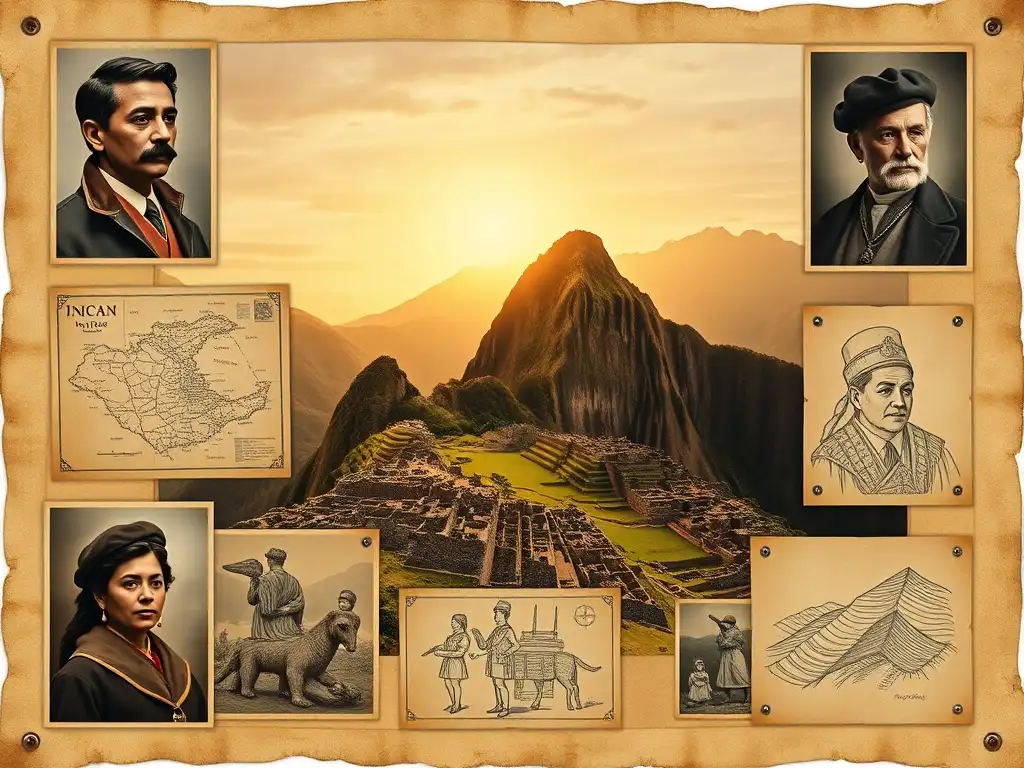
Choosing the perfect Inca empire documentary can feel overwhelming, given the sheer volume of content available. To navigate this, a strategic approach is key. This section helps you pinpoint documentaries that truly resonate with your interests and learning style. We'll explore how to identify the ideal fit based on your specific preferences regarding Inca history, ensuring you maximize your viewing experience and deepen your understanding of this fascinating civilization.
Understanding Your Interests: Focusing on Specific Aspects of Inca History
Before diving into the world of Inca empire documentaries, consider what specifically captivates you about the Inca civilization. Are you fascinated by the intricacies of their social structures? Perhaps the ingenuity of their agricultural techniques, like the terracing systems that transformed Andean landscapes, holds your attention. Or maybe the religious beliefs and practices of the Inca, including their elaborate ceremonies and intricate mythology, are what pique your curiosity. Perhaps you are especially interested in the Inca military, their expansionist policies, and the battles they fought.
Identifying these specific interests allows for a targeted search. For example, if you're primarily interested in Inca engineering, you'll want to look for documentaries that showcase the architectural marvels of Machu Picchu, the sophisticated road networks, or the impressive irrigation systems. Conversely, if your interest lies in the Inca's political organization and social hierarchy, you should prioritize documentaries focusing on the Sapa Inca, the imperial administration, and the roles of different social classes.
Think about it: Do you want to understand the Inca's daily life? Their artistic achievements? Their eventual downfall and the Spanish conquest? Pinpointing these specific areas of interest will significantly narrow your options and lead you to the most rewarding viewing experience.
Comparing Documentary Styles: From Recreations to Archaeological Analysis
Inca empire documentaries vary significantly in their approach and style. Some rely heavily on dramatic recreations, bringing the Inca world to life through actors and CGI. While visually engaging, these recreations should be viewed critically, as they sometimes prioritize storytelling over strict historical accuracy. It's crucial to evaluate the documentary's sourcing and methodology to assess the reliability of its portrayal of Inca life.
Other documentaries prioritize a more academic approach, focusing on archaeological evidence, expert analysis, and scholarly interpretations. These documentaries may be less visually spectacular but offer a deeper and more rigorous exploration of the Inca civilization. They often present conflicting interpretations of the evidence, highlighting the ongoing debate and research surrounding Inca history. Think about your preferred learning style: Do you learn better through engaging visuals or through detailed analysis and scholarly discussion?
Consider also the use of primary sources. Some documentaries may incorporate excerpts from Inca texts (where available), or analyze artifacts and structures, providing a more grounded and direct connection to the past. Others might focus exclusively on secondary sources and modern interpretations. The balance between visual storytelling and academic rigor is an important factor in choosing the right documentary for you.
Budget Considerations: Exploring Options for Streaming or Purchasing Documentaries
The cost of accessing Inca empire documentaries varies considerably. Many are available through streaming services, offering convenient access at a subscription fee. These services often have a wide selection, allowing you to explore various documentaries before committing to a purchase. However, the specific documentaries available on a given platform can change frequently.
Alternatively, some documentaries are available for individual purchase, either digitally or on physical media like DVD or Blu-ray. This option offers more permanence but typically involves a higher upfront cost. Purchasing a documentary might be a better choice if you plan to revisit it frequently or if you prefer to own a physical copy of your favorite historical content.
Weigh the convenience and cost-effectiveness of streaming against the permanence and potential higher quality of a purchased copy to determine the best option for your budget and viewing habits. Consider also the availability of subtitles or closed captions if needed for accessibility.
Further Exploration: Beyond the Screen
This section delves into resources that extend your understanding of the Inca Empire beyond the captivating visuals of documentaries. We'll explore supplementary reading material and opportunities to engage with the Inca legacy in person.
Books and Resources on the Inca Empire: Complementing Your Documentary Experience
Documentaries offer a dynamic introduction to the Inca empire, but a deeper dive requires dedicated study. Several excellent books provide detailed insights into various aspects of Inca civilization, from their sophisticated agricultural techniques to their complex social structures. These resources can enrich your understanding of the topics explored in your chosen Inca empire documentaries.
To truly grasp the intricacies of Inca life, consider exploring books focusing on specific aspects of their civilization. For example, 1492: The Year the World Began by Felipe Fernández-Armesto offers a broader context, placing the Inca empire within the framework of global history. Alternatively, a more focused approach can be found in books dedicated solely to Inca history, architecture, or social organization. Look for titles that incorporate archaeological findings and scholarly interpretations to gain a comprehensive understanding.
For a more accessible introduction, consider books designed for younger audiences. These often employ engaging storytelling techniques that can make complex historical information more digestible. Such books can serve as a wonderful springboard to more advanced readings, particularly for those new to the topic of Inca history and culture.
The sheer volume of available literature presents a challenge. To navigate this effectively, utilize online resources such as library catalogs and academic databases. These tools allow for targeted searches using keywords like "Inca agriculture," "Inca social structures," or "Inca astronomy," enabling you to find resources specifically addressing your areas of interest. Remember, exploring various perspectives and interpretations is crucial for a well-rounded understanding of this fascinating civilization. Don't limit yourself to a single author or viewpoint.
Travel Opportunities to Inca Sites: Experiencing the Inca Legacy Firsthand
Viewing Inca empire documentaries is a fantastic way to begin your journey into the past, but nothing compares to experiencing the grandeur of Inca sites firsthand. Traveling to Peru and other regions where the Inca Empire thrived offers an unparalleled opportunity to connect with this remarkable civilization on a deeper level.
The iconic Machu Picchu, a breathtaking mountaintop citadel, is a must-see for any Inca enthusiast. Its stunning architecture and captivating setting evoke a sense of wonder and awe. However, Machu Picchu is only one piece of a much larger puzzle. Exploring other Inca sites, such as Sacsayhuamán, Qenqo, Puka Pukara, and Tambomachay (the Sacred Valley sites near Cusco), reveals a more complete picture of Inca ingenuity and urban planning. These sites offer a tangible connection to the past, allowing you to walk amongst the very stones that formed the foundation of this remarkable empire.
Planning your trip requires careful consideration. Researching the best time to visit, securing accommodations, and arranging transportation are essential steps. Many tour operators specialize in Inca trail treks and guided tours, providing expert insights and logistical support. These guided experiences can significantly enhance your understanding and appreciation of the sites. However, independent travel is also possible, providing a greater degree of flexibility and personal discovery. Remember to respect the sites and their historical significance.
To further broaden your understanding of the Andean world and its civilizations, explore other articles on this website. You can delve deeper into the fascinating histories of the Moche, Nazca, and Tiahuanaco cultures, uncovering their unique contributions to the rich tapestry of Andean civilization. These articles offer a comparative perspective, highlighting the similarities and differences between the Inca Empire and its predecessors.
They may also provide further context for understanding the enduring legacy of the Inca empire within the broader Andean cultural landscape. Exploring these related articles will enrich your knowledge and deepen your appreciation for the complexities and diversity of ancient Andean societies. Consider searching for articles focused on Andean art, technology, or religious practices to gain a truly holistic understanding of these captivating cultures.
Frequently Asked Questions
What documentaries are recommended for learning about the Inca Empire?
Several excellent documentaries explore the Inca Empire. Look for films focusing on Inca architecture, social structures, and agricultural techniques. Many are available on streaming services.
How accurate are documentaries about the Inca Empire?
Documentary accuracy varies. Some prioritize dramatic storytelling over strict historical accuracy. It's best to consult multiple sources and cross-reference information to get a well-rounded view.
What aspects of Inca life do documentaries typically cover?
Documentaries often highlight Inca daily life, religious practices, military achievements, and the impact of Spanish conquest. They may also explore the legacy of the Inca Empire on modern Peru and South America.
Where can I find Inca Empire documentaries?
Many documentaries are available on streaming platforms like Netflix, Amazon Prime, and YouTube. You can also find them on educational channels and through historical archives. Searching for "Inca Empire documentaries" will yield many results.
Are there documentaries specifically about Inca technology and engineering?
Yes, several documentaries showcase the remarkable engineering feats of the Inca, including their road systems, irrigation techniques, and stonework. These films often highlight the sophistication of Inca technology.
Final Reflection: Echoes of the Andes: A Legacy Woven in Time
The enduring fascination with the Inca Empire isn't just historical curiosity; it's a powerful reflection of our own ongoing struggles with power, resilience, and the enduring impact of civilization. The documentaries explored here offer more than just captivating visuals; they provide crucial windows into understanding the complexities of a vanished world and its surprisingly relevant echoes in our own. They force us to confront questions of colonialism, cultural preservation, and the very definition of progress.
The Inca legacy continues to shape the cultural and social landscape of South America, influencing everything from indigenous rights movements to tourism and archaeological research. The sheer scale of their achievements, even in the face of devastating conquest, remains awe-inspiring. The Inca were not simply builders of cities, but architects of a society that spanned vast distances and diverse environments.
This quote encapsulates the profound impact of their ingenuity and organizational prowess, an impact that resonates even today as we grapple with issues of sustainability and equitable development. Their story serves as a potent reminder of the fragility of even the most powerful empires and the importance of preserving cultural heritage.
Consider the stories you've encountered in these documentaries. Think about the resilience of the Inca people, their sophisticated understanding of their environment, and the enduring strength of their traditions. Let their legacy inspire you to explore your own heritage, to appreciate the complexities of history, and to advocate for the preservation of cultures both ancient and modern. The Inca's story is not just a story of the past; it is a story that continues to unfold, a story that invites us to participate in its ongoing narrative.
**Unveil the Rich Legacy of the Incas! **
Thank you for exploring the fascinating history of the Inca Empire with us! We hope you've gained valuable insights into their enduring legacy. Now, it's your turn to delve deeper into this incredible civilization and help preserve its memory.
Here are some ways you can get involved:
- **Watch** one of the many documentaries available to immerse yourself in Inca culture and history.
- **Share your discoveries** on social media using the hashtag #IncaLegacy, and connect with others who share your passion for Andean history.
- **Join a community** dedicated to ancient cultures—either online or in person—to engage with others interested in this topic.
What aspect of the Inca legacy intrigues you most, and how will you explore it further? Share your thoughts in the comments!