
The Moche and Climate Change: Adapting to Environmental Shifts

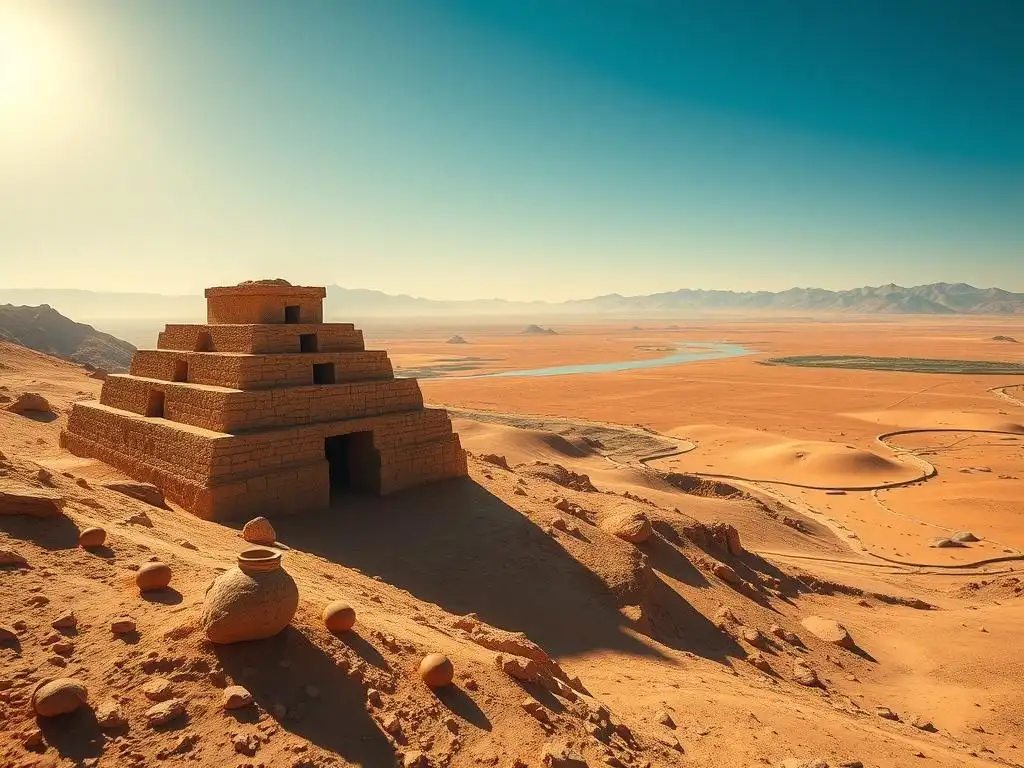
Step into a world lost to time, yet echoing with the ingenuity of a remarkable people. Discover the Andean Civilizations, where vibrant cultures thrived amidst challenging landscapes. But what happened when the very environment they mastered turned against them? Uncover the secrets of the Moche civilization's struggle against climate change and learn how they adapted – or failed to – in the face of environmental upheaval. Their story is a compelling testament to human resilience and a cautionary tale for our own times. Dive in and explore!
- Moche Civilization: Climate Change Impacts and Adaptations
- The Moche and Environmental Challenges: Introduction
- Moche Civilization Climate Change Impacts: Evidence and Analysis
- Moche Adaptation Strategies: Responding to Environmental Changes
- The Role of Moche Art and Iconography in Understanding Climate Change
- Long-Term Effects of Climate Change on the Moche Civilization
- Lessons from the Moche: Climate Change and Resilience
- Conclusion: The Moche and the Enduring Relevance of Climate Change
-
Frequently Asked Questions
- How did climate change affect the Moche civilization?
- What agricultural techniques did the Moche use to adapt to climate change?
- Did the Moche have any evidence of societal responses to climate events?
- How did the Moche's technology help them cope with climate change?
- What can we learn from the Moche's experience with climate change?
- Final Reflection: Echoes of the Moche: Climate Change's Timeless Lesson
- Embrace Change: Take Action for a Sustainable Future!
Moche Civilization: Climate Change Impacts and Adaptations
The Moche civilization, flourishing along the arid northern coast of Peru from approximately 100 CE to 800 CE, stands as a testament to human ingenuity and adaptability. This article delves into the significant impacts of climate change on the Moche and explores the remarkable strategies they employed to survive and thrive in a challenging and volatile environment.
Understanding their resilience offers valuable insights into the complex interplay between human societies and environmental pressures, particularly relevant in our current era of accelerating climate change. We will examine how fluctuating weather patterns, including droughts and El Niño events, influenced their agricultural practices, societal structures, and ultimately, their societal trajectory.
The Moche's sophisticated understanding of their environment and their innovative solutions provide a compelling case study for understanding past climate change impacts and informing future strategies for sustainability. This exploration will unpack the evidence revealing the challenges faced and the impressive adaptations undertaken by the Moche in the face of environmental adversity.
Evidence of Climate Variability During the Moche Period
The Moche period witnessed significant climatic fluctuations. Archaeological evidence, including changes in settlement patterns and agricultural techniques, points to periods of both drought and intense rainfall. Sedimentary analysis of river deposits and coastal areas reveals shifts in sediment composition and grain size, indicative of changes in river flow and intensity of precipitation. Furthermore, isotopic analysis of Moche remains provides insights into dietary changes and potential resource stress during periods of environmental instability.
These data, when combined, paint a picture of a dynamic environment that required constant adaptation from the Moche people. For example, [specific data on isotopic analysis showing dietary shifts pending], which would provide strong evidence for resource scarcity during certain periods. Further research into [specific location of sediment analysis pending] could further illuminate the frequency and intensity of extreme weather events.
Agricultural Adaptations to Climate Change
The Moche were renowned for their sophisticated irrigation systems, a testament to their understanding of water management. Their ability to harness water resources from rivers and streams, even during periods of drought, was crucial to their survival. This involved the construction of extensive canal networks, reservoirs, and terraces, allowing them to cultivate crops efficiently even in arid conditions. The development of these elaborate systems not only secured their food supply but also allowed for the support of a large and complex society.
Evidence suggests that they also employed diverse agricultural strategies, including the cultivation of drought-resistant crops and the use of raised fields to improve drainage and water retention. The efficiency of their systems is evident in the scale of their agricultural production, capable of supporting a population estimated at [population estimate pending]. The ingenuity of their methods is a remarkable example of human adaptation to a challenging climate.
Societal Responses to Environmental Stress
Climate variability likely influenced the social and political organization of the Moche. Periods of drought might have led to increased competition for resources, potentially impacting social hierarchies and political structures. [Specific examples of societal changes observed in archaeological findings pending]. However, the Moche also demonstrated remarkable resilience, adapting their social structures and governance systems to mitigate the effects of environmental stress.
The centralized nature of their society, with its powerful rulers and complex administrative system, may have played a crucial role in coordinating resource management and responding to environmental challenges. The construction of monumental architecture, such as their impressive pyramids and temples, could have served as a symbol of their ability to overcome adversity and maintain social cohesion during times of environmental uncertainty. The scale and complexity of these projects suggest a high degree of social organization and control over resources.
The Legacy of Moche Adaptation
The Moche civilization's experience offers valuable lessons for understanding the impacts of climate change on human societies. Their sophisticated water management techniques, agricultural innovations, and adaptive social structures provide a compelling example of how humans can respond to environmental challenges. Their legacy underscores the importance of proactive planning, flexible governance, and technological innovation in mitigating the effects of climate change.
By studying their methods, we can gain valuable insights into building more resilient communities capable of thriving in an increasingly uncertain environment. Furthermore, the Moche's story highlights the crucial role of environmental awareness and sustainable practices in long-term societal success. Their story serves as a powerful reminder of the interconnectedness between human societies and the natural world, and the importance of understanding and adapting to environmental change.
The Moche and Environmental Challenges: Introduction
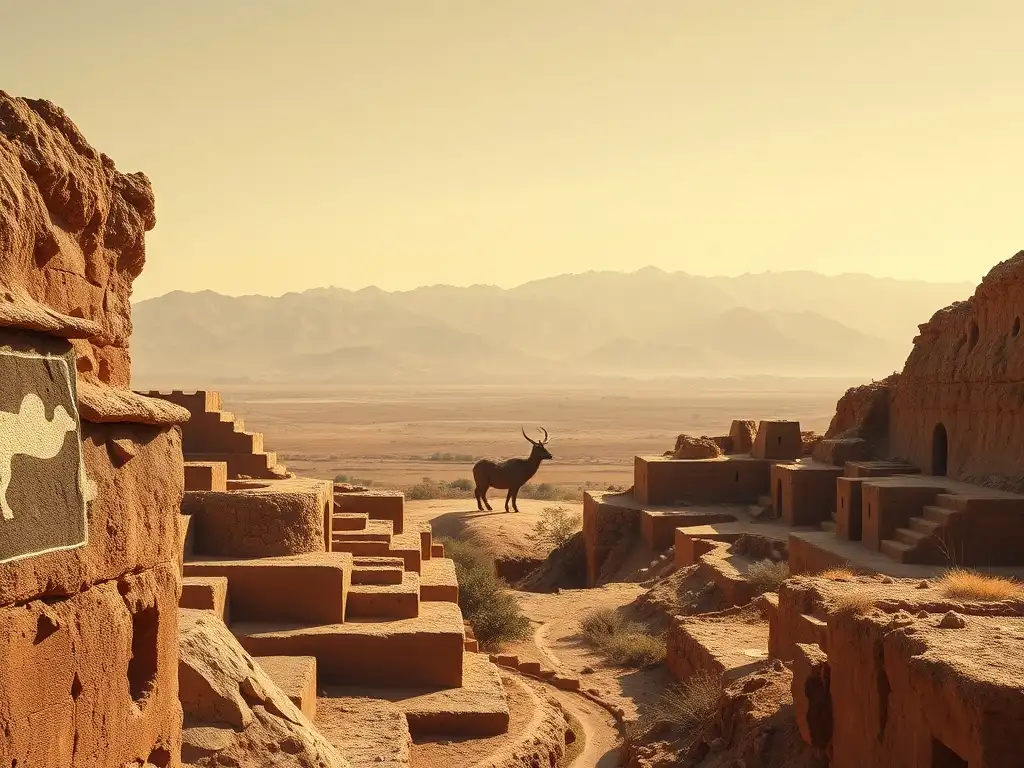
The Moche civilization, flourishing along the arid northern coast of Peru from approximately 100 CE to 800 CE, stands as a testament to human ingenuity and adaptability. While renowned for their sophisticated irrigation systems, intricate ceramics, and impressive monumental architecture, a less-explored aspect of their success lies in their ability to navigate and adapt to the significant environmental challenges posed by the volatile coastal climate.
Understanding the Moche civilization climate change impacts requires examining the interplay between their societal structures, agricultural practices, and the fluctuating environmental conditions they faced. This section will delve into the specific climatic pressures the Moche encountered and the strategies they employed to ensure their survival and prosperity.
The impact of these environmental pressures on their social structures and technological advancements will be explored in detail, revealing a civilization remarkably resilient in the face of adversity. We will investigate how the Moche's understanding and management of their environment contributed to their remarkable achievements and long-term success.
Understanding the Moche Culture and its Context
The Moche civilization was not a monolithic entity. Rather, it encompassed a complex network of interconnected settlements and communities, each adapting to the unique environmental conditions of its specific location. Their society was highly stratified, with a powerful elite controlling resources and religious practices. This elite, depicted in elaborate ceramics and monumental architecture, played a crucial role in managing water resources and organizing agricultural production.
The Moche economy was heavily reliant on agriculture, particularly the cultivation of maize, beans, squash, and cotton. Their mastery of irrigation, evidenced by the extensive canal systems that crisscrossed the desert landscape, was essential for sustaining their population and supporting their complex social structure. However, this reliance on agriculture made them acutely vulnerable to fluctuations in rainfall and the El Niño Southern Oscillation (ENSO), a climate pattern that continues to impact the region today.
The Moche's understanding of these patterns, albeit implicitly, is crucial to understanding their remarkable capacity for adaptation. Studying their settlements, agricultural techniques, and artistic representations provides valuable insights into how they perceived and responded to environmental variability. For example, evidence suggests that they developed sophisticated techniques for water storage and management, anticipating and mitigating the effects of droughts.
The Significance of Climate in Moche Society
Climate played a paramount role in shaping Moche society, influencing everything from their agricultural practices to their religious beliefs. The coastal desert environment, characterized by extreme aridity and unpredictable rainfall, presented significant challenges. The Moche relied heavily on the huachacas, underground channels that collected and distributed water from infrequent rainfall and fog. Their agricultural success depended entirely on these systems and their ability to predict and manage water resources.
Periods of drought could have devastating consequences, potentially leading to crop failure, famine, and social unrest. Conversely, excessive rainfall or El Niño events could cause catastrophic flooding, destroying crops and infrastructure. Analyzing the Moche's ceramic artifacts reveals compelling evidence of their awareness of these climatic variations. Depictions of floods, droughts, and other natural phenomena suggest that these events were deeply embedded in their worldview and religious practices.
Furthermore, the construction of monumental structures, such as the Huaca del Sol and Huaca de la Luna, might have served not only as religious centers but also as repositories of knowledge and resources, crucial for community resilience during periods of environmental stress. The intricate details in their artwork, depicting both bountiful harvests and devastating floods, underscore the importance of environmental factors in their daily lives and spiritual beliefs. Further research into sedimentary records and paleoclimatological data is crucial to fully understanding the specific climatic events that impacted the Moche and their responses. This interdisciplinary approach will provide a more comprehensive picture of the Moche civilization climate change impacts and their sophisticated adaptation strategies.
Moche Civilization Climate Change Impacts: Evidence and Analysis
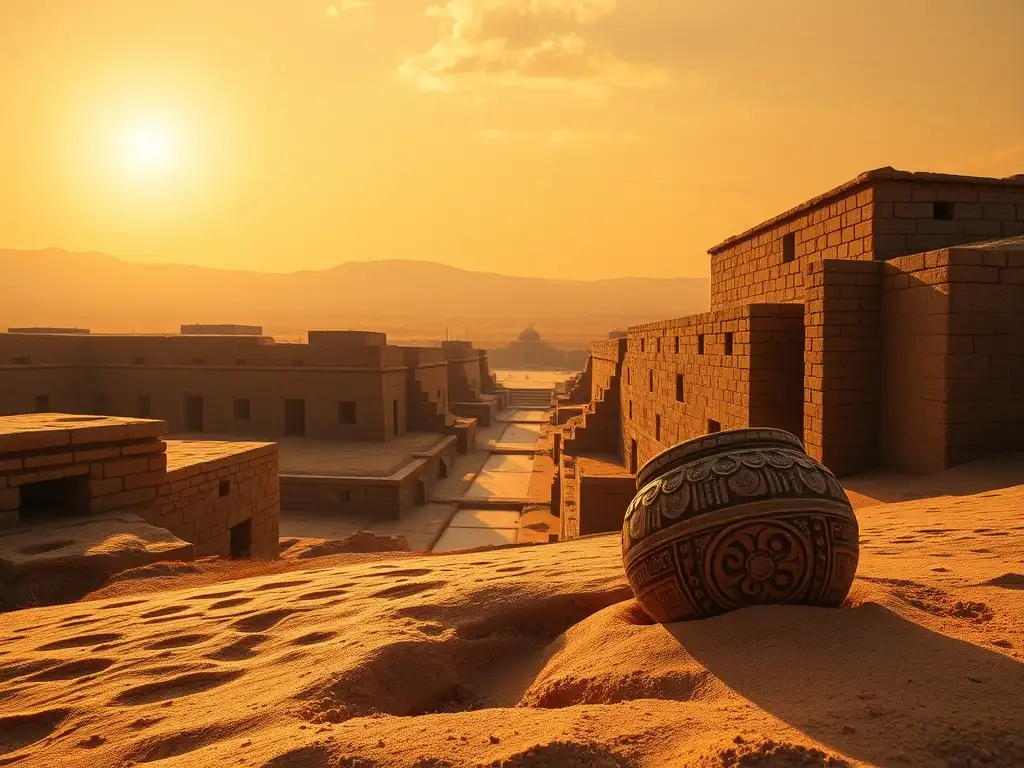
The Moche civilization (c. 100-800 CE), flourishing along the arid north coast of Peru, developed sophisticated strategies to cope with a naturally volatile climate. Understanding the impacts of climate change on the Moche requires careful analysis of archaeological evidence, revealing the extent to which environmental shifts influenced their societal structures, agricultural practices, and settlement patterns. The phrase "Moche civilization climate change impacts" encapsulates the core theme of this investigation, highlighting the civilization's remarkable resilience in the face of environmental challenges.
Archaeological Evidence of Environmental Shifts
Archaeological findings provide compelling evidence of environmental fluctuations during the Moche period. Analysis of sediment cores from coastal regions reveals shifts in vegetation patterns, indicating periods of both increased aridity and, conversely, periods of higher rainfall. These shifts are corroborated by the presence of varying types of pollen and diatoms in the sediment layers, providing a detailed chronological record of environmental changes.
For example, a decrease in the pollen of drought-resistant plants during certain periods suggests increased rainfall, while the opposite indicates periods of severe drought. Furthermore, isotopic analysis of human remains can reveal dietary shifts potentially linked to environmental pressures, such as a decrease in marine resources during periods of El Niño events.
The meticulous study of these layers offers a nuanced perspective on the dynamic interplay between the Moche and their environment, demonstrating the challenges they faced and the adaptive strategies they employed. The presence of specific artifacts, such as irrigation canals and storage facilities, also suggests proactive measures taken to mitigate the impacts of unpredictable weather patterns.
El Niño Events and their Impact on Moche Agriculture
El Niño-Southern Oscillation (ENSO) events, characterized by unusually warm ocean temperatures and altered weather patterns, significantly impacted the Moche agricultural system. These events, occurring irregularly, brought periods of intense rainfall and flooding, followed by prolonged droughts. The Moche, however, demonstrated remarkable adaptability.
Their sophisticated irrigation systems, including intricate canals and reservoirs, allowed them to manage water resources effectively during both periods of surplus and scarcity. Evidence suggests that they may have developed different agricultural strategies depending on the anticipated climatic conditions, possibly cultivating drought-resistant crops during periods of predicted low rainfall. However, the impact of unusually severe El Niño events is evident in archaeological sites, showing evidence of damaged infrastructure and potential disruptions in food production.
The analysis of ancient Moche agricultural practices reveals a complex interplay between human ingenuity and environmental constraints, reflecting a deep understanding of their environment and an ability to adapt to its unpredictable nature. Understanding this relationship is crucial for interpreting the full impact of climate variability on the Moche civilization.
Changes in Moche Settlement Patterns Due to Climatic Variations
Climatic variations significantly influenced Moche settlement patterns. During periods of increased rainfall and agricultural productivity, population density likely increased, leading to the expansion of existing settlements and the establishment of new ones. Conversely, periods of drought likely led to population decline and the abandonment of less productive settlements.
Archaeological surveys reveal a dynamic pattern of settlement growth and decline throughout the Moche period, correlating with the identified periods of environmental change. This is evidenced by the size and complexity of sites, the presence or absence of irrigation infrastructure, and the types of artifacts found in different layers. For instance, during periods of prolonged drought, there's evidence suggesting a shift towards coastal settlements, potentially in search of alternative resources.
This highlights the Moche's capacity for adaptation and their ability to reorganize their societal structures in response to environmental challenges. The study of Moche settlement patterns therefore offers valuable insights into the complex relationship between climate, resources, and societal organization within this remarkable civilization. Further research, including more detailed paleoclimatic reconstructions and high-resolution spatial analyses of settlement distribution, is needed to fully understand the intricate nuances of this dynamic relationship.
Moche Adaptation Strategies: Responding to Environmental Changes
The Moche civilization, flourishing along the arid northern coast of Peru from approximately 100 CE to 800 CE, faced significant challenges posed by a highly variable climate. Their survival hinged on sophisticated adaptation strategies that allowed them to thrive despite recurring droughts, floods, and El Niño events. Understanding these strategies offers crucial insights into the resilience of this remarkable civilization and provides valuable lessons for contemporary societies grappling with the impacts of climate change. The keyword phrase "Moche civilization climate change impacts" is central to understanding their ingenuity and resourcefulness in the face of environmental adversity.
Moche Water Management Techniques: Canals and Irrigation Systems
The Moche's success was intrinsically linked to their mastery of water management. Their arid environment demanded innovative solutions for capturing, storing, and distributing scarce water resources. Elaborate canal systems, some stretching for kilometers, channeled water from rivers and ephemeral streams to irrigate agricultural lands.
These canals weren't simply ditches; they were sophisticated engineering feats, incorporating features like reservoirs, aqueducts, and diversion structures to optimize water flow and prevent erosion. Evidence suggests the Moche understood the importance of maintaining these systems, regularly undertaking repairs and improvements. The scale and complexity of their irrigation networks are testament to their advanced understanding of hydrology and their capacity for collective action.
Precise details on the specific materials and construction techniques used in different regions require further research, but archaeological findings consistently point to a high level of engineering skill. The effectiveness of their water management is reflected in the productivity of their agriculture, which supported a substantial population. The impact of climate change on water availability would have severely challenged the Moche, highlighting the crucial role of their water management systems in mitigating these impacts.
Moche Agricultural Innovations: Crop Diversification and Terracing
The Moche didn't rely on a single crop; instead, they practiced crop diversification, cultivating a range of plants adapted to different environmental conditions. This strategy minimized the risk of complete crop failure due to drought or other climatic events. Archaeological evidence reveals cultivation of maize, beans, squash, cotton, and various other crops.
Furthermore, they employed sophisticated terracing techniques on hillsides to create level plots for agriculture, increasing arable land and optimizing water usage. Terracing also helped to reduce soil erosion and prevent runoff, crucial in a region prone to flash floods. The precise techniques used in terracing varied depending on the topography, with some terraces being built using stone walls and others utilizing earthworks.
Detailed studies of Moche agricultural practices are ongoing, but initial findings suggest a sophisticated understanding of soil types, plant needs, and water management principles. The impact of climate change on agricultural yields would have been lessened by their diversification and terracing techniques.
Moche Resource Management: Adapting to Scarcity
Beyond water and agriculture, the Moche demonstrated remarkable resourcefulness in managing other scarce resources. Their coastal location provided access to marine resources, which played a vital role in their diet and economy. Evidence suggests a well-developed fishing industry, with specialized tools and techniques for catching a variety of fish and shellfish.
The Moche also managed their forests sustainably, using wood for construction and fuel, while minimizing deforestation. Their ability to adapt to scarcity is reflected in their art and iconography, which often depicts themes of abundance and fertility, perhaps reflecting both their aspirations and the challenges they faced in a resource-constrained environment. Further research is needed to fully understand the extent of their resource management practices and their effectiveness in mitigating the impacts of climate change.
However, the evidence suggests a sophisticated understanding of ecological principles and a commitment to sustainable practices. The impact of climate change on the Moche's resource availability underscores the importance of their adaptive strategies in ensuring the survival of their civilization.
The Role of Moche Art and Iconography in Understanding Climate Change
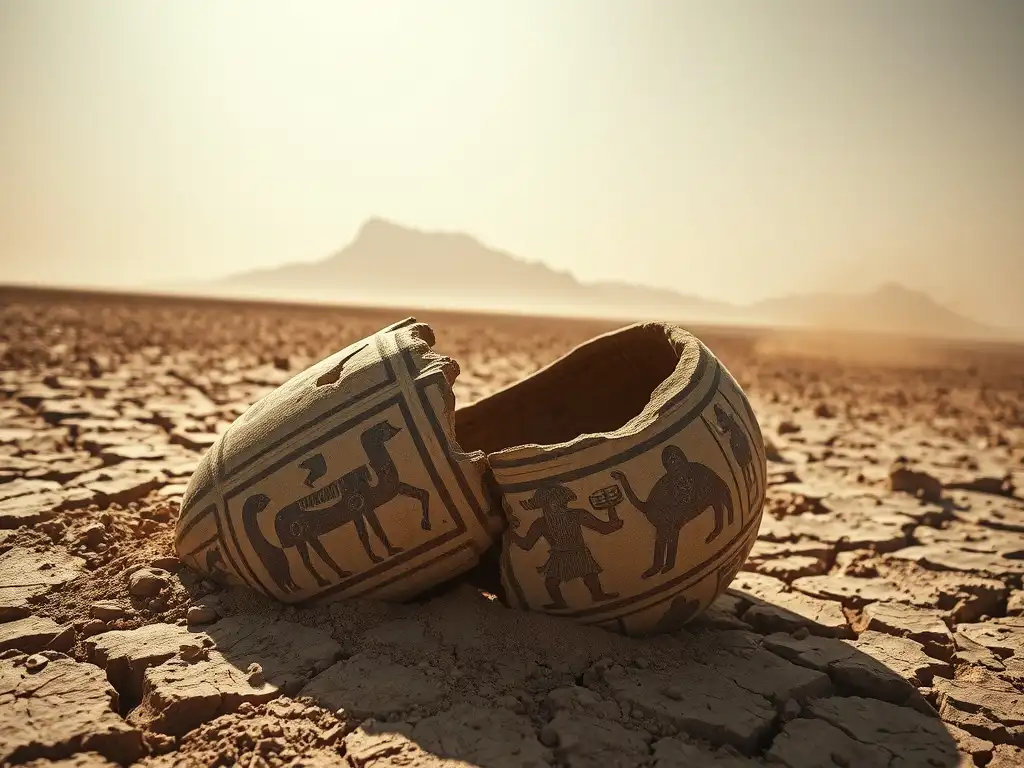
The Moche civilization, flourishing along the arid northern coast of Peru from approximately 100 to 800 CE, developed sophisticated strategies for adapting to a challenging and variable climate. Their remarkable artistic output, particularly in ceramics and metalwork, offers invaluable insights into their understanding and response to environmental shifts.
Analyzing Moche art allows us to reconstruct their perception of climate change impacts and their methods of coping with its consequences, providing a unique perspective on the interplay between human society and environmental fluctuations. Studying the Moche civilization climate change impacts through their art reveals a nuanced picture of their resilience and adaptability.
Artistic Representations of Environmental Phenomena
Moche artists meticulously depicted various aspects of their environment, including flora, fauna, and weather patterns. These depictions are not merely aesthetic; they often convey symbolic meaning related to environmental conditions and agricultural cycles. For instance, the frequent portrayal of marine life, such as fish, seabirds, and marine mammals, alongside agricultural scenes, suggests a close relationship between the ocean and agricultural productivity.
Changes in the frequency or style of these depictions across different periods might reflect shifts in marine resources availability, perhaps linked to El Niño events or long-term climatic changes impacting the upwelling of nutrient-rich waters. Furthermore, the presence or absence of specific plant species in Moche art could indicate variations in agricultural yields due to rainfall fluctuations or changes in temperature.
The detailed renderings of storms, floods, and droughts, albeit infrequent, serve as powerful evidence of their awareness of extreme weather events and their potential impact on their society. Analyzing these artistic representations allows for a deeper understanding of the Moche civilization climate change impacts on their daily life.
Moche Ceramics and their Connection to Natural Cycles
Moche ceramics, renowned for their intricate detail and vibrant colors, frequently feature depictions of agricultural practices and environmental phenomena. The prevalence of specific motifs, such as maize cobs, cotton plants, and various types of fish, provides clues about the importance of agriculture and marine resources in their economy.
Variations in the depiction of these resources across different ceramic styles and time periods could reflect changes in agricultural productivity and resource availability, potentially linked to climatic variations. For example, a decline in the representation of certain crops could suggest a period of drought or reduced agricultural yields.
Conversely, an increase in the depiction of marine life might indicate a greater reliance on marine resources during periods of agricultural hardship. The careful study of Moche ceramics allows researchers to piece together a timeline of environmental changes and their impact on Moche society, offering a compelling narrative of adaptation and resilience in the face of Moche civilization climate change impacts.
Religious Beliefs and Responses to Climate Variability
The Moche religion played a crucial role in their response to climate variability. Their deities and rituals often reflected their dependence on environmental resources and their concern for maintaining ecological balance. Evidence suggests that Moche rituals aimed to ensure abundant harvests and favorable weather conditions.
The depiction of deities associated with water, agriculture, and the sea in their art underscores the significance of these elements in their worldview. Changes in the prominence of certain deities or ritual practices across different time periods might reflect shifts in environmental conditions and the Moche’s adaptive strategies. For instance, an increase in rituals dedicated to rain deities during periods of drought would suggest a direct response to climatic stress.
Analyzing religious practices and beliefs provides crucial context for understanding how the Moche interpreted and responded to Moche civilization climate change impacts, revealing the intricate relationship between their spiritual life and their adaptation to environmental challenges. Further research into specific rituals and their correlation with documented climatic events is needed to solidify these interpretations.
Long-Term Effects of Climate Change on the Moche Civilization
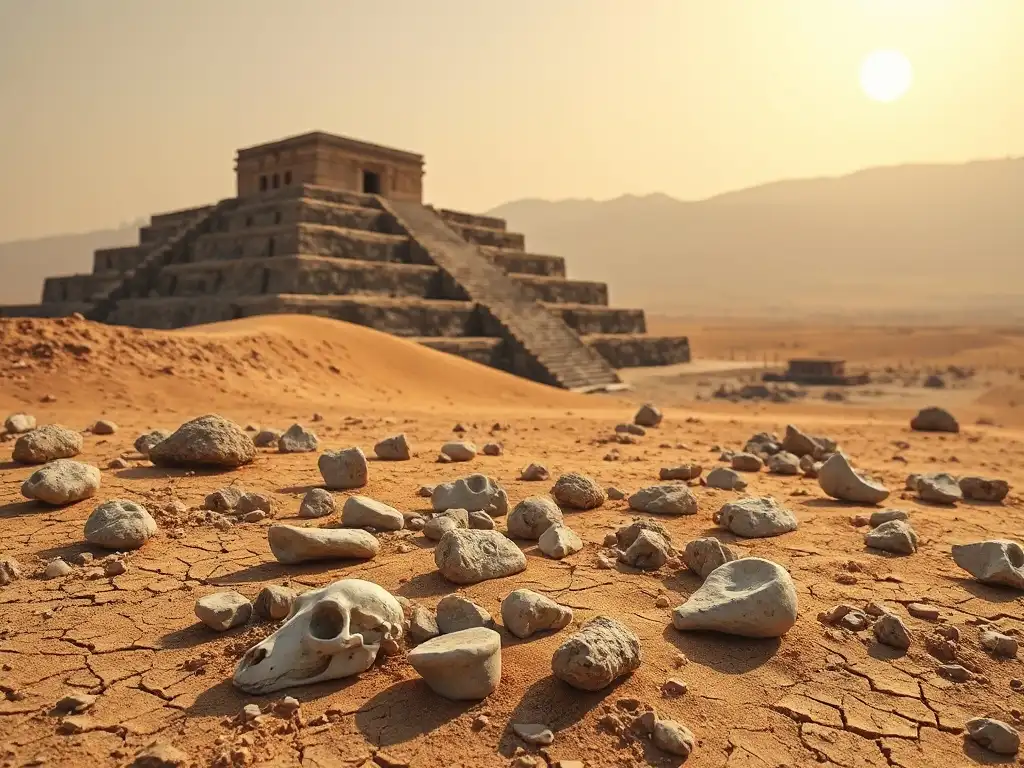
The Moche civilization, flourishing along the arid northern coast of Peru from approximately 100 to 800 CE, faced significant challenges posed by climate variability. While their sophisticated irrigation systems and agricultural practices allowed for remarkable prosperity during periods of relative climatic stability, prolonged droughts and El Niño events had profound and lasting consequences, impacting every facet of their society. Understanding these long-term effects allows us to better appreciate the resilience and adaptability of the Moche, but also the limitations of even the most advanced ancient technologies in the face of extreme environmental change.
The impact of climate change on the Moche civilization wasn't a single event, but a series of stressors that ultimately contributed to the civilization's transformation. Analyzing these impacts reveals crucial insights into the complex interplay between environment and society. The keyword "Moche civilization climate change impacts" is central to understanding this complex relationship.
The Decline of Moche Power and Climate Instability
Evidence suggests a correlation between periods of intense drought and the decline of Moche power. Archaeological findings, such as shifts in settlement patterns and a decrease in the scale of monumental architecture, point towards a weakening of centralized authority during times of environmental stress. For example, the reduced size and complexity of later-period Moche sites, coupled with a decrease in the quality and quantity of elite grave goods, indicates a decline in economic productivity and social stratification.
This wasn't a sudden collapse, but rather a gradual erosion of power, likely exacerbated by the cumulative effects of repeated climatic shocks. The Moche's sophisticated irrigation systems, while remarkably effective, were not immune to prolonged droughts. The inability to consistently provide sufficient water for agriculture led to food shortages, social unrest, and ultimately, a weakening of the state's ability to maintain control.
Analyzing pollen and sediment cores from Moche settlements further supports this narrative, revealing fluctuations in vegetation and water availability that align with periods of political instability. The interplay between climate instability and the decline of Moche power is a complex issue, requiring further research to fully understand the specific mechanisms involved.
The Moche civilization's response to environmental stress wasn't monolithic. Different social groups likely experienced the effects of climate change differently, leading to increased social inequality and potential conflict. While the elite may have had access to resources that buffered them from the worst effects of drought, the commoners likely faced severe hardship, including food insecurity and displacement.
This disparity could have fueled social tensions, contributing to the instability that characterized the later periods of Moche history. Furthermore, the need for resource management and water allocation during droughts likely placed considerable strain on the existing political structures. Competition for scarce resources might have led to internal conflict and the weakening of centralized authority.
The Moche's reliance on a centralized system of governance, while effective during periods of abundance, may have become a liability during times of prolonged drought, making the society more vulnerable to internal and external pressures. The absence of [specific information pending on detailed accounts of social unrest from Moche records] prevents a complete picture, but the available evidence strongly suggests a significant link between environmental stress and social upheaval.
Moche Legacy: Lessons from an Ancient Civilization
The Moche civilization's experience offers valuable insights into the challenges posed by climate change. Their ability to adapt to environmental fluctuations for several centuries demonstrates remarkable resilience and ingenuity. However, their eventual transformation also highlights the limitations of even the most advanced technologies in the face of prolonged and severe environmental stress.
Understanding the Moche's successes and failures in managing climate change is crucial for addressing contemporary challenges. Their sophisticated irrigation systems, for instance, offer lessons in water management, while their struggles with prolonged droughts underscore the importance of long-term planning and disaster preparedness. The Moche's story serves as a powerful reminder of the profound impact of climate change on human societies and the need for proactive measures to mitigate its effects.
The study of the Moche civilization provides a unique opportunity to learn from the past and inform strategies for building more resilient communities in the face of future climate change. The legacy of the Moche is not just one of artistic achievement and technological innovation, but also a testament to the enduring impact of environmental change on human civilizations. Their story resonates deeply with our current concerns regarding climate change, offering valuable lessons for the future.
Lessons from the Moche: Climate Change and Resilience
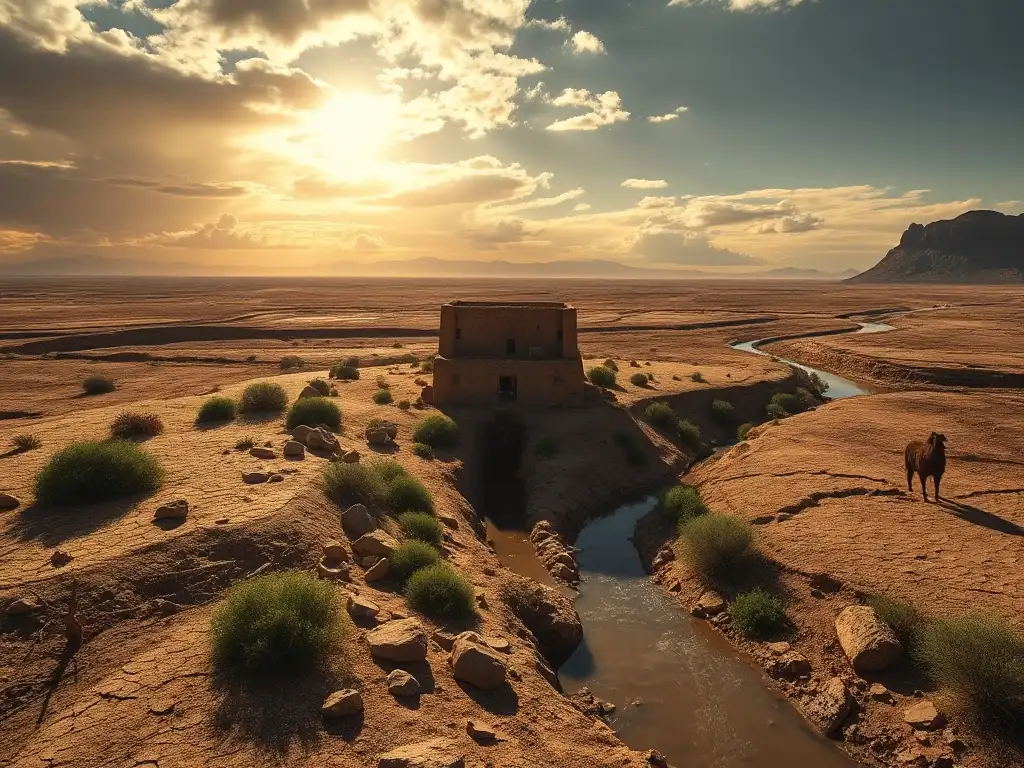
The Moche civilization, flourishing along the arid northern coast of Peru from approximately 100-800 CE, faced significant environmental challenges. Their story offers invaluable insights into how a society adapted to and mitigated the impacts of climate change, offering valuable lessons for modern societies grappling with similar issues. Understanding the Moche's strategies for managing resources and responding to environmental variability is crucial for developing effective strategies for climate change adaptation today. The Moche civilization climate change impacts were significant, yet their resilience offers a compelling case study.
What Can We Learn from Moche Adaptations?
The Moche weren't simply passive victims of environmental change; they were active participants in shaping their relationship with the natural world. Their sophisticated understanding of their environment, coupled with innovative technologies and societal structures, allowed them to thrive despite periods of drought, flooding, and El Niño events. One key takeaway is their mastery of water management.
The construction of extensive irrigation canals, intricate reservoirs, and sophisticated techniques for capturing and storing water allowed them to cultivate crops even in the harsh desert environment. This wasn't a haphazard system; evidence suggests a highly organized and centralized approach to water allocation, reflecting a strong understanding of the necessity for equitable distribution and resource conservation. They understood the importance of water security, a lesson that resonates powerfully today as water scarcity becomes increasingly prevalent globally.
Further, their agricultural practices, including the cultivation of diverse crops adapted to varying conditions, showcased their resilience and adaptability. They didn't rely on a single crop, reducing their vulnerability to environmental shocks. This diversification strategy is a key principle for sustainable agriculture in the face of climate change.
The Importance of Sustainable Resource Management
The Moche's success wasn't solely dependent on technological prowess; it was deeply intertwined with their understanding and management of resources. Their sophisticated understanding of their environment – including the rhythms of the El Niño Southern Oscillation (ENSO) – allowed them to anticipate and prepare for environmental fluctuations. Evidence suggests they developed early warning systems, possibly based on observations of changes in weather patterns, river flows, and marine life.
This proactive approach stands in stark contrast to many modern responses to climate change, which often rely on reactive measures rather than proactive planning and adaptation. The Moche's commitment to sustainable resource management is evident in their agricultural practices, their careful management of water resources, and their ability to adapt their strategies to changing environmental conditions. Their system wasn't static; it evolved and adapted over time in response to environmental pressures.
This adaptability is a crucial lesson for modern societies, which need to develop flexible and dynamic strategies that can respond to the unpredictable nature of climate change. Analyzing their resource management techniques – from canal construction to crop diversification – can inform contemporary strategies for sustainable development and climate change mitigation.
Connecting the Past to Present Environmental Challenges
The Moche civilization’s experience with climate change offers a compelling case study for contemporary societies facing similar challenges. Their ability to thrive in a challenging environment, despite significant environmental variability, highlights the importance of both technological innovation and social organization in building resilience. The Moche's sophisticated water management systems, their diverse agricultural practices, and their proactive approach to environmental monitoring provide invaluable lessons for modern societies grappling with the impacts of climate change.
The study of the Moche civilization climate change impacts reveals that long-term sustainability requires a holistic approach that integrates technological solutions with social, economic, and environmental considerations. By learning from the Moche’s triumphs and challenges, we can gain valuable insights into developing more effective and sustainable strategies for adapting to and mitigating the effects of climate change in the 21st century.
Their legacy underscores the importance of understanding our environment, planning for the future, and fostering resilient communities capable of navigating the uncertainties of a changing world. The parallels between Moche ingenuity and the need for modern climate adaptation strategies are undeniable and offer a powerful message for sustainable development.
Conclusion: The Moche and the Enduring Relevance of Climate Change
The Moche civilization, flourishing along the arid northern coast of Peru, provides a compelling case study in the complex interplay between human societies and environmental change. Their sophisticated irrigation systems, innovative agricultural techniques, and adaptive societal structures demonstrate a remarkable capacity to thrive in a challenging, and often unpredictable, climate.
Understanding their strategies for mitigating the impacts of climate variability, including droughts and El Niño events, offers valuable insights for contemporary societies grappling with similar challenges. The Moche legacy serves as a potent reminder of the enduring relevance of climate change and its profound impact on human civilizations, past and present.
Analyzing their successes and failures in the face of environmental shifts can illuminate effective pathways toward building more resilient communities in an era marked by increasing climate instability. The study of the Moche civilization climate change impacts is not merely an academic exercise; it holds practical implications for contemporary climate adaptation strategies.
The Moche as a Case Study in Climate Resilience
The Moche weren't simply passive victims of environmental fluctuations; they were active participants in shaping their relationship with the environment. Their ingenuity is evident in their extensive irrigation networks, which channeled water from rivers and streams to support intensive agriculture in the otherwise arid coastal desert. These weren't simple canals; they were complex systems of reservoirs, aqueducts, and drainage channels, meticulously designed to maximize water efficiency and minimize water loss.
Evidence suggests they also employed sophisticated techniques like terracing and crop diversification to enhance agricultural productivity and resilience against drought. The Moche's ability to successfully manage water resources for centuries speaks volumes about their understanding of their environment and their capacity to adapt to its vagaries.
Furthermore, their social organization, likely characterized by a hierarchical structure with centralized control over resources, may have played a crucial role in coordinating large-scale irrigation projects and ensuring equitable water distribution – a critical aspect of climate resilience. Archaeological findings continue to reveal new details about their remarkable adaptation strategies, enriching our understanding of their ingenuity and resourcefulness in the face of climate change.
Key takeaways about Moche civilization climate change impacts
Analyzing the Moche experience offers several key takeaways regarding the impacts of climate change on ancient societies. Firstly, the Moche's sophisticated infrastructure, particularly their irrigation systems, significantly enhanced their capacity to withstand periods of drought. Secondly, their agricultural practices, including crop diversification and terracing, helped to buffer against environmental variability.
Thirdly, a strong, centralized government likely facilitated the coordination of large-scale water management projects and resource allocation, crucial for community-wide resilience. However, the Moche experience also highlights the limitations of even the most sophisticated adaptation strategies. While they successfully managed climate variability for centuries, prolonged or extreme events, combined with other societal pressures, eventually contributed to the decline of their civilization.
This underscores the importance of considering the interplay between environmental factors and other social, economic, and political processes when assessing the long-term impacts of climate change on human societies. Understanding these nuanced interactions is crucial for developing comprehensive strategies to mitigate the effects of climate change today. The Moche civilization climate change impacts demonstrate the importance of proactive, multi-faceted approaches to environmental challenges.
The Importance of Preserving Andean Heritage
The study of the Moche civilization and its response to climate change is not just a historical exercise; it's fundamentally important for preserving Andean heritage and fostering a deeper understanding of human-environment interactions. The Moche's legacy is rich, encompassing not only their impressive engineering feats but also their vibrant art, intricate pottery, and complex social structures. Preserving archaeological sites and artifacts is crucial for future research and for ensuring that future generations can learn from the successes and failures of past societies.
Furthermore, acknowledging the historical resilience of Andean communities reinforces the importance of supporting indigenous knowledge and practices in contemporary climate change adaptation initiatives. The insights gained from studying the Moche can inform sustainable development strategies and empower communities to build more resilient futures.
Protecting and understanding this rich heritage is not only an act of cultural preservation but also a critical step in building a more sustainable and resilient future for all. The ongoing research into the Moche civilization climate change impacts continues to provide valuable lessons for the present and the future.
Frequently Asked Questions
How did climate change affect the Moche civilization?
The Moche civilization experienced significant climate variability, including droughts and floods, which impacted their agriculture and water management systems. These events led to societal changes and possibly contributed to their decline.
What agricultural techniques did the Moche use to adapt to climate change?
The Moche developed sophisticated irrigation systems and terracing techniques to maximize water resources and adapt to fluctuating rainfall patterns. They also cultivated a variety of crops to ensure resilience against environmental shocks.
Did the Moche have any evidence of societal responses to climate events?
Archaeological evidence suggests that the Moche modified their agricultural practices and potentially relocated settlements in response to climate-related challenges. Social unrest may also have been a consequence of resource scarcity.
How did the Moche's technology help them cope with climate change?
The Moche's advanced understanding of water management, coupled with their engineering skills in building canals and reservoirs, allowed them to better adapt to periods of drought and flood. Their ceramic technology also facilitated storage and transport of resources.
What can we learn from the Moche's experience with climate change?
Studying the Moche's adaptive strategies offers valuable insights into how past societies dealt with environmental challenges. This knowledge can inform contemporary approaches to mitigation and adaptation in the face of ongoing climate change.
Final Reflection: Echoes of the Moche: Climate Change's Timeless Lesson
The Moche civilization's sophisticated adaptation strategies, though developed millennia ago, offer a stark and timely warning about the fragility of human societies in the face of environmental change. Their story isn't just a historical footnote; it's a chillingly relevant case study in how even advanced cultures can be profoundly impacted by shifts in climate. The lessons learned from their successes and failures are crucial for navigating the challenges we face today.
The Moche's ingenuity in water management and agricultural innovation, while ultimately insufficient to overcome prolonged drought, underscores the importance of proactive and adaptable solutions to climate change. Their story resonates deeply, reminding us that even with advanced knowledge and technology, environmental pressures can overwhelm even the most resilient societies. The past is never dead. It's not even past.
- William Faulkner. This quote perfectly encapsulates the enduring relevance of the Moche experience, highlighting how their struggles continue to inform our understanding of the present and future.
Consider the intricate irrigation systems, the carefully planned agricultural terraces, and the evidence of societal adjustments the Moche implemented. These were not merely responses to immediate crises, but rather a testament to their understanding of the delicate balance between human civilization and the natural world. You, the reader, hold the power to learn from their triumphs and failures.
Let the Moche's story inspire you to advocate for sustainable practices, support climate action initiatives, and engage in informed discussions about our shared future. The echoes of their civilization urge us to act, to build a more resilient and sustainable world before it's too late.
Embrace Change: Take Action for a Sustainable Future!
Thank you for exploring the fascinating resilience of the Moche civilization in the face of climate change. You've learned how past societies adapted to environmental challenges, and now it's time to apply those lessons to our own actions.
Here are some ways you can make a difference:
- Join a local environmental organization and participate in community-based climate action initiatives.
- Share your newfound knowledge about the Moche's adaptability by engaging in conversations with friends, family, or online communities. Every conversation can inspire positive change!
- Expand your understanding of environmental stewardship by exploring books and documentaries about ancient civilizations and their relationship with the natural world.
What innovative approaches can we adopt today to meet the challenges of climate change, drawing inspiration from the ingenuity of the Moche? Share your ideas below!