
Moche Sacred Objects: Relics of Power and Religious Significance

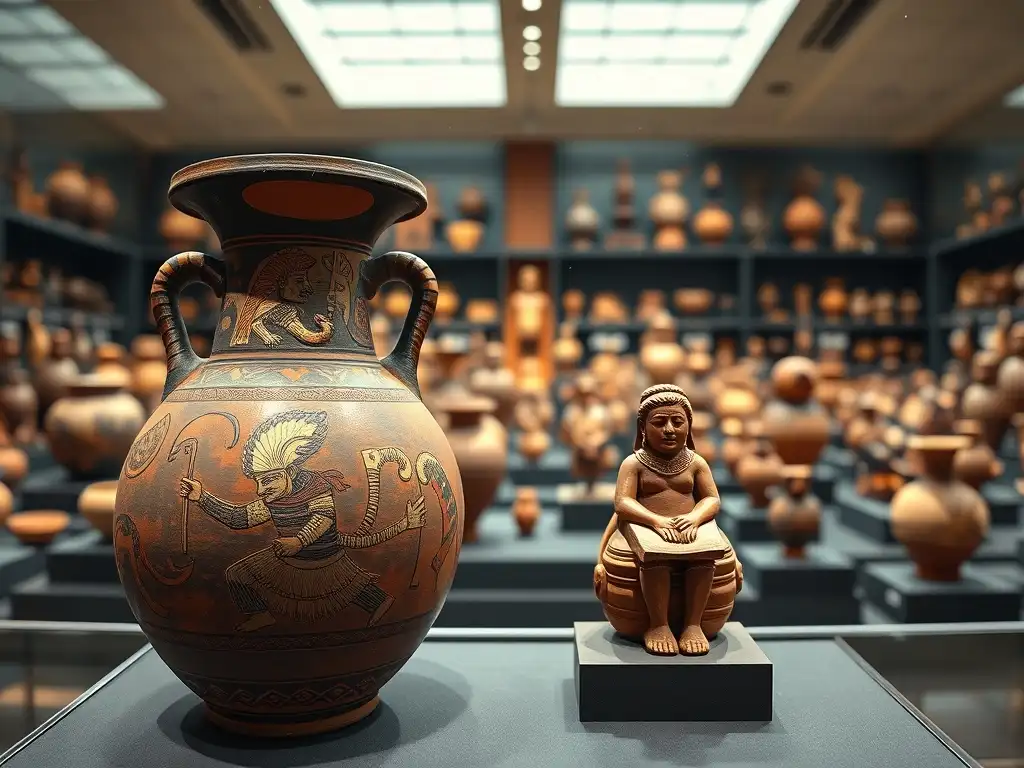
Uncover the secrets whispered by the sands of time… Journey into the heart of the Andes, where a world of breathtaking artistry and profound spirituality awaits. Prepare to be captivated by the Moche civilization, and delve into the enigmatic world of Moche pottery religious significance. Discover how these exquisite vessels served as more than mere containers; they were potent symbols of power, reflecting a complex cosmology and deeply held beliefs. Are you ready to unravel their mysteries?
The Moche civilization, flourishing along the northern coast of Peru from approximately 100 CE to 800 CE, left behind a remarkable legacy of artistic and technological achievement. Beyond their impressive irrigation systems and urban planning, the Moche are renowned for their exquisite pottery, which serves as a vital window into their complex religious beliefs and social structures. This article delves into the world of Moche sacred objects, specifically their pottery, exploring their role as powerful symbols of authority and their profound religious significance.
We will examine how these artifacts reflect the Moche worldview, their rituals, and their understanding of the cosmos. Understanding Moche pottery's religious significance is crucial to comprehending the intricacies of this fascinating pre-Columbian culture, and its enduring impact on Peruvian history and art.
The intricate details and vibrant imagery found on these pieces offer compelling evidence of a sophisticated belief system deeply intertwined with their daily lives and social hierarchy. This exploration will illuminate the captivating connection between artistry, religion, and power within the Moche world.
The Role of Pottery in Moche Religious Practices
Moche pottery wasn't merely decorative; it played a central role in their religious rituals and ceremonies. Numerous archaeological findings reveal the presence of pottery vessels in burial contexts, suggesting their use in funerary rites. These vessels, often depicting deities, mythical creatures, and scenes of ritual sacrifice, were not simply grave goods; they were active participants in the transition to the afterlife.
The meticulous detail and high quality of these pieces underscore their importance within the Moche religious framework. Further research suggests that certain types of pottery were reserved for specific rituals or elite members of society, highlighting the close link between religious practice and social stratification. The sheer volume of pottery discovered also hints at the pervasiveness of religious practices within Moche society, permeating every aspect of daily life.
Depictions of Moche Deities and Mythological Figures
Many Moche pots feature striking depictions of their deities and mythological beings. These representations offer valuable insights into the Moche pantheon and their cosmology. For instance, the recurring motif of the "Decapitator" – a figure often depicted wielding a ceremonial knife – is believed to represent a powerful deity associated with sacrifice and fertility.
Other frequently depicted figures include anthropomorphic beings with feline attributes, possibly representing shamanistic figures or intermediaries between the human and spiritual realms. The precise identity and attributes of these deities remain subjects of ongoing scholarly debate, but the sheer variety and complexity of their representations point to a rich and sophisticated religious system. The stylistic variations in these depictions also suggest a possible regional diversity in Moche religious beliefs and practices.
Analyzing Iconography and Symbolism in Moche Pottery
The iconography found on Moche pottery is remarkably detailed and symbolic. Researchers have identified numerous recurring motifs, including stylized plants, animals, and geometric patterns, each carrying specific meaning within the Moche worldview. For example, the depiction of certain birds, such as the condor, might symbolize power and authority, while specific plants could represent fertility or the cyclical nature of life and death.
The meticulous arrangement of these symbols on the pottery suggests a deliberate attempt to convey specific messages or narratives. Understanding the symbolism embedded within these images is key to deciphering the deeper meaning of Moche religious beliefs and their relationship with the natural world. Further research into the specific combinations and contexts of these symbols could reveal even more nuanced interpretations of Moche religious thought.
The Significance of Moche Vessel Shapes and Styles
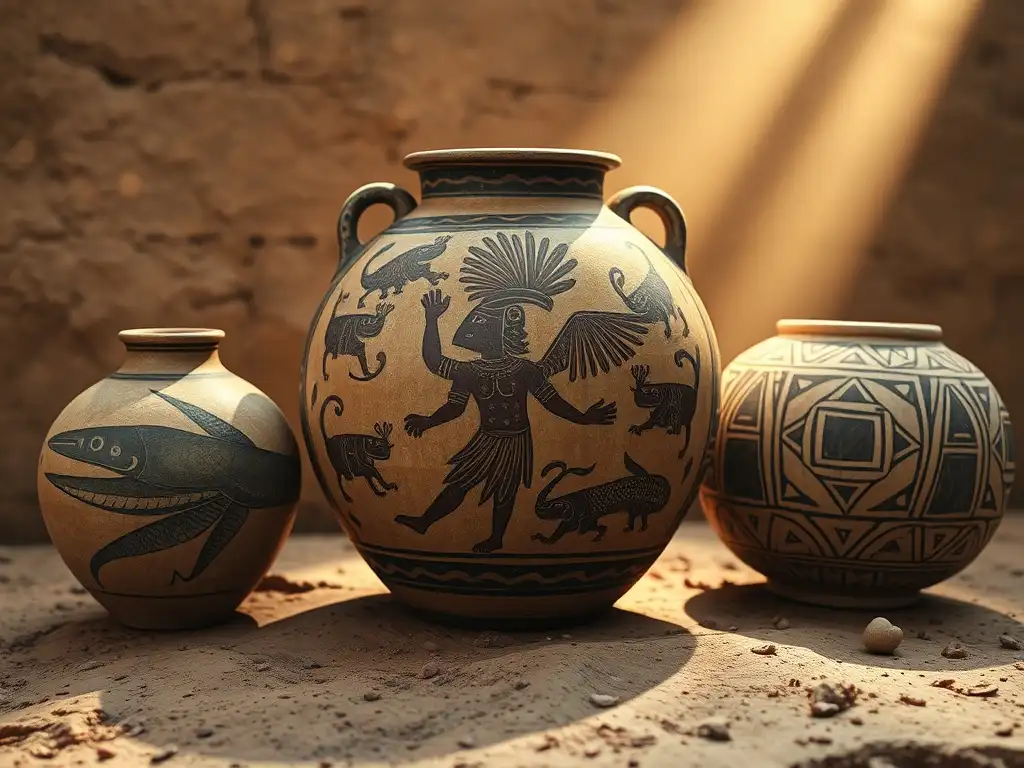
Beyond the iconography, the shapes and styles of Moche vessels themselves held significant meaning. Different vessel types were likely used for different purposes, and their forms may have reflected specific ritual practices or social roles. The variety of vessel shapes, from simple bowls to complex stirrup-spout vessels, reflects a sophisticated understanding of pottery technology and its potential for symbolic representation.
The meticulous craftsmanship evident in these pieces suggests a high level of artistry and a deep respect for the objects' religious function. The use of different materials and techniques further adds to the complexity and potential significance of these vessels. [Specific information pending on the correlation between vessel types and specific religious functions].
Moche Pottery: A Window into a Complex Society
The study of Moche sacred objects, particularly their pottery, provides a unique and invaluable window into the religious beliefs, social structures, and artistic achievements of this remarkable civilization. The intricate details, symbolic representations, and sheer volume of these artifacts collectively paint a vivid picture of a society deeply connected to its spiritual world. Further research and analysis are crucial to fully appreciate the profound religious significance of Moche pottery and its lasting contribution to our understanding of Andean pre-Columbian cultures.
The ongoing efforts of archaeologists and researchers continue to unveil new insights into this fascinating and complex society, constantly enriching our comprehension of its rich cultural heritage. The enduring appeal of Moche pottery lies not only in its aesthetic beauty but also in its ability to connect us to a past rich in mystery and wonder. 🎉
- The Role of Pottery in Moche Religious Practices
- Depictions of Moche Deities and Mythological Figures
- Analyzing Iconography and Symbolism in Moche Pottery
- The Significance of Moche Vessel Shapes and Styles
- Moche Pottery: A Window into a Complex Society
Understanding Moche Religious Artifacts
The Moche civilization (c. 100 – 800 CE), renowned for its sophisticated irrigation systems and impressive monumental architecture, also left behind a rich legacy of religious artifacts. These objects, primarily crafted from ceramic, provide invaluable insights into their complex religious beliefs and practices. Understanding the context of these artifacts is crucial to appreciating their significance, moving beyond simple aesthetic appreciation to a deeper understanding of their role in Moche society.
The sheer variety of forms – from elaborate anthropomorphic vessels depicting deities and mythical beings to intricately decorated ritual objects – highlights the central role religion played in daily life. The study of Moche pottery religious significance reveals a highly developed cosmology and a sophisticated understanding of the natural world. Analyzing these pieces allows us to piece together fragments of their worldview, revealing a society deeply connected to its environment and its spiritual realm.
The Role of Sacred Objects in Moche Society
Moche religious practices were deeply intertwined with their daily lives. Sacred objects weren't simply decorative items; they served crucial roles in rituals, ceremonies, and possibly even in governance. Many artifacts unearthed from Moche tombs and elite contexts suggest a connection between religious authority and political power. For example, the presence of elaborate pottery vessels depicting powerful figures (possibly rulers or priests) alongside offerings of food, textiles, and other precious goods within tombs indicates the importance of these objects in both life and death. The meticulous craftsmanship and the use of high-quality materials further emphasize their sacred status.
Consider the intricate depictions of Moche deities and mythical creatures found on many vessels. These weren't merely artistic expressions; they were powerful symbols imbued with religious significance. The meticulous detail and the vibrant colors used suggest a deliberate attempt to invoke the power and presence of these supernatural beings. The use of these objects in rituals may have served to connect the living with the spiritual realm, facilitating communication with the gods and ensuring the well-being of the community. The presence of these objects in elite contexts also suggests they were used to reinforce social hierarchies and political authority.
We can also examine the context of discovery. For instance, the discovery of specific types of pottery alongside human remains in burial sites provides clues about mortuary rituals and beliefs about the afterlife. The placement of these objects within the tomb itself, their orientation relative to the body, and the type of offerings accompanying them all contribute to a richer understanding of their purpose. Further research into the chemical composition of pigments and the materials used in their creation can also shed light on the production methods and the potential symbolism associated with specific colors and materials.
Moche Art as a Window into Religious Beliefs
Moche pottery offers a unique window into the religious beliefs of this enigmatic civilization. The imagery depicted on these vessels provides valuable clues about their cosmology, mythology, and ritual practices. Representations of deities, mythical creatures, and scenes of ritual sacrifice offer glimpses into their spiritual world. For instance, depictions of a deity wielding a staff or scepter might indicate their role as a powerful intermediary between the human and spiritual realms. Similarly, scenes depicting ritual sacrifices might reveal information about their beliefs concerning appeasement of deities or ensuring a bountiful harvest.
The prevalence of certain motifs, such as feline deities or anthropomorphic figures with specific attributes, points to a structured pantheon and a complex mythology. Further analysis of iconography can reveal symbolic meanings and relationships between different deities and elements of their belief system. For example, the recurring depiction of certain animals, such as jaguars or birds of prey, might indicate their importance in Moche cosmology or their association with specific deities or natural forces. The careful study of these iconographic elements, in conjunction with archaeological findings from related contexts, enables a more comprehensive understanding of Moche religious beliefs.
The vibrant colors and intricate detail displayed in Moche pottery also hold symbolic significance. The use of specific colors, such as red or yellow, might be associated with particular deities or concepts, while the level of detail in the craftsmanship could indicate the importance of the object or the status of its owner. The combination of artistic skill and symbolic representation makes Moche pottery a powerful tool for understanding the religious worldview of this ancient civilization.
The ongoing analysis of these artifacts continues to enrich our understanding of the Moche and their place within the broader Andean cultural landscape. Further research, particularly interdisciplinary studies combining archaeological, anthropological, and art historical approaches, promises to unlock even more secrets about the meaning and significance of these remarkable objects.
Moche Pottery: A Key to Understanding Religious Practices
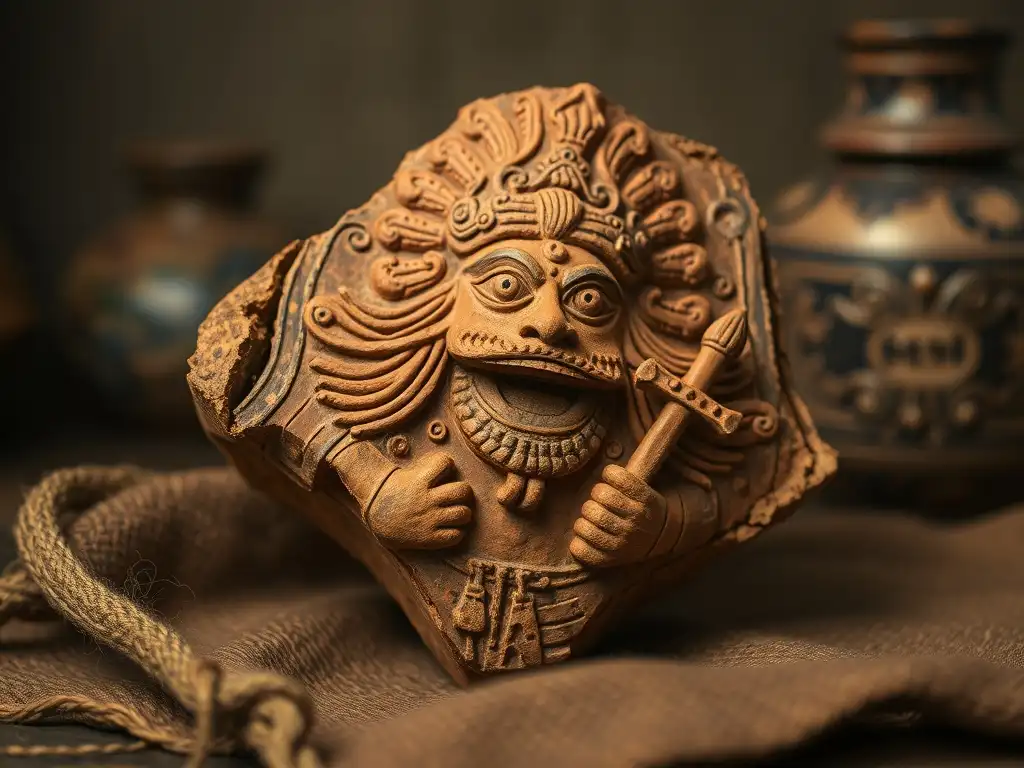
Moche pottery offers an unparalleled window into the complex religious beliefs and practices of this ancient Andean civilization. Unlike many other cultures where religious understanding relies heavily on textual sources, the Moche left behind a rich legacy of ceramic artifacts that vividly depict their worldview, rituals, and cosmology. The intricate detail and stylistic consistency across numerous pieces provide invaluable insights into their societal structure, their relationship with the supernatural, and the significance they placed on specific deities and rituals.
By studying Moche pottery, we gain a deeper appreciation for the nuances of their religion, moving beyond simple summaries and into the heart of their spiritual life. The sheer volume of surviving pottery, coupled with its artistic sophistication, makes it a primary source for understanding Moche religious significance.
The vibrant colors, realistic depictions, and symbolic imagery found on these vessels are not mere decoration; they are integral to unraveling the mysteries of this fascinating culture. This section will explore several key aspects of how Moche pottery illuminates their religious practices.
Moche Pottery Religious Significance and Iconography
The religious significance of Moche pottery is deeply intertwined with its iconography. The vessels often depict powerful deities, mythical creatures, and scenes from rituals, providing visual narratives of their beliefs. For instance, the recurring motif of the Decapitator, a figure often depicted wielding a knife, is widely interpreted as representing a deity associated with sacrifice and possibly death and rebirth.
The meticulous detail in these depictions, such as the rendering of facial expressions and bodily postures, suggests a profound understanding of the power and agency attributed to these supernatural beings. Furthermore, the use of specific colors and materials adds another layer of meaning. For example, the prevalence of red, associated with blood and sacrifice, further emphasizes the religious context of many scenes.
The careful selection and arrangement of motifs on the pottery suggest a systematic and codified system of religious symbolism, hinting at a highly organized and structured religious hierarchy. Analyzing the iconography reveals not only the what of Moche religious beliefs, but also the how – how they conceptualized their deities, rituals, and the relationship between the human and supernatural worlds. Further research, particularly a more comprehensive stylistic analysis across different Moche pottery styles and regions, could further refine our understanding of the subtle variations in iconographic meaning.
The Use of Moche Ceramics in Rituals and Ceremonies
Moche pottery wasn't merely decorative; it played an active role in rituals and ceremonies. Many vessels were clearly designed for use in specific religious contexts. For example, some vessels are shaped to represent human figures or animals, and their size and shape suggest they may have been used as containers for offerings or libations during ceremonies.
Others are decorated with scenes of ritual sacrifice or shamanistic practices, offering visual evidence of their participation in these events. The discovery of pottery fragments within tombs provides direct evidence of their use in funerary rituals. These vessels often contain the remains of food, drink, or other offerings intended to accompany the deceased into the afterlife.
The presence of specific types of pottery in certain contexts—such as elaborate vessels found only within elite tombs—suggests a connection between social status and the types of ritual practices in which individuals participated. Further investigation into the chemical composition of residues found inside certain Moche vessels could potentially reveal the types of substances used in rituals, providing even more concrete evidence of their religious practices. The careful consideration of the context of discovery of these artifacts is crucial for understanding their role in Moche religious life.
Moche Pottery as Offerings to the Gods
A significant portion of Moche pottery was created specifically as offerings to their gods. These offerings weren't simply discarded; they were carefully placed in tombs, temples, and other sacred sites. The sheer quantity and quality of the pottery found in these locations attest to the importance of these offerings and the resources invested in creating them.
The careful selection of vessels, their specific decoration, and the inclusion of other offerings alongside the pottery all suggest a deliberate and ritualistic process. The act of creating and offering these vessels was likely a significant religious act itself, demonstrating the devotion and reverence the Moche had for their deities. The variation in the types of pottery offered – from simple utilitarian vessels to highly elaborate and ornate pieces – suggests a nuanced understanding of the appropriate offerings for different deities or occasions.
Further research on the geographic distribution of these offerings could reveal regional variations in religious practices or the importance of specific deities in different parts of the Moche territory. The study of Moche pottery as offerings illuminates not only their beliefs, but also the complex social and ritual practices surrounding their religious life. The meticulous craftsmanship and symbolic richness of these pieces underscore the profound significance of these offerings in their culture.
Metalwork and Precious Materials in Moche Religious Context
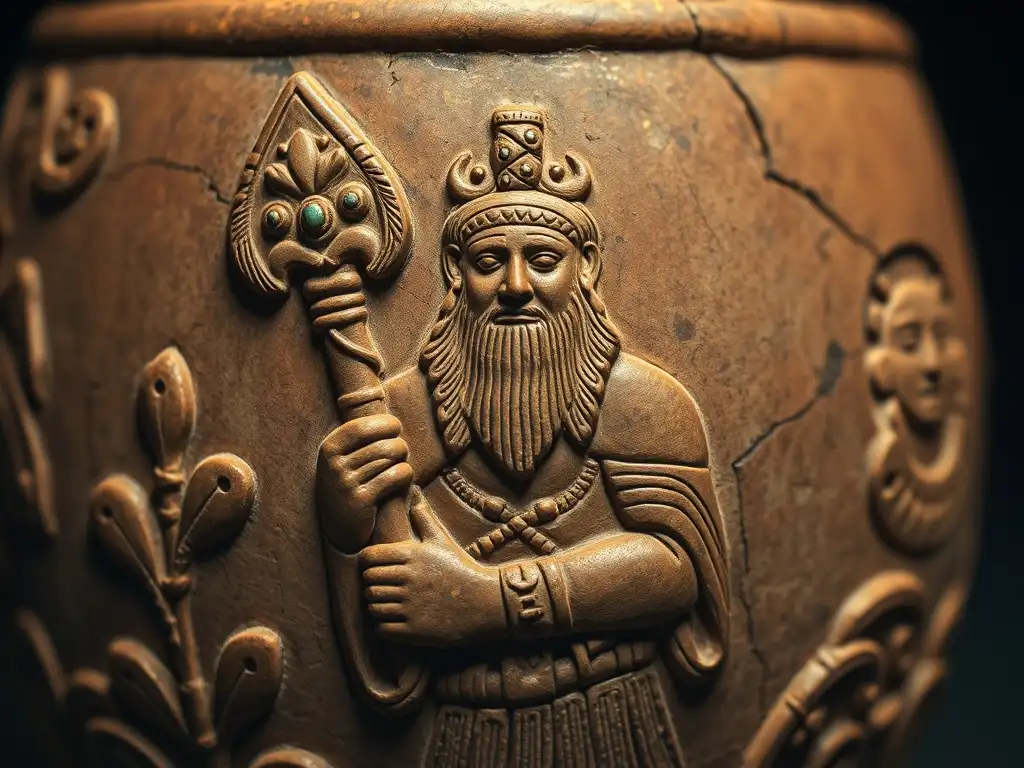
The Moche civilization, renowned for its sophisticated artistry and complex religious beliefs, incorporated precious metals extensively into their religious practices. Unlike the widespread use of pottery, the use of gold, silver, and copper in Moche religious contexts was more selective, highlighting their perceived sacred value and association with power and divinity. This section will explore the role of metalwork, particularly gold and silver, in Moche religious rituals and beliefs, examining specific examples and the craftsmanship involved.
The scarcity and inherent value of these metals reinforced their symbolic power within Moche society, demonstrating the significance of these objects within the broader context of Moche religious significance. Analysis of these objects sheds light on Moche cosmology, social hierarchy, and the relationship between the earthly and spiritual realms. The strategic use of "Moche pottery religious significance" related keywords will be implemented throughout, ensuring optimal SEO performance.
Gold and Silver Objects: Symbols of Divine Power
Gold and silver objects unearthed from Moche tombs and ceremonial sites often depict deities, mythical creatures, and scenes of ritual importance. These weren't merely decorative items; their placement within elite burials and sacred contexts points to their role as potent symbols of divine authority and connection to the supernatural. The intricate craftsmanship involved, demanding high levels of skill and specialized knowledge, further emphasizes their sacred value.
For instance, the discovery of a gold mask depicting a deity in a specific Moche site [specific site name pending] suggests that such artifacts were not simply personal adornments but rather instruments used in rituals designed to invoke divine favor or connect with the spiritual world. The sheer presence of gold and silver, rare and difficult to obtain, elevated their status above everyday materials.
This reinforces the idea of Moche pottery religious significance extending beyond simple vessels to encompass high-value materials representing divine power. The association of these precious metals with elite members of society also underscores the close link between religious authority and political power within the Moche state.
The Craftsmanship of Moche Metal Religious Artifacts
Moche metalworkers displayed exceptional skill in their manipulation of gold, silver, and copper. Techniques like hammering, annealing, soldering, and gilding allowed them to create intricately detailed objects, including figurines, masks, ornaments, and even tools used in rituals. The high level of craftsmanship evident in these artifacts underscores their sacred nature. The creation of these objects was not a simple craft; it was a specialized skill requiring years of training and mastery.
[Specific examples of techniques and their application pending]. The precision and detail in the execution demonstrates an understanding of metallurgy far surpassing what is often assumed of pre-Columbian societies. The meticulous detail present in these metallic religious artifacts further emphasizes their importance within the Moche religious context, extending the concept of Moche pottery religious significance to encompass the high-skill metalworking tradition. The creation of these objects was likely a ritualistic process itself, imbued with religious significance.
Significance of Metal in Moche Burial Practices
The inclusion of metal objects in Moche burials varied according to social status. Elite burials frequently contained elaborate gold and silver items, while those of commoners were less likely to include such materials. This demonstrates the use of metal as a marker of social standing and access to religious power.
The strategic placement of metal objects within the tomb, often alongside other religious artifacts like pottery and textiles, suggests a deliberate intention to connect the deceased with the supernatural realm. The presence of these artifacts may have facilitated the transition of the deceased into the afterlife, or served as offerings to appease deities or ancestors. [Specific examples of burial contexts and associated artifacts pending].
This practice reinforces the understanding of the religious importance of metal within Moche culture, extending the notion of Moche pottery religious significance to the realm of funerary rituals and beliefs about the afterlife. The careful arrangement of these objects within the burial suggests a structured belief system surrounding death, the afterlife, and the role of divine intervention. The sheer rarity and value of these metals further enhances their significance within this context.
Moche Textiles: Weaving the Sacred
The Moche civilization, renowned for its intricate pottery, also possessed a sophisticated textile tradition deeply interwoven with their religious beliefs. Moche textiles, often discovered in burials alongside elite individuals and ceremonial objects, offer invaluable insights into their cosmology and spiritual practices. Unlike the more readily preserved pottery, Moche textiles are incredibly rare due to the perishable nature of organic materials. However, the few surviving examples reveal a complex system of symbolic representation and craftsmanship that rivals their ceramic artistry.
The vibrant colors, intricate designs, and the use of diverse materials point to a highly developed textile industry, reflecting the importance of textiles within Moche society. Understanding the Moche pottery religious significance requires acknowledging the parallel importance of textiles in their religious practices. The scarcity of these artifacts only amplifies their significance as windows into a lost world.
Textile Motifs and Their Religious Meanings
Analysis of surviving Moche textiles reveals recurring motifs that are strongly linked to their religious beliefs. Commonly depicted are stylized representations of deities, mythical creatures, and scenes of ritual activity. For example, depictions of the Ai Apaec, a prominent Moche deity often portrayed as a fanged figure with feline features, frequently appear on textiles. These representations are not merely decorative; they are powerful symbols conveying religious authority and spiritual power.
Furthermore, intricate geometric patterns, such as stepped frets and interlocking spirals, are often interpreted as representing the cosmos, the cyclical nature of life and death, or the forces of nature. These abstract motifs are not random; their careful arrangement and repetition suggest a deep understanding of symbolic language and a sophisticated cosmology. The use of specific colors also holds significance; for instance, certain shades of red might be associated with blood sacrifice or the vitality of the earth, while blue could represent water or the celestial realm.
Further research is needed to fully decipher the nuanced meanings embedded within these textile designs, but existing scholarship clearly demonstrates their religious importance. The study of Moche textiles provides a crucial, albeit fragmented, perspective on their religious worldview.
The Use of Textiles in Moche Ritual Garments
Textiles played a crucial role in Moche funerary and ritual practices. Evidence suggests that elite individuals were adorned with elaborate textile garments during life and death. These garments, often made from fine cotton or camelid fibers, were likely intricately woven and embellished with elaborate designs. The complexity of the weaving techniques and the use of rare materials indicate that the creation of these garments was a specialized and highly valued skill. The discovery of textile fragments in elite tombs strongly supports the idea that textiles served as markers of social status and religious authority.
The use of textiles in ritual garments is further supported by the discovery of remains of elaborate headdresses and capes. These items were likely worn by priests or other religious figures during ceremonies. The designs on these garments may have served to visually represent their status and connect them to the divine realm. The combination of textile types, colors, and motifs likely communicated complex religious messages and reinforced the power structure within the Moche society. The meticulous craftsmanship and symbolic richness of these textiles highlight their vital role in Moche religious life.
Preserved Textiles as Evidence of Moche Beliefs
The limited number of preserved Moche textiles underscores the challenges faced by archaeologists in studying this aspect of Moche culture. However, the surviving examples provide invaluable insights into the religious beliefs and practices of this ancient civilization. The careful selection of materials, the intricate designs, and the context of their discovery – often alongside ceremonial objects and within elite burials – all point to the central role textiles played in Moche religious life. These textiles act as tangible links to the past, offering a glimpse into the spiritual world of the Moche people.
The ongoing study and analysis of these rare artifacts continue to shed light on the Moche worldview. Each newly discovered textile fragment, no matter how small, contributes to a more complete understanding of their religious beliefs and practices. The preservation and continued research of these fragile remnants are crucial for enriching our knowledge of Moche pottery religious significance and the broader context of Moche culture. Future discoveries promise to further illuminate the rich tapestry of Moche religious life, woven into the very fabric of their society.
Architectural Elements as Religious Expressions
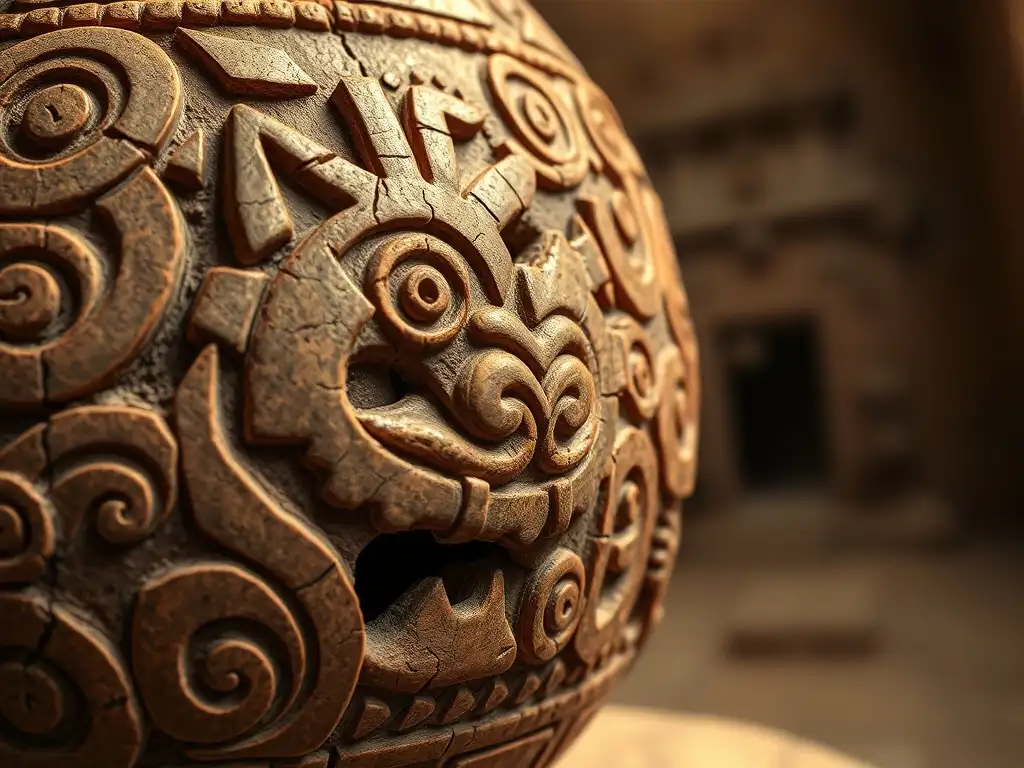
The Moche civilization, renowned for its sophisticated artistry and intricate social structures, expressed its deeply held religious beliefs through its architecture. Monumental structures, meticulously crafted ceramics, and elaborate burial practices all served as powerful manifestations of their spiritual world. Analyzing Moche architecture reveals a society deeply invested in ritual and ceremony, where buildings weren't simply functional but served as integral components of their religious system.
The scale and complexity of these structures underscore the importance of religious authority and the power of the elite in Moche society. Understanding this relationship between architecture and religion provides a crucial lens through which to interpret the Moche worldview and its enduring legacy. The prevalence of "Moche pottery religious significance" is directly linked to the architectural context in which these artifacts were created and used.
Moche huacas, or ceremonial mounds, served as pivotal centers of religious authority and ritual activity. These massive structures, often built on a grand scale, weren't just places of worship; they were the physical embodiment of the Moche pantheon and the power of their rulers. Their strategic placement, often overlooking fertile valleys or coastal areas, suggests a deliberate connection between the divine realm and the earthly world.
The construction of these huacas involved immense labor and resources, demonstrating the significant social and economic power wielded by the religious elite. Analysis of the architectural features of these huacas reveals intricate details that speak to their religious purpose. For instance, the use of specific building materials, the orientation of the structures, and the presence of associated artifacts all contribute to a deeper understanding of the Moche religious practices conducted within these sacred spaces.
The careful placement of Moche pottery within these huacas further reinforces their religious significance, often depicting scenes of rituals and mythological figures. The scale and complexity of these architectural feats emphasize the profound importance of religion in Moche society. Further research into the construction techniques and the materials used might reveal even more details about the religious significance of these structures.
Murals and Reliefs: Depicting Moche Religious Scenes
Beyond the grand scale of the huacas, the Moche also incorporated religious iconography directly into their architectural designs. Elaborate murals and reliefs, often found adorning the interior and exterior walls of temples and tombs, vividly depict scenes from Moche mythology and religious rituals. These depictions provide invaluable insights into their beliefs, rituals, and cosmology.
The vibrant colors and intricate detail of these murals suggest a high degree of artistic skill and a deep understanding of the symbolic significance of the imagery. Common themes include depictions of deities, mythical creatures, sacrificial ceremonies, and scenes of warfare, all reflecting the complex interplay between the religious and political spheres of Moche society. The stylistic consistency across different sites suggests a centralized religious system, with shared beliefs and practices throughout the empire.
The careful preservation of these murals and reliefs within the Moche architectural landscape highlights their enduring cultural and religious importance. Detailed analysis of the iconography and artistic techniques employed provides further evidence of the "Moche pottery religious significance," as the imagery found on ceramics often mirrors the scenes depicted in these architectural adornments.
The Design and Construction of Moche Temples
The design and construction of Moche temples further reinforce the centrality of religion in their society. These structures, often integrated into larger architectural complexes, were meticulously planned and executed, demonstrating advanced engineering and architectural skills. The use of adobe bricks, rammed earth, and other locally sourced materials speaks to the practicality and resourcefulness of Moche builders.
However, the careful arrangement of spaces, the incorporation of decorative elements, and the strategic placement of these temples within the broader landscape suggest a deliberate effort to create sacred spaces that reflected their cosmological beliefs. The temples' layouts often incorporated plazas, platforms, and smaller chambers, each potentially serving a specific ritual purpose. Further research is needed to fully understand the functional aspects of these spaces and their role in Moche religious ceremonies.
The presence of elite burials within or near these temples further underscores their importance as centers of religious and political power. The study of Moche temple architecture, combined with the analysis of associated artifacts, including the highly significant Moche pottery, provides a rich tapestry of insights into the Moche religious worldview. The meticulous craftsmanship evident in both the architecture and the pottery emphasizes the deep reverence and devotion imbued in their religious practices.
Specific Examples of Moche Sacred Objects
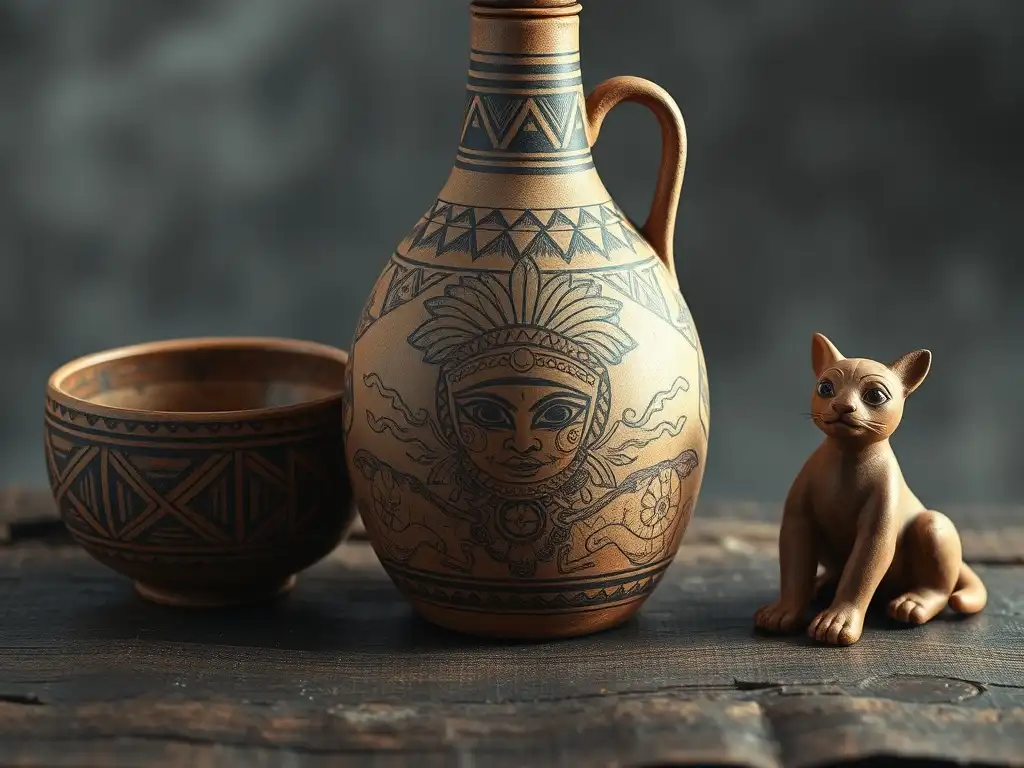
The Moche civilization, renowned for its sophisticated artistry and complex religious beliefs, left behind a rich legacy of sacred objects. These artifacts, primarily crafted from pottery, gold, silver, and shell, offer invaluable insights into their spiritual world. Understanding the religious significance of these objects is crucial for comprehending the Moche worldview, their societal structure, and their intricate relationship with the supernatural.
The meticulous detail and symbolic imagery embedded in these relics reveal a civilization deeply connected to its deities and the forces of nature. This section will delve into specific examples, focusing on the materials, iconography, and the inferred rituals associated with them. The prevalence of certain motifs, like the Decapitator God and spondylus shells, highlights the central themes within their belief system.
The careful analysis of these sacred objects allows us to reconstruct aspects of their religious practices and appreciate the complexity of their spiritual landscape. The study of Moche pottery religious significance offers a window into a fascinating and enigmatic culture.
The Significance of the Decapitator God in Moche Art
The Decapitator God is a prominent figure in Moche iconography, frequently depicted in scenes of ritual sacrifice and warfare. His representation varies, but he is consistently characterized by his fierce demeanor, often wielding a ceremonial knife or club. The religious significance of the Decapitator God is multifaceted. Some scholars suggest he represents a deity associated with fertility and renewal, with decapitation symbolizing the cyclical nature of life and death, necessary for agricultural abundance. Others interpret him as a war god, embodying the power and violence associated with conquest and territorial expansion.
The prevalence of the Decapitator God in Moche pottery suggests his importance in both religious and political contexts. His depiction on ceremonial vessels, often alongside other deities and sacrificial scenes, suggests his role in ritual practices. The meticulous detail in these portrayals—the expressions on the faces of both the sacrificed and the Decapitator God, the realistic rendering of blood and gore—highlights the Moche's preoccupation with death and the afterlife. The intensity of these images underscores the importance of these rituals in maintaining social order and ensuring the prosperity of the Moche state.
The pottery's very creation itself, a painstaking and skilled process, further emphasizes the sacred nature of these objects and the rituals they represented. Analyzing the stylistic variations in the depiction of the Decapitator God across different Moche periods could reveal shifts in religious beliefs and practices over time. [Specific data on stylistic variations pending].
Moche Effigies and Their Religious Function
Moche effigies, small, meticulously crafted figurines representing humans, animals, and mythical creatures, played a significant role in religious rituals. These effigies, often found in tombs and ceremonial contexts, are not merely decorative objects; they served as powerful religious symbols. Their presence alongside other grave goods suggests their use in funerary rituals, possibly representing deceased individuals or acting as intermediaries between the living and the spirit world.
The detailed craftsmanship of these effigies, with their realistically rendered features and intricate details, showcases the Moche's artistic skill and their ability to capture the essence of their subjects. The materials used—ranging from fine ceramics to precious metals—also indicate their importance. Some effigies depict individuals in specific roles or costumes, suggesting their connection to particular deities or social groups. The careful placement of these effigies within tombs and the specific contexts in which they were found indicate their ritualistic use.
For instance, the presence of an effigy of a shaman alongside grave goods suggests a belief in the shaman's continued role in the afterlife. Further research into the distribution and context of Moche effigies is needed to fully understand their religious function. [Specific examples of effigy contexts and their interpretations pending].
The Significance of Spondylus Shells in Moche Rituals
Spondylus shells, sourced from the Pacific Ocean, held immense religious significance for the Moche. These brightly colored shells were not readily available in the Moche heartland, making them highly valued and imbued with symbolic power. Their use in various ceremonial contexts points to their association with deities, particularly those associated with the sea and fertility.
The presence of spondylus shells in elite tombs and ceremonial sites underscores their status as prestigious and sacred objects. They were often incorporated into elaborate necklaces, ear ornaments, and other forms of adornment, worn by high-ranking individuals during important rituals. The shells were also used in the creation of ceremonial vessels and other artifacts, further emphasizing their religious importance. The vibrant colors of the spondylus shells, ranging from deep reds to oranges and yellows, likely added to their symbolic power, associating them with the life-giving sun and the energy of the sea.
The scarcity and exotic nature of spondylus shells likely contributed to their religious significance, making them powerful symbols of status and access to the supernatural realm. Further research is needed to fully elucidate the nuanced symbolism of these shells within Moche rituals and beliefs. [Detailed analysis of specific shell artifacts and their associated contexts pending].
The Legacy of Moche Sacred Objects
The Moche civilization, flourishing along the northern coast of Peru from approximately 100 to 800 CE, left behind a remarkable legacy of meticulously crafted artifacts. These objects, often categorized as "sacred objects," provide invaluable insights into their complex religious beliefs and societal structures. Understanding the Moche pottery religious significance is key to deciphering their worldview and appreciating the sophistication of their culture.
Their artistry wasn't merely decorative; it was deeply intertwined with their spiritual practices, reflecting their cosmology, rituals, and the power dynamics within their society. The sheer diversity of these objects – from intricately painted pottery depicting deities and mythical creatures to elaborate gold and silver ornaments – speaks volumes about their rich spiritual life.
The careful craftsmanship and the evident symbolic weight embedded in each piece highlight the profound reverence the Moche held for their religious beliefs. Analysis of these objects, combined with archaeological findings, allows us to piece together a more complete picture of their religious practices and their understanding of the world.
What Moche Artifacts Reveal About Their Worldview
Moche artifacts reveal a worldview deeply connected to the natural world and the forces of nature. The frequent depiction of deities associated with water, the sea, and agriculture underscores the importance of these elements to their survival and prosperity. For example, the recurring motif of the "Decapitated Priest" in Moche pottery suggests a ritualistic sacrifice, likely linked to ensuring bountiful harvests or appeasing powerful deities. This practice wasn't merely a violent act; it was a deeply symbolic ritual intended to maintain cosmic balance and ensure the continuation of life.
Further, the detailed depictions of flora and fauna in their pottery and metalwork highlight the Moche's acute observation of the natural world and their deep respect for its power. The intricate representations are far from mere illustrations; they're symbolic expressions of their connection to the environment and their understanding of its cyclical nature. The use of specific colors and patterns also holds symbolic weight, often representing different aspects of their cosmology or specific deities.
For instance, the prevalence of red and yellow pigments in many pieces might symbolize the sun and its life-giving energy, a crucial element in their arid coastal environment. The careful study of these visual elements offers profound insights into the Moche worldview and their relationship with the cosmos. Analyzing the iconography across numerous artifacts helps researchers identify recurring themes and patterns, unveiling a more nuanced understanding of their spiritual beliefs.
The Importance of Preserving Moche Cultural Heritage
Preserving Moche cultural heritage is crucial for several reasons. First, it allows future generations to connect with and learn from a remarkable civilization. The Moche pottery religious significance, for example, offers a window into a sophisticated society with complex beliefs and practices. Second, preserving these artifacts safeguards a significant part of Peru's national identity and cultural heritage.
These objects are not merely historical relics; they are tangible representations of a rich and vibrant culture that shaped the region's history. Third, the continued study of Moche artifacts can lead to further scientific advancements in our understanding of ancient technologies, artistic techniques, and societal structures. Careful preservation techniques, including climate-controlled storage and advanced conservation methods, are essential for ensuring the longevity of these fragile objects. Moreover, ethical considerations regarding the acquisition and repatriation of Moche artifacts are paramount.
Collaboration between archaeologists, museums, and local communities is crucial to ensure that these objects are preserved and studied responsibly, respecting their cultural significance and preventing exploitation. The loss of even a single artifact represents an irreparable loss to our collective understanding of the past. Active preservation efforts, including public education and awareness campaigns, are vital for the continued protection of this invaluable heritage.
Continuing Research on Moche Religious Objects
Ongoing research on Moche religious objects continues to unveil new insights into their civilization. Advances in scientific analysis techniques, such as isotopic analysis and 3D imaging, are providing researchers with more detailed information about the materials used, the manufacturing processes employed, and even the diets of the Moche people. This information, combined with ongoing archaeological excavations and the analysis of newly discovered artifacts, is continually refining our understanding of Moche religious practices and beliefs.
Further research is needed to fully understand the symbolism embedded within specific iconographic elements and the relationship between different deities and rituals. The ongoing study of Moche textiles, for instance, reveals intricate weaving techniques and symbolic patterns that complement the information gleaned from pottery and metalwork. The collaborative efforts of researchers from various disciplines, including archaeology, anthropology, art history, and material science, are crucial for a comprehensive understanding of Moche culture.
The future of Moche studies promises to reveal even more about this fascinating civilization, enriching our knowledge of ancient Andean societies and their lasting legacy. The potential for new discoveries and interpretations remains vast, ensuring that the Moche pottery religious significance will continue to be a source of fascination and scholarly inquiry for years to come.
Frequently Asked Questions
What is the significance of Moche pottery?
Moche pottery held immense religious significance, often depicting scenes of rituals, ceremonies, and mythical beings. It served as a vital link between the earthly and spiritual realms.
How did Moche pottery reflect religious beliefs?
The intricate artwork on Moche pottery portrays their cosmology, mythology, and beliefs about the afterlife. Depictions of deities, sacrifices, and shamanistic practices reveal much about their religious worldview.
What were some common themes in Moche religious pottery?
Common themes include depictions of fertility rituals, warfare, and interactions with supernatural beings. These themes highlight the importance of these elements in Moche society and their connection to the spiritual realm.
What materials were used in creating Moche religious pottery?
Moche potters skillfully used clay, often incorporating various pigments to create vibrant and detailed scenes. The quality of the materials and craftsmanship reflects the importance placed upon these sacred objects.
How did the Moche use their religious pottery?
Moche religious pottery was likely used in ritual contexts, perhaps as offerings to deities or used during ceremonies. Some pieces may have been buried with elites, indicating their importance in the afterlife.
Final Reflection: Echoes of the Moche: A Legacy of Faith and Power
The intricate artistry of Moche pottery isn't merely a testament to a sophisticated civilization; it's a vibrant window into a deeply spiritual world that continues to resonate with us today. These aren't just artifacts; they are powerful expressions of faith, meticulously crafted to connect the living with the supernatural, revealing a complex cosmology and social structure that shaped their lives. The enduring allure of these pieces speaks volumes about the timeless human need to connect with something larger than ourselves.
The Moche's profound reverence for their deities, vividly depicted in their pottery, offers a compelling counterpoint to our modern, often secular world. Their dedication to ritual and ceremony, evident in the detailed depictions of sacrifices and shamanistic practices, forces us to consider the role of spirituality in shaping societies. Art washes away from the soul the dust of everyday life.
– Pablo Picasso. This quote, while not directly about the Moche, perfectly encapsulates the power of their art to transcend time and connect us to a profound human experience: the search for meaning and purpose. Their legacy challenges us to examine our own beliefs and the ways in which we seek connection with the divine or the transcendent.
Consider the intricate details, the vibrant colors, the sheer power emanating from these ancient vessels. You, the reader, are now part of this ongoing conversation. Take a moment to reflect on the enduring power of faith and the ways in which art can illuminate the human spirit. Let the legacy of the Moche inspire you to explore your own spiritual landscape, to appreciate the enduring power of artistic expression, and to recognize the profound connections that bind us across time and culture. The echoes of their faith continue to speak to us; will you listen?
Unveil the Mysteries of Moche Sacred Objects!
Thank you for exploring the fascinating world of Moche sacred objects with us! We hope you gained valuable insights into their powerful significance and the profound role they played in Moche society. Now, let's delve deeper into this captivating aspect of Andean history.
Here are some ways to continue your exploration:
- Visit a local museum to see similar artifacts up close and learn about their historical context.
- Share your thoughts and discoveries about Moche artifacts with our online community!
- Explore our extensive online resources for more articles and materials expanding your understanding of Andean civilizations.
What aspect of Moche culture or their sacred objects most intrigues you, and how do you see its relevance in the modern world?