
The Connection between Tiahuanaco Religion and Social Structure

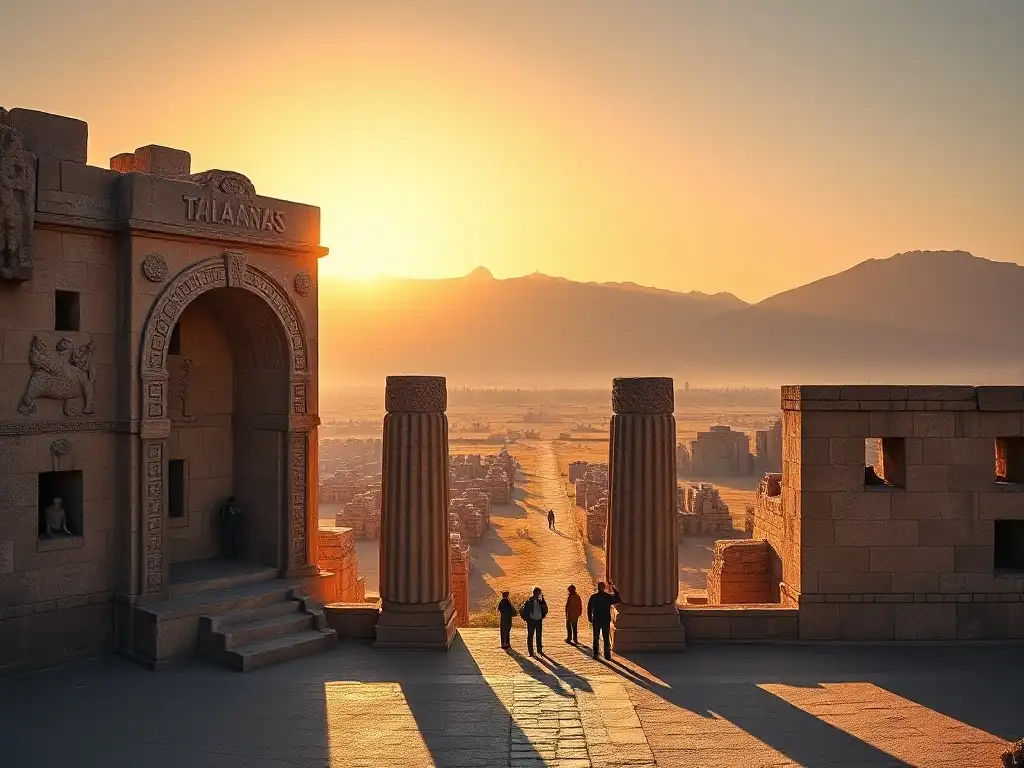
Step into a world lost to time, yet echoing with power and mystery. Imagine a civilization where towering structures pierced the Andean sky, and intricate religious beliefs shaped the very fabric of society. This is the story of Tiahuanaco, a civilization whose influence resonates even today. Prepare to unravel the complex connection between Tiahuanaco religion and its profound social impact, a journey that will challenge your perceptions and ignite your imagination. Dive in and discover the secrets waiting within…
- Tiahuanaco Religion and Social Structure: Exploring the Interconnectedness
- The Role of Religion in Tiahuanaco Society
- How Tiahuanaco Religion Shaped Social Hierarchy
- The Social Impact of Tiahuanaco Religious Ideology
- Tiahuanaco Religion Social Impact: A Detailed Analysis
- The Legacy of Tiahuanaco Religion on Andean Cultures
-
Frequently Asked Questions
- What was the primary deity worshipped in Tiahuanaco religion?
- How did Tiahuanaco religion influence its social structure?
- What evidence supports the connection between Tiahuanaco religion and its social structure?
- What role did rituals and ceremonies play in Tiahuanaco society?
- How did the decline of Tiahuanaco impact its religious and social structures?
- Final Reflection: The Enduring Legacy of Tiahuanaco's Sacred Order
- Embrace the Wisdom of Tiahuanaco: Take Action Today!
The rise and longevity of the Tiahuanaco civilization (c. 1500 BCE – 1200 CE) in the Andean highlands are inextricably linked to its complex religious beliefs and the societal structures they underpinned. This article delves into the profound connection between Tiahuanaco religion and its social impact, examining how religious ideology shaped the daily lives, social hierarchies, and political power dynamics of this remarkable civilization.
We will explore how the cosmology, rituals, and iconography of Tiahuanaco not only reflected but actively constructed its social order, influencing everything from agricultural practices to the construction of monumental architecture. Understanding this intricate relationship offers crucial insights into the factors that contributed to Tiahuanaco's success and eventual decline, providing a richer understanding of the "Tiahuanaco religion social impact".
The Role of the Supreme Deity in Tiahuanaco Society
Tiahuanaco's religious system revolved around a pantheon of deities, with a supreme being often depicted as a powerful, anthropomorphic figure. This supreme deity, whose exact nature is still debated by scholars, likely embodied concepts of fertility, cosmic order, and power. The reverence for this deity permeated all aspects of Tiahuanaco society. Evidence suggests that the elite class, likely priests and rulers, held a privileged position, acting as intermediaries between the divine and the populace.
Their authority was directly linked to their ability to maintain cosmic balance and ensure the prosperity of the society through ritual practices and offerings. The construction of massive temples and monumental structures, such as the famous Kalasasaya, further solidified the power of the religious elite and their control over resources and labor. The intricate carvings and symbolic representations found on these structures underscore the importance of religious ideology in shaping the visual landscape of Tiahuanaco.
Agricultural Practices and Religious Rituals: A Symbiotic Relationship
The harsh environmental conditions of the Andean Altiplano demanded sophisticated agricultural techniques. Tiahuanaco's success in cultivating crops like potatoes and quinoa was not solely a matter of technological innovation; it was deeply intertwined with religious beliefs and practices. Archaeological evidence points to elaborate rituals designed to ensure bountiful harvests, including offerings to the deities, processions, and the careful management of water resources.
These rituals, performed by specialized priests or community members, were integral to the social fabric of Tiahuanaco, fostering collective identity and social cohesion. The success of these agricultural practices directly impacted the social stability and the growth of the civilization, emphasizing the profound connection between religious belief and material life.
The social hierarchy of Tiahuanaco was clearly stratified, with the religious elite occupying the highest positions. Their control over religious knowledge, ritual practices, and access to resources granted them considerable power and influence. This power wasn’t merely symbolic; it extended to the allocation of land, labor, and the distribution of goods.
The elaborate burial practices of the elite, often featuring lavish grave goods and evidence of sacrificial offerings, highlight their privileged status and the symbolic power associated with their religious authority. Further research is needed to completely understand the nuances of social mobility within Tiahuanaco society and how religious practices might have influenced social advancement or limitations. The existing evidence, however, strongly suggests a system where religious authority was directly correlated with social status and political power.
The Decline of Tiahuanaco and the Enduring Legacy of its Religious Beliefs
The factors contributing to the decline of the Tiahuanaco civilization are complex and not fully understood. However, it is plausible that shifts in religious beliefs or the weakening of the religious elite's authority played a significant role. Changes in climate, internal conflicts, or external pressures may have destabilized the intricate system that connected religion and social structure.
Despite its decline, the religious iconography and cosmological beliefs of Tiahuanaco left a lasting impact on subsequent Andean cultures. Elements of Tiahuanaco's religious traditions can be traced in the beliefs and practices of later Andean civilizations, demonstrating the long-term influence of its unique religious system and its profound "Tiahuanaco religion social impact". Further studies are needed to completely elucidate the long-term consequences of the Tiahuanaco religious system on later Andean cultures.
The Role of Religion in Tiahuanaco Society
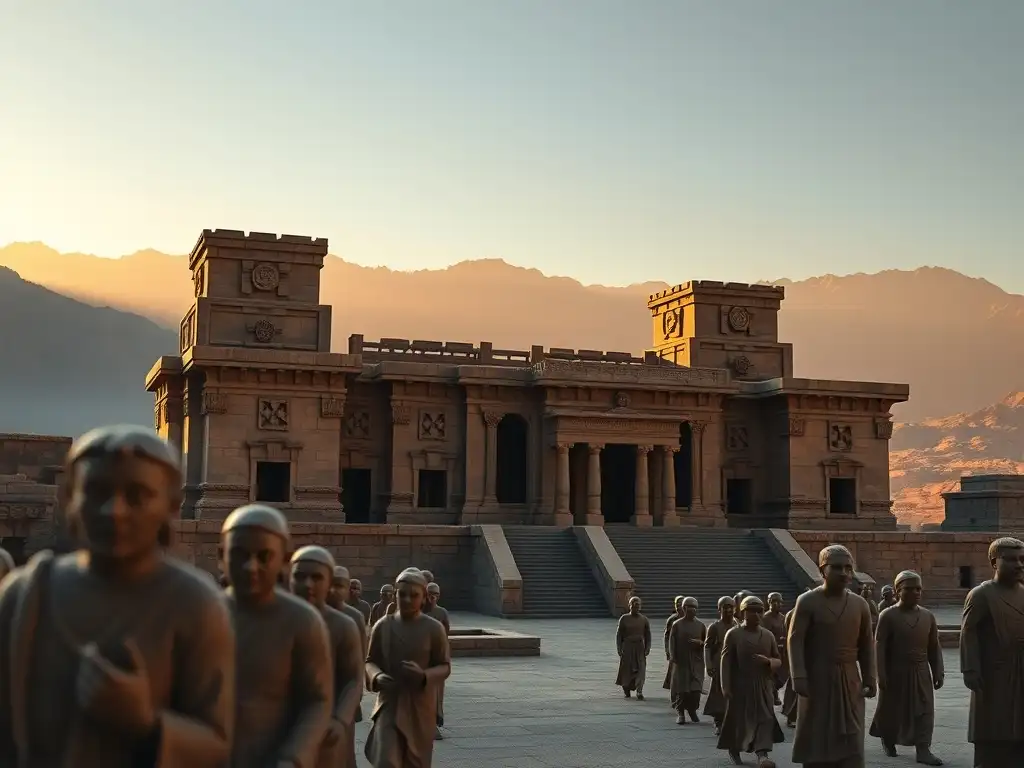
Religion wasn't merely a spiritual aspect of life in Tiahuanaco; it was deeply interwoven with the social fabric, influencing every facet of society from daily routines to monumental architecture. The pervasive influence of religious beliefs shaped the political structure, economic systems, and social hierarchies of this sophisticated Andean civilization. Understanding the role of religion is crucial to comprehending the complexity and power of Tiahuanaco.
Archaeological evidence, including intricate carvings on monumental structures and the distribution of artifacts, strongly suggests a highly centralized religious system, likely controlled by a priestly elite who wielded considerable power and influence. This centralized religious authority facilitated the mobilization of resources for large-scale public works projects and maintained social order across a vast territory.
The impact of Tiahuanaco religion on its social structure was profound and far-reaching, influencing everything from agricultural practices to warfare strategies. The very layout of the city, with its monumental structures aligned with celestial events, speaks volumes about the importance of religious cosmology in shaping their worldview and social organization.
Tiahuanaco Religious Beliefs and Practices
Tiahuanaco's religious beliefs remain partially shrouded in mystery, yet archaeological findings offer glimpses into their rich cosmology. Evidence points to a pantheon of deities, with the supreme god, possibly represented by the figure of Tunupa, holding a central position. Worship likely involved rituals centered around agriculture, water management, and celestial cycles, reflecting the civilization's dependence on these factors for survival.
The intricate iconography found on ceramics, textiles, and monumental architecture reveals a complex system of symbolism, suggesting a sophisticated understanding of the cosmos and their place within it. Many scholars believe that the chakana, the Andean cross, served as a crucial symbol, representing the four cardinal directions and the interconnectedness of the cosmos. The use of specific colors and materials in religious objects also suggests a symbolic meaning, possibly reflecting specific deities or spiritual concepts.
Further research is needed to fully decipher the nuances of their religious practices and their impact on daily life. For example, [Specific details on daily rituals pending further research]. The study of Tiahuanaco religious beliefs and practices is an ongoing process, with new discoveries constantly refining our understanding of this fascinating civilization.
The Significance of the Tiahuanaco Deity Tunupa
Tunupa, a prominent figure in Tiahuanaco iconography, is widely considered a major deity, possibly the supreme god. Depictions of Tunupa often show a powerful figure, sometimes associated with fertility and abundance. The association with fertility is strongly suggested by the frequent depictions of Tunupa with agricultural symbols and representations of water sources.
This connection highlights the centrality of agriculture to Tiahuanaco society and underscores the role of religion in ensuring successful harvests. The influence of Tunupa extended beyond mere agricultural blessings; the deity's image was likely used to legitimize the power of the ruling elite, connecting their authority to the divine. This divine connection reinforced social hierarchies and maintained social order.
The widespread presence of Tunupa's image across Tiahuanaco territory further suggests a unifying religious force that helped consolidate the civilization's political power. However, [Further research needed to define the specific attributes and roles of Tunupa]. The study of Tunupa's iconography and its context within Tiahuanaco society is crucial for understanding the intricate relationship between religion and power in this Andean civilization.
Religious Rituals and Ceremonies in Tiahuanaco
Religious rituals and ceremonies in Tiahuanaco were likely elaborate affairs, involving significant social participation. Evidence suggests that these rituals were not solely confined to religious elites but involved various segments of the population, reinforcing social cohesion and communal identity. The monumental structures, such as the Kalasasaya and Puma Punku, may have served as venues for major religious ceremonies, possibly involving processions, sacrifices, and elaborate performances. The precise nature of these ceremonies remains a subject of ongoing research.
However, analysis of archaeological findings, such as the arrangement of artifacts and skeletal remains, suggests that human sacrifice may have been a part of some rituals, possibly to appease deities or ensure the prosperity of the community. Furthermore, the precise calendar alignment of certain structures hints at the importance of astronomical observations in determining the timing of religious events. This suggests a sophisticated understanding of astronomy and its integration into the religious calendar. The social impact of these ceremonies was significant, reinforcing social hierarchies, fostering community bonds, and maintaining social order through shared religious experiences.
The scale of these events underscores the importance of religion in shaping the social and political landscape of Tiahuanaco. The study of these rituals offers critical insights into the religious beliefs and social practices of this remarkable Andean civilization. Further analysis of [Specific ritualistic artifacts and their context] will greatly enhance our understanding of these practices.
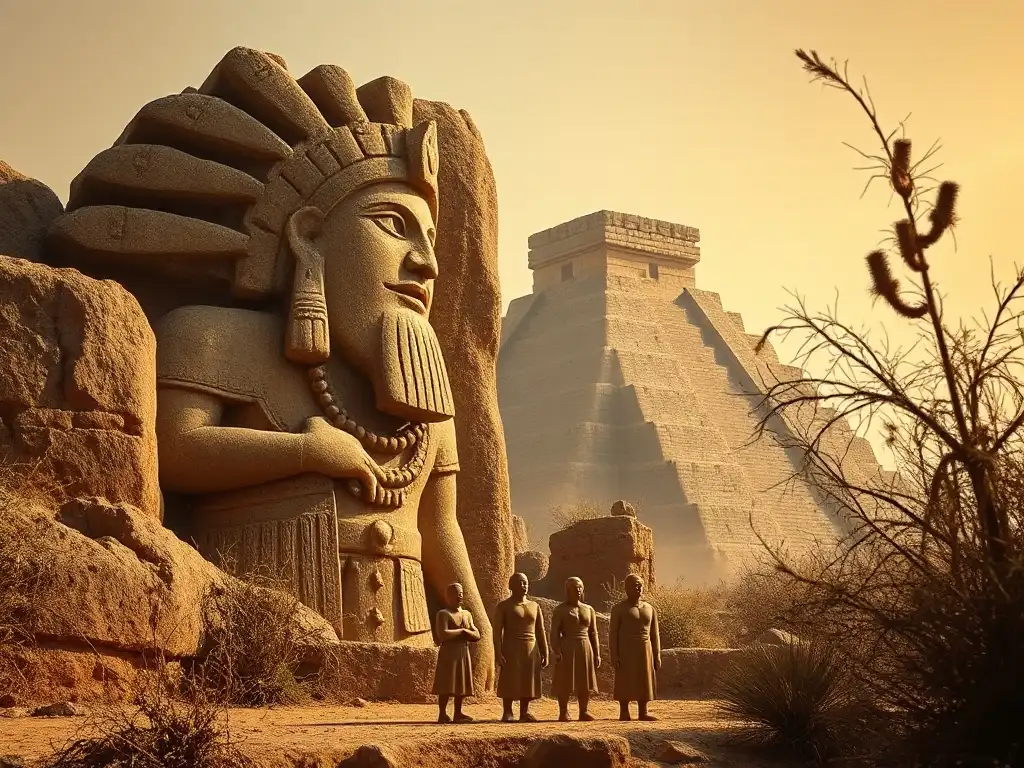
The intricate relationship between religion and social structure in Tiahuanaco remains a captivating area of study for archaeologists and historians. Evidence suggests that religious beliefs weren't merely a separate aspect of life; instead, they were deeply interwoven with the very fabric of Tiahuanaco society, profoundly influencing its hierarchical organization and social control mechanisms. The pervasive influence of religious ideology permeated daily life, shaping social interactions, defining roles, and justifying the power dynamics within the civilization.
Understanding this connection is crucial to grasping the true complexity of Tiahuanaco's societal organization. The impact of Tiahuanaco religion on its social structure is a multifaceted topic, best understood by examining the roles of religious leaders, the power wielded by the elite, and the mechanisms of social control implemented by religious institutions. This intricate interplay contributed significantly to the stability and longevity of the Tiahuanaco state.
The Influence of Religious Leaders in Tiahuanaco
Religious leaders in Tiahuanaco held positions of immense power and influence, acting as intermediaries between the divine and the earthly realm. Their authority extended far beyond spiritual guidance; they were often involved in political decision-making, economic control, and the administration of justice. Archaeological findings suggest the existence of a priestly class, possibly distinguishable by elaborate attire, specialized tools, and access to exclusive resources.
These individuals likely played a crucial role in performing complex rituals, interpreting omens, and maintaining the cosmological order believed vital for the prosperity of the society. The reverence afforded to these religious figures solidified their influence, shaping social norms and behavior. Their pronouncements carried significant weight, influencing everything from agricultural practices to warfare strategies.
The extent of their power, however, is still a topic of ongoing research, with scholars debating the precise nature of their relationship with secular rulers. Further research focusing on the material culture associated with religious leaders is needed to fully understand their social impact.
Tiahuanaco's Religious Elite and Political Power
The religious elite in Tiahuanaco didn't merely hold spiritual authority; they were deeply entangled with the political power structures. This intermingling of religious and political power created a system where religious legitimacy bolstered political authority. Monumental architecture, such as the iconic Kalasasaya complex, served as powerful symbols of this combined power, showcasing the elite's control over resources and labor.
The construction of these massive structures required immense organizational capabilities and a highly stratified society, where the religious elite played a key role in mobilizing resources and manpower. The intricate iconography found on Tiahuanaco artifacts, often depicting deities and ritual scenes, further underscores the close relationship between religion and the state. These images were not merely decorative; they served as potent symbols of power and legitimacy, reinforcing the authority of the ruling class and their religious connections.
Analyzing the distribution of elite grave goods provides further insights into the social hierarchy and the concentration of power within the religious elite. The sheer scale and sophistication of Tiahuanaco's monumental architecture stand as a testament to the power wielded by this combined religious and political elite.
Religious institutions in Tiahuanaco played a crucial role in maintaining social order and control. These institutions were not simply places of worship; they were integral components of the state's administrative apparatus. Through the control of religious knowledge, ritual practices, and sacred spaces, these institutions exerted significant influence over the population.
The calendar system, for example, likely played a vital role in regulating agricultural cycles and social activities, demonstrating the pervasive influence of religious institutions on daily life. The standardization of religious practices across the vast Tiahuanaco empire suggests a centralized system of religious control, further emphasizing the importance of these institutions in maintaining social cohesion and order. The use of religious symbols and iconography in public spaces served as constant reminders of the state's authority and the importance of adhering to social norms.
Furthermore, religious rituals and ceremonies likely served as powerful tools for social control, reinforcing social hierarchies and discouraging dissent. The precise mechanisms of this social control remain a subject of ongoing research, but the evidence strongly suggests a significant role for religious institutions in maintaining the stability of the Tiahuanaco state. Further investigation into the organization and function of these institutions is crucial for a complete understanding of Tiahuanaco's social structure and the impact of its religion.
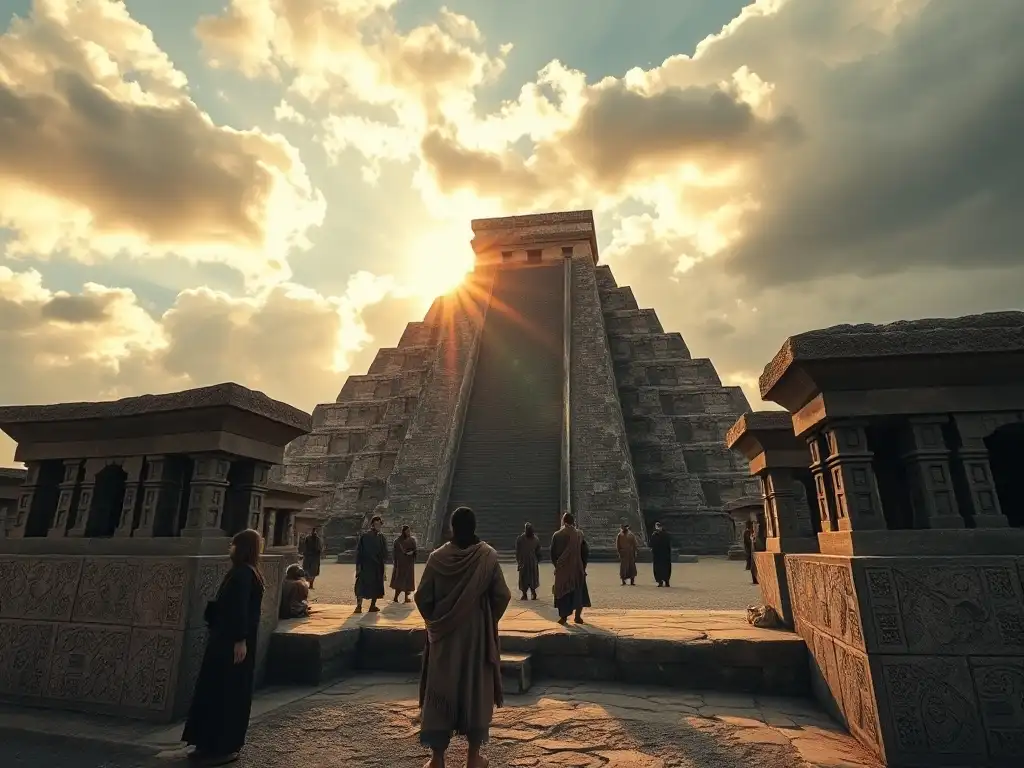
The religious ideology of Tiahuanaco exerted a profound influence on the social structure and daily life of its people. Understanding this impact requires examining how religious beliefs manifested in the political organization, social hierarchy, and artistic expressions of the civilization. The intricate interplay between religious practices and social structures reveals a sophisticated system where divine authority reinforced and legitimized earthly power.
The pervasiveness of religious symbolism, from monumental architecture to everyday objects, underscores its central role in shaping Tiahuanaco society. Analyzing the Tiahuanaco religion's social impact allows us to gain a deeper comprehension of this remarkable Andean civilization and its lasting legacy. Keywords like Tiahuanaco religious beliefs, social organization in Tiahuanaco, and religious impact on Tiahuanaco help contextualize the significant role religion played in shaping this society.
Tiahuanaco's complex social hierarchy, characterized by a clear distinction between elites and commoners, was deeply intertwined with its religious beliefs. The elite likely claimed a divine lineage or a special connection to the gods, justifying their privileged position. This connection may have been emphasized through elaborate rituals, exclusive access to sacred spaces, and the possession of unique artifacts imbued with religious significance. Archaeological evidence, such as the discovery of richly adorned tombs for elite individuals and simpler burials for commoners, supports this hypothesis.
Furthermore, the depiction of powerful figures in religious iconography, often associated with symbols of authority and divinity, reinforces the idea of a religiously sanctioned hierarchy. The Tiahuanaco social hierarchy was not simply a matter of economic power; it was a divinely ordained structure, maintained and legitimized through religious practices and beliefs. This religious justification provided stability and social order within the empire.
The Use of Religious Symbolism in Tiahuanaco Society
Religious symbolism permeated all aspects of Tiahuanaco society. From the monumental architecture of Puma Punku to the intricate designs on ceramics and textiles, symbols related to deities, cosmology, and agricultural cycles were ubiquitous. These symbols served as powerful tools for reinforcing religious beliefs and social norms.
For example, the repeated use of stylized figures and geometric patterns on textiles might have indicated a person's social standing or affiliation with a specific religious group. Similarly, the placement of certain religious artifacts within specific areas of a city or temple likely held significant ritualistic meaning, reinforcing social hierarchies and religious practices. The widespread presence of these symbols created a shared cultural identity and strengthened the cohesive power of the Tiahuanaco religion.
This extensive use of religious symbolism was crucial for the maintenance of social control and the propagation of religious ideology throughout the empire. Analyzing the prevalence of specific symbols, such as the Tiahuanaco stepped pyramid designs, provides valuable insights into the religious beliefs and social structures of the civilization.
Tiahuanaco Religion and its Influence on Art and Architecture
The art and architecture of Tiahuanaco are inextricably linked to its religious beliefs. Monumental structures like Puma Punku and Kalasasaya were not merely functional buildings; they were sacred spaces designed to reflect cosmological beliefs and reinforce religious authority. The precise stonework, intricate carvings, and monumental scale of these structures served as powerful visual representations of the power and sophistication of Tiahuanaco religion.
The elaborate designs and intricate carvings found on ceramics and textiles also echoed religious themes, reflecting the importance of religious beliefs in the daily lives of the people. The meticulous craftsmanship and attention to detail evident in Tiahuanaco art further emphasize the central role of religious ideology in shaping artistic expression. The Tiahuanaco artistic style, characterized by its geometric precision and symbolic imagery, directly reflects the religious worldview of the civilization.
This influence is evident in every aspect of Tiahuanaco art and architecture, from the grandest temples to the smallest everyday objects. The sophisticated techniques and artistic skill displayed in these creations reflect not only the technological prowess of the Tiahuanaco people but also the significant role religion played in their lives and culture. The precise and symbolic nature of the art further reinforces the importance of maintaining religious orthodoxy and social order.
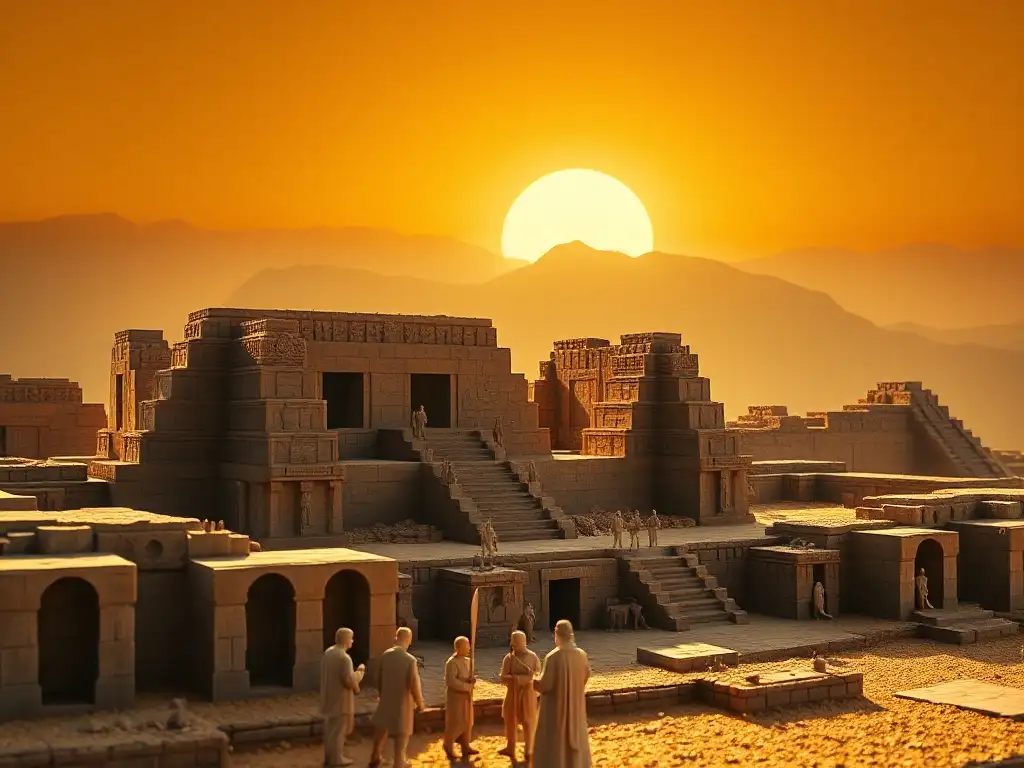
This section delves into the profound influence of Tiahuanaco religion on the social fabric of this remarkable Andean civilization. We will explore how religious beliefs and practices shaped various aspects of Tiahuanaco life, from agricultural practices to economic structures and social cohesion. Understanding this intricate relationship provides crucial insights into the power dynamics and societal organization of the Tiahuanaco culture, illuminating its lasting legacy. The keyword "Tiahuanaco religion social impact" is central to this analysis.
The Relationship Between Tiahuanaco Religion and Agriculture
The agricultural system of Tiahuanaco was deeply intertwined with its religious beliefs. Evidence suggests that the successful cultivation of crops, particularly potatoes and quinoa, was seen as a direct result of appeasing the gods. The precise nature of these religious practices remains partially obscured by the passage of time, but archaeological findings offer compelling clues.
For example, the sophisticated irrigation systems, meticulously designed to channel water from the Andes mountains to the fertile valleys, likely held significant religious meaning. The careful planning and construction of these channels, some of considerable length and complexity, suggest a highly organized and centralized effort, possibly overseen by religious leaders. This points towards a system where agricultural success was not just a matter of practical skill but also a reflection of the community's piety and the favor of the divine.
Furthermore, the discovery of ritual objects and offerings within agricultural fields indicates the performance of ceremonies aimed at ensuring bountiful harvests. These rituals likely involved specific prayers, sacrifices, and possibly the symbolic representation of agricultural deities. The interplay between practical agricultural knowledge and religious ritual underscores the holistic nature of Tiahuanaco society, where the spiritual and material realms were inextricably linked. This intricate relationship ensured the stability and prosperity of the Tiahuanaco people, highlighting the significant social impact of their religious beliefs on their ability to sustain themselves.
The Role of Religion in Tiahuanaco Trade and Economy
The influence of Tiahuanaco religion extended beyond agriculture to encompass the broader economy and trade networks. The civilization's extensive trade routes, reaching across vast distances throughout the Andes, were likely facilitated and regulated by religious institutions. The control of resources and the distribution of goods might have been partially governed by religious authority, creating a powerful economic system with religious overtones.
Evidence suggests that certain goods, such as textiles, ceramics, and precious metals, held not only economic but also symbolic value within Tiahuanaco society. These items, often intricately decorated with religious motifs, may have been used in ritual exchanges or served as tributes to religious leaders, highlighting the inextricable link between religious practice and economic activity. The religious elite likely played a vital role in overseeing the production, distribution, and exchange of these valuable commodities, further consolidating their power and influence.
This system ensured the economic stability of the Tiahuanaco state and contributed to its remarkable growth and expansion. The religious aspect of the economic structure fostered social order and facilitated the flow of goods and resources, contributing significantly to the Tiahuanaco religion's social impact.
Tiahuanaco Religious Practices and Community Cohesion
Religious practices in Tiahuanaco played a crucial role in fostering social cohesion and maintaining order within the society. The shared beliefs and rituals served as powerful unifying forces, creating a sense of collective identity and purpose among the population. The monumental architecture, such as the Kalasasaya complex, served not only as religious centers but also as focal points for communal gatherings and celebrations.
The elaborate ceremonies and festivals associated with the Tiahuanaco pantheon likely brought together people from different social strata, reinforcing social bonds and strengthening the overall stability of the civilization. These communal events fostered a sense of shared identity and belonging, contributing to a strong social fabric. Moreover, the religious hierarchy likely played a crucial role in mediating social conflicts and maintaining order. Religious leaders may have acted as arbitrators in disputes, using their authority to resolve conflicts and prevent social unrest.
This role highlights the significant contribution of religion to social harmony and the stability of the Tiahuanaco state. The cohesive social structure built on shared religious beliefs was a key factor in the long-term success of the civilization, demonstrating the deep and pervasive social impact of Tiahuanaco religion. The strong social cohesion resulting from shared religious practices contributed significantly to the Tiahuanaco civilization's longevity and influence.
The Legacy of Tiahuanaco Religion on Andean Cultures
The influence of Tiahuanaco religion extended far beyond its geographical boundaries and temporal lifespan, leaving an indelible mark on subsequent Andean cultures. Understanding this legacy requires examining the ways its religious beliefs, practices, and iconography were adopted, adapted, and transformed by later civilizations. The impact wasn't simply a direct transfer; instead, it involved a complex process of syncretism, where existing beliefs were blended with those introduced from Tiahuanaco, resulting in unique religious expressions.
This intricate interplay shaped the religious landscape of the Andes for centuries, contributing significantly to the diverse tapestry of Andean spirituality. The enduring strength of Tiahuanaco religious concepts underscores its profound social impact, a testament to its powerful and pervasive influence.
Analyzing the spread of Tiahuanaco religious ideas helps us better understand the interconnectedness of Andean societies and the dynamic nature of cultural transmission in the region. The study of Tiahuanaco's religious legacy provides valuable insights into the continuity and change within Andean religious traditions, highlighting the resilience and adaptability of cultural systems in the face of shifting power dynamics and environmental pressures.
Tiahuanaco Religious Influence on Later Andean Civilizations
The collapse of the Tiahuanaco state didn't signify the end of its religious influence. Many elements of Tiahuanaco religion were adopted and adapted by succeeding Andean civilizations, particularly the Inca. For instance, the Inca's veneration of the sun god, Inti, likely drew inspiration from Tiahuanaco's own sun deity, suggesting a continuity in solar worship across different cultural contexts.
Furthermore, the use of specific ritual objects and architectural styles, such as stepped pyramids and intricate stone carvings, reveals a clear connection between Tiahuanaco and later Andean cultures. The Inca, known for their sophisticated state organization, may have incorporated elements of Tiahuanaco's religious hierarchy into their own administrative structure. This integration of religious and political power is a hallmark of many Andean civilizations, and the Tiahuanaco influence can be seen as a crucial antecedent.
Evidence suggests that the Inca incorporated certain Tiahuanaco deities and rituals into their own pantheon, demonstrating a conscious effort to legitimize their rule by associating themselves with a powerful and prestigious predecessor. This process of selective adoption and adaptation allowed the Inca to build upon existing religious frameworks, creating a uniquely Incaic religious system while simultaneously acknowledging the legacy of Tiahuanaco.
The Transmission of Tiahuanaco Religious Ideas
The transmission of Tiahuanaco religious ideas occurred through various channels, including the movement of people, the dissemination of religious artifacts, and the adoption of religious practices. Migration patterns played a crucial role, with individuals and groups carrying their religious beliefs and practices to new settlements. The spread of Tiahuanaco pottery and textiles, often adorned with religious iconography, served as a powerful means of disseminating religious ideas across vast geographical areas.
The stylistic similarities in religious architecture across different Andean regions further suggest the transmission of architectural and ritual knowledge. The presence of similar religious motifs in art and iconography from different cultures points towards a shared religious heritage and a network of cultural exchange. The adoption of certain religious practices, such as specific rituals or ceremonies, also demonstrates the transmission of religious traditions.
However, the transmission wasn't a passive process; it involved adaptation and transformation, with different cultures selectively adopting and modifying Tiahuanaco religious elements to fit their own specific contexts and beliefs. This dynamic process resulted in a rich tapestry of religious expressions across the Andes, reflecting the fluidity and adaptability of Andean cultures.
Tiahuanaco's Religious Legacy in Contemporary Aymara Communities
The legacy of Tiahuanaco religion is still felt today in the religious practices and beliefs of contemporary Aymara communities. Many Aymara people trace their ancestry back to the Tiahuanaco culture, and their religious practices often incorporate elements that are clearly rooted in the ancient traditions. The worship of the Andean deities, such as the sun god and the mountain spirits ( apus), is a testament to the enduring influence of Tiahuanaco cosmology.
Furthermore, certain rituals and ceremonies, passed down through generations, still bear a striking resemblance to those practiced in ancient Tiahuanaco. The use of traditional textiles and artifacts, often featuring Tiahuanaco-style iconography, serves as a visual reminder of the enduring connection between past and present. The Aymara language itself retains vocabulary related to Tiahuanaco religious beliefs and practices, indicating the deep integration of these ideas into the cultural fabric of the community.
Studying the religious practices of contemporary Aymara communities provides invaluable insights into the long-term impact of Tiahuanaco religion and its continuing relevance in the lives of Andean people today. The persistence of Tiahuanaco religious elements in contemporary Aymara culture highlights the remarkable resilience and adaptability of Andean traditions. The ongoing connection between ancient Tiahuanaco and modern Aymara communities underscores the lasting significance of Tiahuanaco's religious and cultural heritage.
Frequently Asked Questions
What was the primary deity worshipped in Tiahuanaco religion?
The primary deity is believed to be Verk'o K'ota, a creator god associated with water and fertility. Other important deities included gods associated with the sun, mountains, and agriculture, reflecting their environment.
Tiahuanaco religion played a crucial role in shaping its social hierarchy. The priestly class held significant power, controlling resources and rituals, thus reinforcing their social dominance. Religious beliefs legitimized this hierarchy.
Archaeological evidence, such as monumental architecture, religious iconography, and elite burials, suggests a close link. The distribution of resources and the construction of temples also point to a powerful religious elite.
What role did rituals and ceremonies play in Tiahuanaco society?
Rituals and ceremonies were central to Tiahuanaco life, reinforcing social order and ensuring the continued prosperity of the civilization. They likely involved elaborate processions, human sacrifice, and the worship of deities.
The decline of Tiahuanaco, likely due to environmental changes and internal conflicts, led to the disintegration of its complex religious and social systems. The power of the priestly class waned, and the unified social structure fragmented.
Final Reflection: The Enduring Legacy of Tiahuanaco's Sacred Order
The intricate relationship between Tiahuanaco religion and its social structure remains profoundly relevant today, offering a powerful lens through which to examine the enduring power of belief systems in shaping societies. Understanding how a sophisticated cosmology could underpin a complex, hierarchical civilization provides invaluable insights into the dynamics of power, social control, and the creation of shared identity – elements that continue to resonate in modern societies.
The influence of Tiahuanaco's religious beliefs extends far beyond its geographical boundaries and temporal limitations. Its sophisticated calendar system, intricate iconography, and monumental architecture continue to inspire awe and scholarly debate. The legacy of Tiahuanaco is not merely in its ruins, but in the echoes of its worldview that continue to shape our understanding of Andean civilization and the very nature of societal organization.
The enduring mystery surrounding its decline only serves to heighten its significance, prompting us to consider the fragility of even the most powerful empires and the complex interplay between faith, power, and societal collapse.
Consider the ways in which belief systems continue to shape our own world. How do shared values and religious practices influence social structures in your community? I urge you to reflect on the parallels between Tiahuanaco's societal organization and contemporary societies, prompting a deeper understanding of the enduring power of belief and the intricate dance between faith and power. By examining the past, we can gain a clearer perspective on the present and a more informed vision for the future.
Embrace the Wisdom of Tiahuanaco: Take Action Today!
Thank you for exploring the fascinating world of Tiahuanaco's religion and social structure! Your interest in this remarkable civilization is truly inspiring. Now, let's turn that knowledge into action.
- Visit local museums featuring Andean artifacts to further enrich your understanding of this ancient culture.
- Connect with others by joining online forums or social media groups dedicated to Andean history and culture. Share your insights and learn from fellow enthusiasts.
- Consider volunteering your time or participating in projects dedicated to preserving Andean heritage. Your contribution can make a real difference.
What aspect of Tiahuanaco's culture most captivates you, and how will you share your passion with the world?