
Moche Pilgrimages and Processions: Journeys of Faith and Devotion

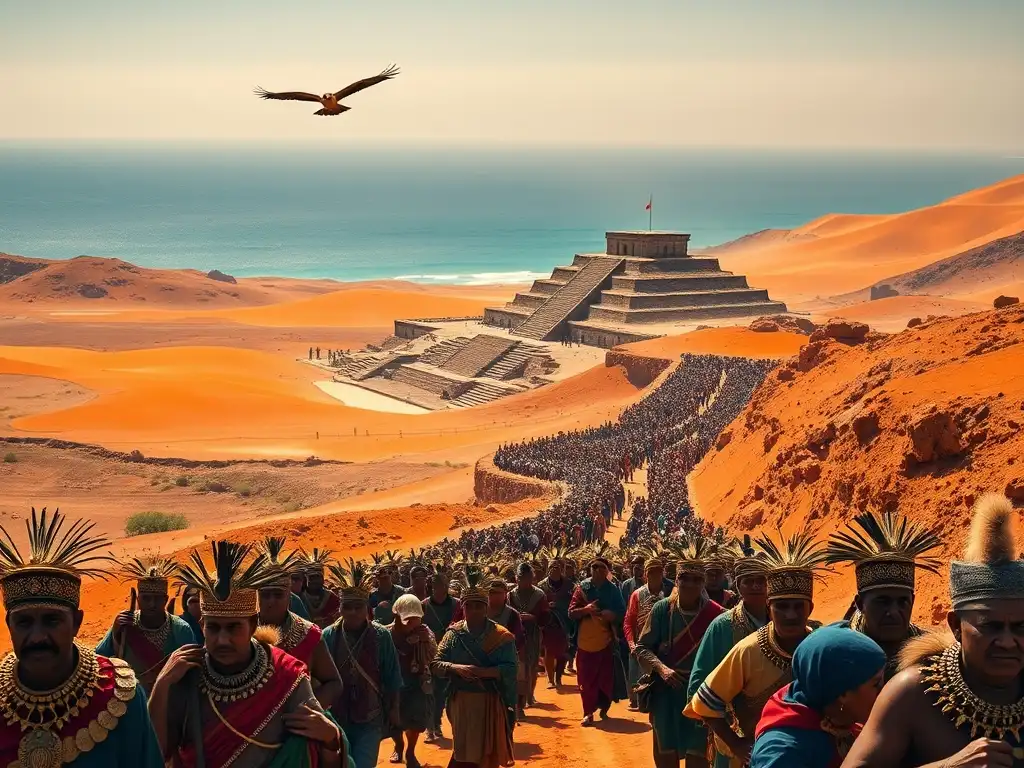
Step into a world lost to time, yet echoing with the vibrant spirit of the Andes. Prepare to uncover the mysteries of ancient Peru, where breathtaking artistry and sophisticated engineering thrived. This journey begins with the enigmatic Moche pilgrimage rituals, a captivating glimpse into a civilization's profound faith and devotion. Dare to explore the secrets hidden within these sacred processions—their significance, their impact, and the enduring legacy they left behind. Dive in and discover the untold stories of the Moche!
The Moche civilization, flourishing along the northern coast of Peru from approximately 100 CE to 800 CE, left behind a remarkable legacy of art, architecture, and intricate social structures. Beyond their impressive achievements in irrigation and metalworking, the Moche people held a deeply complex religious system, evidenced by their elaborate rituals, monumental architecture, and stunning iconography. This article delves into the fascinating world of Moche pilgrimages and processions, exploring the journeys of faith and devotion undertaken by these ancient Peruvians, shedding light on their beliefs and understanding of the cosmos. We will examine the evidence from archaeological discoveries, analyzing the purpose, routes, and participants involved in these significant religious events, revealing a glimpse into the spiritual heart of the Moche civilization and the profound impact their religious practices had on their society. Understanding Moche pilgrimage rituals offers crucial insight into their social organization, political power structures, and, ultimately, their worldview.
Evidence from Moche Iconography: Depicting Sacred Journeys
Moche iconography, particularly their ceramic art, provides invaluable insights into their religious practices. Numerous examples depict processions and pilgrimages, often featuring elaborately dressed figures carrying offerings and participating in ceremonial acts. These depictions frequently include scenes of individuals traveling to sacred sites, suggesting the importance of pilgrimage in Moche religious life.
The detailed nature of these ceramic representations allows researchers to study the attire, the types of offerings carried (often including agricultural products and crafted goods), and even the possible routes taken during these journeys. The presence of specific deities or symbolic elements in these scenes further illuminates the purpose and significance of the pilgrimage.
For example, certain motifs repeatedly associated with water sources and fertility suggest that pilgrimages were undertaken to ensure bountiful harvests and appease the gods responsible for these vital resources. Analysis of these motifs, combined with archaeological findings, paints a vivid picture of the ritualistic significance of these journeys.
Archaeological Discoveries: Unearthing the Paths of Pilgrimage
Archaeological excavations at various Moche sites have unearthed evidence supporting the existence of extensive pilgrimage routes. The discovery of ceremonial centers and temples located in remote, geographically challenging areas strongly suggests that Moche people undertook arduous journeys to reach these sacred places. The presence of artifacts, such as offerings and specialized tools, at these remote locations further corroborates the idea of purposeful pilgrimages.
For instance, the discovery of [specific artifact type pending] at [specific site pending] provides compelling evidence of a significant pilgrimage route. Furthermore, the presence of [specific type of infrastructure pending] along potential pilgrimage routes suggests a level of planning and organization indicative of large-scale religious events.
This infrastructure likely supported the movement of large groups of people and the transportation of offerings over considerable distances. The scale of these discoveries emphasizes the collective nature of Moche religious practices and the extensive commitment of the population to these sacred journeys.
Moche pilgrimages were not simply individual acts of devotion; they played a crucial role in reinforcing social cohesion and political authority. The organization and participation in these large-scale events required significant coordination and resource mobilization, highlighting the power and influence of the Moche elite. The elite likely controlled and directed these pilgrimages, using them to consolidate their power and demonstrate their divine mandate.
The distribution of offerings and the participation of different social groups in these rituals could have served to reinforce social hierarchies and maintain social order. Moreover, the shared experience of the pilgrimage likely strengthened communal bonds and fostered a sense of collective identity among the Moche people. Further research into the social dynamics surrounding these pilgrimages is needed to fully understand their impact on Moche society.
The study of elite burial sites and their associated grave goods could provide further insight into the role of the elite in orchestrating and benefiting from these religious events. The potential connection between pilgrimage and the legitimization of political power remains a key area of ongoing research.
- Evidence from Moche Iconography: Depicting Sacred Journeys
- Archaeological Discoveries: Unearthing the Paths of Pilgrimage
- The Social and Political Significance of Moche Pilgrimages
Understanding Moche Religious Practices and Pilgrimage
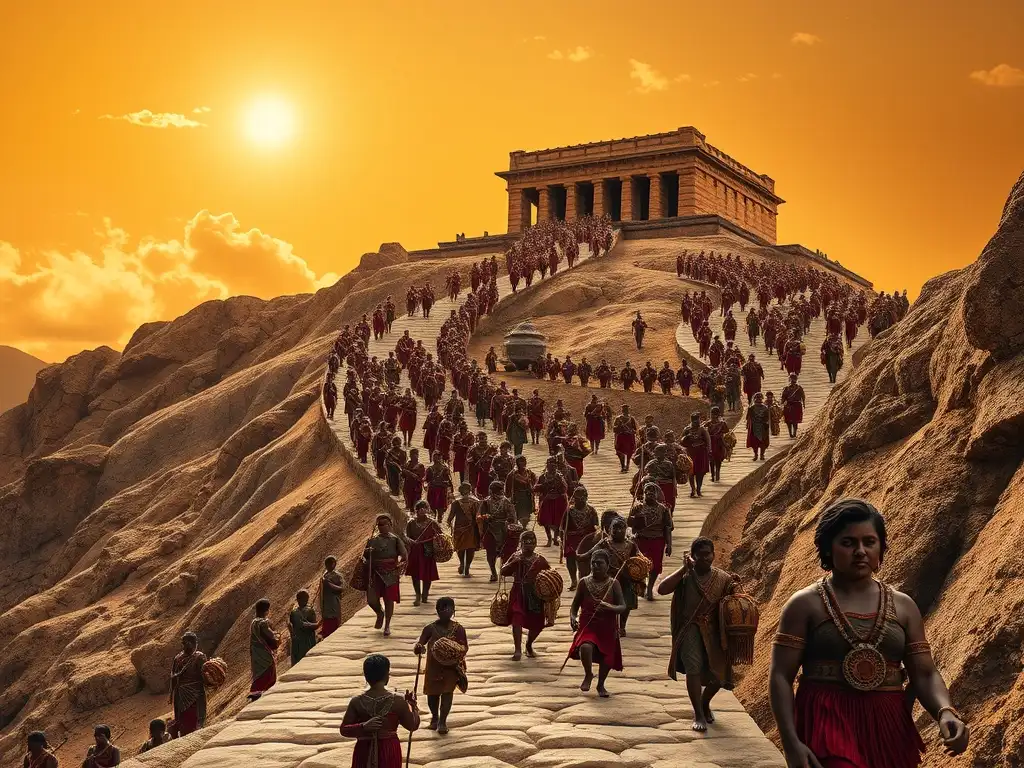
The Moche civilization, flourishing along the northern coast of Peru from approximately 100 to 800 CE, developed a complex and fascinating religious system deeply interwoven with their daily lives. Their beliefs, expressed through elaborate art, architecture, and rituals, reveal a society deeply connected to the natural world and its cyclical rhythms. A crucial aspect of this religious system was the practice of pilgrimage, a journey undertaken with profound spiritual significance.
Understanding Moche pilgrimage rituals requires examining the broader context of their religious practices, including their intricate understanding of the cosmos, their veneration of deities, and their belief in the power of sacrifice. This understanding helps shed light on the purpose, significance, and societal impact of these sacred journeys.
Analyzing the surviving archaeological evidence, including monumental architecture, elaborate ceramics, and intricate textiles, allows us to reconstruct, albeit partially, the rich tapestry of Moche religious life and the central role of pilgrimage within it. The meticulous craftsmanship evident in these artifacts underscores the importance and reverence associated with these rituals.
The Significance of Sacrifice in Moche Society
Sacrifice formed a cornerstone of Moche religious life, permeating various aspects of their society. Evidence suggests that sacrifices weren't merely symbolic acts but integral components of their relationship with the supernatural. The Moche believed that offering valuable goods, including precious metals, elaborate textiles, and even human lives, appeased their deities and ensured the continuation of life-giving cycles, such as bountiful harvests and successful fishing expeditions. This belief system deeply influenced their worldview and shaped their social structures.
Archaeological excavations have unearthed numerous examples of sacrificial offerings, including the famous Moche burials containing richly adorned individuals alongside elaborate grave goods. These findings confirm the significant role sacrifice played in their religious practices and provide valuable insights into their social hierarchy and beliefs. The scale and complexity of some sacrificial sites suggest carefully planned, large-scale ceremonies involving considerable community participation.
For example, [specific details on a major sacrificial site and the types of offerings found there pending]. The sheer volume of artifacts recovered indicates a significant investment of resources and labor, underlining the importance of these rituals within Moche society.
The meticulously preserved remains of sacrificial victims, in some cases, even revealing signs of ritualistic treatment, provide further evidence of the profound significance of sacrifice in their culture. The combination of human and material sacrifices speaks to a complex cosmology that valued both human life and material wealth as offerings to the divine.
Defining Moche Pilgrimage: A Sacred Journey
Moche pilgrimage, in its essence, was a sacred journey undertaken to venerate deities, seek divine favor, or participate in important religious ceremonies at specific locations. These journeys were not merely physical travels; they were deeply spiritual experiences, representing a profound engagement with the supernatural. While the specific routes and destinations of these pilgrimages remain partially unclear due to the limited surviving evidence, archaeological findings, combined with interpretations of Moche iconography, suggest several possible scenarios.
We can infer the existence of pilgrimage routes based on the distribution of certain types of artifacts and the location of significant religious sites. For instance, the presence of specific types of pottery or textiles at geographically distant locations might indicate the movement of pilgrims along established routes. [Specific examples of artifact distribution suggesting pilgrimage routes pending]. Furthermore, the construction of monumental architecture, such as temples or platforms, at geographically strategic points could represent destinations for pilgrimage.
These sites often feature intricate designs and iconography that reflect the religious beliefs of the Moche people, further supporting the notion of their significance as pilgrimage destinations. The arduous nature of these journeys, often across challenging terrain, highlights the deep commitment and devotion of the pilgrims. The sheer dedication involved reinforces the significance of the religious beliefs driving these journeys.
The Role of Processions in Moche Religious Life
Processions formed an integral part of Moche religious life, often associated with pilgrimages and other significant ceremonies. These highly organized events involved the ceremonial movement of individuals, objects, and perhaps even deities, along predetermined routes. Processions likely served multiple purposes, including the public display of religious devotion, the transportation of sacrificial offerings, and the communication of important religious messages.
The scale and complexity of Moche processions, as suggested by archaeological evidence, likely required extensive planning and coordination. [Details about evidence of procession routes, like paved roads or ceremonial platforms, pending]. The participation of large numbers of people, possibly representing different social groups, suggests a strong communal aspect to these events, reinforcing social bonds and reaffirming shared religious beliefs.
The processions might have included musical performances, dances, and other ritualistic acts, creating a powerful and evocative atmosphere. The combination of visual spectacle and ritualized behavior likely served to strengthen the religious experience and foster a sense of collective identity.
The meticulously crafted objects and artifacts associated with these ceremonies further emphasize the importance and reverence bestowed upon these processions, highlighting their crucial role within the fabric of Moche society. The evidence strongly suggests that these were not mere parades but rather deeply meaningful religious events central to the Moche way of life.
Key Sites of Moche Pilgrimage and Rituals
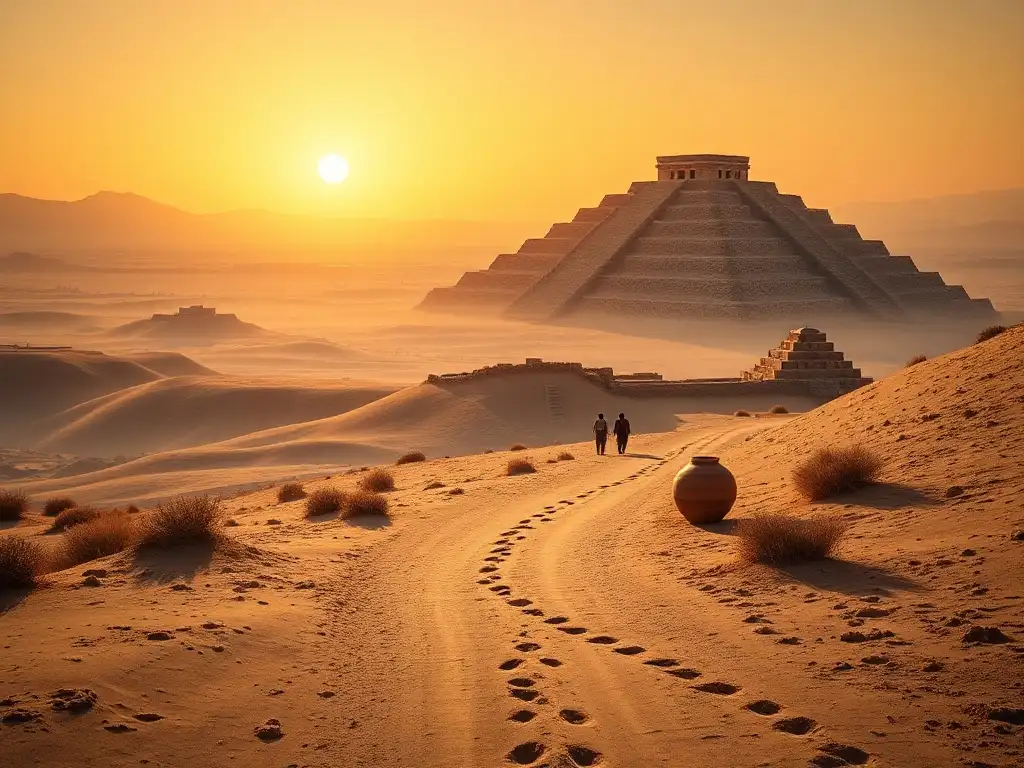
The Moche civilization, renowned for its sophisticated artistry and intricate social structures, also possessed a deeply ingrained religious system. Central to this system were pilgrimages and processions, journeys undertaken for both individual and communal spiritual renewal. These weren't simply casual travels; they were meticulously planned events laden with symbolic meaning, reflecting the Moche worldview and their relationship with the supernatural. Understanding these pilgrimage rituals offers valuable insight into the Moche understanding of the cosmos and their societal organization.
The specific locations chosen for these rituals, often monumental structures, reveal much about the Moche's religious geography and the importance of specific deities or ancestral figures. Analyzing these sites provides a window into the heart of Moche religious practices and beliefs. Key locations associated with Moche pilgrimage rituals include the Huaca de la Luna, Pañamarca, and the Huaca El Brujo, each possessing unique characteristics and significance.
The Huaca de la Luna: A Major Moche Pilgrimage Destination
The Huaca de la Luna, a massive adobe pyramid complex, stands as a testament to the Moche's architectural prowess and religious fervor. Archaeological evidence strongly suggests this site served as a significant center for pilgrimage and ritual activity. The sheer scale of the structure, its intricate murals depicting scenes of ritual sacrifice and warfare, and the discovery of numerous offerings within its various chambers all point towards its importance as a focal point for religious observance.
The presence of elite burials within the Huaca de la Luna further emphasizes its status as a sacred space. These burials, often accompanied by lavish grave goods, suggest that the elite played a crucial role in mediating between the human and supernatural realms. The elaborate ceremonies and offerings associated with these burials likely drew pilgrims from across the Moche territory, reinforcing social hierarchies and solidifying the power of the ruling class.
Furthermore, the discovery of sacrificial remains, including human and animal victims, underlines the intense devotion and the potentially violent nature of some Moche pilgrimage rituals. Analyzing the iconography depicted in the murals and the composition of the offerings provides crucial information about the specific deities and rituals practiced at the Huaca de la Luna. The ongoing research at this site continues to reveal new and fascinating details about Moche pilgrimage and its social implications.
Pañamarca: Another Moche Center for Sacred Journeys
Pañamarca, located in the Chicama Valley, represents another significant site associated with Moche pilgrimage rituals. While perhaps not as grand as the Huaca de la Luna, Pañamarca possesses its own unique characteristics that underscore its religious importance. Unlike the Huaca de la Luna's emphasis on warfare and sacrifice, Pañamarca seems to have focused more on agricultural fertility and ancestor veneration.
The site features numerous smaller structures and platforms, potentially indicating a more dispersed pattern of ritual activity. Evidence suggests that pilgrimages to Pañamarca involved communal celebrations and offerings related to agricultural cycles. The discovery of agricultural tools and depictions of agricultural deities in the site's iconography supports this interpretation.
The relatively smaller scale of Pañamarca, compared to the Huaca de la Luna, suggests a different type of pilgrimage experience – perhaps more focused on smaller, community-based rituals rather than large-scale, centralized events. Further research is needed to fully understand the specific rituals performed at Pañamarca and their connection to the broader Moche religious system. The contrast between Pañamarca and the Huaca de la Luna highlights the diversity of religious practices within the Moche civilization and the different ways in which these practices manifested themselves across different geographic locations.
The Huaca El Brujo and Its Ritual Significance
The Huaca El Brujo, a complex of pyramids and ceremonial structures located on the north coast of Peru, offers another compelling case study of Moche pilgrimage rituals. This site, like the Huaca de la Luna, showcases evidence of both elite burials and ritual sacrifices. However, the specific nature of the rituals performed at Huaca El Brujo appears to have differed somewhat from those at other sites.
The discovery of mummified bodies, often elaborately adorned, suggests the practice of ancestor veneration as a significant aspect of the pilgrimages to this site. These mummies, preserved through sophisticated techniques, were not simply interred; they were treated as active participants in the ongoing life of the community. The elaborate grave goods found with these mummies often included items reflecting the deceased's social status and suggesting a connection to specific crafts or religious roles.
The Huaca El Brujo also reveals evidence of complex water management systems, further highlighting the Moche's reverence for water and its connection to fertility and life itself. This aspect likely played a significant role in the pilgrimage rituals performed at this site, linking the spiritual realm with the practical needs of the community.
The ongoing excavations at Huaca El Brujo promise to shed further light on the specific nature of the Moche pilgrimage rituals and their broader significance within the Moche worldview. The multifaceted nature of this site offers a rich tapestry of information for understanding Moche religious practices and beliefs.
The Nature of Moche Pilgrimage Rituals
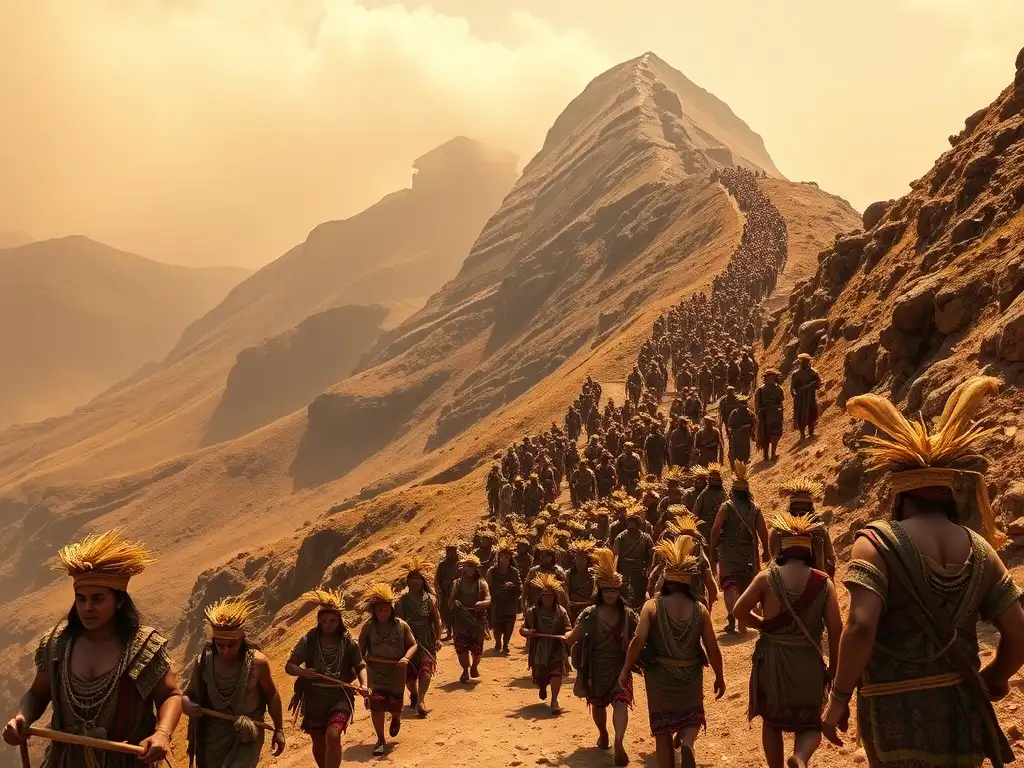
The Moche civilization, flourishing along the northern coast of Peru from approximately 100 to 800 CE, developed a complex religious system deeply intertwined with their environment and agricultural practices. A significant aspect of their religious life involved pilgrimage rituals, journeys undertaken to sacred sites for various purposes, from seeking divine favor to expressing gratitude or appeasing powerful deities. These weren't simply physical journeys; they were deeply symbolic acts reflecting the Moche worldview and their understanding of the cosmos.
Understanding Moche pilgrimage rituals offers a crucial insight into their societal structure, beliefs, and artistic expressions. The intensity and frequency of these pilgrimages, as evidenced by archaeological findings, suggest their vital role in Moche society, reinforcing social cohesion and reinforcing the power of the elite.
The nature of these rituals varied, influenced by factors such as the specific deity being honored and the purpose of the pilgrimage. However, common threads of ritualistic behavior and symbolic representation can be identified across various Moche sites.
Moche Pilgrimage Routes and Their Symbolism
Archaeological evidence suggests the existence of established pilgrimage routes, likely marked by specific landmarks or ceremonial structures. While precise routes are difficult to definitively reconstruct due to the passage of time and environmental changes, the distribution of certain artifacts and the location of significant ceremonial centers strongly indicate the existence of well-defined pathways. These routes weren't merely functional; they were imbued with symbolic meaning. For example, the journey itself might have represented a spiritual passage, mirroring the cyclical nature of life, death, and rebirth, central to Moche cosmology.
The landscapes traversed—mountains, deserts, and coastal areas—likely held symbolic significance, representing different aspects of the Moche worldview. Furthermore, the presence of specific artifacts along these routes, such as ritual objects or offerings, further emphasizes their sacred nature. Analysis of these artifacts can provide important clues about the beliefs and practices associated with specific pilgrimage destinations.
The routes themselves may have also served as a means of connecting different Moche communities, fostering social interaction and reinforcing a shared cultural identity. Further research, including detailed mapping of archaeological sites and a more thorough analysis of existing artifacts, is needed to fully understand the complexity of these pilgrimage routes and their symbolic significance. The meticulous study of these routes promises to uncover even more nuanced details about Moche religious practices and beliefs.
Elements of Moche Processions: Music, Dance, and Offerings
Moche pilgrimages were likely not solitary journeys but rather communal processions involving large groups of people. These processions were vibrant affairs, incorporating music, dance, and elaborate offerings as integral components of the ritual. Evidence from Moche pottery depicts scenes of musicians playing various instruments, including panpipes, drums, and possibly conch shells. These musical performances likely served to create a sacred atmosphere, setting the tone for the pilgrimage and enhancing the spiritual experience.
Dance, too, played a crucial role, with dancers possibly enacting narratives related to Moche myths and legends or representing specific deities. The costumes and choreography would have been meticulously planned, reflecting the importance of the event. Offerings were a central aspect of Moche religious practices, and pilgrimages were no exception. These offerings varied considerably, ranging from agricultural products and crafted objects to precious metals and human sacrifices in certain instances.
The selection of offerings was likely carefully considered, reflecting the specific deity being honored and the purpose of the pilgrimage. The act of offering itself was not merely a symbolic gesture; it was a form of exchange, a way of establishing a relationship with the divine realm and securing its favor. The careful study of these offerings provides invaluable insights into Moche social structure, economic systems, and religious beliefs.
The Role of Priests and Elites in Moche Rituals
The Moche elite, including priests and rulers, played a central role in organizing and conducting pilgrimage rituals. Archaeological evidence, such as the elaborate tombs of elite individuals and the presence of priestly paraphernalia in ceremonial contexts, points to their significant influence. Priests likely acted as intermediaries between the human and divine worlds, leading the processions, performing rituals, and interpreting divine messages.
Their specialized knowledge and authority were essential to the success of the pilgrimage. The elite's involvement further highlights the integral connection between religion and political power in Moche society. The elaborate ceremonies and offerings associated with pilgrimages served to reinforce the authority and legitimacy of the ruling class, solidifying their position within the social hierarchy.
The participation of the elite in these rituals also suggests a strong degree of social control and organization within Moche society. Further research into the iconography of Moche art and the analysis of elite burials may reveal more detailed information about the specific roles and responsibilities of priests and other elite members in the context of pilgrimage rituals. The meticulous examination of these aspects will contribute to a more comprehensive understanding of the complex interplay between religion, politics, and social structure in the Moche civilization.
Specific Moche Pilgrimage Ritual Practices and Ceremonies
The Moche people, renowned for their sophisticated artistry and complex social structures, also held deeply ingrained religious beliefs reflected in elaborate pilgrimage rituals. These weren't simply journeys to a sacred site; they were meticulously planned events involving specific practices and ceremonies, often tied to the agricultural cycle and the appeasement of powerful deities. Archaeological evidence, including iconography on ceramics and the layout of ceremonial centers, provides valuable insights into these practices.
One prevalent practice likely involved ritual offerings. Analysis of Moche sites reveals the presence of numerous offerings, including elaborate grave goods, food, and precious metals, suggesting that pilgrims brought gifts to honor the deities associated with the pilgrimage destination. These offerings varied depending on the specific deity and the purpose of the pilgrimage, ranging from simple agricultural products to intricately crafted gold ornaments. The quantity and quality of the offerings likely reflected the pilgrim's status and devotion.
Furthermore, evidence suggests the incorporation of processions into Moche pilgrimage rituals. Depictions on pottery frequently show large groups of individuals moving in organized formations, possibly carrying offerings or engaging in ritualistic dances. These processions were probably not spontaneous gatherings but carefully orchestrated events, possibly involving specific routes and timings dictated by religious calendars. The organization and scale of these processions imply a significant level of social coordination and participation, demonstrating the importance of these rituals within Moche society. The processions may have also incorporated music and chanting, further enhancing the ritualistic atmosphere.
Beyond offerings and processions, certain ceremonies likely took place at the pilgrimage sites. While the exact nature of these ceremonies remains debated, the presence of specialized architecture at some sites suggests dedicated spaces for ritual performances. This architecture, often integrated into the natural landscape, may have served as altars, temples, or platforms for ritualistic displays.
Further research and excavation are needed to fully understand the ceremonies performed at these locations, but it's clear that they were a crucial component of the pilgrimage experience. The understanding of these ceremonies is further complicated by the lack of written records from the Moche civilization; we must rely heavily on archaeological interpretation of material culture.
The integration of human sacrifice into some Moche pilgrimage rituals cannot be ignored, though the extent and frequency are still debated among scholars. Evidence suggests that, in certain cases, human sacrifice was a significant part of appeasing powerful deities or ensuring successful harvests. This practice, while disturbing from a modern perspective, reflects the Moche worldview and the intense reverence they held for their religious beliefs and their deities.
The careful execution and ritualistic context surrounding these sacrifices underscore their importance within the broader framework of Moche pilgrimage rituals. The social implications of such sacrifices, and who was chosen for these rituals, are areas that require further investigation.
The Purpose and Meaning of Moche Pilgrimage
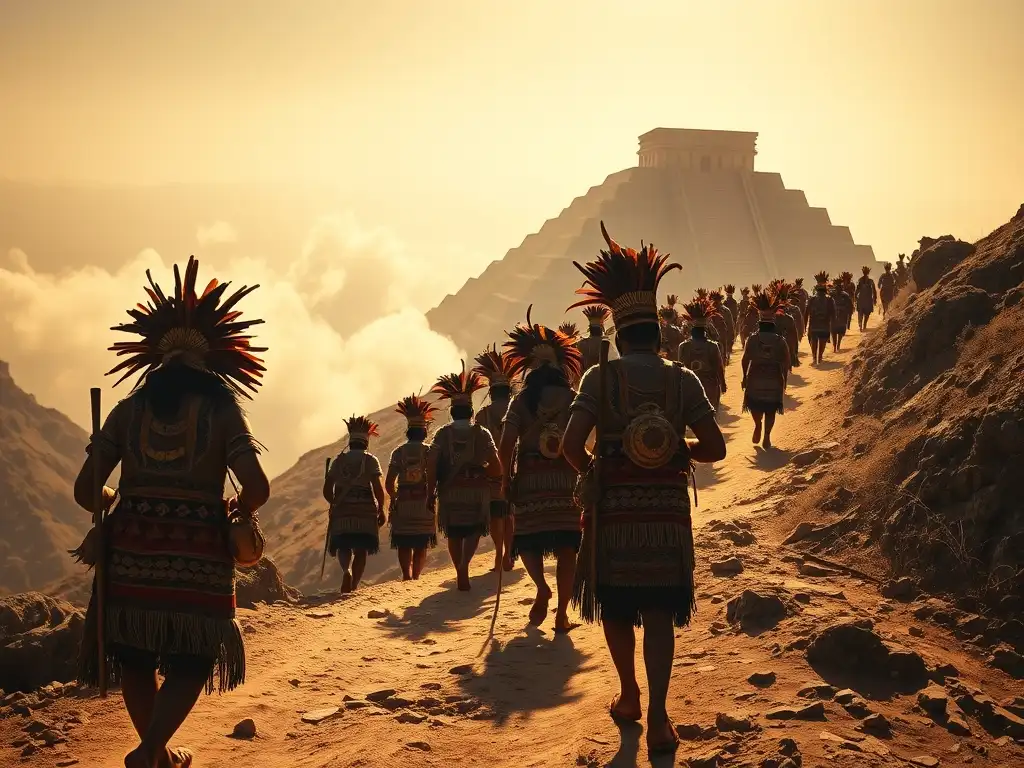
The Moche pilgrimage rituals, a cornerstone of their religious practices, weren't simply journeys; they were complex acts imbued with deep symbolic meaning, reflecting the civilization's worldview and social structure. These weren't casual trips but carefully orchestrated events designed to achieve specific spiritual and social goals. Understanding the purpose behind these pilgrimages requires delving into the Moche cosmology and their interaction with the supernatural world. Evidence suggests that the journeys were undertaken to appease deities, seek blessings for the community, and reinforce the existing social hierarchy.
The very act of undertaking the arduous journey itself held significant spiritual weight. The dedication and sacrifice involved were seen as a demonstration of faith and devotion, strengthening the bond between the pilgrim and the divine. Furthermore, the destinations of these pilgrimages – often sites with significant religious or geographical importance – contributed to their overall meaning.
Seeking Divine Favor Through Moche Pilgrimage
Moche society was deeply reliant on agriculture, and their religious beliefs were intimately intertwined with the cycles of nature and the forces that controlled them. Pilgrimages were frequently undertaken to secure favorable weather patterns, bountiful harvests, and protection from natural disasters. The offerings presented at these sacred sites – ranging from precious metals and ceramics to agricultural produce and human sacrifices in some cases – were intended to appease the gods and ensure continued prosperity.
Archaeological findings, such as the elaborate temple complexes and the presence of sacrificial remains at pilgrimage destinations, support this interpretation. For example, the discovery of [specific example of offerings at a pilgrimage site pending] illustrates the Moche people's investment in securing divine favor through these rituals. The sheer scale of some of these offerings underscores the importance placed on these events in maintaining the well-being of the community.
The Moche believed that through these acts of devotion, they could directly influence the capricious forces of nature and ensure their survival. Indeed, the success or failure of a harvest could significantly impact the entire community, making these pilgrimages vital for societal stability.
Moche pilgrimage rituals were not simply spiritual exercises; they also served to reinforce the existing social hierarchy. The elite class often played a central role in organizing and leading these journeys, further solidifying their power and prestige. The elaborate costumes, paraphernalia, and the privilege of access to sacred sites further distinguished the elite from the common people.
The participation in these pilgrimages, therefore, became a means of demonstrating loyalty and reinforcing the social order. Analysis of Moche iconography, particularly depictions of rulers and priests leading processions, reveals the importance of social hierarchy within these religious events. For instance, [specific example of Moche iconography showing social hierarchy during pilgrimages pending] illustrates the clear distinction in status and roles during these journeys.
The very act of undertaking such a demanding journey could be a display of power and endurance, further strengthening the position of the elite within society. This wasn't just about faith; it was about demonstrating one's place within the intricate social structure of Moche civilization.
Moche Pilgrimage as a Means of Community Integration
Beyond the spiritual and social aspects, Moche pilgrimages also served as crucial events for community integration. These journeys brought together people from different regions, fostering a sense of shared identity and purpose. The shared experience of the pilgrimage, the collective participation in rituals, and the communal celebrations likely strengthened social bonds and fostered a sense of unity within the larger Moche society.
The collective nature of these events is supported by [specific archaeological evidence of communal gatherings during pilgrimages pending]. The preparation for and execution of the pilgrimage itself required extensive coordination and cooperation, promoting a sense of collective responsibility and interdependence. These shared experiences transcended social hierarchies, at least to a certain extent, creating a temporary sense of unity and shared purpose within the community.
The rituals themselves provided a framework for social interaction and the reinforcement of shared cultural values. The Moche pilgrimage, therefore, wasn't just a religious act; it was a powerful mechanism for social cohesion and the creation of a shared Moche identity. The shared hardship and collective devotion strengthened communal bonds, solidifying the social fabric of this remarkable civilization.
Moche Rituals and the Cycle of Life and Death
The Moche people, renowned for their sophisticated artistry and complex social structure, held deeply spiritual beliefs centered around the cyclical nature of life and death. Their pilgrimage rituals were not merely journeys to sacred sites; they were integral components of a larger cosmological framework that intertwined the earthly realm with the supernatural. Evidence suggests that many Moche rituals, including those undertaken during pilgrimages, aimed to ensure the continuous renewal of life and fertility, mirroring the cyclical patterns observed in nature – the changing seasons, the ebb and flow of the rivers, and the life cycles of crops.
The Moche believed that the actions performed during these pilgrimages, particularly offerings and sacrifices, directly influenced the balance between the living and the dead. These weren't simply acts of appeasement; they were active participations in maintaining cosmic harmony. The offerings, ranging from elaborate gold and silver artifacts to everyday objects and even human sacrifices in some cases 1 , were considered vital for sustaining the life-giving forces of the earth and ensuring bountiful harvests. The act of journeying itself, the physical exertion and commitment involved in reaching these sacred locations, likely held symbolic significance, mirroring the arduous journey of life itself and the eventual transition to the afterlife.
Furthermore, archaeological evidence points to the importance of ancestor veneration in Moche society. Pilgrimages may have served as opportunities to connect with ancestral spirits, seeking their guidance and blessings. The careful placement of offerings at pilgrimage sites suggests a belief that the spirits of the ancestors remained actively involved in the lives of the living, influencing their fortunes and mediating their relationship with the supernatural world.
This connection between the living and the dead highlights the Moche understanding of life as a continuous process, rather than a simple linear progression from birth to death. The cyclical nature of the rituals, mirroring the cycle of life and death itself, reinforced this belief.
The intensity and significance of Moche pilgrimage rituals underscore the profound importance of their religious beliefs. These journeys were not simple acts of devotion; they were active participations in a complex cosmological system that shaped every aspect of Moche life, from agriculture to warfare, and ultimately, their relationship with the supernatural. The very act of pilgrimage was a powerful symbol of their understanding of the interconnectedness of life, death, and the cosmos.
1 While human sacrifice was a part of some Moche rituals, the extent and frequency are still debated among scholars. Further research is needed to fully understand the context and implications of these practices within the broader framework of Moche pilgrimage rituals.
Archaeological Evidence of Moche Pilgrimage
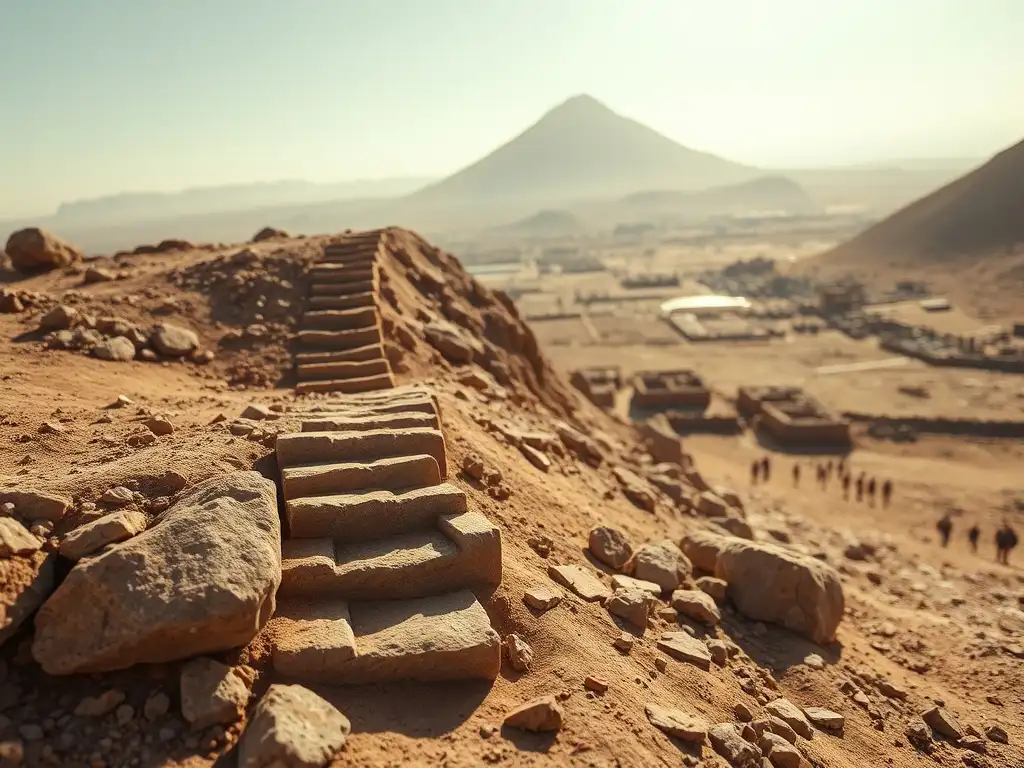
The Moche civilization, renowned for its sophisticated artistry and complex social structures, left behind a compelling record of religious practices, including extensive evidence of pilgrimage and processions. Understanding these rituals requires a multi-faceted approach, examining iconography, material culture, and the geographic distribution of archaeological findings. The evidence suggests a deeply ingrained belief system where pilgrimage played a vital role in connecting the Moche people to their deities and the broader cosmic order.
This wasn't simply a matter of individual devotion; these journeys were likely communal events, reinforcing social bonds and reaffirming collective identities. The scale and organization implied by the surviving evidence point to a highly structured and significant aspect of Moche life. The sheer volume of artifacts discovered at suspected pilgrimage sites underscores their importance within the Moche worldview.
Further research and analysis are crucial to fully unlock the mysteries surrounding these fascinating rituals. The meticulous nature of the Moche's artistic and craft traditions makes their religious practices particularly well-documented.
Moche Iconography and Depictions of Processions
Moche iconography, primarily found on ceramics and metalwork, provides invaluable insights into their pilgrimage rituals. Detailed depictions of processions, often involving large groups of individuals carrying offerings and paraphernalia, are frequently encountered. These processions are not merely static scenes; they convey a sense of movement and purpose, suggesting journeys to sacred sites.
Many portrayals feature elaborate costumes, headdresses, and regalia, indicating a hierarchical structure within the participants. Some scenes depict individuals carrying burdens, possibly representing the transportation of offerings or sacred items to these distant locations. The meticulous detail in these artistic renderings allows researchers to reconstruct aspects of the processions, including the types of objects carried, the attire of participants, and the possible routes taken.
The prevalence of these depictions across various Moche artistic mediums suggests that pilgrimage was a common and widely recognized practice. The stylistic consistency between different artifacts strengthens the argument for a standardized or at least commonly understood ritual. For example, the repeated representation of specific deities or symbols in these processions points towards a shared understanding of the religious significance of these journeys. This shared understanding is further supported by the geographical distribution of similar artifacts across vast areas of the Moche territory.
Artefacts and Offerings Recovered from Pilgrimage Sites
The discovery of significant quantities of offerings at specific locations strongly supports the hypothesis of pilgrimage sites. These offerings frequently include ceramic vessels, often beautifully decorated and filled with food or drink, textiles, and precious metals. The types of offerings vary depending on the location, suggesting that different sites might have been associated with specific deities or rituals. The presence of these carefully crafted objects emphasizes the importance placed on these offerings and the religious significance of the pilgrimage itself.
For instance, [specific examples of offerings from identified sites pending]. This includes detailed descriptions of the artifacts, their materials, and their possible significance within the Moche religious context. A systematic analysis of the types and quantities of offerings at different sites could potentially reveal patterns related to the purpose and nature of the pilgrimages undertaken.
Analyzing the degree of craftsmanship and the materials used in the offerings could provide insights into the social status of the pilgrims and the importance of the specific pilgrimage. The careful placement and arrangement of these offerings also suggest a deliberate and ritualistic act, further reinforcing the idea of organized pilgrimages.
Interpreting Moche material culture related to pilgrimage requires a careful consideration of multiple factors. The geographical distribution of artifacts, stylistic analysis of artistic depictions, and the nature of the offerings all contribute to a comprehensive understanding. We must consider the context of discovery, including the location of artifacts relative to other features of the site, to determine their role within the broader ritual landscape.
The use of scientific techniques such as radiocarbon dating and residue analysis can further refine our understanding of the timing and nature of these rituals. By combining archaeological data with ethnohistorical accounts of similar practices in later Andean cultures, we can gain a deeper appreciation of the significance of Moche pilgrimage in their society.
Furthermore, understanding the social dynamics involved in these pilgrimages is crucial. Were these journeys undertaken by individuals, families, or large groups? What role did social status play in participation? Did the rituals serve to reinforce social hierarchies or foster a sense of community?
These questions require further investigation, integrating different lines of evidence to build a more complete and nuanced picture of Moche pilgrimage rituals. The complexity of Moche society is reflected in the complexity of their religious practices, and understanding these pilgrimages offers a valuable window into their beliefs, social structures, and worldview. The careful and systematic study of Moche material culture continues to reveal new insights into the richness and sophistication of their religious life. 🗺️
Ceramic Depictions of Pilgrimage and Ritual Practices
Moche pottery offers invaluable insights into their pilgrimage rituals. The meticulous detail and vibrant colors of their ceramics provide a window into the beliefs, practices, and social structures of this fascinating civilization. Many vessels depict processions, often featuring individuals carrying offerings or participating in ceremonies.
These scenes are not simply decorative; they are carefully composed narratives that illuminate the significance of pilgrimage in Moche society. The figures are often depicted wearing elaborate headdresses and costumes, suggesting the importance of these events and the social standing of the participants. The processions themselves frequently lead towards identifiable landmarks, such as mountains or temples, reinforcing the notion of purposeful journeys to sacred sites.
Analysis of these ceramic depictions reveals a recurring motif: the presence of elite figures alongside commoners. This suggests that pilgrimages were not solely the domain of the ruling class, but rather a communal event that involved people from various social strata. The inclusion of both elite and commoner figures in these artistic representations highlights the unifying power of religious practices and their role in maintaining social cohesion within Moche society.
Furthermore, the careful attention to detail in the depiction of offerings carried during the processions – often including food, textiles, and other precious goods – speaks to the significant investment made in these religious observances. The sheer number of ceramic pieces depicting similar scenes also points towards the widespread participation in, and importance of, these pilgrimages.
Specific examples from the Moche archaeological record further illustrate this point. For instance, [specific example of a ceramic piece depicting pilgrimage from a known museum or excavation site pending]. The details on this piece show [details of the ceramic piece describing the pilgrimage scene]. Another example, [specific example of another ceramic piece pending], showcases [details of the second ceramic piece illustrating the ritualistic aspects of the pilgrimage].
These artifacts provide tangible evidence of the Moche people's deeply held religious beliefs and their dedication to their pilgrimage rituals. The consistent depiction of these themes across numerous ceramic pieces underscores their importance in Moche culture and society. Further research into the iconography and stylistic choices within these depictions could reveal even deeper insights into the nuances of Moche pilgrimage practices.
Moche Pilgrimage Rituals: A Legacy of Faith
The Moche civilization, flourishing along the northern coast of Peru from approximately 100 CE to 800 CE, left behind a rich tapestry of religious beliefs and practices. Central to their worldview were elaborate pilgrimage rituals, often involving arduous journeys to sacred sites. These weren't simply casual trips; they were deeply ingrained in Moche society, reflecting their complex cosmology and social structure.
Evidence from archaeological excavations suggests a sophisticated system of pilgrimage, evidenced by the discovery of numerous artifacts, ceremonial centers, and pathways leading to significant locations. Understanding these rituals offers a key to unlocking the heart of Moche religious life and its enduring impact on subsequent Andean cultures.
The sheer scale and complexity of these pilgrimages point to a highly organized society with a strong centralized religious authority, capable of mobilizing large groups of people for these significant events. The devotion demonstrated through these journeys highlights the profound importance of religion in daily Moche life.
The Influence of Moche Pilgrimage on Later Andean Cultures
The influence of Moche pilgrimage rituals extended far beyond their own civilization's lifespan. Later Andean cultures, including the Chimú and the Inca, inherited and adapted many aspects of Moche religious practices. While the specific details might have changed over time, the fundamental concept of pilgrimage to sacred sites remained a powerful element in Andean spirituality.
This continuity is evident in the shared iconography and architectural styles found at various pilgrimage sites across different periods. For example, the use of specific motifs, such as the depiction of deities or specific animals, can be traced from Moche ceramics and textiles to those of later cultures, suggesting a direct lineage of religious beliefs and practices. The enduring popularity of these sacred sites, often reused and repurposed by subsequent cultures, is a testament to the power and longevity of the Moche religious legacy.
The enduring nature of Moche pilgrimage practices reflects a deep-seated cultural continuity within the Andean region. Further research into the architectural similarities and ritualistic objects found at various sites across different periods could provide more concrete evidence of this cultural transmission. The study of these shared elements helps us understand the evolution of Andean religious practices and the lasting impact of the Moche civilization.
The Enduring Significance of Moche Religious Beliefs
The Moche civilization's religious beliefs were intrinsically linked to their environment and their dependence on the cyclical nature of agricultural production. Their deities, often represented in powerful and evocative imagery, were closely associated with natural phenomena such as rain, fertility, and the sea. Pilgrimages were often undertaken to appease these deities, ensuring bountiful harvests and protection from natural disasters.
The meticulous craftsmanship evident in their art, particularly in the intricate gold and silver work found in tombs, reflects the high value placed on religious objects and the importance of ritualistic practices within their society. The detailed depictions of ceremonies and processions on Moche pottery offer invaluable insights into the rituals themselves, providing visual evidence of the participants, their attire, and the offerings presented to the deities. The significance of these beliefs is further underscored by the elaborate preparations undertaken before, during, and after these pilgrimages.
This included the crafting of special garments, the preparation of offerings, and the organization of large groups of people. The meticulous detail found in archaeological finds, from the construction of pilgrimage routes to the artifacts unearthed at sacred sites, highlights the central role of religion in the Moche worldview.
Modern Interpretations of Moche Rituals and Beliefs
Modern scholars continue to study and interpret Moche pilgrimage rituals and beliefs, utilizing interdisciplinary approaches that combine archaeology, anthropology, and art history. New discoveries and advanced analytical techniques are constantly providing fresh insights into the complexities of Moche religion. These interpretations often focus on understanding the social and political implications of these rituals, their role in maintaining social cohesion, and their impact on the organization of Moche society.
The careful analysis of Moche iconography, for instance, allows researchers to decipher the meaning of symbols and understand the different deities and their roles within the Moche pantheon. Furthermore, the study of the distribution of pilgrimage sites reveals patterns of interaction and exchange between different Moche communities, highlighting the interconnectedness of their religious practices. Ongoing research continues to refine our understanding of these intricate rituals, revealing new layers of meaning and shedding light on the sophisticated nature of Moche religious thought.
The ongoing study of Moche pilgrimage rituals promises to further enrich our understanding of this fascinating civilization and its enduring legacy. Further research into the social structures and political systems of the Moche civilization is crucial for a more comprehensive understanding of the motivations and implications of these pilgrimages.
Frequently Asked Questions
What were Moche pilgrimage rituals?
Moche pilgrimage rituals involved journeys to sacred sites, often involving significant physical challenges, to participate in ceremonies and offerings honoring their deities. These journeys were expressions of devotion and faith.
Why did the Moche undertake these pilgrimages?
The Moche undertook pilgrimages to honor their gods, seek divine favor, or participate in communal rituals believed to ensure prosperity, fertility, and successful harvests. These were crucial aspects of their religious life.
What evidence exists for Moche pilgrimage rituals?
Archaeological evidence, including remains of pathways, sacrificial offerings found at sacred sites, and depictions in Moche art, strongly suggests the existence and importance of pilgrimage in their society.
What were the typical destinations for Moche pilgrimages?
Mountaintops, coastal locations, and sites associated with water sources were common pilgrimage destinations, often holding significant religious or symbolic meaning for the Moche people. These places were considered sacred.
How did Moche pilgrimage rituals differ from those of other Andean cultures?
While sharing some common themes with other Andean cultures, Moche pilgrimages were unique in their specific iconography, ritual practices, and the emphasis on certain deities, reflecting their distinct religious beliefs and worldview. The intensity of their devotion was particularly notable.
Final Reflection: Echoes of Faith Across Millennia
The vibrant rituals and pilgrimages of the Moche people, though separated from us by centuries, continue to resonate with a profound relevance today. Their unwavering devotion, expressed through elaborate ceremonies and arduous journeys, speaks to the enduring human need for spiritual connection and communal identity. The echoes of their faith are not merely historical artifacts; they are powerful reminders of the timeless human search for meaning and purpose.
The Moche's dedication to their deities, as evidenced by the intricate iconography and monumental architecture unearthed from their sites, profoundly impacted their society and continues to shape our understanding of ancient Andean cultures. Their belief system, interwoven with the natural world and agricultural cycles, offers a compelling counterpoint to our modern, often disconnected, existence. The past is never dead. It's not even past.
– William Faulkner. This quote perfectly encapsulates the enduring legacy of the Moche and their enduring spiritual practices, reminding us that their stories are not confined to history books but live on in the very fabric of our understanding of faith and devotion.
Consider the echoes of these ancient pilgrimages in your own life. What journeys of faith, both literal and metaphorical, have you undertaken? What are the beliefs and values that guide your own path? Let the enduring spirit of the Moche inspire you to reflect on your own personal pilgrimage, to seek meaning in your life, and to connect with the deeper currents of human experience that transcend time and culture. Embrace the power of shared belief and the enduring strength of the human spirit, a legacy as vibrant and enduring as the Moche themselves.
Embark on Your Own Journey of Discovery!
Thank you for exploring the fascinating world of Moche pilgrimages and processions. Your interest inspires us to continue sharing the rich tapestry of Andean cultures and their profound spirituality. Let's delve even deeper!
- Attend a local festival celebrating Andean traditions and share your experience with friends.
- Research a specific Moche pilgrimage site and create a personal reflection or artwork inspired by your findings. Consider the historical context and the enduring spiritual significance.
- Explore volunteer opportunities with organizations dedicated to preserving Andean heritage.
We encourage you to consider the enduring significance of pilgrimage in today's world and how it might foster personal growth. What resonates with you personally? How can you connect with these ancient traditions in a meaningful way?