
Atahualpa's Personality: Understanding the Character of the Inca Emperor

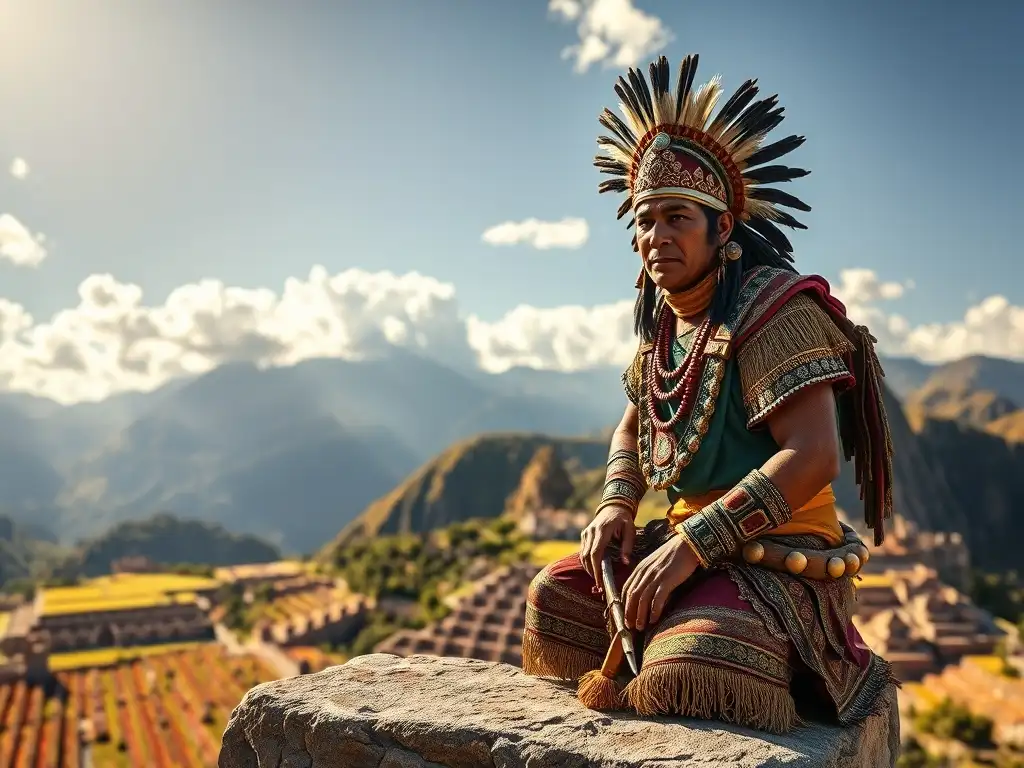
Dive into the enigmatic world of the Andean civilizations! From the towering heights of Machu Picchu to the intricate artistry of the Nazca Lines, we unravel the mysteries of these fascinating cultures. But what truly shaped the destiny of the Inca Empire?
This journey begins with Atahualpa, the last Inca emperor – his personality, a complex tapestry woven with ambition, resilience, and perhaps, a touch of fatal flaw. Uncover the secrets behind this pivotal figure and the dramatic events that led to the Spanish Conquest. Dare to explore the captivating story of Atahualpa Inca Emperor personality – your adventure starts now.
The Spanish conquest of the Inca Empire remains one of history's most dramatic events, forever shaping the narrative of South America. Central to this narrative is Atahualpa, the last Sapa Inca to rule a unified empire before the arrival of Francisco Pizarro. Understanding Atahualpa's personality is crucial to comprehending the events that led to the Inca's downfall and the subsequent colonization of the Andes.
This article delves into the multifaceted character of Atahualpa, exploring the historical context of his reign, his rise to power amidst a brutal civil war, and the contrasting perspectives on his leadership, drawing on both Spanish accounts (which must be critically analyzed) and, where available, indigenous perspectives to paint a more nuanced portrait of this pivotal figure in Andean history. We will examine the evidence to determine whether he was a ruthless tyrant, a shrewd strategist, or something in between – a complex individual navigating the tumultuous end of a powerful empire.
The analysis will focus on interpreting available historical sources while acknowledging their inherent biases and limitations, aiming for a balanced and informed understanding of Atahualpa's impact on Inca society and the course of history. This exploration aims to clarify the complexities of his personality and its role in the dramatic events of the Spanish conquest, ultimately contributing to a more complete understanding of the "Atahualpa Inca Emperor personality."
The Historical Context Surrounding Atahualpa's Reign
Atahualpa's reign began during a period of significant upheaval within the Inca Empire. The vast empire, stretching along the Andes Mountains, was already facing internal tensions and challenges even before the arrival of the Spanish. Succession disputes were common, with power struggles often erupting between different branches of the royal family.
Moreover, the Inca system of governance, while sophisticated, relied heavily on a centralized authority and efficient communication networks – systems that were strained by the sheer size and diversity of the empire. The Inca economy, based on a complex system of mita labor and tribute, also faced pressures, and there's evidence suggesting regional unrest and potential economic instability in the years preceding the Spanish arrival. This fragile internal equilibrium significantly impacted Atahualpa's ability to govern effectively and respond to the external threat posed by the Spanish conquistadors.
The pre-existing societal fissures within the Inca Empire acted as a catalyst, exacerbating the impact of the Spanish conquest and ultimately contributing to its swift downfall. Understanding this context is vital to assessing Atahualpa's actions and choices during his relatively short reign.
Atahualpa's Rise to Power: The Inca Civil War and its Impact
Atahualpa's ascension to the Inca throne was far from peaceful. He inherited the throne following a brutal civil war against his half-brother Huáscar, a conflict that drastically weakened the empire, leaving it vulnerable to external forces. The war, fueled by competing claims to power and exacerbated by existing regional tensions, devastated the Inca infrastructure and military strength. The conflict saw widespread destruction, loss of life, and the disruption of vital trade routes.
Atahualpa's victory, achieved through superior military strategy and possibly alliances with disgruntled factions within the Huáscar's loyalist base, was undeniably bloody. The civil war not only left the empire politically fractured but also severely depleted its resources and manpower. This weakened state played a significant role in the swift conquest by Pizarro and his relatively small band of conquistadors. The impact of the civil war on Atahualpa's personality is debatable: did the experience harden him, making him a more ruthless ruler?
Or did it leave him wary and less prepared to deal with the unforeseen threat of the Spanish? These are key questions in understanding the "Atahualpa Inca Emperor personality." The available historical accounts offer conflicting narratives, highlighting the need for careful analysis and consideration of multiple perspectives to construct a balanced interpretation.
- The Historical Context Surrounding Atahualpa's Reign
- Atahualpa's Rise to Power: The Inca Civil War and its Impact
Exploring the Core Traits of Atahualpa's Character
This section delves into the multifaceted personality of Atahualpa, the last Sapa Inca to rule a fully independent Inca Empire before the Spanish conquest. Understanding his character is crucial to comprehending the events leading to the fall of the Inca Empire. While historical accounts are often biased, particularly those written by Spanish conquistadors, careful analysis reveals key aspects of Atahualpa’s nature and leadership. We will explore his leadership, military skills, and political intelligence, aiming for a nuanced portrayal of this pivotal figure in Andean history. The keyword phrase "Atahualpa Inca Emperor personality" will be examined through this detailed analysis.
Atahualpa's Leadership Style: Assertive and Strategic
Atahualpa's leadership style is often described as assertive and strategic. Unlike his half-brother Huáscar, who favored a more traditional, perhaps less decisive approach, Atahualpa demonstrated a strong will and a willingness to take risks. His swift and decisive actions during the Inca Civil War, culminating in his victory over Huáscar, highlight his strategic thinking and capacity for bold maneuvers.
He consolidated power efficiently, eliminating rivals and consolidating his control over the vast Inca Empire. This assertive leadership, while effective in achieving short-term goals, might have also contributed to underestimating the Spanish threat. His confidence, bordering on arrogance in some accounts, may have led to a miscalculation of the Spanish capabilities, a factor that undeniably influenced the outcome of the conquest.
The evidence suggests a leader who prioritized swift action and decisive victories. His military campaigns were characterized by well-planned strategies and efficient deployment of troops. However, some historians argue that this decisive nature sometimes overshadowed more diplomatic approaches, potentially hindering long-term stability. Further research into the internal workings of the Inca court during Atahualpa's reign could offer a more complete picture of his leadership style.
Examining Atahualpa's Military Prowess and Strategic Thinking
Atahualpa's military prowess is undeniable. His victory in the Inca Civil War against Huáscar, a conflict that shattered the Inca Empire's unity, showcases his strategic brilliance and military acumen. He effectively utilized the Inca army's strengths, employing superior tactics and logistics to overcome his brother's forces. His campaigns were characterized by carefully planned ambushes, skillful use of terrain, and the effective deployment of his army's diverse units. The Inca army under Atahualpa was a formidable fighting force, known for its discipline and organization. However, the Spanish conquest revealed a critical vulnerability: a lack of experience against firearms and cavalry.
The following table illustrates a comparison between Atahualpa's military strategies and those of Huáscar:
| Feature | Atahualpa | Huáscar |
|---|---|---|
| Strategy | Aggressive, decisive, swift | Defensive, cautious, reliant on tradition |
| Tactics | Ambushes, flanking maneuvers, rapid advances | Set-piece battles, slower, less adaptable |
| Logistics | Efficient supply lines, strong mobilization | Less efficient, logistical weaknesses |
| Outcome | Victory in the Civil War | Defeat and death |
This comparison highlights Atahualpa’s superior strategic thinking and battlefield effectiveness, despite the ultimate defeat at the hands of the Spanish. Further research is needed to fully understand the logistical capabilities of Atahualpa's army and the extent of his involvement in the day-to-day military operations.
The Inca Emperor's Intelligence and Political Acumen
Despite the tragic circumstances of his death, Atahualpa demonstrated considerable intelligence and political acumen. His ability to swiftly rise to power amidst the chaos of the Inca Civil War underscores his shrewdness and political skills. He skillfully navigated complex political landscapes, forging alliances and consolidating power. Moreover, his grasp of Inca governance is evident in his ability to maintain control over a vast empire, even during the tumultuous period of the civil war.
His interactions with the Spanish conquistadors, even in the face of overwhelming odds, reveal a mind capable of strategic thinking, albeit perhaps misjudging the capabilities of the European invaders. Atahualpa's attempts to negotiate and manipulate the Spanish, even while imprisoned, demonstrate a keen understanding of power dynamics and a willingness to employ diplomacy as a tool.
However, his eventual failure to fully comprehend the nature of the Spanish threat and their advanced weaponry proved fatal. A deeper examination of Atahualpa's reign, including access to less biased primary sources, could offer a more comprehensive understanding of his political and intellectual capabilities.
Further research into the Inca administrative system and Atahualpa's role within it would enrich our understanding of his political acumen. The study of surviving Inca records and accounts from indigenous perspectives could offer a more balanced view of his reign and personality, countering the Eurocentric biases present in many historical narratives related to the "Atahualpa Inca Emperor personality".
Contrasting Views on Atahualpa's Character: From Inca Chronicles to Spanish Accounts
The image of Atahualpa, the last Sapa Inca before the Spanish conquest, is far from monolithic. Historians and scholars grapple with a fragmented portrait, pieced together from conflicting accounts penned by both Inca and Spanish chroniclers. Understanding Atahualpa's personality necessitates a careful examination of these disparate narratives, acknowledging their inherent biases and limitations. The differences in perspective are stark, highlighting the crucial role of cultural context in shaping historical interpretations of this pivotal figure in Andean history. The keyword "Atahualpa Inca Emperor personality" is central to understanding this complex historical figure.
Inca Perspectives on Atahualpa: Loyalty and Reverence
Inca accounts, though scarce due to the destruction of many indigenous records following the conquest, often portray Atahualpa as a powerful and legitimate ruler, deserving of respect and obedience. These perspectives, often filtered through oral traditions and later written down by Inca collaborators, emphasize Atahualpa's military prowess and his ability to unify various Inca factions. For example, [specific Inca chronicle reference pending] might highlight his successful campaigns and the expansion of the Inca Empire under his reign.
The emphasis lies on his legitimacy as Sapa Inca and the loyalty he commanded from his subjects. This loyalty wasn't simply enforced; it stemmed from a complex system of Andean social structures, religious beliefs, and the Inca's perceived connection to the divine. The Inca worldview emphasized the importance of the Sapa Inca as a mediator between the human and spiritual realms, contributing to the reverence he received.
Even in the face of the devastating Spanish conquest, many Incas continued to view Atahualpa as their rightful leader, demonstrating the depth of their loyalty. The image presented is one of a strong, capable leader, even if ultimately defeated.
Spanish Interpretations of Atahualpa: A Mix of Awe and Fear
Spanish chronicles offer a dramatically different portrayal of Atahualpa. While acknowledging his power and the vastness of his empire, these accounts often depict him as cruel, capricious, and even barbaric. This negative portrayal served multiple purposes for the Spanish conquistadors.
By demonizing Atahualpa, they could justify their conquest, portraying themselves as liberators from a tyrannical ruler rather than ruthless invaders. Descriptions of his opulent lifestyle and the human sacrifices practiced within the Inca religion were often exaggerated to create a narrative of savage excess. The Spanish, influenced by their own cultural norms and biases, projected their own perceptions of power and authority onto Atahualpa.
The descriptions of him often emphasize his perceived ruthlessness in maintaining control over his vast empire and the sheer scale of his wealth, which fueled the Spanish greed and ambition. The contrast between the Spanish accounts and the limited available Inca perspectives highlights the profound impact of the conquest on the historical record itself.
Analyzing the Biases in Historical Narratives About Atahualpa
Understanding Atahualpa requires critical analysis of the inherent biases present in both Inca and Spanish accounts. The Inca accounts, while aiming for a positive portrayal, were often written under duress or influenced by the desire to reconcile with the new Spanish rulers. The Spanish accounts, conversely, were written to justify conquest and to consolidate Spanish power in the Americas. They frequently employed propaganda techniques to dehumanize the Inca and legitimize their actions. To accurately assess Atahualpa’s personality, it's crucial to consider the following:
- Source Reliability: Determining the reliability of each source based on authorial bias, proximity to events, and potential motivations is paramount. The lack of unbiased primary sources makes this a significant challenge.
- Cultural Context: Understanding the distinct cultural perspectives of both the Inca and the Spanish is critical to interpreting their descriptions of Atahualpa. What might be interpreted as cruelty by Spanish standards could have a different meaning within the Inca socio-political system.
- Power Dynamics: The power imbalance between the Inca and the Spanish significantly influenced the narrative. The Spanish accounts were written from a position of dominance, aiming to shape the historical record in their favor.
By acknowledging these biases and utilizing a multi-faceted approach to analyzing available sources, a more nuanced and accurate understanding of Atahualpa's personality as the powerful Atahualpa Inca Emperor can be achieved, moving beyond simplistic characterizations and offering a more complete picture of this complex historical figure. Further research and the discovery of additional primary sources could significantly refine our understanding of Atahualpa's reign and his place in Andean history.
Atahualpa's Actions and Their Reflection on His Personality
This section analyzes key actions of Atahualpa, the last Sapa Inca before the Spanish conquest, to illuminate his personality. By examining his choices and behaviors, we can gain a deeper understanding of this pivotal figure in Andean history, moving beyond simplistic narratives of "good" versus "evil" and exploring the complexities of his character. The available historical accounts, while often biased, offer glimpses into his strategic thinking, his interpersonal skills, and his overall approach to leadership.
Understanding Atahualpa's personality requires careful consideration of the context of his reign and the challenges he faced, including internal power struggles and the imminent threat of the Spanish invasion. The "Atahualpa Inca Emperor personality" is a multifaceted subject deserving of in-depth analysis.
The Cajamarca Encounter: Atahualpa's Boldness and Miscalculation
The infamous encounter at Cajamarca in 1532 remains a crucial event in understanding Atahualpa's personality. His decision to attend the meeting with Pizarro, despite warnings from advisors, reveals a combination of boldness and perhaps a miscalculation of the Spanish capabilities. Was it arrogance, a belief in his own invincibility, or a strategic gamble?
Some historians argue that Atahualpa underestimated the Spanish military technology and their capacity for deception. Others suggest that he was confident in his numerical superiority and the power of the Inca army. The lack of preparedness on the Inca side, however, suggests a degree of overconfidence, a trait that ultimately proved fatal.
The event underscores the tension between Atahualpa's audacious leadership style and a potential lack of foresight in assessing the true nature of the threat posed by Pizarro and his conquistadors. This bold decision, ultimately leading to his capture, profoundly impacted the course of Inca history. The Cajamarca event remains a subject of intense debate among historians, with interpretations varying significantly depending on the sources consulted and the perspectives adopted.
Atahualpa’s Negotiations and Behavior During Captivity
Following his capture, Atahualpa's behavior during captivity provides further insight into his character. His negotiations with Pizarro, particularly regarding the ransom in gold and silver, demonstrate a shrewd understanding of political maneuvering. He skillfully played the Spanish against each other, using his knowledge of Inca wealth to attempt to secure his release.
However, this acumen was also coupled with moments of apparent naiveté, perhaps a result of his limited understanding of European political dynamics and motivations. His willingness to engage in negotiations, even under duress, highlights his resilience and his capacity for strategic thinking, even in the face of overwhelming odds.
The accounts of his captivity illustrate his ability to adapt to changing circumstances, showcasing a complex interplay of strength, cunning, and perhaps a degree of vulnerability. The sheer amount of gold and silver offered as ransom underscores the vast wealth of the Inca Empire and highlights Atahualpa's authority, even in captivity.
Atahualpa's Final Moments: Resilience and Dignity
Atahualpa's execution, despite the immense ransom paid, speaks volumes about the brutality of the Spanish conquest and the power dynamics at play. However, accounts of his final moments suggest a remarkable display of resilience and dignity. Even facing death, he maintained a certain composure, refusing to submit completely to his captors. This defiance, in the face of overwhelming power, offers a powerful testament to his character. Did he maintain hope for a last-minute reprieve, or was this a calculated display of strength intended to inspire his followers? The lack of definitive answers only further underscores the enigmatic nature of Atahualpa’s personality. The stories surrounding his death, often contradictory, highlight the complex legacy of this Inca emperor and the lasting impact of the Spanish conquest on the Andean world. Atahualpa’s final act cemented his place in history as a symbol of both Inca resistance and the tragic consequences of imperial ambition.
The Legacy of Atahualpa: A Complex and Multi-faceted Figure
Atahualpa's legacy extends far beyond his dramatic capture and execution. He remains a pivotal figure in the narrative of the Spanish Conquest, a potent symbol of Inca resistance, and a subject of ongoing historical debate. Understanding his personality is key to comprehending not only the events surrounding the conquest but also the broader impact on Inca society and its subsequent trajectory. While historical sources are often biased, providing conflicting accounts influenced by the conquerors' perspectives, careful analysis reveals a complex and multi-faceted individual.
He wasn't simply a passive victim, but an active participant in the power struggles of his time, a leader who navigated intricate political landscapes and faced unprecedented challenges. His reign, though brief, left an undeniable mark on Inca history. The extent of his influence is still being meticulously researched and debated by scholars today, highlighting the enduring fascination with this pivotal Inca emperor.
The Lasting Impact of Atahualpa on Inca Culture and History
Atahualpa's relatively short reign (approximately 1532-1533) significantly impacted Inca culture and history, despite its abrupt end. His rule witnessed the beginning of the Spanish conquest, a cataclysmic event that irrevocably altered the course of Andean civilizations. While the exact details remain debated among historians, it's clear that his leadership decisions, including his military strategies and administrative policies, played a crucial role in shaping the response to the Spanish invasion.
For example, his decision to initially resist the Spaniards, rather than negotiate, prolonged the conflict and likely resulted in greater Inca casualties. However, this resistance also provided valuable time for other Inca factions to organize and eventually continue the struggle against the Spanish even after his death. His execution itself became a powerful symbol of Inca defiance, fueling resistance movements in the years that followed.
This legacy of resistance continues to resonate in Andean cultures today. Further research into the specific administrative reforms implemented during his brief reign would help to fully understand his lasting impact.
Atahualpa's Significance in the Study of Andean Civilizations
The study of Atahualpa's life and reign is crucial for understanding the complexities of Andean civilizations. His story provides a unique lens through which to examine the social, political, and religious structures of the Inca Empire just before its collapse. Analyzing his interactions with the Spanish conquistadors offers invaluable insights into the cultural clash that characterized the conquest.
His personality, as revealed through fragmented accounts, allows scholars to explore the characteristics of Inca leadership and the dynamics of power within the imperial system. Furthermore, the vast amount of material culture associated with Atahualpa – from the gold and silver offered as ransom to the surviving accounts of his life – provides a rich source of material for understanding Inca artistic traditions and beliefs.
His story serves as a microcosm reflecting the broader themes of conflict, adaptation, and cultural transformation within Andean history. The ongoing analysis of his life continues to contribute to a more nuanced and comprehensive understanding of the Inca Empire and its place in the wider Andean context.
The Enduring Fascination with Atahualpa's Personality
The enduring fascination with Atahualpa's personality stems from the dramatic circumstances of his life and death. He was a powerful ruler caught in the maelstrom of conquest, a figure whose actions profoundly influenced the fate of his empire. His image has been shaped and reshaped over centuries, reflecting changing perspectives on the Spanish conquest and the nature of Inca power.
Was he a ruthless tyrant, a wise but ultimately outmaneuvered leader, or a symbol of tragic heroism? The ambiguity surrounding his character fuels ongoing scholarly debate and popular interest. The relatively scant primary sources, often biased in favor of the Spanish perspective, only add to the mystery, encouraging further investigation and interpretation.
This enduring mystery, coupled with the dramatic narrative of his life and the enduring legacy of the Inca civilization, ensures that Atahualpa will remain a captivating figure in Andean history. The ongoing search for a more complete understanding of his personality is a testament to his continuing relevance and importance.
Frequently Asked Questions
What was Atahualpa's personality like before he became emperor?
Before his ascension, Atahualpa was known for his military prowess and ambitious nature. He was a skilled strategist and a strong leader, traits that contributed to his eventual victory in the Inca civil war.
How did Atahualpa's personality affect his rule?
Atahualpa's strong-willed and decisive personality, while effective in warfare, also led to controversial decisions and potentially alienated some nobles. His short reign saw significant changes and conflicts.
Was Atahualpa a cruel ruler?
Historical accounts are varied. Some portray him as ruthless and ambitious, while others emphasize his political acumen and efforts to consolidate power. His actions were often driven by the need to maintain control.
How did Atahualpa's personality contribute to the Spanish conquest?
His confidence and perhaps overconfidence, coupled with the internal divisions within the Inca Empire, may have underestimated the Spanish threat. This underestimation, along with his personality, played a significant role in the conquest.
How is Atahualpa's personality viewed today?
Modern interpretations of Atahualpa's personality are complex and varied, depending on the source and perspective. He is seen as both a capable military leader and a controversial figure whose legacy is still debated.
Final Reflection: The Enduring Legacy of Atahualpa's Complexity
Atahualpa's story, far from being a relic of the past, serves as a potent reminder of the complexities of leadership and the devastating consequences of cultural clash. His personality, shaped by Inca traditions and the tumultuous events of his reign, continues to fascinate and challenge our understanding of power, ambition, and the human cost of conquest. The very act of attempting to define his character forces us to confront the limitations of historical narratives and the inherent biases within them.
The impact of Atahualpa's life extends far beyond the immediate consequences of the Spanish conquest. His image, both as a ruthless warrior and a sophisticated ruler, has been molded and remolded by centuries of interpretation, reflecting the changing perspectives of those who tell his story. History is written by the victors,
a phrase often attributed to Winston Churchill, rings particularly true in Atahualpa's case. His legacy is a testament to the power of narrative and the enduring struggle to understand the past on its own terms, free from the distortions of conquest and colonial narratives.
Consider, then, the weight of Atahualpa's story. How does his life, his choices, and the ultimate tragedy of his fate challenge your own understanding of leadership, of cultural interaction, and of the enduring power of individual agency within the sweep of historical events? Take a moment to reflect on the complexities of judging historical figures, and the importance of seeking multiple perspectives to understand the past. Let Atahualpa's story inspire you to delve deeper into the narratives that shape our world, and to strive for a more nuanced and empathetic understanding of those who came before us.
Embrace the Legacy of Atahualpa—Take Action Today!
Thank you for exploring the fascinating life of Atahualpa, the last Inca emperor. Your interest enriches your understanding of Andean history and helps preserve this incredible cultural heritage. Now that you've learned about Atahualpa, consider how you can engage with his legacy in meaningful ways.
Here are some suggestions:
- Join a local historical society or online community focused on Andean civilizations to continue your learning and share your knowledge with others.
- Share this article with friends and family, or post it on social media to spark conversations about Atahualpa's impact and personality.
- Visit a museum or historical site related to the Inca Empire to experience artifacts and exhibits that bring this pivotal period to life.
What aspect of Atahualpa's life or character most resonates with you, and how do you believe it influenced the course of Inca history? Let's continue the conversation!