
The Tools of the Trade: Understanding the Craftsmanship of Andean Artisans

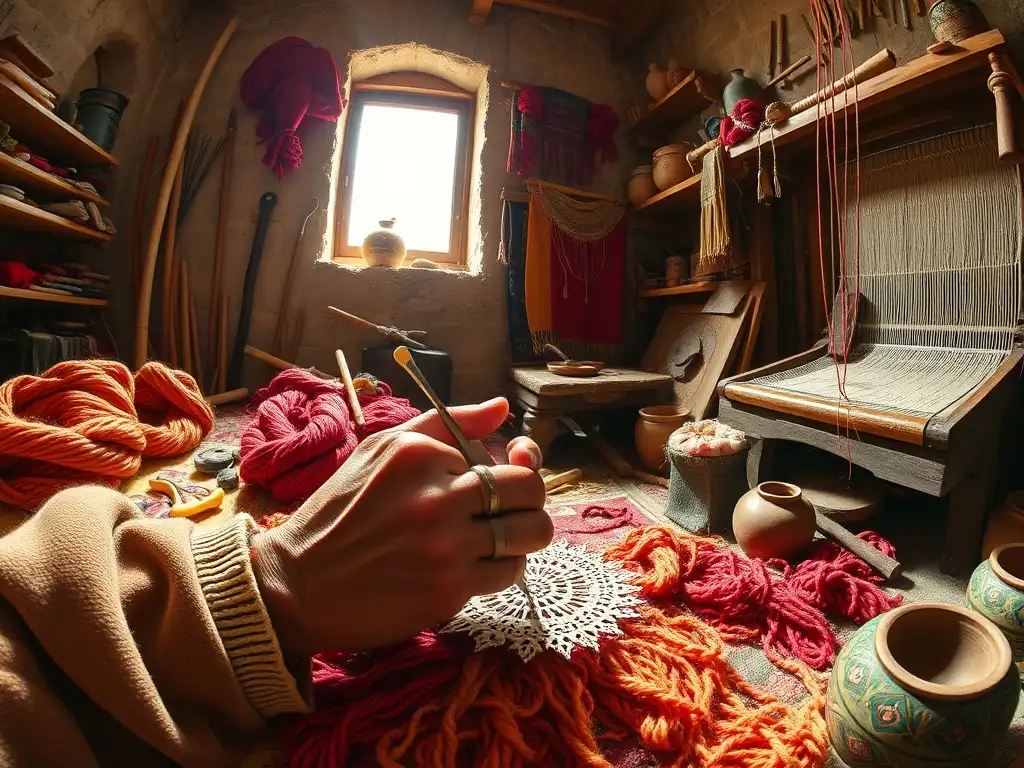
Step into a world lost to time, yet echoing with the ingenuity of ancient masters. Imagine the hands that shaped the breathtaking artistry of the Andes, wielding tools far more sophisticated than you might expect. This journey into the heart of Andean artisan tools and techniques unveils the secrets behind their remarkable craftsmanship, revealing the innovation and skill that defined these remarkable civilizations. Prepare to be amazed by the ingenuity of the Incas, Moche, Nazca, and Tiahuanaco – their legacy awaits you. Discover more…
The Andes Mountains, a spine of towering peaks stretching along the western coast of South America, were home to a dazzling array of pre-Columbian civilizations. From the intricate textiles of the Nazca to the monumental stonework of the Inca, these cultures left behind a legacy of breathtaking artistry and ingenuity. Understanding their achievements requires exploring not only the aesthetic beauty of their creations but also the tools and techniques that made them possible.
This article delves into the fascinating world of Andean artisan tools and techniques, revealing the remarkable craftsmanship that shaped their societies and continues to inspire awe today. We will examine the diverse tools employed across various Andean cultures, highlighting their ingenuity and adaptability to the unique challenges of the Andean environment. From simple hand tools to more sophisticated implements, we'll uncover the secrets behind their mastery of materials and the enduring impact of their skills.
Introduction to Andean Artisan Craftsmanship
Andean artisan craftsmanship wasn't merely a means of creating objects; it was deeply intertwined with religious beliefs, social structures, and the very fabric of daily life. The creation of textiles, pottery, and metalwork was often imbued with spiritual significance, reflecting cosmological beliefs and serving ritualistic purposes. The artisans themselves held respected positions within their communities, their skills passed down through generations, often within family lineages.
This intricate relationship between craft, spirituality, and social structure shaped the development and evolution of Andean tools and techniques over centuries. The diversity of materials available – from readily accessible clay and fibers to rarer metals like gold and silver – influenced both the tools used and the final products created. The harsh Andean environment, with its varied altitudes and climates, presented unique challenges, demanding innovation and resilience in the tools and techniques employed.
The following sections will explore specific examples of Andean artisan tools and techniques, focusing on the ingenuity and adaptability demonstrated by these remarkable cultures. We'll examine the materials used, the processes involved, and the lasting impact of their craftsmanship on the world. We will explore examples from various cultures, including the Inca, Moche, Nazca, and Tiahuanaco, to showcase the breadth and depth of Andean ingenuity.
Textile Production: Spindles, Looms, and Natural Dyes
Andean textiles are renowned for their vibrant colors, intricate designs, and exceptional quality. The creation of these masterpieces relied on a sophisticated understanding of fiber preparation, spinning, weaving, and dyeing techniques. Simple yet effective tools like the spindle whorl were crucial for spinning yarn from fibers like alpaca and llama wool, cotton, and even vicuña. The backstrap loom, a portable and versatile device, allowed for the creation of complex patterns and intricate designs.
The use of natural dyes derived from plants, minerals, and insects resulted in a striking range of colors, many of which remain remarkably vibrant even after centuries. The precision and skill involved in creating these textiles highlight the advanced level of technological understanding within Andean societies. The intricate designs often incorporated symbolic elements, reflecting religious beliefs and social status.
Pottery and Ceramics: Shaping Clay with Simple Tools
Andean pottery exhibits remarkable diversity in styles, forms, and decorative techniques. From the simple utilitarian vessels used for everyday purposes to the elaborate ceremonial jars adorned with intricate designs, pottery played a vital role in Andean society. The creation of pottery involved a range of tools, many of which were surprisingly simple. Artisans used basic tools such as paddle and anvil techniques to shape the clay, often utilizing wooden paddles and smooth stones.
The development of the potter's wheel, although not universally adopted across all Andean cultures, significantly enhanced the production of larger, more uniform vessels. The use of slip and pigments allowed for the creation of visually stunning pieces, with intricate designs, often depicting mythological figures, animals, and scenes from daily life. The firing process, typically using open-air kilns, required precise control of temperature and time to achieve the desired results.
Metalworking: From Simple Hammers to Sophisticated Alloys
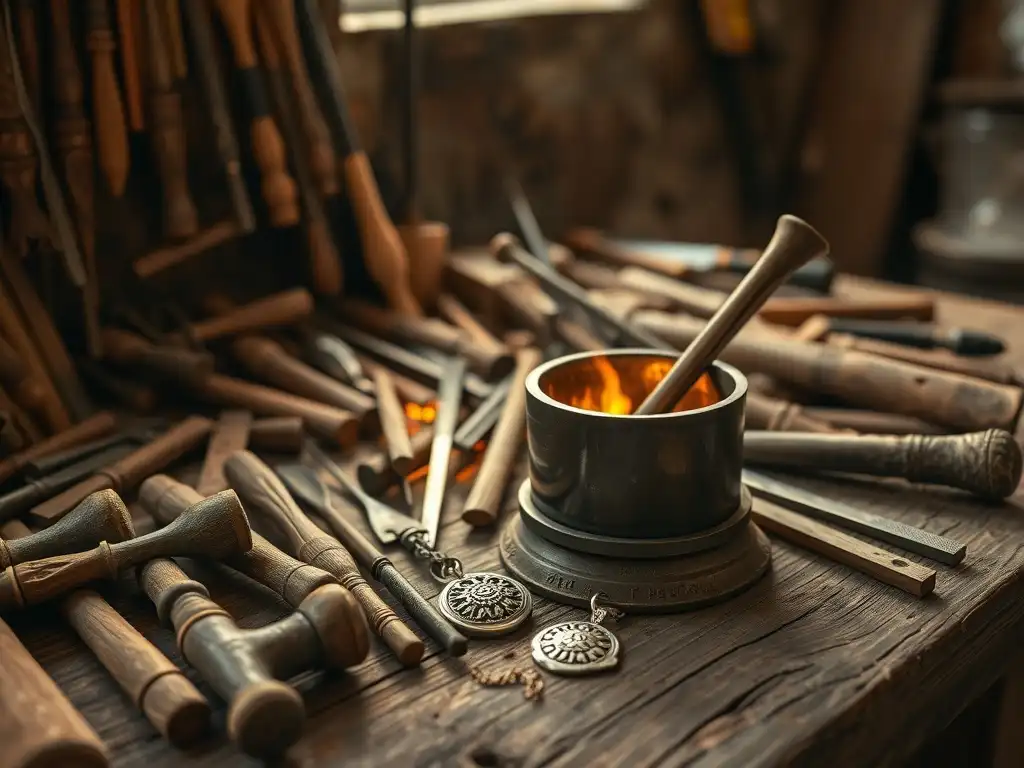
The Andean mastery of metallurgy is particularly impressive, given the challenges involved in extracting and working with metals in the high-altitude environment. Early metalworking likely involved the use of simple stone hammers and anvils to shape malleable metals like copper. As techniques advanced, artisans developed more sophisticated methods for creating alloys, combining copper with tin or other elements to produce bronze and other stronger, more durable metals.
The Inca, in particular, were renowned for their gold and silver work, creating intricate jewelry, ceremonial objects, and even weaponry. The techniques involved, including hammering, casting, and repoussé (a metalworking technique where a metal sheet is hammered from the back to create a design in relief), showcase a high level of skill and artistry. The precision and detail in these metalworks are testaments to the advanced metallurgical knowledge of Andean societies.
Stonework: Monumental Structures and Precise Carving
The monumental stone structures of the Andean civilizations, such as those found at Machu Picchu and Ollantaytambo, are a testament to their remarkable engineering and construction skills. The precision with which the stones were cut, shaped, and fitted together is truly astonishing. While the exact techniques used remain a subject of ongoing research, it's clear that sophisticated tools were employed.
Stone hammers, chisels, and possibly even copper tools were likely used to shape the stones, with meticulous planning and execution crucial for the creation of these impressive structures. The ability to transport and precisely place massive stones highlights the organizational capabilities and advanced engineering knowledge of Andean societies. The craftsmanship involved in these monumental structures remains a source of wonder and inspiration.
- Introduction to Andean Artisan Craftsmanship
- Textile Production: Spindles, Looms, and Natural Dyes
- Pottery and Ceramics: Shaping Clay with Simple Tools
- Metalworking: From Simple Hammers to Sophisticated Alloys
- Stonework: Monumental Structures and Precise Carving
- What types of materials did Andean artisans use for their tools?
- What were some common tools used in Andean textile production?
- How did Andean metalworking techniques evolve over time?
- What role did stone tools play in Andean agriculture?
- Where can I learn more about specific Andean artisan tools and techniques?
Andean Weaving Tools and Techniques
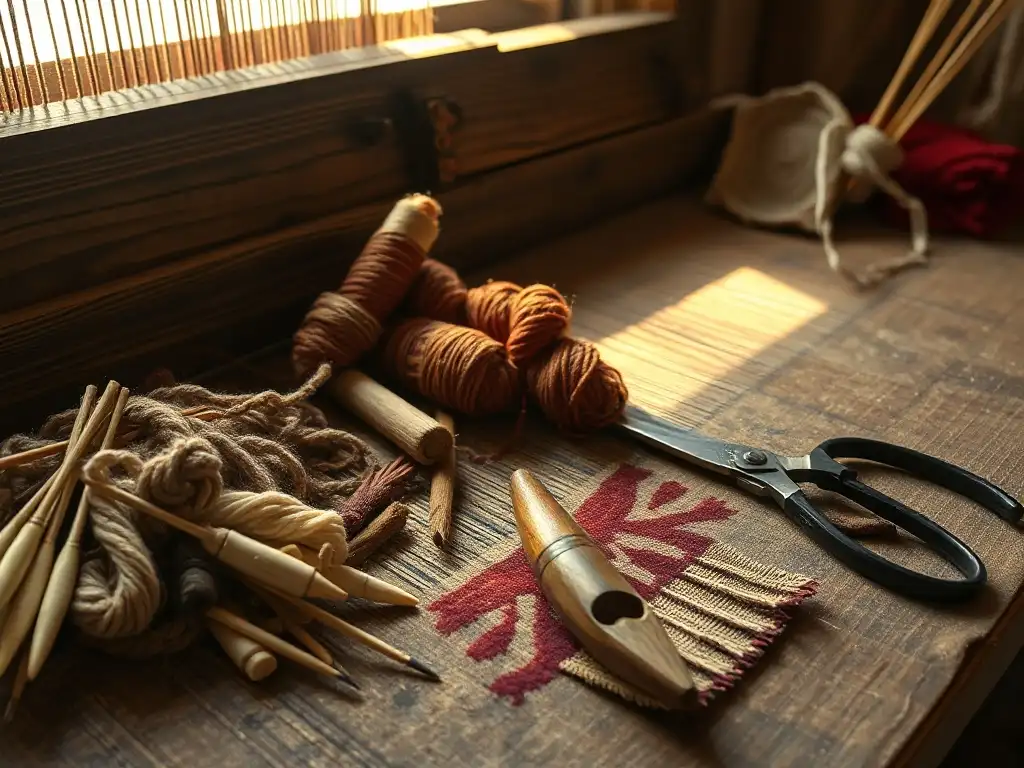
Andean artisan tools and techniques represent a sophisticated understanding of material science and artistry, passed down through generations. Weaving, in particular, played a crucial role in Andean societies, reflecting both practical needs and complex social structures. The intricate textiles produced, using relatively simple tools, stand as testaments to the skill and ingenuity of Andean artisans. Understanding these tools and techniques provides a deeper appreciation for the cultural significance and technological prowess of these ancient civilizations.
The Backstrap Loom: A Foundation of Textile Art
The backstrap loom is arguably the most iconic Andean weaving tool. This portable loom, requiring minimal setup, allowed artisans to weave virtually anywhere. Its simplicity belies its versatility; skilled weavers could produce an astonishing range of textiles, from simple cloth for everyday use to highly intricate garments and ceremonial tapestries.
The loom itself consists of a warp beam (often a simple wooden bar), a heddle (a series of strings used to lift and lower warp threads), and a backstrap attached to a fixed point (like a tree or post). The weaver sits and uses their body to control the tension of the warp threads, creating the shed through which the weft is passed.
The backstrap loom facilitated the creation of textiles with remarkable variations in texture and pattern. Different techniques, like supplementary weft brocade or tapestry weaving, could be employed to achieve complex designs. These techniques, combined with the use of high-quality fibers like alpaca and vicuña wool, resulted in incredibly durable and beautiful textiles.
The intricate designs often incorporated symbolic imagery, reflecting cosmological beliefs and social status. Even today, the backstrap loom remains a vital tool for many Andean communities, preserving a tradition that spans millennia. The mastery of this simple yet powerful tool showcases the enduring legacy of Andean textile artistry.
Spindles and Distaffs: Preparing Alpaca and Vicuña Fibers
Before the weaving process could even begin, the raw fibers needed careful preparation. Alpaca and vicuña fibers, prized for their softness and warmth, required spinning into yarn. This was achieved using spindles and distaffs. The distaff, a simple stick or rod, held the unspun fibers, while the spindle, a weighted object with a hook or notch, was used to twist the fibers into yarn. The artisan would roll the spindle on their thigh or a flat surface, gradually adding fibers and twisting them into a continuous strand.
The quality of the yarn directly impacted the final product. Fine, evenly spun yarn produced smoother, more luxurious textiles, while coarser yarn might be used for more utilitarian purposes. The skill of the spinner was paramount. Consistent tension and even twisting were crucial to creating high-quality yarn.
The process was often a communal activity, with women spinning together, sharing stories and strengthening social bonds. The seemingly simple act of spinning was, therefore, much more than just fiber preparation; it was a crucial part of Andean social life and textile production. The resulting yarn, ready for weaving, was a testament to the dedication and skill of the artisan. The careful attention to detail in this preparatory stage is a key element of the overall Andean artisan tools and techniques.
Natural Dyes from Plants and Minerals: Coloring Andean Textiles
The vibrant colors of Andean textiles were not achieved through synthetic dyes, but rather through the masterful use of natural pigments derived from plants and minerals. A wide range of colors was obtainable, from the deep reds of cochineal insects to the earthy browns of certain clays. These dyes were often carefully prepared through complex processes, involving boiling, fermentation, and mordanting (a process that helps the dye bind to the fiber).
The process of dyeing was not merely functional; it also carried symbolic meaning. Different colors were associated with different deities, social statuses, or ceremonial events. For example, red was often associated with power and royalty, while yellow might represent the sun. The choice of color was therefore a significant aspect of the textile's overall meaning and value.
The use of natural dyes speaks to the deep understanding Andean artisans possessed of their environment and the intricate relationship between color, symbolism, and social structure. The enduring beauty and vibrancy of these ancient textiles, despite the passage of time, are a testament to the effectiveness and artistry of these ancient dyeing techniques. The careful selection and preparation of natural dyes represent a significant part of the overall Andean artisan tools and techniques.
Weaving Patterns and Techniques: The Art of Interlacing
Andean weaving wasn't simply a matter of creating cloth; it was a sophisticated art form expressing intricate stories, beliefs, and social status. The mastery of diverse weaving patterns and techniques is a testament to the ingenuity of Andean artisans. These techniques, passed down through generations, involved a deep understanding of fiber properties and a remarkable dexterity. The resulting textiles weren't just functional; they were vibrant expressions of cultural identity.
One crucial aspect was the preparation of the fibers themselves. Different plant and animal fibers—like alpaca, llama, vicuña, cotton, and various types of native plants—required specific processing techniques to achieve optimal strength and softness. This preliminary stage, often involving meticulous cleaning, spinning, and plying, significantly influenced the final textile's quality and texture. The choice of fiber itself often dictated the type of weaving pattern that could be achieved. For example, the finer vicuña fiber allowed for much more intricate designs than the coarser llama wool.
The actual weaving process itself involved a variety of techniques, showcasing the Andean artisans' remarkable adaptability. Among the most common were:
- Warp-faced plain weave: This basic technique created a sturdy fabric with the warp threads predominating on the surface. It was often used for garments and utilitarian items.
- Weft-faced plain weave: This produced a softer, more pliable cloth where the weft threads were more visible. It was particularly suited for blankets and decorative textiles.
- Rep weave: This technique allowed for the creation of patterns by using different colored weft threads to create stripes or geometric designs. It was commonly used in both simple and complex designs.
- Brocade: Considered a more advanced technique, brocade involved the use of supplementary weft threads to create intricate figures and motifs on the surface of the fabric. This required exceptional skill and patience, resulting in magnificent textiles often associated with elite members of society.
- Tapestry: Similar to brocade, tapestry weaving used supplementary weft threads to create detailed images, but the technique was different, resulting in a distinct visual effect. Tapestry weaving in the Andes often featured depictions of mythological creatures, landscapes, and scenes from daily life.
The complexity of the patterns themselves varied greatly, ranging from simple geometric designs to elaborate representations of mythical beings and narratives. These patterns weren't random; they held deep cultural significance, often symbolizing specific clans, deities, or important events. Analyzing these patterns provides invaluable insights into the beliefs and social structures of Andean societies. The use of color also played a significant role, with certain colors representing specific meanings or associations within the different Andean cultures.
For example, red might symbolize power, while yellow could represent the sun or gold. The careful selection and combination of colors further enriched the storytelling capabilities of the textiles. The intricate designs and skillful execution of Andean weaving techniques highlight the sophisticated artistic abilities and technological prowess of the ancient Andean civilizations. The study of these patterns and techniques offers a captivating glimpse into the rich cultural heritage of the Andes.
Andean Pottery Tools and Techniques
The remarkable artistry of Andean civilizations is vividly reflected in their pottery. Understanding the tools and techniques employed by these skilled artisans provides crucial insight into their ingenuity and cultural practices. This section delves into the processes involved in creating the stunning ceramic pieces that have survived the passage of time, showcasing the sophisticated craftsmanship of Andean potters. The mastery of these Andean artisan tools and techniques allowed for the creation of vessels ranging from simple utilitarian forms to intricately decorated ceremonial objects.
Clay Preparation: Using Local Clay Sources
Andean potters were intimately familiar with their environment, skillfully utilizing locally sourced clays. The clay's properties – its plasticity, color, and firing characteristics – directly influenced the final product. Artisans carefully selected clays from specific locations, often riverbanks or quarries, known for their quality and suitability for pottery. The process began with the careful excavation of the clay, followed by a meticulous cleaning process. This involved removing impurities like stones, pebbles, and organic matter.
Many sources indicate that the clay was then subjected to a process of weathering or slaking. This involved allowing the clay to sit and slowly dry, sometimes for days, to allow for the breakdown of larger aggregates and improve its workability. This crucial step, often overlooked, greatly improved the clay's plasticity, making it easier to shape and mold. The precise methods varied across different regions and cultures, reflecting the unique geological characteristics of each area.
The resulting clay was then often pounded or kneaded to further refine its texture and consistency, ensuring a smooth, even surface for the final product. Evidence suggests that some cultures might have added tempering materials, such as crushed rock or shell fragments, to the clay to improve its strength and reduce shrinkage during firing. This added a unique characteristic to the final product, influencing its porosity and durability.
Shaping and Molding: Creating Pottery Forms with Coiling and Paddling
Once the clay was prepared, Andean artisans employed various techniques to shape their vessels. Coiling, a widely used method, involved rolling out long, thin ropes of clay and carefully layering them upon each other, building up the form spirally. The coils were meticulously smoothed and blended to create a seamless surface. Paddling and anvil techniques were then employed to refine the shape and ensure even walls.
A paddle, often made of wood or bone, was used to press and shape the coils while a supporting anvil, sometimes a woven mat or a flat stone, provided a stable base. This process required considerable skill and precision, as the potter had to maintain the vessel's structural integrity while achieving the desired form. The tools used in this process, while simple, were highly effective in creating a wide range of vessel forms, from simple bowls and jars to elaborate effigy vessels.
The size and shape of the paddles themselves varied greatly depending on the desired form. Wider paddles produced broader, more rounded shapes, while narrower paddles were used to create more elongated or delicate forms. The pressure applied during paddling also had a significant impact on the finished product. Gentle pressure produced smoother surfaces, while stronger pressure created more textured effects. This demonstrates the refined control and artistry of these Andean artisans who adapted their techniques to the clay and the desired outcome.
Decoration and Engraving: Adding Artistic Details with Stamps and Incising
After shaping, the vessels were often decorated using a variety of techniques. One common method was stamping, using carved wooden or bone stamps to imprint patterns onto the surface of the clay. These stamps often featured geometric designs, animal motifs, or stylized representations of plants. The intricate detail achievable through stamping showcases the artisans' artistic skill and the sophistication of their tools.
Incising, or carving designs into the clay, was another popular decorative method. Sharp instruments, possibly made of bone, stone, or even shell, were used to create lines, grooves, and intricate patterns. The depth and precision of the incisions varied, reflecting the skill of the individual artisan.
Beyond stamping and incising, some Andean cultures utilized slip – a liquid clay suspension – to add color and further enhance the vessels' aesthetic appeal. Different colored slips were applied to the surface, sometimes in multiple layers, to create complex patterns and textures. The use of slip also improved the pottery's water resistance. The final step involved firing the pottery in kilns, often open-air structures, where the heat transformed the clay into a durable and long-lasting ceramic.
The firing process itself was a carefully controlled operation, with the temperature and duration of firing influencing the final color and texture of the pottery. The incredible diversity in styles and techniques across different Andean cultures highlights the richness and complexity of their artistic traditions. The enduring legacy of these Andean artisan tools and techniques continues to inspire and amaze us today.
Firing Techniques: Using Kilns and Open Fires
Andean pottery production wasn't just about shaping clay; it involved mastering the art of firing to achieve the desired durability and aesthetic qualities. Two primary methods were employed: kiln firing and open-fire firing. These techniques varied across different Andean cultures and time periods, reflecting both technological advancements and regional variations in resources and traditions.
Kiln firing, while seemingly straightforward, demanded significant skill and precision. The construction of the kilns themselves was a testament to Andean ingenuity. Many were built underground, utilizing the earth's insulating properties to control the heat distribution and ensure even firing. These subterranean kilns often involved complex ventilation systems, carefully designed to regulate airflow and maintain consistent temperatures throughout the firing process.
The fuel source—typically wood or dung—was carefully managed to avoid overheating or uneven burning, which could ruin the pottery. The temperature control within these kilns was crucial for achieving specific colors and finishes. For instance, lower temperatures might produce a reddish hue, while higher temperatures could result in a darker, more robust finish. Archaeological evidence suggests a sophisticated understanding of these temperature-dependent outcomes, demonstrated by the consistent quality of pottery produced across various sites.
Open-fire firing, in contrast, presented a more immediate and less controlled approach. Pottery was often placed directly onto the embers of a large fire, exposing it to intense, direct heat. This method, while simpler in terms of infrastructure, required a keen eye and considerable experience.
The artisan needed to carefully monitor the fire's intensity and adjust the placement of the pottery to prevent cracking or uneven firing. The open-fire technique, though less precise than kiln firing, was likely more widely accessible to smaller communities or individual artisans who lacked the resources to build and maintain a kiln. The resulting pottery from open fires often displayed more variations in color and texture, reflecting the inherent variability of this firing method.
However, open-fire techniques also produced durable and aesthetically pleasing pottery, showcasing the adaptability of Andean artisans. The choice between kiln and open-fire techniques was likely determined by factors such as the scale of production, available resources, and desired aesthetic qualities. The remarkable diversity of Andean pottery speaks to the mastery and adaptability displayed in these firing techniques.
Andean Metalworking Tools and Techniques
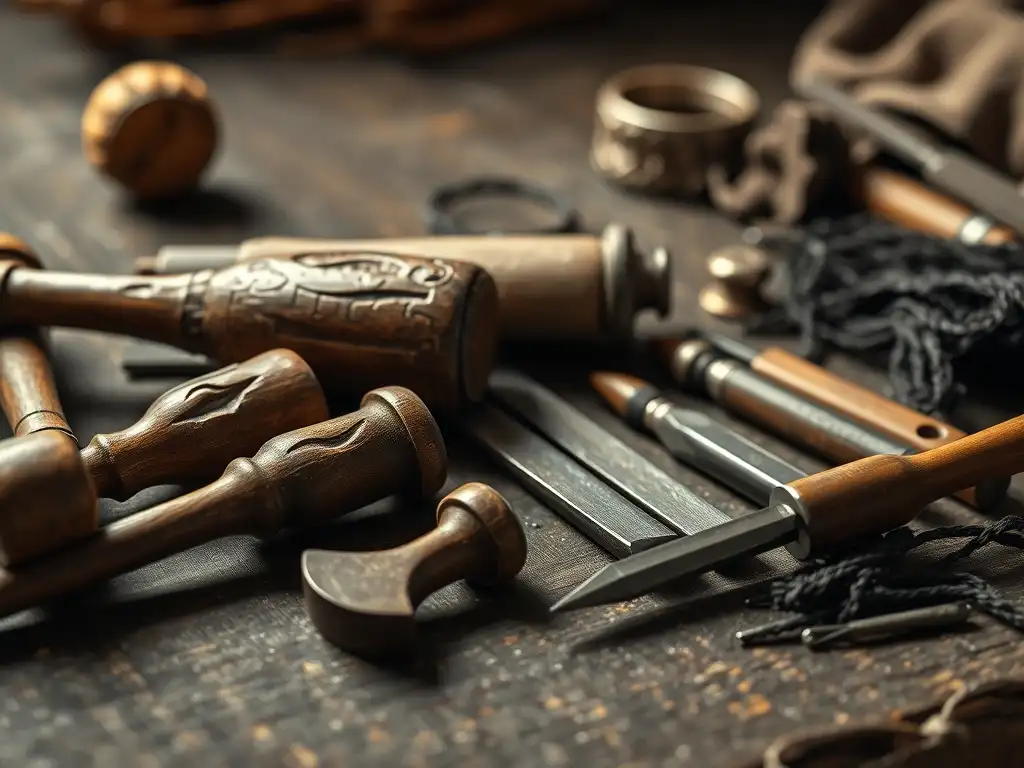
Andean artisan tools and techniques were remarkably sophisticated, particularly in metalworking. The ability to extract, refine, and shape metals like copper, silver, and gold played a crucial role in the social and political structures of many Andean civilizations. Their mastery of these techniques allowed them to create intricate jewelry, powerful weaponry, and impressive ceremonial objects. This section explores the tools and processes involved in this vital craft.
Mining and Extraction: Obtaining Copper, Silver, and Gold
Obtaining the raw materials for metalworking was a challenging but essential first step for Andean artisans. Mining operations varied depending on the type of ore and the accessibility of the deposit. For surface deposits, simple tools like stone picks and shovels, crafted from durable materials like andesite or obsidian, were sufficient for initial extraction. These tools, while seemingly rudimentary, were effective for loosening and removing ore from shallower locations. Evidence suggests the use of digging sticks and even rudimentary forms of water-powered systems for larger-scale operations in some cases.
For deeper deposits, however, the process became significantly more complex. Andean miners employed sophisticated techniques, including the use of shafts and tunnels, often carved into mountain sides. These operations required specialized tools, such as chisels made from hardened copper or bronze, and hammers fashioned from tough stone. The miners also used ropes made from plant fibers (e.g., llama wool or cotton) and wooden supports to reinforce the tunnels and ensure the safety of the workers.
Ventilation systems, though simple, were also crucial for working in these confined spaces. The ingenuity in their approach to mining is evident in the scale and complexity of some of the archaeological sites discovered. The construction of these shafts and tunnels showcases a detailed understanding of geology and engineering principles.
The selection of ore was also critical. Andean artisans demonstrated a keen eye for identifying high-quality ores, maximizing the yield of precious metals during the smelting process. This knowledge, passed down through generations of artisans, ensured the consistent production of high-quality metal products. Further research is needed to fully understand the specific techniques employed in ore identification and selection. [Specific information pending: detailed analysis of ore selection techniques based on archaeological findings].
Smelting and Refining: Processing Metals with Furnaces
Once the ore was extracted, it needed to be processed to separate the metal from the surrounding rock and impurities. This process, known as smelting, was carried out in furnaces, which varied in design and size based on the scale of the operation and the type of metal being processed. Simpler furnaces might have been open-air pits, while more complex designs involved clay or stone structures with bellows for increased airflow. The bellows, often made from animal skins, were crucial for increasing the temperature and efficiency of the smelting process.
The fuel for these furnaces was typically charcoal, readily available in the Andean region. The precise temperature control required for successful smelting was achieved through careful management of the airflow and fuel supply. The artisans' expertise in this area is evidenced by the high purity of some of the metals recovered from archaeological sites. The smelting process was not simply a matter of reaching a high temperature; it required a nuanced understanding of the chemical properties of the ores and the optimal conditions for extracting the metal.
After smelting, the resulting metal often required further refining to remove remaining impurities. This often involved repeated heating and hammering, or the use of specialized techniques, the specifics of which are still being investigated by archaeologists. The refined metal was then ready for the next stage of the metalworking process.
Hammering and Shaping: Creating Metal Objects with Anvils and Hammers
The final stage of metalworking involved shaping the refined metal into the desired form. This process relied heavily on the use of hammers and anvils. Hammers varied in size and weight, depending on the task at hand. Some were made from stone, while others were cast from bronze or copper. Anvils, typically made from stone, provided a stable surface for hammering and shaping the metal.
The artisans employed a range of techniques, including hammering, forging, and annealing, to create intricate shapes and designs. Hammering involved repeatedly striking the metal to shape it, while forging involved heating and shaping the metal using a hammer and anvil. Annealing, the process of heating and cooling the metal, was crucial for maintaining the malleability and preventing cracking. The skill and precision required to create the complex designs found on many Andean metal objects are truly remarkable.
These artifacts demonstrate a deep understanding of metallurgy and a high level of artistry. The development of specific hammering techniques, including the use of specialized tools to create intricate patterns and textures, is a particularly fascinating area of ongoing research. [Specific information pending: detailed analysis of different hammering techniques and their associated tools].
The creation of Andean metalwork represents a significant technological achievement, showcasing the ingenuity and skill of Andean artisans. Their knowledge of mining, smelting, and shaping techniques allowed them to produce objects of great beauty and functionality, leaving behind a legacy that continues to inspire and fascinate us today.
Gilding and Inlaying: Adding Decorative Elements with Gold Leaf and Precious Stones
Andean artisans possessed remarkable skills in metalworking, extending beyond simple shaping and forging to encompass intricate decorative techniques. Gilding and inlaying, in particular, elevated their craft to an art form, transforming utilitarian objects into breathtaking works of art. These techniques, demanding precision and expertise, showcase the advanced metallurgical knowledge of these ancient cultures.
The process of gilding, applying a thin layer of gold to a base metal, involved meticulous preparation. The base metal, often copper or silver, would be carefully cleaned and polished to create a smooth, receptive surface. Then, extremely thin sheets of gold leaf—hammered to incredible thinness—were carefully applied. Adhesives, likely derived from natural resins or gums, secured the gold leaf, ensuring it adhered firmly to the base metal.
The final step often involved burnishing, a process of polishing the gilded surface to achieve a brilliant, lustrous sheen. This technique was not simply decorative; it also served a practical purpose, protecting the underlying metal from corrosion and adding durability. The skill involved in applying the gold leaf evenly and preventing tears or imperfections is a testament to the artisans' dexterity and patience.
Inlaying, on the other hand, involved embedding precious stones, such as turquoise, lapis lazuli, or spondylus shell, into the surface of a metal object. This required an even higher level of precision. The artisan first had to create precisely sized cavities in the base metal, carefully matching the size and shape of the chosen stones. Then, using specialized tools and possibly adhesives, they would carefully insert the stones into these recesses, ensuring a secure and flush fit.
The result was often stunning, with contrasting colors and textures creating visually captivating designs. The choice of stones often held symbolic meaning, further enriching the cultural significance of the objects. We can see examples of this in intricately inlaid ceremonial objects, where the careful placement of each stone was likely a deliberate act, reflecting a deep understanding of symbolism and aesthetics.
The durability of these inlaid pieces, many of which have survived for centuries, underscores the mastery of the Andean metalworkers. Their understanding of material properties and their ability to create enduring bonds between disparate materials remain impressive feats of engineering and artistry. The time and effort invested in these techniques highlight the high value placed on these objects within Andean societies.
Andean Carving and Sculpting Tools
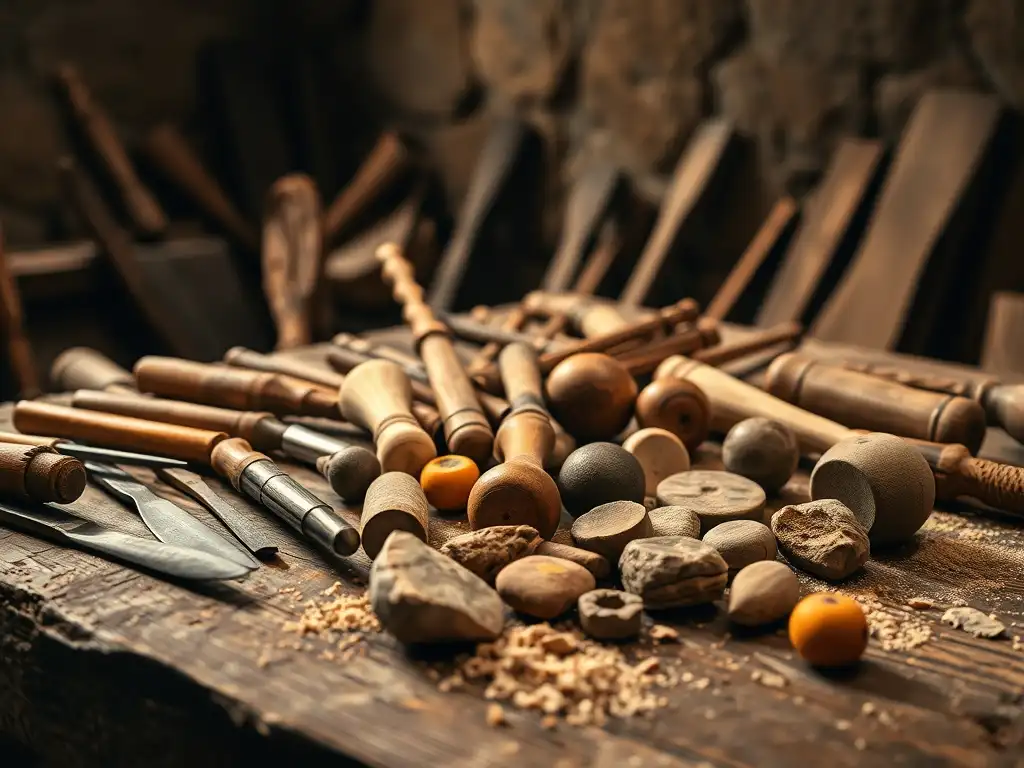
Andean artisans demonstrated remarkable skill in carving and sculpting a variety of materials, leaving behind a rich legacy of intricate artwork and functional objects. Their mastery wasn't just about artistic vision; it was deeply intertwined with the tools they employed. These tools, often crafted from readily available materials, reflect both ingenuity and a deep understanding of material properties. Understanding these tools is key to appreciating the complexity and precision of Andean craftsmanship, and provides a fascinating glimpse into their daily lives.
This section will delve into the specific tools used for carving stone, wood, bone, and shell, highlighting the techniques employed and the resulting artistic achievements. The diversity of these tools demonstrates the adaptability and resourcefulness of Andean artisans who skillfully adapted their techniques to the materials at hand. This ingenuity in toolmaking is a significant aspect of Andean artisan tools and techniques.
Stone Carving Tools: Shaping Religious Icons and Architectural Elements
Stone carving played a crucial role in Andean societies, from creating monumental religious icons to shaping architectural elements of impressive structures. The tools used were often simple yet effective, reflecting the artisans’ intimate knowledge of both the stone and the desired outcome. Basic tools included various types of hammers, chisels, and abrasives.
Hammers, made from hard stone like andesite or diorite, were used for rough shaping and breaking down larger blocks of stone. The weight and shape of the hammer varied depending on the task; heavier hammers were used for initial shaping, while lighter ones were used for finer details. Chisels, also made from hard stone, came in a variety of shapes and sizes, allowing for precise cuts and grooves. These were often used in conjunction with a mallet made of wood or another less-dense material to avoid damaging the chisel.
Abrasives played a key role in refining the surface of the carved stone. Sandstone, quartz, and other gritty materials were used to smooth and polish the stone to a high degree of finish. The artisans likely employed a variety of techniques, including rubbing, grinding, and polishing, to achieve the desired effect. Evidence suggests that water was frequently used during the grinding process to create a slurry that aided in the abrasion process.
The meticulous attention to detail evident in surviving Andean stone carvings speaks volumes about the skill and patience of the artisans. The creation of intricate designs and the smooth, polished surfaces of many artifacts underscore the effectiveness of these seemingly simple tools. This mastery of stone carving is a testament to their understanding of Andean artisan tools and techniques.
Wood Carving Tools: Creating Masks, Utensils, and Musical Instruments
Wood carving was another essential craft in Andean societies, used to create a diverse range of objects including ceremonial masks, household utensils, and musical instruments. The tools used for wood carving differed from those used for stone, reflecting the different properties of the material.
While stone hammers and chisels were sometimes adapted for wood, specialized tools were also developed. These included adzes, gouges, and knives made from obsidian, bone, or even hardened wood. Adzes, with their curved blades, were particularly effective for shaping curved surfaces and hollowing out vessels. Gouges, with their U-shaped blades, allowed for creating grooves and intricate details. Knives were used for finer work, such as carving details in masks or inlaying different types of wood.
The choice of wood also influenced the tools and techniques employed. Harder woods required sharper, more durable tools than softer woods. The artisans' skill lay in their ability to select the appropriate tools and techniques for each specific task and type of wood, ensuring a high-quality finished product. The variety of wood carving tools and the precision of the carvings found in surviving artifacts highlight the advanced level of Andean artisan tools and techniques.
Bone and Shell Tools: Specialized Techniques for Small Ornaments
Bone and shell carving, while perhaps less prominent than stone and wood carving, was still a significant craft in Andean societies, used primarily for creating small ornaments and decorative items. The tools used for this specialized work were even more delicate and precise.
Sharp, pointed tools were often made from bone or shell itself, shaped and sharpened to create fine lines and intricate details. These tools were used to carve small figurines, beads, and other ornaments. Abrasives, like those used in stone carving, were also employed to smooth and polish the finished pieces. The use of fine-grained abrasives, perhaps even pulverized stone, allowed for a high level of detail and finish.
The use of bone and shell as both the material and the tool itself showcases the resourcefulness and adaptability of Andean artisans. Their ability to fashion tools from readily available materials and apply them with precision to create intricate, beautiful objects is remarkable. The small scale of these objects, coupled with their complex designs, underscores the skill and patience required. The intricacies of these items are a clear demonstration of the sophistication of Andean artisan tools and techniques.
Other Andean Artisan Tools and Implements

This section delves deeper into the diverse toolkit employed by Andean artisans beyond the previously discussed metalworking and pottery techniques. Understanding these tools provides crucial insight into the ingenuity and resourcefulness of these ancient cultures, highlighting their mastery of readily available materials and their sophisticated crafting processes. The following subsections explore the specialized tools used in basketry, leatherworking, and musical instrument making, showcasing the remarkable breadth of Andean craftsmanship.
Basketry Tools: Using Plant Fibers for Baskets and Mats
Andean basketry represents a pinnacle of textile artistry, employing a wide array of plant fibers and intricate weaving techniques. The tools used were simple yet effective, reflecting a deep understanding of the properties of different plant materials. The creation of sturdy and aesthetically pleasing baskets and mats relied heavily on readily available resources, showcasing the ingenuity of Andean artisans.
The primary tool was the weaving needle, often a simple, sharpened piece of bone, wood, or even a carefully shaped thorn. These needles aided in manipulating the fibers, creating complex patterns and textures. Different needle shapes and sizes would have been used depending on the thickness of the fiber and the intricacy of the design. For example, finer needles would have been used for intricate designs in smaller baskets while thicker needles were used for coarser fibers in larger mats.
Beyond the needle, artisans utilized a range of other tools. Shells and stones served as weights to keep the woven material taut during the process. These weights, often carefully selected for their size and shape, were essential for creating even and consistent weaves.
Furthermore, smoothing tools, made from polished stones or bone, were used to refine the finished product, creating a smooth and even surface. The specific materials used for these tools varied regionally, reflecting the availability of different resources in different Andean communities. Evidence suggests that the choice of material also influenced the final texture and feel of the finished basket or mat.
The process involved harvesting and preparing the plant fibers, a task that required specialized knowledge of plant properties and seasonal cycles. [Specific information pending on the preparation techniques used for different types of plant fibers]. The selection of fibers and the weaving techniques themselves often held symbolic meaning, reflecting social status or regional identity.
Leatherworking Tools: Processing Animal Hides for Clothing and Containers
Leatherworking played a vital role in Andean societies, providing durable clothing, containers, and other essential items. The transformation of raw animal hides into supple leather required a series of meticulous steps, each employing specialized tools. The process reveals a deep understanding of animal husbandry and material manipulation.
The initial stage involved scraping the hides to remove excess fat and flesh. This was accomplished using specialized tools, possibly made from stone or bone, that were carefully shaped to efficiently remove the unwanted material without damaging the hide's structure. [Specific information pending on the design and materials of these scraping tools]. Following scraping, the hides were soaked in water, often with the addition of natural tannins or other substances to soften and preserve the leather.
Subsequently, the hides were stretched and dried, often using wooden frames or pegs. These frames would have been adjusted depending on the size and shape of the hide. The stretching process was crucial for ensuring a consistent and even texture in the finished leather. Once dried, the leather was often smoothed and finished using tools like polished stones or bone implements. These tools helped to create a smooth, even surface, removing any imperfections and preparing the leather for further processing. Finally, specialized tools were used for cutting, stitching, and decorating the leather, creating intricately designed clothing, bags, and containers.
Musical Instrument Tools: Crafting Zampoñas, Charangos, and Drums
The creation of Andean musical instruments like the zampoña (panpipes), charango (a small lute), and various drums demanded considerable skill and the use of specialized tools. The materials used, ranging from wood and reeds to animal hides and gourds, highlight the resourcefulness of Andean artisans.
The construction of zampoñas required precise tools for cutting and shaping the reeds. Sharp blades, possibly made of obsidian or other hard materials, were used to cut the reeds into the correct lengths and angles. [Specific information pending on the types of blades and other tools used in zampoña construction]. The reeds were then carefully joined together, often using natural adhesives. The process required a delicate touch and a keen understanding of the acoustic properties of the reeds.
The charango's body was often carved from wood, requiring chisels, knives, and smoothing tools. These tools, likely made from various materials, would have been used to shape the wood body and neck of the instrument. [Specific information pending on the types of tools used in charango construction]. Intricate inlays and decorations were often added, highlighting the artisan's skill and artistic vision.
Drum construction involved hollowing out gourds or carving wooden cylinders. The hides used for drumheads were stretched and secured using various techniques, often employing specialized tools for stretching and fastening. [Specific information pending on the tools and techniques used in drum construction]. The size and shape of the drum influenced its sound, showcasing the artisan's understanding of acoustics. The diversity of tools and techniques used in musical instrument creation showcases the rich musical tradition of the Andean cultures.
The Legacy of Andean Artisan Tools and Techniques
The ingenuity of Andean artisans is reflected not only in their breathtaking creations but also in the remarkable tools and techniques they employed. For centuries, these skilled craftspeople passed down their knowledge through generations, resulting in a rich tapestry of artistic expression deeply intertwined with the landscape and resources of the Andes. Understanding these tools and techniques provides crucial insight into the daily lives, social structures, and spiritual beliefs of these ancient civilizations.
The legacy of Andean artisan tools and techniques continues to inspire and inform contemporary artists and researchers alike, highlighting the enduring power of tradition and innovation. The keyword "Andean artisan tools and techniques" perfectly encapsulates this rich heritage.
The Enduring Influence of Traditional Craftsmanship
The creation of intricate textiles, finely crafted pottery, and meticulously carved stonework was not simply a matter of skill but also a deeply ingrained cultural practice. The tools themselves, often made from readily available materials like wood, bone, stone, and shell, reflect a profound understanding of the natural world. Consider, for example, the spindle whorl, a simple yet essential tool used for spinning yarn.
Variations in design and material across different Andean cultures reveal diverse stylistic preferences and technological advancements. Similarly, the metate and mano, used for grinding grains, showcase the sophistication of everyday technology. These weren't just functional tools; they were integral to the social fabric, often used communally and passed down within families, embodying the continuity of traditions across generations.
The enduring influence of these traditional methods is evident in the continued use of many of these tools in contemporary Andean communities, demonstrating a remarkable resilience and adaptability. The craftsmanship, passed down through oral tradition and practical application, represents a powerful link to the past.
Modern Applications of Ancient Techniques
While many traditional Andean artisan tools and techniques remain in use, their application has also expanded into new realms. Contemporary artists draw inspiration from ancient designs and methods, reinterpreting them in innovative ways. For instance, the intricate weaving techniques of the Nazca and Paracas cultures, characterized by their vibrant colors and complex patterns, continue to influence contemporary textile artists.
Furthermore, the knowledge of ancient metallurgy, particularly in the working of gold and silver, informs modern jewelry making and other artistic endeavors. The precision and skill involved in ancient Andean metalwork are being studied and emulated by contemporary artisans, leading to a revival of interest in these techniques.
The application of ancient Andean techniques in contemporary art not only preserves cultural heritage but also contributes to the economic vitality of Andean communities, creating new opportunities for artisans and fostering cultural pride. This demonstrates the sustainable and adaptive nature of Andean technological knowledge.
Cultural Preservation and the Economic Importance of Artisan Work
The preservation of Andean artisan tools and techniques is crucial for maintaining cultural identity and supporting the livelihoods of countless individuals. The economic importance of artisan work cannot be overstated. Many Andean communities rely heavily on the sale of handcrafted goods, providing income and promoting sustainable development. Efforts to document, preserve, and promote these traditional skills are essential for ensuring the continued vitality of these communities.
These efforts include initiatives focused on training programs for young artisans, the establishment of artisan cooperatives, and the development of sustainable tourism focused on cultural heritage. The survival of these traditions is not merely a matter of preserving the past; it is about empowering present and future generations and building a sustainable future that values and celebrates cultural heritage. The protection and promotion of "Andean artisan tools and techniques" are vital for the cultural and economic well-being of the Andean region.
Frequently Asked Questions
What types of materials did Andean artisans use for their tools?
Andean artisans utilized readily available materials, including stone, particularly obsidian and andesite, wood, bone, shell, and metals like copper and gold, depending on the era and location.
What were some common tools used in Andean textile production?
Textile production involved tools like spindles for spinning yarn, backstrap looms for weaving, and various types of needles made from bone or metal. Shells were also used for smoothing and finishing fabrics.
How did Andean metalworking techniques evolve over time?
Andean metalworking progressed from hammering and annealing in early periods to more sophisticated techniques like lost-wax casting and alloying to create intricate gold and silver objects.
What role did stone tools play in Andean agriculture?
Stone tools were crucial for tilling the land, harvesting crops, and building irrigation systems. Axes, hoes, and plows made from stone facilitated agricultural practices vital to Andean societies.
Where can I learn more about specific Andean artisan tools and techniques?
You can explore museums with Andean collections, academic journals, and online resources dedicated to Andean archaeology and anthropology for in-depth information on specific tools and techniques.
Final Reflection: Weaving a Legacy: The Enduring Power of Andean Craftsmanship
The intricate artistry of Andean artisans isn't merely a historical curiosity; it's a vibrant, living tradition that continues to shape cultural identity and inspire innovation today. These ancient techniques, passed down through generations, offer a powerful counterpoint to the homogenizing forces of globalization, reminding us of the enduring value of handcrafted goods and the stories they hold.
The impact of Andean craftsmanship extends far beyond the creation of beautiful textiles and intricate silverwork. It represents a deep connection to the land, a profound understanding of natural materials, and a commitment to sustainable practices. The hands remember what the mind forgets,
a wise artisan once told me, encapsulating the generational knowledge embedded in each carefully crafted piece. This legacy, however, faces challenges in the modern world, demanding our attention and support to ensure its survival.
Consider the tools you use in your own life. Do they reflect a similar dedication to quality and craftsmanship? I invite you to reflect on the value of handmade objects, to appreciate the stories woven into each piece, and to seek out opportunities to support artisans who dedicate their lives to preserving these invaluable traditions. By understanding and celebrating the tools and techniques of Andean artisans, we not only honor their heritage but also enrich our own lives and contribute to a more sustainable and culturally vibrant future.
**Embrace the Artistry: Connect with Andean Craftsmanship Today! **
Thank you for exploring the rich world of Andean artisans and their intricate craftsmanship. Now, let's celebrate and support this incredible tradition. Here's how you can make a difference and delve deeper:
- **Discover Local Artisans:** Visit local markets or online platforms to buy authentic Andean crafts. Each purchase directly supports the artisans and their communities.
- **Share Your Passion:** Share photos of your favorite Andean art pieces on social media using the hashtag #AndeanArtistry, and inspire your friends to discover this vibrant culture.
- **Learn a New Skill:** Take a workshop to learn traditional crafting techniques like weaving or pottery and experience the artistry firsthand.
What aspect of Andean craftsmanship most captivates you, and how would you like to learn more?