
The Relationship Between Food Storage and Andean Rituals

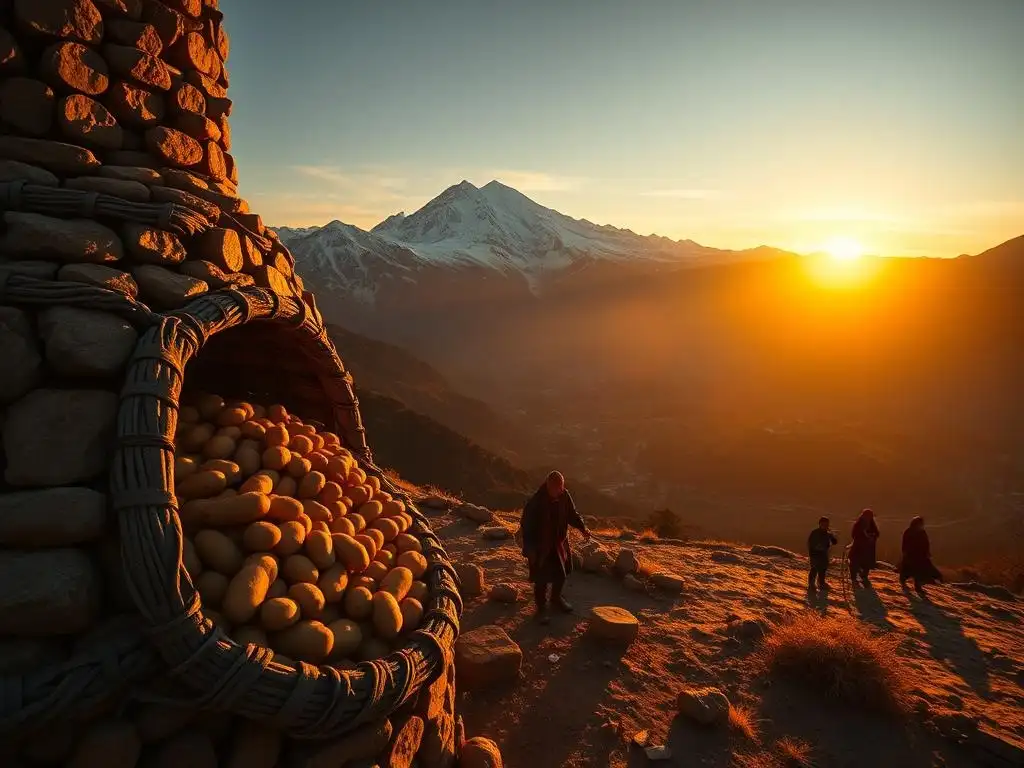
Uncover the secrets whispered on the wind across the Andes Mountains! For centuries, these majestic peaks have witnessed civilizations rise and fall, leaving behind a legacy of breathtaking artistry and ingenuity. But what fueled their empires? Delve into the fascinating world of Andean food storage rituals, a practice far more intricate than mere preservation – it was a sacred act woven into the very fabric of Andean life.
Prepare to be amazed by the ingenious techniques and profound spiritual significance behind their agricultural prowess. Journey with us to discover the captivating story of how these ancient peoples harnessed the power of nature and ritual to ensure survival and prosperity. Read on to unlock the mysteries of their remarkable food systems.
- Andean Food Storage Rituals: A Deep Dive into Ancient Practices
- Andean Rituals Associated with Food Preservation
- Specific Examples of Andean Food Storage Rituals
- The Role of Andean Deities in Food Storage Rituals
- Modern-Day Echoes of Ancient Andean Food Storage Rituals
- The Cultural and Historical Impact of Andean Food Storage Practices
- Frequently Asked Questions
- Final Reflection: Echoes of the Andes: Food, Ritual, and Legacy
- Unlock the Secrets of Andean Food Rituals!
Andean Food Storage Rituals: A Deep Dive into Ancient Practices
The Andes Mountains, a breathtaking landscape of towering peaks and fertile valleys, nurtured some of the most sophisticated pre-Columbian civilizations in the Americas. These societies, including the Inca, Moche, Nazca, and Tiahuanaco, developed remarkable agricultural techniques and complex social structures, intricately interwoven with their spiritual beliefs. Understanding their relationship with food goes beyond simple sustenance; it reveals a profound connection between daily life, religious practices, and the very fabric of their societies.
This article delves into the fascinating world of Andean food storage rituals, exploring how practical needs intertwined with deeply held spiritual beliefs, shaping their agricultural practices and cultural expressions. We will examine how the act of storing food wasn't merely a logistical operation, but a ritualistic process imbued with meaning, reflecting their cosmology and worldview.
By exploring the significance of food storage in Andean societies and the spiritual dimensions of their granaries, we can gain a richer understanding of these remarkable civilizations and their enduring legacy. The analysis will focus on how the "Andean food storage rituals" impacted their social structure and daily lives.
The Significance of Food Storage in Andean Societies
Food security was paramount for the survival and prosperity of Andean civilizations. The unpredictable nature of Andean agriculture, susceptible to droughts, floods, and frost, necessitated sophisticated storage techniques. These weren't simply rudimentary methods; Andean peoples developed ingenious systems for preserving and storing a variety of crops, including potatoes, maize, quinoa, and beans. These systems ranged from simple pits and caves to elaborate granaries, often constructed with remarkable architectural precision.
The location and design of these storage facilities were carefully considered, often reflecting both practical and symbolic considerations. For example, the placement of granaries near temples or sacred sites suggests a deliberate integration of food storage with religious practices. The quantity of stored food was also a significant indicator of social status and power within the community. Larger stores signified wealth and success, reinforcing the importance of agricultural productivity in the social hierarchy.
Moreover, efficient food storage systems allowed for the redistribution of resources during times of scarcity, ensuring community stability and social cohesion. This carefully managed system of production and distribution was a crucial element in the societal stability and longevity of these cultures. The meticulous planning involved in Andean food storage highlights their advanced understanding of agriculture and resource management, a testament to their ingenuity and adaptability.
Beyond Practicality: The Spiritual Dimension of Andean Granaries
Beyond their practical function, Andean granaries held profound spiritual significance. They were not merely repositories for food; they were considered sacred spaces, imbued with the power of the gods and ancestors. Many granaries were built with specific architectural features and orientations reflecting cosmological beliefs. For instance, the use of specific materials, like stone or adobe, and the incorporation of ritualistic elements into their construction, suggest a deliberate attempt to sanctify these spaces.
Rituals associated with the harvest, storage, and distribution of food were integral parts of Andean religious life. These ceremonies often involved offerings to deities associated with agriculture and fertility, ensuring a bountiful harvest and the protection of stored food from spoilage or pests. The act of storing food was therefore a sacred act, connecting the community with the spiritual realm and reinforcing social bonds. Furthermore, the granaries themselves could function as symbolic representations of fertility and abundance, mirroring the cyclical nature of life and the agricultural year.
The careful placement of offerings within the granaries further underscores the deeply spiritual nature of food storage in Andean societies. The integration of the practical and spiritual aspects of food storage is a key element in understanding the holistic worldview of these ancient Andean civilizations. The granaries, therefore, served a dual purpose: a practical solution for food preservation and a sacred space reflecting the spiritual beliefs of the community.
Andean Rituals Associated with Food Preservation
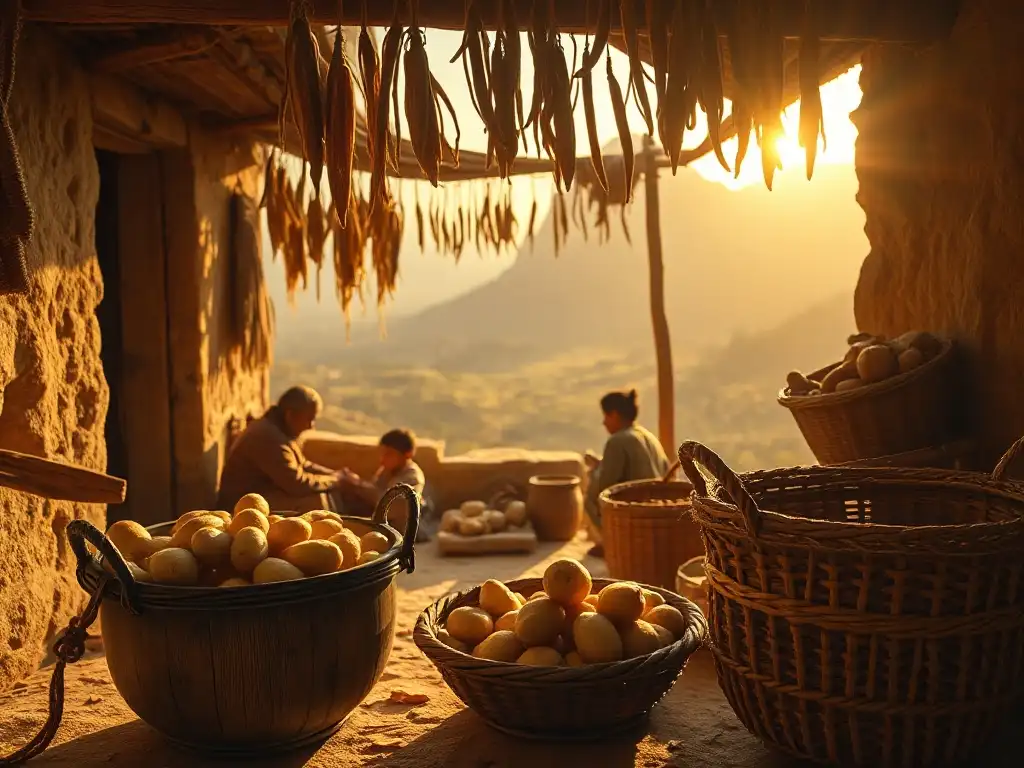
This section delves into the fascinating interplay between food storage techniques and the deeply ingrained religious beliefs of Andean civilizations. Understanding their relationship reveals a sophisticated understanding of agriculture, not just as a means of survival, but as a sacred practice interwoven with their cosmology. The Andean people didn't simply store food; they performed rituals to ensure its preservation and to honor the spirits believed to influence agricultural abundance. This intricate connection between practical necessities and spiritual beliefs is a key component of understanding Andean food storage rituals.
Ceremonies for Bountiful Harvests and Storage
Ceremonies celebrating bountiful harvests weren't merely expressions of gratitude; they were crucial steps in ensuring the successful storage of the year's yield. These rituals, often involving community participation, served to symbolically protect the harvested crops from spoilage and pests. Think of it as a form of spiritual insurance policy on their hard-earned food supply.
For example, the Inca would perform capac hucha, a ceremony involving offerings to the sun god Inti and the earth goddess Pachamama. These offerings, often including coca leaves, chicha (fermented corn beer), and llama sacrifices, were believed to appease the deities and ensure continued fertility of the land, directly impacting future harvests and the success of subsequent storage efforts. The timing of these ceremonies was critical, often coinciding with the completion of the harvest and the beginning of the storage process.
The specific rituals varied across different Andean cultures. The Moche, known for their elaborate irrigation systems, likely incorporated water deities into their harvest celebrations, emphasizing the crucial role of water in successful agriculture and food preservation. While precise details of their ceremonies are scarce, archaeological evidence suggests a strong connection between their artistic representations of agricultural abundance and ritualistic practices. Further research is needed to fully understand the nuances of their Andean food storage rituals.
Offerings and Prayers During Food Storage Preparation
Before placing harvested crops into storage facilities—be it underground cellars, granaries, or elevated storehouses—Andean communities performed rituals to protect the food from spoilage and harm. These weren't perfunctory actions; they were integral parts of the entire process, demonstrating the deep reverence they held for their food and the spirits they believed influenced its preservation.
These rituals often involved making offerings, prayers, and specific actions to ensure the safekeeping of the harvested goods. The offerings varied depending on the specific crop and the local deities. For instance, maize, a staple crop, might have been accompanied by offerings of coca leaves to ensure its protection from pests and rot. Prayers were recited, invoking blessings upon the stored food and requesting protection from both natural and supernatural threats. The act of carefully arranging the food within the storage space itself could also be a part of the ritual, representing a symbolic act of safeguarding.
The use of specific herbs or other natural materials within the storage spaces might have also played a role in these Andean food storage rituals. These materials, possibly possessing insecticidal or antifungal properties, could have both practical and symbolic significance. Further research into ethnobotany and the analysis of preserved storage spaces could illuminate this aspect further.
Rituals Performed at the Opening of Granaries
The opening of granaries wasn't a simple act of retrieving food; it was a carefully orchestrated ritual, often marked by specific ceremonies and prayers. The Andean people recognized the importance of maintaining a respectful relationship with the spirits believed to guard the stored provisions. Opening the granaries without proper ritual could invite misfortune or even famine.
These opening rituals could involve similar offerings and prayers as those performed during the storage preparation. However, they might also include specific actions to appease the spirits and express gratitude for the preservation of the food. The first portions of the harvested food were often offered to the deities or to community members in a symbolic gesture of sharing and respect.
The act of opening the granaries itself might be accompanied by specific chants or songs, reflecting a deep-seated connection between the stored food and the spiritual realm. Archaeological evidence, combined with ethnohistorical accounts, offers glimpses into these practices but much remains to be discovered regarding the specific variations in Andean food storage rituals across different regions and time periods. Further investigation is needed to uncover the full richness and complexity of these practices.
Specific Examples of Andean Food Storage Rituals
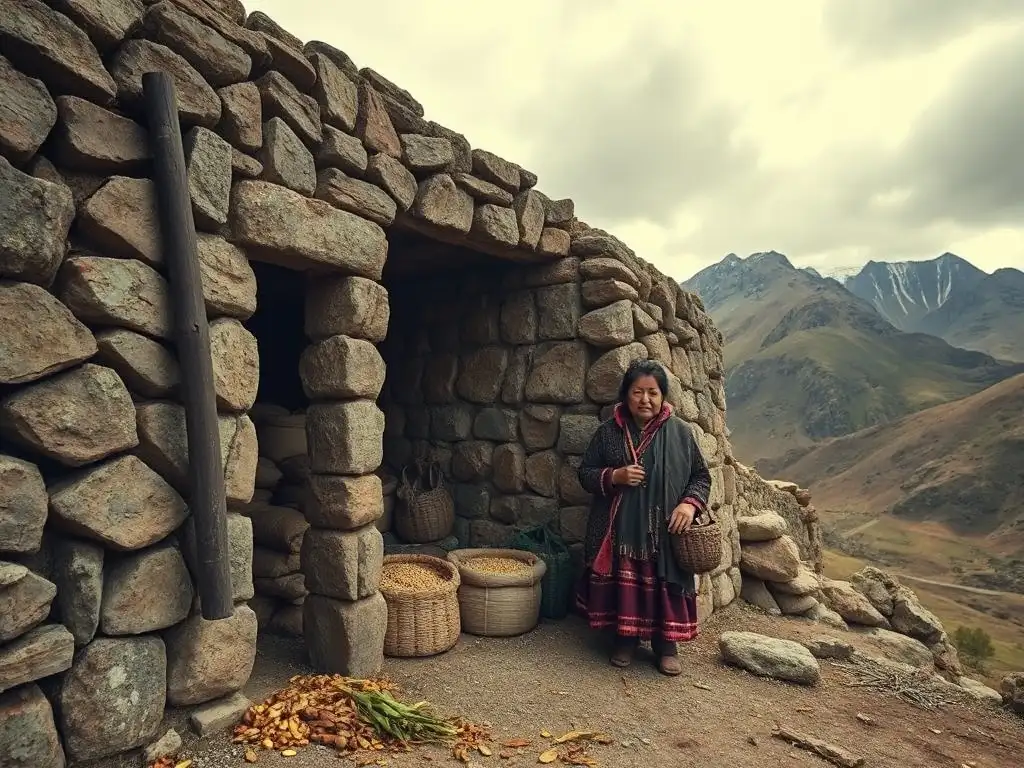
This section delves into the intricate relationship between food storage and ritual practices across various Andean civilizations. Understanding these practices provides crucial insight into their societal structures, beliefs, and agricultural expertise. The careful preservation of food wasn't merely a practical matter; it was deeply intertwined with religious beliefs and ceremonies, ensuring the continuity of life and prosperity. Analyzing these rituals offers a unique perspective on Andean worldview and their sophisticated understanding of resource management. The keyword phrase "Andean food storage rituals" is central to understanding this complex interplay of practicality and spirituality.
The Inca and their Rituals for Storing Maize and Potatoes
The Inca Empire, known for its vast agricultural achievements, developed complex systems for storing maize and potatoes – staples of their diet. Their rituals surrounding storage weren't haphazard; they were carefully orchestrated ceremonies aimed at ensuring bountiful harvests and preventing spoilage. Before depositing the harvested crops into qollqas (storage structures), the Inca performed offerings to the apus (mountain spirits) and the pachamama (Earth Mother). These offerings, often including coca leaves, chicha (a fermented corn beverage), and other agricultural products, were a way to appease the deities and secure their blessings for plentiful harvests.
The construction and maintenance of qollqas themselves were imbued with ritual significance. Specific individuals, often designated by their religious roles, oversaw the construction and the placement of the stored food. The arrangement of the crops within the qollqas followed specific patterns, potentially reflecting cosmological beliefs or agricultural knowledge. Evidence suggests that the Inca may have used different techniques for storing different crops, with some requiring more elaborate preparation or preservation methods.
For instance, potatoes might have been freeze-dried or stored in carefully layered piles to prevent rotting, a practice likely accompanied by specific prayers and offerings. The entire process, from harvest to storage, was a sacred act that reinforced the Inca's dependence on and respect for the natural world. Detailed archaeological findings are still needed to fully understand the specific rituals associated with each stage of the process.
The Moche civilization, known for its elaborate artistic representations, also integrated food preservation into their complex religious practices. Unlike the Inca's emphasis on large-scale storage facilities, the Moche focused more on individual household preservation methods. Their rituals likely centered around ensuring the successful preservation of food, thereby guaranteeing the survival of their communities. Evidence from their iconography depicts scenes of harvesting, processing, and storing food, suggesting that these activities held significant cultural and religious importance.
The Moche frequently depicted scenes of food preparation and preservation in their pottery. These images offer valuable clues about their techniques, although their exact rituals remain largely unknown. We can infer that they employed techniques such as sun-drying, fermentation, and possibly salting to preserve their crops and seafood. These processes were probably accompanied by offerings and prayers to ensure success and ward off spoilage.
The Moche worldview emphasized a strong connection between humans and the supernatural, with deities playing a crucial role in the success of agricultural activities. Further research, particularly detailed analysis of Moche burial sites and artifacts, could reveal more specific details about their food-preservation rituals. The precise nature of these offerings and the specific deities involved remains a subject of ongoing scholarly investigation.
Tiahuanaco and their Unique Approach to Food Storage Ceremonies
The Tiahuanaco civilization, known for its monumental architecture and sophisticated agricultural practices, developed a unique approach to food storage and related ceremonies. Their extensive irrigation systems and agricultural innovations enabled them to cultivate large surpluses, necessitating efficient storage and preservation methods. However, unlike the Inca, their rituals surrounding food storage might have been more subtly integrated into their broader religious beliefs.
While specific details about their food storage rituals are scarce, we can speculate based on their overall religious and cultural practices. The Tiahuanaco culture revered water and the forces of nature, which suggests that their ceremonies likely involved prayers and offerings related to these elements. The successful storage of food would have been seen as a blessing from these powerful natural forces.
Moreover, the monumental architecture of Tiahuanaco, with its intricate designs and astronomical alignments, may have played a symbolic role in their agricultural and storage practices. The layout of their storage facilities could have been designed to reflect cosmological beliefs or to harness the power of the sun and other celestial bodies. Further archaeological research is crucial to uncovering more information about their specific rituals and beliefs surrounding food storage.
The investigation of Tiahuanaco’s agricultural practices, including their remarkable irrigation systems, may reveal further insights into their food storage rituals and their significance within their broader socio-religious context. The potential connection between their astronomical knowledge and food storage practices warrants further investigation.
The Role of Andean Deities in Food Storage Rituals
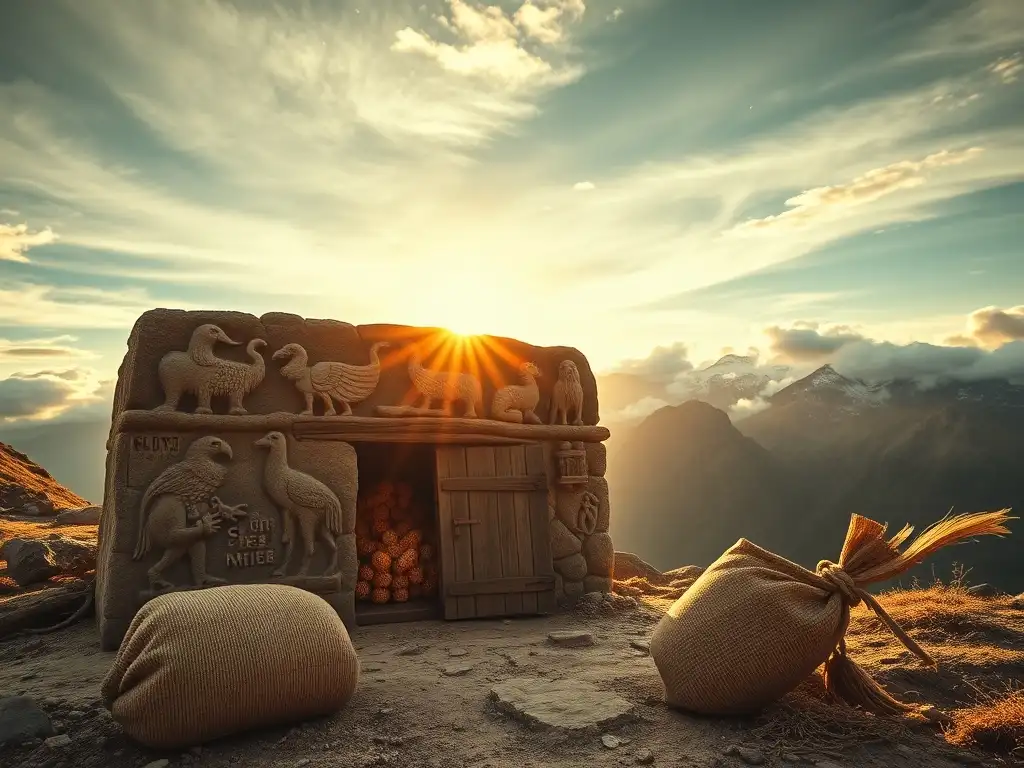
The Andean worldview deeply intertwined agricultural practices, particularly food storage, with elaborate religious rituals. Successful harvests and the preservation of food were not merely matters of practical skill, but also depended on appeasing and honoring the powerful deities believed to control the natural world. Understanding the relationship between Andean food storage and rituals requires acknowledging the central role played by these divine figures.
The belief system surrounding these deities shaped not only the methods of storage but also the social structures and power dynamics within Andean societies. The abundance or scarcity of food was often interpreted as a reflection of the community's relationship with the divine, impacting social cohesion and political stability. This section will explore the influence of key Andean deities on food storage rituals.
Inti, the Sun God, and his Connection to Food Preservation
Inti, the sun god, held paramount importance in the Inca and other Andean cultures. He was seen as the source of life, warmth, and energy, vital for crop growth and successful harvests. Consequently, rituals associated with Inti were directly linked to food preservation. Many rituals were performed during the solstices and equinoxes, times of significant solar activity believed to influence the success of the harvest and the longevity of stored food. These rituals frequently involved offerings of coca leaves, chicha (fermented corn beer), and other agricultural products placed on huacas (sacred sites) exposed to the sun's rays.
The act of sun-drying food, a common preservation technique in the Andes, was likely infused with religious significance, symbolizing the sun's life-giving power extending beyond the growing season. The careful selection and placement of dried goods within storage structures might have also been guided by beliefs concerning the sun's energy and its ability to protect against spoilage. Specific prayers and chants, perhaps invoking Inti's protection, might have accompanied these practices, solidifying the connection between the divine and successful food preservation.
Further research is needed to fully understand the nuances of these sun-related food preservation rituals and their precise variations across different Andean cultures. [Specific information pending: detailed descriptions of Inca sun-drying rituals and associated prayers].
Pachamama, the Earth Mother, and her Influence on Storage Practices
Pachamama, the Earth Mother, represented the fertile ground, the source of all sustenance. Her favor was crucial for a bountiful harvest and the successful preservation of food. Rituals honoring Pachamama were often conducted before planting and harvesting, but also played a significant role in food storage practices. The construction and maintenance of qollqas (Andean storehouses) were likely accompanied by ceremonies designed to appease Pachamama and ensure her continued blessings. Offerings of food and drink might have been buried near or within these structures, symbolizing a reciprocal relationship between the community and the earth.
The very act of storing food was seen as a sacred trust, acknowledging Pachamama's generosity and the need for respectful stewardship. The careful organization and management of stored food demonstrated respect for the earth's bounty and a desire to avoid waste. Failure to properly store and utilize food might have been interpreted as a sign of disrespect towards Pachamama, potentially resulting in future crop failures.
[Specific information pending: detailed analysis of archaeological evidence linking qollqa construction to ritual practices]. The careful layering of different food items within storage structures, perhaps reflecting a symbolic representation of the earth's layered structure, is another area deserving further investigation.
Viracocha and his Associated Rituals
Viracocha, the creator god, was considered the source of all things. While not directly associated with specific food preservation techniques in the same way as Inti and Pachamama, his influence permeated all aspects of Andean life, including agriculture and food storage. Rituals honoring Viracocha often focused on maintaining cosmic balance and ensuring the continuation of life. Successful harvests and the preservation of food could be seen as signs of Viracocha's favor and the maintenance of this cosmic harmony.
Prayers and offerings to Viracocha might have been incorporated into larger ceremonies related to food storage, particularly those involving community-wide celebrations or times of potential scarcity. These rituals might have served to reinforce social solidarity and a shared faith in Viracocha's power to provide and protect. [Specific information pending: further research is needed to fully understand the role of Viracocha in specific food storage rituals].
The connection between Viracocha and the successful storage of food might be more implicit, reflected in the overall worldview and the belief that successful agricultural practices were a sign of cosmic order maintained by the creator god. The absence of specific Viracocha-centered rituals related to food storage doesn't diminish his overall influence on the Andean worldview that shaped these practices.
Modern-Day Echoes of Ancient Andean Food Storage Rituals
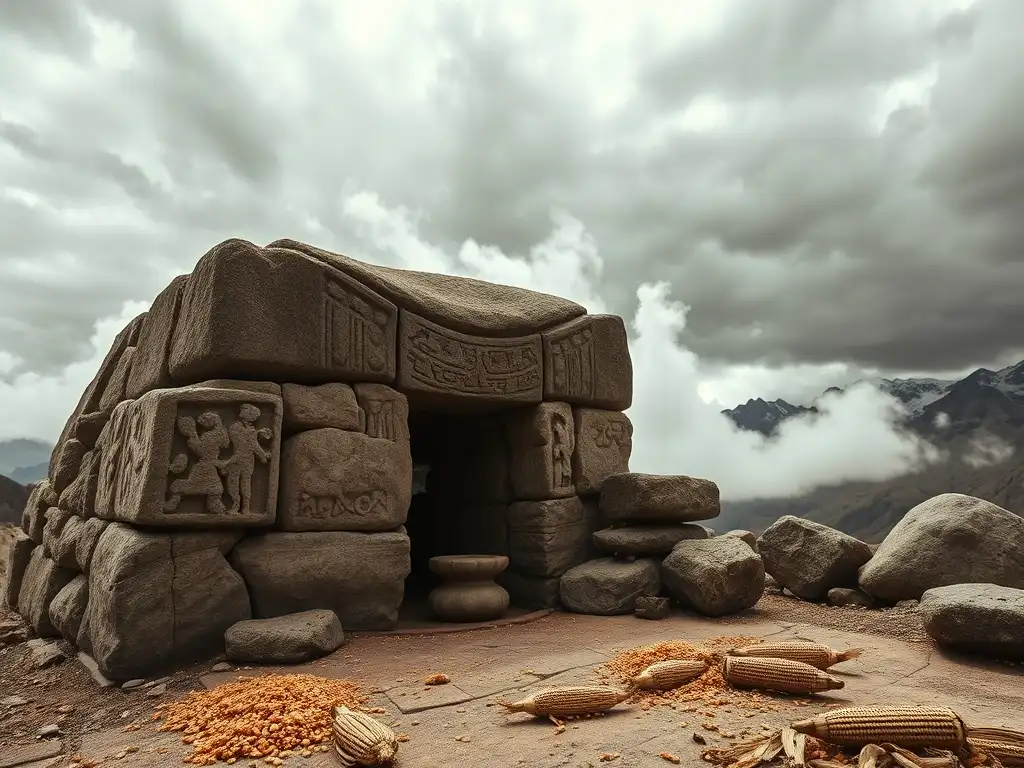
The meticulous practices of Andean food storage, far from being purely utilitarian, were deeply intertwined with complex ritualistic beliefs. While the specifics of these rituals varied across different Andean cultures and time periods, their underlying principles—respect for the land, gratitude for the harvest, and anticipation of future abundance—continue to resonate in contemporary Andean communities. Understanding these echoes provides a richer appreciation for the enduring cultural significance of food in the Andes.
The meticulous preservation techniques employed by ancient Andean civilizations, such as the use of qollqas (stone storehouses) and sophisticated drying methods, weren't just about preventing spoilage; they were integral parts of a larger cosmological system. The act of storing food was a sacred act, imbued with symbolic meaning and ritualistic significance. This section explores how these ancient practices continue to influence modern-day celebrations and beliefs surrounding food.
Contemporary Celebrations and Practices Rooted in Tradition
Many contemporary Andean festivals and celebrations directly reflect the ancient reverence for the harvest and the careful storage of food. For example, the Pachamama celebrations, held annually to honor Mother Earth, often involve offerings of food placed in the earth—a direct link to the ancient practice of making offerings to ensure bountiful harvests. The food itself, often carefully selected and prepared, represents the community's gratitude for the year's bounty and a plea for continued abundance.
These offerings aren't just symbolic; they're a tangible expression of the enduring connection between Andean communities and their agricultural heritage. The careful selection of the food, its presentation, and the specific location of the offerings all echo the precision and ritualistic significance observed in ancient Andean food storage practices.
Think of it as a living testament to the deep-rooted connection between the spiritual and material aspects of life in the Andes. The meticulous care taken in preserving food items for these ceremonies underlines the continuation of ancient traditions.
The Enduring Importance of Food Rituals in Andean Communities
The significance of food rituals in Andean communities extends beyond annual celebrations. Daily life is infused with practices that reflect a deep respect for food and its connection to the spiritual realm. Sharing food remains a central aspect of social interaction, solidifying community bonds and reinforcing reciprocal relationships. The act of preparing and consuming food is often accompanied by prayers and blessings, acknowledging the sacred nature of the resources provided by the earth.
This deep-seated reverence for food isn't simply a matter of tradition; it's a vital element of Andean identity and worldview. It reflects a holistic understanding of the interconnectedness of nature, community, and spirituality, where food serves as a powerful symbol of life, sustenance, and continuity. The careful storage of food, therefore, is not merely a practical necessity but an act of respect, gratitude, and faith, ensuring the well-being of both the community and the land that sustains it.
This holistic approach to food underscores the enduring influence of ancient Andean food storage rituals on contemporary Andean life. The continuity of these practices highlights the resilience and adaptability of Andean culture in the face of modernization. The deep cultural significance of food storage rituals in Andean communities helps us understand the enduring legacy of their ancient civilizations.
The Cultural and Historical Impact of Andean Food Storage Practices
The sophisticated agricultural practices of the Andean civilizations were inextricably linked to their complex social structures and religious beliefs. Food storage wasn't merely a practical necessity; it was deeply embedded within their cultural and spiritual life, shaping their social hierarchies, influencing their artistic expressions, and even dictating their ritualistic practices. Understanding Andean food storage requires moving beyond a purely utilitarian perspective and embracing the multifaceted role it played in their society.
The careful preservation of agricultural surpluses, achieved through ingenious techniques like qollqas (storage buildings) and sophisticated drying methods, directly impacted the social, political, and religious landscape of these ancient societies. This section delves into the significant cultural and historical impact of these practices, highlighting their profound influence on Andean life. The keyword, "Andean food storage rituals," is central to understanding this interwoven relationship between practicality and spirituality.
Andean food storage rituals were not isolated events but integral components of their social fabric. The act of storing food, particularly surplus crops, often involved elaborate ceremonies and rituals designed to ensure abundant harvests and appease the gods. These rituals reinforced social hierarchies, with elites often controlling the most significant storage facilities and overseeing the distribution of resources. For example, the Inca Empire's vast network of qollqas served not only as practical storage units but also as symbols of imperial power and control.
The meticulous organization and management of these structures reflected a centralized authority that ensured the stability and prosperity of the empire. Archaeological evidence suggests that specific individuals or groups were responsible for managing these stores, highlighting the social importance of this activity. The distribution of stored food during times of scarcity or during festivals further solidified social bonds and reinforced the power structure.
Such events were not simply practical solutions to logistical problems, but opportunities for strengthening communal identities and reaffirming social order. The very act of communal participation in food storage and distribution served as a powerful social glue. This interconnectedness between food storage, ritual, and social structure is a key aspect of understanding Andean civilizations.
Preserving Andean Cultural Heritage through Food Traditions
The legacy of Andean food storage practices continues to resonate in contemporary Andean cultures. Many traditional methods of food preservation, such as sun-drying, freezing, and fermentation, are still practiced today, reflecting the enduring wisdom of these ancient techniques. These practices are not just about preserving food; they are also about preserving cultural heritage and identity.
The transmission of these techniques across generations highlights the importance of food in shaping cultural continuity. Moreover, the knowledge associated with these practices is often embedded within oral traditions, songs, and stories, passed down through families and communities. These narratives often incorporate elements of myth and ritual, connecting contemporary practices to their ancient counterparts.
For instance, the preparation of chicha, a fermented maize beverage, often involves rituals and ceremonies that echo ancient Andean traditions. This underscores the enduring link between food, ritual, and cultural identity in the Andes, showcasing how "Andean food storage rituals" have shaped contemporary culture. The preservation of these traditions is vital for understanding the rich tapestry of Andean history and culture.
Pikillaqta and its Evidence of Food Storage Practices
Pikillaqta, an impressive pre-Inca site near Cusco, provides compelling evidence of sophisticated food storage practices. The remarkably well-preserved ruins reveal a complex network of storage structures, suggesting a highly organized system for managing agricultural surpluses. The layout of the site, with its distinct residential and storage areas, points towards a centralized system of food distribution.
Analysis of the architectural features of the storage buildings reveals advanced construction techniques, designed to protect stored goods from the elements and pests. Unlike many other sites, Pikillaqta's storage facilities were not simply haphazard structures but were integrated into the overall urban planning, suggesting the crucial role of food storage in the city's social and economic organization. The scale of the storage facilities at Pikillaqta points to a substantial population and a significant agricultural surplus, indicating a level of societal complexity and organization that is noteworthy.
Further research into the site's layout and the contents of the storage areas is needed to fully understand the nuances of their food storage and distribution systems, potentially revealing more about their "Andean food storage rituals." The ongoing study of Pikillaqta continues to shed light on the sophisticated agricultural and logistical capabilities of pre-Inca societies.
Frequently Asked Questions
What role did food storage play in Andean societies?
Food storage was essential for Andean civilizations' survival. It allowed them to survive harsh weather and ensured a stable food supply throughout the year. This stability was crucial for their complex social structures.
How did the Incas store their food?
The Incas used a variety of methods, including qollqas (stone storehouses) built at high altitudes for optimal preservation. They also employed techniques like drying and freezing to extend the shelf life of their crops and other foods.
Were there any religious rituals connected to food storage?
Yes, many rituals surrounded food storage. These rituals aimed to ensure a successful harvest and protect stored food from spoilage or pests. Prayers and offerings were common practices.
Efficient food storage systems supported larger populations and complex social hierarchies. Access to and control over stored food often determined social status and power. Surplus food allowed for specialization of labor.
What kinds of foods did Andean civilizations store?
Andean civilizations stored a variety of foods, including potatoes, maize, beans, quinoa, and dried meats. The specific types of food varied depending on the region and the climate. Storage techniques were adapted to preserve these diverse food sources.
Final Reflection: Echoes of the Andes: Food, Ritual, and Legacy
The intricate relationship between food storage and Andean rituals continues to resonate today, a powerful testament to the enduring wisdom of ancient civilizations. Understanding their sophisticated techniques, not just for preservation but also for spiritual connection, offers invaluable insights into sustainable practices and the deep human need to connect with the natural world. These weren't simply methods of survival; they were integral parts of a vibrant cultural tapestry.
The enduring impact of these Andean practices is undeniable, shaping not only their agricultural landscapes but also their social structures and spiritual beliefs. Their reverence for the land and its bounty, reflected in their meticulous storage techniques and accompanying rituals, serves as a powerful counterpoint to our often-disrespectful relationship with food production and consumption today. The earth provides; we must honor her gifts.
– This unspoken principle underpins the entire Andean approach to food, a lesson we would do well to heed.
Consider the implications of this ancient wisdom for your own life. How can we cultivate a deeper appreciation for the food we consume, acknowledging the labor and resources that went into its creation? How can we integrate a sense of ritual and respect into our own food practices, fostering a more mindful and sustainable relationship with the environment? Let the echoes of the Andes inspire you to build a more conscious and connected relationship with the food that sustains you.
Unlock the Secrets of Andean Food Rituals!
Thank you for exploring the fascinating connection between food storage and Andean cultural practices! You've uncovered the vital role these practices play in shaping community identity. Now, let's delve deeper and explore the meaningful connections between food and culture.
- Delve deeper: Research a specific Andean ritual surrounding food storage, such as the capac cocha system of storing potatoes, and discover its significance within the community. You might be amazed by the ingenuity and cultural depth you uncover!
- Share your insights: Discuss with friends and family how food storage practices influence cultural rituals worldwide, comparing and contrasting different traditions.
- Join a community: Participate in a local cultural event or workshop celebrating Andean traditions to learn firsthand from practitioners and experts. Many museums and cultural centers offer such opportunities.
Reflecting on these practices, consider how understanding the rituals of food storage can enrich your appreciation for cultural preservation efforts and the importance of sustainable food systems. Let's discuss your thoughts in the comments below!