
The Influence of Warfare on Social Status: Warriors and Their Rank

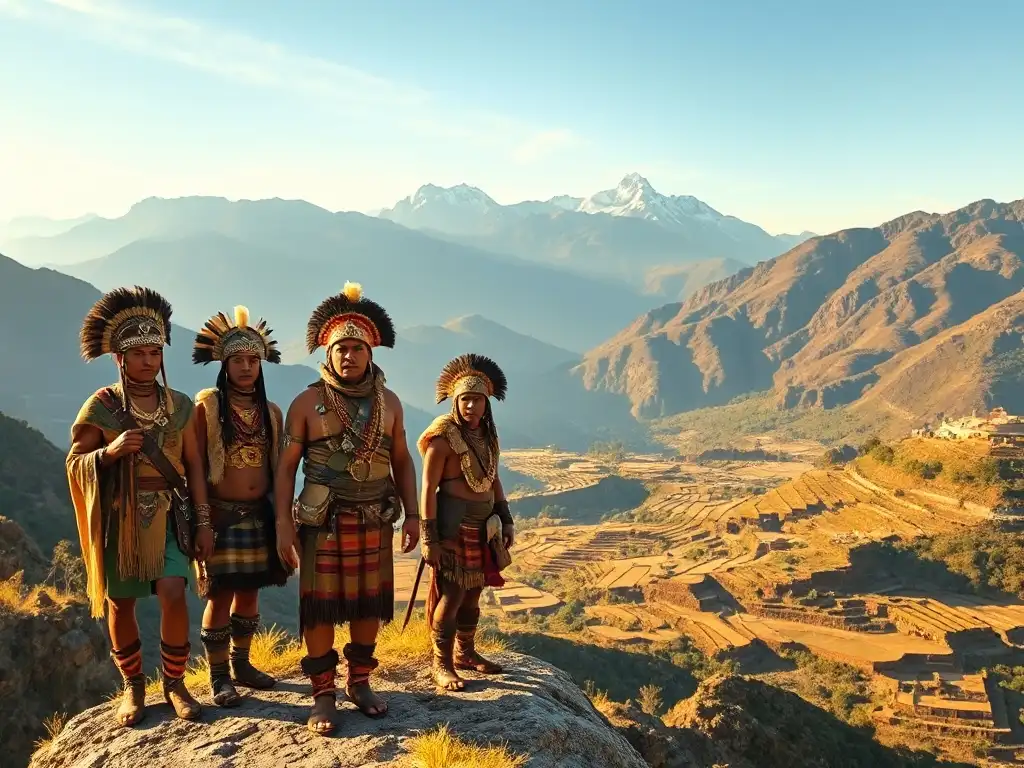
Uncover the enigmatic world of the Andean civilizations—a realm of breathtaking artistry, intricate social structures, and relentless conflict. Did the clash of empires truly define social standing in these ancient societies? Journey with us as we delve into the complex relationship between Andean civilizations warfare and social status, exploring how the battlefield shaped the hierarchy and power dynamics of the Incas, Moche, and other remarkable cultures. Prepare to be captivated by the untold stories of warriors and their rise through the ranks.
- The Influence of Warfare on Social Status: Warriors and Their Rank in Andean Civilizations
- Andean Warfare and its Impact on Social Hierarchies
- The Warrior Class in Andean Civilizations
- Warfare and Social Mobility: How Battles Elevated Individuals
- The Social Status of Warriors: Ranks and Privileges
- The Impact of Warfare on Social Stratification in Andean Civilizations
- Case Studies: Examining Specific Andean Civilizations and Their Warrior Classes
- The Legacy of Andean Warfare on Social Status
- Conclusion: The Enduring Influence of Warfare on Andean Social Status
-
Frequently Asked Questions
- How did warfare impact social status in Andean civilizations?
- What role did military success play in achieving high rank?
- Were there specific warrior classes in Andean societies?
- Did all Andean civilizations have similar warfare-related social structures?
- How did the spoils of war affect social hierarchy?
- Final Reflection: Echoes of Conquest: Warfare's Enduring Legacy on Andean Society
- Unveil the Legacy of Andean Warriors: Elevate Your Understanding!
The rise and fall of Andean civilizations were profoundly shaped by warfare, a dynamic that significantly impacted social structures and the attainment of status. This article delves into the complex relationship between military prowess, social hierarchy, and the elevated position enjoyed by warriors within various Andean societies, including the Inca, Moche, Nazca, and Tiahuanaco cultures.
We will explore how successful military campaigns, strategic alliances, and even the capture of valuable resources directly influenced an individual's social standing, creating a system where military achievement often translated into power and prestige. Understanding the role of warfare in shaping Andean social structures provides crucial insight into the intricacies of these fascinating civilizations and their enduring legacy.
We will examine specific examples of how warrior elites emerged, the symbols of their power, and the ways in which warfare impacted broader social dynamics within these complex societies. The analysis will showcase the diverse yet interconnected ways in which military success shaped social stratification across different Andean cultures.
The Inca Empire: A Meritocratic Military System?
The Inca Empire, known for its sophisticated organization and vast territorial control, presented a seemingly meritocratic system where military success played a pivotal role in social mobility. While the Sapa Inca held the ultimate authority, the curacas (local chiefs) and other high-ranking officials often rose through the ranks based on their military accomplishments. Successful generals and commanders gained significant power and influence, often accumulating wealth and land as rewards for their service.
This system, however, was not entirely meritocratic. Existing noble lineages and family connections still played a crucial role in determining social standing, even for those with considerable military achievements. The Inca state strategically employed a system of rewards and punishments to maintain order and encourage loyalty, further solidifying the link between military success and social elevation.
This intricate balance between merit and inherited status is a key aspect of understanding Inca social dynamics. Detailed records concerning the specific rewards bestowed upon successful generals remain scarce, necessitating further research to fully understand the intricacies of this system.
The Moche civilization, renowned for its elaborate artistry and sophisticated irrigation systems, also placed significant value on military prowess. Their art frequently depicts scenes of warfare, showcasing warriors adorned with elaborate headdresses and weaponry. These depictions suggest that successful warriors held high social standing, possibly forming an elite warrior class.
However, unlike the Inca, the evidence for a clear-cut meritocratic system is less direct. Archaeological findings indicate the existence of a stratified society with distinct elites, but the precise mechanisms by which warriors attained elevated status within the Moche hierarchy remain a subject of ongoing scholarly debate.
The role of religious leaders and their influence on the warrior class also requires further investigation to fully comprehend the complex interplay of power and prestige in Moche society. [Specific information pending: Further analysis of Moche burial sites and associated grave goods is needed to clarify the correlation between military artifacts and social status.]
The Nazca and Tiahuanaco: Alternative Paths to Power
The Nazca and Tiahuanaco cultures, while differing significantly in their artistic styles and societal structures, also experienced the impact of warfare on social status. In Nazca society, evidence suggests that warfare, while present, did not play as prominent a role in determining social hierarchy as it did in the Inca or Moche civilizations. Instead, religious authority and control over vital resources, such as water, likely held greater sway in determining social standing.
Similarly, in Tiahuanaco, while military strength was undoubtedly important for maintaining control and expanding territory, the evidence suggests that priestly authority and control over religious and ceremonial centers played a more significant role in determining social status. [Specific information pending: Further research is needed on the interplay between religious and military power in both Nazca and Tiahuanaco societies.]
This initial exploration highlights the multifaceted nature of warfare's influence on social status in Andean civilizations. Further research is needed to fully understand the nuances and complexities of this dynamic across different cultures and time periods. The next sections will delve deeper into specific examples and analyze the material culture associated with warrior elites in each civilization.
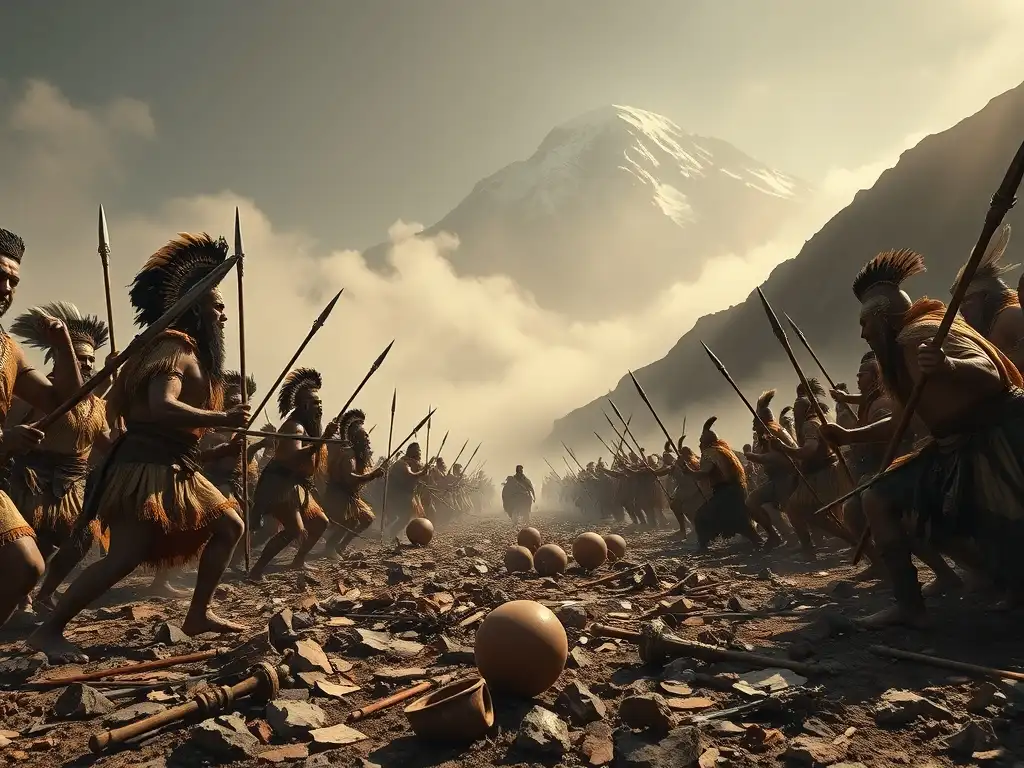
Andean civilizations, renowned for their intricate social structures and impressive engineering feats, were also deeply involved in warfare. The impact of conflict on the social hierarchy wasn't merely a matter of conquest; it profoundly shaped social dynamics, influencing status, wealth distribution, and political power across diverse Andean societies. Understanding this intricate interplay between warfare and social stratification is key to grasping the complexities of Andean civilizations.
The very fabric of their societies, from the Incas to the Moche, was woven with threads of both peaceful cooperation and violent conflict, with the latter often playing a defining role in determining social standing. This section will delve into the nuanced relationship between Andean warfare and social status, exploring how military prowess translated into social mobility and influence.
The analysis will consider various Andean groups, highlighting both commonalities and unique characteristics in their respective systems of social stratification influenced by warfare. The keyword "Andean civilizations warfare social status" is crucial to understanding the complex dynamics of these ancient societies.
The Role of Conflict in Shaping Andean Societies
The role of conflict in shaping Andean societies was multifaceted and far-reaching. It wasn't simply a matter of territorial expansion; warfare often served as a mechanism for consolidating power, securing resources, and reinforcing social hierarchies. Successful military campaigns frequently translated into increased prestige and wealth for the victorious leaders and their warriors.
This is evidenced by the elaborate burial sites of elite warriors, often containing lavish goods and weaponry, reflecting their elevated social standing. For instance, the Moche culture, known for its sophisticated metalworking, produced exquisite artifacts for elite warriors, highlighting their importance within the society. These artifacts served not only as functional tools but also as potent symbols of status and power, reinforcing the link between military success and social hierarchy.
Furthermore, the capture of prisoners of war often provided a source of labor and tribute, further enriching the ruling class and solidifying their dominance. The constant threat of warfare also necessitated the development of strong military organizations, which in turn contributed to the growth of centralized political structures and the consolidation of power within the hands of a select few. The impact of conflict extended beyond the immediate aftermath of battles; it shaped long-term social and political landscapes, influencing the distribution of resources, the development of infrastructure, and the evolution of societal norms.
Understanding the social dynamics of Andean warfare requires examining the diverse ways in which military prowess impacted social status. While successful generals and elite warriors undoubtedly enjoyed elevated positions, the social implications of warfare extended beyond the battlefield. The spoils of war—land, resources, and captives—were often redistributed within the society, reinforcing existing hierarchies or creating new ones. The structure of Andean armies themselves reflected the social stratification of the broader society. Elite warriors, often from noble families, held positions of command and wielded significant influence.
Lower-ranking soldiers, potentially conscripted or drawn from commoner populations, served under their direction. The system wasn't static; individual achievement on the battlefield could lead to upward mobility, although the extent of this mobility varied across different Andean cultures. Some societies, like the Inca, had highly structured systems of social mobility tied to military service, while others might have been less flexible. Detailed archaeological evidence, including the analysis of burial sites and iconography, provides valuable insights into the social dynamics of Andean warfare.
For example, the discovery of specialized weaponry and elaborate grave goods associated with certain individuals suggests their elevated status within the military hierarchy and, by extension, within the broader social structure. This underscores the significance of studying the archaeological record to accurately understand the complex interplay between warfare and social status in Andean civilizations. Further research is needed to fully elucidate the specific mechanisms of social mobility within each Andean culture, understanding how warfare shaped their unique social hierarchies. [Specific information pending: detailed comparative analysis of social mobility across different Andean cultures based on archaeological and textual evidence].
The Warrior Class in Andean Civilizations
The concept of a distinct warrior class in Andean civilizations is complex and varied, depending heavily on the specific culture and time period. While not always a rigidly defined caste system like in some other ancient societies, military prowess undeniably played a significant role in determining social standing across various Andean cultures. This section will explore the evolution and characteristics of warrior elites, examining their influence on the broader social hierarchy and the ways in which military success translated into increased social status.
The analysis will focus on pre-Inca societies and the Inca Empire, highlighting the nuances and contrasts in their respective systems. Understanding the interplay between Andean civilizations warfare and social status offers crucial insights into the dynamics of power and social organization in these fascinating societies.
Emergence of Warrior Elites in Pre-Inca Andean Cultures
The rise of warrior elites in pre-Inca Andean societies was a gradual process, often tied to the development of increasingly complex political structures and expanding territorial control. For example, the Moche culture (c. 100–800 CE) displayed evidence of a powerful warrior class depicted in elaborate ceramics and monumental architecture. These depictions show warriors adorned with elaborate headdresses, wielding sophisticated weaponry, and participating in ritualistic ceremonies that reinforced their elevated social standing.
Their military achievements, likely involving conquest and resource control, were clearly celebrated and integrated into their religious and ideological systems. Similarly, the Nazca (c. 100 BCE – 500 CE) and Tiahuanaco (c. 300 – 1000 CE) cultures also show evidence of a powerful military presence, though the exact nature and extent of their warrior class remains a subject of ongoing archaeological research.
The absence of extensive written records makes deciphering the precise social dynamics of these early Andean societies challenging, requiring careful interpretation of material culture and iconography. However, the consistent presence of warrior imagery in art and artifacts strongly suggests the importance of military power in shaping their social hierarchies.
Distinguishing Features of Andean Warriors: Clothing, Weapons, and Status
Andean warriors weren't simply soldiers; their clothing, weaponry, and overall appearance served as powerful symbols of their status and military achievements. Elaborate headdresses, often made of feathers, gold, and other precious materials, distinguished high-ranking officers and successful warriors. Clothing frequently incorporated distinctive colors and patterns, signifying their rank within the military structure.
This visual display of status served both to inspire awe and to reinforce social hierarchies. Weapons also played a crucial role in signifying status. For instance, finely crafted weaponry, such as mace heads adorned with gold or silver inlays, were reserved for elite warriors, while those of lower rank might use simpler, more utilitarian weapons.
The materials and craftsmanship of their weapons and attire directly reflected their position within the military hierarchy and, consequently, their social standing within the broader community. Archaeological finds consistently corroborate this visual evidence, revealing distinct patterns in grave goods associated with high-ranking warriors, further solidifying the link between military achievement and social status.
Military success was a significant pathway to social mobility in many Andean civilizations. Captures of prisoners of war, successful campaigns against rival groups, and the expansion of territorial control all contributed to a warrior's increased prestige and standing. This is evident in the Inca Empire, where successful military commanders were often rewarded with land, titles, and other privileges, elevating their social standing considerably.
Moreover, the Inca system of mita, a form of mandatory labor service, was often used to reward loyal and successful warriors with exemptions or preferential treatment. This intricate system reinforced the link between military service and social advancement, creating a powerful incentive for individuals to excel in warfare. Furthermore, the Inca's emphasis on state-sponsored religion further intertwined military achievement with religious authority.
Victorious generals were often perceived as having divine favor, further solidifying their elevated social position within the empire. The legacy of this connection between military prowess and social status persists in the archaeological record and in the historical accounts of the Inca Empire, offering compelling insights into the dynamics of power and social mobility in this remarkable civilization. The study of Andean civilizations warfare, therefore, is crucial for a complete understanding of their complex social structures and hierarchies.
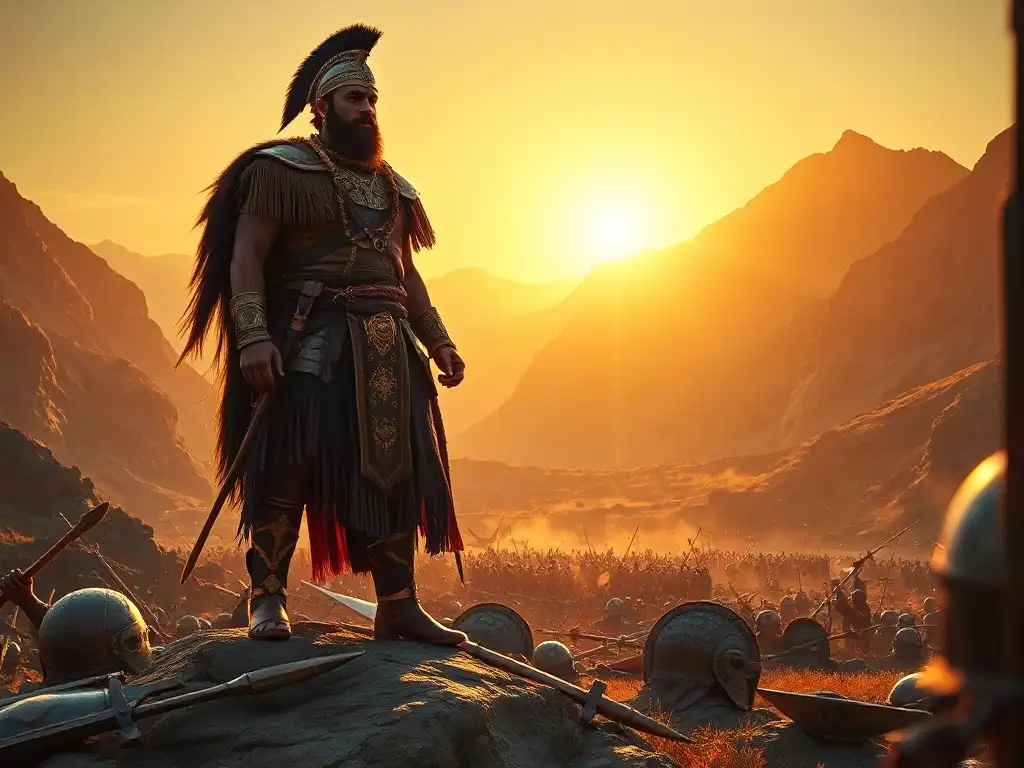
The Andean civilizations, renowned for their intricate social structures, frequently saw warfare play a significant role in determining social status. While inherited lineage and religious authority undeniably held sway, military prowess offered a powerful avenue for social mobility, particularly for those born outside the elite circles. Success on the battlefield wasn't merely about survival; it was a direct pathway to increased influence, wealth, and ultimately, higher rank within the complex social hierarchies of Andean societies like the Inca, Chimor, and Wari.
This section explores how military achievements directly impacted an individual's social standing, shaping the very fabric of Andean societal structures. The interplay between military accomplishments and social elevation is a crucial aspect of understanding the dynamics of power and prestige within these fascinating civilizations.
Analyzing the correlation between battlefield success and social mobility sheds light on the fluid nature of social hierarchies in the Andes, revealing a system far more dynamic than a purely hereditary model might suggest. The strategic importance of warfare to the Andean civilizations' social structure is undeniable, as military prowess offered a powerful tool for both individual and collective advancement.
The Path to Leadership Through Military Achievements
The path to leadership in many Andean societies was often paved with military victories. Exceptional bravery and strategic brilliance on the battlefield were highly valued, acting as compelling demonstrations of leadership potential. Warriors who consistently demonstrated their skills in combat, leading successful campaigns, or capturing significant enemies, were often rewarded with promotions and increased authority.
This wasn't a purely meritocratic system; existing power structures still played a role. However, military success could significantly accelerate social ascent, allowing talented individuals from lower social strata to rise through the ranks and even attain positions of political power. Evidence suggests that this system was particularly prevalent in societies like the Chimor, where military expansion played a crucial role in shaping their political landscape.
The ability to command troops effectively, secure resources through conquest, and protect the community from external threats were all vital factors contributing to a warrior's social elevation. This system created a dynamic environment where ambition and military skill could challenge established hierarchies, resulting in a more fluid social structure than might be initially perceived. The accumulation of military honors and accolades acted as a powerful social currency, opening doors to opportunities and alliances that would have otherwise been inaccessible.
The Relationship Between Military Success and Political Power
The link between military success and political power in Andean civilizations was undeniable. Successful military leaders often wielded significant political influence, even if they didn't necessarily hold formal titles of nobility. Their military achievements granted them access to resources, manpower, and alliances, bolstering their political clout. The control of land and resources, often secured through conquest, was a key element in consolidating political power.
Furthermore, successful military commanders frequently gained the loyalty and support of other warriors and commoners, strengthening their political base. This is evident in the accounts of several Andean leaders who rose to prominence through military exploits. Their charisma, combined with their proven military ability, allowed them to garner widespread support, solidifying their positions of power and influence.
This dynamic relationship between military success and political power highlights the critical role of warfare in shaping the political landscape of the Andean world. It was not uncommon for a skilled warrior to transform from a relatively low-ranking soldier into a powerful political figure, demonstrating the fluidity and dynamism of the Andean social hierarchy. The ability to translate military victories into political influence was a critical factor in determining the rise and fall of leaders and dynasties in these civilizations.
Examples of Warriors Rising in Chimor Society
The Chimor kingdom provides compelling examples of warriors rising through the ranks. While detailed records are scarce, archaeological evidence and surviving chronicles suggest that military success played a significant role in social mobility within their hierarchical society. [Specific examples of Chimor warriors who rose to power through military achievements pending].
Further research into Chimor administrative records and archaeological sites dedicated to military activities could provide more concrete examples. We can hypothesize that the Chimor's expansionist policies created numerous opportunities for ambitious warriors to distinguish themselves on the battlefield and, subsequently, gain social and political advancement. The structure of the Chimor army, with its likely hierarchical organization, would have provided avenues for promotion based on merit and demonstrated battlefield prowess.
The rewards for military success could have included land grants, privileged access to resources, and prestigious positions within the administrative structure, further solidifying the link between military achievements and social status in Chimor society. The study of Chimor iconography and art may also reveal clues about the representation of successful warriors and the symbols of their elevated status. Understanding the Chimor's social dynamics through the lens of warfare provides crucial insight into their complex social structure and the mechanisms of social mobility within their kingdom.
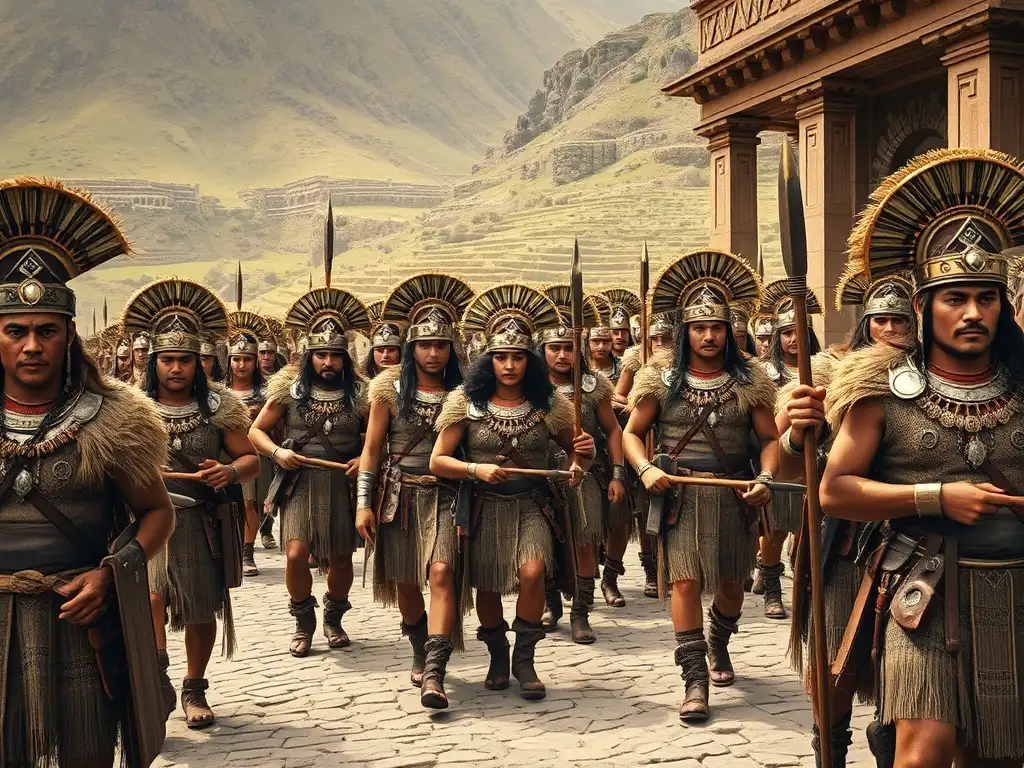
The influence of warfare on social status in Andean civilizations is undeniable. Military prowess and success directly translated into social elevation, creating a complex system where warrior status wasn't merely a profession, but a significant determinant of one's position within the societal hierarchy. This system varied across different Andean cultures – the Inca, Moche, Nazca, and Tiahuanaco, each possessing unique structures but sharing common threads regarding the importance of military achievement.
Understanding the nuances of this relationship is key to comprehending the dynamics of power and social stratification in these fascinating ancient societies. Analyzing the interplay between warfare and social status reveals much about the values and priorities of these Andean civilizations. The keyword "Andean civilizations warfare social status" is central to this exploration.
Levels of Military Rank and Associated Status
Andean armies weren't monolithic entities. They were structured with distinct ranks and hierarchies reflecting the complexity of their military organizations. While precise details vary depending on the specific culture, a general pattern emerges. Elite warriors, often from noble lineages, held positions of considerable power and influence.
For instance, in the Inca Empire, the apukuna were highly trained and esteemed soldiers, forming the emperor's personal guard and occupying the highest military echelons. Their social standing was elevated, granting them access to resources, land, and privileges unavailable to commoners. Lower ranks, such as the yanacuna (in Inca society), served crucial support roles, but their social standing reflected their position in the military structure. The Moche culture, known for its sophisticated military organization, likely had a similar hierarchical structure, although specific titles and ranks remain subject to ongoing archaeological research.
Evidence suggests that successful military commanders enjoyed significant social prestige, often inheriting their position and accumulating wealth and power. This system ensured a constant supply of skilled warriors and reinforced the importance of military strength in maintaining social order. Further research is needed to fully elucidate the specific ranks and associated privileges in the Nazca and Tiahuanaco societies, however, existing evidence points to a similar pattern of military hierarchy reflecting social stratification.
| Andean Civilization | Highest Military Rank (Example) | Associated Privileges | Evidence Type |
|---|---|---|---|
| Inca | Apukuna | Access to resources, land, high social status | Archaeological finds, written accounts |
| Moche | [Specific title pending] | [Specific privileges pending] | Iconography, burial sites |
| Nazca | [Specific title pending] | [Specific privileges pending] | Ceramic artifacts, settlement patterns |
| Tiahuanaco | [Specific title pending] | [Specific privileges pending] | Monumental architecture, skeletal analysis |
Privileges Granted to Elite Warriors in Andean Societies
Elite warriors in Andean societies enjoyed a range of privileges that solidified their elevated social standing. These privileges weren't merely symbolic; they provided tangible benefits reinforcing their power and influence. Access to ayllu land and resources was a significant advantage, ensuring economic prosperity and independence.
Control over labor was another key privilege, allowing elite warriors to command the services of others, further enhancing their wealth and power. In addition to material benefits, elite warriors often enjoyed political influence, participating in decision-making processes and wielding considerable authority within their communities. Their social standing provided them with access to prestigious ceremonies and rituals, reinforcing their status and reinforcing the social hierarchy.
The Inca system, for example, provided elite warriors with access to the acllas, chosen women who served religious and social functions, highlighting the intertwined nature of religious and military power. This privileged access further reinforced the elite warrior's position within the social structure. The extent of these privileges varied across different Andean societies and time periods, but the overall pattern of rewarding military success with tangible benefits remains consistent.
The Importance of Lineage and Merit in Achieving Warrior Status
While military merit played a crucial role in determining social status, lineage also significantly influenced a warrior's ascent. In many Andean societies, being born into a noble family provided a significant advantage, offering access to training, resources, and networks that facilitated military advancement. However, merit wasn't entirely disregarded. Exceptional bravery and battlefield success could elevate even commoners to positions of power and influence.
This combination of lineage and merit created a dynamic system where social mobility wasn't impossible, but heavily influenced by pre-existing social structures. The Inca system, for instance, offered opportunities for advancement based on merit, but the existing power structures favored those from noble families. This interplay between inherited status and achieved status is a key factor in understanding the complexity of Andean social hierarchies.
The balance between lineage and merit varied across different Andean civilizations, reflecting the unique social and political dynamics of each society. Further research is needed to fully understand the precise mechanisms through which individuals achieved high military rank in each culture, and the extent to which those mechanisms privileged individuals of noble birth. The interplay of these factors is crucial for understanding the complexities of "Andean civilizations warfare social status."
The study of Andean civilizations warfare reveals a complex interplay between military prowess and social standing. While existing hierarchies undoubtedly influenced the structure and outcome of conflicts, warfare itself acted as a powerful engine for both reinforcing and reshaping social stratification across various Andean cultures, from the Incas to the Chimu and beyond. Understanding this dynamic requires examining how military success directly translated into increased social prestige and power, impacting everything from access to resources to political influence. The concept of "Andean civilizations warfare social status" is not simply a correlation; it's a causal relationship.
Warfare in Andean societies often served to solidify pre-existing social structures. Elite lineages, already possessing significant economic and political power, frequently controlled military resources and held positions of command. Successful military campaigns, therefore, enhanced their prestige and authority, legitimizing their dominance. For example, in the Inca Empire, the Sapa Inca’s military victories cemented his divine right to rule and bolstered the power of the imperial bureaucracy. The spoils of war – land, labor, and valuable goods – were often redistributed amongst the elite, further solidifying their control over resources and consolidating their power. This wasn't just about material wealth; it was about ideological reinforcement. Military success was presented as evidence of divine favor, strengthening the legitimacy of the ruling class and maintaining the status quo. The Inca's elaborate system of mit'a labor, while ostensibly for public works, also served to reward loyal subjects and further entrench the existing power structure.
While warfare reinforced existing hierarchies, it also created opportunities for social mobility, albeit limited. Exceptional military achievements could elevate individuals from lower social strata to positions of influence. Skilled warriors, particularly those who demonstrated exceptional bravery and tactical acumen, could gain recognition and rewards, leading to advancements in rank and status. This is evidenced by the rise of certain military leaders within various Andean societies who, through their battlefield successes, gained significant power and influence, sometimes even challenging the established elite.
However, it's crucial to note that this upward mobility was not guaranteed or widespread. The path to social elevation through military means was often fraught with peril and required exceptional skill, unwavering loyalty, and often, a degree of luck. The newly created positions were often tightly controlled, ensuring that the existing power structure remained largely intact, minimizing any threat to the dominant elites.
The long-term consequences of warfare on Andean social structures are multifaceted and complex. While some societies experienced periods of significant social upheaval following major conflicts, others saw a consolidation of existing power structures. The constant threat of warfare, however, often led to the militarization of society, with a significant portion of the population directly or indirectly involved in military activities.
This, in turn, shaped social values, beliefs, and even artistic expression. The prevalence of military imagery in Andean art and iconography serves as a testament to the pervasive influence of warfare on Andean culture and its impact on the social landscape.
Furthermore, the cyclical nature of conflict in many Andean regions led to a continuous process of social restructuring, where the lines between social classes remained fluid yet ultimately governed by the power dynamics inherent in the military-political system. The legacy of "Andean civilizations warfare social status" continues to shape our understanding of these complex societies.
Case Studies: Examining Specific Andean Civilizations and Their Warrior Classes
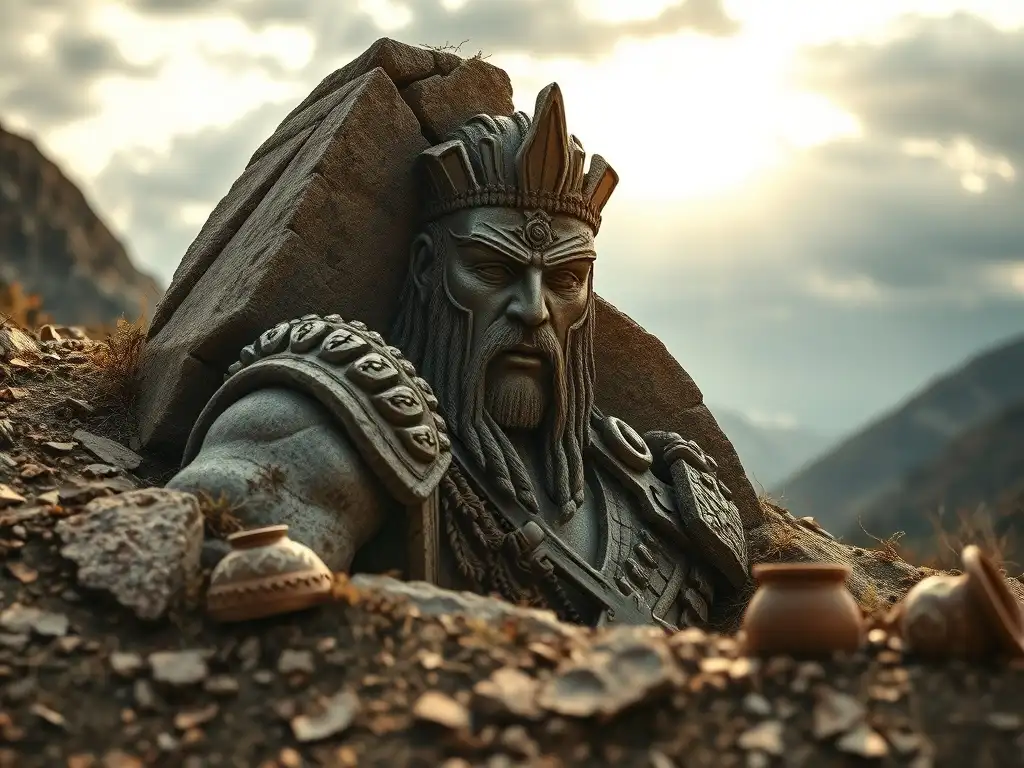
This section delves into the specifics of warfare's impact on social standing within several prominent Andean civilizations. We'll analyze how military prowess translated into social mobility and elite status, examining the nuances and variations across different cultures. The Andean civilizations warfare social status relationship wasn't uniform; it varied significantly based on the specific societal structures and values of each group.
The Moche Warrior Society: A Detailed Analysis
The Moche civilization (c. 100-800 CE) provides a compelling case study of the inextricable link between warfare and social hierarchy. Moche iconography, particularly their elaborate ceramics and metalwork, vividly depicts scenes of warfare and the glorification of warriors. These depictions aren't simply battle scenes; they offer insights into the social stratification within Moche society.
High-ranking Moche warriors, often depicted in elaborate headdresses and adorned with weaponry, are clearly distinguished from common soldiers. Their attire, weaponry (often including sophisticated weaponry like macanas and spears), and the prominent placement in artistic representations all point to a system where military success directly translated into elevated social status. The Moche elite likely consisted heavily of successful military leaders and their families, creating a hereditary warrior aristocracy.
Evidence suggests that captured enemies, often depicted bound and humiliated, were used as sacrifices or forced labor, further highlighting the dominance of the warrior class. The Moche's sophisticated irrigation systems, while crucial for their agricultural success, also likely required a strong military to protect vital resources and control access to water, solidifying the warrior's importance in maintaining social order and economic stability.
The intricate details of Moche art provide invaluable data, allowing researchers to reconstruct a complex social structure heavily influenced by military achievements. Further research into burial sites and the analysis of grave goods could provide even more specific details on the material rewards associated with military success.
The Inca Empire (1438-1533 CE) presented a different model of warrior-based social stratification. While military prowess was undeniably important, the Inca system was more complex than a simple meritocracy. The Inca army was a highly organized and disciplined force, but access to the highest ranks wasn't solely based on battlefield achievements. The curacas, local leaders who often commanded their own contingents of soldiers, held significant power and influence, often inherited through lineage.
While military success could enhance a curaca's standing and power within the empire, the Inca state maintained tight control over its military and its influence. Royal appointees played crucial roles in the military structure, ensuring the emperor's ultimate authority. Therefore, while bravery and skill in battle were rewarded, the Inca system carefully balanced military merit with the existing social hierarchy and the emperor's supreme power.
The Inca's highly centralized administrative system allowed them to effectively manage their vast empire, and this administrative structure worked in concert with their military might. Their ability to integrate conquered populations and incorporate them into the military system further demonstrates the complexity of their approach to warfare and social status. Further analysis of Inca administrative records could illuminate the specific mechanisms of promotion and reward within their army.
The Chachapoya, a pre-Inca civilization inhabiting the cloud forests of northern Peru, offer a fascinating contrast to the Moche and Inca. Less is known about their military organization and social structure due to the limited surviving archaeological evidence. However, their unique geographic location and defensive architecture suggest a different approach to warfare and its impact on social status.
The Chachapoya built impressive clifftop fortresses, indicating a focus on defensive warfare and perhaps a less expansionist approach than the Moche or Inca. This suggests that while military skill was undoubtedly important, it may not have played as significant a role in determining social status as in other Andean civilizations. Their unique environment, characterized by dense forests and treacherous terrain, likely favored smaller, agile military units rather than large, organized armies. This could have led to a more decentralized power structure, where local leaders held significant influence, based on their ability to defend their communities rather than on large-scale conquests.
Further research focusing on Chachapoya burial sites and the analysis of their material culture could help to paint a clearer picture of their social hierarchy and the role of warfare within it. The scarcity of information highlights the need for more extensive archaeological investigation into this intriguing civilization. 🕵️♂️
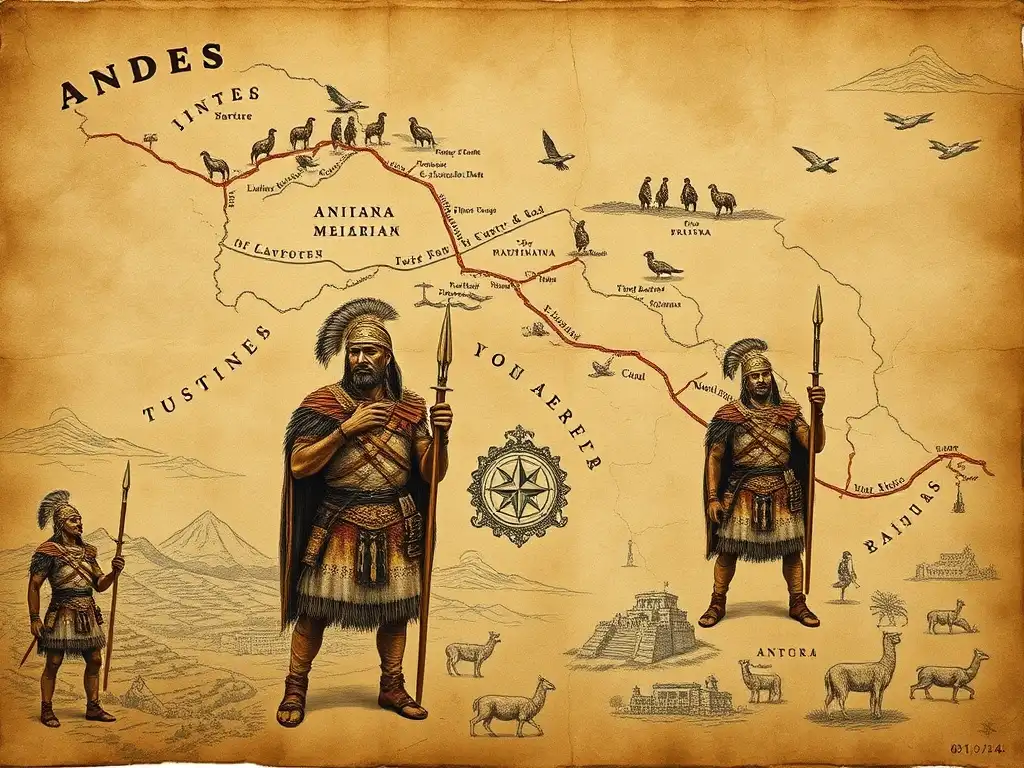
The influence of warfare on social status in Andean civilizations is a complex and multifaceted topic, deeply intertwined with the political, economic, and religious structures of these societies. From the highly organized Inca Empire to the earlier cultures like the Moche and Nazca, military prowess consistently played a significant role in determining an individual's position within the social hierarchy. This wasn't simply about brute force; the nature of warfare, the strategies employed, and the symbolic meaning attributed to military success all contributed to the elevation of certain individuals and groups.
Understanding this dynamic provides crucial insights into the power structures and social dynamics of these fascinating Andean civilizations. The impact of warfare reverberates even today, subtly shaping aspects of modern Andean culture.
The Lasting Impact of Warrior Traditions on Andean Societies
The legacy of Andean warfare extends far beyond the battlefield. Warrior traditions profoundly shaped the social fabric of Andean societies, influencing everything from social organization to artistic expression. For example, the Inca, renowned for their sophisticated military organization, integrated warfare into their administrative system.
Successful military leaders often ascended to positions of power within the empire, becoming governors or even adding to the imperial family through marriage. This created a system where military achievement directly translated into political influence and social standing. Even after the decline of the Inca Empire, the memory of these warrior-leaders and their accomplishments persisted in oral traditions and folklore, shaping the cultural identity of subsequent generations.
The impact of this legacy is visible in the continuing veneration of certain historical figures associated with military victories, maintaining a connection between past heroism and present-day social structures. The stories and legends associated with these figures continue to be recounted, reinforcing the importance of military prowess within the cultural narrative.
How Warfare Shaped the Cultural Identity of Andean Civilizations
Warfare wasn't merely a practical aspect of Andean life; it was intrinsically linked to their cultural identity. The artistic representations of battles, the construction of monumental sites with military implications (such as fortifications or ceremonial centers linked to military rituals), and the development of sophisticated weaponry all reflect the centrality of warfare in shaping their worldview. For instance, the Moche culture, known for their elaborate ceramics, frequently depicted scenes of warfare, showcasing both the brutality and the ritualistic aspects of combat.
These depictions weren't simply historical records; they served to reinforce the social significance of military success and the elevated status of warriors within the Moche social structure. The Nazca, while less overtly militaristic in their artistic representations compared to the Moche, still incorporated military themes into their intricate geoglyphs, suggesting a symbolic connection between warfare and their cosmological beliefs.
The strategic placement of these geoglyphs, often along trade routes or near defensive positions, further suggests their importance in defining territorial boundaries and projecting military power. The impact of this interwoven relationship between warfare and cultural expression is still evident in the enduring fascination with these artistic representations and the ongoing attempts to decipher their meaning.
While the large-scale warfare of the pre-Columbian era is long past, the impact of military traditions on social status continues to resonate in contemporary Andean societies. Although the mechanisms have changed, the association between military service and social prestige, though less formalized, remains visible in various ways. For instance, veterans of the military often hold positions of authority or influence within their communities, reflecting a lingering respect for military experience.
This is not to say that military service is the only path to social advancement, but it undeniably contributes to a sense of respect and authority in many Andean communities, a direct echo of the past. Further research is needed to quantify the extent of this influence and explore its nuances across different Andean regions and cultures. [Specific data on modern Andean social structures and military influence pending].
However, anecdotal evidence and observations strongly suggest a continued, albeit subtly different, link between military history and social standing. The enduring power of these historical narratives contributes to a complex and layered understanding of Andean social dynamics, showing how the echoes of warfare continue to shape the present.
The impact of warfare on the social structures of Andean civilizations cannot be overstated. From the meticulously organized armies of the Inca Empire to the fiercely independent warrior cults of the Moche, military prowess consistently shaped social hierarchies and determined individual status. This section summarizes the key findings and offers final thoughts on this complex interplay. Understanding this dynamic is crucial to a complete understanding of Andean civilizations warfare social status.
Several key points emerge from our examination of the relationship between warfare and social ranking in Andean societies. Firstly, military success was a primary, though not always the sole, determinant of social mobility. Elite status often stemmed from demonstrated battlefield skill and leadership, leading to increased access to resources, prestige, and political power.
This is evident in the Inca system, where successful generals were rewarded with land, titles, and privileges, solidifying their elevated social position. The Moche, while seemingly less centralized, also displayed a strong correlation between military achievement and social standing, as evidenced by the elaborate burial sites of warrior-priests.
Secondly, the nature of warfare itself varied across different Andean cultures. The Inca engaged in large-scale, organized campaigns, while smaller groups, such as the Nazca, might have focused more on localized conflicts and raiding. This diversity in warfare strategies resulted in differing social structures and pathways to elite status. The Inca's emphasis on imperial expansion created a meritocratic system, albeit one heavily influenced by kinship and lineage. In contrast, smaller societies may have seen less formalized hierarchies based on military achievement.
Finally, it's crucial to avoid a simplistic, reductionist view. While military achievement undoubtedly played a significant role, other factors—such as religious authority, economic power, and lineage—also contributed to social stratification in Andean civilizations. The interplay of these factors created complex and dynamic social landscapes, where military prowess was one piece of a larger puzzle. Further research into specific Andean cultures is necessary to fully grasp the nuanced relationships between warfare and social status. For example, [Specific information pending] on the role of women warriors in various Andean societies would significantly enhance our understanding.
The relationship between warfare and social status in Andean civilizations was multifaceted and deeply intertwined with other socio-political factors. While military success frequently paved the way to social elevation, it wasn't the only path. The degree to which warfare influenced social hierarchies varied across different cultures and time periods, reflecting the complex interplay of political organization, economic systems, and religious beliefs.
Understanding this intricate interplay requires a nuanced approach, moving beyond simplistic narratives that overemphasize a single causal factor. The data available suggests a highly dynamic system where the impact of warfare on social mobility fluctuated significantly across different Andean societies.
The study of Andean civilizations warfare social status continues to evolve, with new archaeological discoveries and scholarly interpretations constantly refining our understanding. Further research, particularly focused on [Specific information pending] regarding the social roles and status of non-combatants within the military structures and the impact of warfare on women's roles, is essential for a more complete picture.
The legacy of warfare is undeniable, leaving a lasting imprint on the social fabric of these remarkable civilizations. The enduring impact of military prowess on social hierarchy serves as a testament to the crucial role played by warfare in shaping the development and evolution of Andean societies.
Frequently Asked Questions
Warfare significantly influenced social status. Successful warriors were often rewarded with higher positions in society, land, and prestige, while capture or defeat could lead to a loss of status. This created a highly competitive system.
What role did military success play in achieving high rank?
Military prowess was crucial for social advancement. Victorious generals and elite warriors gained power and influence, often accumulating wealth and land. This created a meritocratic system, at least in part.
Were there specific warrior classes in Andean societies?
While not always formally structured like in some other cultures, specialized warrior groups existed within many Andean civilizations. These groups held significant social standing, often receiving special training and privileges.
No, the relationship between warfare and social status varied across different Andean civilizations. The Inca emphasized a strong centralized military and hierarchical structure, while other groups, like the Nazca, may have had less formalized systems.
The distribution of conquered land, resources, and captives directly impacted social hierarchy. Those who controlled these spoils, often high-ranking officials and warriors, consolidated their power and further enhanced their status.
Final Reflection: Echoes of Conquest: Warfare's Enduring Legacy on Andean Society
The echoes of ancient Andean warfare continue to resonate in our understanding of social stratification, reminding us that power structures are often forged in the crucible of conflict. The intricate relationship between military prowess and social standing, meticulously detailed throughout this article, remains a potent lens through which to examine the dynamics of power, not only in ancient civilizations but also in contemporary societies grappling with similar issues of inequality and hierarchy.
The enduring legacy of the warrior elite in Andean cultures profoundly shaped their artistic expressions, religious beliefs, and even their agricultural practices. The very landscape bears witness to this enduring influence, from the monumental architecture of their cities to the intricate textiles depicting scenes of battle and triumph. The past is never dead. It's not even past.
– William Faulkner. This quote encapsulates the persistent impact of Andean warfare on the cultural and social fabric of the region, an impact that continues to shape our understanding of its history and its people. The stories of these warriors, their triumphs, and their failures, are not merely historical footnotes; they are living narratives that continue to inform our present.
Consider the implications of this historical narrative in your own life. How do societal structures and power dynamics influence your own experiences? What roles do narratives of conflict and achievement play in shaping our perceptions of success and social standing today? Take a moment to reflect on the enduring power of history, and how understanding the past can illuminate the complexities of the present and empower you to build a more just and equitable future. Let the echoes of Andean warfare inspire you to critically examine the systems of power that shape our world.
Unveil the Legacy of Andean Warriors: Elevate Your Understanding!
Thank you for exploring the fascinating interplay between warfare and social standing in Andean civilizations. Your engagement with this rich history honors the legacy of those who fought to protect their communities. Let's delve deeper and explore how you can further connect with this compelling past.
Here are some ways to continue your exploration:
- Expand your knowledge: Delve into further research by exploring books and articles on Andean warriors and the influence of military rank on their societies. The more you learn, the richer your understanding will become.
- Share your discoveries: Discuss your insights with friends, family, or online communities. What aspects of the relationship between warfare and social status surprised or intrigued you the most?
- Join our online community: Connect with fellow history enthusiasts and share your thoughts and questions at andeancivilizations.com!
What specifically captivated you about Andean warrior culture—their societal roles, the impact of their military ranks, or perhaps something else entirely? We'd love to hear your thoughts!