
Sustainable Tourism in the Andes: Protecting Culture and Environment

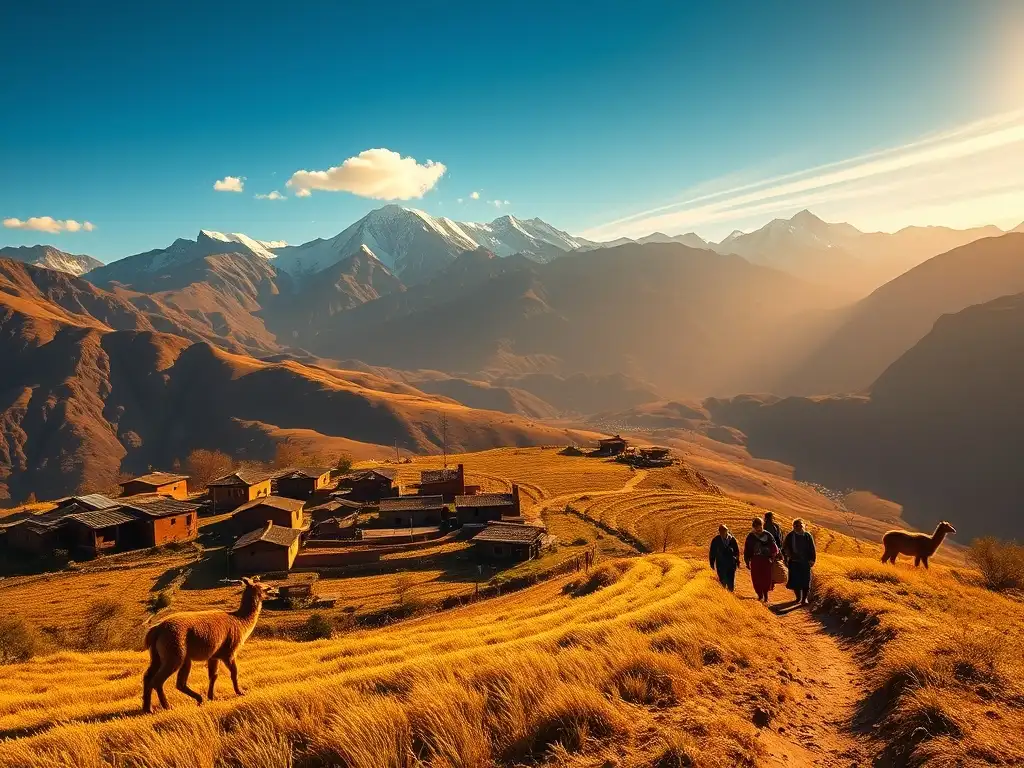
Step into a world lost in time, yet echoing with relevance today. Imagine the breathtaking landscapes of the Andes, once home to flourishing civilizations whose ingenuity continues to amaze. This isn't just history; it's a living legacy. Discover how Andean sustainable tourism practices are crucial to preserving this incredible heritage for future generations, and learn what you can do to help. Explore the delicate balance between cultural preservation and responsible exploration—the future of the Andes depends on it.
- Andean Sustainable Tourism: A Path to Preserving Culture and Nature
- Understanding the Importance of Sustainable Tourism in the Andes
-
Key Principles of Andean Sustainable Tourism Practices
- Minimizing Environmental Impact Through Responsible Travel
- Respecting Local Andean Cultures and Traditions
- Supporting Local Economies and Community Empowerment
- Promoting Ethical Interactions with Andean Communities
- Prioritizing Environmental Conservation in Andean Tourism
- Empowering Local Communities Through Sustainable Tourism Initiatives
- Examples of Sustainable Tourism Initiatives in the Andes
- Challenges and Opportunities for Andean Sustainable Tourism
- The Future of Andean Tourism: A Call to Action
- Practical Tips for Engaging in Andean Sustainable Tourism
- Frequently Asked Questions
- Final Reflection: Weaving a Sustainable Future in the Andes
- Embrace the Spirit of Sustainable Travel in the Andes!
Andean Sustainable Tourism: A Path to Preserving Culture and Nature
The Andes Mountains, a breathtaking spine running down the western edge of South America, are home to a rich tapestry of ancient civilizations and unparalleled biodiversity. For centuries, these cultures thrived in harmony with their environment, developing intricate agricultural systems and sustainable practices that are still relevant today. However, the increasing influx of tourism presents both opportunities and challenges.
This article explores the crucial role of sustainable tourism in the Andes, examining how responsible travel can help preserve this invaluable cultural and natural heritage for future generations while simultaneously fostering economic growth within Andean communities. We will delve into specific Andean sustainable tourism practices, highlighting successful initiatives and identifying areas needing further development.
The goal is to understand how to balance the desire to experience these remarkable sites with the imperative to protect them from the potentially damaging effects of unchecked tourism. The delicate balance between economic benefit and environmental preservation is paramount, and this exploration will examine the key strategies necessary to achieve this equilibrium.
Understanding the Challenges of Andean Tourism
The rapid growth of tourism in the Andes presents several significant challenges. Uncontrolled development can lead to habitat destruction, pollution, and the erosion of cultural traditions. The influx of visitors can strain local resources, leading to water shortages and increased waste. Furthermore, the commodification of cultural heritage can lead to the loss of authenticity and the exploitation of local communities.
For example, the increasing demand for alpaca wool, if not managed sustainably, can lead to overgrazing and the depletion of this vital resource. Similarly, the construction of large-scale hotels near significant archaeological sites can lead to visual pollution and damage to the surrounding environment. These problems highlight the urgent need for well-planned and sustainably managed tourism initiatives.
Implementing Sustainable Tourism Practices in the Andes
Several key strategies are crucial for promoting sustainable tourism in the Andes. These include:
- Community-Based Tourism (CBT): Empowering local communities to manage and benefit from tourism initiatives ensures that profits are reinvested in the community and that cultural practices are preserved. CBT projects frequently involve local guides, homestays, and the showcasing of traditional crafts, fostering a more authentic and respectful travel experience. Examples include initiatives focused on promoting local weaving techniques or offering traditional cooking classes.
- Responsible Waste Management: Implementing robust waste management systems, including recycling programs and proper disposal methods, is crucial to minimizing the environmental impact of tourism. This requires collaboration between tourism operators, local governments, and the communities themselves.
- Conservation of Biodiversity: Protecting the unique flora and fauna of the Andes is vital. This includes establishing protected areas, promoting sustainable agriculture, and educating tourists about the importance of biodiversity conservation. The implementation of eco-lodges and sustainable trekking routes are key to reducing the negative impact on fragile ecosystems.
- Preservation of Cultural Heritage: Sustainable tourism should prioritize the preservation of Andean cultural heritage. This involves supporting local artisans, promoting cultural events, and educating tourists about the importance of respecting local customs and traditions. This could involve the creation of interpretive centers or the development of guided tours led by local experts.
Measuring the Success of Sustainable Tourism Initiatives
Evaluating the effectiveness of sustainable tourism initiatives requires the use of clear and measurable indicators. These could include:
| Indicator | Measurement Method | Target |
|---|---|---|
| Community Income Increase | Surveys, economic data from local businesses | [Specific percentage increase pending] |
| Reduction in Waste Generation | Waste audits, waste management data | [Specific percentage reduction pending] |
| Improvement in Water Quality | Water quality testing | [Specific improvement metrics pending] |
| Visitor Satisfaction | Surveys, online reviews | [Specific satisfaction score pending] |
Successfully implementing sustainable tourism practices in the Andes requires a multifaceted approach involving collaboration between governments, local communities, tourism operators, and visitors. By prioritizing the preservation of culture and environment, we can ensure that the rich heritage of the Andes continues to thrive for generations to come. The future of Andean tourism depends on our collective commitment to responsible and sustainable practices.
Understanding the Importance of Sustainable Tourism in the Andes
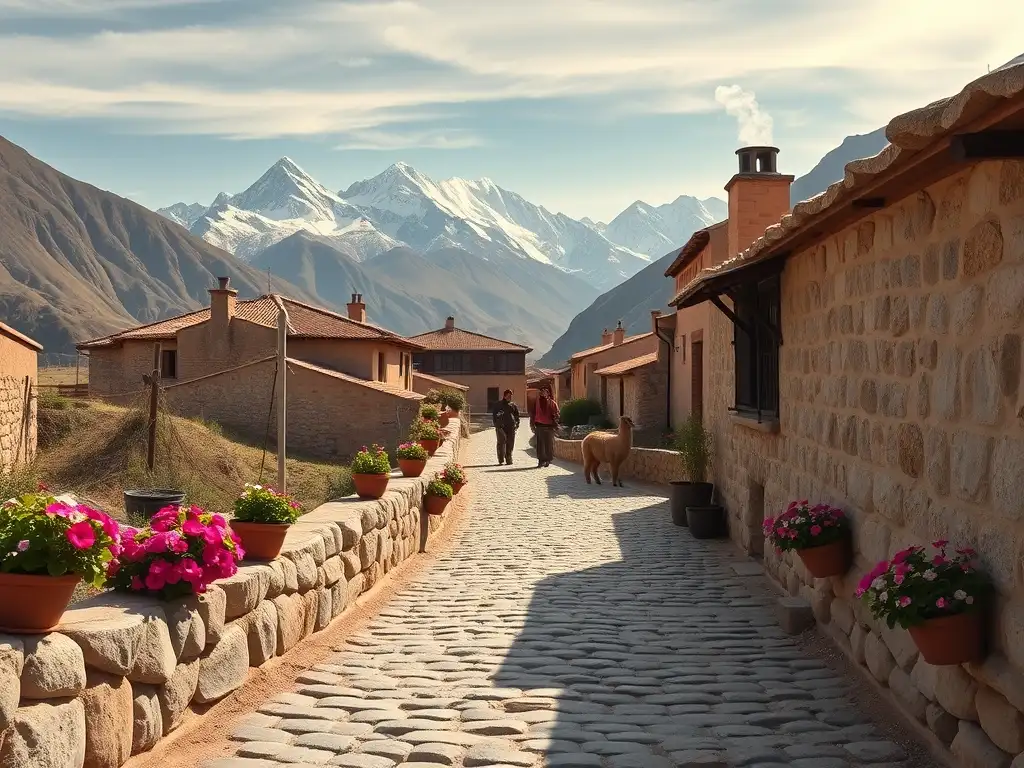
This section delves into the critical need for sustainable tourism practices in the Andean region, highlighting the delicate balance between economic development and the preservation of invaluable cultural and natural heritage. The Andes, a geographically diverse and historically significant area, faces unique challenges in managing tourism's impact. Understanding these challenges is paramount to developing effective and responsible tourism strategies.
The interconnectedness of environmental and cultural preservation in the Andes necessitates a holistic approach to sustainable tourism, one that prioritizes both ecological integrity and the safeguarding of Andean cultural identity for future generations. Ignoring this interconnectedness risks irreparable damage to both the environment and the rich tapestry of Andean cultures. The following sections will explore the specific vulnerabilities and the urgent need for change in Andean sustainable tourism practices.
The Fragile Ecosystems of the Andean Region
The Andean region boasts an extraordinary array of fragile ecosystems. From the high-altitude puna grasslands to the cloud forests and diverse valleys, these environments are highly sensitive to human impact. Unsustainable tourism practices, such as uncontrolled development, pollution, and habitat destruction, threaten the biodiversity of this unique region.
For example, the increased traffic from tourism can lead to soil erosion and habitat fragmentation, impacting the survival of endemic species. The delicate balance of water resources, crucial for both human communities and the ecosystem, is also at risk. Overuse and pollution of water sources due to increased tourism can have devastating long-term consequences.
Furthermore, the unique flora and fauna of the Andes, many of which are found nowhere else on Earth, are particularly vulnerable to the pressures of poorly managed tourism. Data on specific endangered species impacted by unsustainable tourism practices in the Andes is [specific information pending], but anecdotal evidence strongly suggests a significant negative correlation. Careful planning and regulation are crucial to mitigate these risks and ensure the long-term health of Andean ecosystems.
The Rich Cultural Heritage at Risk
The Andes are home to a rich tapestry of indigenous cultures, each with its unique traditions, languages, and artistic expressions. These cultures are inextricably linked to the land and its resources. Unsustainable tourism can lead to the erosion of cultural heritage through several mechanisms. The commercialization of cultural practices, often for the benefit of external entities, can lead to the loss of authenticity and meaning.
For instance, the performance of traditional dances and ceremonies solely for tourists, without proper respect for their cultural significance, can trivialize these practices and erode their importance within the community. Moreover, the influx of tourists can lead to the displacement of local communities and the loss of traditional livelihoods. The construction of tourist infrastructure can also damage or destroy significant cultural sites, including ancient ruins, sacred landscapes, and traditional settlements. The loss of traditional knowledge and practices is another significant concern.
Younger generations may be less inclined to maintain these traditions when faced with the allure of opportunities outside their cultural heritage. Protecting Andean cultural heritage requires responsible tourism initiatives that respect local communities, their traditions, and their rights. This includes promoting community-based tourism models and ensuring that the benefits of tourism are shared equitably.
Why Traditional Tourism Models are Unsustainable in the Andes
Traditional tourism models, often focused on maximizing profits without adequately considering environmental or social impacts, are demonstrably unsustainable in the Andean region. These models often lead to environmental degradation, cultural commodification, and economic inequities. A key issue is the lack of local community involvement in planning and decision-making processes. This often results in tourism projects that benefit external investors and operators at the expense of local communities.
Furthermore, the concentration of tourism in specific areas can lead to environmental stress and resource depletion, particularly in regions with limited infrastructure and capacity for managing large numbers of visitors. The lack of proper waste management systems, for instance, can result in pollution and environmental damage. Another significant problem is the unequal distribution of economic benefits. Often, the profits from tourism do not reach the local communities, perpetuating economic inequalities and hindering sustainable development.
This is exacerbated by a lack of investment in local infrastructure and skills development. To transition towards sustainable tourism, a fundamental shift is needed, prioritizing community participation, environmental protection, and equitable benefit sharing. This requires a collaborative approach involving government agencies, tourism operators, local communities, and researchers. The implementation of effective regulations, monitoring mechanisms, and capacity-building programs are essential to ensure the long-term sustainability of Andean tourism.
Key Principles of Andean Sustainable Tourism Practices
This section delves into the core tenets of Andean sustainable tourism, focusing on practices that ensure the longevity of both the environment and the rich cultural heritage of the region. Understanding and implementing these principles is crucial for responsible travel and the preservation of this unique and invaluable part of the world. The goal is to foster a model of tourism that benefits local communities while minimizing negative impacts on the fragile Andean ecosystem. We will explore minimizing environmental impact, respecting local cultures, and supporting local economies. This approach is vital for the future of Andean sustainable tourism practices.
Minimizing Environmental Impact Through Responsible Travel
Minimizing the environmental footprint of tourism in the Andes requires a multi-pronged approach. This involves conscious choices by tourists and responsible practices by tour operators. Reducing carbon emissions is paramount. This can be achieved by promoting the use of public transport, cycling, or walking whenever feasible, instead of relying solely on private vehicles. Furthermore, supporting eco-lodges and hotels committed to sustainable practices—such as water conservation, waste management, and renewable energy sources—is essential.
The impact on fragile ecosystems, such as the high-altitude páramo or the cloud forests, must also be considered. Tourists should stick to marked trails to avoid damaging vegetation and disturbing wildlife. Responsible waste management, including the proper disposal of all waste and a commitment to reducing plastic consumption, is crucial. Educating tourists about the importance of leaving no trace behind is key to long-term preservation.
Consider this example: A group trekking in the Cordillera Blanca might opt for mule transport for some of their equipment, reducing the physical strain on the environment and minimizing their carbon footprint. This illustrates the importance of choosing travel methods that consider the carrying capacity of the environment. Data on the carrying capacity of different trekking trails, while often incomplete, highlights the need for stricter regulation and enforcement to prevent environmental degradation.
Respecting Local Andean Cultures and Traditions
Respect for local Andean cultures and traditions is a cornerstone of sustainable tourism. This involves more than just observing local customs; it requires active engagement and understanding. Learning basic Quechua phrases, for example, can significantly enhance interactions with local communities. It's crucial to be mindful of cultural sensitivities, such as appropriate dress and behavior in sacred sites.
Supporting local artisans and purchasing their handicrafts directly contributes to the preservation of traditional skills and knowledge. This provides economic opportunities for communities while simultaneously safeguarding their cultural heritage. Furthermore, participating in culturally sensitive activities, such as traditional weaving workshops or Andean music performances, promotes deeper engagement and appreciation for the local culture.
However, there's a constant tension between showcasing cultural practices for tourism and the potential for cultural commodification. Authenticity is paramount. Tourists should be encouraged to engage with genuine cultural experiences, rather than staged or overly commercialized versions. Further research is needed to identify best practices for balancing cultural preservation with tourism revenue generation. [Specific data on cultural tourism best practices pending].
Supporting Local Economies and Community Empowerment
Sustainable tourism in the Andes should prioritize the economic benefits for local communities. This goes beyond simply spending money in tourist areas; it involves actively supporting local businesses and initiatives that empower communities. Choosing locally owned hotels, restaurants, and tour operators ensures that a larger proportion of the tourism revenue stays within the community.
Supporting community-based tourism projects, where local people are directly involved in managing and benefiting from tourism, is crucial. These projects often focus on sustainable practices, such as ecotourism or community-based conservation initiatives, ensuring both economic and environmental sustainability. For example, a community-run homestay provides authentic cultural experiences while directly benefiting the local families.
Furthermore, promoting fair wages and working conditions for those involved in the tourism industry is essential for ethical tourism. This requires transparency and accountability throughout the supply chain. [Data on fair wage practices in Andean tourism pending]. The focus should be on creating a model where tourism contributes to improved livelihoods and reduces economic inequality in the Andes, fostering long-term community empowerment and resilience. This will ensure that the benefits of tourism are felt by the very communities that are the heart of the Andean experience.
Promoting Ethical Interactions with Andean Communities
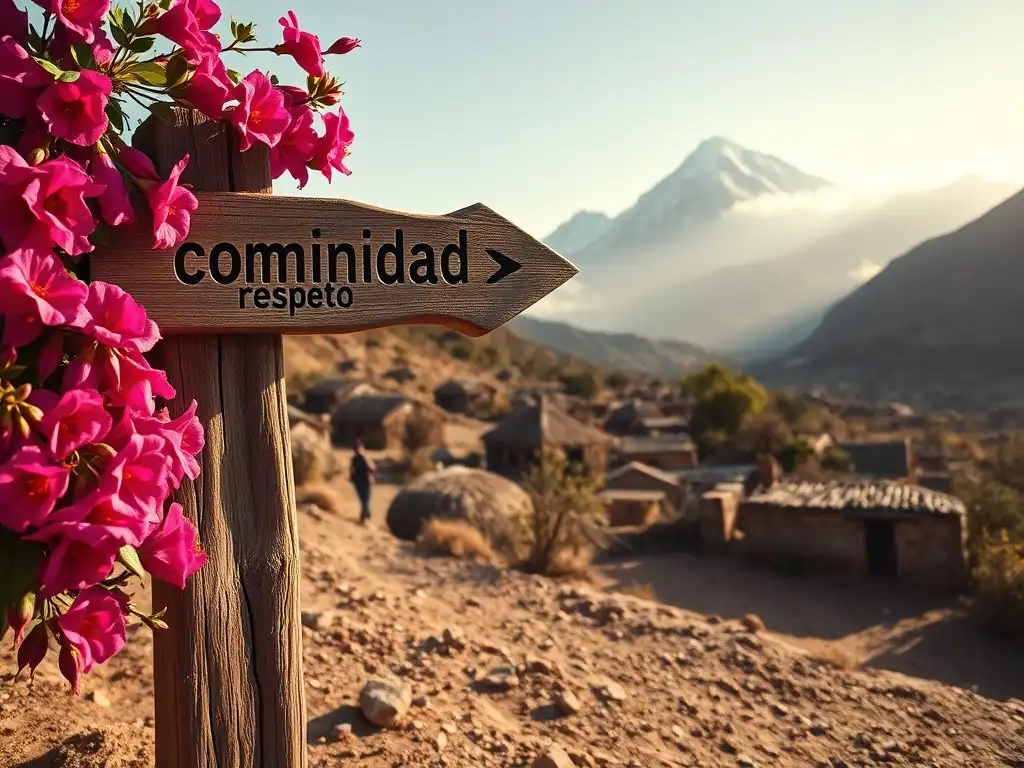
Ethical interactions are paramount to Andean sustainable tourism. This means moving beyond superficial interactions and engaging with local communities in a respectful and mutually beneficial way. It requires a conscious effort to understand and appreciate their cultural values, traditions, and perspectives. Simply visiting a community isn't enough; true engagement involves active listening, learning, and contributing positively to their well-being.
One crucial aspect is ensuring fair compensation for services rendered. This extends beyond paying guides and artisans a fair wage; it also involves ensuring a significant portion of tourism revenue stays within the community to support local initiatives and development projects. For example, a successful sustainable tourism model might involve community-owned and operated ecolodges, where profits directly benefit the local population. This fosters a sense of ownership and pride, incentivizing community members to actively participate in preserving their cultural heritage and the environment.
Furthermore, respecting cultural protocols and sensitivities is vital. This involves understanding and adhering to local customs, such as appropriate dress, behavior, and communication styles. It also means being mindful of sacred sites and traditions, avoiding intrusive behavior, and seeking permission before taking photographs. Educating tourists about these cultural nuances beforehand is a critical role for tour operators and local guides.
Ignoring these cultural protocols can lead to misunderstandings, offense, and ultimately, damage to the very cultural heritage that attracts tourists in the first place. Respectful engagement builds trust and fosters long-term, positive relationships between tourists and Andean communities. The goal is to create a sustainable tourism model that benefits both visitors and hosts, preserving the unique cultural fabric of the Andes for generations to come. This requires a commitment from all stakeholders, including tourists, tour operators, and local communities themselves.
Prioritizing Environmental Conservation in Andean Tourism
Protecting the fragile Andean ecosystem is fundamental to sustainable tourism practices. This means minimizing the environmental footprint of tourism activities, focusing on reducing waste, conserving water resources, and protecting biodiversity. The Andean region is incredibly biodiverse, with unique flora and fauna found nowhere else on Earth. Unsustainable tourism can quickly degrade these delicate ecosystems, leading to habitat loss, pollution, and the disruption of natural processes.
One key strategy is to promote responsible waste management. This includes implementing effective waste collection and recycling programs in tourist areas, educating tourists about proper waste disposal, and reducing single-use plastics. Furthermore, water conservation is crucial, especially in areas with limited water resources. Ecolodges and hotels should adopt water-saving technologies and practices, such as low-flow showerheads and efficient irrigation systems. The implementation of these measures can significantly reduce water consumption and protect this precious resource.
Additionally, promoting eco-friendly transportation options is essential. This includes encouraging the use of public transportation, cycling, and walking whenever possible, and supporting the development of sustainable transportation infrastructure. Minimizing reliance on private vehicles reduces air and noise pollution, protecting the pristine beauty of the Andean landscapes. Protecting biodiversity requires careful planning and management of tourist activities to avoid disrupting wildlife habitats and causing damage to ecosystems.
Sustainable tourism initiatives should prioritize the conservation of endangered species and the preservation of natural habitats. Careful consideration should be given to the carrying capacity of tourist sites to prevent overcrowding and environmental degradation. Ultimately, prioritizing environmental conservation ensures that the natural beauty of the Andes remains intact for future generations to enjoy. This requires ongoing monitoring, evaluation, and adaptation of tourism practices to minimize environmental impact.
Empowering Local Communities Through Sustainable Tourism Initiatives
Sustainable tourism in the Andes should empower local communities, providing them with economic opportunities while preserving their cultural heritage and environment. This means moving beyond simply employing locals as guides or service providers, and actively involving them in decision-making processes related to tourism development and management.
One effective approach is to support community-based tourism projects. This involves working directly with local communities to develop tourism initiatives that reflect their values, priorities, and cultural heritage. This could involve creating locally-owned and operated businesses, such as artisan workshops, homestays, and community-run tours. Such initiatives ensure that the economic benefits of tourism are directly channeled into the community, improving local livelihoods and fostering economic growth.
Moreover, providing training and capacity-building opportunities for local communities is crucial. This can include training in hospitality, tour guiding, sustainable tourism practices, and business management. Empowering communities with the skills and knowledge necessary to participate effectively in the tourism sector ensures that tourism development is inclusive and benefits all members of the community. By providing access to education and training, sustainable tourism initiatives can help to break cycles of poverty and inequality, creating a more equitable distribution of tourism benefits. This requires a collaborative approach, working closely with local communities to understand their needs and aspirations, and empowering them to take ownership of their tourism development. The ultimate goal is to create a sustainable tourism model that benefits not just visitors, but also the local communities who call the Andes home. This fosters long-term sustainability and ensures that the rich cultural heritage of the region is preserved for future generations.
Examples of Sustainable Tourism Initiatives in the Andes
This section explores concrete examples of sustainable tourism practices currently being implemented across the diverse Andean region, showcasing initiatives that prioritize both cultural preservation and environmental protection. These examples highlight the crucial role of community involvement and responsible business practices in fostering Andean sustainable tourism practices. The goal is to inspire further development and adoption of these models, ensuring the long-term viability of tourism while safeguarding the unique heritage of the Andes.
Community-Based Tourism in Andean Villages
Community-based tourism (CBT) is proving to be a powerful tool for Andean sustainable tourism practices. It empowers local communities by allowing them to directly benefit from tourism revenue, fostering a sense of ownership and responsibility for the preservation of their cultural heritage and natural environment. Instead of relying on large, external corporations, CBT models prioritize local guides, homestays, and artisan workshops, creating a more authentic and immersive experience for visitors.
For example, many Andean villages are offering guided tours led by community members who share their traditional knowledge of agriculture, weaving techniques, and ancient customs. These tours often include visits to local farms, where visitors can participate in activities like harvesting quinoa or preparing traditional Andean meals. The revenue generated directly supports the community, funding infrastructure improvements, education initiatives, and healthcare services.
This contrasts sharply with traditional tourism models where profits often leak out of the local economy. This direct economic benefit creates a strong incentive for communities to actively protect their cultural and natural resources, ensuring the sustainability of both the tourism industry and their way of life. The economic empowerment of these communities is a vital aspect of Andean sustainable tourism practices.
Eco-Lodges and Sustainable Accommodations in the Mountains
The rapid expansion of tourism in the Andes has led to a growing demand for sustainable accommodations. Eco-lodges and other sustainable hotels are responding to this demand by adopting environmentally friendly practices and integrating themselves into the local community. These accommodations often use locally sourced materials in their construction, utilize renewable energy sources like solar power, and implement water conservation measures. They also prioritize minimizing their environmental footprint through waste reduction and recycling programs.
Many eco-lodges in the Andes actively support local communities by sourcing food and supplies from local producers, providing employment opportunities, and investing in community development projects. This approach not only reduces the environmental impact of tourism but also strengthens the economic and social fabric of the region. Furthermore, these establishments often incorporate educational programs to raise awareness among tourists about the importance of environmental protection and cultural preservation.
The success of these eco-lodges demonstrates the potential for the tourism sector to become a positive force for both economic development and environmental stewardship, furthering the cause of Andean sustainable tourism practices. Data on the economic impact of these eco-lodges compared to traditional hotels is [specific information pending], but anecdotal evidence suggests a significant positive impact on local communities.
Responsible Trekking and Hiking Practices
Trekking and hiking are popular activities in the Andes, offering breathtaking views and access to stunning natural landscapes. However, uncontrolled tourism can negatively impact delicate ecosystems and cultural sites. Responsible trekking and hiking practices are crucial for minimizing these impacts. This involves promoting the use of established trails, minimizing disturbance to wildlife, practicing Leave No Trace principles (packing out all trash, staying on marked trails, etc. ), and respecting local customs and traditions.
Tour operators and guides play a vital role in promoting responsible trekking practices. They can educate tourists about the importance of environmental protection, ensure that treks are conducted in a sustainable manner, and support local communities through employment and economic opportunities. The development of well-maintained trails, strategically located rest areas, and responsible waste management systems is also essential.
The implementation of permits and fees for accessing certain areas can help manage visitor numbers and generate revenue for conservation efforts. The success of responsible trekking relies on collaboration between government agencies, local communities, tour operators, and individual tourists, all working together to ensure that the beauty of the Andes is preserved for generations to come. The adoption of these practices is fundamental to successful Andean sustainable tourism practices.
Cultural Immersion Experiences with Andean Peoples
Experiences that prioritize genuine cultural exchange are at the heart of Andean sustainable tourism. These initiatives move beyond superficial interactions, fostering deeper understanding and respect for Andean traditions. Instead of fleeting encounters, tourists participate in activities that directly benefit local communities and preserve their cultural heritage. This might involve learning traditional weaving techniques from Quechua women in the Sacred Valley, participating in a pachamama ceremony led by a local shaman, or assisting with the harvest of quinoa alongside Andean farmers.
The key is authenticity – creating opportunities for meaningful interaction that avoids the pitfalls of cultural commodification. Successful programs ensure that local communities retain control over their cultural narratives, receiving fair compensation for their time and expertise. This ensures the long-term sustainability of these cultural practices and avoids the risk of cultural appropriation.
Moreover, these immersive experiences create a powerful and lasting impact on tourists, fostering a deeper appreciation for the richness and diversity of Andean cultures. Such programs often involve a collaborative approach where local communities actively participate in designing and managing the tourism experiences, ensuring their voices are heard and their cultural integrity is preserved. This collaborative model ensures economic benefits are directly channeled back into the community.
The focus shifts from simply observing cultural practices to actively participating in them, fostering a sense of mutual respect and understanding. For example, a well-managed program might involve a multi-day stay with a family in a remote Andean community, allowing tourists to experience daily life firsthand. This provides a far richer experience than a brief, staged performance and contributes directly to the local economy.
Furthermore, these initiatives often incorporate educational elements, offering tourists insights into the history, beliefs, and social structures of the Andean peoples. This contributes to a broader understanding of the cultural context, preventing misunderstandings and fostering respect. Sustainable tourism operators carefully select and train local guides, ensuring they are knowledgeable, respectful, and able to communicate effectively with tourists from diverse backgrounds.
This commitment to quality ensures that the cultural immersion experience is both enriching and accurate. The emphasis is on reciprocal learning and exchange, where both tourists and local communities benefit from the interaction.
Challenges and Opportunities for Andean Sustainable Tourism
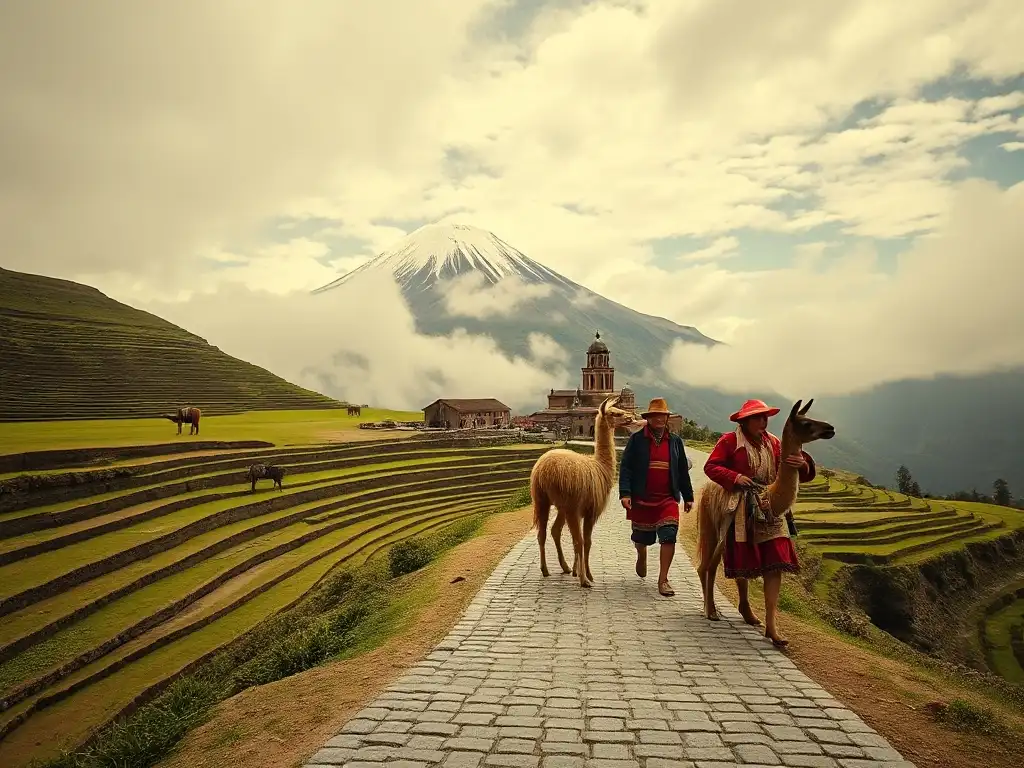
This section explores the multifaceted challenges and exciting opportunities presented by the pursuit of Andean sustainable tourism practices. Successfully navigating this path requires a delicate balance between economic growth, cultural preservation, and environmental protection. The unique geography and rich cultural heritage of the Andes present both significant hurdles and remarkable potential for responsible tourism development. Understanding these dynamics is crucial for ensuring the long-term viability and positive impact of tourism in the region.
Balancing Tourism Growth with Preservation Needs
The Andes boast a breathtaking landscape and a captivating history, attracting a growing number of tourists each year. This influx presents a double-edged sword. While tourism revenue can significantly boost local economies and improve infrastructure, uncontrolled growth can lead to environmental degradation and the erosion of cultural heritage.
For example, the increased foot traffic on Inca Trail to Machu Picchu has led to concerns about trail erosion and the impact on the fragile ecosystem. Similarly, the pressure to accommodate mass tourism can lead to the construction of unsustainable infrastructure, impacting the very landscapes that attract visitors in the first place.
Finding the right balance requires careful planning and management. This includes implementing strict visitor quotas in sensitive areas, promoting alternative, less-impacted trails, and investing in sustainable infrastructure projects. Furthermore, effective monitoring and evaluation mechanisms are needed to track the environmental and socio-cultural impacts of tourism and to adapt management strategies as needed. Data on visitor numbers, environmental indicators, and community feedback are essential for informed decision-making. A robust system of permits and regulations, coupled with effective enforcement, is also crucial for controlling the scale and impact of tourism.
The Need for Education and Awareness among Travelers
Responsible Andean sustainable tourism practices depend heavily on the behavior and awareness of travelers. Educating visitors about the fragility of the Andean environment and the importance of respecting local cultures is paramount. Many tourists are unaware of the potential negative impacts of their actions, such as littering, disturbing wildlife, or purchasing souvenirs that contribute to unsustainable practices.
The solution lies in proactive communication strategies. Pre-trip information provided by tour operators and travel agencies should emphasize responsible travel practices. This could include detailed guidelines on appropriate behavior, information about local customs and traditions, and suggestions for supporting local businesses that adhere to sustainable practices.
Furthermore, educational campaigns targeting potential travelers can highlight the importance of minimizing their environmental footprint and respecting the cultural heritage of the Andes. Clear signage in tourist sites, providing information on responsible behavior and highlighting the environmental and cultural significance of the location, is also crucial. Engaging with travelers through interactive experiences, such as workshops or guided tours focused on sustainability, can further enhance their understanding and promote responsible behavior.
Overcoming Infrastructure Challenges in Remote Areas
Many of the most spectacular and culturally significant sites in the Andes are located in remote areas with limited infrastructure. This poses significant challenges for sustainable tourism development. Poor road access, limited accommodation options, and a lack of reliable utilities can hinder the development of responsible tourism ventures, while also potentially leading to environmental damage through unsustainable practices in the absence of adequate facilities. For instance, the lack of proper waste management systems in remote areas can lead to pollution and environmental degradation.
Overcoming these challenges requires investment in sustainable infrastructure development. This includes improving road access using environmentally friendly materials and techniques, developing eco-friendly accommodation options, and investing in renewable energy sources to reduce reliance on fossil fuels. Furthermore, implementing effective waste management systems and promoting the use of locally sourced materials in construction can minimize the environmental impact of infrastructure development.
Prioritizing community involvement in planning and implementation is essential to ensure that infrastructure projects meet the needs of local communities and contribute to their economic development in a sustainable manner. Careful consideration should be given to the potential impact of infrastructure development on local ecosystems and cultural heritage sites, ensuring that any improvements are undertaken in a way that minimizes negative consequences. This includes conducting thorough environmental impact assessments before any project commences.
The Role of Government and NGOs in Promoting Sustainability
Governments in Andean countries play a crucial role in shaping the trajectory of sustainable tourism. Effective policy is paramount. This includes enacting and enforcing environmental regulations to protect fragile ecosystems, such as the cloud forests and high-altitude páramo. Stringent regulations regarding waste management and pollution control are also vital, preventing the degradation of iconic sites like Machu Picchu.
Furthermore, governments must invest in infrastructure that supports sustainable practices, including eco-friendly transportation options and improved waste disposal systems. This investment isn't just about protecting the environment; it's also about creating a more positive visitor experience. A clean, well-maintained environment enhances the appeal of Andean tourism, attracting more discerning travelers willing to pay a premium for responsible experiences.
Beyond legislation and infrastructure, government initiatives should focus on community engagement. Local communities are the custodians of Andean culture and often bear the brunt of unsustainable tourism practices. Therefore, government programs should empower communities to participate in tourism planning and management, ensuring that the benefits of tourism are equitably distributed. This includes providing training and resources for local entrepreneurs to develop sustainable tourism businesses, creating jobs and economic opportunities while preserving cultural heritage. This collaborative approach is key to ensuring long-term sustainability.
Non-governmental organizations (NGOs) act as crucial partners in this endeavor. Many NGOs work directly with communities, providing education on sustainable tourism practices, supporting the development of eco-lodges and community-based tourism initiatives, and advocating for stronger environmental regulations. Their on-the-ground expertise and community connections make them invaluable allies in the fight for Andean sustainable tourism.
They can help bridge the gap between government policies and their practical implementation, ensuring that regulations are effective and that communities have the resources they need to succeed. The collaborative efforts of governments and NGOs are essential for achieving genuine and lasting sustainability in Andean tourism. Their combined influence can create a powerful force for positive change, protecting both the environment and the rich cultural heritage of the Andes for generations to come.
Potential for Economic Growth through Sustainable Practices
Sustainable tourism practices, far from hindering economic growth, offer a significant opportunity for economic diversification and increased revenue in the Andean region. The global demand for responsible travel is steadily increasing. Tourists are increasingly seeking authentic experiences that minimize their environmental impact and support local communities. This presents a unique opportunity for Andean nations to capitalize on this growing market by developing high-quality, sustainable tourism products and services. This could involve creating specialized tours focused on ecotourism, cultural immersion, and adventure activities that respect the environment and local traditions.
One promising avenue is the development of community-based tourism initiatives. These initiatives empower local communities to manage and benefit directly from tourism, leading to more equitable distribution of economic benefits and increased community ownership of conservation efforts. This fosters a sense of pride and responsibility, encouraging long-term sustainability. Furthermore, investing in sustainable infrastructure, such as eco-friendly transportation systems and renewable energy sources, can create new employment opportunities in construction, maintenance, and operation. This infrastructure not only supports sustainable tourism but also improves the overall quality of life for local communities.
The economic benefits extend beyond direct employment. Sustainable tourism can stimulate related industries, such as local food production, handicrafts, and cultural performances. By prioritizing locally sourced products and services, sustainable tourism strengthens local economies and preserves traditional skills and knowledge.
This creates a virtuous cycle where economic growth and environmental protection reinforce each other, leading to a more resilient and prosperous Andean region. The potential for increased revenue, job creation, and economic diversification makes a compelling case for prioritizing sustainable tourism practices as a pathway to sustainable economic development in the Andes. This approach offers a more equitable and environmentally responsible alternative to unsustainable tourism models.
The Future of Andean Tourism: A Call to Action
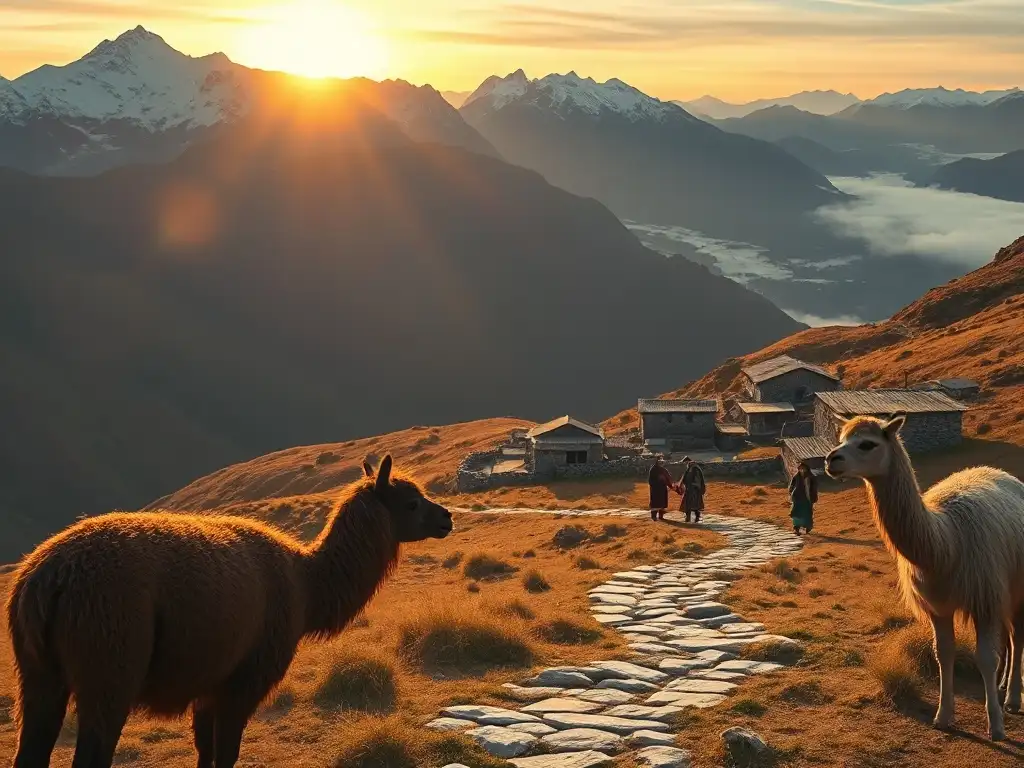
The Andes, a region brimming with breathtaking landscapes and a rich tapestry of ancient civilizations, faces a critical juncture. The increasing popularity of Andean tourism presents both immense opportunities and significant challenges. Unfettered growth threatens the delicate balance between economic development and the preservation of invaluable cultural heritage and fragile ecosystems. Successfully navigating this requires a concerted effort towards Andean sustainable tourism practices, a shift towards responsible travel, and a commitment to long-term preservation. This section outlines key strategies for shaping a future where tourism benefits both the environment and the Andean communities.
Encouraging Responsible Travel Choices
Promoting responsible travel choices among tourists is paramount for the long-term sustainability of Andean tourism. This involves educating visitors about the environmental and cultural sensitivities of the region and empowering them to make informed decisions. Several strategies can be implemented:
- Pre-trip education: Travel agencies and online platforms should provide comprehensive information on responsible travel practices in the Andes, including respecting local customs, minimizing environmental impact, and supporting local businesses. This could involve interactive guides, videos, and checklists. For example, a checklist could highlight things like proper waste disposal, water conservation techniques, and respectful interaction with local communities.
- On-site guidance: Clear signage and information materials at tourist sites should highlight environmentally friendly practices, such as designated hiking trails, waste disposal points, and water refill stations. Local guides should be trained to educate tourists on the importance of sustainable tourism and answer any questions they may have.
- Incentivizing responsible behavior: Rewarding responsible tourists, such as offering discounts or preferential treatment at certain locations for those who demonstrate sustainable travel habits, could significantly influence behavior. This could be easily tracked through a points-based system or similar reward structure.
- Promoting slow travel: Encouraging longer stays in fewer locations, rather than rushing through multiple destinations, allows for a deeper appreciation of the culture and environment, reducing the overall environmental impact per visitor. This promotes deeper engagement with the local culture and more sustainable economic impacts.
The success of these initiatives hinges on effective communication and collaboration between tourism stakeholders, including government agencies, tour operators, and local communities.
Supporting Sustainable Tourism Operators
Sustainable tourism in the Andes requires a strong network of operators committed to environmentally and culturally responsible practices. Supporting these operators is crucial for fostering growth within the sector while protecting the region's natural and cultural resources. Key strategies include:
| Support Strategy | Description | Impact |
|---|---|---|
| Certification Programs | Implementing and promoting certification programs for businesses demonstrating sustainable practices. | Increases consumer trust and promotes responsible operators. |
| Financial Incentives | Providing grants, low-interest loans, or tax breaks to sustainable tourism businesses. | Encourages investment in sustainable practices and reduces financial barriers. |
| Marketing & Promotion | Promoting sustainable tourism operators through targeted marketing campaigns and partnerships with responsible travel agencies. | Increases visibility and attracts responsible tourists. |
| Capacity Building Programs | Offering training and workshops on sustainable tourism management practices to operators and local communities. | Improves the quality and sustainability of tourism services. |
Data on the economic impact of sustainable tourism operators compared to non-sustainable ones is [specific information pending], but anecdotal evidence strongly suggests a positive correlation between sustainability and long-term economic viability. This highlights the importance of investing in and promoting these businesses.
Investing in Community-Led Initiatives
Empowering local communities to play a central role in the management and benefit from Andean tourism is essential for its long-term sustainability. Community-led initiatives ensure that tourism benefits directly contribute to the well-being of the people who call the Andes home, while also preserving their cultural heritage. Examples of effective investments include:
- Supporting local artisans and businesses: Promoting the sale of locally produced goods and services, such as handicrafts, textiles, and food, directly benefits local communities and preserves traditional skills. This also enhances the authenticity of the tourist experience.
- Investing in infrastructure development: Funding the development of sustainable infrastructure, such as eco-lodges, waste management systems, and improved transportation networks, ensures that tourism development does not come at the expense of the environment. This requires careful planning and consideration of the region's unique characteristics.
- Funding cultural preservation projects: Providing funding for the preservation of cultural heritage sites, traditional practices, and local languages ensures that the rich cultural heritage of the Andes is protected for future generations. This also enhances the overall tourist experience.
- Developing community-based tourism projects: Supporting the development of community-based tourism initiatives, where local communities manage and benefit from tourism activities, empowers local people and promotes sustainable development. This participatory approach ensures tourism benefits are distributed equitably.
The success of these initiatives depends on transparent governance, equitable benefit-sharing, and effective community participation. Careful monitoring and evaluation are crucial to ensuring that investments are used effectively and contribute to the long-term well-being of Andean communities. The future of Andean sustainable tourism practices rests on this crucial partnership.
Protecting the Andean Legacy for Future Generations
The breathtaking landscapes and rich cultural heritage of the Andes are under increasing pressure from unsustainable tourism practices. The influx of visitors, while boosting local economies, can also lead to environmental degradation, cultural commodification, and the erosion of traditional ways of life. Protecting this legacy requires a multi-pronged approach involving governments, local communities, tourism operators, and individual travelers.
One crucial aspect is responsible infrastructure development. This means investing in eco-friendly hotels and transportation systems that minimize their environmental footprint. For example, implementing stricter regulations on waste management and promoting the use of renewable energy sources within tourist facilities is paramount. Furthermore, careful planning of tourist routes is essential to avoid overcrowding in sensitive ecological areas and minimize disruption to local communities. The development should prioritize preservation over profit, ensuring that the beauty and integrity of the Andean environment remains intact for future generations.
Another critical element is the empowerment of local communities. Sustainable tourism should directly benefit the people who call the Andes home. This requires fair wages, opportunities for participation in tourism planning and management, and respect for their cultural traditions.
Community-based tourism initiatives, where locals play a central role in guiding and educating visitors, are particularly effective in fostering cultural understanding and ensuring that tourism revenues are reinvested back into the community. This fosters a sense of ownership and responsibility among the locals, further promoting conservation efforts. Such initiatives also help to combat the negative effects of mass tourism, which can lead to the exploitation of local resources and cultural appropriation.
How Travelers Can Contribute to Andean Preservation
As responsible travelers, we all have a role to play in preserving the Andes' unique cultural and environmental heritage. By making conscious choices, we can significantly contribute to sustainable tourism practices and minimize our impact.
Firstly, choosing eco-friendly accommodations and tour operators is a crucial step. Look for businesses that prioritize sustainability, such as those certified by reputable organizations that adhere to strict environmental and social standards. These certifications ensure that the businesses are committed to minimizing their environmental impact and supporting local communities. Furthermore, opting for local transportation options, such as walking, cycling, or using public transport, reduces carbon emissions and supports local businesses. This reduces dependence on polluting vehicles, often associated with mass tourism.
Secondly, respectful engagement with local cultures is paramount. Learn basic Quechua phrases, engage with local guides and communities, and support local artisans by purchasing their crafts directly. This fosters cultural exchange and ensures that the benefits of tourism reach the local population directly. Remember that cultural sensitivity is key; avoid intrusive behavior and always ask for permission before taking photographs of people. This shows respect for their traditions and prevents the exploitation of their culture. By engaging respectfully, travelers contribute to a more positive and sustainable tourism experience.
Finally, minimizing your environmental footprint is essential. Practice responsible waste management, avoid single-use plastics, and respect the natural environment. By leaving no trace behind, travelers ensure that the Andes remain pristine for future generations. This includes understanding and respecting fragile ecosystems and minimizing disruption to wildlife habitats. Simple actions like staying on marked trails and refraining from disturbing archaeological sites go a long way in preserving the Andean environment. The cumulative effect of many travelers making these conscious choices can create a significant positive impact.
Practical Tips for Engaging in Andean Sustainable Tourism

This section provides practical advice for travelers wishing to experience the Andes responsibly, contributing to the preservation of its unique cultural heritage and fragile environment. Understanding and implementing sustainable practices is crucial for ensuring that future generations can also appreciate the beauty and significance of Andean civilizations. We will explore key aspects of Andean sustainable tourism practices, focusing on responsible choices and minimizing your impact.
Choosing Responsible Tour Operators
Selecting a tour operator committed to sustainable tourism is paramount. Look for operators who actively support local communities, prioritize environmental protection, and adhere to ethical business practices. Several key indicators can help you identify responsible operators:
- Community Involvement: Do they employ local guides and support local businesses? A responsible operator will reinvest profits back into the community, contributing to its economic well-being. For example, a truly sustainable tour might source meals from local farmers' markets, rather than relying on imported ingredients.
- Environmental Stewardship: Do they promote low-impact practices, such as minimizing waste, using renewable energy sources where possible, and educating tourists about environmental conservation? Look for certifications or statements outlining their environmental policies. This might include details on waste management strategies or the use of eco-friendly transportation.
- Cultural Sensitivity: Do they respect local customs and traditions, ensuring that tourism doesn't exploit or damage cultural heritage sites? A responsible operator will prioritize cultural exchange and understanding, educating tourists about the significance of the sites they visit. Evidence of this might include detailed information provided about local customs and the history of the sites.
- Transparency and Accountability: Do they openly communicate their sustainability practices and provide clear information about their environmental and social impact? Responsible operators are typically transparent about their pricing and how their profits are used. Look for detailed itineraries and descriptions of their commitment to sustainability.
Choosing a responsible tour operator is not just about ticking boxes; it's about actively supporting businesses committed to preserving the Andean region's cultural and environmental integrity for future generations. Thorough research and careful selection are crucial for ensuring a positive impact.
Respecting Local Customs and Traditions
Respect for local customs and traditions is fundamental to Andean sustainable tourism practices. Engaging respectfully ensures that tourism contributes positively to the preservation of cultural heritage, rather than undermining it. This involves several key actions:
- Appropriate Attire: Dress modestly when visiting religious sites or interacting with local communities. Research the local customs beforehand to avoid unintentionally causing offense.
- Photography Etiquette: Always ask permission before taking photographs of individuals or sacred sites. Be mindful of the cultural significance of what you are photographing. Avoid intrusive photography, particularly of ceremonies or private moments.
- Language and Communication: While English is spoken in some tourist areas, making an effort to learn basic Quechua phrases (or other local languages) demonstrates respect and can enhance your interactions with the local community.
- Cultural Sensitivity Training: Some tour operators offer pre-trip briefings on cultural sensitivity and etiquette. Take advantage of these opportunities to learn more about the nuances of Andean culture and how to interact respectfully.
- Supporting Local Artisans: Purchase handcrafted souvenirs directly from local artisans, supporting their livelihoods and preserving traditional crafts. This ensures that your spending contributes directly to the community, rather than lining the pockets of large corporations.
By practicing cultural sensitivity and demonstrating respect, tourists can contribute to the preservation of Andean cultural heritage and foster positive interactions with local communities. Remember, you are a guest in their home, and acting respectfully is a sign of appreciation.
Minimizing Your Environmental Footprint
Minimizing your environmental impact is crucial for ensuring the long-term sustainability of Andean tourism. The fragile Andean ecosystem requires responsible travel practices to protect its biodiversity and natural beauty. Consider these actions:
- Reduce, Reuse, Recycle: Pack light to reduce the weight and fuel consumption of transportation. Reuse water bottles and avoid single-use plastics. Dispose of waste responsibly, taking it with you if necessary.
- Water Conservation: Be mindful of water usage. Shorten your showers and avoid wasting water unnecessarily.
- Energy Conservation: Turn off lights and appliances when not in use. Consider accommodations with energy-efficient practices.
- Sustainable Transportation: Choose eco-friendly transportation options whenever possible, such as walking, cycling, or using public transport.
- Respect Wildlife: Observe wildlife from a distance and avoid disturbing their natural habitats. Do not feed animals, as this can disrupt their natural behaviours and endanger them.
- Leave No Trace: Leave the environment as you found it. Do not litter, remove plants or rocks, or damage natural features.
By adopting these sustainable practices, you can significantly reduce your environmental impact and contribute to the preservation of the Andean region's stunning landscapes and unique biodiversity. Remember, responsible tourism is about leaving a positive impact, not just taking away memories.
Supporting Local Businesses and Artisans
Engaging in Andean sustainable tourism means actively contributing to the economic well-being of local communities. This goes beyond simply visiting tourist traps; it involves consciously choosing to support locally owned businesses and artisans. By doing so, you're not only experiencing authentic Andean culture but also directly impacting the livelihoods of individuals and families. Consider staying in locally-owned hotels or hospedajes, rather than large international chains. These smaller establishments often offer a more personalized experience and reinvest their profits directly back into the community.
Furthermore, prioritize purchasing handcrafted goods directly from artisans. Markets and craft fairs abound in Andean communities, offering a wealth of unique textiles, ceramics, jewelry, and other items. By purchasing these items, you are supporting the preservation of traditional skills and artistry, ensuring these cultural practices continue for generations to come. Be mindful of fair prices and engage in respectful interactions with the artisans, acknowledging the time and effort that goes into their creations.
Avoid items that may be mass-produced or lack authenticity. Look for items with unique designs and materials, and inquire about the creation process to learn more about the artisan's techniques and traditions. Remember, the goal is to support sustainable practices, not exploit them. Supporting local businesses and artisans is a vital component of Andean sustainable tourism practices, ensuring that tourism benefits the community directly.
Learning About Andean Culture and History
Respectful cultural tourism involves more than just sightseeing; it demands a genuine effort to understand and appreciate the rich history and culture of the Andes. Before your trip, dedicate time to researching the specific regions you plan to visit. Familiarize yourself with the indigenous languages, customs, and traditions of the area.
This preliminary research will not only enhance your travel experience but also demonstrate your respect for the local culture. During your visit, engage with local guides who can provide insightful information about the history, significance, and context of the sites you explore. Opt for guides from the local community, as they possess firsthand knowledge and contribute directly to the local economy.
Furthermore, actively seek opportunities to learn about Andean culture through museums, workshops, and community events. Many communities offer cultural demonstrations, allowing visitors to witness traditional music, dance, and crafts firsthand. Participating in these activities fosters a deeper understanding and appreciation of Andean culture. Remember to be mindful of cultural sensitivities during your interactions.
Observe local customs, dress appropriately, and ask permission before taking photographs of individuals. By taking the time to learn and engage respectfully, you contribute to a sustainable tourism model that recognizes and values the cultural heritage of the Andean region. This respectful approach is key to ensuring that Andean sustainable tourism practices remain a positive force for the communities involved.
Frequently Asked Questions
What is sustainable tourism in the Andes?
Sustainable tourism in the Andes focuses on minimizing negative impacts on the environment and local cultures while maximizing benefits for local communities. This involves responsible travel practices and supporting local businesses.
How can tourists contribute to sustainable tourism in the Andes?
Tourists can contribute by choosing eco-friendly accommodations, supporting locally owned businesses, respecting cultural sites and traditions, and reducing their environmental footprint through responsible waste disposal and water conservation.
What are some examples of Andean sustainable tourism practices?
Examples include community-based tourism initiatives, the use of renewable energy sources in hotels, the implementation of waste management programs, and the preservation of ancient sites through responsible access and visitor management.
Why is sustainable tourism important for Andean communities?
Sustainable tourism helps preserve the unique culture and environment of the Andes while providing economic opportunities for local communities. This helps prevent the exploitation of resources and cultural appropriation.
How can I find sustainable tourism options in the Andes?
Look for tour operators and accommodations that explicitly promote sustainable practices. Seek out certifications like Green Globe or similar eco-tourism labels, and research community-based tourism initiatives before booking your trip.
Final Reflection: Weaving a Sustainable Future in the Andes
The delicate balance between economic growth and environmental preservation in the Andes is not merely a regional concern; it's a microcosm of the global challenge facing sustainable development. The practices discussed—from community-based tourism initiatives to responsible waste management and the preservation of indigenous knowledge—are not just theoretical models, but vital strategies for ensuring the long-term health of this breathtaking region and its people. The future of Andean tourism hinges on our collective commitment to these principles.
The profound impact of tourism on Andean culture and environment is undeniable, a double-edged sword that can both uplift and destroy. The stories shared, from the revitalization of traditional crafts to the challenges of managing increased visitor numbers, highlight the constant negotiation between progress and preservation. The greatest threat to our planet is the belief that someone else will save it.
– Robert Swan. This quote underscores the individual responsibility we all share in protecting these invaluable ecosystems and the rich cultural heritage they support. We must actively participate in creating a more sustainable future, not just as passive observers.
Consider the impact of your own travel choices. Will you seek out businesses committed to sustainable practices? Will you support local communities and respect their traditions? Will you leave a lighter footprint on the land, minimizing your environmental impact? The future of Andean sustainable tourism, and indeed sustainable tourism globally, rests not only on policy and legislation, but on the conscious choices we make as individuals. Let us strive to be responsible travelers, leaving behind only footprints, and taking with us only memories.
Embrace the Spirit of Sustainable Travel in the Andes!
Thank you for exploring the possibilities of sustainable tourism in the Andes. Your interest demonstrates a commitment to preserving both the vibrant culture and stunning natural beauty of this exceptional region. Let's work together to make a real difference!
Here are some ways you can contribute:
- Support local and sustainable businesses: Choose tour operators and guides who prioritize environmentally responsible practices and actively support local communities. Learn about their commitment to sustainability before booking.
- Share your experiences responsibly: Inspire others to travel sustainably by sharing your positive experiences on social media, highlighting the importance of responsible tourism. Focus on the cultural aspects and environmental preservation.
- Immerse yourself in the local culture: Participate in cultural exchange programs or volunteer with local organizations to gain a deeper understanding and appreciation for Andean traditions and way of life. This direct engagement fosters respect and mutual understanding.
What steps will you take to ensure your next Andean adventure leaves a positive and lasting legacy?