
The Impact of Warfare on Andean Family Dynamics

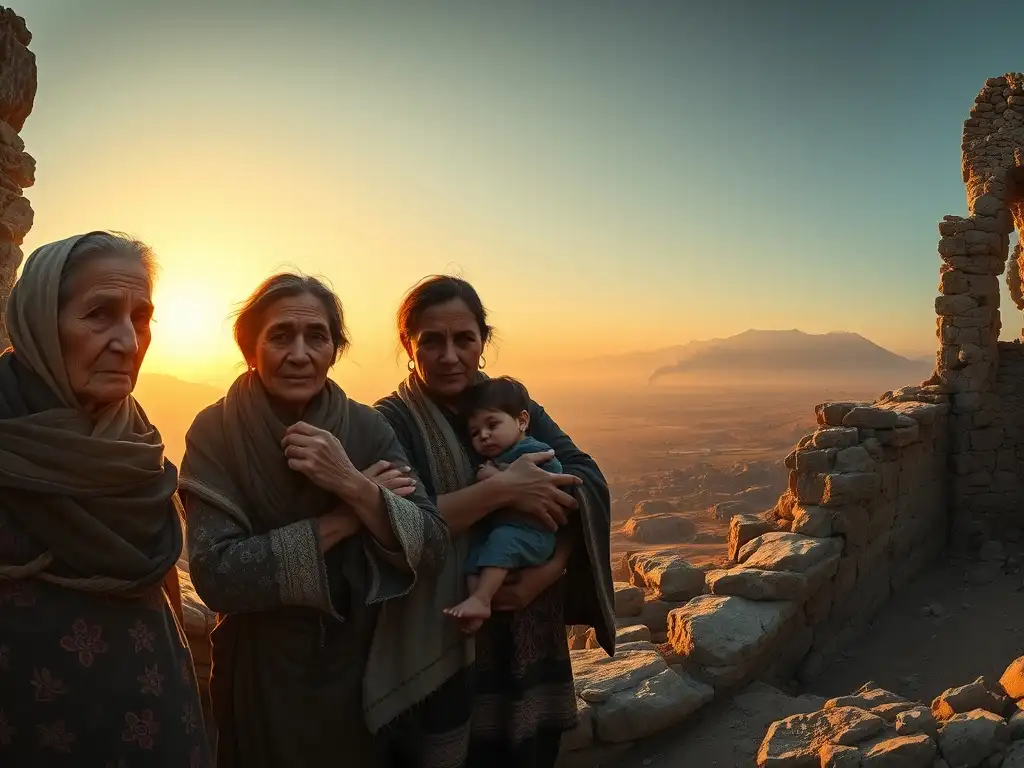
Step into a world lost to time, yet echoing with the power of the Andes. For centuries, these majestic mountains witnessed the rise and fall of incredible civilizations – the Incas, Moche, Nazca, and Tiahuanaco among them. But how did the constant threat of Andean warfare shape the very fabric of Andean family life?
Discover the surprising and often brutal realities of family dynamics in the face of conflict; the impact on social structures, and the enduring legacy left behind. Unravel the mysteries of Andean warfare family impact and prepare to be captivated by a story far more complex than you ever imagined.
-
The Impact of the War of the Pacific on Aymara Family Dynamics
- Understanding Aymara Societies and the Prevalence of Conflict
- Pre-War Social Structures: Aymara Family Life Before 1879
- The War of the Pacific: Causes and Motivations
- The War's Disruptive Effects on Aymara Family Structures
- The Role of Women in the Aftermath of War
- Long-Term Consequences for Aymara Family Structures
- Direct Impacts of the War on Aymara Families
- Shifting Gender Roles and Family Hierarchies
- Long-Term Consequences of War on Aymara Kinship Systems
- Resilience and Adaptation of Aymara Families in the Face of War
- Case Studies: Examining Specific Aymara Communities and the War's Effects
- Conclusion: The Enduring Legacy of the War of the Pacific on Aymara Families
-
Frequently Asked Questions
- How did Andean warfare affect family structures?
- What roles did women play during times of war in Andean societies?
- Did Andean warfare lead to changes in social hierarchy?
- How did the Inca Empire's military campaigns affect family life in conquered territories?
- What evidence exists to understand the impact of warfare on Andean families?
- Final Reflection: Echoes of Conflict: The Enduring Legacy of Andean Warfare on Family
- Transform Your Understanding of Andean Families Today!
The Impact of the War of the Pacific on Aymara Family Dynamics
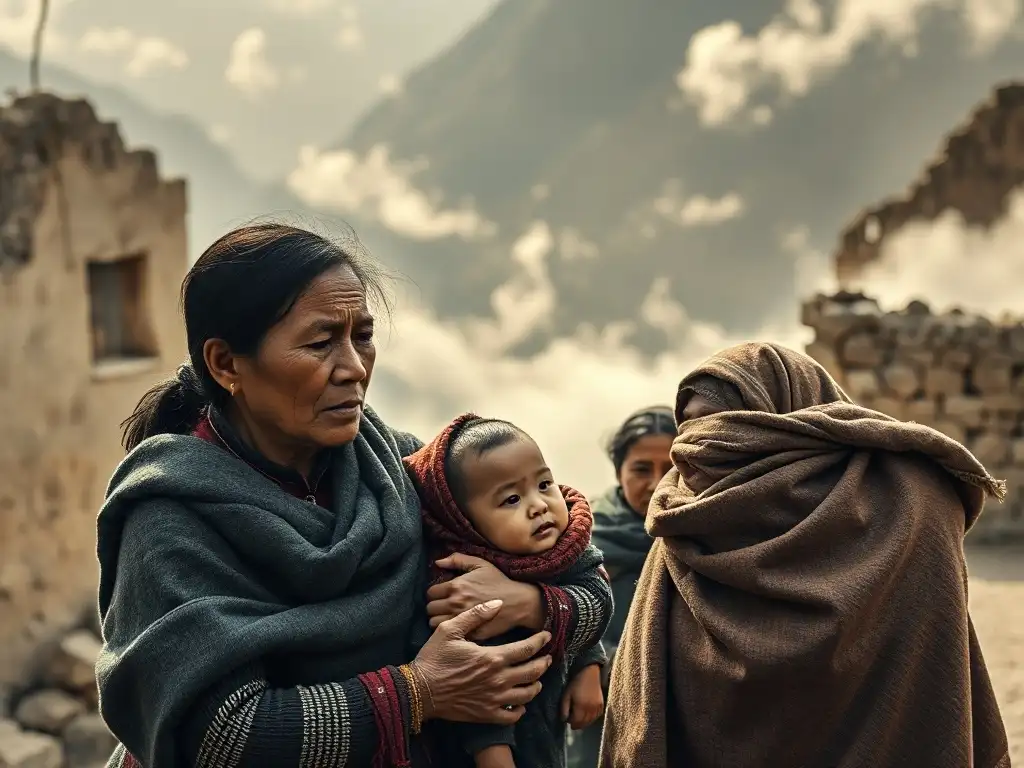
The Andes Mountains, a spine of towering peaks and fertile valleys, have witnessed millennia of vibrant civilizations, each leaving an indelible mark on the region's cultural tapestry. Among the many fascinating facets of Andean societies, the intricate interplay between warfare and family dynamics stands out as a crucial area of study. This article delves into the profound impact of conflict, specifically focusing on the effects of warfare on Andean family structures, exploring how these conflicts shaped social organization, gender roles, and the very fabric of family life.
We will examine how different Andean cultures, such as the Inca, Moche, Nazca, and Tiahuanaco, experienced and adapted to the realities of war, and the lasting consequences for family units. Understanding this complex relationship provides invaluable insight into the resilience, adaptability, and enduring legacy of Andean civilizations, shedding light on the often-overlooked human cost of conflict and its reverberations through generations.
This analysis will primarily focus on the effects of Andean warfare on family dynamics, exploring how these conflicts altered social structures and family life. The keyword "Andean warfare family impact" will be discussed throughout the article.
Understanding Aymara Societies and the Prevalence of Conflict
The Aymara people, inhabiting the Altiplano region of the Andes, offer a compelling case study for understanding the impact of warfare on Andean family structures. Their history is interwoven with periods of both peace and intense conflict. The Aymara, known for their sophisticated agricultural techniques and intricate social organization, were often embroiled in territorial disputes and power struggles with neighboring groups. 1 These conflicts, while varying in scale and intensity, significantly impacted Aymara family life. The constant threat of warfare, whether inter-tribal skirmishes or large-scale campaigns, forced families to adapt and develop strategies for survival and resilience. This included adjustments in agricultural practices, the creation of fortified settlements, and the development of complex kinship networks for mutual support. The impact on family structures was multifaceted, influencing everything from marriage patterns to inheritance practices and the roles of men and women within the family unit. The effects of this conflict were far-reaching, impacting the economic, social, and emotional well-being of Aymara families for generations.
Before the devastating War of the Pacific (1879-1884), Aymara family life exhibited certain characteristics. Traditional Aymara society was largely based on extended family units, with multiple generations living together and sharing resources. This communal living arrangement provided crucial support during times of hardship, including crop failures and disease. The family structure often revolved around the concept of ayllu, a kinship-based community that played a significant role in social organization and resource management.
Land ownership was typically communal, with families holding rights to specific plots of land within the ayllu. Inheritance patterns were complex, often involving the distribution of land and other resources among family members according to established customs. Gender roles were clearly defined, with men primarily responsible for agricultural labor and warfare, while women managed household tasks, weaving, and childcare.
However, women also played vital roles in community life, participating in religious ceremonies and contributing to economic activities. This pre-war era reflects a relatively stable, if not always conflict-free, existence for Aymara families. The social fabric, though challenged by periodic conflicts, was largely intact.
The War of the Pacific: Causes and Motivations
The War of the Pacific (1879-1884), a devastating conflict between Chile, Bolivia, and Peru, profoundly altered the social and political landscape of the Andean region. The war's origins lay in the control of valuable nitrate deposits in the Atacama Desert, a region strategically important for both Bolivia and Chile. Economic interests and territorial disputes fueled the conflict, leading to a prolonged and brutal war that had far-reaching consequences for the civilian populations of all three nations.
The Aymara people, caught in the crossfire, experienced immense suffering, with their families and communities directly impacted by the war's violence, displacement, and economic disruption. The war's impact on Aymara family structures was catastrophic, with many families losing loved ones, their homes, and their livelihoods.
The disruption of traditional social structures and economic systems had lasting consequences, altering the social fabric of Aymara society for generations to come. This upheaval serves as a critical point in understanding the long-term impact of warfare on the Aymara and other Andean communities.
1 Further research is needed to provide specific examples and data to support this assertion. [Specific information pending]
The War's Disruptive Effects on Aymara Family Structures
The War of the Pacific (1879-1883), a brutal conflict between Chile, Bolivia, and Peru, profoundly disrupted Aymara family structures in several ways. The war's immediate impact was the displacement of countless individuals. Men were conscripted into the armies, leaving behind wives and children to fend for themselves. This sudden absence created immense hardship, forcing women to take on roles traditionally held by men, such as managing farms and providing for their families.
Many families were separated permanently, with soldiers killed in battle or captured, leaving widows and orphans to navigate a devastated landscape. The economic consequences were equally devastating. The loss of male labor, combined with the destruction of agricultural lands and livestock, plunged many Aymara families into poverty and desperation. This economic hardship further strained family units, leading to increased rates of family breakdown and dissolution.
The war also resulted in the loss of traditional land ownership and access to resources, further exacerbating the already precarious situation of Aymara families. This disruption of established social and economic networks had long-lasting effects on the fabric of Aymara society, impacting family structures for generations to come. The trauma experienced during and after the war left a lasting legacy on Aymara families, shaping their identities and relationships in profound ways.
The Role of Women in the Aftermath of War
The War of the Pacific dramatically altered gender roles within Aymara families. With men away at war or deceased, women were forced to assume responsibilities typically reserved for men. They managed farms, herded livestock, and even participated in the informal economy to support their families.
This period witnessed a significant increase in female heads of households, a departure from the traditional patriarchal structure. However, this newfound autonomy did not necessarily translate into improved social standing. Women still faced significant challenges, including limited access to resources and persistent social inequalities.
While they demonstrated remarkable resilience and resourcefulness, their increased workload and the emotional toll of war significantly impacted their well-being. Stories from this period highlight the strength and adaptability of Aymara women, but also underscore the hardships they endured in the absence of male support and the long-term consequences of the war on their lives and their families. The experiences of Aymara women during and after the War of the Pacific offer a crucial perspective on the war's impact on Andean family dynamics, revealing the significant yet often overlooked contributions of women in the face of adversity.
Long-Term Consequences for Aymara Family Structures
The long-term consequences of the War of the Pacific on Aymara family structures are complex and multifaceted. The economic devastation caused by the war led to widespread poverty and landlessness, impacting the ability of families to maintain traditional social structures. The loss of male members and the disruption of traditional social networks resulted in altered kinship ties and weakened community bonds.
Many families were forced to migrate to urban areas in search of work, leading to a breakdown of traditional rural family structures and an increase in nuclear family units. The psychological trauma experienced by those who survived the war, including the loss of loved ones and the disruption of their lives, also had lasting effects on family dynamics. These intergenerational traumas continue to impact Aymara families today, contributing to issues such as poverty, social inequality, and mental health problems.
Furthermore, the war's impact on land ownership and access to resources continues to shape the economic and social realities of Aymara communities, perpetuating cycles of poverty and inequality that affect families for generations. Understanding these long-term consequences is essential to comprehending the enduring legacy of the War of the Pacific on Aymara society and the challenges faced by Aymara families in the present day. The ongoing effects underscore the need for sustained efforts to address the social and economic disparities stemming from this historical conflict.
Direct Impacts of the War on Aymara Families
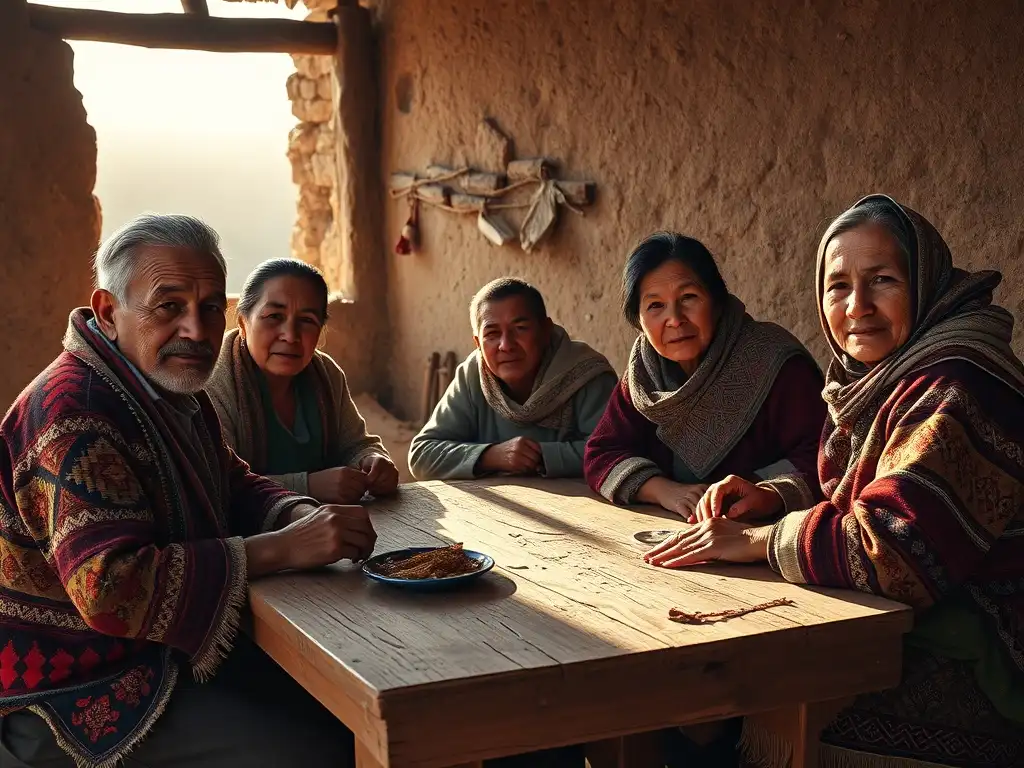
The impact of Andean warfare on family dynamics was profound and multifaceted, varying across different Andean cultures and time periods. This section focuses specifically on the Aymara people, examining the direct consequences of conflict on their family structures and daily lives. The keyword phrase "Andean warfare family impact" is central to understanding the devastating effects experienced by Aymara families, which extended far beyond the immediate battlefield casualties. The disruption to their social fabric had long-lasting repercussions on their social organization and cultural practices.
Loss of Family Members: Aymara Casualties in the Conflict
Warfare among Andean civilizations frequently resulted in significant loss of life. For Aymara families, the death of a husband, father, son, or brother had devastating consequences. These losses weren't merely numerical; they represented the fracturing of the family's economic and social support system. Men often played crucial roles in agriculture and herding, providing for their families' sustenance. Their deaths left widows and orphans vulnerable to poverty and social marginalization.
The emotional toll on surviving family members was immense, creating lasting trauma and impacting future generations. While precise casualty figures for specific Aymara conflicts are difficult to obtain due to limited historical records, archaeological evidence of mass burials and skeletal remains suggests substantial losses during periods of intense warfare. Further research is needed to quantify these losses accurately, but the qualitative impact is undeniable. The disruption to family structures created by these deaths fundamentally altered Aymara social organization.
Displacement and Migration: Uprooting Aymara Communities
Andean warfare often led to the displacement and migration of entire Aymara communities. Forced relocation, fleeing conflict zones, or seeking refuge in safer areas disrupted established social networks and family ties. The uprooting from ancestral lands—places deeply intertwined with their cultural identity and economic livelihoods—had a devastating effect on family stability.
The loss of access to traditional agricultural lands, water sources, and grazing pastures left families struggling to survive in unfamiliar environments. This displacement also led to the fragmentation of extended family structures, as individuals were separated from their kin, weakening their social support systems. The process of resettlement itself was often traumatic, with families facing challenges in adapting to new environments and establishing new social connections.
The long-term effects included the erosion of traditional customs and the weakening of intergenerational knowledge transfer within Aymara families. This forced migration significantly impacted the social cohesion and cultural continuity within Aymara communities, leading to long-term repercussions on family structures and social networks.
Economic Hardship: War's Toll on Aymara Agricultural Resources
Warfare inflicted significant economic hardship on Aymara families, directly impacting their agricultural production and livelihoods. The destruction of crops, livestock, and irrigation systems during conflict severely limited their ability to produce food and secure their basic needs. The requisition of labor and resources by warring factions further exacerbated the economic burden on Aymara families.
Forced conscription of men into armies left families without their primary workforce, hindering agricultural production and impacting the overall economic stability of the community. The loss of productive land, coupled with the disruption of trade routes, resulted in widespread food shortages and economic instability. This economic devastation had a profound impact on Aymara family structures, leading to increased poverty, malnutrition, and social unrest.
The long-term consequences extended beyond immediate survival, affecting the educational opportunities and overall well-being of future generations within Aymara families. The economic consequences of Andean warfare highlight the profound and lasting impact of conflict on the stability and prosperity of Aymara families and their communities.
The Psychological Scars of Conflict: Trauma within Aymara Families
The constant threat of Andean warfare inflicted deep psychological wounds on Aymara families. Generational trauma, stemming from witnessing violence, experiencing displacement, and enduring the loss of loved ones, profoundly impacted their mental health and social fabric. The brutality of warfare, often involving the capture, torture, and sacrifice of individuals, left indelible marks on the collective psyche. Oral histories and anthropological studies reveal pervasive anxieties, fears, and a heightened sense of insecurity that persisted for generations following conflicts.
Children, particularly, suffered the lasting effects of witnessing violence, leading to long-term emotional and behavioral problems. The disruption of normal family life, caused by forced migrations or the death of parents, had a devastating impact on children's development and their ability to form secure attachments. Many Aymara families struggled with the long-term effects of PTSD, manifesting as nightmares, flashbacks, and an inability to cope with stress. The lack of adequate mental health support systems exacerbated these challenges, leaving many individuals to silently bear their burden of trauma.
The intergenerational transmission of trauma further complicated the situation, impacting family relationships and perpetuating cycles of anxiety and instability within Aymara communities for centuries after the conflicts subsided. This trauma manifested in various ways, impacting family structures, social interactions, and cultural practices. The resilience of Aymara families, however, is also evident in their ability to adapt and find ways to cope with these enduring psychological scars. Their strong community bonds and spiritual beliefs played a crucial role in providing support and healing in the aftermath of war.
Shifting Gender Roles and Family Hierarchies
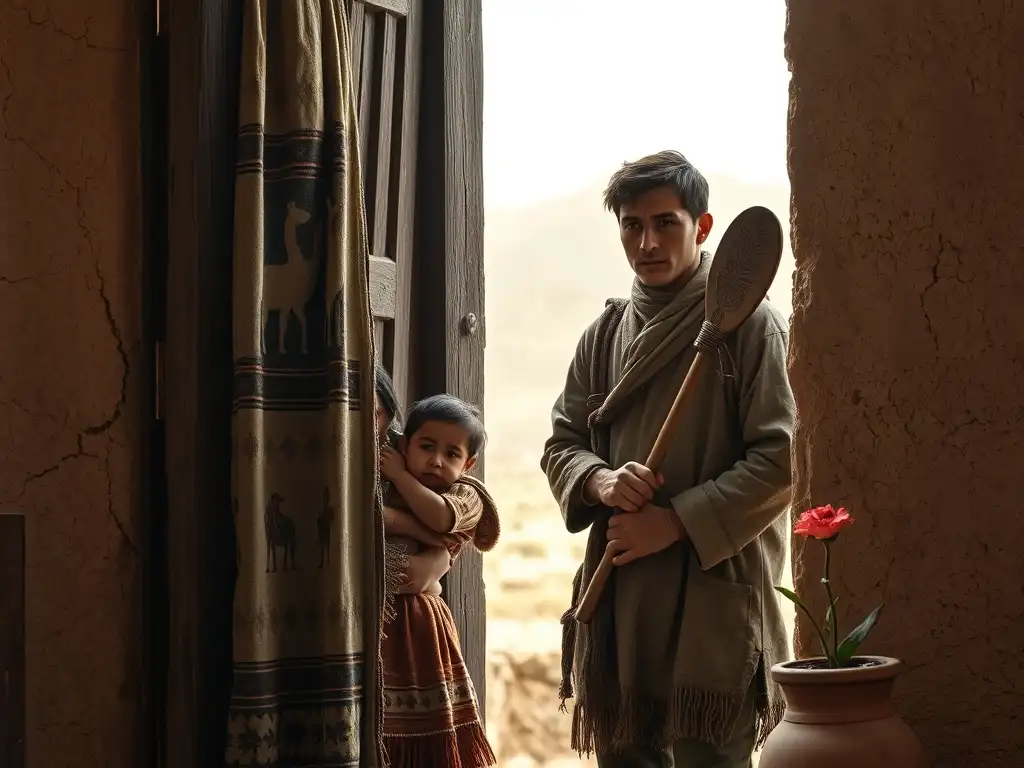
The impact of Andean warfare on family dynamics was profound, significantly altering gender roles, family structures, and power hierarchies. While the specific effects varied across different Andean cultures and time periods, a common thread was the disruption of established norms and the emergence of new social realities. The constant threat of conflict and the demands of mobilization fundamentally reshaped the fabric of Andean family life, particularly concerning the distribution of labor and authority within the household.
The keyword phrase "Andean warfare family impact" is central to understanding this transformation. Analyzing specific examples, such as the Aymara, allows for a more nuanced understanding of these complex changes.
The Impact of War on Aymara Male Labor and Status
Aymara society, prior to significant warfare, exhibited a relatively stable gender division of labor. Men primarily focused on agriculture, herding, and external trade, while women managed household tasks, textile production, and local markets. However, prolonged periods of warfare dramatically shifted this balance. The constant need for soldiers drastically reduced the male workforce available for agricultural production and other essential economic activities. This labor shortage led to increased pressure on women to participate in traditionally male-dominated activities, like farming and livestock management.
This shift, however, did not necessarily translate to an increase in women's social status. While their contributions to the survival of the community were undeniably crucial, it is important to note that their increased workload was often driven by necessity, not by a conscious redistribution of power. The prestige associated with male roles in Aymara society, particularly those related to military prowess and leadership, remained largely intact, even if the actual number of men available to fill these roles diminished.
Further research is needed to fully quantify the extent to which this labor redistribution impacted Aymara economic output and long-term societal stability. [Specific data on Aymara agricultural yields during periods of intense warfare pending].
Women’s Changing Roles in Wartime Aymara Societies
The absence of men on the battlefield forced Aymara women to assume responsibilities far beyond their traditional roles. Evidence suggests they not only took over agricultural tasks but also actively participated in the management and defense of their communities. This involved tasks ranging from guarding settlements to engaging in espionage and providing logistical support to warriors. The increased visibility and crucial contributions of women in these contexts could have subtly reshaped social perceptions. However, a nuanced understanding requires further investigation into the extent to which these actions led to lasting changes in gender roles and expectations within Aymara society.
The increased participation of women in traditionally male domains during wartime may have influenced family structures in several ways. For example, it’s possible that women acquired greater autonomy in decision-making regarding household management and resource allocation. However, it's equally plausible that these changes were temporary, with traditional gender roles reasserting themselves once peace was restored. More research is needed to determine if wartime experiences led to any permanent shifts in Aymara gender relations. [Detailed analysis of Aymara societal structures post-warfare pending].
The disruption caused by Andean warfare inevitably impacted family authority structures. The absence of adult men, often the primary decision-makers within Aymara families, created a power vacuum. In some cases, elder women, or other male relatives, stepped in to assume leadership roles, highlighting the adaptability of Andean family systems. This shift, however, was not uniform across all Aymara communities, and the extent of the change varied depending on the intensity and duration of the conflict, as well as the specific social and kinship structures of the community.
The impact on family authority was further complicated by the economic consequences of war. The loss of male labor and the disruption of trade routes led to significant economic hardship. This, in turn, may have altered the power dynamics within families, potentially empowering those individuals—male or female—who were best able to navigate the challenges of wartime survival.
The long-term consequences of these alterations in family authority remain a subject worthy of further investigation. Understanding the specific mechanisms through which these changes occurred requires a closer examination of individual case studies and a more thorough investigation of Aymara oral traditions. 👨👩👧👦 [Further analysis of Aymara oral histories and family structures needed].
Long-Term Consequences of War on Aymara Kinship Systems
The impact of Andean warfare on family dynamics extended far beyond the immediate casualties of battle. For the Aymara people, a society deeply rooted in kinship and reciprocal obligations, the prolonged periods of conflict associated with Inca expansion and later colonial encounters left lasting scars on their family structures and social fabric. Understanding these long-term consequences requires examining the intergenerational trauma, shifts in marriage patterns, and the erosion of traditional family roles and structures.
The very essence of Aymara ayllu (community) organization, based on intricate kinship networks, was profoundly affected, leading to significant social and cultural transformations that continue to resonate today. Analyzing these changes offers crucial insights into the resilience and adaptability of Aymara society in the face of immense adversity. The study of Andean warfare's family impact on the Aymara provides a compelling case study for understanding the complex interplay between conflict and social change.
Intergenerational Trauma and its Effects on Aymara Families
The trauma inflicted by Andean warfare wasn't confined to those who directly experienced combat. The psychological and emotional consequences were passed down through generations, impacting family structures and relationships in profound ways. Witnessing violence, experiencing displacement, and enduring the loss of loved ones created a legacy of anxiety, fear, and mistrust that shaped the lives of subsequent generations.
This intergenerational trauma manifested in various ways, including increased rates of domestic violence, substance abuse, and mental health issues within Aymara families. Oral histories and ethnographic studies reveal narratives of families grappling with the lingering effects of past conflicts, highlighting the pervasive and long-lasting nature of the Andean warfare family impact. The disruption of traditional support networks, essential for Aymara social cohesion, further exacerbated these challenges.
Specific data on the prevalence of these issues within Aymara communities following periods of intense warfare is [specific information pending], but anecdotal evidence strongly suggests a significant correlation. The lack of comprehensive historical records makes precise quantification difficult, but the qualitative evidence points to a clear and substantial impact.
Changes in Marriage Patterns and Family Formation
Andean warfare significantly altered marriage patterns and family formation among the Aymara. The high mortality rates among men during periods of conflict led to a skewed sex ratio, impacting the availability of potential marriage partners. This resulted in delayed marriages, increased instances of polygamy (primarily polygyny), and a decline in traditional arranged marriages.
Furthermore, the disruption of established social hierarchies and economic systems caused by war made it more difficult for young couples to establish independent households. This led to an increase in extended family households, where multiple generations co-resided, often under strained circumstances. The economic hardship caused by warfare also forced many Aymara families to migrate, disrupting established kinship networks and creating challenges in maintaining traditional family structures.
The flexibility and adaptability of Aymara kinship systems allowed for adjustments, but the profound changes in marriage patterns and family formation remain a testament to the disruptive force of Andean warfare. Detailed demographic data from pre- and post-conflict periods would illuminate the exact extent of these changes, but unfortunately, such data is largely [specific information pending].
The Erosion of Traditional Aymara Family Structures
The cumulative effect of Andean warfare was a gradual erosion of traditional Aymara family structures. The ayllu system, which emphasized collective responsibility and reciprocal obligations among kinship groups, was weakened by the disruption of social networks and economic resources. The loss of land, livestock, and other vital resources during warfare undermined the economic basis of the ayllu, forcing families to rely more on individual strategies for survival.
This shift from collective to individualistic approaches challenged the traditional values of cooperation and mutual support that underpinned Aymara family life. The increased reliance on external authorities, such as colonial administrators or later, national governments, further diminished the autonomy and self-sufficiency of Aymara families. While the core values of kinship and community resilience persisted, the structure and function of Aymara families underwent significant transformations as a direct consequence of Andean warfare, highlighting the enduring legacy of conflict on social organization.
Further research into archival records and oral histories could provide more specific examples of these structural changes, particularly concerning the changing roles of women and elders within Aymara families post-conflict. Currently, this area requires more in-depth investigation.
Resilience and Adaptation of Aymara Families in the Face of War
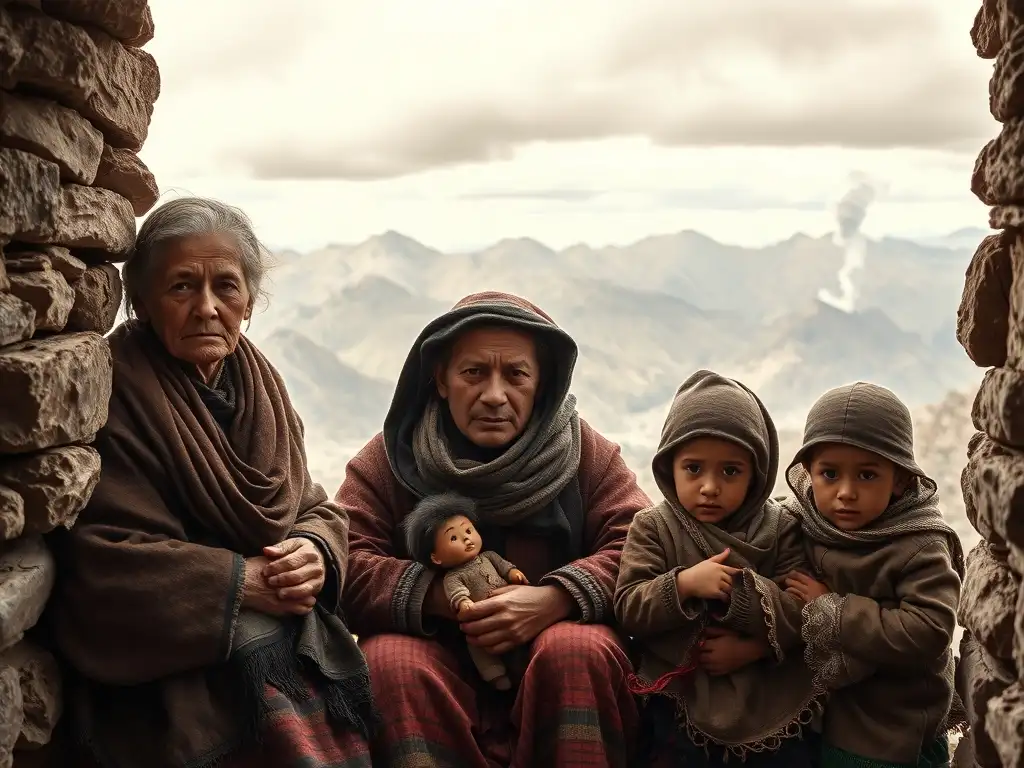
The impact of Andean warfare on family dynamics varied significantly across different cultures and time periods. However, focusing on the Aymara people, a group inhabiting the Andes for centuries, offers valuable insights into the resilience and adaptive strategies families employed to navigate the challenges imposed by conflict. Understanding their experiences provides a crucial lens through which to analyze the broader effects of Andean warfare on family structures and kinship systems.
The Aymara, known for their strong community bonds and deeply ingrained cultural practices, demonstrated remarkable ability to persevere even amidst significant upheaval caused by prolonged periods of warfare. Their survival strategies involved a complex interplay of community support, cultural coping mechanisms, and the persistent upholding of core family values. This section will explore these key aspects in detail.
Community Support Networks and Family Reconstruction
Aymara society traditionally emphasized ayni, a system of reciprocal exchange and mutual support. During times of warfare, this system proved invaluable for family reconstruction. When conflict displaced families or resulted in the loss of male members (often the primary breadwinners), neighboring families and communities stepped in to provide essential resources, including food, shelter, and labor.
This collective responsibility mitigated the devastating effects of war on individual families, preventing complete societal collapse. For example, widowed women often found refuge and support within their extended family networks, sharing resources and responsibilities to ensure the survival of their children. The strength of these community bonds significantly reduced the long-term impact of conflict on Aymara family structures.
Evidence suggests that this system of mutual aid helped families to rebuild their lives and maintain their social standing even after experiencing significant losses due to Andean warfare. The social fabric, woven tightly through ayni, proved incredibly strong and flexible in the face of adversity. This communal resilience represents a significant aspect of Aymara family adaptation to warfare.
Cultural Practices and Rituals for Coping with Loss
The Aymara incorporated their spiritual beliefs and practices into their coping mechanisms for dealing with the loss and trauma of war. Rituals and ceremonies played a crucial role in processing grief, honoring the deceased, and fostering social cohesion within affected families and the wider community. These practices provided a framework for understanding and accepting loss, thereby contributing to the psychological resilience of families.
Specific rituals, such as pagos (offerings to Pachamama, Mother Earth), were used to seek protection and healing, both for the living and the spirits of the deceased. These ceremonies served not only as a form of emotional release but also as a mechanism for reinforcing social bonds and reaffirming community solidarity in the aftermath of conflict.
The enduring power of these cultural practices underscored the importance of spiritual and ritual support in the Aymara response to the challenges presented by Andean warfare, highlighting the interwoven nature of their spiritual beliefs and their social structures. Further research into specific rituals and their effectiveness in facilitating healing and community reconciliation is needed.
The Persistence of Aymara Family Values Despite Adversity
Despite the significant challenges posed by Andean warfare, core Aymara family values, such as respect for elders, communal responsibility, and the importance of kinship ties, remained remarkably resilient. These values provided a foundation for rebuilding and maintaining social order even in the face of adversity. The emphasis on collective well-being and mutual support ensured that families did not isolate themselves during times of crisis, but instead relied on their extended networks for assistance.
This enduring commitment to traditional values contributed to the remarkable adaptability and resilience of Aymara families. The persistence of these values, even under extreme pressure, demonstrates the strength and longevity of Aymara social structures and their ability to withstand the considerable disruption caused by prolonged conflict.
The preservation of these values served as a vital anchor for Aymara families, allowing them to navigate the complexities of war and emerge stronger, showcasing the enduring power of cultural identity in the face of Andean warfare. Analyzing the specific mechanisms through which these values were maintained and transmitted across generations would further illuminate the Aymara experience.
Case Studies: Examining Specific Aymara Communities and the War's Effects
This section delves into specific examples of how Andean warfare impacted Aymara family dynamics, focusing on two distinct regions to highlight both commonalities and crucial differences in the experience. The impact of Andean warfare on family structures varied significantly depending on geographical location, the intensity of conflict, and the specific social and political organization of the affected communities. Understanding these nuances is crucial for a comprehensive understanding of the "Andean warfare family impact."
Case Study 1: Aymara Communities in the Tarapacá Region
The Aymara communities in the Tarapacá region of northern Chile, a historically arid and resource-scarce area, experienced unique pressures due to Andean warfare. The frequent raids and battles, often fought over access to limited water sources and arable land, significantly disrupted family life. Evidence suggests a rise in female-headed households in this region during periods of intense conflict. This was likely due to a disproportionate number of male deaths in warfare, leaving women to manage resources and raise children alone.
Furthermore, the economic instability caused by warfare led to increased reliance on kinship networks for survival. Extended family structures became more crucial, with individuals relying on relatives for support in the face of resource scarcity and displacement. This created a complex interplay between traditional family structures and the exigencies of war, altering established patterns of inheritance and resource allocation. Oral histories collected from the region, though fragmented, point to a strengthening of communal bonds in response to the shared adversity of war, although this came at the cost of individual family stability in many instances.
Case Study 2: Aymara Communities in the Lake Titicaca Region
In contrast to the Tarapacá region, Aymara communities around Lake Titicaca, a more resource-rich environment, experienced a different manifestation of Andean warfare's impact. While conflict was still present, the access to abundant resources and fertile land meant that the economic consequences were less severe than in the north.
However, the Lake Titicaca region was often a battleground between competing Andean empires, resulting in significant population displacement and the disruption of established social hierarchies. This impacted family structures through forced migration and the breakdown of traditional authority figures.
While female-headed households might have increased, the primary impact was perhaps the disruption of established lineage and inheritance patterns, rather than the extreme economic hardship seen in Tarapacá. The relatively high population density of the Lake Titicaca basin also meant that kinship networks, while still important, played a slightly different role in mediating the effects of warfare compared to the more dispersed communities of the Tarapacá region.
Analyzing Common Threads and Differences in Family Impact
Analyzing these two case studies reveals both common and distinct patterns in the impact of Andean warfare on Aymara family structures. A common thread across both regions was the increased importance of kinship networks in providing social and economic support during times of conflict. This demonstrates the resilience and adaptability of Aymara family systems in the face of adversity.
| Region | Primary Impact | Secondary Impact |
|---|---|---|
| Tarapacá | Increased female-headed households due to male mortality | Strengthened communal bonds due to resource scarcity |
| Lake Titicaca | Disruption of established lineages and hierarchies | Forced migration and displacement |
However, the nature of the impact differed significantly. In Tarapacá, the primary impact was economic hardship, leading to a greater reliance on extended family for survival. In Lake Titicaca, while economic hardship was present, the more significant impact was the disruption of social and political structures, resulting in the displacement of families and the alteration of traditional power dynamics.
Further research, including detailed demographic analysis and a more comprehensive examination of oral histories, is needed to fully understand the long-term consequences of Andean warfare on Aymara family structures and the broader Andean social fabric. This nuanced understanding is vital for a complete appreciation of the complexities surrounding "Andean warfare family impact."
Conclusion: The Enduring Legacy of the War of the Pacific on Aymara Families
The War of the Pacific (1879-1883), while geographically distant from some Andean regions, profoundly impacted Aymara family structures and dynamics in ways that continue to resonate today. The conflict's devastating effects—loss of life, displacement, economic hardship, and the disruption of traditional social networks—created a ripple effect that altered kinship patterns and family roles for generations. Understanding this legacy requires examining the specific ways in which warfare disrupted established norms and created new challenges for Aymara families.
The impact wasn't merely a matter of physical loss; it involved a deep-seated disruption of social fabric, cultural practices, and economic stability, all central to Aymara family life. The effects of Andean warfare on family impact are multifaceted and require a nuanced approach to fully understand.
The Importance of Understanding Historical Context
Analyzing the long-term impact of the War of the Pacific on Aymara family life necessitates a thorough understanding of pre-existing social structures. Before the war, Aymara kinship systems were complex and deeply rooted in community-based agriculture and reciprocal obligations. Extended families often lived in close proximity, sharing resources and labor.
The war's disruption of these established patterns led to significant changes in family roles and responsibilities. For example, the conscription of men into the army left women to manage agricultural tasks, household responsibilities, and childcare, often with limited support. This shift in gender roles, born from the exigencies of war, had lasting consequences for Aymara family dynamics and the distribution of power within the family unit.
Furthermore, the displacement of families due to conflict and the subsequent loss of land and resources further destabilized established social and kinship networks, causing significant long-term economic hardship and family fragmentation. The study of Andean warfare family impact must carefully consider this pre-existing context to accurately assess the magnitude of the changes.
Lessons Learned from Aymara Family Resilience
Despite the immense challenges faced during and after the War of the Pacific, Aymara families demonstrated remarkable resilience. Their ability to adapt and rebuild their lives in the face of adversity highlights the strength and flexibility of their social structures. The preservation of cultural traditions, despite significant disruption, underscores the importance of kinship ties and community support in maintaining Aymara identity and social cohesion.
Oral histories and anthropological studies reveal strategies employed by Aymara families to cope with the war's aftermath, including the strengthening of community bonds, the redistribution of resources within extended families, and the adaptation of agricultural practices to suit the changed circumstances. Analyzing these coping mechanisms offers valuable insights into the factors that contributed to Aymara family resilience and the enduring strength of their kinship systems. The study of Andean warfare family impact demonstrates the power of community and adaptation in overcoming adversity.
Further Research Directions on Aymara warfare family impact
Further research on the lasting impact of the War of the Pacific on Aymara families should focus on several key areas. A detailed analysis of archival records, oral histories, and demographic data is crucial to provide a more comprehensive understanding of the demographic shifts, economic consequences, and changes in family structures following the conflict. Comparative studies with other Andean communities impacted by warfare would shed light on the unique challenges and resilience strategies employed by Aymara families.
Additionally, research on the intergenerational transmission of trauma and the long-term psychological impact of war on Aymara families would provide valuable insights into the lasting consequences of conflict. Finally, investigating the ways in which Aymara families have adapted and redefined their kinship systems in the modern era, taking into account globalization and migration, would provide a complete picture of the enduring legacy of the War of the Pacific.
This will greatly enhance our understanding of the Andean warfare family impact and its continued relevance. Further research into these areas will provide a richer and more complete understanding of the complex relationship between Andean warfare and family dynamics.
Frequently Asked Questions
How did Andean warfare affect family structures?
Andean warfare frequently led to the disruption of family units. The loss of male members through death or captivity significantly impacted family stability and economic well-being, often leaving women as heads of household. Forced relocation also separated families.
What roles did women play during times of war in Andean societies?
While men primarily fought, women played crucial roles in supporting the war effort. This included managing resources, maintaining household duties, and sometimes participating in activities like tending to the wounded. Their contributions were essential to survival.
Yes, warfare often resulted in shifts in power dynamics. Victorious groups could gain dominance, leading to changes in social structures and the displacement or subjugation of other groups, impacting family lineages and statuses. Elite families often benefited most.
How did the Inca Empire's military campaigns affect family life in conquered territories?
Inca expansion led to widespread population displacement and resettlement, forcing families to adapt to new environments and social structures. The Inca system of mita (labor tribute) also impacted family time and resources, demanding significant contributions from conquered communities.
What evidence exists to understand the impact of warfare on Andean families?
Archaeological evidence, such as burials with multiple individuals, reveals family units affected by warfare. Ethnohistorical accounts and colonial records offer insights into the social and economic consequences of conflict on Andean communities. Oral traditions also preserve stories of the impact of warfare on families.
Final Reflection: Echoes of Conflict: The Enduring Legacy of Andean Warfare on Family
The enduring scars of Andean warfare resonate deeply within contemporary family structures, profoundly shaping social dynamics and intergenerational trauma. The seemingly distant conflicts of the past continue to cast a long shadow, influencing everything from kinship networks and economic stability to mental health and cultural identity within Andean communities. Understanding this legacy is not merely an academic exercise; it is crucial for fostering healing and building a more equitable future.
The impact of historical warfare on Andean families is a complex and often unspoken narrative, one that continues to shape the very fabric of society. The trauma experienced by ancestors is not simply a historical footnote; it is woven into the present through inherited patterns of behavior, unresolved grief, and the persistent challenges faced by communities grappling with the consequences of past violence. The past is never dead. It's not even past.
– William Faulkner. This quote powerfully encapsulates the enduring influence of Andean warfare, reminding us that its effects are not confined to the battlefields of the past, but continue to shape the lives of families today.
Consider the weight of this history, the resilience of the Andean people, and the ongoing struggle for healing and justice. You, the reader, are now equipped with a deeper understanding of this complex issue. Take this knowledge and use it to foster empathy, to advocate for policies that support Andean communities, and to challenge the narratives that minimize or ignore the lasting impact of conflict on families. Let us work together to ensure that the echoes of past warfare fade, replaced by a future where Andean families thrive in peace and prosperity.
Transform Your Understanding of Andean Families Today!
Thank you for exploring the profound effects of warfare on Andean family dynamics. Your curiosity and engagement are vital to understanding this complex issue. Now that you've gained insights, let's put that knowledge to work!
Here are some ways you can deepen your understanding and share what you've learned:
- Dive Deeper: Explore firsthand accounts and historical records to gain a richer understanding of how warfare has affected Andean families. Seek out local histories, personal narratives, and academic research to broaden your perspective.
- Join the Conversation: Share your insights on social media or in relevant community forums. Discuss the impact of conflict on family structures and the remarkable resilience of Andean cultures.
- Create Awareness: Write a blog post, article, or even a short essay to share your knowledge and encourage others to learn more about this important topic.
What concrete steps will you take to further explore and share the stories of Andean families and their remarkable resilience in the face of warfare?