
Andean Motifs: Deciphering the Animals, Gods, and Symbols in Textiles

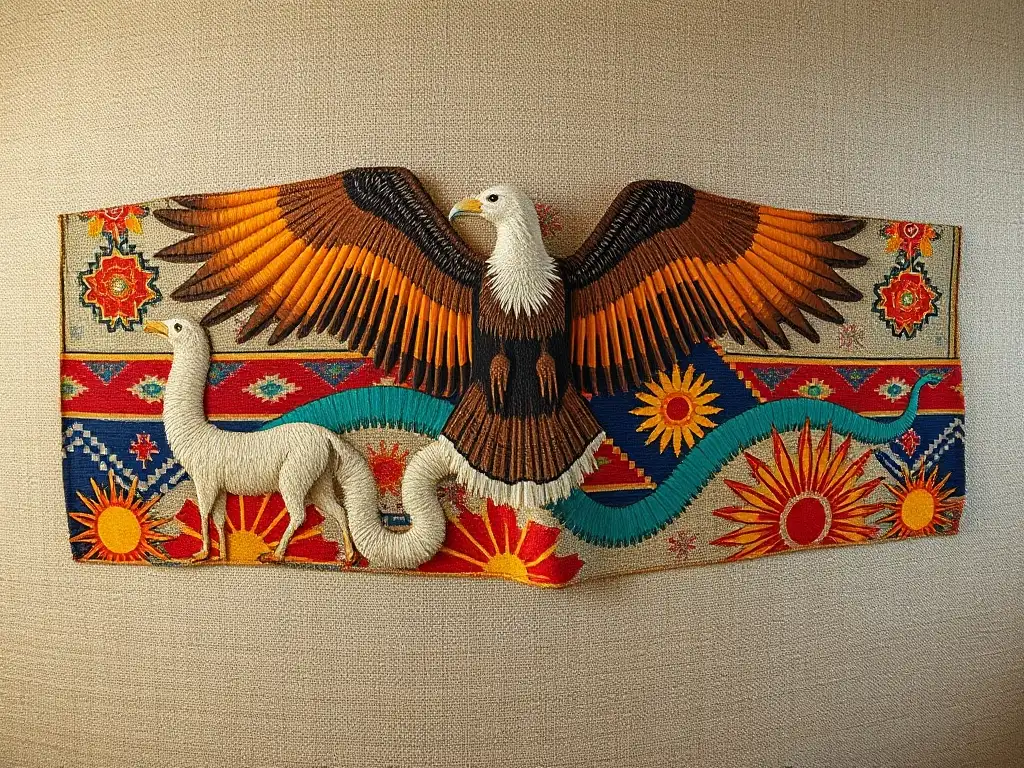
Unravel the mysteries woven into the very fabric of ancient Andean history. For centuries, vibrant textiles have whispered secrets of powerful gods, mythical creatures, and complex societal structures. Prepare to be captivated as we delve into the intricate world of Andean textile motifs meaning, revealing the stories embedded within these breathtaking works of art. Discover how these symbols unveil the beliefs and lives of the Incas, Moche, Nazca, and Tiahuanaco—a journey into a vibrant past awaits.
- Andean Textile Motifs: Deciphering Animals, Gods, and Symbols
- Understanding the Significance of Andean Textile Iconography
-
Animals in Andean Textile Art: Symbolism and Representation
- The Condor: Majesty and Spiritual Power in Andean Weaving
- The Jaguar: Strength and Shamanic Transformation in Textile Designs
- The Serpent: Symbol of Duality and Fertility in Andean Art
- The Llama: Economic Importance and Connection to the Earth
- The Fox: Cleverness and Adaptability in Andean Mythology
- Deities and Mythological Figures in Andean Textile Patterns
-
Common Symbols and Geometric Patterns in Andean Textiles
- The Chakana (Andean Cross): Its Cosmological Significance
- Stepped Fret Designs: Meaning and Variations in Andean Art
- Diamond Patterns: Representation of Order and Balance
- Spiral Motifs: Symbolism of Life Cycles and Transformation
- Red: Power, Blood, and Warfare
- Black: Death, the Underworld, and the Unknown
- Green: Vegetation, Fertility, and Growth
- The Evolution of Andean Textile Motifs Across Civilizations
- Interpreting Andean Textile Motifs: A Guide to Understanding
- Preserving the Legacy of Andean Textile Art and its Motifs
-
Frequently Asked Questions
- What is the significance of Andean textile motifs?
- How did Andean people create such intricate textiles?
- What animals are frequently depicted in Andean textile motifs?
- What are some common symbols found in Andean textiles, and what do they represent?
- Where can I learn more about the meaning of specific Andean textile motifs?
- Final Reflection: Weaving a Legacy: The Enduring Power of Andean Textile Motifs
- **Unlock the Mysteries of Andean Textiles! **
Andean Textile Motifs: Deciphering Animals, Gods, and Symbols
The vibrant textiles of the Andean civilizations are not merely beautiful fabrics; they are rich tapestries woven with narratives, beliefs, and a deep connection to the Andean worldview. These textiles, often crafted from alpaca or llama wool, served a multitude of purposes, from everyday clothing to elaborate ceremonial garments and funerary offerings.
Understanding the intricate motifs woven into these textiles provides a fascinating glimpse into the cosmology, social structures, and daily lives of the ancient Andean peoples, from the Incas to the pre-Inca cultures like the Moche, Nazca, and Tiahuanaco. This article delves into the symbolic language embedded within Andean textile art, exploring the meanings behind the recurring animals, deities, and geometric patterns that adorn these remarkable pieces, helping you decipher the secrets woven into the very fabric of their history.
This exploration will be particularly useful for those searching for "Andean textile motifs meaning," providing a comprehensive overview of the subject.
Animal Motifs: Representations of Power and the Natural World
Andean textiles frequently feature representations of animals integral to their culture and environment. These weren't mere decorative elements; each animal held specific symbolic weight, often reflecting the power dynamics and spiritual beliefs of the time. For example, the condor, a majestic bird soaring high above the Andes, symbolized power, strength, and connection to the heavens. Its presence in a textile often indicated a high social status or a connection to religious authority.
Conversely, the llama, a crucial domesticated animal, represented fertility, prosperity, and the earth itself. Its depiction often signified abundance and the cyclical nature of Andean life. The puma, a powerful predator, symbolized both strength and cunning, and its imagery varied depending on context, sometimes representing a fierce guardian and other times embodying a more malevolent force.
Detailed studies of various textiles reveal a rich complexity in the portrayal of these animals, with subtle variations in posture and coloring potentially revealing nuanced meanings. Further research is needed to fully understand the regional variations in animal representation across different Andean cultures. The meticulous detail and artistic skill involved in depicting these animals underscore the importance of their symbolic value.
Deities and Mythological Figures: Weaving the Supernatural into Daily Life
Beyond animals, Andean textiles frequently incorporate representations of deities and mythological figures. These figures often appear in stylized forms, identifiable through specific iconographic features such as headdresses, clothing, and accompanying symbols. The sun god, Inti, for example, is often depicted with a radiant sun disk, while the moon goddess, Mama Killa, is frequently shown with crescent moon ornaments.
Other deities, associated with specific regions or agricultural cycles, are represented through unique visual cues. The precise identities and attributes of these deities can be complex and vary across different Andean cultures and time periods. Scholars continue to unravel the intricate tapestry of Andean mythology through careful analysis of these textile representations.
The way these deities are depicted alongside other motifs—animals, geometric patterns, and human figures—sheds light on the complex interplay between the supernatural and the everyday lives of the Andean peoples. Understanding these relationships is key to comprehending the full meaning of these textiles.
Geometric Patterns and Symbols: A Language of Abstraction
In addition to representational imagery, Andean textiles are adorned with a wide array of geometric patterns and symbols. These abstract motifs, while seemingly less explicit than animal or deity depictions, carry significant cultural and symbolic weight. Many patterns reflect the Andean understanding of the cosmos, with lines representing celestial pathways, and spirals signifying cycles of life, death, and rebirth. Other patterns may represent agricultural practices, social structures, or specific clans or lineages.
The intricate complexity of these geometric arrangements often requires specialized knowledge to fully interpret. Research using both traditional textile analysis and anthropological insights is crucial to unlock the meanings embedded within these abstract designs. The precise meaning of many geometric patterns remains a subject of ongoing scholarly debate, highlighting the enduring mystery and fascination surrounding Andean textile art. The sheer variety of these patterns across different regions and time periods emphasizes the rich diversity of Andean culture.
Interpreting the Context: Unraveling the Narrative
The meaning of an Andean textile motif is not solely determined by the individual image but also by its context within the larger design. The arrangement of motifs, the colors used, and the overall structure of the textile all contribute to the narrative being conveyed. For example, the placement of a condor above a llama might suggest a hierarchical relationship between the spiritual and material realms.
Similarly, the use of specific colors could indicate particular religious or social significance. Therefore, a holistic approach, considering all aspects of the textile, is essential for a comprehensive interpretation. Furthermore, understanding the historical and archaeological context of the textile—where it was found, its age, and its association with other artifacts—is crucial for accurate interpretation.
This contextual understanding allows for a more nuanced appreciation of the information encoded within the textile's artistic expression. The complexity of this interweaving of visual elements truly underscores the rich communicative power of Andean textiles.
Understanding the Significance of Andean Textile Iconography
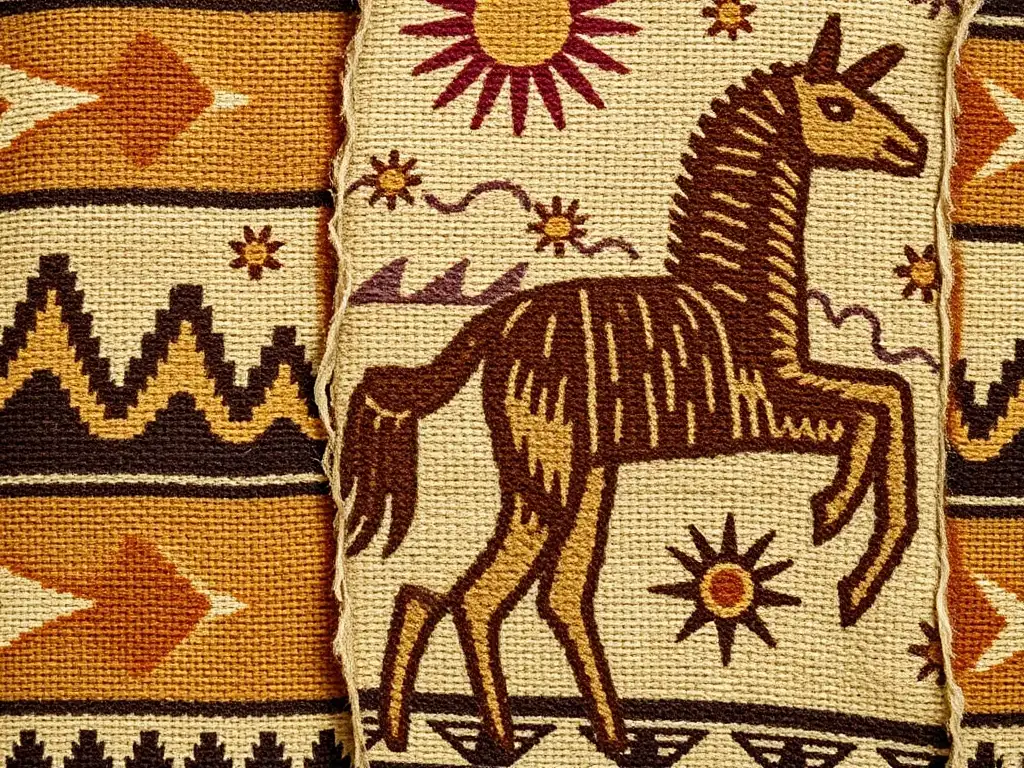
This section delves into the profound importance of textile iconography within Andean societies. Understanding these motifs requires appreciating their role not just as decorative elements, but as powerful tools for communication, storytelling, and social status display. The intricate designs woven into Andean textiles weren't merely aesthetic choices; they conveyed complex narratives, religious beliefs, and social hierarchies. Analyzing these Andean textile motifs meaning unlocks a deeper understanding of the cultures that created them.
We'll explore how these visual languages reflect the worldview and social structures of Andean civilizations. The vibrant colors, symbolic animals, and geometric patterns all hold significant weight, contributing to a rich tapestry of cultural expression. The sheer diversity of motifs across different Andean cultures highlights the unique artistic traditions and beliefs systems of each group.
The Role of Textiles in Andean Cultures
Textiles were far more than clothing in Andean societies; they were integral to daily life, religious practices, and social interactions. From everyday garments to elaborate ceremonial robes, textiles functioned as powerful symbols of identity, status, and spirituality. Consider, for example, the lliclla, a shawl worn by Andean women, whose intricate designs often reflected their community affiliation and marital status. The quality of the textile, the type of fiber used (alpaca, llama, cotton), and the complexity of the weaving technique all contributed to its social significance.
The creation of textiles was itself a highly valued skill, often passed down through generations of women. This knowledge wasn't merely practical; it was a powerful form of cultural transmission, ensuring the continuity of artistic traditions and symbolic meanings. Moreover, textiles played a crucial role in rituals and ceremonies.
Elaborately woven tapestries and banners were used in religious festivals, adorning temples and participating in processions. These textiles served as visual representations of myths, legends, and religious beliefs, further reinforcing their importance in the Andean worldview. The intricate details in these ceremonial textiles often depicted deities, mythical creatures, and cosmological events, offering invaluable insights into Andean religious practices and cosmology.
Andean Textile Motifs as a Form of Communication
Andean textile motifs served as a sophisticated visual language, communicating information across generations and social groups. The choice of colors, patterns, and symbols was not arbitrary; each element carried a specific meaning, contributing to a complex narrative woven into the fabric itself. For instance, certain colors were associated with specific deities or natural elements. Red might represent blood, sacrifice, or the sun, while yellow could symbolize gold, maize, or the earth.
Geometric patterns, such as chevrons, zigzags, and stepped frets, often represented celestial bodies, agricultural cycles, or social structures. Similarly, zoomorphic motifs, depicting animals like llamas, condors, and jaguars, frequently symbolized power, fertility, or shamanic abilities. The combination of these elements created intricate visual narratives that could convey complex messages about social status, kinship, religious beliefs, and historical events.
Archaeologists and textile scholars have dedicated years to deciphering these visual codes, unveiling the rich tapestry of knowledge encoded within these ancient textiles. The precise Andean textile motifs meaning is often context-dependent, with variations across different regions and time periods. However, the underlying principle of visual communication remains consistent across various Andean cultures.
Exploring the Deep Meaning of Andean Iconography
The deep meaning embedded within Andean iconography often reflects a worldview deeply connected to nature, spirituality, and ancestor veneration. Many motifs depict animals and plants that held significant symbolic value within Andean societies. For instance, the condor, a powerful bird of prey, symbolized strength, power, and connection to the upper world. The llama, a crucial domesticated animal, represented fertility, wealth, and social status. Plants like maize and coca leaves were also frequently depicted, representing abundance, nourishment, and spiritual power.
Beyond the natural world, many motifs also represent deities, mythical beings, and cosmological concepts. These figures often appear in complex compositions that narrate myths, legends, and religious beliefs. The arrangement and combination of these elements provide clues to the overall meaning of the textile. Analyzing the placement of specific motifs in relation to others allows researchers to unravel the narratives and symbolic messages embedded within these ancient textiles.
Furthermore, the use of specific techniques, such as tapestry weaving or embroidery, can also contribute to the overall meaning and social significance of the textile. The preservation of these textiles provides invaluable insights into the beliefs, practices, and artistic achievements of Andean civilizations, enriching our understanding of their rich cultural heritage. Further research is needed to fully understand the nuances and variations in the Andean textile motifs meaning across different Andean cultures and time periods. This ongoing exploration continues to reveal the complexity and artistry of these ancient textiles.
Animals in Andean Textile Art: Symbolism and Representation
Andean textile motifs meaning is deeply rooted in the symbolic representation of the natural world. Animals, in particular, held significant power and meaning, often representing deities, forces of nature, or shamanic transformations. Their depiction in textiles wasn't merely decorative; it was a powerful form of communication, conveying complex narratives and beliefs. The careful selection and placement of animal motifs within the overall design served to reinforce the message, adding layers of meaning to the woven narrative.
Analyzing these animal representations provides invaluable insights into the cosmology and worldview of Andean cultures. The intricate details and stylistic variations across different Andean cultures also offer clues to regional differences and artistic traditions. Understanding these nuances allows for a richer appreciation of the artistry and cultural significance of Andean textiles.
The Condor: Majesty and Spiritual Power in Andean Weaving
The condor, a majestic bird of the Andes, frequently appears in Andean textile art, representing power, spirituality, and connection to the upper world. Its soaring flight symbolized the journey of the soul and its ability to traverse between the earthly and celestial realms. Weavers often incorporated condor imagery into ceremonial textiles, clothing for elite members of society, and funerary garments, signifying the deceased's ascent to the afterlife.
The condor's sharp gaze and powerful wings are meticulously rendered in the textiles, capturing its awe-inspiring presence. Variations in the depiction of the condor, such as its posture or accompanying elements, can further refine its symbolic meaning. For instance, a condor depicted in a dynamic pose, wings outstretched, might symbolize a more active role in mediating between the worlds, while a more static representation could represent a connection to ancestral spirits.
Detailed analysis of the textile's weave structure and the colors used can also reveal additional information about the condor's specific role within the overall narrative of the textile piece. The use of specific dyes, for example, might suggest a connection to particular deities or rituals associated with the condor's symbolic power.
The Jaguar: Strength and Shamanic Transformation in Textile Designs
The jaguar, a powerful predator of the Andean foothills, holds a prominent place in Andean iconography, often associated with strength, shamanic power, and the ability to transform. In textile designs, the jaguar's presence often suggests a connection to the underworld and the realm of the supernatural. Its spotted coat, meticulously rendered in diverse colors and weaving techniques, is a testament to the weaver's skill and the cultural significance of the animal.
The jaguar's depiction could represent the shaman's ability to access altered states of consciousness and communicate with the spirit world. Interestingly, the size and placement of the jaguar within the textile design may also influence its symbolic meaning. A large, centrally located jaguar might symbolize a powerful shaman or a significant event, while smaller, less prominent jaguars could represent lesser spirits or aspects of the shaman's power.
Furthermore, the combination of the jaguar with other motifs, such as plants or celestial bodies, can add further layers of meaning to its representation within the specific textile piece. The study of these combinations offers a deeper understanding of the Andean worldview and the complex interactions between the natural and supernatural realms.
The Serpent: Symbol of Duality and Fertility in Andean Art
The serpent, a ubiquitous symbol in Andean art, embodies duality and fertility. Its association with water, the earth, and the underworld connects it to life-giving forces and the cyclical nature of existence. In Andean textiles, the serpent is often depicted in sinuous forms, sometimes intertwined with other motifs, representing the interconnectedness of the natural world.
The serpent's ability to shed its skin is symbolic of rebirth and transformation, while its association with water signifies fertility and abundance. The colors and materials used in depicting the serpent can also hold significant meaning, influencing the overall interpretation of its symbolic role within the textile. For instance, a serpent woven with vibrant green hues might represent the life-giving power of water and vegetation, while a serpent in darker colors might signify a connection to the underworld or the more mysterious aspects of the natural world.
The integration of the serpent motif alongside other animals or symbols in the textile allows for a layered interpretation, enriching our understanding of the complex web of beliefs and values held by Andean cultures. Careful study of the serpent's representation in different Andean textiles reveals a complex and multifaceted symbol, emphasizing its crucial role in their rich tapestry of beliefs and traditions.
The Llama: Economic Importance and Connection to the Earth
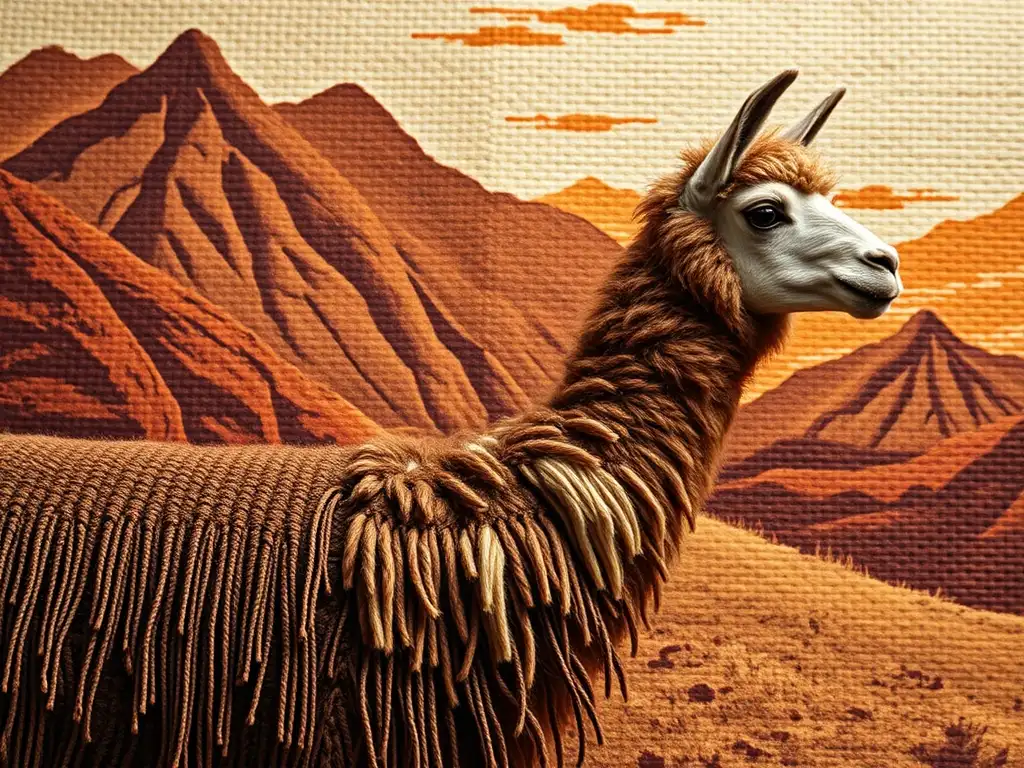
The llama, a staple of Andean life for millennia, holds a position far beyond mere livestock in the intricate tapestry of Andean symbolism. Its representation in textiles isn't simply decorative; it's a powerful statement reflecting its profound economic and spiritual significance. Llamas provided the ancient Andean peoples with wool for clothing and textiles, meat for sustenance, and their dung served as valuable fertilizer.
Their crucial role in the Andean economy is deeply interwoven with their symbolic representation in textile art. The meticulous detail often lavished on llama depictions in textiles – from the subtle nuances of their fleece to the precise rendering of their posture – underscores their importance.
Depictions of llamas often appear alongside agricultural motifs, further highlighting their connection to the earth and its bounty. The llama's association with fertility and abundance is reinforced by its role in agricultural practices. They were vital for transporting goods across challenging terrain, facilitating trade and the exchange of resources. This economic power translated directly into their symbolic representation, solidifying their status as a potent symbol of prosperity and stability within the Andean worldview.
The size and prominence of llama imagery in textiles often directly correlated with the social status of the textile's owner or creator, further emphasizing the animal's importance. Studying the different styles and contexts of llama depictions across various Andean cultures provides invaluable insights into their complex socio-economic structures and beliefs. For example, the variations in llama representation between the Inca and pre-Inca cultures reflect shifting economic priorities and evolving spiritual understandings.
The Fox: Cleverness and Adaptability in Andean Mythology
The fox, a creature of cunning and resourcefulness, occupies a unique space within Andean mythology and textile art. Unlike the llama, whose symbolism is largely associated with stability and economic prosperity, the fox represents adaptability, intelligence, and even trickery. Its presence in textiles often suggests a more complex, nuanced narrative, hinting at themes of survival, deception, and the cyclical nature of life. The fox's ability to thrive in diverse environments mirrored the resilience and adaptability of the Andean peoples themselves, particularly in the face of challenging climates and environmental conditions.
Unlike the often straightforward symbolism of the llama, the fox's representation in textiles can be more ambiguous. Its depiction might symbolize the need for cunning and strategic thinking in navigating social complexities, or it could represent a more ambivalent figure, embodying both positive and negative attributes. Sometimes, the fox is shown in a positive light, embodying the cleverness needed to overcome obstacles.
In other instances, it might be portrayed as a trickster figure, highlighting the unpredictable nature of life and the importance of vigilance. The specific context of the textile, including accompanying motifs and the overall design, is crucial in deciphering the intended meaning of the fox's inclusion. Analyzing the stylistic choices in the fox's representation – its posture, expression, and the accompanying colors – allows researchers to better understand the specific narrative conveyed in the textile.
The subtlety of the fox's symbolism in Andean textile art makes it a particularly fascinating subject for scholars studying Andean mythology and cultural practices. Further research into specific regional variations in fox iconography would greatly enhance our understanding of its multifaceted symbolism.
Deities and Mythological Figures in Andean Textile Patterns
Andean textile motifs meaning is deeply rooted in the cosmology and religious beliefs of the ancient cultures. The vibrant colors, intricate designs, and symbolic representations woven into these textiles offer invaluable insights into their spiritual world. Animals, celestial bodies, and, most importantly, deities played crucial roles in their belief systems, and these figures are frequently depicted in the surviving textiles.
The careful study of these motifs allows us to reconstruct aspects of their mythology, social structures, and even their daily lives. The complexity and artistry involved demonstrate a profound understanding of both textile production and symbolic language. Analyzing these patterns reveals a rich tapestry of meaning, far beyond simple decoration.
The Sun God Inti: Representation in Andean Textile Designs
Inti, the Sun God, holds a central position in Inca mythology and is prominently featured in numerous Andean textile designs. His representation varies, but common motifs include stylized sunbursts, often incorporating geometric patterns that radiate outwards, symbolizing the sun's power and life-giving energy. These sunbursts are frequently found in the borders of textiles, signifying protection and divine favor. Sometimes, Inti is depicted anthropomorphically, with a human-like face surrounded by sun rays.
The colors used in these depictions are also significant; gold and orange tones are prevalent, representing the sun's warmth and brilliance. For example, a finely woven lliclla (a type of shawl) from the Cusco region might feature a central sunburst motif surrounded by smaller, geometric designs representing agricultural bounty, highlighting the sun's crucial role in Inca agriculture and prosperity. The intricate detail and precision of these designs showcase the skill of the Andean weavers and their deep reverence for Inti.
The meticulous placement of each thread reinforces the sacred nature of the image and its significance within the cultural context. Further research is needed to fully understand the subtle variations in Inti's representation across different Andean regions and time periods. [Specific examples of variations in Inti's representation pending].
The Moon Goddess Quilla: Feminine Energy in Andean Textiles
Quilla, the Moon Goddess, complements Inti in the Andean pantheon, representing the feminine principle and lunar cycles. Her presence in textile designs is often more subtle than Inti's, but equally significant. She is frequently depicted using crescent moon shapes, sometimes combined with stars or other celestial elements to represent the night sky. Unlike the vibrant colors associated with Inti, Quilla's representations often feature cooler tones, such as silver, white, and dark blues, reflecting the moon's nocturnal nature.
The designs featuring Quilla often incorporate more fluid and organic shapes, contrasting with the geometric precision of the sun motifs. For instance, a beautifully preserved textile fragment from the Nazca culture might depict a stylized crescent moon flanked by stylized birds, representing the cyclical nature of life and the moon's influence on fertility and harvests. These designs often appear on garments worn by women, reinforcing their connection to the goddess and her powers.
The weaving techniques used to create these delicate crescent moon shapes demonstrate remarkable technical skill and artistic sensitivity. Analyzing the iconography of Quilla in various Andean textiles allows for a deeper understanding of the complex interplay between masculine and feminine energies within Andean cosmology. [Further analysis of the connection between Quilla and fertility rites in Andean textiles pending].
Wiracocha: The Creator God Depicted in Ancient Weavings
Wiracocha, the creator god, holds a prominent position in the Andean pantheon, particularly within Inca mythology. Representations of Wiracocha in textiles are often more abstract than those of Inti or Quilla. He is frequently depicted as a powerful and mysterious figure, sometimes shown with a staff or other symbolic objects.
His depictions often incorporate a combination of geometric and zoomorphic motifs, reflecting the multifaceted nature of his power. The colors used in Wiracocha's representations vary significantly, sometimes featuring a palette of earthy tones, while other times employing a more vibrant range. A striking example could be a unku (a type of ceremonial cloth) depicting a stylized figure with a staff, possibly representing Wiracocha, surrounded by jaguars and serpents, signifying his control over the natural world.
The use of specific colors and the combination of different motifs in these weavings provides critical clues to understanding the diverse aspects of Wiracocha's power and influence. Further research is needed to differentiate between regional variations in the depiction of Wiracocha and to fully understand the significance of the associated animal motifs. [Detailed analysis of the symbolic meaning of the animals associated with Wiracocha in Andean textiles pending].
Pachamama: The Earth Mother and Her Symbolism
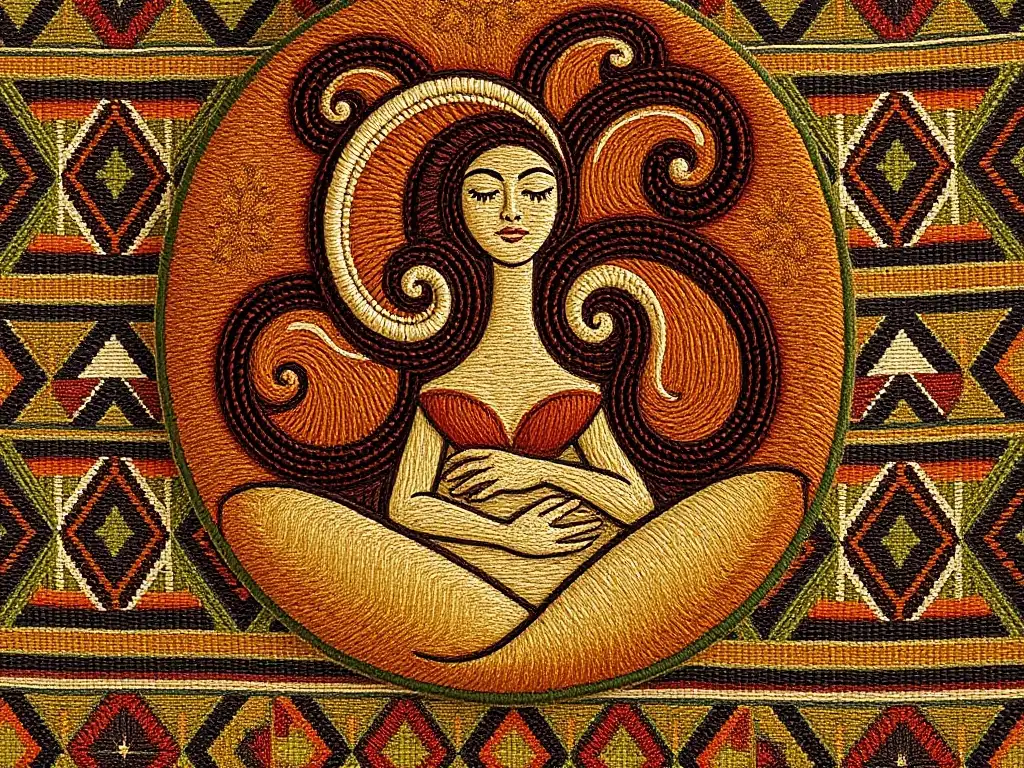
Pachamama, the life-giving Earth Mother, holds a central position in Andean cosmology and is profoundly represented in textile art. Her symbolism is multifaceted, reflecting her nurturing and powerful nature. Often depicted as a fertile landscape, Pachamama is visually represented through a variety of motifs. These include stylized mountains, which symbolize her physical form and the abundance she provides.
Terracotta colors, browns, and deep greens are frequently used to evoke the earth's rich hues. Furthermore, representations of agricultural bounty, such as corn, potatoes, and other Andean crops, directly link her to the prosperity she bestows upon her people. The intricate weaving techniques themselves often mirror the interconnectedness of life within the Andean ecosystem, reflecting Pachamama's role as the sustainer of all living things. The careful arrangement of threads and the use of natural dyes further emphasize the reverence and respect held for this powerful deity.
In some textiles, Pachamama might be depicted more anthropomorphically, as a female figure surrounded by symbols of fertility and abundance. These representations highlight her role not only as the provider of sustenance, but also as a maternal figure, nurturing and protecting her children. The detailed depiction, whether abstract or figurative, underscores the fundamental role Pachamama played—and continues to play—in the Andean worldview. The enduring presence of Pachamama in Andean textiles speaks volumes about the enduring connection between the people and their sacred earth.
Illapa: The God of Thunder and Lightning in Textile Art
Illapa, the powerful god of thunder and lightning, is another significant deity frequently featured in Andean textile patterns. His representation often involves bold and dramatic imagery that reflects his awe-inspiring power. Zigzag lines, representing lightning bolts, are a common motif, often rendered in vibrant colors like yellow and red to capture the intensity of his energy. These lines are sometimes interwoven with other symbols, such as stylized serpents or feline figures, further enhancing the dynamic and powerful nature of the representation.
The use of contrasting colors and textures in the weaving creates a visual effect that mirrors the sudden and dramatic nature of a lightning storm. Furthermore, Illapa’s connection to rain and fertility is often depicted through motifs representing water and agricultural abundance. These might include stylized clouds, rain droplets, or representations of water sources like rivers or springs. The combination of powerful lightning imagery with symbols of life-giving water emphasizes Illapa's dual nature: both destructive and life-giving.
He is a force to be reckoned with, but also a vital part of the Andean ecosystem, bringing the necessary rains for successful harvests. The artistic expression of Illapa in textiles showcases the Andean understanding of the interconnectedness of natural forces, highlighting the power and significance of this crucial deity in their cosmology. The careful and skillful execution of these intricate designs on textiles demonstrates the profound respect and reverence held for this powerful god of the Andes.
Common Symbols and Geometric Patterns in Andean Textiles
This section delves into the prevalent symbolic language woven into Andean textiles, focusing on the recurring motifs and their cultural interpretations. Understanding these patterns provides a crucial key to unlocking the rich tapestry of Andean beliefs, social structures, and artistic expression. The intricate designs weren't merely decorative; they served as powerful visual narratives, conveying complex meanings across generations. Analyzing these Andean textile motifs meaning helps us appreciate the sophisticated worldview of these ancient civilizations.
The Chakana (Andean Cross): Its Cosmological Significance
The chakana, often referred to as the Andean Cross, is arguably the most recognizable symbol in Andean iconography, appearing prominently in textiles, ceramics, and stonework. Its four arms, often stepped or tiered, represent the four cardinal directions, the four elements (earth, air, fire, water), and the three worlds of Andean cosmology: the ukhu pacha (underworld), kay pacha (this world), and hanan pacha (upperworld).
The stepped design is significant, often interpreted as a representation of the Andean worldview’s hierarchical structure and the interconnectedness of these different realms. Some scholars suggest that the central point of the chakana represents the axis mundi, a connection point between the earthly and spiritual realms. The chakana's presence in textiles often indicates a connection to spiritual beliefs, ritual practices, or a desire for balance and harmony within the cosmos.
Its use varied across different Andean cultures, with subtle variations in design reflecting regional or temporal differences. For example, the Incas often incorporated the chakana into elaborate state textiles, while other cultures might have used simpler representations in everyday clothing.
Stepped Fret Designs: Meaning and Variations in Andean Art
Stepped fret designs, characterized by their repeating zigzag or angular patterns, are another frequently encountered motif in Andean textiles. These geometric designs are far from simple decorations; they carry symbolic weight related to agricultural cycles, water management, and the cyclical nature of life and death.
The stepped elements often represent terraced agricultural fields ( andenes), a crucial aspect of Andean agriculture. The intricate weaving of these patterns reflects the careful planning and engineering involved in creating and maintaining these agricultural systems. The repetition of the design could signify the continuous cycle of planting, harvesting, and renewal, mirroring the cyclical patterns of nature.
Variations in the complexity and scale of the fret designs might also reflect social status or regional styles. Larger, more elaborate fret patterns, for instance, might have adorned textiles belonging to elites or were used in ceremonial contexts. The prevalence of these designs showcases the deep connection between Andean culture and its environment, highlighting the importance of agriculture in their society.
Diamond Patterns: Representation of Order and Balance
Diamond patterns, with their symmetrical and balanced forms, are widely used in Andean textiles, often appearing alongside other motifs like the chakana or stepped frets. These shapes are not merely aesthetic; they symbolize order, balance, duality, and the interconnectedness of opposing forces in the Andean worldview.
The diamond, with its sharp angles and symmetrical structure, represents a sense of controlled energy and stability. This is especially significant in a culture that relied heavily on agriculture and precise engineering. The pairing of opposing elements, as often seen in dualistic Andean cosmology, might be represented by the interplay of light and dark, or the interplay of positive and negative spaces within the diamond pattern. The precise execution of these patterns in textiles demonstrates the high level of technical skill of Andean weavers and their deep understanding of symbolic representation.
The use of different colors within the diamond patterns could further enhance their symbolic meaning, adding layers of complexity to their interpretation. More research is needed to fully understand the nuanced meanings associated with specific color combinations in these designs. [Specific information pending: detailed analysis of color combinations in diamond patterns across different Andean cultures].
Spiral Motifs: Symbolism of Life Cycles and Transformation
Spiral motifs are ubiquitous in Andean textiles, appearing in various forms across different cultures and time periods. These swirling patterns are far more than mere decorative elements; they represent profound cosmological beliefs about life, death, and rebirth. The spiral, often depicted as a continuous, unbroken line, symbolizes the cyclical nature of existence, mirroring the continuous flow of time and the interconnectedness of all things.
In some interpretations, the inward spiral represents the descent into the underworld, a journey into the realm of the ancestors and the unknown, while the outward spiral signifies rebirth, renewal, and ascension to the celestial realm. The direction of the spiral, clockwise or counter-clockwise, might also hold specific meaning, possibly related to specific deities or rituals, although this remains a subject of ongoing scholarly debate. The size and complexity of the spiral also seem to vary, with larger, more intricate spirals potentially holding greater symbolic weight, perhaps representing major life events or significant deities.
Specific examples of complex spiral motifs can be found in textiles from the Paracas culture, showcasing a remarkable level of artistry and symbolic depth. The meticulous craftsmanship further emphasizes the importance of these symbols to the weavers and their communities.
Red: Power, Blood, and Warfare
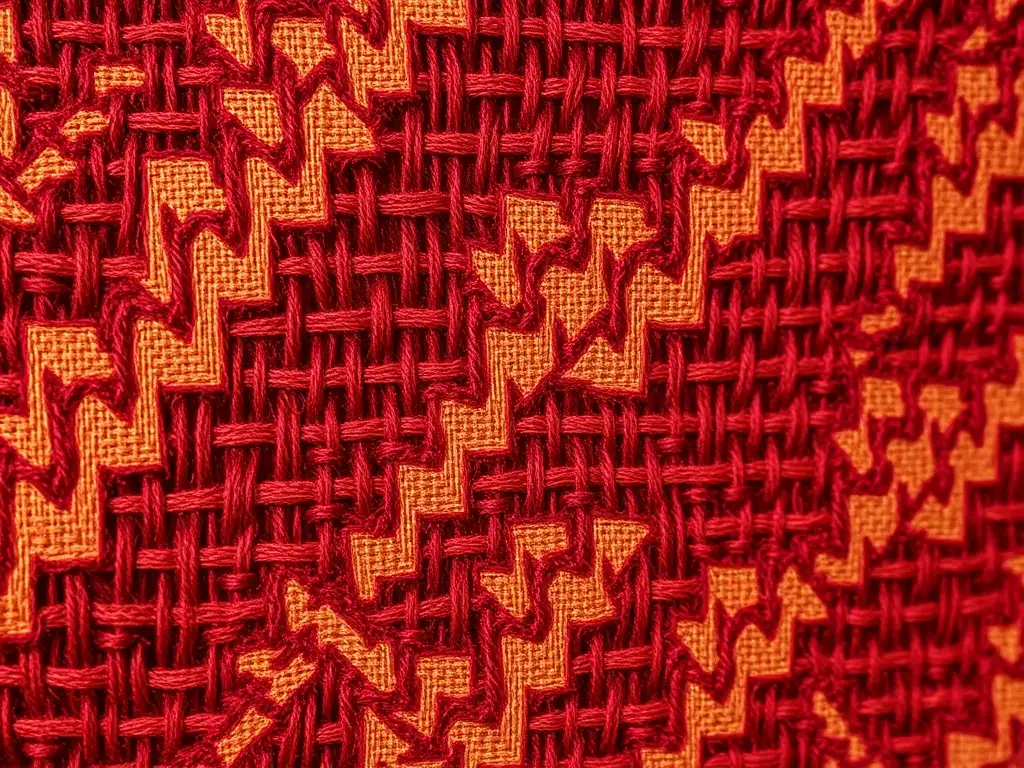
The vibrant color red holds a significant place in Andean iconography, and its presence in textiles is particularly noteworthy. Red, often derived from natural pigments like cochineal, frequently represents power, authority, and the elite status of the wearer. This association stems from the color's link to blood, a potent symbol of life force and sacrifice in many Andean cultures.
In the context of warfare, red symbolized courage, strength, and victory on the battlefield. Textiles featuring prominent red designs might have been worn by warriors or leaders, signifying their social standing and military prowess. The intensity of the red color could also convey additional meaning; a deep, rich crimson might suggest a higher level of authority or a more significant connection to the spiritual realm compared to a lighter shade of red.
Moreover, the specific patterns and designs incorporating red – such as stylized blood droplets or representations of mythical creatures associated with warfare – further contextualize its meaning within a given textile. The use of red, therefore, was not simply aesthetic; it served as a powerful visual language, communicating social status, military achievement, and spiritual connection.
Black: Death, the Underworld, and the Unknown
In contrast to the vibrant energy of red, black in Andean textiles often represents death, the underworld, and the mysterious realm of the unknown. While not necessarily a negative symbol, black evokes a sense of mystery and the powerful forces that govern life and death. Black dye, often obtained from natural sources like charcoal, was skillfully used to create intricate patterns and designs, often in combination with other colors to represent the complex interplay between life and death.
In some interpretations, black represents the fertile darkness of the earth, the source of life and regeneration. It can also symbolize the ancestors, who reside in the underworld and continue to influence the living. The use of black in funerary textiles is particularly significant, suggesting a connection to the deceased and the journey to the afterlife.
The precise meaning of black, however, could vary depending on the cultural context and the specific design in which it appears. For instance, a black feline might symbolize a different aspect of the underworld compared to a simple geometric pattern rendered in black. Analyzing the combination of black with other colors and symbolic elements within a given textile provides crucial clues to deciphering its deeper meaning and its significance within the Andean worldview.
Green: Vegetation, Fertility, and Growth
The color green, so prevalent in the Andean landscape, holds significant symbolic weight in their textile art. Representing lush vegetation, abundant harvests, and the life-giving power of nature, green threads weave a narrative of fertility and growth. This isn't simply a depiction of the environment; it's a potent expression of the Andean worldview, where the well-being of the community was intrinsically linked to the health of the land.
The vibrant hues, ranging from the softest spring greens to the deep emerald shades, often reflect the specific types of plants crucial to their survival, such as maize, coca, and quinoa. The meticulous placement of these green motifs within a larger textile design further underscores their importance, signifying prosperity and the cyclical renewal of life. For example, a finely woven textile might feature a repeating pattern of stylized green leaves interspersed with other symbols, creating a visual representation of a bountiful harvest and the promise of continued abundance.
The use of different shades of green could also indicate the different stages of plant growth, adding another layer of complexity to the symbolic representation. Furthermore, the presence of green in funerary textiles suggests a hope for rebirth and a continued connection to the vibrant world of the living. The rich tapestry of meanings associated with green in Andean textiles reveals a profound understanding of the interconnectedness between humans and the natural world.
The intensity of the green dye itself often held significance. The deeper, richer shades, achieved through laborious processes using natural pigments, likely represented a higher degree of spiritual or social status. These vibrant greens, painstakingly created, were reserved for textiles of importance, perhaps those used in religious ceremonies or worn by elite members of society.
The use of a less intense, paler green might suggest a more general association with vegetation and fertility, but still carries a symbolic weight connected to the Andean understanding of life's cycles. The subtle variations in color and the careful placement of green motifs within the overall design are testament to the sophisticated artistic and symbolic understanding of the Andean weavers.
The color green, therefore, isn't just an aesthetic choice; it's a powerful symbol interwoven into the very fabric of their culture and beliefs. The green threads are a testament to their reverence for nature and its life-sustaining power.
The Evolution of Andean Textile Motifs Across Civilizations
The vibrant tapestry of Andean textile art reveals a fascinating evolution of motifs reflecting the beliefs, social structures, and daily lives of its creators. Understanding these Andean textile motifs meaning requires examining their development across various pre-Columbian civilizations. The symbolism woven into these textiles provides invaluable insight into the rich cultural landscape of the Andes.
From the intricate depictions of the Moche to the abstract representations of the Nazca and the formalized geometric patterns of the Inca, each civilization imbued its textiles with unique meaning and artistic expression. Analyzing these changes illuminates the complex interplay between artistic innovation and cultural shifts throughout Andean history. The significance of these motifs extends beyond mere decoration; they served as powerful tools for communication, social status display, and religious expression.
Moche Textile Motifs: Detailed Depictions of Daily Life and Rituals
Moche textiles, dating from approximately 100 CE to 800 CE, stand out for their remarkably detailed depictions of daily life and religious rituals. Unlike later civilizations that favored more abstract or geometric designs, the Moche artisans meticulously portrayed scenes of hunting, fishing, warfare, and agricultural activities. These textiles often feature vibrant colors and intricate weaving techniques, reflecting a high level of artistic skill and sophistication.
For example, many Moche textiles showcase scenes of elaborate ceremonies involving priests, shamans, and ritual offerings. These depictions provide valuable clues about the Moche religious beliefs and practices. Animals, both real and mythical, also feature prominently. The depiction of a specific animal, such as a jaguar or a hummingbird, often carries symbolic weight, reflecting the animal's importance in Moche cosmology.
The use of realistic portrayals, rather than stylized representations, distinguishes Moche textiles from those of other Andean cultures. Careful study of these textiles reveals a society deeply connected to its environment and heavily influenced by religious beliefs. The level of detail in these Andean textile motifs meaning is unparalleled in the early Andean period.
We can analyze specific examples, such as textiles found in the Huaca de la Luna and Huaca del Sol sites, to understand the intricacies of Moche weaving techniques and the symbolism embedded within their imagery. The detailed depictions of warriors and their weaponry, for instance, highlight the importance of warfare in Moche society. Similarly, scenes depicting agricultural practices underscore the significance of agriculture in their economy and worldview. Further research into the specific dyes and fibers utilized by the Moche would provide a deeper understanding of their technological advancements and resource management.
Nazca Textile Designs: Geoglyphs and Abstract Representations of Nature
In contrast to the realistic representations of the Moche, Nazca textiles (c. 100 BCE – 800 CE) are characterized by their highly stylized and abstract designs. While the famed Nazca Lines are known for their monumental scale, the textiles reveal a similar aesthetic sensibility, though on a smaller scale. Many designs incorporate geometric patterns, often incorporating representations of nature, albeit in a far more abstracted manner than the Moche. The Andean textile motifs meaning in Nazca textiles often involves interpreting the complex interplay of lines, shapes, and colors.
One prominent feature of Nazca textiles is the use of repetitive motifs, suggesting a connection to the cyclical nature of life and the environment. These motifs often seem to echo the shapes and patterns found in the Nazca Lines themselves, hinting at a possible link between the monumental geoglyphs and the smaller-scale textile designs. The use of vibrant colors, particularly reds, yellows, and blues, contributes to the overall impact of these textiles.
These colors, obtained from natural dyes, likely held symbolic significance, possibly representing different aspects of the natural world or spiritual realms. Further research is needed to fully understand the specific meanings associated with each color and pattern.
The abstract nature of these designs presents a fascinating challenge in deciphering their complete Andean textile motifs meaning, requiring a multidisciplinary approach combining art history, anthropology, and possibly even astronomy. The intricate weaving techniques also warrant further study, as they demonstrate a high level of technical skill and innovation.
Inca Textile Iconography: Emphasis on Geometric Patterns and Royal Power
Inca textiles (c. 1438 – 1533 CE) exhibit a distinct shift towards a more formalized and standardized aesthetic. Geometric patterns, such as chevrons, triangles, and stepped designs, dominate Inca textile production. While some naturalistic representations persist, they are often stylized and incorporated into broader geometric frameworks. The Andean textile motifs meaning in Inca textiles is heavily tied to social status and royal power.
The use of specific colors and patterns often indicated the wearer's social rank. For example, certain colors and designs were reserved for the Inca royalty, while others were appropriate for commoners. The quality of the materials and the intricacy of the weaving techniques also played a crucial role in signifying status. The Inca's sophisticated system of textile production involved specialized workshops and a hierarchical organization of artisans. This centralized control over textile production ensured that textiles served as powerful symbols of Inca authority and control.
Furthermore, the use of specific animal motifs, such as the puma or the condor, in Inca textiles often related to royal power and legitimacy. These motifs, often integrated within the geometric patterns, reinforced the Inca's claim to divine authority and their connection to the natural world.
The standardization of designs across the vast Inca Empire also facilitated communication and control within the state. The Andean textile motifs meaning in this context is less about individual expression and more about reinforcing the power of the Inca state.
Further investigation into the organization of Inca textile workshops and the distribution of textiles across the empire would provide a more comprehensive understanding of their role in the Inca social and political system. The meticulous records kept by the Spanish conquistadors following the Inca conquest offer valuable information, although often biased, that can be used in conjunction with archaeological evidence to more fully appreciate the significance of Inca textiles.
Tiahuanaco Textile Art: Stylized Images of Deities and Mythological Creatures
Tiahuanaco textiles, originating from the powerful pre-Inca civilization flourishing around Lake Titicaca from approximately 500 to 1000 CE, showcase a unique artistic style profoundly different from other Andean traditions. Their textile motifs are characterized by a striking geometric precision and a highly stylized representation of deities and mythological creatures. Unlike the naturalistic depictions found in some other cultures, Tiahuanaco artisans favored symbolic and abstract forms, encoding complex religious and cosmological beliefs within their intricate designs.
The limited surviving examples, often fragmented, nonetheless reveal a sophisticated understanding of textile production and design. The use of vibrant colors, primarily achieved through natural dyes derived from plants and minerals, further enhanced the visual impact of these sacred garments and tapestries.
The most prominent motifs in Tiahuanaco textiles frequently feature stylized representations of their principal deities. While precise identification remains challenging due to the abstract nature of the iconography, scholars have identified recurring symbols likely associated with fertility, water, and the cosmos. These symbols are often integrated into complex compositions, sometimes incorporating anthropomorphic figures with exaggerated features, such as large, staring eyes and elongated limbs.
These figures, possibly representing deities or supernatural beings, are often depicted in ritualistic contexts, suggesting their importance in religious ceremonies and beliefs. The careful arrangement of these figures and symbols within the textile design demonstrates a deep understanding of the symbolic language inherent in their artistic expression. The complexity of the designs suggests a highly structured and formalized artistic tradition, passed down through generations of skilled artisans.
The use of geometric patterns in Tiahuanaco textiles is another defining characteristic. These patterns, often incorporating stepped fretwork, triangles, and zigzags, are not merely decorative elements. Instead, they are believed to represent cosmological concepts, mirroring the perceived structure of the universe and the interconnectedness of the natural world.
The repetition and variations of these geometric motifs suggest a system of symbolic codes, where each pattern might hold a specific meaning or represent a particular deity or concept. Further research is needed to fully decipher the intricate symbolic language embedded within these geometric designs, but their purposeful integration into the overall composition underscores their significance in understanding Tiahuanaco cosmology and religious beliefs. The precision and skill involved in creating these intricate designs highlight the advanced technical capabilities of Tiahuanaco textile artisans.
Their mastery of weaving techniques, combined with their sophisticated understanding of symbolic representation, makes their textile art a remarkable testament to their cultural achievements. The careful preservation and ongoing study of these rare artifacts continue to shed light on the rich cultural heritage of the Tiahuanaco civilization.
Interpreting Andean Textile Motifs: A Guide to Understanding
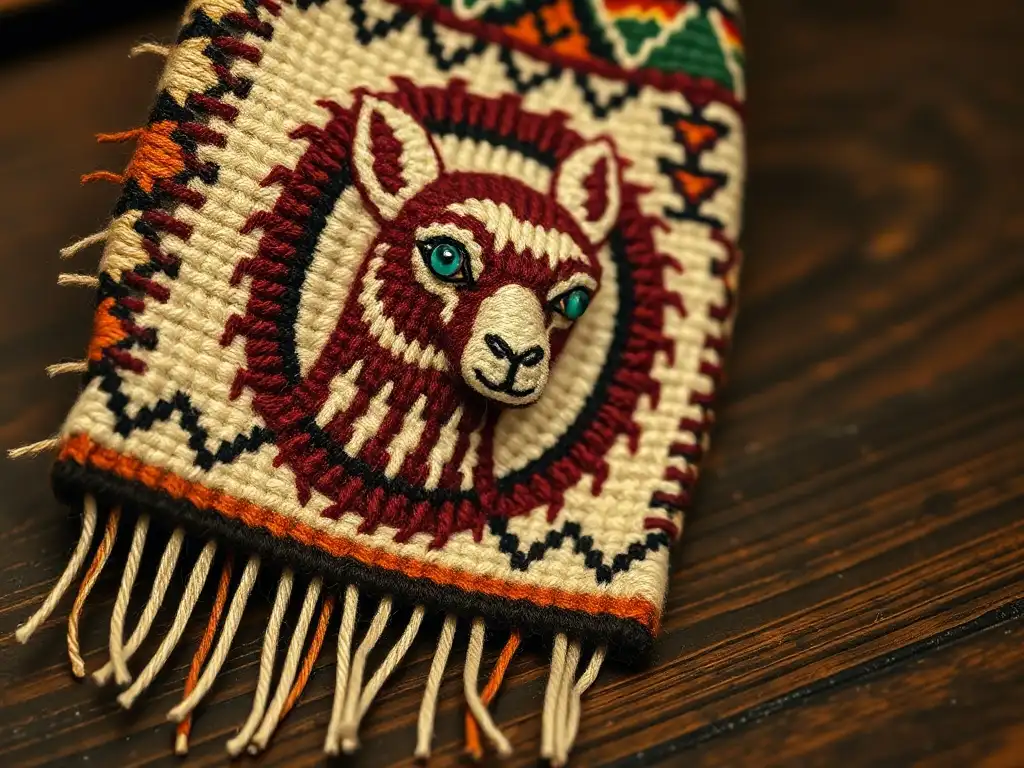
This section delves into the fascinating world of Andean textile motifs, providing a framework for understanding their rich symbolism and cultural significance. Analyzing these motifs requires a nuanced approach, considering not only the individual elements but also their arrangement, the textile's overall design, and the socio-political context of its creation. Understanding the meaning behind Andean textile motifs is key to unlocking a deeper appreciation for the ingenuity and worldview of these ancient civilizations.
The diversity of motifs, spanning across various Andean cultures like the Inca, Moche, Nazca, and Tiahuanaco, reflects a complex tapestry of beliefs, rituals, and social structures. This guide offers a starting point for deciphering the intricate language woven into these remarkable artifacts. We will explore how these motifs served not only as decorative elements but also as powerful carriers of social, religious, and political messages.
Key Elements for Deciphering Andean Textile Meanings
Deciphering the meaning of Andean textile motifs requires careful attention to several key elements. First, iconography plays a crucial role. Certain animals, plants, and human figures consistently appear, each carrying specific symbolic weight. For example, the condor often represents power and royalty, while the llama symbolizes wealth and fertility. The use of geometric patterns, such as stepped frets or zigzags, might represent agricultural terraces or celestial bodies.
Secondly, color is another significant factor. In Andean cultures, colors held deep symbolic meaning, often associated with specific deities or natural elements. Red, for example, could signify blood, sacrifice, or the sun, while yellow could represent gold, maize, or the sun's power. Thirdly, the technique used in creating the textile itself can provide clues. Intricate weaving techniques might suggest a higher social status or religious importance.
The placement and size of the motifs also influence their interpretation. A large, centrally located motif might be more significant than a smaller, less prominent one. Finally, the material itself, whether it's alpaca wool, cotton, or vicuña fiber, may also carry symbolic meaning. Analyzing these combined elements helps us unravel the story embedded within each textile.
The Importance of Context in Analyzing Andean Textile Art
The context surrounding an Andean textile is paramount to its accurate interpretation. Simply identifying individual motifs is insufficient; understanding the textile's origin, its date of creation, and its intended use significantly influences our understanding. For instance, a textile found within a royal tomb will likely carry different meanings than one discovered in a commoner's burial site. The social standing of the textile's creator and its intended audience also affect the meaning.
Furthermore, the relationship between the motifs themselves is critical. The juxtaposition of different symbols can create complex narratives, suggesting interactions between deities, human actions, or cosmological events. Consider, for example, a textile depicting a condor alongside a serpent; this could represent a conflict between opposing forces or a symbolic union of celestial and earthly realms.
Unfortunately, [specific information pending] concerning the precise social and ritual contexts of many discovered textiles hampers a complete understanding in some cases. The ongoing research and discovery of new artifacts continuously refine our interpretation of these fascinating pieces of Andean history. The Andean textile motifs meaning therefore requires a holistic approach, integrating iconographic analysis with contextual information.
Connecting Andean Textile Motifs to Cultural Beliefs and Practices
Andean textile motifs are deeply intertwined with the cultural beliefs and practices of the time. Many motifs reflect the importance of agriculture, particularly the cultivation of maize and potatoes, essential staples of the Andean diet. Representations of these crops, along with agricultural tools and landscapes, are frequently found in textiles, highlighting their central role in Andean life. Furthermore, Andean cosmology, with its emphasis on the interplay between the celestial and terrestrial realms, is reflected in the symbolic language of the textiles.
Celestial bodies like the sun, moon, and stars are often depicted, along with representations of mountains, rivers, and other elements of the natural world. These motifs reflect the Andean worldview, in which humans are intimately connected to their environment and the cosmos. Furthermore, religious practices, such as rituals and ceremonies, are often visually encoded in the textiles. Representations of deities, mythical creatures, and ritual objects provide insights into Andean spiritual beliefs.
This intricate interplay between cosmology, agriculture, and religious practices makes Andean textiles not merely decorative objects, but rather powerful expressions of cultural identity and worldview. The complexity of Andean textile motifs meaning reveals a rich and nuanced understanding of the Andean civilization's spiritual and material lives. Their study continues to offer invaluable insights into the beliefs, values, and social structures of these remarkable ancient societies.
Preserving the Legacy of Andean Textile Art and its Motifs
The vibrant tapestry of Andean textile art, rich with symbolic motifs, faces the constant challenge of preservation. Understanding the meaning behind these intricate designs is crucial not only for appreciating their artistic merit but also for safeguarding a vital part of cultural heritage. The delicate nature of these textiles, often made from natural fibers like alpaca and llama wool, makes them susceptible to damage from light, humidity, and insects.
Furthermore, the loss of traditional knowledge surrounding their creation and symbolism threatens the ability to accurately interpret and appreciate these masterpieces. Effective preservation strategies involve a multi-pronged approach encompassing careful storage in climate-controlled environments, meticulous documentation of weaving techniques and designs, and ongoing research into the cultural context of each motif. This includes utilizing advanced technologies like digital imaging to create high-resolution records of textiles, minimizing handling and exposure to environmental stressors.
The challenge lies not only in physical preservation but also in ensuring the continued transmission of knowledge across generations, which is why community engagement and educational initiatives are paramount. Without these efforts, the intricate stories woven into these textiles risk being lost forever. The Andean textile motifs meaning, therefore, becomes more than just aesthetic appreciation; it becomes a responsibility to protect a fragile cultural legacy.
The Importance of Studying and Protecting Andean Textile Heritage
Studying Andean textile heritage is paramount for several reasons. First, it provides invaluable insights into the social structures, beliefs, and daily life of ancient Andean societies. Textile motifs often served as visual representations of social status, religious beliefs, and cosmological concepts. For example, the depiction of specific animals like condors or jaguars might signify power and shamanic abilities, while geometric patterns could represent agricultural cycles or celestial events. Analyzing these motifs allows researchers to piece together a more complete understanding of Andean worldview and cultural practices. Second, preserving these textiles safeguards tangible evidence of exceptional craftsmanship and artistic ingenuity. The techniques used by Andean weavers, often passed down through generations, demonstrate remarkable skill and innovation. Understanding these techniques helps us appreciate the complexity and artistry involved in creating these textiles, and it also informs contemporary textile arts. Finally, protecting Andean textile heritage is a crucial step in promoting cultural diversity and combating cultural appropriation. By actively preserving and celebrating these unique artistic expressions, we contribute to the preservation of cultural identity and contribute to the global tapestry of artistic traditions. The continued study and protection of these textiles are vital for ensuring that future generations can appreciate and learn from the rich cultural legacy of the Andes. The detailed study of Andean textile motifs meaning unlocks the secrets of a lost civilization.
Contemporary Textile Art Inspired by Ancient Andean Motifs
Contemporary artists continue to draw inspiration from the rich legacy of Andean textile art, breathing new life into ancient motifs and techniques. Modern interpretations often blend traditional designs with contemporary aesthetics, resulting in unique and captivating works. Some artists meticulously recreate ancient weaving techniques, using traditional materials and tools to produce authentic replicas. Others reinterpret traditional motifs, incorporating them into contemporary designs and exploring their symbolic meaning in new contexts. This creative engagement not only celebrates the beauty and artistry of Andean textiles but also fosters a deeper understanding of their cultural significance. For instance, some artists might use ancient motifs to comment on current social or environmental issues, creating powerful and thought-provoking works that bridge the past and the present. The revitalization of these traditions through contemporary art ensures that the legacy of Andean textiles continues to evolve and inspire future generations. This dynamic interaction between past and present keeps the understanding of Andean textile motifs meaning alive and relevant.
Museums and Centers Dedicated to Andean Textile Art
Numerous museums and cultural centers worldwide are dedicated to preserving and showcasing the beauty and significance of Andean textiles. These institutions play a crucial role in protecting these fragile artifacts, conducting research into their cultural context, and educating the public about their importance. Many museums house extensive collections of Andean textiles, often including detailed documentation of their provenance, weaving techniques, and symbolic meanings. These collections serve as valuable resources for researchers, students, and the general public alike. Furthermore, museums often organize exhibitions and educational programs to raise awareness of Andean textile art and its cultural significance. These initiatives help to foster a greater appreciation for the artistic achievements and cultural heritage of Andean civilizations. The work of these institutions is essential for ensuring the long-term preservation and accessibility of Andean textile art, enriching our collective understanding of Andean textile motifs meaning. Dedicated researchers and curators tirelessly work to preserve these fragile pieces of history, ensuring that future generations can marvel at the artistry and learn from the rich cultural heritage they represent. The sustained efforts of these centers are vital for the ongoing research and appreciation of these precious artifacts.
Frequently Asked Questions
What is the significance of Andean textile motifs?
Andean textile motifs held deep symbolic meaning, often representing mythological figures, religious beliefs, and social status. They provided a visual record of their rich culture and history.
How did Andean people create such intricate textiles?
The Andes people used sophisticated techniques like backstrap loom weaving, employing natural dyes from plants and minerals to achieve vibrant colors and complex patterns. Their skill and artistry were remarkable.
What animals are frequently depicted in Andean textile motifs?
Common animals include the llama, alpaca, condor, and puma, all holding spiritual and practical significance in Andean cultures. These animals represented power, strength, or were vital to their way of life.
What are some common symbols found in Andean textiles, and what do they represent?
Common symbols include geometric patterns, stylized plants, and anthropomorphic figures. These often represented celestial bodies, agricultural cycles, or deities. Their meaning varied regionally and across time periods.
Where can I learn more about the meaning of specific Andean textile motifs?
Further research can be undertaken via academic journals, museum exhibits, and specialized books focusing on Andean art and archaeology. Online resources focusing on Andean textiles can also provide valuable information.
Final Reflection: Weaving a Legacy: The Enduring Power of Andean Textile Motifs
The vibrant threads of Andean textiles tell stories that resonate far beyond their creation. These intricate designs are not merely decorative; they are living archives, preserving ancient beliefs, societal structures, and a profound connection to the natural world. Their continued relevance in contemporary society highlights the enduring power of cultural heritage and the importance of understanding the narratives woven into each piece.
The impact of Andean textile motifs extends beyond the realm of art history; they represent a powerful expression of identity and resilience. These symbols, passed down through generations, continue to inspire contemporary artists and designers, demonstrating the enduring strength of cultural traditions. The past is never dead. It's not even past.
– William Faulkner. This quote perfectly encapsulates the ongoing influence of these ancient motifs, their presence a constant reminder of the rich tapestry of Andean history and its enduring legacy.
Consider the intricate detail, the symbolic weight carried within each carefully placed thread. Now, imagine the stories whispered across centuries, the lives lived and lessons learned, all encoded within these vibrant designs. You, too, can become a weaver of meaning. Take a moment to appreciate the artistry and the history embedded in these textiles; let them inspire you to explore your own cultural heritage and to recognize the power of storytelling in shaping our understanding of the world.
**Unlock the Mysteries of Andean Textiles! **
Thank you for exploring the vibrant world of Andean textiles! You've discovered the intricate symbols, animals, and deities woven into their rich cultural narratives. Let's delve deeper into this fascinating heritage.
Here are some ways to further connect with Andean motifs:
- **Explore** local artisan markets and online retailers to find authentic Andean textiles and bring a piece of this ancient culture into your home.
- **Join** or start a discussion group dedicated to Andean art and textiles, sharing insights and collaborating with fellow enthusiasts.
- **Create** an art project inspired by the motifs and symbols you've learned about, expressing your own interpretation and contributing to this enduring tradition.
Which aspect of Andean symbolism resonates most with you, and how might you integrate it into your life?