
Tiahuanaco's Sacred Geography: Mapping the Divine Landscape

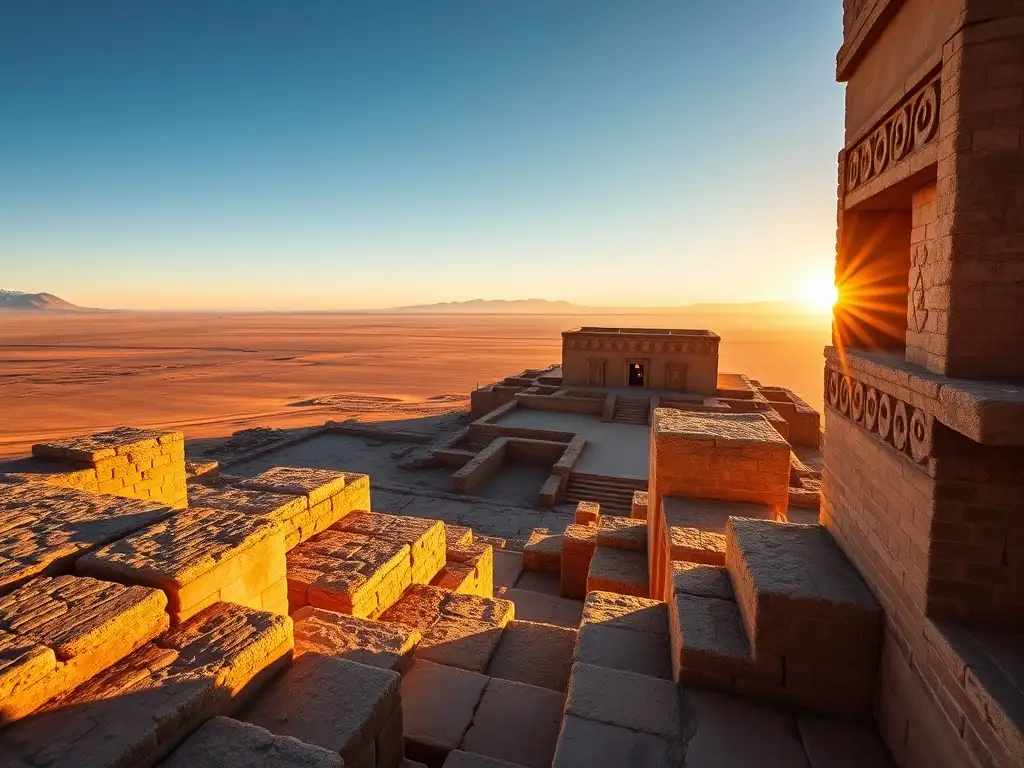
Unravel the mysteries of the Andes! Prepare to be captivated by the enigmatic world of ancient Andean civilizations. Journey with us through breathtaking artistry, awe-inspiring engineering, and the profound spiritual beliefs that shaped these remarkable cultures. But first, delve into the intriguing world of Tiahuanaco sacred landscape mapping—a revelation that redefines our understanding of this powerful civilization. Discover how the sacred geography of Tiahuanaco shaped its society and its enduring legacy. Are you ready to explore?
The enigmatic city of Tiahuanaco, nestled high on the Altiplano of Bolivia, remains a captivating enigma for archaeologists and historians alike. Beyond its impressive monumental architecture—the Sun Gate, the Kalasasaya complex, and the numerous intricately carved monoliths—lies a deeper layer of understanding: Tiahuanaco's profound connection to its sacred geography. This article delves into the meticulous mapping of Tiahuanaco's divine landscape, exploring how its religious beliefs and cosmological worldview were inextricably linked to the physical environment.
We will examine the evidence suggesting a deliberate and sophisticated arrangement of structures, waterways, and agricultural features, all designed to reflect and reinforce their spiritual beliefs. Understanding this sacred geography is key to unlocking the mysteries of Tiahuanaco's sophisticated civilization and its enduring legacy. The analysis of the “Tiahuanaco sacred landscape mapping” reveals a complex interplay between the human and divine realms, showcasing a profound understanding of their world and their place within it.
The Kalasasaya Complex: A Cosmic Center
The Kalasasaya complex, arguably the heart of Tiahuanaco, is believed to have served as a central point for ritual activities and astronomical observations. Its layout, meticulously aligned with cardinal directions and celestial events, suggests a deliberate attempt to create a microcosm of the cosmos.
Several theories propose that the placement of key structures within the complex, such as the semi-subterranean temple and the massive platforms, were not arbitrary but rather carefully planned to reflect specific cosmological concepts. Further research is needed to fully understand the intricate relationships between the architectural features and the celestial cycles, but preliminary findings suggest a sophisticated understanding of astronomy and its integration into religious practices.
Detailed analysis of the surviving architecture, combined with ongoing geophysical surveys, may reveal additional evidence of underground structures or features that further support this interpretation. The precise orientation of the complex, combined with its proximity to significant water sources, highlights the importance of both terrestrial and celestial elements in the Tiahuanaco worldview.
Water Management and Ritual Significance
Water played a crucial role in the daily life and religious practices of the Tiahuanaco people. The city's sophisticated system of canals and aqueducts, not only provided a reliable source of irrigation for agriculture but also held profound symbolic significance. Evidence suggests that the manipulation and control of water were integral parts of religious rituals, potentially representing the life-giving force of the cosmos.
The carefully engineered channels and reservoirs likely served not just practical functions but also as conduits for the sacred power associated with water, connecting the human world to the divine. The precise location and design of these water management systems, often integrated into the broader architectural layout, further emphasize their importance within the sacred geography of Tiahuanaco. Further investigation into the isotopic composition of water found in these systems could provide valuable insights into their origins and use.
Agricultural Terraces and Cosmological Order
The extensive system of agricultural terraces surrounding Tiahuanaco demonstrates an advanced understanding of landscape management and its integration with cosmological beliefs. These terraces, carved into the steep slopes of the Altiplano, not only increased agricultural productivity but also likely represented a structured reflection of the cosmos. The geometric arrangement of the terraces, their alignment with celestial bodies, and their relationship to water sources all contribute to the interpretation of the agricultural landscape as a microcosm of the universe.
The careful placement of these terraces likely symbolized the order and harmony of the cosmos, reflecting the Tiahuanaco's deep-seated belief in the interconnectedness of the natural and spiritual worlds. Detailed studies of soil samples from these terraces could provide insights into agricultural practices and their impact on the environment. Moreover, the integration of astronomical knowledge into agricultural practices showcases an advanced level of societal organization and planning.
The Sun Gate: A Portal to the Afterlife?
The iconic Sun Gate, with its intricate relief carvings depicting various figures and symbols, remains one of the most enigmatic structures at Tiahuanaco. While its exact purpose remains debated, many scholars believe it served as a significant focal point for ritual practices related to the afterlife and the cyclical nature of life and death.
Its placement within the wider landscape, coupled with the symbolic meanings of its carvings, suggests a deliberate attempt to create a powerful symbolic connection between the earthly realm and the spiritual world. The careful arrangement of figures and symbols on the Sun Gate likely encoded complex cosmological narratives, reflecting the Tiahuanaco worldview and their understanding of the afterlife.
Further research is needed to decipher the complete meaning of the carvings and their significance within the broader context of Tiahuanaco's sacred geography. The Sun Gate's enduring power and mystique continue to fascinate researchers and visitors alike, underscoring its importance within the city's religious and cosmological framework.
- The Kalasasaya Complex: A Cosmic Center
- Water Management and Ritual Significance
- Agricultural Terraces and Cosmological Order
- The Sun Gate: A Portal to the Afterlife?
- What is the significance of Tiahuanaco's geography in relation to its culture?
- How was "sacred landscape mapping" used in Tiahuanaco?
- What specific features of the Tiahuanaco landscape are considered sacred?
- How does "Tiahuanaco sacred landscape mapping" contribute to our understanding of the civilization?
- What are the challenges in undertaking "Tiahuanaco sacred landscape mapping"?
Understanding Tiahuanaco's Cosmological Framework
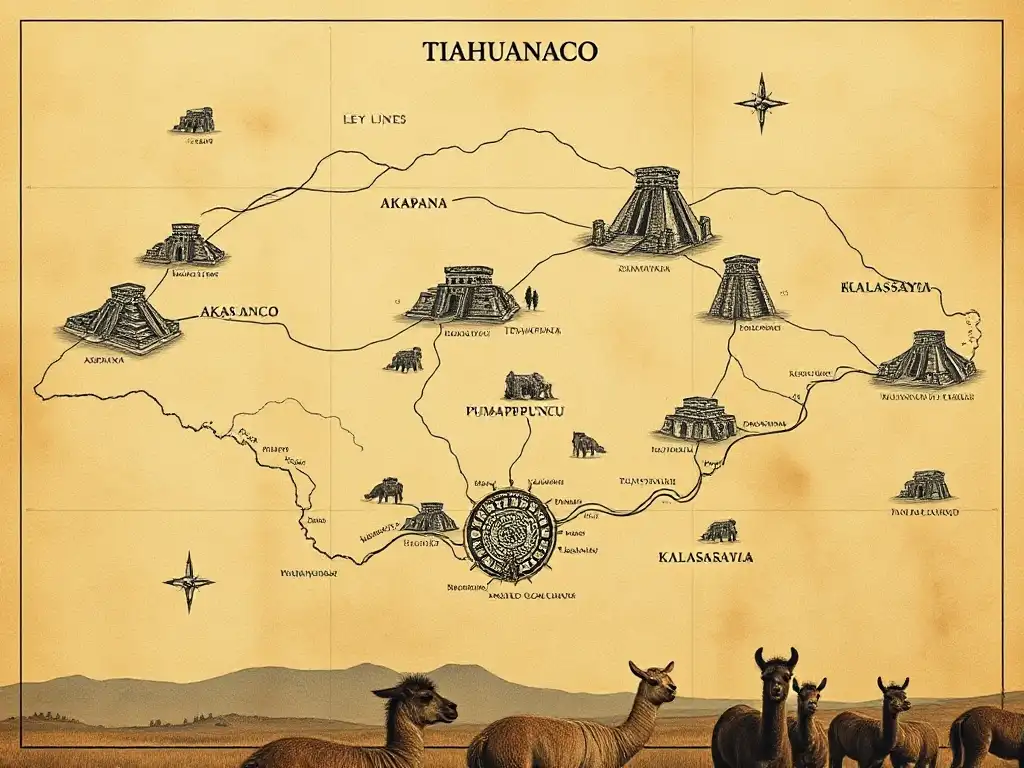
This section delves into the intricate cosmological framework that underpinned Tiahuanaco's sacred geography. Understanding this framework is crucial to interpreting the purposeful arrangement of its monumental architecture and the significance of its location within the broader Andean landscape. We will explore the deep-rooted connection between the Tiahuanaco people and their environment, demonstrating how their worldview shaped their physical world.
The meticulous mapping of the Tiahuanaco sacred landscape reflects a sophisticated understanding of cosmology and its practical application in daily life, ritual, and governance. This analysis will use archaeological evidence and anthropological interpretations to paint a clearer picture of this fascinating civilization's relationship with its sacred spaces.
The Concept of Sacred Space in Andean Cultures
Andean cultures, including the Tiahuanaco, held a profoundly different understanding of space than many other civilizations. The concept of sacred space wasn't limited to designated temples or ceremonial centers; it permeated their entire existence. Mountains, lakes, rivers, and even specific geographical features like springs or unusual rock formations were imbued with spiritual significance.
These natural elements were often considered to be huacas—sacred entities possessing inherent power and deserving of veneration. The Tiahuanaco worldview integrated these huacas into a complex web of cosmological beliefs, reflecting a holistic understanding of the interconnectedness between the human and natural worlds. This pervasive sacredness influenced the choice of settlement locations, the orientation of structures, and the development of intricate ritual practices.
The meticulous placement of Tiahuanaco's monumental structures wasn't arbitrary; it was a deliberate act of creating a sacred landscape that mirrored and interacted with the cosmos. Evidence suggests a deep understanding of astronomical cycles and their relationship to agricultural practices, further highlighting the integral role of the sacred in daily life.
Tiahuanaco’s Worldview and its Connection to the Land
Tiahuanaco's worldview was deeply intertwined with the surrounding landscape. The fertile lands of Lake Titicaca, the towering Andes mountains, and the vast expanse of the altiplano all played crucial roles in their cosmology. Archaeological evidence suggests a sophisticated understanding of water management, reflecting the life-giving importance of water in their arid environment.
The intricate canal systems and sophisticated agricultural techniques employed by the Tiahuanaco demonstrate not only technological prowess but also a deep respect for the land and its resources. This connection extended beyond mere practicality; the manipulation of water resources was likely intertwined with ritual practices, further emphasizing the sacred nature of these elements. The orientation of structures towards significant geographical features, such as mountains or water sources, further supports the hypothesis that the Tiahuanaco carefully mapped their sacred landscape to align with their cosmological beliefs.
This mapping wasn't a passive observation; it was an active engagement with the land, a process of shaping and interacting with the sacred geography to enhance their spiritual and physical well-being. The very act of constructing monumental structures was itself a ritualistic act, transforming the landscape and solidifying its sacred status.
Key Elements of Tiahuanaco Cosmology
Several key elements form the foundation of Tiahuanaco cosmology, informing their sacred geography. The duality of opposing forces, such as light and darkness, earth and sky, was a recurring theme. This duality is reflected in the architecture, with certain structures possibly representing celestial bodies or earthly elements. The Puma Punku, for example, with its precisely cut stones, might symbolize the earth's solidity and power.
The presence of numerous water channels and fountains within the city suggests a strong association with water, a vital and sacred element in the Andean worldview. Furthermore, the emphasis on astronomical alignments indicates a sophisticated understanding of celestial cycles and their influence on agriculture and ritual. The Kalasasaya temple, with its solar alignments, is a prime example of this astronomical connection.
The intricate iconography found on Tiahuanaco artifacts, such as the famous Gate of the Sun, provides further clues to their complex beliefs, depicting deities, mythical creatures, and symbolic representations of cosmological concepts. Deciphering these symbols is crucial for understanding the full extent of their sacred landscape mapping and its significance within their religious and social structures. Further research, including detailed analysis of existing archaeological data and potentially new excavations, is needed to fully unravel the mysteries of Tiahuanaco's cosmological framework and its impact on the meticulous mapping of their sacred landscape.
Mapping the Sacred Landscape of Tiahuanaco
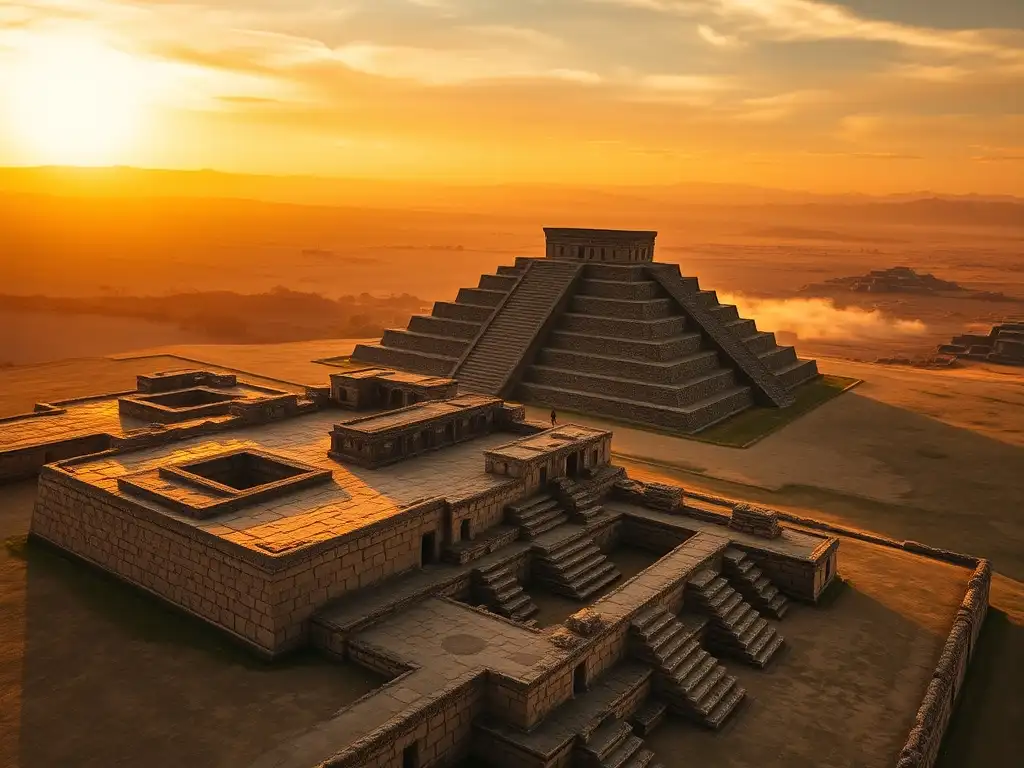
This section delves into the intricate relationship between the physical geography of Tiahuanaco and its deeply spiritual significance. We will explore how the ancient inhabitants meticulously planned and organized their city, integrating religious beliefs and cosmological understandings into the very fabric of their environment. This analysis aims to illuminate the profound connection between Tiahuanaco's sacred landscape and its vibrant culture, offering a glimpse into the worldview of this remarkable civilization. Understanding this "Tiahuanaco sacred landscape mapping" is crucial to comprehending the civilization's religious practices and social structures.
Defining Tiahuanaco Sacred Landscape
The term "sacred landscape" in the context of Tiahuanaco refers to more than just the physical space occupied by the city. It encompasses a broader geographical area, including the surrounding altiplano, lakes, and mountains, all imbued with spiritual meaning. The Tiahuanaco people didn't simply inhabit this environment; they actively shaped and imbued it with religious significance.
This wasn't a passive relationship; rather, the landscape itself actively participated in their religious and cosmological beliefs. The placement of monumental architecture, the orientation of structures, and the selection of materials all point to a deliberate and sophisticated understanding of the relationship between the earthly realm and the divine. Evidence suggests the careful manipulation of water resources, a precious commodity in the high Andes, played a vital role in their sacred rituals and cosmology.
The manipulation of water, therefore, wasn't just practical; it was deeply symbolic, reflecting a profound connection between the terrestrial and celestial spheres. This concept of a holistic, integrated sacred landscape is central to understanding Tiahuanaco religious practices.
Spatial Organization and Ritual Significance
The spatial organization of Tiahuanaco's urban plan reflects a deliberate arrangement designed to mirror their cosmological beliefs. The placement of key structures, such as the Kalasasaya complex and the Akapana pyramid, wasn't random. Archaeological evidence, combined with astronomical observations, suggests that these structures were aligned with celestial events, particularly solstices and equinoxes. This precise alignment underscores the importance of astronomical phenomena in Tiahuanaco's religious practices.
For example, the precise orientation of the Sun Gate, with its intricate carvings, likely played a crucial role in solar worship. Further complicating this "Tiahuanaco sacred landscape mapping" is the evidence suggesting the use of underground channels and water management systems, which may have played a role in ritual purification or symbolic representations of the underworld. The precise function of these systems remains a subject of ongoing research, but their deliberate construction highlights the importance of water in their worldview.
The precise alignment of structures with astronomical events suggests a sophisticated understanding of the cosmos and its influence on earthly affairs.
The layout of residential areas and agricultural fields also likely followed specific patterns reflecting their cosmology, although detailed information on these aspects is currently limited. Further research is needed to fully understand the extent to which the entire urban landscape, beyond the monumental architecture, participated in their religious practices. More detailed analysis of residential areas and agricultural patterns could significantly improve our understanding of "Tiahuanaco sacred landscape mapping".
The Role of Architecture in Reflecting Tiahuanaco Beliefs
Tiahuanaco's monumental architecture serves as a powerful testament to their religious beliefs. The Akapana pyramid, for instance, with its layered terraces and internal chambers, may have represented a symbolic representation of the cosmos, with each level corresponding to a different realm or plane of existence. The intricate carvings on the Sun Gate, featuring stylized figures and symbols, likely encoded complex cosmological narratives and religious beliefs.
The precise meaning of these carvings remains a subject of ongoing debate and interpretation among scholars, but their sheer intricacy and artistic skill highlight the importance of religious expression in Tiahuanaco society. The use of specific materials, such as red sandstone and andesite, may have also held symbolic significance, reflecting the importance of these elements within their cosmology.
The Pumapunku complex, with its massive, precisely cut stone blocks, presents a particularly fascinating case study. The engineering feats involved in its construction, along with the apparent lack of mortar, continue to puzzle and intrigue researchers. The precision and scale of the construction suggest a highly organized society with advanced technological capabilities and a strong belief in the importance of this site within their sacred landscape.
The use of such intricate architectural techniques emphasizes the deep religious significance attached to the site and its role within the broader "Tiahuanaco sacred landscape mapping". Further research into the precise methods and materials used in the construction of these sites is needed to fully understand their significance.
| Structure | Significance | Material | Orientation |
|---|---|---|---|
| Akapana Pyramid | Possible representation of the cosmos | Andesite, Earth | Cardinal Directions |
| Kalasasaya Complex | Center of ritual activity | Andesite | Astronomical |
| Sun Gate | Solar worship, cosmological narratives | Andesite | East-facing |
| Pumapunku Complex | Advanced engineering, religious significance | Andesite | [Data pending] |
The study of Tiahuanaco's sacred landscape offers invaluable insights into the worldview, religious practices, and social structures of this remarkable civilization. Continued research, including advanced remote sensing techniques and detailed archaeological investigations, will further enhance our understanding of this fascinating and complex culture.
Key Sacred Sites and Their Significance
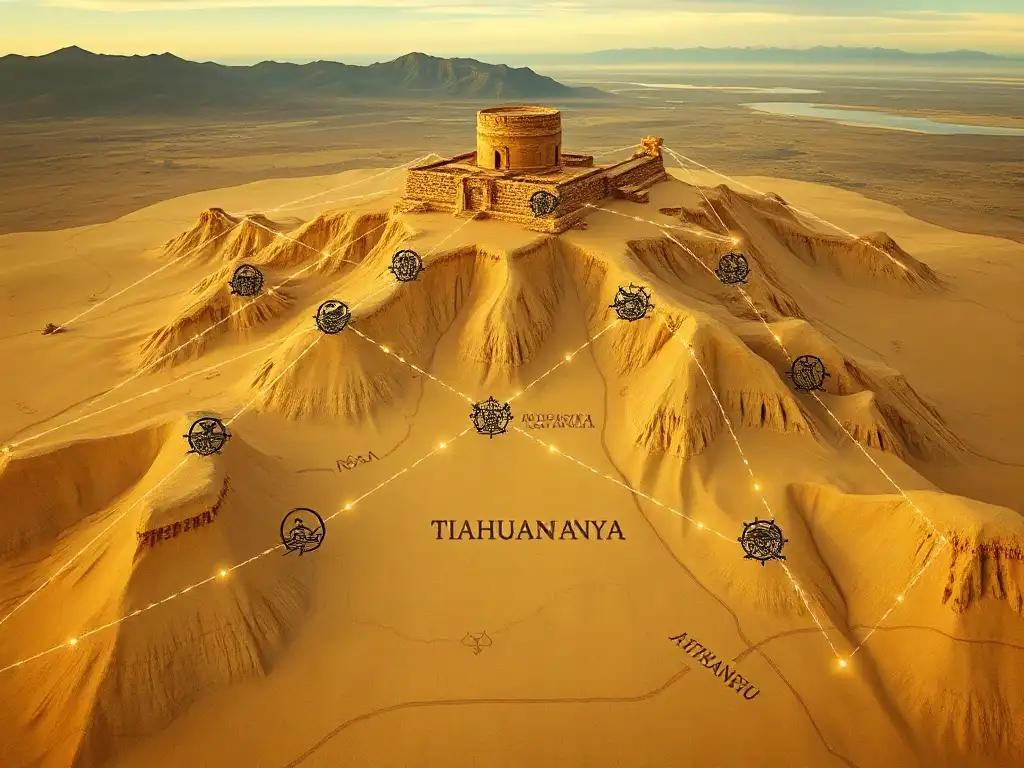
This section delves into the crucial sacred sites of Tiahuanaco, exploring their spatial arrangement and symbolic importance within the broader context of Tiahuanaco's sacred landscape. Understanding the layout and function of these sites is key to deciphering the complex cosmology and religious practices of this remarkable civilization.
The meticulous Tiahuanaco sacred landscape mapping undertaken by archaeologists reveals a deeply planned and symbolic arrangement of structures, reflecting a sophisticated understanding of the cosmos and their place within it. We will examine three key sites: the Akapana Pyramid, the Kalasasaya Temple, and Puma Punku, each offering unique insights into Tiahuanaco's spiritual world.
Akapana Pyramid: A Central Axis of Tiahuanaco
The Akapana Pyramid, the largest structure in the Tiahuanaco complex, is often considered the central axis of the entire sacred landscape. Its massive platform, built from layered earth and stone, suggests a deliberate and symbolic construction. Evidence suggests that the pyramid was not simply a monumental structure but a complex hydrological system, with intricate channels and reservoirs potentially used for ritual purposes. This intricate water management system, indicative of advanced engineering for the time, likely held symbolic significance, connecting the earthly realm with the celestial waters, mirroring Andean cosmological beliefs.
Archaeological findings, including remnants of sophisticated drainage systems and the presence of various artifacts within the pyramid's structure, further support the theory of its ritualistic function. The precise nature of these rituals remains a subject of ongoing research and debate, but the evidence strongly points to the Akapana Pyramid as a central place for ceremonial activities connected to water and fertility, vital elements in Andean cosmology.
The pyramid's placement within the overall Tiahuanaco sacred landscape mapping further reinforces its central role. Its strategic location and alignment with other structures suggest a deliberate design meant to harness and symbolize the power of the cosmos.
Kalasasaya: The Temple of the Standing Stones
The Kalasasaya, meaning "standing stones" in Aymara, is another crucial component of the Tiahuanaco sacred landscape. Its monumental architecture, featuring massive stone blocks precisely fitted together, showcases the impressive engineering capabilities of the Tiahuanaco people. The Kalasasaya's layout, with its central plaza and surrounding structures, suggests a space for large-scale public gatherings and rituals. The presence of monolithic statues and intricate carvings further supports this interpretation, indicating the site's significance as a focal point for religious and social activities.
Analysis of the Kalasasaya's orientation and alignment with celestial bodies suggests that astronomical observations played a critical role in its design and use. This is further supported by the presence of solar markers within the temple complex, hinting at a sophisticated understanding of the solar cycle and its importance in Tiahuanaco's calendar and religious practices.
The integration of astronomical knowledge within the Tiahuanaco sacred landscape mapping reinforces the connection between the earthly realm and the cosmos, a core tenet of Andean cosmology. The careful placement of the standing stones, their size, and the precision of their construction all contribute to the overall mystical and awe-inspiring effect of the Kalasasaya.
Puma Punku: The Gateway to the Gods
Puma Punku, meaning "the gateway of the puma," is perhaps the most enigmatic site within the Tiahuanaco complex. Its massive, precisely cut stone blocks, some weighing many tons, remain a testament to the advanced technology and engineering skills of the Tiahuanaco civilization. The lack of mortar between the blocks, their remarkable precision, and the sheer scale of the construction continue to fascinate and challenge modern engineers and archaeologists. The intended function of Puma Punku remains a subject of much speculation and debate, fueling ongoing research and interpretations.
Some theories suggest that Puma Punku served as a ceremonial platform or a massive temple complex, perhaps used for ritual offerings or significant ceremonies. The intricate carvings found on some of the stones may represent symbolic representations of deities or cosmological concepts. The unique architectural style and the precision of the stonework at Puma Punku set it apart from other structures in the Tiahuanaco complex, suggesting a specialized function or a different stage of construction within the broader Tiahuanaco sacred landscape mapping.
Its enigmatic nature continues to captivate researchers and visitors alike, underscoring its significance within the larger context of Tiahuanaco's religious and cosmological beliefs. The sheer scale of Puma Punku, combined with its unique features, suggests a profound symbolic meaning, possibly representing a connection to the supernatural world.
Kerikala: A Residential and Ceremonial Complex
Kerikala, located near the heart of the Tiahuanaco site, presents a fascinating blend of residential and ceremonial functions, highlighting the complex interplay between daily life and religious practices in Tiahuanaco society. Archaeological evidence suggests that this area wasn't simply a place of ritual; it was a vibrant hub where the elite lived and conducted important ceremonies. The architecture itself speaks volumes about this dual purpose.
Structures show evidence of meticulous craftsmanship, with finely cut stone blocks forming intricate walls and doorways. However, the presence of domestic features like hearths and storage areas within these same structures indicates a clear residential component.
The scale of the buildings at Kerikala is also significant. While not as monumental as some of the other structures at Tiahuanaco, the size and complexity of the buildings at Kerikala suggest a high level of social standing for its inhabitants.
This implies that the religious and ceremonial aspects of Kerikala were not simply open to the public but were largely controlled and overseen by a powerful elite. The meticulous layout of the complex further strengthens this hypothesis, suggesting a carefully planned and highly organized community, where religious practices were deeply interwoven with the daily lives of the ruling class.
Furthermore, artifacts recovered from Kerikala provide crucial insights into the daily routines and beliefs of its inhabitants. The discovery of finely crafted ceramics, textiles, and tools offers a glimpse into their material culture and artistic skills. These artifacts often feature iconography associated with Tiahuanaco cosmology, suggesting a pervasive religious influence on all aspects of life, even in the seemingly mundane aspects of daily existence.
The presence of these artifacts within residential areas highlights the integration of religious belief into the everyday lives of the elite. The careful placement and arrangement of these objects within the structures could have held symbolic significance, further underscoring the intertwined nature of the sacred and the secular at Kerikala.
Further research and analysis of these artifacts are crucial to fully understanding the religious and social dynamics of this significant site within the broader Tiahuanaco sacred landscape. The ongoing excavation and analysis of Kerikala promises to reveal even more about the intricate relationship between the elite, their religious beliefs, and the unique urban design of Tiahuanaco.
Tiahuanaco's Sacred Landscape Mapping Techniques
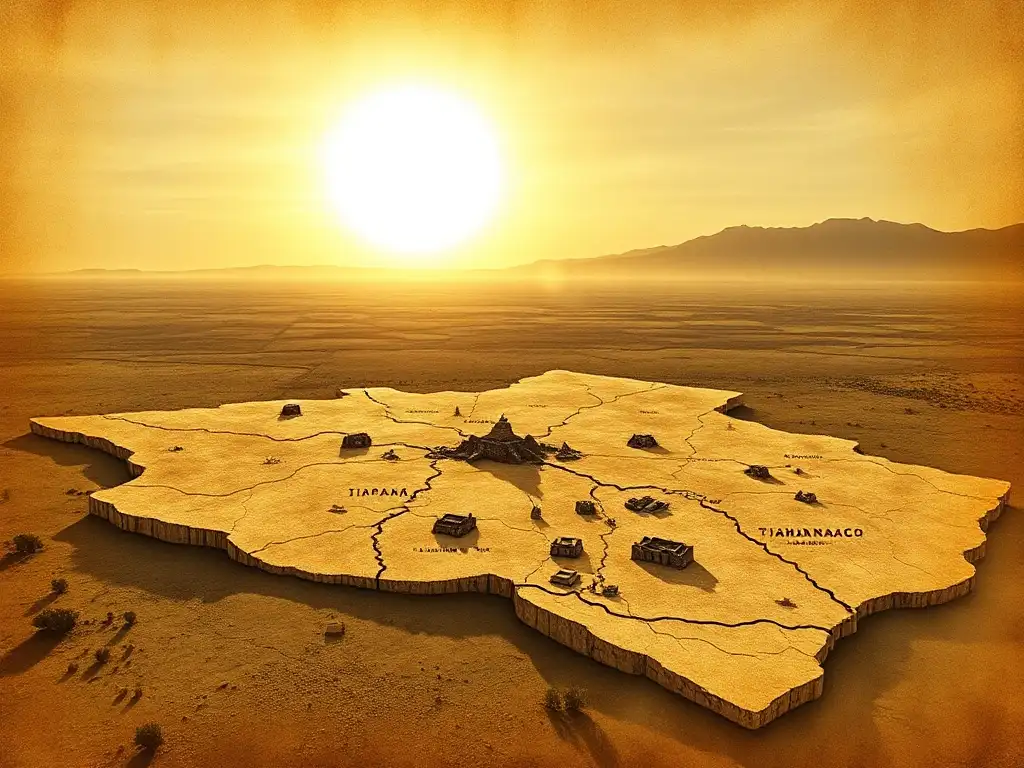
This section delves into the multifaceted approaches used to map Tiahuanaco's sacred landscape, a crucial undertaking for understanding the civilization's religious and cosmological beliefs. Reconstructing this landscape requires a synthesis of various methodologies, moving beyond simple site plans to encompass a deeper understanding of the symbolic and practical significance of the geographical features.
The resulting maps are not merely geographical representations, but rather interpretations of a complex interplay between the physical world and the spiritual realm as perceived by the Tiahuanaco people. This process involves a careful consideration of the Tiahuanaco sacred landscape mapping challenges, including the degradation of the site and the limitations of available data.
Archaeological Methods for Reconstructing Sacred Geography
Archaeological excavation and survey form the bedrock of any attempt at Tiahuanaco sacred landscape mapping. Systematic excavation of key sites within the Tiahuanaco complex, such as the Kalasasaya temple and the Akapana pyramid, reveals crucial information about building techniques, construction phases, and the arrangement of structures. Careful recording of artifact locations provides insights into ritual practices and the distribution of power within the sacred space.
Furthermore, the analysis of sedimentary layers helps to understand the chronological development of the site and its relationship to the surrounding environment. For example, the discovery of specific pottery styles or tool types at particular depths can help to date certain construction phases or ritual events. This meticulous approach allows archaeologists to build a chronological framework for understanding the evolution of the sacred landscape over time.
Beyond excavation, extensive surface surveys, using techniques like Ground Penetrating Radar (GPR), are employed to identify buried features and structures, expanding the understanding of the site's extent and complexity. This offers a more comprehensive picture of the Tiahuanaco sacred landscape, going beyond what is visible on the surface. The integration of these findings with other data sources is paramount for a holistic understanding.
Interpreting Iconography in the Sacred Space
The interpretation of Tiahuanaco iconography is crucial to understanding the sacred geography. The intricate carvings and designs found on the monumental structures, ceramics, and textiles provide valuable clues about the cosmology and beliefs of the Tiahuanaco people. Identifying recurring motifs, such as the stylized figures, geometric patterns, and representations of animals and deities, helps to decipher the symbolic meaning embedded within the landscape. For example, the repeated appearance of a specific deity on different structures might suggest its importance in the overall religious system and its association with specific locations within the sacred space.
The analysis of these symbolic elements allows researchers to identify potential alignments and connections between different parts of the site. This is not a straightforward process, however. The interpretation of Tiahuanaco iconography is often debated amongst scholars, and new discoveries regularly challenge existing interpretations.
The use of comparative studies, referencing similar iconography from other Andean cultures, can provide further context and aid in the interpretation. However, it's vital to avoid imposing modern interpretations onto a complex and nuanced system of belief. The goal is to understand the Tiahuanaco worldview on its own terms.
Geodetic Surveys and Spatial Analysis of Tiahuanaco
Geodetic surveys employ precise measurement techniques to accurately map the location and dimensions of structures and features within the Tiahuanaco complex. These surveys, often using GPS and other high-precision instruments, provide the foundational data for spatial analysis. This analysis allows researchers to identify alignments between structures, such as the orientation of buildings towards celestial bodies or the relationship between specific features and geographical landmarks.
For instance, the alignment of the Kalasasaya temple with the solstices or equinoxes suggests a sophisticated understanding of astronomy and its integration into the religious practices. Furthermore, spatial analysis can reveal patterns in the distribution of artifacts and structures, providing insights into the organization of the sacred space and the possible flow of ritual processions. The application of Geographic Information Systems (GIS) technology allows researchers to integrate data from various sources, including archaeological findings, geodetic surveys, and iconographic interpretations, to create comprehensive digital models of the Tiahuanaco sacred landscape.
These models provide a dynamic and interactive tool for visualizing the complex relationships between different elements within the site and facilitating further research and interpretation. The continued refinement of these techniques is essential for a more complete understanding of the Tiahuanaco sacred landscape and its significance within the broader Andean context. The potential for future discoveries and advancements in technology promises to further enhance our understanding of this fascinating civilization's worldview and its intricate relationship with its environment.
LiDAR Technology for Mapping the Site
LiDAR, or Light Detection and Ranging, has revolutionized the study of Tiahuanaco's sacred landscape. This remote sensing technology uses laser pulses to create highly accurate three-dimensional models of the terrain, penetrating vegetation and revealing features obscured by centuries of erosion and human activity. Unlike traditional aerial photography, LiDAR provides a detailed, high-resolution representation of the ground surface, allowing archaeologists to identify subtle changes in elevation and detect previously unknown structures and pathways.
This is particularly valuable in the context of Tiahuanaco, where the vast, relatively flat altiplano hides numerous subtle features integral to the understanding of its sacred geography. The ability of LiDAR to penetrate dense vegetation is crucial in this region, where the growth of shrubs and trees has obscured much of the archaeological record.
By processing the LiDAR data, researchers can create detailed digital elevation models (DEMs) and orthophotos, providing a precise visual representation of the site’s topography. These models are invaluable for identifying patterns in the landscape, such as alignments of structures with celestial bodies or the arrangement of water management systems that may have been crucial to the civilization's religious practices. For instance, the application of LiDAR has already revealed previously unknown canals and terraces, suggesting a sophisticated understanding of water management that may have had symbolic and ritual significance within the Tiahuanaco worldview.
The use of LiDAR in the mapping of Tiahuanaco represents a significant advancement in our ability to understand the complex relationship between the built environment and the natural landscape of this remarkable civilization. Further analysis of this data continues to unveil new insights into the intricate planning and design of Tiahuanaco's sacred landscape, and its importance in the cosmology of the Tiahuanaco people.
The ongoing research utilizing LiDAR showcases the potential of this technology for unraveling the secrets of ancient civilizations, and its continuing applications promise to further refine our understanding of Tiahuanaco's sacred geography. The level of detail achievable through LiDAR offers unparalleled opportunities for future research and interpretation of the site, pushing the boundaries of our understanding of Tiahuanaco's sacred landscape mapping.
The Relationship Between Tiahuanaco's Sacred Landscape and Power
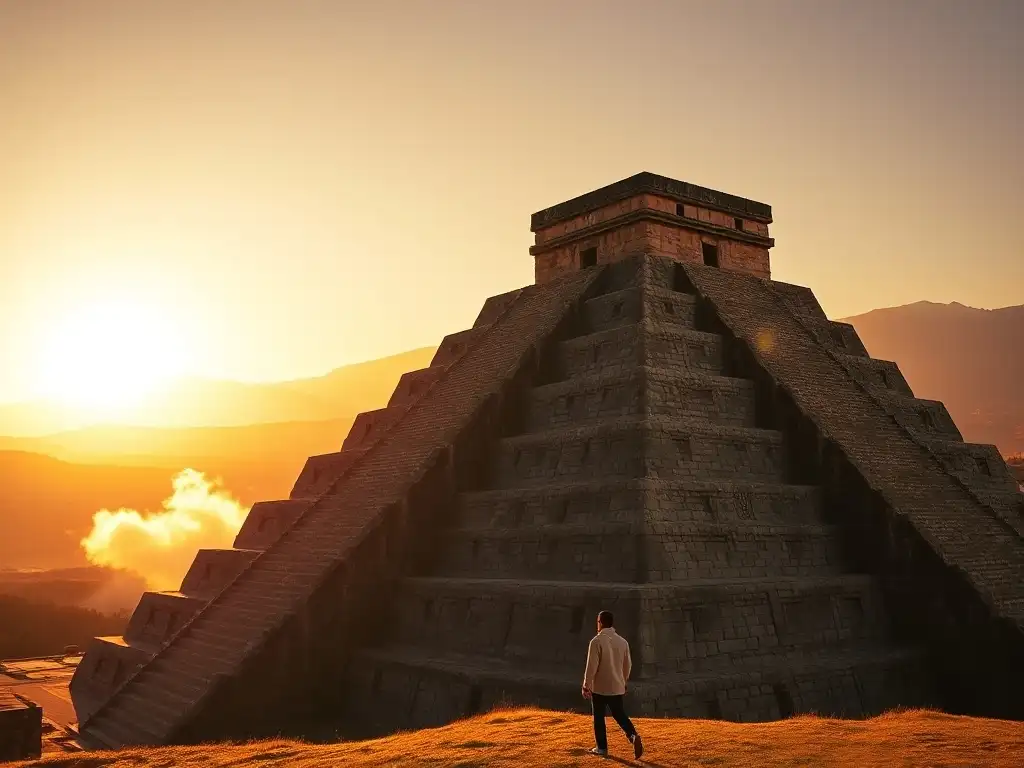
The monumental architecture and intricate urban planning of Tiahuanaco weren't merely aesthetic achievements; they were integral to the civilization's power structure. The control and manipulation of the sacred landscape directly translated into political and social dominance. Tiahuanaco's rulers strategically used the city's sacred sites—the Kalasasaya, Puma Punku, and the Akapana pyramid—to project their authority and legitimize their rule.
This wasn't just about physical control; it was about controlling the access to, and interpretation of, the divine. The very layout of the city, with its meticulously aligned structures and carefully chosen location, reflects a deliberate attempt to harness and control spiritual power, directly linking it to earthly authority. This relationship between sacred geography and power is a key element in understanding Tiahuanaco's social organization and its enduring legacy.
Further research into the precise astronomical alignments of key structures could illuminate this relationship even further. Analysis of settlement patterns outside the immediate city center could also reveal how the control of sacred space extended beyond the urban core, influencing the lives of surrounding populations.
Control of access to sacred spaces was paramount in solidifying the authority of Tiahuanaco's elite. The Kalasasaya, for instance, with its imposing gateways and monumental structures, likely served as a central location for ritual performances and the display of power. Only select individuals, likely members of the ruling class and their designated priests, had unrestricted access to these areas.
This restricted access acted as a powerful symbol of social hierarchy, reinforcing the elite's position as intermediaries between the divine and the populace. The intricate carvings and symbolic representations found throughout the site further suggest a deliberate effort to control the narrative surrounding the divine, shaping the beliefs and perceptions of the wider community. We can imagine elaborate ceremonies performed within these spaces, further solidifying the elite's connection to the sacred and their right to rule.
Unfortunately, [specific information pending] regarding the precise nature of these ceremonies and the rituals associated with them. However, the physical evidence strongly supports the idea that control of sacred space was fundamentally linked to political authority.
The Role of the Elite in Ritual Practices
The elite's role in Tiahuanaco wasn't merely political; they were deeply involved in the performance of religious rituals. They weren't passive observers but active participants, directly engaging with the sacred landscape to maintain cosmic order and ensure the prosperity of the realm. Archaeological evidence suggests that the elite controlled the production and distribution of ritual objects, further highlighting their central role in religious life.
These objects, often crafted from precious materials like gold and silver, were not only beautiful but also powerful symbols of their authority and connection to the divine. The elite's participation in rituals served to reinforce their legitimacy and consolidate their power. The very act of performing these ceremonies in the sacred spaces of Tiahuanaco reaffirmed their position as divinely appointed rulers.
[Further research is needed] to fully understand the specific roles played by different members of the elite within these rituals and the extent of their involvement in the religious hierarchy. However, it's clear that their participation was not merely symbolic; it was a crucial element in maintaining social order and political stability.
Tiahuanaco’s Influence on Later Andean Cultures
The impact of Tiahuanaco's sacred geography extended far beyond its immediate boundaries, influencing the religious and cosmological beliefs of later Andean cultures. The city's unique style of monumental architecture, its emphasis on specific cosmological alignments, and its sophisticated urban planning left an indelible mark on subsequent civilizations. We see echoes of Tiahuanaco's influence in the religious practices and artistic motifs of cultures like the Inca, who likely inherited and adapted many of its religious traditions.
The veneration of certain deities and the use of specific ritual objects may reflect a continuity of religious ideas originating in Tiahuanaco. Furthermore, the city's sophisticated understanding of astronomy and its incorporation into its urban planning likely influenced later Andean cultures' own astronomical observations and the alignment of their own sacred sites. This influence is not only reflected in architectural styles but also in the broader cosmological frameworks adopted by these later societies.
The enduring legacy of Tiahuanaco's sacred landscape demonstrates its profound impact on the shaping of Andean religious thought and practice for centuries to come. Analyzing the distribution of Tiahuanaco-style artifacts across the Andes would provide a clearer picture of the extent of this cultural diffusion and its impact on regional variations in religious belief. 🗺️
The Legacy of Tiahuanaco Sacred Landscape Mapping
The meticulous mapping of Tiahuanaco's sacred landscape has left an enduring legacy, profoundly impacting our understanding of this remarkable civilization. Early attempts at mapping, often relying on rudimentary surveying techniques and limited archaeological data, provided a foundational understanding of the city's layout and the spatial relationships between key structures. However, modern advancements in Geographic Information Systems (GIS), remote sensing, and archaeological excavation have revolutionized our ability to reconstruct and interpret this complex landscape.
The integration of these technologies has allowed researchers to create highly detailed three-dimensional models, revealing subtle features previously unseen and providing unprecedented insights into the planning and design of the city. This detailed spatial analysis has allowed for a deeper understanding of the city's relationship with its environment, uncovering evidence of sophisticated water management systems, agricultural practices, and astronomical alignments that likely played a crucial role in Tiahuanaco's religious and cosmological beliefs.
The legacy of this mapping extends beyond the academic realm, influencing heritage preservation efforts and shaping public understanding of Tiahuanaco's significance. The meticulous documentation and visualization of the sacred sites have become invaluable tools for educating the public and promoting responsible tourism.
Continuing Research and Discoveries
Ongoing research continues to refine our understanding of Tiahuanaco's sacred geography. New excavations regularly uncover previously unknown structures and artifacts, adding layers of complexity to the existing maps. For example, recent geophysical surveys have identified potential subterranean structures, suggesting that the visible city represents only a fraction of the overall site.
Furthermore, the application of advanced imaging techniques, such as LiDAR (Light Detection and Ranging), allows researchers to penetrate vegetation and soil, revealing subtle topographic features that were previously obscured. This data is then integrated into GIS platforms, creating dynamic and interactive maps that facilitate ongoing research and analysis. The continuous refinement of these maps is crucial for a complete understanding of the city's intricate network of pathways, plazas, and ceremonial centers, and the symbolic relationships between them.
The integration of ethnoarchaeological data, studying contemporary Andean communities’ practices and beliefs, also enriches our interpretations of the mapped landscape, potentially revealing the deeper meaning of specific spatial arrangements. The ongoing synergy between technological advancements and archaeological fieldwork promises a continuously evolving and increasingly detailed understanding of Tiahuanaco's sacred landscape.
Preserving Tiahuanaco's Heritage for Future Generations
The accurate mapping of Tiahuanaco's sacred landscape plays a vital role in its preservation. Detailed maps provide crucial information for conservation efforts, guiding the implementation of protective measures and informing decisions related to site management and tourism. By identifying vulnerable areas and potential threats, such as erosion, looting, and uncontrolled development, these maps serve as essential tools for mitigating risks and ensuring the long-term survival of this irreplaceable heritage site.
Furthermore, digital mapping provides a non-invasive method for studying and documenting the site, minimizing the impact of human intervention. High-resolution digital models can be used to create virtual tours and educational resources, allowing researchers and the public to explore the site without causing any physical damage. The creation of comprehensive archives of digital data ensures the preservation of knowledge even in the face of unforeseen events, such as natural disasters or conflict.
By combining advanced mapping techniques with responsible management practices, future generations will have the opportunity to appreciate and learn from this remarkable civilization's achievements. The preservation of Tiahuanaco's heritage is not only a matter of protecting physical structures but also of safeguarding the cultural and spiritual legacy embodied within its sacred landscape.
Future Research on Water Management Systems
Future research on Tiahuanaco's sacred landscape should prioritize a deeper investigation into its sophisticated water management systems. While existing maps have identified canals, aqueducts, and reservoirs, a more comprehensive understanding of their function and integration within the city's overall design is needed. This requires a multidisciplinary approach, combining archaeological excavation with hydrological modeling and isotopic analysis to reconstruct past water flows and understand water sources.
Detailed analysis of sediment cores from canals and reservoirs could reveal information about past environmental conditions and the impact of human activities on the local ecosystem. Furthermore, research should explore the symbolic and ritualistic significance of water in Tiahuanaco's cosmology, potentially revealing connections between water management and religious practices. The integration of ethnohistorical data, examining the role of water in contemporary Andean societies, could provide valuable insights into the cultural context of Tiahuanaco's water systems.
Understanding the intricate interplay between water management, agriculture, and religious beliefs is crucial for a holistic understanding of Tiahuanaco's sacred landscape and its remarkable adaptation to its environment. This research will not only shed light on the technological ingenuity of the Tiahuanaco people but also on the deep spiritual connection they had with their environment. The investigation of these systems provides a key to understanding the sustainability and resilience of this remarkable civilization.
Frequently Asked Questions
What is the significance of Tiahuanaco's geography in relation to its culture?
Tiahuanaco's sacred landscape played a crucial role in its religious and social life. The city's layout, structures, and surrounding environment were deliberately arranged to reflect cosmological beliefs and ritual practices. This is evident in the alignment of structures with astronomical events.
How was "sacred landscape mapping" used in Tiahuanaco?
Archaeologists use mapping techniques to understand the spatial arrangement of Tiahuanaco's religious sites and their relationship to natural features like mountains and water sources. This helps reconstruct the ritual pathways and understand the symbolic meaning of the landscape.
What specific features of the Tiahuanaco landscape are considered sacred?
Key sacred features include the Lake Titicaca, the pyramid of Akapana, and the Temple of Kalasasaya. These sites were likely connected through pilgrimage routes and played important roles in religious ceremonies and cosmological interpretations.
How does "Tiahuanaco sacred landscape mapping" contribute to our understanding of the civilization?
By mapping the sacred landscape, researchers gain insights into the social organization, belief systems, and ritual practices of the Tiahuanaco civilization. This helps us understand their worldview and their connection to their environment.
What are the challenges in undertaking "Tiahuanaco sacred landscape mapping"?
Challenges include the vastness and complexity of the site, environmental degradation, and the ethical considerations of working in a culturally sensitive area. Accurate mapping also requires advanced technologies and interdisciplinary collaboration.
Final Reflection: Echoes of the Andes: Reinterpreting Tiahuanaco's Legacy
The intricate cosmology embedded within Tiahuanaco's sacred geography remains profoundly relevant today, a testament to the enduring power of human connection with the landscape. Understanding the meticulous planning and symbolic significance woven into its architecture and urban layout offers a powerful lens through which to examine our own relationship with the environment and the enduring search for meaning in the world around us. The sophisticated understanding of astronomical events and the careful alignment of structures speaks to a civilization deeply attuned to the rhythms of nature, a connection we are only beginning to rediscover in our modern age.
The influence of Tiahuanaco's sacred landscape extends far beyond its physical boundaries, resonating through centuries of Andean culture and continuing to inspire awe and wonder. Its legacy is not merely a historical artifact; it's a living testament to the human capacity for creative expression and spiritual exploration. The meticulous mapping of its sacred sites allows us to glimpse a worldview profoundly different from our own, yet deeply resonant with our own innate desire to understand our place in the cosmos. The past is never dead. It's not even past.
– William Faulkner. This quote perfectly encapsulates the enduring relevance of Tiahuanaco, its echoes still reverberating in the Andes and challenging us to reconsider our own relationship with the land and the sacred.
Consider, for a moment, the implications of Tiahuanaco's sophisticated understanding of astronomy and its integration into the urban design. What can we learn from this ancient civilization's deep connection to the natural world? How can we, in our own time, foster a more respectful and sustainable relationship with the environment? Let the legacy of Tiahuanaco inspire you to explore your own connection to the land, to seek meaning in the natural world, and to appreciate the enduring power of human ingenuity and spiritual aspiration. The echoes of the Andes call to us; will you answer?
**Unveil the Secrets of Tiahuanaco! **
Thank you for exploring the fascinating world of Tiahuanaco's sacred geography! You've gained valuable insights into how this ancient civilization understood and mapped their world. Now, let's explore how you can further integrate these ideas into your own journey of discovery.
Here are some ways to deepen your understanding and appreciation:
- **Connect with other enthusiasts** by joining an online forum or community dedicated to Andean civilizations. Sharing your thoughts and discoveries with others can be incredibly rewarding.
- **Take a virtual tour** of Tiahuanaco or other significant archaeological sites. This immersive experience will bring the grandeur of these ancient places to life.
- **Visit local museums and libraries** to explore exhibits and resources related to Andean history and culture. This will broaden your perspective and provide additional context.
Which aspects of Tiahuanaco's sacred geography most resonate with your own spiritual understanding and sense of place? We'd love to hear your thoughts in the comments!