
Symbolic Journeys: Following the Paths of Meaning in Andean Art

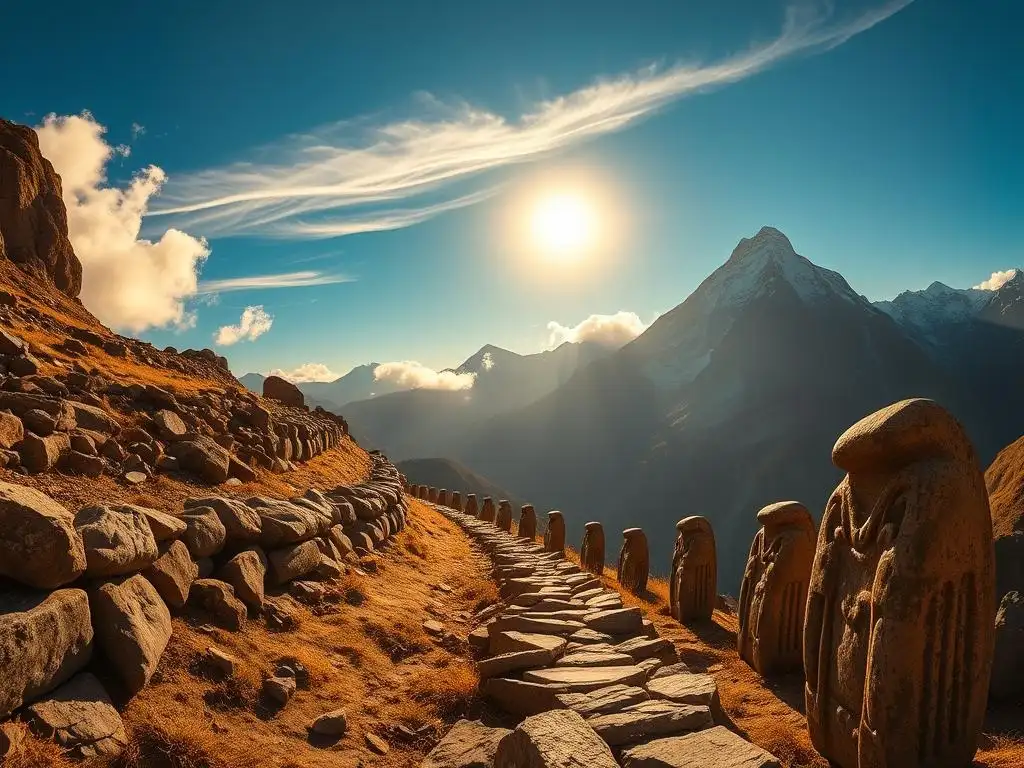
Unravel the mysteries woven into the vibrant tapestries of the Andes! For centuries, the Andean civilizations have captivated the world with their breathtaking artistry. But beyond their aesthetic brilliance lies a complex web of symbolic meaning waiting to be deciphered.
Prepare to embark on a journey through time as we explore the profound messages hidden within Andean art, revealing the secrets held within each intricate design. Discover the captivating story behind the symbols and unlock the rich cultural heritage of the Incas, Moche, Nazca, and Tiahuanaco. Dare to delve deeper into the world of Andean art symbolic meaning – your exploration begins now.
The Andes Mountains, a spine of towering peaks running down the western coast of South America, are not just a geographical feature; they are the cradle of a rich tapestry of ancient civilizations. For millennia, cultures like the Inca, Moche, Nazca, and Tiahuanaco flourished in this challenging yet fertile landscape, leaving behind a legacy of breathtaking artistry.
This article delves into the captivating world of Andean art, exploring the profound symbolic meaning woven into its intricate designs and powerful imagery. We will journey through the visual narratives etched in ceramics, textiles, and metalwork, uncovering the beliefs, rituals, and social structures that shaped these remarkable societies.
Understanding the symbolic language of Andean art provides a crucial key to unlocking a deeper appreciation for their complex worldview and enduring cultural heritage. This exploration will illuminate how Andean art transcends mere aesthetics, serving as a powerful window into the minds and hearts of the people who created it, and offering a unique perspective on "Andean art symbolic meaning."
The Importance of Iconography in Understanding Andean Cultures
Andean iconography is far more than mere decoration; it's a complex system of visual communication that encoded profound cosmological beliefs, social hierarchies, and historical narratives. The vibrant colors, intricate patterns, and recurring motifs found in Andean art weren't arbitrary choices. Instead, they represented a carefully constructed system of meaning, deeply embedded in the cultural context of each civilization.
For example, the recurring imagery of jaguars in Moche art signifies power, ferocity, and the connection between the earthly and spiritual realms. Similarly, the intricate geometric designs found in Nazca textiles often represent celestial bodies, suggesting a sophisticated understanding of astronomy and cosmology. Analyzing these visual elements allows us to piece together fragments of a lost world, revealing insights into the daily lives, religious practices, and political systems of these ancient Andean peoples.
The meticulous attention to detail and the consistent use of specific symbols across different media underscore the importance of visual communication in Andean societies. Further research into the specific contexts of discovery and the associated archaeological findings is crucial for a complete understanding of the meaning behind each symbol.
Decoding Visual Narratives: An Introduction to Andean Symbolic Language
Understanding Andean symbolic language requires a multi-faceted approach. It's not simply a matter of assigning a single meaning to each symbol; rather, the meaning often depends on the context in which it appears. For instance, a particular bird might represent different things depending on whether it is depicted in a ceramic vessel, a textile, or a metal artifact. The combination of symbols also plays a crucial role in shaping the overall meaning of a piece of art.
Furthermore, the colors used also carry significant weight. For example, red often symbolizes blood, sacrifice, and power, while yellow represents the sun and gold. The study of Andean art requires careful consideration of these multiple layers of meaning, drawing upon archaeological evidence, ethnographic studies, and comparative analyses of related artistic traditions. This interdisciplinary approach allows us to move beyond superficial interpretations and delve into the rich tapestry of meanings embedded within these remarkable works.
Careful observation, coupled with rigorous scholarly analysis, is vital to accurately interpret the complex symbolic narratives woven into Andean art. The careful documentation of these visual narratives will help researchers gain a deeper understanding of the culture and beliefs of these ancient societies. Understanding this complex visual language allows us to appreciate Andean art not just for its aesthetic beauty, but also for its profound cultural significance.
- The Importance of Iconography in Understanding Andean Cultures
- Decoding Visual Narratives: An Introduction to Andean Symbolic Language
Core Symbols and Their Interpretations in Andean Art
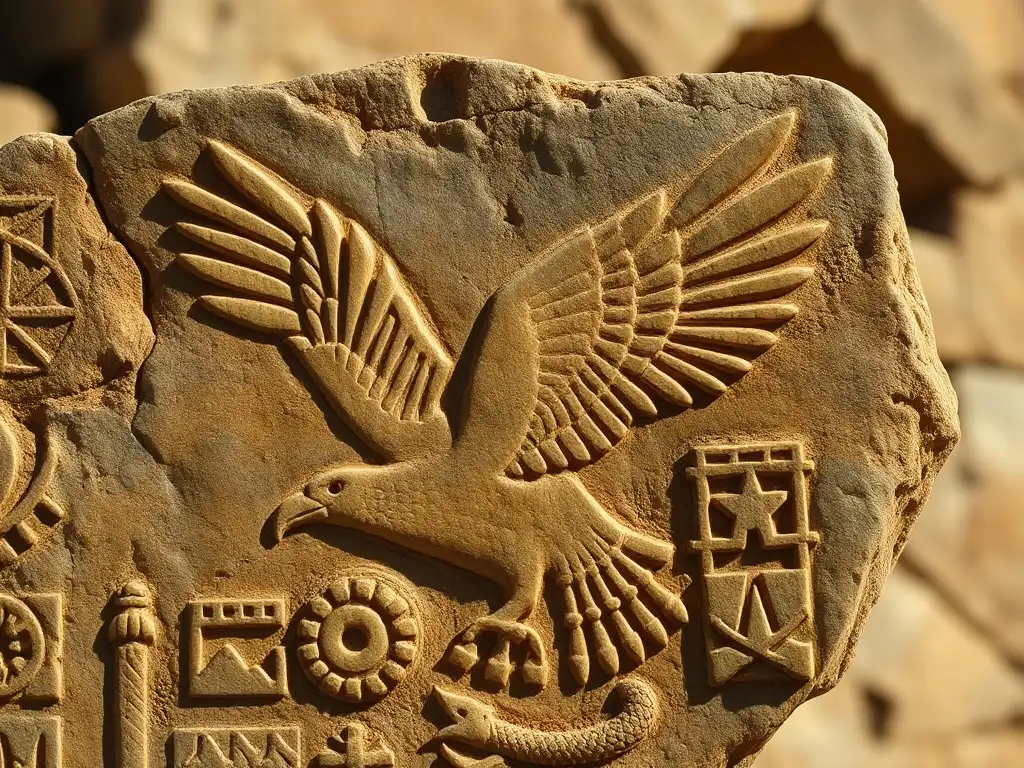
This section delves into the core symbolic language prevalent in Andean art, exploring the multifaceted meanings embedded within recurring motifs. Understanding these symbols provides crucial insight into the worldview, beliefs, and social structures of the ancient Andean civilizations. We will examine how these symbols transcended mere decoration, functioning as powerful vehicles for communicating complex ideas about the cosmos, nature, and the human condition.
The enduring presence of these symbols in Andean art highlights their deep cultural significance and their continued relevance to understanding Andean heritage. The analysis below focuses on three particularly prominent symbols: the serpent, the condor, and the jaguar.
The Serpent: A Symbol of Transformation and Water in Andean Iconography
The serpent, a ubiquitous symbol in Andean art, held profound significance across various cultures. It wasn't simply a representation of a reptile; rather, it embodied a complex interplay of meanings related to transformation, fertility, and the vital force of water. Its sinuous form, echoing the flow of rivers and the winding paths of mountain streams, connected it intrinsically to the life-giving waters crucial for Andean agriculture and survival.
Depictions of serpents frequently appear intertwined with vegetation or emerging from water sources, reinforcing their association with fertility and the cyclical renewal of life. In some contexts, the serpent is depicted shedding its skin, a powerful visual metaphor for transformation and rebirth, mirroring the cyclical nature of Andean agricultural practices and their cosmology. The serpent's connection to the underworld is also noteworthy. Some interpretations associate it with chthonic forces, representing the power of the earth and its hidden resources.
Consider the intricate Moche ceramics, where serpents are often depicted with elaborate headdresses and adornments, suggesting a powerful and revered status. The Nazca lines, too, may contain representations of serpents, although their interpretation remains a subject of ongoing research and debate. The precise meaning varied depending on the specific context and cultural group, highlighting the richness and complexity of Andean symbolism. Further research into specific regional variations is needed to fully understand the nuances of serpent symbolism across the diverse Andean cultures.
The Condor: Representing Power and the Celestial Realm in Andean Beliefs
The condor, a majestic bird of the Andes, held a position of immense symbolic importance. Its soaring flight, its dominance in the high altitude ecosystems, and its association with the sun and the celestial realm made it a potent symbol of power, strength, and spiritual authority. In many Andean cultures, the condor was considered a sacred messenger, a link between the earthly and heavenly realms.
In Inca iconography, the condor frequently appears alongside the sun god Inti, reinforcing its connection to the divine and the cosmic order. Its sharp gaze and powerful talons often symbolize control and dominion. The condor's association with the sun also tied it to themes of power, leadership, and royal authority. Inca rulers often adopted the condor as a symbol of their divine right to rule, incorporating it into their clothing, ornaments, and architecture.
Furthermore, the condor's mastery of the skies represented the ability to transcend earthly limitations and achieve a higher spiritual state. This symbolism is reflected in the shamanic traditions of several Andean cultures, where the condor was believed to be a guide or companion to shamans during their visionary journeys. Analysis of textiles and metalwork from different Andean cultures reveals diverse interpretations of the condor, showcasing its adaptability as a symbol across time and space. However, its association with power and the celestial realm remains a constant thread.
The Jaguar: Embodiment of Strength and Shamanic Power in Andean Culture
The jaguar, a powerful predator of the Andean forests, occupies a prominent place in Andean symbolism. Its strength, agility, and nocturnal habits connected it to both the physical and spiritual worlds. The jaguar was often seen as an embodiment of strength, ferocity, and shamanic power.
In many Andean cultures, the jaguar was associated with the underworld and the realm of the spirits. Its spotted coat was believed to represent the stars, further connecting it to the celestial realm. This dual association, between the earthly and the spiritual, is reflected in the many depictions of jaguars in Andean art. These depictions often show the jaguar adorned with regalia or engaging in ritualistic activities, highlighting its importance in shamanic practices.
The jaguar's role in shamanic traditions is particularly noteworthy. Shamans often used jaguar skins or paraphernalia in their rituals, believing that the jaguar’s power could enhance their ability to communicate with the spirit world and to access altered states of consciousness. The jaguar’s symbolism extended beyond the shamanic realm. It also represented courage, leadership, and protection. Its powerful presence in Andean art continues to speak to the profound respect and awe that this animal inspired in ancient Andean cultures. Further research is needed to fully understand the regional variations in jaguar symbolism across different Andean groups.
The Sun and Moon: Cosmic Duality and Balance in Andean Spirituality
The sun and moon, celestial bodies of immense power and influence, held central positions within the Andean worldview. Their representation in art wasn't merely decorative; it signified a profound understanding of cosmic duality and the delicate balance necessary for maintaining harmony in the universe and human life.
Andean cultures believed in a dynamic interplay between these two forces, representing not only light and dark, but also creation and destruction, life and death, male and female principles. This intricate relationship is vividly depicted in numerous artifacts, from textiles showcasing solar and lunar motifs interwoven together to pottery depicting the sun and moon in complementary positions.
The sun, inti in Quechua, was revered as the source of life, warmth, and energy. Its representation in Andean art often features stylized faces with sharp angles, radiating lines, and sometimes human-like features, reflecting its power and influence. Gold, a precious metal associated with the sun's brilliance, was frequently used to create sun-shaped ornaments and idols, further emphasizing its significance.
These golden suns, often adorned with intricate details and symbolic patterns, were not simply decorative pieces; they served ritualistic purposes, acting as conduits for communicating with the divine. The artistry involved in their creation reflects the deep reverence and respect the Andean people held for the sun god.
Conversely, the moon, quilla in Quechua, embodied a different, yet equally crucial, aspect of the cosmic order. While the sun represented active energy and masculine power, the moon was associated with feminine energy, cycles, and the mysteries of the night. Its depiction in Andean art often shows gentler, more rounded forms, sometimes with a serene or reflective expression.
Unlike the sun’s often bold and vibrant representations, the moon's depiction often involved more subtle colors and designs, reflecting its connection to the quieter, more introspective aspects of the Andean cosmology. Silver, a metal associated with moonlight and its reflective qualities, was frequently used in lunar representations, reflecting the moon's cool and gentle light.
The depiction of the sun and moon together in Andean art isn't simply a representation of two separate entities; it illustrates the Andean concept of ayni, a principle of reciprocity and balance. The harmonious coexistence of these opposing forces was seen as essential for maintaining equilibrium in the cosmos and ensuring the prosperity of the community. The intricate interplay between the sun and moon in various artistic expressions serves as a powerful reminder of this vital Andean principle.
The balance between these celestial bodies mirrored the Andean belief in the need for equilibrium in all aspects of life, from the agricultural cycle to social interactions. Failing to maintain this balance was believed to lead to chaos and disruption. This understanding of cosmic duality and the importance of balance is a key element in understanding the symbolic meaning behind Andean art.
Exploring Regional Variations in Andean Art Symbolism
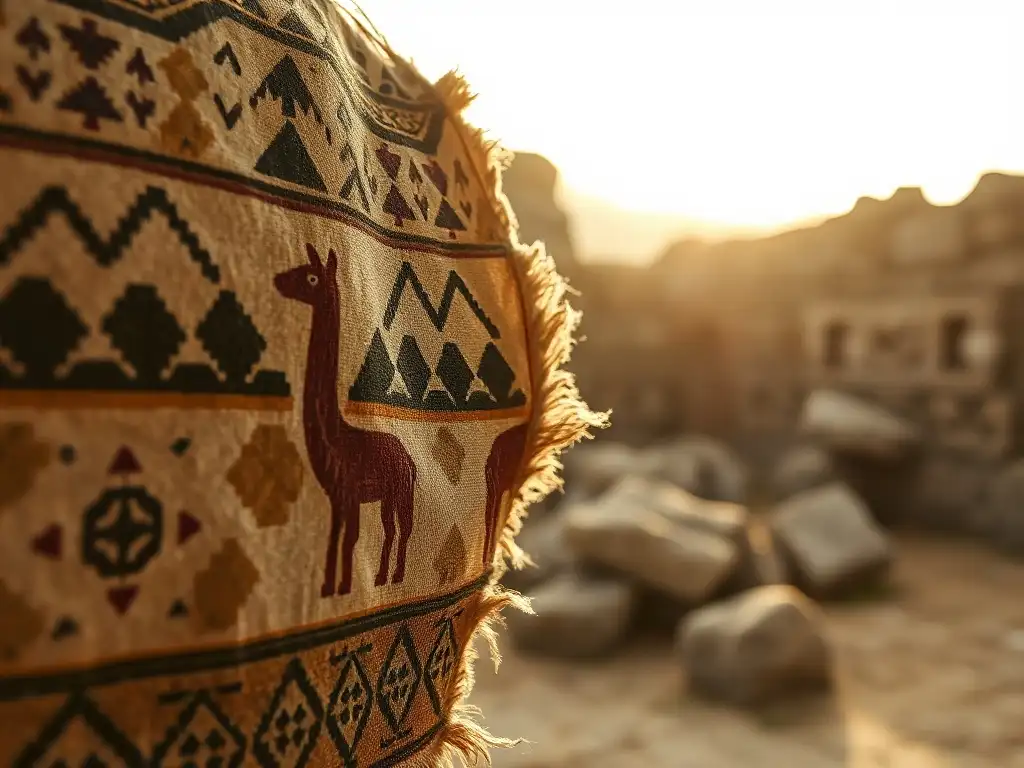
Andean art, a vibrant tapestry woven across millennia, wasn't monolithic. Instead, diverse cultures—from the Moche on the north coast to the Nazca in the south—developed unique artistic languages reflecting their distinct worldviews and beliefs. Understanding the symbolic meaning embedded within these regional variations is crucial to appreciating the richness and complexity of Andean artistic expression. The diverse iconography, from intricate pottery to monumental geoglyphs, reveals a fascinating interplay of myth, ritual, and social structures.
This section will delve into two key examples: the Moche's evocative pottery and the enigmatic Nazca Lines. We will analyze the symbolic meaning inherent in their artwork, showcasing how these expressions reflect the beliefs and practices of their respective societies. The study of "Andean art symbolic meaning" requires a nuanced approach, sensitive to these regional differences.
Moche Art: The Role of Iconography in Depicting Myth and Ritual
Moche art, particularly their stunning ceramics, provides a window into their complex religious beliefs and societal structures. Their pottery, often depicting scenes of ritual sacrifice, warfare, and daily life, is rich with symbolic imagery. The intricate detail and dynamic compositions reveal a sophisticated artistic skill and a deep understanding of symbolic representation. The Moche artists didn't simply decorate their vessels; they used them as powerful mediums to convey narratives, reinforce social hierarchies, and perhaps even to influence the supernatural world.
The vibrant colors, dynamic poses, and expressive faces of the figures all contribute to the overall symbolic impact of the artwork. Analysis of Moche pottery reveals a consistent use of specific motifs and iconographic elements that recur across different pieces, suggesting a shared cultural understanding of their symbolic meaning. This consistency points to a highly structured and codified system of visual communication.
The Decapitator God: Understanding its Symbolic Significance in Moche Art
One of the most striking and enigmatic figures in Moche iconography is the "Decapitator God." This deity, often depicted in scenes of ritual sacrifice, is characterized by his fierce demeanor, elaborate headdress, and the act of decapitation itself. The symbolic significance of this figure is complex and multifaceted.
Some scholars interpret the Decapitator God as a representation of power, possibly a ruler or a high-ranking priest, demonstrating control over life and death. Others suggest it represents a deity associated with fertility and renewal, where sacrifice is viewed as a necessary act to ensure the continuation of life cycles. The repeated depiction of this figure in Moche art underscores its importance within their religious beliefs and social practices.
The intensity of its portrayal, coupled with the detailed rendering of the sacrificial scene, suggests a powerful connection between the deity and the ritualistic practices of the Moche culture. Further research is needed to fully understand the nuances of this complex symbol and its role within the broader Moche pantheon.
Nazca Lines: Geoglyphs as Symbolic Pathways and Ritual Spaces
The Nazca Lines, vast geoglyphs etched into the desert landscape, present a unique challenge to the study of Andean art symbolic meaning. Unlike the Moche pottery, which offers detailed narratives, the Nazca Lines are enigmatic and open to multiple interpretations. Their sheer scale and the mystery surrounding their creation have captivated researchers and fueled various theories about their purpose.
While their precise meaning remains debated, the prevailing consensus suggests that they served as symbolic pathways, ritual spaces, or perhaps both. The lines themselves, along with the accompanying animal and plant figures, are believed to hold profound symbolic significance, reflecting the Nazca worldview and their relationship with the surrounding environment. The meticulous precision of their construction suggests a significant investment of labor and resources, highlighting their cultural importance.
Animal Motifs in Nazca Geoglyphs: Exploring their Symbolic Representations
The animal motifs found within the Nazca Lines—such as hummingbirds, monkeys, lizards, and spiders—are particularly intriguing. These representations are not merely naturalistic depictions; rather, they are imbued with symbolic meaning. Scholars suggest that the animals represented in the geoglyphs held specific cultural or religious significance for the Nazca people.
For example, the hummingbird, known for its speed and agility, could symbolize swiftness, communication, or perhaps even a connection to the supernatural realm. Similarly, the spider, a creature associated with weaving and creation, might represent the intricate social fabric of Nazca society or the creative power of their culture. The diversity of animal figures represented, and their varying sizes and positions within the landscape, suggests a complex interplay of symbolic meanings that demand further investigation.
Further research into the broader context of Nazca mythology and cosmology is needed to fully elucidate the symbolic significance of these captivating animal representations. The study of these geoglyphs continues to be a fascinating exploration into "Andean art symbolic meaning."
Tiwanaku Art: Hierarchical Symbolism and the Gateway of the Sun
The Tiwanaku civilization, flourishing in the Altiplano region of the Andes between 500 and 1000 CE, produced art characterized by a complex system of hierarchical symbolism. Their monumental architecture, intricate ceramics, and striking textiles all reflect a sophisticated worldview emphasizing power, cosmology, and the divine. The Gateway of the Sun, a massive monolithic structure adorned with intricate carvings, stands as a prime example of this sophisticated symbolism. The central figure, often interpreted as a deity, is surrounded by smaller figures, suggesting a hierarchical social structure with a powerful elite at the apex.
The intricate carvings, featuring stylized figures and geometric patterns, likely encoded complex narratives related to Tiwanaku mythology, cosmology, and social organization. Scholars continue to debate the precise meaning of many of the symbols, but the overall impression is one of deliberate and sophisticated symbolic representation designed to reinforce the power and authority of the ruling class. The Gateway’s very scale and placement within the Tiwanaku complex underscore its central role in the civilization's ideology and worldview.
Analyzing the iconography reveals not only a rich cosmology but also insights into the social dynamics and political organization of this influential civilization. The placement and scale of the carvings, further emphasizing the hierarchical nature of Tiwanaku society, are crucial elements in understanding this intricate artistic expression. The precision and detail of the stonework itself speak to a highly skilled and organized workforce, further highlighting the power and resources of the Tiwanaku elite.
The Staff God: A Central Figure in Tiwanaku Iconography
A recurring motif in Tiwanaku art is the "Staff God," a figure often depicted with a staff or scepter, sometimes wearing elaborate headdresses and adorned with symbolic regalia. This figure's prominent role in Tiwanaku iconography suggests a significant position within their religious and political structure. The Staff God's representation varies across different artifacts, from intricately carved stone reliefs to smaller ceramic figurines, demonstrating the figure's importance across various aspects of Tiwanaku life and culture.
The staff itself is a powerful symbol of authority and power, reminiscent of similar symbols found in other Andean cultures. The varying depictions, including changes in attire and associated symbols, may signify different aspects of the deity or perhaps even represent multiple deities within a complex pantheon. Interpretations range from a supreme creator god to a ruler or shaman, highlighting the complex and multifaceted nature of Tiwanaku religious beliefs.
Further research is needed to fully understand the nuanced meanings associated with the different representations of the Staff God, but its consistent presence points to a central role in Tiwanaku religious and political life. The presence of the Staff God across different mediums of Tiwanaku art reinforces its significance as a central figure in their beliefs and social structure.
Inca Art: Symbolism of Power, Order, and the Natural World
Inca art, reflecting the vast empire's power and control, is characterized by a blend of symbolic representations emphasizing imperial authority, cosmological beliefs, and the interconnectedness of the natural world. The Inca's highly organized society is clearly mirrored in their artistic expressions, showcasing a strong emphasis on order, precision, and symmetry. Their mastery of stonework, evident in their monumental architecture like Machu Picchu and Sacsayhuamán, is not merely a feat of engineering, but also a powerful statement of imperial might and divine legitimacy.
The intricate designs and precise placement of stones reflect the Inca worldview, emphasizing harmony, balance, and the connection between the earthly and spiritual realms. The use of specific materials, such as gold and silver, further highlighted the Inca's wealth and power, emphasizing their control over resources and their ability to command the labor of their vast empire.
Furthermore, the Inca's artistic representations often incorporated elements of nature, such as animals and plants, further reinforcing their belief in the interconnectedness of the human and natural world. This connection is evident in their textiles and ceramics, where natural motifs are woven into intricate designs.
Geometric Patterns and their Symbolic Meanings in Inca Textiles
Inca textiles, renowned for their intricate designs and vibrant colors, serve as a rich source of information about Inca symbolism, particularly the use of geometric patterns. These patterns, far from being mere decorative elements, encoded complex meanings related to social status, religious beliefs, and the Inca worldview. Specific geometric shapes, such as squares, triangles, and stepped patterns, likely held symbolic significance, perhaps representing elements of nature, cosmology, or social organization. The use of different colors also likely contributed to the symbolic meaning, with certain colors associated with specific deities or events.
For example, the use of red might signify blood, sacrifice, or the sun, while yellow might symbolize gold, wealth, or royalty. The complexity of the designs, often incorporating multiple geometric patterns and colors, suggests a highly developed system of symbolic communication. Analyzing Inca textiles requires a detailed understanding of the specific patterns, colors, and their arrangement within a given piece.
The intricate weaving techniques themselves also reveal the high level of skill and artistry within Inca society, underscoring the importance of textiles within their culture. Further research into the specific meanings of individual patterns and color combinations is needed, but the evidence clearly shows that Inca textiles were more than just clothing; they were powerful symbolic carriers of Inca culture and ideology. The careful study of these textiles offers a fascinating glimpse into the rich tapestry of Inca beliefs and social structures.
The Enduring Legacy of Andean Art's Symbolic Meaning
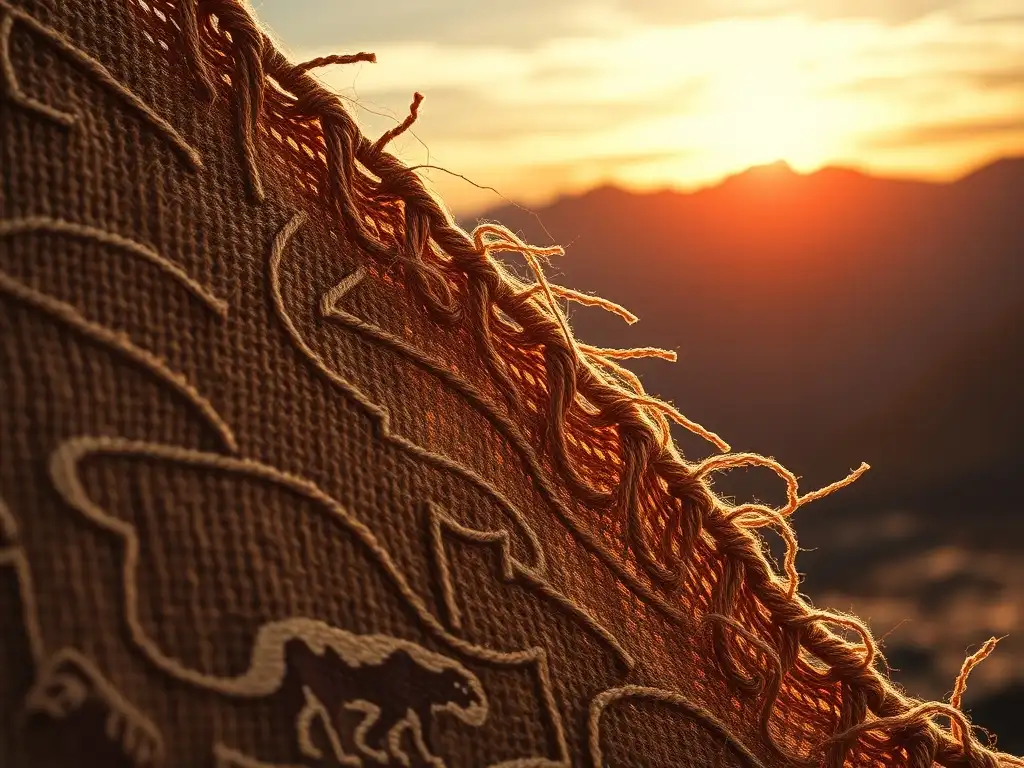
Andean art, a vibrant tapestry woven from millennia of cultural evolution, resonates with profound symbolic meaning. Understanding this symbolism unlocks a deeper appreciation for the ingenuity and worldview of these ancient societies. From the intricate textiles of the Nazca to the monumental stonework of the Inca, every artifact whispers tales of cosmology, spirituality, and social structures.
The enduring power of Andean art's symbolic meaning lies not just in its historical significance, but in its continued relevance to contemporary Andean cultures and global artistic expression. The intricate designs, often incorporating geometric patterns, zoomorphic figures, and anthropomorphic representations, weren't merely decorative; they served as potent vehicles for transmitting knowledge, beliefs, and social hierarchies across generations.
This rich legacy continues to inspire artists and scholars alike, prompting ongoing research and reinterpretations of these powerful visual narratives. The study of "Andean art symbolic meaning" reveals a complex and fascinating system of communication, far exceeding simple aesthetic appreciation.
How Andean Symbolism Continues to Influence Contemporary Art and Culture
The influence of Andean symbolism extends far beyond museums and academic circles. Contemporary Andean artists actively engage with and reinterpret ancestral motifs, weaving them into modern artistic expressions. This is evident in various mediums, from textiles and ceramics to painting and sculpture.
For example, the recurring motif of the khipu, the Inca's sophisticated knotted-cord system, appears in contemporary artworks as a metaphor for memory, communication, and the enduring legacy of Andean knowledge. Furthermore, the vibrant colors and geometric patterns characteristic of pre-Columbian textiles inspire contemporary fashion designers and textile artists, resulting in unique and visually striking pieces that pay homage to ancestral traditions. The puma, a powerful symbol of strength and royalty in Andean cultures, continues to be a prominent figure in contemporary art, often representing both national identity and the enduring connection to the ancestral past.
This ongoing engagement demonstrates the living and breathing nature of Andean symbolism, its ability to adapt and evolve while retaining its core meaning and emotional resonance. The continued use of these symbols reflects not only artistic inspiration but also a powerful assertion of cultural identity and pride within a globalized world.
The Importance of Preserving and Understanding Andean Artistic Traditions
Preserving and understanding Andean artistic traditions is crucial for several reasons. First, it safeguards a unique and irreplaceable cultural heritage. These artistic expressions are not merely aesthetic objects; they embody the worldview, beliefs, and social structures of past societies. Their destruction represents an irreplaceable loss of knowledge and cultural memory.
Second, understanding the symbolic meaning embedded within these artifacts provides invaluable insights into the complexities of Andean societies. By deciphering the visual language of these cultures, we gain a deeper understanding of their social hierarchies, religious beliefs, and cosmological perspectives. This knowledge enriches our understanding of human history and cultural diversity. Finally, preserving these traditions fosters cultural pride and identity within contemporary Andean communities.
The continued creation and appreciation of Andean art strengthens cultural ties, promotes intercultural dialogue, and supports the vitality of Andean cultures in the face of globalization. The meticulous documentation, preservation, and study of Andean art are therefore essential not only for historical accuracy but also for the ongoing cultural flourishing of Andean communities and their global impact. Active engagement with "Andean art symbolic meaning" ensures that these powerful narratives continue to resonate across time and space.
Further Exploration into the World of Andean Art's Symbolic Meaning
This section delves deeper into the multifaceted interpretations of Andean art, moving beyond basic symbol recognition to explore the nuanced layers of meaning embedded within these captivating creations. Understanding Andean art's symbolic meaning requires a multidisciplinary approach, combining art historical analysis with anthropological insights and a sensitivity to the cultural context. We will examine how symbols were not simply decorative elements but powerful tools for communication, storytelling, and the expression of complex beliefs and social structures.
The vibrant colors, intricate designs, and carefully chosen materials all contributed to the overall message conveyed by each artifact. This wasn't just about aesthetics; it was about invoking power, expressing spirituality, and maintaining social order. The enduring legacy of Andean art lies precisely in this profound connection between form and meaning.
Resources for Researching Andean Art and Iconography
Researching Andean art and its symbolic meaning requires accessing diverse resources. A robust investigation needs to consider both primary and secondary sources. Primary sources include the artifacts themselves – pottery, textiles, metalwork, and stone carvings – offering direct visual evidence of the symbols used. However, interpreting these requires careful contextualization. Secondary sources, including scholarly articles, books, and museum catalogs, provide crucial interpretations and analyses of these primary sources. These resources are invaluable in piecing together the complex tapestry of Andean symbolism.
Here's a breakdown of valuable resource types:
- Academic Journals: Publications specializing in Andean archaeology, anthropology, and art history offer in-depth analyses of specific artifacts and cultural contexts. Look for keywords like "Andean iconography," "Inca symbolism," "Moche art," and "Nazca lines" to refine your search. These journals often contain detailed studies of individual artifacts, providing rich insights into their symbolic meaning.
- Museum Collections and Catalogs: Major museums worldwide house extensive collections of Andean artifacts. Their online catalogs and accompanying publications are excellent resources, providing high-resolution images, detailed descriptions, and scholarly interpretations. Many museums also offer virtual tours and online exhibitions, allowing for convenient access to these valuable collections.
- Books on Andean Art and Culture: Numerous books delve into the subject of Andean symbolism, offering comprehensive overviews and specialized studies of particular themes or art forms. These books often synthesize findings from various sources, providing a coherent narrative of the symbolic world of the Andes. Look for books that employ interdisciplinary approaches, combining art historical analysis with anthropological and archaeological perspectives.
- Digital Archives and Databases: Online databases and digital archives provide access to a wealth of information, including digitized museum catalogs, scholarly articles, and photographic collections. These resources can be invaluable for researchers seeking comprehensive information on specific artifacts or artistic styles. They often allow for advanced searches using keywords related to Andean art and symbolism.
- Ethnographic Studies: While focusing on more recent Andean cultures, ethnographic studies can offer valuable insights into the continuity of certain symbols and beliefs, providing a framework for understanding their historical significance. These studies can help illuminate the living traditions that connect contemporary Andean communities to their rich artistic heritage.
The effective researcher of Andean art symbolic meaning will utilize a combination of these resources, critically evaluating information and seeking corroboration from multiple sources. Remember that interpretations evolve as new evidence emerges and scholarly understanding deepens. The journey of uncovering the symbolic richness of Andean art is ongoing, demanding a persistent and inquisitive approach. The more diverse and thorough your research, the more complete and nuanced your understanding of Andean art's symbolic meaning will become. 🕵️♀️
Frequently Asked Questions
What is the main focus of Andean art?
Andean art is deeply intertwined with spiritual beliefs and cosmology. It often depicts mythological figures, deities, and animals, reflecting the worldview of the different Andean cultures. Symbolic representation is central to understanding its meaning.
How did Andean artists create their works?
Andean artists used a variety of materials and techniques, including ceramics, textiles, metalwork, and stone carving. They employed sophisticated methods like lost-wax casting for metals and complex weaving techniques for textiles. The choice of materials often held symbolic significance.
What are some common symbols found in Andean art?
Common symbols include condor and puma, representing power and strength; serpents, symbolizing fertility and water; and geometric patterns, representing cosmic order and social structures. The specific meaning varied across cultures and time periods.
How is the symbolic meaning of Andean art interpreted?
Interpreting Andean art requires considering the context of creation, including the culture, time period, and the object's function. Scholars use iconography, studying recurring motifs and symbols, to decipher the intended meaning. Ethnohistorical accounts provide valuable insights.
Why is understanding the symbolic meaning of Andean art important?
Understanding the symbolic meaning provides crucial insights into the beliefs, values, and social structures of the Andean civilizations. It offers a window into their spiritual world and their understanding of the relationship between humans and nature. It also enriches our appreciation of their artistic achievements.
Final Reflection: Weaving the Threads of Andean Legacy
The vibrant tapestry of Andean art continues to resonate deeply in the modern world, offering a powerful lens through which to understand not only the past but also the enduring human quest for meaning. Its symbols, far from being relics of a distant culture, speak directly to our contemporary anxieties and aspirations, reminding us of the interconnectedness of humanity across time and space. The enduring power of these visual narratives challenges us to reconsider our own relationship with the natural world and the spiritual dimensions of life.
The exploration of Andean art's symbolic language has profoundly impacted my understanding of cultural preservation and the importance of respecting diverse worldviews. It's a testament to the resilience of the human spirit, a testament woven into every intricate detail of a textile, every carefully carved stone. The past is never dead. It's not even past,
wrote William Faulkner, and this rings truer than ever when considering the enduring legacy of Andean art and its capacity to speak to us across centuries. The continued study and appreciation of these artistic expressions are crucial for fostering intercultural understanding and celebrating the richness of human creativity.
Consider, for a moment, the intricate designs you've encountered throughout this exploration. Let their vibrant colors and symbolic forms inspire you to seek deeper meaning in your own life. What stories do you carry within you? What symbols resonate with your personal journey? Engage with the art, not just as a passive observer, but as an active participant in a conversation that spans millennia. Let the enduring wisdom of the Andes guide you on your own path towards self-discovery and a deeper appreciation for the interconnectedness of all things.
Embark on Your Own Symbolic Journey Today!
Thank you for exploring the rich tapestry of Andean art with us. We hope you've gained valuable insights into the intricate meanings and stories behind the symbols found in these beautiful works. Now it's time to deepen your connection with this captivating culture!
- Explore Andean artistry firsthand: Visit local galleries or museums showcasing traditional art forms.
- Join our community: Share your thoughts on Andean symbols in the comments below or on our social media channels.
- Create your own Andean-inspired artwork: Grab your sketchbook and let your imagination run wild!
What symbol or story from Andean art resonates most with you, and how would you express it creatively?