
Tiahuanaco's Potters: Crafting Vessels for Daily Life and Ceremony

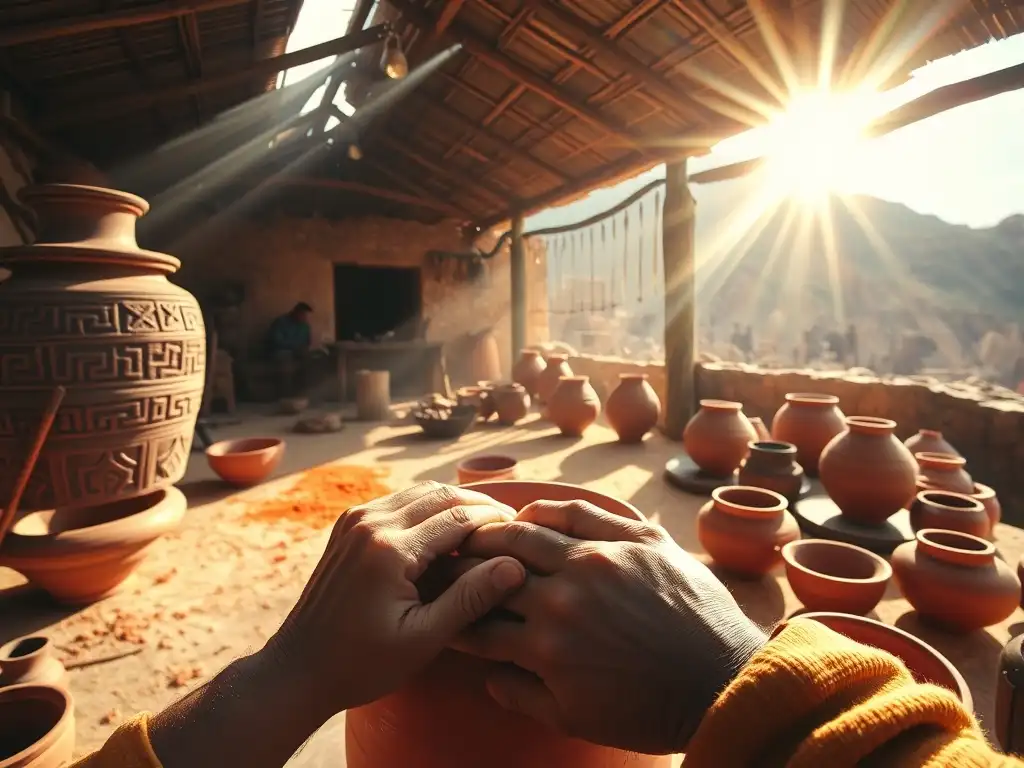
Step into a world lost to time, yet echoing with vibrant life. Imagine the skilled hands of Tiahuanaco artisans, shaping clay into breathtaking vessels that tell tales of daily life and sacred rituals. This is the legacy of the Andean civilizations, a tapestry woven with intricate details waiting to be unravelled. Prepare to be captivated by the secrets held within Tiahuanaco pottery techniques, a fascinating journey into the heart of Andean artistry and ingenuity – a journey that begins now.
The high-altitude city of Tiahuanaco, flourishing in the Andes between 500 and 1000 CE, wasn't just a center of political and religious power; it was also a hub of remarkable craftsmanship. This article delves into the intricate world of Tiahuanaco pottery, exploring the techniques employed by its skilled artisans to create vessels that served both practical, daily needs and crucial ceremonial functions. We will uncover the secrets behind their mastery of clay, revealing the artistry and ingenuity that characterized their work, and ultimately, how these techniques reflect the cultural and societal structures of this fascinating civilization.
Understanding Tiahuanaco pottery techniques provides crucial insight into their worldview, social hierarchy, and daily lives, enriching our comprehension of this pivotal Andean culture. This exploration will reveal how the seemingly simple act of creating pottery was deeply interwoven with the spiritual and social fabric of Tiahuanaco society.
The Raw Materials: Sourcing and Preparation
Tiahuanaco potters were acutely aware of the importance of their materials. The clay, sourced from nearby deposits, was meticulously selected and prepared. Evidence suggests a multi-stage process, beginning with the careful collection of specific clay types – likely differing in texture and color to achieve desired effects. After collection, the clay underwent a thorough cleaning process, removing impurities and unwanted materials.
This was followed by a long and laborious process of tempering, often incorporating additives like sand or crushed rock to improve the clay's workability and prevent cracking during firing. The precise composition of these tempering agents varied, potentially indicating specialized workshops or distinct stylistic preferences. Detailed analysis of surviving shards reveals a sophisticated understanding of clay properties and the impact of different additives on the final product. The dedication to this preparatory phase underscores the potters' commitment to quality and the high value placed on their craft.
Shaping the Vessels: Techniques and Tools
The shaping of the vessels themselves showcased a range of techniques reflecting both practicality and artistic flair. While some vessels were formed using simple coil-building methods – layering coils of clay to create the desired shape – others demonstrate a mastery of more advanced techniques. Evidence suggests the use of molds, allowing for mass production of standardized forms, especially for utilitarian wares.
The remarkable precision and consistency of certain types of Tiahuanaco pottery strongly suggest the use of carefully crafted molds, possibly made from wood or other readily available materials. Additionally, the potters employed a variety of tools, including smoothing stones, bone tools for detailing, and possibly even simple wooden or bone modeling tools for creating intricate designs. The level of skill required to execute some of the more elaborate forms, with their delicate handles and intricate surface decorations, is truly impressive.
Decoration and Surface Treatment: Artistic Expression and Cultural Significance
Tiahuanaco pottery is renowned for its distinctive decorative styles. Geometric patterns, often featuring stylized representations of animals and plants, are common motifs. These designs were not merely decorative; they likely held symbolic meaning, reflecting the religious beliefs and social structures of the Tiahuanaco people. The potters utilized a variety of techniques to apply these decorations, including incision, stamping, and painting. Incision involved carving designs directly into the clay surface, creating a textured effect.
Stamping involved pressing decorated stamps onto the wet clay, a technique that allowed for the rapid replication of complex patterns. Finally, painting, using pigments derived from natural sources, added vibrant color and further enhanced the artistic expression. The careful choice of colors and patterns likely carried specific cultural or religious significance, adding another layer of meaning to these seemingly simple vessels. Further research is needed to fully understand the complex symbolism embedded within these decorative schemes.
Firing and Finishing: The Final Stages of Creation
The final stages of pottery production involved firing and finishing. Tiahuanaco potters likely used open-air kilns, carefully controlling the temperature and duration of the firing process to achieve the desired results. The type of kiln used would have influenced the overall color and texture of the finished product. After firing, some vessels were further treated with a polishing technique, enhancing their durability and aesthetic appeal.
The consistency in firing techniques across many pieces suggests a high level of standardization and quality control within the Tiahuanaco pottery workshops. The careful attention to detail throughout the entire process, from the initial selection of clay to the final polishing, underlines the importance of pottery within Tiahuanaco society. This dedication to quality reflects both the practical and spiritual value placed on these everyday and ceremonial objects.
- The Raw Materials: Sourcing and Preparation
- Shaping the Vessels: Techniques and Tools
- Decoration and Surface Treatment: Artistic Expression and Cultural Significance
- Firing and Finishing: The Final Stages of Creation
The Significance of Tiahuanaco Pottery in Andean Culture
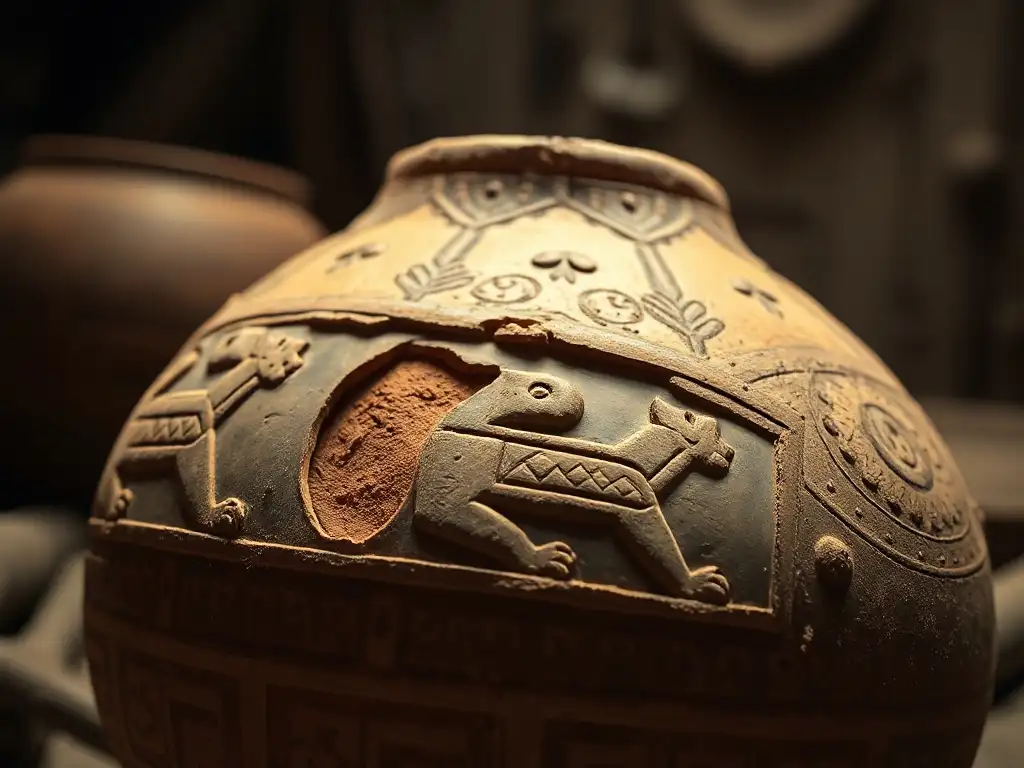
Tiahuanaco pottery, a testament to the advanced technological and artistic capabilities of the Tiahuanaco civilization (c. 500-1000 CE), holds a prominent place in the tapestry of Andean culture. Its significance transcends mere functionality; these vessels served as vital components of daily life, religious ceremonies, and social structures, offering invaluable insights into the worldview and societal organization of this remarkable civilization. Understanding Tiahuanaco pottery techniques is key to unlocking a deeper understanding of their complex society.
The intricate designs, the choice of materials, and the very techniques employed all speak volumes about the values, beliefs, and artistic sensibilities of the Tiahuanaco people. Analyzing these aspects reveals a civilization that valued both practicality and aesthetic excellence, integrating these elements seamlessly into their cultural fabric. The enduring legacy of Tiahuanaco pottery demonstrates its continued relevance in understanding Andean cultural heritage and its influence on subsequent Andean cultures.
Tiahuanaco Ceramics: More Than Just Utilitarian Objects
While Tiahuanaco pottery undoubtedly served practical purposes—storage, cooking, and serving food and beverages—its role extended far beyond mere utility. Many vessels were intricately decorated with complex geometric patterns, stylized figures, and representations of deities and mythical creatures. These designs weren't merely decorative; they were imbued with symbolic meaning, reflecting the Tiahuanaco cosmology and worldview.
For example, the frequent depiction of feline figures, such as pumas and jaguars, likely held religious significance, potentially representing power, strength, or shamanistic abilities. The use of specific colors, such as red and black, also likely carried symbolic weight, possibly associated with specific deities or rituals. The precision and skill evident in the execution of these designs highlight the high social status of the potters and the importance placed upon their craft.
The creation of these vessels was not simply a matter of functionality but a deeply spiritual and ritualistic act. Analysis of chemical compositions of pigments used in the pottery could reveal further information regarding trade routes and access to resources. [Specific information pending on pigment analysis of Tiahuanaco pottery].
The Role of Pottery in Tiahuanaco Society
The production and distribution of Tiahuanaco pottery were integral to the functioning of Tiahuanaco society. The intricate designs and high-quality craftsmanship suggest a specialized workforce of skilled artisans. Pottery production likely involved a complex system of labor organization, potentially with different individuals specializing in specific stages of the process, from clay preparation to firing and decoration.
The wide distribution of Tiahuanaco pottery across the Andean region indicates a well-established trade network, facilitating the exchange of goods and ideas. This suggests a sophisticated system of economic organization and social interaction, with pottery serving as a medium for both economic activity and cultural exchange. The presence of certain types of pottery in specific contexts—for instance, elaborate vessels found in elite tombs—highlights the social stratification within Tiahuanaco society and the role of pottery as a marker of status and power.
Further research into the distribution patterns of different pottery styles could reveal more about social hierarchies and power dynamics within the Tiahuanaco empire. The discovery of kilns and pottery workshops would provide crucial evidence to support these hypotheses. [Specific information pending on the location and analysis of Tiahuanaco kilns and workshops].
The study of Tiahuanaco pottery techniques offers a unique window into the heart of this remarkable civilization. By carefully analyzing the materials, techniques, and symbolic meanings embedded within these vessels, we can gain a deeper understanding of their beliefs, social structures, and artistic achievements, enriching our knowledge of Andean history and culture. 🏺
Tiahuanaco Pottery Techniques: A Masterful Art
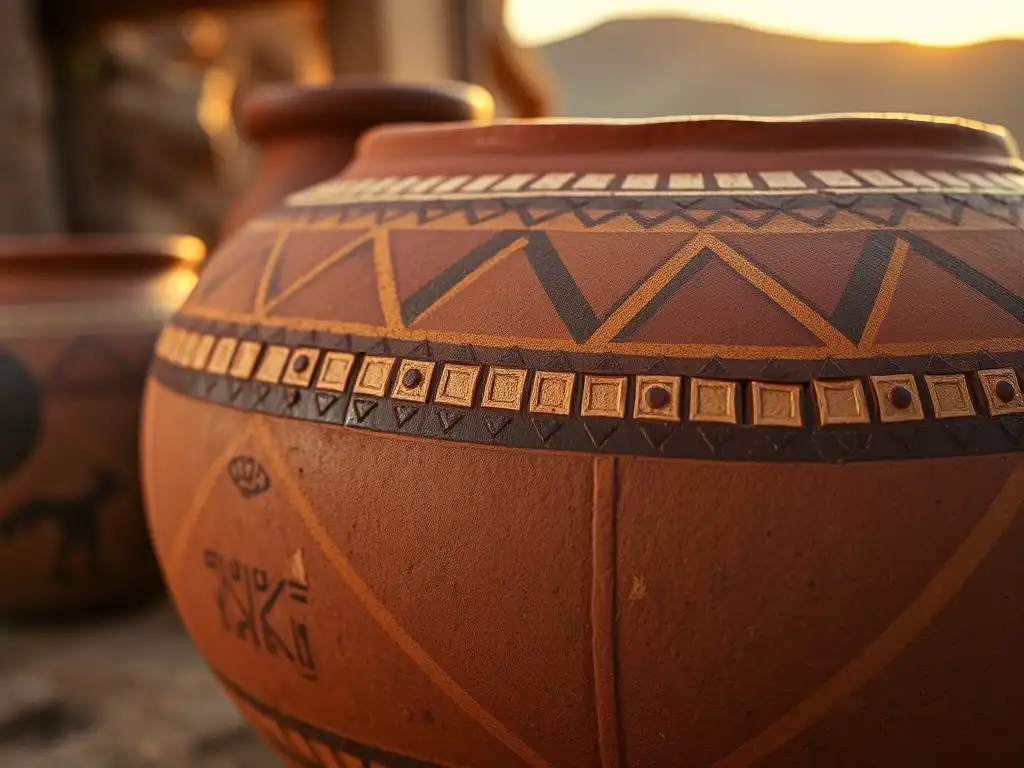
The mastery of Tiahuanaco pottery techniques represents a significant aspect of their advanced civilization. Their ceramic artistry wasn't merely functional; it was deeply intertwined with their religious beliefs, social structures, and daily life. The sophistication of their techniques, considering the available resources and tools, is truly remarkable and continues to fascinate archaeologists and art historians alike.
This section delves into the specific processes employed by Tiahuanaco potters, highlighting the ingenuity and skill involved in creating these enduring artifacts. Understanding these techniques provides crucial insights into the technological prowess and cultural complexity of the Tiahuanaco culture. The refinement of their pottery production showcases a level of societal organization and specialized labor that was essential to their flourishing civilization.
Analysis of surviving pottery pieces and archaeological evidence allows us to reconstruct, with a degree of accuracy, the methods they employed. We will explore the intricacies of their clay preparation, shaping methods, and firing techniques, shedding light on the remarkable skill of Tiahuanaco artisans.
Exploring the Tiahuanaco Ceramic Production Process
The production of Tiahuanaco pottery involved a complex series of stages, each requiring specialized knowledge and skill. Archaeological evidence suggests a highly organized system, likely involving specialized workshops and a division of labor. The process began with the careful selection and preparation of clay, followed by shaping techniques that varied depending on the desired form and size of the vessel. Subsequently, the pieces underwent a meticulous process of surface decoration, often involving intricate designs and vibrant colors.
Finally, the vessels were fired using specific techniques to achieve the desired durability and aesthetic qualities. The entire process, from the initial gathering of raw materials to the final firing, reflects a deep understanding of material properties and a commitment to artistic excellence. The consistent quality and stylistic features observed across numerous pieces suggest a standardized approach and possibly the presence of master potters who oversaw the production process and trained apprentices.
This level of standardization and expertise speaks volumes about the social organization and technological capabilities of Tiahuanaco society. Further research is needed to fully understand the role of apprenticeships and the transmission of knowledge across generations of Tiahuanaco potters. [Specific information pending on apprenticeship structures].
Tiahuanaco Clay Preparation and Shaping Methods
The choice of clay was crucial to the success of Tiahuanaco pottery. Potters likely sourced clay from local deposits, carefully selecting materials with specific properties to achieve the desired texture and strength. The clay was then meticulously prepared, a process that likely involved washing, sieving, and tempering to remove impurities and improve workability. Tempering agents, such as crushed rock or sand, were added to the clay to prevent cracking during drying and firing. The specific types of tempering agents used may have varied depending on the location of the clay source and the intended use of the vessel.
The shaping techniques employed by Tiahuanaco potters were diverse and sophisticated. Common methods included hand-building, coiling, and molding. Hand-building involved shaping the clay directly with the hands, while coiling involved creating long coils of clay and layering them to form the vessel. Molding involved using pre-made forms to create consistent shapes. The level of skill required to create the intricate forms found in Tiahuanaco pottery is impressive, demonstrating a high level of artistic ability.
The precision and elegance of their work are testament to their expertise and mastery of their craft. Many pieces showcase remarkably thin walls and delicate details, highlighting the potters’ skill and control over the material. Analysis of the clay composition and the tools used in shaping offers valuable insights into the techniques employed. [Specific data on clay composition and tools pending further analysis].
Firing Techniques in Tiahuanaco Pottery Making
The firing process was another critical stage in the production of Tiahuanaco pottery. Archaeological evidence suggests that Tiahuanaco potters used various firing techniques, ranging from open-air bonfires to more controlled kilns. The type of kiln used likely influenced the final appearance and durability of the pottery. Open-air firing, while simpler, could result in inconsistent results, with variations in temperature and atmosphere affecting the final product. More controlled kilns, however, would have allowed for greater precision and consistency, leading to a higher-quality product.
The firing temperature would have been crucial in determining the final color and hardness of the pottery. Lower temperatures could result in porous and fragile vessels, while higher temperatures would produce stronger, more durable pieces. The atmosphere within the kiln—oxidizing or reducing—also played a significant role in determining the final color of the pottery. Oxidizing atmospheres, with ample oxygen, typically resulted in reddish or brownish hues, while reducing atmospheres, with limited oxygen, could produce black or gray colors. The skillful control of the firing process was essential to achieving the desired aesthetic and functional qualities of the pottery.
Further research is needed to fully understand the range of firing techniques used by Tiahuanaco potters and their impact on the final product. [Data on specific kiln structures and firing temperatures pending further archaeological investigation]. The intricate designs and vibrant colors found on many Tiahuanaco pottery pieces are a testament to the potters' mastery of these techniques and their profound understanding of the materials they worked with. Their legacy continues to inspire awe and admiration, showcasing the remarkable achievements of this ancient Andean civilization. 🏺
Tiahuanaco Pottery Styles and Decoration
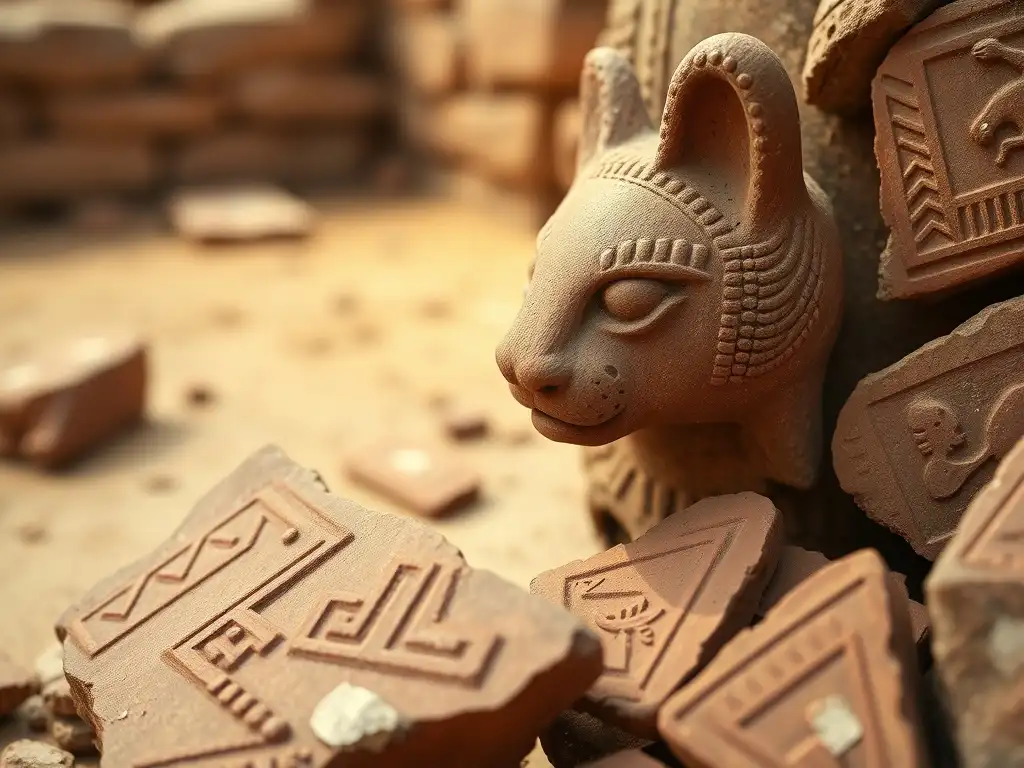
Tiahuanaco pottery, a hallmark of the Tiahuanaco culture (c. 500-1000 CE), stands out for its distinctive styles and decorative motifs. These ceramic traditions reflect the sophisticated artistic capabilities and worldview of the civilization. The techniques employed, ranging from simple hand-building to more complex wheel-throwing (though evidence suggests the latter was less prevalent than hand-building), showcase a mastery of material and design.
The resulting vessels were not merely functional; they were integral components of daily life and religious ceremonies, reflecting the societal hierarchy and cosmological beliefs of the time. Understanding Tiahuanaco pottery techniques requires examining not only the methods of production but also the stylistic choices and symbolic meanings embedded within the artifacts. Analyzing these aspects reveals a complex interplay between artistic expression and social function.
The unique aesthetic qualities of Tiahuanaco pottery are characterized by geometric precision and the consistent use of specific motifs, highlighting the cultural significance of this craft. The meticulous craftsmanship evident in these pieces points to a highly organized and skilled workforce, possibly specialized in different aspects of production, from clay preparation to firing and decoration. Further research into kiln types and firing methods would provide a more comprehensive understanding of Tiahuanaco pottery techniques.
Iconic Forms of Tiahuanaco Ceramics: Keros, Incensarios, and Effigy Vessels
Tiahuanaco potters produced a diverse range of ceramic forms, each serving specific functions within the society. Some of the most iconic examples include keros, incensarios, and effigy vessels.
- Keros: These stemmed, beaker-shaped vessels were frequently used for ceremonial purposes, possibly for drinking chicha (a fermented maize beverage). Their elegant forms and intricate decorations often featured stylized figures and geometric patterns, reflecting the sophisticated artistic skills of the Tiahuanaco artisans. Many keros exhibit a high degree of craftsmanship, indicating that they were likely made for elite members of society. The size and decoration varied, suggesting different levels of prestige or intended use.
- Incensarios: Incense burners, or incensarios, played a crucial role in Tiahuanaco religious rituals. These vessels, often featuring intricate designs and sculpted elements, were used to burn incense, creating a fragrant atmosphere during ceremonies. Their forms varied, ranging from simple bowls to more elaborate structures with multiple openings. The types of incense used and the specific rituals associated with these incensarios remain areas of ongoing research, but their presence in tombs and ceremonial contexts highlights their religious significance. Studies of residue found within these vessels could reveal more about the substances used.
- Effigy Vessels: Representational vessels, or effigy vessels, depicted human figures, animals, or mythical beings. These often served both ceremonial and practical purposes, showcasing the potters' skill in sculpting and modeling clay. The detailed features and stylistic choices in these effigy vessels provide valuable insights into the Tiahuanaco worldview and artistic expression. The types of figures represented – humans, animals, or hybrid forms – may have reflected specific deities, ancestors, or symbolic representations. Analysis of these effigies can help researchers understand the social hierarchy and religious beliefs of the Tiahuanaco civilization.
Tiahuanaco Iconography: Decoding the Visual Language
The visual language of Tiahuanaco pottery is characterized by a complex interplay of geometric patterns and stylized figures. Recurring motifs, such as stepped pyramids, feline figures, and stylized human faces, appear frequently, suggesting a standardized iconography with deep cultural significance. These motifs are not randomly placed; their arrangement and context often convey specific meanings related to cosmology, religion, and social structure. Researchers have proposed various interpretations of these symbols, linking them to concepts such as fertility, power, and the relationship between the human and divine realms. However, a definitive understanding of the entire Tiahuanaco iconographic system remains elusive. Further research using comparative analysis with other Tiahuanaco artifacts, such as textiles and stone carvings, would be beneficial in deciphering the meaning of these visual representations. The use of repetition and symmetry in the designs, common in Tiahuanaco pottery techniques, suggests a deliberate intention to create aesthetically pleasing and symbolically powerful objects.
The Use of Color and Pigments in Tiahuanaco Pottery
Color played a significant role in Tiahuanaco pottery decoration. Potters used a variety of pigments, derived from natural sources such as minerals and plants, to create a range of hues. Red, black, white, and yellow were particularly common, often used in combination to create intricate patterns and designs. The application of pigments varied, with some techniques involving painting directly onto the clay surface, while others involved the use of slips and glazes.
The durability and vibrancy of the colors on many surviving vessels attest to the effectiveness of the techniques employed. Analysis of the pigments can provide valuable insights into the sources of materials and the technological capabilities of Tiahuanaco potters. For example, identifying the specific minerals used in creating red and black pigments could help researchers understand the trade networks and resource management strategies of the civilization.
The intentional use of specific color combinations may also have held symbolic meaning, reflecting the cultural values and beliefs of the Tiahuanaco people. Further research into the chemical composition of the pigments could reveal more about the techniques used and their significance within the cultural context. The skillful blending and application of colors highlight the advanced level of artistic expertise within the Tiahuanaco pottery tradition.
Tiahuanaco Pottery: Functionality and Purpose
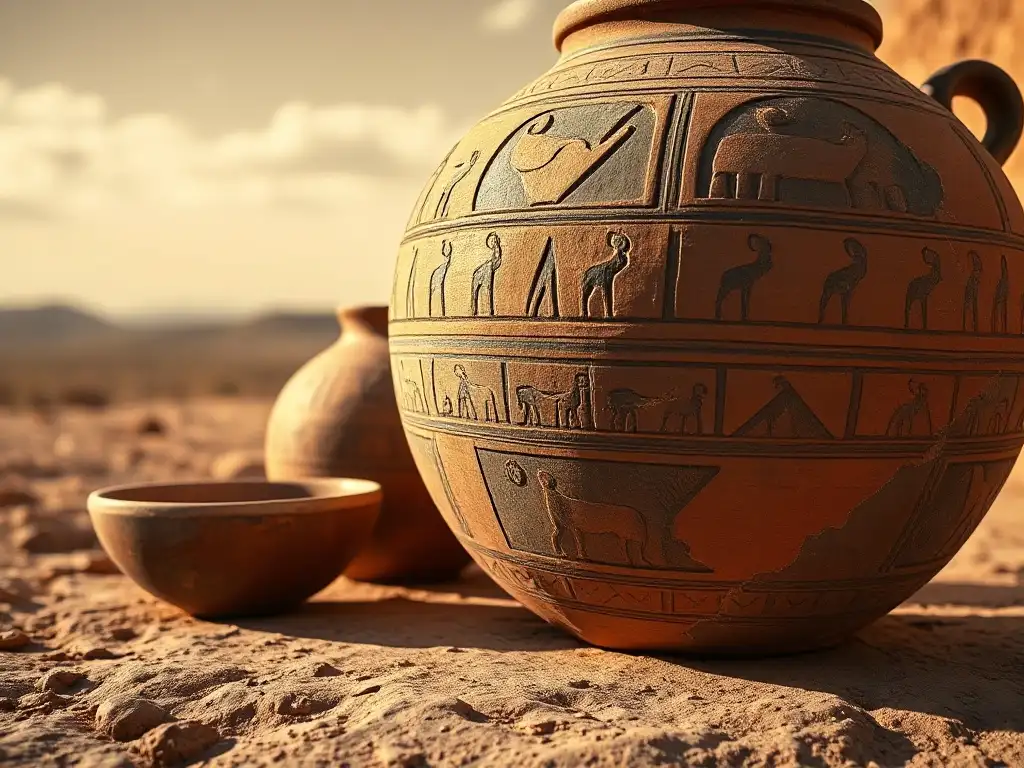
The remarkable artistry of Tiahuanaco pottery extended far beyond mere aesthetics. Understanding Tiahuanaco pottery techniques reveals a sophisticated understanding of functionality interwoven with deeply held cultural beliefs and social structures. These vessels were not simply decorative items; they played a crucial role in daily life and religious ceremonies, reflecting the complex social fabric of Tiahuanaco society.
The clay itself, sourced from local deposits, was carefully prepared and mixed with tempering agents – possibly crushed rock or fiber – to enhance durability and prevent cracking during firing. This meticulous preparation speaks to the potters' expertise and the value placed upon their craft. The range of techniques employed, from simple hand-building to more advanced wheel-throwing (evidence suggests both were used), reflects a wide spectrum of skills within the community, potentially correlating with social hierarchies.
Analyzing the chemical composition of the clays and pigments used could further illuminate the sourcing of materials and trade networks within the Tiahuanaco empire. Further research into kiln technologies utilized by Tiahuanaco artisans would provide deeper insights into their innovative pottery techniques.
Vessels for Everyday Use in Tiahuanaco Homes
Everyday Tiahuanaco pottery demonstrates remarkable practicality alongside its artistic merit. Simple, utilitarian bowls, jars, and plates, often made using coil-building techniques, were essential for food preparation, storage, and consumption. These vessels, frequently undecorated or featuring only simple geometric patterns, were likely mass-produced to meet the daily needs of the population.
Their sturdy construction and relatively simple designs suggest a focus on functionality over elaborate ornamentation. Interestingly, the size and shape of these vessels might offer clues about dietary habits and food preparation methods in Tiahuanaco society. Analysis of residue found within these vessels could shed light on the types of food and beverages consumed.
For example, the presence of specific plant or animal remains could provide evidence of agricultural practices and hunting strategies. The study of these functional vessels offers a tangible link to the daily lives of ordinary Tiahuanaco citizens. The discovery of large storage jars, potentially used for storing grains or other staples, hints at the importance of agriculture and food security within the society.
Ceremonial Pottery in Tiahuanaco Rituals
In stark contrast to the utilitarian vessels, ceremonial pottery in Tiahuanaco displays a far greater level of artistic sophistication and symbolic meaning. These pieces, often characterized by intricate designs, vibrant colors, and the use of advanced techniques like slip painting and negative painting, played a pivotal role in religious rituals and ceremonies. The motifs frequently depicted—stylized figures, geometric patterns, and representations of deities—suggest a complex cosmology and a deep understanding of the spiritual world.
Elaborate vessels, sometimes depicting scenes of sacrifice or mythical events, were likely used in offerings to deities or during important rites. The use of precious metals like gold and silver in some ceremonial pieces underscores their significance and the high status of those who commissioned or used them.
The careful execution of these pieces, with their attention to detail and precision, speaks to the skill and dedication of the specialized artisans who created them. Further research into the iconography and symbolism employed in ceremonial pottery could provide valuable insights into Tiahuanaco religion and belief systems.
The variation in the quality, decoration, and materials used in Tiahuanaco pottery strongly suggests a correlation between pottery and social status. High-status individuals likely commissioned or owned elaborately decorated vessels made from fine clays and adorned with precious metals or intricate designs. These pieces served not only as functional items but also as powerful symbols of wealth, power, and prestige.
The presence of certain motifs or stylistic elements could further indicate membership in specific social groups or clans. For example, certain designs might have been reserved for the elite, reflecting their privileged position within society. Comparative analysis of pottery found in different contexts – such as elite tombs versus commoner dwellings – could provide crucial evidence for understanding the social stratification within Tiahuanaco.
The careful study of these variations in pottery provides a window into the complex social dynamics of this ancient Andean civilization. The distribution and stylistic variations of Tiahuanaco pottery across different regions of the empire might also reveal information about trade networks, political organization, and the extent of Tiahuanaco influence. The meticulous study of Tiahuanaco pottery techniques, therefore, offers a multi-faceted approach to understanding this fascinating culture.
The Legacy of Tiahuanaco Pottery Techniques
The sophisticated pottery techniques employed by the Tiahuanaco culture left an enduring mark on Andean artistic traditions. Their mastery extended beyond simple functionality; Tiahuanaco ceramics served as powerful mediums for religious expression, social commentary, and even historical record-keeping. The legacy of their skills is evident in the stylistic influences and technological advancements observed in subsequent Andean cultures.
Understanding Tiahuanaco pottery techniques provides a crucial lens through which to examine the broader evolution of Andean artistic practices and societal structures. The precision and artistry involved in creating these vessels demonstrate a level of technological advancement and cultural sophistication that continues to fascinate researchers and enthusiasts alike. This section delves into the lasting impact of Tiahuanaco's ceramic artistry.
Influence of Tiahuanaco Ceramics on Later Andean Cultures
Tiahuanaco's influence on subsequent Andean cultures, particularly those in the altiplano region, is undeniable. Their distinctive styles, including the use of specific colors, motifs, and manufacturing techniques, can be traced in the pottery of later civilizations. For example, the characteristic use of red and black pigments, often arranged in geometric patterns or depicting stylized figures, became a hallmark of many cultures that followed.
The sophisticated techniques of modeling, polishing, and firing, which enabled the creation of intricate and durable vessels, were also adopted and adapted by later Andean potters. Evidence suggests that the Tiahuanaco aesthetic, particularly its emphasis on symmetry and geometric designs, continued to inspire artistic expression for centuries. This cultural transmission was likely facilitated through trade networks and migration patterns, resulting in a widespread dissemination of Tiahuanaco artistic traditions.
Indeed, analyzing the evolution of ceramic styles across different Andean cultures reveals a clear lineage connecting back to the innovative techniques and aesthetic sensibilities of Tiahuanaco. The continuity demonstrates the enduring impact of this civilization’s artistic legacy.
Modern Studies and Preservation of Tiahuanaco Pottery
Modern archaeological studies have significantly advanced our understanding of Tiahuanaco pottery techniques. Through careful excavation and analysis of unearthed artifacts, researchers have been able to reconstruct the manufacturing processes used by Tiahuanaco artisans. This includes identifying the types of clay used, the tools employed, and the firing techniques implemented.
Scientific techniques, such as petrographic analysis and thermoluminescence dating, provide valuable insights into the materials and the age of the pottery. Furthermore, conservation efforts are crucial for preserving these fragile artifacts for future generations. Museums and research institutions are actively involved in the careful restoration and preservation of Tiahuanaco pottery, employing specialized techniques to minimize damage and ensure the longevity of these invaluable pieces.
The challenges of preserving these historically significant pieces are substantial, considering the effects of time, environmental factors, and previous damage. Ongoing research and preservation efforts are essential for safeguarding the legacy of Tiahuanaco's ceramic artistry and for ensuring that future generations can appreciate and learn from these remarkable achievements. The work requires a multidisciplinary approach, combining archaeological expertise with scientific analysis and conservation techniques.
Understanding Tiahuanaco Through Its Ceramic Art
Tiahuanaco pottery offers a rich tapestry of information about the culture's daily life, religious beliefs, and social structures. The intricate designs and iconography found on the vessels provide valuable insights into their worldview and cosmology. For instance, recurring motifs such as stylized figures, geometric patterns, and depictions of animals often hold symbolic significance, reflecting religious beliefs and rituals.
The variety of vessel shapes and sizes also indicates their diverse functions, ranging from utilitarian containers for food and water to ceremonial vessels used in religious ceremonies. Detailed analysis of the pottery reveals clues about social stratification, with certain styles and materials potentially associated with elite groups. This is evident in the use of high-quality materials, intricate decoration, and specific forms in certain types of pottery.
By carefully studying the ceramic art of Tiahuanaco, we can piece together a more comprehensive picture of this remarkable civilization, gaining a deeper understanding of their beliefs, practices, and societal organization. The study of Tiahuanaco pottery provides a compelling example of how archaeological artifacts can illuminate the complexities of a vanished civilization. The detailed analysis of the pottery's stylistic features, technological aspects, and symbolic content provides a unique insight into Tiahuanaco's culture.
Frequently Asked Questions
What were the primary materials used in Tiahuanaco pottery?
Tiahuanaco potters primarily used clay sourced locally, often mixing it with temper like sand or crushed rock to improve its workability and prevent cracking during firing. They also utilized natural pigments for decoration.
What techniques did Tiahuanaco potters employ?
Tiahuanaco potters mastered various techniques including modeling, coiling, and wheel-throwing (though evidence suggests it was less common than other methods). They also employed slipping and painting for decoration.
How did Tiahuanaco pottery styles evolve over time?
Styles evolved, reflecting changing cultural practices and artistic preferences. Early Tiahuanaco pottery is often simpler, while later pieces feature more complex designs and intricate details, often showcasing iconography related to their beliefs.
What were the functions of Tiahuanaco pottery?
Tiahuanaco pottery served diverse functions including daily use (storage, cooking, eating), ceremonial purposes, and burial practices. Some vessels were clearly intended for elite use, indicating social status.
How are Tiahuanaco pottery techniques studied today?
Archaeologists study surviving fragments and analyze chemical composition of the clay and pigments. They also examine the manufacturing processes themselves to understand the techniques used by ancient potters.
Final Reflection: Echoes of Tiahuanaco: A Legacy in Clay
The intricate pottery techniques of Tiahuanaco, far from being relics of a distant past, continue to resonate in the vibrant tapestry of Andean culture and inspire contemporary artisans. The meticulous craftsmanship, the symbolic imagery, and the enduring functionality of these vessels offer a powerful testament to the ingenuity and spiritual depth of a civilization that thrived millennia ago. Their legacy is not merely historical; it's a living thread woven into the fabric of modern Andean identity.
The enduring power of Tiahuanaco pottery lies not only in its technical brilliance but also in its ability to connect us to a rich cultural heritage. These vessels, crafted with such care and imbued with such meaning, speak volumes about the worldview and societal structures of their creators. They remind us of the profound connection between art, spirituality, and daily life. The past is never dead. It's not even past.
– William Faulkner. This quote perfectly encapsulates the ongoing relevance of Tiahuanaco pottery, its enduring presence in our understanding of the past shaping our present.
Consider the artistry, the precision, the stories whispered in the clay. Now, imagine yourself holding a piece of Tiahuanaco pottery, feeling the weight of history in your hands. Let the legacy of these master potters inspire you to appreciate the artistry and skill embedded in the objects that surround you, to recognize the stories they hold, and to connect with the enduring human spirit that transcends time and space. Embrace the echoes of Tiahuanaco, and let them enrich your understanding of the world and your place within it.
Unveil the Artistry of Tiahuanaco: Take Action Today!
Thank you for exploring the fascinating world of Tiahuanaco pottery and the incredible skill of its artisans! We hope you've gained a deeper appreciation for how these craftspeople shaped both daily life and religious ceremonies through their exquisite vessels. Now, let's explore how this ancient tradition remains relevant today.
Here are some ways to engage further:
- **Take a pottery class**, either in your community or online, to experience hands-on crafting and learn ancient techniques.
- **Share your newfound knowledge** of Tiahuanaco's artistry with friends and family, or on social media, to inspire others to appreciate ancient cultures.
- **Join a discussion group**, either in person or online, focused on Andean civilizations to connect with like-minded individuals and continue learning.
Which aspect of Tiahuanaco pottery resonated most with you, and how will you integrate its influence into your life or creative work?