
The Nazca Priests: Interpreting the Cosmos Through Ritual

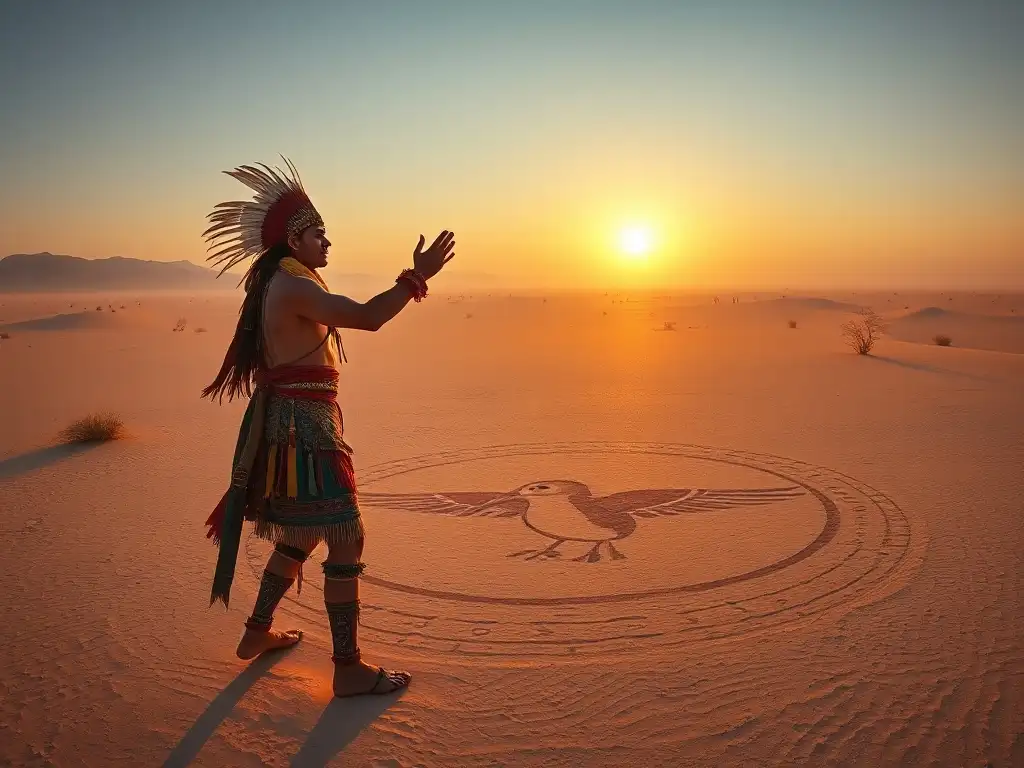
Unravel the mysteries of the Andes! Journey through millennia of breathtaking artistry, sophisticated engineering, and profound spiritual beliefs. But what secrets do the enigmatic Nazca lines truly hold? Our exploration into the Nazca lines' ritual meaning, delving into the lives of the Nazca priests and their cosmic interpretations, will leave you questioning everything you thought you knew about this ancient civilization. Prepare to be amazed.
The Nazca civilization, flourishing along Peru's southern coast between 100 BCE and 800 CE, left behind a legacy of breathtaking artistry and enigmatic structures. While famed for the monumental Nazca Lines, a deeper understanding of this sophisticated society reveals a complex worldview heavily influenced by astronomy, ritual, and a profound connection to the natural world.
This article delves into the crucial role of Nazca priests in interpreting this cosmos, exploring their societal influence, their understanding of the spiritual realm, and the profound link between their beliefs and the iconic landscape they inhabited. We will uncover the likely ritual meaning behind some of the more mysterious aspects of Nazca culture, including the famous lines themselves, clarifying the keyword "Nazca lines ritual meaning."
By examining the available archaeological evidence and scholarly interpretations, we aim to shed light on the fascinating lives and beliefs of these enigmatic figures, offering a nuanced perspective on their crucial role in shaping Nazca society.
The Role of Nazca Priests in Society
Nazca priests occupied a position of significant power and influence within their society. Unlike many other ancient civilizations where priestly authority might be hereditary, Nazca priestly roles likely involved a complex combination of factors, including demonstrated spiritual aptitude, knowledge of astronomical cycles, and proficiency in ritual practices. Evidence suggests a hierarchical structure within the priesthood, with certain individuals holding greater authority than others.
This hierarchy might have been reflected in their attire, the types of rituals they conducted, and their access to specific resources. Archaeological findings, such as elaborately decorated textiles and grave goods associated with certain burials, point towards the existence of a privileged priestly class. The priests were not just religious leaders; they likely played key roles in decision-making processes concerning agriculture, water management, and social organization.
Their knowledge of the cosmos and their ability to predict important events, like floods or droughts, would have made them indispensable to the community's survival and prosperity. Further research is needed to fully understand the intricacies of Nazca social structures and the precise power dynamics within the priestly hierarchy.
Understanding the Nazca Culture and its Belief System
The Nazca worldview was deeply intertwined with the natural world, particularly with water sources and the celestial bodies. Their belief system revolved around a complex pantheon of deities, many of whom were likely associated with natural forces and agricultural productivity. Evidence suggests a strong emphasis on ancestor veneration, with elaborate rituals performed to honor deceased relatives.
The Nazca people were skilled artisans, creating intricate textiles, ceramics, and gold ornaments that often depict deities, mythical creatures, and scenes from their religious practices. These artifacts provide invaluable insights into their beliefs and rituals. For example, the frequent depiction of specific birds and animals on pottery and textiles suggests a symbolic connection between these creatures and the spiritual realm.
The use of hallucinogenic plants in religious ceremonies is also strongly suggested by archaeological evidence, pointing to an altered state of consciousness as a key element in their spiritual practices. Many of their rituals likely involved offerings of food, drink, and precious objects to appease the gods and ensure the continued prosperity of the community. Understanding the complexities of their beliefs is crucial to interpreting the meaning behind the enigmatic Nazca Lines.
The Connection Between Nazca Beliefs and the Landscape
The Nazca Lines, a vast collection of geoglyphs etched into the desert surface, are arguably the most iconic legacy of the Nazca civilization. While their precise purpose remains a subject of ongoing debate, the prevailing scholarly consensus suggests a strong connection between the lines and the Nazca people's religious beliefs. Many scholars believe that the lines served as a form of communication with the gods, perhaps acting as a terrestrial representation of the celestial map.
The lines' alignment with astronomical events, such as solstices and equinoxes, further strengthens this hypothesis. The creation of the lines themselves would have been a monumental undertaking, requiring significant coordination and manpower. This suggests the involvement of the priestly class in organizing and overseeing this massive project, highlighting their central role in shaping the cultural landscape.
The intricate designs, often depicting animals and plants, are likely symbolic representations of their deities and beliefs, reinforcing the connection between their spiritual world and the physical environment. Further research focusing on the precise astronomical alignments and the symbolic meaning of the geoglyphs promises to further illuminate the ritual significance of the Nazca Lines. The intricate relationship between the Nazca's cosmological understanding and their manipulation of the landscape remains a captivating area of study, and one that continues to deepen our understanding of "Nazca lines ritual meaning".
- The Role of Nazca Priests in Society
- Understanding the Nazca Culture and its Belief System
- The Connection Between Nazca Beliefs and the Landscape
- What is the main purpose of this article?
- What role did Nazca priests play in creating the lines?
- What are some of the theories about the ritual meaning of the Nazca Lines?
- How does the article connect the Nazca Lines to the broader Andean context?
- Where can I find more information about the Nazca Lines and their ritual significance?
Nazca Lines: Rituals and Astronomical Significance
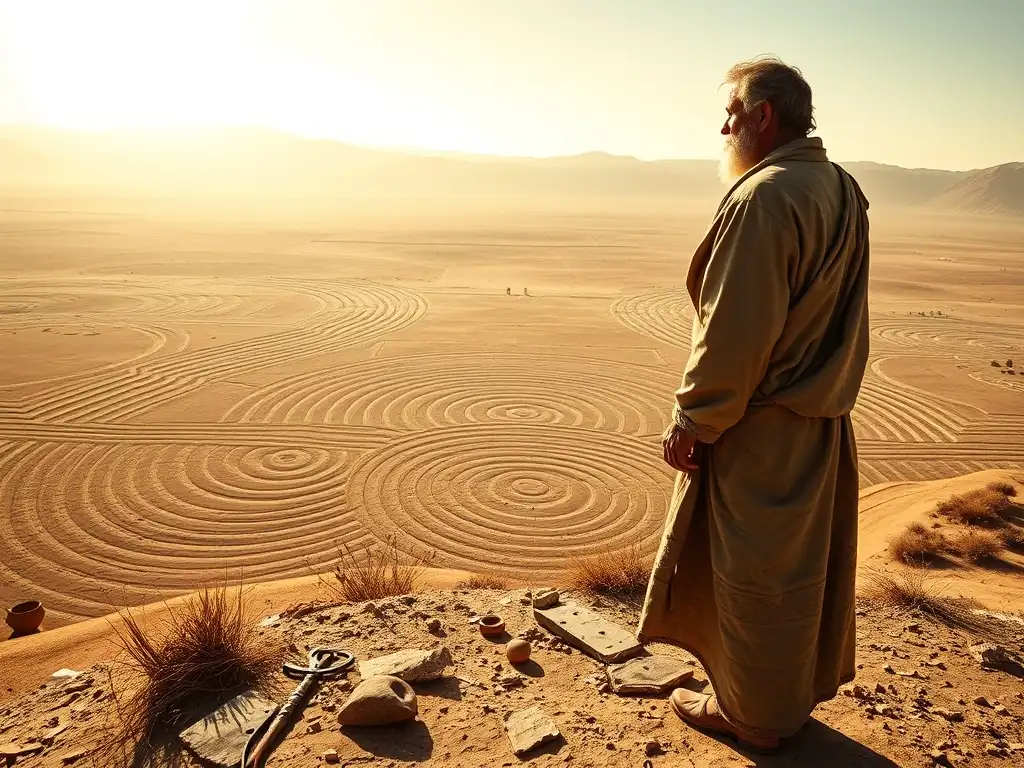
The Nazca Lines, those enigmatic geoglyphs etched into the Peruvian desert, remain a source of fascination and scholarly debate. While their precise purpose continues to elude definitive explanation, the prevailing consensus points towards a strong connection between the lines and ritual practices, deeply intertwined with astronomical observations. The vast scale of the geoglyphs, their intricate designs, and their location in a geographically challenging landscape all suggest a significant investment of time, resources, and, most importantly, deeply held beliefs.
Understanding the Nazca Lines requires acknowledging their role not simply as artistic expressions, but as integral components of a complex religious and cosmological system. The sheer effort involved in their creation underscores their profound importance within Nazca society.
Nazca Lines Ritual Meaning: Deciphering the Geoglyphs
Deciphering the Nazca lines ritual meaning requires a multi-faceted approach. The geoglyphs themselves, ranging from simple lines and geometric shapes to elaborate depictions of animals and plants, likely served multiple purposes within the ritual context. Some researchers suggest that the lines acted as pathways for processions, perhaps marking significant stages in ceremonies or pilgrimage routes.
The act of creating the lines, a laborious process involving the removal of dark surface stones to reveal the lighter subsoil, could itself have been a ritual act, a form of communal participation in shaping the landscape according to cosmological beliefs. Evidence suggests that some geoglyphs may have been strategically placed to align with specific celestial events, further solidifying their role in a system of astronomical observation tied to religious practice. The intricate designs, often depicting stylized animals, likely held symbolic significance, representing deities, ancestors, or powerful natural forces.
Further research is needed to fully understand the nuanced meanings embedded within each geoglyph. The analysis of associated artifacts found near the lines could provide crucial clues.
The Purpose of Nazca Geoglyphs: Beyond Art
While the aesthetic appeal of the Nazca Lines is undeniable, reducing them to mere "art" significantly underestimates their cultural and religious significance. The scale of the project, the precision of the designs, and the evident planning involved point to a much deeper purpose. The geoglyphs were not created for casual viewing; their location in the desert suggests they were meant to be appreciated from above, perhaps during ceremonial flights using kites or other airborne structures.
This implies a sophisticated understanding of perspective and spatial relationships, challenging the notion that the lines were simply artistic expressions created for aesthetic pleasure. The intricate designs often depict animals with symbolic meanings deeply ingrained in Nazca mythology and religious beliefs.
These weren't random depictions; they were carefully chosen and meticulously executed, indicating a deliberate and highly organized system of belief and practice. The effort expended in their creation strongly suggests that the geoglyphs played a vital role in the social and religious life of the Nazca people.
Astronomical Alignments and the Nazca Lines
Many researchers believe that the orientation and placement of certain Nazca Lines correlate with astronomical events, such as solstices and equinoxes. This suggests that the lines functioned as a giant astronomical calendar or observatory, used to track the movements of the sun, moon, and stars. Such alignments would have been crucial for predicting agricultural cycles, planning religious ceremonies, and maintaining a close connection to the rhythms of the cosmos.
For example, some geoglyphs seem to align with the rising or setting points of specific stars or constellations on particular dates, suggesting that these celestial events held significant religious or practical importance for the Nazca people. The precise nature of these alignments and their relationship to the ritual practices of the Nazca civilization remains a subject of ongoing investigation.
Further research, combining astronomical data with archaeological findings, is crucial to unraveling the intricate relationship between the Nazca Lines and the celestial world. The potential for uncovering further astronomical alignments within the vast expanse of the Nazca desert is significant, promising new insights into this fascinating aspect of Nazca culture.
The Role of Nazca Priests in the Creation of the Lines
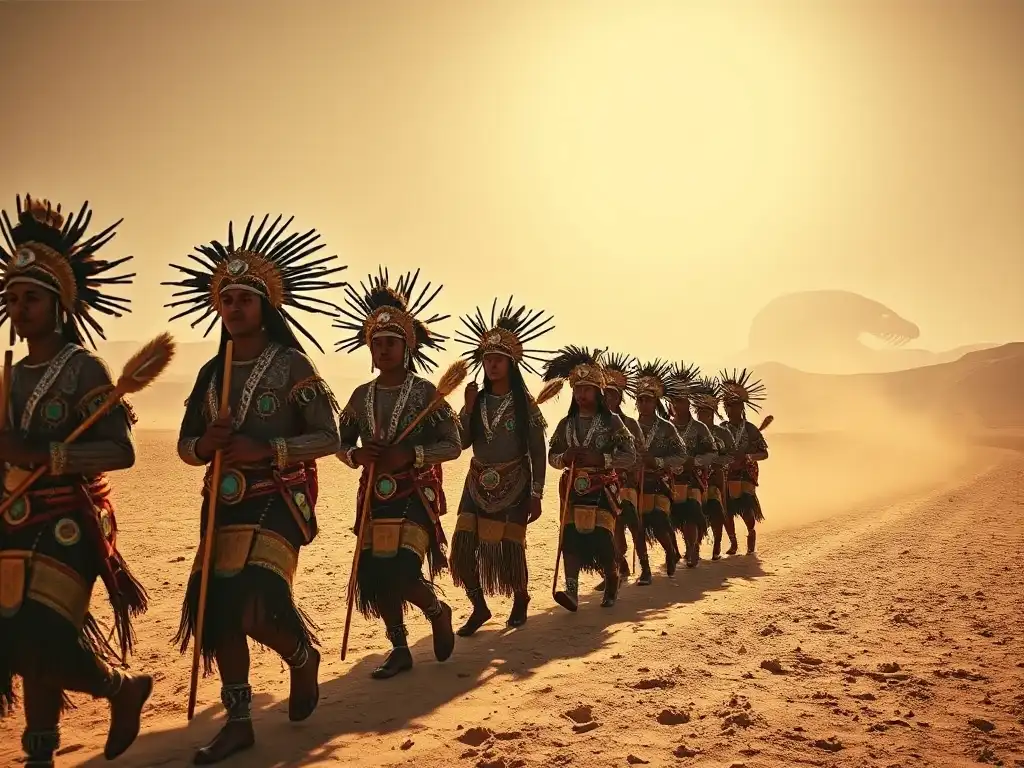
The creation of the Nazca Lines, a monumental undertaking requiring immense planning and coordination, was undoubtedly overseen by a powerful priestly class. These priests, wielding significant social and political influence, likely directed the labor force, which may have consisted of conscripted workers or individuals offering their services as part of religious obligations. Their understanding of astronomy and cosmology was crucial, as the lines' alignment with celestial events suggests a sophisticated knowledge of the movements of the sun, moon, and stars.
The priests' role wasn't merely logistical; they infused the process with deep religious meaning, transforming the construction into a sacred ritual. Evidence suggests the lines weren't just created for aesthetic purposes but served as a complex system of communication with the deities, reflecting the Nazca worldview and their relationship with the natural world. The precise methods used to create the lines—clearing away the reddish-brown topsoil to reveal the lighter subsoil—required meticulous planning and execution, further highlighting the priests' organizational abilities and the level of societal control they exerted.
Moreover, the priests' authority was likely essential in maintaining the social order required for such a large-scale project, ensuring the continued commitment of the workforce over extended periods. Their religious authority served as a powerful motivator, binding the community together in a shared purpose. The sheer scale of the undertaking points to a well-organized society under the strong guidance of a priestly elite dedicated to interpreting and enacting their cosmological beliefs.
The Hummingbird Geoglyph: A Ritualistic Representation of Nature
Among the many enigmatic geoglyphs of the Nazca Lines, the hummingbird stands out as a particularly striking example of the Nazca people's intricate connection with nature. This geoglyph, measuring approximately [specific dimensions pending], depicts a hummingbird in flight, its wings spread and body elegantly curved. The hummingbird, a creature known for its speed, agility, and vibrant colors, held significant symbolic value for the Nazca. In their worldview, it might have represented concepts such as swiftness, vitality, and the ephemeral nature of life.
Furthermore, its association with flowers and nectar could have linked it to fertility, abundance, and the cycles of nature. The meticulous detail in the creation of the hummingbird geoglyph is remarkable, suggesting a deep reverence for the creature and the natural world it embodied. The choice of this specific animal, among many other possibilities, indicates a deliberate selection based on its cultural and spiritual significance. The priests, deeply versed in interpreting natural phenomena and their religious implications, likely played a crucial role in selecting this specific animal for representation.
The hummingbird geoglyph, therefore, wasn't simply a decorative image; it was a powerful ritualistic representation of nature, embodying the Nazca's beliefs about the interconnectedness of the cosmos and the importance of maintaining harmony within the natural world. Its placement within the broader landscape of the Nazca Lines further emphasizes its role as a pivotal element in their cosmological system. The meticulous execution and symbolic weight of the hummingbird geoglyph serve as a compelling testament to the Nazca's sophisticated understanding of both the natural and spiritual realms.
Ritual Practices and Ceremonies of the Nazca
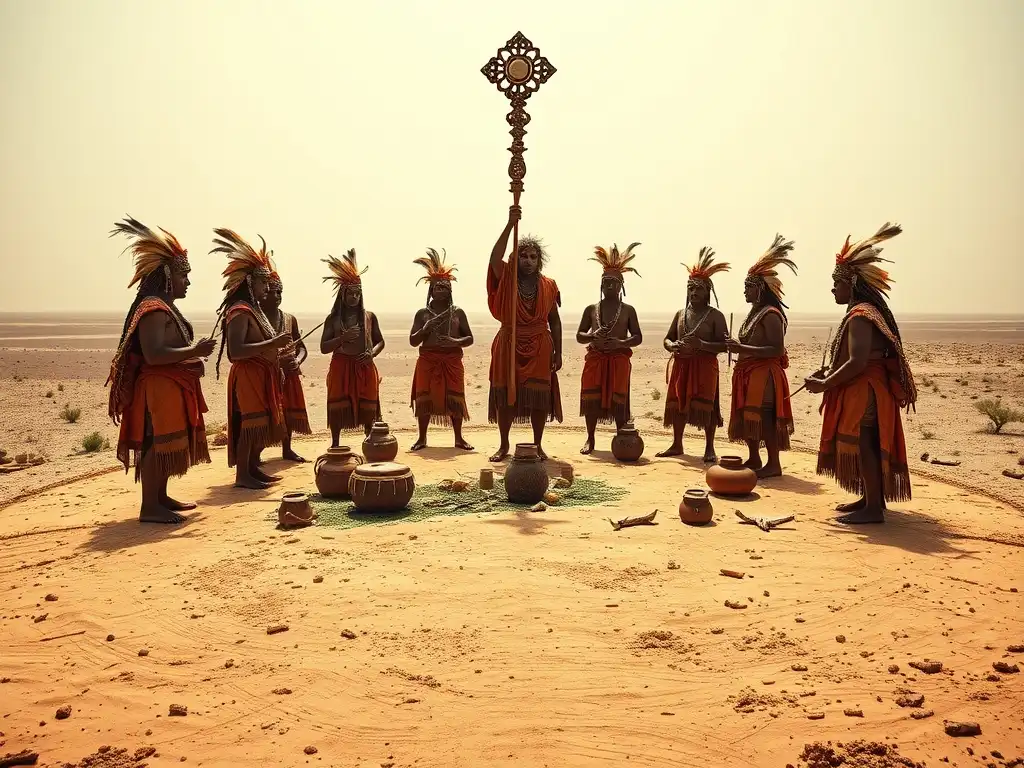
The Nazca Lines are undeniably iconic, but understanding their creation requires looking beyond the geoglyphs themselves. The intricate designs, often depicting animals, plants, and geometric patterns, were almost certainly deeply interwoven with the Nazca people's complex religious beliefs and ritual practices. The "Nazca lines ritual meaning" is a subject of ongoing scholarly debate, but several key aspects provide insight into their worldview and societal structure.
These rituals, meticulously performed, weren't simply artistic expressions; they were integral to the functioning of Nazca society, connecting the earthly realm with the celestial sphere. Understanding these rituals is key to understanding the Nazca civilization as a whole.
Nazca Religious Practices: A Glimpse into Their Worldview
The Nazca worldview was likely polytheistic, with a pantheon of deities reflecting their environment and concerns. Evidence suggests a strong emphasis on ancestor veneration, fertility rituals, and the appeasement of powerful natural forces. Archaeological findings, such as elaborate burial sites containing intricate grave goods and evidence of mummification, highlight the importance of the afterlife and the continuity between generations.
The Nazca people's deep connection to the land is evident in their agricultural practices and their intricate irrigation systems, which are crucial to understanding their religious beliefs. Their rituals likely sought to ensure bountiful harvests and maintain the balance between the human and natural worlds. The precise nature of their pantheon remains elusive, with interpretations varying amongst scholars, but the reverence for both terrestrial and celestial forces is undeniable.
Further research, particularly detailed analysis of iconography found in pottery and textiles, is needed to gain a clearer picture of their religious beliefs. This research would help to further clarify the "Nazca lines ritual meaning" in the context of their overall religious practices.
Ceremonial Centers and Sacred Spaces in Nazca Culture
While the precise locations of major ceremonial centers remain a topic of ongoing excavation and research, evidence suggests that specific sites held significant religious importance for the Nazca. These sites were likely not just places of ritual performance, but also centers of social gathering and community building. The Nazca lines themselves might have served as part of a larger, landscape-based ceremonial complex.
Imagine vast processions moving across the desert, the geoglyphs serving as focal points for ritual activities. The strategic placement of some geoglyphs near water sources further supports the idea of their connection to fertility and life-giving resources. Furthermore, the discovery of ceremonial objects and human remains at certain locations hints at the occurrence of important rituals and sacrifices.
Detailed analysis of these findings will shed more light on the specific nature of these ceremonies and their importance within the Nazca social structure. The identification of additional ceremonial centers is crucial to a more complete understanding of the "Nazca lines ritual meaning" and the role of sacred space in Nazca culture.
The Role of Music and Dance in Nazca Rituals
Music and dance were almost certainly integral components of Nazca religious ceremonies. Although we lack recordings, the discovery of musical instruments—such as flutes and drums—in archaeological contexts strongly suggests their use in rituals. These instruments, often crafted from materials like bone and clay, may have accompanied religious processions and performances.
The rhythmic movements of dance likely served to enhance the spiritual experience and create a connection between participants and the divine. The combination of music, dance, and perhaps chanting would have created a powerful atmosphere, fostering a sense of community and reinforcing religious beliefs. The visual impact of the Nazca lines, seen from the air, could have been enhanced by these ritual performances, creating a multi-sensory experience that strengthened the connection between the earthly and celestial realms.
Further investigation into the music and dance traditions of later Andean cultures could offer valuable comparative insights into the nature of Nazca ritual performances and further illuminate the "Nazca lines ritual meaning". The study of surviving artifacts and their stylistic analysis is crucial to understanding the role of music and dance in shaping the cultural and religious life of the Nazca people.
Offerings and Sacrifices: Appeasing the Gods
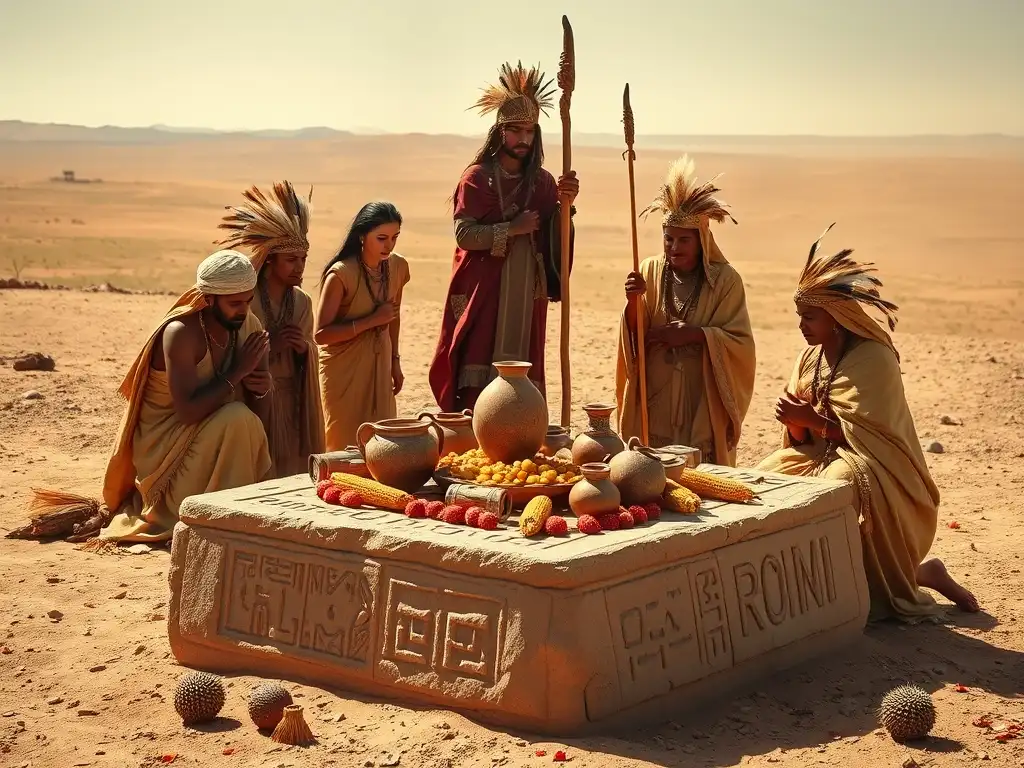
The Nazca people, renowned for their enigmatic lines etched across the desert landscape, held a complex belief system deeply intertwined with their agricultural practices and the forces of nature. Their religious rituals, therefore, focused heavily on appeasing the gods and ensuring bountiful harvests. Offerings and sacrifices formed a crucial part of these rituals, a tangible demonstration of their devotion and a plea for divine favor. Archaeological evidence suggests a wide range of offerings, ranging from the mundane to the highly significant.
Simple offerings might include agricultural products like maize, beans, and cotton, reflecting the vital importance of these crops to their survival. These were often placed in carefully constructed burial sites or within the vicinity of ceremonial structures. More elaborate offerings, however, reveal a more nuanced understanding of their cosmology and their relationship with the supernatural. These included intricately crafted ceramic vessels filled with precious liquids, possibly chicha (a fermented maize beverage), and adorned with symbolic imagery.
Furthermore, evidence suggests that animal sacrifices were also practiced. The types of animals sacrificed likely varied depending on the specific ritual and the god being appeased. While precise details remain elusive due to the limited preservation of organic materials in the arid Nazca environment, the presence of animal bones in certain contexts strongly suggests their inclusion in sacrificial ceremonies.
The significance of these sacrifices extended beyond mere appeasement; they likely served as a symbolic representation of the community's dependence on the natural world and its cyclical rhythms. The act of sacrifice itself may have been seen as a vital component in maintaining the cosmic balance and ensuring the continued prosperity of the Nazca society.
Further research into the isotopic analysis of animal remains found in Nazca contexts could shed more light on the types of animals sacrificed and their geographic origins, offering valuable insights into the Nazca's trade networks and their understanding of the environment. The meticulous study of the placement of these offerings within the larger landscape of the Nazca culture is crucial to understanding the intricate web of their religious beliefs and practices.
Ceramic Vessels: Ritualistic Containers for Offerings
Ceramic vessels played a pivotal role in Nazca religious rituals, serving not merely as containers but as integral components imbued with symbolic meaning. The artistry and craftsmanship evident in these vessels are striking, reflecting a deep understanding of ceramic technology and a sophisticated aesthetic sensibility. Their forms, decorations, and the materials used in their creation all contribute to a richer understanding of the rituals in which they were employed.
Many vessels were specifically crafted for use in offerings and sacrifices. Their shapes often reflected the nature of the offering itself, with some vessels designed to hold liquids, while others were fashioned to contain solid offerings. The decoration of these vessels was far from arbitrary; intricate designs, often depicting mythical beings, stylized plants, or geometric patterns, provided visual representations of the religious beliefs and cosmological concepts central to the Nazca worldview.
These designs were not mere embellishments; they held significant symbolic weight, conveying meaning and intention related to the ritual's purpose. The use of specific colors, materials, and motifs likely reflected the particular deity or aspect of the cosmos being addressed in the ceremony.
The careful selection of materials for these vessels also contributed to their ritualistic significance. The use of fine clays, elaborate surface treatments, and the incorporation of pigments, all point to the high value placed on these objects and their role within the religious sphere. The process of crafting these vessels was likely itself a ritualistic act, involving specialized knowledge and skills passed down through generations of artisans.
The meticulous attention to detail displayed in these ceramic vessels underscores their importance as both functional containers and potent symbolic objects within the broader context of Nazca ritual practices. Analyzing the iconography on these vessels provides valuable clues for deciphering the complex mythology and religious beliefs of the Nazca civilization, enhancing our understanding of the "Nazca lines ritual meaning". The study of these artifacts continues to reveal fascinating insights into the spiritual world of this remarkable ancient culture.
The Shamanic Role of Nazca Priests

The Nazca priests held a position of immense power and influence within their society, acting as intermediaries between the earthly realm and the spiritual world. Their role transcended simple religious leadership; they were deeply involved in the political, economic, and social fabric of Nazca life. Their understanding of the cosmos, gleaned through careful observation of celestial events and intricate rituals, guided the agricultural cycle, shaped social structures, and dictated the construction of monumental works like the famed Nazca Lines.
This shamanic role, characterized by a profound connection to the supernatural, is crucial to understanding the ritualistic significance of the Nazca culture and its enduring legacy. Evidence suggests a complex hierarchy within the priestly class, with varying levels of authority and specialized knowledge.
Further research is needed to fully elucidate the organizational structure of the Nazca priesthood and its internal dynamics. [Specific information pending: details on Nazca priestly hierarchy from archaeological findings].
Nazca Priests as Intermediaries Between Worlds
Nazca priests were believed to possess the ability to communicate with spirits and deities, acting as conduits between the human and divine realms. This intermediary role is highlighted in numerous archaeological findings, including depictions of priests in ceremonial attire interacting with supernatural beings in iconography. They were responsible for interpreting omens, predicting the future, and ensuring the favor of the gods.
Their power stemmed from their perceived ability to influence the forces of nature, crucial for a society heavily dependent on agriculture in a desert environment. The Nazca Lines themselves, with their intricate geoglyphs, may represent a vast, terrestrial map of the cosmos, used by priests in their rituals to connect with the spiritual world. This celestial-terrestrial connection underscores the priests' role as interpreters of the cosmos and guardians of the community's spiritual well-being.
The intricate designs, potentially representing constellations or mythological figures, could have served as focal points during rituals, enhancing the priests' ability to interact with the spiritual realm. The precision and scale of the lines suggest a highly organized and skilled workforce, likely under the direction of the priestly class.
Trance and Altered States of Consciousness in Nazca Rituals
The attainment of altered states of consciousness was a critical aspect of Nazca religious practices, facilitating communication with the spirit world. Evidence suggests that priests employed various techniques to induce trance states, including rhythmic chanting, drumming, dancing, and possibly the ingestion of psychoactive substances. Archaeological discoveries of ceremonial objects, such as ritual paraphernalia and potentially psychoactive plants, support this hypothesis.
These rituals, likely performed in designated ceremonial centers, would have involved elaborate costumes, masks, and symbolic gestures, all contributing to the creation of a powerful and immersive experience. The goal was to transcend the ordinary state of consciousness and access a realm where communication with deities and ancestors was possible.
This practice echoes shamanic traditions found in other Andean cultures, indicating a shared understanding of altered states as a means of spiritual connection. The intense focus and physical exertion involved in these rituals may have played a significant role in inducing trance-like states.
The Use of Psychoactive Substances in Nazca Ceremonies
The role of psychoactive substances in Nazca rituals remains a subject of ongoing research and debate. However, evidence suggests that certain plants, potentially including brugmansia and other hallucinogens, may have been used by priests to induce altered states of consciousness and facilitate communication with the spirit world. The potential use of these substances is supported by archaeological findings of plant remains and depictions in Nazca iconography. These substances may have played a crucial role in enhancing the efficacy of rituals and intensifying the spiritual experience.
It's important to note that the precise nature and extent of their use requires further investigation. [Specific information pending: conclusive evidence on specific psychoactive substances used in Nazca rituals]. The controlled use of these substances, potentially administered by priests, may have been crucial to maintaining social order and reinforcing the authority of the priestly class.
The potential risks associated with the use of these substances would have required careful management and ritualistic control. The interpretation of the effects of these substances within the context of Nazca cosmology and beliefs is crucial to understanding their religious significance. Understanding the use of psychoactive substances sheds light on the complex relationship between religion, power, and social control in Nazca society.
Ritualistic Head Shaping: A Shamanic Transformation
The practice of artificial cranial deformation, prevalent among the Nazca, was far from a mere aesthetic choice. It represented a profound shamanic transformation, deeply intertwined with their cosmological beliefs and social hierarchy. Archaeological evidence reveals that elongated skulls weren't randomly distributed throughout the population.
Instead, specific individuals, likely those with high social standing or designated religious roles—the priests—underwent this ritualistic procedure. This wasn't a quick process; the shaping, usually beginning in infancy, required years of careful manipulation and likely involved specialized knowledge and techniques passed down through generations of Nazca priests. The process itself was likely a ritual, emphasizing the transformation of the individual into a conduit for the spiritual world.
The elongated skull, deviating significantly from the natural human form, symbolized a connection to the supernatural. It visually represented a departure from the mundane, a physical manifestation of the priest's altered state of consciousness achieved through rigorous spiritual training and ritual practices. The act of shaping the skull was not simply a physical alteration but a symbolic rebirth, signifying the individual's transition into a sacred role, a vessel for divine communication.
This interpretation is supported by the frequent depiction of elongated heads in Nazca iconography, further reinforcing their association with religious authority and spiritual power. The deliberate and sustained effort required for cranial deformation underscores its importance as a rite of passage, marking a pivotal moment in the priest's journey towards spiritual mastery. The physical alteration mirrored an inner transformation, connecting the earthly realm with the cosmic order the Nazca priests sought to understand and interpret.
Furthermore, the precise techniques employed in cranial deformation, while still under investigation, likely varied depending on the desired outcome and the social standing of the individual. Subtle differences in the shape and degree of elongation might have indicated varying levels of spiritual authority or different specialized roles within the priestly caste.
The complexity of the process, coupled with the evident social stratification reflected in the practice, suggests a highly organized and ritualized system managed by the Nazca's elite, with the priests at its very heart. The careful application of pressure and the monitoring of the infant's health during the lengthy process demanded significant expertise and resources, highlighting the societal value placed on these individuals and their role in interpreting the cosmos.
Therefore, the elongated skulls weren't just physical features; they were powerful symbols of spiritual authority, reflecting the Nazca's profound understanding of the relationship between the physical and spiritual worlds and highlighting the central role of the priests in mediating that connection.
The Legacy of the Nazca Priests and their Rituals
The Nazca priests, enigmatic figures shrouded in the mists of time, played a pivotal role in shaping the unique culture and beliefs of the Nazca civilization (c. 100 BCE – 800 CE). Their influence extended far beyond mere religious leadership; they were deeply involved in the societal fabric, acting as intermediaries between the earthly realm and the cosmos. Understanding their legacy requires examining their rituals, which were intricately woven into the daily lives of the Nazca people and left an indelible mark on subsequent Andean traditions.
The pervasive influence of Nazca religious practices is evident in the intricate iconography found on their ceramics, textiles, and monumental architecture, all pointing to a sophisticated cosmology centered around water, fertility, and ancestor veneration. The Nazca lines ritual meaning is inextricably linked to these powerful beliefs.
The Impact of Nazca Rituals on Andean Traditions
The Nazca's sophisticated understanding of astronomy and their elaborate rituals profoundly impacted later Andean cultures. Evidence suggests their astronomical observations, possibly reflected in the alignment of some Nazca lines, influenced subsequent Inca calendrical systems and astronomical practices.
Furthermore, the Nazca emphasis on ancestor veneration – a common thread in many Andean societies – likely laid the groundwork for similar practices observed in later civilizations. The ritualistic use of textiles, ceramics, and elaborate headdresses, common in Nazca society, continued to be important elements of religious and ceremonial life in later Andean cultures, demonstrating a clear cultural continuity.
The use of specific colors and motifs in Nazca textiles, for instance, may have symbolically represented specific deities or celestial events, a practice potentially adopted and adapted by later Andean groups. The Nazca's ingenuity in irrigation systems, often linked to their rituals surrounding water, also influenced subsequent Andean civilizations' approaches to water management, demonstrating the practical and spiritual impact of their beliefs.
The Enduring Mystery of the Nazca Lines
The Nazca Lines, colossal geoglyphs etched into the desert landscape, remain one of the most enduring mysteries of the Andean world. While their precise Nazca lines ritual meaning remains debated, many scholars believe they were integral to Nazca religious practices. The lines, often depicting animals, plants, and geometric shapes, might have served as a massive ceremonial landscape, used for rituals and processions.
Some theories propose they were connected to astronomical events, with certain lines potentially aligning with solstices or equinoxes. Others suggest they functioned as pilgrimage routes, marking important locations for religious gatherings. The scale and precision of the lines indicate a significant investment of labor and resources, highlighting the importance of these rituals within Nazca society.
The sheer magnitude of the undertaking underscores the profound spiritual significance these geoglyphs held for the Nazca people, and their enduring mystery continues to fascinate and inspire researchers today. Their creation required meticulous planning and coordinated effort, further emphasizing the central role of the priestly class in organizing and executing these complex rituals.
Environmental Factors and the Decline of Nazca Society
The Nazca civilization, like many others, was not immune to the impacts of environmental change. While the specific reasons for their decline remain a subject of ongoing research, evidence suggests that periods of drought and environmental stress played a significant role. These environmental challenges likely exacerbated existing societal pressures, potentially leading to internal conflicts and a weakening of the central authority, including the priestly class.
The intricate irrigation systems, crucial for the Nazca's survival, might have become less effective during periods of prolonged drought, resulting in food shortages and social unrest. The decline of the Nazca civilization, therefore, wasn't a singular event but a complex process likely influenced by a combination of internal and external factors, with environmental stress acting as a significant catalyst.
The impact of these environmental factors on the ritualistic practices of the Nazca is still being investigated, but it's plausible that the changing environment influenced the nature and frequency of their rituals, potentially contributing to the eventual decline of their society. Further research is needed to fully understand the interplay between environmental change, social dynamics, and the demise of this remarkable civilization.
Preserving the Nazca Heritage: Understanding its Ritual Significance
The Nazca lines, those enigmatic geoglyphs etched into the Peruvian desert, are undeniably a testament to the sophisticated astronomical and ritual practices of the Nazca culture. Understanding their ritual significance is crucial to preserving this unique heritage, not just as archaeological marvels, but as powerful expressions of a complex worldview. The intricate designs, often depicting animals, plants, and geometric patterns, weren't merely decorative. They were integral components of a larger cosmological system, likely used for ritual observances tied to the agricultural cycle, celestial events, and possibly even ancestor veneration. The sheer scale of the undertaking—the vastness of the lines and the precision required for their creation—points to a highly organized society with a deep commitment to these rituals.
Scholars continue to debate the precise meaning of individual geoglyphs, but the collective effect is undeniable: a powerful visual representation of the Nazca people's relationship with their environment and the cosmos. Preservation efforts must therefore consider not only the physical integrity of the lines but also the cultural context that gives them meaning. This includes ongoing research into the astronomical alignments, the potential use of the lines in ceremonies, and the broader social and religious structures that supported their creation. Failure to understand the ritual significance risks reducing the Nazca lines to mere tourist attractions, eroding their profound cultural value.
A truly effective preservation strategy must integrate archaeological research, cultural sensitivity, and sustainable tourism practices to ensure that future generations can appreciate the full complexity and significance of this extraordinary legacy. The Nazca lines are not just lines in the sand; they are a window into a rich and vibrant culture, and their preservation demands a deep understanding of their ritual meaning. This understanding is vital, not only for the physical protection of the lines, but also for the preservation of the cultural memory and identity of the Nazca people. The challenge lies in balancing the need for access and tourism with the imperative to protect this fragile heritage.
Frequently Asked Questions
What is the main purpose of this article?
This article explores the ritual meaning behind the Nazca Lines, focusing on the role of Nazca priests in interpreting the cosmos and their potential connection to the lines' creation. It delves into the possible religious and astronomical significance of these enigmatic geoglyphs.
What role did Nazca priests play in creating the lines?
The article suggests that Nazca priests likely played a central role in designing and overseeing the creation of the Nazca Lines. Their knowledge of astronomy and cosmology may have guided the construction process, reflecting their understanding of the universe.
What are some of the theories about the ritual meaning of the Nazca Lines?
Theories surrounding the lines' meaning include ceremonial processions, water rituals, and astronomical alignments. The article suggests that religious beliefs and cosmological understandings were fundamental to their creation.
How does the article connect the Nazca Lines to the broader Andean context?
The article places the Nazca Lines within the wider context of Andean religious practices and beliefs. It highlights the importance of ritual and ceremony in Andean cultures, showing how the lines fit into this broader cultural framework.
Where can I find more information about the Nazca Lines and their ritual significance?
Further research can be conducted through academic journals, archaeological publications, and reputable websites focusing on Andean archaeology and Nazca culture. The article itself provides a starting point for exploring this fascinating subject.
Final Reflection: Deciphering the Whispers of the Nazca Cosmos
The intricate geoglyphs of the Nazca Lines remain a powerful testament to humanity's enduring quest to understand the cosmos, a quest as relevant today as it was millennia ago. Their enigmatic nature continues to spark debate and inspire awe, reminding us of the profound connection between ancient civilizations and the celestial world, a connection that resonates deeply within our own search for meaning and purpose. The enduring mystery surrounding their creation only amplifies their significance, urging us to consider the vastness of human ingenuity and spiritual expression.
The Nazca priests' meticulous rituals, as interpreted through the lines, offer a window into a worldview deeply intertwined with the natural world and the celestial cycles. Their profound understanding of astronomy and their ability to translate this knowledge into such monumental works speaks to a level of societal organization and spiritual devotion rarely seen. The universe is not outside of us. It is within us.
This sentiment, though modern in its phrasing, perfectly encapsulates the essence of the Nazca worldview, a perspective that challenges us to reconsider our own relationship with the universe and our place within it.
Consider the enduring power of ritual in your own life. What are the rituals, large or small, that ground you, that connect you to something larger than yourself? Let the Nazca Lines serve as a reminder of the enduring human need to find meaning and purpose, to connect with the cosmos, and to leave a lasting mark on the world. Embrace the mystery, explore the unknown, and discover the profound connections that exist between the past, the present, and the boundless expanse of the universe above.
**Unearth the Mysteries of the Cosmos! **
Thank you for exploring the fascinating world of the Nazca priests and their connection to the cosmos. You've discovered how these ancient figures interpreted the stars and their rituals, offering profound insights into the human experience. Now, let's put this knowledge into practice!
Here are some ways to further your exploration:
- **Connect with the Cosmos:** Visit a planetarium or simply gaze at the night sky to experience the celestial wonders that captivated the Nazca priests.
- **Share Your Discoveries:** Discuss what you've learned with friends and family to share your knowledge and deepen your understanding of these ancient rituals and their importance.
- **Join a Community:** Connect with online forums or local historical societies focused on Andean civilizations to exchange ideas and learn from others who share your passion.
Which aspect of the Nazca's cosmic interpretations most resonates with you, and how will you integrate these ancient perspectives into your life today?