
The Dance of the Sun: Exploring the Sacred Choreography of Andean Rituals

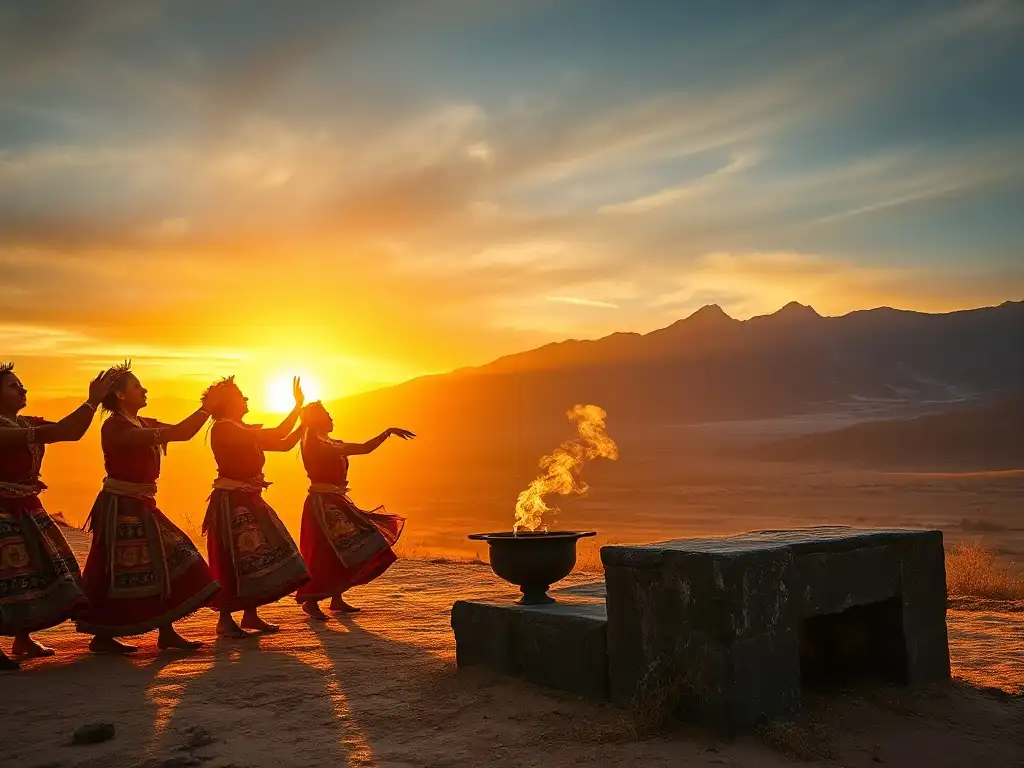
Step into a world lost to time, yet echoing with vibrant life. Imagine the sun-drenched plazas of the Andes, alive with the hypnotic rhythms of ancient ritual. This is where we uncover the secrets of the Andean civilizations, from the intricate artistry of the Nazca lines to the awe-inspiring engineering feats of the Inca.
But our journey begins with something truly captivating: Andean ritual dances. Prepare to be mesmerized as we delve into the sacred choreography and profound symbolism of these mesmerizing performances – a dance that speaks to the very heart of Andean spirituality. Explore the mysteries that await within.
The sun, a life-giving force in the Andes, wasn't just observed; it was worshipped, celebrated, and its power invoked through intricate rituals. These rituals, often involving elaborate and mesmerizing dances, formed the very fabric of Andean life, shaping social structures, agricultural practices, and spiritual beliefs.
From the majestic Incan empire to the earlier cultures of the Moche, Nazca, and Tiahuanaco, the rhythmic movements and symbolic gestures of Andean ritual dances offer a captivating window into the worldview and spiritual landscape of these remarkable civilizations. This article delves into the profound significance of these dances, exploring their purpose, the preparation involved, and the enduring legacy they hold today.
We will uncover the stories whispered through the steps, the meanings embedded in the costumes, and the power imbued in the very act of performing these sacred choreographies. Prepare to be transported to a world where dance transcends mere entertainment and becomes a powerful conduit to the divine.
Unveiling the Significance of Andean Ritual Dances
Andean ritual dances weren't merely entertainment; they were integral parts of a complex system of belief and social control. These dances, often performed during agricultural cycles, religious festivals, or significant life events, served multiple purposes:
- Communicating with the Supernatural: Many dances aimed to appease or honor deities associated with fertility, harvest, weather, and other aspects of life crucial to Andean communities. The movements themselves often mimicked the actions of nature – the swaying of plants in the wind, the movements of celestial bodies, or the cycles of life and death.
- Reinforcing Social Structures: Ritual dances often involved large groups of people, reinforcing social hierarchies and community bonds. Specific roles and dances were assigned based on social standing, age, and gender, highlighting the intricate social fabric of Andean societies.
- Ensuring Abundance and Prosperity: Dances related to agriculture were crucial for ensuring a bountiful harvest. These dances, often involving symbolic representations of planting, growth, and harvesting, served as a form of collective prayer for a successful agricultural cycle. The intricate steps and movements were believed to influence the natural world, ensuring prosperity and abundance.
- Celebrating Life Transitions: Ritual dances also marked important life events such as births, marriages, and deaths. These dances helped communities process significant life changes and provided a framework for collective mourning or celebration. The specific dances and their associated rituals varied across different cultures and regions within the Andes.
Understanding the Purpose Behind Traditional Andean Dance
The specific purpose and meaning of an Andean ritual dance varied significantly depending on the culture, location, and the specific occasion. For instance:
- Inca Empire: Inca dances often involved elaborate costumes, intricate steps, and large groups of performers. They were frequently used to honor the Inca ruler and reinforce the power of the empire. The dances often featured themes of warfare, agricultural abundance, and the worship of the sun god, Inti.
- Moche Culture: Moche dances, often depicted in their intricate pottery, often portrayed scenes of warfare, hunting, and religious ceremonies. These dances likely played a crucial role in their religious beliefs and social structures. The dynamic and energetic movements likely reflected the intense nature of their society.
- Nazca Culture: The Nazca people, known for their enigmatic geoglyphs, also had a rich tradition of ritual dance. While the specific details of their dances remain somewhat mysterious, their art suggests a strong connection between their dances and their complex religious beliefs. The precise significance of their movements remains a subject of ongoing research.
- Tiahuanaco Culture: The Tiahuanaco culture, with its impressive monumental architecture, likely incorporated elaborate ritual dances into their religious ceremonies. While fewer direct depictions of their dances survive, their architectural grandeur suggests that their rituals, and therefore their dances, were highly significant and elaborate.
The diversity of Andean cultures ensures a vast and rich tapestry of dance traditions, each with its own unique significance and purpose. Further research continues to uncover the deeper meanings embedded within these ancient choreographies.
Preparing for Your Immersive Andean Dance Experience
Experiencing Andean dance firsthand offers a unique opportunity to connect with the rich cultural heritage of the region. While participating in sacred rituals might not be readily accessible, many communities offer performances and workshops where you can learn about and even participate in aspects of these ancient traditions. To prepare for such an experience:
- Research: Learn about the specific dances you'll be witnessing or participating in. Understanding the history, symbolism, and significance of the dance will deepen your appreciation.
- Respect: Remember that these dances are deeply rooted in spiritual and cultural traditions. Approach the experience with respect and sensitivity. Appropriate attire and behavior are essential.
- Observation: Pay close attention to the details – the costumes, the movements, the music, and the overall atmosphere. These details hold valuable clues to the meaning and significance of the dance.
- Participation (if applicable): If you're given the opportunity to participate, do so with enthusiasm and respect. Follow the instructions of the instructors or community members carefully.
The dance of the sun, and the many other dances of the Andes, continue to resonate through time, offering a vibrant and moving connection to a remarkable cultural heritage. By understanding their significance, we can appreciate the enduring power and beauty of these ancient traditions.
Choosing the Right Andean Music and Dance Festival
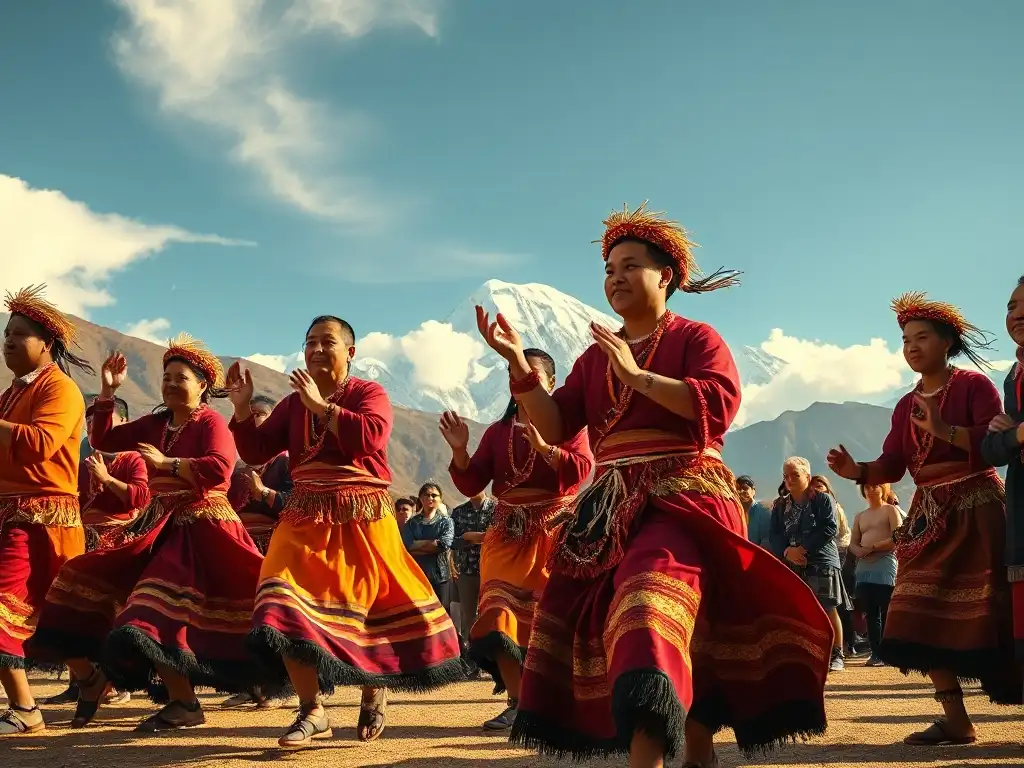
Selecting the perfect Andean music and dance festival requires careful consideration of several factors. The sheer variety of festivals across the Andes, from small, intimate village celebrations to large-scale, internationally renowned events, ensures a diverse range of experiences. Understanding your preferences is key to maximizing your enjoyment.
One crucial aspect is the type of Andean ritual dance you wish to witness. Do you prefer the vibrant, energetic dances of the Inca tradition, with their intricate steps and colorful costumes? Or are you more interested in the spiritually profound ceremonies of the Nazca, often featuring masked dancers and symbolic movements? Perhaps the dramatic storytelling of the Moche dances, often depicting myths and legends, appeals to you more. Researching the specific traditions showcased at each festival is crucial for aligning your expectations with the reality of the event.
Another factor to consider is the location and accessibility of the festival. Some festivals are held in remote, mountainous regions, requiring extensive travel arrangements and potentially challenging physical conditions. Others take place in more accessible urban areas, offering easier logistics. Think about your travel capabilities and comfort level when making your selection. Consider the time of year as well; Andean weather can be unpredictable, so choosing a festival during a favorable season is vital for a pleasant experience.
Finally, consider the scale and atmosphere of the festival. Some events are intimate gatherings, emphasizing a close connection with the performers and community. Others are massive celebrations, drawing thousands of participants and offering a more energetic and bustling atmosphere. Choose a festival whose size and ambiance best suit your personal preferences. For example, a smaller, community-based festival might offer a more authentic and immersive experience, while a larger festival might provide a broader range of performances and activities.
Essential Gear and Cultural Sensitivity Tips for Attending Andean Ritual Dances
Attending Andean ritual dances is a deeply rewarding experience, but proper preparation and respectful behavior are paramount. Packing the right gear ensures your comfort and allows you to fully immerse yourself in the event. Equally important is demonstrating cultural sensitivity and respect for the traditions and beliefs of the Andean people.
Regarding gear, comfortable, sturdy footwear is essential, particularly if the festival is held outdoors or in uneven terrain. The dancing often lasts for hours, so well-broken-in shoes are a must. Layers of clothing are recommended, as the Andean climate can fluctuate significantly throughout the day. Pack a light raincoat or poncho, sunscreen, a hat, and insect repellent, regardless of the season. Bringing binoculars can enhance your viewing experience, allowing you to appreciate the intricate details of the costumes and movements from a distance. A reusable water bottle is vital for staying hydrated throughout the day.
Beyond practical gear, cultural sensitivity is crucial. Before attending, research the specific customs and traditions associated with the particular dance or festival you're attending. Observe the behavior of local attendees and follow their lead. Refrain from intrusive photography or videography, especially during sacred ceremonies.
Ask for permission before taking photos of individuals, and be mindful of not disrupting the flow of the event. Remember that these dances are often deeply spiritual experiences, and respectful observation is paramount. Learning a few basic Quechua phrases can also be a thoughtful gesture, demonstrating your effort to connect with the culture. Above all, approach the experience with humility and an open mind, appreciating the richness and depth of Andean traditions.
- Unveiling the Significance of Andean Ritual Dances
- Understanding the Purpose Behind Traditional Andean Dance
- Preparing for Your Immersive Andean Dance Experience
- Choosing the Right Andean Music and Dance Festival
- Essential Gear and Cultural Sensitivity Tips for Attending Andean Ritual Dances
Experiencing the Sacred Choreography: A Step-by-Step Guide
This section provides a detailed guide for experiencing the profound and captivating Andean ritual dances. Understanding the context, immersing yourself in the music, and witnessing the dances themselves are crucial steps to fully appreciate this rich cultural heritage. We will explore these aspects in detail, highlighting the unique features that make Andean ritual dances so compelling. This guide focuses on enhancing your appreciation of the intricacies and symbolism embedded within these powerful performances, enriching your understanding of Andean culture.
Step 1: Arriving at the Festival and Understanding the Context
Arriving at an Andean music and dance festival is akin to stepping into another world. The atmosphere is vibrant, filled with the energy of anticipation. Before you even witness the dances, it's crucial to understand the context. Many festivals are tied to specific agricultural cycles, religious observances, or historical commemorations. For example, some festivals honor the apus (mountain spirits), while others celebrate harvests or significant historical events. Understanding the specific purpose of the festival you are attending will significantly enhance your appreciation of the dances.
The location itself often holds symbolic significance. Festivals frequently take place in sacred sites, plazas, or agricultural fields, each location carrying its own history and spiritual weight. Observe the environment; notice the decorations, offerings, and the overall atmosphere. Are there specific colors predominantly used? What kind of offerings are present? These details provide clues to the underlying beliefs and intentions of the ritual.
Before the main performances begin, take some time to observe the preparations. This often includes the meticulous dressing of dancers, the careful arrangement of instruments, and the creation of a sacred space. This preparatory phase is an integral part of the ritual, setting the stage for the powerful performances that are to follow.
The preparation itself is a ritual, reflecting the deep respect and reverence held for the traditions. Paying attention to these details will significantly deepen your understanding of the dances’ deeper meaning. Don’t hesitate to ask respectful questions to local guides or participants – their insights are invaluable.
Step 2: Immersing Yourself in the Music and Rhythms of Andean Rituals
The music accompanying Andean ritual dances is not merely background noise; it's an integral part of the performance, often driving the choreography and emotional intensity. The rhythmic complexity and unique instrumentation are hallmarks of Andean musical traditions. Instruments like the panpipes, zampoñas, charangos, and drums create a captivating soundscape that is both mesmerizing and powerful.
Pay close attention to the rhythmic structures. Many Andean rhythms are polyrhythmic, meaning they feature multiple rhythmic layers occurring simultaneously. These complex rhythms often reflect the interconnectedness of the natural world and the spiritual realm. Listen for the subtle shifts in tempo and intensity; these changes often correspond to specific moments within the narrative of the dance.
The music is often deeply interwoven with the movements of the dancers. The rhythmic pulsations of the instruments guide the dancers' steps, providing a sense of shared energy and collective purpose. Observing this interplay between music and dance will reveal a deeper appreciation for the symbiotic relationship between these art forms within Andean culture. The experience is holistic; the music is the dance, and the dance is the music.
Step 3: Witnessing the Power and Grace of Andean Dance
Andean ritual dances are not merely physical movements; they are powerful expressions of spirituality, storytelling, and cultural identity. Each movement, each gesture, carries symbolic meaning, often conveying narratives about mythology, history, or the relationship between humans and the natural world. The dancers themselves are often seen as conduits for spiritual energy, embodying the essence of the story they are performing.
Observe the costumes. The vibrant colors, intricate designs, and symbolic elements used in the costumes are not merely decorative; they often represent specific deities, animals, or natural phenomena. The headdresses, masks, and other adornments play a significant role in enhancing the visual spectacle and conveying deeper symbolic meanings. The dances themselves vary considerably across different Andean cultures, reflecting diverse regional traditions and beliefs. Some dances are characterized by graceful movements, while others are more vigorous and energetic. The style of dance often reflects the specific purpose and meaning of the ritual.
Consider the social aspect. Many Andean ritual dances involve community participation, fostering a sense of unity and collective identity. The dancers often interact with the audience, creating a shared experience that transcends the boundaries of mere entertainment.
The energy generated by the collective participation is palpable and contributes significantly to the overall impact of the performance. Observe the interaction between the dancers and the audience; this reveals much about the social fabric of Andean communities and the importance of these rituals in sustaining their cultural heritage. The collective experience is a vital aspect of understanding the power of Andean ritual dances.
The Legacy and Modern Relevance of Andean Ritual Dances
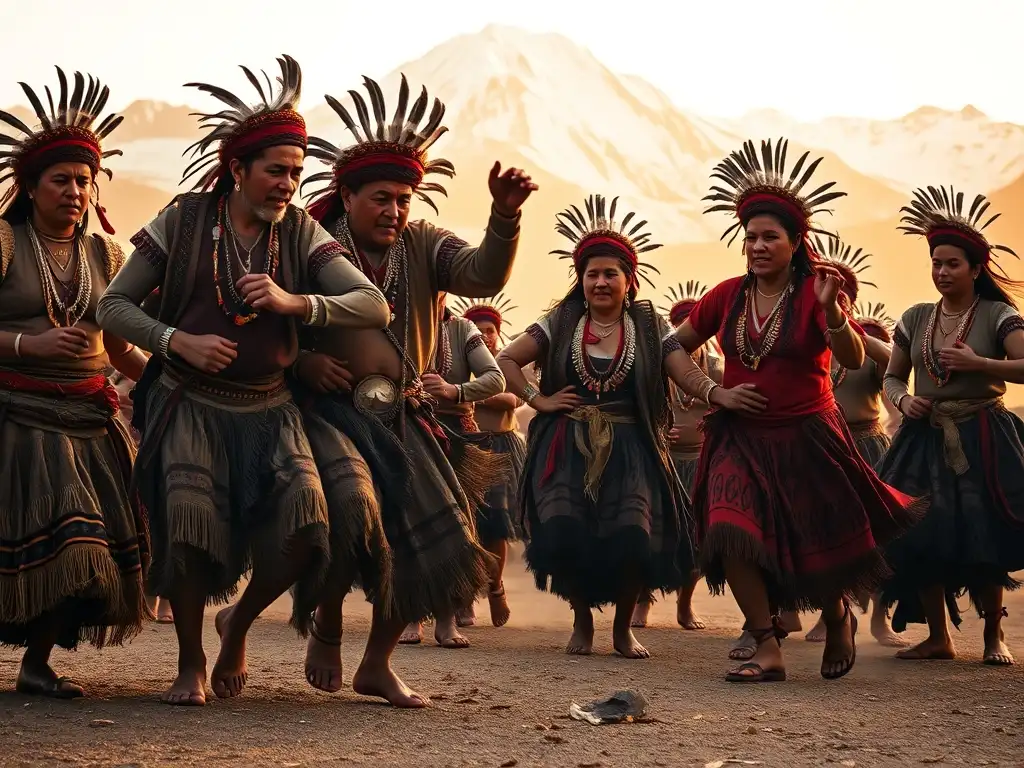
Andean ritual dances, a vibrant tapestry woven from centuries of tradition, continue to hold immense cultural significance in modern times. These dances aren't mere performances; they are living expressions of beliefs, stories, and social structures that have shaped Andean societies for millennia. Their legacy extends far beyond the realm of entertainment, impacting social cohesion, spiritual practices, and even tourism.
Understanding their enduring power requires exploring their historical roots and their contemporary adaptations. The rhythmic movements, often accompanied by haunting melodies played on traditional instruments like the zampoña and tarka, tell tales of gods, harvests, and the cyclical nature of life and death.
Preserving the Traditions: The Importance of Cultural Continuity
The preservation of Andean ritual dances is paramount for maintaining cultural identity and heritage. These dances are not static; they evolve through generations, incorporating new influences while retaining their core essence. However, modernization and globalization pose significant challenges. The encroachment of Western cultural trends threatens to erode traditional practices, leading to the loss of invaluable knowledge and artistic expression.
Several initiatives are working to combat this. Communities are actively involved in teaching younger generations the intricate steps and the spiritual significance behind each movement. Ethnomusicologists and anthropologists are documenting these dances, creating archives that ensure their survival for future generations. Furthermore, festivals and cultural centers dedicated to Andean traditions play a critical role in promoting and showcasing these dances to a wider audience, fostering appreciation and encouraging participation.
The success of these efforts depends on the active engagement of communities, researchers, and governmental support in recognizing and prioritizing the protection of this invaluable cultural heritage. The continued practice of these dances is not just about preserving history; it's about maintaining a vital connection to the past, strengthening community bonds, and ensuring the continuity of a rich cultural legacy. The dedication and passion of the individuals and organizations involved in this work are crucial for the survival and flourishing of Andean ritual dances.
Where to Learn More About Andean Traditional Dances
For those seeking a deeper understanding of Andean traditional dances, several avenues exist. Dedicated research centers and university programs often offer specialized courses and workshops focusing on Andean ethnomusicology and cultural studies. These programs delve into the historical context, the symbolism within the dances, and the social functions they serve.
Furthermore, many museums and cultural institutions showcase artifacts related to Andean dance, providing visual and material context to the performances. Ethnographic films and documentaries also offer compelling visual accounts of these dances in their natural settings, capturing the energy and spirit of the performances. Finally, participation in Andean cultural festivals offers an immersive experience, allowing one to witness firsthand the power and beauty of these ancient traditions.
While specific locations and resources vary, dedicated searching using keywords like "Andean dance research," "Andean cultural centers," or "Andean dance festivals" will yield numerous results, providing a wealth of information and opportunities for those eager to explore this fascinating aspect of Andean culture. Remember to respect the cultural sensitivity surrounding these traditions and approach learning with an open mind and a genuine appreciation for the rich cultural heritage they represent. 💃🕺
Continuing Your Andean Journey: Beyond the Dance
Exploring Other Aspects of Andean Culture
The vibrant Andean ritual dances, with their intricate steps and symbolic movements, offer a captivating glimpse into the spiritual and social life of ancient Andean societies. However, understanding these dances fully requires exploring other interwoven aspects of Andean culture. The choreography wasn't performed in isolation; it was deeply connected to the broader cosmological beliefs, agricultural practices, and social structures of these civilizations.
For instance, the agricultural cycle heavily influenced many Andean ritual dances. The Capac Raymi, a major Inca festival celebrating the solstice, involved elaborate dances mimicking the life cycle of crops, from planting to harvest. These dances weren't merely entertainment; they were vital rituals believed to ensure a bountiful harvest, reflecting the profound relationship between the Andean people and their environment. The dances acted as a form of communication with the apus (mountain spirits) and the Pachamama (Mother Earth), seeking their favor and blessings.
Furthermore, the intricate costumes worn during these performances often held deep symbolic meaning. Specific colors, fabrics, and adornments represented deities, social status, or specific aspects of the natural world. For example, the use of feathers from particular birds might symbolize a connection to the spirit world, while specific textiles could represent the fertility of the land.
Detailed analysis of these costumes provides invaluable insight into the social hierarchy and religious beliefs of the time. Unfortunately, precise details on the specific symbolism of every element in every costume are often lost to time, requiring further research and careful interpretation of surviving artifacts.
The music accompanying the dances also played a crucial role. The instruments used – panpipes, drums, and conch shells – weren't simply musical accompaniments; they were believed to possess spiritual power, capable of summoning deities or influencing the natural world. The rhythms and melodies themselves likely held symbolic meaning, reflecting the cycles of nature or the stories of their gods. [Specific examples of musical symbolism pending further research].
Finally, understanding the social context in which these dances were performed is essential. Many dances were integrated into community festivals, strengthening social bonds and reinforcing communal identity. Others were part of more exclusive religious ceremonies, accessible only to certain individuals or social groups. [Data on the social dynamics of specific Andean dance rituals is needed for a more complete picture].
The dances, therefore, weren't just about movement and music; they were a powerful tool for social control, religious expression, and agricultural prosperity. The intricate interplay of these factors makes the study of Andean ritual dances a rich and rewarding endeavor. Further research into the specific regional variations and the evolution of these dances over time is crucial for a complete understanding of their significance within Andean cultures.
Frequently Asked Questions
What role did dance play in Andean cultures?
Dance held a central role in Andean life, deeply intertwined with religious beliefs, agricultural cycles, and social structures. It was a way to communicate with the gods and honor ancestors.
Were Andean ritual dances always performed by specific groups?
While some dances were performed by specialized priests or shamans, many involved community participation, reflecting the importance of collective identity and shared beliefs. All social classes could participate in some dances.
What were some common themes in Andean ritual dances?
Common themes included agricultural fertility, ancestor veneration, and appeasing deities. Dances often mimicked animal movements or depicted myths and legends, using symbolic gestures and costumes.
How did music accompany Andean ritual dances?
Music played a vital role, providing rhythm and structure to the dances. Instruments like panpipes, drums, and conch shells created a powerful and evocative soundscape that enhanced the spiritual experience.
Where can I learn more about specific Andean ritual dances?
Further research into individual cultures like the Inca, Moche, Nazca, and Tiahuanaco will reveal unique dance traditions. Museums and academic resources offer in-depth information on specific dances and their significance.
Final Reflection: The Enduring Legacy of Andean Ritual Dance
The vibrant tapestry of Andean ritual dances continues to resonate today, a powerful testament to the enduring strength of cultural heritage and spiritual connection. These dances, far from being relics of the past, offer invaluable insights into the complex relationship between humanity and the cosmos, a relationship that remains profoundly relevant in our increasingly disconnected world. Their intricate movements and symbolic gestures speak to a deep-seated need for community, reverence for nature, and a profound understanding of the cyclical nature of life itself.
The impact of Andean ritual dances extends far beyond the Andes mountains; their influence can be seen in contemporary art, music, and even social movements. They serve as a potent reminder of the importance of preserving indigenous knowledge and traditions, a task that requires both respect and understanding. The dance is not just a performance; it is a living prayer, a conversation with the ancestors and the spirits of the land.
This quote encapsulates the profound spiritual significance of these dances and their enduring power to connect us to something larger than ourselves. Their continued practice is a vital act of cultural preservation, ensuring that these ancient traditions continue to flourish and inspire future generations.
Consider, for a moment, the intricate steps, the vibrant costumes, the shared purpose of these dances. What resonates with you? What can we learn from the Andean people's deep connection to their land, their ancestors, and their spiritual beliefs? I invite you to reflect on the power of ritual, the importance of community, and the enduring legacy of cultural traditions. Let the "Dance of the Sun" inspire you to find your own rhythm, your own connection to the earth, and your own way of celebrating the sacred dance of life.
Embrace the Rhythm of Life: Join the Andean Celebration!
Thank you for exploring the rich world of Andean rituals with us! We hope you felt the profound connection between the sun and the vibrant cultural expressions of these ancient civilizations. Now, let's deepen your experience and truly embrace the Andean way of life.
Here are a few ways you can continue your journey:
- Participate in a local Andean festival: Immerse yourself in the vibrant traditions by attending a local festival or cultural event celebrating Andean heritage.
- Learn an Andean dance: Discover the grace and power of Andean dance through an online workshop or a class in your community. Experiencing the choreography firsthand offers a deeper appreciation for this art form.
- Share your newfound knowledge: Discuss your insights with friends or on social media, inspiring others to explore and appreciate the beauty and legacy of Andean culture.
What aspect of Andean rituals most captivates you, and inspires you to learn more?