
Preserving Andean Heritage: The Importance of Traditional Agriculture

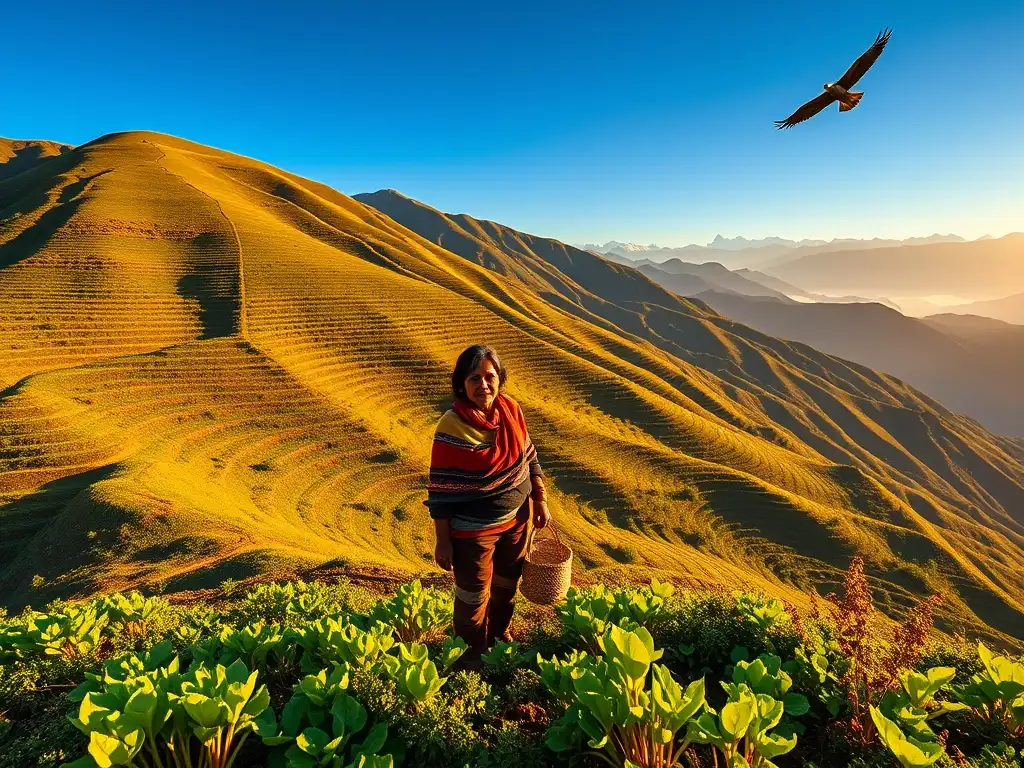
Step into a world lost to time, yet echoing with vibrant life. Imagine terraced fields clinging to impossibly steep slopes, ingenious irrigation systems whispering secrets of ancient wisdom, and crops flourishing where logic dictates they shouldn't. This is the legacy of the Andean civilizations, and we invite you to uncover the fascinating story of their Andean traditional farming methods. Prepare to be amazed by the ingenuity and resilience of these remarkable cultures – their story is far from over.
The Andes Mountains, a breathtaking spine running down the western edge of South America, are home to a rich tapestry of ancient civilizations whose ingenuity and resilience are deeply intertwined with their unique agricultural practices. For millennia, Andean communities have developed sophisticated farming techniques adapted to the challenging high-altitude environments, creating a vibrant agricultural landscape that sustained thriving societies. This article delves into the significance of these traditional Andean farming methods, exploring their importance not only for food security but also for preserving biodiversity, cultural heritage, and the very fabric of Andean life.
Understanding these practices is crucial for appreciating the enduring legacy of Andean civilizations and for supporting their continued relevance in a rapidly changing world. We will explore the intricate relationship between Andean cultures and their agricultural practices, focusing on the sustainable and innovative methods employed to cultivate the land and the profound impact these methods have had, and continue to have, on the region's ecology and cultural identity.
This exploration will highlight the crucial role of preserving these traditions in the face of modern agricultural pressures. The preservation of Andean traditional farming methods is not merely an act of historical preservation; it is a vital step in ensuring the future sustainability of the region and its unique cultural heritage.
The Significance of Andean Traditional Farming Methods
Andean traditional farming methods are far more than just a way to produce food; they represent a sophisticated understanding of the environment and a deep connection to the land. These methods, developed over centuries, are characterized by their remarkable adaptability to the diverse and often challenging Andean terrain. They include techniques like:
- Terracing: The construction of terraces on steep slopes dramatically increased arable land, preventing soil erosion and optimizing water retention. This ingenious system allowed for the cultivation of crops at various altitudes, maximizing agricultural output. The precise engineering and meticulous craftsmanship involved in terrace construction are testaments to the advanced knowledge of Andean farmers.
- Waru Waru: This ancient agricultural system, still practiced in some areas, involves creating raised beds surrounded by irrigation canals. This method improves drainage, reduces frost damage, and increases soil fertility. Waru Waru systems are particularly effective in high-altitude environments with fluctuating temperatures and limited water resources.
- Andenes: Similar to terracing, Andenes are agricultural terraces built into hillsides, creating a series of level platforms for planting. The construction of Andenes required immense labor and planning, demonstrating the importance of agriculture within Andean societies.
These techniques, along with others such as crop rotation, intercropping, and the use of natural fertilizers, exemplify the holistic and sustainable approach of Andean agriculture. The enduring success of these methods underscores their effectiveness and resilience in the face of environmental challenges. The knowledge embedded within these practices is a precious cultural heritage that requires careful preservation and study. The preservation of these techniques is vital not only for food security but also for maintaining biodiversity and protecting the fragile Andean ecosystem. The loss of these methods would represent a significant loss of both cultural and environmental capital.
Understanding Andean Agricultural Practices
Understanding Andean agricultural practices requires acknowledging the deep spiritual and cultural significance interwoven with the act of farming. Agriculture wasn't simply a means of subsistence; it was deeply connected to religious beliefs, social structures, and community life. The cultivation of specific crops, such as potatoes, quinoa, and coca, held symbolic and ritualistic importance, reflecting the close relationship between the people and the land.
The cultivation of coca, for example, played a crucial role in Andean society, extending beyond its medicinal and stimulant properties. Coca leaves were used in religious ceremonies, exchanged as gifts, and incorporated into daily life. Understanding the role of coca and other plants within the context of Andean agriculture provides a deeper appreciation for the complex interplay between culture, religion, and agricultural practices.
The careful management of water resources was also paramount. Andean farmers developed intricate systems of canals, aqueducts, and reservoirs to effectively distribute water across the landscape. This sophisticated water management was essential for sustaining agriculture in arid and semi-arid regions. These systems demonstrate a remarkable understanding of hydrology and a commitment to sustainable resource management.
The diversity of crops cultivated in the Andes is another testament to the ingenuity of Andean farmers. Their knowledge of different plant species and their adaptability to varying altitudes and climates allowed for the creation of a rich and diverse agricultural system. This biodiversity not only contributed to food security but also played a vital role in maintaining the ecological balance of the region.
The preservation of this biodiversity is crucial for the long-term sustainability of Andean agriculture and the protection of the Andean ecosystem. The careful study and documentation of these traditional methods are essential for ensuring their survival and continued relevance in the modern world.
- What are some traditional Andean farming methods?
- How did the Incas contribute to Andean agricultural practices?
- What role did climate play in shaping Andean farming techniques?
- How did traditional Andean farming impact the environment?
- Why is it important to preserve traditional Andean farming methods?
Ancient Andean Agricultural Techniques
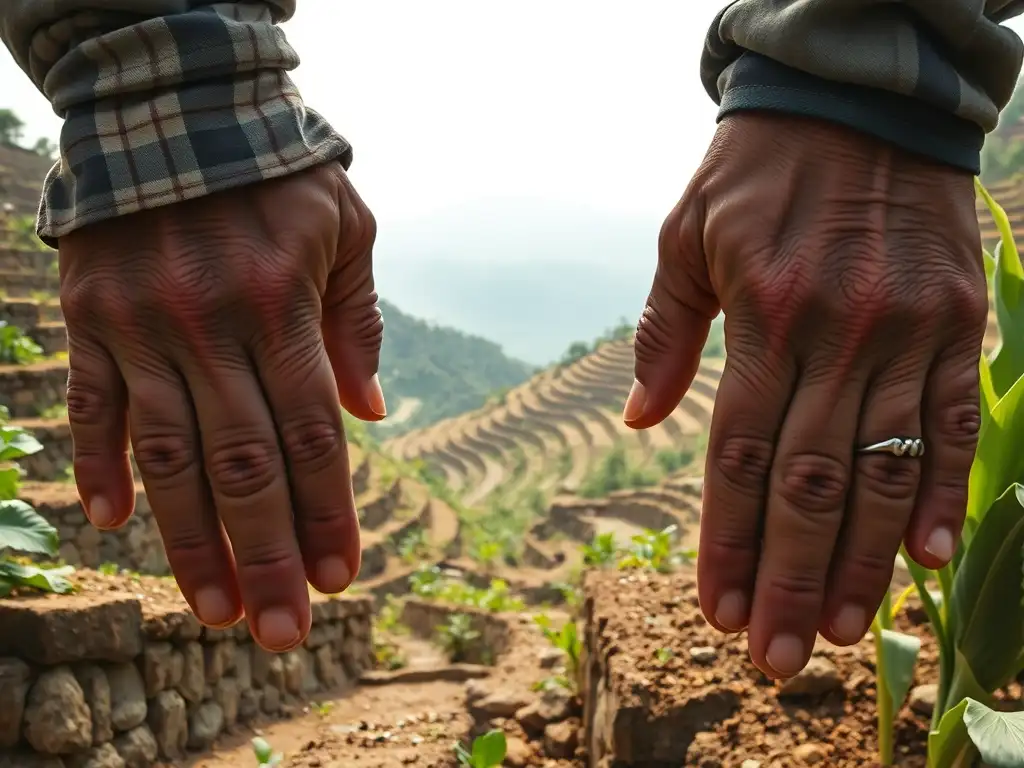
This section delves into the ingenious agricultural techniques employed by Andean civilizations, showcasing their deep understanding of their environment and their remarkable ability to cultivate food in challenging terrains. These methods, refined over millennia, represent a sophisticated approach to sustainable agriculture that continues to inspire modern farming practices. Understanding these techniques is crucial to appreciating the ingenuity of Andean cultures and the importance of preserving their agricultural heritage for future generations. The enduring legacy of these "Andean traditional farming methods" is a testament to their effectiveness and adaptability.
Terracing: Maximizing Land Use in the Andes
Andean terracing is a breathtaking testament to human ingenuity and adaptation to challenging topography. Across the steep slopes of the Andes Mountains, farmers meticulously carved terraces into the hillsides, creating level platforms for cultivation. This wasn't simply a matter of carving steps; the design incorporated sophisticated drainage systems and strategically placed retaining walls, often built from stone. These walls served multiple purposes: preventing soil erosion, retaining water, and creating microclimates that optimized growing conditions for various crops.
The scale of some terracing projects is astounding. For example, the terraces of Moray, near Cusco, Peru, are thought to have been used for agricultural experimentation, with different levels exhibiting varying temperatures and microclimates. This allowed the Incas to cultivate a wider range of crops, ensuring food security even in unpredictable weather conditions. The construction of these terraces required immense labor and planning, reflecting the high value placed on agriculture within Andean societies.
The precise techniques varied regionally, reflecting adaptation to local conditions, but the underlying principle of maximizing arable land remained constant. The careful management of water within these terraces was paramount, often achieved through channels and carefully designed drainage systems. This intricate system minimized water loss and maximized its utilization, a key aspect of sustainable agriculture in the arid and semi-arid regions of the Andes.
Waru Waru: Raised Bed Agriculture for Water Management
Waru Waru, a unique raised-bed agricultural system, stands as a prime example of Andean innovation in water management. This technique involved creating raised beds separated by canals, a system particularly effective in areas prone to flooding or water scarcity. The canals served as reservoirs, storing water for irrigation during dry periods and providing drainage during wet seasons. The raised beds, in turn, improved soil aeration and drainage, promoting healthy plant growth.
Evidence suggests that Waru Waru was practiced by various Andean cultures, including the Tiwanaku. The precise techniques and designs varied depending on the region and the specific needs of the farmers, but the fundamental principles remained consistent. The system's effectiveness in managing water resources is particularly striking, given the importance of water in the Andean highlands. Furthermore, the raised beds also helped to moderate soil temperatures, improving crop yields.
This method is not only a marvel of ancient engineering but also a remarkably sustainable approach to agriculture. Recent research has demonstrated the effectiveness of Waru Waru in mitigating the effects of climate change, highlighting its potential for modern applications. The system’s inherent resilience makes it particularly relevant in a time of increasing environmental instability.
The Role of Irrigation Systems in Andean Agriculture
Irrigation played a vital role in the success of Andean agriculture. The civilizations of the Andes developed sophisticated irrigation systems to manage water resources effectively, particularly in arid and semi-arid regions. These systems ranged from simple canals to complex networks of channels, aqueducts, and reservoirs. The Nazca culture, renowned for its geoglyphs, also constructed impressive irrigation canals that extended for many kilometers across the desert landscape. These canals, often lined with stone or clay, transported water from distant sources to agricultural fields, enabling the cultivation of crops in otherwise inhospitable environments.
The Inca empire further refined irrigation techniques, creating extensive canal systems that served large populations. They utilized a combination of gravity-fed systems and sophisticated water management techniques to distribute water efficiently. The construction and maintenance of these systems required significant organization and labor, reflecting the importance of agriculture to the Inca state. These irrigation systems weren't merely functional; they were also deeply integrated into the social and religious life of Andean communities.
Water was a sacred resource, and its management was often tied to religious rituals and ceremonies. The ability to harness and manage water resources was a key factor in the success and prosperity of Andean civilizations, shaping their landscapes and cultures in profound ways. The enduring legacy of these systems is a testament to the sophisticated understanding of hydrology and engineering possessed by Andean cultures.
Crop Rotation and Soil Conservation Methods
Andean farmers, masters of their environment for millennia, employed sophisticated crop rotation techniques to maintain soil fertility and prevent erosion. This wasn't a haphazard process; rather, it was a carefully planned system reflecting an intimate understanding of their land. Instead of planting the same crop repeatedly in the same area, they implemented a cyclical approach. For example, a field might be planted with maize one year, followed by beans or squash the next, and then perhaps potatoes or quinoa in the subsequent year.
This diversified planting prevented the depletion of specific nutrients in the soil. The different root systems of these crops also contributed to improved soil structure and aeration. Furthermore, the practice of leaving fallow periods—allowing the land to rest and recover—was integral to this sustainable approach.
This allowed the soil to replenish naturally, minimizing the need for external inputs. The length of the fallow period varied based on factors like altitude, rainfall, and soil type, demonstrating the adaptability and nuanced understanding of Andean agricultural practices. The effectiveness of this method is evidenced by the sustained agricultural productivity in the Andes for centuries.
The conservation of the soil itself was paramount. Andean farmers developed ingenious techniques to minimize erosion on the steep slopes of the Andes. Terracing, the creation of level platforms cut into hillsides, was a key innovation.
These terraces not only increased the amount of arable land but also significantly reduced water runoff and soil erosion. The terraces were often built with retaining walls made of stone or earth, further reinforcing their stability and longevity. The careful construction of these terraces, often aligned with the contours of the land, showcases remarkable engineering skill and a deep understanding of hydrological principles.
In addition to terracing, the use of various other soil conservation methods such as contour plowing and the creation of drainage channels prevented water from damaging crops and carrying away valuable topsoil. These methods demonstrate a profound respect for the land and a long-term perspective on resource management, a vital aspect of Andean traditional farming methods. The legacy of these techniques remains visible today in the stunning landscapes of the Andes, a testament to the ingenuity and foresight of ancient Andean farmers.
The Importance of Traditional Andean Crops
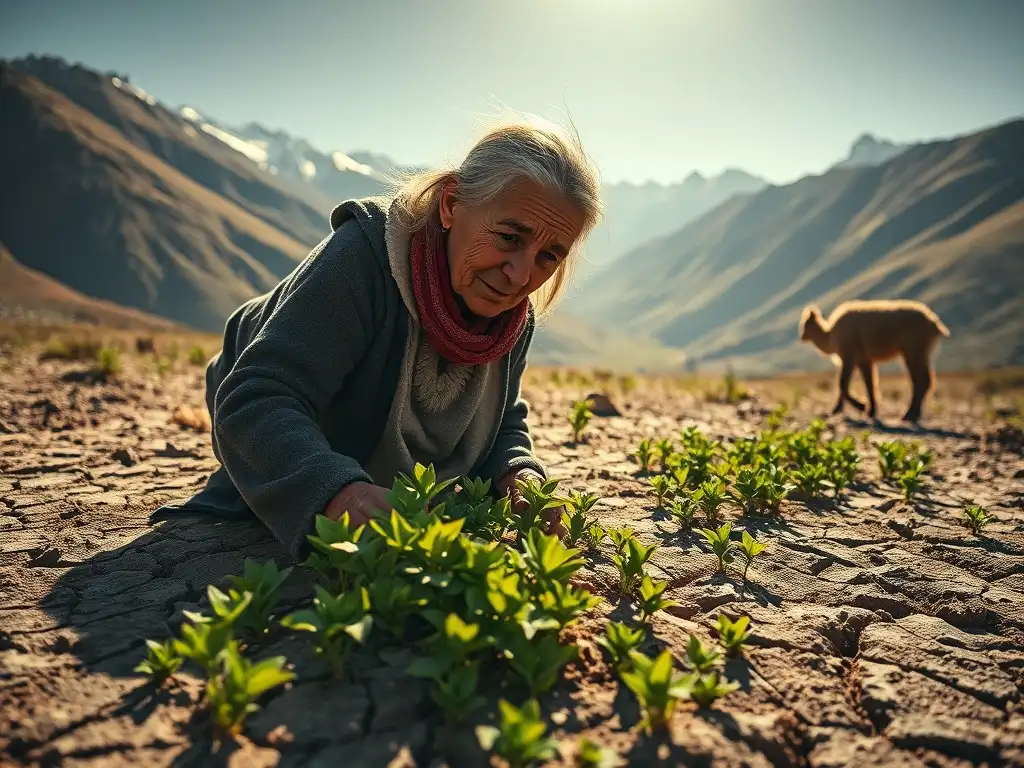
The preservation of Andean traditional farming methods is intrinsically linked to the safeguarding of the region's unique biodiversity. For centuries, Andean communities have cultivated a remarkable array of crops, each adapted to the diverse and challenging environments of the Andes Mountains. These crops, far from being mere sources of sustenance, represent a vital component of the cultural heritage and identity of the Andean people. Their continued cultivation is essential not only for food security but also for maintaining the ecological balance of the fragile Andean ecosystem.
The loss of these traditional farming practices would represent an irreplaceable loss to both the region and the world. Understanding the significance of these crops and the methods used to cultivate them is crucial for effective conservation efforts. The following sections delve deeper into the importance of specific native crops and their role within the Andean agricultural system.
Native Andean Crops: A Source of Biodiversity
Andean traditional farming methods are characterized by a remarkable level of biodiversity. Unlike modern monoculture farming, which focuses on a limited number of high-yielding crops, Andean agriculture has historically emphasized the cultivation of a wide range of plants, each playing a specific role in the ecosystem and the lives of the communities that cultivate them. This biodiversity is crucial for resilience against climate change, pests, and diseases.
A diverse range of crops ensures that even if one crop fails, others can still provide sustenance. Furthermore, this diversity contributes to the rich culinary heritage of the Andes, with each crop offering unique flavors, nutritional properties, and cultural significance.
Some examples of lesser-known yet incredibly important native Andean crops include: oca (Oxalis tuberosa), a tuber with a slightly sweet and sour taste; mashua (Tropaeolum tuberosum), another tuber rich in vitamins and minerals; añu (Canna edulis), a starchy root vegetable; and quinua (Chenopodium quinoa), a highly nutritious grain detailed below. The intricate knowledge of these crops, their cultivation, and their uses, represents a wealth of traditional ecological knowledge that is invaluable for sustainable agriculture and food security. The loss of this knowledge would represent a significant blow to the future of Andean agriculture.
Quinoa: The Ancient Grain of the Andes
Quinoa, often hailed as a "superfood," is a quintessential example of the remarkable crops cultivated by Andean civilizations. This pseudocereal, remarkably adaptable to high-altitude conditions, is a complete protein, meaning it contains all nine essential amino acids. It's also an excellent source of fiber, iron, and various other minerals.
Beyond its nutritional value, quinoa holds immense cultural significance for Andean communities. It has been a staple food for thousands of years, playing a crucial role in their diets and traditions. Its cultivation is often integrated into complex agricultural systems that utilize crop rotation and intercropping techniques to enhance soil fertility and minimize the risk of crop failure.
The growing global demand for quinoa presents both opportunities and challenges. While it offers economic benefits to Andean farmers, it also raises concerns about sustainability and the potential for displacement of traditional farming practices. Careful management is crucial to ensure that the increased demand for quinoa doesn't lead to environmental degradation or the erosion of traditional agricultural knowledge. Sustainable quinoa production requires a commitment to environmentally friendly practices, fair trade principles, and the preservation of traditional Andean farming methods.
Potatoes: A Staple Crop of Andean Civilizations
The potato (Solanum tuberosum) is undoubtedly one of the most globally important crops originating from the Andes. Andean farmers have cultivated thousands of potato varieties, each adapted to specific altitudes, climates, and soil conditions. This incredible diversity is a testament to the ingenuity and adaptability of Andean agricultural practices. The potato is not just a staple food; it's a cornerstone of Andean culture, deeply interwoven into culinary traditions, religious ceremonies, and social practices.
However, the globalization of potato production has led to a decline in the diversity of traditional varieties. The widespread adoption of monoculture farming, prioritizing a limited number of high-yielding varieties, has threatened the existence of many unique and valuable potato cultivars. This loss of biodiversity poses significant risks to food security and the cultural heritage of the Andes.
Efforts to preserve and promote the cultivation of traditional potato varieties are crucial for ensuring the long-term sustainability of potato production and the preservation of Andean agricultural heritage. The continued study and documentation of these varieties, along with the support of traditional farming practices, are essential for safeguarding this invaluable resource.
Other Essential Andean Crops: Oca, Mashua, and Yacon
The Andean region boasts a remarkable biodiversity, and its traditional agricultural practices have cultivated a wide array of crops beyond the well-known potato and coca. Oca, mashua, and yacon represent a fascinating trio of Andean staples, each with unique properties and cultural significance, contributing significantly to the dietary diversity and resilience of Andean farming systems. These crops demonstrate the ingenuity of Andean farmers in adapting to the challenging high-altitude environments and showcasing the sustainable practices that have ensured food security for centuries.
Their cultivation often involves techniques that minimize environmental impact, such as crop rotation and the use of natural fertilizers, showcasing the interconnectedness of traditional Andean farming methods with ecological balance. The preservation of knowledge surrounding these crops is crucial for maintaining both food security and the rich cultural heritage of the Andes.
Understanding the cultivation and uses of these crops reveals a deeper understanding of Andean agricultural practices. Oca ( Oxalis tuberosa), for example, is a tuber crop with a tangy flavor, ranging in color from white and yellow to red and even purple. Its high vitamin C content makes it a valuable nutritional source, and its adaptability to diverse soil types and altitudes contributes to its widespread cultivation throughout the Andes.
Similarly, mashua ( Tropaeolum tuberosum) is another tuber crop with a distinctive peppery taste. It's known for its resistance to frost and its ability to thrive in harsh conditions, making it a crucial crop in high-altitude regions. Furthermore, mashua is traditionally used not only as food but also for medicinal purposes, highlighting the multifaceted role of crops in Andean life.
Yacon ( Smallanthus sonchifolius), on the other hand, is a unique crop with a sweet, slightly pear-like taste. Unlike oca and mashua, yacon is cultivated for its succulent stem base rather than tubers. Its low glycemic index makes it a valuable food source for those managing diabetes, and its growing popularity worldwide underscores its potential for wider consumption and economic benefits for Andean communities.
The cultivation of yacon, like other Andean crops, often involves practices that promote soil health and biodiversity. This includes the use of traditional methods of water management and fertilization, contributing to the overall sustainability of Andean agriculture. The continued study and dissemination of knowledge about these crops is vital in ensuring the viability of Andean traditional farming methods and the preservation of Andean biodiversity.
The unique characteristics and nutritional value of oca, mashua, and yacon represent only a small part of the rich tapestry of Andean crops, highlighting the need for continued research and support for Andean farmers. The preservation of these crops and their associated traditional farming methods is crucial for both food security and cultural heritage preservation.
Challenges Facing Andean Traditional Agriculture
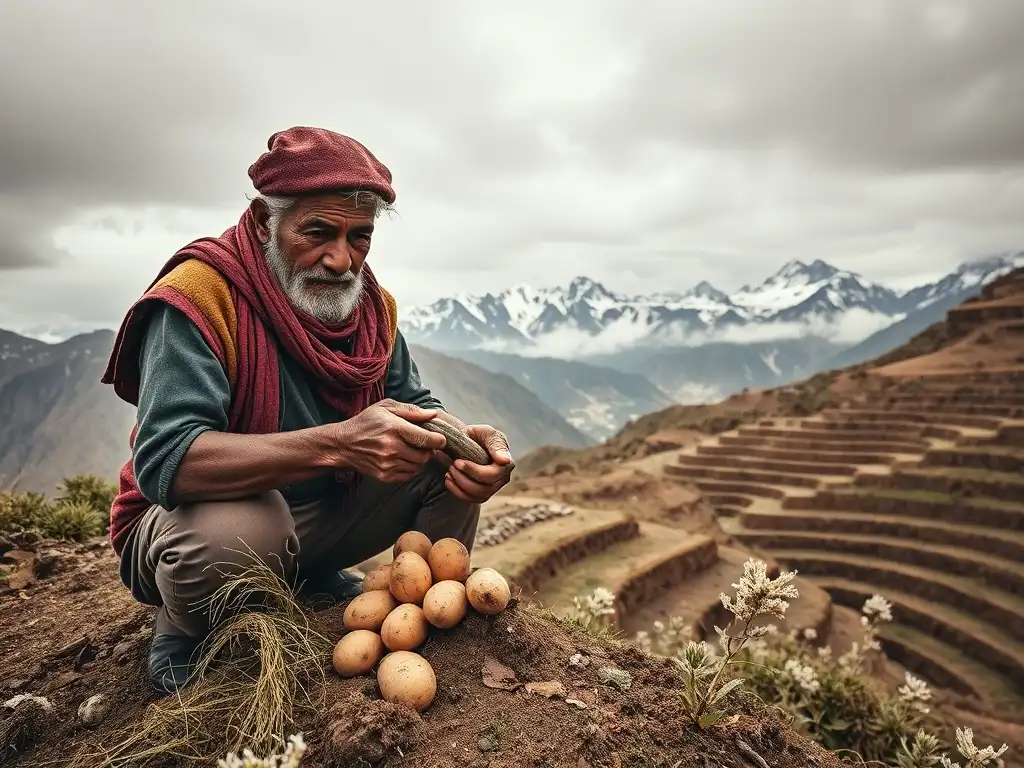
Andean traditional farming methods, honed over millennia, face unprecedented challenges in the 21st century. The delicate balance between human activity and the fragile Andean ecosystem is increasingly threatened by a confluence of factors, impacting food security and cultural heritage alike. This section will delve into some of the most pressing issues confronting this vital aspect of Andean life. Understanding these challenges is crucial for developing effective preservation strategies for both the land and the invaluable traditional knowledge associated with it.
Climate Change Impacts on Andean Farming
Climate change significantly impacts Andean farming practices. The Andes are particularly vulnerable to its effects, experiencing increased frequency and intensity of extreme weather events. Glacier retreat, a direct consequence of rising global temperatures, affects water availability for irrigation, a cornerstone of Andean agriculture. This is especially critical in regions reliant on glacial meltwater for their crops, leading to decreased yields and impacting the livelihoods of farming communities.
For example, the shrinking glaciers in the Cordillera Blanca in Peru directly threaten the water supply for agricultural communities in the surrounding valleys. This reduction in water resources forces farmers to adopt less efficient irrigation techniques, often leading to water scarcity and reduced crop production. Furthermore, unpredictable rainfall patterns, characterized by more intense downpours and longer periods of drought, make crop planning and harvesting increasingly difficult. These unpredictable conditions lead to crop failures and threaten food security in already vulnerable regions.
The increased frequency of extreme weather events like hailstorms and frost further exacerbates the situation, damaging crops and livestock. Adaptation strategies, such as drought-resistant crop varieties and improved water management techniques, are crucial for mitigating these impacts and ensuring the continued viability of Andean traditional farming. Further research into climate-resilient agricultural practices is urgently needed to safeguard Andean agricultural heritage.
Modernization and the Loss of Traditional Knowledge
The encroachment of modernization poses a significant threat to the preservation of Andean traditional farming methods. The allure of increased productivity through modern agricultural techniques, often involving chemical fertilizers and pesticides, can lead to the abandonment of traditional practices. This shift not only jeopardizes biodiversity—as traditional methods often support a wider range of crops and varieties—but also results in a loss of invaluable ancestral knowledge passed down through generations.
This loss of knowledge is particularly concerning. Traditional Andean farming encompasses a deep understanding of local ecosystems, soil types, and microclimates, enabling farmers to cultivate crops effectively with minimal environmental impact. Modern, industrialized agriculture, while potentially boosting short-term yields, often disregards this intricate understanding, leading to soil degradation and biodiversity loss.
The intricate knowledge related to seed saving, crop rotation, and pest control—refined over centuries—is gradually fading as younger generations embrace alternative livelihoods. Preservation efforts must focus on documenting and disseminating this knowledge, potentially integrating it into educational programs and community-based initiatives. Supporting and incentivizing the continuation of traditional farming methods is essential for preserving both agricultural productivity and cultural heritage.
Land Degradation and its Effects on Agriculture
Land degradation, encompassing soil erosion, nutrient depletion, and desertification, significantly impacts Andean agriculture. Unsustainable farming practices, deforestation, and overgrazing contribute to this degradation, reducing soil fertility and making it challenging to cultivate crops. The steep slopes characteristic of the Andean landscape exacerbate the problem, making the land more susceptible to erosion.
The consequences of land degradation are far-reaching. Reduced soil fertility leads to lower crop yields, impacting food security and the economic viability of farming communities. Erosion not only diminishes arable land but also pollutes water sources, further compromising agricultural productivity. Traditional Andean farming methods, often incorporating techniques like terracing and crop rotation, were designed to mitigate these issues.
However, the pressures of population growth and changing economic conditions have led to the adoption of less sustainable practices in some areas. Rehabilitating degraded lands and promoting sustainable land management practices are crucial for ensuring the long-term sustainability of Andean agriculture. Investing in soil conservation techniques, reforestation efforts, and promoting sustainable agricultural practices is critical for preserving the land and ensuring the continued viability of Andean traditional farming methods for future generations.
The Benefits of Protecting Traditional Andean Agriculture
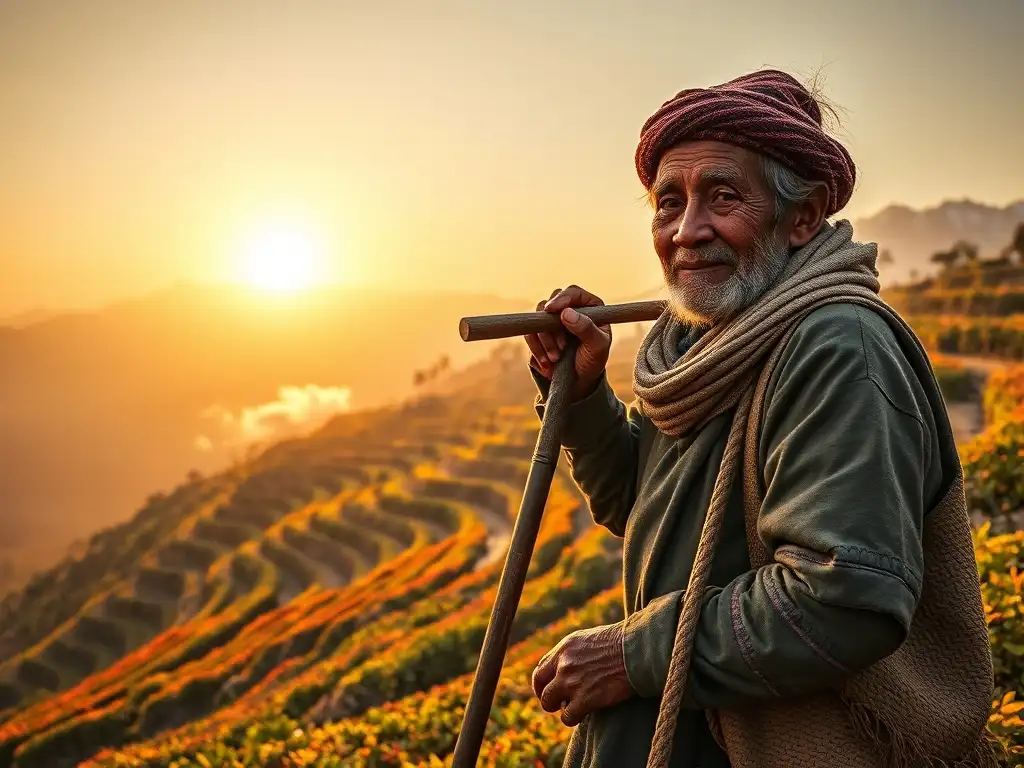
Andean traditional farming methods represent a sophisticated and sustainable approach to agriculture, honed over millennia. Protecting these methods is not merely a historical endeavor; it offers significant benefits for present and future generations. The intricate interplay between Andean communities and their environment has yielded practices that are remarkably resilient and ecologically sound, offering valuable lessons for modern agriculture. Understanding the advantages of preserving these techniques is crucial for ensuring food security, cultural continuity, and biodiversity. The following sections delve into the key benefits.
Food Security and Local Food Systems
The preservation of Andean traditional farming methods is directly linked to food security, particularly within the Andean region. These methods, often characterized by crop diversification, terracing, and water management techniques like qanats, ensure a reliable food supply even in challenging environmental conditions. For example, the Incas' sophisticated agricultural infrastructure, including their extensive network of irrigation canals and terraced fields, allowed them to support a large population.
Modernizing agriculture in the Andes often leads to monoculture farming, increasing vulnerability to pests and diseases and decreasing nutritional diversity. Maintaining diverse local food systems, built upon traditional Andean agriculture, enhances resilience to climate change and external shocks. This is crucial in a region already facing significant challenges related to climate variability and resource scarcity.
Furthermore, the continued use of traditional farming techniques strengthens local economies, providing livelihoods for Andean communities and reducing dependence on external food sources. Quantifying the exact impact on food security requires further research, but the qualitative evidence strongly suggests a positive correlation between the preservation of these methods and improved food security.
Preserving Cultural Heritage and Indigenous Knowledge
Andean traditional farming isn't simply about food production; it's deeply intertwined with the cultural identity and spiritual beliefs of Andean communities. The knowledge associated with these methods—passed down through generations—is invaluable and irreplaceable. This knowledge encompasses not only practical farming techniques but also a deep understanding of the local environment, including plant properties, soil fertility, and water cycles.
For instance, the traditional use of coca leaves, beyond its recreational aspects, plays a vital role in Andean ceremonies and rituals, embodying a profound connection to the land and its resources. The loss of this traditional knowledge would represent a significant cultural loss, diminishing the rich tapestry of Andean heritage. Protecting this knowledge is crucial for maintaining cultural diversity and ensuring the continuity of unique traditions.
Efforts to document and share this knowledge are essential to preventing its erosion and making it accessible to future generations. This preservation is not just about recording facts; it's about understanding the holistic relationship between the Andean people and their environment.
Biodiversity Conservation through Traditional Farming
Andean traditional farming methods contribute significantly to biodiversity conservation. In contrast to modern intensive agriculture, which often relies on monocultures and chemical inputs, traditional Andean farming practices promote biodiversity through crop diversification, agroforestry, and the integration of livestock. The use of diverse crops reduces the risk of crop failure and enhances ecosystem resilience.
Traditional Andean agriculture also supports a wide range of native plant and animal species, contributing to the overall health of the Andean ecosystem. For example, the practice of chaccu, a traditional form of herding, helps manage the populations of wild camelids like llamas and alpacas, maintaining a delicate ecological balance. The loss of traditional farming practices could lead to a decline in biodiversity, threatening the genetic diversity of crops and the survival of numerous endemic species.
Protecting these methods is therefore crucial for preserving the unique biodiversity of the Andes and ensuring the long-term sustainability of the region's ecosystems. Further research is needed to fully quantify the impact of traditional Andean farming on biodiversity, but the anecdotal evidence and observed patterns strongly suggest a positive correlation.
Sustainable Agriculture Practices for the Future
The preservation of traditional Andean farming methods is not merely a historical endeavor; it's a crucial step towards ensuring sustainable agriculture practices for the future. These ancient techniques, honed over millennia, offer valuable lessons in resource management and environmental stewardship that are increasingly relevant in a world facing climate change and dwindling resources. The ingenious terracing systems, for example, prevented soil erosion and maximized water retention, even in challenging mountainous terrain. These methods, adapted to specific microclimates and altitudes, provide a blueprint for resilient agricultural systems capable of withstanding the impacts of a changing climate.
Modern agricultural practices often rely heavily on chemical fertilizers and pesticides, leading to soil degradation and environmental pollution. In contrast, Andean traditional farming often emphasized crop rotation, intercropping, and the use of natural fertilizers, creating a balanced ecosystem that promoted biodiversity and soil health. This holistic approach to agriculture is a vital model for sustainable food production in the 21st century. By studying and implementing these time-tested techniques, we can create more resilient and environmentally friendly agricultural systems, ensuring food security for future generations.
The Andean experience underscores the critical link between cultural preservation and environmental sustainability – a relationship that deserves global recognition and support. The knowledge embedded in these traditional practices is an invaluable resource, offering solutions to contemporary agricultural challenges and promoting a more sustainable future for all. Further research into the specific techniques and their impact on biodiversity and soil health is needed to fully understand their potential for wider application. This would involve collaborations between Andean communities, agricultural scientists, and policymakers to ensure the responsible and effective transfer of knowledge and technology.
Supporting Andean Farmers and Traditional Practices

The preservation of Andean traditional farming methods is not merely a historical endeavor; it's crucial for the economic and environmental sustainability of the region. These methods, honed over millennia, are uniquely adapted to the challenging Andean terrain and climate. Supporting Andean farmers means directly supporting the continuation of these invaluable practices and the biodiversity they sustain. This support needs to be multifaceted, encompassing community-based initiatives, educational programs, and supportive policies.
The decline of traditional farming techniques threatens not only the food security of the region but also the rich cultural heritage intrinsically linked to these practices. Understanding the intricacies of Andean agriculture, from the careful terracing of slopes to the sophisticated irrigation systems, is key to effective preservation efforts. The preservation of these methods is paramount for maintaining the unique biodiversity of the Andean region and ensuring food sovereignty for future generations.
Community-Based Initiatives for Agricultural Preservation
Community-based initiatives are proving to be vital in preserving Andean traditional farming methods. These initiatives often take the form of cooperatives or community-managed agricultural projects. For instance, many communities are reviving ancient techniques of waru waru agriculture, a sophisticated system of raised beds that maximizes water retention and crop yields in arid climates.
These projects not only increase food production but also foster a sense of community ownership and pride in preserving ancestral knowledge. Furthermore, these initiatives often incorporate sustainable practices, minimizing environmental impact while maximizing economic benefits. Success stories abound, showcasing how community-led efforts can effectively safeguard traditional farming practices, bolstering food security and cultural identity.
Detailed studies are needed to fully quantify the impact of these initiatives, but anecdotal evidence strongly suggests their effectiveness in sustaining Andean agriculture. The resilience and adaptability demonstrated by these communities serve as a powerful model for other regions facing similar challenges. The success of these projects is often linked to strong community leadership and effective resource management, underscoring the importance of empowering local communities in conservation efforts.
Education and Awareness of Traditional Methods
Raising awareness about the value of Andean traditional farming methods is crucial for their long-term survival. Educational programs targeting both farmers and the wider public are essential. These programs should emphasize the ecological benefits of these methods, such as soil conservation, water management, and biodiversity preservation.
Furthermore, they should highlight the cultural significance of these practices, connecting them to the rich history and identity of Andean communities. Curriculum development in schools, focusing on Andean agriculture's history and techniques, is a critical step. Workshops and training programs for farmers can help them adapt traditional methods to modern challenges, such as climate change and market demands.
The dissemination of information through various media channels, including documentaries, online resources, and community events, can further increase awareness and promote the adoption of sustainable practices. The effective communication of the economic benefits, alongside the environmental and cultural advantages, is vital for garnering wider support for preserving these methods. Data on the success of educational initiatives in promoting the adoption of traditional farming techniques is still limited, but ongoing research is crucial for refining these programs and maximizing their impact.
Policy Recommendations for Andean Agriculture
Effective policy is essential for supporting Andean farmers and preserving traditional agricultural practices. Governments need to implement policies that provide financial incentives for farmers who adopt sustainable and traditional methods. This could include subsidies, tax breaks, or access to credit. Furthermore, policies should ensure fair market access for farmers, guaranteeing them a fair price for their products and protecting them from unfair competition.
Investment in research and development is also crucial. This research should focus on improving traditional methods while minimizing environmental impact. The development of robust seed banks to preserve the genetic diversity of Andean crops is also a critical policy priority. Additionally, policies should support the development of infrastructure that facilitates the adoption of sustainable practices, such as improved irrigation systems and access to appropriate technology.
Strong regulatory frameworks are needed to protect Andean biodiversity from exploitation and ensure the sustainable use of natural resources. A comprehensive analysis of existing policies and their effectiveness is needed to inform future policy decisions and ensure their alignment with the goal of preserving Andean traditional farming methods. The development of clear, measurable targets for the adoption of sustainable practices is also crucial for evaluating the success of these policies.
The Future of Andean Farming: Combining Tradition and Innovation
The preservation of Andean traditional farming methods is not merely about nostalgia; it's about ensuring food security and biodiversity for future generations. While respecting the wisdom embedded in centuries of practice, integrating modern techniques is crucial for enhancing productivity and resilience in the face of climate change and growing populations. This delicate balance requires careful consideration and a nuanced approach. The challenge lies in adapting, not replacing, the existing systems.
Integrating Modern Techniques with Traditional Practices
Andean traditional farming methods, characterized by techniques like terracing, crop rotation, and the use of diverse native seeds, have proven remarkably sustainable over time. However, these methods can be significantly enhanced by the careful integration of modern agricultural advancements. For example, the use of improved irrigation systems, while respecting water resource management principles inherent in traditional practices, can dramatically improve crop yields, particularly in drought-prone areas.
Similarly, soil testing and the application of organic fertilizers can boost soil fertility without compromising the ecological integrity of the land. Precision agriculture techniques, adapted to the unique Andean terrain, can optimize resource use and minimize environmental impact. The key is to select and implement technologies that complement, rather than contradict, existing practices.
For instance, the use of drones for monitoring crop health can assist farmers in identifying problems early, allowing for timely intervention and preventing significant losses. This approach allows for a more efficient and sustainable use of resources, ultimately benefiting both the environment and the farmer. We need more research dedicated to understanding how to best combine these traditional and modern techniques to ensure optimal outcomes.
The Role of Technology in Supporting Andean Agriculture
Technology plays a vital role in supporting Andean agriculture, not by replacing traditional knowledge but by augmenting it. The adoption of technologies like mobile applications providing real-time weather updates, access to market information, and information on best practices can empower Andean farmers and improve their decision-making process. Furthermore, the use of Geographic Information Systems (GIS) can assist in land management, identifying areas suitable for specific crops and optimizing resource allocation.
The development of climate-resilient crop varieties through biotechnology, while carefully considering potential risks and ethical implications, could also significantly contribute to food security in the region. However, it's crucial that technology transfer is accompanied by appropriate training and support to ensure its effective and equitable adoption by Andean communities. Digital literacy programs and readily available technical assistance are crucial for successful integration.
The goal is not just to introduce technology, but to empower farmers to use it effectively in the context of their unique environment and traditions. Understanding the social and economic context is as important as the technical aspects.
Ensuring Food Sovereignty through Traditional Knowledge
Andean traditional farming methods represent a wealth of knowledge accumulated over millennia, embodying a deep understanding of local ecosystems and the needs of the communities they support. This knowledge is crucial for ensuring food sovereignty – the right of peoples to healthy and culturally appropriate food produced through sustainable methods. Preserving this knowledge requires active efforts to document and share traditional practices, promoting intergenerational knowledge transfer through apprenticeships, workshops, and community-based educational programs.
This involves not just the technical aspects of farming but also the cultural and spiritual dimensions that are deeply intertwined with agricultural practices in the Andes. The protection and promotion of native seed varieties are also critical for maintaining biodiversity and adapting to changing environmental conditions. Supporting local seed banks and promoting the use of traditional seeds are vital steps in preserving this invaluable heritage.
This focus on food sovereignty ensures both the sustainability of Andean agriculture and the cultural integrity of the communities it supports. The preservation of these traditional farming methods is not just an agricultural concern; it's a cultural imperative.
Case Study: The Potato Park in Peru
The Potato Park, located in the Andes of Cusco, Peru, serves as a shining example of successful integration of traditional Andean farming methods with modern conservation efforts. This initiative, driven by local communities, showcases how indigenous knowledge can be vital in tackling contemporary challenges such as climate change and biodiversity loss. The park isn't just about preserving potatoes—a staple crop in the Andean diet for millennia—but also about safeguarding the vast genetic diversity of potato varieties cultivated by the Quechua people for generations.
These aren't just potatoes; they represent a cultural heritage, intricately linked to their traditions, beliefs, and livelihoods. The park actively promotes the sustainable cultivation of over 700 native potato varieties, each adapted to specific microclimates and altitudes. This incredible biodiversity acts as a natural insurance policy against disease and environmental fluctuations.
The Potato Park's success is intrinsically tied to the active participation of local farmers. They are not merely passive custodians of their ancestral knowledge but active agents in shaping the park's development and management. This participatory approach empowers communities, fostering a sense of ownership and responsibility towards the preservation of their agricultural heritage.
The park also provides a platform for the exchange of knowledge and techniques among farmers, strengthening their collective capacity for adaptation and resilience. Farmers share their experiences, learn from one another, and collectively address challenges. This collaborative spirit is crucial for maintaining the vibrant tapestry of traditional Andean farming practices.
Furthermore, the Potato Park demonstrates the economic benefits of preserving traditional agriculture. The unique potato varieties grown in the park attract tourists and researchers, generating income for local communities. The park also supports the development of value-added products, such as processed potato chips and other delicacies, which enhances the economic viability of traditional farming methods.
This economic viability is critical in countering the allure of abandoning traditional practices in favor of more intensive, albeit often less sustainable, agricultural models. The Potato Park proves that sustainable, culturally sensitive approaches are not only environmentally responsible but also economically viable. The park’s model effectively demonstrates how Andean traditional farming methods can be not only preserved but also sustainably developed, creating economic opportunities while preserving biodiversity.
This approach provides a compelling blueprint for other communities facing similar challenges in the Andes and beyond. The Potato Park embodies the harmonious blend of tradition and innovation, a testament to the enduring power of Andean agricultural wisdom.
Frequently Asked Questions
What are some traditional Andean farming methods?
Andean farmers employed ingenious techniques like terracing to create level fields on slopes, waru waru (raised bed agriculture) for water management, and crop rotation to maintain soil fertility. These methods allowed for sustainable agriculture in challenging environments.
How did the Incas contribute to Andean agricultural practices?
The Inca Empire implemented sophisticated irrigation systems and developed extensive road networks to facilitate the transportation of goods and the distribution of agricultural products across their vast territory. They also implemented advanced agricultural techniques to ensure food security.
What role did climate play in shaping Andean farming techniques?
The diverse climates of the Andes Mountains significantly influenced farming practices. High-altitude adaptations included frost-resistant crops and the use of microclimates to optimize growing conditions. Water management was crucial in arid regions.
How did traditional Andean farming impact the environment?
Traditional Andean farming methods, while intensive, were generally sustainable, minimizing environmental damage. Techniques like terracing and waru waru actually enhanced biodiversity and protected soil.
Why is it important to preserve traditional Andean farming methods?
Preserving these methods is crucial for maintaining biodiversity, ensuring food security, and supporting the cultural heritage of Andean communities. These techniques offer valuable insights for sustainable agriculture in a changing climate.
Final Reflection: Cultivating a Legacy: The Future of Andean Agriculture
The preservation of Andean traditional farming methods is not merely a historical endeavor; it is a critical component of global food security and environmental sustainability. These ancient techniques, honed over millennia, offer invaluable lessons in resilience, biodiversity, and harmonious coexistence with nature—lessons desperately needed in our increasingly fragile world. Their continued practice is essential not only for the Andean region but for the planet as a whole.
The profound impact of Andean agricultural practices extends far beyond the immediate benefits of food production. These methods represent a deep cultural connection to the land, a spiritual relationship passed down through generations. They embody a holistic understanding of ecological balance, a stark contrast to the often exploitative practices of modern industrial agriculture. The land is not merely something we own; it is something we inherit from our ancestors and hold in trust for our descendants.
This sentiment perfectly encapsulates the Andean worldview, a perspective we must strive to understand and emulate.
Consider the wisdom embedded within these ancient techniques. Think about the intricate knowledge of water management, the careful selection of seeds adapted to specific microclimates, and the symbiotic relationships fostered between plants and animals. You, the reader, hold the power to amplify the importance of this knowledge. Support organizations working to preserve these traditions, learn about the challenges faced by Andean farmers, and advocate for policies that protect this invaluable heritage. Let us work together to ensure that the legacy of Andean agriculture continues to flourish for generations to come.
**Embrace and Elevate Andean Agriculture Today! **
Thank you for exploring the vital role of traditional Andean agriculture in preserving cultural heritage. Your interest is crucial in fostering appreciation for these time-honored practices that sustain both culture and community. Let's turn that interest into action!
Here are some meaningful ways you can contribute:
- **Support Local Farmers:** Connect directly with producers of traditional Andean crops by visiting farmers' markets or joining a community-supported agriculture (CSA) program.
- **Share Your Knowledge:** Raise awareness and inspire others to appreciate this heritage by sharing information about the importance of Andean agricultural practices on social media.
- **Learn and Experiment:** Grow Andean staples like quinoa or potatoes in your garden and share your experiences with friends and family. This hands-on approach fosters a deeper understanding and appreciation.
What traditional Andean farming practices do you believe are most important to preserve or revive in today's communities?