
Nazca Society: Unveiling the Secrets of Social Hierarchy and Daily Life

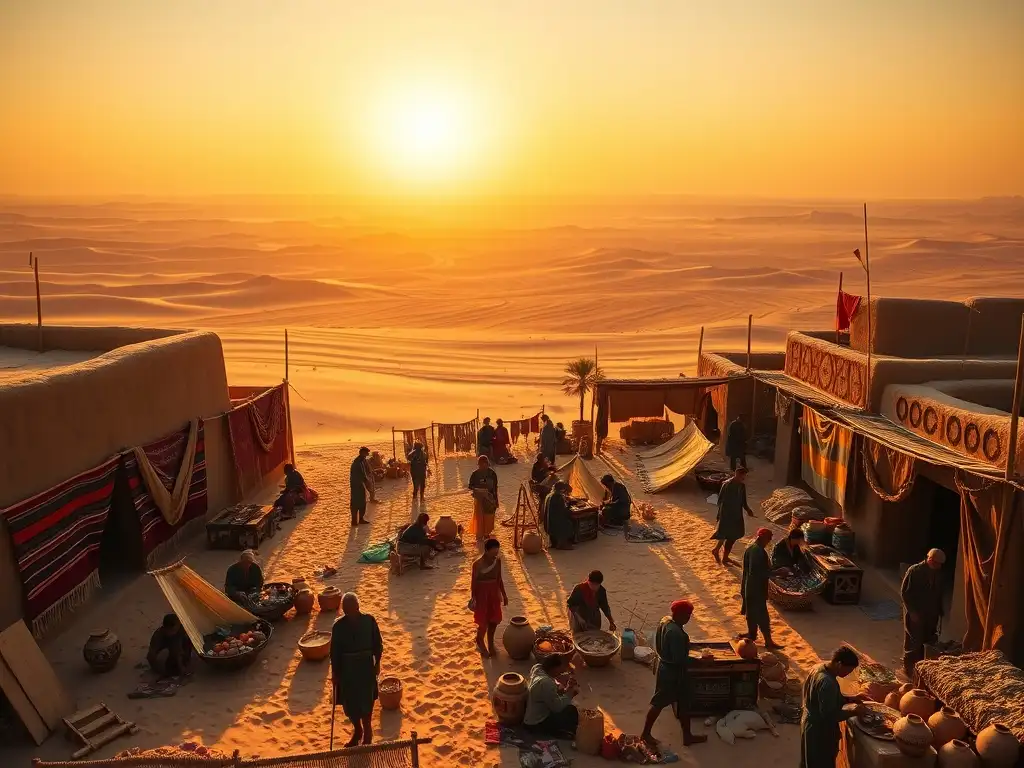
Step into a world lost to time, where the arid plains of Peru hold secrets older than history itself. Imagine a society where intricate geoglyphs hinted at a complex social structure, and daily life revolved around innovative technologies and breathtaking artistry. This is the world of the Nazca, and we invite you to uncover the mysteries behind their Nazca social hierarchy and daily life. Prepare to be amazed as we delve into the fascinating intricacies of this ancient civilization. Dare to explore…
The Nazca civilization, flourishing along Peru's southern coast between 100 BCE and 800 CE, remains a captivating enigma. Their mastery of irrigation, stunning geoglyphs, and sophisticated ceramics hint at a complex society with a well-defined social structure. This article delves into the intricacies of Nazca social hierarchy and daily life, exploring the roles and interactions of different societal groups, from the elite ruling class to the common farmers who sustained the civilization.
Understanding their social organization is crucial to comprehending the remarkable achievements and enduring legacy of this fascinating ancient culture. We will examine the evidence from archaeological findings to paint a picture of Nazca daily life, revealing the interwoven fabric of power, artistry, and agriculture that defined their existence.
By exploring the diverse aspects of Nazca society, we aim to uncover the secrets behind their remarkable accomplishments and lasting impact on Peruvian history. This exploration of "Nazca social hierarchy daily life" will reveal a society far more nuanced than previously imagined.
The Nazca social structure, like many ancient Andean societies, was hierarchical. Evidence suggests a stratified society with distinct classes, each with specific roles and responsibilities. Unlike some other civilizations, however, there's less clear-cut evidence of a centralized, all-powerful emperor. Instead, power may have been distributed among regional elites or a council of leaders.
Archaeological discoveries, including elaborate tombs containing prestigious grave goods and the varied construction of settlements, support this interpretation. The distribution of resources and the types of artifacts found in different burial sites provide crucial insights into the social stratification. Furthermore, analysis of ceramic styles and iconography reveals symbolic representations of social status and power. The absence of monumental architecture, typical of some other Andean cultures, suggests a decentralized political system, although the influence of powerful individuals or groups is undeniable.
The Layers of Nazca Society
The Nazca social hierarchy can be broadly categorized into several levels, though the exact boundaries and interactions between these groups remain a subject of ongoing research. The available evidence, however, suggests a clear distinction between the elite, the artisans, and the commoners. The nuances within each layer are still being uncovered as archaeologists continue to analyze artifacts and settlements. Further research is necessary to fully understand the complex dynamics within Nazca society and the fluidity between these social groups.
Elite Class in Nazca Society: Power and Privilege
The elite class in Nazca society likely consisted of religious leaders, political figures, and wealthy landowners. Their privileged status is evidenced by the elaborate tombs containing gold ornaments, finely crafted ceramics, textiles, and other luxury goods. These burials suggest a lifestyle marked by abundance and access to resources not available to the majority of the population.
The impressive scale and complexity of some of the irrigation systems also point towards centralized control and the ability to mobilize significant labor resources, implying a powerful and organized elite capable of directing large-scale projects. Further research into the iconography found on elite artifacts could shed light on the nature of their power and influence within the society.
The Role of Artisans and Craftsmen in Nazca Culture
Nazca artisans were highly skilled, producing exquisite textiles, pottery, and metalwork. Their craftsmanship is evident in the intricate designs and the technical mastery displayed in their creations. The presence of specialized workshops and the standardization of certain designs suggest a degree of organization and potentially a hierarchical structure within the artisan class itself.
While not part of the elite, artisans likely held a respected position within Nazca society due to their valuable skills. The discovery of artisan workshops and the prevalence of distinctive styles in their artifacts provide compelling evidence of their importance within the broader social structure. Analyzing the distribution of these artifacts might also reveal insights into the social mobility within the artisan class.
Commoners and Farmers in Nazca Daily Life
The majority of the Nazca population consisted of commoners, primarily farmers. Their daily life revolved around agriculture, utilizing sophisticated irrigation systems to cultivate crops in the arid coastal environment. The construction and maintenance of these systems required collective effort and cooperation, suggesting a degree of social organization and community involvement. Archaeological evidence, including the remains of simple dwellings and the tools used for farming, offers glimpses into their everyday lives.
Analyzing the dietary remains from commoner burials could provide further insights into their nutrition and quality of life. Understanding the daily routines and social interactions of these commoners is vital to understanding the fabric of Nazca society as a whole. Further research focusing on commoner settlements and burial sites is needed to paint a complete picture of their lives.
Nazca Daily Life: Beyond the Geoglyphs
The Nazca people, renowned for their enigmatic geoglyphs, led complex lives shaped by their environment and social structures. Understanding their daily routines offers a glimpse into the intricacies of this fascinating civilization. Their lives revolved around agriculture, religious practices, and the maintenance of their social hierarchy. Daily activities were dictated by the seasonal rhythms of the desert, with periods of intense agricultural labor interspersed with periods devoted to religious observances and community events.
The evidence suggests a well-organized society with specialized roles and a clear understanding of resource management. This daily life, while demanding, fostered a culture rich in artistic expression and technological innovation, as evidenced by their intricate textiles, pottery, and, of course, the geoglyphs themselves. The rhythms of Nazca life were deeply intertwined with the cycles of nature, highlighting their profound connection to their arid environment.
Nazca Agriculture: Sustaining the Population
The backbone of Nazca society was its sophisticated irrigation system. Ingenious canals, some stretching for miles, channeled water from underground sources and seasonal rivers to irrigate the otherwise barren desert lands. This allowed for the cultivation of crops like cotton, beans, maize, and squash, providing the sustenance for the entire population. The construction and maintenance of these canals required significant collaborative effort, reflecting the organized nature of Nazca society and the importance placed on agricultural productivity.
The success of Nazca agriculture wasn't simply a matter of engineering; it also depended on a deep understanding of the local climate and the development of drought-resistant crops. This agricultural expertise allowed them to support a relatively large population in a challenging environment. Archaeological evidence reveals the scale of their agricultural endeavors, with vast fields crisscrossed by meticulously planned irrigation channels.
Nazca Food and Diet: What Did They Eat?
The Nazca diet, largely dictated by their agricultural output, consisted primarily of plants such as maize, beans, squash, and cotton. Maize, in particular, played a central role, forming the basis of many of their dishes. They also supplemented their diet with fish and other seafood from the nearby Pacific Ocean, as well as various wild plants and animals. Archaeological excavations of Nazca settlements have unearthed evidence of food storage techniques, indicating a degree of surplus production and planning for times of scarcity.
The remains of various plants and animals found in tombs and settlements provide further insight into their dietary habits. Analysis of these remains reveals a varied diet, reflecting the ingenuity of the Nazca in utilizing the resources available to them in their harsh environment. This diverse food supply supported a population that created impressive artistic and architectural achievements.
Nazca Housing and Domestic Life
Nazca settlements varied in size and complexity, ranging from small villages to larger urban centers. Houses were typically constructed from adobe bricks, arranged in clusters around courtyards. The size and layout of the houses likely reflected the social status of their inhabitants. Domestic life centered around these dwellings, where families engaged in various activities such as weaving, pottery making, and food preparation.
Evidence suggests a degree of specialization of labor, with some individuals focusing on specific crafts while others dedicated themselves to agriculture or religious practices. Archaeological findings reveal details about their daily routines, from the tools they used to the materials they crafted. The layout of settlements and houses provides valuable insights into family structures and social organization within Nazca society.
The Importance of Religion in Nazca Daily Life
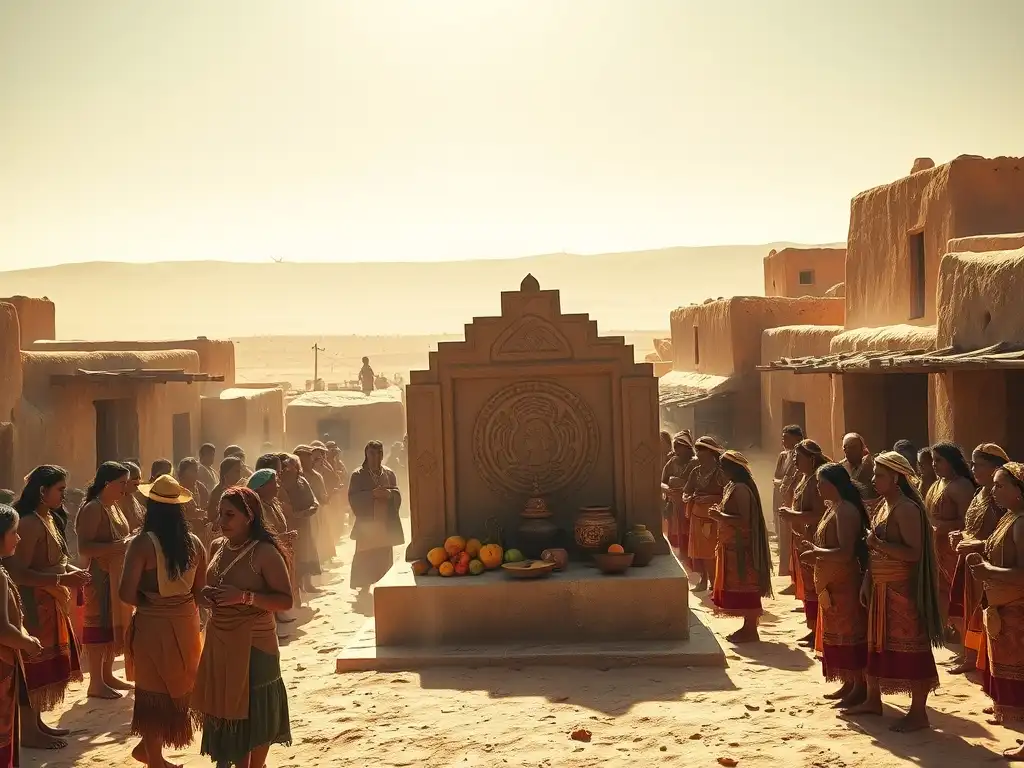
Religion permeated all aspects of Nazca life, shaping their worldview, social structures, and daily activities. Their beliefs centered around a pantheon of deities and supernatural forces, which were believed to influence everything from agricultural cycles to social order. Religious practices played a crucial role in maintaining social cohesion and ensuring the well-being of the community.
The construction of elaborate temples and the performance of rituals were essential components of Nazca society, demonstrating the significant investment of time and resources dedicated to religious activities. The prominence of religious themes in their art, textiles, and pottery further underscores the deeply spiritual nature of Nazca culture.
Nazca Religious Practices and Beliefs
Nazca religious beliefs were expressed through a rich iconography found in their art and artifacts. Many of their pottery vessels depict deities, mythological creatures, and scenes of ritual activities, providing valuable clues about their spiritual world. These representations reveal a complex cosmology involving various supernatural beings and forces, which were believed to intervene in the affairs of the living.
Sacrificial offerings, both human and animal, were a common feature of Nazca religious practices, suggesting a belief in the power of appeasement and reciprocity with the supernatural. The intricate details depicted in their art indicate a sophisticated understanding of religious concepts and a deep connection to their spiritual beliefs. The consistent themes and symbols found across different artifacts suggest a shared religious system throughout Nazca society.
Nazca Rituals and Ceremonies
Religious rituals and ceremonies formed an integral part of Nazca daily life. These events were often associated with agricultural cycles, ensuring the fertility of the land and the prosperity of the community. Evidence suggests the existence of specialized priests or shamans who conducted rituals and oversaw religious practices.
The construction of elaborate temples and ceremonial centers served as venues for these events, which may have included processions, offerings, and performances. The sheer scale and complexity of some of these ceremonial centers highlight the importance of religion in Nazca society and the central role it played in their daily lives. The remains of these sites provide tangible evidence of the significance of religious practices in shaping their culture and social organization.
The Nazca social organization, while not fully understood, reveals a complex system of power and authority. Archaeological evidence suggests a hierarchical structure, with a ruling elite controlling resources and labor. This elite likely consisted of priests, warriors, and administrators who held significant influence over the population.
The precise mechanisms of power transfer and succession remain unclear, but the construction of monumental structures like the Nazca Lines and elaborate burial sites points to a centralized authority capable of mobilizing significant manpower and resources. Furthermore, the stylistic consistency of Nazca ceramics and textiles across vast geographical areas suggests a degree of centralized control over artistic production and potentially religious practices. The presence of elite burials containing lavish grave goods, contrasting sharply with simpler burials of commoners, further emphasizes the social stratification within Nazca society.
The sheer scale of some Nazca projects, such as the intricate irrigation systems, implies sophisticated organizational capabilities and a hierarchical system for their management. Further research is needed to fully illuminate the nuances of Nazca governance and the mechanisms by which power was maintained.
Nazca Leadership and Governance
While the precise nature of Nazca leadership remains a topic of ongoing research, several clues point to a system of governance that combined religious and political authority. The presence of elaborate temples and ceremonial centers suggests a powerful priestly class that played a significant role in social control and decision-making. These priests may have held sway over the population through religious authority, controlling access to resources and interpreting omens.
Evidence from iconography, such as depictions of rulers and warriors in elaborate headdresses and regalia, suggests a hereditary or at least elite-based system of leadership. However, the lack of monumental inscriptions or written records makes it difficult to definitively determine the exact structure of governance and the mechanisms through which leaders maintained their authority.
The intricate irrigation systems and the extensive organization needed to create the Nazca Lines suggest a sophisticated administrative apparatus capable of coordinating large-scale projects and mobilizing labor. The distribution of artifacts and the stylistic consistency of artwork across a wide territory also indicates a system of communication and control that reached across the Nazca region.
Evidence of Social Control in Nazca Society
Evidence for social control in Nazca society is evident in several areas. The remarkably consistent style of Nazca pottery and textiles, even across vast distances, suggests a degree of centralized control over artistic production. This control may have been exerted through workshops or guilds, possibly overseen by the elite.
The large-scale irrigation systems, requiring coordinated labor and resource management, also indicate a sophisticated system of social control. The construction of these systems demanded substantial manpower, and their maintenance required ongoing cooperation and adherence to established rules. Further evidence comes from the elite burials, which often contained lavish grave goods indicating significant social stratification and the concentration of wealth and power in the hands of a few.
The presence of fortified settlements in some areas suggests potential conflict and the need for defensive measures, further highlighting the role of authority in maintaining social order. The absence of widespread evidence of violent conflict, however, suggests that social control was largely achieved through other means, likely a combination of religious authority, economic control, and possibly ideological manipulation.
The Nazca social hierarchy was characterized by a significant stratification of power and wealth. At the apex were the elite, likely composed of priests, rulers, and warriors, who controlled resources and labor. These individuals were often buried with elaborate grave goods, reflecting their high status and access to valuable resources.
Below them were likely skilled artisans, farmers, and other specialists who contributed to the functioning of Nazca society. At the bottom were the commoners who provided the bulk of the labor required for agriculture, construction, and other essential activities. This marked disparity in wealth and status had significant implications for the distribution of resources, opportunities, and social mobility.
The hierarchical structure likely influenced aspects of Nazca culture, including artistic production, religious practices, and even the design of settlements. The social stratification is evident in the differential access to resources reflected in burials, housing, and the distribution of artifacts across the Nazca landscape. This hierarchical system, while effective in organizing large-scale projects, likely also created social tensions and inequalities.
The Impact of Social Stratification in Nazca Culture
The strong social stratification within Nazca society profoundly impacted various aspects of their culture. Artistic styles, for instance, likely reflected the preferences and patronage of the elite. The elaborate designs and materials used in elite burials suggest a close link between social status and artistic expression.
Religious practices were likely also shaped by the elite's control over temples and ceremonial centers. The priests, holding significant religious authority, may have used their influence to reinforce the existing social hierarchy and legitimize their power. The construction of monumental structures like the Nazca Lines, requiring massive amounts of coordinated labor, indicates the ability of the elite to mobilize and control the population.
This social stratification even impacted the distribution of resources, with the elite likely enjoying a disproportionate share of the agricultural output and other goods. The different types of housing and burial practices found across Nazca sites further illustrate the impact of social class on everyday life. The stratification likely also influenced social interactions and opportunities, creating both stability and potential conflict within Nazca society.
Social Mobility in Nazca Society: Was it Possible?
The question of social mobility within Nazca society remains a complex one, with limited direct evidence. While the clear social stratification suggests limited opportunities for upward mobility, the possibility of some degree of social movement cannot be entirely ruled out. Skilled artisans, for instance, might have achieved a relatively higher status through their expertise.
Similarly, successful farmers or those who accumulated wealth could potentially have risen in social standing. However, the strong emphasis on hereditary lineages and the concentration of power in the hands of the elite suggest that significant upward mobility was likely rare. The consistency of artistic styles and burial practices over generations points to a relatively stable social structure with limited opportunities for major social shifts.
Further research, particularly focusing on analyzing changes in burial practices and artifact distributions over time, may shed more light on the dynamics of social mobility within Nazca society. The lack of written records, however, poses a significant challenge to fully understanding the nuances of social mobility in this ancient civilization. The evidence currently available suggests a relatively rigid social hierarchy, but further investigation is needed to definitively answer the question of social mobility in Nazca society.
Nazca Daily Routines: A Glipse into the Past
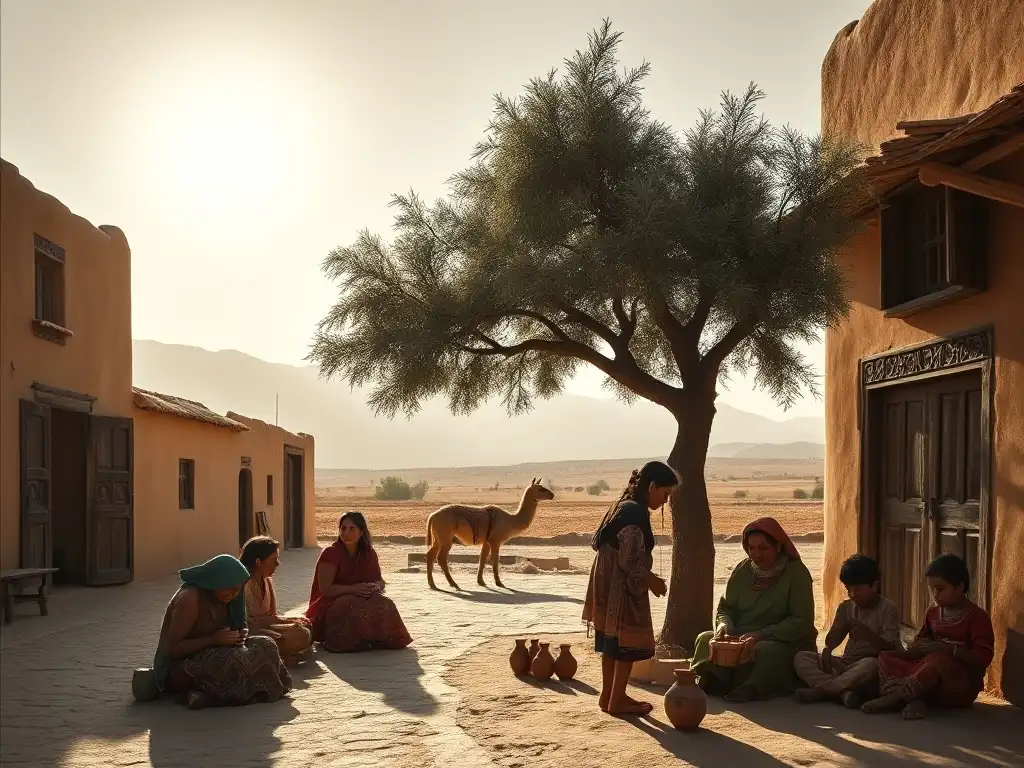
The daily lives of Nazca people were heavily influenced by their environment and social structure. The arid coastal plains of southern Peru demanded efficient water management and agricultural practices, shaping the rhythm of their days. Evidence suggests a strong emphasis on communal labor, particularly during planting and harvesting seasons.
The intricate irrigation systems, a testament to their engineering prowess, required coordinated efforts from various social groups. While the specifics of daily routines vary depending on social standing, a common thread was the dedication to agricultural production and the maintenance of their complex societal structures. Archaeological findings, such as remnants of tools, dwellings, and food remains, offer glimpses into their daily activities.
These findings, combined with iconographic representations on ceramics and textiles, provide valuable insights into the daily lives of these fascinating people. The meticulous nature of their work, evident in their textiles and ceramics, suggests a structured and disciplined approach to daily tasks. Furthermore, the careful planning and execution of their monumental projects, such as the famous Nazca Lines, demonstrate a capacity for large-scale organization and collaboration.
Typical Day in the Life of a Nazca Commoner
A typical day for a Nazca commoner likely began before sunrise. Their primary role revolved around agriculture – cultivating cotton, beans, maize, and other crops. This involved arduous work in the fields, tending to irrigation canals, and harvesting crops.
They also participated in communal projects, contributing to the maintenance of the intricate irrigation systems that were vital for their survival. The afternoon might have been dedicated to crafting textiles, pottery, or other necessities, often within a family or community setting. Evenings were likely spent preparing food, engaging in social activities, and maintaining their homes.
The limited archaeological evidence suggests a life focused on sustenance and community cooperation, with leisure activities possibly integrated into the daily rhythm of work and social interaction. Their days were dictated by the demands of agriculture and the needs of their community, reflecting a life deeply intertwined with the environment and social structures. The simplicity of their tools and the durability of their artifacts suggest a focus on practicality and functionality in their daily lives.
Typical Day in the Life of a Nazca Elite
In contrast to the commoners, the daily life of a Nazca elite was likely far more relaxed and focused on governance and ritual practices. While they may not have directly participated in manual labor, they oversaw the agricultural production and managed the distribution of resources within their communities. Their days would have involved administrative tasks, religious ceremonies, and social interactions with other elites.
Archaeological evidence suggests that elite members lived in larger, more elaborate dwellings, possibly with access to specialized craftspeople and servants. Their diet likely consisted of a greater variety and quantity of food, reflecting their higher social standing. Textiles and jewelry found in elite burials suggest a greater access to luxury goods and a more refined lifestyle.
Their involvement in religious ceremonies and rituals underscores their pivotal role in the spiritual and social fabric of Nazca society. The intricate designs and materials used in their burial goods suggest a lifestyle dedicated to ritual and status enhancement.
The Nazca social structure, though not fully understood, appears to have been hierarchical, with clear distinctions between elites, commoners, and possibly specialized artisans. Social status was likely determined by factors such as lineage, access to resources, and religious authority. The existence of elaborate tombs and grave goods indicates a significant disparity in wealth and social standing.
However, the evidence also suggests a degree of social mobility, potentially influenced by factors such as skill, merit, or religious influence. Understanding the intricacies of Nazca social dynamics requires a careful examination of archaeological evidence, including settlement patterns, burial practices, and artistic representations. Further research is crucial to fully unravel the complexities of their social interactions and the mechanisms that governed their society.
Interactions Between Different Social Classes
Interactions between different social classes were likely structured and regulated. While the elite likely controlled the distribution of resources and held significant political and religious power, their relationship with commoners was crucial for maintaining social order and ensuring agricultural production. The cooperative nature of their large-scale irrigation projects suggests a degree of collaboration and interdependence between social groups. However, the disparity in wealth and access to resources undoubtedly created power imbalances.
Artistic representations and burial practices offer limited insights into the nature of these interactions, hinting at both cooperation and potential conflict between social classes. The exact nature of these interactions remains a subject of ongoing research, requiring further investigation to fully understand the dynamics between different social groups in Nazca society. More detailed analysis of archaeological data and iconographic representations is necessary to elucidate the complex nuances of inter-class relationships.
Community Life and Social Bonds in Nazca
Despite the hierarchical structure, evidence suggests a strong sense of community and social cohesion within Nazca settlements. The construction and maintenance of their intricate irrigation systems, which required coordinated efforts from numerous individuals, highlight the importance of community cooperation. Religious practices likely played a significant role in fostering social bonds, uniting people through shared beliefs and rituals. Archaeological evidence, such as communal dwellings and shared burial practices, further supports the idea of strong community ties.
The production of ceramics and textiles, often featuring similar motifs and styles, suggests a shared cultural identity and a degree of social interaction. The overall picture suggests a society where community life and social bonds were essential for survival and prosperity, even within a hierarchical social structure. The enduring legacy of Nazca art and architecture further underscores the strength and resilience of their social fabric.
Nazca Society and its Legacy
The Nazca civilization, flourishing along the southern coast of Peru from roughly 100 BCE to 800 CE, left behind a complex and fascinating social structure that continues to intrigue archaeologists and historians. Their sophisticated irrigation systems, intricate textiles, and iconic geoglyphs are testaments to a society with a well-defined hierarchy and a rich daily life. Understanding their social organization provides crucial insights into their remarkable achievements and enduring impact on subsequent Andean cultures.
The Nazca's legacy isn't just about the impressive visual displays; it's about a complex societal engine that powered innovation and adaptation in a challenging desert environment. Their methods of water management, for instance, remain a testament to their engineering prowess and their deep understanding of their environment.
This sophisticated approach to resource management wasn't simply a matter of survival; it was intrinsically linked to their social organization and the distribution of resources across different social strata. The careful planning and execution of large-scale projects like the Nasca Lines suggest a highly organized society with specialized labor and centralized authority.
Influence of Nazca Social Structure on Later Andean Cultures
While the specifics of Nazca social organization are still being pieced together through ongoing archaeological research, its influence on later Andean cultures, particularly the Wari and Inca, is undeniable. The hierarchical structure, with its emphasis on elite control and specialized labor, likely served as a model for subsequent civilizations. The sophisticated irrigation techniques developed by the Nazca were adopted and refined by later societies, demonstrating a clear continuity in technological and societal approaches to managing resources.
Evidence suggests that the emphasis on ceremonial centers and elite burial practices, characteristic of Nazca society, also found echoes in the Wari and Inca empires. This wasn’t simply a matter of imitation; it was an adaptation and evolution of existing social structures, reflecting the complex interplay of cultural exchange and independent development across Andean history.
For example, the intricate textiles and pottery of the Nazca, indicative of specialized craftspeople, paved the way for similar artistic expressions in later Andean societies, suggesting a continuous thread of artistic tradition and social organization. The meticulous record-keeping systems, though not fully understood, hint at administrative structures that may have influenced the record-keeping practices of subsequent civilizations.
What We Can Learn from Nazca Social Hierarchy and Daily Life
Studying the Nazca social hierarchy and daily life offers invaluable insights into the complexities of ancient Andean societies. The evidence suggests a society stratified by access to resources, social status, and specialized skills. While the elite likely controlled the most fertile lands and enjoyed a privileged lifestyle, the commoners played a vital role in agriculture, craft production, and the construction of monumental works.
The intricate designs found on their pottery and textiles, along with the monumental scale of their irrigation systems and geoglyphs, demonstrate a high level of social organization and cooperation. Examining the burial practices reveals clues about social status and beliefs regarding the afterlife. The differences in grave goods and burial locations reflect the social hierarchy, providing tangible evidence of social stratification.
By analyzing these aspects, we gain a richer understanding of the daily lives of the Nazca, their beliefs, and their societal structures. The careful study of their artifacts, settlements, and agricultural practices allows researchers to piece together a more complete picture of this fascinating civilization and its lasting impact on the Andean world. The more we learn about the Nazca, the better we understand the complex tapestry of Andean history and the enduring legacies of its diverse cultures.
- Understanding Nazca Social Structure
- The Layers of Nazca Society
- Nazca Daily Life: Beyond the Geoglyphs
- The Importance of Religion in Nazca Daily Life
- Nazca Social Organization: Power and Authority
- Nazca Social Hierarchy and its Implications
- Nazca Daily Routines: A Glipse into the Past
- Nazca Social Dynamics and Interactions
- Nazca Society and its Legacy
Frequently Asked Questions
The Nazca social hierarchy was likely based on a combination of religious authority, land ownership, and access to resources. Elite classes controlled key resources and held significant political and religious power.
Daily life for Nazca people varied greatly depending on their social standing. Elites enjoyed luxury and privilege, while commoners worked in agriculture, craft production, or other labor. Burial practices also reflected this hierarchy.
Archaeological evidence like elaborate tombs, differing grave goods, and settlement patterns reveal the Nazca social structure. Monumental architecture and artistic representations also offer clues.
The elite class likely held religious and political power, overseeing large-scale projects. Commoners engaged in farming, crafting, and other essential activities. Specialized artisans held valued positions, creating intricate textiles and ceramics.
Daily life, particularly agricultural practices and resource distribution, played a crucial role in maintaining and reinforcing the social hierarchy. Control over irrigation systems and other resources solidified elite power.
Final Reflection: Echoes of the Nazca: A Legacy of Ingenuity and Mystery
The intricate social structures and daily routines of the Nazca people, though separated from us by centuries, continue to resonate profoundly with our understanding of societal organization and human resilience. Their sophisticated irrigation systems, complex artistic expressions, and surprisingly stratified society offer a compelling case study in human adaptation and ingenuity, reminding us that even in seemingly harsh environments, complex and vibrant cultures can flourish.
The enduring legacy of the Nazca is not merely confined to the breathtaking geoglyphs that grace the desert landscape; it extends to our understanding of social dynamics, artistic expression, and the human capacity for innovation. Their hierarchical society, with its specialized craftspeople and elite ruling class, mirrors patterns we see in many cultures throughout history. The past is never dead. It's not even past.
– William Faulkner. This quote rings particularly true when considering the Nazca, whose sophisticated understanding of engineering, agriculture, and social organization continues to inspire awe and fuel ongoing research.
Consider the ingenuity of their irrigation systems, the artistry of their textiles and ceramics, and the sheer scale of their monumental projects. These achievements were not born of magic, but of careful planning, collaborative effort, and a deep understanding of their environment. You too possess the capacity for innovation and collaboration.
Reflect on the challenges you face, and consider how the resourcefulness and resilience of the Nazca might inspire you to find creative solutions and build a more interconnected and thriving community. Let their story be a testament to the enduring power of human spirit and the importance of understanding our shared past to shape a better future.
Unlock the Mysteries of the Nazca Society!
Thank you for exploring the fascinating world of the Nazca! Your investigation into their social structures and daily lives has revealed a wealth of knowledge about this remarkable civilization. Now, let's delve even deeper into their rich history.
Here are some exciting ways to continue your exploration:
- Join a local or online archaeology group dedicated to Andean civilizations. Share your discoveries and learn from others!
- Create a visual representation of the Nazca social hierarchy – perhaps a chart, diagram, or even a work of art – and share it online to inspire others.
- Research other ancient cultures and write a comparative essay exploring how social structures shaped daily life in different societies.
What aspect of Nazca society most captivates you, and how do you believe it informs our understanding of modern social structures?