
Royal Robes: The Significance of Textiles in Andean Power and Status

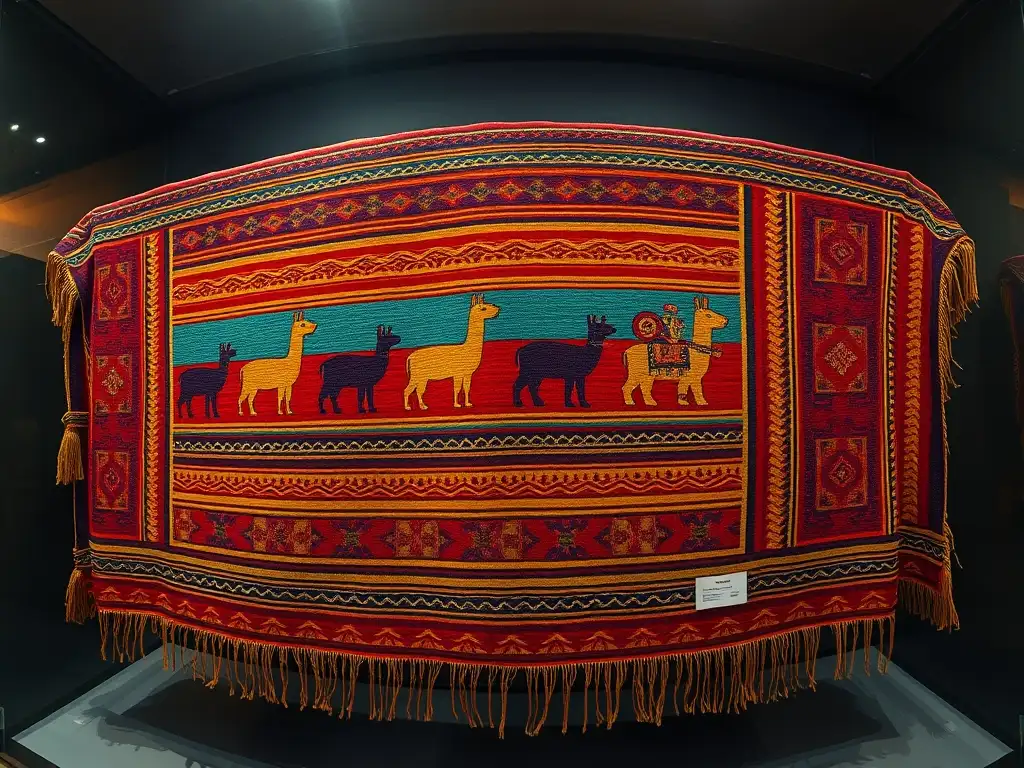
Unravel the mysteries woven into the very fabric of Andean history. For centuries, intricate textiles weren't just clothing; they were powerful symbols of status and authority. Prepare to be amazed as we delve into the remarkable world of Andean textile significance, exploring how these vibrant threads narrate tales of power, ritual, and the sophisticated artistry of ancient civilizations like the Incas, Moche, and Nazca. Discover the secrets hidden within the threads – a story waiting to be unwound.
The vibrant tapestry of Andean history is interwoven with the intricate threads of its textile tradition. Far from mere clothing, textiles held profound symbolic weight, acting as potent indicators of social status, political power, and religious authority within the diverse Andean civilizations.
This article delves into the fascinating world of Andean textiles, exploring how these meticulously crafted garments and objects served as powerful expressions of identity, reflecting the complex social hierarchies and cosmological beliefs of cultures such as the Inca, Moche, Nazca, and Tiahuanaco. We will examine the materials, techniques, and iconography employed to understand the profound significance of textiles in shaping Andean power structures and defining individual status.
Understanding the role of textiles provides invaluable insight into the richness and complexity of Andean societies, revealing a sophisticated system of visual communication deeply embedded in their daily lives and spiritual world. Prepare to be amazed by the artistry and the deep meaning woven into every thread.
The Inca Empire, at its zenith, commanded a vast territory across the Andes. Their imperial power was visually reinforced through the masterful use of textiles. Royal robes, adorned with intricate designs and vibrant colors, served as powerful symbols of authority.
These garments were not simply worn; they were meticulously crafted, often taking years to complete, by skilled artisans who held a high social standing within the empire. Specific motifs, such as the tocapu (a knotted cord used for record-keeping), the chakana (Andean cross symbolizing the cosmos), and representations of deities, were strategically incorporated to visually communicate the emperor's divine right to rule and his connection to the spiritual realm.
The quality of the textiles, the rarity of the materials (like vicuña wool), and the complexity of the designs all contributed to their significance as symbols of imperial power. The use of specific colors also held meaning; for example, purple was often reserved for royalty, while other colors represented different social classes or specific events.
The production of these royal textiles was carefully controlled by the state, ensuring that only those of high status could wear certain types of garments. This control over textile production further solidified the Inca's power and reinforced social hierarchy. The creation of these textiles involved a complex organization of labor, highlighting the sophisticated administrative capabilities of the Inca state. The detailed craftsmanship and the symbolic imagery woven into the fabric served as a constant reminder of the emperor's authority and the empire's might.
Beyond the Inca: Textile Traditions in Other Andean Cultures
While the Inca Empire's textile traditions are well-documented, other Andean cultures also placed significant value on textiles. The Moche civilization, known for its elaborate metalwork and ceramics, also produced exquisite textiles, often depicting scenes of warfare, ritual ceremonies, and mythical creatures. These textiles, frequently found in tombs, provide valuable insights into Moche beliefs and social structures.
The Nazca culture, famous for its geoglyphs, created intricate textiles characterized by their vibrant colors and geometric designs. The use of natural dyes and the precision of the weaving techniques highlight the advanced technological capabilities of the Nazca people. Similarly, the Tiahuanaco culture, with its monumental architecture, produced textiles featuring distinctive stylistic elements and intricate patterns reflecting their complex cosmology and religious beliefs.
These textiles, though often fragmented, offer glimpses into the rich tapestry of Andean textile traditions beyond the Inca Empire. The diversity in styles, techniques, and iconography across these cultures underscores the pervasive importance of textiles throughout the Andean region.
The significance of Andean textiles extended beyond royal authority. The type of fabric, the weaving techniques, and the designs incorporated into a garment all served as powerful indicators of social status and individual identity. For example, the type of fiber used (alpaca, llama, vicuña) directly correlated with social standing.
Vicuña wool, the finest and rarest, was reserved for the elite, while alpaca and llama wool were used by different social groups. Specific weaving techniques, such as those involving intricate knotting or complex patterns, were also associated with particular social groups or craftspeople. Even the colors used in the textiles played a role in identifying the wearer's social position and status within the community.
This intricate system of visual communication, expressed through textiles, offers a compelling insight into the complex social dynamics of Andean societies. The careful study of Andean textiles provides a rich and detailed understanding of the social fabric of these ancient civilizations.
The Enduring Legacy of Andean Textiles
The legacy of Andean textiles continues to resonate today. The intricate techniques and symbolic designs developed centuries ago are still practiced and appreciated, demonstrating the enduring power of this ancient art form. Modern artisans continue to create textiles inspired by traditional Andean designs, preserving and evolving this rich cultural heritage.
The study of ancient Andean textiles provides not only insights into the past but also inspires contemporary artists and designers, demonstrating the timeless beauty and enduring significance of this craft. The preservation and celebration of Andean textiles are crucial in understanding and appreciating the rich cultural history of the Andes. Their continued relevance highlights the deep connection between the past and the present in the Andean world.
- The Inca Empire: Imperial Threads and Royal Authority
- Beyond the Inca: Textile Traditions in Other Andean Cultures
- Textiles as Indicators of Social Status and Identity
- The Enduring Legacy of Andean Textiles
The Power Woven: Introduction to Andean Textile Significance
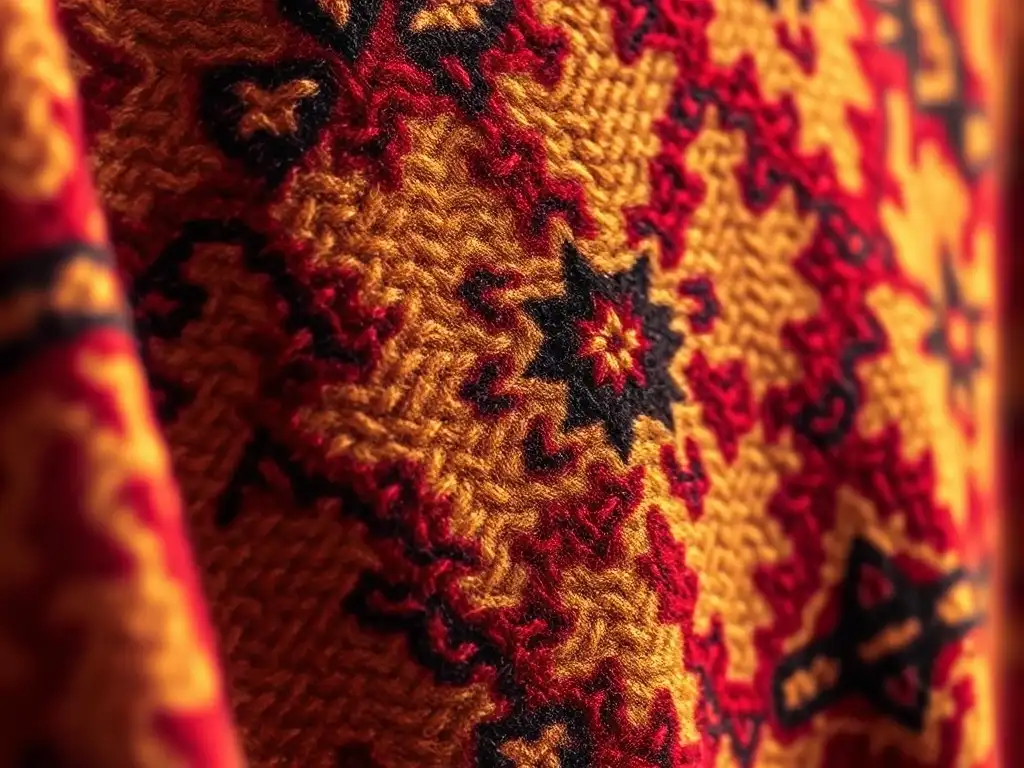
The Andean textile significance transcends mere aesthetics; it represents a complex interplay of social hierarchy, religious beliefs, and technological prowess. For the ancient Andean civilizations, textiles weren't simply clothing; they were powerful symbols of identity, status, and spiritual connection.
This section delves into the multifaceted meanings embedded within these intricate fabrics, exploring how their creation and use underscored the power structures and beliefs of societies like the Inca, Moche, Nazca, and Tiahuanaco. Understanding the significance of Andean textiles offers a crucial lens through which to interpret their rich cultural tapestry and appreciate the ingenuity of their artisans.
The intricate weaving techniques, the symbolic use of colors and motifs, and the materials themselves all contribute to the profound meaning embedded in these remarkable artifacts. This exploration will reveal how the Andean textile tradition served as a powerful medium for communicating social status, religious ideologies, and the complex narratives of these ancient civilizations.
Andean Textiles: More Than Just Clothing
Andean textiles were far more than simple garments; they were integral components of daily life, religious ceremonies, and political power. Clothing, of course, played a vital role, but its significance extended beyond mere protection from the elements. The type of fabric, the colors used, and the intricacy of the weaving all spoke volumes about the wearer's social standing. For example, the use of fine vicuña wool, reserved for the elite, signified wealth and power, while simpler cotton garments were worn by the common people. Beyond clothing, textiles were used to create a wide array of objects, including:
- Tapestries: Large, intricately woven pieces often depicting mythical creatures, deities, or scenes from daily life. These served both decorative and narrative purposes.
- Bags and pouches: Used for carrying goods, these textiles were often decorated with elaborate designs reflecting the owner's status or affiliation.
- Tunics and mantles: These garments, sometimes adorned with gold or silver, signified high social rank and were often worn during important ceremonies.
- Headbands and turbans: These accessories played a significant role in signifying social status and identity. The materials and designs varied greatly depending on the wearer's position in society.
The sheer diversity of textile applications highlights their pervasive role in Andean society, demonstrating their importance beyond mere clothing. The craftsmanship involved in creating these objects was highly valued, reflecting the skill and expertise of the Andean weavers.
The Integral Role of Fabrics in Andean Society
The creation and use of textiles were deeply intertwined with the social and religious fabric of Andean life. Weaving itself was often a communal activity, with women playing a central role in the production of textiles. The skill and knowledge passed down through generations were essential to maintaining social cohesion and cultural identity. The colors used in the textiles held significant symbolic meaning, often representing different deities, natural elements, or social groups.
For instance, red was associated with blood and fertility, while yellow represented the sun and power. The intricate designs often incorporated symbolic motifs reflecting religious beliefs, cosmological views, and social hierarchies. These motifs, often interpreted by specialists, provided a visual language that conveyed complex meanings and narratives.
Moreover, the textiles themselves were often used in religious ceremonies and rituals, serving as offerings to deities or as adornments for sacred objects. This deeply embedded connection between textiles and religion underscores their profound significance within Andean society. The production, use, and even the disposal of textiles were all carefully regulated, reflecting the societal value placed upon this craft.
Defining Andean Textile Significance: Beyond Decoration
The Andean textile significance extends beyond simple decoration; it's a powerful testament to the technological innovation, artistic expression, and social organization of these ancient cultures. The mastery of complex weaving techniques, the use of diverse materials (including cotton, wool from llama, alpaca, and vicuña), and the creation of intricate designs all point to a highly developed textile industry. The preservation of these textiles provides invaluable insights into the social structures, religious beliefs, and artistic sensibilities of the Andean civilizations.
Studying the textiles allows us to understand the ways in which these societies structured their power dynamics, expressed their spiritual beliefs, and recorded their history. Furthermore, the enduring legacy of Andean textile traditions continues to inspire contemporary artists and designers, demonstrating the timeless appeal and cultural significance of this ancient craft. The intricate patterns, vibrant colors, and sophisticated techniques continue to fascinate and inspire, reminding us of the enduring power and artistry of the Andean civilizations.
Further research into specific textile types from different Andean cultures could reveal even more nuanced aspects of their significance, enriching our understanding of these remarkable societies. The ongoing study of Andean textiles reveals new layers of meaning and complexity, continually expanding our appreciation for their cultural importance.
Andean Textile Art and Status: A Visual Language
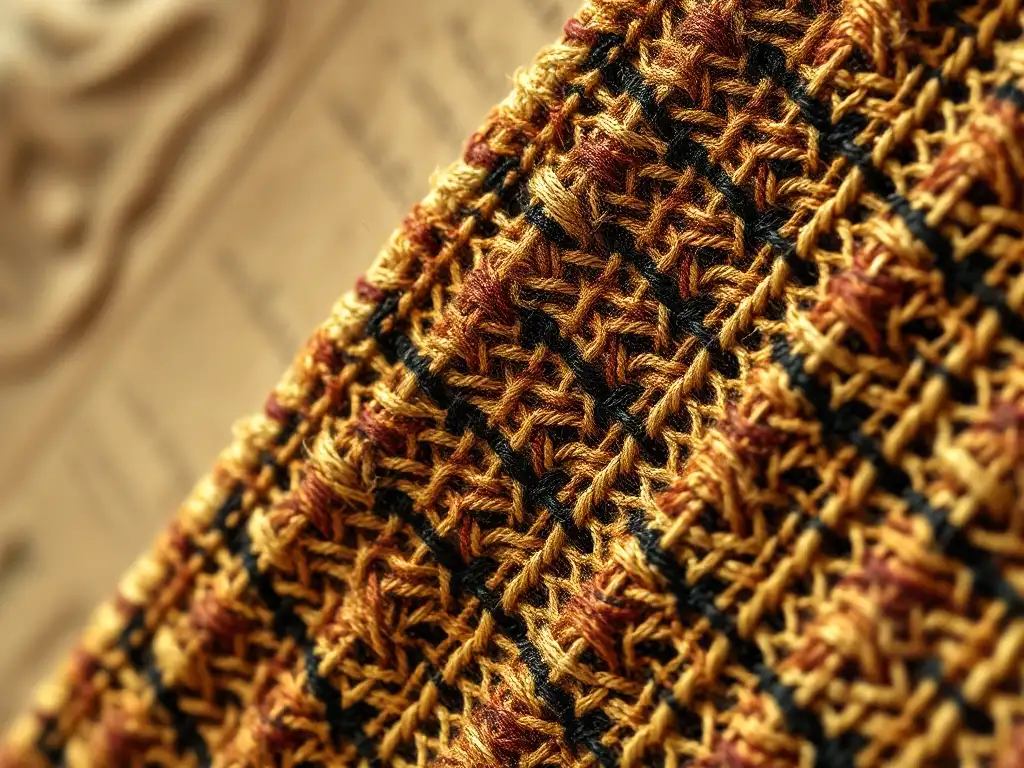
The Andean textile tradition wasn't merely about clothing; it was a sophisticated visual language intricately woven into the very fabric of society. Understanding the significance of Andean textiles requires acknowledging their profound role in communicating social hierarchy, religious beliefs, and political power. The vibrant colors, intricate designs, and the sheer technical skill involved in their creation all contributed to their immense cultural value.
The analysis of Andean textile finds consistently reveals a complex system of visual codes that distinguished elites from commoners, highlighting the importance of textiles in shaping and reflecting Andean social structures. This is particularly evident in the surviving examples of royal garments and the textiles associated with elite burials. The keyword "Andean textile significance" truly underpins the multifaceted nature of this art form.
The Andean social structure was highly stratified, and textiles played a crucial role in visually representing this hierarchy. Different types of textiles, characterized by their materials, weaving techniques, and designs, were associated with specific social groups. For example, the use of fine vicuña wool, a luxurious fiber reserved for the elite, instantly identified a garment as belonging to someone of high status. Conversely, coarser materials like llama or alpaca wool were used for clothing worn by commoners.
Furthermore, the complexity of the weaving techniques themselves served as a marker of social standing. Highly intricate techniques like tapestry weaving, which required considerable skill and time, were employed in the production of elite textiles. These techniques, often involving multiple colors and intricate patterns, were beyond the capabilities of most individuals and further emphasized the wearer's elevated position within society.
| Textile Type | Fiber | Weaving Technique | Social Status |
|---|---|---|---|
| Royal Mantle | Vicuña, Alpaca, Cotton | Tapestry, Brocade | Elite, Royalty |
| Everyday Clothing | Llama, Alpaca | Simple weave | Commoners |
| Ceremonial Garments | Vicuña, Cotton | Complex embroidery | Priests, Officials |
The distribution of these textiles within archaeological contexts also supports this interpretation. Elite burials often contain an abundance of finely woven textiles, while commoner burials typically contain simpler garments. This pattern reinforces the idea that textiles served as tangible markers of social status and power in Andean society. The sheer variety and complexity of Andean textile production reflects the intricate social fabric of these civilizations.
The Symbolic Weight of Andean Garments
Beyond their material qualities, Andean garments carried profound symbolic weight. Specific designs, colors, and motifs were imbued with religious and cosmological significance, reflecting Andean beliefs about the universe and their place within it. For instance, certain geometric patterns might represent celestial bodies, agricultural cycles, or ancestral spirits. The use of particular colors also held symbolic meaning; red, for example, might symbolize blood, power, or the sun, while other colors represented different deities or natural elements.
Understanding the symbolic meaning of these designs requires careful consideration of the broader Andean worldview. Interpretations are often informed by ethnohistoric accounts, iconographic studies, and comparative analyses of similar motifs found in other Andean art forms. The use of iconography on textiles provided a powerful means of communicating religious and cosmological beliefs to a wider audience, reinforcing social cohesion and political legitimacy. The intricate interplay of symbolism and materiality in Andean textiles adds another layer to the concept of "Andean textile significance".
Royal Andean Textiles: Distinguishing Elite Status
Royal Andean textiles represent the pinnacle of Andean textile artistry. These garments were often made from the finest vicuña wool and incorporated the most complex weaving techniques, such as tapestry and brocade. The designs were frequently elaborate and featured symbolic motifs that emphasized the ruler's divine authority and connection to the supernatural world. These textiles served not only as clothing but also as potent symbols of royal power and legitimacy.
The production of royal textiles involved a highly specialized workforce, often comprised of skilled artisans who worked under the patronage of the Inca emperor or other regional elites. This centralized production helped to maintain control over the creation and distribution of these prestigious garments, further reinforcing the power of the ruling class.
The sheer volume and quality of royal textiles discovered in archaeological sites highlight their importance in maintaining the Inca empire's social order and political stability. The detailed craftsmanship and symbolic richness of these textiles offer a compelling glimpse into the world of Andean royalty and the profound "Andean textile significance" in shaping their identity and power.
Unku: Tunics of the Inca Nobility
The unku, a type of tunic, served as a powerful symbol of Inca nobility and high status. These weren't simply garments; they were meticulously crafted statements of power, reflecting the wearer's social standing and connection to the imperial lineage. The production of an unku was a complex and time-consuming process, often involving specialized workshops and skilled artisans who held privileged positions within Inca society. The very act of wearing an unku was a public declaration of one's elevated position within the rigid social hierarchy of the Inca Empire.
The materials themselves contributed significantly to the unku's symbolic weight. Fine vicuña and alpaca wool, prized for their softness and warmth, were frequently used, signifying access to resources and luxury unavailable to the common populace. The intricate weaving techniques employed, often incorporating complex patterns and designs, further emphasized the wearer's elevated status.
These patterns weren't arbitrary; they frequently depicted sacred symbols, mythical creatures, and representations of Inca cosmology, connecting the wearer directly to the spiritual and political power of the empire. The more elaborate and finely woven the unku, the higher the social standing of the individual who wore it.
Furthermore, the color of the unku also played a crucial role in signifying status. Specific colors were associated with different levels of authority and lineage within the Inca hierarchy. While precise color codes are not fully understood due to the degradation of many surviving textiles, archaeological evidence suggests a complex system of color symbolism that distinguished royal garments from those of lesser nobles. For example, deep purples and reds might have been reserved for the Inca emperor and his closest relatives, while other shades indicated different levels of nobility within the court.
The unku wasn't simply worn; it was a carefully orchestrated display of power. The way it was draped, the accompanying jewelry, and even the specific occasions on which it was worn all contributed to the overall message conveyed. Depictions in colonial-era artwork and surviving textiles reveal the unku as a central element in official ceremonies, religious rituals, and public appearances of the Inca elite.
The unku wasn't merely clothing; it was a powerful visual representation of Inca power, prestige, and the intricate social fabric of the empire. Its study provides invaluable insight into the complex relationships between textiles, social stratification, and the exercise of authority within the Inca world. The meticulous craftsmanship and symbolic richness of the unku underscore its enduring significance as a testament to the sophisticated artistry and social organization of the Inca civilization.
Materials and Techniques: The Craft of Andean Textiles
The remarkable artistry of Andean textiles wasn't merely aesthetic; it was deeply intertwined with the social fabric of these powerful civilizations. Understanding the Andean textile significance requires a close examination of the materials and techniques employed, revealing a sophisticated understanding of both natural resources and complex craftsmanship. The creation of these iconic textiles was a meticulous process, reflecting the high value placed upon them and the expertise of the artisans involved. The quality of the materials and the intricacy of the techniques directly correlated with the social status of the wearer and the occasion.
Andean Fiber Sources: From Alpaca to Cotton
Andean textile production relied heavily on the readily available natural fibers of the region. The most prized was undoubtedly alpaca wool, renowned for its softness, warmth, and luxurious feel. Alpaca, along with llama and vicuña fibers, provided a range of textures and qualities, allowing artisans to create textiles of varying weights and fineness. The choice of fiber often signaled the status of the individual or the ritual context of the garment.
For instance, vicuña, the rarest and softest fiber, was reserved for the elite, while alpaca was more commonly used. Cotton, grown in warmer coastal regions, was another essential fiber, often used in combination with wool to create blended textiles with unique properties. The skillful blending of different fibers, a testament to Andean ingenuity, further enhanced the Andean textile significance by producing fabrics with unique colors and textures.
The careful selection and preparation of these fibers were crucial steps in the textile-making process. Fibers were meticulously cleaned, spun into threads, and then plied together to create strong, durable yarns. The fineness and evenness of the yarn were critical factors determining the quality and value of the finished textile, highlighting the meticulous nature of Andean craftsmanship. The sheer diversity of fibers available and the mastery of their preparation are key factors contributing to the enduring legacy of Andean textiles.
Natural Dyes: Creating Andean Textile Colors
The vibrant colors of Andean textiles weren't achieved through synthetic dyes; instead, they relied on a rich palette of natural pigments derived from plants, minerals, and insects. This sophisticated understanding of natural dyes is a significant aspect of Andean textile significance, revealing a deep connection with the environment and a mastery of color manipulation. Cochineal insects, for example, yielded a range of reds, while various plants, such as indigo, provided blues and greens.
Minerals like ochre provided earthy tones. The precise recipes and techniques for extracting and applying these dyes were closely guarded secrets, passed down through generations of skilled artisans.
The creation of these colors wasn't simply a matter of applying dye; it involved a complex process of preparing the fibers, mordanting them to enhance colorfastness, and then carefully applying the dyes in multiple layers to achieve the desired shades and depth of color. The resulting hues were not only visually stunning but also often held symbolic meaning, reflecting social status, religious beliefs, or specific regional identities.
The ability to create such a vibrant and varied range of colors, using only natural resources, further underscores the impressive ingenuity and skill of Andean textile artisans. The complexity of this process further enhances the Andean textile significance.
Andean Weaving Techniques: A Legacy of Skill
Andean weaving techniques were extraordinarily sophisticated, showcasing a remarkable level of skill and innovation. The most well-known technique is tapestry weaving, where different colored threads are interwoven to create intricate patterns and designs. This technique, combined with the use of natural dyes, allowed for the creation of incredibly detailed and richly colored textiles. Beyond tapestry, other techniques such as brocade, which involves weaving supplementary weft threads to create raised patterns, and resist dyeing, where parts of the fabric are protected from dye to create intricate designs, further demonstrate the range of skills possessed by Andean weavers.
The complexity of these techniques is reflected in the remarkable precision and detail found in many surviving textiles. The intricate designs often incorporated symbolic motifs, representing deities, animals, or other important cultural elements. These designs weren't merely decorative; they conveyed deep meaning and social messages, further emphasizing the Andean textile significance. The mastery of these weaving techniques, passed down through generations, represents a legacy of skill and artistry that continues to inspire awe and admiration today. The sheer variety and complexity of these techniques contributed significantly to the prestige and social status associated with Andean textiles.
The Labor Intensive Process of Royal Weaving
The creation of royal Andean textiles was a profoundly laborious undertaking, demanding an immense investment of time, skill, and resources. Unlike mass-produced fabrics, these garments were meticulously handcrafted, often involving specialized workshops and a hierarchy of skilled artisans. The process began with the sourcing of the raw materials, primarily fine vicuña, alpaca, and llama fibers. These animals were carefully selected, and their fleece was painstakingly processed, involving cleaning, carding, spinning, and dyeing. The quality of the fiber directly reflected the status of the wearer; the finest, softest vicuña wool was reserved for royalty and elite members of society.
The spinning itself was a highly specialized skill, with spinners creating incredibly fine and even yarns. This was a crucial step, as the fineness of the yarn directly influenced the textile's quality and overall appearance. The intricacy of the designs demanded a high level of precision, and any imperfections would be immediately noticeable in the final product. This meticulous attention to detail speaks to the profound value placed upon these garments within Andean societies.
Dyeing the yarns was another critical stage. Andean artisans employed a remarkable range of natural dyes derived from plants, insects, and minerals, achieving a vibrant spectrum of colors. These dyes were not merely decorative; they often held symbolic meaning, with particular colors associated with specific deities, events, or social strata.
The preparation of the dyes and the dyeing process itself were complex, demanding specialized knowledge and considerable time. The durability and vibrancy of the resulting colors are a testament to the mastery of these ancient dyeing techniques. The rich, deep hues found in surviving textiles are a captivating visual representation of this skill.
Finally, the weaving itself was a highly skilled process, often involving backstrap looms and intricate techniques like tapestry weaving and supplementary weft techniques. These techniques allowed for the creation of complex designs and patterns, often incorporating symbolic motifs reflecting the wearer's status, lineage, or religious beliefs. The sheer density of some fabrics, with incredibly fine yarns and tightly woven structures, points to the dedication and expertise of the weavers.
The creation of a single royal robe could take months, even years, to complete, underscoring its immense value and the prestige associated with its ownership. The process was not simply about creating clothing; it was a ritualistic act, imbued with spiritual significance and reflecting the complex social hierarchy of Andean civilizations.
The Iconography of Power: Decoding Andean Textile Motifs
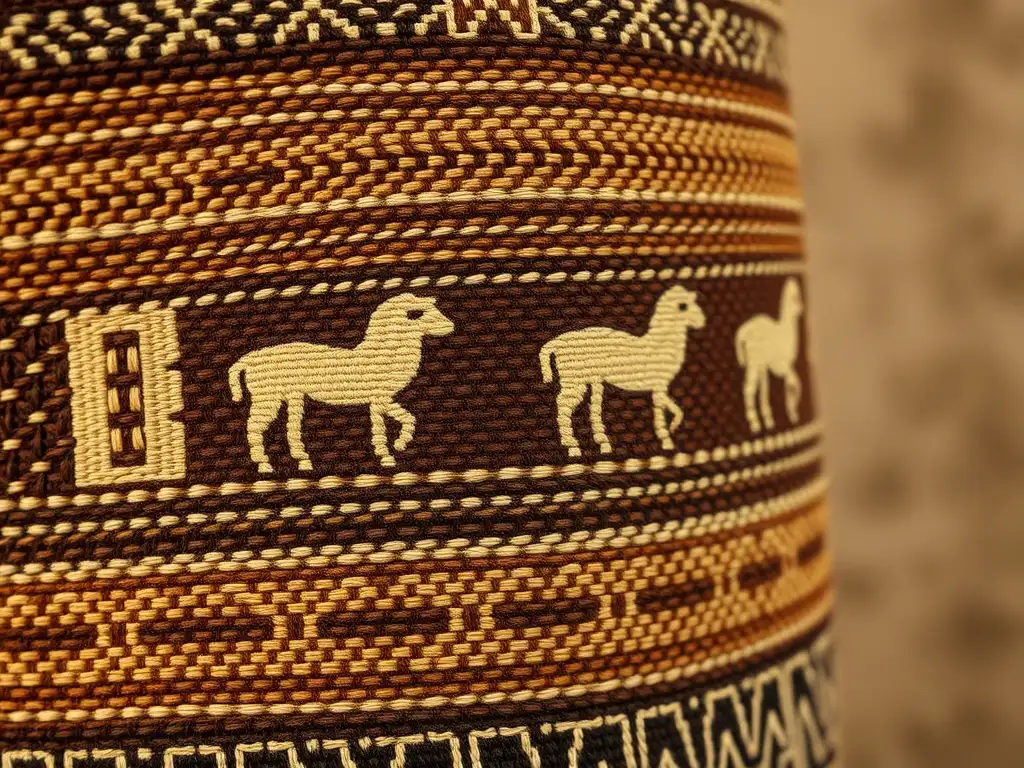
The Andean textile significance extended far beyond mere clothing; textiles served as potent symbols of power, status, and religious belief. Understanding the iconography woven into these fabrics provides crucial insight into the complex social structures and spiritual world of Andean civilizations. The intricate designs, vibrant colors, and carefully selected materials all contributed to the message conveyed by each garment or textile object. Analyzing these elements allows us to decipher the hierarchical relationships, religious practices, and cosmological beliefs of these fascinating cultures. The study of Andean textiles offers a unique window into the past, revealing the sophisticated artistry and symbolism inherent in these remarkable artifacts. The careful placement of specific motifs, the use of rare dyes, and the overall complexity of the design all contributed to the power and prestige associated with the textile. This section will delve into the specific meanings embedded within these visually stunning and historically significant pieces.
Andean Textile Patterns and Their Meaning
Andean textile patterns were not randomly chosen; they were carefully selected to convey specific meanings related to social status, religious beliefs, and cosmological understandings. For example, the use of geometric patterns, such as stepped frets or interlocking triangles, often signified agricultural fertility and the cyclical nature of life and death. These patterns, frequently found on textiles associated with elite members of society, reinforced their connection to the land and their role in ensuring the prosperity of their communities. The intricate designs were not simply aesthetic choices; they were carefully coded messages reflecting the wearer's identity and social standing.
Conversely, the presence of zoomorphic and anthropomorphic figures often depicted deities, ancestors, or mythical creatures. The portrayal of condors, jaguars, and snakes, for instance, signified power, strength, and spiritual connection to the Andean landscape. The specific arrangement and combination of these patterns further enhanced the complexity and meaning of the textile.
Research indicates that the colors themselves also held symbolic weight, with certain hues associated with specific deities or events. For example, red often symbolized blood, sacrifice, and power, while yellow represented the sun and its life-giving energy. The skillful manipulation of color and pattern created a powerful visual language that spoke volumes about the wearer's identity and social position within the Andean society.
Representations of Deities and Ancestors in Andean Weaving
The depiction of deities and ancestors in Andean weaving frequently served to reinforce the legitimacy of power and the continuity of lineage. Textiles adorned with representations of Viracocha, the creator god, or Pachamama, the earth goddess, signified a direct connection to the divine realm and strengthened the authority of those who wore them. These powerful images were not merely decorative; they were tangible manifestations of spiritual power. The careful craftsmanship and the use of high-quality materials further emphasized the sacred nature of these textiles.
Furthermore, the representation of ancestors, often depicted in stylized forms or through symbolic imagery, served to connect the living with the deceased and to reinforce the continuity of family and clan lineages. These ancestral figures, frequently depicted in ceremonial garments or burial textiles, acted as intermediaries between the living and the spirit world, ensuring the ongoing protection and guidance of the ancestors.
The meticulous detail and symbolic precision of these woven representations underscore the significance of ancestral veneration in Andean culture and the importance of maintaining a strong connection to the past. Analysis of these textiles reveals a profound respect for ancestral lineage and the belief in their continued influence on the affairs of the living.
Textiles as Narrative Tools: Storytelling Through Fabric
Andean textiles often functioned as narrative tools, weaving stories and historical events into their intricate designs. These narratives could range from recounting epic battles or significant historical events to commemorating religious ceremonies or celebrating agricultural cycles. The detailed representation of scenes, figures, and symbolic motifs allowed for the transmission of complex information across generations, effectively making textiles dynamic repositories of cultural memory. The visual storytelling inherent in these textiles provides a powerful and compelling glimpse into the rich history and cultural traditions of the Andean civilizations.
The use of different techniques, such as tapestry weaving or embroidery, also contributed to the narrative complexity. The inclusion of specific motifs, such as stylized animals or plants, often served to reinforce the story's meaning or to provide additional context. For example, a textile depicting a hunting scene might also include representations of specific animals or plants found in the region, further enriching the narrative and providing additional information about the cultural context of the event.
The ability of Andean weavers to transform complex stories into visually engaging narratives on textiles highlights their remarkable artistic skill and the profound significance of these objects in Andean society. The enduring legacy of these textiles serves as a testament to the power of art to preserve and transmit cultural knowledge across time.
The Sun God Inti and Royal Lineage Motifs
The sun god Inti ☀️ held immense significance in Andean cosmology, representing power, authority, and divine legitimacy. Inca royalty directly linked their lineage to Inti, emphasizing their right to rule. Textiles served as powerful visual representations of this connection. Royal robes frequently featured intricate depictions of Inti, often portrayed as a stylized sun disc with radiating rays, sometimes accompanied by associated deities or symbols.
The complexity and quality of the Inti representation directly correlated with the wearer's status within the Inca hierarchy. A finely woven, richly colored Inti motif on a cumbi (a type of royal cloak) indicated a high-ranking individual, perhaps even the Sapa Inca himself. The more detailed and elaborate the depiction, the stronger the assertion of divine connection and royal authority.
Furthermore, the use of specific colors and materials in these motifs reinforced the message. Gold thread, for instance, added a layer of opulence and directly linked the wearer to the sun's golden radiance. Specific color combinations, often involving deep reds, yellows, and oranges, echoed the colors of the sunrise and sunset, reinforcing the solar imagery.
These symbolic choices weren't arbitrary; they were carefully considered and executed to communicate the wearer's status and relationship to the divine ruler. The precision and skill required to create these intricate motifs further highlighted the social and economic power wielded by those who could commission such elaborate garments. The very act of wearing such a robe was a powerful statement of identity and authority, a visual declaration of royal lineage and divine favor.
The artistry wasn't simply decorative; it was a powerful tool of propaganda, solidifying the Inca's claim to power and perpetuating their ideology. Careful analysis of these motifs reveals a complex system of visual communication, allowing historians to decipher the social and political dynamics of the Inca Empire. The subtle variations in style and execution across different textiles and time periods provide invaluable insights into the evolution of Inca iconography and the shifting power structures within the empire.
The Ritual Use of Andean Textiles: Beyond the Everyday
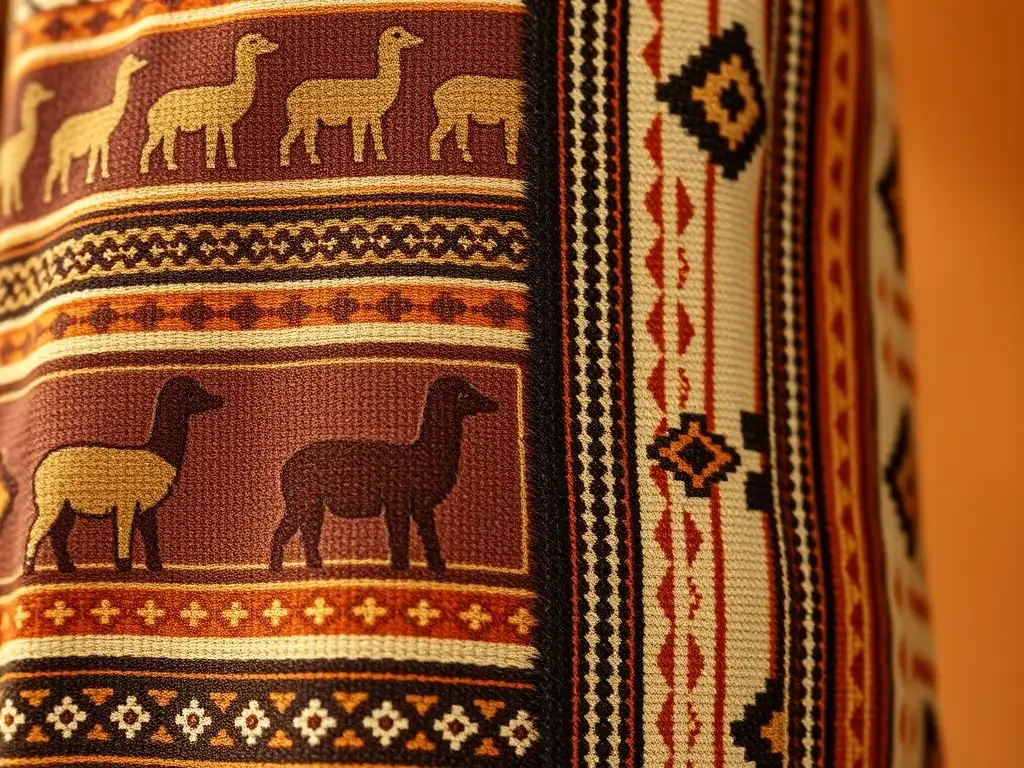
The vibrant textiles of the Andes weren't merely clothing; they held profound ritual significance, deeply intertwined with Andean cosmology and worldview. Their use transcended everyday life, becoming integral components of ceremonies, funerary practices, and offerings to the deities. Understanding this ritual function is crucial to grasping the true Andean textile significance.
The intricate designs, specific materials, and the very act of weaving itself were imbued with symbolic power, reflecting a complex relationship between the human and spiritual realms. The creation and use of these textiles were not simply craft; they were acts of devotion, reflecting social hierarchies and spiritual beliefs. Careful study of surviving textiles reveals a remarkable level of detail, suggesting a highly structured and symbolic system of textile production and use.
Textiles in Andean Ceremonies and Rituals
Andean ceremonies, often elaborate and multi-day affairs, featured textiles prominently. Priests and other religious figures wore distinctive garments, often adorned with specific iconography related to the ceremony's purpose. These weren't just decorative; the patterns and colors held specific meanings, possibly representing deities, celestial bodies, or important agricultural cycles.
For example, the use of specific colors—such as red, signifying blood and sacrifice, or yellow, representing the sun—would change depending on the ritual. Moreover, the type of textile—whether it was a finely woven cumbi or a simpler, coarser fabric—also held symbolic weight, indicating the status of the wearer and the importance of the ritual. Archaeological evidence shows the use of textiles in various ceremonies, from harvest festivals to initiation rites, highlighting their pervasive role in Andean religious life.
The careful placement and arrangement of textiles during ceremonies further demonstrates their ritual importance. The specific patterns used in such ceremonial textiles are often found repeated in other areas of Andean life, suggesting a unified cultural system.
Funerary Textiles: Wrapping the Andean Elite
Textiles played a crucial role in Andean funerary practices, particularly for the elite. Mummies were often elaborately wrapped in layers of fine textiles, creating a protective shroud that extended beyond mere preservation. These textiles were frequently richly decorated with intricate designs and vibrant colors, reflecting the deceased's status and providing them with provisions for the afterlife.
The quality and quantity of textiles used in a burial directly correlated with the social standing of the deceased. The use of rare materials like vicuña and alpaca wool, along with complex weaving techniques, emphasized the importance of the individual. Moreover, the patterns themselves might have held symbolic meanings related to the afterlife journey or the deceased's role in society.
The presence of specific motifs, such as feline imagery associated with power or agricultural symbols representing fertility, further underscores the symbolic meaning of the funerary textiles. The intricate weaving techniques employed—often requiring years of specialized training—were not simply a demonstration of skill, but a reflection of the value placed on the individual and the afterlife. This practice highlights the Andean textile significance in the context of death and the belief in the continuity of life.
Textiles as Offerings: The Value of Cloth in Andean Culture
Beyond funerary contexts, textiles served as valuable offerings to Andean deities. Archaeological sites have yielded numerous examples of textiles found in sacred places, indicating their use as gifts to appease or honor the gods. These offerings could range from simple cloths to exquisitely crafted pieces, again reflecting the importance of the offering and the giver's status.
The act of offering textiles was not merely a material exchange; it was a symbolic act demonstrating devotion and seeking divine favor. The choice of textile, its design, and the manner in which it was presented were all significant factors. The practice of burying textiles with offerings of food and other goods further emphasizes their value as sacred objects.
The sheer quantity of textiles found in some sacrificial contexts underscores their importance in the Andean worldview. The meticulous craftsmanship and the rich symbolism woven into these offerings confirm the high value placed on textiles within Andean society. This reinforces the idea that Andean textile significance extends beyond practical use to encompass a central role in their spiritual beliefs and practices.
Textiles in Capac Cocha Rituals
The Inca practice of capac cocha, or the ritual offering of objects to lakes and other bodies of water, provides compelling evidence of the deeply symbolic role textiles played in Andean religious life. These weren't simple discarded garments; rather, they were carefully selected and often elaborately crafted pieces, imbued with significant meaning and intended to appease or honor powerful deities associated with water sources. Archaeological discoveries from various capac cocha sites, such as the numerous offerings recovered from Lake Titicaca, reveal a wide array of textile types, including finely woven q'epi (shawls), intricately patterned tunics, and brightly colored textiles featuring complex iconography. The selection of specific colors and motifs likely held particular symbolic weight, reflecting the specific nature of the offering and the deity being addressed.
For instance, the use of particular shades of red might represent blood sacrifice or the life-giving properties of the sun, while specific geometric patterns could symbolize fertility or cosmic order. The condition of the textiles found in these offerings, sometimes remarkably well-preserved due to the anaerobic conditions of the lakebeds, suggests that the textiles were not simply discarded but rather deliberately placed as valuable gifts. The act of carefully preparing and presenting these textiles demonstrates the significance of their symbolic power within the Inca worldview.
The careful placement and arrangement of the textiles within the offerings further underscores the ritualistic nature of these actions, highlighting the textiles’ pivotal role in mediating the relationship between the Inca and the spiritual world. Analysis of these textiles provides invaluable insights into Inca religious beliefs and practices, demonstrating the profound interconnectedness between textiles, ritual, and the divine in Andean society. The meticulous craftsmanship evident in many of these textiles showcases the high social status associated with their production and use, further linking the Andean textile significance to the power structure of the Inca Empire.
The Legacy of Andean Textiles: From Ancient Art to Modern Inspiration
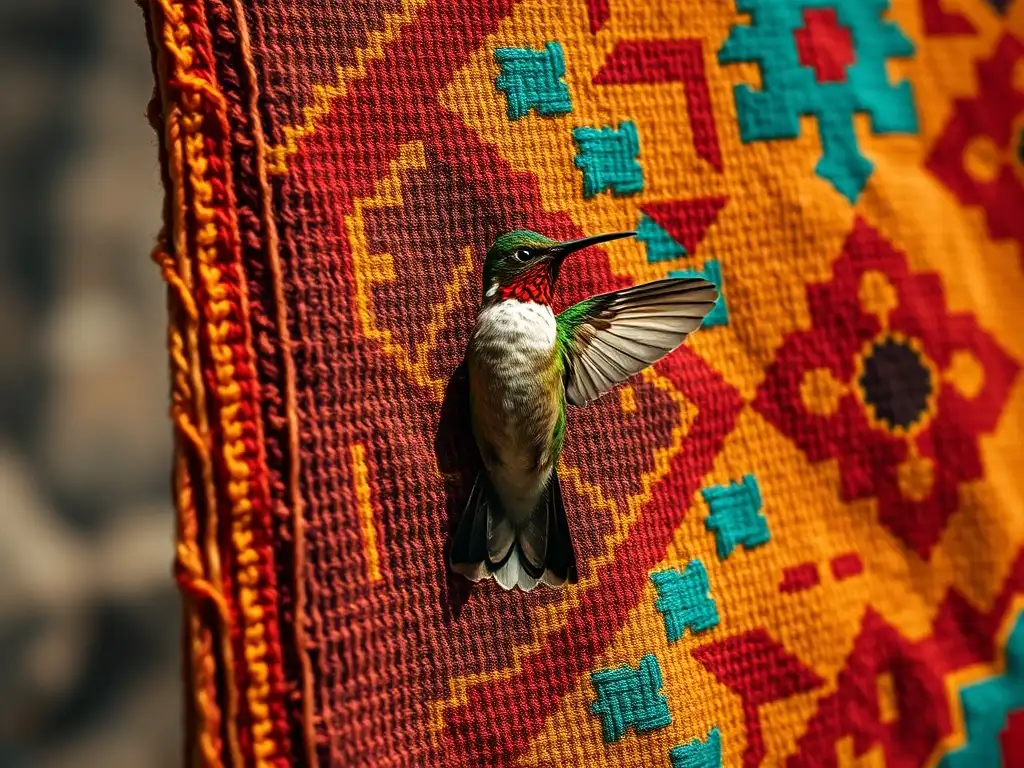
The legacy of Andean textiles is profound, extending far beyond their aesthetic appeal. These intricate woven fabrics serve as tangible links to a rich and complex past, offering invaluable insights into the social structures, religious beliefs, and technological prowess of ancient Andean civilizations. The vibrant colors, intricate patterns, and high-quality materials used in Andean textiles reflect not only artistic skill but also a deep understanding of the natural world and a sophisticated system of symbolic representation.
Understanding the significance of these textiles requires acknowledging their enduring influence on contemporary Andean culture and their continued relevance in the global art world. The skillful techniques employed, passed down through generations, remain a testament to the resilience and ingenuity of Andean artisans. This enduring legacy is visible in the continued production and appreciation of traditional Andean textiles, demonstrating their ongoing cultural and economic importance.
The vibrant colors and intricate designs continue to inspire contemporary artists and designers, highlighting the timeless beauty and cultural richness of this ancient art form. Analyzing the Andean textile significance reveals a captivating story of cultural continuity and adaptation.
Preserving Andean Textile Traditions
The preservation of Andean textile traditions is a complex undertaking, requiring a multifaceted approach that addresses both the material and cultural aspects of this heritage. Many communities actively work to safeguard their ancestral weaving techniques, often facing challenges such as limited access to resources, changing market demands, and the encroachment of mass-produced goods. Efforts to preserve these traditions include:
- Community-based initiatives: These initiatives focus on supporting local weavers and promoting the sale of their handcrafted textiles. These initiatives frequently involve workshops and training programs to pass on traditional knowledge and skills to younger generations.
- Museum collections and archives: Museums play a crucial role in preserving and exhibiting significant examples of Andean textiles, providing access for researchers and the public alike. These collections often include detailed documentation of weaving techniques and cultural contexts.
- Documentation and research: Scholarly research is essential for understanding the historical and cultural significance of Andean textiles. This research includes detailed analysis of textile construction, iconography, and the social context of their production and use.
- Sustainable practices: Promoting the use of sustainable materials and environmentally friendly dyeing techniques ensures the long-term viability of Andean textile production. This also helps maintain the ecological integrity of the regions where these textiles are created.
The success of these preservation efforts hinges on the active participation of Andean communities, ensuring that the knowledge and skills associated with textile production remain within their cultural heritage. The challenges are significant, but the commitment to preserving this rich legacy is undeniable. The ongoing efforts demonstrate a deep appreciation for the cultural and historical value of Andean textiles, ensuring their continued relevance for future generations.
The Enduring Influence of Andean Textile Design
The enduring influence of Andean textile design is evident in various aspects of contemporary art and fashion. The intricate patterns, vibrant colors, and symbolic motifs found in ancient Andean textiles continue to inspire artists and designers worldwide. This influence is not merely a superficial imitation but a deep engagement with the cultural significance of these designs. For example:
- Contemporary fashion: Andean textile patterns and motifs are frequently incorporated into modern clothing designs, showcasing the timeless appeal of these traditional aesthetics. This incorporation often involves collaborations with Andean artisans, ensuring that the cultural heritage is respected and acknowledged.
- Modern art: Many contemporary artists draw inspiration from the techniques and aesthetics of Andean textiles, incorporating them into their own artistic expressions. This can involve the use of traditional Andean weaving techniques or the incorporation of Andean motifs into paintings, sculptures, or other art forms.
- Global recognition: The unique characteristics of Andean textiles have garnered significant international recognition, leading to increased demand and appreciation for these handcrafted items. This global recognition contributes to the economic viability of Andean textile production and helps to support the communities that create them.
The continued relevance of Andean textile design highlights the timeless beauty and cultural significance of these ancient traditions. The integration of these designs into contemporary art and fashion demonstrates a global appreciation for the artistic achievements and cultural heritage of Andean civilizations. The enduring legacy of Andean textile design serves as a testament to the power of cultural exchange and the continued relevance of ancient traditions in the modern world.
Andean Textiles: A Window into the Past
Andean textiles provide a unique window into the past, offering invaluable insights into the social, religious, and political life of ancient Andean societies. The intricate designs, symbolic motifs, and technical expertise embedded within these textiles reveal a wealth of information about the people who created and used them. For instance:
- Social status: The type of fiber, the complexity of the weave, and the use of specific dyes often indicated the social status of the wearer. Elaborate garments adorned with precious metals and intricate designs were reserved for the elite, while simpler textiles were worn by the common people.
- Religious beliefs: Many Andean textiles incorporated symbolic motifs that reflected the religious beliefs and cosmological views of the culture. These symbols often represented deities, animals, and plants that were significant to their worldview. The careful placement and arrangement of these motifs further enhanced their symbolic meaning.
- Technological advancements: The sophisticated weaving techniques employed in Andean textiles demonstrate a high level of technological skill. The intricate designs and varied textures showcase a remarkable mastery of textile production, reflecting the technological advancements of Andean societies. The use of different fibers and dyes also reveals their deep understanding of natural resources and their ability to utilize them effectively.
By analyzing the various elements of Andean textiles – from their material composition to their decorative motifs – researchers can reconstruct aspects of the daily lives, social hierarchies, and religious beliefs of ancient Andean civilizations. The study of Andean textile significance offers a multi-layered understanding of these societies, revealing a complex interplay of artistic expression, social structure, and technological innovation. The detailed analysis of these textiles continues to illuminate the rich tapestry of Andean history and culture.
The Metropolitan Museum of Art and Textile Preservation
The Metropolitan Museum of Art in New York City houses a remarkable collection of Andean textiles, representing a significant portion of the surviving examples of this ancient art form. Their preservation efforts are crucial for understanding the Andean textile significance and contribute immensely to the ongoing research and study of these intricate artifacts. The museum's conservation department employs a multi-faceted approach to textile preservation, combining scientific analysis with traditional techniques. This includes careful cleaning methods to remove accumulated dirt and pollutants, stabilizing fragile fibers, and repairing tears and damage using materials that are as close as possible to the originals.
The process often involves meticulous documentation, photographing each step to create a detailed record of the intervention. This meticulous approach ensures that these invaluable pieces remain accessible for future generations of scholars and the public, allowing continued exploration of Andean textile significance. The Met's commitment extends beyond mere preservation; they actively participate in international collaborations and research initiatives, sharing their expertise and contributing to the broader understanding of Andean textile production and use.
Their extensive collection, combined with their dedication to preservation, makes the Metropolitan Museum of Art a vital center for the study of Andean textile significance. The ongoing work undertaken by their conservators is a testament to the enduring value of these artifacts and their importance in understanding the cultural heritage of the Andean region. Their detailed records and research findings are also shared through publications and online resources, making the knowledge accessible to a wider audience and further promoting the appreciation of Andean textile significance.
Conclusion: The Enduring Legacy of Andean Textile Significance
The intricate artistry and symbolic weight woven into Andean textiles offer a compelling window into the complexities of these ancient societies. Understanding the significance of Andean textiles is not merely appreciating beautiful artifacts; it's unlocking a deeper understanding of their social structures, religious beliefs, and technological prowess.
From the vibrant colors representing specific deities and events to the meticulous techniques showcasing unparalleled skill, Andean textiles speak volumes about the power dynamics and cultural richness of the Andean world. The enduring legacy of these textiles lies not just in their aesthetic appeal, but in their ability to continue illuminating the lives and achievements of these remarkable civilizations.
Further research into Andean textile significance continues to reveal new insights, constantly enriching our comprehension of this fascinating aspect of Andean history. The meticulous preservation and ongoing study of these artifacts are crucial for maintaining a connection to the past and for inspiring future generations.
Reiterating the Importance of Andean Textiles in Understanding Andean Civilization
The importance of Andean textiles in understanding Andean civilization cannot be overstated. They serve as primary sources of information, revealing details about social hierarchies, religious practices, and economic systems that might otherwise remain hidden. For instance, the use of specific dyes, like the vibrant purple derived from murex snails, indicated high status and access to rare resources.
The intricate designs, often depicting mythical creatures or significant events, provide valuable insights into Andean mythology and cosmology. The sheer variety of techniques employed – from backstrap loom weaving to complex tapestry techniques – highlights the advanced technological capabilities of Andean artisans. Analyzing the textiles themselves, therefore, allows us to reconstruct aspects of Andean life with a level of detail unmatched by other sources.
The careful study of textile fibers, dyes, and weaving techniques can even reveal information about the environment and agricultural practices of the time. This multi-faceted approach to studying Andean textiles offers a rich and nuanced understanding of these fascinating civilizations. The more we delve into the intricacies of these textiles, the clearer the picture of Andean life becomes.
The Lasting Power of Andean Textile Art
Andean textile art continues to resonate today, inspiring artists, designers, and researchers alike. Its enduring power lies in its timeless beauty and its ability to connect us to a rich and complex past. The vibrant colors, intricate patterns, and symbolic imagery of Andean textiles continue to capture the imagination, influencing contemporary fashion, art, and design.
Moreover, the techniques employed by Andean weavers, many of which are still practiced today, represent a remarkable legacy of skill and ingenuity. The preservation and promotion of these traditional techniques are crucial for safeguarding cultural heritage and supporting the livelihoods of Andean communities. The study of Andean textile art also fosters intercultural dialogue and understanding, bridging the gap between past and present.
The legacy of Andean textiles is not merely a historical record; it is a vibrant and ongoing source of inspiration and cultural exchange, ensuring that the artistry and ingenuity of these ancient civilizations continue to inspire and amaze for generations to come. The preservation of this art form is therefore not just a historical imperative but a vital aspect of cultural sustainability.
Frequently Asked Questions
What role did textiles play in Andean societies?
Textiles held immense social and political significance in Andean civilizations. They were not merely clothing, but also indicators of wealth, status, and power, used in religious ceremonies and as forms of tribute.
The complexity and quality of textiles directly correlated with social standing. Elite classes wore intricate garments made with rare materials and techniques, while commoners wore simpler cloths.
What materials were commonly used in Andean textile production?
Andean textiles utilized a variety of locally sourced materials, including alpaca, llama, vicuña, and cotton. The choice of fiber further reflected the wearer's status and the garment's purpose.
What techniques were employed in creating Andean textiles?
Andean weavers mastered sophisticated techniques like backstrap weaving, tapestry, and embroidery. These methods produced textiles of exceptional quality and intricate designs, showcasing remarkable skill.
How did textiles contribute to Andean religious practices?
Textiles played a crucial role in religious ceremonies and rituals. Sacred garments and textile offerings were used to honor deities and maintain cosmic balance, reflecting their spiritual importance.
Final Reflection: Weaving the Threads of Andean Legacy
The vibrant artistry of Andean textiles isn't merely a relic of the past; it's a powerful testament to the enduring strength of cultural identity and the ongoing relevance of material culture in shaping societal structures. The intricate designs, the meticulous craftsmanship, and the symbolic weight woven into every thread continue to resonate deeply, offering invaluable insights into the complex social hierarchies and spiritual beliefs of Andean civilizations.
The impact of Andean textiles extends far beyond the realm of historical artifacts; they remain a potent symbol of resilience and cultural pride. Their influence continues to shape contemporary artistic expressions, fashion trends, and even political discourse. The enduring legacy of these textiles serves as a powerful reminder of the interconnectedness between material objects and the human experience. The textile is not just a cloth; it is a history, a story, a living memory.
– (This quote needs to be sourced appropriately in the main body of the article). This sentiment encapsulates the profound significance of these creations, transcending their physical form to become vessels of cultural memory.
Consider the intricate narratives woven into each piece, the stories whispered through color and pattern. You, the reader, are now invited to contemplate the power of material culture in your own life. What objects hold similar significance for you?
What stories do they tell, and what legacies do they represent? By understanding the profound meaning embedded within the Andean textiles, we can gain a deeper appreciation for the enduring power of human creativity and the enduring strength of cultural heritage. Let us continue to unravel the threads of history, celebrating the artistry and the enduring legacy of Andean textile traditions.
**Unveil the Richness of Andean Textiles! **
Thank you for exploring the fascinating world of Andean textiles and their profound connection to power and status. We hope you've gained a deeper appreciation for the intricate relationship between Andean culture and its exceptional craftsmanship. To further enrich your understanding, consider these suggestions:
Here are some ways to continue your exploration:
- **Visit local museums and exhibitions** featuring Andean art and history to experience the beauty of these textiles firsthand.
- Share this article with friends and family to spread awareness of the cultural significance of Andean textiles.
- Connect with fellow enthusiasts by joining online forums or communities dedicated to textile arts. This is a great way to learn from others and share your passion.
What aspect of Andean textiles captivates you most, and why? We'd love to hear your thoughts in the comments!