
The Importance of Archaeological Research: Unveiling the Past Through Excavations

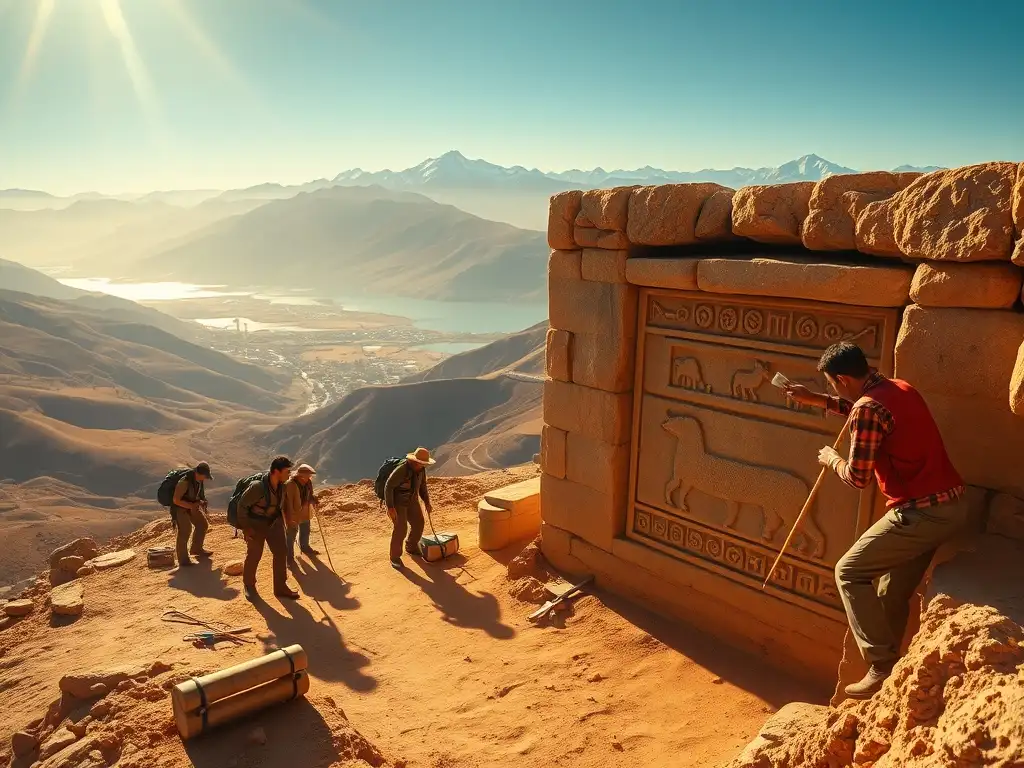
Step into a world lost to time, where empires rose and fell amidst the breathtaking Andes Mountains. Unearth the secrets of the Incas, Moche, Nazca, and Tiahuanaco – civilizations whose ingenuity and artistry still astound us today. Andean archaeological excavations have revealed a tapestry of fascinating discoveries, challenging our understanding of these ancient societies. Prepare to be captivated as we delve into the mysteries of the Pre-Incan Cultures of the Highlands—a journey that will leave you breathlessly anticipating what lies hidden beneath the surface.
- The Importance of Archaeological Research: Unveiling Andean Civilizations Through Excavations
- Understanding the Past: The Role of Andean Archaeological Excavations
- Unearthing History: Methods Used in Andean Archaeological Research
- Discoveries from Andean Archaeological Excavations: Insights into the Past
- The Impact of Archaeological Research on Understanding Regional Developments
- Preserving the Past: The Future of Andean Archaeological Excavations
-
Frequently Asked Questions
- What is the significance of Andean archaeological excavations?
- Which Andean civilizations are most commonly studied through excavations?
- What types of artifacts are typically uncovered during Andean excavations?
- How do Andean archaeological excavations contribute to our understanding of Inca technology?
- What are some of the challenges faced during Andean archaeological excavations?
- Final Reflection: Unearthing Our Shared Heritage
- Unveil Your Connection to the Past!
The Importance of Archaeological Research: Unveiling Andean Civilizations Through Excavations
Archaeological research plays a pivotal role in understanding the complex tapestry of Andean civilizations that flourished long before the Inca Empire. By meticulously excavating ancient sites across the Andes Mountains, researchers are able to piece together a narrative of human ingenuity, societal structures, and cultural practices that would otherwise remain lost to time.
This article delves into the significance of Andean archaeological excavations, highlighting their contribution to our knowledge of pre-Inca cultures in the highlands and the invaluable insights they provide into the lives of these remarkable societies. The meticulous work of archaeologists allows us to uncover not only material remains but also compelling stories of innovation, adaptation, and resilience in the face of challenging environments.
Understanding these pre-Inca societies is crucial to comprehending the full scope of Andean history and the intricate evolution of its cultures. The keyword, "Andean archaeological excavations," encapsulates the core focus of this exploration, emphasizing the practical and intellectual importance of this field of study.
Unearthing Material Culture: Artifacts and Their Stories
Andean archaeological excavations yield a wealth of material culture, providing tangible evidence of past lives. Pottery shards, intricately woven textiles, sophisticated tools, and monumental architecture all contribute to a richer understanding of daily life, religious beliefs, and technological advancements. For instance, the discovery of elaborate Nazca ceramics reveals a sophisticated understanding of artistic techniques and a complex symbolic language reflecting their worldview.
Similarly, the excavation of Moche tombs has unearthed stunning gold and silver artifacts, highlighting the advanced metallurgical skills of the time and providing insights into their social hierarchy and burial practices. The analysis of these artifacts, coupled with careful contextual documentation of their discovery, allows researchers to reconstruct aspects of the social, economic, and political organization of these societies.
The sheer volume and diversity of artifacts unearthed in Andean excavations constantly challenge and refine our understanding of these ancient cultures. Each find brings us closer to a more nuanced and complete picture of their past.
Deciphering Settlement Patterns: Understanding Urban and Rural Dynamics
Excavations reveal not only individual artifacts but also broader settlement patterns, providing crucial insights into the organization of Andean societies. By carefully mapping the spatial distribution of structures, researchers can identify urban centers, agricultural settlements, and ceremonial complexes. The layout of these settlements, the types of buildings found, and the presence of specialized areas (e.g., workshops, storage facilities) all contribute to a better understanding of social stratification, economic activities, and resource management strategies.
For example, the careful excavation of Tiahuanaco reveals a sophisticated urban planning system, suggesting a high degree of centralized control and social organization. In contrast, smaller, more dispersed settlements may indicate a different social structure with greater emphasis on localized communities and agricultural production. Understanding these varying settlement patterns is crucial for understanding the diversity and complexity of Andean societies before the Inca.
Environmental Archaeology: Reconstructing Past Landscapes and Climates
Andean archaeological excavations are not limited to the study of human-made artifacts. Environmental archaeology, a crucial subfield, examines the interplay between human societies and their environment. Analysis of pollen, plant remains, animal bones, and soil samples provides valuable information about past climates, vegetation patterns, and agricultural practices. This data helps researchers understand how Andean civilizations adapted to the challenges of a diverse and often harsh environment.
For example, studies of agricultural terraces in the Andes demonstrate the ingenuity of pre-Inca farmers in maximizing food production in mountainous terrain. By integrating environmental data with archaeological findings, researchers can develop a more holistic understanding of the factors that shaped the development and decline of these societies. This interdisciplinary approach enriches our understanding of the intricate relationship between humans and their environment in the Andes.
The Ethical Considerations of Andean Archaeological Excavations
The ethical implications of archaeological excavations in the Andes are paramount. Respect for the ancestral heritage and the communities who are descendants of these ancient cultures must be at the forefront of all research efforts. This includes working closely with local communities, ensuring the proper preservation of sites, and promoting the repatriation of artifacts when appropriate.
Transparency in research methods and the dissemination of findings is also crucial to build trust and foster collaboration. The goal is not simply to extract information but to engage in a respectful and collaborative process that benefits both researchers and the communities whose history is being unearthed. Ethical considerations are not merely an addendum to research; they are fundamental to the responsible practice of Andean archaeology.
Understanding the Past: The Role of Andean Archaeological Excavations
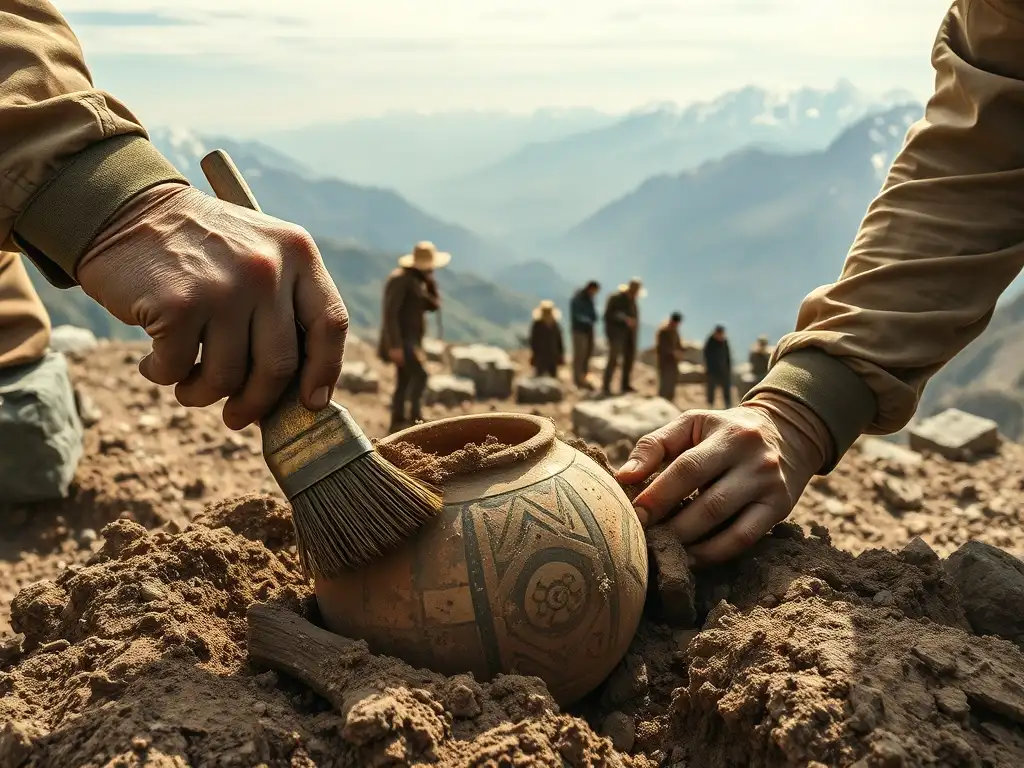
This section delves into the crucial role of Andean archaeological excavations in reconstructing the rich tapestry of pre-Inca Andean societies. By meticulously uncovering and analyzing material remains, researchers gain invaluable insights into the lives, beliefs, and societal structures of these fascinating cultures. The meticulous work of archaeologists provides a tangible connection to the past, allowing us to move beyond speculation and build a more accurate and nuanced understanding of Andean history.
The importance of these excavations cannot be overstated, as they are the primary source of evidence for understanding the complex developments that shaped the Andean region before the Inca Empire. This understanding is pivotal to appreciating the full scope of Andean civilization and its lasting legacy. The sheer volume of discoveries stemming from Andean archaeological excavations continues to rewrite our understanding of pre-Columbian societies, highlighting the dynamism and ingenuity of these ancient cultures.
Why Study Pre-Incan Cultures Through Archaeological Digs?
Studying pre-Incan cultures through archaeological digs offers a unique perspective, going beyond the limitations of written records, which are scarce for many of these societies. Excavations provide direct access to the material culture of these civilizations, including:
- Artifacts: Pottery, textiles, tools, and jewelry reveal details about daily life, craftsmanship, trade networks, and artistic expression. For example, the intricate Nazca pottery, with its vibrant colors and unique iconography, provides insights into their religious beliefs and social organization. The discovery of finely crafted metalwork from the Moche culture similarly points to advanced metallurgical techniques and a complex social hierarchy.
- Architectural Remains: The layout of settlements, palaces, and religious structures reveals information about urban planning, social organization, and power dynamics. The massive stone structures of Tiahuanaco, for instance, testify to impressive engineering skills and a highly organized society capable of mobilizing large-scale labor.
- Human Remains: Skeletal analysis provides crucial data on diet, health, and disease, offering insights into the living conditions and lifestyles of past populations. The study of burial practices also sheds light on religious beliefs and social status. Analysis of isotopes in bones, for example, can reveal migration patterns and dietary habits with surprising accuracy.
- Environmental Data: Excavations often uncover evidence of past environments, allowing researchers to understand the relationship between human societies and their surroundings. Pollen analysis, for instance, can reveal past vegetation patterns and agricultural practices. This environmental context is vital in understanding the challenges and opportunities faced by pre-Inca communities.
By combining these different lines of evidence, archaeologists are able to build a comprehensive picture of pre-Inca Andean societies, shedding light on their advancements, challenges, and adaptations. This holistic approach is essential to avoid simplistic or biased interpretations of the past.
The Significance of Excavation Sites in the Andean Region
Andean archaeological excavations are significant because they are often located in challenging and diverse environments, ranging from high-altitude plains to arid coastal deserts. These varied settings have produced a rich array of discoveries, each with unique characteristics. The preservation of organic materials in some high-altitude sites has yielded surprisingly well-preserved textiles and plant remains, providing unparalleled insights into daily life. Conversely, the arid conditions of the coastal regions have led to the remarkable preservation of artwork, such as the Nazca Lines and Moche ceramics, which continue to fascinate and inspire researchers today.
The sheer number and diversity of excavation sites across the Andean region underscore the complexity and longevity of pre-Inca civilizations. From the monumental architecture of Tiahuanaco to the intricate irrigation systems of the Nazca, these sites represent a remarkable range of technological and social achievements. The ongoing research at these sites continues to yield new discoveries, constantly refining our understanding of Andean history and challenging existing theories.
The careful documentation and analysis of these findings contribute significantly to our understanding of Andean archaeological excavations, providing a valuable resource for future generations of researchers. The importance of preserving these sites for future study and the ethical considerations surrounding the excavation process are also crucial aspects of Andean archaeological research. The study of Andean archaeological excavations is an ongoing process, constantly evolving with each new discovery and technological advancement.
Unearthing History: Methods Used in Andean Archaeological Research
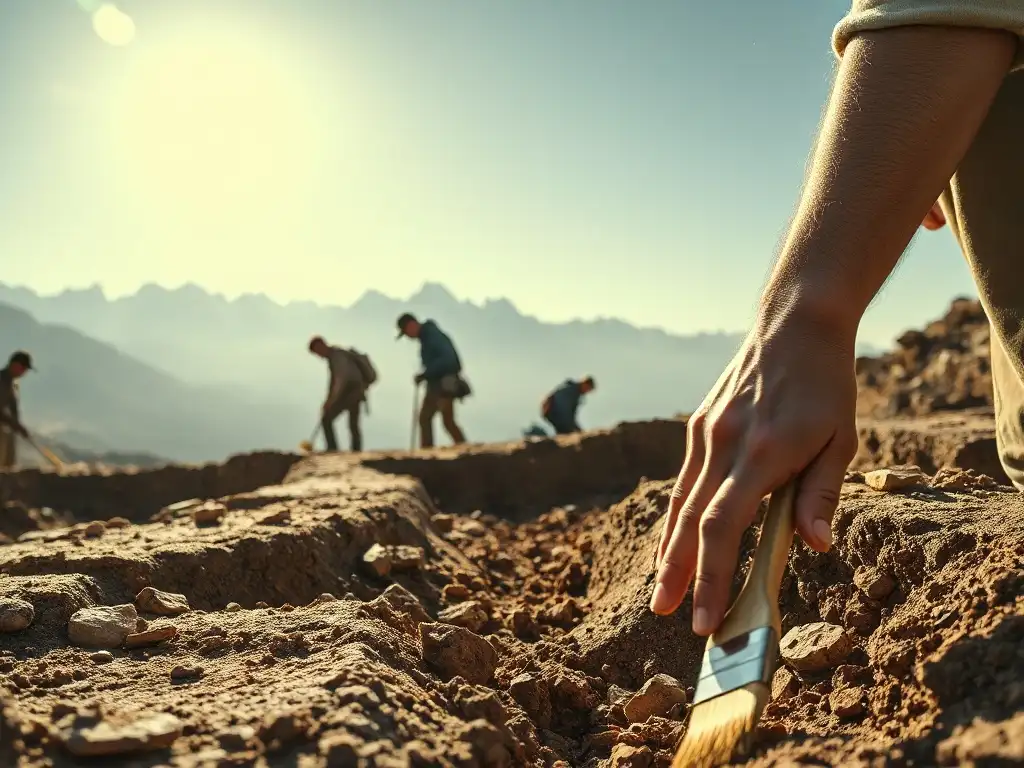
This section delves into the specific methodologies employed in Andean archaeological excavations, focusing on the unique challenges and rewards of uncovering the pre-Incan past. Understanding these methods is crucial to appreciating the wealth of knowledge gleaned from these sites and the careful preservation of irreplaceable cultural heritage. The complexities of the Andean landscape, with its diverse climates and challenging terrain, demand specialized approaches to ensure both effective data collection and the responsible stewardship of these fragile environments. The meticulous nature of Andean archaeological excavations is paramount to understanding the rich tapestry of pre-Incan societies.
Surveying and Mapping Potential Archaeological Sites
Before a single shovel of earth is turned, extensive surveying and mapping are critical for Andean archaeological excavations. This initial phase involves a multi-pronged approach combining modern technology with traditional field techniques. Remote sensing, such as satellite imagery and aerial photography, provides a broad overview of the landscape, identifying potential sites based on subtle variations in vegetation, soil composition, or the presence of visible remains. This is especially useful in the vast, sometimes inaccessible, Andean regions.
Following this preliminary assessment, ground-level surveys are conducted. These involve systematic pedestrian transects, meticulously documenting surface finds like pottery shards, lithic tools, and architectural features. GPS technology allows for precise location recording, creating detailed maps of the site's surface features.
This mapping is not simply about location; it also informs decisions about excavation strategy, minimizing disturbance to areas of less significance while maximizing the potential for valuable discoveries. The careful documentation at this stage is vital for interpreting the spatial organization of the site and understanding its function within the broader landscape. For example, the identification of patterns in the distribution of artifacts can provide insights into settlement patterns, activity areas, and even social hierarchies within the pre-Incan communities.
Excavation Techniques for Pre-Incan Remains
Excavation techniques in Andean archaeological excavations are tailored to the specific context of each site and the preservation of the fragile remains. The Andean environment, with its high altitude, variable climate, and often acidic soils, presents unique challenges to the preservation of organic materials. Therefore, archaeologists employ meticulous and often painstaking methods to minimize damage and maximize the recovery of valuable information.
The use of small tools, such as trowels and dental picks, is commonplace. Stratification, or the layering of deposits, is carefully recorded, as this provides crucial chronological information. Each layer is excavated systematically, often using a grid system to ensure precision and facilitate the reconstruction of the site's history.
Different excavation strategies are employed depending on the nature of the site. For instance, the excavation of a monumental structure, like a temple or a residential compound, might involve a larger-scale approach, while the investigation of a burial site requires a far more delicate touch. In both cases, meticulous documentation is key.
Detailed field notes, photographs, and drawings are created at every stage, preserving a permanent record of the excavation process and the context of every artifact. This comprehensive documentation is essential for subsequent analysis and interpretation. The careful recording of the vertical and horizontal positions of artifacts within the stratigraphic layers allows researchers to reconstruct the sequence of events at the site and understand the development of the pre-Incan settlements over time.
Analyzing Artifacts and Ecofacts Recovered from Andean Sites
The analysis of artifacts and ecofacts recovered from Andean sites is a crucial stage in understanding the lives and cultures of pre-Incan peoples. Artifacts, such as pottery, textiles, and metalwork, provide insights into technological advancements, artistic styles, and social organization. Ecofacts, including plant and animal remains, reveal details about diet, subsistence strategies, and the relationship between humans and their environment. This analysis often involves collaborations with specialists in various fields, such as botanists, zoologists, and ceramicists.
For example, the analysis of pottery shards can reveal information about the production techniques, the types of clay used, and the decorative styles employed. This information can help to identify different cultural groups and trace the development of pottery traditions over time. Similarly, the analysis of plant and animal remains can provide insights into the diet of pre-Incan populations, their agricultural practices, and the impact of climate change on their subsistence strategies.
Advanced techniques, such as radiocarbon dating, provide chronological frameworks that allow archaeologists to place their findings within a broader historical context. The meticulous study of these materials, coupled with careful analysis of the spatial context in which they were found, allows for a rich reconstruction of the lives and cultures of pre-Incan communities. The integration of these diverse lines of evidence is essential for building a comprehensive understanding of Andean civilizations before the Inca Empire.
Discoveries from Andean Archaeological Excavations: Insights into the Past
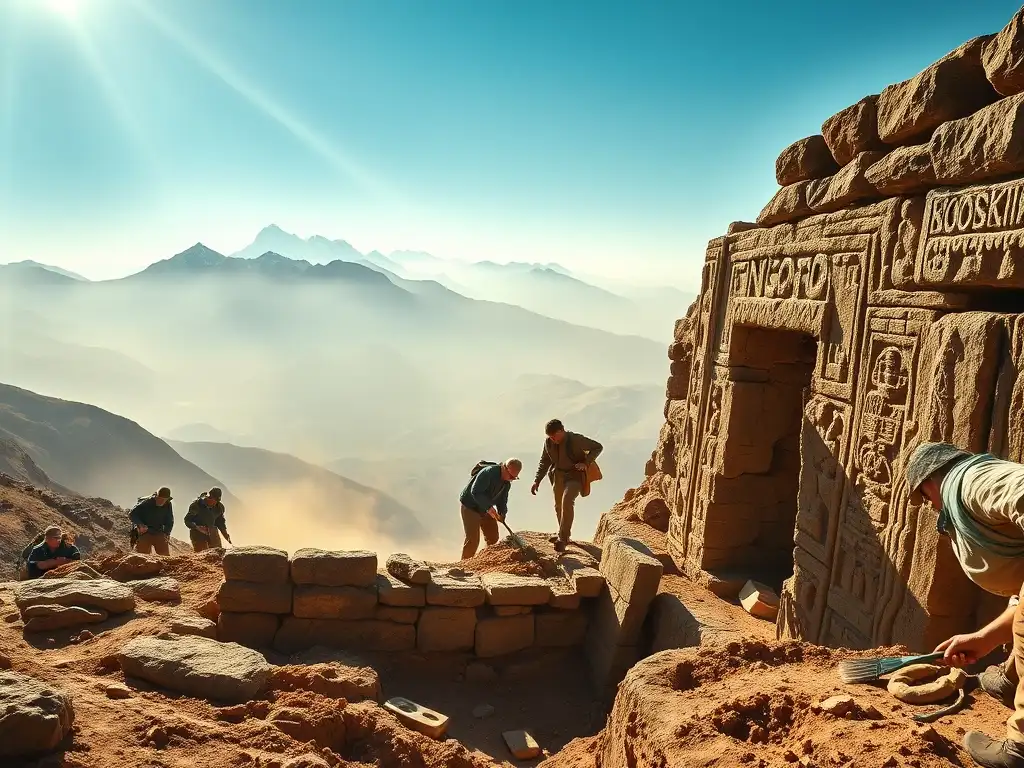
This section delves into specific examples of how Andean archaeological excavations have reshaped our understanding of pre-Inca cultures. By examining key sites and their findings, we can appreciate the depth and breadth of research contributing to our knowledge of these fascinating civilizations. The meticulous work of archaeologists in the Andes has yielded invaluable data, revealing intricate details about daily life, societal structures, and technological advancements across various pre-Inca cultures.
This detailed exploration focuses on significant discoveries related to settlement patterns, ritual practices, and technological innovations, showcasing the importance of Andean archaeological excavations in reconstructing the past. The term "Andean archaeological excavations" itself highlights the crucial role of fieldwork in uncovering this rich history.
Uncovering Moche Settlement Patterns at Huaca de la Luna
Huaca de la Luna, a massive adobe pyramid located in the Moche Valley of Peru, stands as a testament to the sophisticated urban planning and societal organization of the Moche civilization. Excavations at this site have revealed a complex network of residential areas, administrative buildings, and ritual spaces, providing valuable insights into Moche settlement patterns. Archaeologists have unearthed intricate murals depicting scenes of warfare, religious ceremonies, and daily life, offering a glimpse into the Moche worldview and social hierarchy.
The meticulous excavation of residential areas has unearthed evidence of specialized craft production, including pottery workshops and metalworking facilities. Analysis of these finds suggests a high degree of social stratification, with distinct groups specializing in different crafts and contributing to the overall functioning of the settlement. Furthermore, the discovery of elaborate burial sites within the complex indicates the importance of ancestor veneration and the existence of an elite class.
The scale and complexity of Huaca de la Luna, as revealed through Andean archaeological excavations, underscore the advanced urban planning and social organization of the Moche. The careful recording of architectural features and artifacts allows researchers to reconstruct the layout of the city and understand the interactions between different social groups. The ongoing research at Huaca de la Luna continues to yield new data, enriching our understanding of this remarkable civilization.
Insights into Inca Ritual Practices at Machu Picchu
Machu Picchu, the iconic "Lost City of the Incas," is a site rich in archaeological significance. While not strictly pre-Inca, its excavation provides crucial insights into Inca ritual practices which had roots in earlier Andean traditions. Andean archaeological excavations at Machu Picchu have uncovered numerous structures dedicated to religious ceremonies, including temples, shrines, and ritual baths. The discovery of intricately carved stonework, religious iconography, and sacrificial offerings sheds light on the importance of religion in Inca society.
The careful analysis of human remains found at the site, combined with the study of associated artifacts, has provided valuable information about Inca funerary practices and beliefs concerning the afterlife. Evidence suggests that Machu Picchu served not only as a royal estate but also as a significant religious center. The location itself, perched high in the Andes Mountains, likely held symbolic importance, connecting the Incas to the sacred landscape.
The arrangement of buildings and the orientation of certain structures suggest a sophisticated understanding of astronomy and its role in Inca religious practices. The meticulous work of Andean archaeological excavations at Machu Picchu continues to unveil the complexity of Inca religious life and its connection to the natural world. This provides a richer understanding of the Inca's sophisticated worldview and its impact on their societal structures.
Technological Advances Revealed Through Excavations at Tiwanaku
Tiwanaku, located on the shores of Lake Titicaca, was a major center of power and influence during the Tiwanaku period (c. 500-1000 CE). Andean archaeological excavations at this site have revealed remarkable technological achievements in areas such as monumental architecture, agriculture, and hydraulic engineering. The precise stonework of Tiwanaku's monumental structures, such as the Kalasasaya temple and the Akapana pyramid, showcases the advanced engineering skills of its builders. The use of massive blocks of stone, some weighing several tons, required sophisticated techniques of quarrying, transportation, and construction.
Excavations have also unearthed evidence of sophisticated agricultural techniques, including raised fields and terracing, which allowed the Tiwanaku to cultivate crops in the challenging environment of the Altiplano. These agricultural innovations were crucial for supporting the large population of Tiwanaku. Furthermore, the discovery of extensive irrigation systems demonstrates the Tiwanaku's advanced understanding of water management, enabling them to efficiently utilize scarce water resources. The technological innovations revealed through Andean archaeological excavations at Tiwanaku showcase the ingenuity and adaptability of this remarkable civilization.
The meticulous study of these technologies provides valuable insights into the social organization and economic practices of the Tiwanaku people. The scale and sophistication of these achievements highlight the advanced level of societal organization necessary for their construction and maintenance. This offers a compelling example of the ingenuity of Andean cultures long before the Inca Empire.
The Impact of Archaeological Research on Understanding Regional Developments
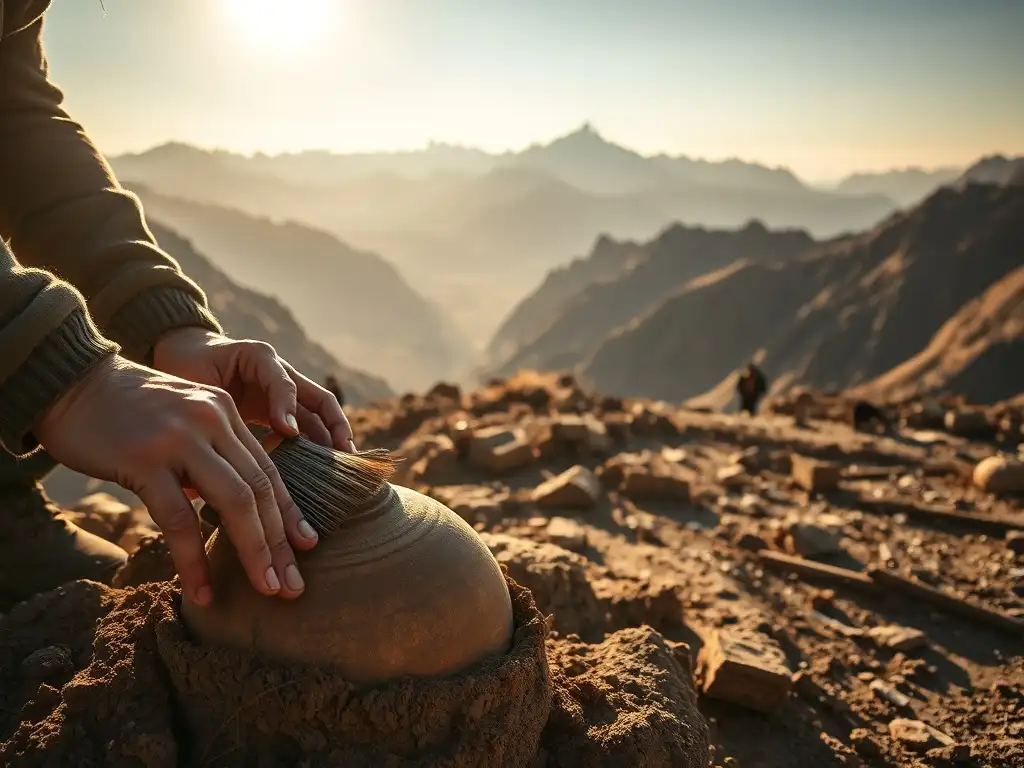
Archaeological research plays a pivotal role in illuminating the complexities of Andean regional developments before the Inca Empire. By meticulously excavating sites and analyzing artifacts, researchers piece together a vibrant tapestry of pre-Inca societies, revealing intricate interactions, surprising innovations, and significant cultural transformations. The sheer volume of data generated from Andean archaeological excavations offers unprecedented insights into the lives, beliefs, and societal structures of these fascinating civilizations.
Understanding these pre-Inca societies is crucial for a complete understanding of the Inca's later achievements, as they built upon existing foundations and adapted pre-existing technologies and social structures. The meticulous nature of Andean archaeological excavations, often involving painstaking work in challenging terrains, highlights the dedication and expertise required to unlock the secrets of the past. This dedication yields invaluable information that continuously reshapes our comprehension of Andean history.
How Excavations Illuminate Pre-Incan Trade Networks
Excavations across the Andes have revealed a sophisticated network of trade that connected disparate regions long before the Inca Empire. The discovery of exotic materials, such as coastal shells found high in the mountains or highland obsidian in coastal settlements, provides concrete evidence of extensive trade routes. Analysis of ceramic styles, textiles, and metalwork further supports this conclusion, indicating a complex exchange of goods and ideas.
For example, the discovery of Tiahuanaco-style ceramics in sites far from the Lake Titicaca basin demonstrates the reach of this powerful culture's influence. Moreover, the sheer volume of traded goods found in some sites suggests the existence of well-established trade networks, perhaps involving specialized merchants or organized caravans. The meticulous documentation of these finds, through detailed excavation reports and careful cataloging of artifacts, forms the bedrock of our understanding of pre-Inca trade, providing a glimpse into the economic and social dynamics of the time.
Further research into the chemical composition of artifacts could help pinpoint the precise origins of materials, further clarifying the extent and nature of these ancient trade networks. Understanding these trade patterns is key to understanding the interconnectedness of Andean societies and the flow of resources and ideas across vast distances.
Andean archaeological excavations have profoundly impacted our understanding of social hierarchies in pre-Inca societies. The careful excavation of elite tombs, often richly furnished with gold, silver, and elaborate textiles, reveals the existence of powerful rulers and a stratified social structure. In contrast, the simpler burials found in other areas indicate a less privileged segment of the population.
The size and complexity of settlements also provide insights into social organization, with larger sites likely indicating centers of power and administration. For instance, the monumental architecture of sites like Chan Chan (Chimú) or the sophisticated irrigation systems of Nazca clearly point towards the existence of complex social structures requiring centralized organization and labor management. Furthermore, the analysis of human remains, including isotopic studies of diet and skeletal indicators of health and activity, can reveal patterns of social inequality and access to resources.
By analyzing the distribution of artifacts and grave goods, researchers can discern the social status of individuals and the nature of social stratification within these societies. This nuanced understanding of social hierarchies is critical to comprehending the political and economic dynamics of pre-Inca Andean societies.
The Contribution of Excavations to Understanding Cultural Transformations
Andean archaeological excavations have been instrumental in documenting significant cultural transformations that occurred in the region before the Inca. The careful stratigraphy of sites reveals chronological sequences of occupation, allowing researchers to trace the evolution of architectural styles, ceramic traditions, and burial practices. For example, the transition from simpler to more complex societies is often reflected in the changing size and complexity of settlements, the development of monumental architecture, and the emergence of specialized craft production.
The discovery of new technologies, such as sophisticated irrigation systems or advanced metallurgical techniques, further illustrates periods of significant technological advancements. Moreover, the analysis of iconography and religious symbolism in artifacts sheds light on changing belief systems and ritual practices. The meticulous documentation of these changes, through detailed excavation reports and scientific analyses, allows researchers to reconstruct the history of cultural transformation in the Andes.
By identifying patterns and processes of change, Andean archaeological excavations provide a dynamic view of the evolution of Andean societies, revealing the complex interplay of internal and external factors that shaped their development. The ongoing nature of these excavations ensures a continuous refinement of our understanding of these fascinating cultural shifts.
Preserving the Past: The Future of Andean Archaeological Excavations
The ongoing study of Andean archaeological excavations is crucial not only for understanding the past but also for shaping a sustainable future for these invaluable sites. The Andes, a region of breathtaking beauty and profound historical significance, holds countless archaeological treasures waiting to be discovered and meticulously preserved. However, the delicate balance between research and preservation necessitates a forward-thinking approach to ensure these sites remain accessible for generations to come.
This requires a multi-pronged strategy encompassing technological advancements, ethical considerations, and public engagement. The future of Andean archaeological excavations hinges on our ability to adapt and innovate, marrying scientific rigor with a deep respect for the cultural heritage of the region.
Challenges Faced by Archaeological Research in the Andes
Andean archaeological research faces unique challenges due to the region's diverse geography and climate. High altitudes, unpredictable weather patterns, and the remoteness of many sites significantly impact accessibility and logistical planning. For example, excavations in the high Andes often require specialized equipment and experienced personnel capable of navigating treacherous terrain and coping with altitude sickness.
Furthermore, the fragility of many artifacts, exacerbated by the harsh environmental conditions, necessitates careful handling and advanced preservation techniques. The risk of looting and illegal trafficking of artifacts also poses a major threat, necessitating increased security measures and collaboration with local communities. Funding limitations often hinder the scope and duration of research projects, preventing comprehensive studies and long-term monitoring of excavated sites.
This is especially true for smaller, less-funded projects focused on smaller Andean cultures, limiting our understanding of the diverse pre-Inca societies. Finally, the lack of trained personnel, particularly in specialized areas like archaeobotany and archaeozoology, represents a significant obstacle to advancing our knowledge of Andean civilizations. Data on the precise financial constraints and personnel shortages across Andean archaeological projects is [specific information pending].
The Importance of Ethical Archaeological Practices
Ethical considerations are paramount in Andean archaeological excavations. Respect for the cultural heritage of indigenous communities is crucial. This involves ensuring meaningful consultation and collaboration with local communities throughout the research process, from the initial planning stages to the dissemination of findings.
The principle of repatriation of artifacts, where appropriate, and the avoidance of practices that could be perceived as disrespectful to ancestral sites and beliefs are also essential. Ethical excavation emphasizes the minimal disturbance of the archaeological record, prioritizing preservation over extraction. This includes the careful documentation of all findings, the use of non-invasive techniques where possible, and the implementation of robust preservation strategies to minimize the degradation of artifacts and sites.
Furthermore, open access to research data and the dissemination of knowledge to the broader public are vital to foster transparency and accountability in the field. A clear, defined ethical framework, informed by ongoing dialogue with indigenous communities, is crucial for responsible Andean archaeological excavations.
Promoting Public Awareness of Andean Archaeological Significance
Increasing public awareness of the significance of Andean archaeological excavations is crucial for securing long-term support for research and preservation efforts. Education initiatives targeting diverse audiences, from schoolchildren to university students and the general public, are vital. Museums play a crucial role in showcasing archaeological findings, but this must be done responsibly, prioritizing the preservation of artifacts and the representation of Andean cultures in a respectful and accurate manner.
The use of engaging and accessible media, including documentaries, virtual tours, and interactive exhibits, can greatly enhance public understanding and appreciation of Andean history. Furthermore, community-based archaeology projects can foster a sense of ownership and pride in local heritage, empowering communities to participate actively in the protection and interpretation of their own history. The successful promotion of Andean archaeological significance necessitates a collaborative approach, involving archaeologists, educators, museum professionals, and local communities, working together to share the wonders of the Andean past with the world.
This collaborative approach fosters a deeper appreciation for the rich tapestry of Andean cultures and ensures the enduring legacy of these remarkable civilizations. The development of interactive websites and mobile applications specifically designed to educate the public about Andean archaeological excavations is one potential avenue for expanding public awareness and engagement.
Frequently Asked Questions
What is the significance of Andean archaeological excavations?
Andean archaeological excavations are crucial for understanding the complex societies that thrived in the Andes. They provide tangible evidence of their daily lives, beliefs, and technological advancements, enriching our knowledge of these fascinating cultures. This helps us to better understand their social structures, economy and environment.
Which Andean civilizations are most commonly studied through excavations?
Excavations frequently focus on major civilizations like the Incas, Moche, Nazca, and Tiahuanaco. However, research also encompasses smaller, less-known groups to provide a more complete picture of Andean history. The scope is constantly expanding as new sites are discovered.
What types of artifacts are typically uncovered during Andean excavations?
Archaeologists uncover a wide range of artifacts, including pottery, textiles, metalwork, stone tools, and mummies. These artifacts offer invaluable insights into the artistic skills, religious practices, and daily lives of these ancient people. Architectural remains also provide crucial information.
How do Andean archaeological excavations contribute to our understanding of Inca technology?
Excavations reveal details about Inca engineering prowess, such as their advanced irrigation systems, road networks, and stonework techniques. Studying these sites helps us understand the scale and sophistication of Inca technology and its impact on their society. Agricultural innovations are also key areas of study.
What are some of the challenges faced during Andean archaeological excavations?
Challenges include the harsh environmental conditions at high altitudes, the fragility of the artifacts, and the ethical considerations of working with potentially sacred sites. Preservation of discovered artifacts and sites is also a major concern.
The meticulous work of Andean archaeological excavations continues to reshape our understanding of human history, offering invaluable insights into complex societies and challenging long-held assumptions. These excavations are not simply about unearthing artifacts; they are about unearthing the stories of our shared past, stories that resonate powerfully with the challenges and triumphs of our present. The discoveries made in the Andes provide a vital link to our collective human experience, reminding us of the resilience and ingenuity of past civilizations.
The impact of Andean archaeological research extends far beyond the academic sphere; it informs our understanding of cultural identity, environmental sustainability, and the very nature of human civilization. The insights gained from these excavations contribute to a richer, more nuanced narrative of human history, challenging simplistic narratives and fostering a deeper appreciation for the diversity of human experience. The past is never dead. It's not even past.
- William Faulkner. This quote perfectly encapsulates the enduring relevance of Andean archaeological excavations, reminding us that the past is not a static entity but a living force that continues to shape our present and future.
Consider the implications of these discoveries. How can we, as individuals and as a global community, use the knowledge gleaned from Andean archaeological excavations to build a more just and sustainable future? What responsibility do we have to protect these invaluable sites and the stories they hold? I urge you to reflect on the profound implications of this research, to engage with the narratives unearthed, and to become active participants in the ongoing conversation about our shared human heritage. Let the echoes of the past inspire you to build a brighter future.
Unveil Your Connection to the Past!
Thank you for exploring the fascinating world of archaeological research with us! Your curiosity reveals a deep appreciation for the rich tapestry of history and culture that shapes our present. Let's delve even deeper!
Here are some ways to further engage with archaeology and its impact on our understanding of ancient civilizations:
- Join a local archaeology club or volunteer at a dig. Experience the thrill of discovery firsthand.
- Take an online course or attend a webinar. Expand your knowledge of archaeological techniques and the remarkable discoveries from ancient cultures.
- Share your newfound knowledge! Discuss archaeology's role in understanding history with friends, family, or online.
Consider this: What aspect of ancient civilizations most captivates you, and how will you explore it further? We'd love to hear your thoughts!