
Decoding Andean Irrigation Maps: A Journey into Ancient Knowledge

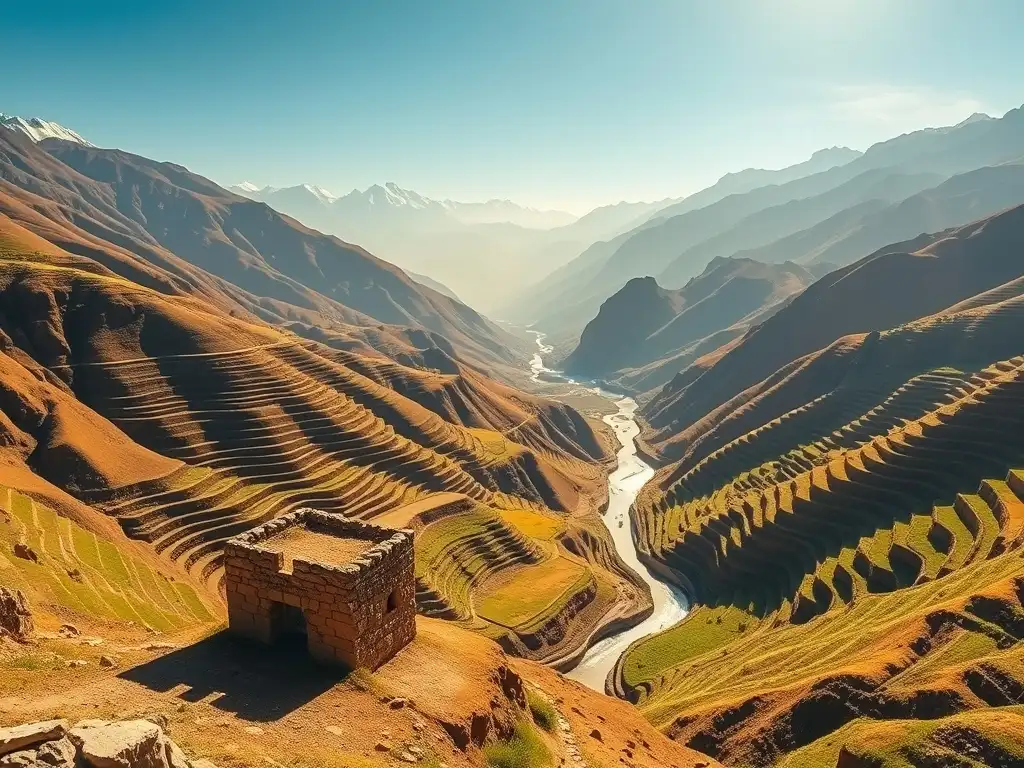
Step into a world lost to time, yet echoing with ingenuity. Imagine civilizations, flourishing amidst the towering Andes, mastering landscapes seemingly unconquerable. This is the story of the Andean civilizations, their remarkable achievements in architecture and engineering—a story that begins with a closer look at their sophisticated Andean irrigation systems history. Unravel the secrets hidden within ancient maps and discover how these ingenious systems shaped the rise and fall of empires. Prepare to be amazed.
The Andes Mountains, a spine of towering peaks and deep valleys, presented a formidable challenge to the ancient civilizations that thrived within its embrace. Scarcity of water, coupled with the dramatic topography, necessitated ingenious solutions for agricultural survival. This article delves into the fascinating world of Andean irrigation systems, exploring how these ancient societies not only mastered water management but also meticulously documented their knowledge through intricate maps and ingenious engineering feats.
We will uncover the history of Andean irrigation, examining the sophisticated techniques employed by cultures like the Inca, Nazca, and Moche, and analyzing how these systems reflect a deep understanding of hydrology, landscape, and community organization. Understanding these ancient irrigation systems provides crucial insights into the ingenuity and resilience of Andean civilizations, offering valuable lessons for modern-day water management strategies in challenging environments.
The study of these systems—and the maps that record them—is key to understanding how Andean societies flourished for centuries. This exploration will reveal the remarkable technological achievements and societal structures that supported their agricultural success.
The Evolution of Andean Irrigation Techniques
The development of Andean irrigation wasn't a singular event but rather a gradual evolution spanning millennia. Early systems, likely employing simple canals and ditches, gradually gave way to more sophisticated designs. The pre-Inca cultures, such as the Nazca and Moche, developed complex canal networks, often traversing challenging terrains. These networks weren't simply linear channels; they incorporated ingenious features like aqueducts, siphons, and reservoirs to manage water flow efficiently.
The Nazca, renowned for their geoglyphs, also displayed remarkable skill in creating subterranean canals, known as puquios, which tapped into underground water sources. This innovative approach allowed them to cultivate arid coastal regions. The Moche, on the other hand, are known for their large-scale irrigation projects that supported their extensive agricultural production and population centers. Evidence suggests that these systems often involved communal labor and sophisticated water rights management.
Deciphering the "Maps": Evidence and Interpretation
While we don't have traditional maps in the modern sense, the layout of canals, aqueducts, and reservoirs themselves serve as a form of spatial documentation. Archaeological evidence, including the remains of these structures and the tools used in their construction, provides invaluable data. Furthermore, ethnographic studies of later Andean communities reveal continuing traditions of water management and knowledge transmission, offering clues to interpreting the ancient systems.
Analyzing the orientation of canals relative to the sun, the slopes of the terrain, and the distribution of agricultural fields allows researchers to reconstruct the hydrological understanding and engineering skills of these ancient societies. The precision and scale of many of these projects is truly astonishing, indicating a deep understanding of both the practical and social aspects of water management. Further research into surviving oral traditions and potentially undiscovered artifacts could shed even more light on the intricacies of these systems.
The Societal Impact of Andean Irrigation Systems
Andean irrigation systems were not merely technological marvels; they were integral to the social and political structures of these societies. The construction and maintenance of these complex networks required coordinated effort, fostering cooperation and community building. Access to water resources often dictated social hierarchies and power dynamics. Control over irrigation systems could translate into political influence and economic advantage.
The distribution of water, therefore, was not only a practical issue but also a social and political one, shaping the dynamics of Andean communities across different eras. The efficient management of water resources played a pivotal role in the stability and prosperity of these societies, allowing for population growth and the development of complex civilizations. Further research is needed to fully understand the intricate relationship between water management and social organization in these ancient communities.
Modern Relevance of Andean Irrigation Knowledge
The ingenuity of ancient Andean irrigation techniques holds significant relevance for contemporary challenges in water management. In a world facing increasing water scarcity and the impacts of climate change, understanding how these societies successfully managed water resources in challenging environments offers valuable lessons. Studying the sustainable practices employed by Andean civilizations—such as water harvesting, efficient irrigation methods, and community-based water management—can inform the development of more sustainable and resilient water management strategies for the future.
The principles of water conservation and equitable distribution embedded within these ancient systems offer a valuable blueprint for addressing modern water challenges. The integration of traditional knowledge with modern technology holds immense potential for ensuring sustainable water security in the face of ongoing environmental changes.
- The Evolution of Andean Irrigation Techniques
- Deciphering the "Maps": Evidence and Interpretation
- The Societal Impact of Andean Irrigation Systems
- Modern Relevance of Andean Irrigation Knowledge
The Significance of Andean Irrigation Systems in Ancient Civilizations

The history of Andean irrigation systems is intrinsically linked to the survival and prosperity of the region's ancient civilizations. These weren't merely methods of water delivery; they were sophisticated engineering feats reflecting a deep understanding of hydrology, landscape, and social organization. The success of the Incas, Nazca, Moche, and Tiahuanaco, among others, hinged significantly on their ability to harness and manage water resources effectively, particularly in the challenging Andean environment.
This mastery allowed for intensive agriculture, supporting large populations and complex societies. The ingenuity displayed in their irrigation techniques—from simple canals to intricate aqueducts—continues to fascinate and inspire researchers today. Understanding these systems provides invaluable insight into the advanced knowledge and organizational capabilities of these ancient Andean cultures, illustrating their profound connection to the environment and their remarkable adaptation to its complexities.
The development and maintenance of these systems also fostered social cohesion and cooperation, demonstrating the vital role of communal effort in shaping Andean societies. Analyzing their history illuminates not only their engineering prowess but also their social structures and worldview.
Understanding the Importance of Water Management in the Andes
The Andes Mountains present a formidable challenge for agriculture. Steep slopes, unpredictable rainfall patterns, and high altitudes create a harsh environment where water scarcity is a constant threat. Andean civilizations, however, developed ingenious solutions to overcome these obstacles.
Their understanding of water management wasn't limited to simply diverting water; it encompassed a holistic approach encompassing water storage, distribution, and conservation. This involved careful observation of seasonal variations, the construction of intricate canal systems, and the development of sophisticated techniques for terracing and soil management. For example, the Nazca's extensive canal networks, some spanning miles, demonstrate their remarkable ability to transport water across vast distances and varying terrains, enabling them to cultivate crops in otherwise arid regions.
The success of their agricultural practices, reflected in their vibrant artistic expressions and societal complexity, underscores the paramount importance of water management in their survival and cultural development. The strategic placement of reservoirs and the design of canals to minimize water loss showcases their advanced knowledge of hydraulic engineering, far surpassing the capabilities attributed to them by earlier scholarship.
The Role of Irrigation in Andean Agricultural Success
Andean irrigation systems were fundamental to the agricultural success of these ancient societies. The ability to control water resources allowed for the cultivation of a diverse range of crops, supporting larger and more densely populated settlements. This, in turn, facilitated the development of complex social structures, specialized labor, and advanced technologies.
The increased agricultural productivity fueled economic growth and enabled the emergence of powerful empires. The Incas, for instance, implemented a highly organized system of agricultural production, relying heavily on terracing and irrigation to maximize crop yields. This system, combined with their sophisticated understanding of crop rotation and fertilization, allowed them to support a large population and maintain a stable food supply.
The impact of these irrigation systems extended far beyond mere sustenance; they were crucial in fostering political stability, social hierarchy, and the overall flourishing of Andean civilization. Detailed analysis of archaeological remains reveals evidence of carefully planned irrigation networks, indicating considerable organizational capacity and a deep understanding of agricultural principles.
Early Forms of Water Control in the Andean Region
The earliest forms of water control in the Andes were relatively simple, often involving small-scale canals and ditches constructed to divert water from streams and rivers. These early systems, dating back millennia, laid the groundwork for the more complex networks developed by later civilizations. Evidence suggests that even pre-ceramic societies utilized basic irrigation techniques to augment their agricultural output.
Over time, as populations grew and agricultural demands increased, these early systems evolved, becoming increasingly sophisticated and extensive. The development of advanced techniques, such as terraced farming and the construction of large-scale aqueducts, marked a significant leap in Andean irrigation technology. The transition from simple canals to complex networks reflected not only technological advancements but also a growing understanding of hydrological principles and the social organization required to construct and maintain these intricate systems.
Examining the evolution of these systems provides valuable insights into the gradual development of Andean engineering and the increasing complexity of their societies. The transition mirrored a parallel development in social organization and governance, underscoring the interconnectedness of technology and societal progress in the Andean region.
Exploring the History of Andean Irrigation Systems

This section delves into the fascinating history of Andean irrigation, a testament to the ingenuity and adaptability of ancient Andean civilizations. Understanding their water management techniques is crucial to appreciating their advanced societal structures and agricultural success in challenging terrains. The sophisticated systems they developed weren't merely functional; they were integral to their cosmology, social organization, and economic prosperity. We will explore the evolution of these systems, highlighting key innovations and their impact on Andean societies. The study of Andean irrigation systems history reveals a remarkable story of human adaptation and resourcefulness.
Tracing the Evolution of Andean Irrigation Techniques
The development of Andean irrigation wasn't a sudden leap but a gradual process spanning millennia. Early techniques, dating back to pre-Inca cultures, involved simple canals diverting water from rivers and streams to irrigate relatively small plots of land. These early systems, often constructed using rudimentary tools and materials like stone and earth, were effective in managing water resources within their limitations.
Evidence suggests that the Nazca culture (100 BCE – 800 CE), renowned for their geoglyphs, also possessed advanced irrigation capabilities. Their canals, some stretching for kilometers, demonstrated a remarkable understanding of topography and water flow. Archaeological findings reveal intricate systems of channels and reservoirs, hinting at a sophisticated understanding of hydraulic engineering. The precision and scale of these projects suggest significant labor organization and social planning, reflecting a complex societal structure centered around water management.
Later, the development of more sophisticated techniques, including the use of terraces and sophisticated diversion systems, allowed for more efficient and widespread irrigation. This evolution wasn't linear; different regions and cultures developed unique adaptations based on their specific environmental conditions. The diversity of techniques highlights the ingenuity and adaptability of Andean peoples in harnessing water resources. The study of Andean irrigation systems history reveals a constant refinement of techniques, driven by the need to optimize agricultural production in often challenging environments.
Andean Irrigation Systems History: From Early Canals to Complex Networks
The evolution of Andean irrigation systems can be broadly categorized into several stages. Initially, simple gravity-fed canals were sufficient. However, as populations grew and agricultural demands increased, more complex systems were needed. This led to the development of sophisticated networks incorporating reservoirs, aqueducts, and intricate channel systems.
The following table illustrates the progression:
| Era | Irrigation Technique | Characteristics | Geographic Distribution |
|---|---|---|---|
| Early Pre-Inca | Simple Canals | Small scale, gravity-fed, basic earthworks | Widely distributed across Andean regions |
| Nazca | Extensive Canal Systems | Long-distance canals, advanced surveying techniques | Southern Coast of Peru |
| Wari/Tiwanaku | Terraced Agriculture & Reservoirs | Integration of terraces and water storage systems | Highlands of Peru and Bolivia |
| Inca | Complex Canal Networks | Large-scale networks, sophisticated water control | Throughout the Inca Empire |
The Inca Empire (1438-1533 CE) witnessed the culmination of this technological development. Their irrigation systems were remarkable feats of engineering, encompassing vast networks that supported intensive agriculture across diverse terrains. These systems were not only functional but also incorporated social and religious elements, reflecting the importance of water in Inca society and worldview. The legacy of Inca irrigation techniques continues to influence water management practices in the Andes today. Understanding this Andean irrigation systems history provides valuable insights into the ingenuity of the Inca civilization.
The Development of Terraces and Water Reservoirs
Beyond canals, the development of terraces and reservoirs significantly enhanced Andean irrigation capabilities. Terraces, carved into hillsides, created level platforms for agriculture, maximizing usable land in mountainous regions. This innovative approach not only increased arable land but also reduced soil erosion and improved water retention. The construction of terraces was a labor-intensive process, requiring careful planning and execution. The precise alignment of terraces, often following contour lines, showcased a deep understanding of topography and water management.
Water reservoirs played a crucial role in supplementing water supplies during dry seasons. These reservoirs, ranging in size from small ponds to large artificial lakes, stored water collected from rainfall, snowmelt, and diverted streams. Their construction demonstrated an advanced understanding of hydrology and engineering, enabling the sustained irrigation of crops even in periods of water scarcity.
The strategic placement of reservoirs, often integrated into terraced agricultural systems, optimized water distribution and ensured agricultural productivity throughout the year. The combined application of terraces and reservoirs exemplifies the ingenious solutions devised by Andean civilizations to overcome the challenges of their environment. The sophisticated integration of these elements into their Andean irrigation systems history is a clear indicator of their advanced knowledge and engineering capabilities.
Unveiling the Techniques Behind Andean Water Management

This section delves into the ingenious methods employed by Andean civilizations to manage their water resources, a feat crucial for their agricultural success and societal development. Their understanding of hydrology and engineering was remarkably advanced, allowing them to thrive in diverse and challenging terrains. The sophisticated systems they developed weren't simply about moving water; they reflect a deep understanding of their environment and a sustainable approach to resource management, crucial for understanding the history of Andean irrigation systems. We'll explore the key techniques that underpinned their achievements.
The Ingenious Use of Gravity in Andean Irrigation
Andean irrigation systems were masterclasses in harnessing gravity. Instead of relying on complex pumps or energy-intensive methods, these civilizations skillfully channeled water from mountain sources using a network of canals and aqueducts. The careful selection of routes, often following natural contours, minimized the need for significant elevation changes.
This gravity-fed system was incredibly efficient, requiring minimal maintenance and ensuring a consistent flow of water to agricultural fields. The precision involved in these designs is evident in the remarkably straight lines of many canals, some spanning kilometers, demonstrating an advanced understanding of surveying and land management. Consider the Nazca lines, while famously known for their geoglyphs, they also provide clues to their sophisticated understanding of water channels and their integration into the landscape.
This intelligent use of gravity significantly reduced labor costs and ensured the long-term sustainability of their agricultural practices. The efficiency of these systems is a testament to their deep knowledge of the Andean geography and a practical application of physics.
Advanced Engineering in Andean Canal Construction
The construction of Andean canals involved advanced engineering techniques, far surpassing the capabilities often associated with pre-Columbian societies. The canals weren't simply dug trenches; they were meticulously planned and built using sophisticated techniques. Stonework was often employed, particularly in areas prone to erosion or where the terrain was challenging.
Precisely cut stones were fitted together without mortar, demonstrating an impressive level of craftsmanship and engineering skill. The construction process involved detailed planning, careful selection of materials, and skilled labor. Evidence suggests the use of sophisticated tools and techniques, including sophisticated levelling instruments, to ensure a consistent gradient across long distances.
The ability to build canals across varied terrains, including mountainous regions and steep slopes, showcases the advanced engineering capabilities of these civilizations. For instance, the intricate canal systems of the Inca empire highlight their mastery over this aspect of Andean irrigation systems history. The durability of many of these canals, some of which remain in use even today, is a testament to the quality of their construction and the ingenuity of their design.
Sustainable Practices in Andean Water Distribution
Beyond the impressive engineering, Andean water management systems demonstrate a remarkable understanding of sustainable practices. The intricate networks were designed not just to irrigate crops, but also to manage water resources effectively. Techniques such as water rationing, reservoir construction, and the creation of diversion channels ensured equitable distribution of water among communities.
This sustainable approach was crucial for maintaining agricultural productivity and preventing conflicts over water resources. The construction of reservoirs allowed for the storage of excess water during rainy seasons, providing a buffer against droughts. Furthermore, the systems were often integrated with other aspects of the landscape, such as terraces and drainage systems, to optimize water use and minimize soil erosion.
This holistic approach to water management is a key aspect of the history of Andean irrigation systems and demonstrates a deep respect for the environment and a long-term vision for societal sustainability. The evidence points to a sophisticated understanding of ecological balance and the long-term consequences of unsustainable practices, a lesson relevant even today. The ingenious interplay of engineering prowess and ecological awareness highlights the sophisticated nature of Andean water management practices.
Key Elements of Andean Irrigation Maps

This section delves into the crucial components of Andean irrigation maps, providing a deeper understanding of their construction and the information they convey. These maps, while not always in the form we readily recognize today, represented a sophisticated understanding of hydrology and landscape management. Analyzing these elements is key to unlocking the secrets of Andean irrigation systems history.
Interpreting the Symbols and Representations in Andean Maps
Andean irrigation maps weren't standardized blueprints like modern engineering drawings. Instead, they often employed a system of symbols and representations, varying across different cultures and time periods. These symbols, sometimes carved into stone, drawn in the sand, or depicted in textiles, represented key features of the irrigation systems. For example, a recurring motif might depict a stylized mountain representing a watershed, while a series of interconnected lines could signify canals or aqueducts. The specific meanings of these symbols remain a subject of ongoing research; however, scholars have made significant progress in deciphering some common patterns.
For instance, certain symbols might represent specific types of water control structures, such as weirs, spillways, or reservoirs. Other symbols may indicate the elevation of the land, the flow of water, or the location of agricultural fields. The use of color, too, may have held significant meaning, possibly indicating different types of soil or water quality. Unfortunately, the exact interpretation of many symbols remains elusive due to the limited surviving examples and the lack of accompanying textual explanations.
Further research, particularly cross-cultural comparisons, is needed to refine our understanding of this symbolic language. The challenge lies not only in recognizing the individual symbols but also in understanding their spatial relationships to one another and to the larger landscape. This requires a careful consideration of the context in which the map was created and used.
Understanding the Topography and Water Sources Depicted
A critical aspect of interpreting Andean irrigation maps is understanding the topography and water sources they depict. These maps weren't abstract representations; they were intimately tied to the specific physical environment. The maps often show the intricate relationship between mountains, valleys, rivers, and the irrigation infrastructure itself. By carefully studying the contours of the land, the location of water sources (springs, rivers, glacial meltwater), and the layout of canals, we can gain valuable insights into the engineering challenges faced by the ancient Andean societies and their ingenious solutions.
For example, some maps clearly illustrate the use of gravity-fed systems, where water was channeled from high-altitude sources down through a network of canals to irrigate lower-lying fields. Other maps may depict more complex systems involving water storage and redistribution, showcasing a sophisticated understanding of water management techniques. The depiction of elevation changes is particularly important, as it reveals the skill of Andean engineers in designing canals that followed the contours of the land, minimizing the need for extensive earthworks and maximizing water flow efficiency.
Analyzing the relationship between water sources and agricultural land reveals the strategic planning involved in optimizing water distribution across the landscape. This understanding is critical in appreciating the advanced engineering and planning behind these ancient irrigation systems.
The Purpose and Context of Ancient Andean Irrigation Maps
The purpose and context of ancient Andean irrigation maps are crucial for their proper interpretation. Were they purely functional tools used for planning and construction, or did they also serve ceremonial or symbolic purposes? Evidence suggests a multifaceted role. Some maps may have been used as working documents for irrigation engineers, guiding the construction and maintenance of canals and other water control structures. Others may have served as records of land ownership or water rights, illustrating the complex social and political structures governing water distribution.
There's also evidence suggesting a ceremonial role for some maps. The intricate designs and symbolic representations might indicate a deeper spiritual connection between the Andean people and their water resources. Water, after all, was not just a resource for agriculture; it was a vital element in their cosmology, associated with fertility, life, and spirituality.
Further research into the social and political contexts in which these maps were created is needed to fully understand their diverse functions. Understanding the purpose of each map requires careful consideration of the artifacts found alongside them and the broader archaeological context of the site where they were discovered. This interdisciplinary approach, combining archaeology, anthropology, and engineering, will continue to shed light on the remarkable achievements of Andean civilizations in water management and their profound understanding of their environment.
Case Studies of Remarkable Andean Irrigation Projects
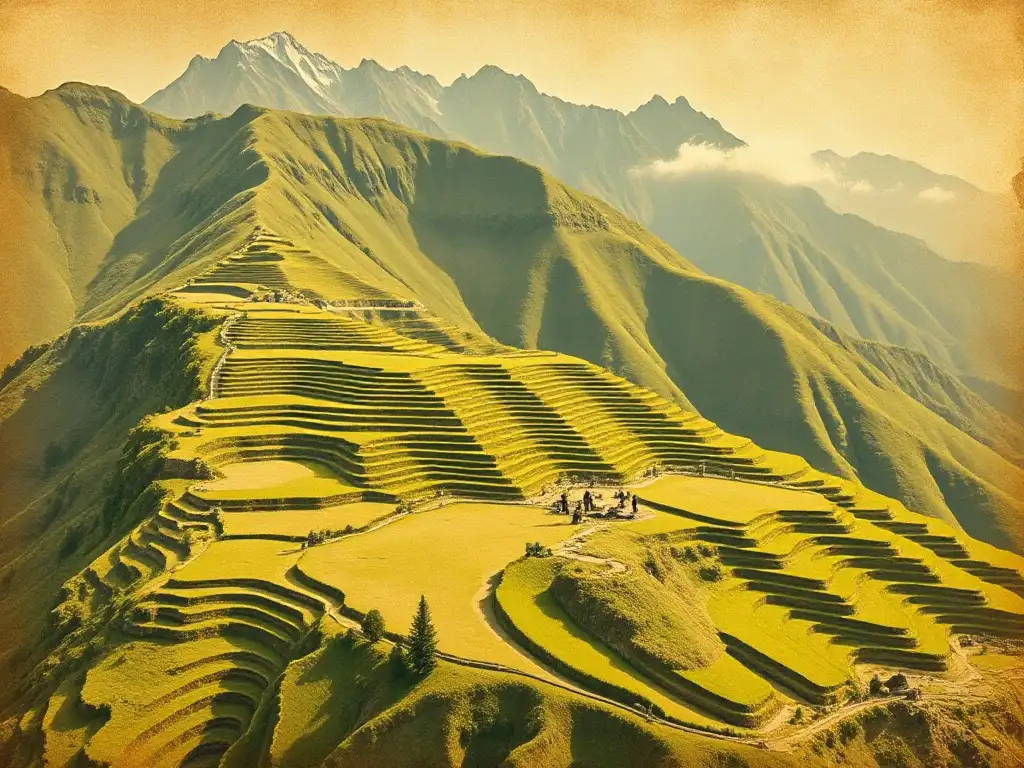
This section delves into specific examples of the impressive irrigation systems developed by various Andean civilizations, showcasing their ingenuity and adaptation to diverse geographical challenges. Understanding these individual projects offers a clearer picture of the overall sophistication of Andean water management, a key factor in their agricultural success and societal development. The ingenuity displayed in these systems highlights the deep understanding these cultures possessed of hydrology, engineering, and sustainable resource management – a legacy that continues to inspire modern approaches to water conservation. The keyword, "Andean irrigation systems history," is directly addressed through detailed analysis of these case studies.
The Irrigation Systems of the Inca Empire
The Inca Empire, known for its vast territory and advanced administrative capabilities, implemented a sophisticated network of irrigation systems. These weren't simply canals; they were strategically designed to optimize water distribution across diverse terrains, from high-altitude valleys to coastal deserts. Their systems often involved complex terracing, diverting water from rivers and streams through a network of channels and aqueducts. This allowed for intensive agriculture, supporting a large population and a complex social structure.
The Inca's mastery of hydraulic engineering is evident in their use of different materials, adapting to the local environment. Stone, clay, and even woven materials were employed to construct canals, with meticulous attention paid to gradients and water flow control. Evidence suggests the use of sophisticated surveying techniques to ensure accurate alignment and efficient water distribution.
Archaeological findings reveal intricate systems of weirs, spillways, and reservoirs, indicating a deep understanding of hydraulic principles. The Inca's success wasn't solely based on engineering prowess; it also involved a robust social organization and communal labor that ensured the maintenance and expansion of their irrigation infrastructure. This highlights the interconnectedness of technological advancement and social structure in the development of Andean irrigation systems history.
Exploring the Water Management Techniques of the Moche Civilization
The Moche civilization (100-800 CE), flourishing along the arid northern coast of Peru, developed remarkably efficient irrigation systems to overcome the challenges of their desert environment. Unlike the Inca, who often utilized gravity-fed systems, the Moche employed a combination of techniques, including canals, subterranean channels, and sophisticated water management strategies.
Their ingenuity is particularly evident in their ability to tap into underground water sources through complex systems of puquios, vertical shafts that accessed aquifers. These puquios were not simply wells; they were carefully designed to maximize water flow and maintain water quality. Their construction involved intricate stonework and often incorporated ingenious ventilation systems to prevent water stagnation. The Moche also constructed extensive canal networks, diverting water from rivers and streams to irrigate their fields.
These canals were often lined with clay or stone to minimize water loss through seepage. The scale and complexity of the Moche irrigation systems demonstrate their advanced understanding of hydrology and their ability to adapt to a challenging environment. Their systems were crucial to their agricultural success and the development of a sophisticated society. The Moche's approach provides a fascinating insight into the diversity of Andean irrigation systems history.
Analyzing the Nazca Aqueducts and Underground Canals
The Nazca civilization (100 BCE – 800 CE), famous for their geoglyphs, also mastered sophisticated water management techniques to thrive in the arid coastal region of southern Peru. Their ingenuity is best exemplified by their underground canals, known as canales subterráneos, which tapped into groundwater sources and transported water over long distances with minimal water loss.
These canals were constructed using intricate stonework and were often lined with clay or other impermeable materials to prevent leakage. Their design ensured efficient water flow, and they were strategically placed to maximize access to water sources. The Nazca also built aqueducts, which, though less common than their underground canals, still played a significant role in their irrigation systems.
These aqueducts were often built of stone and were carefully designed to navigate challenging terrain. The combination of underground canals and aqueducts provided a reliable and sustainable water supply for the Nazca, supporting their agricultural production and societal development. The impressive scale and engineering sophistication of these systems continue to fascinate researchers and highlight the remarkable advancements in Andean irrigation systems history.
The Nazca's approach demonstrates the adaptation and innovation within Andean water management, responding directly to the unique environmental constraints of their region. Their legacy is a testament to human resilience and ingenuity in the face of aridity.
The Tiahuanaco's Sophisticated Water Management Approach
The Tiahuanaco civilization, flourishing in the Altiplano region of the Andes between approximately 500 and 1000 CE, developed remarkably sophisticated water management techniques, crucial for their survival in a high-altitude environment characterized by scarce and unpredictable rainfall. Their success wasn't merely about harnessing water; it was about meticulously controlling its flow and distribution to support a large population and intensive agriculture. This involved a complex interplay of canals, aqueducts, and raised fields, demonstrating a deep understanding of hydraulic engineering principles.
One of the most striking aspects of Tiahuanaco's water management was their mastery of canal construction. These weren't simple ditches; they were carefully engineered channels, often lined with stone to prevent erosion and maintain water flow. The canals were strategically placed to divert water from rivers and streams, channeling it to agricultural fields across vast distances.
Archaeological evidence suggests a highly organized system, with intricate networks of canals connecting different parts of the Tiahuanaco territory, efficiently distributing water to maximize crop yields. The precision in their construction is a testament to their advanced surveying and engineering skills. The ability to accurately measure gradients and maintain consistent water flow across long distances speaks volumes about their understanding of hydraulics.
Furthermore, Tiahuanaco's use of raised fields, known as suka kollus, represents a significant innovation in water management. These elevated platforms, built from earth and stone, provided a controlled environment for agriculture, protecting crops from frost and improving drainage. The raised fields were strategically integrated into the canal system, receiving water through a network of smaller channels and ditches.
This allowed for efficient irrigation even in areas with poor natural drainage. The construction of suka kollus required significant labor and planning, reflecting a highly organized and centralized society capable of undertaking large-scale infrastructure projects. The longevity of these raised fields, some of which are still visible today, underscores the effectiveness of Tiahuanaco's agricultural techniques.
The Tiahuanaco's success in water management wasn't just about engineering prowess; it also involved a deep understanding of the local environment and climate. Their sophisticated system allowed them to adapt to the challenges of the Altiplano, ensuring a reliable water supply for their agricultural needs. This adaptability was essential for the civilization's survival and growth, allowing them to thrive in a demanding environment.
The integration of their water management system with their social and political structures is also noteworthy, suggesting a strong connection between water control and the maintenance of power and social order within the Tiahuanaco civilization. Their advanced understanding of Andean irrigation systems history remains a fascinating subject of study for researchers today. The ingenuity displayed in their water management solutions offers valuable lessons for modern approaches to sustainable water resource management, particularly in arid and semi-arid regions.
The Legacy of Andean Irrigation Systems
The ingenuity of Andean irrigation systems represents a remarkable chapter in the history of human adaptation to challenging environments. For centuries, Andean civilizations, facing arid climates and steep terrains, developed sophisticated techniques to harness water resources, ensuring agricultural productivity and societal stability. Understanding their achievements offers valuable insights into sustainable water management, revealing practices that remain relevant even in the face of modern challenges like climate change and population growth.
This legacy is not merely historical; it's a blueprint for the future, demonstrating how careful planning, community collaboration, and innovative engineering can overcome seemingly insurmountable obstacles. The study of Andean irrigation systems history provides crucial lessons for contemporary water resource management strategies globally.
The intricate network of canals, aqueducts, and reservoirs, painstakingly carved into the landscape, stand as a testament to the profound understanding these civilizations possessed of hydrology, topography, and the delicate balance of nature. Their success wasn’t merely a matter of technical skill; it was deeply intertwined with their spiritual beliefs and societal structures, highlighting the importance of a holistic approach to water resource management.
Lessons from the Past: Sustainable Water Management Today
The Andean civilizations' success in water management wasn't accidental. They employed several key strategies that resonate with modern sustainable practices. For example, their systems emphasized water conservation through techniques like terracing, which reduced soil erosion and maximized water absorption. This contrasts sharply with some modern agricultural practices that prioritize high yields over long-term sustainability. Furthermore, their understanding of water distribution was exceptionally advanced. Complex canal systems diverted water to different agricultural areas based on need, ensuring equitable access and minimizing waste. This sophisticated approach is a stark reminder of the importance of equitable water allocation in managing resources effectively.
Detailed analysis of archaeological sites reveals intricate details about their methods. For instance, the Nazca lines, while famous for their enigmatic designs, are also believed to have played a role in directing water flow and managing irrigation channels. This suggests a deep integration of engineering and spiritual practices in their water management strategies. The integration of these systems with their societal structure, including communal labor and shared resources, underscores the significance of community participation in successful water management.
Modern water management initiatives could significantly benefit from emulating this collaborative approach. Studies comparing ancient Andean water management techniques to contemporary methods clearly show the superiority of long-term sustainable practices. The resilience of Andean systems in the face of natural variability emphasizes the importance of designing for adaptability and resilience in the face of climate change.
The Enduring Impact of Andean Engineering on Modern Agriculture
The impact of Andean irrigation systems extends far beyond their historical significance. Their innovative techniques continue to inspire modern agricultural practices, particularly in regions with challenging terrains and limited water resources. Many contemporary irrigation systems incorporate principles derived from Andean designs, adapting them to modern technologies and needs. For instance, the use of terraces in modern hillside agriculture directly reflects the ancient Andean practice. This adaptation has allowed farmers to cultivate slopes that would otherwise be unproductive, significantly increasing arable land and agricultural output.
The precise measurements and careful planning evident in ancient Andean irrigation systems demonstrate a level of engineering sophistication surpassing many contemporary approaches. Their understanding of water flow, soil types, and topography allowed them to create efficient and sustainable systems that maximized crop yields. This knowledge, meticulously documented through archaeological findings, provides invaluable data for researchers and engineers working on modern irrigation projects.
The integration of ancient techniques with modern technology has led to improved efficiency and sustainability in various agricultural projects globally. This demonstrates the enduring relevance of Andean engineering expertise in addressing contemporary agricultural challenges. Detailed studies have shown a correlation between the success of modern irrigation projects incorporating Andean principles and increased agricultural productivity and economic benefits for local communities.
Preserving the Knowledge of Ancient Andean Irrigation Techniques
Preserving the knowledge of ancient Andean irrigation techniques is crucial not only for historical understanding but also for future sustainability. The ongoing research and documentation of these systems are vital for ensuring that this valuable knowledge is not lost. This involves careful archaeological excavation, detailed analysis of existing structures, and the dissemination of findings to a wider audience.
Efforts to protect and restore ancient irrigation sites are essential for preserving these important cultural heritage sites and learning from them. Furthermore, these sites serve as living laboratories, allowing researchers and engineers to study the long-term effectiveness of these systems and adapt them to modern contexts.
Several initiatives are underway to preserve and promote this knowledge. These include educational programs, collaborative research projects, and the development of sustainable agricultural practices based on ancient Andean techniques. The preservation of this knowledge benefits not only the Andean region but also the global community, providing valuable lessons in sustainable water management and agricultural practices for a world facing increasing water scarcity.
Community involvement is crucial in preserving these techniques and ensuring their continued relevance. The transmission of traditional knowledge through generations is essential to maintaining the cultural and practical significance of ancient Andean irrigation systems, providing invaluable insights for future generations. The preservation of this legacy is a shared responsibility, requiring collaboration between researchers, communities, and governments to ensure the continued relevance of these time-tested methods.
Frequently Asked Questions
How sophisticated were Andean irrigation systems?
Andean irrigation systems were incredibly sophisticated, employing a range of techniques including canals, terraces, and aqueducts to manage water resources effectively across diverse terrains. Their complexity reflects advanced engineering and understanding of hydrology.
What civilizations used these advanced irrigation systems?
Many Andean civilizations utilized advanced irrigation, including the Inca, Nazca, Moche, and Tiahuanaco. Each adapted techniques to their specific environment and needs, resulting in diverse but equally impressive systems.
What was the impact of Andean irrigation systems on agriculture?
Andean irrigation systems were essential for supporting large populations and intensive agriculture. They allowed for increased crop yields and the cultivation of diverse crops in challenging environments, contributing to the prosperity and stability of these civilizations.
How did Andean peoples manage water distribution?
Water distribution was managed through a complex system of community organization and labor. This involved intricate networks of canals, reservoirs, and sophisticated methods for water allocation and maintenance, often overseen by specialized officials.
What evidence reveals the history of Andean irrigation systems?
Evidence comes from a variety of sources, including archaeological remains of canals and aqueducts, ethnohistorical accounts, and ancient maps depicting water management systems. These sources provide insights into the construction, maintenance, and social organization surrounding these crucial technologies.
Final Reflection: The Enduring Legacy of Andean Water Wisdom
The ingenious irrigation systems of the Andes, far from being relics of a bygone era, offer crucial lessons for our water-stressed present. Their sophisticated understanding of hydrology and community collaboration provides a powerful counterpoint to the unsustainable practices that threaten our global water security today. The intricate networks carved into the mountainsides stand as a testament to human ingenuity and a profound connection with the natural world.
The enduring impact of these ancient systems extends far beyond their historical significance. They represent a profound cultural legacy, a testament to the deep-seated respect for water and the environment that characterized Andean societies. Water is life, and without it, there is no future.
This simple truth, echoed across generations in Andean communities, holds a powerful resonance in our increasingly water-scarce world, reminding us of the urgent need for sustainable water management practices.
Consider the ingenuity of these ancient engineers, their deep understanding of their environment, and the collaborative spirit that allowed them to build and maintain these complex systems for centuries. You too can contribute to a more sustainable future by embracing mindful water consumption, supporting initiatives that promote water conservation, and advocating for policies that protect our precious water resources. Let the legacy of Andean irrigation inspire you to become a steward of water, ensuring its availability for generations to come.
**Unlock Ancient Wisdom: Start Your Journey Today! **
Thank you for exploring the fascinating world of Andean irrigation maps! Your interest in this incredible ancient knowledge reveals a deeper understanding of Andean civilizations and their remarkable agricultural achievements. Let's put this inspiration to work!
- **Dive deeper:** Research a specific ancient Andean irrigation technique, such as the *waru waru* system, and consider its potential applications in modern sustainable agriculture.
- **Share the knowledge:** Discuss your findings with friends, family, or fellow history enthusiasts. You might spark a conversation that enriches everyone's appreciation for ancient engineering and ingenuity.
- **Join a community:** Connect with online or local groups focused on Andean cultures to expand your knowledge and engagement with this captivating history. Consider joining a historical society or archaeological organization.
What aspect of Andean irrigation practices intrigues you most, and how do you envision its influence on modern sustainability initiatives? Share your thoughts below!