
The Chavín's Concept of Time: Cyclical Patterns of Life

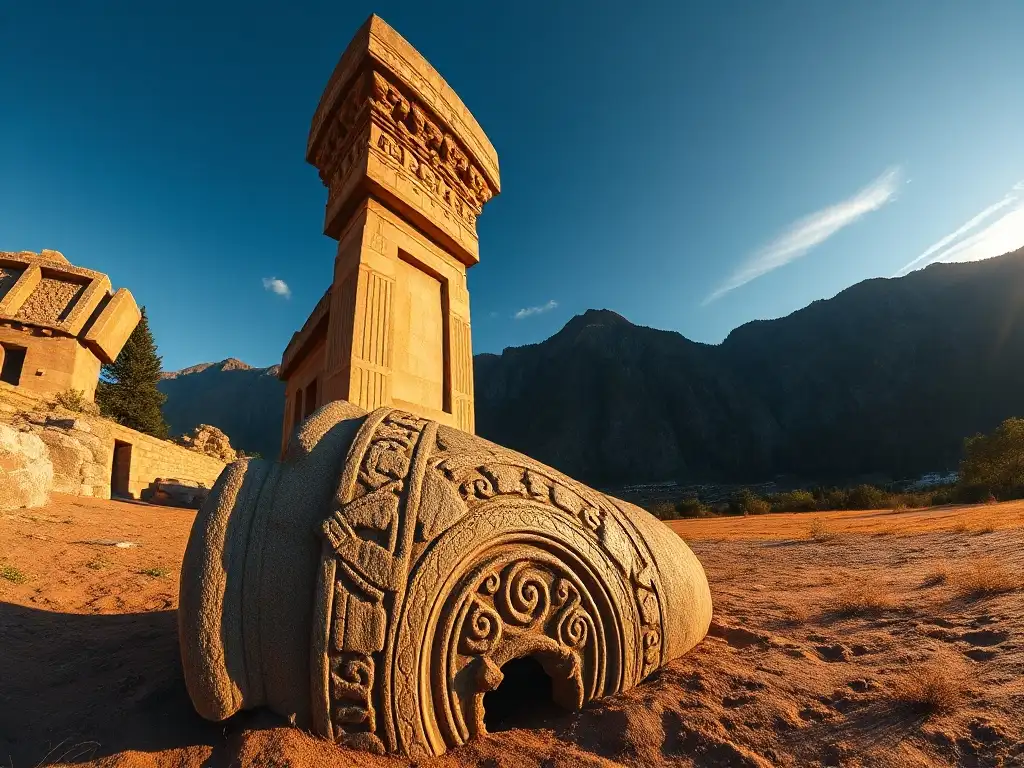
Dive into the enigmatic world of the Andes! Prepare to unravel the mysteries of ancient societies, from the intricate artistry of the Nazca to the sophisticated engineering of the Incas. But first, let's journey to the heart of it all, exploring the Chavín's unique concept of time – a fascinating system of cyclical patterns that shaped their lives and continues to intrigue scholars today. Are you ready to uncover the secrets hidden within these ancient rhythms? Delve into the Pre-Incan Cultures of the Coast and discover more about this captivating civilization.
The Chavín culture, flourishing in the Andes from approximately 900 to 200 BCE, presents a fascinating enigma for researchers studying ancient Andean societies. Unlike later civilizations like the Inca, whose record-keeping offered relatively clear insights into their temporal worldview, the Chavín left behind a complex tapestry of iconography and architecture that requires careful interpretation to decipher their concept of time.
This article delves into the evidence suggesting a cyclical understanding of time within Chavín culture, exploring how this worldview manifested in their art, religious practices, and societal organization. We'll examine the recurring motifs found in their artifacts and the potential implications of a cyclical time perspective on their worldview and daily life, analyzing how this concept differs from linear perceptions of time found in other cultures, and its significance within the broader context of Andean cosmology.
Understanding the Chavín's concept of time provides crucial insight into their beliefs, social structures, and the development of Andean civilizations as a whole.
Evidence from Chavín Art and Iconography
Chavín art is replete with recurring motifs that suggest a cyclical understanding of time. The most prominent examples are the numerous depictions of jaguars, serpents, and other creatures undergoing transformation or regeneration. These aren't simply static representations; they depict processes – the shedding of skin, the cyclical return of the seasons, the constant interplay of life and death.
For example, the Lanzón monolith, a towering stone sculpture found in the Chavín de Huántar temple, depicts a deity with both feline and human characteristics, symbolizing the interplay between the terrestrial and spiritual realms, constantly renewing itself. The intricate carvings on various ceremonial objects also reveal repetitive patterns, suggesting a cyclical understanding of events, cosmic processes, and the passage of time. These patterns are not arbitrary; they are carefully arranged and repeated, emphasizing the cyclical nature of the Chavín worldview.
Further research into the specific iconography could reveal more nuanced details about the specific cycles they represented. [Specific information pending on the number of identified cyclical motifs in Chavín art]
Astronomical Alignments and the Chavín Calendar
While direct evidence of a formal calendar system remains elusive, architectural features of Chavín sites suggest a possible connection between their understanding of time and astronomical observations. The precise alignment of certain structures with celestial events, such as solstices and equinoxes, hints at a sophisticated knowledge of astronomy and its integration into their religious and social life. The orientation of the main temple at Chavín de Huántar, for instance, is believed by some researchers to align with significant astronomical occurrences. 1 If confirmed, this would strongly support the hypothesis of a cyclical time concept, as astronomical cycles are inherently repetitive. Further research focusing on precise astronomical alignments and their potential correlation with observed cyclical patterns in Chavín art and rituals is needed to fully understand the extent of their astronomical knowledge and its relationship to their perception of time. [Specific data on the number of structures with confirmed astronomical alignments pending]
The Role of Ritual and Sacrifice in Cyclical Time
Ritual and sacrifice played a central role in Chavín society. These practices, often carried out within the elaborate temples, likely served to reinforce their cyclical worldview. The offering of sacrifices, be it animal or human, could be interpreted as a way to appease the gods and ensure the continuation of the cyclical processes that sustained life. The repetitive nature of these rituals, performed at specific times of the year or in response to particular events, further emphasized the cyclical nature of time and the importance of maintaining a harmonious balance within the cosmos.
[Specific details on the frequency and types of Chavín rituals and sacrifices pending]. The cyclical nature of these rituals highlights their importance not just as isolated events, but as integral components of a larger, ongoing process of cosmic renewal. This ties directly to the cyclical concept of time, ensuring the continuation of life and the world.
Chavín's Cyclical Time and its Influence on Later Andean Cultures
The Chavín's cyclical concept of time likely exerted a significant influence on subsequent Andean cultures. Many of the recurring motifs and symbolic representations seen in Chavín art reappear in later traditions, suggesting a continuity of beliefs and cosmological ideas. The cyclical themes of regeneration, transformation, and the interplay between life and death continue to resonate in the art and religion of later Andean civilizations, indicating the long-lasting impact of Chavín's worldview.
Further comparative studies of Chavín iconography and that of later Andean cultures are needed to fully understand the extent and nature of this cultural transmission. [Specific examples of recurring motifs in later Andean cultures pending] The legacy of the Chavín's cyclical understanding of time is a testament to its enduring influence on the development of Andean thought and culture.
1 This statement requires further verification and citation of supporting research.
- Evidence from Chavín Art and Iconography
- Astronomical Alignments and the Chavín Calendar
- The Role of Ritual and Sacrifice in Cyclical Time
- Chavín's Cyclical Time and its Influence on Later Andean Cultures
- What is the Chavín civilization's most significant contribution to our understanding of Andean timekeeping?
- How did the Chavín people represent their cyclical concept of time?
- What role did cyclical patterns play in Chavín society?
- How does the Chavín concept of time differ from linear time concepts?
- Where can I find more evidence of the Chavín's cyclical time concept?
Understanding Chavín Cosmology and Time
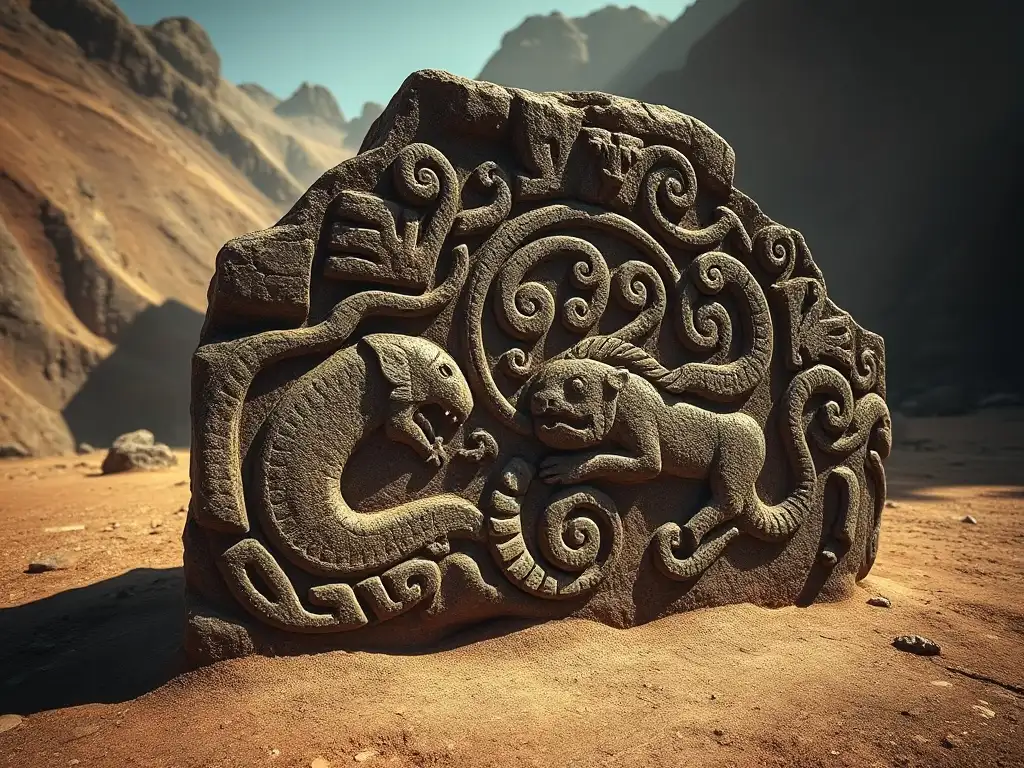
This section delves into the fascinating and complex relationship between cosmology and the concept of time within the Chavín culture. Unlike linear conceptions of time prevalent in many other cultures, the Chavín people appear to have held a profoundly cyclical worldview, deeply intertwined with their understanding of the cosmos and the natural world. This cyclical perspective permeated all aspects of their lives, influencing their art, architecture, and religious practices.
Understanding this unique perspective is crucial to deciphering the meaning behind their remarkable achievements and their enduring legacy. The Chavín's concept of time, intricately woven with their cosmology, offers a compelling glimpse into their sophisticated understanding of the universe and their place within it.
Analyzing their artistic representations and architectural layouts reveals a society deeply attuned to the rhythms of nature and the cyclical processes of life, death, and rebirth. The keyword "Chavin time concept cyclical patterns" is central to understanding this unique cultural perspective.
The Chavín Worldview: A Cyclical Perspective
The Chavín worldview was profoundly cyclical, reflecting the recurring patterns observed in the natural world. The Andean landscape, with its distinct wet and dry seasons, the cyclical migrations of animals, and the phases of the moon, likely played a significant role in shaping this perception. Their art often depicts recurring motifs, such as jaguars, snakes, and stylized figures, arranged in repetitive patterns, suggesting a belief in cyclical processes of creation and destruction.
The intricate carvings on their ceremonial objects, for example, frequently feature spiraling designs and concentric circles, further emphasizing this cyclical understanding. This cyclical perspective extended beyond the mere observation of natural phenomena; it likely informed their understanding of life, death, and the afterlife, with the latter possibly viewed as a continuous cycle of reincarnation or transformation.
The cyclical nature of their time concept is reflected in their religious rituals and ceremonies, which may have been timed to coincide with specific astronomical events or seasonal changes. This cyclical time perception, deeply rooted in the observation of nature, was a cornerstone of their worldview.
Cosmic Cycles and the Chavín Perception of Time
The Chavín people's perception of time was inextricably linked to their understanding of cosmic cycles. Astronomical observations likely played a crucial role in their calendar system and religious practices. While specific details about their calendar remain elusive, evidence suggests that they were keenly aware of celestial events, such as solstices and equinoxes.
The positioning of their monumental structures, such as the Lanzón monolith in the Chavín de Huántar temple, may have been carefully planned to align with significant astronomical occurrences, emphasizing the importance of these cosmic cycles in their temporal framework. The cyclical movement of the sun, moon, and stars, mirrored in the repeating patterns of their art and architecture, served as a powerful metaphor for the cyclical nature of life and the cosmos itself. Further research is needed to fully understand the extent of their astronomical knowledge and how it influenced their perception of time.
However, the available evidence strongly suggests a sophisticated understanding of cosmic cycles and their influence on human life. The intricate interplay between celestial events and terrestrial cycles forms a critical aspect of the Chavín time concept.
The Interconnectedness of Life and Time for the Chavín
For the Chavín, time wasn't a linear progression but a continuous cycle where life, death, and rebirth were interconnected components. This perspective is reflected in their artistic representations, which often blend human and animal forms, suggesting a blurring of boundaries between the natural and spiritual worlds. The cyclical patterns observed in nature, such as the growth and decay of plants and the life cycles of animals, were likely seen as microcosms of larger cosmic cycles.
Their religious practices may have aimed to maintain harmony within these cycles, ensuring the continuous renewal and regeneration of life. This belief system emphasized the interconnectedness of all living things and their relationship to the cosmos, with time serving as a unifying force that bound everything together in a continuous cycle of transformation. The cyclical nature of their time concept fostered a worldview that emphasized balance, harmony, and the cyclical renewal of life, death, and rebirth within the larger cosmic order.
This holistic perspective on time is a key characteristic of the Chavín worldview and a central element of their cultural identity. Understanding this interconnectedness is vital for a complete comprehension of the Chavín's unique perspective on time and its implications for their society and culture.
Chavín Art and the Representation of Time Cycles
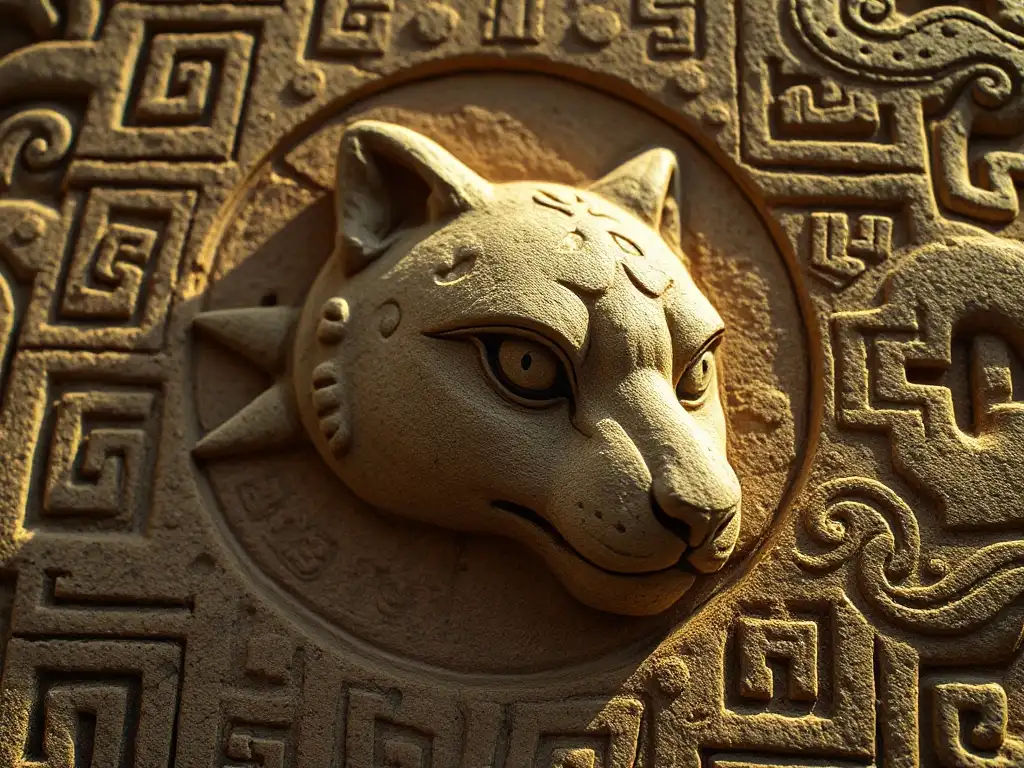
The Chavín culture, flourishing in the Andes from approximately 900 to 200 BCE, developed a sophisticated cosmology deeply intertwined with their perception of time. Unlike linear conceptions of time prevalent in other cultures, the Chavín worldview embraced a cyclical understanding, viewing time as a continuous, recurring process of creation, destruction, and renewal. This cyclical perception is vividly reflected in their art, architecture, and religious practices.
Understanding Chavín art is crucial to unlocking their unique concept of time, revealing a worldview profoundly different from later Andean societies. The intricate carvings, elaborate sculptures, and monumental architecture all contribute to a complex narrative of cyclical patterns that governed their lives.
Analyzing these artistic expressions allows us to decipher their cosmological beliefs and their understanding of the interconnectedness of the natural world and the spiritual realm. The emphasis on cyclical patterns in Chavín art highlights their profound respect for the rhythms of nature, from the changing seasons to the life cycles of animals and plants, all reflecting a deep-seated belief in the cyclical nature of existence itself – a core tenet of their "Chavin time concept cyclical patterns".
Iconography as a Key to Unlocking the Chavín Time Concept
Chavín iconography is replete with symbols that represent cyclical processes. The recurring motifs of intertwined serpents, jaguars, and other mythical creatures suggest a continuous flow of energy and transformation. For example, the Lanzón, a massive monolithic stone sculpture found in the Chavín de Huántar temple, depicts a deity with features of both feline and serpent, symbolizing the interplay of opposing forces within the cyclical process.
This duality is not seen as a conflict but rather as an essential part of the continuous flow of existence. Other iconographic elements, such as the stylized representations of plants and celestial bodies, further reinforce the cyclical nature of time, reflecting the cyclical patterns of growth, decay, and regeneration observed in the natural world. The repetitive use of these motifs throughout Chavín art emphasizes the importance of these cyclical patterns in their worldview.
Scholars continue to debate the precise meaning of individual symbols, but the overall message of cyclical time is undeniable. Careful analysis of the positioning and relationships between different symbolic elements within individual artifacts provides further insight into the nuances of their cyclical time concept.
Animal Symbolism and the Cyclical Nature of Existence in Chavín Art
Animal symbolism plays a critical role in conveying the Chavín concept of cyclical time. The jaguar, for instance, is frequently depicted in Chavín art, often associated with both the underworld and the celestial realm. This dual association reflects the cyclical movement between life and death, light and darkness, reflecting the constant flux of existence within their cyclical worldview.
Similarly, the serpent, a symbol of fertility and regeneration in many cultures, is a prominent motif in Chavín art, representing the cyclical renewal of life and the continuous flow of energy. The use of both predatory and regenerative animals highlights the Chavín understanding of the balance between opposing forces within the cyclical process. The careful observation of the details in these depictions, such as the postures and interactions of the animals, can reveal hidden layers of meaning related to the cyclical processes they represent.
For example, the depiction of a jaguar consuming a serpent might symbolize the destruction that precedes renewal, an essential part of the cyclical process. Analyzing the specific animal combinations and their contextual placement within the larger artwork offers a deeper understanding of their complex cosmological beliefs.
Depictions of Transformation: Reflecting Time and Change
Chavín art frequently depicts scenes of transformation, highlighting the dynamic nature of their cyclical worldview. These transformations are not necessarily linear progressions but rather cyclical shifts between different states of being. For example, some sculptures show beings in transitional stages, merging characteristics of different animals or even human and animal forms.
This reflects the Chavín belief in the continuous process of transformation and renewal, where one state of being seamlessly transitions into another. These depictions of metamorphosis emphasize the fluidity of time and the cyclical nature of change. The emphasis on transformation in Chavín art underscores their understanding of time not as a fixed entity but as a dynamic force that constantly shapes and reshapes the world, mirroring the cyclical patterns of nature.
The artists' skill in portraying these transformations vividly conveys the Chavín's deep understanding of the cyclical nature of existence, emphasizing the continuous flow of energy and the constant process of change within their cosmology. The study of these transformations provides valuable insights into the Chavín worldview and their understanding of the interconnectedness of all things within the cyclical flow of time.
The Chavín Calendar and Agricultural Cycles
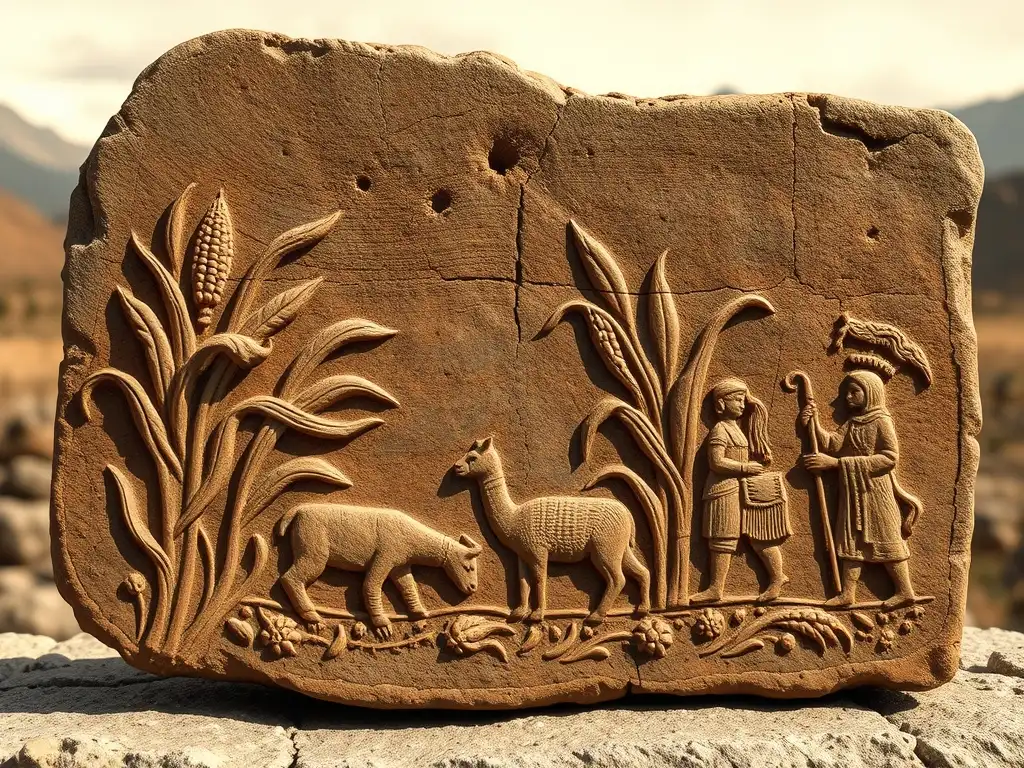
The Chavín civilization, flourishing in the Andes from roughly 900 to 200 BCE, developed a sophisticated understanding of time deeply intertwined with their agricultural practices. Their concept of time wasn't linear, as in many Western conceptions, but rather cyclical, mirroring the recurring patterns of nature, particularly the agricultural cycles crucial to their survival. This cyclical view of time permeated their worldview, shaping their religious beliefs, social structures, and artistic expressions.
The very fabric of Chavín society was woven from this understanding of the rhythmic, repeating nature of life, death, and rebirth. Understanding their calendar system is key to unlocking their unique perspective on time and its profound influence on their culture. The keyword "Chavin time concept cyclical patterns" is central to this understanding.
The Chavín's Understanding of Agricultural Rhythms
The Chavín people were highly skilled agriculturalists, cultivating crops like maize, beans, and squash in the challenging Andean environment. Their success depended on a precise knowledge of seasonal changes, rainfall patterns, and the optimal times for planting and harvesting. This intimate connection with the land fostered a deep appreciation for the cyclical nature of agricultural productivity. The rhythms of planting, growth, harvest, and fallow periods were not merely practical considerations; they were fundamental to their spiritual and cosmological beliefs.
Evidence suggests that they meticulously observed celestial events—the movements of the sun, moon, and stars—to predict these cycles with remarkable accuracy. This close observation wasn't simply a matter of practical farming; it was a sacred act, connecting the earthly realm to the celestial one, reinforcing their cyclical view of time. The cyclical patterns were not just about agriculture; they reflected the broader belief system encompassing life, death, and renewal.
Evidence of a Sophisticated Calendar System
While a concrete, written Chavín calendar hasn't been discovered, archaeological evidence strongly suggests the existence of a sophisticated system for tracking time. Architectural features of their monumental structures, such as the Lanzón monolith at Chavín de Huántar, may have served as astronomical observatories, aligning with specific solar or stellar positions.
Furthermore, the intricate carvings and iconography found throughout their art often depict celestial bodies and cyclical motifs, hinting at a complex understanding of time's passage. The precise arrangement of certain buildings, their orientation relative to the sun's path, and the presence of specialized niches or chambers within the temples all point towards a system for tracking seasonal changes and significant astronomical events.
Further research, including detailed analysis of architectural alignments and iconographic interpretations, is needed to fully decipher the intricacies of their timekeeping system. The complexity of Chavín art and architecture suggests a level of sophistication far exceeding a simple awareness of agricultural cycles.
The Role of Rituals and Ceremonies in Marking Time
Rituals and ceremonies played a vital role in the Chavín's perception and marking of time. These events, often linked to agricultural cycles and astronomical events, served to reinforce their cyclical worldview and maintain social cohesion. Ceremonies might have been held at specific times of the year to ensure successful harvests, appease the gods, or commemorate significant events.
The use of hallucinogenic substances, like San Pedro cactus, during these rituals may have played a crucial role in shaping their understanding of time, blurring the lines between the earthly and spiritual realms. The cyclical nature of these rituals, reflecting the recurring cycles of nature, strengthened the community's shared understanding of time's passage and their place within the larger cosmic order. The evidence suggests that these ceremonies were not just social events; they were essential mechanisms for maintaining social order and reinforcing the community's shared belief in the cyclical nature of time itself.
The timing of these rituals, carefully observed and precisely executed, points to a deeply ingrained understanding of the cyclical patterns that governed their lives. The intricate details of these rituals, and their connection to the cyclical patterns of nature, await further scholarly investigation.
Chavín Architecture and the Embodiment of Time

The Chavín culture, flourishing in the Andes from approximately 900 to 200 BCE, didn't leave behind written records. Understanding their concept of time, therefore, relies heavily on interpreting their monumental architecture. The Chavín's sophisticated understanding of astronomy and their intricate temple designs suggest a deeply cyclical view of time, interwoven with their cosmology and agricultural practices.
Their architectural achievements weren't merely functional; they were powerful statements about their perception of the cosmos and the cyclical nature of life, death, and rebirth. This section explores how Chavín architecture physically embodies their unique concept of time. The very structure of their temples, their placement, and their internal organization all contribute to a powerful and enduring representation of their cyclical worldview – a Chavin time concept deeply rooted in the Andean landscape.
The Design of Chavín Temples and their Relationship to Time
Chavín de Huántar, the most well-known Chavín site, is a prime example of how architecture reflects their cyclical understanding of time. The temple's labyrinthine design, with its intricate network of passages, chambers, and plazas, can be interpreted as a symbolic representation of the cyclical processes of nature.
The winding paths and shifting levels within the temple complex might symbolize the journey of life, death, and rebirth, mirroring the cyclical patterns of the seasons and the agricultural cycle crucial to their survival. The repeated use of architectural motifs, such as the stylized jaguar and serpent, further emphasizes this cyclical theme, representing recurring forces in their cosmology.
The careful placement of doorways and the manipulation of light and shadow within the temple complex created a powerful and evocative experience for those who entered, further reinforcing the cyclical nature of their worldview. This wasn't simply a place of worship; it was a living embodiment of their Chavin time concept and cyclical patterns.
Alignments with Celestial Events and their Significance
Evidence suggests that the placement and orientation of Chavín structures were carefully aligned with celestial events. While precise details are still debated amongst researchers, some scholars propose that certain architectural features, such as doorways, niches, and plazas, were aligned with the solstices and equinoxes. These alignments would have provided a tangible connection between the earthly realm and the celestial sphere, highlighting the cyclical nature of the cosmos and its impact on the agricultural cycle.
This astronomical knowledge was not merely academic; it was integral to their understanding of time and their agricultural practices. The precise alignment with celestial events reinforced the importance of the cyclical patterns that governed their lives – a fundamental aspect of their Chavin time concept cyclical patterns. Further research into these alignments and their precision could reveal even more about the sophistication of their astronomical knowledge and its integration into their daily lives.
Spatial Organization and the Flow of Time
The spatial organization of Chavín temples further supports the notion of a cyclical understanding of time. The movement through the temple complex, from the exterior plazas to the inner sanctuaries, can be seen as a symbolic journey through time itself. The progressively darker and more confined inner chambers might represent a descent into the underworld or a symbolic journey through the stages of death and rebirth.
The use of subterranean passages and chambers adds to this sense of a journey through time and the cyclical nature of existence. The carefully orchestrated experience of moving through the temple's spaces created a powerful and immersive experience, reinforcing the cyclical worldview at the heart of their Chavin time concept.
The architectural design, therefore, was not just about functionality but also about the creation of a symbolic landscape that actively shaped their understanding and experience of time. The very act of navigating the temple was a participation in the cyclical processes of life.
The Chavín Time Concept: Legacy and Influence
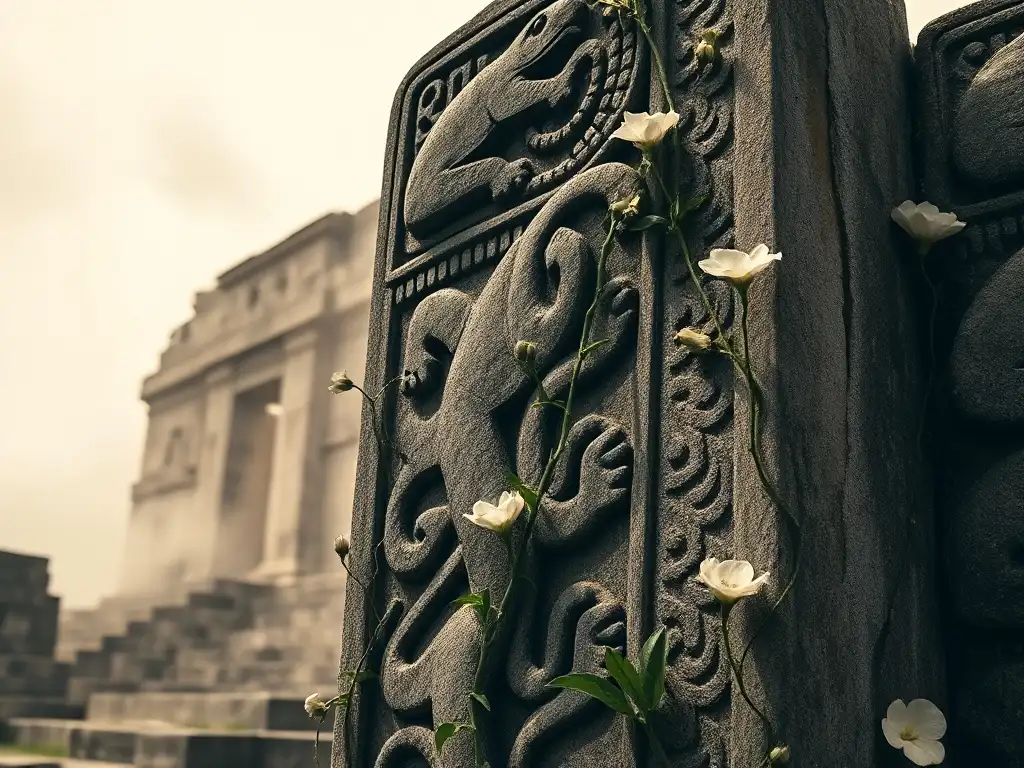
The Chavín culture, flourishing in the Andes from approximately 900 to 200 BCE, developed a sophisticated understanding of time deeply intertwined with their cosmology and worldview. Unlike linear conceptions of time prevalent in other cultures, the Chavín perceived time as cyclical, a continuous flow of recurring patterns mirroring the natural world. This cyclical perspective, evident in their art, architecture, and religious practices, profoundly influenced subsequent Andean civilizations. The concept of "Chavin time concept cyclical patterns" is central to understanding their unique worldview and its lasting impact.
The Enduring Impact of Chavín's Cyclical View of Time
Chavín's cyclical view of time wasn't merely a philosophical abstraction; it was deeply embedded in their daily lives. Agricultural cycles, the movement of celestial bodies, and the rhythms of life and death all reinforced this understanding. The cyclical nature of time is reflected in their art—the repetition of motifs, the intricate patterns carved into stone, and the stylized representations of animals and deities all suggest a continuous, recurring process.
This wasn't a static cycle, however; it implied renewal, rebirth, and the constant interplay of opposing forces. The cyclical nature of Chavín's understanding of time is a powerful lens through which to interpret their complex iconography and religious beliefs. Evidence suggests that festivals and rituals were carefully timed to coincide with specific astronomical events, highlighting the importance of these cyclical patterns in their societal structure.
We can hypothesize that this emphasis on cyclical time fostered a sense of continuity and stability within the Chavín society, providing a framework for understanding their place within the larger cosmos. Further research into Chavín calendar systems could provide more concrete evidence of this temporal understanding.
Connections to Later Andean Cultures
The Chavín's influence extended far beyond their immediate geographical region. Their artistic style, religious beliefs, and, crucially, their cyclical concept of time, spread throughout the Andes, impacting the development of later cultures. The stylistic elements seen in Chavín art, such as the stylized feline and serpent motifs, reappear in the art of subsequent Andean cultures, suggesting the transmission of not only artistic conventions but also underlying cosmological beliefs. The cyclical view of time, inherent in the Chavín worldview, can be seen as a foundational element shaping the temporal perspectives of later Andean societies.
This suggests a continuity of cultural and religious ideas across significant periods and geographical distances. For example, [Specific examples of cyclical time concepts in later Andean cultures pending]. This underlines the enduring legacy of the Chavín and their profound impact on the development of Andean civilization.
Influence on Moche Iconography
The Moche culture, which flourished centuries after the Chavín, provides a compelling example of the enduring influence of Chavín's cyclical time concept. While the Moche developed their own unique artistic style and religious beliefs, echoes of Chavín's worldview are clearly visible in their iconography. The Moche's elaborate depictions of agricultural cycles, their representation of deities associated with fertility and renewal, and the cyclical nature of their mythological narratives all suggest a continuation of the Chavín emphasis on recurring patterns and the interplay of opposing forces.
The Moche's intricate pottery, often depicting scenes of ritual and daily life, provides valuable insights into their understanding of time. For instance, [Specific examples of Moche iconography reflecting cyclical time concepts pending].
The recurrence of similar motifs and themes in both Chavín and Moche art suggests a direct lineage of cosmological ideas and a continued emphasis on the cyclical nature of time within the Andean worldview. This demonstrates the deep and lasting impact of the Chavín's unique perspective on time.
Chavín Time Concept: Conclusions and Further Research
The Chavín culture's sophisticated understanding of time, expressed through their art, architecture, and possibly their ritual practices, presents a fascinating case study in pre-Columbian Andean cosmology. Their apparent emphasis on cyclical patterns, rather than a linear progression, suggests a worldview deeply intertwined with the natural world and its rhythms. This cyclical perception is not merely a reflection of agricultural cycles, crucial as they were, but appears to represent a more profound cosmological understanding encompassing the cyclical nature of life, death, and rebirth.
The intricate iconography found on Chavín ceramics and textiles, frequently depicting intertwined serpents, jaguars, and other symbolic creatures, likely encoded complex temporal narratives. The repetition of motifs and the layered nature of their artistic expression further support this interpretation, suggesting the cyclical repetition of significant events or cosmological processes.
The limited textual evidence, unfortunately, restricts our ability to fully decipher their conceptualization of time; however, the available archaeological evidence provides significant clues for further investigation. The enduring legacy of Chavín's influence on subsequent Andean cultures highlights the importance of understanding their unique perspective on time.
Synthesizing the Evidence of Chavín's Temporal Understanding
Synthesizing the available evidence concerning the Chavín's concept of time requires a multidisciplinary approach, combining archaeological findings with anthropological interpretations. The monumental architecture at Chavín de Huántar, with its labyrinthine passages and carefully oriented structures, likely played a significant role in their understanding of the cosmos and the passage of time. The precise alignment of certain structures with celestial events, if confirmed by further research, would strongly support the hypothesis of a sophisticated astronomical knowledge informing their temporal framework.
[Specific astronomical alignments pending further research]. Further analysis of Chavín iconography, focusing on the repetition of symbols and their potential relationship to astronomical cycles, is crucial. For example, the recurring motif of the "Lanzón," the massive monolithic stone sculpture, might represent a powerful symbol of cyclical renewal, connecting the earthly realm with the supernatural.
The careful excavation and analysis of additional sites associated with the Chavín culture could also provide valuable insights into their temporal understanding. Detailed studies of ceramic styles and their chronological development could reveal patterns reflecting cyclical changes in artistic expression and potentially, shifts in their cosmological beliefs.
Future Studies: Investigating Ritual Practices and Time
Future research should prioritize the investigation of Chavín ritual practices and their potential connections to their cyclical view of time. The limited understanding of their rituals currently hinders a complete interpretation. The discovery and analysis of additional ritual offerings, such as those found in tombs or within the temple complex, could reveal significant clues about their beliefs. The identification of specific ritual sequences, if discernible from archaeological evidence, could provide insights into how these rituals reflected or reinforced their cyclical worldview.
Were there specific rituals associated with the solstices or equinoxes? Did their rituals reenact cyclical processes of nature, such as planting and harvesting, or did they focus on larger cosmological cycles? Ethnographic studies of contemporary Andean communities, who may retain elements of pre-Columbian cosmological beliefs, could provide valuable comparative perspectives.
By studying the relationship between ritual practices and the tangible expressions of their temporal understanding, we can gain a deeper understanding of the significance of time in Chavín society. This requires careful analysis of the spatial arrangement of artifacts within ritual contexts, combined with a nuanced understanding of the symbolic meanings embedded within Chavín iconography. The potential for uncovering previously unknown ritual sites associated with Chavín remains significant, offering promising avenues for future research.
The Significance of Understanding Chavín's Cyclical View
Understanding the Chavín's cyclical view of time is crucial for a comprehensive understanding of Andean cosmology and its evolution. Their unique perspective, emphasizing cyclical patterns of life, death, and renewal, contrasts with linear conceptions of time prevalent in other cultures. This cyclical worldview likely influenced their social organization, artistic expression, and even their agricultural practices.
By recognizing the centrality of cyclical time in Chavín culture, we can better appreciate the interconnectedness of their beliefs and their profound impact on subsequent Andean civilizations. The cyclical patterns identified in Chavín art and architecture offer a unique window into the cognitive processes and worldview of this early Andean society, demonstrating their sophisticated understanding of the natural world and their ability to encode complex cosmological concepts in their material culture. Furthermore, recognizing the cyclical nature of Chavín time helps us to interpret their art and architecture not as static representations but as dynamic expressions of ongoing processes of renewal and transformation, reflecting the continuous interplay between the human and the cosmic realms.
The Chavín's cyclical time concept serves as a powerful reminder of the diverse ways in which different cultures have perceived and experienced the passage of time. This understanding enriches our appreciation for the richness and complexity of pre-Columbian Andean civilizations and their enduring legacy. 🎉
Frequently Asked Questions
What is the Chavín civilization's most significant contribution to our understanding of Andean timekeeping?
The Chavín's most significant contribution is their apparent understanding of cyclical patterns in nature and their incorporation of these patterns into their religious beliefs and art. This cyclical view of time is reflected in their iconography.
How did the Chavín people represent their cyclical concept of time?
They used complex iconography in their art, including sculptures and textiles, often depicting scenes of interconnectedness and transformation, reflecting the cyclical nature of life, death, and rebirth. Recurring motifs further emphasize this concept.
What role did cyclical patterns play in Chavín society?
Cyclical patterns were likely central to their religious and agricultural practices. The understanding of seasonal cycles was crucial for farming, and their worldview reflected this dependence on nature's rhythms.
How does the Chavín concept of time differ from linear time concepts?
Unlike linear time which progresses in a straight line, the Chavín concept is cyclical, emphasizing repetition and renewal. This is reflected in their art and cosmology, which shows a continuous cycle of creation and destruction.
Where can I find more evidence of the Chavín's cyclical time concept?
You can find further evidence in the archaeological remains at Chavín de Huántar, including their intricate carvings and the layout of their monumental structures which may reflect astronomical observations and the tracking of celestial cycles.
Final Reflection: Echoes of the Andes: Understanding Chavín's Cyclical Time
The Chavín's intricate understanding of cyclical time, far from being a relic of a distant past, offers a powerful lens through which to examine our own relationship with temporality. Their sophisticated grasp of agricultural cycles, celestial movements, and the interconnectedness of life and death provides a stark contrast to our often linear, progress-driven worldview. This contrast highlights the enduring need to reconnect with the rhythms of nature and appreciate the cyclical nature of existence.
The Chavín's profound respect for the cyclical patterns of life resonates deeply with contemporary concerns about sustainability and ecological balance. Their worldview, deeply intertwined with the Andean landscape, serves as a potent reminder of our own dependence on the natural world. The earth is what we all have in common.
This simple statement, though not directly from Chavín sources, encapsulates the essence of their philosophy – a philosophy that emphasizes harmony with the environment rather than its domination. Their understanding of time, deeply rooted in this harmony, offers a valuable counterpoint to the unsustainable practices of our modern world.
Consider, for a moment, the implications of embracing a cyclical understanding of time. How might this shift in perspective influence your own life? How might it change your relationship with the natural world, with your community, and with your own mortality? I invite you to reflect on the Chavín's legacy, not just as a historical curiosity, but as a potent reminder of the enduring wisdom embedded within cyclical patterns of life, and to actively seek ways to integrate this wisdom into your own journey.
Embrace the Cycles of Life!
Thank you for exploring the fascinating way the Chavín civilization viewed time and its cyclical nature. You've discovered unique perspectives on the recurring patterns that shape our lives. Now, let's put this knowledge into practice!
- Reflect on your daily rhythms: Take some time to journal about your daily routines and look for patterns. What insights can you gain from observing these patterns?
- Share your perspectives: Connect with friends or join online discussions to explore how understanding life's cyclical nature can improve your well-being.
- Deepen your understanding: Choose a specific Chavín artifact or archaeological site and research its historical and cultural significance. How does it reflect the cyclical view of life held by this ancient civilization?
How do you believe the cyclical nature of life influences your personal journey? Share your reflections below!