
The Power of Collaboration: How Different Disciplines Enrich Our Understanding of the Andes

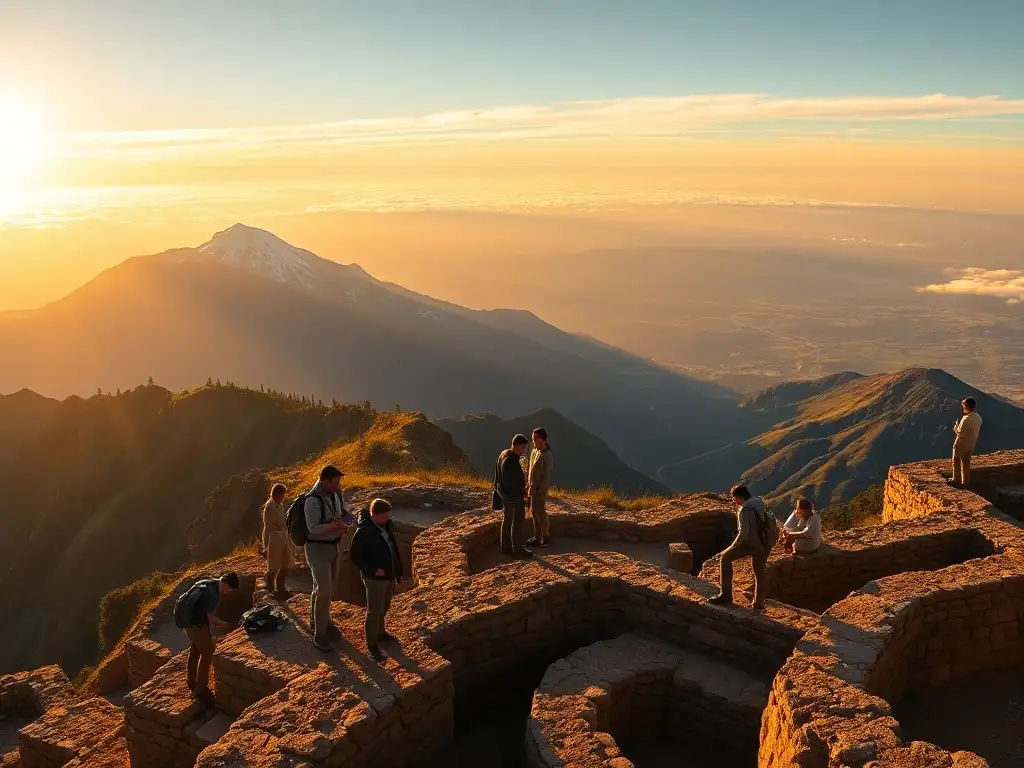
Step into a world lost to time, yet echoing with the ingenuity of the Andean civilizations. Imagine a tapestry woven from the threads of diverse cultures – Inca, Moche, Nazca, Tiahuanaco – each contributing to a breathtaking legacy. But what if the key to unlocking their mysteries lies not in individual achievements, but in their unprecedented collaboration? Discover the surprising story of Andean civilizations collaboration history and prepare to be amazed by the interconnectedness that shaped an entire continent. Dive in and explore the power of shared knowledge in the heart of the Andes.
The study of Andean civilizations, encompassing the rich tapestry of cultures such as the Inca, Moche, Nazca, and Tiahuanaco, presents a formidable challenge. The sheer scale of their achievements – from intricate agricultural systems and awe-inspiring monumental architecture to sophisticated textiles and complex social structures – demands a multifaceted approach. Understanding these ancient societies requires moving beyond a singular disciplinary lens and embracing the power of collaboration.
This article explores how interdisciplinary research, drawing on archaeology, anthropology, history, linguistics, and other fields, significantly enhances our comprehension of Andean history and the intricate interplay of factors shaping these remarkable civilizations. We will examine specific examples demonstrating how the combined expertise of scholars from diverse backgrounds unlocks deeper insights into the lives, beliefs, and legacies of the Andean peoples, enriching our understanding of their complex societies and lasting impact.
This collaborative approach is not just beneficial; it is essential for a truly holistic and accurate interpretation of Andean civilizations. The keyword "Andean civilizations collaboration history" is central to our exploration.
Unveiling Andean Civilizations Through Interdisciplinary Approaches
The traditional approach to studying ancient civilizations often involved isolated disciplines working in silos. Archaeologists might focus solely on material remains, historians on textual sources (where available), and anthropologists on social structures deduced from limited evidence. However, this fragmented approach inevitably leads to a less complete understanding. The integration of diverse perspectives, on the other hand, allows for a more nuanced and comprehensive interpretation.
For instance, the decipherment of Quipu, the Inca’s complex knotted-cord system, benefited enormously from the collaboration between archaeologists who uncovered the physical artifacts, mathematicians who analyzed the numerical patterns, and linguists who attempted to understand the symbolic meanings encoded within the knots. This interdisciplinary synergy is crucial for unraveling the mysteries of Andean civilizations. The combined efforts of these distinct fields revealed a sophisticated system of record-keeping far exceeding initial assumptions.
This integrated approach also allows for the contextualization of findings within a broader framework. The discovery of a specific artifact, for example, gains much greater significance when considered alongside environmental data, linguistic analysis of place names, or anthropological insights into social organization.
The study of ancient Andean agriculture, for example, benefits from the combined expertise of archaeologists who excavate irrigation systems, botanists who analyze ancient plant remains, and anthropologists who study the social structures that supported these agricultural practices. This multifaceted analysis allows for a far more complete understanding of the ingenuity and complexity of Andean agricultural technologies and their impact on societal development.
Moreover, interdisciplinary collaboration facilitates a more critical assessment of existing biases and assumptions. Different disciplines bring unique perspectives and methodologies, which can challenge preconceived notions and lead to new interpretations. By combining data from various sources and methodologies, we can create a more robust and reliable understanding of the past, mitigating the risks of misinterpretations that can arise from focusing on a single data set or perspective.
The study of Andean cosmology, for instance, benefits from integrating astronomical observations with mythological interpretations and archaeological evidence of ceremonial sites. This collaborative approach reveals a sophisticated understanding of the cosmos and its influence on Andean societies.
Case Studies: Illustrating the Power of Interdisciplinary Collaboration in Andean Studies
Several successful case studies highlight the effectiveness of collaborative research in enriching our understanding of Andean civilizations. [Specific case studies and details pending] These examples showcase how the integration of different disciplines leads to more robust conclusions and a more holistic understanding of the complexity of Andean societies. The synergy between different fields of study helps to build a more comprehensive narrative, avoiding simplistic or reductionist interpretations.
[Further details on specific case studies and their outcomes are needed here. Include real examples, quantifiable data where possible, and details illustrating the benefits of interdisciplinary collaboration.]
The Future of Andean Studies: Embracing Collaborative Research
The future of Andean studies hinges on a continued commitment to interdisciplinary collaboration. The complexities of these ancient societies require a multifaceted approach, and the integration of diverse perspectives ensures a more accurate, nuanced, and complete understanding. By fostering collaboration amongst scholars from various backgrounds, we can unlock further insights into the remarkable achievements and enduring legacies of Andean civilizations, furthering our understanding of their remarkable contributions to human history.
The importance of collaborative research in enriching our understanding of Andean civilizations, and its role in addressing the keyword "Andean civilizations collaboration history," cannot be overstated. It is through this collective effort that we can truly appreciate the rich tapestry of Andean history and culture.
- Unveiling Andean Civilizations Through Interdisciplinary Approaches
- Case Studies: Illustrating the Power of Interdisciplinary Collaboration in Andean Studies
- The Future of Andean Studies: Embracing Collaborative Research
- Archaeology's Role in Unearthing Andean Past
- Anthropology's Insights into Andean Societies and Cultures
- History's Contribution to Understanding Andean Transformations
- Linguistics' Role in Deciphering Andean Languages
- Art History's Perspective on Andean Visual Culture
- Ethnobotany's Contribution to Understanding Andean Plant Use
- How did different Andean civilizations collaborate?
- What evidence exists to support the idea of Andean collaboration?
- Did collaboration always lead to peaceful relations between Andean civilizations?
- How did the Inca Empire utilize collaboration to expand its power?
- What role did technology play in enabling collaboration among Andean civilizations?
The Importance of Collaboration in Andean Studies
The study of Andean civilizations, a field rich in complexity and nuance, benefits enormously from collaborative efforts. Understanding the intricate tapestry of Andean history, culture, and technology requires a multifaceted approach that transcends the limitations of single disciplines. The sheer volume and variety of surviving evidence – from monumental architecture and intricate textiles to sophisticated agricultural techniques and complex social structures – demand a synthesis of perspectives to unlock its full potential.
The keyword "Andean civilizations collaboration history" encapsulates this crucial need for a holistic approach, highlighting the synergistic power of diverse scholarly viewpoints in illuminating the past. This collaborative approach isn't just beneficial; it's essential for accurate and comprehensive interpretations of the Andean experience.
Why Interdisciplinary Research is Crucial for Understanding Andean History
Interdisciplinary research in Andean studies is not merely additive; it's transformative. Consider, for instance, the study of Inca road systems. An archaeologist might focus on the construction techniques and logistical challenges involved in building these vast networks. A historian might analyze the administrative and political functions the roads served in managing the empire.
An anthropologist could examine the social and cultural impacts of these roads on the movement of people and goods, and the integration of diverse populations. However, only by combining these perspectives can we gain a complete understanding of the Inca road system's significance within the broader context of Inca civilization and its impact on the Andean landscape. This integrated approach allows for a deeper understanding of the interconnectedness of different aspects of Andean life, revealing patterns and insights that would remain invisible through a single disciplinary lens.
For example, understanding the Inca's sophisticated agricultural practices requires not only archaeological evidence of terracing but also ethnographic studies of contemporary Andean farming techniques and botanical analysis of ancient crops. This multifaceted approach provides a more nuanced and complete picture of Andean agricultural innovation and its sustainability. Furthermore, the application of advanced technologies like GIS mapping and 3D modeling allows for visualization and spatial analysis that enhances the insights gleaned from traditional historical and archaeological methods.
The Limitations of Single-Discipline Perspectives on Andean Cultures
Relying solely on a single discipline to interpret Andean cultures risks oversimplification and potentially misleading conclusions. For example, a purely archaeological approach to understanding Inca religion might focus solely on material remains like temples and artifacts, potentially overlooking the rich oral traditions and cosmological beliefs that were integral to Inca religious practices. Similarly, a purely historical analysis, based solely on colonial chronicles, might misrepresent indigenous perspectives, filtered as they are through the lens of the conquerors.
A study of Nazca lines, limited to aerial photography and geometric analysis, might fail to capture the social and ritual significance these geoglyphs held for their creators. The limitations become even more apparent when examining complex social structures. Analyzing Inca kinship systems solely through the lens of written records might overlook the nuances of social organization and power dynamics revealed through anthropological fieldwork and archaeological excavations.
Therefore, a collaborative approach that incorporates archaeology, history, anthropology, linguistics, and other relevant disciplines is crucial to avoid these pitfalls and construct a more complete and accurate understanding of Andean civilizations. The diversity of approaches enriches the research and ensures a more robust and nuanced understanding of Andean civilizations, enriching our understanding of their sophisticated societies and their lasting legacy. This holistic approach is crucial for accurate and responsible scholarship on Andean civilizations collaboration history.
Key Disciplines Contributing to Andean Research
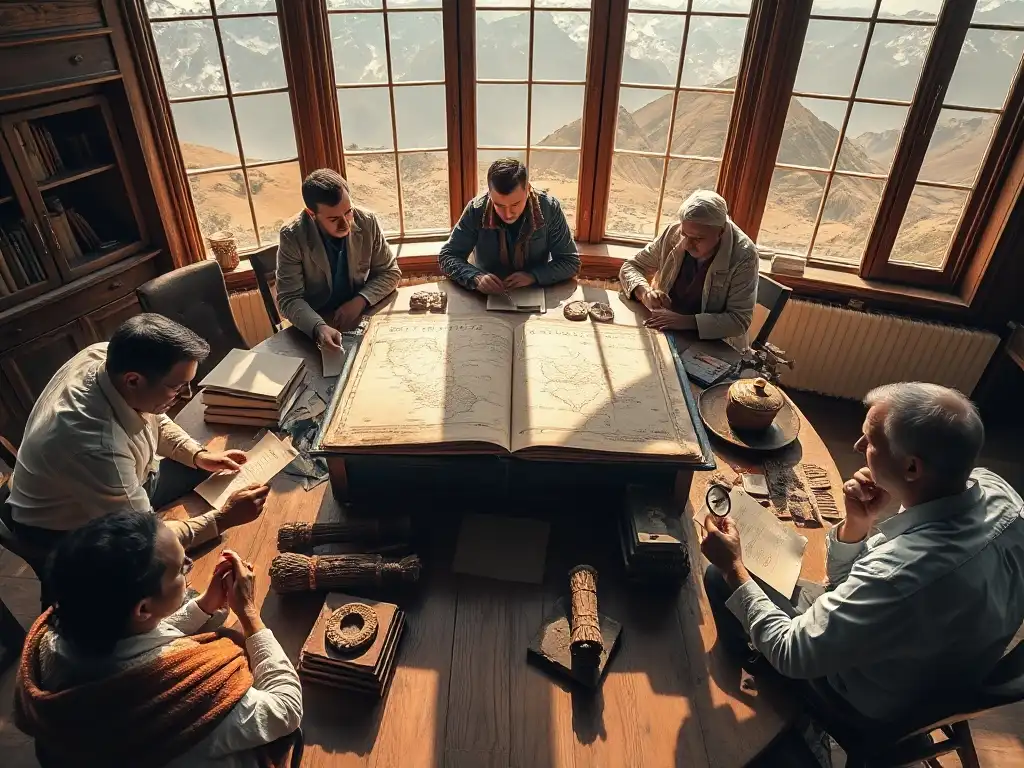
The study of Andean civilizations is a complex and multifaceted endeavor, demanding a collaborative approach that transcends disciplinary boundaries. A holistic understanding of these remarkable societies requires the integration of knowledge from diverse fields, each offering unique perspectives and methodologies. The power of this collaborative research, focused on "Andean civilizations collaboration history," has significantly advanced our understanding of the past, revealing nuances previously hidden beneath the layers of time.
Archaeology's Role in Unearthing Andean Past
Archaeology provides the foundational bedrock for understanding Andean civilizations. By meticulously excavating sites, analyzing artifacts, and interpreting material culture, archaeologists unveil tangible evidence of past societies. This evidence, ranging from monumental architecture to everyday tools, allows us to reconstruct daily life, social structures, and technological advancements. The collaborative nature of archaeological research is crucial, often involving teams of specialists with expertise in various areas, such as geophysics, paleoethnobotany, and zooarchaeology. This multidisciplinary approach ensures a comprehensive and nuanced interpretation of the archaeological record.
Archaeological Excavations and Discoveries at Machu Picchu
Machu Picchu, the iconic "Lost City of the Incas," serves as a prime example of the power of archaeological investigation. Decades of meticulous excavation have revealed not only the stunning architecture of the site but also insights into the daily lives of its inhabitants.
Discoveries of intricate agricultural terraces, sophisticated water management systems, and residential structures provide crucial evidence of Inca ingenuity and urban planning. The collaborative efforts of archaeologists, historians, and engineers have been instrumental in understanding the logistical challenges and technical achievements involved in the construction and maintenance of Machu Picchu, enriching our understanding of Inca societal organization and engineering prowess.
Radiocarbon Dating and Stratigraphic Analysis in Andean Archaeology
Precise dating techniques are crucial for establishing chronological frameworks within Andean archaeology. Radiocarbon dating, coupled with stratigraphic analysis, allows researchers to establish a timeline for the occupation of sites and the development of cultural traditions. This chronological framework is essential for understanding cultural evolution, technological change, and the interactions between different Andean societies.
For instance, the application of these techniques to sites across the Andes has shed light on the chronology of the rise and fall of various empires, including the Inca, revealing complex patterns of expansion, interaction, and decline. Moreover, collaborative efforts between archaeologists and specialists in dating techniques are essential to ensure accurate and reliable chronologies.
Anthropology's Insights into Andean Societies and Cultures
While archaeology provides the material evidence, anthropology offers crucial insights into the social, cultural, and symbolic aspects of Andean civilizations. Anthropological research, often involving ethnographic studies of contemporary Andean communities, allows us to draw parallels and build hypotheses about the past. This interdisciplinary approach, connecting the past with the present, enhances our understanding of Andean cultural continuity and change.
Understanding Andean Ayllus and Community Structures
Andean societies were characterized by complex social structures, often based on kinship and reciprocal obligations. Anthropological studies of Andean ayllus, traditional community organizations, provide invaluable insights into the social dynamics of pre-Columbian societies. Detailed ethnographic research on contemporary ayllus, combined with archaeological evidence, sheds light on the continuity and transformation of these social structures over time. Analyzing the role of kinship ties, reciprocity, and communal labor in the functioning of ayllus provides a more nuanced understanding of Andean social organization compared to solely relying on archaeological findings.
Exploring Andean Cosmovision and Pachamama Beliefs
Understanding the Andean worldview, or cosmovision, is essential for comprehending the motivations and beliefs underlying their actions. Anthropological research, focusing on Andean cosmologies and religious practices, illuminates the significance of Pachamama (Mother Earth) and other deities in shaping Andean societies. By examining contemporary Andean rituals and beliefs, anthropologists can gain insights into the spiritual dimensions of pre-Columbian societies, enriching our understanding of the interconnectedness between the human world and the natural environment.
This understanding is crucial for interpreting the symbolism embedded in Andean art, architecture, and ritual practices, contributing to a more holistic and culturally sensitive interpretation of Andean history. The integration of archaeological findings with ethnographic data allows for a more comprehensive understanding of the Andean cosmovision and its influence on social and political structures.
History's Contribution to Understanding Andean Transformations
Historians play a crucial role in reconstructing the complex tapestry of Andean civilizations. Their work goes beyond simply chronicling events; it involves interpreting the meaning and significance of those events within their broader social, political, and environmental contexts. This requires a meticulous examination of diverse sources, ranging from archaeological findings to colonial-era documents, allowing historians to build a narrative that illuminates the processes of change and continuity in Andean societies.
By analyzing patterns of settlement, migration, warfare, and economic activity, historians can identify key turning points and long-term trends in Andean history, providing crucial context for other disciplines. For example, understanding the Inca Empire's sophisticated administrative system requires a thorough historical analysis of its expansion, its integration of conquered populations, and its eventual collapse under Spanish rule.
This historical framework then informs the interpretation of archaeological evidence, allowing researchers to better understand the function of specific Inca structures or artifacts. The study of Andean history is not static; new discoveries and reinterpretations constantly reshape our understanding, fostering a dynamic and evolving field of research vital to understanding "Andean civilizations collaboration history".
Analyzing Spanish Colonial Records of the Inca Empire
Spanish colonial records, despite their inherent biases, offer invaluable insights into the Inca Empire. These documents, including chronicles written by Spanish conquistadors and colonial officials, provide firsthand accounts—albeit often skewed—of Inca society, politics, and daily life. Careful analysis of these records, however, requires a critical approach, acknowledging the perspectives and motivations of the writers. For instance, the accounts of Inca warfare often highlight Spanish military superiority while downplaying Inca strategies and resilience.
By comparing multiple sources and cross-referencing them with archaeological data, historians can begin to disentangle fact from fiction and build a more nuanced understanding of the Inca Empire. Furthermore, these records contain invaluable information on Inca administration, social structures, and religious practices, providing crucial data points for researchers in other disciplines, such as anthropology and archaeology. The meticulous analysis of these often overlooked documents is crucial to understanding the complexities of "Andean civilizations collaboration history".
Examining the Impact of the Mining Industry on Andean Populations
The Spanish colonial mining industry profoundly impacted Andean societies, leaving a lasting legacy that continues to shape the region today. Historians examine the effects of mining on demographics, labor practices, and environmental conditions. The extraction of silver and other minerals led to significant population displacement, forced labor (mita), and the destruction of ecosystems.
Analyzing the historical records of these processes allows researchers to understand the long-term consequences of colonial exploitation on Andean communities, including the social inequalities and environmental degradation that persist to this day. The study of mining's impact on Andean populations is not only about the past; it also has contemporary relevance, informing discussions about resource management, environmental justice, and indigenous rights. Understanding this historical impact is crucial to understanding the complexities of "Andean civilizations collaboration history".
Linguistics' Role in Deciphering Andean Languages

Linguistics plays a vital role in understanding Andean civilizations by providing insights into the languages spoken by these societies. The study of these languages, many of which are still spoken today, reveals much about the cultural, social, and historical connections between different Andean groups. Linguistic analysis can illuminate migration patterns, cultural exchanges, and the evolution of social structures. By comparing and contrasting different languages, linguists can reconstruct linguistic families and identify relationships between seemingly disparate groups.
This information complements findings from archaeology and history, allowing for a more comprehensive understanding of Andean societies. Moreover, the revival and preservation of indigenous Andean languages are crucial for maintaining cultural heritage and promoting linguistic diversity. This interdisciplinary approach enriches our understanding of "Andean civilizations collaboration history".
Studying Quechua and Aymara Language Families
Quechua and Aymara are two of the most widely spoken indigenous languages in the Andes. Linguistic research on these language families reveals a wealth of information about their history, spread, and evolution. The study of Quechua, for instance, shows a remarkable degree of linguistic diversity across different regions, reflecting the complex history of migration and interaction among Andean communities. Similarly, the study of Aymara provides insights into the social and cultural dynamics of the Altiplano region.
By comparing the grammatical structures, vocabulary, and phonology of different Quechua and Aymara dialects, linguists can reconstruct the history of these language families and trace their spread across the Andes. Such research contributes significantly to the understanding of the cultural and social dynamics of the Andean world. This detailed linguistic analysis is essential for understanding "Andean civilizations collaboration history".
Documenting and Revitalizing Indigenous Andean Languages
Many indigenous Andean languages are endangered, facing the threat of extinction due to factors such as language shift and globalization. Linguists play a critical role in documenting and revitalizing these languages, working with indigenous communities to preserve their linguistic heritage. This involves creating dictionaries, grammars, and language learning materials, as well as promoting the use of these languages in education and other social contexts.
The work of linguistic preservation is not only about saving languages; it is also about preserving the cultural knowledge, traditions, and identities associated with them. This active participation in language revitalization efforts is essential for understanding "Andean civilizations collaboration history".
Art History's Perspective on Andean Visual Culture
Art history provides invaluable insights into the beliefs, social structures, and daily lives of Andean civilizations. By meticulously analyzing artistic creations, scholars gain a deeper understanding of the cultural values and artistic techniques employed across different Andean societies. The vibrant colors, intricate designs, and symbolic representations found in Andean art offer a window into their worldview and spiritual beliefs.
For example, the intricate weaving techniques of the Inca, showcasing their mastery of textile production and the symbolic meanings embedded within the designs, reveal much about their social hierarchy and religious practices. Similarly, the sophisticated metalwork of the Moche civilization, with its detailed depictions of deities and mythical creatures, sheds light on their religious cosmology and artistic prowess. The analysis of these artistic expressions helps reconstruct narratives of past societies, adding crucial layers to our understanding of Andean civilizations beyond written records, which are often scarce or biased.
Furthermore, stylistic changes and innovations within the art itself can be used to track cultural shifts and interactions over time, highlighting the dynamic nature of Andean societies and their interactions with neighboring groups. The meticulous study of Andean art, therefore, transcends simple aesthetics, offering a powerful tool for reconstructing the past and understanding the complexities of Andean cultures.
Analyzing Inca Textiles and Ceramics
Inca textiles are renowned for their exceptional quality and intricate designs. The use of various fibers, including alpaca and llama wool, and the mastery of weaving techniques like tapestry and brocade, showcase the Inca's advanced technological skills. Analyzing these textiles reveals not only the technical expertise but also the social and political implications.
Certain patterns and colors were reserved for the elite, indicating social hierarchy and power structures. Similarly, Inca ceramics, often decorated with geometric patterns and representations of animals and deities, provide insights into religious beliefs and rituals. The stylistic variations in pottery across different regions also highlight the diversity within the Inca Empire and potential regional identities.
By studying the raw materials, manufacturing processes, and decorative motifs, researchers can reconstruct the economic and social contexts of textile and ceramic production, gaining a more nuanced understanding of daily life and social organization within the Inca Empire. The detailed analysis of these artifacts allows us to trace trade routes, understand specialized labor, and even gain insights into the Inca’s understanding of the natural world reflected in their motifs.
Exploring the Iconography of Andean Rock Art
Andean rock art, encompassing petroglyphs and pictographs found across the Andes Mountains, offers a rich visual record of ancient Andean societies. These images, often depicting animals, humans, and abstract symbols, provide valuable clues about religious beliefs, social structures, and daily life. The iconography varies significantly across different regions and time periods, reflecting the diversity of Andean cultures.
For instance, the Nazca lines, though not strictly "rock art" in the traditional sense, represent a monumental undertaking with complex iconography that continues to puzzle and fascinate researchers. The interpretation of these images often requires a multidisciplinary approach, combining art historical analysis with archaeological and anthropological perspectives. Understanding the context of the rock art—its location, associated artifacts, and relationship to other archaeological sites—is crucial for accurate interpretation.
The ongoing research into Andean rock art continues to reveal new insights into the beliefs, practices, and interactions of ancient Andean societies, helping to fill in gaps in our understanding of these remarkable cultures. The sheer scale and diversity of this rock art highlight the rich artistic expression and cultural complexity of the Andean region.
Ethnobotany's Contribution to Understanding Andean Plant Use
Ethnobotany, the study of the relationships between people and plants, plays a critical role in understanding the intricate connections between Andean cultures and their environment. The Andes boast incredible biodiversity, and Andean civilizations developed sophisticated knowledge of plant uses for food, medicine, textiles, and ritual purposes. By studying traditional practices and indigenous knowledge, ethnobotanists can uncover the remarkable depth of this knowledge and its significance for understanding Andean societies.
For example, the cultivation and use of potatoes, quinoa, and other crops were fundamental to Andean agriculture and subsistence. Understanding the traditional agricultural techniques and the selection of crop varieties provides insights into the resilience and adaptability of Andean societies. The analysis of ancient plant remains, alongside ethnographic studies of contemporary communities, provides a comprehensive picture of the long-term relationship between people and plants in the Andes.
The study of traditional plant-based medicines also offers insights into Andean healing practices and knowledge systems. This holistic approach allows researchers to connect past and present practices, providing a richer understanding of the dynamic interplay between Andean civilizations and their environment.
Investigating Potato Cultivation in the Andes
The potato ( Solanum tuberosum) is a staple crop of the Andes, and its cultivation has been central to the region's history and culture for millennia. Ethnobotanical research investigates the domestication of the potato, tracing its genetic diversity and the development of different varieties adapted to diverse Andean environments. This research reveals the remarkable ingenuity of Andean farmers in adapting crops to varying altitudes, climates, and soil conditions.
Studying ancient agricultural terraces and irrigation systems provides insights into the sophisticated water management techniques employed by Andean societies. The development of different potato varieties, each suited to specific ecological niches, demonstrates a deep understanding of plant genetics and adaptation.
Furthermore, the analysis of ancient potato remains offers insights into dietary habits and the role of potatoes in Andean societies. The study of potato cultivation, therefore, unveils the significant agricultural achievements of Andean civilizations and their profound impact on the region's ecology and culture.
Exploring the Traditional Uses of Coca in Andean Culture
Coca ( Erythroxylum coca) has played a central role in Andean cultures for thousands of years. Ethnobotanical studies reveal its multifaceted uses, ranging from its role in religious ceremonies and medicinal practices to its importance in social interactions and daily life. The coca leaf was not merely a recreational substance, but a deeply embedded part of Andean cosmology and social life.
Its use in rituals, offerings, and healing practices reflects its spiritual and medicinal significance. The analysis of archaeological sites reveals evidence of coca use throughout Andean history, showcasing its enduring importance across different cultures and time periods. Studying contemporary practices of coca use provides further insights into the plant's ongoing role in Andean societies.
This understanding needs to be approached with sensitivity and respect for the cultural significance of coca, avoiding simplistic or biased interpretations. A thorough investigation of coca's role in Andean culture offers a deeper understanding of their worldview, social practices, and relationship with the natural world. The complex history and enduring importance of coca highlight its significant impact on Andean societies and their unique cultural identity.
Case Studies: Interdisciplinary Projects in Andean Research
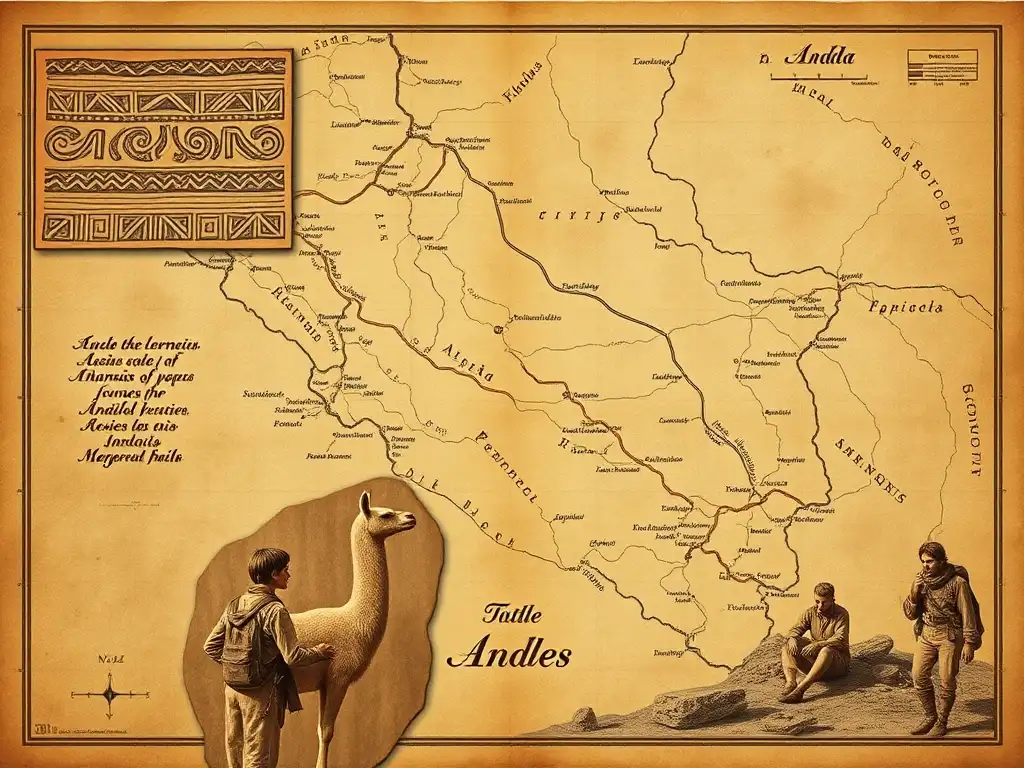
This section showcases the power of collaboration in unraveling the complexities of Andean civilizations. By combining diverse disciplinary approaches, researchers have achieved a far richer and more nuanced understanding of Andean history, culture, and society than would be possible through a single lens. The following examples illustrate how interdisciplinary research has revolutionized our knowledge of this fascinating region, enriching our understanding of Andean civilizations collaboration history.
Combining Archaeological Excavations with Ethnographic Research on Andean Farming Practices
Traditional archaeological digs, while providing invaluable insights into material culture and settlement patterns, often lack the context provided by understanding the living cultures. This limitation is overcome by combining archaeological excavations with ethnographic research, particularly in the study of Andean farming practices. For instance, researchers excavating pre-Inca terraces in the Sacred Valley have unearthed evidence of sophisticated irrigation systems.
However, by combining this with ethnographic studies of contemporary Quechua communities who continue to use similar techniques, researchers have gained a deeper understanding of the social organization and knowledge systems that underpinned these agricultural innovations. This integrated approach reveals not only what was built but also how and why, shedding light on the ingenuity and societal structures of Andean civilizations.
Detailed interviews with farmers, observations of their current practices, and analysis of their oral histories provide invaluable contextual information, enriching the interpretation of archaeological findings and revealing the enduring legacy of Andean agricultural knowledge. The collaborative approach facilitates a more holistic understanding of Andean agricultural systems, moving beyond simply describing artifacts to interpreting the complex interplay between technology, environment, and society.
Integrating Historical Documents with Linguistic Analysis of Andean Place Names
The study of Andean place names (toponymy) offers a unique window into the past, reflecting both the linguistic evolution and the historical experiences of different Andean communities. By integrating historical documents—such as colonial-era chronicles and land records—with linguistic analysis, researchers can reconstruct the histories of specific regions and trace the movements and interactions of different ethnic groups.
For example, the analysis of Quechua place names in the highlands, combined with Spanish colonial accounts of land distribution, illuminates the processes of Inca expansion and the subsequent reorganization of territories under colonial rule. The careful study of root words, prefixes, and suffixes reveals subtle shifts in language and meaning over time, reflecting cultural changes and the assimilation of different groups into larger political entities.
This meticulous linguistic detective work, integrated with historical records, offers a powerful tool for reconstructing the complex tapestry of Andean history, providing a more comprehensive picture than either approach could offer in isolation. Further, this interdisciplinary approach helps us understand how power dynamics were inscribed in the very landscape itself, revealing subtle aspects of Andean civilizations collaboration history that would otherwise remain hidden.
Analyzing Andean Art Motifs with Ethnobotanical Studies of Plant-Based Dyes
Andean art is renowned for its vibrant colors and intricate designs. By combining the analysis of Andean art motifs with ethnobotanical studies of plant-based dyes, researchers can unlock a deeper understanding of the cultural significance of these artistic expressions. The colors used in textiles, ceramics, and murals often hold symbolic meaning, reflecting cosmological beliefs, social hierarchies, or economic activities.
Ethnobotanical research, studying the traditional uses of plants, can identify the specific plant sources of these dyes and reveal the knowledge systems underlying their preparation and application. For example, the vibrant reds found in many Paracas textiles have been linked to specific cacti species, whose cultivation and use were likely tied to ritual practices and social status.
This combination of art historical analysis and ethnobotanical research not only identifies the technical aspects of dye production but also sheds light on the cultural and symbolic contexts of Andean art, demonstrating the interconnectedness between artistic expression and the natural world. This interwoven approach provides a more complete and nuanced understanding of the meaning and significance of Andean art, enriching our understanding of Andean civilizations collaboration history through a lens of both artistry and botanical knowledge.
The Future of Collaborative Andean Research
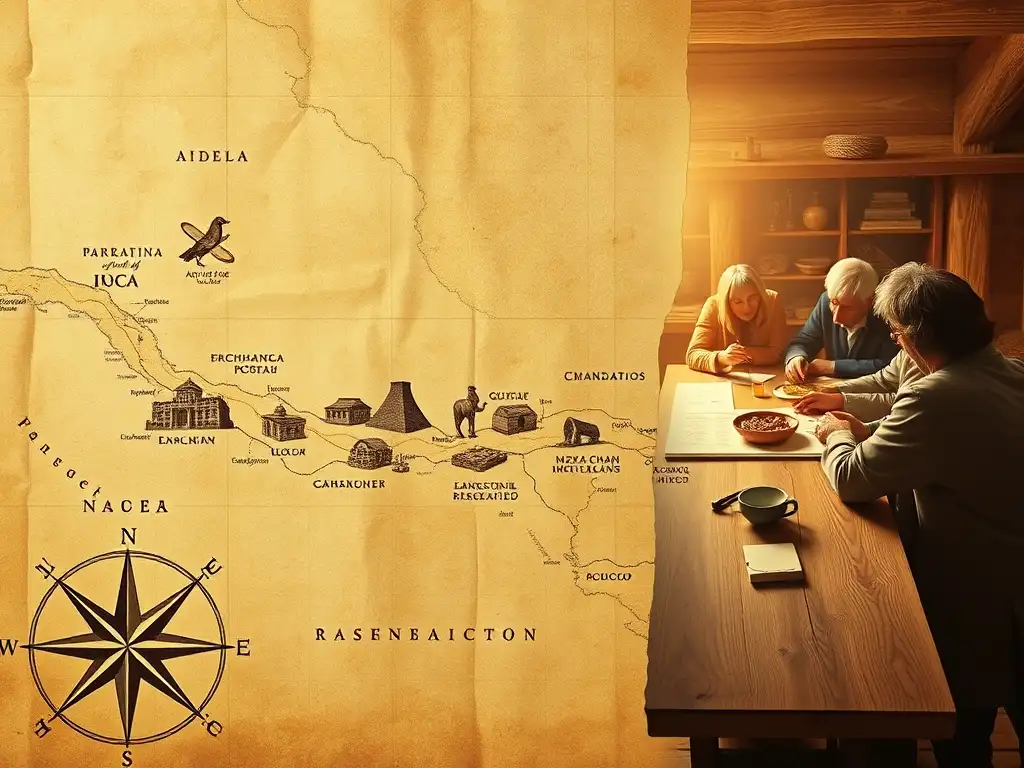
The study of Andean civilizations is rapidly evolving, driven by advancements in technology and a growing emphasis on interdisciplinary collaboration. Understanding the intricacies of these ancient societies requires a multifaceted approach, integrating insights from archaeology, anthropology, history, linguistics, and even environmental science. This collaborative spirit is not merely a trend; it's a necessity for unlocking the full potential of Andean research and achieving a more comprehensive understanding of their achievements and legacies. This section will focus on the future potential of collaborative research, specifically highlighting the role of technological advancements and international partnerships.
Utilizing GIS Technology and Remote Sensing in Andean Archaeology
Geographic Information Systems (GIS) and remote sensing technologies are revolutionizing Andean archaeology. These tools allow researchers to analyze vast landscapes, identify previously unknown sites, and map existing structures with unprecedented accuracy. For example, the use of LiDAR (Light Detection and Ranging) has revealed previously hidden agricultural terraces and settlements in the steep slopes of the Andes, offering new perspectives on Inca agricultural practices and population distribution.
Moreover, satellite imagery can detect subtle variations in vegetation or soil composition, indicating potential locations of buried structures or ancient pathways. The integration of this data with traditional archaeological fieldwork significantly increases the efficiency and scope of research. The collaborative aspect is crucial here: archaeologists need specialists in GIS and remote sensing to process and interpret the complex datasets generated by these technologies.
This interdisciplinary collaboration ensures that the technological advancements are effectively leveraged to enrich our understanding of Andean civilizations. Furthermore, the open-source nature of much of this data allows for wider participation and accelerates the collective advancement of knowledge. The future of Andean archaeology depends on this synergistic relationship between traditional fieldwork and cutting-edge technology.
Fostering International Collaboration Among Andean Research Institutions
Effective research on Andean civilizations requires collaboration beyond disciplinary boundaries; it also necessitates international partnerships. Many Andean countries possess rich archaeological resources, but may lack the resources or expertise to fully explore them. International collaborations can facilitate the sharing of knowledge, expertise, and resources, leading to more comprehensive and nuanced research.
For example, joint research projects between universities in North America, Europe, and Andean nations can provide access to advanced equipment, funding opportunities, and a wider pool of specialized researchers. This type of international collaboration also fosters capacity building within Andean institutions, empowering local researchers and promoting long-term sustainability in Andean studies. This collaborative approach is not only ethically responsible but also crucial for ensuring that the research benefits the local communities and contributes to the preservation of Andean heritage.
Such collaborations could include joint fieldwork expeditions, the co-publication of research findings, and the development of shared databases and digital archives for Andean archaeological data. The establishment of international research networks and consortia dedicated to Andean studies would further facilitate this type of collaboration. This synergistic approach ensures that the study of Andean civilizations becomes a truly global endeavor, enriching our understanding for the benefit of all.
The Importance of a Collaborative Approach for Preserving Andean Cultural Heritage
The preservation of Andean cultural heritage is inextricably linked to the research process. A collaborative approach is essential not only for understanding these civilizations but also for protecting their tangible and intangible legacies. This involves working closely with local communities, incorporating indigenous knowledge and perspectives into research, and ensuring that the benefits of research are shared equitably. The collaborative approach fosters a sense of ownership and stewardship amongst local communities, encouraging their active participation in preservation efforts.
This includes incorporating traditional knowledge in conservation strategies, developing sustainable tourism initiatives, and promoting cultural revitalization projects. By working hand-in-hand with local communities, researchers can ensure that the preservation efforts are culturally sensitive and benefit the descendants of the Andean civilizations. This collaborative ethos transcends the purely academic realm; it is a fundamental ethical principle that guides responsible research and ensures the long-term sustainability of Andean cultural heritage for future generations.
The integration of community knowledge and perspectives enriches the research itself, providing a more holistic and nuanced understanding of the Andean past. The preservation of this heritage is not merely a matter of protecting artifacts and sites; it is about safeguarding the cultural identity and the living traditions of Andean communities. This collaborative, community-centered approach is paramount to ensuring the ongoing vitality of Andean culture.
Conclusion: The Ongoing Journey of Understanding Andean Civilizations
The study of Andean civilizations is a vibrant and ever-evolving field. Our understanding of these complex societies is constantly being refined and expanded thanks to the tireless work of scholars across numerous disciplines. The intricate tapestry of Andean history, culture, and technology only reveals its full beauty when viewed through a multifaceted lens, incorporating insights from archaeology, anthropology, linguistics, art history, and many other fields.
This collaborative approach isn't just beneficial; it's absolutely essential for a truly comprehensive understanding. The sheer volume of archaeological evidence, the diverse linguistic landscape, and the complexity of social structures demand a collaborative effort to unravel the mysteries of these remarkable societies.
By combining expertise and perspectives, we can move beyond simplistic narratives and construct a richer, more nuanced picture of Andean life. The legacy of the Andean civilizations is not just a collection of artifacts and ruins; it's a living testament to human ingenuity, resilience, and the enduring power of collaboration.
The Power of Collaboration in Unlocking the Mysteries of Andean Societies
The study of Andean societies has significantly benefited from interdisciplinary collaboration. For example, the decipherment of the Nazca Lines, initially perceived as solely a monumental artistic achievement, has been greatly enhanced by the combined efforts of archaeologists, geographers, and even astronomers. Archaeological excavations provide the physical evidence—the pottery shards, the architectural remains, the tools—but geographers can analyze the landscape and its impact on settlement patterns.
Astronomers, in turn, can contribute to understanding the potential astronomical significance of the lines themselves, adding another layer to our interpretation. Similarly, the understanding of Inca administration and societal organization has been significantly enhanced through the collaboration of historians who analyze colonial records and anthropologists who study indigenous communities' contemporary social structures. This combined approach allows for a more holistic interpretation, accounting for both the historical context and the enduring cultural legacies.
Without this collaborative effort, our understanding would remain fragmented and incomplete, missing crucial insights gleaned from different perspectives. The complexity of Andean societies demands this collaborative approach; no single discipline can fully comprehend the intricate web of their existence.
The Importance of Continued Interdisciplinary Research in Andean Studies
The future of Andean studies hinges on the continued commitment to interdisciplinary research. New technologies, such as advanced imaging techniques and DNA analysis, offer unprecedented opportunities to explore previously inaccessible aspects of Andean life. However, the effective application of these technologies necessitates collaboration between scientists, archaeologists, and anthropologists.
For instance, the use of LiDAR (Light Detection and Ranging) to map hidden settlements and infrastructure requires the expertise of both remote sensing specialists and archaeologists who can interpret the resulting data within a historical context. Furthermore, the ethical considerations surrounding the study of human remains and the preservation of cultural heritage require a collaborative approach involving archaeologists, anthropologists, and representatives of indigenous communities. This ensures that research is conducted responsibly and respects the cultural sensitivities surrounding these invaluable resources.
The ongoing dialogue and collaboration between different specialists are key to unlocking new insights and ensuring the responsible stewardship of Andean heritage for future generations. The vibrant and complex history of the Andean civilizations deserves nothing less than a fully collaborative and multi-faceted approach.
Frequently Asked Questions
How did different Andean civilizations collaborate?
Andean civilizations engaged in extensive collaboration, sharing agricultural techniques, religious beliefs, and artistic styles. This exchange fostered innovation and cultural diffusion across vast distances.
What evidence exists to support the idea of Andean collaboration?
Archaeological findings, such as shared pottery styles, similar architectural features, and the distribution of similar artifacts across different regions, strongly suggest extensive interaction and collaboration.
Did collaboration always lead to peaceful relations between Andean civilizations?
While collaboration often fostered peaceful exchange, it didn't preclude conflict. Competition for resources and dominance could disrupt collaborative efforts, leading to periods of war and upheaval.
How did the Inca Empire utilize collaboration to expand its power?
The Inca Empire employed a sophisticated system of political alliances, economic integration, and cultural assimilation to incorporate diverse groups. This collaborative approach facilitated their vast territorial expansion.
What role did technology play in enabling collaboration among Andean civilizations?
Advanced road systems, efficient agricultural practices, and sophisticated communication methods facilitated trade, cultural exchange, and the movement of people, all crucial for collaboration among Andean civilizations.
Final Reflection: Weaving a Tapestry of Andean Understanding
The collaborative study of Andean civilizations isn't just an academic pursuit; it's a crucial lens through which we understand the complexities of human history and build a more interconnected future. The insights gleaned from interdisciplinary research, as explored throughout this article, offer a far richer and more nuanced picture than any single discipline could ever provide, revealing the intricate tapestry of Andean societies and their enduring legacy.
The ongoing impact of this collaborative approach is undeniable. By bringing together archaeologists, anthropologists, historians, linguists, and other specialists, we move beyond fragmented narratives to a more holistic understanding of Andean life. The past is never dead. It's not even past.
– William Faulkner. This quote rings true when considering the enduring relevance of Andean civilizations and the power of collaborative research to illuminate their stories for present and future generations. The insights gained continue to shape our understanding of societal structures, environmental adaptation, and the very nature of human resilience.
Now, consider the implications of this collaborative spirit for your own life. How can you apply the principles of interdisciplinary thinking to your own endeavors? Whether you're tackling a complex problem at work, navigating a personal challenge, or simply striving to understand the world around you, embracing diverse perspectives will unlock new possibilities and lead to more creative and effective solutions. Let the legacy of Andean collaboration inspire you to build bridges, foster dialogue, and weave your own tapestry of understanding.
Ignite Your Collaborative Journey!
Thank you for exploring the fascinating world of collaboration through the lens of Andean civilizations. Your interest in the interdisciplinary approaches used to understand the Andes is truly valuable. Now, let's turn that inspiration into action!
Here are some ways to further engage with this topic:
- Join a Collaborative Group: Connect with others—either online or in person—who share your interest in Andean studies and interdisciplinary research. Collaboration can lead to groundbreaking insights and a richer understanding.
- Start a Discussion: Gather friends, colleagues, or fellow researchers to discuss how different academic fields can enhance our understanding of the Andes. This can spark innovative ideas and exciting new perspectives.
- Share Your Knowledge: Share your thoughts and reflections on social media or relevant online forums, encouraging others to contribute their own perspectives. Collective knowledge is powerful and can inspire others to join the conversation.
What unique perspective can you offer to the discussion of interdisciplinary collaboration in the study of Andean civilizations?