
The Interconnectedness of Social Classes in the Andean World

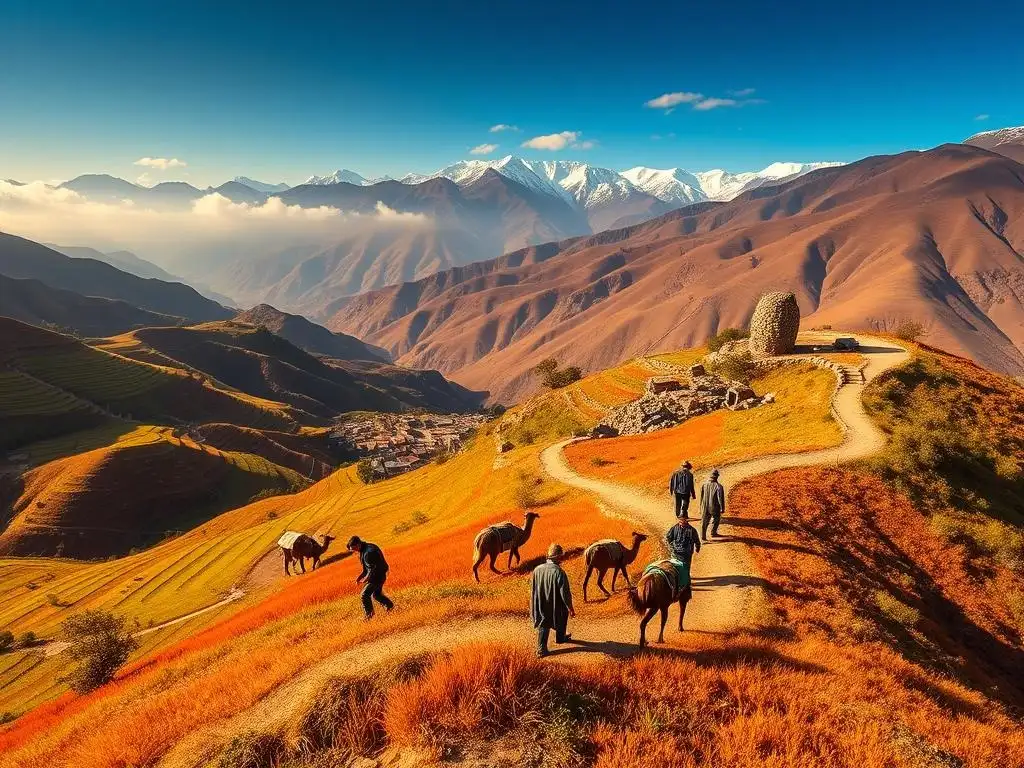
Uncover the secrets of a world built on towering mountains and intricate social systems. For centuries, the Andean civilizations—from the Incas to the Nazca—thrived, leaving behind a legacy of breathtaking artistry and sophisticated engineering. But what truly bound these empires together? Dive into the fascinating world of Andean social class structure and discover how its complex web of power, influence, and ritual shaped the very fabric of these ancient societies. Prepare to be amazed by the intricate interplay of classes and their profound impact on the Andean world. The story is far more nuanced—and captivating—than you might imagine.
- The Interconnectedness of Social Classes in the Andean World: An Overview
- The Foundations of Andean Society: Reciprocity and Hierarchy
- The Elite Class in Andean Societies: Power and Privilege
- The Commoners in the Andean Social System: Labor and Obligations
- Social Mobility and Interclass Relations in the Andes
- Beyond the Inca: Variations in Social Class Across Andean Cultures
- The Legacy of Andean Social Class Structures
- Frequently Asked Questions
- Final Reflection: Weaving the Threads of Andean Society
- Embrace the Power of Connection in the Andean World!
The Andean world, encompassing a vast array of pre-Columbian cultures like the Inca, Moche, Nazca, and Tiahuanaco, wasn't characterized by rigidly defined social classes in the same way as, say, ancient Egypt or Rome. Instead, a more nuanced system existed, one where the lines between different social strata were often blurred and interconnected, demonstrating a complex interplay of power, kinship, and reciprocity.
Understanding the Andean social class structure requires moving beyond simplistic hierarchical models and embracing the dynamic nature of social mobility and the intricate web of relationships that defined daily life. This article delves into the intricacies of this system, exploring the various social groups, their interactions, and the factors that shaped their positions within Andean society.
We will examine how factors like occupation, lineage, religious authority, and access to resources contributed to the overall social fabric, highlighting the interconnectedness rather than the strict separation of these classes. The keyword "Andean social class structure" will be explored through the lens of multiple Andean cultures, revealing both commonalities and unique characteristics in their social organization.
The Andean social hierarchy wasn't a static pyramid. While elites certainly held significant power and privilege, the system was far more fluid than many other ancient civilizations. The concept of ayllu, a kinship-based community, played a crucial role.
Membership in an ayllu provided a sense of belonging and mutual support, but also determined one's place within the broader social structure. While the Inca Empire formalized a hierarchical system, other Andean cultures exhibited variations, with some placing more emphasis on religious authority or military prowess. However, a common thread throughout these societies was the importance of reciprocity – the exchange of goods, services, and labor – which helped maintain social cohesion and stability.
This system wasn't solely based on economic power; social standing was also deeply influenced by religious beliefs and ritual practices. For example, priests and priestesses held positions of considerable influence and prestige, often acting as intermediaries between the human and spiritual worlds. This influence extended beyond religious matters, impacting political decisions and social norms.
The elite class, generally composed of rulers, nobles, and priests, controlled access to resources and held significant political and religious authority. However, even within this elite, there were distinctions based on lineage and proximity to power. Below the elites, various social groups existed, each with specific roles and responsibilities within the community. These groups were often organized based on occupation, such as farmers, artisans, and warriors.
The level of skill and expertise within these occupations could also impact social standing. A highly skilled artisan, for instance, might enjoy a higher social standing than a less skilled farmer. Furthermore, the social mobility wasn't entirely fixed; individuals could potentially improve their social status through exceptional achievements or service to the community. This fluidity, however, didn't negate the inherent inequalities present in the system.
The access to resources and opportunities remained unevenly distributed, reinforcing existing power structures. The interplay between these factors created a dynamic social landscape, characterized by both stability and change. The degree of social mobility varied across different Andean cultures and time periods, reflecting the diverse political and economic contexts.
The Foundations of Andean Society: Reciprocity and Hierarchy
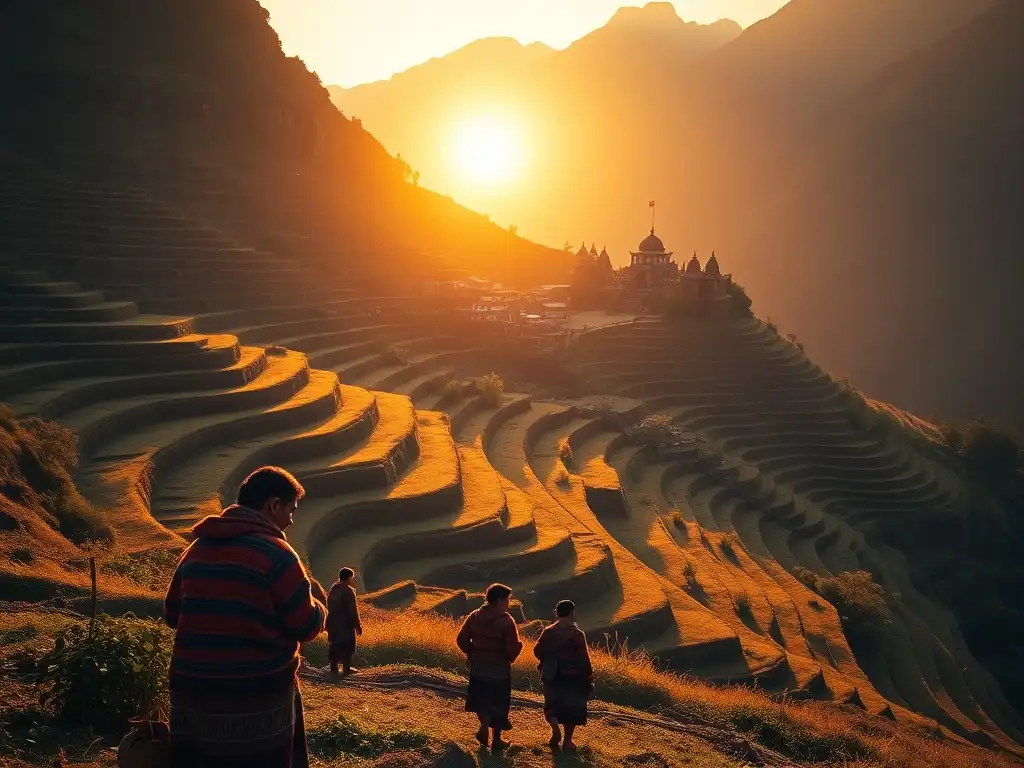
The Andean social class structure wasn't built on rigid, hereditary castes like those found in some Old World societies. Instead, it was a complex system deeply interwoven with concepts of reciprocity ( ayni and mita) and a hierarchical structure reflecting the challenging environment and the unequal distribution of resources. Understanding this nuanced system requires recognizing the interplay between cooperation and competition, kinship and authority, and the ever-present influence of the vertical geography of the Andes.
The very survival of Andean communities depended on a delicate balance of these factors, shaping their social organization in profound ways. The concept of "Andean social class structure" therefore needs to be understood as dynamic and fluid, adapting to environmental changes and political shifts. This flexibility, however, didn't negate the existence of clear social hierarchies.
The ayllu, a kinship-based community, formed the bedrock of Andean social organization. These weren't simply families; they were complex social and economic units, often encompassing extended families, related clans, and even individuals who had been incorporated through marriage or adoption. Each ayllu controlled specific territories, including agricultural lands, pastures, and resources.
This control directly impacted social standing, as access to fertile land and water sources was crucial for survival and prosperity. Within the ayllu, there was a degree of internal social stratification, with certain families or lineages holding more prestige or influence than others, often based on their lineage's history or access to key resources. This internal hierarchy, however, was less rigid than the broader societal structures, offering a degree of social mobility within the ayllu itself.
The ayllu system fostered a sense of collective responsibility and mutual support, yet simultaneously reflected existing power dynamics within the community. This internal structure significantly contributed to the overall Andean social class structure, forming the building blocks upon which larger political entities were constructed. Studies of archaeological remains, such as housing sizes and burial goods, reveal subtle differences in wealth and status even within individual ayllus, demonstrating the internal variations in social standing.
The Andes' unique geography – a "vertical archipelago" of diverse ecological zones – profoundly shaped Andean social structures. Different altitudes offered distinct resources: fertile valleys, high-altitude pastures ( puna), and coastal fishing grounds. Control over these varied resources was a significant determinant of social standing.
Communities often controlled territories spanning multiple ecological zones, establishing a complex system of reciprocal exchange and economic interdependence. Those who controlled access to the most diverse range of resources held a more advantageous position within the broader social hierarchy. This vertical integration of resources fostered a system where different ayllus specialized in different productive activities, creating a complex web of interdependence and trade.
The management of this system, often overseen by elites or ruling classes, further cemented their social standing. This vertical organization is a key element to understanding the Andean social class structure, highlighting the intricate relationship between geography, resource control, and social stratification. The intricate network of exchange between different altitudinal zones is a testament to the sophisticated organization of Andean societies.
Kinship and community ties were paramount in Andean societies. Social standing was not solely determined by wealth or access to resources; lineage, ancestry, and relationships played a crucial role. Membership in a powerful ayllu or having connections to influential individuals could enhance one's status and opportunities.
This emphasis on kinship created a strong sense of community and collective responsibility, mitigating some of the harsher aspects of social inequality. However, it also reinforced existing power structures, as those with strong kinship ties often held greater influence and access to resources. The concept of reciprocity— ayni (mutual exchange of goods and labor) and mita (labor tribute)—further solidified this interconnected social fabric.
While these systems ensured cooperation and redistribution of resources, they also reinforced the hierarchical structure, with elites often receiving a larger share of the benefits. The combination of kinship, community, and reciprocal obligations created a complex social order where status was a fluid mix of inherited privilege, achieved accomplishments, and network influence. This understanding is essential to fully grasp the dynamics of the Andean social class structure, recognizing the interwoven nature of social relations and economic systems.
The Elite Class in Andean Societies: Power and Privilege
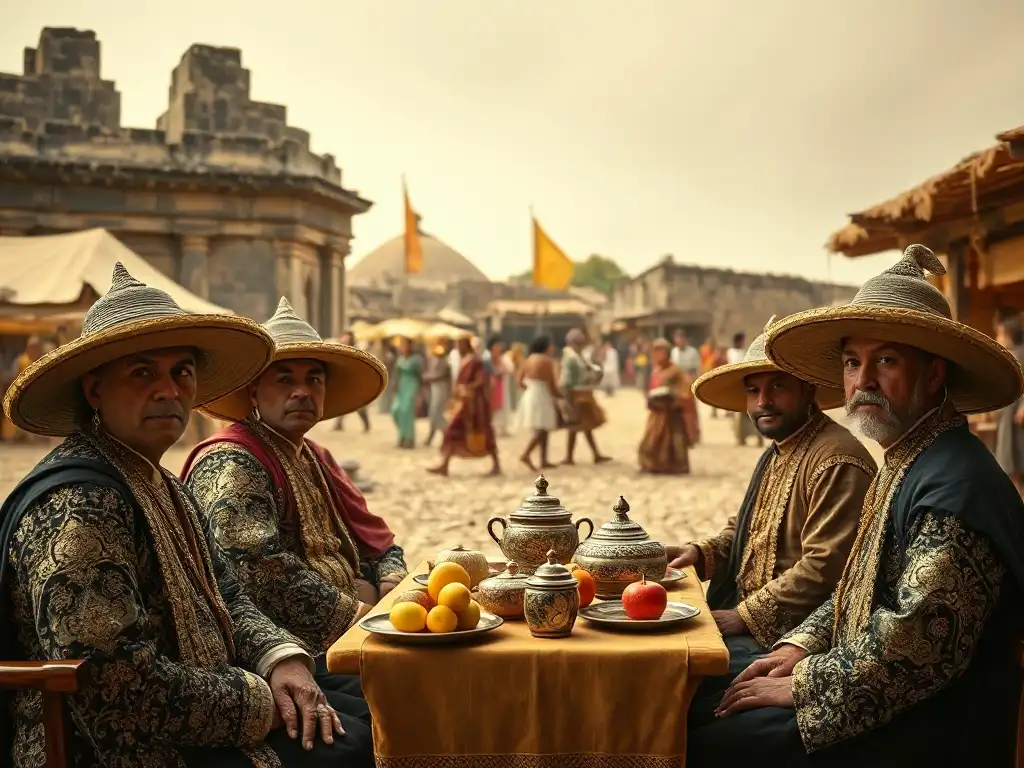
The Andean social class structure was a complex system reflecting the intricate political and economic organization of these civilizations. At its apex resided a powerful elite, whose influence permeated every aspect of Andean life. This elite wasn't monolithic; its composition varied across different cultures and time periods, yet certain common threads unite them: privileged access to resources, significant political authority, and a distinct lifestyle setting them apart from the commoners.
Understanding this elite is crucial to comprehending the dynamics of the Andean social structure and the mechanisms that sustained their power. Analyzing their roles reveals a nuanced picture of power distribution and social control, far beyond simple notions of a ruling class.
The concentration of wealth and power in their hands shaped the economy, influenced religious practices, and defined the very fabric of Andean society. This section will delve into the key components of this elite class across various Andean cultures, focusing on their roles and the factors that contributed to their dominance.
The Inca nobility, known as the curacas, held a position of immense power and prestige within the Inca Empire. Their authority stemmed primarily from their lineage, tracing their ancestry back to the Sapa Inca himself or other significant figures in Inca mythology. This hereditary system ensured the continuity of power within families and solidified their social standing. The curacas controlled vast tracts of land, commanding the labor of their subjects (the ayllus) and collecting tributes in the form of goods and services.
Their responsibilities extended beyond mere land ownership; they acted as intermediaries between the emperor and the common people, administering justice, organizing public works, and ensuring the smooth functioning of their respective regions. The Inca system carefully managed the succession of power, with meticulous records maintained to document lineage and prevent disputes. This sophisticated bureaucratic structure, combined with the carefully cultivated image of divine right, ensured the continued dominance of the Inca nobility.
The system, however, was not without its internal tensions and power struggles, particularly during periods of imperial expansion or succession crises. Evidence suggests that alliances and marriages between different noble families played a significant role in navigating these challenges, highlighting the intricate web of political maneuvering within the Inca elite. The Inca nobility was far from a homogenous group; their power and influence varied depending on their proximity to the emperor and the specific region they governed.
The Priest Class: Religious and Political Influence
Beyond the nobility, the priest class held significant power and influence within Andean societies. In many cultures, religious leaders held positions of authority that intertwined with political power. The priests were not only responsible for performing religious ceremonies and maintaining temples but also played a crucial role in interpreting omens, advising rulers, and legitimizing their rule. Their knowledge of astronomy, agriculture, and medicine granted them a special status and enhanced their influence.
In the Inca Empire, for example, the amautas, or wise men, acted as advisors to the Sapa Inca, providing guidance on matters of state. Their expertise in Inca traditions and cosmology made their opinions invaluable. Moreover, the priest class often controlled significant resources, including temple lands and livestock, further consolidating their economic and social power.
The intricate religious beliefs and practices of Andean civilizations, often deeply intertwined with the agricultural cycle and the natural world, gave the priestly class a unique position of influence, their power stemming not only from the divine but also from their control over vital knowledge and resources. Detailed records of their rituals and ceremonies are scarce, however, making it challenging to fully understand the nuances of their power dynamics. More research is needed to fully illuminate the subtle ways in which priests exerted their influence within the complex Andean social structure.
Regional Elites: Power Centers Beyond the Inca Empire
While the Inca Empire established a centralized system of control, it's essential to recognize the existence of regional elites outside the direct authority of Cusco. Before the Inca expansion, numerous powerful groups, such as the Moche, Nazca, and Tiahuanaco, possessed their own complex social hierarchies and elite classes. These regional elites often controlled significant resources and exerted considerable power within their respective territories, maintaining their own distinct cultural traditions and political structures.
Even after the Inca conquest, traces of these pre-Inca elite structures persisted, often integrated into the Inca administrative system. The Inca strategy frequently involved co-opting existing regional power structures, incorporating local elites into their governance system to maintain stability and control. This process, however, was not always smooth and often resulted in conflict and resistance.
Understanding the role of these regional elites is critical to comprehending the diversity and complexity of the Andean social landscape. Further research is needed to fully document the extent of their power and influence in the pre- and post-Inca periods, particularly in areas where archaeological evidence is limited or difficult to interpret. The interaction between Inca rulers and pre-existing regional power structures is a complex and fascinating area of study, crucial for a complete understanding of the Andean social class structure.
Access to Resources and Control of Labor
The elite class in Andean societies enjoyed unparalleled access to resources, a privilege directly tied to their control over labor. This wasn't simply a matter of owning land; it encompassed a complex system of resource allocation and labor exploitation that underpinned their power. The ayllu, the traditional Andean community, served as the primary unit of production, but the elite class held sway over the ayllu's output.
They controlled access to the most fertile lands, the best irrigation systems, and prime locations for resource extraction, such as mines or salt pans. This control translated into a disproportionate share of agricultural produce, livestock, textiles, and valuable minerals.
Furthermore, the elite's control extended to the labor of the ayllu members. While the mita system, a form of rotational labor service, technically applied to all able-bodied men, the elite often manipulated the system to their advantage. They could demand extra labor for their own projects, often beyond the stipulated mita obligations.
This meant that the elite could command a workforce for building monumental structures like temples and palaces, for cultivating their private estates, or for undertaking ambitious infrastructural projects like road construction. The intensity and duration of this labor were often dictated by the elite, resulting in a significant disparity in workload between the elite and the commoners. This control over labor was crucial not only for maintaining their opulent lifestyles but also for consolidating their political and economic power.
The ability to mobilize large-scale labor forces was a key element of the elite's ability to shape the landscape and exert their influence throughout Andean society. The stark contrast between the elite's access to resources and the commoners' limited access solidified the hierarchical structure and maintained the elite's position of dominance. The system was self-perpetuating, with the elite's control over resources and labor ensuring their continued prosperity and power.
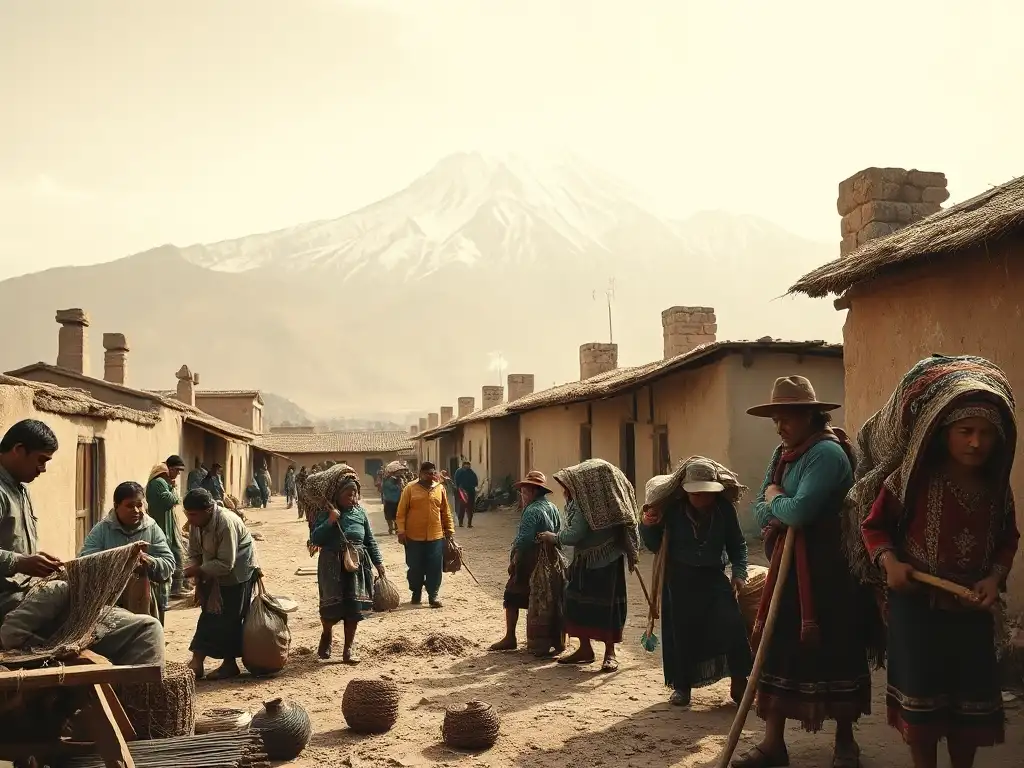
The vast majority of the Andean population belonged to the commoner class, a diverse group whose lives revolved around agriculture, craft production, and fulfilling labor obligations to the state and elite. Understanding their role is crucial to grasping the Andean social class structure. Their contributions, far from being passive, were fundamental to the functioning of the entire empire, fueling its economic and political power.
The intricate system of labor organization and tribute ensured the survival and prosperity of the ruling classes and the maintenance of monumental infrastructure projects. This section will delve into the specific roles and responsibilities of commoners, highlighting the interconnectedness of their lives with the broader social pyramid.
The Role of Farmers and Artisans
The backbone of Andean society was its agricultural prowess. Farmers, utilizing sophisticated irrigation systems and agricultural techniques, cultivated a variety of crops including potatoes, maize, quinoa, and beans. These crops sustained the entire population, from the emperor to the humblest peasant. Their hard work ensured food security and surplus production, which in turn supported the artisans and specialists who contributed to the social and religious life of the community.
The artisans, in turn, relied on the farmers for their sustenance. This symbiotic relationship is a key component of understanding the Andean social class structure. Artisans, skilled in weaving, pottery, metalworking, and stone carving, produced goods that served both practical and ceremonial purposes.
Their skills were highly valued, providing them with a certain degree of autonomy within the commoner class, although they still remained subject to the same obligations as farmers. The intricate textiles, finely crafted pottery, and ornate metalwork found in archaeological sites are testaments to the exceptional talent and dedication of these Andean artisans. We can see clear evidence of specialization and regional variations in the styles of pottery and textiles, indicating a complex and dynamic network of production and exchange.
Mit'a Labor: Service to the State and Community
The mit'a system was a cornerstone of the Andean social organization. It wasn't simply forced labor; it was a reciprocal system where commoners contributed their labor to public works projects in exchange for access to resources and protection from the state. This labor obligation, rotated among able-bodied men, was crucial for the construction and maintenance of infrastructure such as roads, irrigation canals, temples, and storehouses.
The mit'a also involved service in the army and the mines, highlighting the interconnectedness between military power and economic production within the Andean social class structure. While the mit'a could be demanding, it also provided a sense of communal responsibility and participation in the larger social order. It was a system that integrated the commoners into the fabric of the state, ensuring their contribution to the collective well-being.
The scale of the Inca road system, for example, stands as a powerful testament to the effectiveness and widespread application of the mit'a system. Detailed records, though not always complete, indicate the meticulous organization and planning required to mobilize and manage such a vast workforce.
Beyond direct labor, commoners also contributed to the state through the payment of tribute and taxes. This could take many forms, including agricultural produce, textiles, and crafted goods. The amount and type of tribute varied depending on factors such as location, productivity, and the specific demands of the ruling elite.
This system of tribute and taxation helped to redistribute resources throughout the empire, supporting the elite, the religious institutions, and the administrative apparatus. The collection and distribution of tribute were carefully managed, ensuring the flow of goods and services that sustained the Andean social pyramid. The system was far from arbitrary; it was a structured mechanism that maintained social order and facilitated the efficient functioning of the empire.
Analyzing archaeological evidence, such as the contents of storage facilities and the distribution patterns of goods, provides valuable insights into the dynamics of tribute and taxation and their impact on the Andean social class structure. Further research is needed to fully understand the nuances of this complex economic system, particularly regarding the impact on different regions and communities. The existing evidence, however, strongly suggests a sophisticated and highly organized system of resource management.
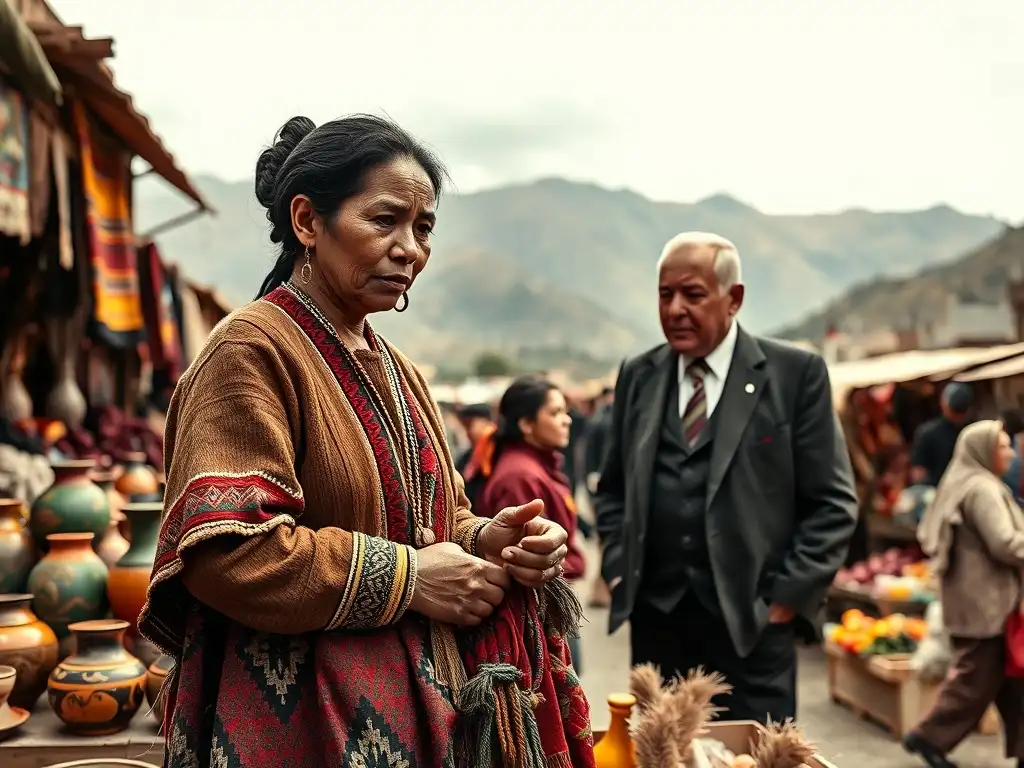
The Andean social class structure, while seemingly rigid, exhibited nuances in social mobility and interclass relations. Understanding these dynamics requires moving beyond simplistic hierarchical models and acknowledging the complexities of Andean societies. The perception of a completely static system is a simplification; while advancement was challenging, it wasn't entirely impossible. Opportunities for upward mobility, however limited, existed, often tied to specific circumstances and individual merit.
The prevailing notion of a rigid Andean social class structure, particularly within the Inca Empire, paints a picture of limited social mobility. Individuals were largely born into their social standing – ayllu membership largely determined one's place in society. This system, while hierarchical, wasn't entirely static.
Exceptional skill in areas like warfare, craftsmanship (e.g., weaving, metalworking), or religious leadership could, in some cases, lead to upward mobility. However, this was far from guaranteed, and the path to advancement was often fraught with obstacles. For example, a skilled artisan might gain recognition and a slightly elevated status within their ayllu, but true social ascension to the elite kuraka class was exceptionally rare.
Evidence suggests that most individuals remained within their assigned social strata throughout their lives. This wasn't necessarily a result of oppression, but rather a reflection of the deeply ingrained social and economic systems of the time. Furthermore, the Inca system valued maintaining social order and stability, which often prioritized maintaining the existing hierarchy.
The rigid nature of the system is further emphasized by the limited opportunities for intermarriage between different social classes. Endogamy within the ayllu was the norm, reinforcing social boundaries and limiting opportunities for social climbing through marriage. While exceptions undoubtedly existed, evidence suggests that these were infrequent and likely dependent upon specific political or economic circumstances. The lack of widespread social mobility contributes to the perception of a highly stratified and relatively inflexible social structure.
War and conquest played a significant role in shaping the Andean social class structure and, occasionally, facilitating social mobility. Military prowess was highly valued, and successful warriors could achieve significant elevation in status. Captives of war often found themselves relegated to the lowest social strata, performing forced labor ( mita).
Conversely, those who distinguished themselves in battle could be rewarded with land, privileges, and even elevated positions within the ruling class. The Inca expansion, for instance, created opportunities for individuals of lower social standing to rise through the ranks of the army. This, however, was not a guaranteed path to upward mobility; success in warfare required not only skill but also favor from powerful individuals within the existing power structures.
The Inca Empire's military campaigns often resulted in the redistribution of resources and populations, impacting the social hierarchy in conquered territories. This process occasionally led to the elevation of certain individuals from conquered groups into positions of power within the Inca administration, albeit often as intermediaries or collaborators.
Despite the hierarchical nature of Andean societies, a degree of interdependence existed between different social strata. The elite classes relied on the labor and production of the commoners to maintain their lifestyle and power. Farmers, artisans, and laborers provided the food, textiles, and other goods that sustained the nobility and religious leaders.
This interdependence wasn't necessarily a harmonious relationship, but it did create a system of mutual reliance. For instance, the mita system, while exploitative, ensured that essential infrastructure projects were completed and the empire's needs were met. Similarly, the elite classes provided protection, organization, and religious leadership to the lower classes.
This complex interplay of dependence and power dynamics shaped the social fabric of Andean civilizations, demonstrating that even within a rigid hierarchical structure, various classes were intricately interconnected. Analyzing the distribution of resources, the organization of labor, and the roles of different social groups reveals the vital interdependence between the seemingly disparate elements of Andean society. Further research into specific Andean cultures could reveal more nuanced understandings of these interdependencies.
The Andean social structure, while hierarchical, wasn't static. A complex system of reciprocal obligations, known as ayni and mita, fostered a degree of interconnectedness between different social classes. Ayni, a system of mutual exchange of goods and labor, transcended class boundaries.
While elites might offer resources or land, commoners reciprocated through service, agricultural labor, or crafting goods. This wasn't simply charity; it was a fundamental aspect of social cohesion, reinforcing social bonds and ensuring the stability of the community. Failure to fulfill one's ayni obligations could lead to social sanctions, highlighting the importance of reciprocal relationships in maintaining the social order.
The system wasn't always equitable, with the burden of labor often falling disproportionately on lower classes, but it provided a framework for interaction and interdependence across different social strata. The intricate web of ayni ensured that even the most seemingly disparate members of society were connected through a network of mutual dependencies. Archaeological evidence, such as the distribution of goods across different settlements, supports the prevalence of this system of exchange.
The mita system, a form of labor tribute, further illustrates the interconnectedness of Andean society. While primarily associated with the Inca Empire, similar forms of labor service existed in earlier Andean societies. The mita obligated individuals to contribute a certain amount of labor to public works projects, such as road construction, agriculture on state lands, or mining activities. While the burden fell primarily on commoners, the elites benefited from the infrastructure and resources generated through mita labor.
This system, although seemingly exploitative, also had a reciprocal element. The state provided essential services such as irrigation systems, storage facilities, and protection, which benefited all members of society, regardless of their social standing. The effectiveness of the mita system depended on a degree of cooperation and trust between the ruling classes and the commoners, showcasing another layer of interclass relations within the Andean social fabric.
The extent of this cooperation varied across different regions and time periods, reflecting the nuanced nature of Andean social dynamics. A thorough understanding of both ayni and mita is crucial for comprehending the complexities of Andean social mobility and interclass relations, challenging simplistic narratives of rigid social stratification. The interplay between these systems highlights the dynamic and interconnected nature of Andean social life, where obligations and reciprocation created a web of dependencies that linked different social groups.
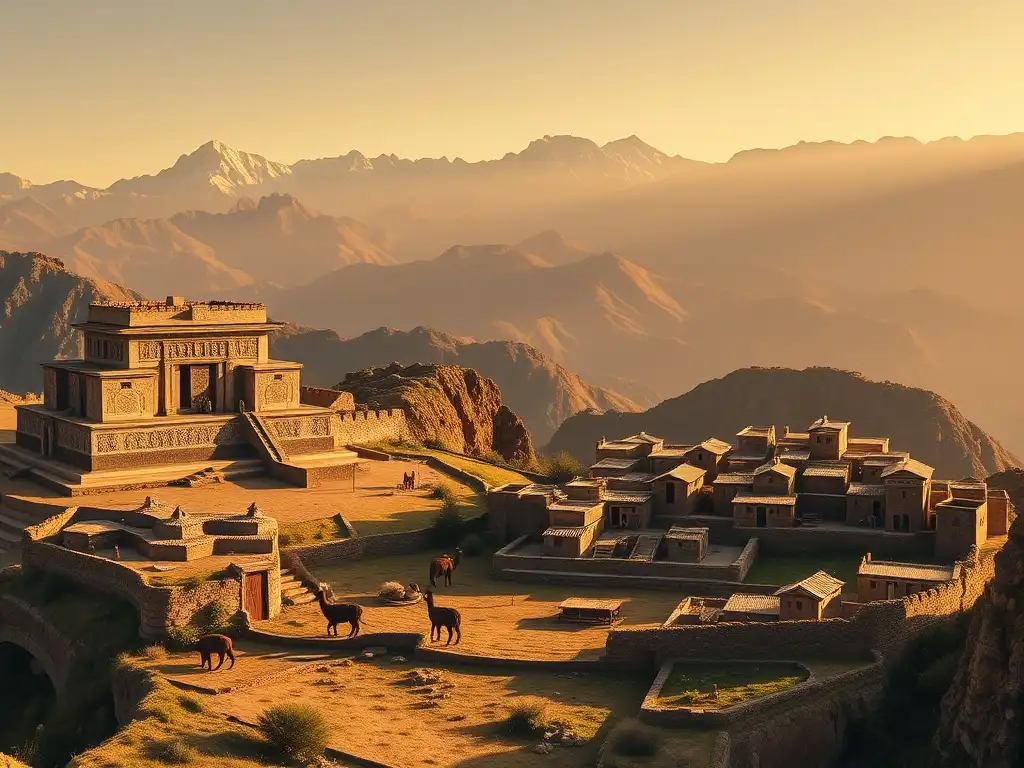
The Andean social class structure wasn't monolithic. While the Inca Empire imposed a relatively standardized system across its vast territory, pre-Inca and contemporary Andean societies exhibited diverse social hierarchies reflecting unique cultural and environmental contexts. Understanding the nuances of these variations is crucial for a comprehensive appreciation of Andean social organization.
This section explores the social stratification of three significant Andean cultures—the Moche, Nazca, and Tiahuanaco—highlighting their distinctive features and demonstrating the complexity of the "Andean social class structure" concept. The common thread across these cultures, however, is the presence of an elite class, a priestly class in some instances, and a larger population of commoners and specialized laborers.
The Moche civilization (c. 100-800 CE), known for its sophisticated irrigation systems and remarkable artistry, possessed a clearly defined social hierarchy. Archaeological evidence, particularly from monumental architecture like the Huaca del Sol and Huaca de la Luna, reveals a stratified society.
The elite class, likely comprised of priests and rulers, enjoyed significant privileges. Their lavish tombs, filled with gold ornaments, elaborate ceramics, and human sacrifices, underscore their elevated status and access to resources. Depictions in Moche pottery illustrate the daily life of this elite, showing them participating in rituals, feasting, and overseeing various aspects of society. These depictions often show a clear distinction in clothing, adornments, and even posture between the elite and the commoners.
The commoners formed the largest segment of Moche society. They were primarily involved in agriculture, fishing, and craft production. Evidence suggests a degree of specialization within this group, with some individuals focusing on specific crafts like pottery or metalworking.
Their burial practices were considerably less elaborate than those of the elite, reflecting their lower social standing. However, analysis of skeletal remains indicates a relatively healthy population, suggesting access to sufficient food and resources, albeit less lavish than the elite's. Further research is needed to fully understand the internal social dynamics within the commoner class and the potential presence of sub-groups based on occupation or skill.
The Nazca culture (c. 100 BCE – 500 CE), famed for its enigmatic geoglyphs, also exhibited a stratified social structure. While less overtly monumental than Moche architecture, Nazca social hierarchy is evident in their burial practices and the distribution of artifacts.
Evidence suggests a powerful elite class, possibly composed of religious leaders or chiefs, who controlled access to resources and influenced social organization. Their tombs, while not as opulent as those of the Moche elite, still contained valuable artifacts like finely crafted textiles and ceramics. The intricate nature of the Nazca geoglyphs, requiring significant organization and labor, further suggests a centralized authority capable of mobilizing large workforces.
The commoners, comprising the majority of the population, engaged primarily in agriculture and textile production. The sophisticated irrigation systems developed by the Nazca, necessary for survival in the arid coastal region, indicate a high level of social organization and cooperation within the commoner class. However, the precise dynamics of social mobility and the extent of social stratification within the commoner class remain subjects of ongoing archaeological investigation. The study of Nazca textiles, which exhibit varying degrees of complexity and craftsmanship, may offer further insights into social differentiation within the population.
The Tiahuanaco culture (c. 500-1000 CE), located on the shores of Lake Titicaca, developed a complex social structure reflected in its monumental architecture and sophisticated urban planning. The imposing structures of Tiahuanaco, such as the Kalasasaya and the Gate of the Sun, point towards a highly centralized and stratified society.
A powerful elite class, likely composed of religious leaders and rulers, held considerable authority. Their control over resources and labor is evident in the monumental scale of Tiahuanaco's architecture and the sophisticated organization required for its construction. Archaeological findings, including elaborate burial sites containing fine ceramics and metalwork, support this assessment.
The commoners likely consisted of farmers, artisans, and laborers who supported the elite. The extensive agricultural terraces surrounding Tiahuanaco suggest a highly organized system of food production, which was essential for sustaining the large population of the city. The varying levels of craftsmanship observed in Tiahuanaco pottery and textiles may also indicate different social strata within the commoner class.
Further research is necessary to clarify the internal dynamics of the commoner class and the degree of social mobility within Tiahuanaco society. The role of specialized labor groups, such as those involved in stone carving and metalworking, also requires further investigation to fully understand the intricacies of the Tiahuanaco "Andean social class structure".
The Andean world wasn't a monolithic entity; its social structures varied significantly across different regions and cultures. While a hierarchical system generally prevailed, the specifics of social stratification differed greatly between the Inca, Moche, Nazca, and Tiahuanaco civilizations, among others. Understanding these regional variations is crucial to grasping the complexity of "Andean social class structure."
For instance, the Inca Empire, with its vast territory, implemented a highly centralized system with clear distinctions between the Sapa Inca (emperor), nobility (curacas and other elites), commoners (llacutaway), and yanaconas (servants). This rigid structure, however, contrasted sharply with the social organization of earlier cultures.
The Moche civilization, known for its impressive artistry and sophisticated irrigation systems, likely possessed a less rigid social hierarchy than the Inca. Archaeological evidence suggests a powerful ruling class, evidenced by elaborate tombs and lavish grave goods, but the exact nature of social mobility and the structure beneath the elite remains a subject of ongoing research.
The presence of large-scale public works projects, like the extensive irrigation canals, implies a degree of social organization and cooperation, indicating a complex system that likely involved various social strata beyond simply rulers and subjects. Furthermore, the artistic representations on Moche pottery offer glimpses into daily life and social interactions, providing valuable, albeit indirect, information about their social structure.
In contrast to the Moche, the Nazca culture, famous for its enigmatic geoglyphs, might have had a more decentralized social organization. The lack of monumental architecture comparable to that of the Moche or Inca suggests a less centralized political power structure, which may have influenced the social hierarchy.
It is hypothesized that smaller, independent communities existed, each with its own leadership and social structure, potentially leading to less rigid social stratification than in empires such as the Inca. Further research into Nazca settlements and burial practices is needed to fully understand their social organization and the nuances of their "Andean social class structure."
The Tiahuanaco civilization, a powerful pre-Inca culture, exhibited a unique social structure. Its monumental architecture, including the iconic Puma Punku, points towards a highly organized society with a powerful ruling elite capable of mobilizing vast labor forces. The exact structure of their social hierarchy, however, is still debated among scholars.
Some theories suggest a complex system involving priests, nobles, artisans, and commoners, with varying degrees of power and privilege. The sophisticated engineering and architectural feats of Tiahuanaco undoubtedly required a complex social organization and division of labor, reflecting a stratified society where different social groups played distinct roles in the construction and maintenance of their impressive urban center. Uncovering more evidence from Tiahuanaco sites is crucial to refine our understanding of their social dynamics and their place within the broader context of Andean social class structure.
The diversity of these examples highlights the importance of avoiding generalizations when studying Andean social organization. Each culture possessed its unique social dynamics, shaped by its specific environment, political organization, and technological advancements.
The Andean social class structure, a complex system woven into the fabric of ancient civilizations like the Inca, Moche, Nazca, and Tiahuanaco, continues to resonate in contemporary Andean societies. Understanding this legacy is crucial to grasping the nuances of present-day social dynamics and inequalities across the Andes region. While the rigid hierarchies of the past have been formally dismantled, their influence remains subtly embedded in social customs, economic disparities, and power structures.
The deep-rooted patterns of social stratification, even if altered significantly, haven't vanished completely. This enduring impact shapes access to resources, education, and opportunities, perpetuating a subtle yet significant form of social inequality. The echoes of the past are undeniable, reminding us of the long shadow cast by the Andean social class structure.
Impact on Contemporary Andean Communities
The impact of the ancient Andean social class structure is multifaceted and far-reaching in contemporary Andean communities. One significant consequence is the persistence of economic inequality. While formal systems of nobility and servitude are gone, access to land, capital, and resources often mirrors historical patterns. Communities historically favored under the Inca Empire, for instance, may still enjoy greater economic prosperity compared to those marginalized in the past.
This disparity is further complicated by factors like access to education and healthcare, which often follow similar skewed distributions. The legacy of privilege and disadvantage creates a complex web of social and economic realities, making true equality a long-term challenge. For example, studies on land ownership in [Specific region pending] reveal a disproportionate concentration of land among descendants of elite families, echoing the historical distribution of power and resources. This highlights the lingering influence of the past on present-day economic dynamics.
Despite significant societal changes, remnants of the hierarchical Andean social class structure persist in various forms. While overt displays of power and privilege may be less pronounced, subtle hierarchies continue to shape social interactions and relationships. Respect for elders, a long-standing Andean tradition, can sometimes be interpreted as a continuation of the deference shown to authority figures in the past.
Similarly, certain families or lineages retain a degree of social prestige and influence based on their historical prominence or accumulated wealth. This isn't necessarily a negative phenomenon; however, it's vital to recognize these subtle hierarchies and ensure they don't perpetuate inequalities. Furthermore, the concentration of political and economic power in certain hands, often within established families or clans, can be seen as a subtle echo of the past's rigid social structures.
The endurance of these hierarchies is a complex issue requiring careful analysis and consideration. Further research is needed into the specific mechanisms by which this social inheritance manifests itself across different Andean communities.
Studying the Andean social class structure offers valuable lessons for understanding social organization and the dynamics of power. The intricate system of reciprocity and mutual obligation, while existing within a hierarchical structure, provides insights into alternative models of social organization. The Inca's ayllu system, for example, emphasized community cooperation and shared responsibility, even within a clearly defined social hierarchy.
This highlights the possibility of integrating cooperation and social stratification, offering a more nuanced perspective on the relationship between social order and social justice. Understanding how the Inca managed resource allocation and social welfare within their hierarchical framework can inform contemporary approaches to equitable resource distribution and social support systems. Analyzing the successes and failures of the ancient Andean social structures can provide crucial insights for building more just and sustainable societies in the present.
The Andean experience offers a rich tapestry of lessons, reminding us that social organization is a complex and ever-evolving process. Further investigation into the specific mechanisms of social mobility within the Andean social class structure would prove invaluable.
The arrival of the Spanish in the 16th century dramatically altered the existing Andean social class structure, leaving a legacy that continues to impact the region today. Pre-Columbian hierarchies, while complex and often stratified, were fundamentally different from the rigid caste system imposed by the colonial regime. The Spanish dismantled existing power structures, replacing indigenous elites with a new ruling class composed of Spanish conquistadors and their descendants, the criollos. This resulted in a radical shift in social power dynamics, with indigenous populations relegated to the lowest rungs of society.
The encomienda system, a form of forced labor, further exacerbated existing inequalities. Indigenous communities were forced to work for Spanish landowners, often under brutal conditions, leading to widespread exploitation and the decimation of populations. This system, while officially abolished in the 18th century, left a lasting impact on social relations, perpetuating a system of inequality that favored the Spanish and criollos at the expense of indigenous communities. The legacy of the encomienda can be seen in the persistent socioeconomic disparities that exist in many Andean nations today.
Beyond the encomienda, the Spanish also implemented a complex system of racial classification, known as the casta system. This system categorized individuals based on their ancestry, creating a rigid hierarchy that placed those of pure Spanish descent at the top and indigenous people at the bottom, with various mixed-race categories in between. This system not only reinforced existing inequalities but also created new social divisions, based on often arbitrary distinctions of bloodline.
The casta system's influence is visible in the social stratification and racial tensions that persist in many Andean countries, even centuries after the end of Spanish colonial rule. The complex interplay of indigenous traditions and colonial impositions created a unique and lasting social landscape in the Andean region.
Understanding this complex interplay is crucial for comprehending the social realities of the Andes today. The lasting impact of colonialism on Andean social structures is a vital aspect of understanding the region's history and present-day challenges.
The imposition of Catholicism also played a significant role in reshaping Andean social structures. The Spanish actively sought to convert indigenous populations to Christianity, often suppressing indigenous religious practices and beliefs. This religious transformation, while often presented as a benevolent act of evangelization, served to further marginalize indigenous cultures and reinforce the dominance of the colonial power.
The integration of Catholic institutions into the social fabric of Andean communities further solidified the colonial power structure, creating a lasting impact on social, cultural and religious practices. The enduring influence of the Catholic Church in the Andes is a clear testament to its role in shaping the post-colonial social landscape.
Frequently Asked Questions
The Andean social class structure was primarily based on kinship and reciprocity. Lineage and connections to powerful families or the ruling elite determined one's social standing. Access to resources and land also played a crucial role.
The Inca Empire had a highly stratified society with the Sapa Inca at its apex. Below him were the nobility, priests, and officials, followed by artisans, farmers, and finally, the yanacona (servants). This hierarchy was reinforced through religious beliefs and state control.
While variations existed, most Andean civilizations shared a common thread of hierarchical social structures. However, the specific titles, roles, and power dynamics differed significantly between the Inca, Moche, Nazca, and Tiahuanaco cultures.
Religion played a significant role in legitimizing the existing social order. Religious beliefs often connected the elite's power to divine authority, reinforcing their status and justifying their control over resources and labor.
Social mobility was limited, but not entirely absent. Merit and exceptional skill in areas like warfare or craftsmanship could sometimes lead to upward mobility. However, social advancement was generally constrained by one's birth and family connections.
Final Reflection: Weaving the Threads of Andean Society
The intricate tapestry of Andean social structures, once perceived as rigidly hierarchical, reveals a far more nuanced and interconnected reality than previously understood. This interconnectedness, far from being a relic of the past, continues to shape the social and economic landscape of the Andes today, influencing everything from political power dynamics to access to resources and opportunities. Understanding this complex web is crucial for fostering equitable and sustainable development in the region.
The enduring legacy of Andean social structures profoundly impacts contemporary life, demonstrating how historical power imbalances continue to resonate in modern society. The subtle yet pervasive influence of kinship networks, reciprocal labor systems (ayni), and communal land ownership highlights the enduring strength of traditional social bonds. These systems, while adapted to modern contexts, still shape access to resources and opportunities, often reinforcing existing inequalities. The past is never dead. It's not even past.
– William Faulkner. This quote perfectly encapsulates the persistent influence of Andean social structures on the present day, reminding us that understanding the past is essential for navigating the challenges of the future.
Consider the implications of this interconnectedness in your own life. How do the systems of power and influence in your own community mirror or contrast with those of the Andean world? What steps can you take to promote greater equity and understanding, recognizing the enduring impact of historical social structures? Let the complexities of Andean society inspire you to examine the power dynamics within your own sphere of influence and to work towards a more just and equitable future for all.
Embrace the Power of Connection in the Andean World!
Thank you for exploring the complex social structures of Andean civilizations. You've gained valuable insights into the intricate dynamics of these interconnected societies. Now, let's put that knowledge to use!
Here's how you can continue your journey of discovery:
- Dive deeper: Explore our extensive resources to uncover more fascinating aspects of Andean cultures and connect with a vibrant community of like-minded individuals.
- Share your thoughts: Join our online forum and contribute to lively discussions about the social structures of the Andean world. Share your insights and learn from others.
- Explore beyond: Consider a visit to an Andean archaeological site or cultural event to experience firsthand the rich heritage and social interactions that define these communities. Witnessing these cultures in person will deepen your understanding.
What aspect of Andean social class dynamics resonates most with you, and how do you see its relevance in contemporary society?