
Decoding Andean Iconography: Online Resources for Art & Symbolism

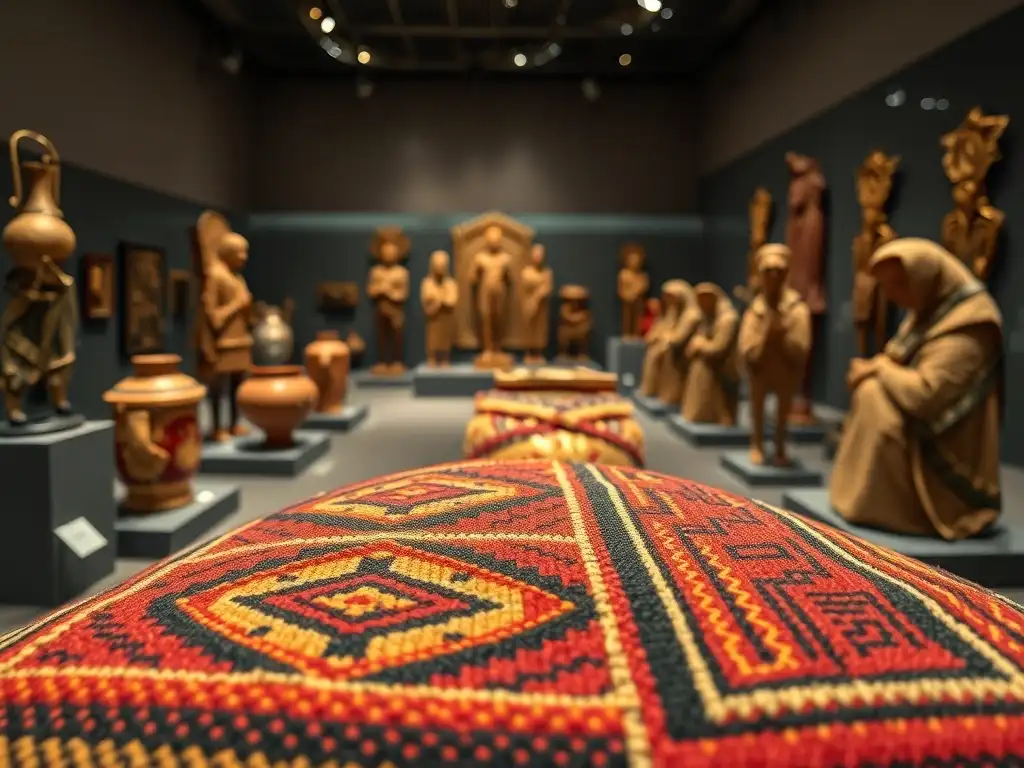
Unravel the mysteries of a lost world. Journey through the breathtaking artistry and complex symbolism of the Andean civilizations. From the intricate weavings of the Nazca to the monumental architecture of the Incas, discover a vibrant tapestry of cultures. Are you ready to unlock the secrets hidden within Andean art symbolism resources? Explore the depths of this fascinating legacy and begin your captivating adventure now.
The Andes Mountains, a spine of towering peaks running down the western coast of South America, are home to a rich tapestry of ancient civilizations. For millennia, these cultures—including the Incas, Moche, Nazca, and Tiahuanaco—developed complex societies with sophisticated artistic traditions and intricate belief systems. Understanding their art is key to unlocking their worldview, their social structures, and their enduring legacy.
This article serves as a guide to the best online resources available for delving into the fascinating world of Andean art and symbolism, specifically designed for those interested in exploring the rich iconography that permeates their artistic expressions. We will explore the wealth of online materials available to help you decipher the meanings behind the captivating imagery found in textiles, pottery, metalwork, and monumental architecture, ultimately enhancing your understanding of Andean art symbolism. This is crucial for anyone seeking to truly appreciate the depth and complexity of these remarkable cultures.
Prepare to embark on a journey of discovery, uncovering the secrets held within the vibrant colors and symbolic forms of Andean art. This exploration will equip you with the knowledge and tools necessary to interpret these powerful artistic expressions effectively.
Unveiling the Secrets of Andean Art: A Guide to Online Learning
The digital age has revolutionized access to educational resources, making the study of Andean art more accessible than ever before. Numerous online platforms offer courses, lectures, and virtual museum tours dedicated to exploring Andean iconography. These resources provide a variety of approaches to understanding Andean art, catering to different learning styles and levels of expertise. From introductory courses providing a general overview to specialized programs focusing on specific cultures or art forms, there's something for everyone.
Many platforms offer interactive elements, such as virtual 3D models of artifacts and high-resolution images that allow for detailed examination. This immersive experience enhances the learning process and brings the art to life, allowing for a deeper understanding of the craftsmanship and symbolic meaning embedded within each piece. Furthermore, the availability of online courses and resources allows for flexible learning, accommodating busy schedules and diverse geographical locations.
The convenience of accessing these materials online is invaluable for researchers, students, and enthusiasts alike. Consider the possibilities: studying intricate textile patterns from the comfort of your home, or examining the details of a Moche ceramic vessel without leaving your desk. The digital world truly unlocks the potential for a comprehensive and engaging study of Andean art.
Understanding Andean Symbolism: Why Study Ancient Art?
Studying Andean symbolism provides more than just an aesthetic appreciation; it opens a window into the beliefs, rituals, and social structures of these ancient societies. The intricate designs and recurring motifs found in Andean art are not merely decorative elements; they represent a complex system of communication and storytelling. For example, the recurring imagery of jaguars, condors, and snakes in Moche pottery often reflects religious beliefs and shamanistic practices. Similarly, the geometric patterns found in Nazca textiles likely encoded social hierarchies and cosmological understandings. Understanding these symbols provides crucial context for interpreting the artistic expressions of these cultures.
The study of Andean art symbolism offers valuable insights into several key areas:
- Religious Beliefs: Many Andean art forms depict deities, mythical creatures, and ritualistic scenes, providing clues into their religious practices and cosmology.
- Social Structures: The representation of individuals and groups in art often reflects social hierarchies and power dynamics within these societies.
- Technological Advancements: The techniques used in creating Andean art, such as the intricate weaving of textiles or the sophisticated metalworking techniques, reveal the advanced technological capabilities of these cultures.
- Economic Systems: The materials used and the distribution of art objects can shed light on economic activities and trade networks.
- Cultural Exchange: The stylistic similarities and differences between different Andean cultures reveal patterns of cultural exchange and interaction.
By engaging with online resources dedicated to Andean art symbolism, we gain a deeper and richer understanding of these captivating ancient societies, moving beyond simple observation to a profound appreciation of their artistic achievements and the intricate meanings they convey. The study of Andean art is not just about appreciating beauty; it is about unlocking the secrets of a lost world and connecting with the enduring legacy of these remarkable cultures.
Exploring Online Platforms for Andean Iconography Research
The digital age has revolutionized access to information, making the study of Andean art symbolism more accessible than ever before. Numerous online platforms offer valuable resources for researchers, students, and enthusiasts alike. These platforms vary in their scope, depth, and level of engagement, catering to different learning styles and levels of expertise. From introductory courses to specialized databases, a wealth of knowledge is readily available at your fingertips. Navigating this digital landscape effectively requires understanding the strengths and limitations of each platform.
Choosing the right resource depends heavily on your specific research needs and preferred learning methods. Are you looking for a structured course, or would you rather explore independent resources? The answer to this question will guide your choice among the many options available. This section will highlight some of the most prominent online platforms offering valuable insights into Andean iconography.
Coursera: University of Michigan’s Andean Art and Architecture Course
Coursera offers a structured learning environment through its partnership with prestigious universities worldwide. The University of Michigan's course on Andean art and architecture, for example, provides a comprehensive overview of the subject. This particular course likely [specific information pending: course name and number] includes lectures, readings, and assignments designed to enhance understanding of the visual culture of the Andes.
Students can expect to explore the diverse artistic styles and architectural achievements of various Andean cultures, including the Inca, Moche, and Nazca. The course's structure allows for a systematic approach to learning, with clear learning objectives and assessment methods. The online format offers flexibility, allowing students to learn at their own pace and revisit materials as needed.
This structured approach contrasts with the more open-ended nature of other resources, making it ideal for those who prefer a guided learning experience. The platform also often offers opportunities for interaction with instructors and fellow students, fostering a sense of community among learners.
edX: Harvard University's Exploration of Andean Civilizations
edX, another prominent Massive Open Online Course (MOOC) provider, frequently features courses related to Andean civilizations. While specific course offerings change, you can expect to find courses that delve into the artistic traditions of the region. A hypothetical Harvard University course [specific information pending: course name and number] might focus on the symbolism embedded within Andean art, exploring the religious, social, and political contexts of its creation.
The quality of instruction on edX is generally high, given its association with leading universities. The courses often incorporate a blend of video lectures, readings, and interactive exercises, engaging students in active learning. The platform’s search functionality allows users to easily find relevant courses based on keywords such as "Andean art," "Inca symbolism," or "Nazca lines."
The availability of transcripts and subtitles can further enhance accessibility for learners. The flexibility offered by edX makes it a valuable resource for those seeking a rigorous and academically sound exploration of Andean art and symbolism.
Khan Academy: Free Resources on South American Art History
Khan Academy provides a vast library of free educational resources, including materials on South American art history. While it may not offer dedicated courses specifically focused on Andean iconography, it offers valuable supplementary resources. These resources might include video lectures on broader topics of South American art, which can provide context for understanding Andean art within a larger historical framework.
The platform's strength lies in its accessibility and ease of use. The videos are often concise and well-explained, making them ideal for quick learning or review. Khan Academy's approach is less structured than Coursera or edX, giving users more freedom to explore topics of interest at their own pace.
The availability of practice exercises and quizzes can help reinforce learning and track progress. For those seeking a free and flexible introduction to Andean art symbolism, Khan Academy offers a valuable starting point. The platform's user-friendly interface and extensive collection of resources make it an excellent complement to more structured online courses.
Deep Diving into Specific Andean Cultures and Their Art
Beyond broad overviews, many online resources focus on specific Andean cultures and their unique artistic traditions. This allows for a more in-depth understanding of the nuances and complexities of individual artistic styles and their associated symbolism. The following sections delve into specific resources dedicated to the Moche, Nazca, Inca, and Tiahuanaco cultures. This focused approach enables a deeper appreciation for the diversity of Andean artistic expression. The richness and complexity of Andean art benefit from this level of focused study, revealing subtle details and hidden meanings that might be missed in a broader overview.
Moche Iconography: Online Resources for Ceramic Analysis
The Moche civilization (c. 100-800 CE) is renowned for its exquisite ceramics, often depicting scenes of daily life, mythology, and ritual practices. Online resources, such as digital museum catalogs and academic databases, offer detailed images and analyses of Moche pottery. Researchers can explore the rich iconography of Moche ceramics, identifying recurring motifs and deciphering their symbolic meanings. [Specific database examples pending].
The high-resolution images available online allow for close examination of intricate details, revealing subtle variations in style and technique. This level of detail is essential for understanding the complexity of Moche iconography and its significance within the broader context of Moche society. By combining textual information with visual analysis, researchers can gain a deeper understanding of the Moche worldview and its artistic expression.
Nazca Lines and Geoglyphs: Digital Tools for Interpretation
The Nazca Lines, vast geoglyphs etched into the desert landscape of southern Peru, continue to fascinate researchers and inspire speculation. Online platforms offer various tools for interpreting these enigmatic figures, including interactive maps, high-resolution satellite imagery, and virtual tours. These tools allow researchers to examine the lines from different perspectives, identifying patterns and potential meanings. [Specific online tools pending].
The scale and complexity of the Nazca Lines make it challenging to fully comprehend their purpose and symbolism. Online resources play a crucial role in facilitating collaborative research and the dissemination of new findings. The ability to share and analyze data online fosters international collaboration and allows for a more comprehensive understanding of these monumental works of art.
Incan Art and Architecture: Online Databases and Archives
The Inca Empire's artistic legacy is extensive, encompassing intricate textiles, finely crafted metalwork, and impressive stone architecture. Online databases and archives offer access to detailed information on Inca art and architecture, including images, descriptions, and scholarly articles. [Specific database examples pending].
These resources can be invaluable for researchers studying Inca iconography, allowing them to trace the evolution of stylistic elements and identify recurring motifs. The centralized nature of online databases facilitates comparative analysis, enabling researchers to identify patterns and connections across different regions and time periods. The ability to access high-resolution images and detailed descriptions is essential for understanding the intricate craftsmanship and symbolic meanings embedded within Inca art.
Tiahuanaco Art: Understanding the Gateway of the Sun and Beyond
The Tiahuanaco culture (c. 500-1000 CE) left behind a remarkable artistic legacy, most famously represented by the Gateway of the Sun. Online resources provide access to images and interpretations of this iconic monument, as well as other Tiahuanaco artifacts. [Specific online resources pending]. The intricate carvings on the Gateway of the Sun and other Tiahuanaco artifacts offer clues to the culture's cosmology, religious beliefs, and social organization.
Analyzing these images online allows researchers to study the stylistic elements, identify recurring motifs, and interpret their symbolic meanings within the context of Tiahuanaco society. The availability of high-resolution images and scholarly articles online facilitates a deeper understanding of this enigmatic culture and its artistic achievements. The ability to easily access and share information online enhances research and collaboration, leading to a more comprehensive understanding of Tiahuanaco art and its significance.
Tools and Techniques for Analyzing Andean Art Symbolism
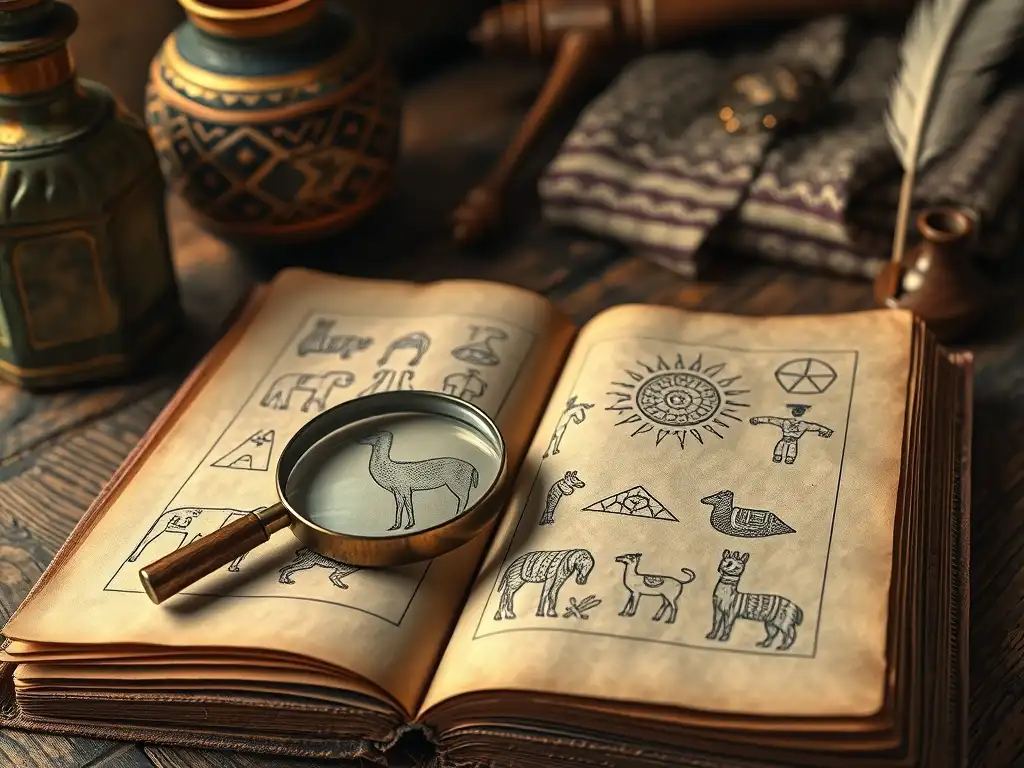
Understanding Andean art symbolism requires a multifaceted approach, combining traditional art historical methods with cutting-edge digital tools. Careful observation, meticulous documentation, and a deep understanding of the historical and cultural context are paramount. Researchers often begin by meticulously cataloging the iconography present within a piece, noting recurring motifs, color palettes, and stylistic choices. This initial phase allows for the identification of potential patterns and themes that can then be investigated further.
The process necessitates a strong foundation in Andean history, anthropology, and archaeology to accurately interpret the cultural significance of the symbols. For example, the repeated appearance of a specific feline motif might signify a connection to a particular deity or mythological narrative, requiring a thorough investigation of relevant texts and archaeological findings. This interpretive process is iterative, with new discoveries and insights often leading to refined understandings of the artwork's meaning.
Digital Image Analysis Software for Iconography Research
Digital tools significantly enhance the analysis of Andean art symbolism. Software capable of high-resolution image manipulation allows for detailed examination of even the smallest details within a piece. For example, programs like Adobe Photoshop can be used to enhance contrast, adjust color balance, and isolate specific elements within a complex image, revealing subtle details previously overlooked.
Furthermore, specialized software can assist in identifying patterns and repeating motifs within a large corpus of Andean art, accelerating the research process and revealing connections between seemingly disparate pieces. The use of such software is not merely a technological enhancement, but a crucial step in unlocking the deeper layers of meaning hidden within Andean iconography.
Advanced techniques, such as spectral imaging, could even reveal hidden pigments or layers of paint, offering new perspectives on the artistic process and the intentions of the creators. This digital approach allows researchers to work with a level of precision and detail previously unattainable.
3D Modeling and Visualization of Andean Artifacts
Three-dimensional modeling and visualization are transforming the study of Andean artifacts. This technology allows researchers to create highly accurate digital replicas of sculptures, pottery, and textiles, enabling detailed analysis from any angle without the risk of damaging the original piece. Furthermore, 3D models can be manipulated and analyzed in ways that are impossible with physical artifacts. For instance, researchers can virtually "disassemble" a complex textile to study its individual components or rotate a sculpture to observe its intricacies from all sides.
This is especially useful for delicate or fragile artifacts where physical manipulation is risky or impossible. The creation of interactive 3D models also offers significant educational opportunities, making complex Andean art more accessible to a wider audience. The ability to zoom in on minute details, rotate objects, and even explore the interior of a ceramic vessel provides an unprecedented level of engagement and understanding.
Online Libraries and Archives for Andean Art and Symbolism
The internet has revolutionized access to resources for the study of Andean art. Numerous online libraries and archives offer digital collections of photographs, drawings, and scholarly articles related to Andean iconography. These resources provide researchers with a wealth of information, often including high-resolution images and detailed descriptions of individual artifacts. Many institutions are actively digitizing their collections, making previously inaccessible materials readily available to scholars and enthusiasts alike.
These online repositories are not only valuable for researchers but also serve as excellent educational tools for those interested in learning more about Andean art and symbolism. The ability to access a vast range of materials from the comfort of one's home significantly lowers the barrier to entry for those seeking to explore this fascinating field. The ongoing expansion of these online resources promises to further enhance our understanding of Andean culture and artistic expression.
Maximizing Your Learning Experience: Combining Resources
Effectively studying Andean art symbolism requires a strategic approach to resource utilization. Simply consuming information passively will not lead to a deep understanding. Instead, a proactive and multi-faceted approach is needed, combining different learning methods and resources to create a comprehensive learning experience. This includes actively engaging with the material, taking notes, and critically evaluating the sources consulted.
The synthesis of information from diverse sources—academic articles, museum catalogues, online databases, and even fictional accounts (used with caution and critical appraisal)—enriches understanding and provides a more nuanced perspective. It is essential to discern between reliable and unreliable sources, verifying information from multiple credible channels. Furthermore, consistent effort and engagement over time are key to building a robust knowledge base.
Creating a Personalized Study Plan for Andean Art
A personalized study plan is crucial for effective learning. Begin by defining your learning objectives. What specific aspects of Andean art symbolism are you most interested in? Once your goals are defined, create a timeline with specific milestones.
This plan should incorporate a variety of learning activities, including reading scholarly articles, analyzing images of Andean art, attending online lectures or webinars (if available), and participating in online discussions. Regular review and assessment are vital to track your progress and identify areas needing further attention. The plan should be flexible enough to accommodate unexpected discoveries and changes in interest. Remember, the study of Andean art is a journey of continuous learning and discovery.
Utilizing Online Communities for Discussion and Collaboration
Online communities dedicated to Andean studies provide invaluable opportunities for discussion and collaboration. These platforms allow you to connect with other scholars, enthusiasts, and experts, exchanging ideas and insights. Participating in online forums and discussions can expose you to different perspectives and deepen your understanding of complex topics.
Collaboration with others can lead to new discoveries and interpretations, fostering a sense of shared learning and exploration. However, it is crucial to approach online discussions with a critical and discerning eye, evaluating the credibility of information shared by fellow participants. The ability to engage in intellectual exchange with a global community significantly enhances the learning experience and broadens your understanding of Andean art symbolism.
Conclusion: Your Journey into Andean Art Symbolism
Embarking on a journey to understand Andean art symbolism is akin to unlocking a hidden language, a rich tapestry woven from centuries of beliefs, rituals, and societal structures. The intricate details, the vibrant colors, and the symbolic representations found in Andean art offer a captivating glimpse into the minds and lives of these ancient peoples. Through careful study and the use of the online resources highlighted above, we can begin to decipher the meanings behind these captivating works, gaining a deeper appreciation for their artistry and cultural significance.
This journey isn't just about memorizing symbols; it's about developing a nuanced understanding of the complex interplay between art, religion, and daily life in Andean societies. Remember that the interpretation of Andean iconography is often multifaceted and open to debate, encouraging further research and critical thinking.
By engaging with various perspectives and continually refining our understanding, we can contribute to a more comprehensive and accurate portrayal of these fascinating civilizations. The exploration of Andean art symbolism is a dynamic and evolving field, constantly enriched by new discoveries and interpretations.
The Importance of Continued Learning and Exploration
The study of Andean art symbolism is far from a static endeavor. New archaeological discoveries, technological advancements in analysis, and evolving scholarly interpretations constantly reshape our understanding. Therefore, continuous learning and exploration are paramount.
Staying updated with the latest research through academic journals, museum exhibitions (both physical and virtual), and reputable online platforms is crucial for maintaining a current and accurate perspective. Engaging with diverse perspectives, including those of indigenous communities and scholars from various disciplines, enriches our understanding and fosters a more holistic approach. Furthermore, actively participating in online discussions, forums, and educational programs allows for the exchange of ideas and the development of a more nuanced perspective.
By embracing this ongoing process of learning and critical engagement, we can contribute to a richer and more complete understanding of Andean art symbolism, ensuring that the voices and perspectives of these ancient civilizations continue to resonate in the modern world. The vibrant legacy of Andean art deserves continued exploration and appreciation, not just as aesthetic objects but as powerful windows into a complex and fascinating past. The more we learn, the more we can appreciate the depth and sophistication of Andean culture and its enduring impact.
- Unveiling the Secrets of Andean Art: A Guide to Online Learning
- Understanding Andean Symbolism: Why Study Ancient Art?
- Exploring Online Platforms for Andean Iconography Research
- Deep Diving into Specific Andean Cultures and Their Art
- Tools and Techniques for Analyzing Andean Art Symbolism
- Maximizing Your Learning Experience: Combining Resources
- Conclusion: Your Journey into Andean Art Symbolism
- What are some key characteristics of Andean art?
- Where can I find online resources for Andean art symbolism?
- What are some common symbols found in Andean art and what do they represent?
- How can I learn more about the symbolism in specific Andean cultures, like the Inca or Moche?
- Are there any books or publications that delve deeper into Andean art symbolism?
Frequently Asked Questions
What are some key characteristics of Andean art?
Andean art is characterized by its vibrant colors, geometric patterns, and representations of nature and mythology. It often features depictions of animals, deities, and everyday life, reflecting the rich spiritual and cultural beliefs of the time.
Where can I find online resources for Andean art symbolism?
Several online museums and academic databases offer valuable resources. Look for websites dedicated to Andean archaeology and anthropology, many of which feature extensive image galleries and scholarly articles on Andean iconography.
What are some common symbols found in Andean art and what do they represent?
Common symbols include the condor (representing power and royalty), the puma (symbolizing strength and ferocity), and various geometric shapes (often linked to cosmology and social organization). The meanings can be complex and vary across different cultures and time periods.
How can I learn more about the symbolism in specific Andean cultures, like the Inca or Moche?
Focus your research on specific cultural groups. Many museums and academic institutions have dedicated collections and publications on individual Andean cultures, providing detailed insights into their unique artistic styles and symbolic systems. Look for resources that specifically mention the Inca, Moche, Nazca, and Tiahuanaco cultures.
Are there any books or publications that delve deeper into Andean art symbolism?
Yes, numerous academic books and scholarly articles explore Andean iconography in depth. Search library catalogs and online bookstores using keywords such as "Andean art," "Andean symbolism," and the names of specific Andean cultures for relevant publications.
Final Reflection: Unraveling the Threads of Andean Heritage
The vibrant tapestry of Andean iconography continues to resonate today, offering a powerful lens through which to understand both ancient civilizations and contemporary cultural expressions. Its enduring influence transcends mere historical significance; it speaks to our shared human need for meaning, connection, and the preservation of cultural identity in a rapidly changing world. The digital age, while presenting its own challenges, has also opened unprecedented opportunities to access and share this rich heritage, making it more accessible than ever before.
The exploration of Andean symbolism has profoundly impacted my understanding of the interconnectedness of art, history, and spirituality. It's a journey that reveals not only the ingenuity and artistry of past cultures but also the enduring power of visual communication to transmit complex ideas and beliefs across generations. Art washes away from the soul the dust of everyday life.
– Pablo Picasso. This quote, while not specifically about Andean art, perfectly encapsulates the cleansing and enriching experience of engaging with this powerful visual language. The online resources highlighted in this article represent a crucial step in ensuring the preservation and accessibility of this knowledge for future generations.
Consider, for a moment, the intricate details woven into a pre-Columbian textile, the symbolic power of a ceramic vessel, or the narrative embedded within a rock carving. These are not merely objects; they are windows into a rich and complex worldview.
I invite you to explore the resources mentioned in this article, to delve deeper into the fascinating world of Andean iconography, and to reflect on the ways in which these ancient symbols continue to speak to us today. Let this journey inspire you to seek out and appreciate the cultural heritage that surrounds you, and to contribute to its preservation for years to come.
Unlock the Secrets of Andean Art Today!
Thank you for exploring the fascinating world of Andean iconography with us! Delving into the rich symbolism and artistry of this incredible culture offers a deeper understanding of its history and significance. Now, let's put that knowledge to work!
Here are some ways to further immerse yourself:
- Explore online resources: Our curated list of digital archives and databases dedicated to Andean art and symbolism offers countless opportunities for discovery.
- Join the conversation: Share your thoughts and insights on social media or in our community forums. Connect with fellow enthusiasts and broaden your perspective.
- Create your own artwork: Inspired by the Andean symbols you've learned about? Express yourself creatively, drawing inspiration from their rich iconographic motifs.
What aspect of Andean iconography resonates most with you, and how will you incorporate its symbolism into your creative endeavors? We eagerly await your thoughts!