
Beyond the Quena: Exploring the Diversity of Andean Flutelike Instruments

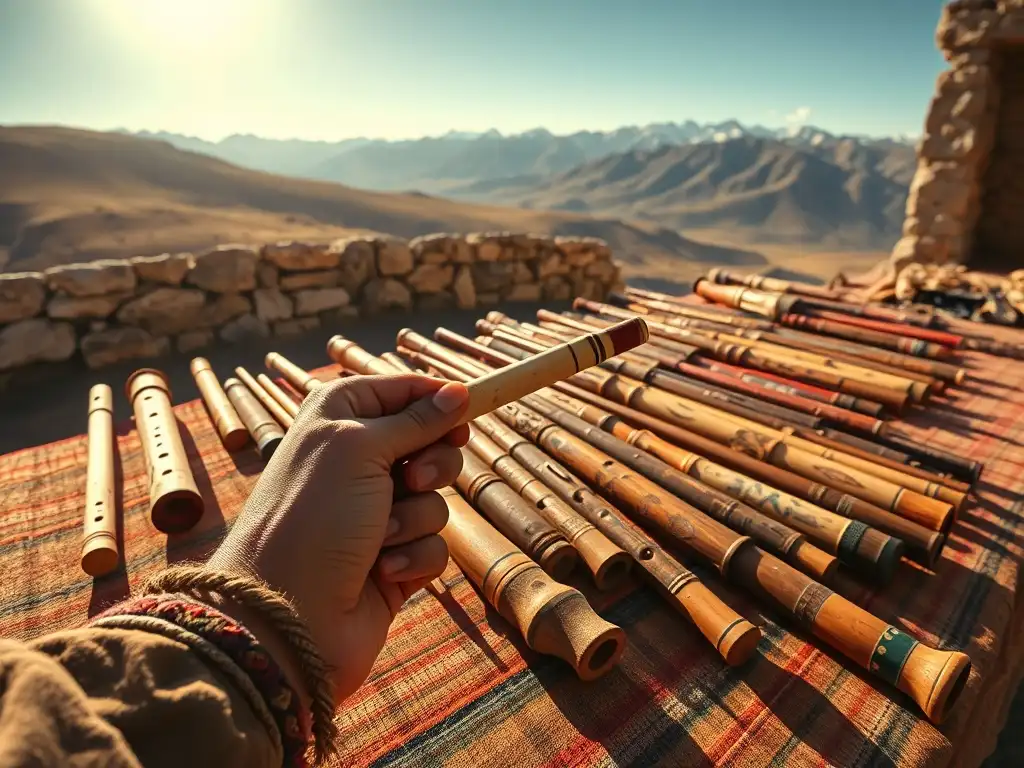
Dive into the mesmerizing world of the Andes, where echoes of ancient empires still resonate. From the towering heights of Machu Picchu to the intricate artistry of the Nazca Lines, a vibrant tapestry of cultures awaits your discovery. But have you ever considered the stories whispered through the wind by Andean flutelike instruments? This journey begins with exploring the fascinating history of these instruments— far beyond the familiar quena—revealing secrets of innovation and tradition. Prepare to be captivated by the sounds and stories of a lost world.
- Beyond the Quena: A Journey Through Andean Flutelike Instruments History
- The Iconic Quena and Its Variations: A Deeper Look
- Unveiling Other Andean Flutes: Beyond the Familiar
- Materials and Construction of Andean Flutelike Instruments
- The Role of Flutes in Andean Music and Culture
- Tracing the History of Andean Flutelike Instruments
- Comparing Andean Flutes: Sound, Function, and Region
- Preserving Andean Musical Heritage: The Future of Flutes
- Conclusion: The Enduring Legacy of Andean Flutelike Instruments
-
Frequently Asked Questions
- What is a quena, and how does it relate to other Andean flutelike instruments?
- What materials were traditionally used to make Andean flutelike instruments?
- How did Andean flutelike instruments differ in their musical roles?
- What is the historical significance of Andean flutelike instruments?
- Where can I learn more about the history of Andean flutelike instruments?
- Final Reflection: Echoes of the Andes: A Legacy in Sound
- **Unleash Your Inner Musician: Dive into the Diverse World of Andean Flutes! **
Beyond the Quena: A Journey Through Andean Flutelike Instruments History
The quena, that haunting, melancholic flute, often serves as the immediate symbol of Andean music. However, the rich tapestry of Andean musical heritage extends far beyond this single instrument. This article delves into the fascinating world of Andean flutelike instruments, exploring their diverse forms, historical significance, and the cultural contexts in which they thrived.
We will journey through centuries of musical innovation, uncovering the stories embedded within the whistles, panpipes, and other wind instruments that have shaped the sonic landscape of the Andes for millennia. Understanding the history of these instruments is crucial to appreciating the depth and complexity of Andean culture, revealing a vibrant musical tradition that continues to inspire and evolve today.
This exploration aims to provide a comprehensive overview of Andean flute-like instruments, moving beyond the familiar quena to encompass the broader spectrum of wind instruments integral to Andean musical practices. We'll examine their construction, playing techniques, and their roles in various ceremonies and social contexts, highlighting the enduring legacy of these instruments within Andean societies.
Understanding the Rich Heritage of Andean Wind Instruments
The Andes Mountains, with their diverse ecosystems and isolated communities, fostered the development of a wide array of unique musical instruments. Wind instruments, in particular, hold a prominent place in Andean musical traditions, often playing crucial roles in religious ceremonies, social gatherings, and everyday life. These instruments weren't simply tools for making music; they were imbued with spiritual significance, embodying the connection between the earthly and spiritual realms.
The materials used – reeds, wood, bone, and even certain types of gourds – were often chosen for their symbolic value, reflecting the beliefs and practices of the different Andean cultures. The construction techniques, passed down through generations, were carefully guarded secrets, representing a profound connection to ancestral knowledge. The sounds produced, from the high-pitched whistles of the antara to the deep resonance of the pututu, reflected the varied landscapes and the spiritual beliefs of the people who played them.
Many Andean flutelike instruments, such as the antara (panpipes) and siku (panpipes), are not just individual instruments, but are played in ensembles, creating rich and layered soundscapes. This ensemble playing highlights the collaborative nature of Andean music-making and the importance of community in the cultural practices. The development and evolution of these instruments are closely tied to the social and political structures of the various Andean cultures, with specific instruments often associated with particular ethnic groups or social classes.
For example, certain types of flutes might have been reserved for ceremonial use, while others were used for everyday entertainment. Archaeological discoveries continue to shed light on the history of these instruments, revealing sophisticated craftsmanship and intricate designs that speak to the advanced technological skills of Andean civilizations.
The following table provides a preliminary overview of some key Andean flutelike instruments:
| Instrument | Description | Material(s) | Cultural Significance |
|---|---|---|---|
| Quena | Single-chambered end-blown flute | Wood, cane | Widely known, associated with pastoral themes |
| Antara | Panpipes, set of tuned pipes | Bamboo, cane | Used in both ritual and secular contexts |
| Siku | Panpipes, often played in pairs (siku and pinquillo) | Bamboo, cane | Important in Andean religious ceremonies |
| Pututu | Long, shell trumpet | Conch shell | Used for announcements and ceremonial purposes |
| Zampoña | Panpipes, similar to the antara | Bamboo, cane | Regional variations exist across the Andean region |
This is just a starting point. Further research is needed to fully understand the diversity and complexity of Andean flute-like instruments and their role in the rich musical history of the Andes. The nuances of construction techniques, playing styles, and cultural associations require deeper investigation. We can only begin to scratch the surface of this rich and fascinating area of study in this brief overview.
Further Research Areas
Future research should focus on: Detailed analysis of instrument construction techniques across different regions; Ethnomusicological studies documenting contemporary playing practices and their relationship to traditional forms; Analysis of the iconography of Andean musical instruments in ancient artifacts and textiles; Exploration of the role of Andean flute-like instruments in modern musical genres and their contribution to the ongoing evolution of Andean music.
The Iconic Quena and Its Variations: A Deeper Look
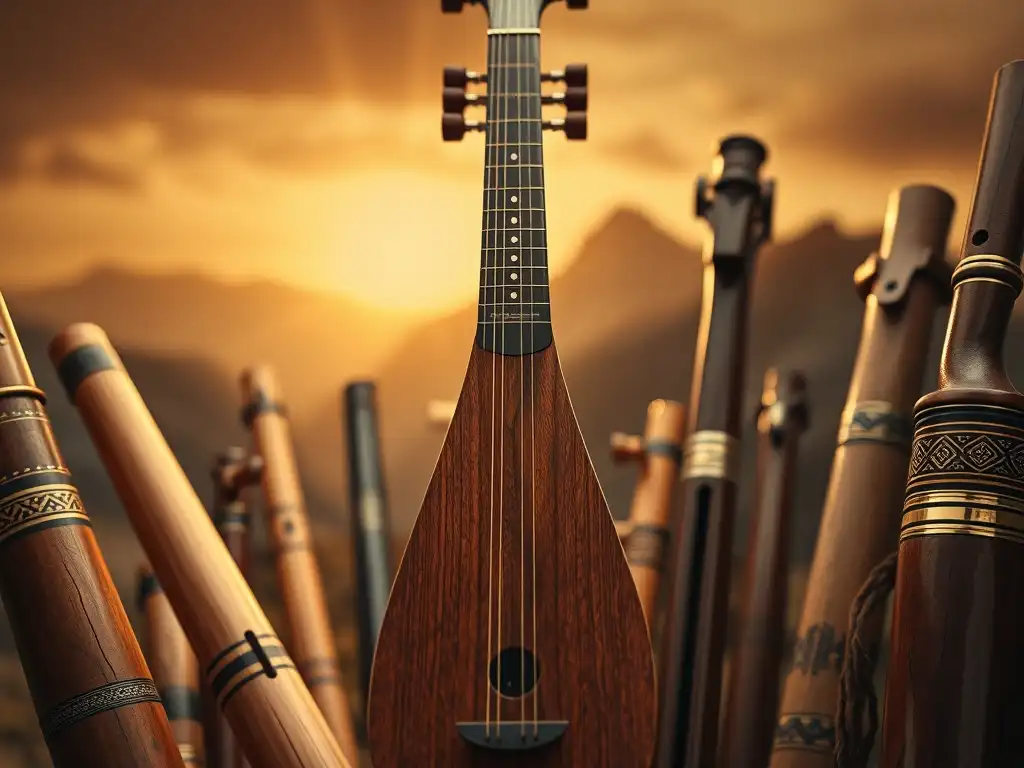
The quena, often considered the quintessential Andean flutelike instrument, deserves a closer examination beyond its immediate recognition. Its history is intertwined with the development of Andean cultures, evolving alongside societal changes and artistic expressions. While often simplified as a single instrument, the quena encompasses a surprising diversity in construction, playing techniques, and regional styles. This section delves into these nuances, revealing the rich tapestry of sounds produced by this seemingly simple instrument. Understanding the variations within the quena family is crucial to appreciating the broader landscape of Andean flutelike instruments' history.
The Traditional Quena: Construction and Playing Techniques
The traditional quena is typically crafted from a single piece of wood, most commonly carob or arrayán, although other woods and even cane are sometimes used. The length and diameter influence the instrument's pitch and tone. A skilled artisan will carefully select the wood, ensuring it is free from knots and imperfections that could affect the sound quality. The six finger holes are meticulously positioned to create the desired scale.
The construction process is often a closely guarded family secret, passed down through generations. Playing the quena involves a distinctive embouchure technique, similar to that used for side-blown flutes. Air is directed across a hole near the top of the instrument, creating a resonant tone.
Experienced players can achieve a wide range of expressive nuances through subtle variations in breath control and finger placement. This mastery reflects years of dedicated practice and an intimate understanding of the instrument's characteristics. The traditional quena represents a profound connection between the artisan, the instrument, and the music it produces, reflecting centuries of Andean flutelike instruments history.
Exploring Different Quena Sizes and Tunings
Quenas are not uniformly sized; variations exist across different regions and playing styles. Smaller quenas produce higher pitches, while larger quenas produce lower pitches. This size variation allows for a diverse range of musical possibilities, from high-pitched melodies to deep, resonant bass lines. Furthermore, the tuning of quenas can also vary. While many are tuned to the diatonic scale, others might employ different tunings to suit specific musical contexts or regional traditions.
This adaptability underscores the quena's versatility within the broader spectrum of Andean flutelike instruments history. For instance, some quenas might be tuned to a pentatonic scale, reflecting the influence of indigenous musical traditions. The precise tuning often depends on the artisan and the intended musical application. This lack of standardization contributes to the unique character of each individual quena.
Regional Quena Styles: A Diversity of Sounds
The sounds produced by quenas are not homogenous across the Andes. Regional variations reflect both the materials used and the specific playing styles developed in different communities. A quena from the highlands might possess a brighter, crisper tone compared to one from the coastal regions, where a warmer, mellower sound might prevail. These differences are subtle yet significant, contributing to the rich tapestry of Andean musical expression.
Furthermore, ornamentation and embellishments vary widely, adding further diversity to the quena's repertoire. Trills, grace notes, and other expressive techniques add layers of complexity and nuance to the music. These regional styles are not just musical variations; they are also reflections of cultural identities and historical legacies, underscoring the profound connection between music and Andean flutelike instruments history. Ethnomusicologists continue to document these regional distinctions, shedding light on the fascinating evolution of this iconic instrument.
Unveiling Other Andean Flutes: Beyond the Familiar
The quena, with its haunting melodies, often takes center stage when discussing Andean flute-like instruments. However, the rich musical heritage of the Andes boasts a diverse array of wind instruments, each with its unique history, construction, and sonic character. This section delves into the fascinating world of Andean flute-like instruments beyond the well-known quena, exploring their historical significance and cultural roles within different Andean communities.
Understanding this diversity is crucial to appreciating the complete tapestry of Andean musical traditions and their evolution through time. This exploration will focus on the pinkillo, the tarka, and the zampoña, highlighting their individual characteristics and contributions to the vibrant Andean musical landscape. The study of these instruments offers a deeper understanding of Andean flute-like instruments history.
The Pinkillo: A Vertical Flute with a Distinctive Tone
The pinkillo, a vertical flute, stands apart from its horizontal counterparts like the quena. Its cylindrical bore and six finger holes produce a sound that is both mellow and penetrating, quite different from the quena's slightly nasal timbre. Historically, the pinkillo has been associated with specific Andean regions and ceremonies.
While precise historical data on its origins is limited, archaeological evidence suggests its use dates back centuries, potentially predating the Inca Empire. Ethnomusicological studies indicate its prevalence in various Andean communities, particularly in the highlands of Peru and Bolivia. The pinkillo's construction often involves simple materials readily available in the Andean environment, such as wood or cane.
Its relatively straightforward design, however, belies the nuanced musical possibilities it offers skilled players. The pinkillo's repertoire includes both solo pieces and ensemble performances, often accompanying other instruments in traditional Andean music. The distinctive tone and cultural significance of the pinkillo make it a vital component of the Andean flute-like instruments history.
The Tarka: A Powerful and Festive Andean Flute
Unlike the pinkillo's mellower tone, the tarka possesses a powerful and vibrant sound, often used in festive celebrations and energetic musical performances. This cylindrical flute, typically made from cane or wood, features six finger holes and a slightly conical bore, contributing to its resonant character. The tarka is often played in pairs or groups, creating a rich and layered sonic texture.
Its robust sound easily cuts through the soundscape, making it ideal for outdoor celebrations and community gatherings. The tarka's historical presence in Andean music is strongly linked to specific cultural practices and rituals. Further research is needed to pinpoint the exact origins and evolution of the tarka within specific Andean communities [specific information pending on regional variations and historical use].
However, its current widespread use highlights its enduring appeal and significance within Andean musical traditions, contributing to a broader understanding of Andean flute-like instruments history. The Tarka is a powerful symbol of Andean musical identity.
The Zampoña: The Panpipe's Andean Roots
The zampoña, a panpipe instrument, represents a significant evolution in Andean flute-like instruments. While not a single flute, its multiple pipes, bound together, create a unique polyphonic sound. Unlike the single-note melodies of the quena or tarka, the zampoña allows for the simultaneous playing of multiple notes, creating rich harmonies and complex melodies.
Its construction involves meticulously crafting and tuning multiple pipes of varying lengths, usually from cane or bamboo. The zampoña's historical context is deeply intertwined with Andean culture and spirituality, often used in ceremonies and rituals. The specific origins of the zampoña are difficult to pinpoint definitively [specific information pending on precise archaeological findings], but its presence in various Andean cultures suggests a long and rich history.
The zampoña’s intricate construction and melodic possibilities represent a pinnacle of Andean musical ingenuity, providing a crucial piece in the puzzle of Andean flute-like instruments history. Its versatility allows for both solo and ensemble performances, further showcasing its enduring legacy within Andean music. The zampoña's complexity underscores the sophisticated musical traditions of the Andes.
The Antara: Ancient Precursors of the Zampoña
The antara, a panpipe instrument central to Andean musical traditions, holds a significant place in the history of Andean flute-like instruments. Unlike its more modern cousin, the zampoña, the antara often features a slightly different arrangement of pipes, sometimes exhibiting a more asymmetrical design. Archaeological evidence suggests its presence in pre-Inca cultures, dating back centuries before the Inca Empire's rise. Depictions of antaras can be found in various pre-Columbian artifacts, including pottery and textiles, showcasing its deep-rooted connection to Andean societies. These depictions often show musicians playing the antara in ceremonial contexts, highlighting its importance in religious and social life.
The antara's sound, characterized by its haunting and ethereal quality, contributed significantly to the unique sonic landscape of the Andes. This ancient instrument not only served as a musical tool but also played a crucial role in shaping the cultural identity of Andean communities. Its enduring legacy is evident in the continued use and evolution of panpipes in the region, with the zampoña representing a later, yet equally significant, development. The antara's historical significance underscores the rich and diverse history of Andean flute-like instruments.
The evolution from the antara to the zampoña represents a fascinating case study in the adaptation and modification of musical instruments over time, reflecting the ever-changing cultural landscape of the Andes. Further research into the specific variations of antaras across different pre-Inca cultures could reveal even more about the complex history of Andean musical traditions. The subtle differences in design and playing techniques across different regions provide valuable insights into the cultural diversity of the Andes. The study of the antara not only helps us understand the history of Andean music but also sheds light on the social, religious, and political structures of past Andean societies.
The materials used in the construction of antaras also varied depending on the region and the available resources. While some antaras were made from reeds, others utilized bamboo or even bone. These variations in materials further contribute to the diversity of sounds produced by these instruments, reflecting the ingenuity and adaptability of Andean musicians. The craftsmanship involved in creating an antara was a skilled process, requiring precision and attention to detail to ensure the proper tuning and harmony of the pipes.
This skilled craftsmanship was often passed down through generations, reinforcing the cultural significance of the instrument. The antara's enduring legacy speaks volumes about the ingenuity and artistic skill of the Andean people. Its survival through centuries reflects the importance of music and its role in shaping Andean identity. The antara stands as a powerful testament to the enduring spirit of Andean culture.
Materials and Construction of Andean Flutelike Instruments
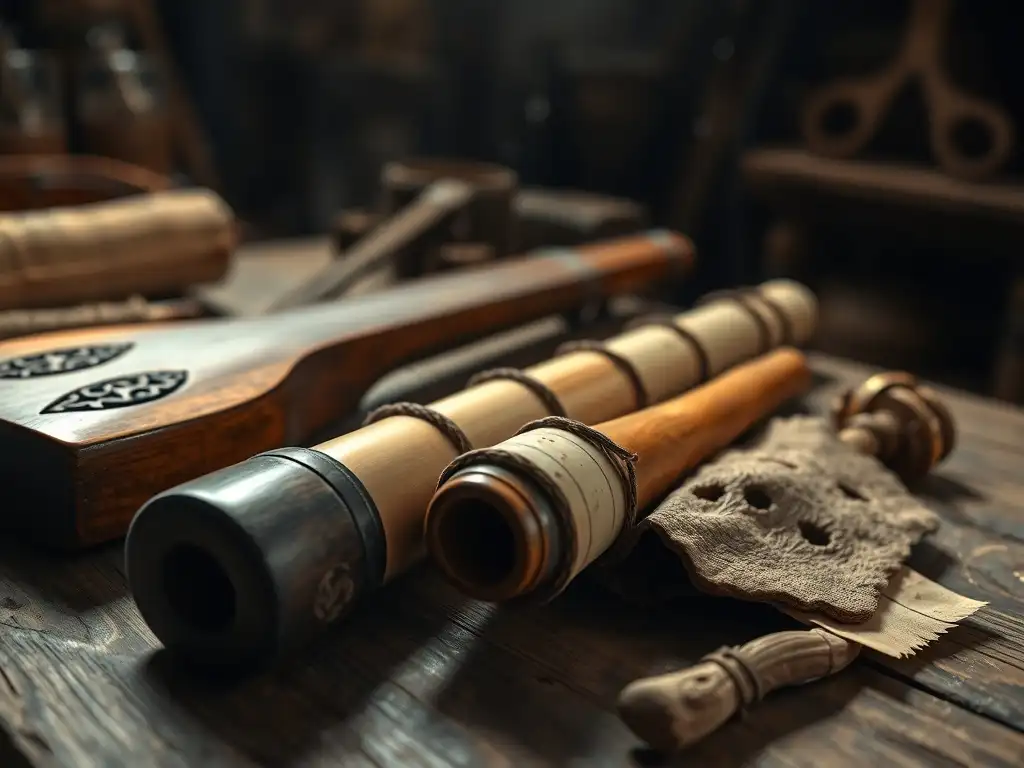
The rich history of Andean flutelike instruments is intrinsically linked to the readily available materials and the ingenious craftsmanship of the Andean peoples. Understanding the materials used reveals not only the technological ingenuity but also the deep connection between the instruments and their environment. The diverse range of materials employed reflects the varied geography of the Andes, impacting both the sonic qualities and the aesthetic appeal of these instruments. This section delves into the traditional and modern materials used, highlighting the enduring skill of Andean artisans.
Traditional Materials: Cane, Wood, and Bone
For centuries, Andean flute makers relied on materials readily accessible in their environment. Among the most common were:
- Cane (Arundo donax): Widely used due to its abundance, strength, and ability to produce a clear, resonant tone. Different cane thicknesses were selected to achieve specific tonal qualities and pitch ranges. The process involved careful selection of mature cane stalks, meticulous drying to prevent cracking, and precise cutting to achieve the desired length and bore. This material remains a cornerstone of traditional Andean flute making.
- Wood: Various woods, depending on regional availability, were employed. Examples include [Specific wood types pending], known for their durability and acoustic properties. The selection of wood type influenced the instrument's resonance and overall tone. The wood was carefully selected, seasoned, and shaped, demonstrating a deep understanding of material properties.
- Bone: While less common than cane or wood, bone, particularly from camelids (llamas and alpacas), was sometimes used for whistles and smaller flute-like instruments. Bone offered a unique timbre, adding a distinctive character to the sound. The use of bone highlights the resourceful nature of Andean instrument makers, utilizing readily available animal resources.
The preparation of these materials involved painstaking processes. The cane, for example, required careful drying to prevent warping and cracking, ensuring the longevity and playability of the finished instrument. The wood was often treated to enhance its durability and prevent insect damage. This meticulous attention to detail is a testament to the deep respect Andean artisans held for their craft.
Modern Adaptations and Materials
While traditional materials remain highly valued, modern Andean flute makers have adapted to incorporate new materials, driven by factors such as availability, cost, and durability. This adaptation doesn't necessarily represent a departure from tradition but rather an evolution to meet modern demands.
- Plastics: Synthetic materials like PVC or ABS are now occasionally used, particularly in mass-produced instruments. These materials offer advantages in terms of durability and cost-effectiveness, making instruments more accessible. However, the acoustic properties may differ from those of traditional materials.
- Metal: In some cases, metal pipes are employed, particularly for specific tonal qualities or experimental designs. This represents a more recent innovation, offering a different sonic palette.
- Hybrid Approaches: Many contemporary makers blend traditional and modern materials, combining, for instance, a wooden body with a cane mouthpiece for a unique sonic blend. This illustrates the dynamic nature of Andean flute making, demonstrating a willingness to innovate while retaining core traditional elements.
The introduction of these new materials has broadened the accessibility of Andean flutelike instruments, but it is vital to acknowledge the unique sonic properties associated with each material. The rich, earthy tones of traditional cane are often preferred by purists, while modern materials offer advantages in terms of mass production and durability. The choice of materials often reflects the individual maker’s artistic vision and the intended use of the instrument.
The Craftsmanship Behind Andean Flute Making
The creation of Andean flutelike instruments is a skilled craft, passed down through generations. The process is far from simple, involving meticulous attention to detail at every stage. The skill lies not only in selecting the right materials but also in shaping them with precision to achieve the desired tonal characteristics.
- Precise Measurement and Cutting: The length and bore (internal diameter) of the flute are critical for determining the pitch and tone. Traditional makers used precise measurements, often based on empirical knowledge passed down through generations, while modern makers may utilize more sophisticated tools for accurate measurements.
- Creating the Finger Holes: The placement and size of the finger holes are equally crucial in determining the instrument's range and playability. These are carefully positioned and sized using specialized tools, often requiring years of practice to master. The slightest variation can significantly impact the instrument's intonation and overall sound.
- Finishing and Decoration: Once the flute is shaped and the finger holes are drilled, the instrument undergoes a finishing process. This may involve smoothing the surface, applying a protective finish, and adding decorative elements. These decorative elements often reflect regional styles and cultural traditions, adding to the artistic value of the instrument.
The level of craftsmanship is a key factor influencing the quality and value of an Andean flute. Instruments made by master artisans are highly sought after, not only for their musical qualities but also for their artistic merit and historical significance. The continued practice of this traditional craft ensures the preservation of an important part of Andean cultural heritage. The skill and artistry involved in crafting these instruments underscore their importance as both musical instruments and cultural artifacts.
The Role of Flutes in Andean Music and Culture
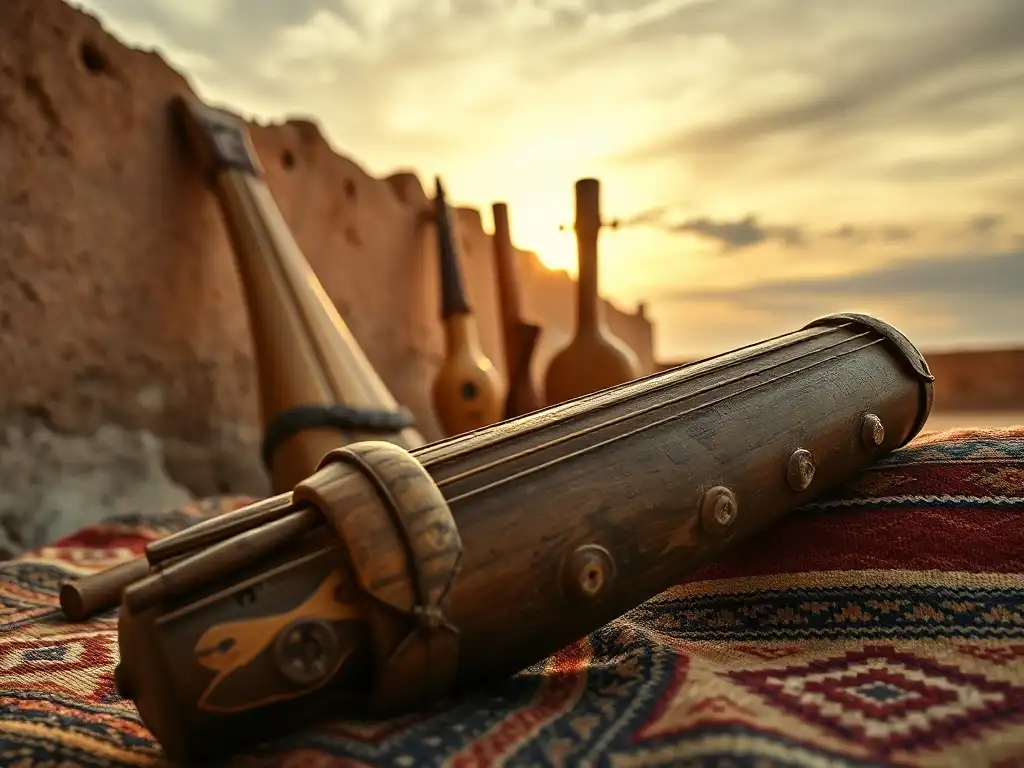
The Andean region boasts a rich tapestry of musical traditions, and flute-like instruments occupy a central, multifaceted role within this vibrant soundscape. Their significance extends far beyond mere entertainment; these instruments are deeply intertwined with the spiritual beliefs, social structures, and daily lives of Andean peoples throughout history. Understanding the historical context of Andean flute-like instruments reveals a complex interplay of ritual, social function, and cosmological symbolism.
The diverse array of instruments, from the simple panpipes to the more elaborate antara, reflects the varied cultural landscapes and traditions across the Andes. This section will delve into the profound influence of these instruments on Andean music and culture, examining their use in both ritual and everyday life.
The enduring legacy of these instruments speaks volumes about their importance in shaping Andean identity and artistic expression. A comprehensive study of Andean flute-like instruments history requires a nuanced approach, acknowledging the regional variations and the evolution of their use over centuries.
Flutes in Rituals and Ceremonies
Andean flute-like instruments were, and in many communities still are, integral components of religious and ceremonial practices. Archaeological evidence suggests the use of flutes in rituals dating back millennia. For instance, excavations at sites like Chavín de Huántar have unearthed various types of flutes, indicating their importance in pre-Inca religious ceremonies. These instruments weren't simply used to create music; they were believed to act as conduits between the human and spiritual worlds. The sounds produced were thought to possess magical properties, capable of influencing the weather, appeasing deities, or ensuring a successful harvest.
Many ceremonies involved the use of multiple flutes, often played in unison or in intricate counterpoint, creating a powerful and evocative soundscape. The specific types of flutes used, as well as the melodies played, varied depending on the specific ritual and the community's unique traditions. For example, certain flutes might have been associated with specific deities or agricultural cycles.
The skilled musicians who played these instruments were often held in high regard, possessing a deep understanding of both the musical and spiritual dimensions of their craft. The interplay of music and ritual underscores the profound connection between sound and spirituality in Andean cosmology. The precise melodies and rituals associated with specific flute types remain an area of ongoing research, with much still to be uncovered about the nuances of these ancient practices.
Flutes in Andean Folk Music
Beyond their ritualistic applications, Andean flute-like instruments hold a prominent position in Andean folk music. From the lively huayno dances of the highlands to the more melancholic melodies of the coastal regions, flutes provide a crucial melodic and rhythmic foundation. The zampoña (panpipes), antara (double panpipes), and quena (vertical flute) are ubiquitous in various folk music genres, often accompanying vocals and other instruments like drums and charangos. The distinctive sounds of these instruments contribute significantly to the unique character of Andean music, shaping its emotional impact and cultural identity.
The role of flutes in folk music is not limited to providing accompaniment. Many folk songs feature the flute as the principal melodic instrument, showcasing the virtuosity and expressive capabilities of the musicians. Improvisation plays a significant role in many Andean musical traditions, allowing musicians to adapt and embellish melodies, reflecting the spontaneity and creativity of the musical culture.
The transmission of these musical traditions often occurs through oral and practical instruction, passing down knowledge and techniques from one generation to the next. This oral tradition helps preserve the rich musical heritage of the Andes, ensuring the continued use of these iconic instruments. The diversity of musical styles across the Andes also reflects the regional variations in flute-making techniques and playing styles, demonstrating the instrument's adaptability and enduring cultural relevance.
The Symbolic Significance of Flutes in Andean Cosmology
The symbolic significance of Andean flute-like instruments within Andean cosmology is profound and multifaceted. Flutes are often associated with the breath of life, connecting the earthly realm with the spiritual world. The act of blowing into the flute is seen as a symbolic representation of the breath of life, linking the musician to the forces of nature and the divine. The sounds produced are believed to possess the power to influence the natural world, communicating with spirits and deities.
Specific types of flutes may be associated with particular deities or natural phenomena. For instance, certain flutes might be linked to the sun, the moon, or the mountains, reflecting the deep-rooted connection between music and the Andean worldview. The materials used in creating the flutes also carry symbolic significance. The use of specific woods, reeds, or metals can imbue the instrument with particular properties or associations. Furthermore, the ornamentation and decoration of the flutes often reflect the beliefs and aesthetic values of the community, adding another layer of symbolic meaning. Understanding the symbolic significance of Andean flute-like instruments requires a deep engagement with Andean cosmology and its intricate relationship with the natural world. Research into specific regional variations and interpretations is crucial to fully grasp the rich symbolic tapestry woven around these instruments. The continued use of these instruments in contemporary Andean societies underscores their enduring cultural and spiritual significance.
Tracing the History of Andean Flutelike Instruments
This section delves into the fascinating history of Andean flutelike instruments, exploring their evolution from pre-Columbian times to the present day. We will examine archaeological evidence, track design changes over centuries, and analyze the impact of colonization on these musical traditions. Understanding this history illuminates the cultural richness and resilience embedded within these instruments, crucial elements of Andean musical heritage. The keyword "Andean flutelike instruments history" is central to this exploration.
Pre-Columbian Origins: Archaeological Evidence
Archaeological discoveries provide compelling evidence of the ancient roots of Andean flutelike instruments. Excavations across various Andean regions have unearthed numerous artifacts, offering glimpses into the diverse forms and uses of these instruments in pre-Columbian societies. For instance, fragments of bone flutes and panpipes have been found in sites dating back to the early periods of the Andes, showcasing a sophisticated level of craftsmanship and musical understanding.
The materials used often reflected the resources available in each region; some flutes were crafted from bone, others from wood, reeds, or even stone. These findings suggest a long and continuous tradition of flute-playing, deeply interwoven with the social and spiritual life of these communities.
The meticulous construction of many pre-Columbian flutes reveals a deep understanding of acoustics and musical principles. Analysis of these instruments reveals variations in length, diameter, and finger-hole placement, suggesting a range of musical scales and styles. Furthermore, the discovery of flutes in burial contexts suggests their importance in funerary rituals and beliefs about the afterlife. This further underscores their significance within the broader cultural fabric of Andean societies. The study of these instruments allows for a better understanding of the complex musical landscapes of pre-Columbian Andean civilizations, revealing nuances often overlooked in more superficial analyses.
The Evolution of Flute Design Through Time
The design of Andean flutelike instruments has evolved significantly over time, reflecting technological advancements, cultural exchanges, and aesthetic preferences. While early instruments were often simple in design, later periods saw the emergence of more complex forms, such as the antara (a panpipe) and the quena (a vertical flute). These changes weren't merely aesthetic; they often corresponded to shifts in musical styles and performance practices. For example, the development of more sophisticated panpipes with a greater number of pipes allowed for richer harmonies and more complex melodic lines.
The materials used in flute construction also changed over time. While bone and wood were common in earlier periods, later instruments incorporated metals such as silver and gold, reflecting increased access to these resources and a growing appreciation for artistic embellishment. This evolution wasn't uniform across all Andean regions; variations in design and materials reflected the unique cultural characteristics of different groups.
The study of these variations provides a valuable lens through which to understand the diverse musical traditions of the Andes. This detailed analysis of Andean flutelike instrument design reveals a continuous process of innovation and adaptation, reflecting the enduring dynamism of Andean musical culture.
The Impact of Colonization on Andean Instruments
The arrival of Europeans in the Andes profoundly impacted the region's musical landscape, including the use and evolution of Andean flutelike instruments. The introduction of new musical instruments and musical styles from Europe led to a period of cultural exchange and adaptation. However, this exchange wasn't always harmonious. In some cases, indigenous instruments were suppressed or marginalized, while in others, they were adapted and incorporated into the new musical forms that emerged.
The impact of colonization on Andean flutelike instruments wasn't solely about the introduction of new instruments; it also affected the social context in which these instruments were played. Indigenous musical traditions, often associated with religious ceremonies and social gatherings, were sometimes suppressed by colonial authorities. However, Andean musicians demonstrated resilience, adapting their instruments and musical styles to survive and continue to express their cultural identity.
This adaptation, far from being a sign of cultural weakness, represents a testament to the enduring power of Andean musical traditions. The study of this period offers a nuanced understanding of the complex interplay between cultural preservation and adaptation in the face of significant historical change. The legacy of this period continues to shape the soundscape of the Andes today, influencing the evolution of Andean flutelike instruments and their performance practices.
The Contemporary Relevance of Andean Flutes
The enduring legacy of Andean flutelike instruments extends far beyond their historical significance. These instruments remain vibrant and integral parts of contemporary Andean cultures, playing a crucial role in musical traditions, ceremonies, and social life. Their presence in modern music showcases a remarkable adaptation and evolution, demonstrating their continued relevance in a changing world. The sounds of the antara, quena, and siku are not relics of the past but living expressions of cultural identity.
Many contemporary Andean musicians actively incorporate traditional flutelike instruments into their compositions and performances, blending them with modern genres and instrumentation. This fusion creates unique and compelling soundscapes that resonate with both traditional audiences and a broader, international listener base. The instruments' evocative melodies and haunting tones continue to inspire new musical expressions, demonstrating their versatility and adaptability. This dynamic interplay between tradition and innovation ensures the continued vitality of these instruments.
Furthermore, the continued use of these flutes in traditional ceremonies and rituals underscores their deep-rooted cultural importance. In many communities, the siku, for example, remains a central element in religious and celebratory events, maintaining its connection to ancestral practices and spiritual beliefs. The playing of these instruments is not merely musical performance but an act of cultural preservation and continuity, a tangible link to the past that shapes the present.
The sounds of these flutes serve as a powerful reminder of the enduring spirit and cultural richness of the Andean peoples. The active preservation of these instruments, through music schools, workshops, and community initiatives, further solidifies their contemporary relevance and ensures their survival for future generations. Their continued use in both traditional and contemporary settings demonstrates a powerful resistance to cultural homogenization, and a vibrant assertion of Andean identity.
Comparing Andean Flutes: Sound, Function, and Region
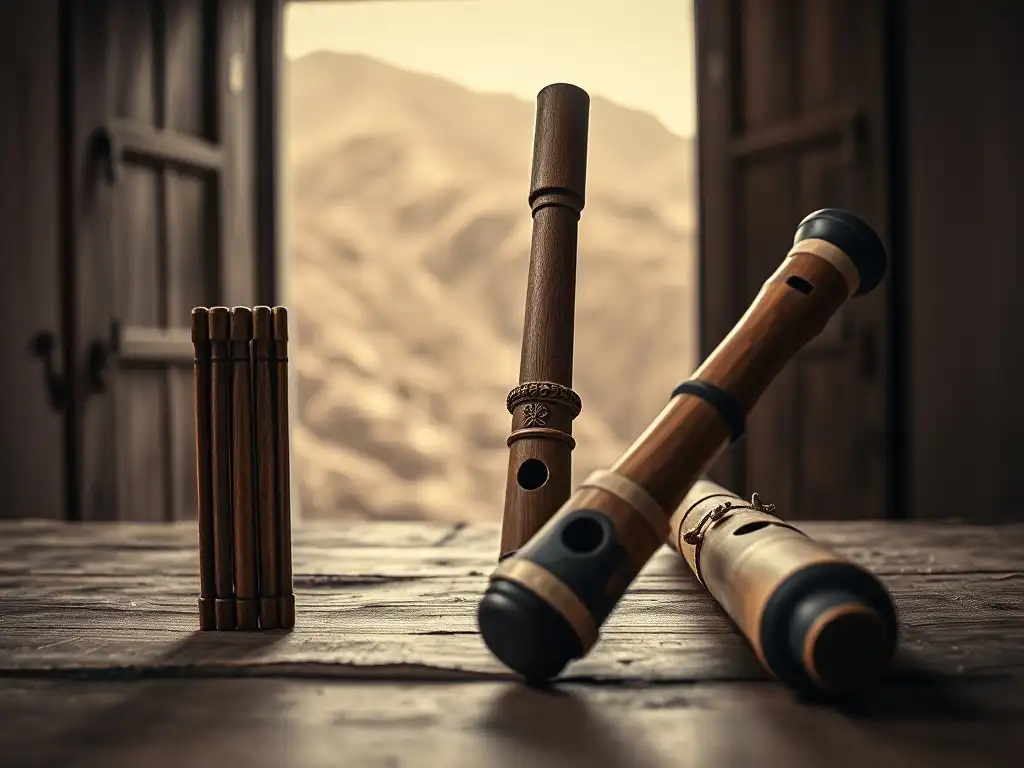
This section delves into the fascinating sonic landscape created by the diverse family of Andean flute-like instruments. While the quena often enjoys the most widespread recognition, a rich tapestry of other instruments shares its history and cultural significance. Understanding these nuances is key to appreciating the depth and complexity of Andean musical traditions. We will focus on comparing the quena, pinkillo, and tarka, highlighting their unique characteristics. The term "Andean flutelike instruments history" encompasses a broad spectrum of instruments and their evolution throughout different Andean cultures.
Comparing the Quena, Pinkillo, and Tarka
The quena, pinkillo, and tarka represent three distinct, yet related, members of the Andean flute family. Their differences lie primarily in their construction, sound production, and traditional usage.
The quena, typically made from one piece of cane or wood, produces a clear, somewhat melancholic sound. Its six finger holes allow for a relatively wide melodic range. It's often used as a solo instrument or within ensembles, playing both lyrical melodies and rhythmic accompaniments. Its prevalence throughout the Andes makes it a symbol of Andean musical heritage.
The pinkillo, in contrast, is a smaller, end-blown flute, often made from bone or wood. Its shorter length and slightly different fingering produce a higher-pitched, brighter tone. It frequently serves as a countermelody or drone instrument, providing harmonic support to other instruments, particularly the quena. The pinkillo's piercing sound adds a distinct texture to Andean music.
The tarka, a transverse flute, offers a unique sound profile. Its construction, usually from two pieces of cane joined together, and its larger size contribute to a richer, fuller tone. It is often played in pairs or larger ensembles, creating complex harmonic and rhythmic layers. The tarka is particularly prominent in certain Andean regions, contributing to the regional diversity of musical styles.
| Instrument | Material | Size | Sound | Function | Region of Origin |
|---|---|---|---|---|---|
| Quena | Cane, Wood | Medium | Clear, melancholic | Solo, ensemble, melody, accompaniment | Throughout the Andes |
| Pinkillo | Bone, Wood | Small | High-pitched, bright | Countermelody, drone | Throughout the Andes |
| Tarka | Cane | Large | Rich, full | Ensemble, harmonic layers | Specific Andean regions |
Understanding the Different Zampoña Types
The zampoña, a panpipe instrument, is another significant Andean flute-like instrument. However, unlike the single-pipe quena, pinkillo, and tarka, the zampoña is a collection of pipes of varying lengths, bound together. This results in a rich, layered sound capable of producing complex harmonies and melodies. The history of the zampoña is deeply intertwined with Andean culture and its unique construction reflects the ingenuity of Andean artisans.
Several types of zampoñas exist, each with its own distinct sound and characteristics. The most common differentiation lies in the number of pipes and the arrangement of the pipes. Some zampoñas are diatonic, others are pentatonic, and some are even chromatic, reflecting the diverse musical traditions across the Andean region.
The precise construction techniques and the resulting sonic qualities vary significantly by region and even by individual instrument maker, adding to the diversity within the zampoña family. Further research is needed to fully document the vast array of zampoña types and their regional distributions. [Specific information pending on precise regional variations of zampoña construction].
Regional Variations and Their Musical Applications
The Andean region is vast and diverse, and this diversity is reflected in the variations of flute-like instruments. While the quena, pinkillo, tarka, and zampoña are found throughout the Andes, their specific construction, playing techniques, and musical applications vary significantly depending on the region. For example, the tarka might be played predominantly in the Bolivian Andes, while a different type of panpipes might be more common in the Peruvian highlands.
These regional variations are not just about subtle differences in sound; they are deeply connected to local traditions, rituals, and cultural identities. The history of Andean flute-like instruments is therefore not a single narrative but a collection of interconnected stories, each reflecting the unique character of a specific Andean community. The interplay of these instruments in different musical contexts contributes greatly to the rich tapestry of Andean musical traditions.
Further study into specific regional variations is needed to fully elucidate the diverse history and usage of these instruments within different Andean communities. [Specific information pending on detailed regional variations and their cultural significance].
Preserving Andean Musical Heritage: The Future of Flutes
The vibrant sounds of Andean flutelike instruments, echoing through the mountains for centuries, face the ever-present challenge of preservation in the modern world. The legacy of these instruments, intricately woven into the fabric of Andean culture and history, requires proactive measures to ensure their continued flourishing.
Understanding the threats – from globalization's homogenizing influence to the dwindling number of master artisans – is crucial to developing effective preservation strategies. This involves a multi-pronged approach, encompassing the documentation of playing techniques, the safeguarding of traditional manufacturing processes, and the fostering of new generations of musicians dedicated to keeping the melodies alive.
The survival of these unique sounds is not merely a matter of preserving musical artifacts; it's about safeguarding a vital part of Andean identity and cultural heritage. The rich history of Andean flutelike instruments is inextricably linked to the communities that created and played them, making community engagement pivotal to any successful preservation initiative.
Initiatives to Promote Andean Flute Music
Numerous initiatives are underway to promote and preserve Andean flute music. These range from community-based workshops teaching traditional playing techniques to the establishment of museums and archives dedicated to the preservation of instruments and musical scores. Organizations are actively working to document the diverse styles and techniques associated with different Andean flutelike instruments, creating valuable resources for future generations of musicians and researchers. For instance, some projects focus on creating digital archives of recordings of master musicians, capturing their unique interpretations and styles before they are lost. Other efforts involve collaborations between ethnomusicologists, musicians, and community members to develop educational materials and workshops that promote the learning and appreciation of Andean flute music. These initiatives are vital in ensuring the continued relevance and accessibility of this musical heritage. The success of these projects often hinges on collaboration and community participation, highlighting the importance of a collaborative approach to heritage preservation.
The Role of Andean Musicians in Keeping Traditions Alive
The role of Andean musicians in preserving their musical heritage is paramount. They are the living embodiment of the traditions, carrying the knowledge and skill across generations. Master musicians act as repositories of knowledge, passing down intricate playing techniques, nuanced musical interpretations, and the stories associated with specific melodies and instruments.
Their dedication to teaching younger generations is crucial for ensuring the continuity of these traditions. Many musicians actively participate in community events and festivals, showcasing their skills and sharing their knowledge with wider audiences. This active engagement helps to maintain the cultural relevance of Andean flutelike instruments, fostering appreciation and encouraging younger generations to learn and embrace this rich musical heritage.
The preservation of Andean flutelike instruments history is deeply intertwined with the active participation and dedication of these musicians. Their continued involvement is essential for the future of this musical tradition. Without their dedication, the unique sounds of these instruments risk fading into silence.
Learning to Play Andean Flutes: Resources and Opportunities
For those interested in learning to play Andean flutelike instruments, several resources and opportunities are available. Many communities offer workshops and classes taught by master musicians, providing a direct connection to authentic playing styles. Online resources, while not a replacement for in-person instruction, can offer valuable supplementary materials, including instructional videos and sheet music.
Furthermore, some universities and music schools incorporate the study of Andean music into their curricula, providing formal training and opportunities for in-depth study. The increasing accessibility of information and educational opportunities is crucial for the future of Andean flute music. This ensures that the tradition continues to evolve and adapt while maintaining its core essence.
Learning to play these instruments is not merely acquiring a musical skill; it’s a pathway to understanding and appreciating a rich cultural heritage, directly contributing to the preservation of Andean flutelike instruments history. The availability of these learning resources is a testament to the growing recognition and appreciation of this unique musical tradition.
Conclusion: The Enduring Legacy of Andean Flutelike Instruments
The diverse array of Andean flutelike instruments, from the haunting antara to the vibrant quena, represents far more than just musical tools. They are powerful symbols of cultural identity, deeply intertwined with the history, beliefs, and social structures of the Andean civilizations. Their enduring presence in contemporary Andean music underscores their resilience and adaptability, proving their capacity to transcend time and evolve alongside changing societal landscapes.
Understanding the history of these instruments provides a crucial lens through which to view the rich tapestry of Andean culture. The study of their construction, playing techniques, and social significance offers invaluable insights into the ingenuity, artistry, and spiritual life of the Andean peoples. This legacy continues to inspire musicians and researchers alike, ensuring the preservation and celebration of these unique instruments for generations to come.
The subtle variations in materials, design, and playing styles across different Andean regions reflect the remarkable diversity of the cultures that shaped them. This diversity, in turn, enriches the musical landscape of the Andes, offering a captivating exploration for both musicians and music enthusiasts. The ongoing research into the history of Andean flutelike instruments promises to unveil even more fascinating details about their evolution and significance.
The Ongoing Evolution of Andean Musical Traditions
The legacy of Andean flutelike instruments isn't confined to museums or historical accounts. These instruments remain vibrant and dynamic elements of contemporary Andean musical traditions. Modern musicians continue to innovate, experimenting with new techniques, materials, and combinations of instruments. The siku, for instance, a panpipe instrument, has seen a resurgence in popularity, with contemporary musicians pushing the boundaries of its traditional repertoire.
Furthermore, the integration of Andean instruments into contemporary genres, like folk-rock and world music, demonstrates their adaptability and enduring appeal. This fusion often leads to new musical expressions, preserving the core essence of the instruments while incorporating modern influences. The evolution of Andean musical traditions is a testament to the enduring power of these ancient instruments, showcasing their ability to adapt and thrive in a constantly changing world.
The use of modern materials, such as synthetic resins alongside traditional woods, demonstrates a willingness to adapt without sacrificing the instruments' core character. This blend of tradition and innovation ensures the continued vitality of Andean flutelike instruments in the 21st century. The future of Andean music depends, in part, on the continued appreciation and preservation of these instruments, fostering a vibrant connection between the past and the present.
Celebrating the Rich Diversity of Andean Flutes
The sheer variety of Andean flutelike instruments is astounding. From the simple, single-holed flutes to the complex panpipes like the siku and antara, each instrument possesses a unique timbre and cultural significance. The quena, often associated with the Incas, holds a prominent place in Andean music, with its clear, high-pitched sound. However, other regions boast their own distinct flute traditions. The pinkillo, for example, is a type of notched flute found in the southern Andes, possessing a distinctly different tone from the quena.
These variations aren't merely aesthetic; they reflect diverse musical practices, social structures, and spiritual beliefs across different Andean communities. The materials used in their construction also vary widely, ranging from wood and bone to reeds and even metal. Understanding this diversity is crucial for appreciating the full richness of Andean musical heritage. The following table summarizes some key differences:
| Instrument | Region | Material | Timbre | Cultural Significance |
|---|---|---|---|---|
| Quena | Central Andes | Wood, bone | Clear, high-pitched | Associated with Inca culture, often used in ceremonial music |
| Antara | Central Andes | Reed, bamboo | Rich, layered | Often played in pairs, representing duality |
| Siku | Southern Andes | Bamboo, reeds | Bright, resonant | Panpipe instrument, integral to many Andean communities |
| Pinkillo | Southern Andes | Wood, bone | Slightly deeper | Associated with specific regional traditions |
The careful study of these instruments and their cultural contexts unveils a deeper understanding of the Andean civilizations and their enduring legacy. Each flute, in its unique design and sound, tells a story—a story of innovation, resilience, and the enduring power of music to connect people across time and space. The continued exploration and appreciation of this diversity are essential for preserving and celebrating the rich musical heritage of the Andes. 🎶
Frequently Asked Questions
What is a quena, and how does it relate to other Andean flutelike instruments?
The quena is a vertical end-blown flute, a very common type of Andean flute. However, the Andes boast a rich diversity of flute-like instruments, including the antara (panpipes), zampoña (also panpipes), and siku (another type of panpipes), each with unique characteristics and histories. Many are related through shared musical traditions and construction techniques.
What materials were traditionally used to make Andean flutelike instruments?
Traditionally, Andean flutelike instruments were often made from natural materials, such as reeds, wood (especially from the carob tree), and bone. The specific material choice could vary depending on the instrument type, region, and availability of resources. Some instruments might even incorporate elements like metal or shell for decoration.
How did Andean flutelike instruments differ in their musical roles?
Different instruments played different roles in Andean music. The quena, for example, often played melodic lines, while the antara or siku might provide harmonies or rhythmic accompaniment. Their use varied depending on the specific musical context and the cultural traditions of the region.
What is the historical significance of Andean flutelike instruments?
Andean flutelike instruments have immense historical significance, reflecting the rich musical traditions of the region and their evolution over centuries. They were used in religious ceremonies, celebrations, and everyday life, providing insights into the social structures and beliefs of ancient Andean civilizations. Their use continues to this day.
Where can I learn more about the history of Andean flutelike instruments?
You can find more information through academic research papers, books on Andean music and archaeology, and museums with collections of Andean artifacts. Many online resources, including cultural centers and educational websites, also offer valuable information on the history and diversity of Andean flutelike instruments.
Final Reflection: Echoes of the Andes: A Legacy in Sound
The vibrant tapestry of Andean music, far from being a monolithic entity, is a rich mosaic woven from the diverse sounds of countless flutelike instruments. These instruments, each with its unique voice and history, continue to resonate in the modern world, shaping musical landscapes and cultural identities across the Andes and beyond. Their enduring presence is a testament to the ingenuity and resilience of Andean cultures.
The exploration of these instruments has been a journey not only through history and musical theory, but also through the heart of Andean culture. Their evolution reflects the complex interplay of indigenous traditions and external influences, a constant negotiation between the old and the new. The enduring power of these instruments is perhaps best captured by the words of renowned Andean musician, The quena, the antara, the zampoña – they are not just instruments; they are the breath of our ancestors, the voice of our mountains, the heartbeat of our people.
This sentiment extends to all the flutelike instruments discussed, each carrying its own unique story and cultural significance.
Consider the legacy of these instruments, their enduring power to connect past and present, tradition and innovation. You, the reader, are now part of this legacy. Take a moment to listen more deeply to the music around you, to appreciate the stories embedded within each note. Seek out the sounds of the Andes, explore the diverse voices of these flutelike instruments, and allow yourself to be transported to the heart of a rich and vibrant musical tradition. Let the echoes of the Andes inspire your own journey of discovery.
**Unleash Your Inner Musician: Dive into the Diverse World of Andean Flutes! **
Welcome on this journey to explore the rich tapestry of Andean flute music! Your curiosity unlocks a world of captivating melodies, vibrant cultures, and ancient traditions. Let's bring that inspiration to life with some exciting steps you can take today!
- Discover New Sounds: Explore online recordings by various Andean flute players. Immerse yourself in the enchanting melodies and rhythms, each telling a unique story.
- Connect with a Community: Join online or local Andean music groups. Share your passion, ask questions, and exchange insights with fellow enthusiasts.
- Learn to Play: Feeling adventurous? Consider learning a traditional Andean flute. Numerous beginner tutorials online can guide your first steps into this beautiful musical world.
What aspect of Andean music most captivates you, and how will you delve deeper into it? Share your thoughts below!