
Chavín Rituals: Unearthing the Practices of Ancient Worship

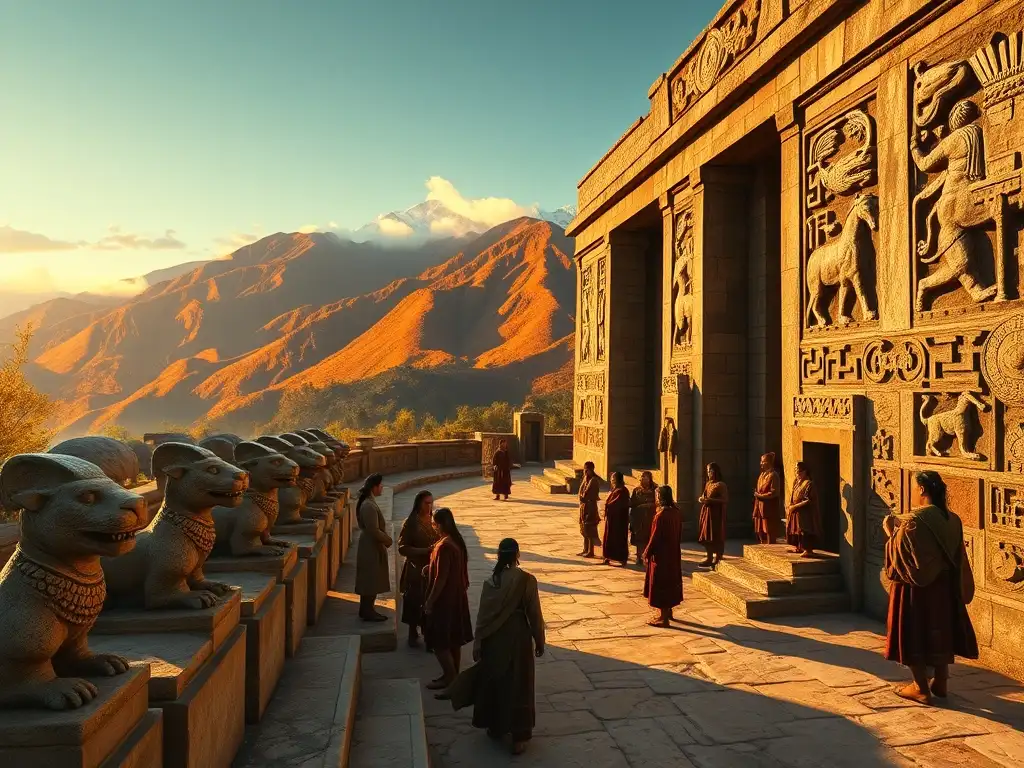
Step into a world lost to time, where the echoes of ancient Andean power still resonate. Prepare to be captivated by the mysteries of the Andean Civilizations, a realm of breathtaking artistry, sophisticated engineering, and deeply spiritual practices. Our journey begins with the enigmatic Chavín civilization rituals, a glimpse into a world of vibrant ceremonies and powerful beliefs that shaped the very fabric of pre-Incan society. Dare to uncover the secrets buried beneath the sands… the story awaits.
The Chavín civilization, flourishing in the Andes Mountains of Peru from approximately 900 to 200 BCE, remains a captivating enigma for archaeologists and historians alike. Their sophisticated artistic achievements, intricate religious beliefs, and widespread influence across the northern Andes are testament to a complex and highly developed society. This article delves into the fascinating world of Chavín rituals, exploring the practices and beliefs that formed the heart of their spiritual life.
We will examine the evidence unearthed from archaeological sites, analyzing the artifacts and architectural features that offer clues to their unique forms of worship and their profound impact on the development of subsequent Andean cultures. Understanding Chavín rituals provides a crucial window into the origins of Andean religious traditions and the evolution of their iconic iconography.
This exploration will unveil the mysteries surrounding their spiritual practices, showcasing the sophistication and complexity of their worldview. Prepare to journey back in time and uncover the secrets behind the enigmatic Chavín civilization rituals.
The Central Role of the Chavín de Huántar Temple
The monumental temple complex at Chavín de Huántar serves as the primary source of information regarding Chavín religious practices. Its labyrinthine structure, filled with intricate carvings and subterranean passages, suggests a deliberate design intended to evoke a sense of awe and mystery. The temple's architecture itself played a crucial role in the rituals performed within its walls. The carefully planned acoustics, for instance, likely amplified sounds during ceremonies, creating a powerful and immersive experience for participants.
Detailed carvings depicting jaguars, serpents, and other powerful figures adorn the temple's interior and exterior, indicating a complex cosmology that intertwined the natural world with the spiritual realm. The sheer scale of the structure, combined with its elaborate design, underscores the importance of religious activities in Chavín society. The construction itself must have required immense organizational capacity and manpower, demonstrating the central role of religion in mobilizing the population.
Sacrificial Practices and Offerings
Evidence suggests that sacrificial practices were an integral part of Chavín rituals. Archaeological findings have revealed human remains, animal bones, and various offerings within the temple complex. The nature of these sacrifices, however, remains a subject of ongoing research and debate.
Some scholars suggest that human sacrifice was reserved for special occasions or to appease powerful deities. Others propose that the sacrifices may have been part of more elaborate rituals aimed at ensuring the fertility of the land or the success of hunting expeditions. The discovery of llama and alpaca remains, for example, suggests that these animals held significant symbolic value and were likely offered as appeasements or gifts to the gods.
Further research is needed to fully understand the context and significance of these sacrificial practices within the broader context of Chavín religious beliefs. The analysis of isotopic signatures in human and animal remains could offer crucial insights into the origins and social status of those sacrificed.
Iconography and Symbolism in Chavín Art
Chavín art is characterized by its distinctive style, featuring stylized representations of jaguars, snakes, and other creatures interwoven with abstract geometric patterns. These images are not merely decorative; they carry deep symbolic meaning, reflecting the Chavín worldview and their understanding of the cosmos. The jaguar, for example, is frequently depicted as a powerful deity, associated with both the earthly and spiritual realms. Serpents, often intertwined with other motifs, likely symbolized fertility and regeneration.
The intricate carvings found on various artifacts, including pottery, textiles, and stone sculptures, provide valuable insights into the Chavín pantheon and their complex religious beliefs. The use of specific colors and materials in their artwork likely held further symbolic meanings, reflecting the importance of ritual purity and the sacred nature of the objects themselves. Detailed analysis of Chavín iconography reveals a sophisticated system of symbols that conveyed complex religious narratives and cosmological concepts.
The Influence of Chavín Rituals on Subsequent Andean Cultures
The influence of Chavín religious practices extended far beyond the immediate region of Chavín de Huántar. Archaeological evidence suggests that Chavín religious iconography and stylistic elements spread throughout the northern Andes, influencing the artistic and religious practices of subsequent cultures. The widespread dissemination of Chavín-style artifacts and architectural features indicates a network of religious and cultural exchange that connected disparate communities across the region.
This suggests the Chavín civilization played a crucial role in shaping the religious landscape of the Andes, laying the foundation for many of the religious beliefs and practices that characterized later Andean societies. The enduring legacy of Chavín rituals is evident in the artistic styles and religious beliefs of cultures that followed, highlighting their profound impact on the development of Andean civilization. The study of Chavín influence provides key insights into the processes of cultural transmission and the evolution of religious traditions in the Andes.
- The Central Role of the Chavín de Huántar Temple
- Sacrificial Practices and Offerings
- Iconography and Symbolism in Chavín Art
- The Influence of Chavín Rituals on Subsequent Andean Cultures
- What were the most important rituals of the Chavín civilization?
- What role did the Chavín temple play in their rituals?
- What evidence exists to support our understanding of Chavín rituals?
- How did Chavín rituals influence later Andean cultures?
- What is the significance of the Lanzón monolith in Chavín rituals?
Understanding Chavín Religious Practices
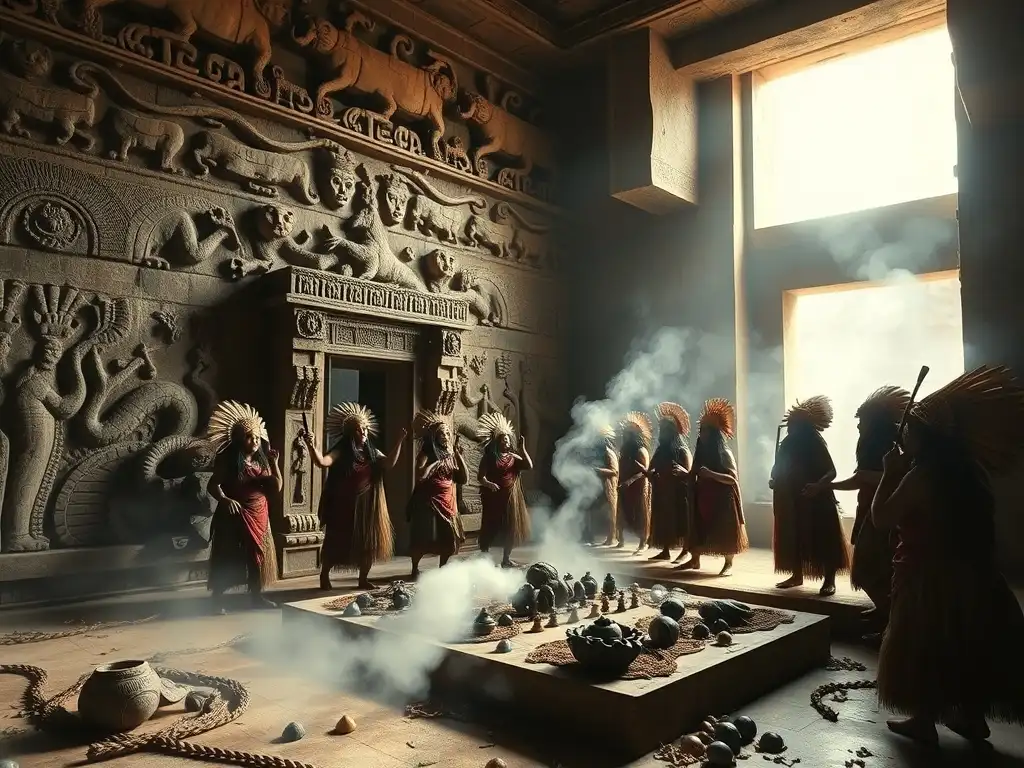
The Chavín civilization, flourishing in the Andes from roughly 900 to 200 BCE, left behind a complex and fascinating legacy, particularly regarding their religious practices. Understanding Chavín rituals requires moving beyond simple descriptions of discovered artifacts and delving into the intricate social and cosmological beliefs that shaped their worldview. This involved a sophisticated understanding of the natural world, manifested in their art, architecture, and, most importantly, their rituals.
The pervasiveness of ritual in Chavín life suggests a society deeply connected to the spiritual realm, where the line between the human and divine was blurred. These rituals weren't merely ceremonial; they were integral to maintaining social order, ensuring agricultural success, and communicating with the supernatural forces they believed governed their lives.
The influence of Chavín religious beliefs extended far beyond their immediate geographical area, impacting subsequent Andean cultures and leaving an indelible mark on the region's spiritual landscape. The study of Chavín civilization rituals offers a window into the beliefs and practices of a powerful and influential pre-Columbian society.
The Significance of Ritual in Chavín Society
Rituals formed the backbone of Chavín society, permeating every aspect of daily life. They weren't isolated events but rather a continuous engagement with the spiritual world. Archaeological evidence suggests that Chavín rituals were highly structured, involving specific sequences of actions, offerings, and symbolic gestures.
The elaborate iconography found on their ceramics, textiles, and stone carvings provides clues to the meaning and purpose of these rituals. These images often depict deities, supernatural beings, and scenes of sacrifice or communion with the divine. The repetition of certain motifs and symbols across different artifacts indicates a shared understanding of religious beliefs and practices across the Chavín territory.
Furthermore, the construction of monumental architecture, like the Chavín de Huántar temple complex, served as focal points for large-scale public rituals. The scale of these structures emphasizes the importance of religion in Chavín society, showcasing the immense resources and labor dedicated to these sacred practices. The deeply ingrained nature of ritual in Chavín life speaks volumes about their cosmological beliefs and the pivotal role of the spiritual realm in shaping their social structures.
Chavín De Huántar: A Center for Sacred Ceremonies
Chavín de Huántar, located in the northern Peruvian Andes, stands as a testament to the importance of ritual in Chavín culture. This sprawling complex, with its labyrinthine galleries, intricately carved stones, and subterranean chambers, served as a central hub for religious ceremonies. The temple's design itself is suggestive of a deliberate attempt to create a space that facilitated a connection between the earthly and spiritual realms.
The use of subterranean passages and strategically placed openings likely played a crucial role in the staging of rituals, manipulating light and sound to create a powerful and awe-inspiring atmosphere. Evidence suggests that the temple hosted both public and private ceremonies, catering to diverse levels of societal participation. The discovery of numerous artifacts, including ceremonial objects, human remains, and offerings, further supports the significance of Chavín de Huántar as a major center for ritual activities.
The careful placement of these finds within the complex indicates a detailed and deliberate choreography of ritual practices. Analysis of these artifacts provides valuable insights into the nature of the offerings and the types of ceremonies performed within the temple. The sheer scale and complexity of Chavín de Huántar underscores the central role that ritual played in the organization and cohesion of Chavín society.
Evidence of Chavín Ritual Activities
The evidence for Chavín ritual activities is diverse and compelling, spanning a range of archaeological findings. The most striking evidence comes from the intricate carvings found on Chavín artifacts. These carvings often depict stylized representations of deities, animals, and hybrid creatures, all suggestive of a complex cosmology and a belief in the interconnectedness of the natural and supernatural worlds. The presence of specific motifs, such as jaguars, snakes, and caymans, consistently appearing across different artifacts, implies the importance of these creatures in Chavín religious beliefs.
Furthermore, the discovery of human remains within the Chavín de Huántar temple complex suggests the practice of human sacrifice, possibly as a means of appeasing the gods or ensuring the fertility of the land. Analysis of these remains, including isotopic studies, can offer further insight into the social status of the individuals sacrificed and the nature of the rituals in which they participated. Additionally, the discovery of numerous ceremonial objects, such as intricately carved stone sculptures, gold ornaments, and pottery vessels, provides further evidence of the elaborate nature of Chavín rituals.
The presence of these objects highlights the significant investment of resources and labor dedicated to religious practices. The combined evidence from architectural design, artifacts, and human remains paints a vivid picture of the richness and complexity of Chavín religious life. Further research, including advanced imaging techniques and isotopic analysis, could provide even more detailed insights into the practices and beliefs of this fascinating ancient civilization.
Core Elements of Chavín Rituals
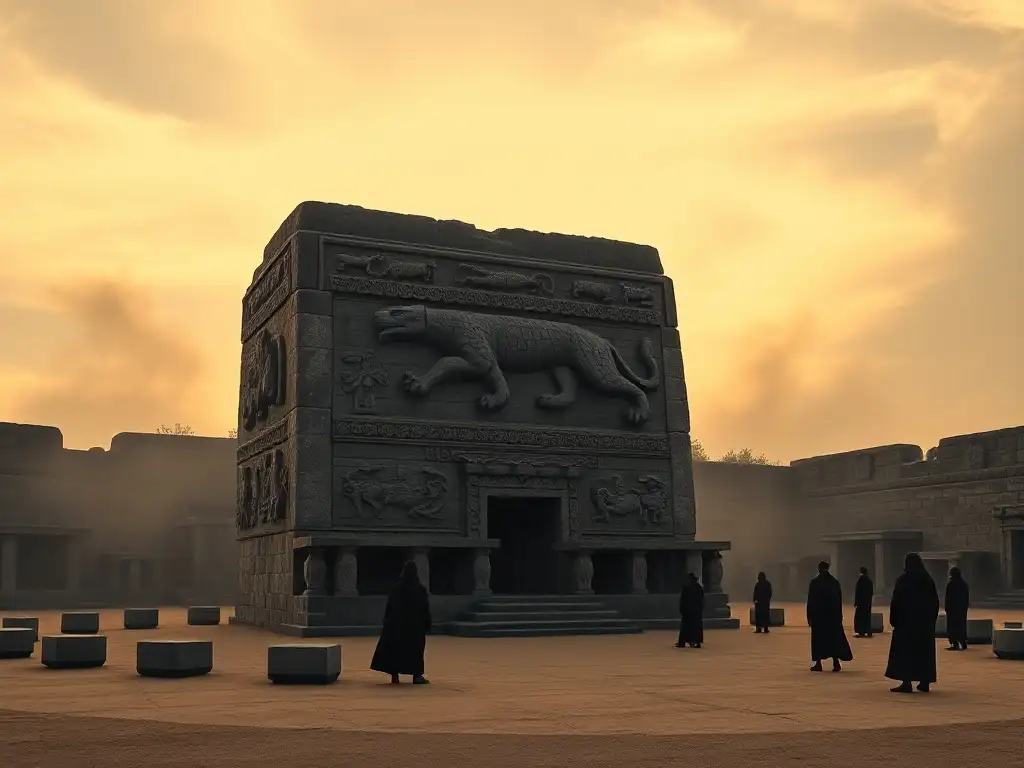
The Chavín civilization, flourishing in the Andes from approximately 900 to 200 BCE, left behind a complex and fascinating legacy of religious practices. Understanding Chavín rituals requires examining several key components, moving beyond simple descriptions to delve into the nuanced beliefs and practices that shaped this enigmatic culture. The evidence, primarily from archaeological findings at the Chavín de Huántar site and related settlements, reveals a sophisticated system of ritualistic behavior deeply intertwined with their worldview.
Analyzing these rituals provides crucial insights into the social structure, power dynamics, and cosmological understanding of this formative Andean society. The keyword "Chavín civilization rituals" accurately reflects the core subject of this section.
The Role of Shamanism in Chavín Religious Life
Shamanism played a pivotal role in Chavín religious life, acting as a bridge between the human and spiritual realms. Archaeological evidence suggests the presence of powerful shamanistic figures within Chavín society. The elaborate iconography found on ceramics, textiles, and stone carvings often depicts figures in trance-like states, possibly representing shamans undergoing ritualistic experiences. These depictions frequently feature stylized features, such as feline attributes, suggesting a connection to the animal world and a transformation into a supernatural state.
The use of hallucinogenic substances, likely including the San Pedro cactus (discussed in more detail below), further supports the importance of shamanistic practices. These substances may have been used to induce altered states of consciousness, allowing shamans to communicate with the spirit world and gain access to divine knowledge. The intricate designs found throughout Chavín art may represent visions experienced during these shamanistic rituals, translating spiritual experiences into tangible forms.
These visions, often involving supernatural beings and powerful symbols, likely played a key role in shaping Chavín religious beliefs and practices. The influence of these shamanistic experiences permeated all aspects of Chavín life, from everyday activities to grand ceremonial events.
Chavín Iconography and its Ritualistic Meaning
Chavín iconography is characterized by its distinctive style and symbolic richness. The recurring motifs, such as the feline deity, the serpent, and the stylized human figures, are not merely decorative elements but rather powerful symbols imbued with ritualistic significance. The feline deity, for instance, is often depicted with fangs, claws, and other predatory features, possibly representing a powerful supernatural being associated with hunting, warfare, or the underworld.
The intricate carvings found on stone objects, such as the Lanzón monolith at Chavín de Huántar, are prime examples of this complex iconography. These carvings often depict intertwined figures and symbols, suggesting a layered system of meaning and a complex cosmology. Scholars continue to debate the precise interpretation of these symbols, but their prominent placement within sacred spaces emphasizes their importance in Chavín religious life.
The careful arrangement of these symbols within ritual contexts suggests a deliberate effort to create a sacred atmosphere and facilitate communication with the supernatural. Further research into the specific placement and arrangement of these symbols within different ritual contexts is needed to fully understand their meaning.
Use of San Pedro Cactus in Chavín Ceremonies
The San Pedro cactus, a powerful hallucinogen, was likely a crucial element in Chavín ceremonies. While direct evidence is limited, the presence of similar cactus species in other Andean cultures, alongside the widespread use of hallucinogens in religious practices across the region, strongly suggests its importance in Chavín rituals. The effects of San Pedro, including altered perceptions and heightened sensory experiences, could have enhanced shamanistic practices and facilitated communication with the spirit world.
The consumption of San Pedro may have been reserved for elite members of society, such as shamans and priests, highlighting its sacred nature and reinforcing the power of these individuals within the community. The use of this powerful plant in religious ceremonies might have served to unify the community, providing a shared experience that strengthened social bonds and reinforced religious beliefs. The potential role of San Pedro in Chavín rituals deserves further investigation, with a focus on identifying any potential residue on artifacts or within the site itself.
This could provide more concrete evidence to support the current hypotheses. The study of other contemporary Andean cultures that used similar plants in their ceremonies could also provide valuable comparative data.
Chavín Music and its Function in Rituals
The role of music in Chavín rituals remains a fascinating area of study, though much is still inferred from archaeological evidence. The absence of preserved musical instruments in the condition to be played directly limits our understanding. However, iconography on ceramics and textiles offers valuable clues. Depictions frequently show individuals playing instruments, often in groups, suggesting a structured and possibly ceremonial use of music. These depictions often feature panpipes, flutes, and possibly drums, instruments that likely produced a range of sounds, from high-pitched melodies to deep, resonant rhythms.
The specific function of music in Chavín rituals is debated among scholars. Some believe that music served primarily to create an atmosphere conducive to altered states of consciousness, crucial for shamanistic practices. The rhythmic and repetitive nature of many Andean musical traditions suggests a capacity to induce trance-like states, aligning with the known emphasis on hallucinogenic substances in Chavín religious practices. The vibrant colors and intricate designs on the pottery depicting musical performances further suggest the importance of visual and auditory stimulation in creating a powerful ritual experience.
Another perspective suggests that music played a more complex role, acting as a form of communication with the supernatural. Certain melodies or rhythms might have been associated with specific deities or spirits, used to invoke their presence or influence. The repetition of musical motifs could have served as a form of reinforcement, driving home the ritual's message or enhancing its power.
Furthermore, the social aspect of music performance—the collective participation in creating and experiencing music—likely fostered a sense of community and shared identity among ritual participants, strengthening social bonds within the Chavín society. Further research into the acoustics of Chavín sites could reveal more about how the architecture itself might have enhanced the sonic experience of these rituals, further emphasizing the importance of music in their religious practices. The interplay between music, architecture, and hallucinogens in Chavín rituals likely created a truly immersive and powerful experience for those involved.
Specific Chavín Ritualistic Practices
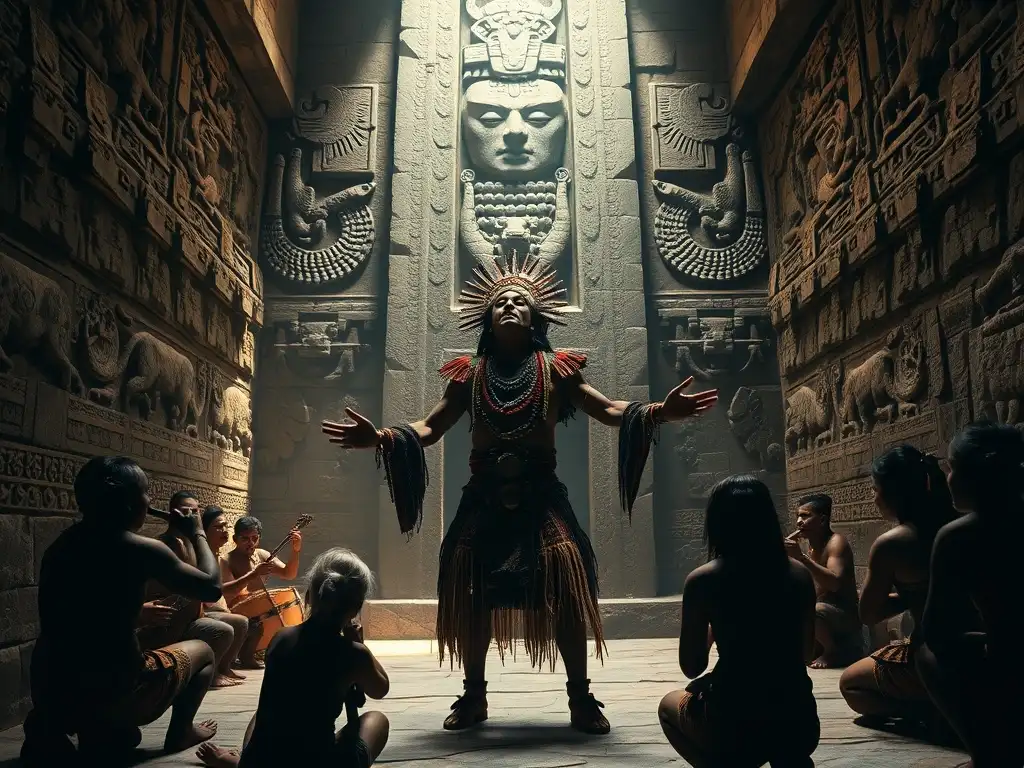
The Chavín culture, flourishing in the Andes from approximately 1200 to 200 BCE, developed a complex and sophisticated religious system reflected in their unique ritualistic practices. These rituals, often centered around powerful deities and supernatural forces, were integral to their social structure and worldview. Understanding these practices provides crucial insight into the beliefs and societal organization of this influential pre-Inca civilization.
The evidence, derived primarily from archaeological excavations of their monumental temples and associated settlements, suggests a highly structured and symbolic approach to religious observance, heavily influenced by their environment and cosmology. Key elements include elaborate offerings, pilgrimages to sacred sites, and the symbolic manipulation of water. The study of Chavín civilization rituals provides a window into the mind of a fascinating and formative Andean society.
Chavín Offerings and Sacrificial Rites
Evidence suggests that Chavín religious practices involved substantial offerings, encompassing a wide range of materials. Archaeological findings from Chavín de Huántar, the culture's principal ceremonial center, reveal a complex system of offerings, both material and human. The most common material offerings included agricultural products like maize, coca leaves, and various fruits. These offerings likely served as tributes to the deities, ensuring continued fertility and prosperity. The meticulous arrangement of these offerings within the temples suggests a carefully choreographed ritual process.
Beyond agricultural goods, Chavín offerings also included exotic goods like shells, feathers, and precious metals, indicating extensive trade networks and access to resources from distant regions. These items were likely associated with high-status individuals or specific deities. The presence of such diverse materials highlights the scale and significance of these rituals within the Chavín societal structure.
Furthermore, evidence points towards the practice of human sacrifice, although its extent and purpose remain debated among scholars. Skeletal remains found within the temple complex exhibit signs of ritualistic treatment, suggesting the possibility of both individual and mass sacrifices. The interpretation of these findings often centers on the idea of appeasing powerful deities or ensuring the success of agricultural cycles. Further research is needed to fully understand the role of human sacrifice within the broader context of Chavín religious belief. The complexity of these offerings underscores the importance of religious practices in the Chavín worldview.
The Chavín Pilgrimage and its Purpose
The monumental architecture of Chavín de Huántar, situated in a geographically strategic location within the Andes, suggests that it served as a central pilgrimage site for the broader Chavín culture. People from various regions traveled to this sacred center to participate in religious ceremonies and rituals. The scale and sophistication of the temple complex, with its intricate carvings and labyrinthine passages, point towards a carefully planned and symbolically rich environment designed to inspire awe and reverence.
The purpose of these pilgrimages likely extended beyond simple religious observance. These journeys may have served to reinforce social bonds and strengthen political alliances between different communities within the Chavín sphere of influence. The shared experience of pilgrimage likely fostered a sense of collective identity and strengthened the cultural cohesion of the Chavín civilization. The evidence of extensive travel and exchange of goods further supports this interpretation. Further research is needed to fully understand the broader social and political implications of these pilgrimages.
The pilgrimage to Chavín de Huántar represents a crucial aspect of Chavín religious life and its impact on the social and political dynamics of the time. Analyzing the evidence of these journeys, considering the geographical distances involved, provides invaluable insights into the extent of Chavín influence and the nature of their social organization. The scale of the undertaking speaks to the importance of the religious center in the lives of the Chavín people.
Chavín Water Rituals and Their Importance
Water played a central role in Chavín religious beliefs and practices. The location of Chavín de Huántar, near significant water sources, further reinforces the importance of water in their cosmology. The intricate canal systems and water features found within the temple complex suggest a carefully planned manipulation of water as part of their rituals. These features weren't merely functional; they were integrated into the religious architecture, symbolizing the life-giving properties of water.
The symbolic manipulation of water likely reflected the Chavín understanding of its power and significance. Water was essential for agriculture, and its control was crucial for survival. By controlling and symbolically manipulating water within the temple complex, the Chavín priests may have sought to influence the natural world and ensure the prosperity of their communities. Furthermore, the presence of water features within the temple may have been linked to ritual purification or cleansing ceremonies.
The importance of water in Chavín rituals is evident in the architectural design and the placement of water features within the temple complex. The symbolic representation of water in Chavín art and iconography further underscores its significant role in their religious beliefs. Understanding these water rituals provides key insights into the Chavín worldview and their relationship with their environment. Further study is needed to fully decipher the specific meanings and functions of these water-related rituals. The careful consideration of water's symbolism offers a deeper understanding of Chavín religious practices.
The Interpretation of Chavín Art in Ritual Context
The interpretation of Chavín art is crucial to understanding their rituals. Their iconic style, characterized by stylized feline and serpent imagery, often depicted in complex, interwoven designs, wasn't merely decorative. Scholars believe these motifs held deep symbolic meaning, representing deities, shamans, or perhaps even embodying the forces of nature crucial to their worldview.
The recurring presence of these motifs in various contexts – pottery, textiles, stone carvings, and architecture – suggests their importance in religious ceremonies and daily life. The meticulous detail and the evident skill involved in their creation point to a highly structured and ritualized artistic production process, likely overseen by a priestly class.
The often-macabre nature of some Chavín art, featuring depictions of severed heads or monstrous creatures, has led to various interpretations. Some scholars suggest these images were intended to inspire awe and fear, reinforcing the power of the priestly elite and the religious system. Others propose that these representations symbolized the cyclical nature of life and death, reflecting a worldview that embraced both creation and destruction.
The precise meaning, however, remains open to debate, with ongoing research continuously refining our understanding of Chavín iconography and its relation to their spiritual beliefs. Further complicating the interpretation is the lack of surviving written texts; we must rely heavily on careful analysis of material culture and archaeological context to unravel the mysteries of their artistic expressions. The placement of art within specific ritual contexts – for example, within temples or burial sites – also provides crucial clues.
One significant aspect is the use of scale and proportion in Chavín art. The monumental size of some sculptures and the imposing architecture of their temples suggest an intention to overwhelm the senses and create a powerful spiritual experience for participants in rituals.
The repetition of motifs, often in symmetrical patterns, could have played a role in inducing altered states of consciousness, contributing to the overall effect of the ritual environment. The use of specific materials, such as obsidian or turquoise, also holds symbolic weight, reflecting the importance of these resources in their society and potentially linking them to specific deities or ritual practices.
The study of Chavín art, therefore, is not simply an aesthetic pursuit; it's a key to unlocking the secrets of their complex religious system and understanding the role of art in their daily lives. Analyzing the stylistic variations across different Chavín sites and across time periods also provides valuable insights into the evolution of their religious practices and beliefs.
The Impact and Legacy of Chavín Rituals
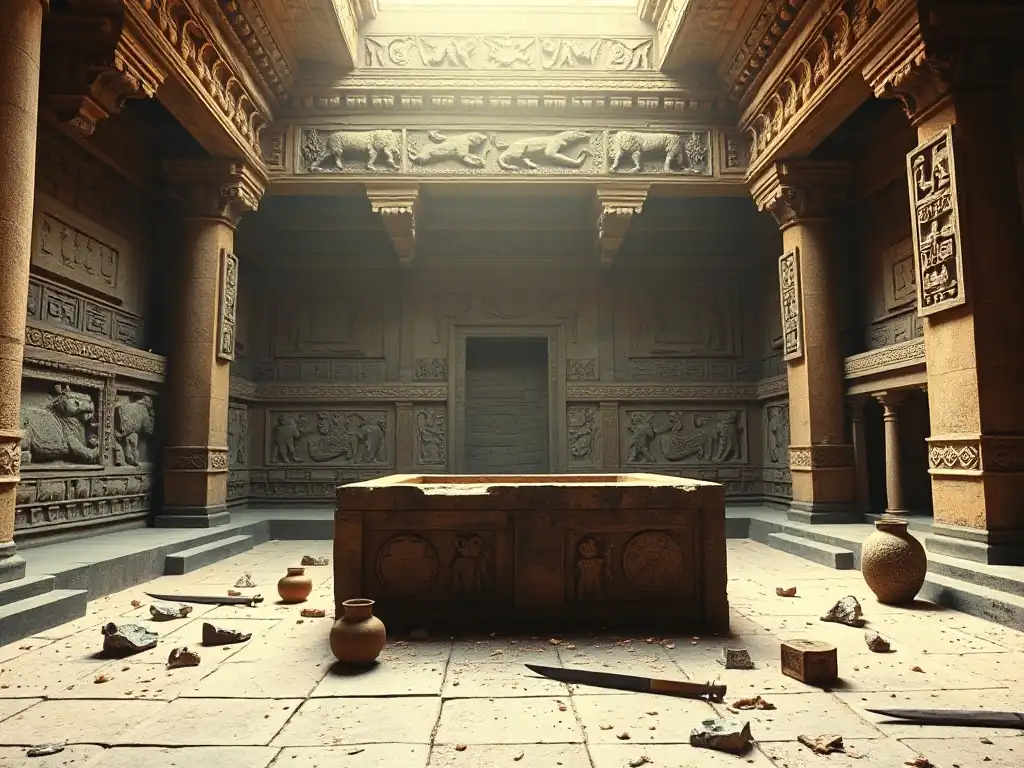
The Chavín civilization, flourishing in the Andes from approximately 1500 to 200 BCE, left an indelible mark on the subsequent development of Andean cultures. Their highly developed ritual practices, characterized by a complex iconography and sophisticated ceremonial centers, weren't simply confined to their own time; they exerted a profound and lasting influence on the religious and artistic expressions of later Andean societies. Understanding the impact of Chavín rituals is crucial to grasping the broader trajectory of Andean religious development.
The unique style of their art, featuring stylized jaguars, snakes, and other mythical creatures, became a powerful template for subsequent artistic creations across vast geographical areas. This artistic diffusion, coupled with the spread of certain ritualistic elements, suggests a significant level of cultural exchange and influence. The presence of Chavín-style artifacts in distant locations provides compelling evidence of this widespread impact.
Influence of Chavín Rituals on Later Andean Cultures
The influence of Chavín ritual practices is particularly evident in the emergence of subsequent Andean cultures like the Moche and Nazca. The Moche, known for their elaborate funerary practices and intricate ceramics, incorporated many of the Chavín stylistic motifs into their own artistic representations. Their depictions of deities and mythological beings often bear a striking resemblance to those found in Chavín art, highlighting a clear lineage and continuity.
Similarly, Nazca pottery and textiles display stylistic elements that echo Chavín artistic conventions. The use of specific colors, patterns, and symbolic representations points towards a shared cultural heritage and the enduring legacy of Chavín aesthetics. The spread of these stylistic elements wasn't merely a passive imitation; it involved a creative adaptation and reinterpretation of Chavín themes within the context of the unique cultural landscapes of later Andean societies.
Further research into the specific iconographic elements shared between Chavín and subsequent cultures would provide a more nuanced understanding of this cultural transmission. For instance, a comparative analysis of jaguar representations across different cultures could reveal the evolution of this key symbol and its changing significance over time.
Chavín Rituals: A Window into Ancient Andean Beliefs
The ceremonial practices of the Chavín culture offer a fascinating glimpse into the religious beliefs and worldview of this ancient Andean society. Their elaborate temples, strategically located in mountainous regions, served as focal points for ritual activities. Archaeological evidence suggests the use of hallucinogenic substances, such as the San Pedro cactus, played a significant role in these rituals.
These substances may have facilitated altered states of consciousness, allowing participants to connect with the spiritual realm and interact with deities. The intricate iconography found on Chavín artifacts provides further insight into their cosmology. Stylized depictions of jaguars, snakes, and other creatures are believed to represent powerful deities or supernatural forces.
The complex interplay of these symbols within Chavín art suggests a sophisticated religious system with a rich pantheon of gods and spirits. Understanding the meaning and significance of these symbols remains a challenge for researchers, requiring further interdisciplinary investigation incorporating anthropological, archaeological, and ethnobotanical perspectives.
The Enduring Mystery of Chavín Ceremonial Practices
Despite significant progress in understanding Chavín civilization, many aspects of their ritual practices remain shrouded in mystery. The precise function of certain artifacts and the specific procedures followed during ceremonies are still subjects of ongoing debate among scholars. For example, the purpose of the numerous carved stones and intricate reliefs found within Chavín temples remains a topic of ongoing research. Were these objects used in specific rituals, or did they serve primarily as decorative elements?
Similarly, the role of human sacrifice in Chavín society is a matter of ongoing investigation. While some evidence suggests the possibility of human sacrifice, the extent and significance of this practice are not fully understood. Furthermore, the meaning and interpretation of specific iconographic elements remain a source of scholarly discussion.
The lack of written records from the Chavín period complicates the interpretation of these symbols, requiring researchers to rely heavily on contextual analysis and comparative studies with later Andean cultures. The ongoing research into Chavín ritual practices highlights the complexity and richness of this ancient civilization and the continuing need for further investigation to fully unveil the secrets of their religious beliefs and practices. Further study of the chemical residues found on artifacts could also shed light on the materials used in rituals and their potential psychoactive effects.
Chavín Rituals: A Window into Ancient Andean Beliefs
The study of Chavín rituals provides invaluable insights into the religious beliefs and worldview of this enigmatic Andean civilization. The elaborate iconography adorning their temples and artifacts reveals a complex cosmology populated by powerful deities and supernatural forces. The recurring motifs of jaguars, snakes, and stylized figures likely represent these entities, suggesting a sophisticated understanding of the natural world and its spiritual dimensions. The use of hallucinogenic substances, as evidenced by archaeological findings, further illuminates their spiritual practices.
These substances may have been employed to induce altered states of consciousness, facilitating communication with the divine and a deeper understanding of the cosmos. However, much remains unknown about the specifics of their rituals and the social context in which they occurred. The absence of written records necessitates reliance on material culture and contextual analysis to unravel the intricacies of their belief system.
The ongoing research into Chavín rituals promises to further illuminate the rich tapestry of Andean spirituality and its enduring influence on subsequent cultures. The careful examination of these rituals offers a unique window into the minds of the ancient Andean people, and their relationship with the spiritual realm. Further investigation, especially through advanced analytical techniques, may reveal further details about the materials and practices used in these ceremonies.
Current Archaeological Research on Chavín Rituals
Ongoing archaeological investigations at Chavín de Huántar and other associated sites continue to shed light on the intricacies of Chavín rituals. Researchers employ a multidisciplinary approach, combining meticulous excavation techniques with advanced scientific analyses like radiocarbon dating, paleobotany, and zooarchaeology. This allows for a more comprehensive understanding of the temporal sequence of ritual practices and their relationship to broader societal changes.
For example, recent excavations have uncovered new evidence suggesting the use of specific plant species in rituals, potentially offering insights into their symbolic meaning and the role of shamanistic practices. Analysis of faunal remains helps to reconstruct the types of animals sacrificed and consumed during ceremonies, providing clues about the social hierarchy and the importance of specific animals within Chavín cosmology.
The use of advanced imaging technologies, such as ground-penetrating radar (GPR) and LiDAR, is revolutionizing the study of Chavín sites. These non-invasive methods allow archaeologists to map subsurface structures and features, revealing previously unknown ceremonial spaces and pathways. This is particularly important in understanding the spatial organization of ritual activities and the complex relationships between different parts of the ceremonial center.
The digital reconstruction of these sites, based on the data obtained through these technologies, helps to visualize the scale and complexity of Chavín rituals and their impact on the landscape. Furthermore, the ongoing analysis of artifacts recovered from the site, including ceramics, textiles, and precious metal objects, continues to provide valuable insights into the symbolism and iconography associated with Chavín religious beliefs. The detailed study of these objects allows researchers to trace the evolution of ritual practices and the spread of Chavín influence across the Andes.
The meticulous documentation of these findings is crucial for preserving this invaluable cultural heritage for future generations and for fostering a deeper appreciation of the Chavín civilization's profound impact on Andean culture. The combination of traditional archaeological methods with cutting-edge technologies ensures that the study of Chavín rituals remains a dynamic and ever-evolving field of research.
Frequently Asked Questions
What were the most important rituals of the Chavín civilization?
Chavín rituals revolved around fertility and ancestor veneration, often involving elaborate ceremonies within their monumental temples. These rituals aimed to ensure successful harvests and appease powerful deities.
What role did the Chavín temple play in their rituals?
The Chavín temple complex served as the central hub for religious activities. Its intricate architecture and iconography played a key role in the performance of rituals, creating a powerful and awe-inspiring environment.
What evidence exists to support our understanding of Chavín rituals?
Archaeological discoveries, including elaborate carvings, sacrificial offerings, and the temple's layout itself, provide crucial evidence. Furthermore, analysis of human remains sheds light on ritual practices and social structures.
How did Chavín rituals influence later Andean cultures?
The Chavín artistic style and religious iconography significantly influenced subsequent Andean civilizations. Their ritual practices and belief systems left a lasting legacy on the development of later Andean religions.
What is the significance of the Lanzón monolith in Chavín rituals?
The Lanzón, a massive carved stone monolith, was likely the focal point of many Chavín rituals. Its powerful imagery and location within the temple suggest a central role in their religious beliefs and practices.
Final Reflection: Echoes of Chavín: A Legacy of Ritual and Reverence
The intricate rituals of the Chavín civilization, far from being relics of a distant past, offer a powerful lens through which to examine our own enduring fascination with spirituality and the search for meaning. Their complex ceremonies, meticulously crafted artifacts, and awe-inspiring architecture continue to resonate, reminding us of humanity's timeless quest to connect with something larger than ourselves.
The enduring influence of Chavín religious practices is undeniable, shaping not only the artistic and architectural styles of subsequent Andean cultures but also our understanding of the development of complex societies. Their sophisticated understanding of cosmology, reflected in their iconography and ritual practices, continues to inspire awe and wonder. The past is never dead. It's not even past.
– William Faulkner. This quote perfectly encapsulates the enduring relevance of Chavín, whose legacy continues to inform our present understanding of ancient Andean cultures and the human experience itself.
Consider the echoes of Chavín in your own life. What rituals, both personal and communal, do you engage in to find meaning and connection? How do these practices shape your worldview and your relationship with the world around you? Take a moment to reflect on the power of ritual and the enduring human need for spiritual expression, and consider how the legacy of Chavín can inspire you to explore your own path towards understanding and connection.
Unveil the Mysteries of Chavín Rituals Today!
Thank you for exploring the fascinating world of Chavín rituals! Your interest in these ancient Andean practices enriches your understanding of a rich cultural heritage. Let's delve deeper into this captivating subject:
- Dive Deeper: Explore related articles on other Andean cultures to expand your knowledge of their rituals and beliefs.
- Share Your Insights: Join the discussion! Share your thoughts on Chavín practices on social media or in our community forum. We'd love to hear what aspects resonated most with you.
- Experience It Firsthand: A visit to the remarkable Chavín de Huantar archaeological site offers an unparalleled opportunity to witness the stunning architecture and artistry firsthand.
What specifically intrigued you about Chavín rituals, and how do you believe these ancient practices might offer insights into modern life?