
The Role of Ritual in Andean Food Storage: More Than Just Practicality

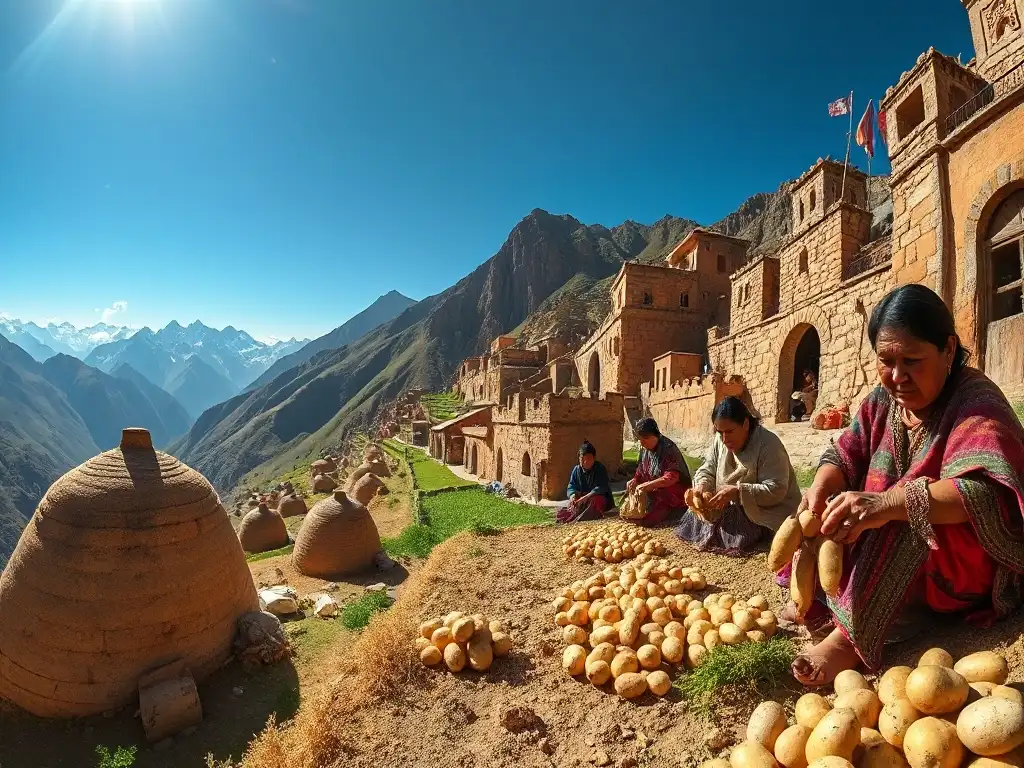
Step into a world lost to time, yet echoing with vibrant life. Beyond the majestic ruins and breathtaking landscapes of the Andes, lies a fascinating story of ingenuity and spirituality woven into the very fabric of daily existence. Discover how the ancient Andean civilizations, from the Incas to the Nazca, didn't merely store their food; they engaged in elaborate Andean food storage rituals, transforming a practical necessity into a sacred act. Prepare to uncover the secrets behind these compelling practices and witness the deep connection between sustenance, spirituality, and survival in a world unlike our own.
The Andes Mountains, a spine of towering peaks and fertile valleys, nurtured some of the most sophisticated pre-Columbian civilizations in the Americas. These cultures, including the Incas, Moche, Nazca, and Tiahuanaco, developed remarkable agricultural practices and ingenious methods of food preservation to survive the challenging Andean environment.
However, a closer examination reveals that Andean food storage wasn't simply a practical endeavor; it was deeply intertwined with complex ritualistic practices that imbued the process with sacred meaning. This article explores the significant role of ritual in Andean food storage, demonstrating how these practices went beyond mere practicality and played a crucial role in the social, economic, and spiritual lives of these ancient Andean communities.
We will delve into the specific rituals associated with food preservation, highlighting their connection to Andean cosmology and agricultural success. Understanding these rituals provides a richer appreciation for the ingenuity and spiritual depth of Andean civilizations and their enduring legacy.
Introduction to Andean Food Preservation and its Significance
Andean food preservation techniques were remarkably advanced for their time. The challenging climate, with its dramatic variations in altitude and temperature, necessitated innovative strategies to ensure food security throughout the year. Methods included:
- Sun-drying: A widespread technique used for preserving fruits, vegetables, and meats. The intense Andean sun provided ideal conditions for dehydration.
- Freeze-drying: At higher altitudes, the freezing temperatures aided in natural preservation. This method, combined with sun-drying, allowed for long-term storage of certain foods.
- Storage in underground cellars (qollqas): These carefully constructed subterranean structures provided a stable temperature and humidity, ideal for preserving potatoes, maize, and other staple crops. The design and construction of these qollqas themselves were often imbued with ritual significance.
- Salting and fermentation: These techniques, while less common than others, were employed to preserve meat and some vegetables.
The success of these preservation methods was crucial for the survival and prosperity of Andean societies. They enabled the accumulation of surplus food, supporting population growth, social stratification, and the development of complex political structures. However, the act of preserving food wasn't merely a practical matter of survival; it was a sacred act, deeply embedded within the Andean worldview.
The Sacred Dimension of Andean Agriculture
Andean agriculture was not simply a means of subsistence; it was a deeply spiritual practice. The land, the crops, and the entire process of cultivation were considered sacred. This sacred dimension extended to food storage, with rituals performed at various stages, from planting to harvesting and ultimately, storage. For example:
- Offering ceremonies: Before placing food into storage, offerings of coca leaves, chicha (a fermented maize beverage), and other sacred items were frequently made to the apus (mountain spirits) and other deities to ensure a bountiful harvest and protection of the stored food.
- Ritual cleansing of storage facilities: Qollqas and other storage structures were often ritually cleansed before use, removing any negative energy or influences that might spoil the stored goods. This cleansing might involve the use of sacred herbs, incense, or specific prayers.
- Guardian figures: Some storage facilities contained small figurines or other symbolic objects believed to protect the stored food from pests, spoilage, and other misfortunes. These could range from representations of deities to stylized animals or human figures.
The integration of ritual into food storage reflects the Andean belief in the interconnectedness of the physical and spiritual worlds. The act of storing food wasn't simply about preserving sustenance; it was about maintaining a harmonious relationship with the supernatural forces that governed agricultural productivity and the well-being of the community. Further research into specific Andean cultures and their unique ritual practices is needed to fully unpack the intricate relationship between ritual and food storage in these fascinating civilizations.
Further investigation into specific archaeological sites and their associated artifacts will undoubtedly reveal even more about the nuances of these practices. The surviving evidence strongly suggests that the Andean people understood that the success of their agriculture was profoundly connected to their spiritual practices.
- Introduction to Andean Food Preservation and its Significance
- The Sacred Dimension of Andean Agriculture
Understanding Andean Food Storage Methods
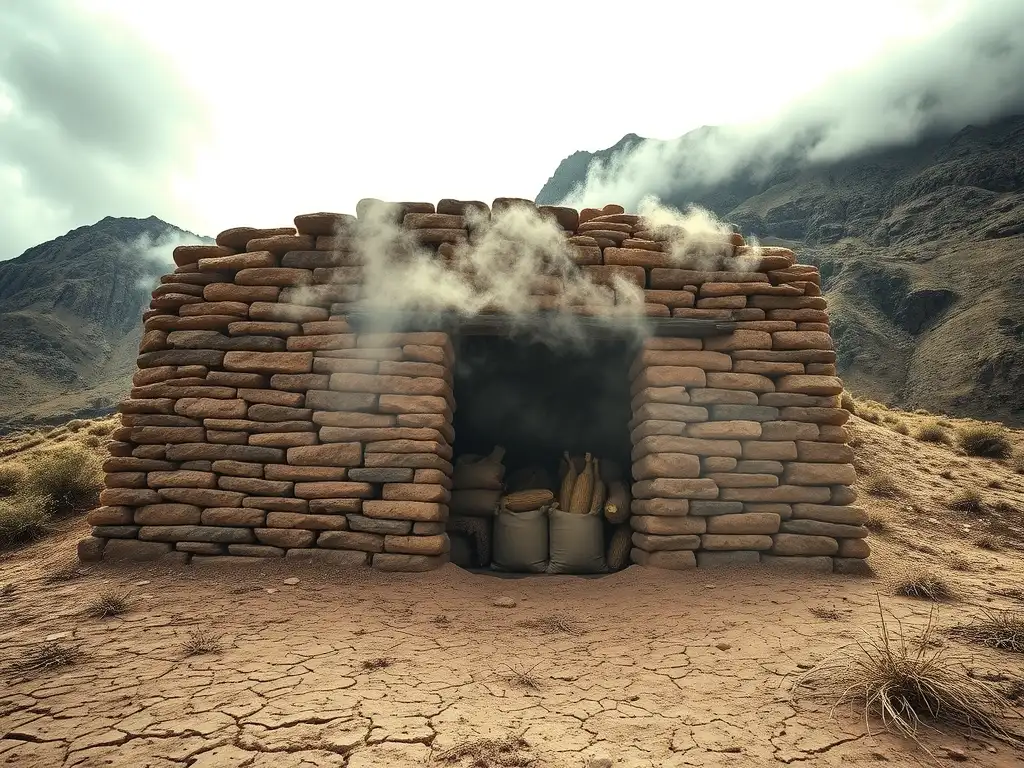
This section delves into the practical methods employed by Andean civilizations for preserving their harvested crops, highlighting the ingenuity and adaptation to diverse environments that characterized their food storage strategies. Understanding these techniques is crucial to appreciating the full context of the rituals surrounding food storage, as the practical and spiritual aspects were inextricably linked.
The efficient preservation of food was paramount for survival, and the rituals served to ensure successful harvests and appease the spirits believed to influence agricultural abundance. The interplay between the practical and the ritualistic is a key element in understanding Andean food storage, moving beyond a simple "practicality" narrative.
Traditional Techniques for Preserving Andean Crops
Andean farmers developed a sophisticated array of techniques to preserve their crops, adapting their methods to the specific characteristics of each product and the local environment. These techniques weren't merely practical; they were deeply intertwined with their worldview and beliefs.
The most common methods included:
- Drying: This was a ubiquitous technique, employed for a wide range of crops, including potatoes, maize, quinoa, and beans. Sun-drying was the most common method, utilizing the intense Andean sunlight. Potatoes, for example, were often sliced thinly and left to dry in the sun, resulting in chuño, a freeze-dried potato that could be stored for extended periods. This process reduced the water content significantly, inhibiting microbial growth and preventing spoilage. The specific drying techniques varied depending on the altitude and climate. Higher altitudes, with their intense UV radiation and lower temperatures, facilitated faster drying and better preservation.
- Freezing: High-altitude regions benefited from naturally occurring freezing temperatures, allowing for the preservation of crops like potatoes through natural freezing. This method, combined with sun-drying, created chuño and tunta, both extremely durable forms of stored potatoes. The quality of the resulting product depended heavily on the precise timing and conditions of the freezing and subsequent drying processes, demonstrating a deep understanding of the interplay between environmental factors and food preservation.
- Storage in underground cellars (qollqas): These ingenious structures, built by various Andean cultures, provided a cool, dark, and relatively stable environment for long-term storage. The design of qollqas varied depending on the region and the specific needs of the community, but they generally involved sophisticated ventilation systems and careful insulation to maintain optimal temperature and humidity levels. The construction itself was often a community effort, reflecting the collective importance of food security. Evidence suggests that qollqas were not just storage facilities, but also held symbolic significance, possibly linked to ancestor veneration and ensuring continuity of food supply.
- Storage in elevated granaries: In areas with higher risks of rodent infestations, elevated granaries were utilized. These structures, often built from stone or wood, were raised off the ground to protect the stored food from pests and moisture. The design again varied across different regions and cultures, reflecting the adaptive nature of Andean food storage practices.
The Importance of Climate and Geography in Storage Decisions
The diverse geography of the Andes Mountains, ranging from arid coastal deserts to high-altitude grasslands and lush Amazonian foothills, dictated the specific methods employed for food storage. The climate played a crucial role in determining the most effective preservation techniques.
| Region | Climate | Primary Storage Methods | Challenges |
|---|---|---|---|
| Coastal Desert | Arid, hot, low humidity | Drying, underground cellars (modified) | High temperatures, limited water resources |
| Highland Valleys | Temperate, varying humidity | Drying, freezing, underground cellars | Fluctuations in temperature and humidity |
| High Altitudes | Cold, dry, intense UV radiation | Freezing, drying, elevated granaries | Frost, intense UV radiation, strong winds |
| Amazonian Foothills | Humid, warm | Drying (less effective), fermentation | High humidity, increased risk of spoilage |
The selection of storage methods was not arbitrary. Farmers carefully considered the environmental conditions, the type of crop being stored, and the duration of storage required. This adaptive approach highlights the deep understanding of their environment and the sophisticated strategies they developed to ensure food security, laying the groundwork for the complex ritualistic practices surrounding food storage.
The success of these practices, deeply embedded within their culture and beliefs, was vital to their survival and prosperity. The integration of practical knowledge with spiritual beliefs shaped their approach to food storage, making it a powerful symbol of community, resilience, and continuity.
Andean Food Storage Rituals: A Blend of Practicality and Spirituality
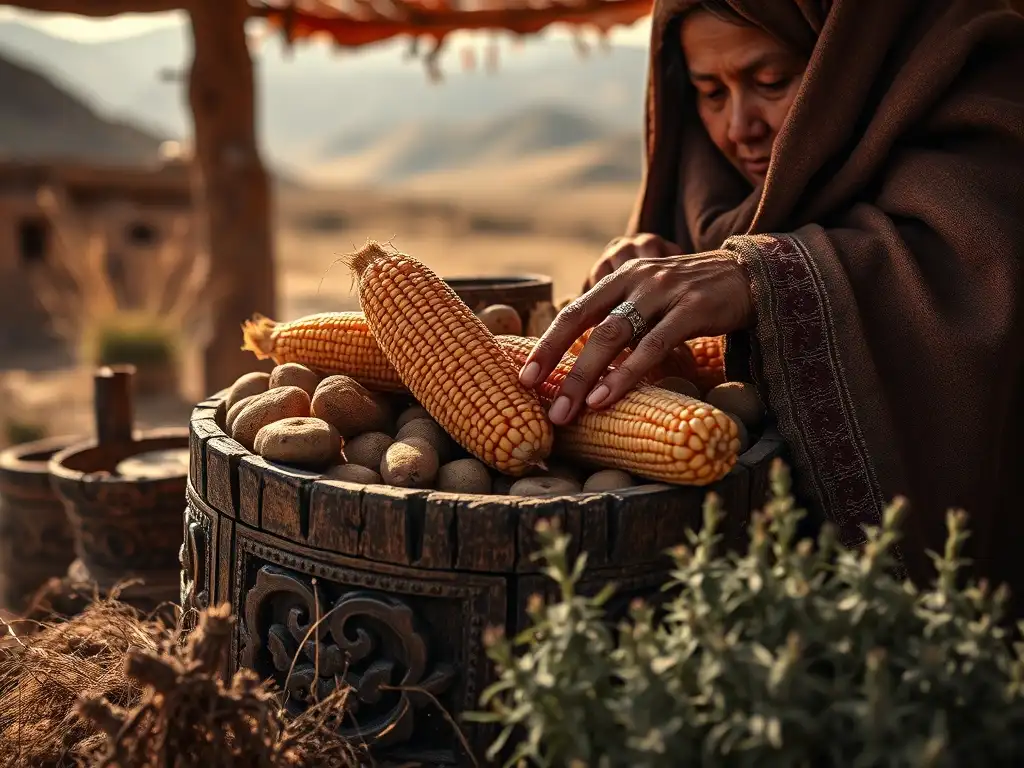
Andean food storage wasn't simply a practical matter of preserving resources; it was deeply intertwined with spiritual beliefs and elaborate rituals. The act of storing food wasn't just about ensuring survival through lean times; it was a sacred act connecting the people to their ancestors, the land, and the divine forces that governed their lives.
Understanding these rituals provides crucial insight into the worldview and societal structures of Andean civilizations, revealing a complex interplay between the practical and the spiritual in their approach to sustenance. The meticulous care taken in food storage, from the selection of storage locations to the performance of specific ceremonies, highlights the profound significance of food security within their culture.
This section delves into the specific rituals associated with Andean food storage, demonstrating how these practices went far beyond mere practicality. The keyword "Andean food storage rituals" is central to understanding this complex relationship between survival and spirituality.
The Meaning Behind Andean Storage Ceremonies
Andean storage ceremonies weren't haphazard events. They were carefully planned and executed, often tied to specific agricultural cycles and celestial events. For example, the capac raymi, the Inca festival celebrating the sun, frequently included rituals dedicated to ensuring the successful preservation of the harvest.
These ceremonies were not performed by any individual; rather, they were community events, often led by priests or shamans possessing specialized knowledge of agricultural practices and the spiritual realm. The participation of the entire community underscored the collective importance of food security and the shared responsibility in ensuring a successful harvest and its preservation. The rituals often involved offerings to deities associated with fertility, abundance, and protection, such as the Pachamama (Mother Earth) and Inti (the Sun God).
These offerings, ranging from coca leaves and chicha (a fermented corn beverage) to llama sacrifices in more significant ceremonies, were believed to appease the gods and ensure their blessings upon the stored food, protecting it from spoilage, pests, and other misfortunes. The precise rituals varied depending on the specific Andean culture—Inca, Moche, Nazca, or Tiahuanaco—each possessing its own unique traditions and beliefs concerning food storage and preservation. Further research is needed to fully document the nuances of these practices across different Andean groups.
Rituals to Ensure a Bountiful Harvest
Many Andean rituals focused on ensuring a plentiful harvest before the need for storage even arose. These pre-harvest rituals were considered essential steps in the broader process of food preservation. The success of the harvest was seen as directly linked to the proper execution of these ceremonies, influencing not only the quantity of the yield but also its suitability for long-term storage.
For example, the planting ceremonies often involved specific prayers and offerings to ensure healthy growth and a bountiful yield. Farmers would carefully select the seeds, often using those from the previous year's best crops, and perform rituals to bless the planting process. These actions aimed to establish a positive relationship between the community, the land, and the divine forces, increasing the likelihood of a successful harvest.
The meticulous preparation involved in these rituals demonstrates the deep-rooted connection between Andean agriculture and their spiritual beliefs. The belief that spiritual actions directly influenced the physical world was central to their approach to food production and preservation. This close relationship between the spiritual and the practical is a recurring theme in understanding Andean food storage practices.
Appeasing the Gods for Successful Preservation
Once the harvest was gathered, rituals shifted to focus on the successful preservation of the stored food. These rituals aimed to protect the stored goods from various threats: spoilage, pests, and even the potential malevolence of jealous spirits. Specific offerings and prayers were directed towards deities associated with protection and preservation. The location of storage facilities also held significant spiritual importance.
Many storage structures were built in locations believed to possess protective powers, perhaps near sacred sites or aligned with specific celestial features. The construction of these structures themselves could be considered a ritual, with specific materials and building techniques employed to ensure their efficacy in protecting the stored food. The placement of protective amulets or charms within storage facilities was also common practice, further demonstrating the belief in the power of spiritual protection against spoilage and other threats.
The integration of these spiritual practices into the practical aspects of food storage highlights the holistic worldview of Andean civilizations, where the physical and spiritual realms were inextricably linked. Detailed archaeological studies are needed to fully understand the diversity of these practices across different regions and time periods. Further research into specific iconography found within storage sites could reveal additional insights into the types of deities and spirits that were invoked during these preservation rituals.
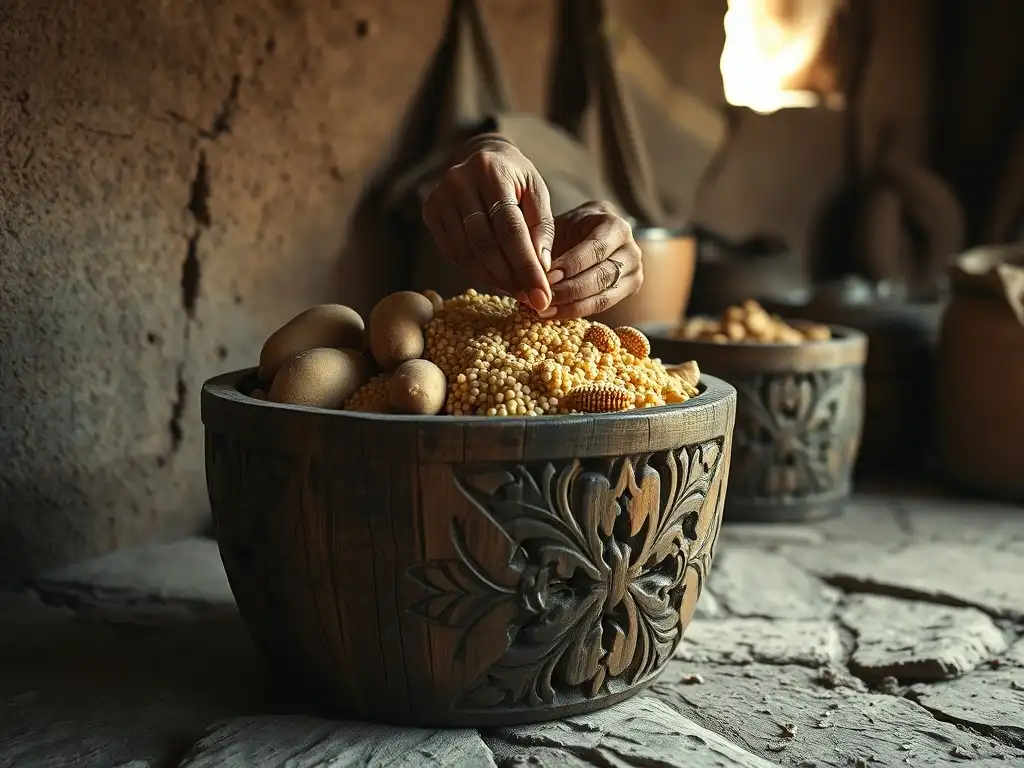
The Andean civilizations weren't simply concerned with the practical aspects of food storage; they imbued the process with deep spiritual significance. Their sophisticated agricultural techniques were interwoven with elaborate rituals designed to ensure bountiful harvests and protect stored provisions from spoilage and pests. Understanding these rituals is key to appreciating the holistic worldview of these cultures and their profound connection to the land. Analyzing Andean food storage reveals not just practical strategies but also a complex system of beliefs and practices aimed at appeasing deities and maintaining cosmic balance.
The keyword "Andean food storage rituals" encapsulates this intricate relationship between the physical act of preserving food and the spiritual beliefs that underpinned it. Variations in specific practices existed across different Andean cultures, reflecting diverse regional beliefs and adaptations to unique environments. However, common threads unite these seemingly disparate rituals, showcasing a shared understanding of the sacred nature of sustenance.
The Role of Offerings and Sacrifices
Offerings and sacrifices formed a cornerstone of Andean food storage rituals. Before depositing food into storage facilities, communities often made offerings to the apus (mountain spirits) and other deities associated with fertility and abundance. These offerings weren't simply symbolic gestures; they were believed to actively influence the success of the harvest and the preservation of the stored food.
The types of offerings varied depending on the specific deity and the nature of the stored goods. For instance, maize, coca leaves, and llama fetuses were commonly used, reflecting the agricultural importance of these items and the significance of llamas in Andean life. Archaeological evidence, such as the discovery of sacrificial remains within storage structures, corroborates the importance of these practices.
The act of offering wasn't solely about appeasement; it also established a reciprocal relationship between humans and the supernatural realm, ensuring continued blessings and protection. Furthermore, the careful selection and preparation of offerings suggest a deep understanding of the spiritual economy and the importance of maintaining a balance between the human and divine worlds. The meticulous nature of these offerings underscores the profound reverence with which Andean people approached food storage, recognizing its intimate connection to the broader cosmological order.
The Significance of Music and Dance in Storage Rituals
Music and dance played a vital role in many Andean food storage rituals. These performances weren’t mere entertainment; they served as powerful mechanisms for invoking divine favor, warding off evil spirits, and ensuring the successful preservation of food. The rhythmic movements and melodies were believed to harness spiritual energies, creating a sacred atmosphere conducive to abundance and protection.
Specific songs and dances were likely associated with particular deities or stages of the agricultural cycle, reflecting the cyclical nature of Andean life and the close relationship between humans and the natural world. For example, certain dances might be performed during the harvest to celebrate the bounty and to ensure the safe storage of the gathered crops. Other dances might be employed during the storage process itself, creating a protective barrier against potential harm.
While detailed descriptions of these rituals are scarce in written sources, ethnohistorical accounts and surviving indigenous traditions offer valuable insights into the significance of music and dance in ensuring successful food preservation. The vibrant sounds and movements created a sacred space, a bridge between the human and spiritual realms, solidifying the community's bond with the deities responsible for their sustenance.
The Use of Sacred Objects and Spaces in Food Preservation
The selection of storage locations and the use of sacred objects were integral to the success of Andean food storage. Storage facilities were not merely functional structures; they were often carefully chosen locations imbued with spiritual significance. Sites near sacred mountains or springs, believed to be potent sources of energy, were favored.
Furthermore, the construction and arrangement of storage structures often incorporated symbolic elements reflecting Andean cosmology and beliefs. The use of sacred objects, such as amulets or figurines representing protective deities, further enhanced the spiritual power of the storage space. These objects were believed to ward off pests, prevent spoilage, and ensure the continued abundance of the stored food.
The careful placement of these objects within the storage structures suggests a deliberate attempt to create a sacred microcosm, a protected space where the stored food would remain safe and plentiful. Analysis of archaeological findings reveals evidence of meticulously crafted storage containers and structures, demonstrating the significance attached to protecting the community's food supply. The integration of religious beliefs into the practical aspects of food storage showcases the holistic worldview of the Andean people, emphasizing the interconnectedness of the material and spiritual worlds.
Examples of Andean Food Storage Rituals in Different Cultures
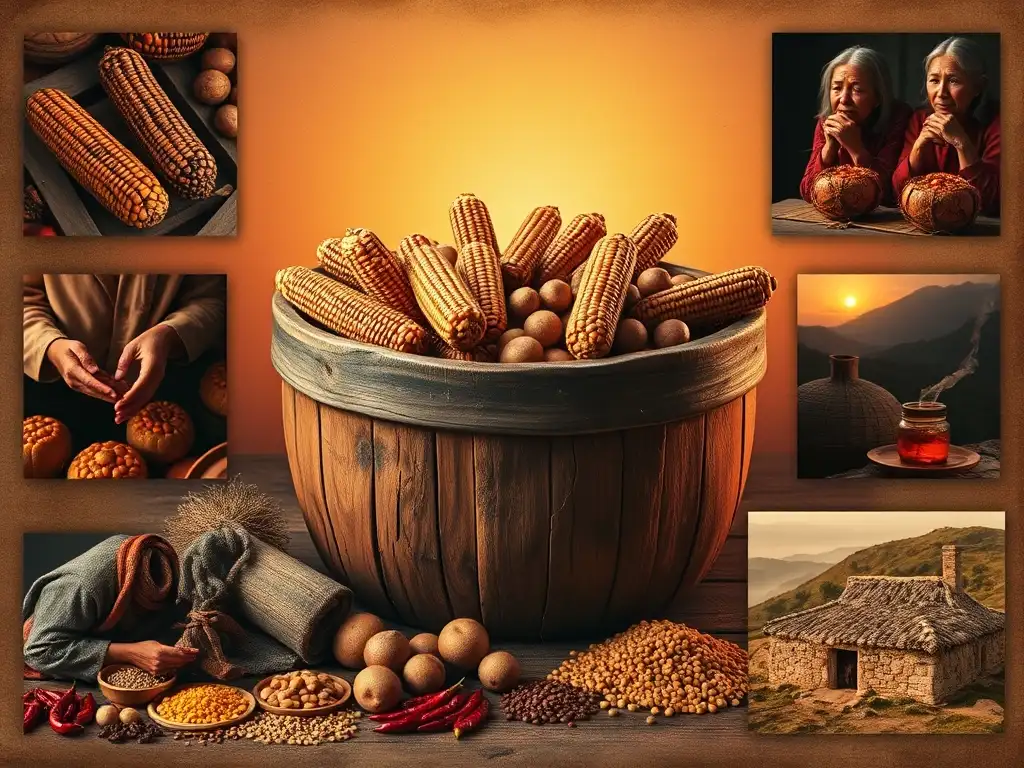
This section delves into the fascinating world of Andean food storage rituals, showcasing how these practices transcended mere practicality and became deeply interwoven with the spiritual and social fabric of these ancient societies. We'll explore specific examples from the Inca, Moche, and Tiahuanaco cultures, highlighting the diverse ways in which rituals shaped their approaches to food preservation and distribution.
Understanding these rituals provides crucial insight into the worldview and societal structures of these remarkable civilizations, demonstrating that Andean food storage was far more complex than a simple logistical exercise. The significance of Andean food storage rituals cannot be overstated in understanding their agricultural practices and societal organization.
Inca Rituals for Maintaining Food Reserves
The Inca Empire, renowned for its sophisticated administrative system, implemented intricate rituals to ensure the successful storage and distribution of food. Their qollqas (storehouses) weren't simply buildings; they were sacred spaces where rituals played a vital role in maintaining bountiful harvests and preventing spoilage. These rituals often involved offerings to the apus (mountain spirits) and pachamama (Mother Earth), deities believed to control agricultural fertility.
Before storing crops, Inca farmers would perform cleansing ceremonies, using coca leaves and chicha (fermented corn beverage) to purify the qollqas and ward off malevolent spirits. The first fruits of the harvest were often presented as offerings, ensuring the favor of the deities. Regular inspections of the qollqas were also accompanied by smaller rituals, designed to appease the spirits and guarantee the continued well-being of the stored food.
Failure to perform these rituals was believed to invite crop failure or spoilage, highlighting the deeply intertwined relationship between spiritual practices and practical food management. This system ensured not just the physical preservation of food but also the social and spiritual cohesion of the community. The meticulous nature of Inca Andean food storage rituals demonstrates a sophisticated understanding of the importance of both practical and spiritual aspects of food security.
The Moche civilization, known for its vibrant artistic expression, also incorporated rituals into their agricultural practices. While less centralized than the Inca system, their ceremonies focused on ensuring successful harvests and protecting stored goods from pests and decay. Evidence from Moche iconography reveals elaborate depictions of offerings and ceremonies associated with agriculture and food storage.
Unlike the Inca emphasis on mountain deities, Moche rituals often centered on their powerful pantheon of gods and goddesses, many of whom were associated with fertility and abundance. Archaeological findings suggest that offerings of pottery, textiles, and even human sacrifices were made to appease these deities and secure a successful harvest. The Moche also likely employed specific prayers and incantations during the storage process, although direct textual evidence is lacking.
The detailed depictions on their ceramics, however, offer compelling visual accounts of these rituals, allowing us to reconstruct a richer picture of their agricultural beliefs and practices. The intricacy of the Moche imagery suggests a deep connection between their religious beliefs and their practical needs for food preservation. Further research into Moche burial sites and temple complexes could reveal more details about these Andean food storage rituals.
Tiahuanaco Rituals and Techniques for Food Preservation
The Tiahuanaco culture, famous for its monumental architecture and sophisticated irrigation systems, developed advanced techniques for food preservation, complemented by unique rituals. Their mastery of freeze-drying, alongside other preservation methods, allowed them to store food for extended periods, contributing to their societal stability. However, these practical methods were inextricably linked to their religious beliefs.
Evidence suggests that the Tiahuanaco people performed ceremonies to bless their stored food, ensuring its preservation and preventing spoilage. The specific nature of these rituals remains somewhat enigmatic due to limited textual sources, but the monumental scale of their structures suggests that their rituals were likely grand and public events, involving a significant portion of the community. The precise techniques used in their food preservation, combined with their advanced agricultural practices, allowed them to support a large and complex population.
The combination of advanced technology and ritual practice demonstrates the sophisticated level of organization and belief system that characterized the Tiahuanaco society. Further investigation into Tiahuanaco settlements and their associated artifacts could illuminate the specifics of their Andean food storage rituals and their role in their societal structure. The integration of practical and spiritual aspects highlights the holistic approach to food management characteristic of Andean civilizations.
The Connection Between Andean Cosmology and Food Storage
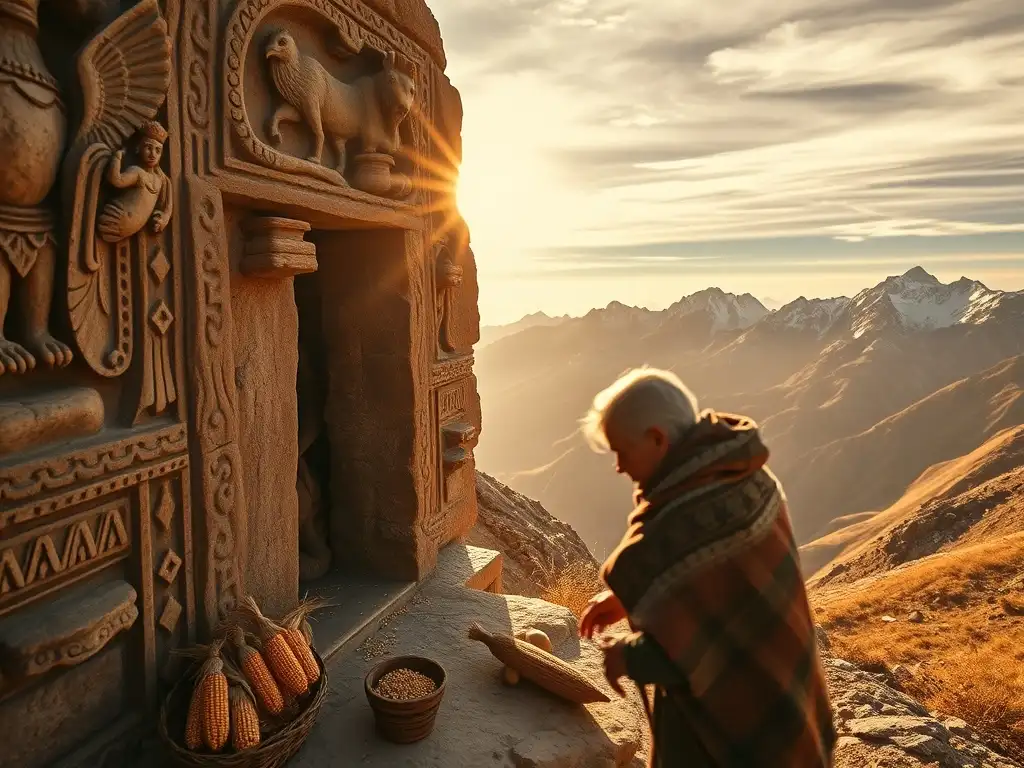
The Andean worldview profoundly impacted every aspect of life, including food production and storage. Understanding the role of ritual in Andean food storage necessitates delving into their complex cosmology, a system of beliefs centered around the interconnectedness of the natural world, the supernatural, and humanity. This intricate web of relationships shaped their agricultural practices and, crucially, their approach to preserving and distributing food.
The belief that the earth (Pachamama) provided sustenance fostered a deep respect for the land and its resources, influencing not just how food was stored but why certain methods were employed. It wasn't simply a matter of practicality; it was a sacred duty, a reciprocal relationship between the people and the divine forces that governed their lives. This spiritual dimension significantly impacted the development of sophisticated storage techniques and the rituals associated with them.
The effectiveness of their storage methods, often surprisingly advanced for their time, stemmed not only from ingenuity but also from their profound understanding of and reverence for the natural world. This intricate relationship between Andean cosmology and food storage practices is a compelling example of how spiritual beliefs could shape technological innovation.
The Influence of Andean Beliefs on Storage Practices
Andean beliefs directly influenced the practical aspects of food storage. For example, the careful selection of storage locations wasn't arbitrary. Sites were often chosen based on their perceived connection to sacred energies or geographical features considered auspicious.
High-altitude caves, believed to possess protective spiritual qualities, were frequently used for storing particularly valuable or sacred foods. The orientation of storage structures, the materials used in their construction (e.g., specific types of stone or wood), and even the arrangement of stored goods were all influenced by cosmological considerations. Evidence suggests that specific rituals were performed before storing food, including offerings to Pachamama to ensure a bountiful harvest and protect the stored provisions from spoilage or pests.
These weren't mere superstitions; they were integral parts of a system designed to maintain a harmonious relationship with the spiritual realm and ensure the community's well-being. The meticulous nature of these practices underscores the deep-seated belief in the power of ritual to influence the material world. Detailed archaeological studies of various Andean sites reveal consistent patterns in these storage practices, confirming the widespread influence of cosmological beliefs.
The Importance of the Pachamama in Food Preservation
The Pachamama, the Earth Mother, held a central position in Andean cosmology and played a crucial role in their food storage rituals. She was seen as the provider of all sustenance, and honoring her was essential for ensuring the success of agricultural endeavors and the preservation of food. Before storing food, communities often performed offerings to the Pachamama, typically consisting of coca leaves, chicha (fermented corn beverage), and other agricultural products.
These offerings were not simply gestures of gratitude; they were considered vital acts that established a reciprocal relationship, ensuring the Earth's continued generosity. The act of placing offerings near storage facilities was believed to protect the stored food from harm, both physical (e.g., pests, spoilage) and spiritual (e.g., curses, bad luck). The reverence for the Pachamama extended beyond mere offerings; it also influenced the way food was handled and stored, emphasizing respect for the life force inherent in every food item.
The careful preservation of food wasn't just about practicality; it was an act of honoring the Pachamama's gift. Failure to perform these rituals could be seen as an affront to the Pachamama, potentially resulting in crop failure or spoilage of stored food.
The Andean Worldview and the Cycle of Food
The Andean worldview viewed food storage as an integral part of a larger cyclical process reflecting the continuous renewal of life and the interconnectedness of all living things. The annual agricultural cycle, marked by planting, harvesting, and storage, mirrored the cyclical nature of the cosmos. Storage wasn't simply a transition point between harvest and consumption; it was a stage in an ongoing process of reciprocity between humans and the natural world.
Food stored carefully and respectfully was viewed as a vital link in this cycle, representing the community's commitment to maintaining balance and harmony. The careful preservation of food was seen as a way to honor the past harvest while preparing for the next, ensuring the continuity of life and the well-being of the community. The rituals surrounding food storage weren’t just about preserving food; they were about preserving the entire system of life, maintaining a balance between the human world and the spiritual realm.
This holistic perspective underscores the profound significance of food storage rituals within the broader context of Andean cosmology. The meticulous nature of their storage practices reflects their deep understanding of the interconnectedness of life and their commitment to honoring the natural world.
The Lasting Legacy of Andean Food Storage Rituals
The meticulous practices surrounding Andean food storage were far more than simple logistical exercises; they were deeply embedded within the spiritual and social fabric of these societies. These rituals, passed down through generations, ensured not only the physical preservation of vital resources but also the maintenance of social order and the fostering of a strong connection to the Andean worldview.
The impact of these rituals extends far beyond the historical context, offering valuable insights into sustainable practices and the interconnectedness of culture, environment, and sustenance. Understanding these ancient methods provides a richer appreciation for the ingenuity and resilience of Andean civilizations, and their enduring relevance in our modern world.
The integration of spiritual beliefs into practical tasks highlights the holistic approach to life prevalent in these cultures, a stark contrast to the often-fragmented nature of modern practices. The study of Andean food storage rituals provides a unique lens through which to examine the complex interplay between human societies and their environment.
The Enduring Relevance of Traditional Practices
Many traditional Andean food storage techniques remain remarkably relevant today. Consider the ingenious use of qollqas, subterranean storage structures. Their design, incorporating ventilation and insulation, allowed for optimal temperature and humidity control, minimizing spoilage and maximizing the shelf life of stored goods.
These structures demonstrate a sophisticated understanding of environmental factors and their impact on food preservation, far exceeding the capabilities of many contemporary approaches. Even today, some communities continue to utilize adapted versions of qollqas, demonstrating the enduring practicality and efficiency of these ancient methods. The principles of natural preservation, such as careful drying and the use of natural preservatives, continue to be valuable tools in promoting sustainable food systems, reducing reliance on energy-intensive technologies, and minimizing environmental impact.
The Andean emphasis on community cooperation in food production and storage also offers valuable lessons for modern societies grappling with issues of food security and equitable distribution. The rituals themselves, even though their specific practices may have evolved, continue to shape the relationship between Andean communities and their food supply, fostering a sense of responsibility and respect for the land and its resources.
Lessons from Andean Food Storage for Modern Times
The study of Andean food storage rituals offers valuable insights for modern food systems. The emphasis on biodiversity in Andean agriculture, which helped mitigate risks associated with crop failures, provides a compelling argument for the diversification of modern food production. The integration of traditional methods into modern practices could significantly enhance food security and resilience.
For example, combining the principles of qollqas design with modern materials could create more efficient and sustainable storage solutions, reducing food waste and extending the shelf life of perishable goods. Moreover, the strong social structures and community-based approaches to food management employed by Andean cultures provide a valuable model for addressing contemporary challenges in food distribution and access. The respect for the land and its resources demonstrated by Andean societies serves as a powerful reminder of the need for sustainable agricultural practices in today’s world.
By studying and adapting these ancient practices, we can learn valuable lessons about minimizing environmental impact, maximizing resource utilization, and fostering a deeper connection to our food systems – ultimately contributing to a more sustainable and equitable future. The integration of traditional knowledge with modern technology could lead to innovative solutions that address the challenges of food security and environmental sustainability on a global scale. Further research into the specific techniques and rituals employed by various Andean cultures could reveal even more valuable insights for contemporary applications.
Frequently Asked Questions
What role did ritual play in Andean food storage practices?
Andean food storage wasn't merely practical; it was deeply intertwined with religious beliefs and rituals. These rituals aimed to ensure a bountiful harvest and protect stored food from spoilage or harm. Successful harvests were seen as blessings from the gods.
Were specific rituals performed before storing food?
Yes, many cultures across the Andes performed preparatory rituals before storing their crops. These could involve offerings to deities, prayers for protection, and specific procedures for cleaning and preparing the food for storage. Specific rituals varied depending on the culture and the type of food.
How did Andean people ensure the preservation of their stored food?
Beyond ritual, practical methods were crucial. Andean cultures utilized sophisticated techniques like drying, freezing, and fermentation to preserve food. Storage structures, such as qollqas (storehouses), were also strategically designed to maintain optimal temperature and humidity.
What types of food were commonly stored using these rituals?
Commonly stored foods included potatoes, maize, quinoa, beans, and dried meats. The specific foods varied depending on the region and altitude. The rituals often reflected the importance of each food source within the community's diet and economy.
How do these rituals connect to modern Andean cultures?
While many ancient practices have evolved, the importance of food and harvest remains central to modern Andean cultures. Many communities still maintain traditions that connect their food storage and preparation to their ancestral heritage and spiritual beliefs, reflecting a continuity of cultural and religious practices.
Final Reflection: The Enduring Power of Andean Food Rituals
The intricate relationship between Andean communities and their food transcends mere sustenance; it's a deeply woven tapestry of ritual, respect, and resilience that remains profoundly relevant today. In a world grappling with food insecurity and unsustainable practices, understanding the wisdom embedded in these ancient traditions offers invaluable lessons for a more equitable and ecologically conscious future. The meticulous practices surrounding food storage, far from being antiquated customs, represent a powerful model of resource management and community cohesion.
The enduring influence of these rituals on Andean culture is undeniable, shaping not only their relationship with food but also their social structures and spiritual beliefs. These practices are a testament to the deep interconnectedness between humans and the natural world, a connection often lost in modern industrialized food systems. The earth provides, and we must honor that provision with respect and reciprocity,
a Quechua elder once told me, encapsulating the core philosophy underpinning these age-old traditions. This philosophy, I believe, holds a vital key to addressing contemporary challenges related to food production and distribution.
Consider the profound implications of these rituals for your own life. How can we cultivate a deeper appreciation for the food we consume, recognizing the labor and resources involved in its production? How can we foster a stronger sense of community and shared responsibility in our approach to food security?
I urge you to reflect on these questions, and to explore ways to incorporate a greater sense of ritual and respect into your own relationship with food. By doing so, we can not only honor the wisdom of past generations but also build a more sustainable and meaningful future for ourselves and generations to come.
Embrace the Power of Ritual in Your Food Practices!
Thank you for exploring the fascinating world of Andean food storage traditions! You've discovered the profound connection between culture and practicality that shapes our understanding of food and sustenance. Now, let's put this knowledge into practice.
Here are some simple yet impactful steps you can take:
- Create a personal kitchen ritual: Develop a meaningful tradition in your kitchen or pantry that honors your food. This could be as simple as a weekly pantry clean-out or a monthly meal-planning session focused on seasonal ingredients.
- Explore Andean-inspired cooking: Try a recipe using traditional Andean ingredients like quinoa or potatoes. Discover how these foods connect you to rich culinary histories and traditions.
- Share your culinary journey: Discuss your newfound appreciation for mindful food practices with friends and family. You could even start an online conversation about incorporating rituals into your cooking.
What ritual do you envision transforming your kitchen into a space of connection and mindfulness? We'd love to hear your ideas!