
Moche Pottery Markings: Decoding the Language of Authentic Vessels

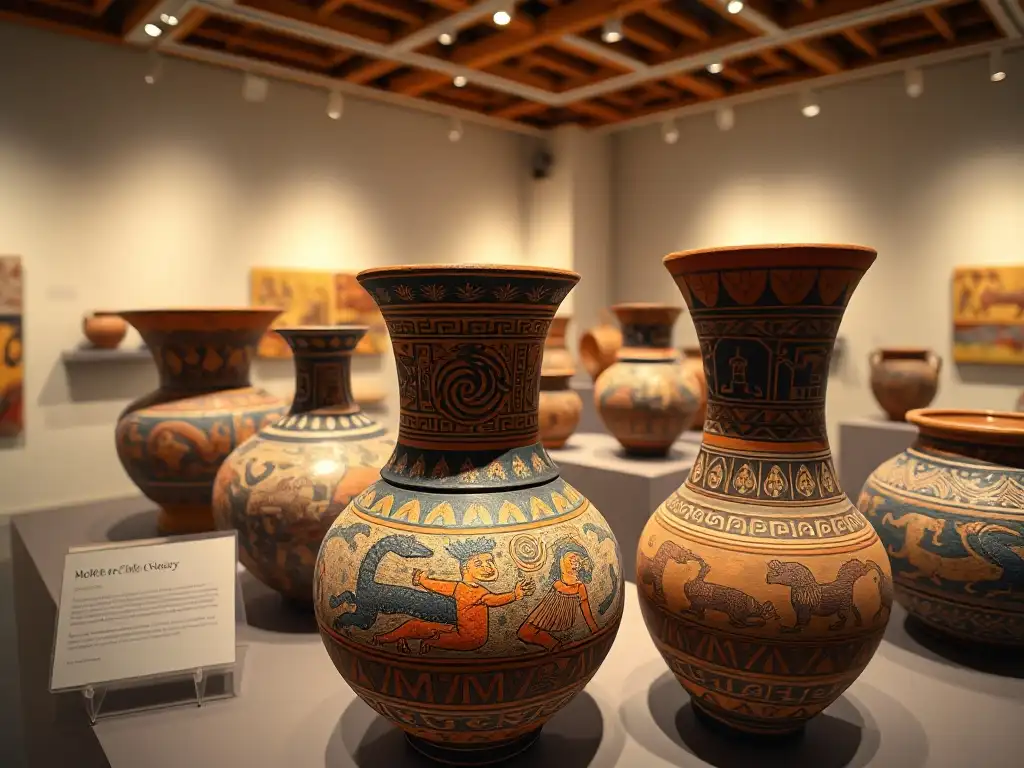
Unravel the mysteries hidden within the vibrant hues and intricate designs of ancient Andean artistry. Step into a world where ceramic vessels weren't just utilitarian objects, but powerful statements—a world waiting to be explored. Discover the captivating Moche pottery symbolism meaning and unlock the secrets behind these remarkable artifacts, revealing the complex beliefs and rich cultural tapestry of the Moche civilization. Prepare to be amazed as we delve into The World of Andean Artifacts, one breathtaking piece at a time.
The vibrant and intricate artistry of Moche pottery is renowned worldwide, captivating collectors and scholars alike. These aren't merely decorative pieces; they are windows into the complex social, religious, and political life of the ancient Moche civilization (circa 100-800 CE) of northern Peru.
Understanding the symbolism embedded within these ceramic masterpieces is crucial not only for appreciating their aesthetic beauty but also for unlocking a deeper understanding of Moche culture. This article delves into the fascinating world of Moche pottery markings, providing insights into how to interpret their symbolism and how this knowledge can aid in identifying genuine, authentic vessels.
We will explore the rich iconography, decipher common motifs, and discuss the significance of these markings in the context of Moche society, equipping you with the tools to discern authentic Moche pottery from imitations. This exploration will be particularly useful for collectors, enthusiasts, and anyone interested in the captivating world of Andean artifacts and the fascinating nuances of Moche pottery symbolism meaning.
Unveiling the Secrets: Understanding Moche Pottery Symbolism Meaning
Moche pottery isn't just aesthetically pleasing; it's a complex tapestry woven with symbolic threads that reflect the Moche worldview. The seemingly random markings—from stylized figures to intricate geometric patterns—are far from arbitrary. They represent a sophisticated system of communication, conveying narratives, beliefs, and social hierarchies. Many motifs depict deities, mythical creatures, scenes of daily life, and ceremonial rituals.
For example, the recurring image of a feline deity, often associated with power and fertility, highlights the importance of these themes in Moche culture. Similarly, depictions of warriors and their weaponry offer glimpses into the societal structures and military prowess of the civilization. Understanding the context and intended meaning of these symbols is key to unlocking the true value and significance of a given Moche piece. Careful examination of the style, detail, and overall composition of the markings is essential in authenticating a piece and understanding its deeper cultural significance.
The frequency and arrangement of certain symbols can also provide clues about the vessel's purpose and its place within Moche society. Unfortunately, a complete and universally accepted "dictionary" of Moche symbolism doesn't exist, making careful study and comparison with known examples crucial for accurate interpretation. The subtle nuances in the execution of these markings, often only discernible to a trained eye, are essential for determining authenticity.
Introduction to Moche Iconography and Its Significance
Moche iconography is characterized by its highly stylized and often grotesque representations of humans, animals, and supernatural beings. These depictions are not intended to be realistic portraits but rather symbolic representations of powerful concepts and beliefs. A significant portion of Moche pottery features anthropomorphic figures, often depicted in dynamic poses and adorned with elaborate headdresses and jewelry. These figures frequently represent deities or important figures within Moche society.
Alongside human figures, a diverse range of animal motifs appears, including birds of prey, felines, snakes, and marine creatures. These animals held significant symbolic weight in Moche culture, often associated with specific deities or natural forces. Geometric patterns, frequently woven into the overall design, add another layer of complexity, possibly representing abstract concepts or calendrical systems. The use of color is also crucial; vibrant hues of red, black, white, and yellow were used strategically to enhance the symbolic meaning of the imagery.
The skillful application of these colors, often using a technique known as slip painting, is another hallmark of authentic Moche pottery. Analyzing the color palette and the way colors are used in relation to specific motifs helps in understanding the overall meaning and context of the piece. The combination of human, animal, and geometric motifs, along with the strategic use of color, creates a rich and complex visual language that continues to fascinate and challenge researchers today. The more one understands this visual language, the better equipped one is to identify authentic Moche pottery and appreciate its profound cultural significance.
- Unveiling the Secrets: Understanding Moche Pottery Symbolism Meaning
- Introduction to Moche Iconography and Its Significance
- What is the significance of Moche pottery?
- What kind of symbolism is commonly found in Moche pottery?
- How can I decipher the meaning of the markings on Moche pottery?
- What makes Moche pottery unique compared to other Andean pottery?
- Where can I learn more about the symbolism and meaning of Moche pottery markings?
Identifying Authentic Moche Pottery: A Guide to Key Features
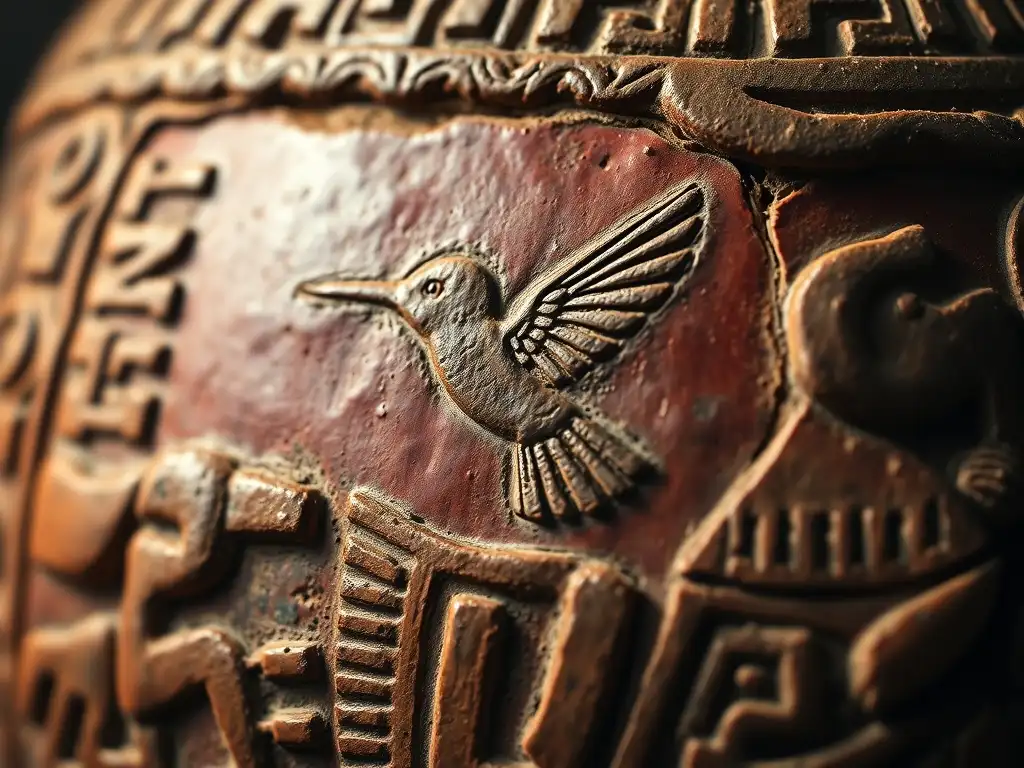
This section focuses on the visual characteristics that distinguish genuine Moche pottery from imitations. Understanding these features is crucial for anyone interested in acquiring or appreciating authentic Moche artifacts. The Moche, a pre-Columbian civilization flourishing on Peru's northern coast (circa 100-800 CE), created pottery renowned for its intricate detail and vibrant colors. However, the popularity of Moche pottery has unfortunately led to a surge in forgeries. Careful observation is key to discerning the real from the fake.
Recognizing Genuine Moche Pottery Shapes and Forms
Moche potters were masters of their craft, producing a wide variety of vessels in diverse shapes and sizes. These forms weren't arbitrary; they often held symbolic meaning, reflecting religious beliefs, social status, and daily life. Authentic Moche pottery exhibits a level of sophistication and precision rarely replicated in modern forgeries.
For example, the iconic stirrup-spout vessels, a hallmark of Moche artistry, demonstrate a remarkable control over the clay's plasticity. The spout, cleverly integrated with a handle resembling a stirrup, is flawlessly formed, with a smooth, consistent curve. Notice the thinness of the vessel walls; genuine Moche pottery often displays an elegance and lightness not easily achieved by unskilled potters.
Furthermore, the base of the vessel is usually carefully finished, often with a slightly concave or flattened bottom, contrasting with the often rough or uneven bases of modern reproductions. Analyzing the overall shape, paying attention to details like spout integration, wall thickness, and base finish, offers valuable clues to authenticity. Look for subtle variations in form; genuine pieces often show slight imperfections reflecting the handmade nature of the process, which are absent in mass-produced copies.
Analyzing Moche Pottery Decoration: Deciphering the Iconography
The decoration on Moche pottery is not merely decorative; it's a rich tapestry of symbolic imagery, offering insights into the Moche worldview. Authentic Moche pottery displays a mastery of diverse decorative techniques, including modeling, incision, painting, and the application of slip. The colors, predominantly reds, yellows, browns, and whites, are often applied with precision, creating sharp lines and detailed patterns. The iconography itself is complex and multifaceted, featuring depictions of deities, mythical creatures, scenes from daily life, and elaborate geometric patterns.
These elements are often intricately interwoven, telling stories and conveying complex meanings. For instance, the frequent portrayal of warriors, priests, and shamans reflects the importance of these social roles within Moche society. Similarly, depictions of marine life, such as fish and birds, highlight the significance of the coastal environment.
Analyzing the style of the decoration, the precision of the execution, and the complexity of the imagery is paramount in distinguishing genuine Moche pottery from imitations. The use of vibrant, yet subtly nuanced colors, and the delicate application of paint, are hallmarks of authentic Moche craftsmanship. Crude brushstrokes, dull colors, or simplistic designs are often telltale signs of modern forgeries.
The Role of Moche Pottery Markings: More Than Just Decoration
Moche pottery markings extend beyond simple decoration; they are integral to understanding the symbolism and meaning embedded within these vessels. These markings, often subtle yet significant, range from incised lines and dots to more complex painted motifs. Some markings might appear almost incidental, but closer examination reveals their potential significance. For example, certain geometric patterns might represent celestial bodies or agricultural cycles, reflecting the Moche's deep connection to the natural world.
Others might depict stylized representations of plants or animals, further emphasizing the importance of these elements in Moche culture and beliefs. Furthermore, the placement of these markings on the vessel itself can be crucial, with some appearing strategically positioned near spouts or handles, suggesting a ritualistic or functional purpose. The study of Moche pottery markings requires a careful and nuanced approach, considering not only the individual elements but also their contextual relationships within the overall design.
This detailed analysis of Moche pottery symbolism meaning allows for a deeper understanding of the cultural and religious beliefs of this fascinating civilization. The careful examination of these subtle details can often reveal the difference between a genuine artifact and a skillfully made imitation. Remember that the authenticity of Moche pottery is not solely determined by the presence or absence of specific markings, but rather a holistic assessment of all its features, including its shape, decoration, and the quality of its craftsmanship.
Tools and Resources for Identifying Authentic Moche Pottery
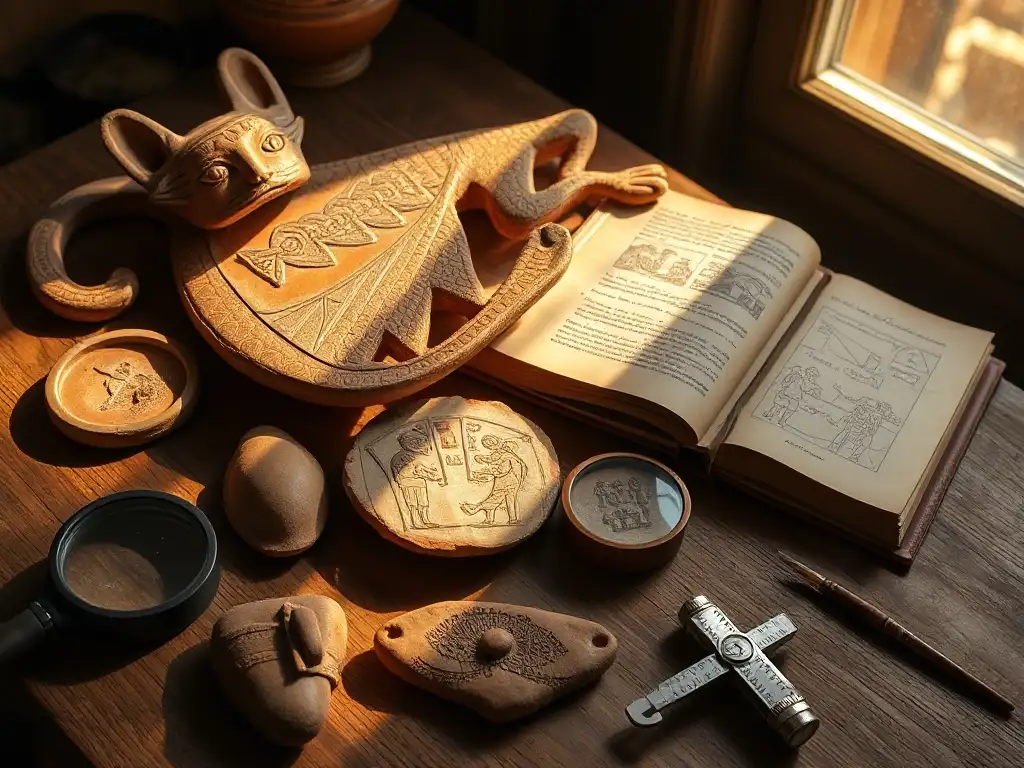
This section delves into the practical tools and readily available resources crucial for authenticating Moche pottery. Understanding the nuances of Moche artistry requires more than just a keen eye; it demands the right tools and access to reliable information. Proper identification helps to distinguish genuine artifacts from modern forgeries, protecting both collectors and researchers from deception. This is especially important given the increasing demand for and value of authentic Moche pottery, making it a target for counterfeiters.
Essential Equipment for Examining Moche Artifacts
Accurate assessment of Moche pottery demands careful examination. While sophisticated laboratory techniques exist, several essential tools can be used by both experienced collectors and enthusiastic novices to conduct a preliminary assessment of authenticity. These tools aid in the identification of stylistic features, material composition, and potential signs of forgery.
- Magnifying Glass: A high-quality magnifying glass (at least 10x magnification) is indispensable. It allows for close inspection of the paint application, revealing brushstrokes, inconsistencies in pigment distribution, and potential signs of overpainting or restoration that might indicate a forgery. The fine details in Moche iconography, often overlooked at a casual glance, become strikingly clear under magnification. Look for the characteristic fine lines and details in the depictions of figures, animals, and mythical creatures.
- Strong Light Source: A bright, adjustable light source, such as a flexible gooseneck lamp, is crucial. This allows you to examine the pottery from various angles, highlighting surface textures, and revealing subtle variations in color and glaze. Observe how the light interacts with the surface; genuine Moche pottery often displays a unique luminescence and depth that forgeries struggle to replicate. Angle the light to check for inconsistencies in the surface texture and glaze, which can be indicative of modern reproductions.
- Calipers or Ruler: Precise measurements of the vessel's dimensions are essential for comparison with known Moche pottery styles and sizes. Variations in proportions can be indicative of a specific workshop or period, aiding in authentication. Record these measurements meticulously for future reference and comparison.
- Cotton Gloves: Always handle Moche pottery with clean cotton gloves. This prevents the transfer of oils and acids from your skin, which can damage the delicate surface of the artifacts over time. The preservation of these irreplaceable pieces is paramount.
Online Resources for Moche Pottery Research
The digital age offers unprecedented access to information regarding Moche pottery. Numerous online resources provide valuable insights into stylistic features, iconography, and provenances, assisting in the authentication process. However, it is crucial to evaluate the credibility of online sources carefully, as misinformation can easily spread.
- Museum Databases: Reputable museums (such as [Museum Name Pending] and [Museum Name Pending]) often have online databases showcasing their Moche pottery collections. These databases typically include high-resolution images, detailed descriptions, and sometimes even provenance information. Comparing an artifact to these documented examples can be incredibly helpful.
- Academic Journals and Articles: Scholarly articles published in peer-reviewed journals offer in-depth analyses of Moche pottery styles, techniques, and iconography. These resources are valuable for understanding the complexities of Moche artistic production and for developing a discerning eye. Searching databases like JSTOR or Project MUSE can yield significant results.
- Specialized Websites and Forums: Certain websites and online forums dedicated to Andean archaeology and art collect information and discussions from experts and enthusiasts. While caution is advised, these platforms can be valuable sources of information, provided you critically assess the contributions and expertise of the participants. Remember to always cross-reference information from multiple sources.
Remember, the authentication of Moche pottery is a complex process that often requires expertise. While these tools and resources provide valuable assistance, consulting with experienced archaeologists or art historians is highly recommended, especially when dealing with artifacts of significant value or historical importance. The careful and responsible handling of these cultural treasures is crucial for their preservation and the advancement of our understanding of Moche civilization.
Common Pitfalls: Avoiding Counterfeit Moche Pottery
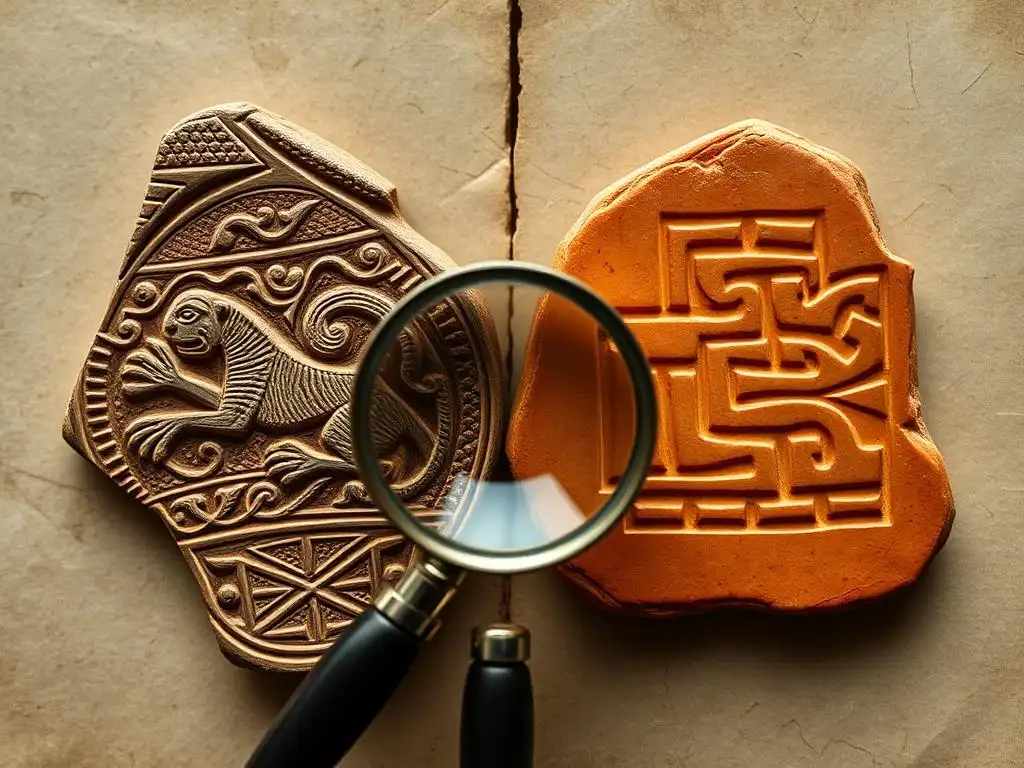
The allure of authentic Moche pottery, with its vibrant colors and intricate symbolism, makes it a prime target for forgers. Understanding the common pitfalls in identifying genuine pieces is crucial for collectors and enthusiasts alike. The market is unfortunately flooded with reproductions, often skillfully made to deceive the untrained eye. Therefore, a keen eye for detail and a solid understanding of Moche artistic conventions are paramount when assessing the authenticity of a vessel.
This section will equip you with the knowledge to navigate this complex area and confidently acquire genuine Moche artifacts. The subtle nuances that distinguish authentic Moche pottery from forgeries often lie in the details, requiring a careful and methodical approach to appraisal. Remember, investing in authentic pieces not only preserves a piece of history but also supports ethical collecting practices.
Spotting Reproductions and Forgeries
Reproductions of Moche pottery often display telltale signs that betray their modern origin. While sophisticated forgeries may mimic the style, they rarely capture the subtle imperfections and nuances present in ancient pieces. One key area to examine is the clay body itself. Authentic Moche pottery typically exhibits variations in texture and color, reflecting the natural inconsistencies of the ancient materials and firing techniques. Reproductions, on the other hand, often present a more uniform and homogenous appearance. Look for:
- Uniformity of color and texture: Authentic pieces often show subtle variations in color and texture across the surface. A completely uniform look is a red flag.
- Sharp, crisp lines: While Moche artists were skilled, their work often shows slight imperfections and variations in line weight, unlike the sharp, precise lines often seen in modern reproductions.
- Artificial aging techniques: Forgers sometimes attempt to artificially age their pieces using chemicals or other methods. Close examination under magnification can reveal unnatural discoloration or surface alterations.
- Inconsistent paint application: Examine the paint application closely. Authentic pieces may exhibit subtle variations in paint thickness and application, unlike the often overly precise and uniform application in reproductions.
- Lack of "earthy" inclusions: Genuine Moche pottery sometimes contains small inclusions of sand, grit, or other materials within the clay body. These are rarely replicated in modern forgeries.
Consider using a magnifying glass to scrutinize the surface details. The presence of these subtle imperfections often serves as a powerful indicator of authenticity. The more you handle and examine genuine Moche pieces, the more adept you will become at distinguishing them from counterfeits. Remember, a truly authentic piece will always possess a certain "aura" – a sense of age and history that is difficult to replicate.
The Importance of Provenance and Authentication
Provenance, the documented history of ownership of an artifact, is paramount in establishing its authenticity. A strong provenance can significantly increase the confidence in a piece's genuineness. This documentation should ideally trace the artifact's ownership back to its discovery or initial acquisition. Without a clear provenance, the risk of acquiring a counterfeit is greatly increased.
Furthermore, seeking authentication from reputable experts is crucial. These specialists, often archaeologists or art historians with extensive experience in Moche pottery, can employ a range of techniques to assess authenticity, including scientific analysis of the clay and pigments. A certificate of authenticity from a recognized expert significantly enhances the value and credibility of a piece. Always remember that the investment in authentication is an investment in the preservation of your collection's integrity and value.
A detailed provenance report, combined with expert authentication, provides a strong defense against potential future disputes about the piece's authenticity and significantly impacts its market value. The pursuit of genuine Moche pottery necessitates a commitment to ethical collecting practices and a thorough understanding of the authentication process. This diligence ensures that you are not only acquiring a beautiful and historically significant piece but also contributing to the responsible preservation of this invaluable cultural heritage.
Understanding Moche Pottery's Message: A Deeper Dive
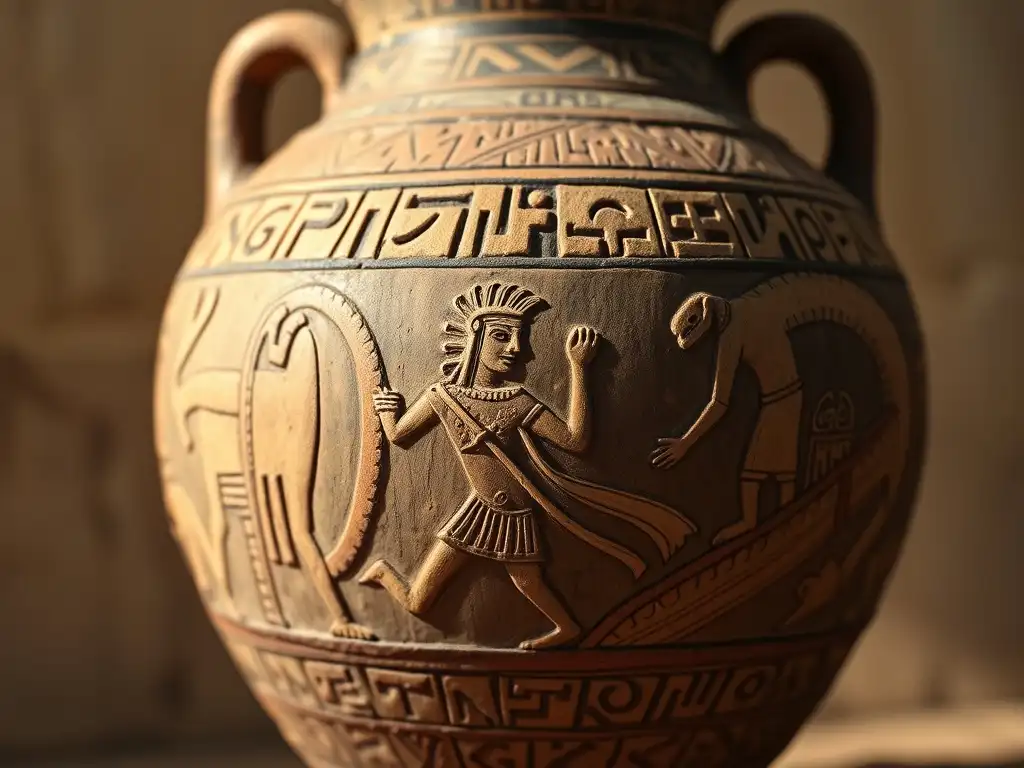
The vibrant artistry of Moche pottery isn't merely decorative; it's a window into the complex social, religious, and political life of this fascinating pre-Columbian culture. Understanding the symbolism embedded within these vessels requires a multifaceted approach, combining archaeological context with careful observation of the iconography itself. Moche pottery symbolism meaning is not a singular, easily deciphered code, but rather a rich tapestry of interwoven narratives.
The meanings often shift subtly depending on the specific vessel, its context of discovery, and the combination of motifs employed. This section delves into the intricacies of interpreting these captivating artifacts, offering a nuanced perspective on the Moche worldview as reflected in their ceramic art. We'll explore how the seemingly simple act of creating and decorating pottery was deeply intertwined with their societal structure and spiritual beliefs.
The Cultural Context of Moche Pottery Symbolism
Moche society, flourishing along the northern coast of Peru from approximately 100 to 800 CE, was highly stratified. Their sophisticated irrigation systems supported a complex social hierarchy, with powerful elites controlling resources and religious ceremonies. This social structure is powerfully reflected in their pottery. Representations of rulers, warriors, and priests frequently appear, often depicted in elaborate ceremonies or acts of power. These portrayals aren't simply portraits; they are statements of social order and religious authority. For example, vessels depicting sacrificial scenes, often involving human sacrifice, highlight the power and ritual importance held by the elite.
The prevalence of certain motifs, such as feline imagery (often associated with power and the supernatural), varies across different Moche phases and regions. This variation suggests that the meaning of symbols wasn't static but evolved and adapted over time and across different social groups. Furthermore, the materials used in creating the pottery – the type of clay, the pigments used for decoration – also hold clues to the vessel's purpose and significance.
High-quality materials and intricate designs often indicate elite patronage or use in important rituals. Analyzing these contextual factors is crucial to understanding the full range of Moche pottery symbolism meaning.
Interpreting Moche Pottery Through Archaeological Evidence
Archaeological excavations provide invaluable context for interpreting Moche pottery. The discovery of complete sets of vessels within tombs, alongside other grave goods, offers crucial insights into their usage and symbolic meaning within specific funerary rituals. For instance, the presence of specific types of pottery in elite tombs, alongside gold ornaments and other luxury items, indicates their importance within the funerary context. These discoveries allow us to connect specific motifs with particular social roles or status.
Example: A Tomb Discovery
A recent excavation unearthed a Moche tomb containing a large stirrup-spout vessel depicting a warrior, accompanied by smaller vessels showing scenes of warfare and ritual sacrifice. The arrangement and types of vessels suggest a funerary rite associated with a high-ranking warrior or military leader. The presence of weaponry and other grave goods further strengthens this interpretation.
Furthermore, the analysis of the manufacturing techniques and stylistic variations across different Moche phases helps us to trace the evolution of their iconography and understand how the meaning of certain symbols might have changed over time. This detailed analysis, combined with careful study of the ceramic itself, allows us to build a more comprehensive picture of Moche pottery symbolism meaning, moving beyond simple interpretations to a richer understanding of their beliefs and societal structure. The meticulous recording of the location and context of each find are essential to unlock the full narrative encoded within these remarkable artifacts.
Detailed provenance records are therefore crucial for accurate interpretation of Moche pottery symbolism meaning. Unfortunately, [Data on the number of recorded Moche sites with detailed provenance is pending]. This data would significantly enhance our understanding.
Conclusion: Appreciating the Legacy of Moche Pottery
The intricate artistry and symbolic richness of Moche pottery offer a captivating window into the worldview and societal structures of this remarkable pre-Columbian culture. Understanding the symbolism embedded within these vessels allows us to move beyond mere aesthetic appreciation and engage with the profound cultural narratives they convey. From depictions of daily life to representations of mythological beings and complex rituals, Moche pottery provides invaluable insights into a civilization that flourished centuries ago. The meticulous detail and vibrant colors employed in their creation highlight the advanced technological capabilities and artistic sensibilities of the Moche people. By carefully studying the markings and identifying the symbolism, we gain a deeper understanding of their beliefs, values, and societal organization. The enduring appeal of Moche pottery lies not only in its beauty but also in its ability to connect us to a vibrant past, fostering a greater appreciation for the legacy of Andean civilizations.
The Enduring Value of Moche Art and its Symbolism
The study of Moche pottery symbolism meaning is an ongoing process. New discoveries and interpretations constantly enrich our understanding of these fascinating artifacts. The enduring value of Moche art extends beyond its historical significance; it also holds considerable artistic and cultural value.
Museums and private collectors worldwide prize authentic Moche pottery, recognizing its aesthetic beauty and historical importance. The vibrant colors, intricate designs, and masterful craftsmanship continue to inspire artists and designers today. Furthermore, the symbolic language encoded within these vessels provides a unique lens through which we can explore the complexities of human culture and belief systems across time.
The meaning behind specific symbols remains a subject of ongoing scholarly debate. For example, the recurring motif of the decapitated figure, while often interpreted as a representation of sacrifice or warfare, could also have alternative symbolic meanings related to fertility or rebirth. Similarly, the depiction of various mythical creatures and supernatural beings continues to spark discussion and interpretation amongst experts.
This ongoing process of re-evaluation and interpretation is what makes the study of Moche pottery so compelling. Each new discovery, each fresh perspective, adds another layer of complexity and understanding to this rich cultural heritage. The enduring fascination with Moche pottery underscores its importance as a vital source of information for comprehending the intricacies of Andean civilization.
The detailed study of Moche pottery symbolism meaning continues to provide a rich and rewarding experience for scholars and enthusiasts alike. It is a testament to the enduring power of art to transcend time and connect us to the past. The legacy of the Moche continues to resonate, inspiring awe and wonder in all who encounter their remarkable creations.
Frequently Asked Questions
What is the significance of Moche pottery?
Moche pottery is incredibly important because it provides valuable insights into the daily life, beliefs, and rituals of the Moche civilization. The detailed imagery depicts scenes of warfare, ceremonies, and everyday activities, offering a unique window into their world. It's a crucial source for understanding their complex society.
What kind of symbolism is commonly found in Moche pottery?
Moche pottery frequently features symbolic representations of deities, mythical creatures, and important events. Common themes include fertility, power, and warfare. These symbols provide clues about their religious beliefs and social structures.
How can I decipher the meaning of the markings on Moche pottery?
Deciphering the meaning requires careful observation and consideration of the context of the imagery. Scholars use comparative analysis with other artifacts and iconography to interpret the symbols. There's no single "code," but rather interpretations based on evidence.
What makes Moche pottery unique compared to other Andean pottery?
Moche pottery is renowned for its exceptional artistry and realism. The detailed modeling and vibrant colors, particularly the use of polychrome painting, set it apart. The narrative scenes depicted are also more elaborate and complex than in many other Andean styles.
Where can I learn more about the symbolism and meaning of Moche pottery markings?
You can find more information through academic publications, museum exhibits focusing on pre-Columbian art, and reputable online resources specializing in Andean archaeology. Scholarly articles offer detailed analysis and interpretations of specific motifs and styles.
Final Reflection: Unearthing the Enduring Legacy of Moche Pottery
The vibrant artistry of Moche pottery continues to resonate today, offering a powerful window into a vanished civilization and challenging our understanding of ancient communication. These aren't simply relics of the past; they are living testaments to a sophisticated culture that expressed itself through intricate designs and symbolic narratives, leaving a legacy that continues to inspire awe and scholarly debate. The enduring mystery surrounding their meaning only adds to their captivating allure.
The Moche's masterful use of symbolism, evident in their pottery, speaks volumes about their societal structures, religious beliefs, and daily lives. Their art wasn't merely decorative; it was a complex system of communication, a visual language that encoded their worldview. The past is never dead. It's not even past.
- William Faulkner. This quote perfectly encapsulates the enduring relevance of Moche pottery; its messages, though centuries old, still speak to us, challenging our assumptions and broadening our understanding of human expression across time and cultures.
Consider the intricate details, the bold colors, the powerful imagery you've explored within this article. Now, I invite you to reflect on the power of visual communication, not just in the context of ancient Peru, but in your own life. How do you communicate visually? What stories do your own choices in art, clothing, or even digital expression tell? Let the legacy of the Moche inspire you to explore the depths of your own visual language and the profound messages it conveys to the world.
Unveil the Secrets of Moche Pottery Today!
Thank you for exploring the fascinating world of Moche pottery! We're delighted you've delved into its rich history and distinctive artistry. Now, let's build on that knowledge and further appreciate these remarkable artifacts.
Here are some suggestions for your next steps:
- Visit a local museum with a collection of Andean artifacts, focusing on the Moche pottery. See if you can identify the decorative styles and techniques you've learned about.
- Join an online community or forum dedicated to Andean cultures. Share your discoveries and connect with other enthusiasts.
- Consider taking a pottery class. Experiment with creating pieces inspired by Moche designs—it's a wonderful way to express your creativity!
As you continue your exploration, we'd love to hear from you: **What aspect of Moche pottery captivates you most, and why? ** Share your thoughts in the comments below!