
The Emperor's Dilemma: Atahualpa's First Encounters with the Spanish and the Seeds of Betrayal

Step into a world lost to time, where the echoes of empires still resonate. Andean Civilizations unveils the captivating stories of ancient power and ingenuity, from the breathtaking artistry of the Nazca lines to the sophisticated engineering of the Incas. But some encounters shattered civilizations. Prepare to be drawn into the heart of Atahualpa's first meeting with Pizarro, a pivotal moment that irrevocably altered the course of history. Discover the intrigue, the betrayal, and the legacy of this fateful encounter – a story of ambition, conquest, and the ultimate price of power.
- Atahualpa's First Meeting with Pizarro: Seeds of Betrayal in the Andes
- The Political Landscape Before the Arrival of the Spanish
- The Arrival of the Spanish in the Andean World
- Atahualpa's First Encounter with Pizarro
- The Capture of Atahualpa and its Immediate Aftermath
- Atahualpa's Attempts to Regain Freedom
- The Betrayal and Execution of Atahualpa
- The Lasting Impact of Atahualpa's Capture
-
Frequently Asked Questions
- What was Atahualpa's initial reaction to the arrival of the Spanish?
- How did Atahualpa's perception of the Spanish change over time?
- What role did the Inca's understanding of technology play in their encounter with Pizarro?
- Where did Atahualpa's first meeting with Pizarro take place?
- How did the initial meeting between Atahualpa and Pizarro ultimately shape the fate of the Inca Empire?
- Final Reflection: Echoes of Empire: Legacy of Atahualpa's Encounter
- Uncover the Roots of Betrayal in History!
Atahualpa's First Meeting with Pizarro: Seeds of Betrayal in the Andes
The year is 1532. The Inca Empire, a vast and powerful civilization stretching along the Andes Mountains, finds itself on the precipice of dramatic change. This article delves into the pivotal moment when Atahualpa, the last Sapa Inca of the independent Inca Empire, first encountered Francisco Pizarro and his conquistadors.
This encounter, far from a simple meeting, represents a critical juncture, fraught with miscommunication, misunderstanding, and ultimately, the seeds of betrayal that would lead to the downfall of a magnificent empire. We'll explore the events leading up to this fateful meeting, the cultural clashes that defined the interaction, and the strategic maneuvers that paved the way for the Spanish conquest. Understanding Atahualpa's first meeting with Pizarro is key to comprehending the complexities of the Spanish conquest and the tragic consequences for the Inca civilization.
We will analyze not only the immediate events but also the long-term implications of this encounter, revealing how seemingly small choices and misunderstandings had monumental consequences. The story is one of power, deception, and the clash of two vastly different worlds.
The Setting: Cajamarca and the Inca Army
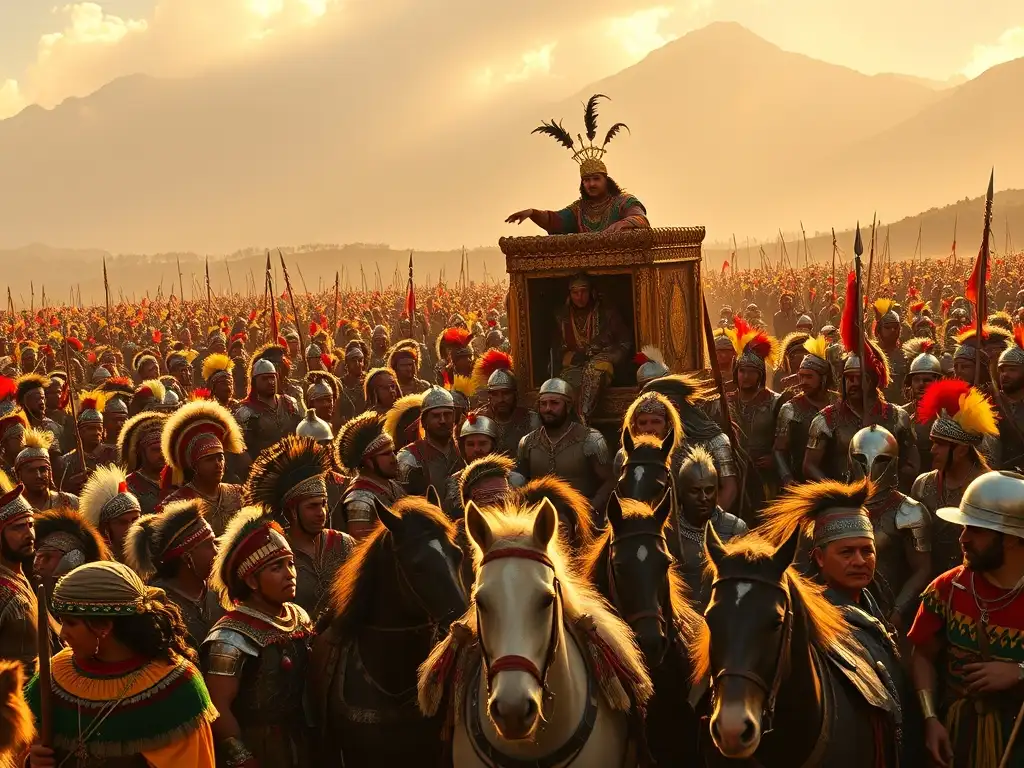
The setting for this fateful encounter was Cajamarca, a strategically important city in the northern Andes. Atahualpa, having recently secured his claim to the Inca throne through a brutal civil war, arrived in Cajamarca with a substantial army. Estimates of the size of his army vary, but it's generally accepted that he commanded a force numbering in the thousands, a powerful display of Inca military might.
These soldiers, adorned in their distinctive attire and armed with traditional weaponry, represented the pinnacle of Inca military organization and prowess. The city itself, with its impressive architecture and intricate infrastructure, served as a stark contrast to the relatively small, but technologically superior, force that Pizarro brought with him.
The disparity in numbers, however, would prove to be less significant than the technological and strategic advantages held by the Spanish. The Inca army, accustomed to warfare within the Andes, was unprepared for the weaponry and tactics employed by the conquistadors.
The Spanish Conquistadors: A Small but Deadly Force
In contrast to the vast Inca army, Pizarro’s force was relatively small, numbering only around 168 men. However, these men possessed a decisive advantage: superior weaponry. They carried firearms, steel swords, and horses – all unknown and terrifying to the Inca. The psychological impact of these unfamiliar weapons played a significant role in the ensuing events.
Furthermore, Pizarro's strategy, based on exploiting the Inca's lack of familiarity with European warfare, was brilliantly executed. The carefully planned ambush in the Plaza de Armas of Cajamarca was a masterclass in military strategy, showcasing the conquistadors’ understanding of the Inca’s cultural norms and their ability to exploit them to their advantage. The element of surprise was crucial, and the Spanish ruthlessly exploited it.
The First Encounter: A Calculated Ambush and the Capture of Atahualpa
The first encounter wasn't a formal meeting; it was a carefully orchestrated ambush. Pizarro, utilizing his knowledge of Inca customs and the city's layout, lured Atahualpa into a trap in the main square. While Atahualpa, accompanied by a retinue of unarmed nobles and officials, was attending a religious ceremony, the Spanish sprang their trap. The ensuing massacre was swift and brutal.
The superior firepower of the Spanish, coupled with the element of surprise, overwhelmed the Inca forces. Atahualpa, despite his retinue's valiant but ultimately futile efforts, was captured. This capture, rather than a battle, marked the decisive moment in the conquest. The capture of the Sapa Inca effectively decapitated the Inca Empire, leaving it vulnerable to Spanish domination.
The Aftermath: Betrayal and the Fall of an Empire
The capture of Atahualpa marked the beginning of the end for the Inca Empire. The subsequent events, including the infamous ransom of gold and silver, and the eventual execution of Atahualpa, demonstrated the extent of Spanish brutality and the devastating consequences of the first encounter. The initial meeting at Cajamarca wasn't just a clash of armies; it was a clash of cultures, beliefs, and ambitions, with the Spanish ultimately triumphing through a combination of military superiority, strategic cunning, and ruthless exploitation of internal Inca divisions.
The seeds of betrayal sown in that initial encounter would blossom into the complete subjugation of the Inca Empire, forever altering the course of Andean history. The story serves as a cautionary tale of the devastating consequences of cultural misunderstandings and the unchecked ambition of conquest.
The Political Landscape Before the Arrival of the Spanish
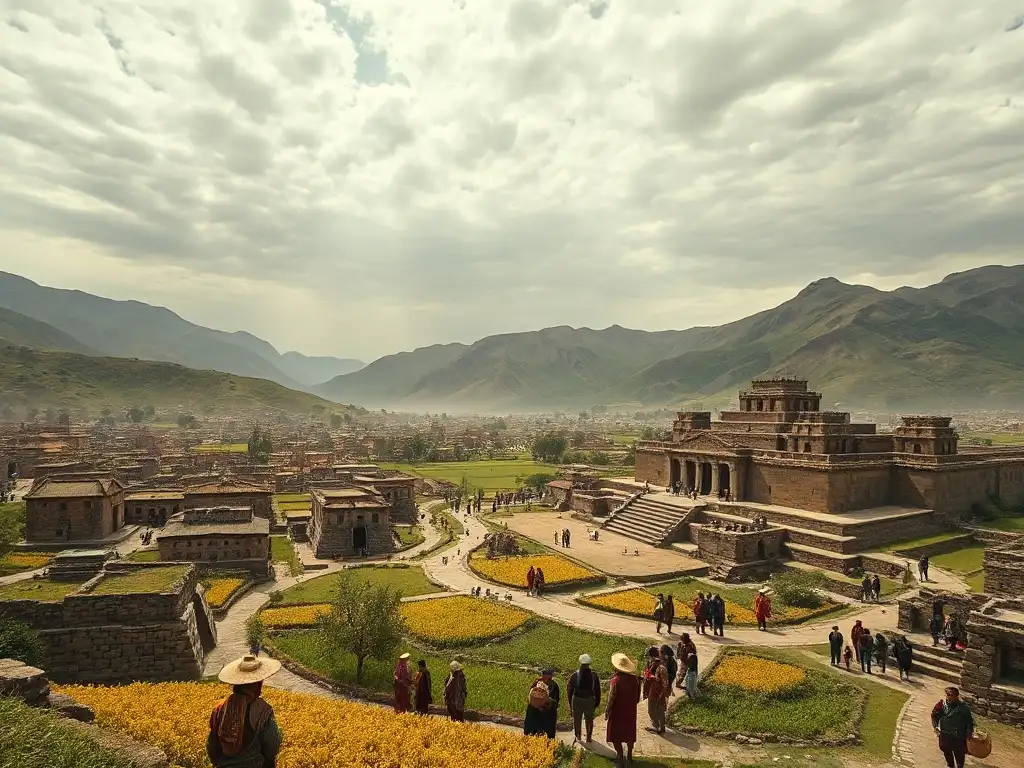
This section examines the precarious political situation within the Inca Empire immediately preceding Atahualpa's first meeting with Pizarro, setting the stage for the dramatic events that unfolded. The seemingly powerful Inca state was, in reality, fractured and vulnerable, a fact that significantly influenced the outcome of the initial encounters with the Spanish conquistadors.
Understanding this internal fragility is crucial to comprehending the speed and ease with which the Spanish were able to overcome the Inca Empire. The subsequent conquest wasn't simply a clash of military might; it was also a story of political exploitation, leveraging existing divisions to achieve dominance.
The Inca Empire Under Atahualpa
Atahualpa's ascension to the Inca throne was far from seamless. While he ultimately claimed victory, the path to power was paved with bloodshed and internal conflict. He inherited a vast empire, stretching across the Andes Mountains, encompassing a diverse population and a complex system of governance.
However, this seemingly unified realm was already showing cracks before the arrival of Pizarro. The sophisticated administrative structure, while impressive, was also rigid and susceptible to exploitation. Atahualpa's reign, though short, was marked by consolidation of power, often achieved through ruthless suppression of dissent.
This consolidation, while strengthening his immediate control, also alienated potential allies and further destabilized the empire. The swift and decisive actions taken by Atahualpa to secure his position – perhaps necessary to maintain control – inadvertently created vulnerabilities that the Spanish would later exploit. His focus on consolidating his power might have blinded him to the emerging threat on the horizon.
The Inca Civil War: Atahualpa vs. Huáscar
The Inca Civil War, a brutal conflict between Atahualpa and his half-brother Huáscar, significantly weakened the Inca Empire. This fratricidal struggle for control of the empire, lasting several years, drained resources, manpower, and, most importantly, morale. The war wasn't simply a power struggle; it was a clash of different factions and regional interests within the empire.
Huáscar, representing the traditional power base in Cusco, clashed with Atahualpa, who commanded greater military strength and loyalty from the northern provinces. The war's devastating impact extended beyond the battlefield. Infrastructure was destroyed, agricultural production suffered, and the loyalties of provincial governors were fractured.
The ongoing conflict created a power vacuum, leaving the empire vulnerable to external threats. The sheer scale of the conflict, with its protracted battles and significant loss of life, significantly depleted the Inca army and left it ill-prepared to face the technologically superior Spanish forces. The civil war provided a perfect opening for Pizarro's opportunistic invasion.
Internal Conflicts Weakening the Inca State
Beyond the overt conflict of the civil war, simmering tensions and internal divisions further destabilized the Inca state. These included:
- Regional rivalries: Different provinces within the empire, each with its own distinct culture and traditions, often clashed for resources and power. This created a climate of distrust and competition, hindering unified action against external threats.
- Economic disparities: While the Inca Empire boasted a sophisticated economic system, significant economic inequalities existed between different regions and social classes. This inequality fueled resentment and instability, creating fertile ground for rebellion and further weakening central authority.
- Religious tensions: While the Inca religion played a crucial role in maintaining social order, internal religious divisions and differing interpretations of religious practices also contributed to the overall instability.
The combination of these factors – the civil war, regional rivalries, economic disparities, and religious tensions – created a perfect storm that left the Inca Empire profoundly vulnerable. This internal fragility played a pivotal role in shaping Atahualpa's first meeting with Pizarro, providing the Spanish with an unexpected advantage and paving the way for the conquest of a once-mighty empire. The Inca's internal struggles provided the fertile ground for the seeds of betrayal to take root and flourish, ultimately leading to the fall of their civilization.
The Arrival of the Spanish in the Andean World
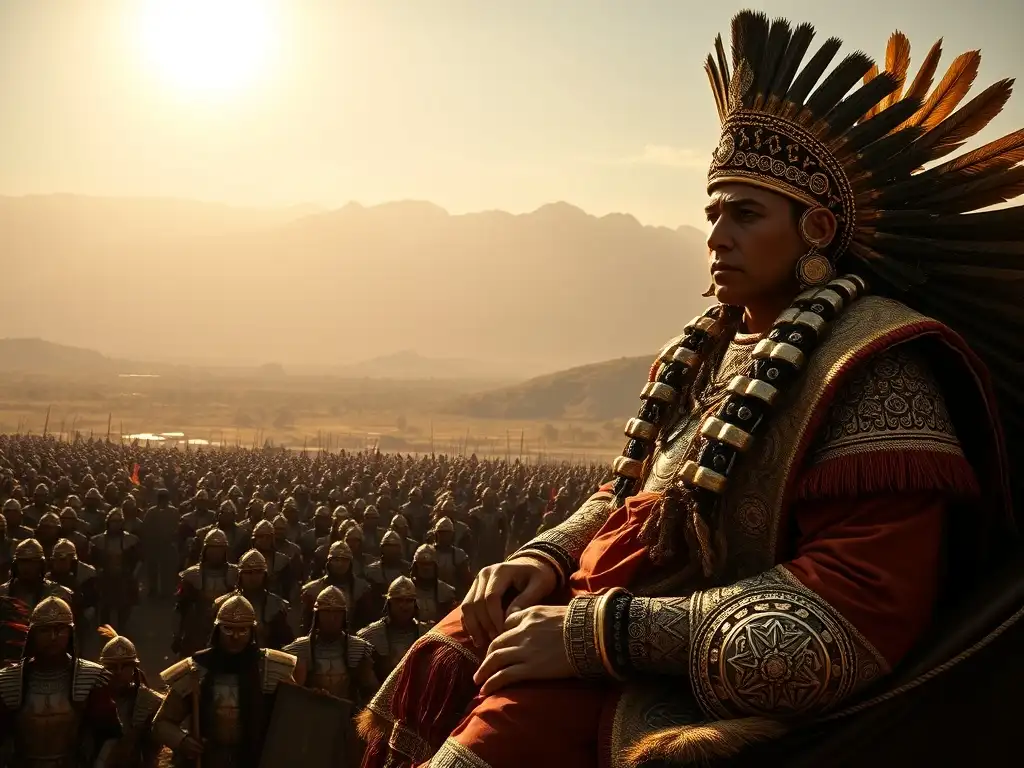
This section delves into the initial stages of the Spanish conquest of the Inca Empire, focusing specifically on the events leading up to Atahualpa's fateful first meeting with Francisco Pizarro. We will examine the expedition's journey, early interactions with indigenous populations, and the strategic maneuvering that culminated in the capture of the Inca emperor. Understanding these crucial early encounters is key to comprehending the subsequent collapse of the Inca Empire. The narrative focuses on the events surrounding Atahualpa's first meeting with Pizarro, highlighting the complexities and miscalculations that sealed the Inca's fate.
Francisco Pizarro's Expedition to Peru
Francisco Pizarro's expedition to Peru wasn't a singular, spontaneous event. It was the culmination of years of planning, exploration, and brutal conquest in other parts of South America. Pizarro, a seasoned conquistador, leveraged his experience and knowledge of the region to meticulously plan his campaign.
His expedition, funded partially by his own resources and partially by investors back in Spain, assembled a force of approximately 180 men—a seemingly small number to conquer an empire. However, Pizarro shrewdly combined his relatively small troop of seasoned soldiers with horses, advanced weaponry (including firearms), and the ever-present psychological advantage of appearing far more powerful than he actually was. The expedition also benefited from the internal strife within the Inca Empire itself, a crucial factor often overlooked when discussing Atahualpa's first meeting with Pizarro.
The recent civil war between Atahualpa and his half-brother Huáscar had significantly weakened the empire, leaving it vulnerable to outside invasion. Pizarro and his men astutely exploited this weakness, advancing strategically through territories already weakened by conflict. The meticulous planning and strategic exploitation of the Inca civil war played a significant role in determining the outcome of Atahualpa's first meeting with Pizarro.
Early Encounters with Coastal Communities
Before reaching Cajamarca and encountering Atahualpa directly, Pizarro's expedition engaged with various coastal communities. These early interactions were not always peaceful. While some coastal groups offered supplies and even guided the Spanish, others resisted, leading to skirmishes and violence.
These encounters provided crucial information for Pizarro – intelligence on Inca infrastructure, military capabilities, and the political landscape. This intelligence gathering was absolutely vital to the success of Pizarro's strategy. For example, the Spanish learned about the Inca's impressive road system, which facilitated their own movement inland.
They also gained insights into Atahualpa's position and his army's strength, which helped them plan their approach to Cajamarca. These early skirmishes also served to acclimate Pizarro’s men to the Andean terrain and the fighting styles of the indigenous populations, offering invaluable combat experience before the pivotal Atahualpa's first meeting with Pizarro. The initial engagements were not merely isolated incidents; they were instrumental in shaping the Spanish strategy and paving the way for the later confrontation.
The Spanish Advance Towards Cajamarca
The strategic march towards Cajamarca was crucial. Pizarro, aware of the Inca army's strength, avoided direct confrontation whenever possible. He employed tactics of deception and intimidation, exaggerating his forces' size and military might. The Spanish skillfully used their superior weaponry—cannons and firearms—to create a disproportionate impact on the Inca forces.
The journey itself was filled with calculated risks and strategic decisions. Pizarro carefully selected his route, leveraging the existing Inca infrastructure while avoiding areas of strong Inca resistance. The careful selection of Cajamarca as the site for the confrontation speaks volumes about Pizarro's cunning strategy. Cajamarca’s geographical features—a confined valley surrounded by hills—offered a significant tactical advantage to the smaller Spanish army.
This strategic positioning played a crucial role in ensuring the success of the ambush that led to Atahualpa's first meeting with Pizarro and his subsequent capture. The entire advance towards Cajamarca was a masterclass in military strategy, illustrating how a smaller, technologically superior force could overcome a numerically larger opponent. The meticulous planning and execution of this phase ultimately set the stage for the dramatic events that would unfold in Cajamarca.
Atahualpa's First Encounter with Pizarro
This section delves into the pivotal moment in Andean history: Atahualpa's first meeting with Francisco Pizarro, an event laden with miscommunication, deception, and ultimately, the downfall of the Inca Empire. We will analyze the initial encounter, Atahualpa's perception of the Spanish, and Pizarro's strategic machinations that paved the way for the conquest. Understanding this crucial juncture is key to grasping the complexities of the Spanish conquest and the subsequent fate of the Inca civilization. The keyword "Atahualpa's first meeting with Pizarro" will be explored through a detailed analysis of the events and their consequences.
The Initial Meeting in Cajamarca
The initial meeting between Atahualpa and Pizarro in Cajamarca, Peru, in November 1532, was far from a diplomatic exchange. Pizarro, with a vastly outnumbered force of approximately 168 Spanish soldiers, horses, and cannons, strategically chose the location. Cajamarca's narrow streets and plazas provided a natural chokepoint, limiting the effectiveness of Atahualpa's massive army. Atahualpa, unaware of the Spanish weaponry and tactics, arrived with a retinue of thousands, seemingly confident in his numerical superiority.
The Inca emperor, accustomed to displays of power and submission, was initially taken aback by the Spanish's seemingly modest numbers, but his arrogance and underestimation of their capabilities proved fatal. The meeting was a carefully orchestrated ambush, a blatant disregard for diplomatic protocols, and a stark demonstration of the power imbalance between the two worlds. This strategic advantage, coupled with the element of surprise, allowed the Spanish to capture Atahualpa in a swift and brutal attack.
The ensuing chaos and slaughter of the Inca nobility highlighted the devastating impact of European weaponry on a society unprepared for such conflict. The event was not a mere "meeting," but a calculated act of aggression that marked the beginning of the end for the Inca Empire. Detailed accounts from Spanish chroniclers, while biased, offer glimpses into the chaotic scene, emphasizing the sheer brutality of the encounter and the complete surprise experienced by the Inca.
Atahualpa's Perspective on the Spanish
Atahualpa's perception of the Spanish is a complex topic. While accounts are filtered through the lens of Spanish chroniclers, we can glean some insights. Initially, Atahualpa likely viewed the Spanish as another tributary group, perhaps even a less significant one compared to those he already controlled. His initial response, characterized by curiosity and a show of imperial power, underscores this assumption.
The Inca worldview, with its emphasis on ritual and symbolic displays of power, may have hindered his understanding of the Spanish's true intentions. The gifts presented to Atahualpa – trinkets and baubles that seemed insignificant compared to the Inca's gold and silver – likely reinforced this misjudgment. The Spanish, with their advanced weaponry, horses, and unfamiliar tactics, were beyond anything the Inca had previously encountered. Atahualpa’s failure to comprehend the strategic military prowess of Pizarro and his men proved catastrophic.
His lack of understanding of firearms and cavalry tactics is evident in his initial underestimation of the Spanish capabilities. The swiftness and brutality of the Spanish attack, coupled with the massacre of his unarmed retinue, shattered any preconceived notions of the Spanish as merely another group seeking tribute. The initial awe and curiosity quickly turned to fear and ultimately, captivity. This transformation in Atahualpa's perspective, from a position of imperial dominance to one of complete subjugation, represents a pivotal shift not only in his personal life but also in the fate of the Inca Empire.
Pizarro's Deception and Ambitions
Pizarro's actions in Cajamarca were not accidental; they were a calculated strategy driven by greed and ambition. He masterminded a carefully planned ambush, exploiting Atahualpa's naiveté and the Inca's lack of familiarity with European warfare. Pizarro's deception extended beyond the military strategy; it permeated his interactions with Atahualpa. The initial show of peace and diplomacy served as a veil for his true intentions: to seize control of the Inca Empire's vast wealth and resources.
The promises made to Atahualpa – if any – were clearly insincere, serving only to lull the Inca emperor into a false sense of security. Pizarro's ambition was not solely focused on personal enrichment; he also sought to establish Spanish dominance in the region, securing a foothold for future colonization. His actions were driven by a combination of factors: the lust for gold, the desire for power, and the religious zeal of the Spanish conquistadors.
The capture of Atahualpa was a crucial step in achieving these goals. This calculated deception, coupled with the superior military technology of the Spanish, allowed Pizarro to overcome the numerical superiority of the Inca army, thereby setting the stage for the conquest of the Inca Empire. The systematic exploitation of the Inca's cultural norms and the ruthless efficiency of the Spanish military machine demonstrate the cynical pragmatism that underpinned Pizarro's ambition.
The Misunderstanding of Cultures and Intentions
Atahualpa's first meeting with Francisco Pizarro in Cajamarca in 1532 was a catastrophic clash of cultures, profoundly shaped by mutual misunderstandings and a stark imbalance of power. The Inca emperor, accustomed to a hierarchical society with elaborate rituals and a complex system of communication, encountered a group of relatively few Europeans whose intentions remained largely opaque to him. Pizarro, on the other hand, driven by the lust for gold and the ambition of conquest, grossly underestimated the Inca empire's strength and sophistication while simultaneously misinterpreting Atahualpa's actions and gestures.
The Inca worldview, deeply rooted in Andean cosmology and religious beliefs, was fundamentally different from the European perspective. Atahualpa, believing himself to be a divine ruler, likely approached the encounter with a degree of ceremony and expectation of deference that was completely lost on Pizarro and his men. The Inca's displays of power, such as the vast retinue accompanying him, were interpreted not as signs of regal authority but as potential vulnerabilities ripe for exploitation. This fundamental disconnect in understanding societal structures and power dynamics played a crucial role in the events that unfolded.
The communication barrier further exacerbated the situation. While interpreters were present, the nuances of language and cultural context were often lost in translation. Gestures, expressions, and even the very concept of diplomacy differed significantly between the two sides.
What Atahualpa might have perceived as a respectful gesture could have been easily misconstrued by Pizarro as a sign of weakness or defiance. This linguistic and cultural chasm created an environment ripe for misinterpretations and mistrust, ultimately paving the way for the catastrophic events that followed. The lack of a shared framework for understanding intentions meant that even seemingly innocuous actions could be misinterpreted with devastating consequences.
The seeds of betrayal, therefore, were sown not just in deliberate acts of aggression, but also in the unintentional misunderstandings that stemmed from this profound cultural divide. The inability to bridge this gulf in understanding proved to be a critical factor in the downfall of the Inca Empire.
The Capture of Atahualpa and its Immediate Aftermath
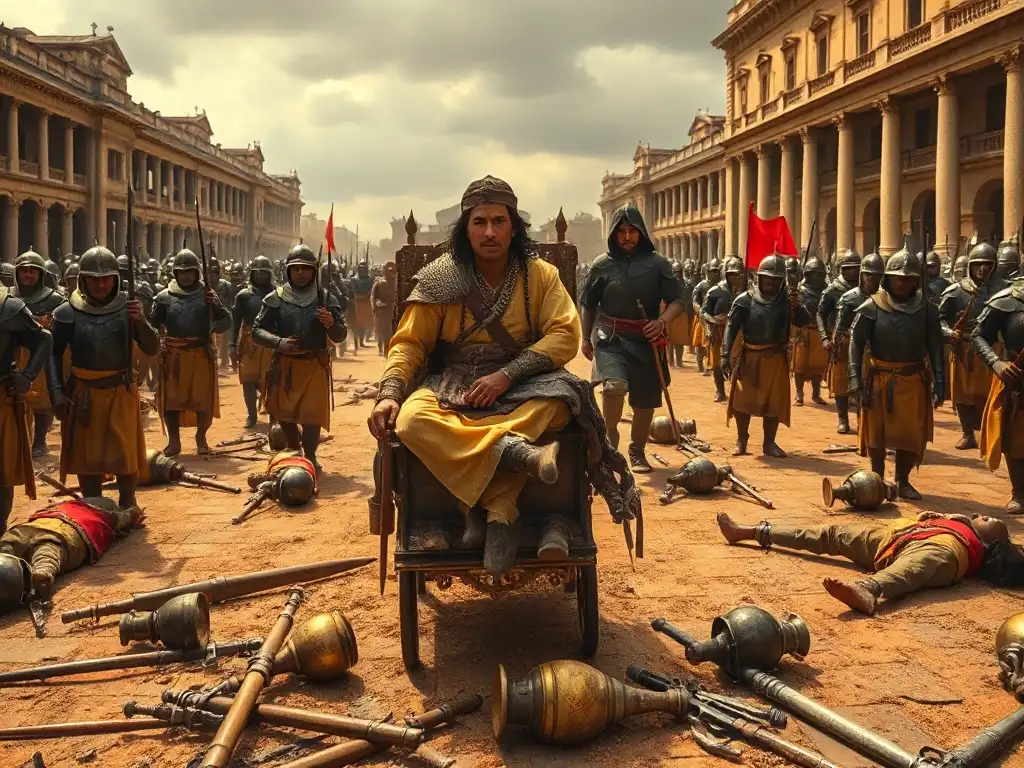
The capture of Atahualpa, the Sapa Inca, by Francisco Pizarro in Cajamarca on November 16, 1532, marks a pivotal moment in Andean history. This seemingly swift and decisive victory was, in reality, the culmination of meticulous planning and exploitation of Inca vulnerabilities, setting in motion events that would irrevocably alter the course of the Inca Empire. The event, often described as "Atahualpa's first meeting with Pizarro," is more accurately understood as a carefully orchestrated ambush that leveraged superior weaponry and psychological warfare.
The immediate aftermath of the capture was characterized by chaos, confusion, and the systematic dismantling of the Inca power structure. The seeds of betrayal, sown long before the fateful encounter, blossomed rapidly in the ensuing days and months. Understanding this context is crucial to grasping the full significance of this pivotal event.
The Spanish Ambush and the Inca Massacre
Pizarro's strategy in Cajamarca was nothing short of brilliant, at least from a military perspective. He cleverly used the plaza's confined space to his advantage. Atahualpa, accustomed to displays of power and unfamiliar with firearms, arrived with a large, largely unarmed retinue, believing he was attending a peaceful meeting.
The Spanish, hidden in pre-positioned locations, unleashed a devastating volley of musket fire and cannon blasts, catching the Inca completely off guard. The ensuing massacre was brutal and swift. Thousands of Inca nobles and soldiers fell, their sophisticated weaponry and tactics rendered useless against the Spanish's superior firepower and brutal efficiency.
This initial slaughter effectively crippled the Inca army and shattered the illusion of Inca invincibility. The sheer scale of the massacre—estimates range from several thousand to over ten thousand casualties—serves as a stark reminder of the asymmetry of power between the two forces. The sheer shock and terror instilled in the remaining Inca soldiers effectively paralyzed resistance.
The Spanish employed not only superior weaponry but also psychological warfare. The sudden and unexpected violence, coupled with the terrifying effects of the firearms and horses (unknown to the Inca), instilled a sense of panic and disarray amongst the Inca forces. The element of surprise, expertly orchestrated by Pizarro, proved decisive, transforming a potential battle into a one-sided slaughter. This initial victory paved the way for the subsequent subjugation of the Inca Empire. The efficiency of the Spanish ambush underscored the vulnerability of the Inca despite their military strength and sophisticated infrastructure.
Atahualpa's Imprisonment
Following the massacre, Atahualpa was taken prisoner. His captivity wasn't simply a matter of physical restraint; it was a strategic move designed to destabilize the Inca Empire. The removal of the Sapa Inca, the supreme ruler, created a power vacuum, paralyzing the Inca government and military command. Atahualpa's imprisonment became a symbol of Spanish dominance, a stark reminder of the conquered empire's vulnerability and the fragility of its leadership.
Atahualpa's initial imprisonment was harsh, but it gradually shifted, influenced by the Spanish desire for ransom. The initial brutality was replaced by a more calculated approach, with the Spanish offering a semblance of negotiation – a negotiating tactic that would prove to be a cruel deception. The conditions of his captivity, while still restrictive, allowed for some interaction with Spanish officials, facilitating the negotiations that would define the subsequent months.
This period of imprisonment, while seemingly static, was a crucial phase of the conquest, marked by intrigue, manipulation, and the beginning of the disintegration of the Inca Empire. The psychological impact of Atahualpa's captivity extended far beyond the confines of his prison, creating a ripple effect of fear and uncertainty throughout the Inca realm.
The Impact of Atahualpa's Capture on the Inca Empire
Atahualpa's capture triggered a chain reaction of events that led to the rapid collapse of the Inca Empire. The absence of a strong central authority created internal conflicts and power struggles among competing factions vying for control. The Inca Empire, already weakened by internal strife before the arrival of the Spanish, was fractured further by the vacuum of leadership.
The Spanish skillfully exploited these divisions, playing different factions against each other to consolidate their power. The initial shock and awe of the Spanish victory, coupled with the uncertainty surrounding Atahualpa's fate, fostered widespread demoralization and undermined the Inca's ability to mount an effective resistance.
The capture also had a devastating impact on the Inca's religious and social structures. The Sapa Inca was not merely a political leader; he was considered a divine intermediary between the gods and the people. His capture shattered the sacred order, leading to widespread disillusionment and undermining the legitimacy of the Inca ruling class. This religious and spiritual crisis further weakened the empire's ability to resist the Spanish advance.
The ensuing chaos and power struggles enabled the Spanish to systematically dismantle the Inca empire, piece by piece. The seeds of betrayal, initially sown through internal Inca rivalries, were expertly cultivated by the Spanish, leading to a complete collapse of the once mighty empire. The capture of Atahualpa was not simply a military victory; it was the catalyst for the systematic destruction of an ancient civilization.
Atahualpa's Attempts to Regain Freedom
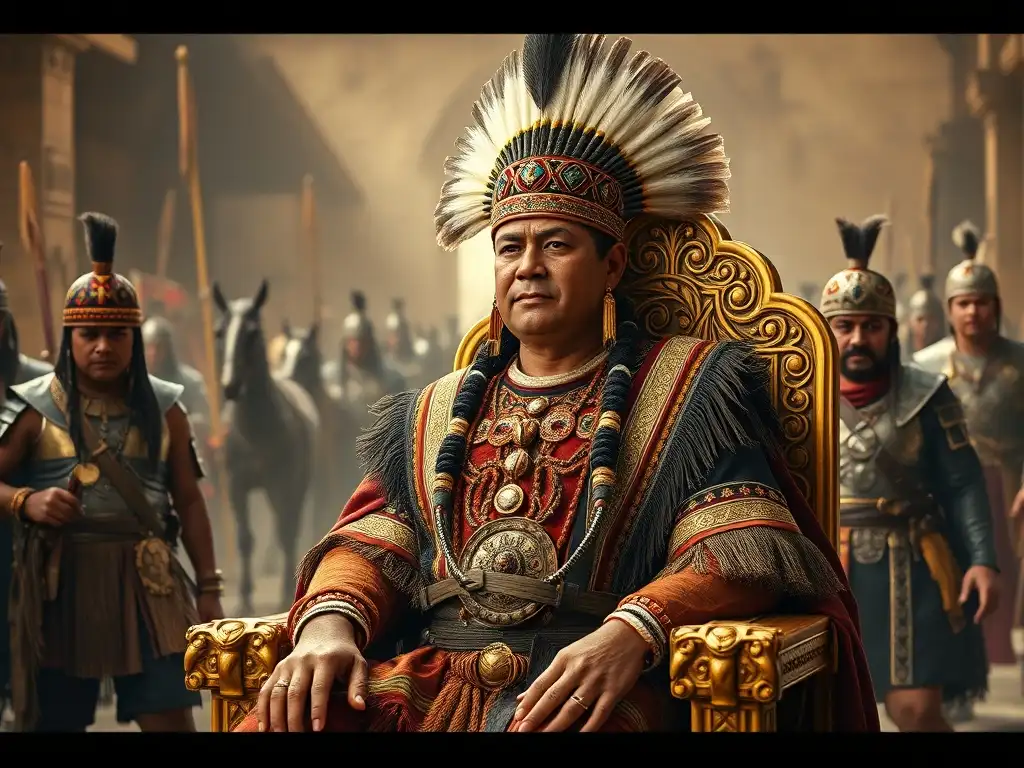
Atahualpa, the last Sapa Inca to rule a unified Inca Empire before the Spanish conquest, found himself in a precarious position following his capture by Francisco Pizarro in Cajamarca. The initial surprise attack, leveraging superior weaponry and tactical cunning, had shattered the Inca army and left Atahualpa as a prisoner.
However, the Inca emperor, far from being broken, immediately began maneuvering for his freedom, leveraging his immense power and the vast resources of his empire. His strategy centered on negotiations and, crucially, the offer of a substantial ransom—a gamble that ultimately failed to secure his release and instead sealed his tragic fate.
The events surrounding Atahualpa's first meeting with Pizarro set in motion a chain of events that irrevocably altered the course of Andean history, highlighting the clash of cultures and the devastating consequences of ambition and betrayal. Understanding Atahualpa's attempts to regain his freedom is key to understanding the complexities of the Spanish conquest.
The Offer of Ransom: A Room Full of Gold and Silver
The sheer audacity of Atahualpa's proposal stunned even the avaricious conquistadors. Facing imprisonment and the likely prospect of execution, he offered to fill a large room – twice the size of the one in which he was held captive – completely with gold, and another of equal size with silver, in exchange for his liberty. This wasn't merely a symbolic gesture; it represented an unimaginable wealth, a testament to the Inca Empire's economic might.
Chroniclers of the time describe the staggering amount of gold and silver amassed. We can imagine the scene: artisans, working tirelessly day and night, stripping gold from temples, palaces, and tombs, melting down centuries of accumulated wealth into ingots and artifacts. The sheer scale of the undertaking reflects Atahualpa's belief in his own power and the resources at his disposal.
The offer wasn't just about buying his freedom; it was a display of imperial power, a demonstration that even in captivity, the Sapa Inca could command the resources of his vast empire. This act of defiance, however, would ultimately prove futile.
The Spanish Greed and the Deception
While Pizarro and his men initially accepted Atahualpa's offer, their greed far outweighed their honor. The promise of unimaginable riches fueled their avarice, blinding them to the complexities of the situation and the potential long-term consequences. The meticulous collection of gold and silver continued, a process that took months and involved the forced labor of thousands of Inca subjects. However, even as the rooms began to overflow with precious metals, the Spanish found new pretexts to delay Atahualpa's release.
Accusations of plotting against the Spanish, of inciting rebellion, and of practicing idolatry emerged, serving as convenient excuses to prolong the emperor's captivity. The Spanish, initially impressed by Atahualpa's power and resources, ultimately displayed a ruthless disregard for their agreements, highlighting the inherent dishonesty and brutality of the conquest. The narrative of Atahualpa's first meeting with Pizarro is thus inseparable from the story of Spanish greed and duplicity.
The Failure of the Ransom and Atahualpa's Fate
Despite the fulfillment of Atahualpa's promise, the ransom did not secure his freedom. Once the rooms were brimming with gold and silver, the Spanish found new justifications for his execution. Their insatiable greed, fueled by the immense wealth they had acquired, overshadowed any initial pretense of negotiation.
Atahualpa, having witnessed the depth of Spanish treachery, was ultimately accused of various crimes—often fabricated—and sentenced to death. His execution, carried out by burning at the stake (though some accounts suggest strangulation to appease some of their allies), marked a turning point in the conquest. The wealth obtained through the ransom did not bring the Spanish peace, but rather fueled further conquest and internal conflicts.
The story of Atahualpa's first meeting with Pizarro thus ends with a tragic irony: the emperor's attempt to buy his freedom, a testament to his power and resourcefulness, ultimately sealed his fate and paved the way for the complete subjugation of the Inca Empire. The failure of the ransom underscores the profound power imbalance and the inherent brutality of the Spanish conquest. Atahualpa's story remains a poignant reminder of the devastating consequences of colonialism and the enduring legacy of the Spanish conquest in the Andes.
The Betrayal and Execution of Atahualpa
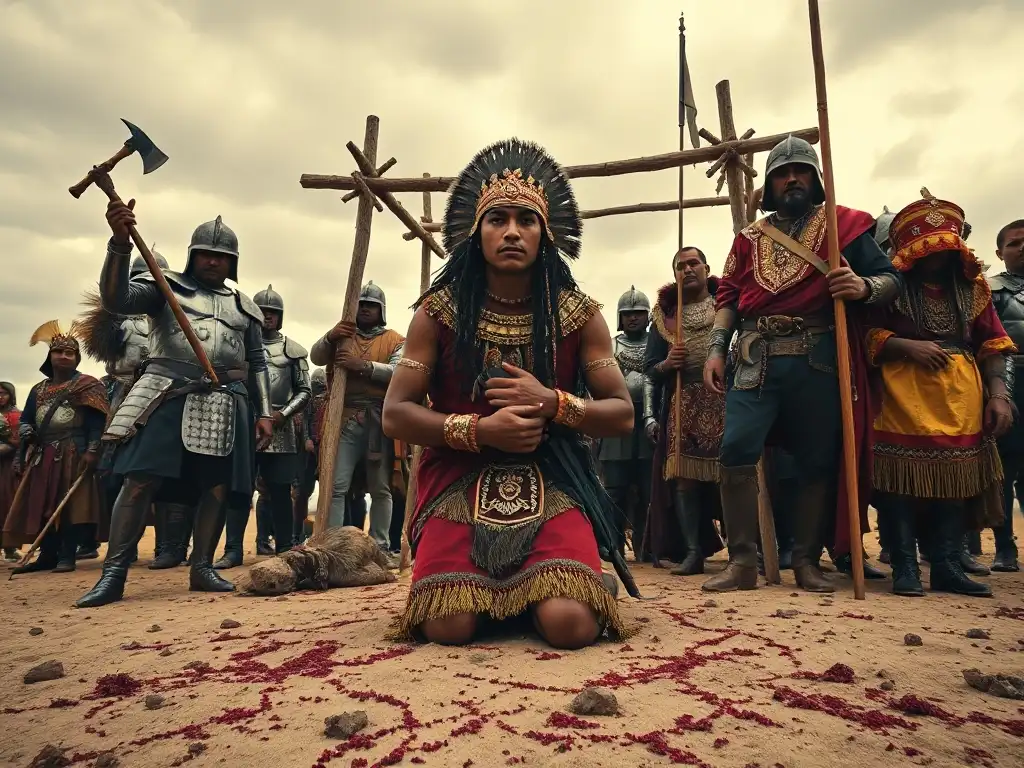
The capture of Atahualpa marked a pivotal moment, not just in the life of the Inca emperor, but in the history of the Andes. While the initial encounter with Pizarro and his conquistadors involved a deceptive show of friendship, the subsequent events unfolded as a calculated betrayal, leading to Atahualpa's demise. The Spanish, vastly outnumbered, skillfully exploited internal Inca divisions and Atahualpa's own arrogance to gain the upper hand.
The promise of safe passage and negotiations quickly dissolved into imprisonment and extortion. The sheer audacity of the Spanish, seizing the emperor of a powerful empire with such a small force, highlights their strategic cunning and Atahualpa's underestimation of their capabilities. This initial betrayal set the stage for the tragic events to follow.
The Spanish's actions were not only a military conquest but a calculated dismantling of the Inca political and social structure, a process that would unfold over years to come. Understanding this initial betrayal is crucial to grasping the complexities of the subsequent Spanish conquest.
The Trial and Condemnation of Atahualpa
Following his capture, Atahualpa was subjected to a sham trial, a farcical legal process designed to justify his execution and legitimize Spanish rule. The charges against him were largely fabricated, based on accusations of idolatry, fratricide (the killing of his brother Huáscar), and rebellion against the Spanish crown. The "trial," conducted by a Spanish court with little regard for Inca law or customs, was a blatant display of power.
Despite Atahualpa's attempts to negotiate, offering immense ransoms of gold and silver, the Spanish were relentless in their pursuit of eliminating the Inca emperor. The immense wealth extracted from the Inca, ironically, played a role in his condemnation; the sheer amount of riches fueled the Spanish ambition and solidified their determination to maintain control.
The trial served as a tool for propaganda, portraying Atahualpa as a cruel tyrant deserving of punishment, a narrative that conveniently ignored the complexities of Inca politics and the Spanish exploitation of internal conflicts. 📝 The proceedings were far from impartial, serving primarily to legitimize the Spanish conquest in the eyes of both the Spanish crown and the conquered population.
The Execution of the Inca Emperor
Despite the immense ransom paid by Atahualpa, a staggering amount of gold and silver, the Spanish ultimately decided to execute him. The reasons behind this decision remain debated among historians, but several factors likely contributed. The elimination of Atahualpa removed a powerful and charismatic leader who could have potentially organized resistance against the Spanish.
Furthermore, the execution served as a brutal warning to other Inca leaders and indigenous populations, suppressing any thoughts of rebellion. The execution itself was a public spectacle, designed to instill fear and demonstrate the absolute power of the Spanish. Atahualpa, once the powerful emperor of a vast empire, met his end by garrote—a method of strangulation—on July 26, 1533.
His death marked a turning point, signifying not only the end of his reign, but also the beginning of a new era of colonial rule in the Andes. 💔 The execution of Atahualpa remains a stark symbol of the brutality and injustice that characterized the early stages of the Spanish conquest.
The End of an Era and the Beginning of Colonial Rule
The death of Atahualpa brought an abrupt end to the Inca Empire as it was known. The carefully constructed power structure, the sophisticated administrative system, and the cultural traditions were all disrupted and ultimately reshaped by the Spanish. The execution was not merely the killing of a man; it was the symbolic destruction of an empire and the imposition of a new world order.
The subsequent years witnessed the systematic dismantling of Inca institutions, the replacement of traditional governance with colonial rule, and the forced conversion of the population to Christianity. The Spanish conquest, initiated by the betrayal and execution of Atahualpa, had profound and lasting consequences, forever altering the landscape of the Andes and shaping the destinies of its people.
The legacy of this pivotal moment continues to resonate today, reminding us of the complexities and tragedies inherent in the collision of cultures. 🌎 The fall of Atahualpa marked the beginning of a long and painful process of colonization, forever changing the course of Andean history.
The Lasting Impact of Atahualpa's Capture
Atahualpa's first meeting with Pizarro, a pivotal moment in Andean history, irrevocably altered the course of the Inca Empire and the entire region. The capture of the Sapa Inca, the emperor himself, wasn't just a military victory; it was a symbolic annihilation of Inca power and authority. The subsequent events triggered a cascade of consequences that shaped the future of the Andes for centuries to come.
This wasn't simply a clash of armies; it was a confrontation of vastly different cultures, ideologies, and power structures, with devastating results for the Inca. The immediate impact was chaos and confusion, as the Inca leadership struggled to respond to the unexpected and brutal attack. The carefully constructed system of imperial control, built on centuries of meticulous planning and sophisticated administration, began to unravel.
The Collapse of the Inca Empire
The capture of Atahualpa initiated a rapid decline of the Inca Empire. The ensuing civil war between Atahualpa and his half-brother Huáscar, which had already weakened the empire, was exploited ruthlessly by the Spanish. The Inca's sophisticated military organization, once a source of pride and power, proved ineffective against the Spanish weaponry and tactics. The Spanish, using superior weaponry like firearms and horses, along with strategic alliances with disgruntled Inca factions, systematically dismantled the empire's infrastructure and its capacity for resistance.
The once vast and powerful Inca state fragmented, its provinces falling prey to internal strife and external conquest. The loss of Atahualpa, the symbolic head of the Inca state, created a power vacuum that the Spanish skillfully manipulated to their advantage. The intricate system of tribute and administration crumbled, leading to widespread social and economic upheaval. The consequences were far-reaching, leading to a complete reshaping of the Andean social and political landscape.
The sheer scale of the collapse is staggering, leaving behind a legacy of trauma and instability that persisted for generations. The Inca's advanced agricultural techniques and complex societal structures were severely disrupted, resulting in widespread famine and disease. The impact of Atahualpa's capture reverberates even today, shaping the cultural and political identity of the region.
The Legacy of Atahualpa's Encounter with the Spanish
Atahualpa's first meeting with Pizarro remains a potent symbol of the brutal encounter between two vastly different worlds. The event is etched in the collective memory of the Andean people, a reminder of a pivotal moment that irrevocably altered their history. The legacy of this encounter extends beyond the immediate consequences of the Spanish conquest.
It serves as a reminder of the vulnerability of even the most powerful empires to external forces and internal divisions. The story of Atahualpa's capture is a complex narrative, encompassing betrayal, ambition, and the clash of cultures. The immense ransom offered by Atahualpa, a mountain of gold and silver, only served to further fuel Spanish greed and solidify their determination to conquer the Andes.
This event highlighted the vulnerability of the Inca Empire to external threats and internal conflicts, and its inability to effectively counter the technological superiority of the Spanish. The narrative of Atahualpa's betrayal, his execution, and the subsequent destruction of the Inca empire continues to inspire artistic expression, historical analysis, and ongoing debate about the nature of power and conquest. The legacy of this encounter continues to shape the modern understanding of Andean history and the lasting impact of colonialism.
The Beginning of the Spanish Conquest of the Andes
Atahualpa's capture marked not just the beginning of the end for the Inca Empire, but the true commencement of the Spanish conquest of the Andes. Prior to Cajamarca, the Spanish presence in the region was limited and tentative. The capture of the emperor provided the Spanish with the leverage and legitimacy they needed to consolidate their power. The ensuing chaos and power vacuum within the Inca Empire allowed the conquistadors to exploit internal divisions and rapidly expand their control.
The Spanish conquest wasn't a swift, decisive victory but a protracted campaign characterized by strategic alliances, brutal warfare, and the systematic dismantling of Inca institutions. The systematic destruction of Inca infrastructure, the imposition of Spanish administrative structures, and the introduction of European diseases all contributed to the complete transformation of Andean society. The capture of Atahualpa served as a catalyst, unleashing a chain of events that resulted in the collapse of the Inca Empire and the establishment of Spanish colonial rule.
The brutality and efficiency of the Spanish conquest, fueled by the initial success at Cajamarca, set a precedent for the subjugation of other indigenous populations throughout the Andes. The conquest fundamentally reshaped the political, economic, and social landscape of the region, leaving an enduring legacy that continues to influence the Andes today. The strategic implications of Atahualpa's capture were immense, paving the way for the Spanish colonization of South America.
Frequently Asked Questions
What was Atahualpa's initial reaction to the arrival of the Spanish?
Atahualpa was initially curious and perhaps underestimated the relatively small Spanish force. He likely saw them as another group vying for power amongst the existing Andean polities, rather than a significant threat.
How did Atahualpa's perception of the Spanish change over time?
As the Spanish demonstrated their superior weaponry and ruthless tactics, Atahualpa's perception shifted from curiosity to apprehension and then, ultimately, to despair and betrayal.
What role did the Inca's understanding of technology play in their encounter with Pizarro?
The Inca's lack of immunity to Old World diseases, combined with their inferior weaponry compared to Spanish firearms, played a crucial role in the outcome of their encounters. Technological disparity significantly favored the Spanish.
Where did Atahualpa's first meeting with Pizarro take place?
Their first meeting occurred near Cajamarca, a strategically chosen location by Pizarro, which allowed the Spanish to ambush Atahualpa and his retinue.
How did the initial meeting between Atahualpa and Pizarro ultimately shape the fate of the Inca Empire?
The meeting at Cajamarca marked the beginning of the end for the Inca Empire. Pizarro's deception and subsequent capture of Atahualpa led to the swift collapse of the Inca civilization under Spanish rule.
Final Reflection: Echoes of Empire: Legacy of Atahualpa's Encounter
The brutal encounter between Atahualpa and Pizarro wasn't just a historical event; it remains a chillingly relevant example of the devastating consequences of unchecked power and cultural misunderstanding. The seeds of betrayal sown in Cajamarca continue to resonate in the ongoing struggles for self-determination and the fight against systemic oppression witnessed across the globe today. The imbalance of power, the exploitation of resources, and the erasure of indigenous cultures – these are not relics of the past, but persistent challenges demanding our attention.
The story of Atahualpa's capture profoundly shaped the course of South American history, leaving an enduring legacy of colonialism and its lasting impacts on indigenous populations. The betrayal he suffered, the subsequent destruction of the Inca Empire, and the systematic dismantling of its rich culture serve as a stark reminder of the fragility of power and the devastating consequences of unchecked ambition. As Eduardo Galeano poignantly wrote, The conquerors wrote the history, and they wrote it for themselves. They were the heroes, and the vanquished were the villains.
This perspective highlights the crucial need to reclaim and retell these stories from the perspectives of those who were silenced.
Consider the weight of this history. Reflect on the ways in which power imbalances continue to manifest in our world. You have the power to challenge narratives, to amplify marginalized voices, and to learn from the mistakes of the past. By understanding the complexities of Atahualpa's encounter with Pizarro, we can cultivate a deeper awareness of the enduring impact of colonialism and work towards a future where such injustices are not repeated. Let the story of Atahualpa serve as a call to action, a reminder of the importance of empathy, understanding, and the unwavering pursuit of justice for all.
Uncover the Roots of Betrayal in History!
Thank you for exploring the fascinating story of Atahualpa and his encounters with the Spanish conquistadors. You've delved into a crucial period of history, gaining valuable insights into the complexities of these initial encounters and the factors that led to betrayal. Now, let's build on that knowledge!
- **Join the Conversation:** Share this article with friends and fellow history enthusiasts to spread awareness of this pivotal moment in Andean history.
- **Explore Further:** Discover related resources on our website to deepen your understanding of the lasting impact of these encounters on Andean civilizations.
- **Reflect on History:** Consider writing a short reflection or comment on what might have altered the course of events during Atahualpa's reign. What alternative choices could have changed the outcome?
How might different decisions by Atahualpa have affected the fate of the Inca Empire? Share your thoughts below!