
Inca Road Construction Techniques: Stones That Speak of Ingenuity

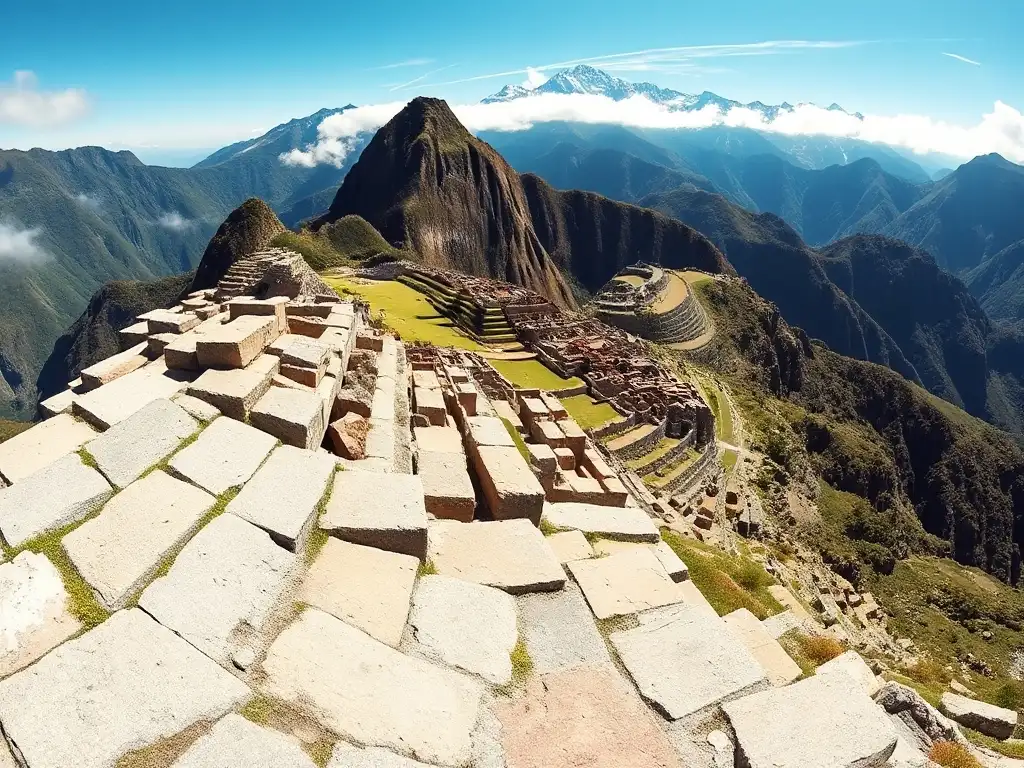
Step into a world lost to time, yet echoing with the ingenuity of giants. The Andean Civilizations website unveils the mysteries of ancient empires, from the breathtaking artistry of the Nazca lines to the awe-inspiring architecture of the Incas. But prepare to be amazed by something truly remarkable: the secrets behind Inca road construction methods. How did they build such an extensive network of roads across treacherous terrain? Discover the answers, and more, as you delve into the wonders of Andean history and engineering.
The Inca Empire, a civilization that flourished in the Andes Mountains from roughly 1438 to 1533 CE, left behind a legacy of breathtaking architecture and meticulously planned infrastructure. Central to their success was the Qhapaq Ñan, or Great Inca Road, a vast network of highways spanning thousands of miles across challenging terrain. This intricate system, a testament to Inca engineering prowess, facilitated communication, trade, and military movements across their expansive empire.
This article delves into the remarkable construction techniques employed by the Inca, exploring the ingenuity behind a road system that continues to inspire awe and wonder centuries later. We will examine the meticulous planning, the innovative engineering solutions, and the enduring legacy of the Inca road construction methods.
Understanding these techniques provides a deeper appreciation for the sophistication and adaptability of this remarkable Andean civilization, highlighting their mastery of stonework and their profound understanding of their environment. The Inca’s approach to road building wasn't merely practical; it was a reflection of their worldview, their societal structure, and their deep connection to the Andean landscape.
The Ingenious Planning of the Inca Road System
The construction of the Qhapaq Ñan was far from a haphazard undertaking. It involved meticulous planning and a deep understanding of Andean geography. The Inca engineers carefully surveyed the terrain, selecting routes that minimized steep inclines and maximized the use of natural features like existing trails and river valleys. This wasn't simply about efficiency; it was about strategically connecting major population centers, agricultural regions, and crucial resource points.
The road system wasn't a series of isolated paths; it was a unified network, facilitating the movement of people, goods, and information across the entire empire. Evidence suggests that the Inca utilized advanced surveying techniques, potentially employing sophisticated methods to determine gradients and optimize route selection. Furthermore, the placement of tambos, strategically located waystations along the roads, indicates a sophisticated understanding of logistical needs and the provision of essential services for travelers.
This careful planning ensured the Qhapaq Ñan’s efficacy and longevity, a testament to the Inca’s foresight and organizational skills. The strategic placement of these resting posts, along with the robust construction of the roads themselves, ensured the smooth functioning of the empire's logistical and administrative systems. Their ability to connect disparate regions seamlessly is a key factor in understanding the Inca's success and the longevity of their empire.
Inca Engineering: Foundations of the Qhapaq Ñan
The actual construction of the Inca roads showcased remarkable engineering skills. The Inca did not use wheeled vehicles; their roads were designed for pedestrian and animal traffic. This influenced the construction methods, focusing on creating durable, stable pathways capable of withstanding the elements and heavy use. The foundation of the roads typically consisted of layers of compacted earth and stones, providing a solid base.
Larger stones were meticulously fitted together without mortar, a technique known as dry-stone masonry. This precise fitting, often using incredibly large stones, demonstrates an advanced understanding of engineering principles and an impressive level of craftsmanship. The precision of the Inca’s dry-stone masonry is astonishing; many sections of the Qhapaq Ñan remain remarkably intact even today, a testament to the quality of their work. 🛠️ The Inca's mastery of stonework extended beyond the road's foundation; they expertly constructed bridges, tunnels, and retaining walls to overcome challenging terrain.
These structures, often integrated seamlessly into the landscape, are further evidence of their exceptional engineering abilities. The use of locally sourced materials, meticulously chosen for their durability and resistance to weathering, further underscores the Inca's practical approach to construction, maximizing the longevity of their infrastructure. The roads weren't simply paths; they were feats of engineering, reflecting the Inca's deep understanding of both construction and the environment.
Material Selection in Inca Road Building
The Incas were masterful engineers, and their success in road construction stemmed partly from their meticulous approach to material selection. They didn't simply use whatever was readily available; instead, they carefully chose materials based on the specific environmental conditions and the intended function of the road segment. For instance, in mountainous regions, they prioritized durable, weather-resistant stones like andesite and granite, known for their strength and longevity. These stones were meticulously fitted together, often without the use of mortar, showcasing an unparalleled understanding of stonework.
In flatter, less demanding terrains, they might have incorporated other materials like compacted earth, gravel, or even wood in strategic sections. This adaptable approach demonstrates a keen awareness of the properties of different materials and their suitability for various contexts. The selection wasn't arbitrary; it was a calculated decision influenced by factors such as availability, durability, and the overall structural integrity needed for each road section.
The resulting roads were not only functional but also remarkably resilient, capable of withstanding the test of time and the harsh Andean climate. Even today, remnants of these roads stand as testaments to the Incas' understanding of material science and their commitment to building lasting infrastructure. The careful selection of materials is a crucial component of understanding the overall ingenuity behind Inca road construction methods.
Inca Road Construction Methods: Adapting to Diverse Terrain
The Inca road system, a marvel of ancient engineering, wasn't a uniform structure built using a single method. Instead, Inca road construction methods were incredibly adaptable, responding to the dramatically diverse terrain of the Andes. The Incas demonstrated an impressive ability to overcome seemingly insurmountable challenges, constructing roads across towering mountains, arid deserts, and dense jungles.
Their success wasn't due to the use of advanced technology (as we understand it today), but rather to their profound understanding of engineering principles, their resourcefulness, and their remarkable organizational skills. They employed sophisticated techniques to ensure stability and durability, tailoring their approaches to the specifics of each environment. This adaptability is a key factor in understanding the longevity and impressive scale of the Inca road network.
Their ingenuity is further highlighted by the fact that many sections of these roads remain in use even today, a testament to their remarkable engineering prowess. This adaptability, coupled with their mastery of stonework and other construction techniques, enabled them to create a transportation network that facilitated trade, communication, and military movements across their vast empire.
Constructing Roads in the Mountains: Inca Trail Techniques
Constructing roads in the towering Andes required exceptional skill and ingenuity. The Inca trail techniques involved a combination of careful planning, precise stonework, and a deep understanding of mountain topography. They often carved paths directly into the mountainside, utilizing retaining walls and terraces to stabilize the roadbed and prevent landslides. The stones used were carefully selected for their durability and resistance to weathering.
They were meticulously fitted together, often without mortar, forming incredibly strong and stable structures. The gradients of the roads were carefully considered, minimizing the steepness wherever possible to allow for easier passage of people and goods. In some cases, they employed sophisticated drainage systems to prevent erosion and water damage.
The Inca trail techniques are a testament to their ability to overcome seemingly insurmountable challenges, showcasing their remarkable mastery of stonework and their deep understanding of structural engineering. Evidence of these techniques can still be seen in the many surviving sections of Inca roads that traverse the Andes today. The precision and durability of these mountain roads are a significant contribution to the legacy of Inca engineering.
Inca Methods for Building Roads in the Desert
The arid and often unstable desert landscapes presented unique challenges to Inca road builders. Their methods for building roads in the desert involved different approaches compared to mountain construction. While stone was still a primary material, the Incas often incorporated other elements, such as compacted earth and gravel, to create a more stable roadbed in the shifting sands.
Drainage systems were particularly crucial in desert environments to prevent erosion and damage from flash floods. The Incas demonstrated a remarkable understanding of desert ecology and utilized local materials effectively to create durable roads. They often employed techniques to minimize the road's impact on the fragile desert ecosystem.
For example, they might have carefully selected pathways to avoid disrupting delicate plant life. The ingenuity displayed in their desert road construction highlights their capacity to adapt their building techniques to vastly different geographical settings. The surviving remnants of these desert roads offer valuable insights into their construction methods and their understanding of desert environments.
Road Construction in the Jungle: Overcoming Obstacles
Constructing roads in the dense jungles of the Amazon basin presented a unique set of obstacles for the Inca builders. The humid climate, dense vegetation, and soft soil made road construction significantly more challenging than in other regions. Their road construction methods in the jungle involved clearing the dense vegetation, creating a stable roadbed, and often utilizing wood in addition to stone.
The use of wood in these environments allowed them to build lighter and more easily constructed paths that adapted to the specific conditions. Drainage systems were crucial to prevent waterlogging and the subsequent damage to the road structure. The Incas demonstrated a deep understanding of the jungle environment and carefully planned their routes to minimize the disruption of the ecosystem.
While fewer remnants of these jungle roads survive due to the harsh climatic conditions, archaeological evidence suggests a sophisticated understanding of construction techniques tailored to this challenging environment. Their ingenuity in navigating these obstacles is a further testament to their adaptive engineering skills and their mastery of diverse construction methods. The challenges faced and overcome in jungle road construction significantly contribute to the overall narrative of Inca engineering prowess.
Inca Bridge Construction: Essential Components of the Road Network
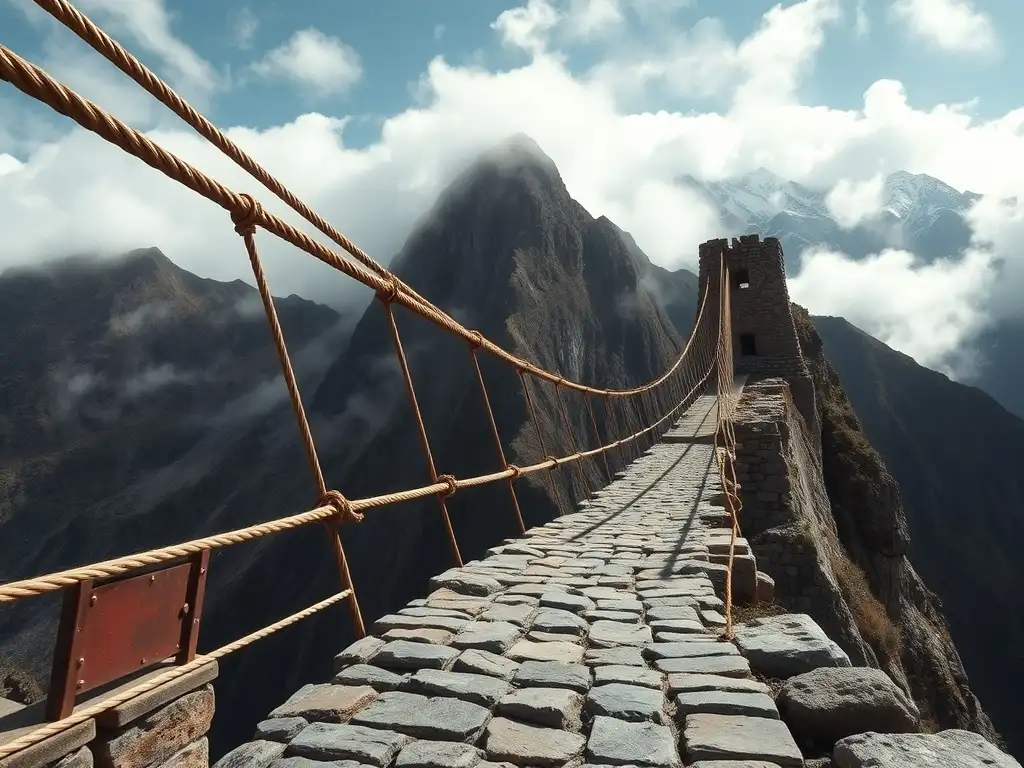
Inca roads weren't just pathways; they were a sophisticated network connecting the vast empire, and bridges were crucial components of this infrastructure. The Inca's mastery extended beyond road building to encompass impressive bridge construction, demonstrating adaptability and ingenuity in overcoming geographical obstacles. Their bridge-building techniques varied significantly depending on the environment and available resources, showcasing a deep understanding of engineering principles and materials science.
The success of their road network hinged on the ability to traverse rivers, canyons, and other natural barriers, and their bridges played a pivotal role in achieving this connectivity. The strategic placement of bridges ensured efficient communication, trade, and military movement throughout the empire, underscoring their importance in maintaining political and economic control.
Suspension Bridges: Inca Engineering Marvels
Among the most remarkable Inca engineering achievements were their suspension bridges. These weren't simply ropes thrown across a chasm; they were meticulously crafted structures showcasing sophisticated knowledge of materials and tensile strength. Typically, these bridges utilized strong, naturally occurring fibers like ichu grass or other locally sourced plant materials, intricately woven and bundled to create incredibly robust cables.
These cables were then draped over strategically placed anchor points, often carved into cliff faces or anchored using substantial stone supports. The bridge deck, often made of woven materials or planks, was suspended from these cables, creating a surprisingly stable and safe passage. The construction of these bridges required significant skill, precision, and a deep understanding of load distribution to ensure the structure's stability and longevity.
Archaeological evidence reveals that some suspension bridges spanned considerable distances, showcasing the Inca's remarkable capabilities in overcoming challenging terrain. The design and construction of these suspension bridges stand as a testament to the Inca's advanced engineering prowess.
Pontoon and Stone Bridges: Adapting to Specific Needs
The Inca didn't rely solely on one type of bridge construction. Their approach was highly adaptive, employing different techniques depending on the specific geographical context. Pontoon bridges, for instance, were particularly useful in areas with wide, slow-moving rivers.
These bridges were constructed by floating bundles of reeds or other buoyant materials, often bound together and secured with strong ropes or wooden beams. This floating platform would then be anchored to the riverbanks, providing a temporary but effective crossing. In contrast, in areas where the terrain allowed, the Inca constructed robust stone bridges, often incorporating their characteristic precise stonework.
These stone bridges, while potentially more labor-intensive, offered greater permanence and stability, particularly in areas with strong currents or rocky riverbeds. The Inca's ability to adapt their bridge-building techniques to diverse environmental conditions underscores their pragmatic and innovative approach to infrastructure development. The choice between pontoon, suspension, or stone bridges reflected a sophisticated understanding of engineering principles and the specific needs of each location.
The Role of Mit'a Labor in Inca Road Construction
The construction of the extensive Inca road network, including its bridges, was a monumental undertaking that relied heavily on the mit'a system. This system of mandatory public service required able-bodied citizens to contribute a certain amount of labor to public works projects. The mit'a was not simply forced labor; it was an integral part of the Inca social and economic system, ensuring the construction and maintenance of vital infrastructure like roads and bridges.
While the mit'a involved periods of service away from home, it also provided opportunities for community building and the development of specialized skills. Workers were often organized into teams, with specialized roles assigned based on their skills and experience. This organized approach, combined with the vast labor pool provided by the mit'a, allowed the Inca to undertake projects of unprecedented scale and complexity, resulting in the impressive road network that connected their vast empire.
The mit'a system, therefore, wasn't just a labor system; it was a crucial element of Inca societal organization that facilitated the construction of their remarkable infrastructure. The efficiency and organization of the mit'a are key factors in understanding the scale and sophistication of Inca road and bridge construction.
Inca Road Maintenance: Ensuring Longevity and Functionality
The longevity of the Inca road system, the Qhapaq Ñan, wasn't solely due to its initial masterful construction. The Inca implemented a rigorous and highly organized maintenance program, crucial for ensuring the roads remained functional and safe for centuries. This wasn't a haphazard effort; it was a structured system integrated into the Inca's administrative and societal structure. Specialized teams of mit'a workers, drawn from different communities across the empire, were responsible for regular inspections and repairs.
These teams weren't just tasked with patching potholes or replacing damaged stones; their responsibilities encompassed everything from clearing debris and landslides to managing drainage systems and preventing erosion. The meticulous nature of their work is evident in the remarkable preservation of many sections of the road network even today. Records, though sparse, suggest a hierarchical system overseeing these maintenance efforts, with overseers responsible for reporting on the condition of the roads and allocating resources accordingly. The efficiency of this system speaks volumes about the Inca's understanding of infrastructure management and their commitment to sustaining their vast communication and transportation network.
This proactive approach, rather than reactive patching, is a testament to their advanced understanding of civil engineering principles. The integration of maintenance into the mit'a system ensured a continuous flow of labor and resources, preventing significant deterioration and guaranteeing the long-term usability of the roads. The Inca’s commitment to maintenance is a key factor in understanding the enduring legacy of the Qhapaq Ñan.
Legacy of Inca Roads: Impact on Andean Civilizations
The Qhapaq Ñan, the vast Inca road network, had a profound and lasting impact on Andean civilizations, extending far beyond mere transportation. Its influence shaped the social, economic, and political landscape of the empire and left an indelible mark on subsequent cultures. The roads facilitated the efficient movement of goods, including agricultural products, textiles, and precious metals, fostering economic integration across diverse regions. This interconnectedness fueled trade and specialization, leading to increased prosperity and cultural exchange.
Furthermore, the roads played a vital role in the Inca's administrative control, enabling swift communication and the rapid mobilization of troops. This facilitated effective governance and the maintenance of order across the vast empire. The construction of the roads also fostered a sense of unity and shared identity among the diverse populations of the Inca Empire. The collaborative effort required for such a massive undertaking fostered a sense of collective purpose and strengthened the bonds between different communities.
The social impact of the Qhapaq Ñan is evident in the enduring cultural practices and traditions that continue to connect Andean communities today. The legacy of the Inca roads extends far beyond their physical presence; it is woven into the very fabric of Andean culture and identity. The roads’ impact on the social, economic, and political structures of the region continues to be felt centuries later, underscoring the monumental significance of this remarkable engineering achievement. Even today, the routes of the Qhapaq Ñan often define the paths of modern infrastructure, demonstrating the lasting impact of Inca planning and foresight.
The Qhapaq Ñan Today: Preserving Inca Engineering Heritage
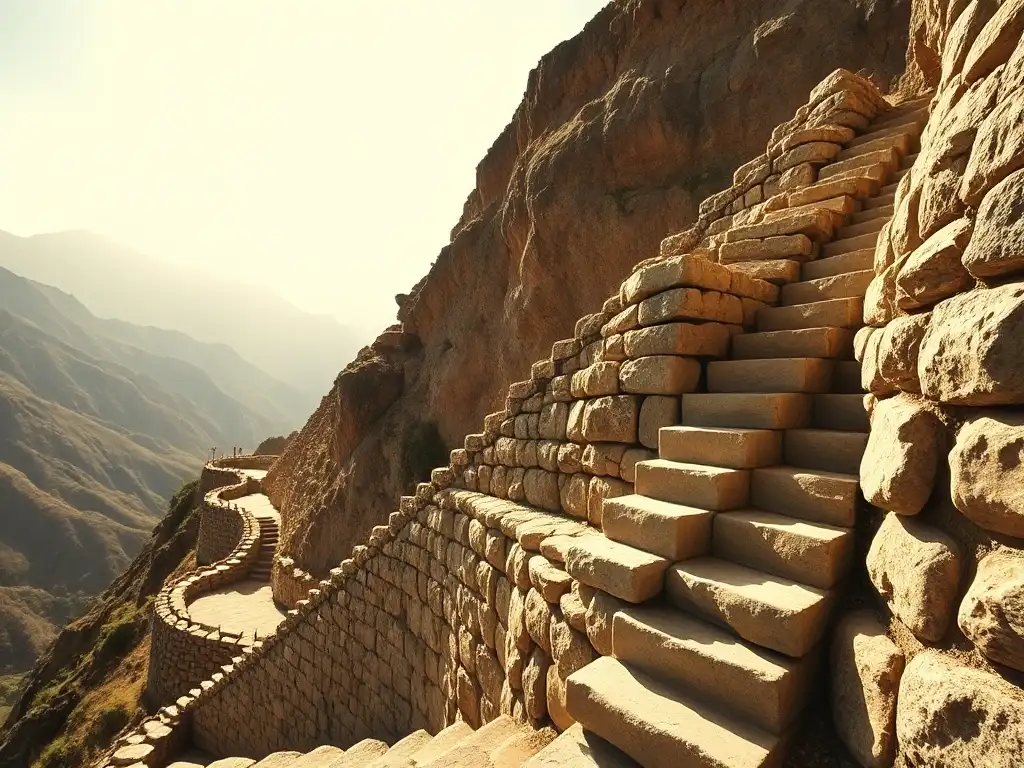
The Qhapaq Ñan, a testament to Inca engineering prowess, is not merely a historical artifact; it's a living legacy that continues to inspire awe and demand preservation. Recognized as a UNESCO World Heritage site, the road network faces the challenges of time, climate, and human impact. Efforts to preserve this remarkable achievement are multifaceted and involve international collaboration. Archaeological research continues to uncover new sections of the road, revealing further insights into Inca construction techniques and the extent of the network. These findings are crucial for understanding the historical and cultural significance of the Qhapaq Ñan and informing preservation strategies.
Alongside research, conservation efforts focus on stabilizing vulnerable sections of the road, preventing further erosion, and mitigating the impact of modern development. This involves careful restoration work, employing traditional techniques wherever possible, to ensure the authenticity and integrity of the site. Furthermore, community involvement is paramount in preserving the Qhapaq Ñan. Local communities play a vital role in safeguarding the roads, sharing their knowledge and traditions, and promoting sustainable tourism practices.
The preservation of the Qhapaq Ñan is not just about preserving stones and pathways; it's about preserving a crucial part of Andean heritage and ensuring that future generations can appreciate the ingenuity and resilience of Inca civilization. The ongoing efforts to protect and promote the Qhapaq Ñan reflect the enduring value of this remarkable achievement and its importance in understanding the rich history and culture of the Andes. The road's preservation serves as a powerful reminder of the importance of cultural heritage and the need to protect it for generations to come. 🌍
The Inca Trail to Machu Picchu: A Case Study
The Inca Trail to Machu Picchu serves as a prime example of Inca road construction prowess. This iconic trail, winding through breathtaking Andean landscapes, showcases the mastery of Inca engineers in adapting their techniques to challenging terrains. The trail's construction involved meticulous planning and execution, reflecting a deep understanding of both engineering principles and the natural environment. Sections carved into sheer cliff faces demonstrate an impressive command of rock-cutting and shaping techniques.
The incorporation of strategically placed retaining walls and drainage systems prevented erosion and maintained trail stability, even during the rainy season. The use of locally sourced materials, such as stone and earth, minimized environmental impact and showcased resourcefulness. Furthermore, the trail’s design considered the needs of travelers, with carefully graded inclines and strategically located resting places. The Inca Trail's enduring legacy is a testament to the ingenuity and skill of Inca road builders, highlighting their ability to create functional and aesthetically pleasing infrastructure in some of the most challenging environments in the world.
The remarkable preservation of sections of the trail, even after centuries, points to the enduring quality of their construction methods. Analyzing the Inca Trail allows us to appreciate the sophisticated approach to road-building that characterized the Inca Empire, pushing the boundaries of engineering for its time. The intricate system of interlocking stones, precisely fitted without mortar, continues to inspire awe and admiration. Studies of the trail’s construction offer valuable insights into Inca techniques, materials, and workforce organization.
The Economic Significance of the Qhapaq Ñan for Trade and Communication
The Qhapaq Ñan, or Great Inca Road, wasn't merely a network of paths; it was the economic artery of the Inca Empire. Its strategic construction facilitated efficient trade and communication across vast distances, significantly contributing to the empire's economic prosperity and political stability. The road system connected distant regions, allowing for the seamless movement of goods, such as agricultural products, textiles, and precious metals. This efficient trade network fostered economic interdependence between different parts of the empire, strengthening its unity and resilience. The standardization of weights and measures along the Qhapaq Ñan ensured fair transactions and minimized disputes, further promoting economic stability.
Beyond trade, the road network played a crucial role in facilitating rapid communication. Runners, known as chasquis, relayed messages along the road, enabling swift transmission of information across the empire. This efficient communication system was vital for coordinating military campaigns, managing resources, and maintaining political control. The economic impact of the Qhapaq Ñan is undeniable; it fostered a thriving economy, facilitated efficient governance, and contributed significantly to the Inca Empire's success and longevity.
The strategic placement of tambos (roadside inns) along the Qhapaq Ñan provided resting places for travelers and facilitated the exchange of goods and information, further underscoring its economic importance. Archaeological evidence consistently reveals the economic significance of the road system, with numerous sites showing evidence of trade and exchange along its routes. The Qhapaq Ñan's impact on the Inca economy serves as a powerful example of how infrastructure development can shape and sustain a thriving empire. The network demonstrates a sophisticated understanding of logistics and economic principles, far surpassing the capabilities of many contemporary societies.
- The Ingenious Planning of the Inca Road System
- Inca Engineering: Foundations of the Qhapaq Ñan
- Material Selection in Inca Road Building
- Inca Road Construction Methods: Adapting to Diverse Terrain
- Inca Bridge Construction: Essential Components of the Road Network
- The Role of Mit'a Labor in Inca Road Construction
- Inca Road Maintenance: Ensuring Longevity and Functionality
- Legacy of Inca Roads: Impact on Andean Civilizations
- The Qhapaq Ñan Today: Preserving Inca Engineering Heritage
- The Inca Trail to Machu Picchu: A Case Study
- The Economic Significance of the Qhapaq Ñan for Trade and Communication
- What innovative techniques did the Inca use for road construction?
- How did the Inca transport materials for their extensive road network?
- What is unique about Inca road construction compared to other ancient civilizations?
- Why were the Inca roads so important to their empire?
- How did the Inca adapt their road construction to different environments?
Frequently Asked Questions
What innovative techniques did the Inca use for road construction?
The Inca employed remarkable engineering skills, utilizing precise stone fitting without mortar, creating incredibly durable and long-lasting roads. They adapted their techniques to the varied Andean terrain, showcasing mastery of stonework and terracing.
How did the Inca transport materials for their extensive road network?
Materials were transported using a combination of human porters, llamas, and simple rope and wood systems. The vast network of roads itself facilitated this transport, connecting quarries and settlements efficiently. Clever organization was key to their success.
What is unique about Inca road construction compared to other ancient civilizations?
Inca roads stand out for their extensive network, reaching across diverse and challenging landscapes. The precision and durability of their stonework, combined with their adaptability to terrain, surpass many other ancient road systems.
Why were the Inca roads so important to their empire?
The Inca road system, or Qhapaq Ñan, was vital for communication, trade, and military movement. It facilitated the efficient administration of their vast empire, connecting distant regions and strengthening their control.
How did the Inca adapt their road construction to different environments?
Inca engineers demonstrated remarkable adaptability, using different materials and techniques depending on the environment. They employed terracing, bridges, and tunnels to overcome obstacles like mountains, rivers, and swamps, showcasing innovative solutions.
Final Reflection: Echoes of the Inca on Modern Roads
The ingenuity of Inca road construction continues to resonate today, a testament to their advanced understanding of engineering and their profound connection to the landscape. Their methods, far from being relics of the past, offer valuable lessons in sustainable infrastructure and resourcefulness that are increasingly relevant in our era of climate change and resource scarcity. The precision and durability of their work stand as a challenge to modern practices, prompting us to reconsider our own approaches to construction and development.
The enduring legacy of the Inca road system is not merely a historical curiosity; it's a powerful symbol of human resilience and adaptation. Their ability to carve pathways through treacherous terrain, utilizing locally sourced materials and demonstrating a deep respect for their environment, is a lesson in sustainable development that we can still learn from today. The roads were not just paths; they were arteries of life, connecting communities and facilitating the exchange of goods, ideas, and culture.
This quote encapsulates the far-reaching impact of their infrastructure, extending beyond the purely practical into the social and cultural realms. It reminds us that infrastructure is not just about concrete and steel, but about the people it serves and the communities it connects.
Consider the challenges we face today in building sustainable and resilient infrastructure. Think about the environmental impact of our construction methods, the resources we consume, and the communities we affect. You, the reader, are now equipped with a deeper understanding of Inca road construction. Let this knowledge inspire you to question current practices and advocate for more sustainable, community-focused approaches to infrastructure development. Let the echoes of the Inca's ingenuity guide us towards a future where innovation and sustainability go hand in hand.
**Unveil the Ingenious Techniques of the Inca! **
Thank you for exploring the remarkable stone construction methods of the Inca! You've discovered just how innovative and skillful these ancient engineers were in creating lasting infrastructure. Let's build on this inspiration!
- **Dive Deeper:** Expand your knowledge of Inca engineering by exploring books and documentaries detailing their achievements. Consider focusing on a specific area, such as their mastery of dry-stone wall construction or their sophisticated water management systems.
- **Share Your Insights:** Discuss the fascinating world of Inca engineering with friends, family, or online communities interested in ancient civilizations. Your enthusiasm could ignite engaging conversations and collaborative learning.
- **Visit a Local Museum:** Seek out museums and cultural institutions in your area that feature Inca artifacts and exhibits. A firsthand encounter with their impressive legacy can be truly inspiring.
What aspect of Inca construction techniques most surprised you, and how might their ingenious approaches offer solutions to contemporary engineering problems?