
The Inca Road's Legacy: Influences on Modern Andean Paths

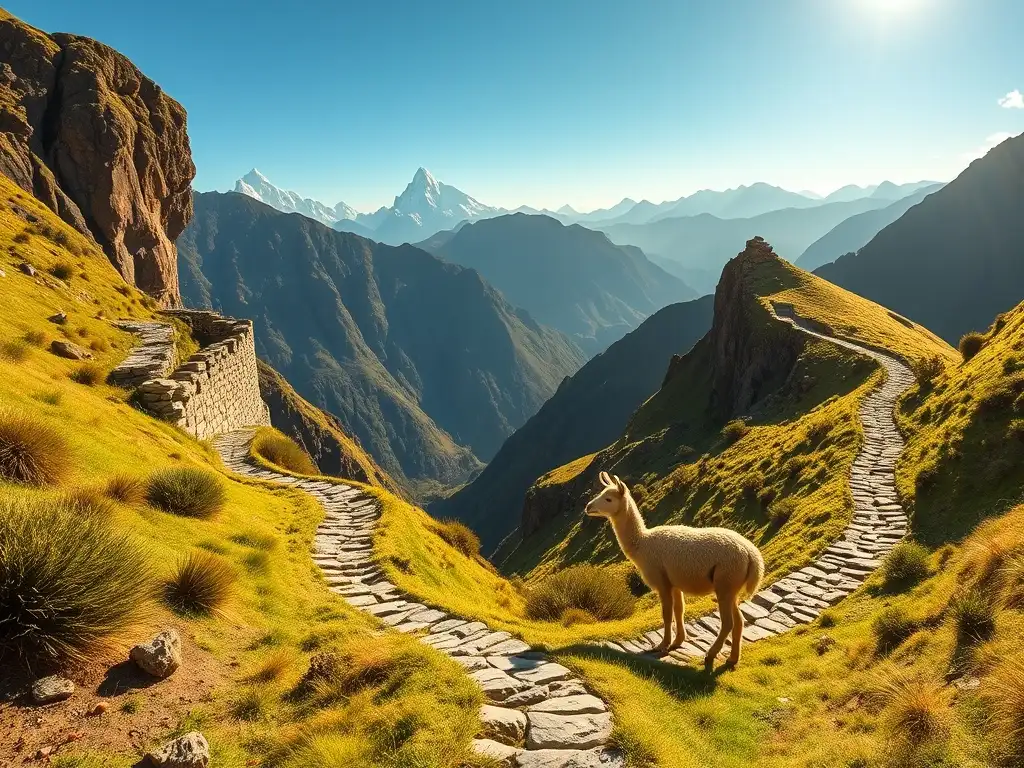
Step into a world lost in time, yet echoing in the present. Imagine the intricate network of trails that crisscrossed the Andes, a testament to the ingenuity of the Inca civilization. This is more than just history; it's a living legacy. Discover how the influence of the Inca Road continues to shape the modern Andean trails in our exploration of "Inca Road influence on modern Andean trails"—a journey through breathtaking landscapes and remarkable engineering. Prepare to be amazed.
The Inca Empire, renowned for its sophisticated engineering prowess, left an indelible mark on the Andean landscape. Their extensive road network, the Qhapaq Ñan, wasn't merely a system of transportation; it was a vital artery connecting a vast empire, facilitating trade, communication, and military movements.
This article delves into the enduring legacy of the Inca Road, exploring its profound influence on the design, construction, and even the cultural significance of modern Andean trails. We will examine how the ingenuity of Inca engineers continues to shape the pathways of the Andes Mountains today, showcasing the remarkable resilience and adaptability of their infrastructure.
Understanding this legacy provides crucial insight into the enduring connection between past and present Andean societies and their relationship with their challenging environment. The Qhapaq Ñan's influence is not just a historical curiosity; it's a living testament to the ingenuity and foresight of the Inca civilization and its lasting impact on modern Andean life.
Inca Road Construction Techniques: A Masterclass in Adaptability
The Inca's mastery of road building was remarkable, considering the challenging terrain they faced. They weren't simply laying down paths; they were integrating their infrastructure seamlessly into the natural landscape. Their techniques involved meticulous planning and the use of locally sourced materials. This included:
- Stonework: Precisely cut stones, fitted together without mortar, creating incredibly durable and stable structures. The quality of this stonework is still evident in many surviving sections of the Qhapaq Ñan.
- Suspension Bridges: Ingenious suspension bridges, often made from woven fibers and wood, spanned deep ravines and rivers, showcasing their advanced knowledge of engineering principles. These bridges were crucial for maintaining connectivity across diverse geographical features.
- Terracing and Drainage: Inca roads often incorporated sophisticated terracing and drainage systems to prevent erosion and landslides, demonstrating an understanding of environmental factors crucial for long-term infrastructure stability. These techniques minimized the impact on the environment and maximized the road's longevity.
- Pathways and Tunnels: The network wasn't limited to wide roads; it included narrow pathways carved into mountain sides and tunnels bored through rock, showcasing an impressive range of construction capabilities tailored to the specific challenges of the terrain.
Modern Andean Trails: Echoes of Inca Ingenuity
Modern Andean trails, while often modernized with new materials, still bear the undeniable influence of Inca road-building practices. Many contemporary paths follow the same routes as ancient Inca roads, leveraging the natural advantages identified centuries ago. This is particularly evident in the strategic placement of trails to minimize elevation changes and maximize accessibility. Furthermore:
- Material Selection: While concrete and other modern materials are used, the preference for locally sourced materials, echoing the Inca practice, remains common in many areas. This minimizes environmental impact and construction costs.
- Adaptive Design: Modern trail builders often adapt their designs to the natural contours of the land, mirroring the Inca approach of integrating infrastructure into the landscape.
- Community Involvement: The construction and maintenance of Andean trails often involves local communities, a practice reminiscent of the communal efforts that characterized Inca road building. This fosters a sense of ownership and ensures the trails' long-term sustainability.
The Cultural Significance: More Than Just Paths
The Inca Road wasn't just a practical infrastructure project; it was deeply embedded in the cultural fabric of the empire. This cultural significance continues to resonate in modern Andean societies. Many trails serve not only as transportation routes but also as pilgrimage paths and spaces for community gatherings. The enduring spiritual and cultural connections associated with these trails reflect the lasting impact of the Inca legacy.
The Qhapaq Ñan continues to be a source of pride and identity for Andean communities, highlighting the intertwining of history, culture, and infrastructure. The ongoing efforts to preserve and maintain these trails demonstrate their continued importance in modern Andean life. The preservation of these paths is not only a matter of infrastructure maintenance, but also a vital act of cultural preservation.
---
- Inca Road Construction Techniques: A Masterclass in Adaptability
- Modern Andean Trails: Echoes of Inca Ingenuity
- The Cultural Significance: More Than Just Paths
- What is the main focus of this article?
- How did the Inca Road impact modern Andean transportation?
- What engineering techniques from the Inca Road are still relevant today?
- Are there any specific examples of Inca Road influence on modern trails?
- Besides transportation, what other aspects of Andean life were influenced by the Inca Road?
The Qhapaq Ñan: A Foundation for Present-Day Routes
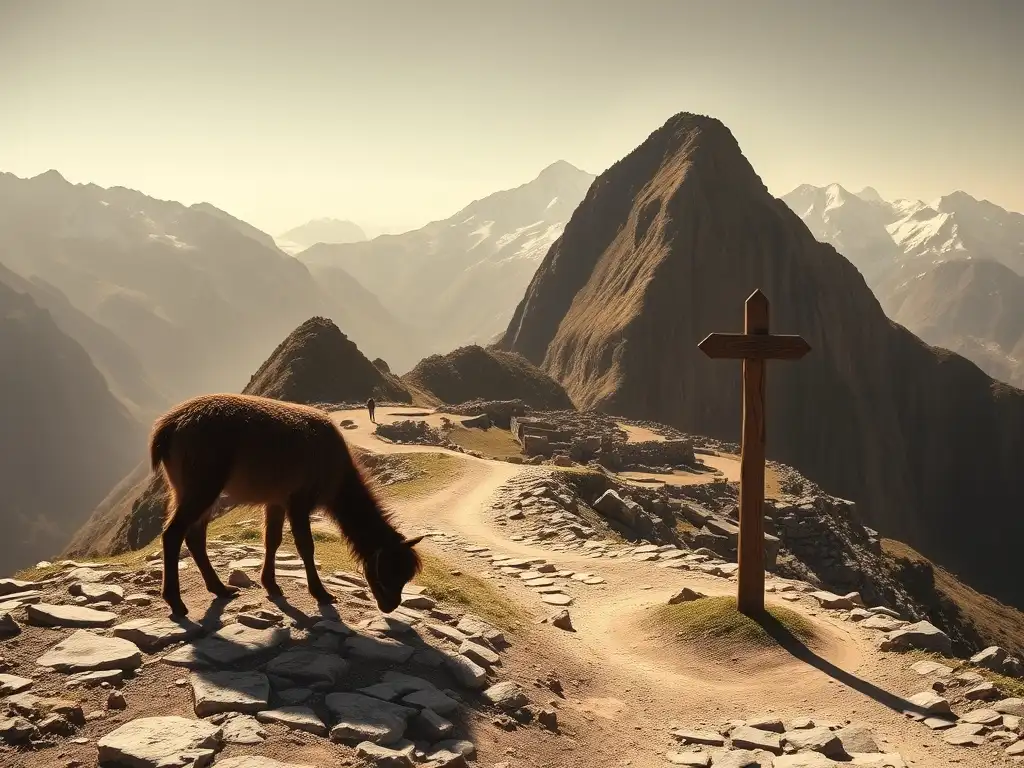
The Qhapaq Ñan, the vast Inca road network, wasn't merely a system of pathways; it was a living artery pulsating with the lifeblood of the Inca Empire. Its influence on modern Andean trails is profound and multifaceted, extending far beyond simple route replication. Understanding this legacy requires appreciating the Qhapaq Ñan's scale, engineering ingenuity, and socio-political significance.
The Inca Road's influence on modern Andean trails is a testament to the enduring practicality and adaptability of Inca engineering principles. Many current trails, particularly in mountainous regions, still utilize principles learned from this remarkable feat of ancient civilization. The persistent use of these routes highlights their effectiveness even in the face of modern road-building.
Understanding the Scale of the Inca Road System
The sheer magnitude of the Qhapaq Ñan is breathtaking. Stretching over 40,000 kilometers—some estimates place it even higher—it crisscrossed the Andes Mountains, connecting the far-flung corners of the Inca Empire. This intricate network wasn't just a collection of haphazard paths; it was a strategically planned system, incorporating carefully chosen routes to optimize accessibility and minimize travel time. The Inca Road influence on modern Andean trails is partly due to the inherent wisdom of choosing these routes that were efficient, safe, and adapted to the challenging terrain.
Consider the logistical challenges: traversing treacherous mountain passes, navigating dense jungles, and crossing vast deserts. The Inca engineers skillfully overcame these obstacles, demonstrating a remarkable understanding of topography and engineering principles. Their ingenuity allowed for the creation of a network that facilitated trade, communication, and military movements across a vast and diverse landscape. This efficient network facilitated the movement of goods, people, and messages across the empire. This efficiency is still reflected in modern trails which often follow similar routes, leveraging the knowledge embedded in the ancient Inca pathways.
The Qhapaq Ñan's Engineering Marvels: Techniques and Materials
The Qhapaq Ñan's engineering brilliance is evident in its construction techniques and material choices. Inca engineers weren't simply laying down paths; they were building durable, sustainable infrastructure. The Inca Road's influence on modern Andean trails is seen in the continued use of techniques like terracing and retaining walls. These techniques, honed over centuries, allowed them to create pathways that could withstand the harsh Andean climate and the heavy traffic they carried.
The use of locally sourced materials—stone, earth, and wood—is another testament to their sustainable approach. This practice minimized environmental impact and ensured the ready availability of building materials. Stone paving, meticulously fitted together without mortar, is a hallmark of Inca road construction. This precise craftsmanship ensured durability and longevity.
Modern trail builders often incorporate similar principles, using locally available materials and adapting construction techniques to the specific terrain and available resources. The Inca's emphasis on sustainability and adaptability still serves as a valuable lesson for modern engineers working in challenging environments. The Inca Road's impact on modern Andean trails is not merely about routes, but about building practices that prioritize longevity and environmental consciousness. The legacy of the Qhapaq Ñan continues to inspire innovative and sustainable approaches to trail construction and maintenance in the Andes.
How the Inca Road Shaped Modern Andean Trails
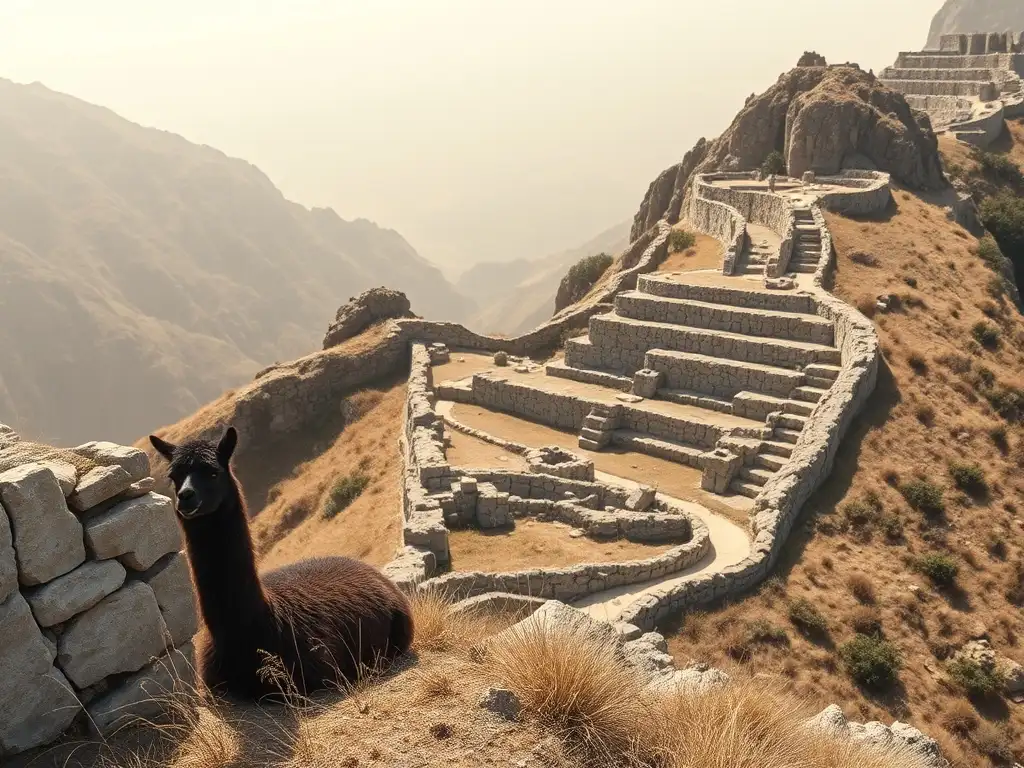
The Inca road system, a marvel of ancient engineering, continues to exert a profound influence on modern Andean trails. Its legacy isn't merely symbolic; it's a tangible presence woven into the very fabric of contemporary Andean pathways. From direct continuations of ancient routes to the enduring impact on trail design principles, the Inca road's influence is undeniable.
Understanding this legacy provides crucial insights into the evolution of Andean infrastructure and the enduring connection between past and present. Analyzing the specific ways the Inca road system impacted modern trail development reveals a fascinating story of adaptation, innovation, and the persistent power of ancient ingenuity. The keyword, "Inca Road influence on modern Andean trails," perfectly encapsulates this enduring relationship.
Direct Descendants: Modern Trails Following Ancient Inca Routes
Many modern Andean trails directly follow or incorporate segments of the ancient Inca road network. These aren't simply coincidences; in numerous cases, the Inca road's strategic placement – prioritizing accessibility and traversing challenging terrain – proved so effective that later communities continued to use and maintain these paths. For example, trails in the Sacred Valley near Cusco frequently overlap with well-preserved sections of the Inca road.
These sections, often characterized by their meticulously crafted stonework and gentle gradients, are readily identifiable even today. Their continued use speaks volumes about the Inca's masterful understanding of topography and their ability to create sustainable infrastructure. The enduring functionality of these pathways highlights the remarkable durability and forethought embedded in Inca engineering.
Furthermore, some communities actively preserve and maintain these ancient sections, integrating them into their local tourism strategies or using them as vital transportation links. This active preservation showcases the ongoing appreciation for the Inca road's enduring value.
Indirect Influence: The Impact on Trail Design and Construction
Even where modern trails don't directly follow Inca routes, the Inca road's design principles continue to influence trail construction in the Andes. The Inca's emphasis on sustainability, adaptability, and minimizing environmental impact resonates strongly with modern trail builders. The Inca's ingenious use of locally sourced materials, such as stone and earth, continues to inspire sustainable trail building practices. Today, trail builders often prioritize low-impact construction techniques, mirroring the Inca approach of working with the landscape rather than against it.
The Inca’s understanding of drainage and erosion control is also evident in modern trail design. Inca roads often incorporated sophisticated drainage systems to prevent water damage, a principle that remains vital in modern trail construction, especially in mountainous regions prone to heavy rainfall. Similarly, the gentle gradients of many Inca trails, designed to minimize the effort required for travel, continue to be a guiding principle in modern trail design, aiming for comfortable and accessible routes for hikers and pack animals alike.
The legacy of Inca trail building is thus not simply a matter of physical continuity but also a testament to the enduring wisdom of their engineering practices. The seamless integration of their techniques into modern practices underscores the timeless relevance of Inca ingenuity. The keyword phrase, "Inca Road influence on modern Andean trails," is further reinforced by this ongoing legacy of design principles.
Specific Examples of Inca Road Influence on Modern Paths
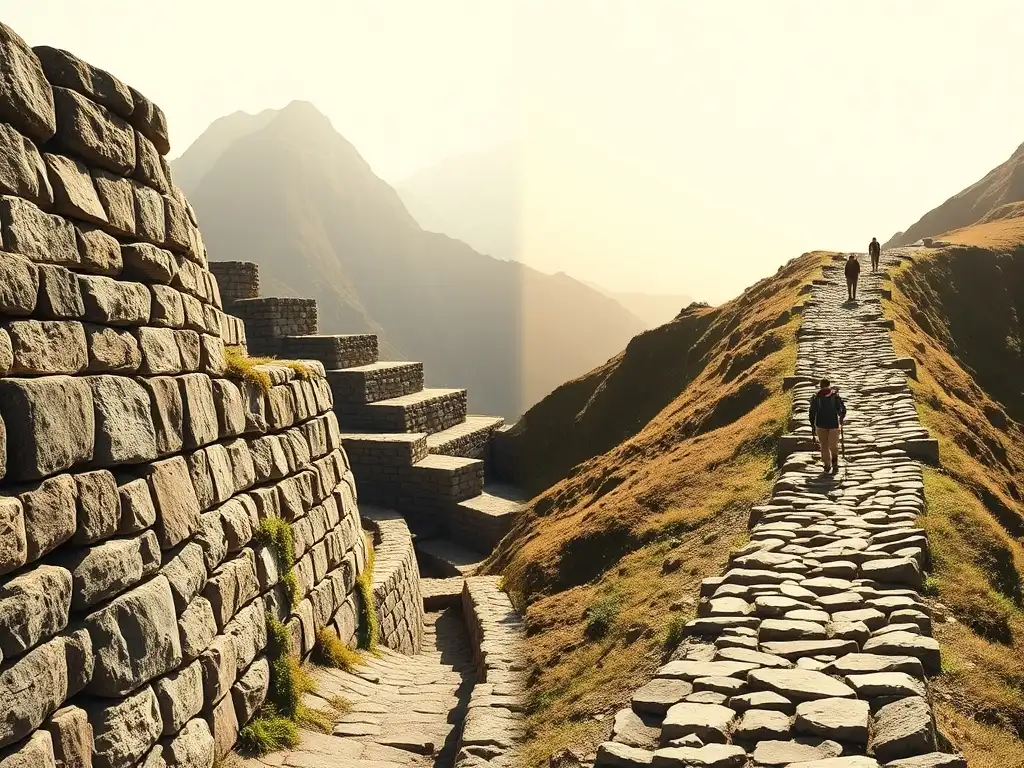
This section delves into concrete examples showcasing the enduring legacy of Inca road-building techniques on modern Andean trails. We'll examine how the principles of Inca engineering continue to inform the design and construction of hiking routes and other pathways across the Andes Mountains today, highlighting the remarkable adaptability and effectiveness of their methods.
The influence extends beyond simple path creation; it encompasses considerations of sustainability, environmental impact, and the integration of infrastructure within the natural landscape. Analyzing these examples helps us understand the lasting impact of Inca ingenuity on modern infrastructure development in the region, solidifying the Inca Road's influence on modern Andean trails.
The Case of the Inca Trail to Machu Picchu and its Inca Origins
The Inca Trail to Machu Picchu serves as a prime example of the direct influence of Inca road construction on modern trails. While significantly modified for tourism, the trail's fundamental route and many of its features are directly inherited from the Inca Qhapaq Ñan. Sections of original Inca paving, retaining walls, and even strategically placed resting places remain visible along the trail.
The Inca's mastery of adapting paths to the challenging Andean terrain – using switchbacks, carefully graded inclines, and strategically placed drainage systems – is still evident. The modern trail, while accommodating higher volumes of foot traffic, still reflects the Inca's understanding of sustainable trail design. The careful placement of campsites minimizes environmental impact, echoing the Inca's respect for the landscape.
The Inca Trail, therefore, isn't just a tourist attraction; it's a living testament to the enduring legacy of Inca road engineering, showcasing the direct lineage between ancient and modern Andean paths. The construction of this popular route demonstrates how carefully planned and maintained Inca infrastructure can withstand the test of time and adapt to modern use.
The Salkantay Trek: Tracing the Inca Legacy in a Popular Route
The Salkantay Trek, another popular hiking route to Machu Picchu, offers a fascinating case study of indirect Inca influence. While not following a direct Inca road, the trek traverses terrain shaped by Inca activity and utilizes principles of Andean trail construction. The route's elevation changes and its selection of passes and valleys reflect an understanding of Andean geography arguably informed by the Inca's extensive knowledge of the region.
While not directly built by the Inca, the route's design often mirrors the Inca’s approach to minimizing environmental impact and maximizing usability. Modern trail builders likely unconsciously replicated certain Inca techniques, such as using locally sourced materials and building paths that harmonized with the existing topography.
The Salkantay Trek underscores how the Inca's profound understanding of the Andean landscape continues to shape modern trail design, even when not directly following an Inca road. The legacy is less about direct replication and more about a shared understanding of effective trail building in a challenging environment.
Comparing Inca Techniques with Modern Trail Building in the Andes
A direct comparison between Inca and modern trail building techniques reveals both similarities and differences. The Inca's focus on sustainability, using locally sourced materials and minimizing environmental impact, remains a core principle in responsible modern trail building. However, modern techniques incorporate advanced tools and materials, enabling faster construction and greater durability in some aspects.
| Feature | Inca Techniques | Modern Techniques |
|---|---|---|
| Materials | Stone, earth, wood, local vegetation | Stone, wood, compacted earth, specialized polymers |
| Construction | Hand-labor intensive, meticulous craftsmanship | Machinery assisted, potentially less craftsmanship |
| Environmental Impact | Minimal, integrated with landscape | Can be significant if not carefully managed |
| Durability | High in many cases, dependent on maintenance | Variable, dependent on materials and maintenance |
| Sustainability | High, using local resources | High potential, requires conscious effort |
The differences stem primarily from technological advancements and differing priorities. While the Inca prioritized sustainable, long-lasting infrastructure through careful craftsmanship and integration with the environment, modern trail building often prioritizes speed and ease of construction. However, a growing awareness of environmental sustainability is leading to a resurgence of some Inca principles in modern trail design, demonstrating the enduring relevance of their methods.
The ongoing evolution of Andean trail building is a testament to the lasting impact of the Inca legacy and a reflection of the ongoing need to balance progress with environmental responsibility. This balance ensures that the influence of the Inca Road on modern Andean trails continues to shape the future of sustainable infrastructure development in the region.
Modern Adaptations and Interpretations of the Inca Road
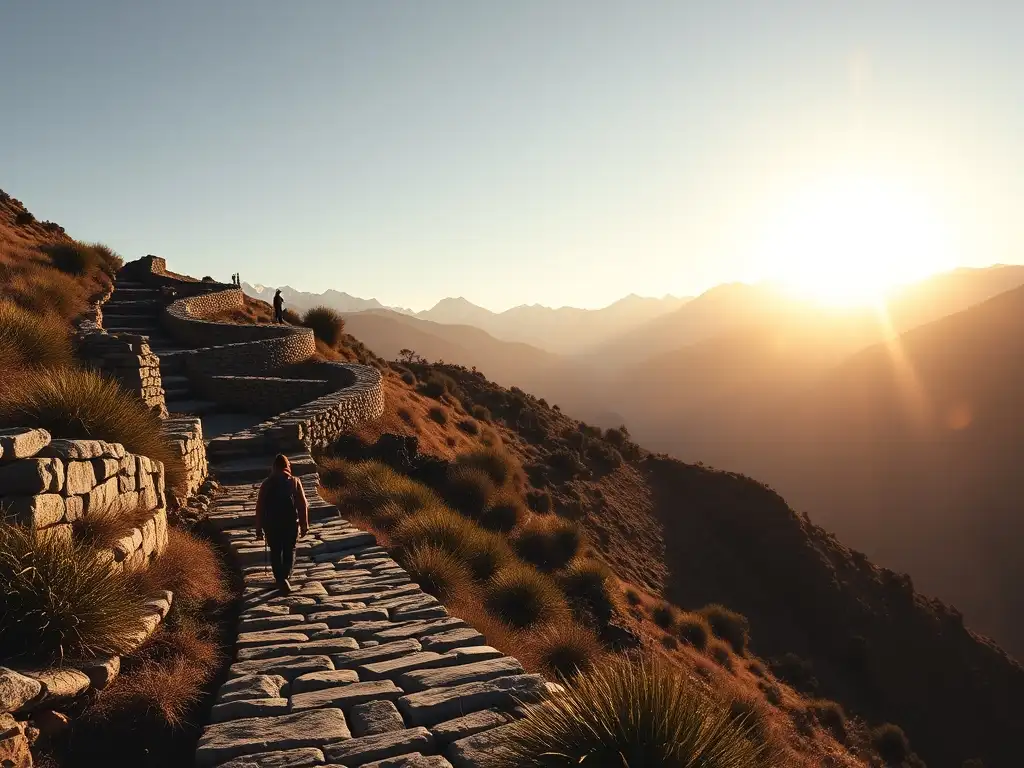
The Inca road system, a marvel of ancient engineering, continues to exert a profound influence on modern Andean paths. Its legacy isn't merely a matter of historical interest; it's a living presence shaping how communities interact with their environment and navigate their landscapes. The ingenuity of the Inca's approach to road construction – considering terrain, drainage, and accessibility – offers valuable lessons for modern infrastructure development, particularly in challenging geographical contexts.
While modern roads often prioritize speed and efficiency, incorporating elements of Inca design, such as the use of locally sourced materials and environmentally conscious techniques, could lead to more sustainable and resilient infrastructure. The Inca's understanding of adapting to the environment, rather than attempting to conquer it, is a key takeaway relevant to contemporary engineering projects. This is especially true in regions prone to natural disasters, where the Inca's experience provides valuable insights.
For example, the Inca's use of terraces and retaining walls to stabilize slopes remains highly relevant for modern hillside construction. Analyzing these techniques can greatly improve the safety and longevity of contemporary infrastructure projects.
Sustainable Tourism and the Preservation of Inca Trails
Sustainable tourism is inextricably linked to the preservation of Inca trails. The Inca Road's influence extends to the tourism sector, where its historical significance draws visitors from around the world. However, uncontrolled tourism can damage these delicate historical sites. Therefore, careful planning and management are crucial. Strategies include:
- Limiting the number of visitors: Implementing quotas to avoid overcrowding and environmental degradation.
- Promoting responsible tourism practices: Educating visitors on the importance of respecting the environment and cultural heritage.
- Investing in infrastructure that minimizes environmental impact: Constructing trails and facilities using sustainable materials and minimizing disruption to the landscape.
- Supporting local communities: Ensuring that local communities benefit economically from tourism while participating actively in the preservation efforts.
The economic benefits of sustainable tourism can directly support the preservation of Inca trails, creating a positive feedback loop. For example, a well-managed tourism program could fund restoration projects and provide employment opportunities for local communities, fostering a sense of ownership and responsibility for the preservation of their cultural heritage. This approach is not just about protecting the physical infrastructure but also safeguarding the intangible cultural heritage associated with the Inca Road.
The careful management of tourism is paramount to ensuring that the Inca Road's legacy continues to inspire future generations. Data on visitor numbers, environmental impact assessments, and economic benefits are crucial for effective monitoring and adaptive management of sustainable tourism initiatives. [Specific data on successful sustainable tourism models in Andean regions pending].
The Role of Local Communities in Maintaining Ancient Routes
Local communities play a vital role in maintaining and preserving ancient routes. Their intimate knowledge of the terrain, coupled with their deep-rooted cultural connection to these paths, makes their involvement indispensable. The Inca Road wasn't merely a transportation network; it was integral to the social fabric of Andean society. This legacy continues today. Many communities still use sections of the Inca Road for daily travel, and their ongoing use helps maintain the paths. Furthermore, many communities are actively involved in restoration and preservation efforts, often using traditional techniques passed down through generations.
The benefits of their involvement are multi-faceted:
- Preservation of traditional knowledge: The maintenance of these routes allows the preservation of traditional skills and techniques related to path construction and maintenance.
- Economic empowerment: Tourism and other economic activities related to the Inca Road can create opportunities for local communities.
- Cultural revitalization: The preservation of the Inca Road fosters a sense of pride and identity, promoting cultural revitalization.
- Environmental stewardship: Local communities often have a strong understanding of environmental sustainability and can play a key role in protecting these fragile ecosystems.
However, supporting local communities requires careful consideration. It is essential to ensure that their involvement is equitable and sustainable, preventing exploitation and promoting genuine collaboration. The success of preservation efforts hinges on recognizing and valuing the contributions of local communities, ensuring their participation is both meaningful and beneficial.
[Specific examples of successful community-based preservation projects pending]. The Inca Road’s legacy is not solely a matter of historical significance; it’s a testament to the enduring connection between people and their landscape, a connection that continues to shape the Andean regions today. The involvement of local communities is not just beneficial; it is absolutely crucial for the continued existence and appreciation of this remarkable historical achievement.
The Enduring Impact of the Inca Road
The Inca Road, a marvel of ancient engineering, continues to resonate in modern Andean trail systems. Its influence extends beyond mere physical resemblance; it represents a deep-seated understanding of environmental adaptation and sustainable infrastructure that modern engineers are only beginning to fully appreciate. The strategic placement of pathways, the meticulous consideration of terrain, and the innovative construction techniques employed by the Inca remain invaluable lessons for contemporary path development across the Andes.
This enduring legacy is not just about replicating the past, but about integrating ancient wisdom into modern solutions for sustainable infrastructure. The Inca's mastery of constructing roads in challenging mountainous terrain is particularly relevant today as we face the challenges of climate change and the need for resilient infrastructure.
Lessons from the Past: The Inca Road and Future Path Development
The Inca Road's impact on modern Andean trails is multifaceted. Firstly, the Inca's understanding of topographical engineering is unparalleled. They expertly navigated steep inclines, treacherous ravines, and unpredictable weather conditions, creating pathways that were both functional and remarkably durable.
Modern path designers can learn from this by incorporating similar principles of gradient management and terrain assessment into their projects. For instance, the Inca's use of switchbacks to mitigate steep climbs can be adapted to modern trail building, improving safety and accessibility. Furthermore, their selection of materials – locally sourced stone and earth – provides a model for sustainable construction practices.
Secondly, the Inca's emphasis on connectivity remains a crucial lesson. Their road network facilitated trade, communication, and cultural exchange across vast distances. This understanding of the importance of interconnectedness is vital for modern trail development. Connecting isolated communities through well-maintained paths can improve access to essential services, stimulate economic activity, and strengthen social bonds. We can learn from the Inca's strategy of creating a network of trails, rather than isolated pathways, to foster greater integration and accessibility. This network effect is particularly important in the Andes where many communities remain geographically isolated.
Finally, the Inca's adaptive design is a powerful example of sustainable infrastructure. Their roads were not static structures; they were constantly maintained and adapted to changing environmental conditions. This adaptability is crucial in the face of climate change, where infrastructure must be resilient to extreme weather events and shifting landscapes. Learning from the Inca's approach to maintenance and adaptation can lead to the development of more robust and long-lasting trail systems.
The Cultural and Historical Importance of Preserving Inca Infrastructure
Preserving the remaining sections of the Inca Road is not merely an exercise in historical preservation; it's a vital act of cultural and historical safeguarding. These pathways are tangible links to a rich past, representing the ingenuity and resilience of the Inca civilization. Their preservation ensures the continuation of a cultural narrative that is deeply intertwined with the identity of Andean communities.
The Inca Road is more than just a road; it's a testament to human achievement, a symbol of cultural heritage, and a valuable resource for understanding ancient engineering practices. Its preservation also offers significant opportunities for ecotourism, creating economic benefits for local communities while promoting sustainable development.
The challenge of preserving Inca infrastructure necessitates a multi-pronged approach. This includes:
- Careful documentation: Thorough surveys and detailed records are essential to understand the condition of existing structures and inform future conservation efforts. This detailed record-keeping is crucial for effective preservation strategies.
- Sustainable maintenance: Regular maintenance, using traditional and modern techniques, is vital to prevent further deterioration. This includes addressing erosion, repairing damaged sections, and implementing measures to protect against vandalism and natural disasters.
- Community involvement: Engaging local communities in preservation efforts is crucial. Their knowledge and participation ensure that the preservation process respects cultural sensitivities and promotes local ownership of the heritage sites. This collaborative approach is crucial for long-term success.
- Educational initiatives: Raising public awareness about the importance of preserving Inca infrastructure is essential for garnering support and ensuring the long-term sustainability of conservation efforts. Education can foster a sense of pride in the cultural heritage and encourage responsible tourism practices.
The Inca Road's influence on modern Andean trails is not merely a matter of architectural inspiration; it's a testament to the enduring legacy of a civilization that understood the profound relationship between human ingenuity, sustainable practices, and the natural environment. By carefully studying and preserving these ancient pathways, we can gain valuable insights into building resilient and sustainable infrastructure for the future, while simultaneously celebrating the rich cultural heritage of the Andes.
The preservation of the Inca Road is a responsibility that extends beyond mere historical preservation; it's an investment in the future of Andean communities and the preservation of a remarkable piece of human history.
Frequently Asked Questions
What is the main focus of this article?
This article explores the lasting influence of the Inca Road system on the modern trail networks found throughout the Andes Mountains. It examines how ancient engineering principles and routes continue to shape contemporary paths.
How did the Inca Road impact modern Andean transportation?
The Inca Road's strategic placement and robust construction provided a foundation for many modern roads and trails. Its routes often coincide with present-day pathways, facilitating easier travel across challenging terrain.
What engineering techniques from the Inca Road are still relevant today?
The Incas' mastery of terracing, stonework, and path construction in diverse landscapes remains relevant. Modern engineers still draw inspiration from their techniques for building durable and sustainable infrastructure in mountainous regions.
Are there any specific examples of Inca Road influence on modern trails?
Yes, many modern hiking trails and even some road segments in the Andes directly follow or utilize sections of the ancient Inca Road. These examples demonstrate the enduring practicality of Inca engineering.
Besides transportation, what other aspects of Andean life were influenced by the Inca Road?
The Inca Road facilitated trade, communication, and cultural exchange across the vast Andean empire. This legacy continues to shape social and economic interactions in the region, even today.
Final Reflection: Echoes of the Inca Road on Andean Trails Today
The Inca Road's legacy isn't merely a historical footnote; it's a living testament to human ingenuity and adaptation, profoundly shaping the Andean landscape and its people's lives even today. The intricate network of trails, meticulously engineered across challenging terrain, continues to inspire awe and serves as a powerful reminder of the Inca's remarkable civilization. Its influence resonates far beyond the crumbling stones, impacting modern infrastructure, cultural practices, and the very spirit of the Andes.
The enduring impact of the Inca Road's design principles on modern Andean trail systems is undeniable. From the strategic placement of waystations to the ingenious techniques employed in overcoming geographical obstacles, the echoes of Inca engineering are clearly visible. These trails aren't just pathways; they are arteries of life, connecting communities, facilitating trade, and preserving cultural heritage. The road itself was a living organism, adapting to the needs of the people and the landscape,
as one historian eloquently put it. This sentiment encapsulates the enduring relevance of the Inca Road's philosophy, a philosophy of integration and sustainability that remains strikingly relevant in our modern world.
Consider the challenges facing Andean communities today – climate change, economic disparities, and the preservation of cultural identity. The lessons learned from the Inca Road's construction and maintenance offer invaluable insights. You, the reader, are now equipped with a deeper understanding of this historical marvel and its ongoing influence. Reflect on the ingenuity and resilience demonstrated by the Inca, and consider how these principles can inform your own approach to problem-solving and community building. Let the legacy of the Inca Road inspire you to build connections, overcome obstacles, and leave your own positive mark on the world.
Embrace the Legacy of the Inca Road Today!
Thank you for exploring the remarkable influence of the Inca Road on modern Andean paths! Your curiosity enriches your understanding and helps preserve this incredible heritage. Let's turn that inspiration into action!
- Dive Deeper: Research a specific modern road or trail in the Andes influenced by the Inca Road and plan a visit. Experiencing it firsthand reveals its historical significance.
- Share Your Journey: Share your travel plans and experiences in our comments section or on social media using #IncaInfluence. Let's keep the conversation going!
- Engage with the Community: Join or start a local hiking group that explores Andean trails. Connect with fellow enthusiasts and share your discoveries.
What aspects of the Inca Road's legacy most inspire your next adventure?