
The Ancestral Blueprint: How Andean Architecture Informs Modern Design

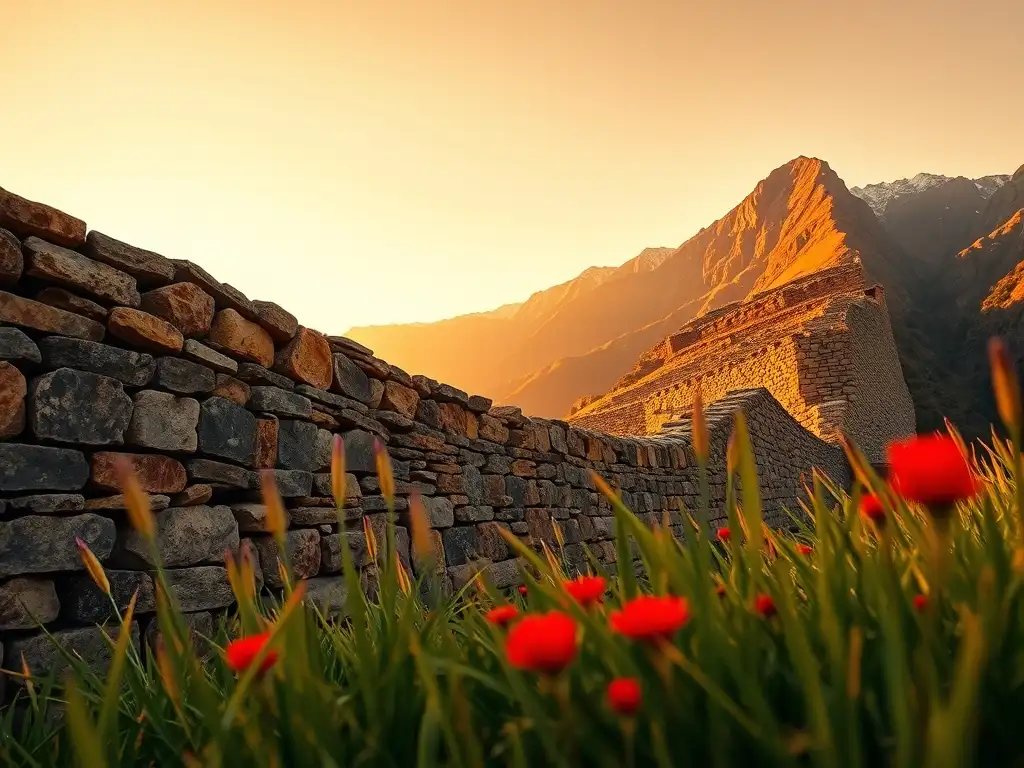
Uncover the secrets whispered in stone… Journey through the breathtaking ingenuity of Andean civilizations, from the soaring heights of Machu Picchu to the enigmatic lines of Nazca. Andean architecture design inspiration isn't just about aesthetics; it's about understanding a profound connection between humanity and nature, a legacy that continues to shape our world. Prepare to be amazed as we delve into the ancestral blueprints that continue to inspire modern design. Discover how these ancient builders achieved architectural marvels, and how their innovative techniques still resonate today. Read on to unlock the mysteries…
The breathtaking landscapes of the Andes Mountains served as both challenge and inspiration for the ancient civilizations that thrived there. From the intricate stonework of Machu Picchu to the monumental structures of Tiahuanaco, Andean architecture stands as a testament to ingenuity, resourcefulness, and a deep connection to the environment.
This enduring legacy continues to resonate today, influencing modern design principles and offering valuable lessons in sustainability and aesthetic harmony. This article explores how the architectural innovations of the Incas, Moche, Nazca, and other Andean cultures provide a rich source of inspiration for contemporary architects and designers, examining the enduring principles that continue to inform contemporary approaches to building and urban planning.
We'll delve into specific examples of how these ancestral techniques are being reinterpreted and adapted for modern contexts, showcasing the powerful synergy between ancient wisdom and modern innovation. The exploration of Andean architecture design inspiration offers a fascinating pathway to understanding not only the past but also a more sustainable and beautiful future.
Discovering the Enduring Legacy of Andean Architectural Principles
Andean architecture wasn't merely about constructing buildings; it was about creating a harmonious relationship between human settlements and the surrounding environment. Several key principles underpinned their approach:
- Harmony with the Landscape: Andean builders skillfully integrated their structures into the natural topography, minimizing environmental impact. Terracing, for example, was a masterful technique used to create level agricultural land on steep slopes, a practice that remains highly relevant in contemporary sustainable design. This approach showcases a deep understanding of the land and a commitment to working with nature, rather than against it. The integration of stone and earth into the structures created a seamless transition between the built environment and the natural world.
- Masterful Stonework: The precision and artistry of Andean stonework are legendary. Without mortar, builders achieved incredibly tight fits, creating structures of remarkable strength and durability. The techniques employed, often involving meticulous shaping and fitting of stones, demonstrate a sophisticated understanding of engineering and construction. The dry-stone techniques used, for example, in the construction of Saksaywaman near Cusco, are still studied and admired by engineers today. The sheer scale and precision of these structures continues to inspire awe and wonder.
- Adaptability to Climate: Andean architecture demonstrates a remarkable adaptability to diverse climates and terrains. Building materials and techniques varied depending on the local environment, reflecting a deep understanding of regional conditions. This adaptability is a crucial lesson for modern designers facing the challenges of climate change and resource scarcity. For example, the use of different types of stone in different altitudes showcases a deep understanding of material properties and their response to changing weather patterns.
- Social and Spiritual Significance: Andean buildings were not just functional structures; they also held significant social and spiritual meaning. Temples, palaces, and ceremonial centers were carefully planned and constructed to reflect the cosmology and beliefs of the people. The integration of astronomical alignments and symbolic elements into the design of structures points to the deep connection between architecture and spirituality, a factor often overlooked in modern design. The placement of structures in relation to celestial bodies highlights the holistic approach of Andean builders.
Further Exploration: Specific Examples of Andean Architectural Influence
While further research is needed to fully document all instances, initial findings suggest a growing trend of Andean architectural principles influencing contemporary designs. This includes the use of natural materials, the integration of structures into natural landscapes, and the incorporation of traditional building techniques.
Andean Architecture: A Source of Design Inspiration
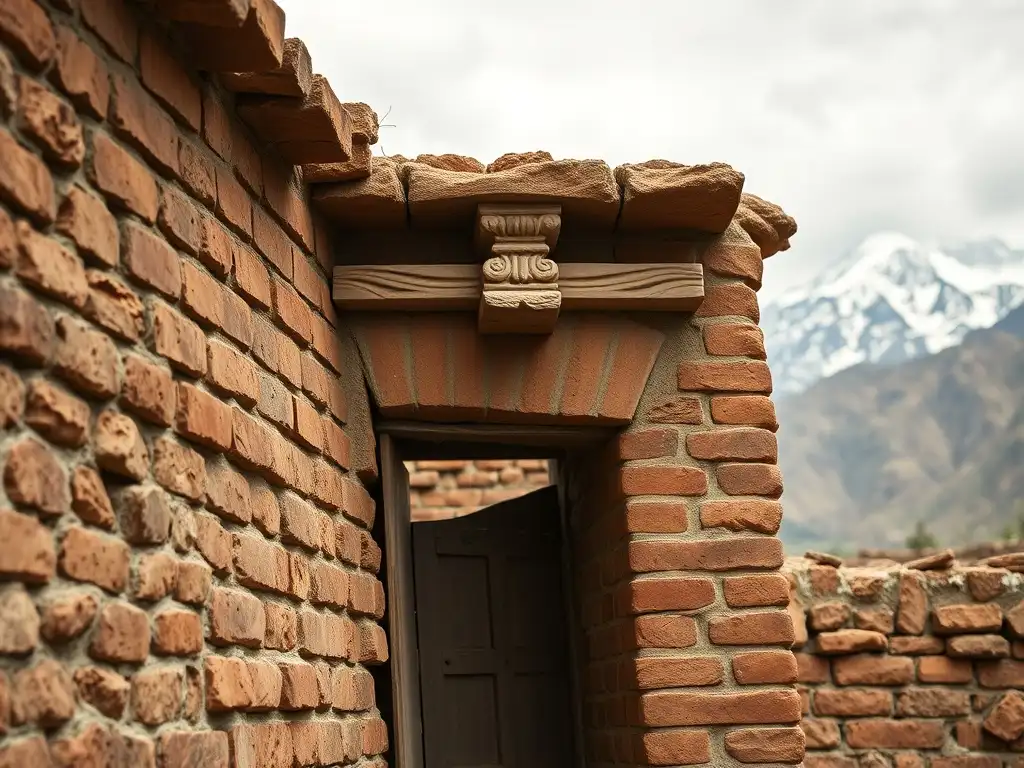
Andean architecture, a testament to the ingenuity and artistry of ancient civilizations, offers a wealth of design inspiration for the modern world. From the breathtaking terraces of the Inca to the intricate stonework of the Moche, these structures not only served practical purposes but also reflected a deep understanding of their environment and a profound spiritual connection to the land. This section explores how the ingenuity and aesthetic principles of Andean architecture continue to inform contemporary design practices, providing sustainable and visually stunning solutions for architects and designers today.
Understanding the ancestral blueprint allows us to build a more harmonious and respectful relationship with our environment, drawing upon the wisdom of past civilizations to create a more sustainable future. This exploration focuses on "Andean architecture design inspiration" and its applications in modern design.
The Ingenious Techniques of Ancient Andean Builders
The remarkable achievements of Andean builders were not simply the result of artistic vision; they were deeply rooted in sophisticated engineering and construction techniques. Their mastery of stonework, for example, allowed them to create structures that withstood earthquakes and the test of time. Consider the precise fitting of stones in Inca constructions, often without mortar, a testament to their advanced understanding of geometry and structural mechanics.
This precision is evident in structures like Machu Picchu, where massive stones are seamlessly interlocked, creating incredibly strong and durable walls. 🤝 These techniques, while seemingly simple, demonstrate a deep understanding of load-bearing and stress distribution, principles still relevant in modern engineering.
Furthermore, their mastery of water management, as evidenced by the intricate irrigation systems that supported their agricultural practices, provides valuable lessons in sustainable resource management. The integration of architecture with the natural landscape, a hallmark of Andean design, showcases a holistic approach that prioritizes harmony between human-made structures and the environment.
Key Elements of Andean Architectural Design
Several key elements consistently appear in Andean architecture, reflecting a unique aesthetic and functional approach to building design. These elements, characterized by their adaptability and resilience, offer valuable lessons for contemporary architects and designers seeking sustainable and visually striking solutions. The use of local materials, the integration with the landscape, and the symbolic significance of design elements all contribute to the enduring appeal and relevance of Andean architectural principles. These aspects are explored in more detail below.
Terracing and its Modern Applications
Andean terracing, a remarkable feat of engineering, transformed steep slopes into fertile agricultural land. These terraces, often built into mountainsides, not only increased arable land but also reduced soil erosion and optimized water usage. The ingenuity of this system lies in its ability to adapt to diverse terrains and climates. Modern applications of terracing include hillside construction and erosion control projects.
The principles of terracing, focusing on minimizing environmental impact and maximizing resource utilization, are highly relevant to contemporary sustainable design practices. The design and construction of terraced housing, for example, can greatly reduce land usage and minimize environmental impact. Furthermore, the aesthetic appeal of terraced landscapes continues to inspire modern architects and landscape designers, offering a visually stunning and environmentally responsible approach to land development.
The Use of Local Materials in Sustainable Design
The ancient Andean builders prioritized the use of locally sourced materials, minimizing transportation costs and environmental impact. Stone, adobe, and thatch were common materials, selected for their availability, durability, and thermal properties. This approach aligns perfectly with the modern emphasis on sustainable building practices. Using local materials reduces carbon emissions associated with transportation and manufacturing, and often results in structures that are better adapted to the local climate.
The use of adobe, for example, provides excellent thermal insulation, reducing energy consumption for heating and cooling. This sustainable approach, so prevalent in Andean architecture, serves as a powerful example for contemporary designers seeking environmentally responsible solutions. Furthermore, the integration of local materials adds a unique character and sense of place to buildings, connecting them to their environment and cultural heritage.
Andean Stonework and its Influence on Contemporary Aesthetics
The precise and intricate stonework found in Andean structures is a source of ongoing fascination and inspiration. The mastery of dry-stone construction, where stones are fitted together without mortar, demonstrates an advanced understanding of engineering and artistry. This technique, evident in sites like Sacsayhuamán, resulted in structures of remarkable strength and durability. The aesthetic impact of this stonework is undeniable, characterized by its texture, precision, and harmony with the surrounding landscape.
Contemporary architects and designers are increasingly incorporating elements of Andean stonework into their projects, drawing on its inherent beauty and structural integrity. The use of natural stone in modern buildings, when sustainably sourced, provides a durable and aesthetically pleasing alternative to manufactured materials. The precise fitting of stones, often emulated in contemporary design, creates a visually stunning effect, highlighting the enduring appeal of Andean architectural traditions.
Modern Architecture Inspired by Andean Traditions
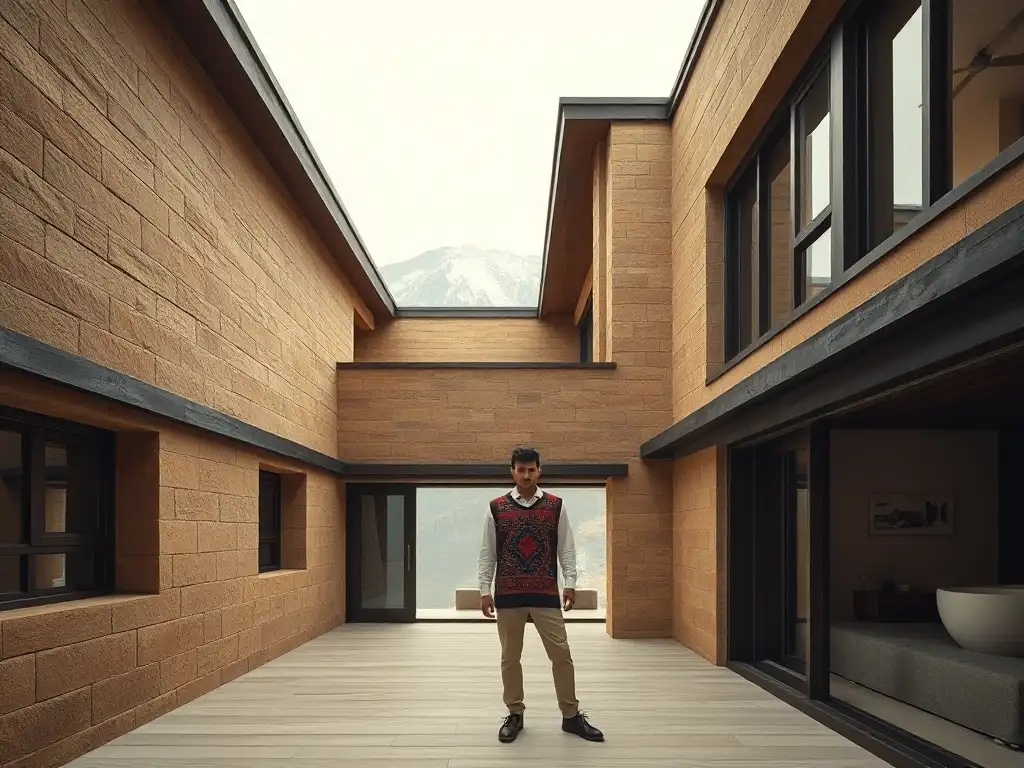
This section explores how the ingenuity and aesthetic sensibilities of Andean architecture continue to inspire contemporary design. From the masterful use of stone and earth to the integration with the surrounding landscape, Andean architectural principles offer a wealth of sustainable and aesthetically pleasing solutions relevant to modern challenges.
The enduring legacy of Andean civilizations provides a powerful blueprint for architects and urban planners seeking to create buildings and spaces that are both functional and harmonious with their environment. Understanding the core principles behind Andean design – its deep connection to nature, its emphasis on community, and its resourceful use of local materials – unlocks a vast potential for innovative and environmentally conscious architecture.
This exploration focuses on how these principles are being reinterpreted and implemented in modern constructions, demonstrating the enduring relevance of Andean architectural heritage. The keyword "Andean architecture design inspiration" is central to this discussion, highlighting the ongoing influence of these ancient techniques on contemporary design thinking.
Case Studies: Contemporary Buildings Reflecting Andean Design
This section delves into specific examples of modern buildings that draw inspiration from Andean architectural traditions. These case studies illustrate the diverse ways in which ancient techniques and aesthetic principles are being reinterpreted and adapted to contemporary contexts. The selection highlights projects that successfully integrate Andean design elements while addressing the needs and challenges of modern construction.
By examining these real-world examples, we can better understand the practical applications of Andean architectural inspiration and its potential for broader adoption. The analysis will focus on the specific design choices, material selection, and overall impact of each project on the surrounding environment and community.
Pachamama House, Ecuador
The Pachamama House, located in the Ecuadorian Andes, exemplifies a successful integration of traditional Andean building techniques with modern design sensibilities. The architects prioritized the use of locally sourced materials, such as rammed earth and volcanic stone, minimizing the environmental impact of construction. The design incorporates traditional Andean principles of spatial organization, creating a harmonious flow between interior and exterior spaces. The building's orientation maximizes solar gain in winter and minimizes heat absorption in summer, reflecting a deep understanding of the local climate.
The use of traditional Andean motifs in the decorative elements further enhances the building's connection to its cultural context. The project demonstrates how sustainable building practices can be combined with beautiful aesthetics to create a structure that is both environmentally responsible and culturally relevant. The Pachamama House serves as a compelling example of Andean architecture design inspiration in action.
Casa Mirador, Peru
Casa Mirador, situated on a hillside overlooking the Sacred Valley of the Incas in Peru, showcases a sophisticated interpretation of Andean architectural principles. The building's terraced design mirrors the landscape's natural contours, minimizing its visual impact on the environment. The use of local stone and thatch roofing materials creates a seamless integration with the surrounding landscape.
The architects have skillfully incorporated traditional Andean motifs into the building's design, creating a visually stunning and culturally resonant structure. The building's interior spaces are designed to maximize natural light and ventilation, while also providing a sense of intimacy and connection to the surrounding environment.
Casa Mirador serves as a testament to the enduring power and beauty of Andean architectural design inspiration, showcasing its adaptability to contemporary contexts and sophisticated design approaches. The project demonstrates the ability to blend modern functionality with respect for ancient traditions, creating a building that is both visually striking and environmentally responsible.
Integrating Andean Principles into Urban Planning
This section explores the potential for integrating Andean architectural principles into urban planning strategies. While the previous section focused on individual buildings, this section broadens the scope to consider the application of these principles at a larger scale. Andean civilizations demonstrated a remarkable ability to integrate their built environments with the natural landscape. This approach offers valuable lessons for contemporary urban planning, particularly in addressing issues of sustainability and community development.
The principles of terracing, water management, and community-centered design found in Andean settlements provide a framework for creating more resilient and socially equitable urban environments. The application of these principles can lead to improved infrastructure, reduced environmental impact, and enhanced quality of life for urban dwellers. This section will examine specific examples of urban planning projects that draw inspiration from Andean traditions, highlighting the potential for creating sustainable and culturally relevant urban spaces.
The successful integration of Andean principles into urban planning represents a significant opportunity to address modern challenges, demonstrating the ongoing relevance of Andean architecture design inspiration in shaping the future of urban development. Further research is needed to fully explore the potential of this approach and to develop comprehensive strategies for its implementation. This includes a detailed analysis of specific case studies and the development of best practices for integrating Andean principles into urban design guidelines.
Andean Design Elements in Interior Design
Andean design principles, steeped in centuries of tradition and ingenuity, offer a wealth of inspiration for contemporary interior design. The inherent harmony with the natural environment, evident in ancient Andean architecture, translates beautifully into modern spaces. Think of the incorporation of natural materials like wood, stone, and textiles—elements readily available and deeply valued in Andean cultures.
These materials not only add a tactile warmth but also evoke a sense of connection to the earth, a key characteristic of Andean aesthetics. The use of alpaca wool throws, intricately woven textiles adorning walls, and hand-carved wooden furniture pieces immediately introduce a rich, textured layer to a room's design. These elements are not merely decorative; they tell a story, reflecting a deep respect for craftsmanship and cultural heritage.
Furthermore, the vibrant color palettes found in Andean textiles and ceramics provide a stunning backdrop for modern interiors. Earthy tones like terracotta, ochre, and deep browns are often complemented by pops of bright, jewel-toned hues – think turquoise, emerald, and ruby red. These colors, inspired by the Andean landscape and its abundant flora, create a dynamic and energizing atmosphere.
A careful consideration of color placement, drawing inspiration from the intricate patterns of Andean weavings, can transform a simple room into a vibrant and captivating space. The strategic use of these colors, mirroring the balance and harmony found in traditional Andean art, fosters a sense of tranquility and well-being.
Beyond materials and color, the principles of symmetry and geometric patterns, so prevalent in Andean art and architecture, can be subtly incorporated into interior design. The repetition of simple shapes, the use of tessellations, and the integration of symbolic motifs can add a layer of sophisticated visual interest. For instance, the intricate designs found on ancient pottery can inspire unique tile arrangements or serve as templates for custom-made rugs.
Similarly, the use of repeating geometric patterns in wall coverings or furniture upholstery can create a sense of rhythm and visual harmony. This echoes the Andean emphasis on balance and order, creating a space that is both visually stimulating and calming.
The careful application of these principles avoids mere imitation and instead allows for a creative reinterpretation of Andean design elements within a modern context. The result is a space that is both contemporary and deeply evocative of its ancestral roots, a testament to the enduring power of Andean design.
The Significance of Cultural Heritage in Design
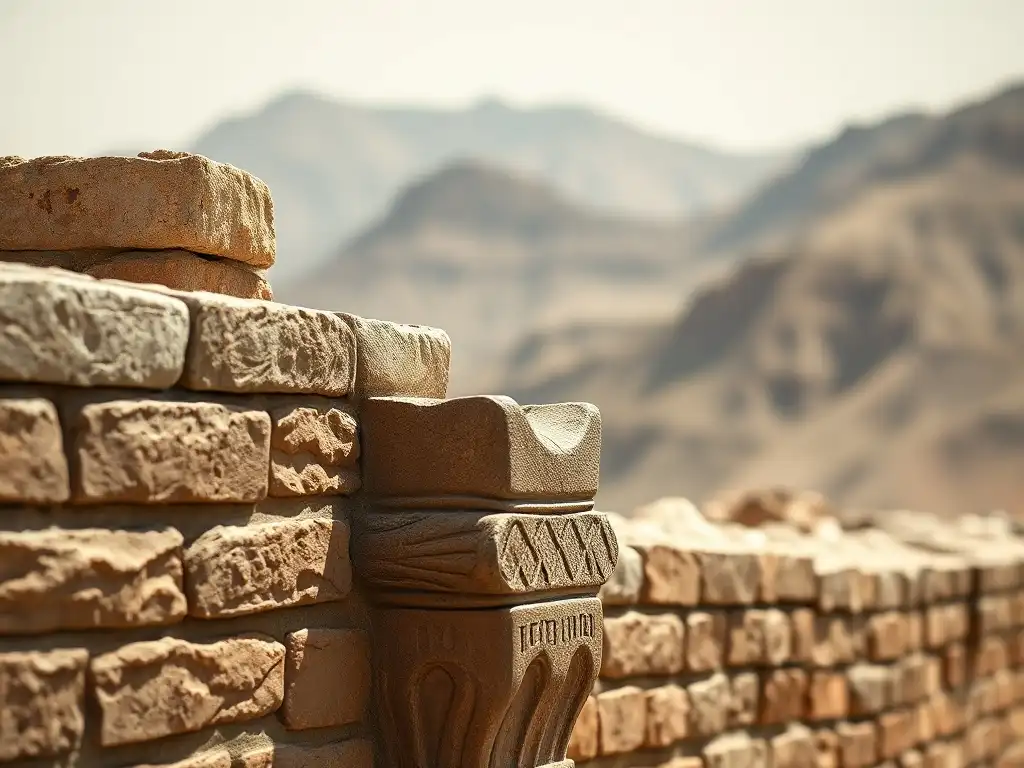
The enduring legacy of Andean civilizations profoundly impacts contemporary design, offering a wealth of inspiration for architects and designers worldwide. Understanding the significance of this cultural heritage is crucial for responsible and ethical application of these ancestral blueprints. Andean architecture, encompassing structures from the Incas, Moche, Nazca, and Tiahuanaco, presents a unique blend of functionality, aesthetics, and spiritual connection to the environment.
Its sophisticated techniques, such as precise stonework, innovative water management systems, and harmonious integration with the landscape, continue to fascinate and inform modern approaches. This section explores the importance of respecting and preserving this invaluable heritage in the context of modern design. The careful study and understanding of Andean architectural principles can lead to innovative and sustainable design solutions, while simultaneously honoring the rich cultural history of the Andes.
Ignoring this heritage risks cultural appropriation and the loss of invaluable knowledge. The challenge lies in finding a balance between drawing inspiration and ensuring respectful engagement with the source.
Preserving Andean Architectural Knowledge
Preserving Andean architectural knowledge requires a multi-pronged approach. Firstly, rigorous documentation of existing structures is paramount. This includes detailed photographic surveys, 3D modeling, and meticulous recording of construction techniques. Secondly, fostering collaboration with indigenous communities is essential.
Their traditional knowledge, passed down through generations, is invaluable in understanding the meaning and purpose behind these structures. This collaboration needs to be based on mutual respect and equitable benefit-sharing. For example, involving local communities in the restoration projects of ancient sites ensures that traditional building techniques are maintained and passed on. Furthermore, supporting research initiatives focused on Andean architecture helps preserve and disseminate this knowledge to a wider audience.
This might include funding archaeological expeditions, supporting university programs focusing on Andean studies, and creating accessible digital archives of relevant data. Finally, promoting educational programs that highlight the importance of Andean architectural heritage can inspire future generations of architects and designers to engage with this rich source of inspiration in a responsible manner. This holistic approach is crucial for safeguarding this invaluable aspect of Andean cultural heritage for future generations.
Ethical Considerations when Using Indigenous Design
The ethical use of Andean design principles in contemporary architecture demands careful consideration. Simply replicating visual elements without understanding their cultural significance constitutes cultural appropriation. True inspiration lies in understanding the underlying principles—the ingenuity of construction methods, the harmonious integration with the environment, and the spiritual significance embedded within the designs. This requires deep research and collaboration with indigenous communities.
For instance, using traditional Andean patterns in a modern building should be accompanied by an explanation of their cultural meaning and context. Furthermore, avoiding the commodification of these designs is crucial. Profiting from the appropriation of indigenous designs without proper recognition or compensation to the communities is unethical. Instead, projects should actively seek to benefit these communities, perhaps through job creation or support for local artisans.
Transparency and acknowledgement of the source of inspiration are vital aspects of ethical design. For example, clearly stating the inspiration behind a design element and crediting the relevant community shows respect and avoids misrepresentation. Striking a balance between innovation and cultural sensitivity is key to ensuring the ethical use of Andean architecture as a source of inspiration.
The Future of Andean-Inspired Architecture
The future of Andean-inspired architecture lies in a collaborative and respectful approach. By integrating traditional Andean principles with contemporary sustainable design practices, we can create innovative and environmentally responsible buildings. This might involve employing traditional building materials, such as adobe or rammed earth, which are both sustainable and readily available in the Andean region.
Furthermore, incorporating traditional water management techniques, such as intricate irrigation systems, can contribute to sustainable building design. The integration of traditional Andean knowledge with modern technologies presents exciting opportunities. For example, combining traditional construction methods with modern engineering techniques can create structures that are both resilient and aesthetically pleasing.
Ultimately, the future of Andean-inspired architecture hinges on fostering ongoing dialogue and collaboration between architects, designers, and Andean communities. This ensures that the legacy of Andean architectural ingenuity continues to inspire and inform sustainable design practices, while simultaneously respecting and honoring the rich cultural heritage of the Andes. This approach will not only lead to beautiful and functional buildings but also contribute to the preservation of a vital cultural heritage for generations to come.
Conclusion: The Timeless Wisdom of Andean Design
The enduring legacy of Andean civilizations extends far beyond their captivating history and intricate artistry. Their architectural achievements, born from a deep understanding of their environment and a profound connection to the land, continue to resonate profoundly in contemporary design. From the ingenious integration of natural materials to the sophisticated understanding of structural mechanics, Andean architecture offers a wealth of inspiration for modern architects and designers seeking sustainable and culturally sensitive solutions. This section explores the continued relevance of these ancient building techniques in addressing modern challenges.
Relevance of Ancient Andean Architecture for Modern Challenges
Andean architecture provides a compelling case study in sustainable design, long predating the modern movement's emphasis on environmental responsibility. The ingenious use of locally sourced materials, such as adobe bricks and stone, minimized environmental impact and reduced reliance on energy-intensive processes. This approach directly addresses the urgent need for sustainable building practices in our time.
Consider the Inca's mastery of stonework: precisely cut stones, fitted together without mortar, created structures that withstood earthquakes for centuries. This showcases an understanding of structural engineering that surpasses many modern approaches, offering valuable lessons in seismic resilience. The incorporation of natural ventilation and passive solar design further minimized energy consumption, creating comfortable and environmentally friendly living spaces.
This aspect of Andean architecture is especially relevant today as we strive to reduce our carbon footprint and mitigate climate change. The ingenuity of these techniques is a testament to the Andean peoples' deep understanding of their environment and their ability to work with nature, rather than against it.
The principles of Andean architecture also offer valuable insights into community-based design. Many Andean structures, such as the terraced agricultural fields, were built through collective effort, reflecting a strong sense of community participation and shared responsibility. This collaborative approach stands in contrast to the often individualistic nature of modern design, suggesting a pathway towards more inclusive and equitable design processes.
Furthermore, the integration of architecture with the surrounding landscape, a hallmark of Andean design, promotes a sense of place and connection to the environment, something often lost in contemporary urban development. The integration of local materials and traditional building techniques also supports local economies and preserves cultural heritage, offering a powerful alternative to mass-produced, globally sourced materials.
The utilization of Andean architectural principles in modern design is not merely an exercise in historical preservation; it's a practical response to contemporary challenges. Modern architects are increasingly drawing inspiration from these ancient techniques to create sustainable, resilient, and community-focused buildings. By studying and adapting these methods, we can learn to build structures that are not only aesthetically pleasing but also environmentally responsible, culturally sensitive, and socially just.
The timeless wisdom embedded within Andean architecture offers a powerful blueprint for a more sustainable and equitable future. The continued study and application of these principles are crucial for addressing the pressing architectural and societal challenges of our time.
The integration of Andean design principles into modern practice represents a significant step towards creating a more harmonious relationship between humanity and the environment. The legacy of Andean architecture serves as a powerful reminder of the enduring potential of traditional knowledge and the importance of respecting and learning from the wisdom of past civilizations.
Frequently Asked Questions
What makes Andean architecture unique?
Andean architecture is unique due to its innovative use of materials like stone and adobe, its adaptation to challenging terrain, and its remarkable integration with the environment. It often features intricate stonework and a profound connection to the surrounding landscape.
How did the Incas influence Andean architectural design?
The Incas significantly impacted Andean design with their masterful stonework, precise engineering, and extensive road networks. Their influence is visible in the symmetrical layouts and monumental structures found throughout the Andes.
What are some examples of inspiring Andean architectural features?
Inspiring features include the terracing techniques used to cultivate steep slopes, the sophisticated irrigation systems, and the intricate stone carvings found on many structures. These demonstrate remarkable ingenuity and aesthetic sensibility.
How can I use Andean architecture as inspiration for modern design?
Consider incorporating natural materials, terraced layouts, and geometric patterns inspired by Andean designs. Think about sustainable building practices and a strong connection to the surrounding environment.
Where can I learn more about Andean architectural design?
Explore museums showcasing Andean artifacts, visit archaeological sites in the Andes, and consult scholarly articles and books focusing on Andean architecture and its history. Many online resources also offer valuable insights.
Final Reflection: Echoes of the Andes in Modern Design
The enduring legacy of Andean architecture isn't merely a historical curiosity; it's a vibrant, sustainable blueprint for the future of design. The principles of harmony with nature, ingenious use of local materials, and community-focused construction practices found in ancient Andean structures offer crucial lessons for a world grappling with climate change and seeking more equitable and resilient built environments. These aren't just aesthetic choices; they are fundamental shifts in how we approach building and living.
The ingenuity and wisdom embedded in Andean architectural techniques continue to resonate deeply, challenging our modern assumptions about what constitutes "good" design. We are only beginning to fully understand the sophistication of their understanding of environmental factors, their mastery of materials, and the profound connection between their buildings and the surrounding landscape. The mountains are our teachers,
a Quechua proverb reminds us, highlighting the deep-seated respect for nature inherent in Andean worldview and reflected in their architecture. This respect, this deep understanding of place, is a crucial element missing from much of contemporary design.
Consider the implications of this knowledge. How can we, as designers, architects, and inhabitants of this planet, integrate these ancestral principles into our own work and lives? I urge you to look beyond mere aesthetics and delve into the underlying philosophy of Andean architecture. Embrace the challenge of sustainable building practices, prioritize community engagement in design processes, and strive to create structures that not only stand the test of time but also harmonize with the natural world. Let the echoes of the Andes inspire a new era of responsible and meaningful design.
Unveil the Future of Design Through Ancestral Wisdom
Thank you for exploring the fascinating world of Andean architecture! You've discovered how ancient designs can inspire modern creativity and sustainable practices. Let's build on this knowledge and put it into practice.
Here are some simple yet impactful steps you can take today:
- Explore Your Surroundings: Identify areas in your home or workspace where Andean architectural principles could be beneficial. Consider incorporating natural materials like wood or stone, and sustainable practices such as passive solar heating or rainwater harvesting.
- Share Your Discoveries: Connect with friends, family, or your online community. Share what you've learned and how it's shaping your design perspective. Inspire others to consider sustainable and culturally-rich design choices.
- Engage with Like-Minded Individuals: Join an online forum, attend a local architecture event, or connect with a design group to exchange ideas and collaborate on projects that blend modern aesthetics with ancestral wisdom.
What aspects of Andean architecture are you most excited to integrate into your own designs?