
Paracas and the Chincha Culture: Examining the Relationship and Shared Traits

Step into a world lost to time, yet echoing with vibrant life. Journey with us through the captivating tapestry of Andean civilizations, uncovering the secrets of their ingenious artistry, advanced technologies, and enduring legacies. But the story doesn't end with the Incas; we delve deeper, exploring fascinating intricacies like the Paracas Chincha culture comparison—a revealing look at two powerful coastal societies and the surprising connections that bind them. Prepare to be amazed by the untold stories waiting to be discovered within the Pre-Incan Cultures of the Coast.
-
Paracas and Chincha Culture: A Comparative Analysis of Coastal Andean Societies
- Introduction to Paracas and Chincha: Coastal Cultures of Ancient Peru
- Geographical Context: Paracas and Chincha Settlements
- Chronological Overlap: Timeline of Paracas and Chincha Civilizations
- Shared Cultural Traits: Paracas and Chincha Similarities
- Distinguishing Features: Paracas and Chincha Differences
- The Influence of Paracas on Chincha: Cultural Transmission
- The Chincha Kingdom: A Later Coastal Power
- Paracas Chincha Culture Comparison: Key Contrasts
- Conclusion: Significance of Paracas and Chincha in Andean History
- Frequently Asked Questions
- Final Reflection: Echoes of the Past, Whispers of the Future
- Uncover the Rich Tapestry of Paracas and Chincha!
Paracas and Chincha Culture: A Comparative Analysis of Coastal Andean Societies
The coastal regions of ancient Peru were home to a vibrant tapestry of pre-Inca cultures, each leaving behind a unique legacy of artistry, technology, and societal structures. This article delves into the fascinating relationship between two such cultures: the Paracas and the Chincha.
While distinct in many ways, a closer examination reveals surprising similarities and interwoven threads that illuminate the complexities of Andean societal development. We will explore the geographical contexts of these societies, their shared cultural traits, and the possible interactions that shaped their respective trajectories, providing a comprehensive comparison of Paracas and Chincha culture using readily available archeological data and scholarly interpretations.
This analysis aims to shed light on the intricacies of their relationship, offering a deeper understanding of the rich cultural landscape of pre-Columbian Peru, and addressing the keyword "Paracas Chincha culture comparison". The comparison will highlight key differences and similarities, ultimately contributing to a more nuanced perspective on the development of coastal Andean civilizations.
Introduction to Paracas and Chincha: Coastal Cultures of Ancient Peru
The Paracas and Chincha cultures flourished along the southern coast of Peru, albeit at different times and with distinct characteristics. The Paracas culture, known for its incredibly intricate textiles and mummification techniques, thrived from approximately 800 BCE to 200 CE. Their mastery of textile production, evidenced by their elaborate burial shrouds and complex weaving techniques, remains unparalleled in the pre-Columbian world. The Chincha culture, on the other hand, emerged later, from approximately 1000 CE to 1476 CE, and is renowned for its sophisticated maritime technology, extensive trade networks, and intricate pottery.
While separated by centuries, both cultures adapted to the unique challenges and opportunities presented by the coastal environment, showcasing remarkable resilience and innovation. Their shared location along the Peruvian coast, however, fostered certain commonalities, despite their temporal and stylistic differences. We'll explore these commonalities and divergences in detail throughout this article.
Geographical Context: Paracas and Chincha Settlements
The geographical settings of the Paracas and Chincha cultures significantly influenced their respective lifestyles, economies, and cultural expressions. The unique environmental conditions shaped their societal structures and technological advancements, contributing to their distinct identities while simultaneously fostering some surprising overlaps.
The Paracas Peninsula: Geographic Influences on Culture
The Paracas culture thrived on the Paracas Peninsula, a desert region characterized by arid conditions, scarce freshwater resources, and a dramatic coastline. This challenging environment necessitated the development of sophisticated irrigation systems and innovative fishing techniques. The peninsula's abundant marine resources, however, provided a crucial foundation for their economy.
The arid climate also contributed to the development of elaborate mummification techniques, designed to preserve the bodies of the deceased in the harsh desert conditions. The geographical isolation of the peninsula may also have contributed to the development of the culture's unique artistic styles, particularly their distinctive textile traditions. The limited arable land likely fostered a strong emphasis on marine resources, shaping their social structure and contributing to the complexity of their burial practices.
Chincha Valley: Strategic Location and Resources
In contrast to the Paracas Peninsula, the Chincha culture occupied the fertile Chincha Valley, a region characterized by a more temperate climate and access to the Pacific Ocean. This advantageous location provided access to fertile agricultural lands and abundant marine resources, fostering a more diversified economy compared to the Paracas. The valley's strategic position along major trade routes facilitated the development of extensive commercial networks, connecting the Chincha with other Andean societies and even beyond.
The availability of resources and a more favorable climate likely contributed to the Chincha's larger population and more complex social hierarchy compared to the Paracas. Their proximity to major trade routes significantly impacted their cultural exchange and material culture, leading to a more diverse range of artistic styles and technological innovations. The Chincha's maritime prowess, fueled by their geographical advantages, played a crucial role in their economic and political dominance.
Chronological Overlap: Timeline of Paracas and Chincha Civilizations
The Paracas and Chincha cultures existed in a fascinating chronological relationship along the south coast of Peru. The Paracas culture, broadly categorized into Paracas Cavernas (c. 700-200 BCE) and Paracas Necrópolis (c. 200 BCE – 200 CE), predates the Chincha. The Chincha culture flourished from approximately 1000 CE to 1476 CE, overlapping significantly with the later stages of the Paracas Necrópolis phase and extending well beyond it.
While there's no direct evidence of a hierarchical relationship, the Chincha likely inherited and adapted aspects of the Paracas cultural legacy. The significant temporal gap between the peak of the Paracas and the rise of the Chincha suggests that any direct influence would have been indirect, possibly through intermediary cultures or a gradual absorption of existing traditions. The precise nature of this cultural transmission remains a subject of ongoing research and debate among archaeologists.
Further investigation into less-studied settlements and artifacts could reveal more about the interaction and transition between these two impactful coastal societies. Understanding the timing is crucial for interpreting the shared characteristics and potential influences between them.
Despite the chronological distance, several striking similarities exist between the Paracas and Chincha cultures, suggesting a possible continuity of certain traditions or a shared adaptation to the coastal environment. This shared cultural heritage is particularly evident in their burial practices, textile arts, and ceramic styles. These shared traits, however, need to be analyzed carefully, considering the significant time gap and potential for independent development of similar traits in response to similar environmental and social pressures.
The degree of influence versus independent innovation is a key question that continues to challenge researchers working on these ancient Andean societies. More research, including advanced dating techniques and detailed stylistic analysis, is needed to definitively determine the extent of the relationship.
Burial Practices: Common Rituals and Tomb Construction
Both Paracas and Chincha cultures exhibited elaborate burial practices. The Paracas, particularly during the Necrópolis phase, are renowned for their extraordinarily complex subterranean tombs, often containing multiple mummies adorned with intricate textiles and rich grave goods. While less spectacular on a scale comparable to Paracas, Chincha burial sites also demonstrate a reverence for the deceased, albeit with a different architectural style.
Although the specific rituals differed, the emphasis on elaborate burial ceremonies and the inclusion of offerings in both cultures points to a shared belief system that valued the afterlife. The Chincha, for example, often included pottery, textiles, and other goods in their burials, reflecting a similar desire to provide necessities and comforts for the deceased in the next world.
This shared emphasis on funerary rituals provides a key area of comparison for understanding cultural continuity and evolution along the south coast of Peru. Further analysis of burial site locations and the arrangement of grave goods could shed light on social hierarchy and religious beliefs within both societies.
Textile Arts: Comparing Paracas and Chincha Weaving Techniques
The Paracas culture is famous for its mastery of textile production. Their textiles, characterized by intricate designs, vibrant colors, and complex weaving techniques, are among the finest examples of pre-Columbian textile art. The Chincha, while exhibiting a different style, also produced high-quality textiles, showing a continuation of sophisticated weaving traditions.
Although the specific techniques and stylistic motifs differed, both cultures demonstrate an advanced understanding of textile production, indicating a long tradition of textile craftsmanship along the south coast. A comparative study of the fibers used, the types of dyes employed, and the specific weaving techniques would offer crucial insights into the relationship between these two cultures. The extent to which Chincha textile art was directly influenced by Paracas techniques remains a topic requiring further investigation and detailed analysis of existing collections.
Ceramic Styles: Analyzing Pottery Forms and Decoration
Paracas and Chincha ceramics, while distinct, share some broader stylistic similarities. Paracas pottery is known for its diverse forms and often incorporates polychrome painting with intricate designs. Chincha ceramics, on the other hand, frequently feature simpler forms and a more restrained palette, but still employ sophisticated techniques. Both cultures produced a wide array of vessels, from large storage jars to smaller bowls and cups, indicating similar needs and social practices.
The presence of certain decorative motifs, though executed differently, might suggest a shared iconography or cultural symbolism, demanding further analysis to determine the extent of potential influence. A detailed comparative study focusing on specific vessel types, decorative elements, and manufacturing techniques is needed to fully understand the parallels and distinctions between Paracas and Chincha ceramic traditions. This deeper understanding will provide essential insights into the cultural exchange and independent developments within these ancient Andean societies.
Distinguishing Features: Paracas and Chincha Differences
The Paracas and Chincha cultures, while geographically proximate and sharing some cultural traits, possessed distinct characteristics that set them apart. Understanding these differences is crucial for a nuanced appreciation of the coastal Andean societies. One key distinction lies in their chronological development. The Paracas culture flourished earlier, primarily between 700 BCE and 200 CE, while the Chincha civilization thrived from approximately 1000 CE to 1476 CE. This temporal gap significantly impacts the comparison, as the Chincha likely inherited and adapted aspects of Paracas culture, but also developed unique features shaped by their own historical context. The sheer scale of their respective achievements also differs. Paracas is renowned for its incredibly intricate textiles and elaborate burial practices, while the Chincha are known for their highly developed maritime skills and extensive trading networks. These differences are not mutually exclusive; rather, they paint a vibrant picture of two distinct yet interconnected coastal societies.
Political Organization: Contrasting Social Structures
While precise details of Paracas political organization remain debated amongst scholars, evidence suggests a less centralized structure compared to the Chincha. The Chincha, in contrast, exhibited a more sophisticated hierarchical system, with a powerful ruling elite controlling a substantial population. Archaeological findings suggest a strong centralized authority in Chincha, evidenced by impressive monumental architecture and the standardization of certain artifacts.
This is in contrast to the seemingly less structured political landscape suggested by the Paracas archaeological record, which showcases a greater diversity in burial goods and site complexity, possibly indicating a more decentralized power structure or a collection of independent communities. The absence of large-scale public works projects in Paracas, unlike the Chincha's impressive urban centers, further supports this hypothesis. More research is needed to fully understand the intricacies of Paracas political organization, but the contrast with the clearly defined hierarchy of the Chincha is evident.
Economic Activities: Divergent Trade and Agricultural Practices
The Paracas and Chincha economies, while both reliant on coastal resources, differed significantly in their emphasis. The Paracas economy focused heavily on textile production, renowned for their exquisite and technologically advanced textiles, which were likely used both for ceremonial purposes and potentially as trade goods. Their agricultural practices were adapted to the arid coastal environment, likely involving sophisticated irrigation techniques to support their population. The Chincha, on the other hand, were renowned for their extensive maritime activities and trade networks.
Their economy was heavily driven by fishing and maritime trade, connecting them to distant regions and facilitating the exchange of goods across a wider geographical area. They were skilled navigators and traders, controlling significant coastal trade routes and amassing wealth through the exchange of goods. While both cultures engaged in agriculture, the Chincha's economic focus on maritime trade stands in stark contrast to the Paracas' emphasis on textile production.
Art and Iconography: Unique Paracas and Chincha Artistic Expressions
The artistic expressions of the Paracas and Chincha cultures reflect their distinct societal values and priorities. Paracas art is best known for its incredibly intricate textiles, featuring complex designs, vibrant colors, and advanced weaving techniques. Their iconography often depicts supernatural beings, shamanistic rituals, and complex mythological narratives. The textiles are not only aesthetically stunning but also represent a significant technological achievement.
In contrast, Chincha art is characterized by its ceramic traditions and metalwork. While they produced textiles, their artistic focus appears to have been more heavily concentrated on pottery and metal artifacts, which often depict stylized figures and geometric patterns. These differences in artistic focus reflect the divergent cultural priorities and technological specializations of the two societies. The contrast between the highly intricate Paracas textiles and the more geometrically focused Chincha pottery highlights the unique artistic paths each culture followed.
The Influence of Paracas on Chincha: Cultural Transmission
The later Chincha culture likely inherited and adapted certain aspects of the earlier Paracas culture. This cultural transmission is not a case of direct conquest or domination, but rather a more complex process of cultural exchange and adaptation. The proximity of the two cultures and the chronological sequence of their development strongly suggest a significant influence of Paracas on Chincha. The degree of this influence, however, is a subject of ongoing scholarly debate, with varying interpretations of the archaeological evidence. Nevertheless, several aspects of Chincha culture point towards a potential Paracas legacy.
Evidence of Paracas Influence in Chincha Art
Some scholars suggest that certain stylistic elements in Chincha textiles and ceramics may reflect a Paracas influence. While the Chincha developed their own distinct artistic styles, the presence of certain motifs or techniques that resemble those found in Paracas art could indicate a process of cultural borrowing or adaptation. This is particularly evident in certain textile designs, where similar color palettes or symbolic representations can be observed. However, more research is needed to definitively establish the extent of this artistic connection and to distinguish between independent innovation and genuine cultural transmission.
Paracas Legacy in Chincha Burial Customs
While the Chincha developed their own unique burial practices, some similarities with Paracas burial traditions have been noted. Both cultures exhibited a concern for elaborate burial rituals, reflecting their beliefs about the afterlife. However, the specific forms of these rituals differed significantly.
The scale and complexity of Paracas tombs, particularly those containing the famous Paracas Necropolis mummies, are unparalleled in Chincha burial sites. The differences in burial practices, despite some shared underlying beliefs, highlight both continuity and change in the cultural transmission between these two Andean societies. Further detailed comparative studies of burial goods and burial site layouts are needed to refine our understanding of this complex relationship.
The Chincha Kingdom: A Later Coastal Power
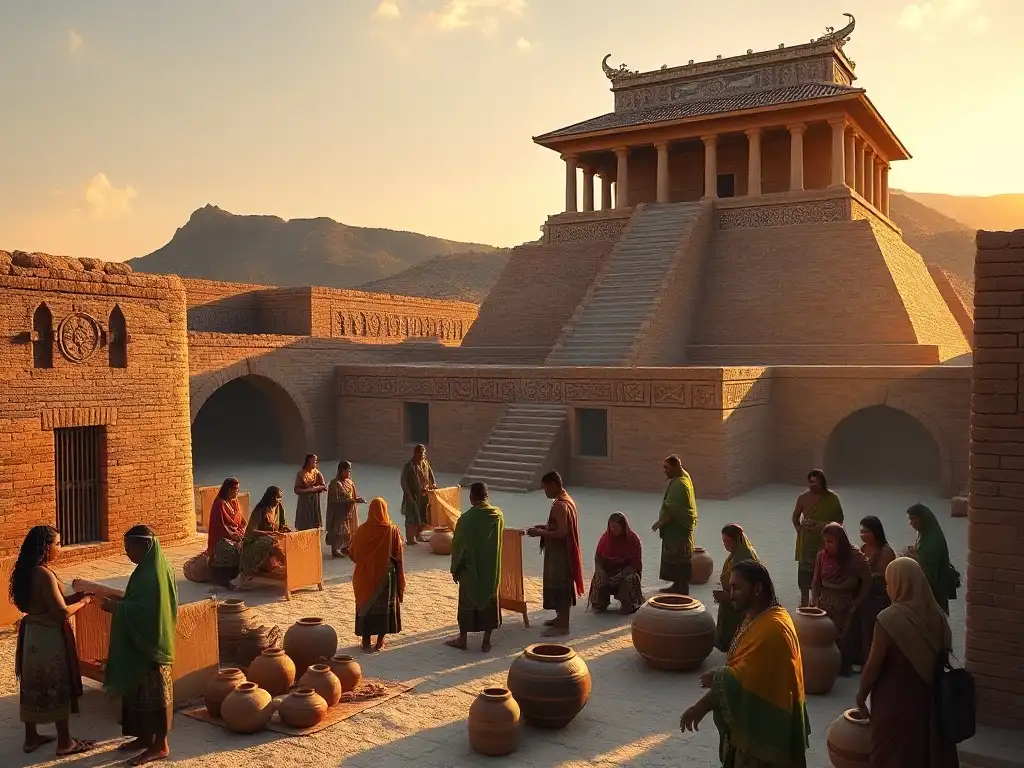
The Chincha, a powerful pre-Columbian civilization, flourished along the south-central coast of Peru, roughly from the 12th to the 15th centuries CE. Unlike the earlier Paracas culture, the Chincha established a sophisticated kingdom characterized by its exceptional maritime prowess and extensive trade networks. Their influence extended far beyond their immediate territory, reaching into the highlands and even influencing other coastal societies.
Their political organization was more centralized than that of the Paracas, with a hierarchical structure headed by a ruling elite. This centralized power allowed for ambitious infrastructure projects and the consolidation of their economic dominance. Archaeological evidence suggests a substantial population, concentrated in large urban centers and supported by intensive agriculture and fishing.
The Chincha kingdom's success was largely due to its mastery of the sea, a strategic advantage that fueled its economic and political power. Their advanced knowledge of navigation allowed them to control vital trade routes along the Pacific coast, connecting them to distant regions and facilitating the exchange of goods. This economic power, in turn, solidified their political dominance in the region.
Chincha's Rise to Prominence: Trade and Navigation
The Chincha's rise to power was inextricably linked to their maritime capabilities. They were master navigators, constructing large, seaworthy vessels capable of undertaking long voyages. These boats, likely balsa wood rafts or larger reed boats, allowed them to control vital trade routes along the Peruvian coast, facilitating extensive trade networks that stretched from Ecuador to northern Chile.
The Chincha controlled the trade in valuable resources such as cotton, fish, metals, and ceramics. They were particularly known for their control over the highly sought-after cotton, which they used to produce fine textiles. These textiles were not only used locally but also traded extensively, further enhancing their economic power and influence.
Their mastery of navigation also enabled them to establish strategic alliances and control access to important resources, solidifying their position as a dominant force along the coast. The scale and sophistication of their maritime activities are evident in the archaeological remains of their ports and shipyards, showcasing their advanced understanding of shipbuilding and maritime technology. The sheer volume of traded goods and the geographical extent of their trade network provide clear evidence of their economic dominance.
The Chincha Kingdom and the Inca Empire: Interactions and Conquest
The Chincha kingdom's reign was ultimately brought to an end by the expanding Inca Empire. The exact nature of the interactions between the Chincha and the Inca remains a subject of ongoing scholarly debate. However, it is widely accepted that the Inca conquered the Chincha sometime in the late 15th century.
The Inca, impressed by the Chincha’s maritime expertise and economic power, likely incorporated aspects of their maritime technology and trade networks into their own expanding empire. This integration, however, came at a cost for the Chincha, as they lost their independence and were subsumed into the vast Inca political structure. Archaeological evidence suggests a degree of continuity in the Chincha region after the Inca conquest, indicating that the Inca did not completely dismantle the existing social and economic structures.
Instead, they likely adapted and utilized existing systems to their own advantage. The Inca likely integrated Chincha elites into their administrative system, while also strategically utilizing the Chincha's trade networks and maritime knowledge to benefit the wider Inca Empire.
Paracas Chincha Culture Comparison: Key Contrasts
While both the Paracas and Chincha cultures occupied the same general coastal region of Peru, significant differences existed in their social organization, technological advancements, and artistic expressions. The Paracas, known for their intricate textiles and elaborate burial practices, lacked the centralized political structure of the later Chincha kingdom. Paracas society appears to have been less hierarchical, with power potentially distributed among various local groups rather than concentrated in a single ruling class.
Their artistic focus was heavily on elaborate textiles and impressive funerary rituals, reflecting a different cultural emphasis compared to the Chincha's focus on maritime trade and expansion. The Paracas' technological innovations centered on textile production and mummification techniques, while the Chincha's advancements were more prominently focused on navigation, shipbuilding, and large-scale trade.
These differences highlight the distinct evolutionary paths of these two important coastal Andean societies. The Paracas' focus on elaborate burial practices, for example, contrasts sharply with the Chincha's emphasis on large-scale trade and economic power.
Paracas and Chincha: A Synthesis of Similarities and Differences
Despite their differences, the Paracas and Chincha cultures shared some commonalities. Both societies thrived along the Peruvian coast, utilizing the abundant marine resources and developing sophisticated agricultural techniques. Both cultures also produced remarkable textiles, although the styles and techniques differed significantly. The Paracas are renowned for their intricate, multi-colored textiles, often featuring complex designs and elaborate embroidery, while Chincha textiles, though still impressive, tended to be simpler and more utilitarian, reflecting their focus on trade and practicality.
Both cultures demonstrated sophisticated craftsmanship, albeit directed towards different artistic and technological goals. Understanding these similarities and differences provides a richer understanding of the cultural evolution along the Peruvian coast and highlights the diverse expressions of Andean ingenuity. The comparison reveals a fascinating interplay between continuity and change in Andean coastal societies.
Understanding the Complex Relationship Between the Two Cultures
The relationship between the Paracas and Chincha cultures is complex and not fully understood. While the Paracas predate the Chincha, there is evidence of cultural exchange and influence. The Chincha likely inherited some aspects of Paracas culture, particularly in textile production techniques and artistic styles.
However, they adapted and transformed these elements to fit their own unique cultural and political context. The Chincha's centralized political system and focus on maritime trade represent a significant departure from the Paracas' more decentralized structure and artistic focus. Further research is necessary to fully elucidate the nature of the interaction between these two societies, including the potential for both conflict and cooperation.
The study of archaeological remains, along with careful analysis of textile styles and other cultural artifacts, is crucial to unraveling the intricate relationship between the Paracas and Chincha cultures. The eventual Inca conquest further complicates the picture, making a complete understanding of this relationship a significant challenge for Andean archaeologists.
Conclusion: Significance of Paracas and Chincha in Andean History
The Paracas and Chincha cultures, though separated by time and exhibiting distinct artistic styles, represent crucial chapters in the narrative of Andean coastal development. Their shared reliance on maritime resources, sophisticated textile production, and complex social structures highlight a fascinating continuity in coastal Andean societies. The Paracas, with their mastery of textile art and elaborate burial practices, laid a foundation for later coastal cultures.
Their innovative techniques in weaving and mummification influenced subsequent generations, leaving a legacy visible in the textiles and funerary traditions of the Chincha. The Chincha, in turn, built upon this legacy, developing a powerful maritime empire and a sophisticated system of trade that extended throughout the Andean region. Their expertise in navigation and commerce significantly impacted the economic and political landscape of the coast, contributing to the growth and development of later civilizations.
Understanding the relationship between these two cultures provides invaluable insight into the dynamic processes of cultural evolution and exchange along the Peruvian coast. The similarities and differences between the Paracas and Chincha underscore the complexity of Andean history and the interconnectedness of its diverse societies.
Paracas and Chincha Contributions to Andean Civilization
The Paracas and Chincha cultures made significant and distinct contributions to the broader tapestry of Andean civilization. The Paracas, renowned for their exceptional textile artistry, developed intricate weaving techniques and designs that were unparalleled in their time. Their mastery of color, texture, and pattern is evident in the remarkably preserved textiles found in their elaborate tombs.
These textiles not only served practical purposes but also held significant symbolic and ritual meaning, reflecting the complex social and religious beliefs of the Paracas people. Beyond textiles, the Paracas' advanced mummification practices provide crucial insights into their understanding of the afterlife and their social organization. These sophisticated techniques, involving the removal of organs and the use of various preservatives, allowed for the preservation of bodies for centuries, offering invaluable information for modern archaeologists.
The Chincha, on the other hand, excelled in maritime activities and trade. Their sophisticated knowledge of navigation allowed them to establish a powerful maritime empire, controlling vital trade routes along the coast. Their extensive trade networks connected them to diverse Andean communities, facilitating the exchange of goods, ideas, and technologies.
The Chincha's economic prowess and their ability to manage complex trade relationships significantly impacted the political and economic landscape of the region. Their influence extended beyond the immediate coastal area, leaving a lasting mark on the development of subsequent Andean societies. The Chincha's legacy is evident in their sophisticated metalwork, pottery, and architecture, which reflect their wealth and power.
Further Research: Exploring the Paracas Chincha Cultural Links
Further research is needed to fully illuminate the intricate relationship between the Paracas and Chincha cultures. Specific areas warranting further investigation include a more detailed analysis of stylistic similarities and differences in their respective textile traditions. A comparative study of their iconography and religious beliefs could shed light on the potential for cultural exchange and influence.
The examination of archaeological evidence, particularly through advanced techniques like radiocarbon dating and DNA analysis, can provide more precise chronological data and clarify the extent of genetic and cultural continuity between the two societies. Furthermore, investigating the trade networks of both cultures and analyzing the distribution of artifacts could reveal the extent of their interaction and the nature of their economic relationships. By integrating diverse methodological approaches, future research can deepen our understanding of the complex interplay between the Paracas and Chincha cultures and their lasting impact on the development of Andean civilization.
This includes exploring potential migration patterns and examining the possibility of direct cultural transmission or influence. The potential for uncovering new archaeological sites containing artifacts from both cultures would also greatly enhance our knowledge of their relationship. 🌴
Frequently Asked Questions
What is the main focus of this article?
This article compares and contrasts the Paracas and Chincha cultures, exploring their relationship and identifying shared cultural traits, technological advancements, and artistic styles. It delves into their similarities and differences within the broader context of Andean civilizations.
How did the Paracas and Chincha cultures interact?
While the exact nature of their interaction remains debated, evidence suggests a degree of cultural exchange and influence. The Chincha likely built upon the achievements of the earlier Paracas culture, particularly in textile production and coastal trade networks.
What are some key similarities between Paracas and Chincha cultures?
Both cultures were located along the Peruvian coast, excelling in textile production and maritime activities. They also shared some stylistic elements in their ceremonial practices and burial customs.
What are some key differences between Paracas and Chincha cultures?
The Paracas culture is known for its elaborate mummification techniques and unique textile artistry, while the Chincha are recognized for their extensive trade networks and the use of spondylus shells in their artifacts. Their time periods also differ significantly.
Why is a comparison of Paracas and Chincha cultures important?
Comparing these cultures helps us understand the evolution of Andean societies along the Peruvian coast. Analyzing their similarities and differences provides valuable insights into the development of complex social structures, technologies, and artistic traditions in the pre-Columbian Andes.
Final Reflection: Echoes of the Past, Whispers of the Future
The intricate tapestry woven by the Paracas and Chincha cultures continues to resonate today, reminding us of the enduring power of human ingenuity and cultural exchange. Their sophisticated textiles, innovative agricultural practices, and complex social structures offer invaluable insights into the pre-Columbian world, challenging our assumptions about ancient societies and their capabilities. The legacy of these coastal civilizations remains a potent force in shaping our understanding of Peruvian history and its rich cultural heritage.
The enduring influence of Paracas and Chincha artistry, particularly in textile production, is undeniable. Their mastery of intricate weaving techniques and vibrant color palettes continues to inspire contemporary artists and designers. The past is never dead. It's not even past.
- William Faulkner. This quote perfectly encapsulates the enduring relevance of these cultures; their artistic achievements and societal innovations continue to speak to us across millennia, prompting us to examine our own relationship with the past and its impact on the present.
Consider the echoes of their ingenuity in your own life. How can we, as modern individuals, learn from the resourcefulness and resilience demonstrated by these ancient peoples? Let the vibrant threads of Paracas and Chincha culture inspire you to explore your own heritage, to appreciate the richness of human history, and to strive for innovation and creativity in your own endeavors. Embrace the legacy of these remarkable civilizations, and let their stories fuel your own journey of discovery and understanding.
Uncover the Rich Tapestry of Paracas and Chincha!
Thank you for exploring the fascinating relationship between the Paracas and Chincha cultures! You've discovered the unique characteristics and historical connections that define these remarkable Andean civilizations. Now, let's delve deeper into their rich histories!
Here are some ways to further explore the vibrant heritage of the Andean people:
- **Join our community! ** Subscribe to our newsletter for exclusive insights and updates on Andean civilizations.
- **Visit a local museum** showcasing Andean artifacts to experience the beauty of these cultures firsthand.
- **Share this article** with friends and family to spark conversations about the interconnectedness of ancient cultures.
What aspect of the Paracas and Chincha cultures most captivates you, and how do you perceive their influence on the modern world?