
Moche Pottery: More Than Just Clay, Vessels of Stories and Art

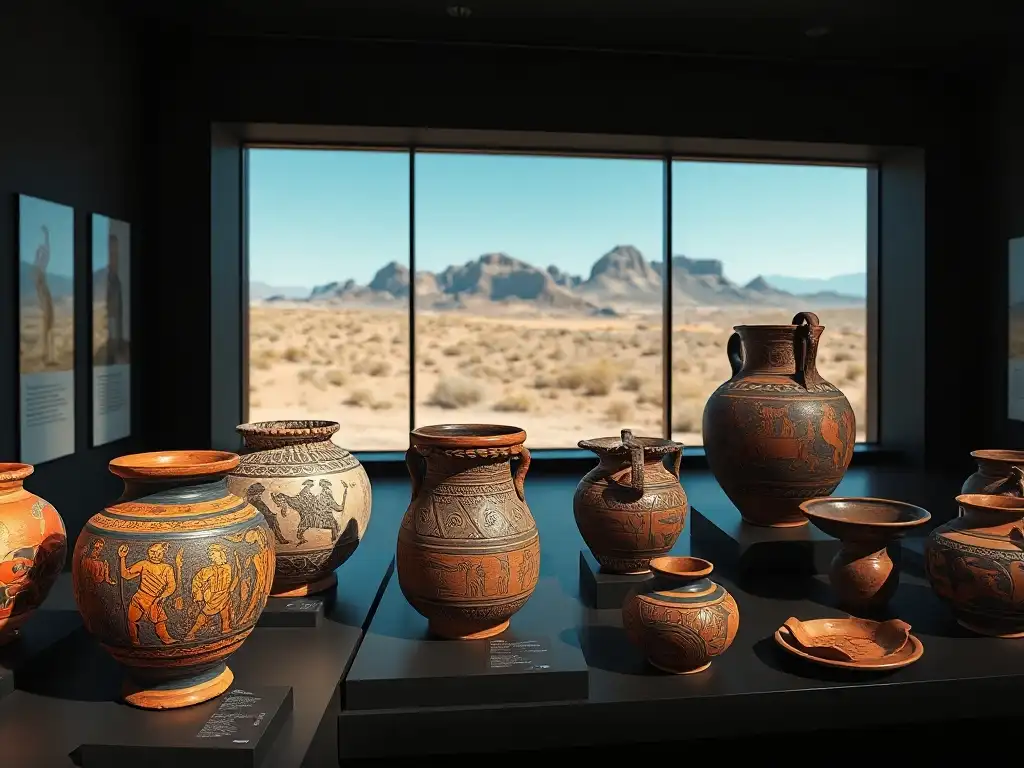
Step into a world lost to time, yet echoing with vibrant life. Imagine uncovering the secrets held within ancient clay, deciphering the intricate artistry and profound symbolism of the Moche civilization. Their breathtaking pottery isn't just ceramic; it's a window into a sophisticated society, a testament to their mastery of art and technology. Prepare to be captivated as we delve into the fascinating world of Moche pottery styles and meanings, revealing the stories etched into every vessel. Discover the hidden narratives and unlock the mysteries waiting to be revealed.
The Moche civilization, flourishing along the northern coast of Peru from approximately 100 CE to 800 CE, left behind a remarkable legacy: intricately crafted pottery that serves as a captivating window into their complex society, beliefs, and daily life. More than mere vessels for utilitarian purposes, Moche pottery pieces are vibrant expressions of artistic skill and powerful storytelling mediums, offering invaluable insights into their social hierarchy, religious practices, and even their understanding of the natural world. This article delves into the diverse styles and symbolic meanings embedded within Moche pottery, exploring how these artifacts illuminate the rich tapestry of Moche culture and solidify their place as masters of ceramic artistry.
Understanding Moche pottery styles and meanings provides crucial context for appreciating the depth and sophistication of this remarkable ancient civilization. We will examine specific examples to understand the artistry and the cultural significance encoded within each piece.
The Distinctive Styles of Moche Pottery
Moche potters displayed an astonishing range of artistic skills, producing pottery in various shapes, sizes, and styles. Their mastery extended beyond simple functionality, as they created elaborate and detailed pieces, showcasing a remarkable understanding of ceramic techniques. Some common styles include:
- Stirrup-spout vessels: Perhaps the most iconic Moche pottery style, these vessels are characterized by a distinctive stirrup-shaped spout, often intricately decorated with scenes of daily life, mythology, or ritualistic practices. The stirrup spout itself holds symbolic meaning, often interpreted as a representation of fertility or water sources.
- Portrait vessels: These life-size or smaller representations of individuals, often depicting rulers, priests, or warriors, are striking examples of Moche artistic skill. The level of detail in these portraits, capturing expressions and individual features, is truly remarkable, offering a unique glimpse into the physical appearance and social hierarchy of the Moche people. The accurate depiction of physical attributes suggests a high level of observation and skill.
- Figurative vessels: Beyond portraiture, Moche potters created a wide array of vessels depicting animals, mythical creatures, and scenes from daily life. These figurines, often highly stylized, provide insights into Moche beliefs and their relationship with their environment. The careful depiction of animals, for example, could reflect their importance in Moche society or their religious significance.
- Moche painted pottery: The use of vibrant colors and intricate designs significantly enhanced the artistic merit of the pottery. Specific color palettes and motifs likely held symbolic meanings, adding layers of interpretation to the already visually stunning vessels. Further research is needed to fully understand the significance of specific color combinations.
Deciphering the Symbolic Meanings
The artistry of Moche pottery is not merely aesthetic; it is deeply symbolic, encoding messages and narratives that offer valuable insight into Moche worldview. Many scholars believe that the scenes depicted on the vessels relate to:
- Religious beliefs: Many vessels depict scenes of ritual sacrifice, shamanistic practices, and interactions with the supernatural. These depictions provide important clues to understanding Moche religious beliefs and rituals, revealing a complex spiritual world that intertwined with their daily lives. Specific iconography, such as the depiction of certain deities or mythological creatures, frequently recurs across various pieces, suggesting a shared understanding of the spiritual realm.
- Social structure: The portrayal of individuals in various roles and social statuses, often within elaborate scenes, highlights the social hierarchy within Moche society. The detailed representations of clothing, adornments, and activities help researchers understand the social roles and power dynamics within the civilization. Further studies comparing different pottery styles and depictions are needed to fully illuminate the complexities of this social stratification.
- Daily life: Many vessels depict scenes of everyday activities such as fishing, agriculture, warfare, and feasting. These portrayals offer a valuable glimpse into the daily lives of Moche people, showcasing their economic activities, social interactions, and technological capabilities. Specific tools and techniques shown in these scenes allow for a better understanding of their agricultural and fishing practices.
- Natural world: The depictions of animals, plants, and landscapes reveal the Moche people's close relationship with their environment. The careful representation of flora and fauna suggests a deep understanding of their surroundings and their importance in Moche society. This connection to the natural world is further emphasized by the frequent appearance of natural elements in the decorative schemes.
The Legacy of Moche Pottery
The enduring legacy of Moche pottery is undeniable. Its artistic brilliance and rich symbolic language continue to captivate and inspire scholars and art enthusiasts alike. These vessels remain invaluable sources of information, offering a unique and detailed look into the lives, beliefs, and artistry of a remarkable ancient civilization.
The continued study and preservation of Moche pottery is crucial for ensuring that future generations can appreciate the ingenuity and cultural significance of this extraordinary artistic tradition. The detailed study of Moche pottery has led to significant advancements in our understanding of the cultural and social dynamics of this significant Andean civilization. The ongoing research promises to further enrich our knowledge of the Moche and their legacy.
- The Distinctive Styles of Moche Pottery
- Deciphering the Symbolic Meanings
- The Legacy of Moche Pottery
Introduction to Moche Ceramic Art
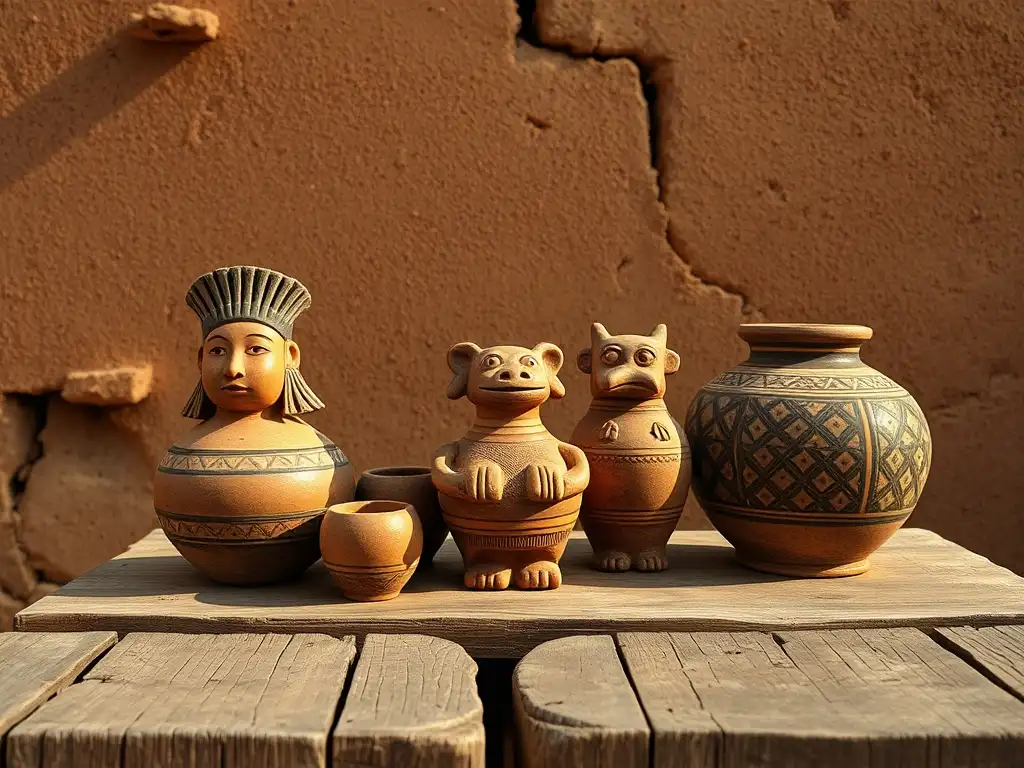
Moche pottery styles and meanings are deeply intertwined, offering a captivating window into the beliefs, rituals, and daily life of this remarkable pre-Columbian civilization. Far from mere utilitarian objects, Moche ceramics represent a sophisticated art form, meticulously crafted and imbued with symbolic richness. Their production was a highly specialized activity, with skilled artisans employing advanced techniques to create vessels of unparalleled beauty and complexity. This section delves into the multifaceted world of Moche pottery, exploring its significance within Andean culture and its enduring artistic legacy.
The Significance of Moche Pottery in Andean Culture
Moche pottery held profound religious and social significance within Andean culture. It wasn't simply about containing liquids or storing food; these vessels served as powerful mediums for expressing religious beliefs, social status, and even historical narratives. The intricate depictions found on many pieces, ranging from detailed portrayals of deities and mythical creatures to scenes of daily life and ritual ceremonies, provide invaluable insights into the Moche worldview.
For example, the frequent depiction of decapitated figures and ritual sacrifices in Moche pottery reveals aspects of their religious practices and societal structures, offering a glimpse into a complex and often brutal society. The vibrant colors and sophisticated techniques used in their creation further underscore the importance of pottery within Moche society, reflecting the high level of artistic skill and social prestige associated with its production.
The careful preservation of these artifacts, often found within tombs and elite contexts, further reinforces their significance as objects of ritual and social importance. Archaeological findings consistently demonstrate the careful placement and arrangement of pottery within burial sites, indicating their value beyond mere functional use.
Why Moche Ceramics Are Important For Understanding Their Society
Moche ceramics are invaluable for understanding their society because they provide a visual record of aspects of Moche life otherwise lost to time. Unlike written texts (which the Moche didn't possess), their pottery acts as a visual chronicle. The wide range of depicted subjects offers a unique perspective on their social hierarchy, religious beliefs, agricultural practices, and warfare.
For instance, representations of elaborate feasts and ceremonies reveal details about their social structures and power dynamics. Portrayals of agricultural scenes, showcasing irrigation techniques and cultivated crops, illuminate their sophisticated understanding of agriculture and their reliance on it. Depictions of warfare, including battles and captured enemies, offer insights into their military organization and conflicts with neighboring groups.
The level of detail in these depictions is astonishing; we can even observe subtle variations in clothing, hairstyles, and jewelry, providing clues about social status and identity. The diversity of styles and iconography in Moche pottery further indicates a complex and stratified society with specialized artisans and distinct regional variations. Analyzing the distribution and context of these vessels provides valuable data for understanding trade networks and the exchange of goods and ideas across the Moche territory.
The Artistic Legacy of the Moche Civilization
The artistic legacy of the Moche civilization is undeniable. Their pottery showcases a mastery of techniques, from the use of slipware and negative painting to the incredibly detailed modeling of human and animal figures. The vibrant colors, often achieved through the use of natural pigments, remain remarkably vivid even after centuries.
The stylistic consistency across a vast geographical area suggests a centralized artistic tradition, though regional variations in style and iconography also exist, reflecting the cultural diversity within the Moche realm. The influence of Moche artistic styles can be seen in later Andean cultures, demonstrating their lasting impact on the region's artistic traditions. The complexity and detail of their work continues to inspire awe and admiration, solidifying their place as one of the most significant artistic achievements of the ancient Americas.
Many museums worldwide boast impressive collections of Moche pottery, showcasing the enduring appeal and historical significance of this remarkable art form. The ongoing study and analysis of Moche pottery continues to reveal new insights into this fascinating civilization, enriching our understanding of their culture and artistic achievements. The meticulous craftsmanship and artistic vision of the Moche potters left behind a legacy that continues to captivate and inspire researchers and art enthusiasts alike.
Moche Pottery Styles and Meanings: A Detailed Exploration
This section delves into the captivating world of Moche pottery, exploring its diverse styles, intricate techniques, and the rich symbolism embedded within these remarkable artifacts. We will uncover the stories whispered from the clay, revealing insights into the beliefs, rituals, and daily lives of this fascinating ancient Andean civilization. Understanding Moche pottery styles and meanings offers a unique window into their complex society.
Key Characteristics of Moche Pottery Techniques
Moche potters were masters of their craft, employing sophisticated techniques to create incredibly detailed and lifelike vessels. Their expertise is evident in several key characteristics:
- Slip and Paint: Moche artisans skillfully applied slips – liquid clay suspensions – to create a smooth surface and a base for vibrant polychrome painting. They used a wide range of mineral pigments, achieving astonishing color intensity and longevity. The application itself was meticulous, often layering colors to create depth and shading. For instance, a single vessel might showcase gradients from deep reds to subtle oranges, all seamlessly blended.
- Mold-Making: While many pieces were hand-built, the Moche also employed molds, particularly for mass-producing certain forms like stirrup-spout vessels. However, even mold-made pieces often received individual hand-finishing, enhancing their unique character. The precision of these molds showcases their advanced understanding of ceramic technology.
- Modeling and Sculpting: The Moche's mastery extended to intricate modeling and sculpting. Many vessels feature three-dimensional figures, animals, and scenes that are remarkably detailed and realistic. The skill displayed in capturing the anatomy of humans and animals, and the fluidity of their poses, is truly impressive. Consider the detailed rendering of facial features, muscle definition, and even hair textures on their anthropomorphic vessels.
- Firing Techniques: The firing process itself played a crucial role in the final appearance and durability of the pottery. Evidence suggests they used various techniques, achieving different results depending on the desired effect. Further research is needed to fully understand the nuances of their firing practices and their impact on the final product. [Specific information pending on precise firing techniques used]
Understanding Moche Iconography and Symbolism
Moche iconography is rich and complex, often incorporating religious, social, and political themes. The imagery found on their pottery provides invaluable insights into their worldview:
- Deities and Mythological Figures: Many vessels depict powerful deities and mythological beings, often engaged in ritualistic activities or symbolic interactions. These depictions offer clues about their religious beliefs and cosmology. For example, the frequent appearance of feline deities suggests a significant role for these figures in their pantheon.
- Ritual and Sacrifice: Scenes depicting rituals, including human sacrifice, are frequently found on Moche pottery. These representations, while sometimes graphic, offer valuable information about their social structures and beliefs surrounding death and the afterlife. The level of detail in these scenes, from the expressions on the faces of the participants to the specific tools and attire used, adds another layer of complexity to our understanding.
- Daily Life and Activities: Beyond the religious and ritualistic, Moche pottery also depicts scenes of daily life, such as fishing, agriculture, and warfare. These depictions provide a fascinating glimpse into the routines and social dynamics of the Moche people. The realism in these portrayals highlights their keen observational skills and their desire to document their world accurately.
- Social Hierarchy: The size, quality, and decoration of Moche pottery often reflect social status. Elaborately decorated vessels, perhaps reserved for elites, offer contrasting insights into the societal organization and the importance of these artifacts in their social fabric.
The Diverse Forms and Functions of Moche Ceramics
Moche ceramics encompassed a remarkable variety of forms and functions, reflecting the diverse needs and aesthetic sensibilities of the culture:
| Vessel Type | Function | Characteristics | Significance |
|---|---|---|---|
| Stirrup-spout vessels | Ceremonial, ritualistic, possibly liquid containers | Distinctive spout shaped like a stirrup | Widely recognized as iconic Moche pottery; often depict elites or ritual scenes. |
| Bowls | Food preparation, serving | Varying sizes and shapes | Used in daily life and potentially in ritual contexts. |
| Jars | Storage | Wide mouths and spherical bodies | For storing food, water, or other goods. |
| Figurines | Religious, decorative | Anthropomorphic and zoomorphic representations | Reflect beliefs, social structures, and artistic talent. |
| Portrait vessels | Portraiture | Highly realistic depictions of individuals | Reveal insights into Moche appearance and social hierarchy. |
The diversity of Moche pottery, from the functional to the highly symbolic, underscores the ingenuity and artistic skill of their potters. These vessels are not merely containers; they are tangible expressions of a rich and complex culture, offering invaluable insights into the Moche world. Their enduring legacy continues to captivate and inspire, reminding us of the power of art to transmit stories across millennia.
Decoding Moche Pottery: Narrative and Representation
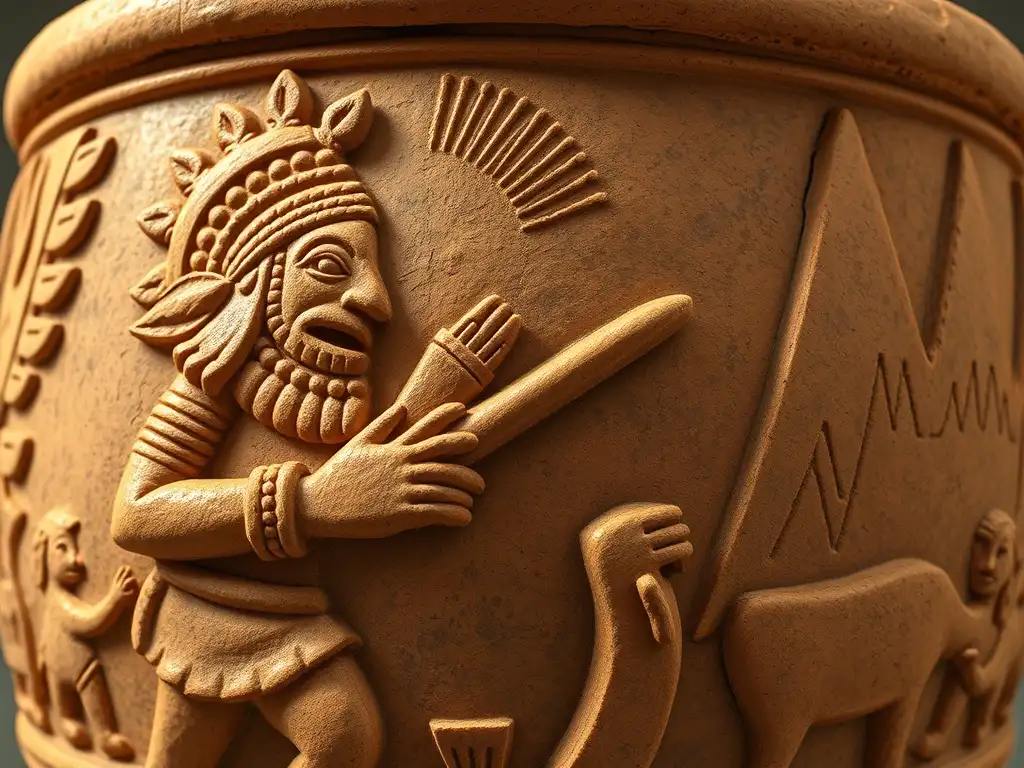
The artistry of Moche pottery transcends mere craftsmanship; it serves as a vibrant window into the beliefs, rituals, and daily lives of this fascinating pre-Columbian civilization. Moche pottery styles and meanings are intricately interwoven, revealing a sophisticated understanding of narrative and symbolic representation. Unlike many other ancient cultures, the Moche left behind a wealth of ceramic artifacts, meticulously crafted and richly detailed, offering unparalleled insight into their world.
These aren't simply containers; they are visual narratives, meticulously conveying complex stories and ideologies. The sheer volume and variety of surviving pieces, from small figurines to large, elaborate vessels, demonstrate the importance of pottery within Moche society. Their mastery of ceramic techniques, including slipware, modeling, and painting, allowed them to create stunningly realistic and expressive pieces.
Moche Pottery as Historical Records
Moche pottery functions as a unique form of historical record, preserving details of their society that might otherwise be lost to time. Many vessels depict scenes of warfare, showcasing military organization, weaponry, and battle tactics. These depictions, often highly detailed and dynamic, offer valuable insights into Moche military practices and their social hierarchy.
For example, some pots depict elite warriors adorned with elaborate headdresses and jewelry, emphasizing their status and power within the society. Other scenes portray everyday life, from fishing and agriculture to feasting and ceremonies. These portrayals provide valuable information about Moche economic activities, social structures, and daily routines.
Analysis of these scenes, combined with archaeological evidence, allows researchers to reconstruct a more complete picture of Moche life. The accuracy and detail of these depictions are remarkable, showcasing the Moche's keen observation skills and their commitment to preserving their history through art. Careful study of the iconography reveals patterns and recurring motifs, further enhancing our understanding of their social and political systems.
Depictions of Moche Rituals and Ceremonies
A significant portion of Moche pottery depicts scenes of ritual and ceremony, providing invaluable insights into their religious beliefs and practices. These representations frequently involve elaborate costumes, masks, and symbolic objects, suggesting the importance of ritual performance in Moche society. Many vessels illustrate scenes of sacrifice, both human and animal, highlighting the role of these practices in their religious system.
The depiction of these often gruesome scenes, however, is not simply gratuitous; the meticulous detail and emotional intensity suggest a complex understanding of the spiritual significance of these events within Moche cosmology. Other pots depict shamanistic figures, often depicted with supernatural attributes and engaging in ritualistic actions. These depictions provide crucial information about Moche religious beliefs, the role of shamans, and the potential connection between the earthly and spiritual realms in their worldview.
The stylistic choices—the use of color, composition, and perspective—all contribute to the narrative power of these scenes, enhancing our comprehension of Moche spiritual practices. Further research into the symbolic meaning of specific objects and gestures within these scenes is crucial to fully understanding the depth and complexity of Moche religious beliefs.
Moche Pottery and its Connection to Daily Life
Beyond ritual and warfare, Moche pottery also reflects the everyday aspects of their lives. Many vessels are utilitarian, serving as containers for food, water, and other necessities. However, even these seemingly mundane objects are often decorated with intricate designs, indicating the importance of aesthetics in even the most practical aspects of Moche culture.
The styles and motifs used on these everyday objects often mirror those found on more ceremonial pieces, suggesting a consistent aesthetic sensibility throughout Moche society. For instance, the depiction of common animals like birds, fish, and mammals on both utilitarian and ritualistic pottery highlights their significance in Moche daily life and their potential symbolic role within their worldview. The meticulous craftsmanship evident even in everyday objects emphasizes the value placed on skilled artistry and the pervasive integration of art into daily life.
The wide array of shapes and sizes of these vessels also reveals information about the types of food and drink consumed, as well as the storage techniques employed by the Moche. The study of these everyday objects, therefore, offers a unique perspective on the material culture and the daily routines of this ancient civilization, enriching our understanding of their society beyond the more dramatic scenes often depicted on ceremonial pottery. Further investigation into the specific uses and contexts of these vessels is necessary for a comprehensive understanding of their role in Moche society.
Common Themes in Moche Pottery Decoration
The vibrant and intricate artistry of Moche pottery isn't merely decorative; it's a visual encyclopedia of their society, beliefs, and daily life. Analyzing Moche pottery styles and meanings reveals recurring motifs that offer profound insights into their worldview. These themes, consistently present across different Moche pottery styles, provide a window into their complex social structures, religious practices, and relationship with the natural world.
Understanding these consistent themes allows for a deeper appreciation of the Moche civilization's artistic achievements and cultural significance. The prevalence of certain images and symbols suggests their importance within the Moche cosmology and social hierarchy. Careful examination of these recurring patterns reveals a sophisticated and nuanced understanding of the Moche artistic tradition.
Moche Deities and Supernatural Beings Portrayed in Ceramics
Moche ceramics frequently depict deities and supernatural beings, often in dynamic and expressive poses. These representations aren't static; they convey narratives and power. For example, the depiction of Ai Apaec, a fearsome deity often associated with sacrifice and possibly representing the underworld, is frequently found.
His monstrous features – typically a fanged mouth, bulging eyes, and elaborate headdress – clearly indicate his power and ominous nature. The detailed rendering of these figures showcases the Moche artisans' skill and the importance of these figures in their religious beliefs. Other frequently depicted beings include anthropomorphic figures with feline or bird-like attributes, suggesting a complex pantheon with interconnected relationships.
The stylistic variations in these portrayals across different pottery styles further suggest evolving interpretations or the representation of different aspects of the same deity. The use of color and composition in these depictions also adds to their symbolic meaning, with certain colors potentially representing specific powers or attributes. Further research into the iconography of these deities is needed to fully understand their roles within the Moche worldview.
Representations of Warfare and Sacrifice in Moche Art
Many Moche pottery pieces depict scenes of warfare and sacrifice, providing valuable information about their social structures and rituals. These scenes often feature highly detailed depictions of warriors, prisoners, and sacrificial rituals, revealing aspects of their military organization and potentially their social hierarchy. The level of detail is remarkable; individual warriors can be identified by their unique attire, weaponry, and even facial expressions.
Some pieces show elaborate battle scenes with numerous participants, suggesting the importance of warfare in their society. The scenes of sacrifice often depict ritualistic killings, sometimes involving the removal of hearts or other organs. The realistic depiction of these events suggests their importance within the Moche religious and social context.
Analyzing the context of these scenes within the broader Moche artistic tradition is crucial to understanding their full significance. Further studies could delve deeper into the symbolism of specific weapons, attire, and the arrangement of figures within these scenes to uncover more nuanced interpretations of their meaning. The presence of these scenes across many Moche pottery styles highlights the centrality of warfare and sacrifice in their culture.
Moche Pottery Depicting Animals and Nature
Beyond the human and supernatural realms, Moche pottery extensively portrays animals and natural elements, reflecting their deep connection with their environment. These depictions aren't simply naturalistic; they often carry symbolic meaning, reflecting their ecological knowledge and beliefs. Commonly depicted animals include felines (jaguars, pumas), birds (condors, owls), and marine life (fish, shellfish).
The level of detail and realism in these portrayals is striking, showcasing the Moche artisans' keen observation skills and their profound understanding of the natural world. The inclusion of these animals in scenes alongside humans suggests their significance within Moche society, perhaps representing totems, deities, or symbols of power. The stylistic variations in these representations across different Moche pottery styles indicate a rich understanding of the animal kingdom and possibly their evolving relationship with nature.
Furthermore, the portrayal of plants and landscapes provides insights into the Moche environment and their agricultural practices. Further research is needed to fully elucidate the symbolic meanings embedded within these depictions of animals and nature within the larger context of Moche culture. The consistent presence of these motifs across multiple pottery styles emphasizes their importance in their worldview.
Moche Pottery Techniques and Production
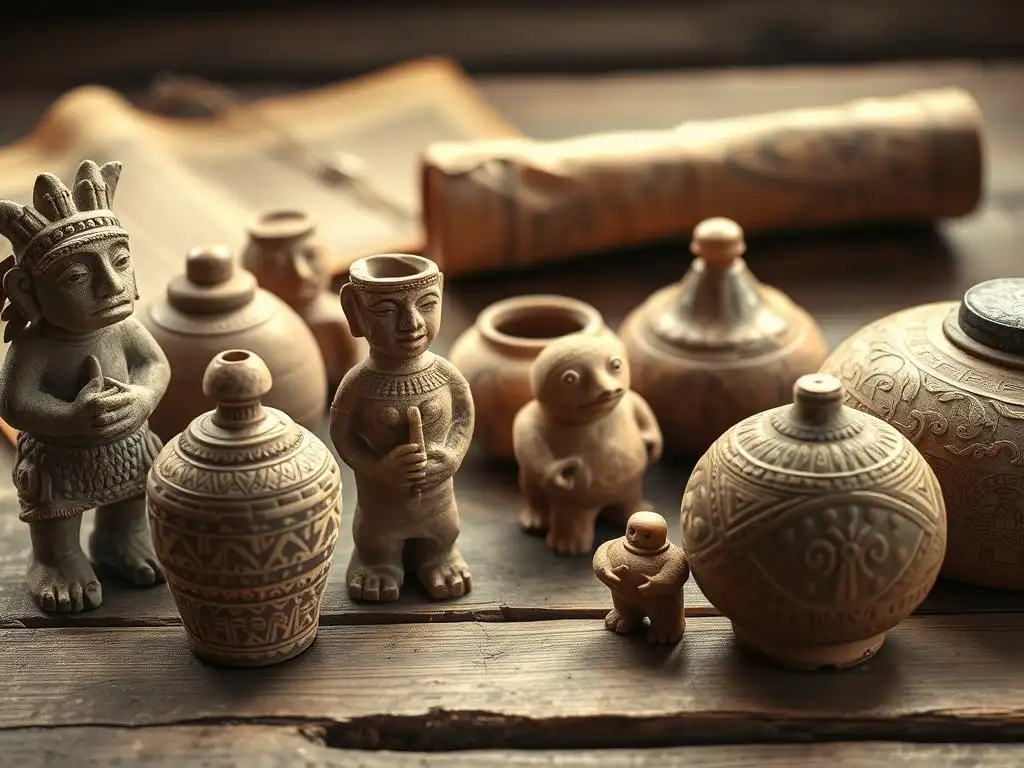
The remarkable artistry of Moche pottery wasn't born solely from inspiration; it was the result of sophisticated techniques and a dedicated production process. Understanding these elements unveils a deeper appreciation for the skill and dedication of the Moche artisans, revealing the cultural significance woven into each vessel. The Moche pottery styles and meanings are inextricably linked to the methods of their creation.
Raw Materials Used in Moche Pottery Creation
Moche potters were meticulous in their selection of raw materials, understanding that the quality of the clay directly impacted the final product's durability and aesthetic appeal. Their primary resource was clay, sourced from various locations across the Moche territory. The specific clay type varied depending on the desired color and texture of the finished piece. For instance, reddish-brown clays were commonly used, resulting in the characteristic hues seen in many Moche vessels. However, lighter-colored clays were also utilized, sometimes mixed to achieve unique shades.
Beyond clay, the Moche incorporated other natural materials. Inclusions like sand or crushed rock were added to the clay mixture to improve its workability and strength, controlling the plasticity and preventing cracking during firing. These inclusions also influenced the final texture of the pottery. The selection of these additives suggests a high degree of technical knowledge and experimentation within the Moche pottery tradition. Further research is needed to pinpoint the precise sources of these materials and their regional variations. [Specific information pending: Geographic locations of clay and additive sources].
The Moche Pottery Production Process
The creation of a Moche pot was a multi-stage process requiring considerable skill and precision. It began with the careful preparation of the clay, which involved cleaning, mixing, and kneading to achieve the desired consistency. Then, the shaping commenced, often using molds for standardized forms or freehand techniques for more elaborate designs. The Moche employed various techniques, including coiling, paddle-and-anvil, and modeling, demonstrating remarkable adaptability and mastery of their craft.
Once the vessel was shaped, it was left to dry before undergoing the crucial step of decoration. The Moche are renowned for their intricate painted designs, achieved using pigments derived from natural sources. These pigments were finely ground and mixed with a binding agent, likely a gum or resin, to create vibrant and long-lasting colors. Painstakingly applied brushes, made from natural fibers, allowed for the creation of incredibly detailed scenes and patterns.
The final stage was firing, a process that hardened the clay and permanently set the colors. The firing techniques used by the Moche are still under investigation, but evidence suggests the use of kilns, although the specific designs remain unknown. [Specific information pending: Details on Moche kiln construction and firing techniques].
Specialized Workshops and Artisans in Moche Society
The production of Moche pottery wasn't a haphazard endeavor; it involved specialized workshops and skilled artisans who played a significant role in Moche society. Evidence suggests the existence of centralized workshops where groups of potters collaborated, potentially specializing in specific techniques or decorative styles. This organization indicates a level of social and economic complexity within the Moche civilization, with pottery production forming a crucial part of their economy.
The status of Moche potters is a subject of ongoing debate. While some scholars suggest they might have been considered skilled laborers, others argue that their expertise and the prestige associated with their work elevated their social standing. The intricate nature of the pottery, the high quality of the materials used, and the sophisticated techniques employed all point to a level of skill and artistry that would have been highly valued.
The enduring legacy of Moche pottery speaks to the talents and dedication of these artisans, whose work continues to inspire awe and fascination centuries later. Further research focusing on archaeological excavations of workshops and analysis of individual potter's styles is vital to understand the social dynamics and skill levels within the Moche pottery production system. The decipherment of Moche writing could also provide invaluable insights into the social role and status of these artisans.
The Evolution of Moche Pottery Styles
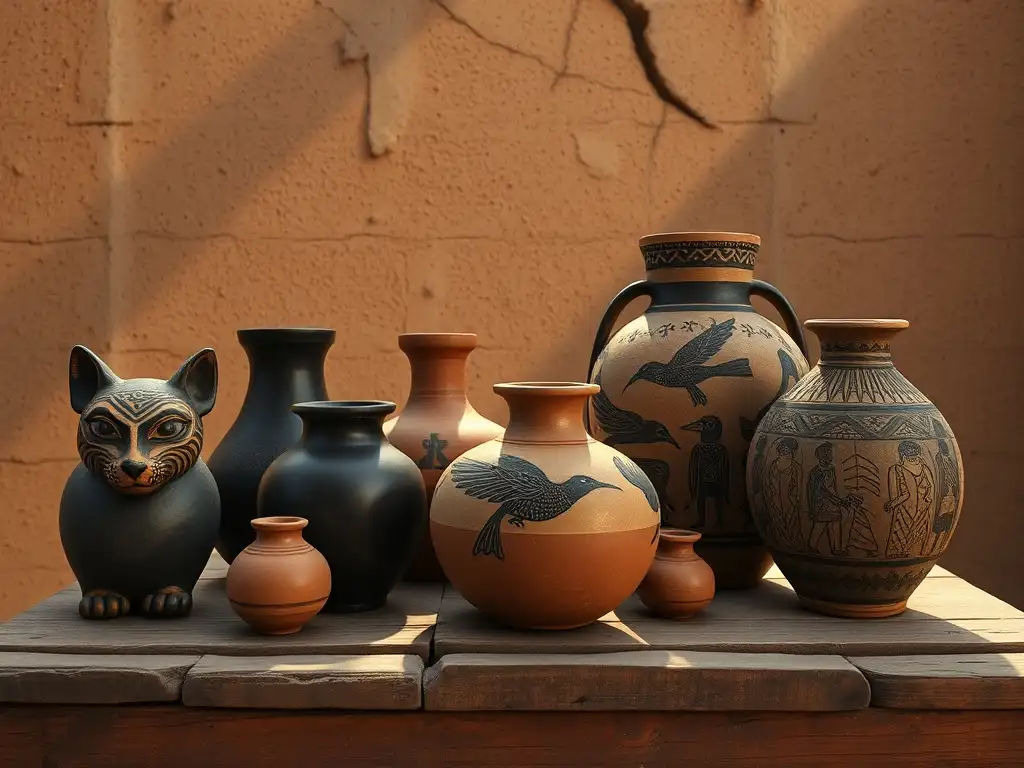
The artistry and technical skill evident in Moche pottery are truly remarkable, reflecting not only aesthetic preferences but also a sophisticated understanding of materials and techniques that evolved significantly over time. Analyzing the evolution of Moche pottery styles provides invaluable insights into the social, political, and religious changes within the Moche civilization. Understanding the nuances of these changes helps us decipher the complex narratives embedded within these stunning vessels.
The styles weren't static; they underwent a dynamic transformation, reflecting the changing landscape of Moche society and its interactions with the surrounding world. This evolution is a testament to the enduring creativity and adaptability of the Moche people.
Early Moche Ceramic Styles and Forms
Early Moche pottery (circa 100-300 CE), often categorized as the Early Moche period, is characterized by a relative simplicity compared to later styles. While still demonstrating impressive craftsmanship, the forms tend to be more utilitarian and less ornate. Common shapes include simple bowls, jars, and pitchers, often decorated with geometric patterns and limited figural representations.
The color palette was primarily muted, featuring browns, creams, and reds. These early pieces frequently display a focus on functionality, with less emphasis on elaborate iconography. For example, the prevalence of large storage jars suggests a focus on agricultural production and storage needs.
The designs, while simpler, often incorporated basic motifs like lines, dots, and zigzags, possibly representing early symbolic language or agricultural concepts. Further research is needed to fully understand the deeper meanings behind these early designs, as many interpretations remain tentative. The limited use of elaborate painting techniques also distinguishes this phase from the later, more flamboyant styles.
The Development of Moche Pottery Through Time
As the Moche civilization expanded and its societal complexity increased, so too did the sophistication of its pottery. The Middle Moche period (circa 300-700 CE) witnessed a significant leap in artistic expression. The pottery became more elaborate, with a wider range of forms and increasingly detailed figural representations. The iconic Moche portrait vessels, depicting individuals with remarkable realism, emerged during this time.
These portraits, often showcasing specific facial features, hairstyles, and adornments, offer invaluable clues into Moche social hierarchy and individual identities. The use of vibrant colors, including yellows, oranges, and blues, became more prevalent, adding to the visual impact of these stunning pieces. Furthermore, the use of mold-made pottery became more widespread, allowing for mass production of certain forms, although hand-painted details continued to be applied.
The narrative scenes depicted on many vessels became increasingly complex, often portraying mythological figures, ritualistic scenes, and daily life activities. These scenes provide crucial information about Moche mythology, religious practices, and social customs. The sheer volume and variety of pottery produced during this period underscore the significance of this art form within Moche culture.
Regional Variations in Moche Pottery Design
While the overall evolution of Moche pottery styles followed a general trajectory, regional variations also existed. These differences, often subtle but significant, reflect localized traditions, artistic preferences, and perhaps even distinct social groups or political entities within the Moche realm. For example, studies have shown slight variations in pottery styles between coastal and highland regions, indicating adaptations to local resources and artistic influences.
The specific types of clay used, the application of paint, and even the preferred forms and decorative motifs could vary across different areas. Further research is needed to fully map these regional variations and determine their significance. This detailed analysis of regional characteristics adds another layer to our understanding of Moche pottery styles and meanings, revealing a more nuanced picture of this fascinating civilization.
Analyzing these variations, along with other archaeological data, can provide valuable insights into the internal dynamics and organization of the Moche state. The differences might reflect distinct artistic traditions, localized beliefs, or even economic specialization within the broader Moche society. The study of these regional distinctions adds depth to our interpretation of Moche culture and provides a more complete understanding of the society's complexity.
The intricate artistry of Moche pottery wasn't merely decorative; it served as a powerful visual language reflecting the complex social hierarchy of the civilization. Analyzing Moche pottery styles and meanings reveals a fascinating interplay between artistic expression and social stratification. The styles, the materials used, and even the depictions themselves served as clear indicators of an individual's or a family's position within the Moche social structure.
The sheer scale of production, with workshops likely dedicated to creating ceramics for different social groups, further underscores this connection. This wasn't simply about aesthetics; pottery was a tangible representation of power and status.
Pottery as Markers of Status and Power
The most striking evidence of pottery's role in signifying social standing lies in the materials and techniques employed. High-status individuals were often associated with ceramics made from fine-quality clay, exhibiting meticulous craftsmanship and intricate detail. These pieces frequently featured elaborate polychromy, employing a wide range of vibrant colors and sophisticated painting techniques.
Conversely, pottery associated with lower social strata tended to be simpler in design, using fewer colors and exhibiting less refined craftsmanship. For example, large, utilitarian vessels, often undecorated or with only simple geometric patterns, were likely used by the common populace, whereas exquisitely detailed portraits of rulers or mythological figures adorned the vessels found in elite contexts. The difference in quality and artistry directly correlated with social standing within the Moche society.
This wasn't a subtle distinction; the variations were readily apparent and served as clear visual markers of social hierarchy. The use of gold leaf or precious stones inlaid into certain pieces further emphasizes the link between pottery and elite status.
The Role of Moche Ceramics in Elite Burials
The careful placement of elaborate Moche pottery within elite burials provides compelling evidence for its symbolic significance. Tombs of high-ranking individuals often contained a wealth of ceramic artifacts, including portrait vessels depicting the deceased, finely crafted effigy vessels representing deities or ancestors, and stunning examples of stirrup-spout bottles. These weren't simply grave goods; they were essential components of funerary rituals, meant to accompany the deceased into the afterlife.
The sheer quantity and quality of the pottery found in these burials underscore the importance of ceramics in Moche funerary practices and their close relationship with social status. The meticulous arrangement of the pottery within the tombs suggests a carefully orchestrated ritual, further emphasizing the social significance of these objects. The elaborate nature of the pottery found in these elite contexts clearly indicates their symbolic value and their role in reinforcing social hierarchies even in death.
Moche Pottery and its Distribution Patterns
The geographical distribution of different Moche pottery styles also offers insights into social organization and interaction. While [specific information pending on detailed regional variations in Moche pottery styles], the presence of certain types of ceramics in specific regions suggests patterns of trade, exchange, and perhaps even political control. The discovery of high-quality pottery in geographically distant locations indicates the existence of extensive trade networks and the potential influence of elite groups over wider regions.
The distribution of less refined pottery, on the other hand, might reflect localized production and consumption patterns within less powerful communities. Analyzing the distribution of different pottery styles, alongside other archaeological evidence, allows researchers to reconstruct the intricate social and economic relationships that characterized the Moche civilization.
The study of Moche pottery styles and meanings, therefore, offers a multi-faceted approach to understanding the intricacies of the Moche social structure and its complex dynamics. Further research into the specific chemical composition of clays used in different regions could provide even more detailed insights into trade routes and the movement of goods and people across the Moche territory.
The Legacy of Moche Pottery
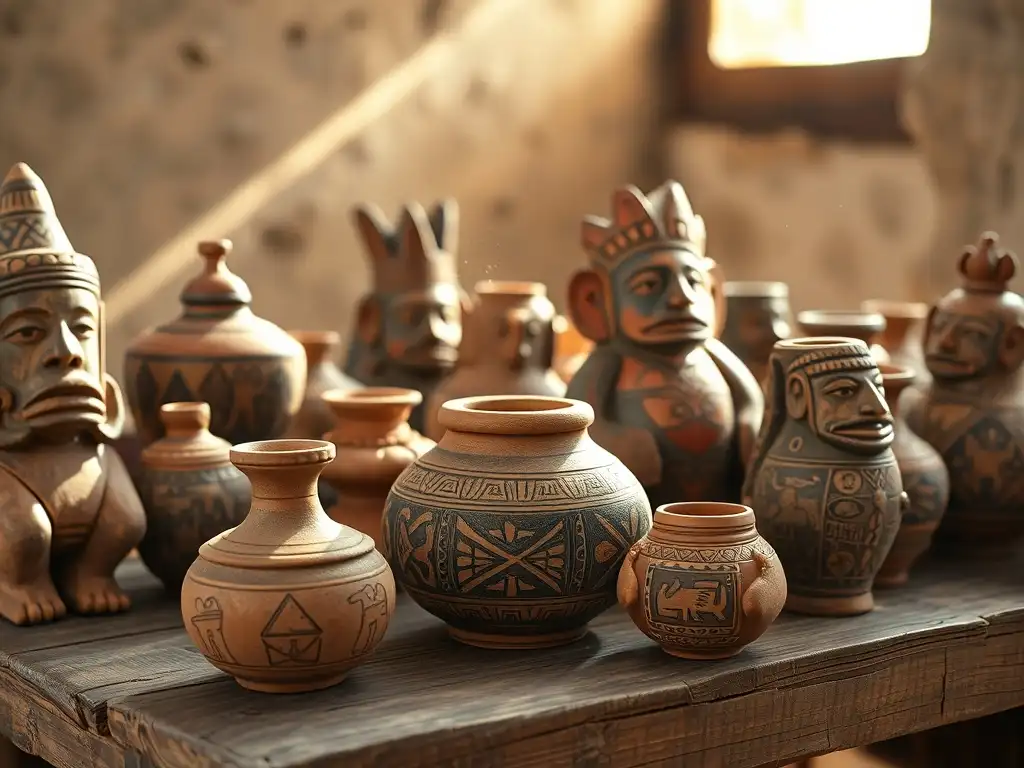
The enduring legacy of Moche pottery extends far beyond its aesthetic appeal. These meticulously crafted vessels serve as invaluable primary sources for understanding the Moche worldview, social structures, and daily life. More than just containers for liquids or food, Moche pottery acts as a visual encyclopedia, narrating stories of rituals, mythology, warfare, and everyday activities with remarkable detail.
The vibrant colors, intricate designs, and lifelike depictions of humans, animals, and mythical creatures reflect a sophisticated artistic tradition and a profound understanding of ceramic techniques. Analyzing Moche pottery styles and meanings allows us to decipher a rich tapestry of cultural significance, offering a unique window into a civilization that thrived centuries ago. The enduring fascination with Moche pottery is a testament to the artistry and cultural significance of this ancient Andean tradition, continuing to inspire awe and research even today.
Moche Pottery in Modern Archaeological Discoveries
Recent archaeological discoveries continue to shed light on the diverse range of Moche pottery styles and meanings. Excavations at sites like Huaca de la Luna and Huaca del Sol, near Trujillo, Peru, have yielded thousands of ceramic pieces, offering researchers a wealth of new data. These finds reveal previously unknown aspects of Moche artistic techniques, such as the use of different types of clay and pigments, and the evolution of stylistic trends over time.
For instance, the discovery of a previously undocumented type of black-on-white pottery in a recently excavated tomb has challenged existing theories about Moche ceramic chronology. Furthermore, the context of these discoveries – the arrangement of pottery within tombs and settlements – provides valuable insights into ritual practices, social hierarchies, and burial customs. Analyzing the iconography and the positioning of the vessels helps us understand their symbolic importance within the broader Moche society.
The ongoing research on Moche pottery, fueled by new discoveries, constantly refines our understanding of this remarkable civilization. We are still uncovering new pieces and new interpretations of old ones, enhancing our knowledge of Moche pottery styles and meanings.
Moche Ceramic Art and its Influence on Contemporary Art
The impact of Moche ceramic art extends far beyond the realm of archaeology. Its vibrant colors, dynamic compositions, and expressive depictions of human and animal forms have captivated contemporary artists for decades. Moche pottery’s influence can be seen in various artistic mediums, from painting and sculpture to textile design and jewelry making.
Many contemporary artists draw inspiration from the detailed representations of mythological figures, rituals, and scenes of daily life found on Moche ceramics. For example, the striking imagery of Moche warriors and supernatural beings often features in contemporary artwork, reflecting a continued fascination with the power and mystery of this ancient culture.
The use of bold colors and intricate patterns, characteristic of Moche pottery, is also frequently incorporated into modern designs, showcasing the lasting aesthetic impact of this ancient Andean art form. This ongoing artistic dialogue demonstrates the timeless relevance and enduring appeal of Moche pottery styles and meanings, ensuring that the legacy of this civilization continues to inspire creative expression.
Preserving and Studying Moche Pottery for Future Generations
The preservation of Moche pottery is crucial for safeguarding this invaluable cultural heritage. Museums and research institutions play a vital role in protecting these fragile artifacts from deterioration and damage. Specialized conservation techniques, including careful cleaning, stabilization, and environmental control, are employed to ensure the long-term preservation of these irreplaceable objects.
Moreover, digital documentation and 3D modeling provide valuable tools for studying and sharing Moche pottery with a wider audience. These technologies enable researchers to create detailed records of the artifacts, allowing for detailed analysis without risking damage to the original pieces. Furthermore, the creation of accessible digital archives facilitates collaboration among researchers worldwide, fostering a deeper understanding of Moche pottery styles and meanings.
By combining traditional conservation methods with cutting-edge technology, we can ensure that the legacy of Moche pottery is preserved and accessible for future generations to study and appreciate. The commitment to preserving and studying this invaluable collection is essential to continue unraveling the mysteries and appreciating the artistry of the Moche civilization.
Conclusion: The Enduring Significance of Moche Pottery
The vibrant and intricate world of Moche pottery continues to captivate and inspire researchers and enthusiasts alike. More than mere vessels for practical use, these ceramics stand as powerful testaments to the artistic prowess and complex social structures of the Moche civilization. Understanding Moche pottery styles and meanings offers a crucial lens through which to examine their society, beliefs, and daily life.
The sheer variety of forms, techniques, and iconography reveals a civilization deeply invested in artistic expression and symbolic representation. The legacy of Moche pottery extends far beyond its physical existence; it represents a powerful connection to the past, allowing us to engage with a sophisticated culture that thrived centuries ago.
Moche Pottery as a Window into the Past
Moche pottery provides invaluable insights into various aspects of Moche life. The depiction of everyday scenes, from fishing and agriculture to warfare and ritual ceremonies, offers a glimpse into their societal structures and daily activities. For example, the detailed representations of elaborate feasts and religious rituals illuminate the importance of these events in Moche society.
Furthermore, the recurring motifs of specific animals, such as felines, birds of prey, and marine life, suggest a deep connection to the natural world and potentially a complex system of beliefs and mythology. Analysis of the pottery's composition, including the types of clay used and the pigments employed, also yields clues about trade networks and technological advancements. Careful study of Moche pottery styles and meanings reveals a society both sophisticated and deeply connected to its environment.
The sheer volume and diversity of surviving pieces offer an unparalleled opportunity to reconstruct aspects of their culture that might otherwise remain obscure. Detailed studies of individual pieces have revealed intricate details about clothing, weaponry, and social hierarchies, enriching our understanding of Moche society exponentially. The precision and skill evident in the pottery also point to a highly specialized artisan class, reflecting the social importance placed upon artistic creation.
The Artistic and Historical Value of Moche Ceramics
The artistic merit of Moche pottery is undeniable. The mastery of techniques like modeling, slip painting, and negative painting showcases the high level of skill and creativity possessed by Moche artisans. The vibrant colors, often achieved through the use of natural pigments, remain remarkably well-preserved, highlighting the durability and sophistication of their techniques.
The three-dimensionality of many pieces, particularly the portrait vessels, is truly remarkable, capturing the likeness of individuals with surprising accuracy. These portraits, often depicting elites and possibly even rulers, offer insights into Moche physical appearance and social hierarchy. The prevalence of highly stylized depictions of deities and mythical creatures underscores the significance of religion and the supernatural in Moche culture.
The artistic and historical value of Moche ceramics is therefore multifaceted, encompassing both aesthetic appreciation and scholarly investigation. The pieces serve as both beautiful objects and invaluable historical documents, bridging the gap between art and archaeology. The meticulous detail found in many pieces reflects not only technical skill but also a deep understanding of artistic principles and composition.
A Final Reflection on the Moche Civilization and Their Pottery
Moche pottery represents a remarkable achievement in ancient Andean art and technology. It is a testament to the ingenuity, artistry, and cultural depth of the Moche civilization. By studying the diverse styles and meanings embedded within these ceramic works, we gain a profound appreciation for the richness and complexity of this fascinating society. The enduring legacy of Moche pottery is a testament to the lasting power of artistic expression and its ability to transcend time, offering a tangible connection to a vibrant and sophisticated past. The continued research and analysis of Moche pottery styles and meanings promise to yield even further insights into this remarkable culture, enriching our understanding of ancient Andean civilizations for years to come. 🌎 The study of Moche pottery continues to be a vibrant field, with new discoveries regularly challenging and expanding our knowledge. Further research into the symbolic meanings of specific motifs and the social contexts of pottery production will undoubtedly deepen our understanding of this remarkable civilization.
Frequently Asked Questions
What makes Moche pottery so unique?
Moche pottery is renowned for its exceptional artistry and realistic depictions of daily life, rituals, and mythology. The fine detail and vibrant colors are unmatched in ancient Andean art.
What are some common themes depicted in Moche pottery?
Common themes include portraits of rulers and elites, scenes of warfare and sacrifice, depictions of everyday life, and representations of mythological beings and creatures. Erotic imagery is also a prominent feature.
How did the Moche create their intricate pottery designs?
Moche potters used a variety of techniques, including modeling, molding, and painting. They employed natural pigments derived from minerals and plants to achieve their vivid colors. Slipware was a common method.
What is the significance of the colors used in Moche pottery?
The colors used in Moche pottery likely held symbolic meaning, though the precise interpretations remain debated. Red might signify blood or power, while yellow could represent gold or the sun.
Where can I learn more about Moche pottery styles and meanings?
You can explore museums with significant Moche collections, such as the Larco Museum in Lima, Peru. Academic publications and online resources dedicated to Andean archaeology offer further insights into Moche art and culture.
Final Reflection: Echoes of the Moche: A Legacy in Clay
The vibrant artistry of Moche pottery isn't merely a relic of the past; it's a powerful testament to a civilization's enduring spirit, speaking volumes about their beliefs, rituals, and daily lives. These intricately crafted vessels, bursting with life and narrative, continue to resonate with us today, offering a unique window into a world lost to time. Their enduring appeal speaks to the timeless power of art to transcend cultural boundaries and connect us across millennia.
The Moche's masterful ability to capture the human form, the dynamism of nature, and the complexities of their mythology in clay is truly awe-inspiring. Their work continues to influence contemporary artists and inspire new interpretations of ancient cultures. It challenges us to reconsider our own relationship with art and its ability to communicate profound truths. Art washes away from the soul the dust of everyday life.
– Pablo Picasso. This quote perfectly encapsulates the enduring power of Moche pottery to transport us beyond the mundane and into a realm of vibrant storytelling and artistic expression.
Consider the intricate details, the bold colors, the sheer artistry poured into each piece. Now, consider how that same dedication to craft, to storytelling, to expressing the human experience, can be applied to your own life. What story are you crafting? What legacy will you leave behind? Let the legacy of the Moche inspire you to find your own voice, to create your own enduring masterpiece, whether it be through art, writing, or simply the way you live your life. Embrace the power of expression, and let your own unique story resonate through time.
**Unleash the Stories of Moche Pottery Today! **
Thank you for exploring the fascinating world of Moche pottery with us! We hope you've discovered how these remarkable vessels are not just artistic masterpieces but also hold the rich heritage of the Andean civilization. Now, let's delve deeper and take action!
- **Explore a Local Museum:** Visit a museum or cultural center featuring Moche pottery. Immerse yourself in the stories behind these artifacts and gain new perspectives on their artistry and cultural significance.
- **Share Your Insights:** Discuss your newfound knowledge with friends, family, or online communities. Spark conversations about the importance of ancient cultures and their enduring influence on contemporary art and society.
- **Join a Community Group:** Connect with local or online groups dedicated to Andean civilizations. Engage with fellow enthusiasts, expand your understanding, and share your passion for this rich cultural heritage.
How will you celebrate the legacies of the past today—by exploring museums, sharing your knowledge, or connecting with fellow enthusiasts? Let us know in the comments!